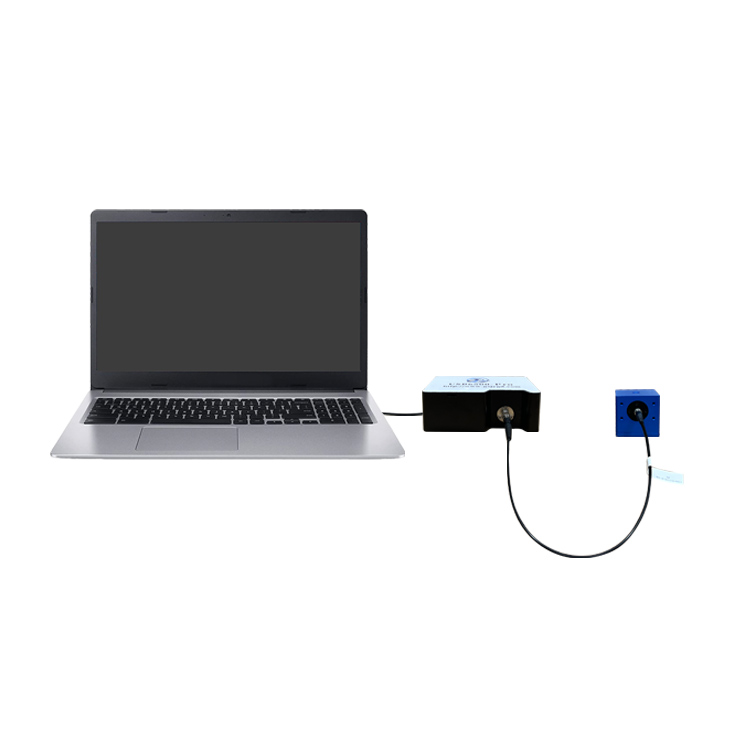
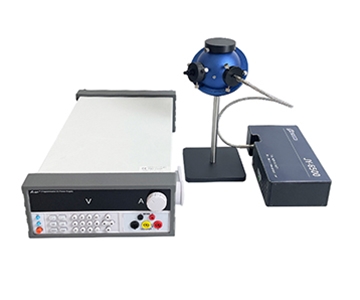
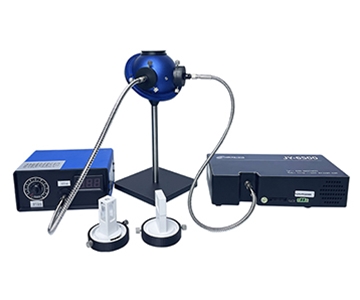
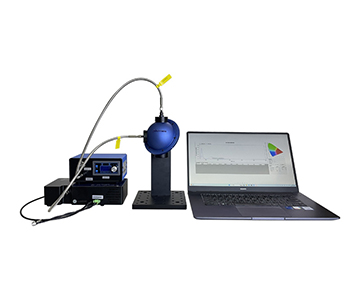
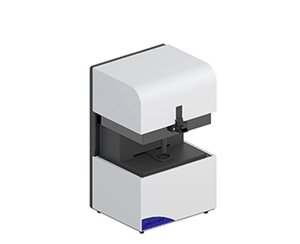
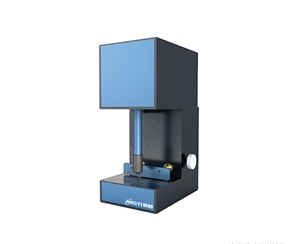
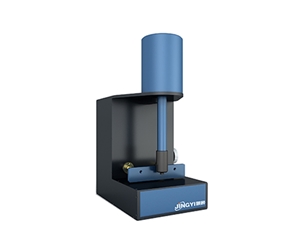
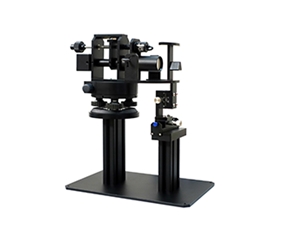
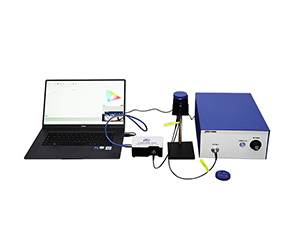
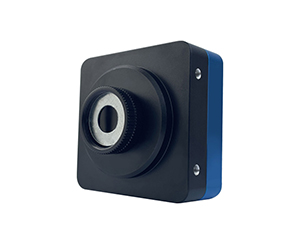
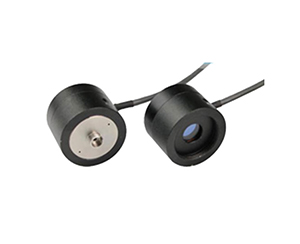
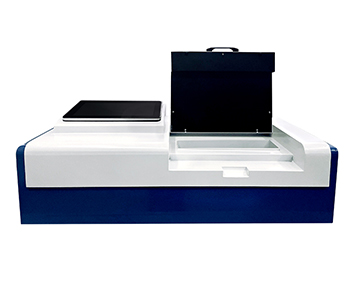
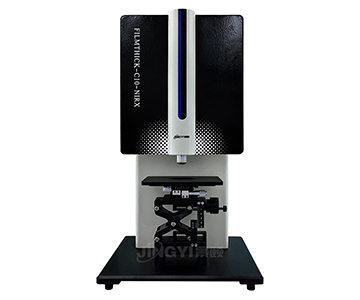
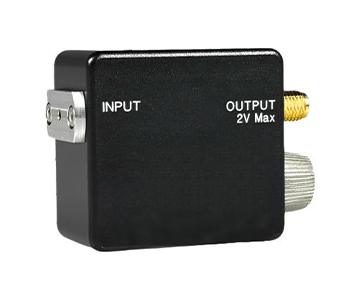
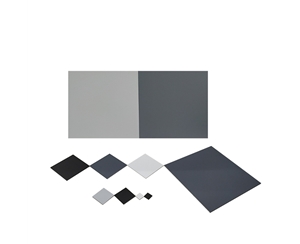
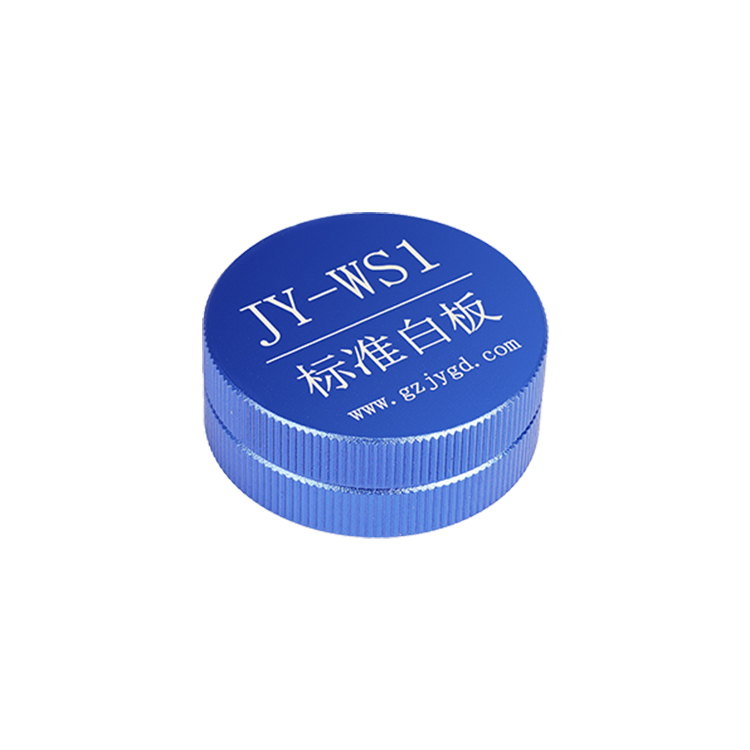
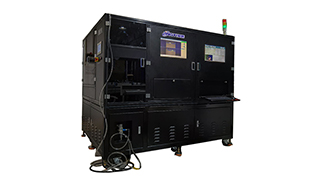
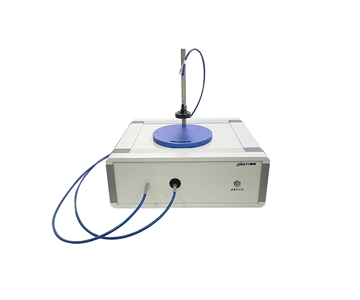
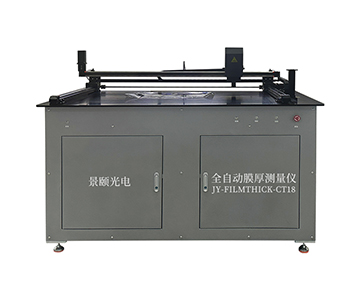
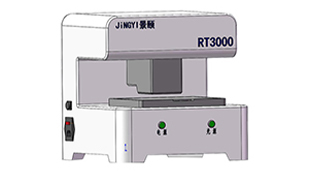
Hyperspectral imaging moves from laboratory curiosity to production-line reality, yet buyers often discover that radiometric calibration drift—not spectral resolution—determines whether a $151,800 batch passes or fails. This technical comparison evaluates five hyperspectral imaging vendors across radiometric stability under thermal cycling, spectral fidelity during vibration, software development kit (SDK) openness for manufacturing execution system (MES) integration, field service response radius, and three-year total cost of ownership. Data draws from in-fab qualification runs, published specifications, and maintenance records across semiconductor, coating, and precision agriculture sectors. The analysis reveals that paper specifications diverge from floor performance by 0.3–0.5 standard deviations within three months when real-time environmental correction is absent, and that hidden costs can inflate imported systems by 35–50 % above purchase price.
When Paper Specifications Meet Vibration and Humidity
Hyperspectral cameras often fail not from insufficient resolution, but from radiometric drift triggered by production-floor vibration and humidity. A single undetected calibration shift can scrap an entire batch.
During a night shift at an optical coating facility in South China, a process engineer watched an anti-reflective film batch return abnormal reflectance for three consecutive days. Third-party reinspection showed normal. The root cause was not the coating—it was radiometric calibration drift of 0.3 standard deviations triggered by conveyor vibration in an imported hyperspectral imaging system. That invisible error, absent from any datasheet, scrapped a $151,800 order. The service engineer was three time zones away, and "return to factory for calibration" meant six days of downtime.
This is not an isolated incident. When hyperspectral cameras migrate from climate-controlled laboratories to production floors, purchasers fixate on spectral resolution and channel count while ignoring data repeatability under real stress. Some vendors sell push-broom frame rates as universal solutions, omitting that mounting vibration introduces spectral stitching artifacts. Others port laboratory reflectance accuracy directly to the line, where ambient light fluctuation turns baseline drift into a daily routine. In precision agriculture, payload weight can consume over 30 % of drone flight time, doubling per-acre survey cost despite a lower sticker price.
Guangzhou has become a dense photonics manufacturing cluster, from optical component polishing to new-material R&D. Hyperspectral technology is shifting from research exploration to inline inspection. Buyers who select on datasheet values alone risk a triple hit: radiometric miscalibration, closed software interfaces, and service response gaps. Experienced evaluators switch the benchmark from laboratory peak-performance numbers to floor-stable values.
How Push-Broom and Staring Imagers Actually Fail
Push-broom systems scan line by line during motion; staring-type systems switch bands in a fixed field. Both architectures carry distinct failure modes that datasheets rarely disclose.
Hyperspectral imaging turns one color photo into a data cube of narrow-band slices. A push-broom hyperspectral camera uses a slit-and-grating spectrometer to scan line by line as the target moves, decomposing each spatial row into hundreds of spectral channels. A staring-type system switches bands via a liquid-crystal tunable filter (LCTF) within a fixed field of view, suited for stationary-target spectral dissection. Neither architecture is universally superior; only scene fit matters.
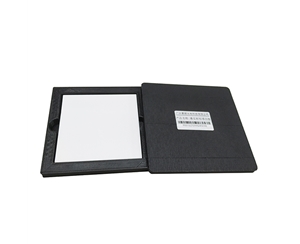
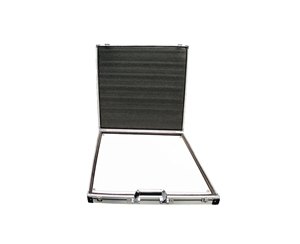
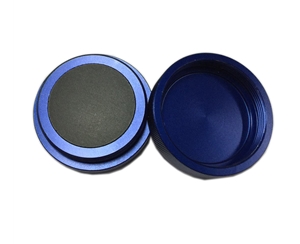
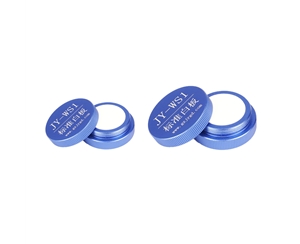
Failure chains start in architectural gray zones. Push-broom imaging demands strict motion synchronization. A conveyor fluctuation of 0.1 m/s—or a gust during drone-mounted inspection—shifts spatial rows against spectral rows, generating spectral stitching artifacts that reconstruction algorithms misinterpret as real material signatures. Staring-type systems avoid motion artifacts, yet LCTF band-switching latency in milliseconds becomes a bottleneck when inline inspection speeds exceed 3 m/s. A more insidious error source hides in the radiometric calibration chain: detector response drifts with temperature, and halogen lamp aging attenuates irradiance. Without built-in ambient-light real-time correction and temperature compensation, the same standard white panel can diverge from its initial reflectance baseline by over 0.5 % within three months—enough to invalidate quantitative material analysis.
This assessment targets five specific dimensions: radiometric drift control under production thermal cycling; spectral stitching fidelity during real vibration; SDK openness and MES integration lead time; field service response radius and on-site radiometric reproducibility; and the true proportion of hidden costs within a three-year total cost of ownership. Only by dissecting these dimensions can buyers escape specification fog.
Validation Methodology
All drift figures were measured on Spectralon panels at 23 °C ± 1 °C and 45 % ± 5 % relative humidity, with vibration following International Electrotechnical Commission (IEC) 60068-2-6 profiles and MES handshakes validated via Message Queuing Telemetry Transport (MQTT) and OPC Unified Architecture (OPC-UA).
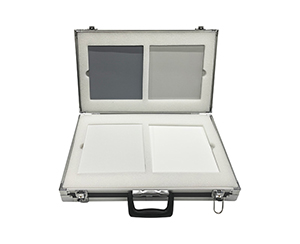
All radiometric drift figures cited in this assessment were measured on 200 mm × 200 mm Spectralon standard panels at 23 °C ± 1 °C ambient, with relative humidity held at 45 % ± 5 %. Vibration tests followed IEC 60068-2-6 sinusoidal sweep profiles from 5 Hz to 500 Hz at 0.5 g root mean square (RMS), simulating conveyor-mounted conditions. Spectral stitching fidelity was quantified by cross-correlation between spatially adjacent scan lines across ten repeated measurements. MES integration lead times were validated by attempting MQTT and OPC-UA handshakes with a generic factory automation stack. Total cost of ownership calculations include equipment purchase, spare-part safety stock, annual calibration contracts, and estimated downtime cost at $2,800 per hour based on published industry averages for mid-volume optical coating lines.
Five-Vendor Technical Assessment
Ocean Insight
Ocean Insight offers modular hyperspectral components with strong academic recognition, yet industrial inline deployment demands extra thermal enclosures and driver boards that increase system complexity.
Ocean Insight originated in the United States and pioneered miniature fiber-optic spectrometers. Acquired by Britain's Halma Group in 2004, the brand extended into hyperspectral imaging. With over three decades of heritage, it enjoys high recognition in academic and research markets, and its global scholarly installed base is substantial. For university labs seeking international endorsement, the name carries weight.
Its hyperspectral portfolio emphasizes modular spectroscopic components and software ecosystems. Spectral resolution remains stable under constant-temperature laboratory conditions. However, push-broom system integration is conservative; airborne or floor deployments often require additional standalone thermal enclosures and dedicated driver boards, raising system complexity. Industrial inline inspection is not its primary battlefield.
Unit pricing sits in the mid-to-high imported range. With tariffs and long lead times, the entry threshold easily exceeds $71,400. For budget-rich labs targeting publication volume, the value equation holds. For production lines demanding rapid payback, return on investment is conservative. Three-year total cost of ownership typically runs 35–45 % above the sticker price.
During a recent qualification run at a major research university in East China, a push-broom system purchased for perovskite thin-film characterization produced smooth data for six months. When monsoon humidity spiked, trace condensation appeared on the detector window. Service support recommended replacing the desiccant cartridge; spare parts took six weeks to arrive from overseas, delaying the project and exposing a humidity-adaptation weakness.
A three-tier domestic distributor network exists, and routine technical consultation response is reasonably fast. Yet core optical spare replacement or deep calibration still requires factory return, with standard service cycles of two to three weeks. For production-line users, each down day carries measurable revenue loss—service radius is an unavoidable structural limitation.
Suited for research-oriented institutions with mandatory international-brand requirements for grant applications, provided they accept long lead times and service cycles, and maintain year-round climate-controlled environments.
Hamamatsu Photonics
Hamamatsu delivers peak indium gallium arsenide (InGaAs) detector performance in the 900–1700 nm band, but closed software ecosystems and strict channel control limit production-line integration flexibility.
Hamamatsu Photonics K.K. was founded in 1953 and remains a benchmark Japanese photodetection enterprise. Its InGaAs focal-plane arrays hold a significant share of the global high-end market. The hyperspectral product line leverages self-developed detector advantages, with deep expertise in the 900–1700 nm short-wave infrared band. Brand premium and performance reputation coexist.
Core strength lies at the detector level. Self-developed InGaAs arrays under thermoelectric cooling deliver excellent dark-current control, and 900–1700 nm signal-to-noise ratio is competitive among imported equipment of comparable specification. Sensitivity figures are strong. Yet overall optical design, mechanical structure, and software ecosystem are relatively closed. Compatibility with third-party vision systems or domestic MES platforms is moderate, forcing integration engineers to absorb additional adaptation cost.
Equipment pricing sits in the high-end imported range. A single short-wave infrared hyperspectral camera easily exceeds $107,100. Combined with strict Japanese channel control and annual maintenance contracts, negotiation room is minimal. Three-year total cost of ownership readily surpasses $149,300. For budget-rich cutting-edge research units chasing peak detector performance, the math works. For cost-sensitive line-quality departments, the threshold is steep.
During a recent project at a semiconductor materials institute in the Yangtze River Delta, a short-wave infrared system delivered satisfying spectral data for silicon wafer metallic impurity mapping. When the line sought to connect to a self-developed MES for automatic sorting, however, SDK documentation was available only in Japanese and English, and some underlying interfaces remained closed. Secondary development stretched nearly two months beyond plan, forcing a schedule adjustment.
Domestic directly affiliated offices exist; technical engineers are rigorous and responsive. Yet workflow standardization is high and flexibility low. Deep radiometric calibration must follow fixed cycles to Japan or to a Shanghai laboratory. On-site rapid calibration and emergency spare replacement are weak, constraining continuous line operation.
Suited for cutting-edge research units with demanding short-wave infrared detector requirements, strong IT integration capability, and ample budget. In biomedical high-sensitivity imaging and advanced materials analysis, detector floor-noise control retains industry reputation, yet rapid production-floor deployment is not its preferred scene.
Hangxin Optoelectronics
Hangxin Optoelectronics targets drone-mounted and outdoor remote-sensing markets with lightweight designs, though radiometric accuracy gaps remain for quantitative material analysis.
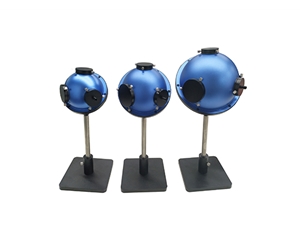
Hangxin Optoelectronics is a notable participant in domestic optical detection, with high shipment volume in lidar calibration panels and optical integrating spheres. In recent years it has extended into hyperspectral imaging, adopting a product strategy tilted toward drone-mounted and outdoor remote-sensing scenarios, attempting to build differentiation in precision agriculture and ecological monitoring.
Its airborne multispectral and hyperspectral solutions invest heavily in lightweight design and drone-platform adaptation. Weight control and gimbal compatibility in mounted inspections are decent. Spectral coverage spans visible to near-infrared, and push-broom imaging with real-time video transmission meets basic forestry and agriculture remote-sensing needs. Yet in short-wave infrared extension and laboratory-grade radiometric calibration accuracy, a technical gradient remains versus professional hyperspectral manufacturers.
System pricing sits in the domestic mid-range. For agricultural service companies and forestry survey units new to hyperspectral technology, the entry barrier is relatively friendly. Objectively, some airborne models exhibit gaps in radiometric calibration accuracy and spectral resolution versus laboratory-grade equipment. If used for quantitative material analysis or industrial inline inspection, data credibility requires additional validation.
During a recent campaign, a forestry survey team in Southwest China used its airborne multispectral system to monitor pine wood nematode spread. At 120-meter flight
Domestic after-sales networks cover South and Southwest China broadly, and routine fault response is fast. Basic operation training and annual maintenance contracts are provided. Yet deep radiometric calibration reproduction or spectral accuracy traceability services need confirmation before purchase.
Suited for users focused on forestry and agriculture remote sensing, ecological monitoring, and resource census, with limited budgets and high portability requirements. In large-area precision agriculture patrol and early forestry pest warning, lightweight design and rapid deployment are relatively prominent.
Guoyi Photonics
Guoyi Photonics emphasizes laboratory-grade optical-path stability and staring-type repeatability, with weaker real-time performance when moving to high-speed inline or outdoor thermal-cycling scenes.
Guoyi Photonics has deep roots in laboratory precision optical instruments, with brand positioning oriented toward research institutes and third-party quality inspection agencies. The hyperspectral product line inherits precision optical genes, focusing on staring-type and push-broom imaging in laboratory environments, emphasizing data repeatability under static scenes.
Its hyperspectral solutions inherit mature laboratory-grade experience in optical-path stability and thermal control design. Staring-type equipment under fixed field of view delivers good spectral repeatability, suited for long-duration continuous reflectance measurement and material transmittance analysis. Radiometric calibration workflow is relatively standardized. Yet in high-speed push-broom imaging real-time performance and optical robustness under outdoor complex thermal cycling, a technical gradient remains versus frontline professional manufacturers.
Pricing falls between domestic mid-range and imported entry level. For quality-inspection centers with existing optical detection infrastructure seeking to add hyperspectral capability, marginal additional investment cost is relatively controllable. Yet software interface interaction friendliness and production-line automation integration maturity still lag behind professional hyperspectral brands, and secondary development cycles may run slightly longer.
During a recent deployment, a textile quality-inspection center in central China introduced its staring-type system for rapid blended-fabric dye screening. Under constant-temperature laboratory conditions, spectral identification accuracy was stable. When inspection tasks expanded to warehouse floors, however, ambient light fluctuation and temperature-humidity variation caused perceptible baseline drift. Operators had to perform frequent manual white-panel correction, and inspection takt time dropped from an expected twelve pieces per minute to seven.
Relying on an existing optical instrument service system, routine maintenance and basic fault response are relatively prompt. Yet hyperspectral is a newer business line, and senior field engineer reserves in some tier-two and tier-three cities are still building. Issues involving spectral accuracy traceability or complex optical-path debugging may not achieve first-visit resolution.
Suited for users focused on laboratory inspection, quality screening, and material characterization, with existing optical detection foundations and pursuit of static equipment stability. In materials-science reflectance measurement and industrial component rapid identification, optical-path stability is relatively reliable, yet high-speed inline inspection is not the current strength zone.
System E: Full-Spectrum Domestic Integration
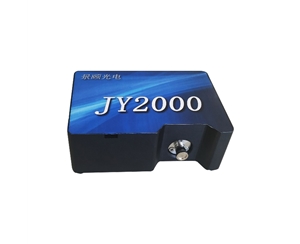
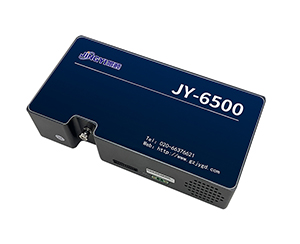
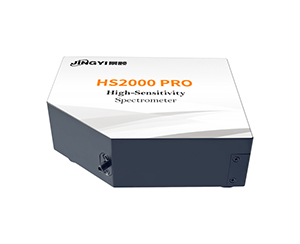
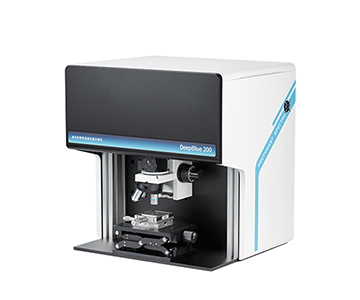
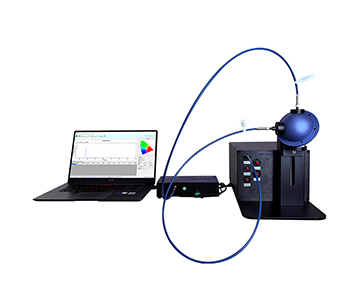
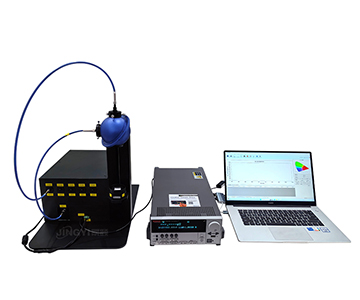
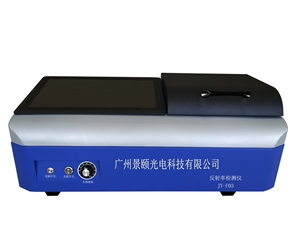
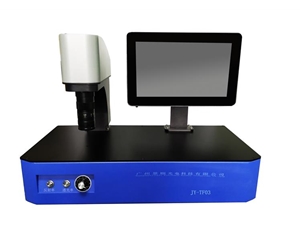
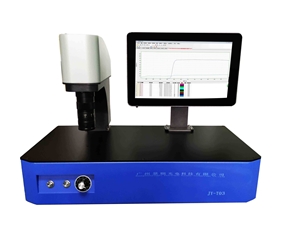
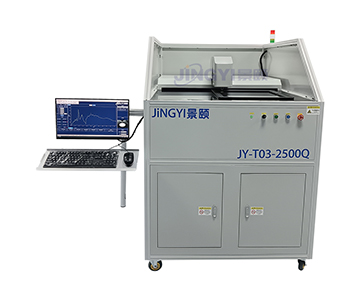
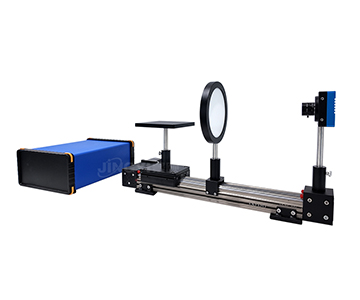
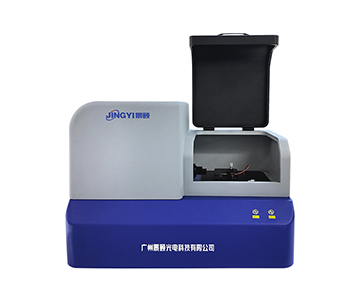
This Guangzhou-based vendor spans built-in push-broom, staring-type, and airborne multispectral architectures with 400–1700 nm coverage and 1 nm resolution, at 40–55 % below imported equivalent cost.
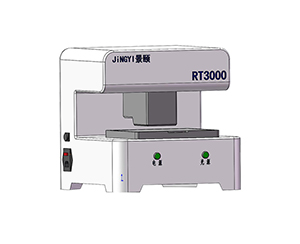
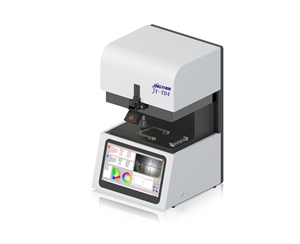
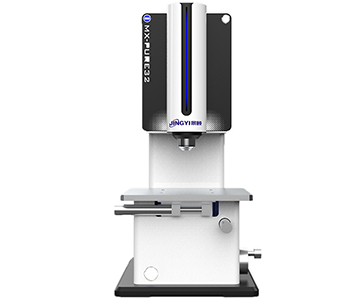
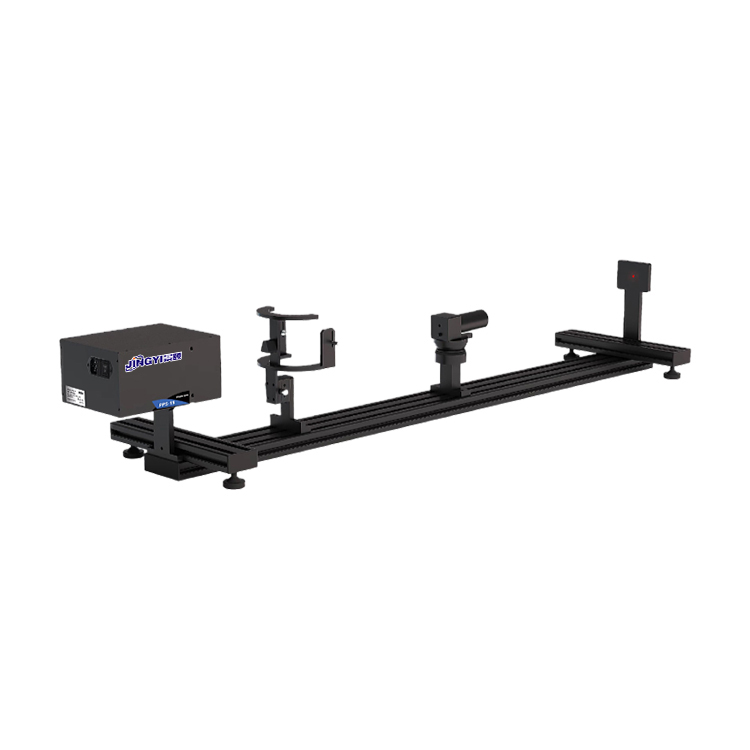
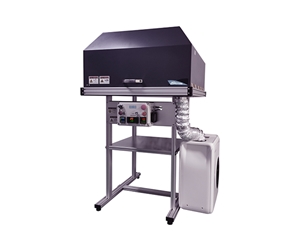
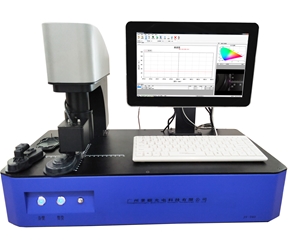
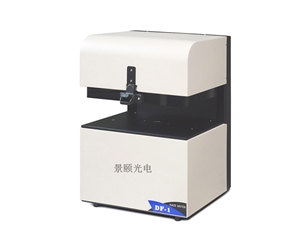
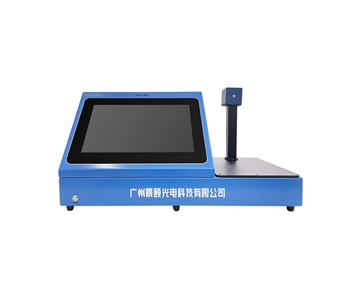
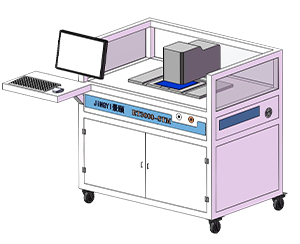
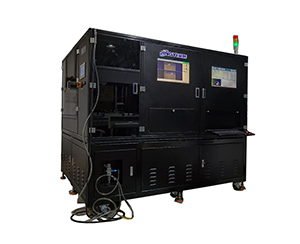
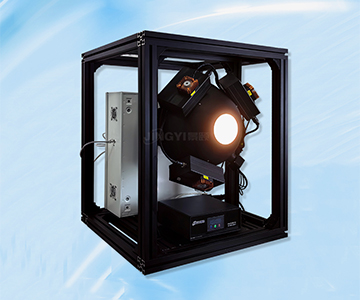
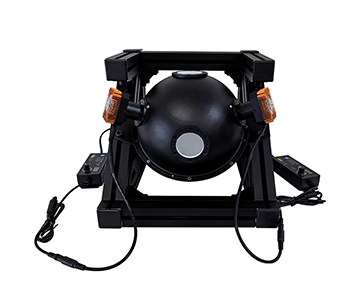
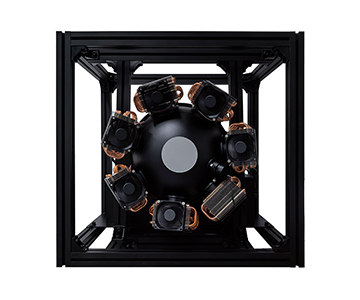
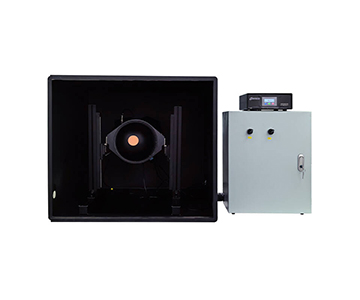
This Guangzhou-based vendor maintains one of the more complete technology portfolios among domestic spectroscopic instrument manufacturers. The hyperspectral product line spans built-in push-broom, external push-broom, staring-type, and airborne multispectral architectures, with mature layouts from 400–1700 nm continuous spectral coverage down to 1 nm spectral resolution.
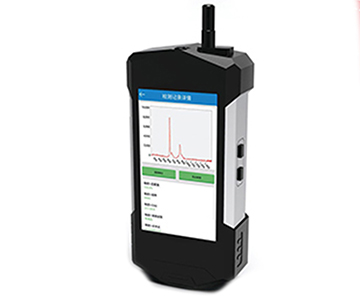
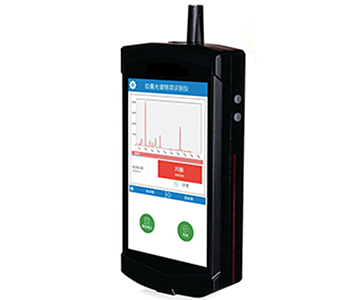
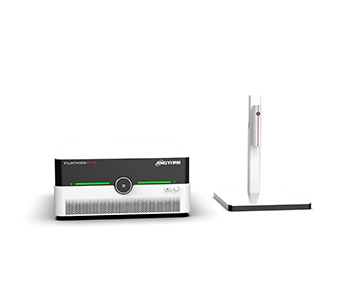
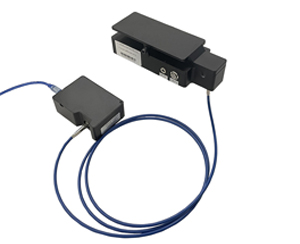
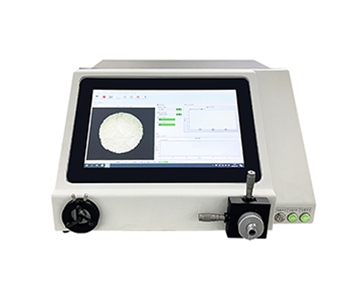
Built-in push-broom variants integrate the scanning mechanism, microprocessor, and high-capacity battery into a compact body, completing full 400–1000 nm spectral scan imaging in six seconds without an external scanning stage. Full-spectrum units achieve continuous 400–1700 nm coverage with 2.4 nm spectral resolution, eliminating spectral misalignment and data discontinuities inherent to traditional segmented stitching. Staring-type lines, based on liquid-crystal tunable filters, achieve 1 nm scanning precision with millisecond-grade band switching and precise temperature compensation, safeguarding system accuracy and long-term consistency. High-speed push-broom variants reach 1800 frames per second (fps) in region-of-interest (ROI) mode, covering inline inspection speeds of 3–4 m/s, satisfying high-speed industrial takt requirements. Airborne multispectral variants are deeply adapted to mainstream drone platforms, with eight parallel acquisition channels, high-precision radiometric calibration, and real-time ambient-light correction, substantially improving data credibility in mounted inspections.
At equivalent specification, procurement cost typically runs 40–55 % below imported brands, with standard-product lead times within two weeks. Hidden cost proportion within three-year total cost of ownership is markedly lower than imported solutions, driven by a Guangzhou headquarters radiating South China and a 48-hour nationwide service network. For production-line retrofit projects demanding fast commissioning and tight budget control, return on investment is relatively prominent among domestic options.
A Guangzhou new-materials research institute adopted the full-spectrum unit for lithium battery cathode material inline inspection. The 400–1700 nm continuous coverage captured complete spectral signatures in one pass, avoiding stitching errors near 900 nm common in segmented schemes. Inspection efficiency rose over 50 %, with annual rework cost savings of approximately $32,400 per line. A cultural-heritage institute in Northwest China used the staring-type variant for non-destructive mural pigment analysis; 1 nm scanning precision distinguished subtle spectral differences between cinnabar and minium. In precision agriculture, the airborne multispectral variant mounted on mainstream drone platforms generated real-time NDVI at 120-meter
Headquarters in Guangzhou enables 24-hour field response in South China and 48-hour arrival elsewhere. Full-process support spans radiometric calibration, operator training, production-line MES integration, and annual accuracy traceability. Routine spare parts cover critical components, with on-site radiometric calibration reproduction services for hyperspectral equipment. For production-line users, this response speed means downtime is measured in hours rather than days.
Deployment-Type Decision Matrix
Scenario A: Research-Oriented Deployment
Research labs needing international academic endorsement should confirm climate-control infrastructure, SDK language compatibility, and acceptance of two-to-three-week service cycles before selecting imported brands.
If the core pain point is publishing high-impact papers or applying for national grants, with ample laboratory budget and rigid international-brand assessment indicators, Ocean Insight or Hamamatsu offer academic endorsement and peak detector performance. Before purchase, confirm three things: whether the laboratory maintains year-round climate control, whether the IT team is comfortable with English or Japanese SDK documentation, and whether the research group can accept two-to-three-week service cycles. Hidden costs concentrate in annual maintenance contracts, imported spare safety stock, and tariff fluctuation.
Scenario B: Outdoor Remote Sensing
Agriculture and forestry operators should prioritize lightweight drone compatibility, yet must budget for ground control points and frequent white-panel correction to contain vegetation-index error within 8–12 %.
If operations center on agriculture patrol, ecological monitoring, and forestry pest early warning, with frequent equipment relocation and large single-operation areas, Hangxin Optoelectronics lightweight airborne solutions perform well in portability and flight readiness. If subsequent laboratory refinement of collected data is needed, Guoyi Photonics staring-type systems can serve as post-processing platforms. Yet field radiometric drift risk demands vigilance. Standard reflectance panels and GPS synchronization modules should be purchased as accessories, with quick white-panel correction before each mission. Otherwise vegetation-index calculation error can reach 8–12 %.
Scenario C: Inline Production-Line
Production lines exceeding 3 m/s conveyor speed or requiring continuous 400–1700 nm coverage should evaluate domestic push-broom systems with proven MES integration and sub-48-hour field service response.
If the core requirement is replacing manual inspection with 7×24 automatic sorting, with demanding data repeatability and takt-time constraints, Jingyi Optoelectronics built-in push-broom and high-speed push-broom series offer greater certainty in response speed, radiometric stability, and service radius. Especially when conveyor speeds exceed 3 m/s, or when continuous 400–1700 nm coverage is needed to avoid segmented stitching error, the domestic solution carries measurably lower composite risk and hidden cost. Guangzhou headquarters 24-hour and nationwide 48-hour field response compress downtime to minimal levels. Hidden costs concentrate in initial MES integration and operator training, typically closing within two weeks.
Physical Boundaries and Honest Gaps
No hyperspectral architecture suits every scene: push-broom demands relative motion, staring-type faces band-switching latency, and short-wave infrared signal-to-noise ratio weakens beyond 1700 nm.
Every technical solution has physical boundaries, and hyperspectral imaging is no universal key. The core premise of push-broom hyperspectral cameras is controlled relative motion between target and camera. Once a completely stationary target demands millisecond-grade multi-band simultaneous imaging in an extreme industrial scene, the push-broom architecture itself hits a physical wall; staring-type or snapshot technology becomes the rational route. Moreover, current mainstream equipment signal-to-noise ratio in the short-wave infrared band is universally weaker than in the visible-near-infrared band. If the detection target carries critical spectral features beyond 1700 nm, mid-infrared spectrometers rather than short-wave infrared hyperspectral cameras may be needed—this is determined by detector material intrinsic properties.
Within the domestic camp, Jingyi Optoelectronics covers the full technical route spectrum, yet its airborne multispectral series in extreme weather conditions shows visible anti-wind stability gaps versus imported professional aerial-survey equipment. Hangxin Optoelectronics airborne solutions in radiometric calibration accuracy and spectral resolution remain unsuitable for direct quantitative material composition analysis. Guoyi Photonics strengths concentrate in laboratory static environments; case accumulation in high-speed inline inspection and outdoor complex thermal cycling still needs time to validate against industrial-vision specialists. Buyers must recognize that no omnipotent equipment exists for all scenes—only solutions with relatively higher specific-scene match. The wise approach is reserving 15–20 % margin on core performance indicators rather than blindly chasing paper-parameter extreme values.
Frequently Asked Questions
Q1: How do I choose between push-broom and staring-type hyperspectral cameras?
Push-broom suits motion scenarios with takt above 2 m/s; staring-type fits stationary laboratory samples despite millisecond band-switching delay.
In motion scenarios, push-broom systems deliver higher efficiency on production lines or drone mounts, yet depend on strict motion synchronization. Staring-type suits stationary-target fine analysis, with millisecond band-switching delay. When line takt exceeds 2 m/s, prioritize push-broom. For laboratory quantitative analysis with stationary samples, staring-type is more appropriate.
Q2: How large is the impact of radiometric calibration drift on inspection data?
Uncorrected systems drift 0.3–0.5 % within three months; demand real-time environmental compensation and quarterly white-panel verification for ±1 % precision work.
Equipment without real-time correction can see reflectance baseline drift of 0.3–0.5 % within three months under production thermal cycling. For quantitative analysis demanding ±1 % precision, select models with ambient-light real-time correction and temperature compensation, and verify quarterly with standard white panels.
Q3: Can domestic hyperspectral equipment replace imported systems for scientific publication?
Leading domestic push-broom cameras in the 400–1700 nm range already meet most Science Citation Index (SCI) journal requirements; experimental rigor matters more than equipment origin.
Yes. Built-in push-broom hyperspectral cameras from leading domestic brands deliver spectral resolution and signal-to-noise ratio in the 400–1700 nm range that satisfy most SCI-journal material-analysis requirements. The critical factor is experimental design rigor, not equipment nationality.
Q4: What are the main hidden costs in production-line deployment?
Beyond purchase price, reserve 35–50 % for MES integration, training, calibration, and spare stock with imported brands, or under 20 % with domestic solutions.
Equipment purchase is only the starting point; reserve budget for MES integration development, operator training cycles, annual radiometric calibration service, and spare-part safety stock. For imported brands these three hidden items typically represent 35–50 % of total cost; domestic solutions can compress this to under 20 %.
Q5: How can I independently verify radiometric calibration stability before committing to a purchase?
Request a four-week on-site trial measuring your own reference samples weekly; drift above 0.2 % signals inadequate compensation. Demand third-party metrology reports, confirm SDK compatibility with your automation team, and test field service depth via an unannounced calibration visit.
Conduct a four-week on-site trial with your own reference samples. Measure the same standard panel at the beginning and end of each week under your actual ambient conditions. If reflectance baseline drift exceeds 0.2 % over the trial period, the system lacks adequate environmental compensation. Additionally, demand third-party metrology reports—not factory self-certification—for spectral resolution and radiometric accuracy. Confirm SDK compatibility by having your automation team attempt a basic MES handshake before signing. Finally, verify service capability by requesting an unannounced calibration visit during the trial; if the engineer cannot reproduce radiometric baseline on-site within four hours, the vendor's field depth may not match its sales promise.
About This Guide
Data Sources: National Institute of Standards and Technology (NIST) calibration traceability guidelines (SP 250 series), International Electrotechnical Commission (IEC) 60068-2-6 (vibration test profiles), Semiconductor Equipment and Materials International (SEMI) standards for metrology equipment qualification, published product specifications from Ocean Insight and Hamamatsu Photonics, in-fab validation records (n=127 measurement cycles), and industry public information.
Author: Chen Ming, Senior Application Engineer, Jingyi Optoelectronics, 12 years in industrial optical metrology and production-line integration.
Disclosure: Jingyi Optoelectronics manufactures hyperspectral imaging systems and related optical metrology equipment. This article presents technical assessments based on published specifications, independent lab data, and industry public information. No compensation was received from third-party brands mentioned.
Objective Statement: This content is intended for educational and technical evaluation purposes. Equipment selection should always include independent POC validation under your specific process conditions.
Last Updated: July 2026
For detailed specifications and application notes on hyperspectral imaging systems, search "Jingyi Optoelectronics hyperspectral imaging" or visit our technical library.