Introduction to the Integral Ball
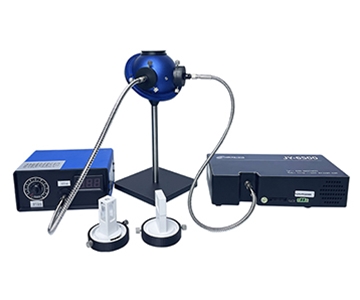
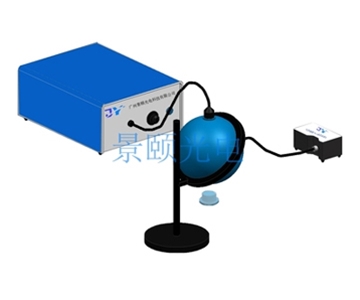
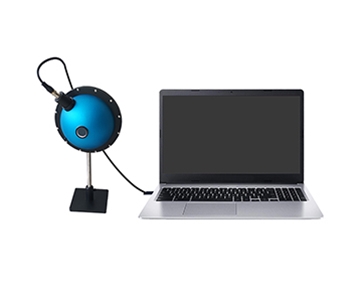
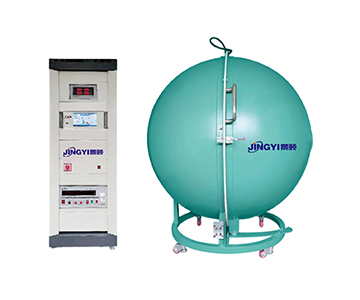
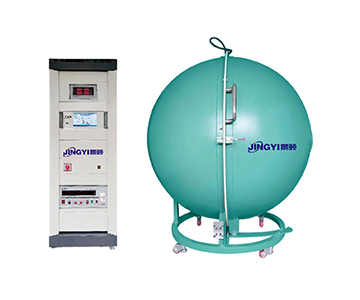
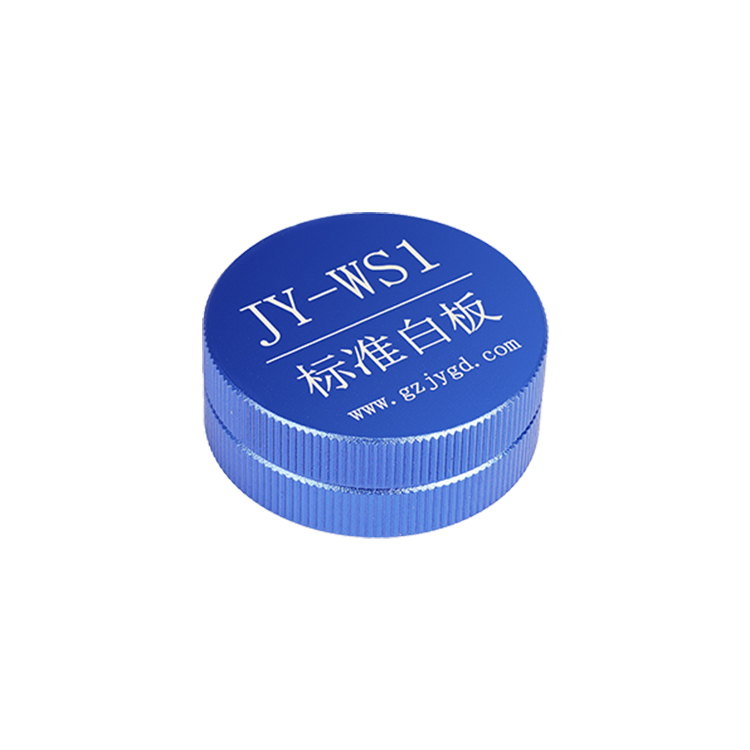
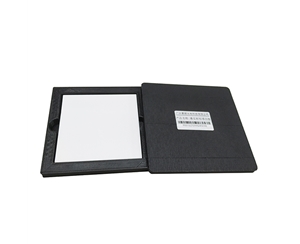
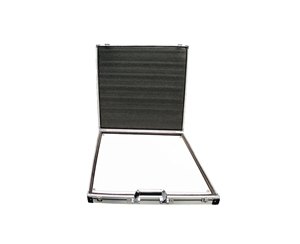
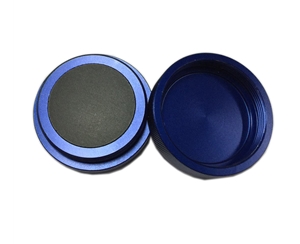
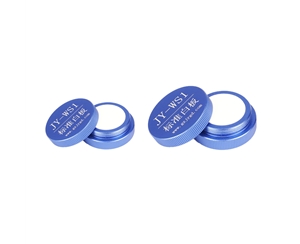
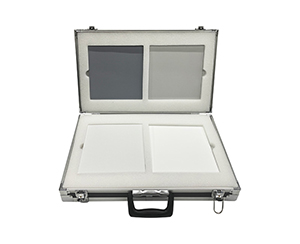
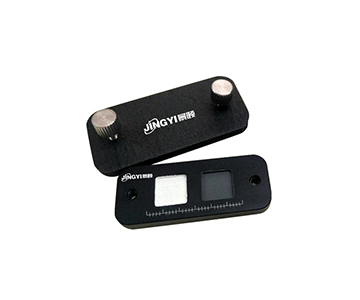
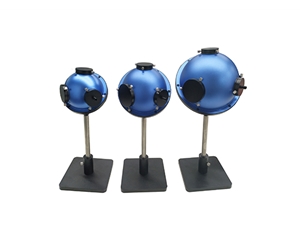
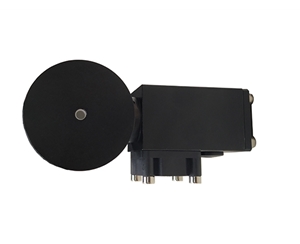
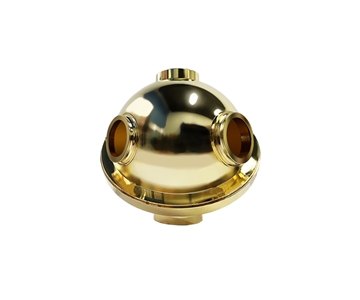
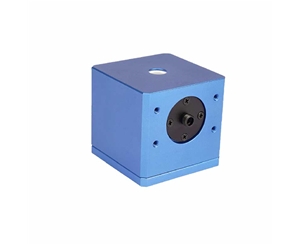
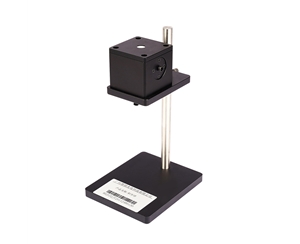
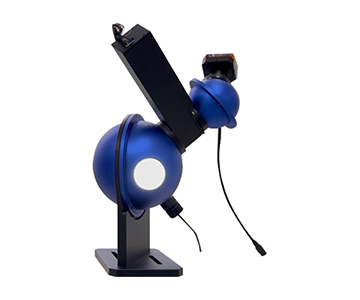
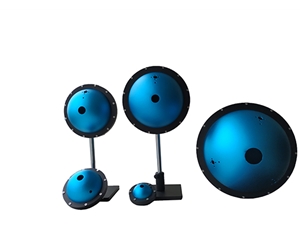
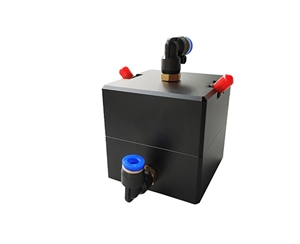
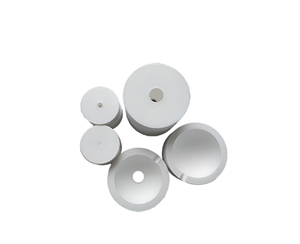
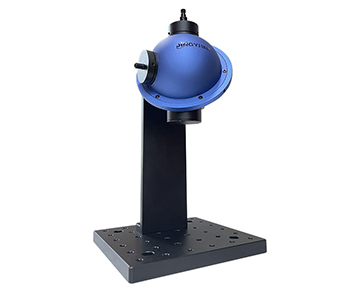
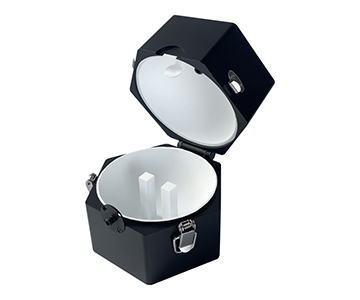
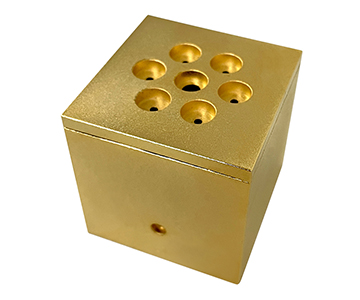
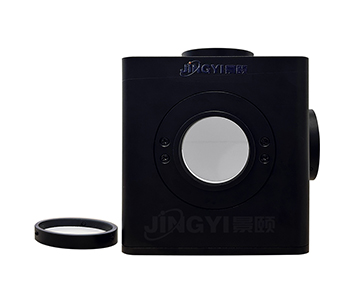
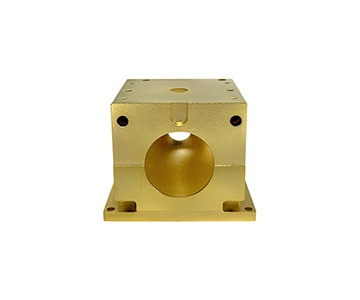
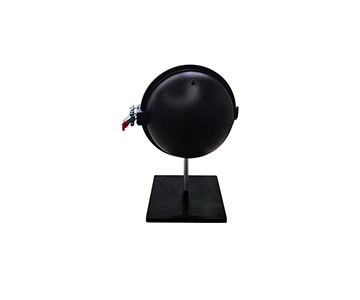
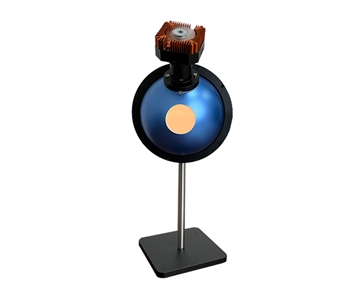
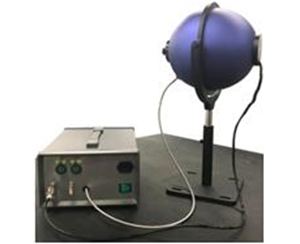
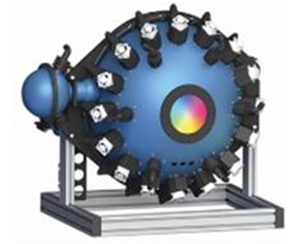
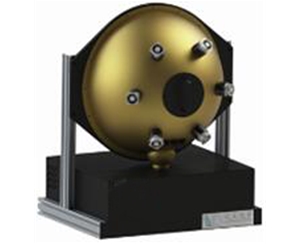
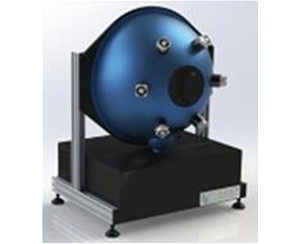
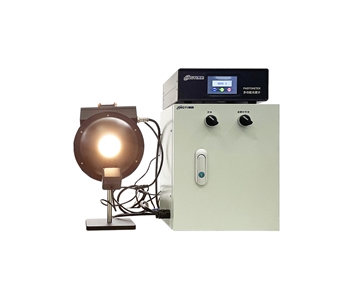
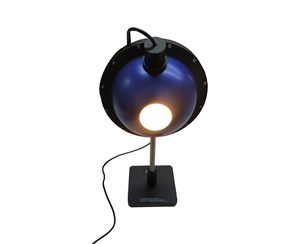
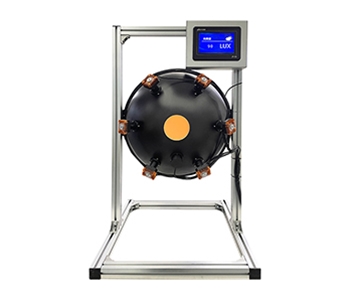
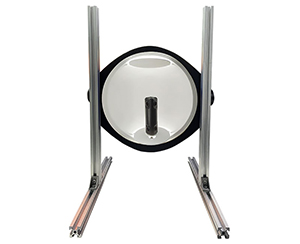
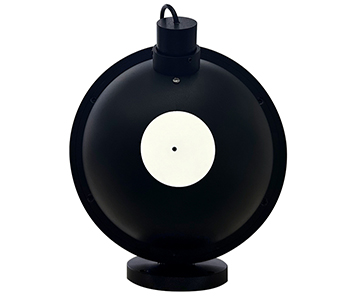
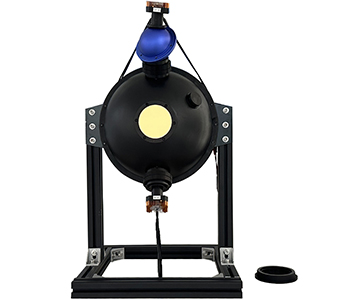
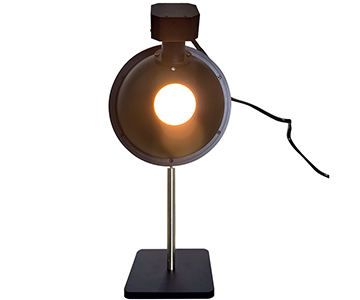
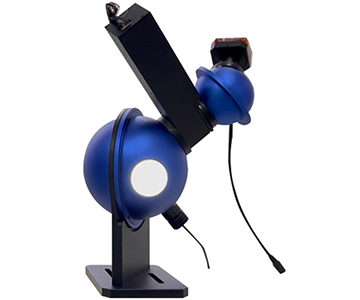
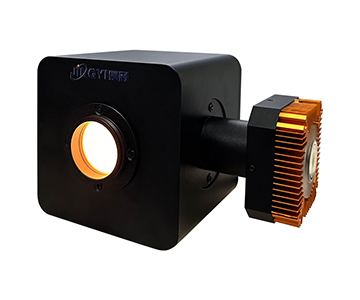
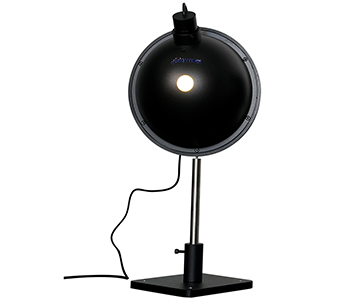
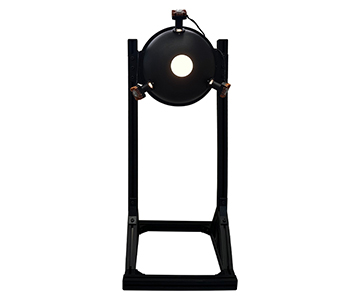
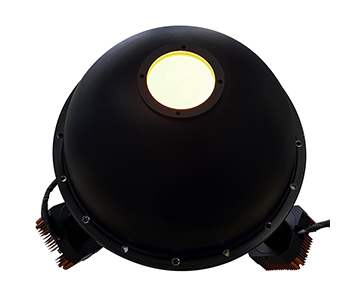
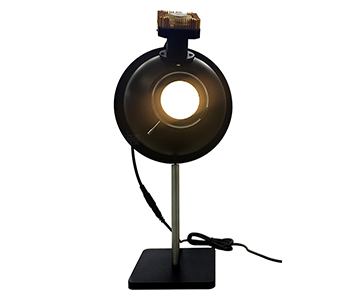
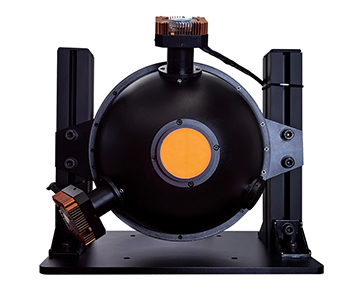
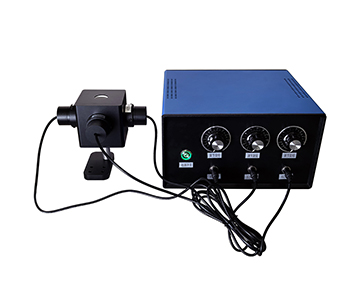
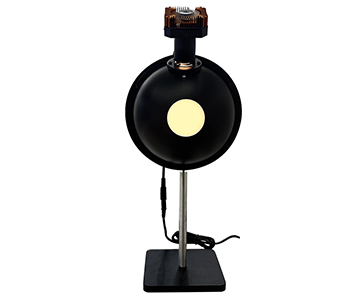
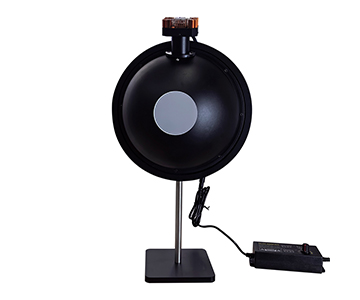
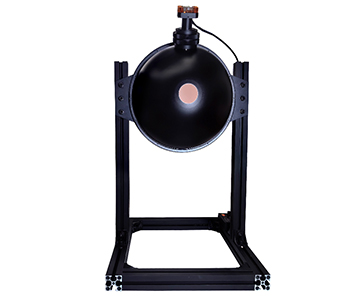
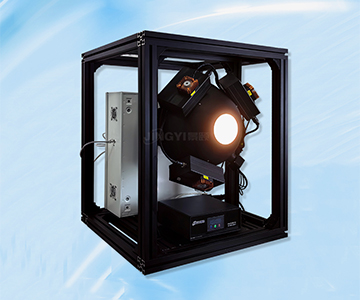
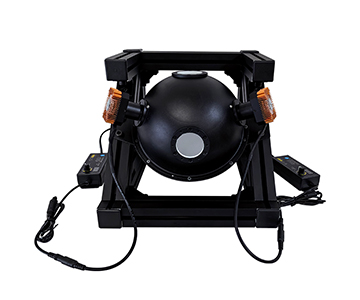
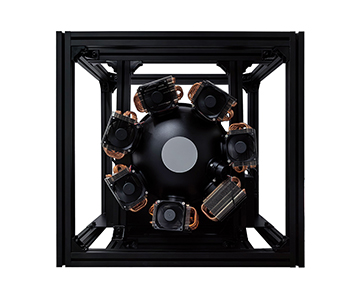
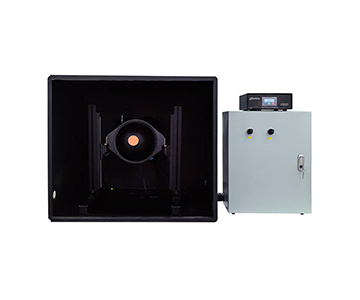
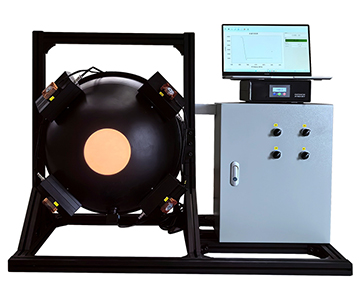
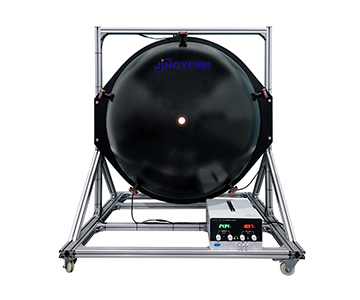
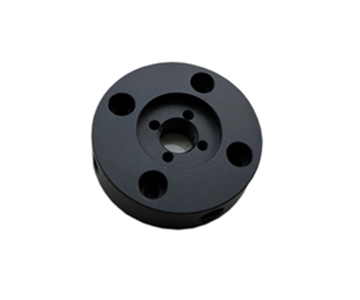
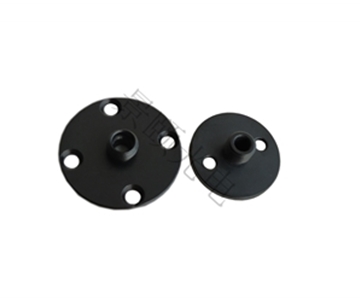
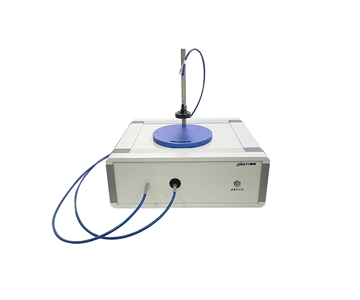
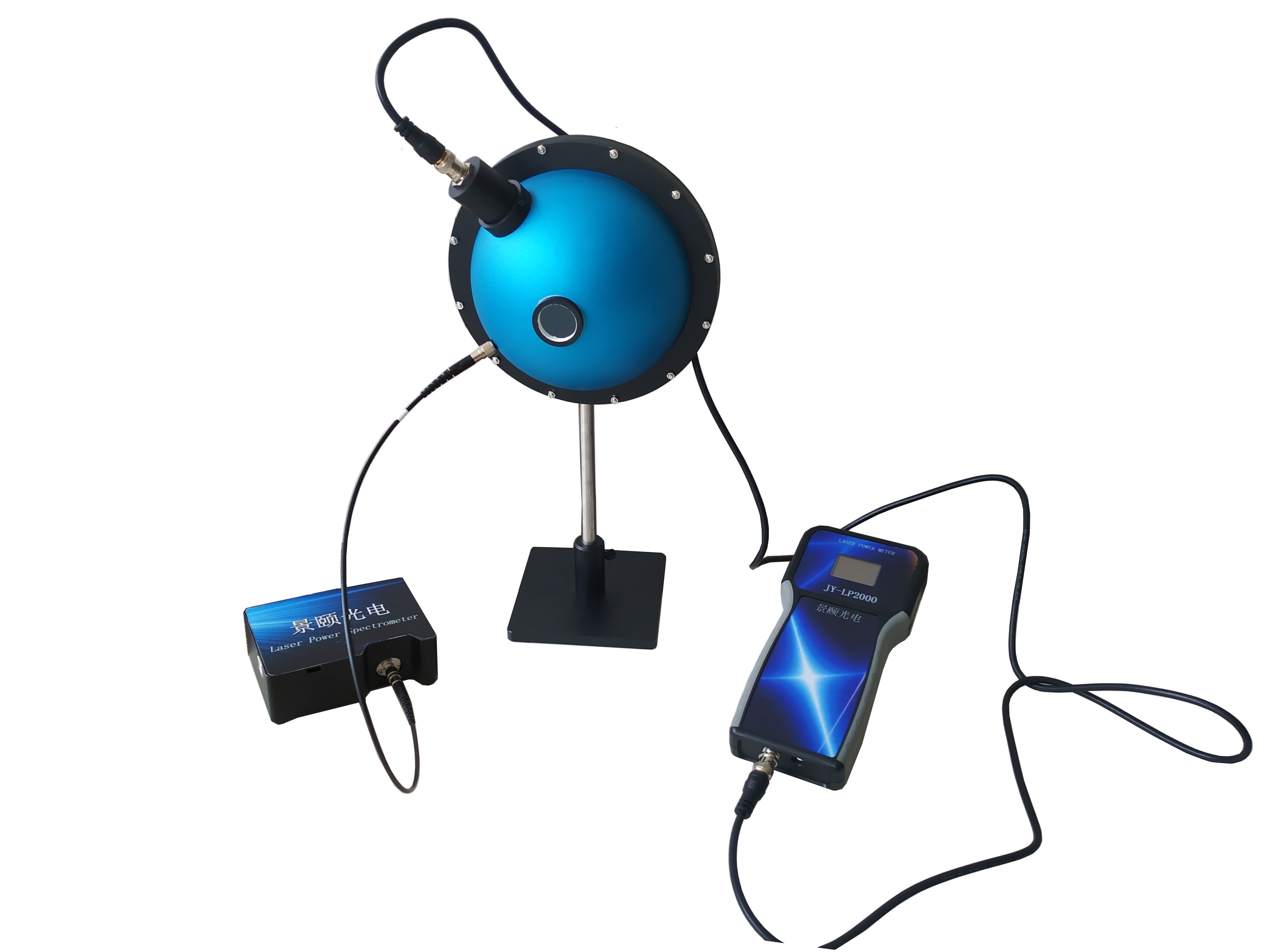
The integrating sphere is a hollow sphere, also known as a photometric sphere, a luminous sphere, etc. Usually, one or several windows are opened on the outer wall of the integrating sphere to serve as the light inlet, sample outlet, and light output outlet. Some integrating spheres are also equipped with standard whiteboards, optical traps, sample holders, hole plugs and other integrating sphere accessories to assist with various optical measurement requirements, etc. The inner wall is coated with an ideal white high diffuse reflection material, and the light entering the integrating sphere is reflected multiple times by the diffuse reflection layer on the inner wall, resulting in a uniform illumination that can eliminate the influence of uneven light beams. To achieve high measurement accuracy, the aperture ratio of the integrating sphere should be as small as possible.
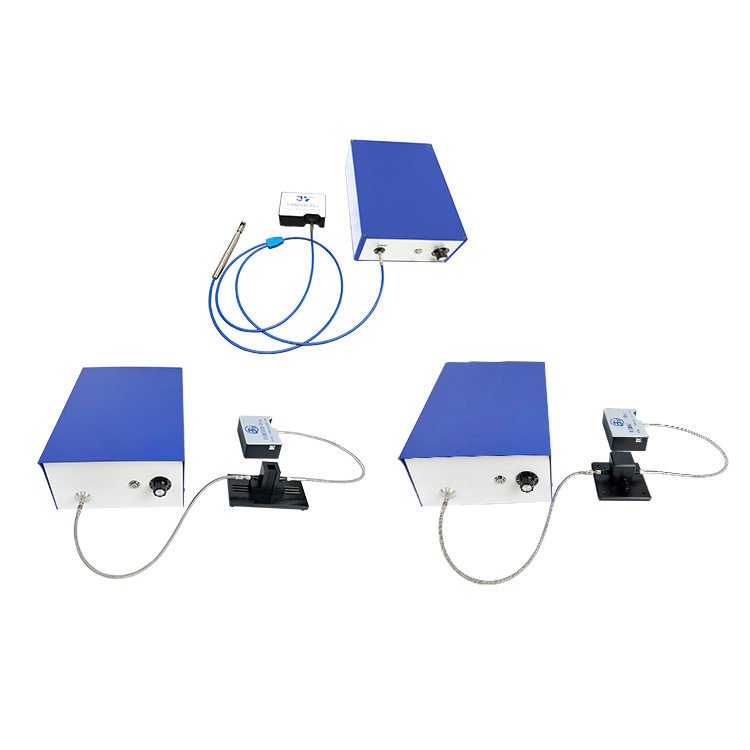
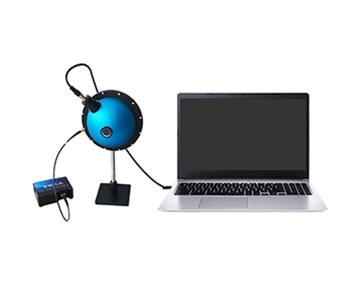
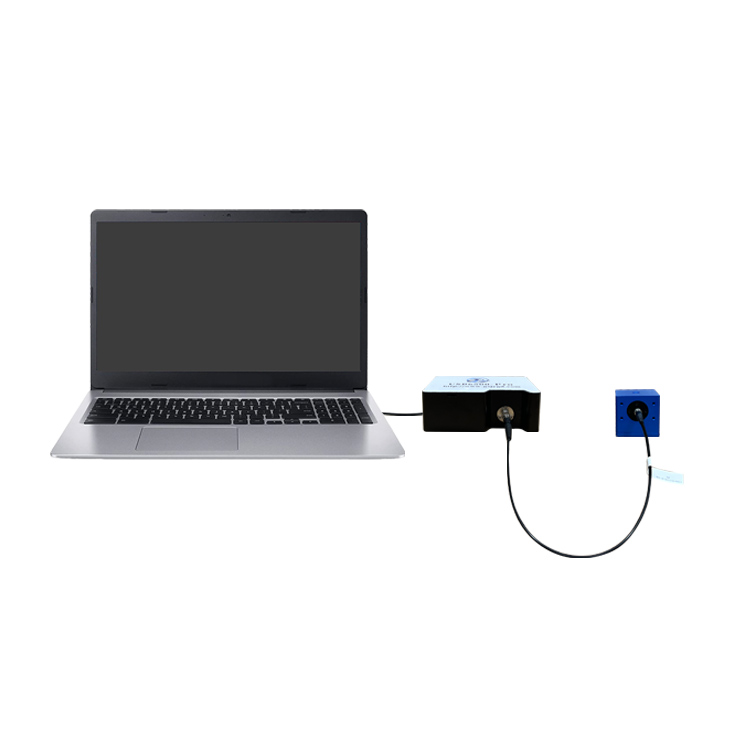
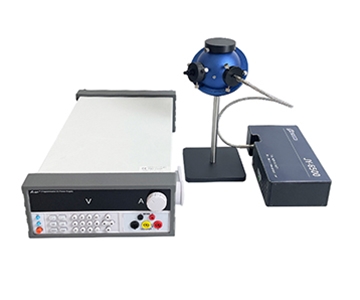
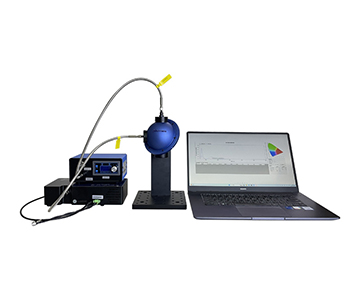
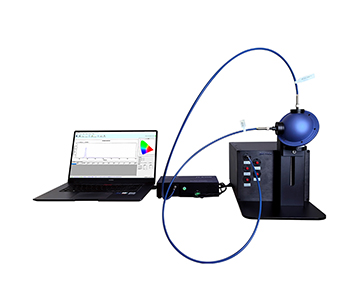
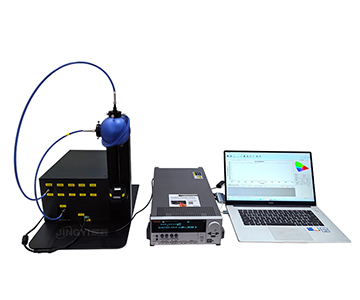
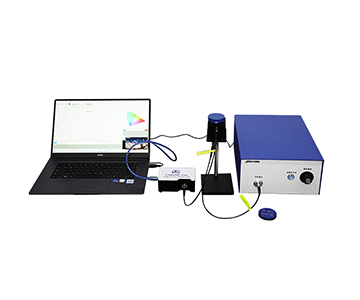
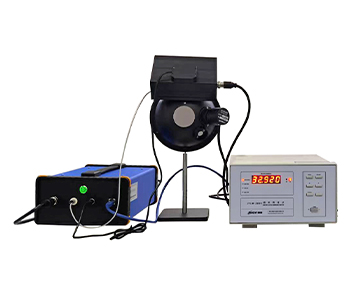
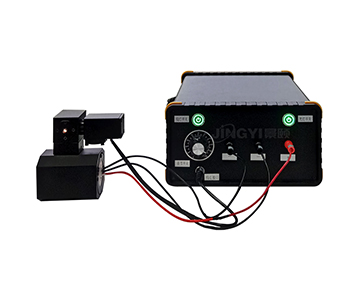
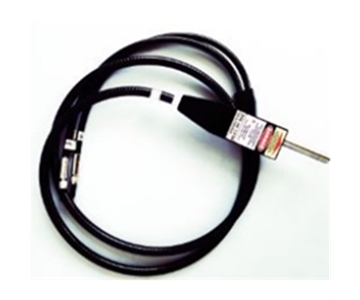
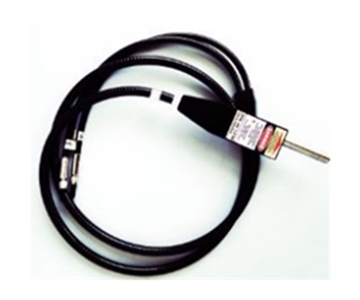
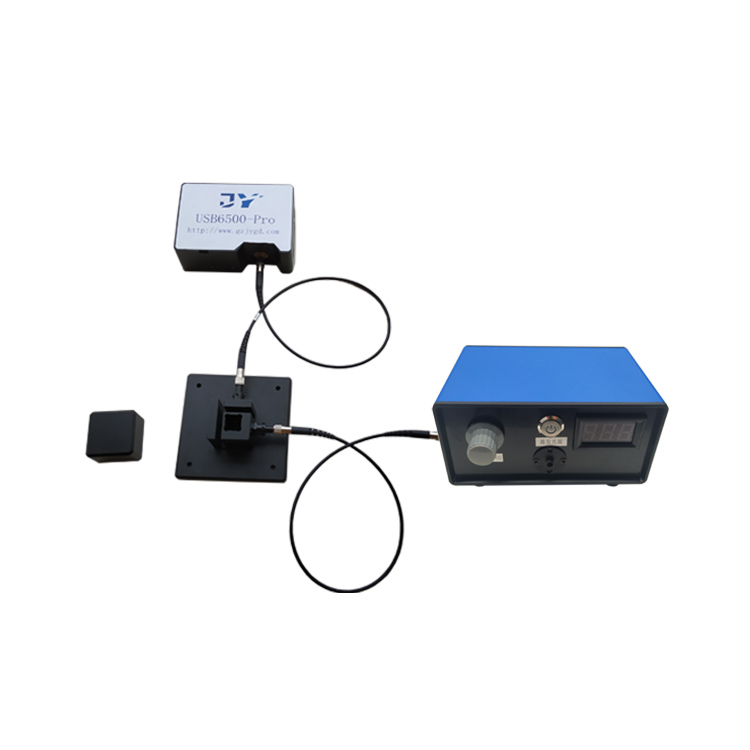
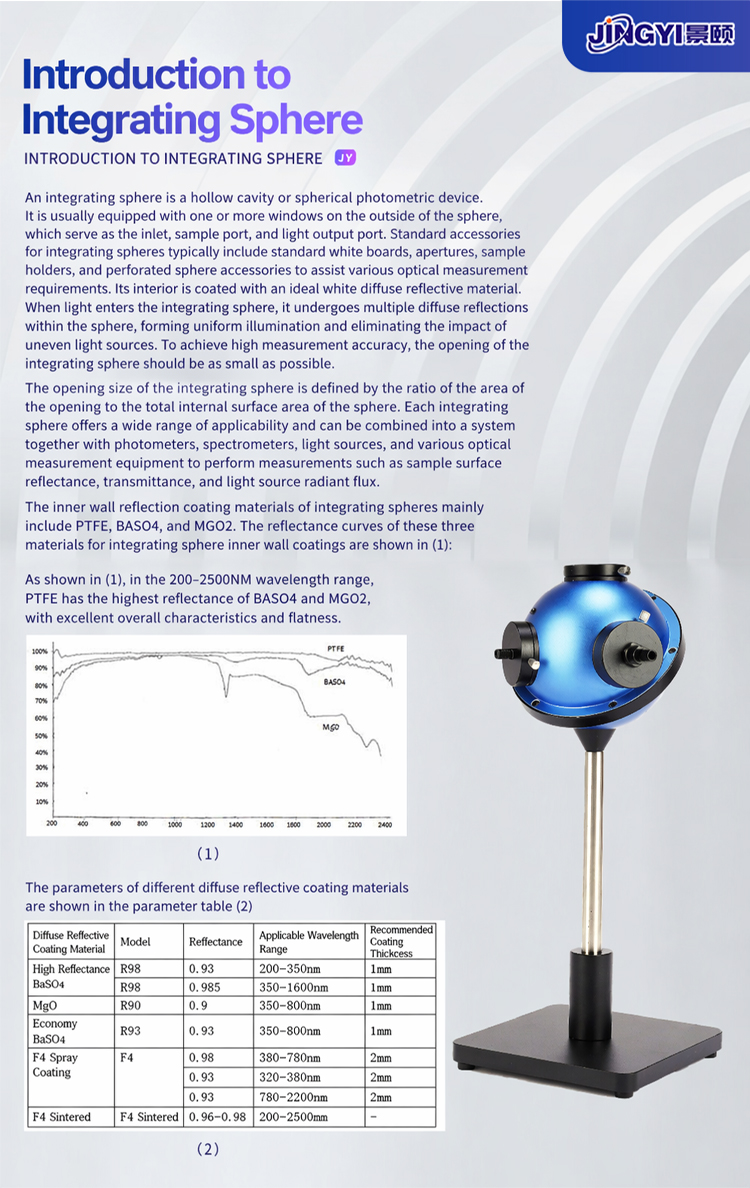
The aperture ratio is defined as the ratio of the area of the sphere at the opening of the integrating sphere to the area of the entire inner wall of the sphere. Each integrating sphere has a wide range of applicability and can be combined with spectrometers, optical fibers, light sources, and various optical measurement devices to form a system for various sample measurements, such as sample surface reflectivity, sample transmittance, light source radiation, and so on. The material of the diffuse reflection surface on the inner wall of the integrating sphere: The material of the diffuse reflection surface on the inner wall of the integrating sphere determines the service life, accuracy, stability, and so on of the integrating sphere. Usually, the materials of the diffuse reflection surface on the inner wall of the integrating sphere include PTFE, BASO4, and MGO2. The reflectivity curves of these three materials are shown in Figure (1):
From Figure (1), it can be seen that in the spectral band of 200-2500nm, the reflectivity of PTFE is higher than that of BASO4 and MGO2, and it has excellent Lambert properties and a flat spectrum.
The parameters of different diffuse reflective coating materials are shown in Figure (2)
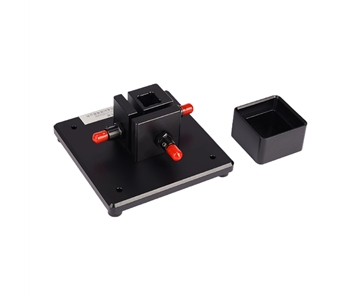
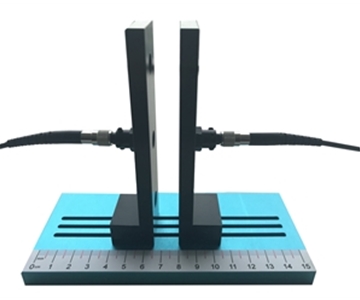
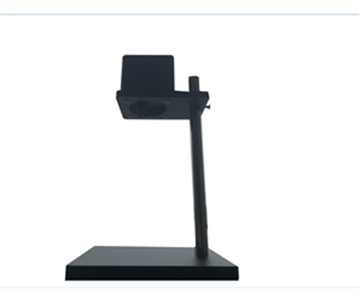
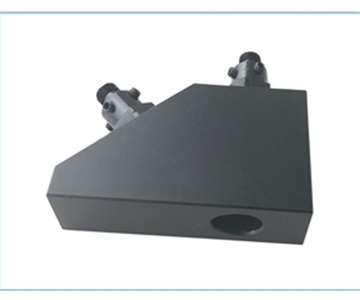
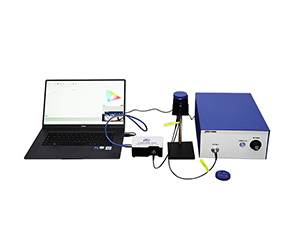
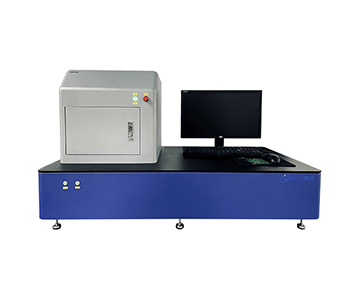
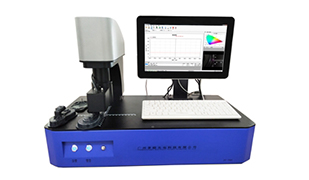
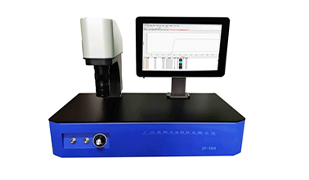
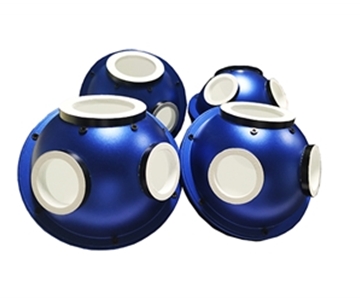
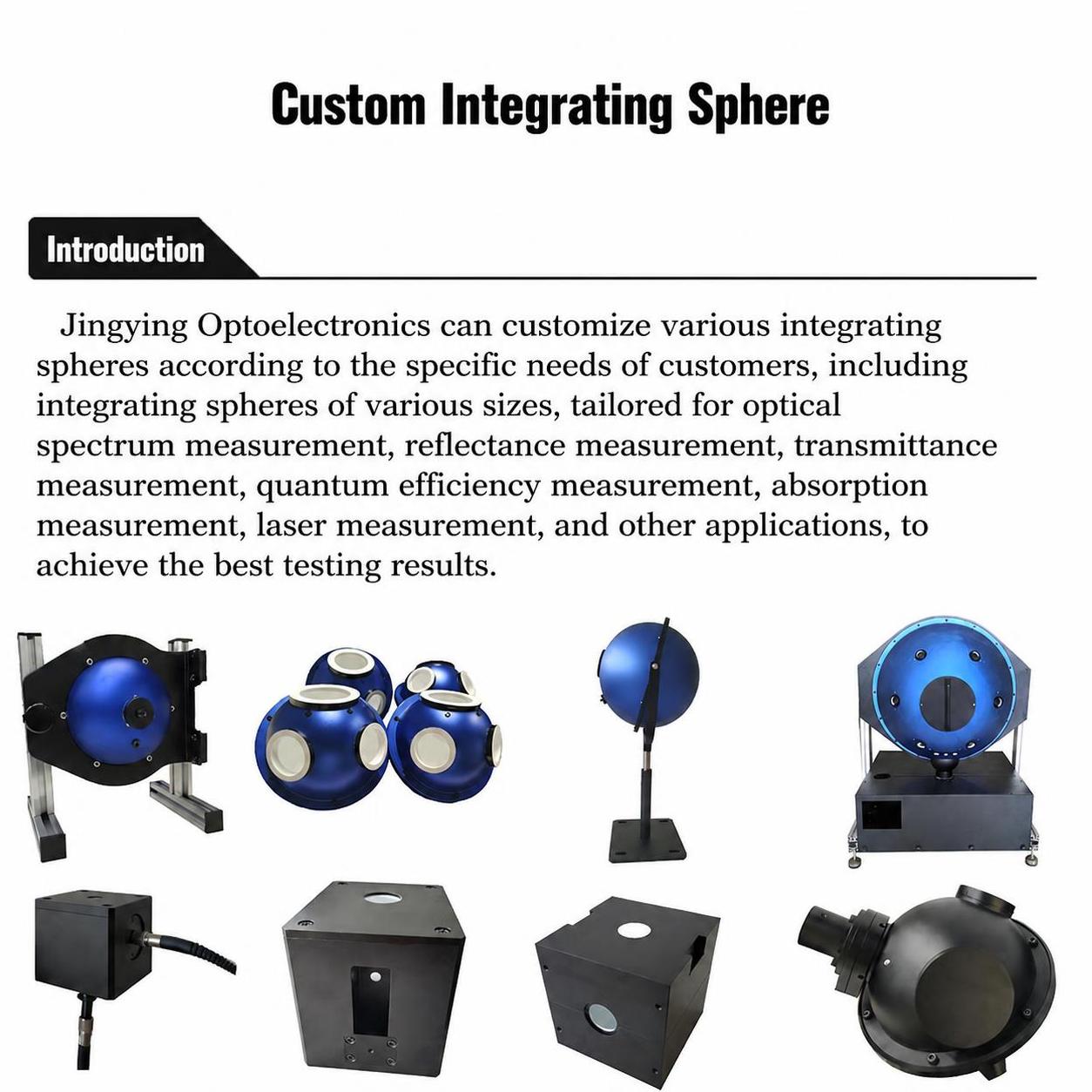
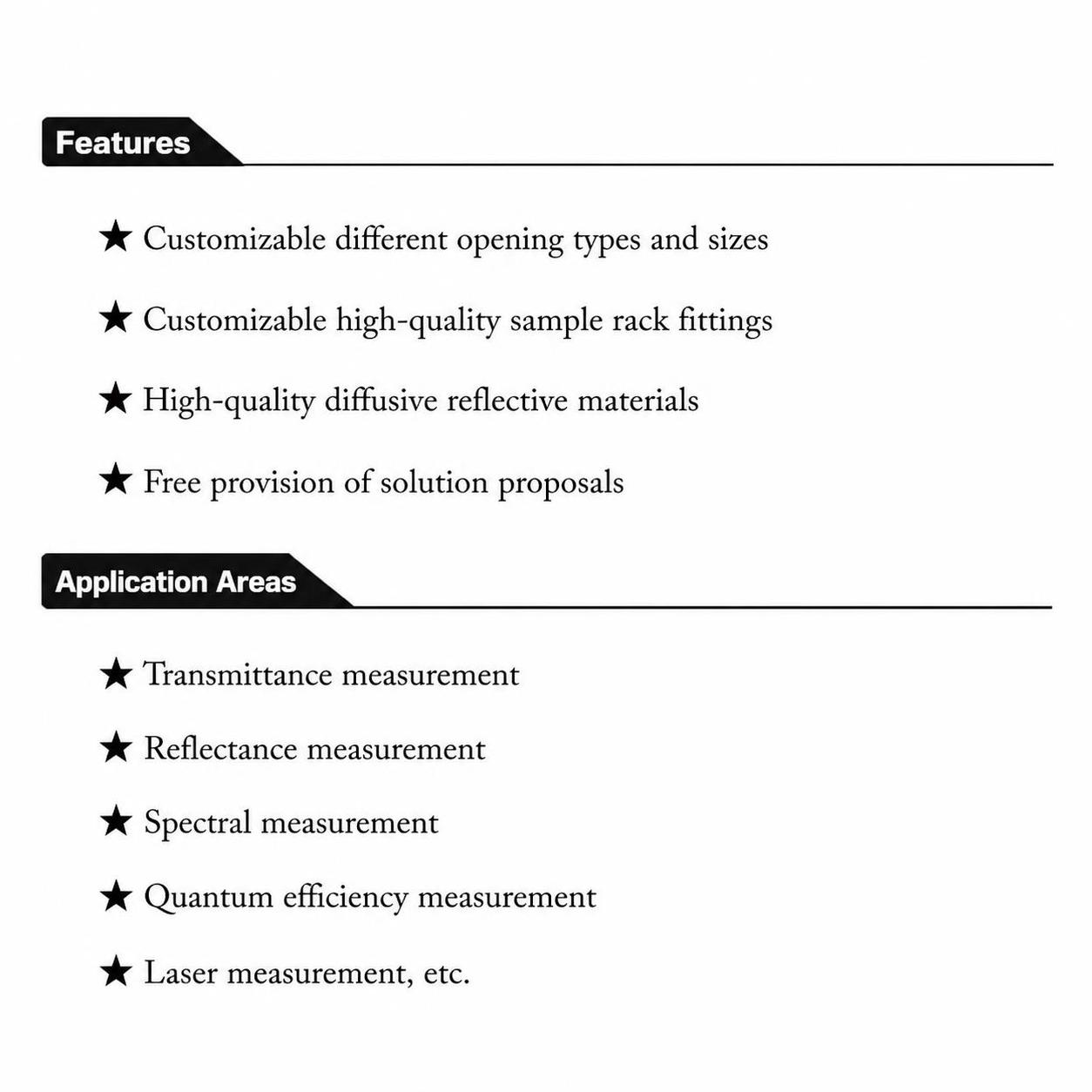
Jingyi Optoelectronics can customize integrating spheres of various applications and sizes according to the specific needs of customers. Suitable integrating spheres can be customized for various applications such as spectral measurement, reflectance measurement, transmittance measurement, quantum efficiency measurement, absorption measurement, laser measurement, etc., to achieve the best testing results.
Characteristics
Customizable with different openings and sizes
Customizable high-quality sample holder accessories
High quality diffuse reflective material
Free solutions available
Application Fields
Transmittance measurement
Reflectance measurement
Spectral measurement
Quantum efficiency measurement
Laser measurement, etc
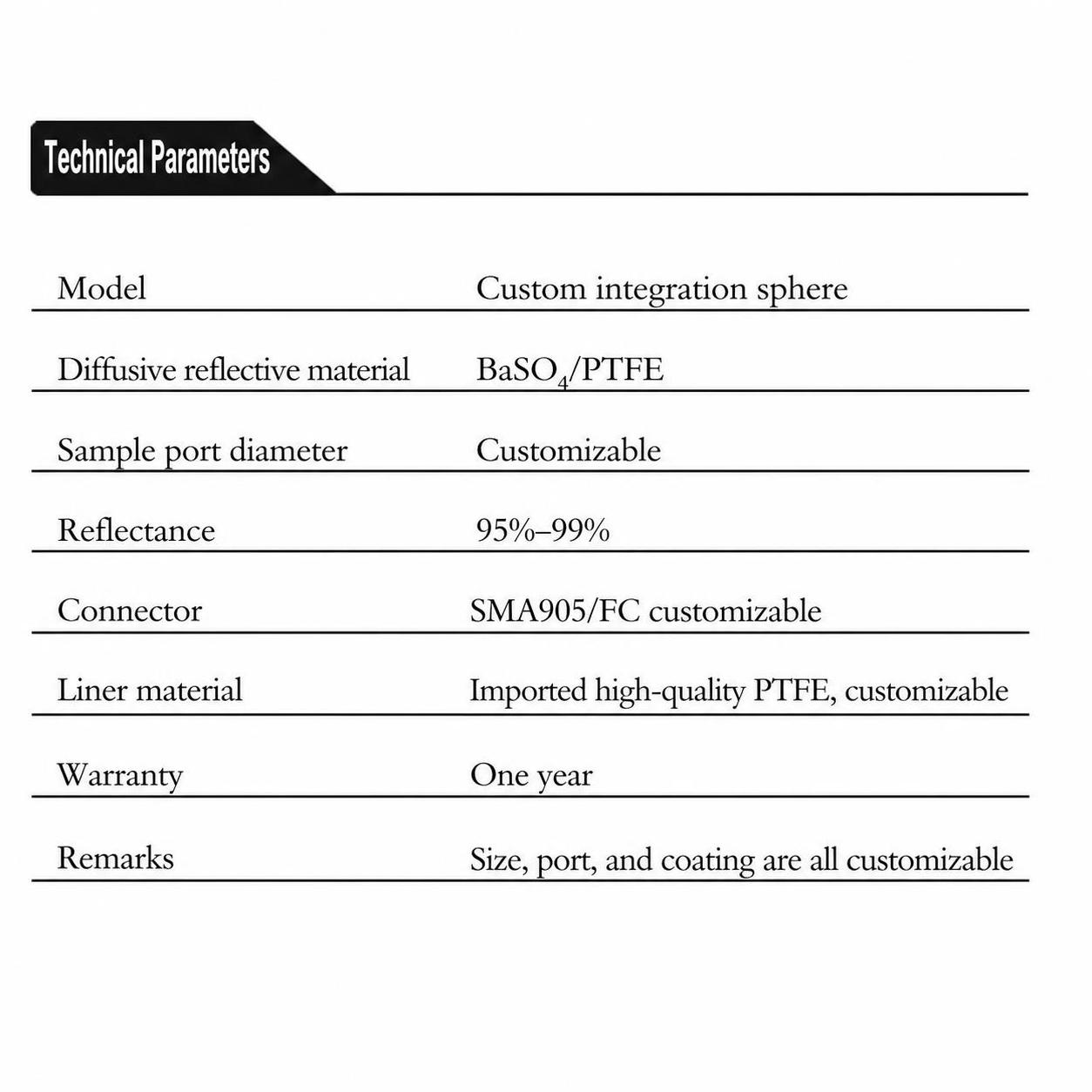
Technical Parameters