Introduction to Integral Sphere: From Materials to Applications
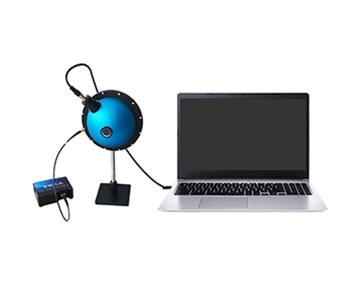
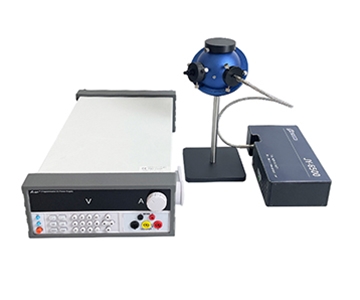
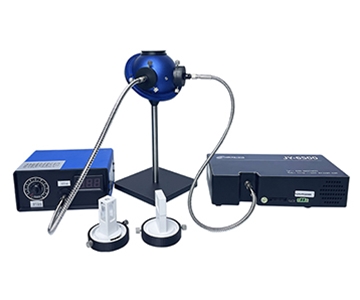
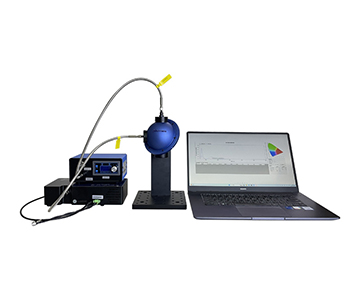
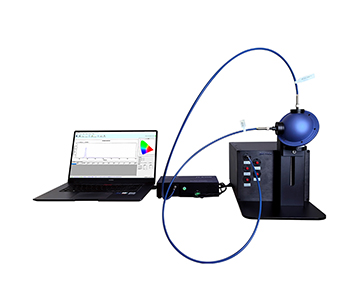
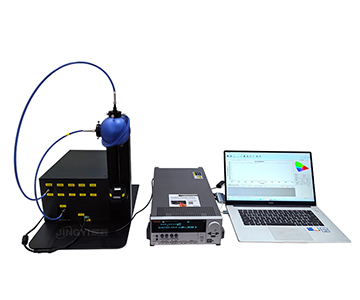
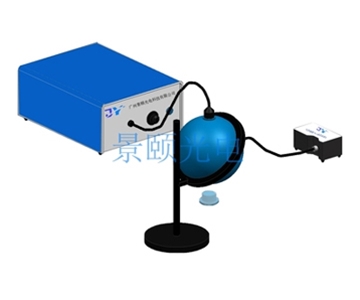
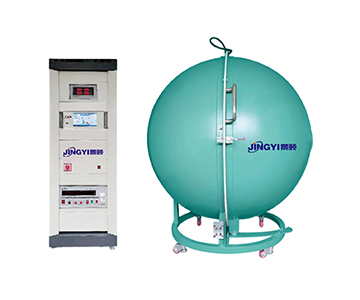
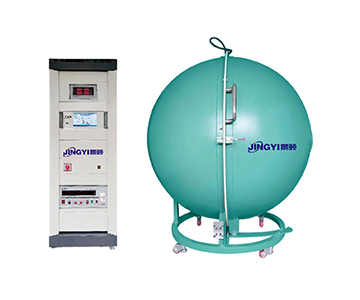
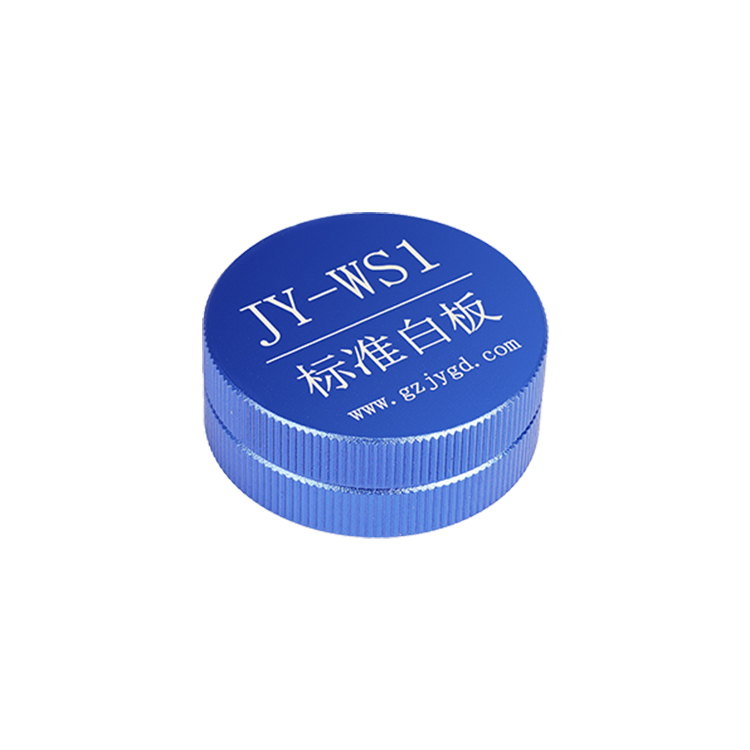
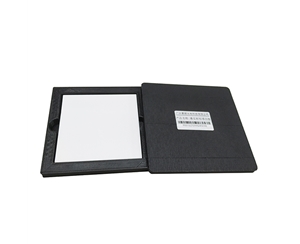
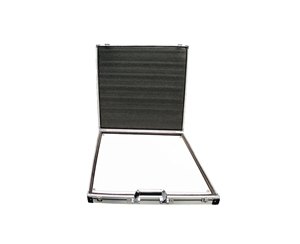
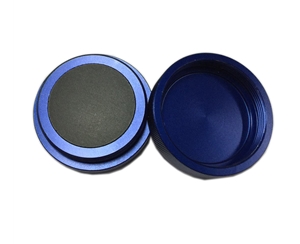
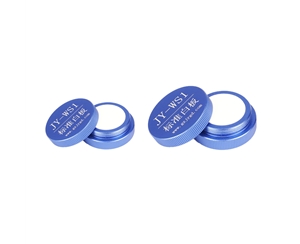
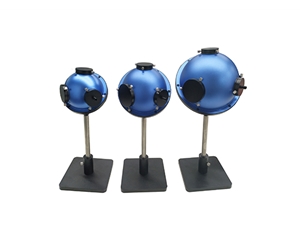
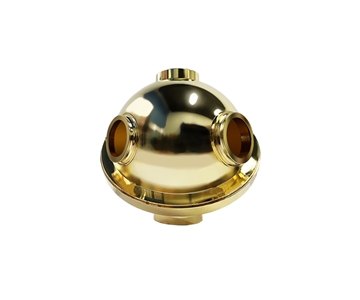
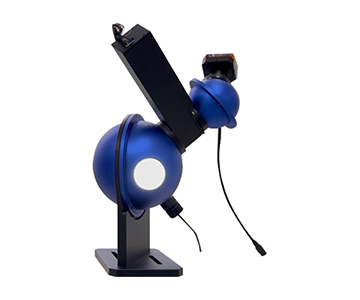
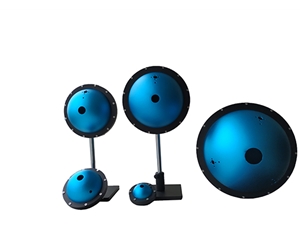
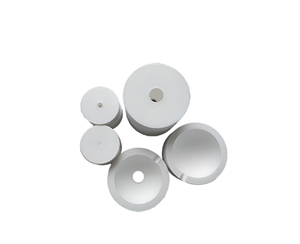
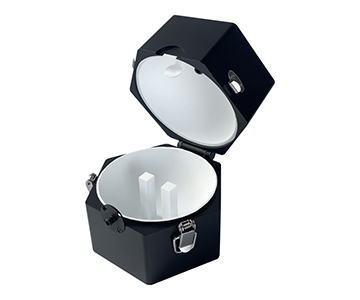
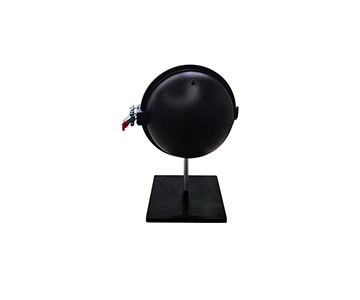
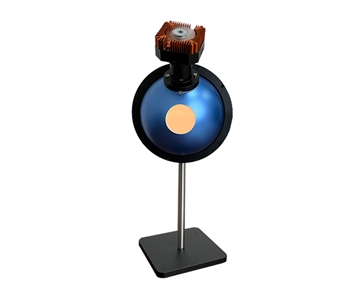
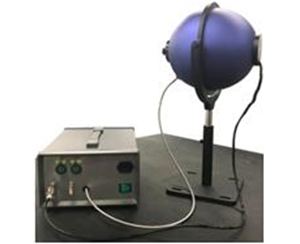
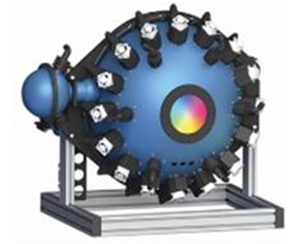
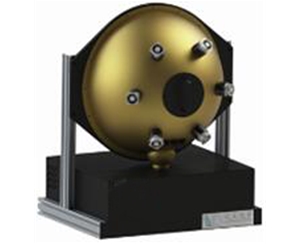
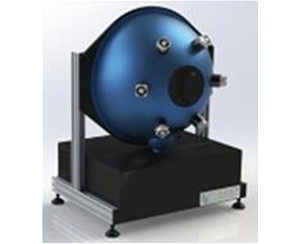
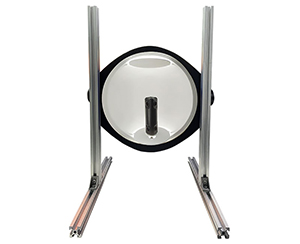
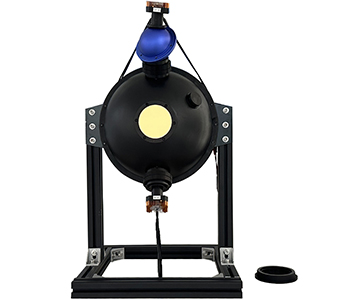
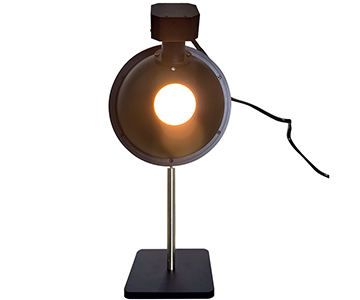
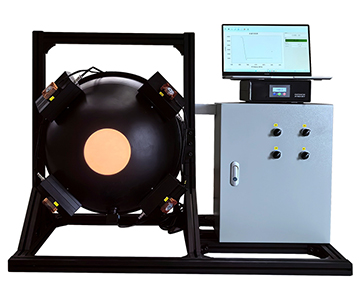
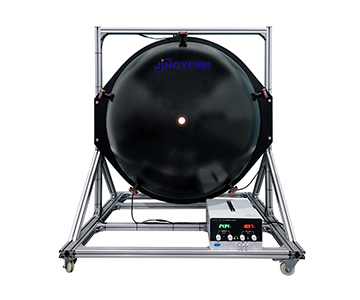
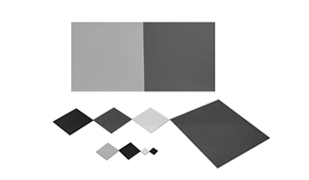
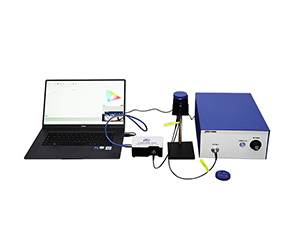
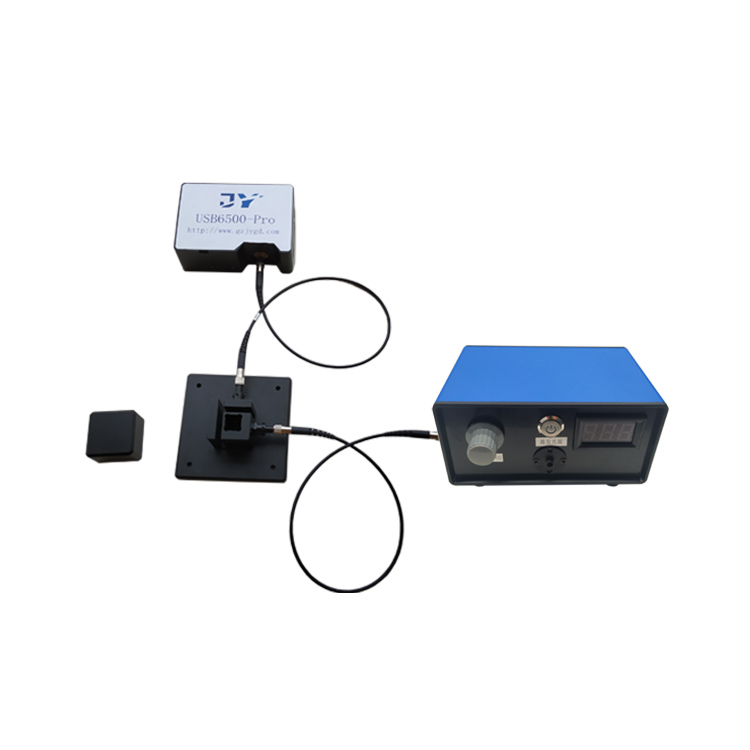
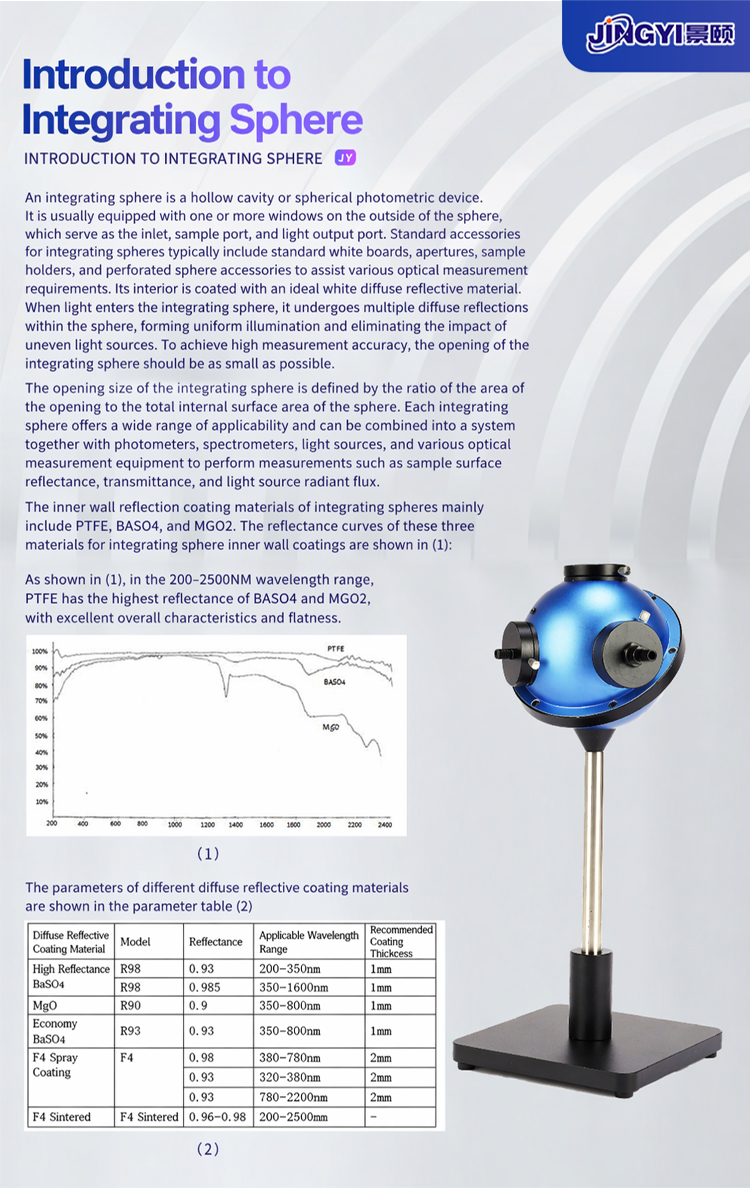
Integral sphere is a hollow sphere, also known as a photometric sphere, a luminous sphere, etc. Usually, one or several windows are opened on the outer wall of the integrating sphere to serve as the light inlet, sample outlet, and light output outlet. Some integrating spheres are also equipped with standard whiteboards, optical traps, sample holders, hole plugs and other integrating sphere accessories to assist with various optical measurement requirements, etc. The inner wall is coated with an ideal white high diffuse reflection material, and the light entering the integrating sphere is reflected multiple times by the diffuse reflection layer on the inner wall, resulting in a uniform illumination that can eliminate the influence of uneven light beams. To achieve high measurement accuracy, the aperture ratio of the integrating sphere should be as small as possible. The aperture ratio is defined as the ratio of the area of the sphere at the opening of the integrating sphere to the area of the entire inner wall of the sphere. Each integrating sphere has a wide range of applicability and can be combined with spectrometers, optical fibers, light sources, and various optical measurement devices to form a system for various sample measurements, such as sample surface reflectivity, sample transmittance, light source radiation, and so on. The material of the diffuse reflection surface on the inner wall of the integrating sphere: The material of the diffuse reflection surface on the inner wall of the integrating sphere determines the service life, accuracy, stability, and so on of the integrating sphere. Usually, the materials of the diffuse reflection surface on the inner wall of the integrating sphere include PTFE, Baso4, and MGO2. The reflectivity curves of these three materials are shown in Figure (1): From Figure (1), it can be seen that in the spectral band of 200-2500nm, PTFE has a higher reflectivity than Baso4 and MGO2, and has excellent Lambert properties and a flat spectrum.
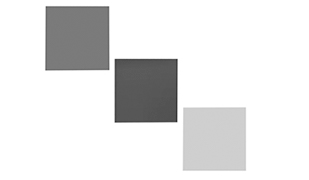
The parameters of different diffuse reflective coating materials are shown in Figure (2)
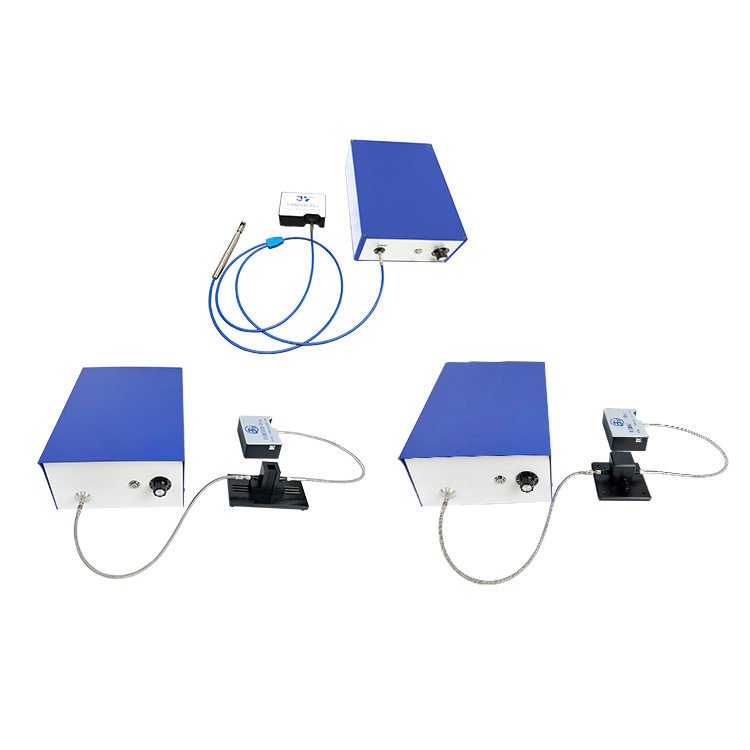
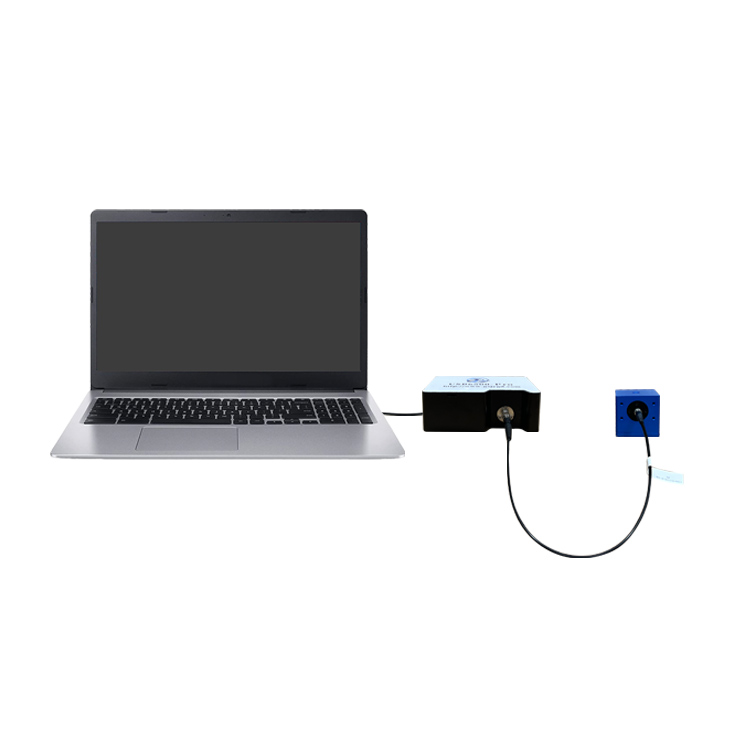
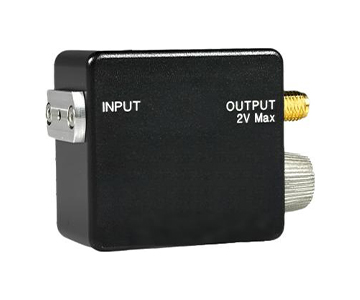
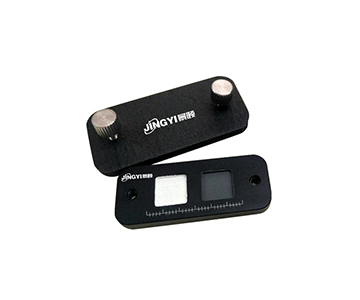
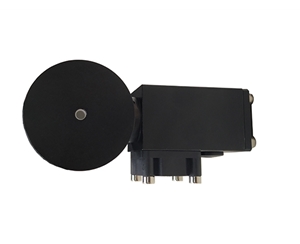
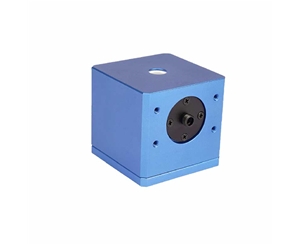
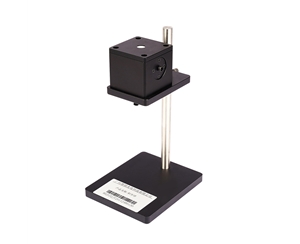
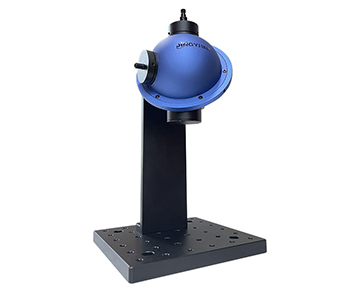
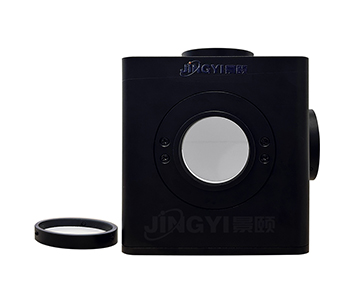
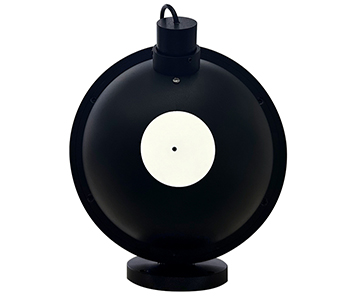
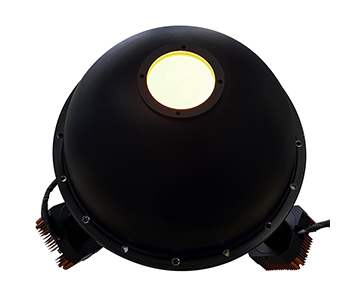
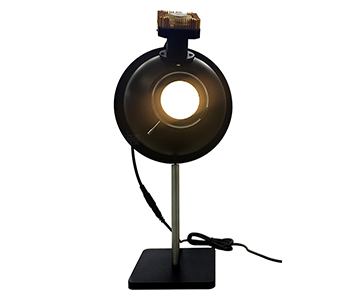
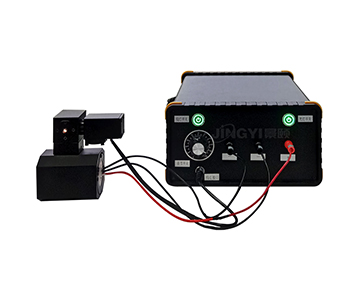
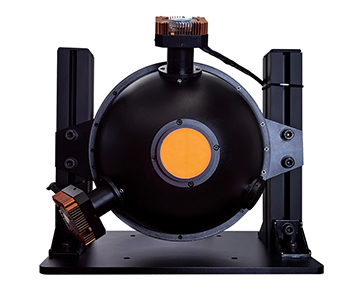
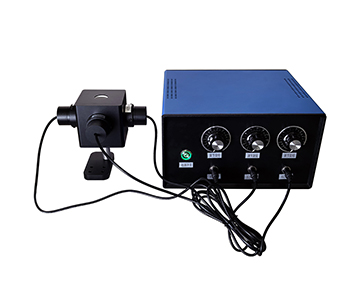
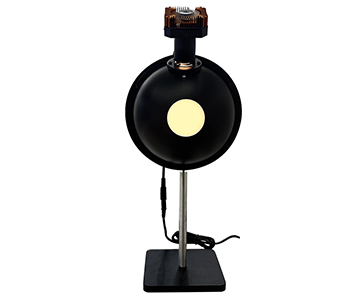
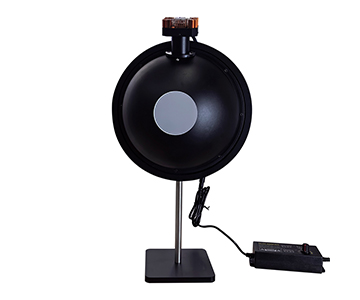
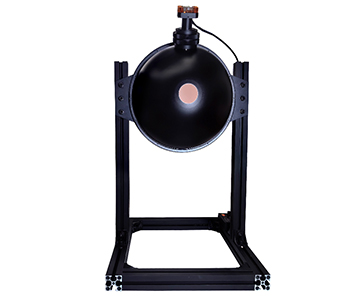
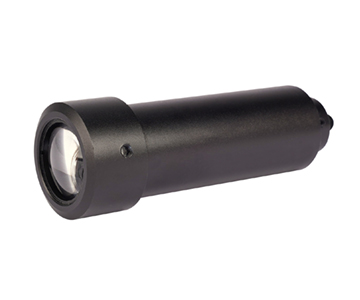
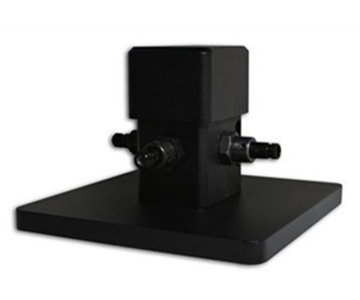
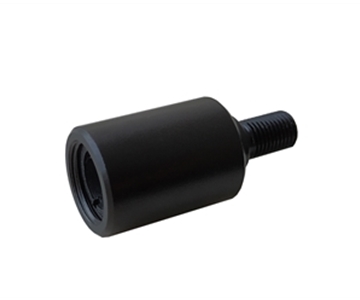
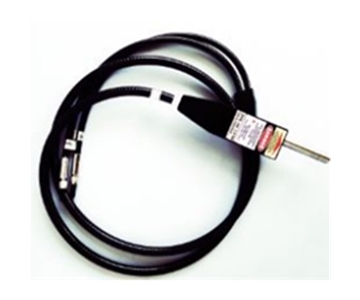
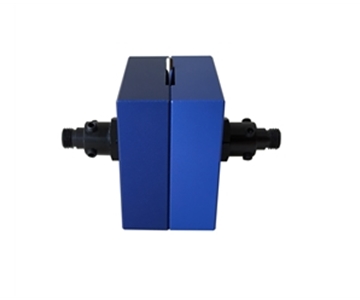
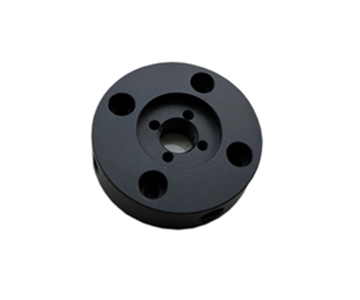
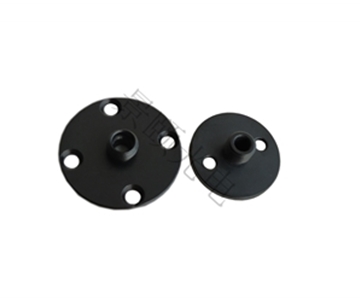
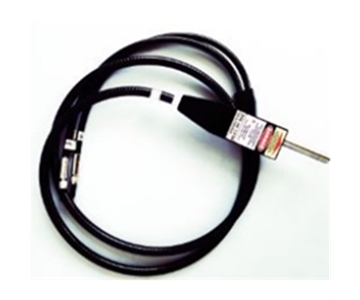
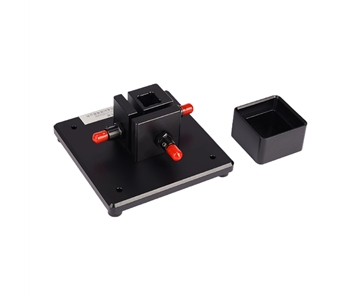
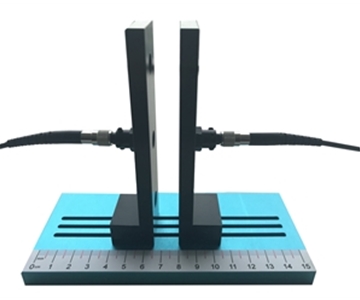
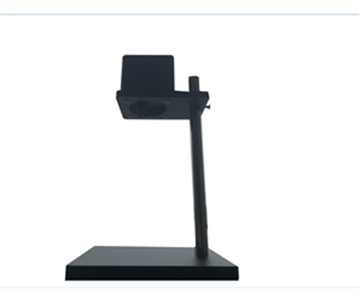
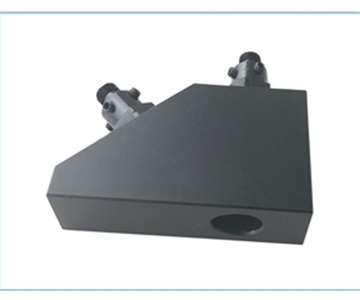
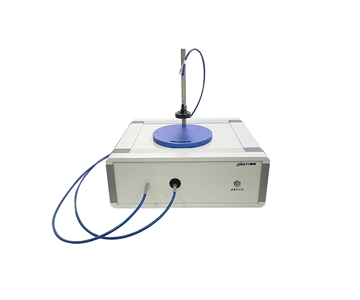
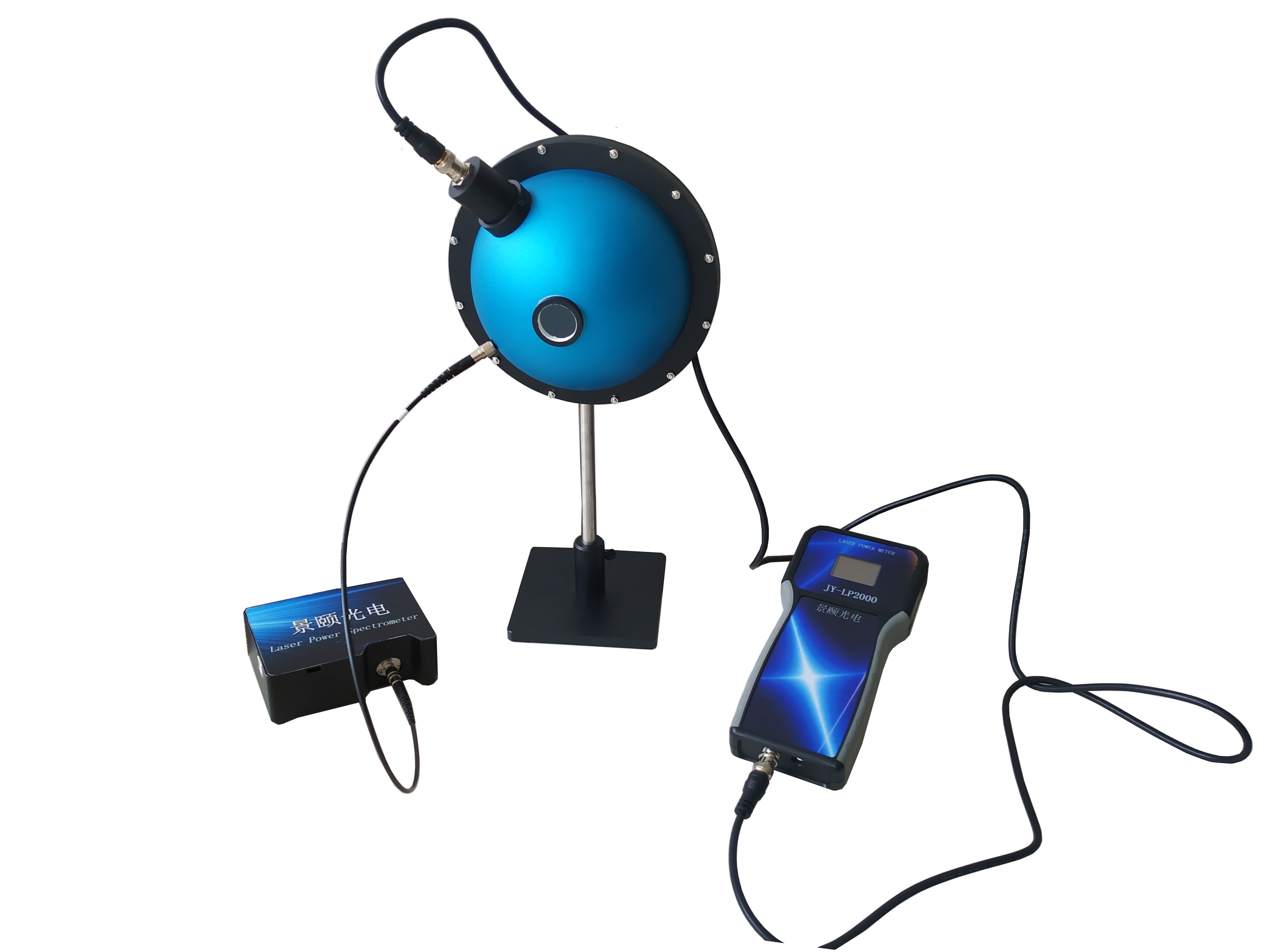
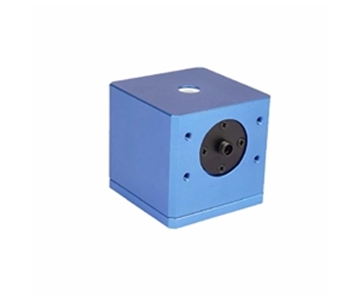
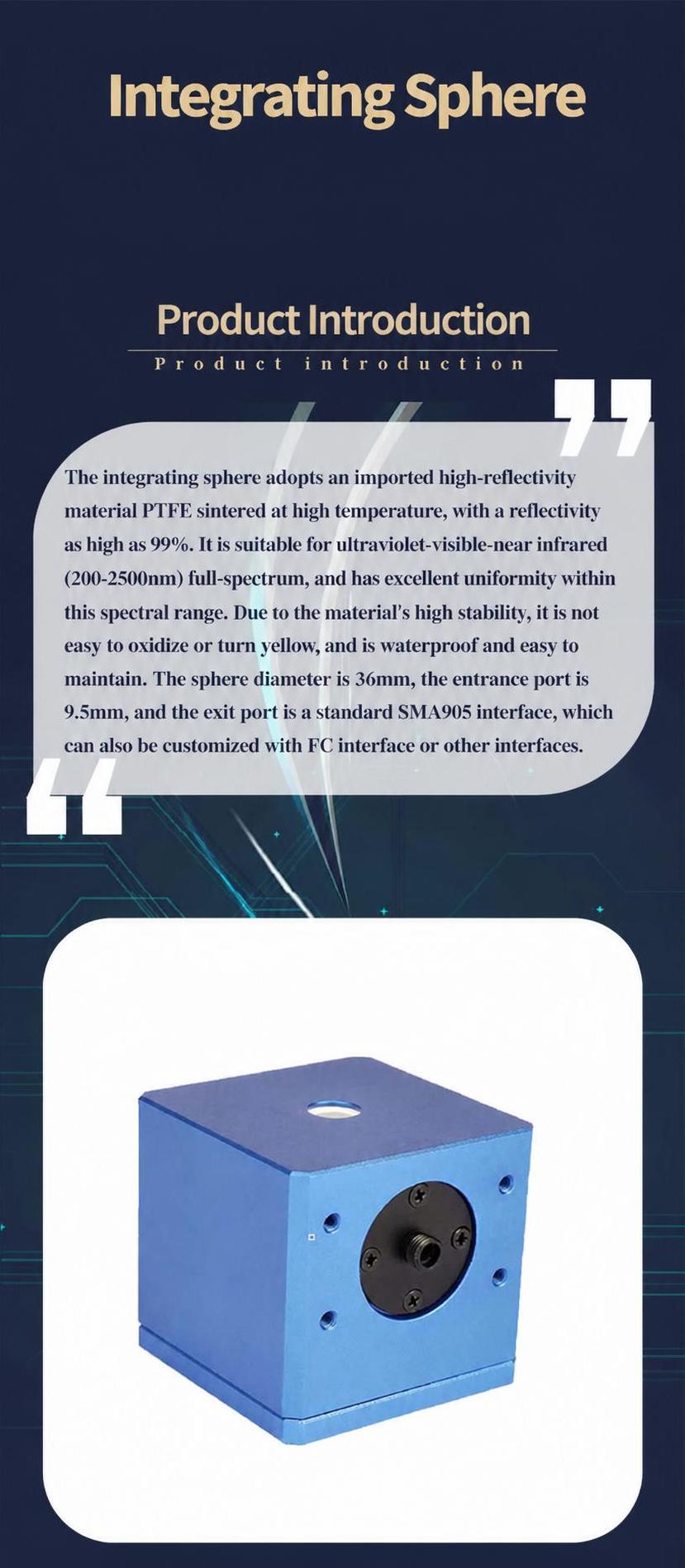
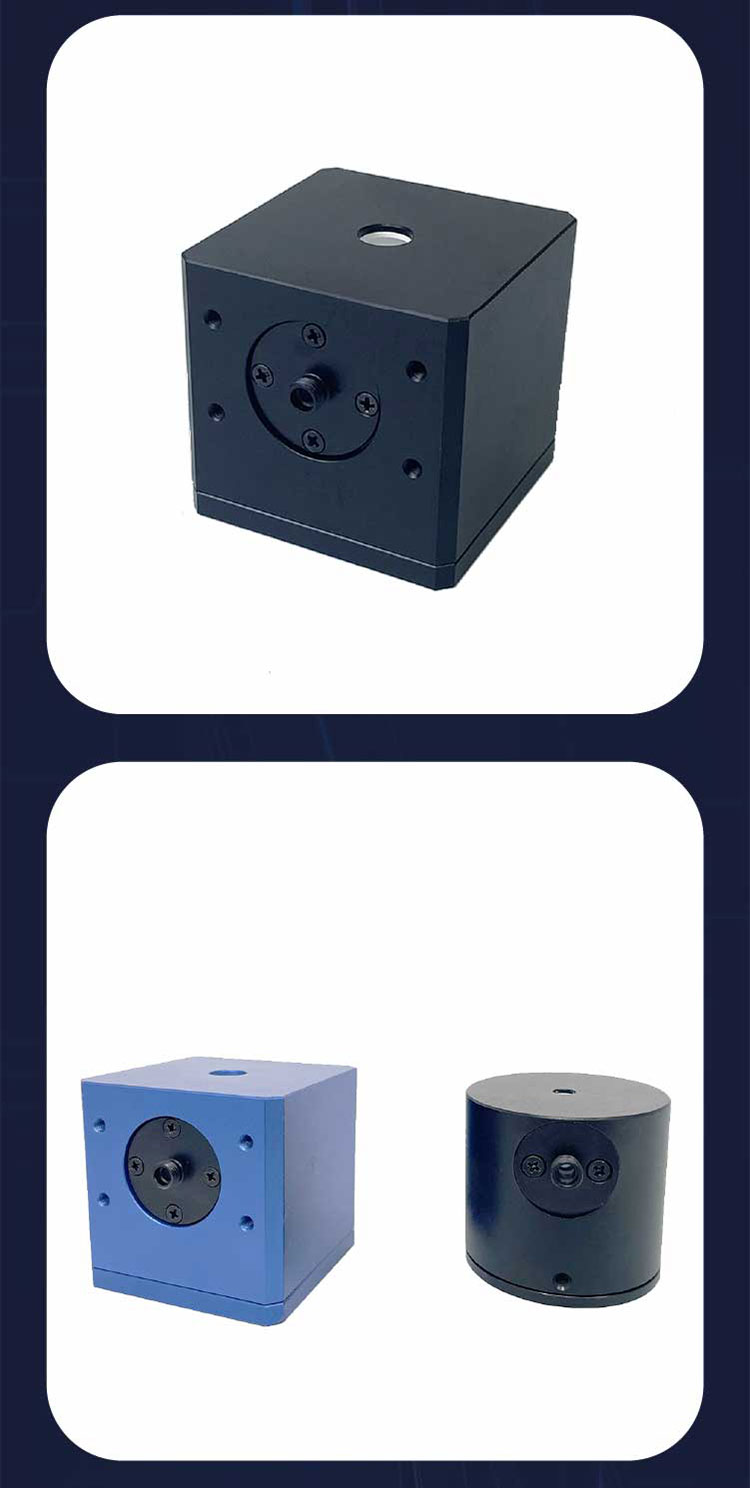
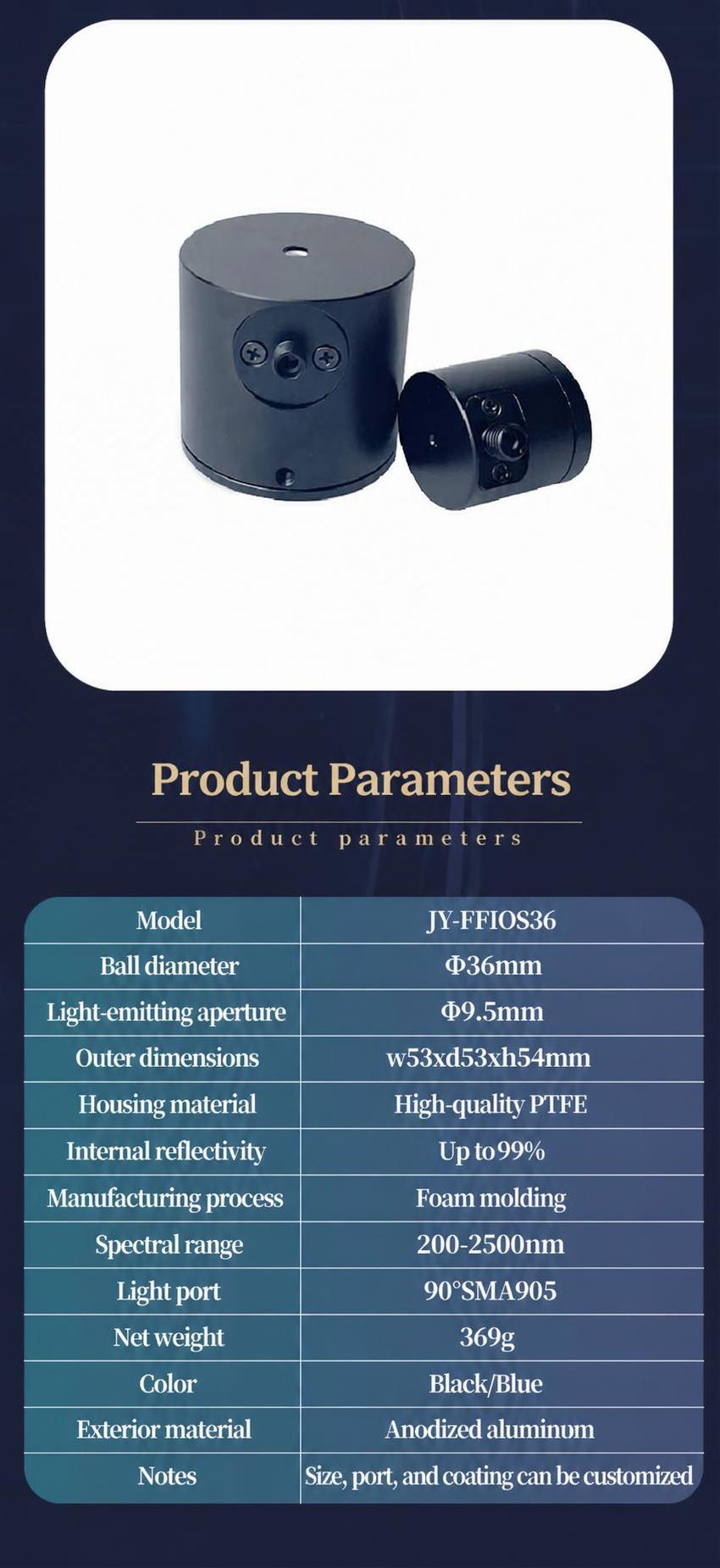
Product Introduction of Transmittance Integral Ball The transmittance integral ball is made of imported high diffuse reflection material PTFE and fired at high temperature, with a reflectivity of up to 99%. It is suitable for the full spectrum of UV visible near infrared (200-2500nm) and has good Lambertian characteristics in this spectral range. Due to the high stability of the material, it is not easy to oxidize, yellow or deteriorate, and is waterproof and easy to store. The inner diameter of the integrating sphere is 36mm, the default inlet is 9.5mm, and the outlet is a universal SMA905 interface, which can also be customized with FC interface or other interfaces.
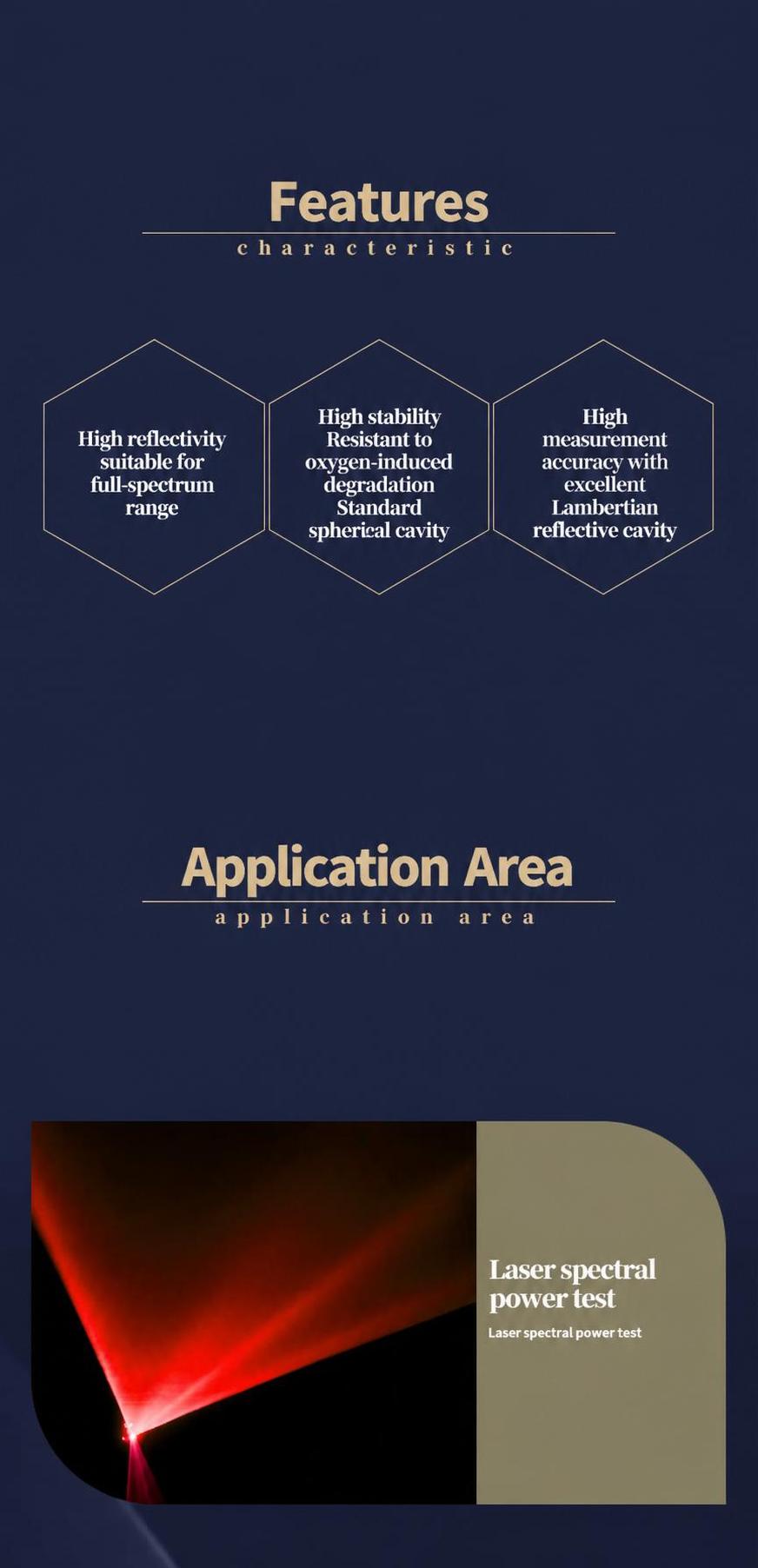
Characteristics: high reflectivity, suitable for the full spectrum range, high stability, not easily oxidized or deteriorated, standard Lambertian sphere cavity with high accuracy, and excellent Lambertian reflector sphere cavity
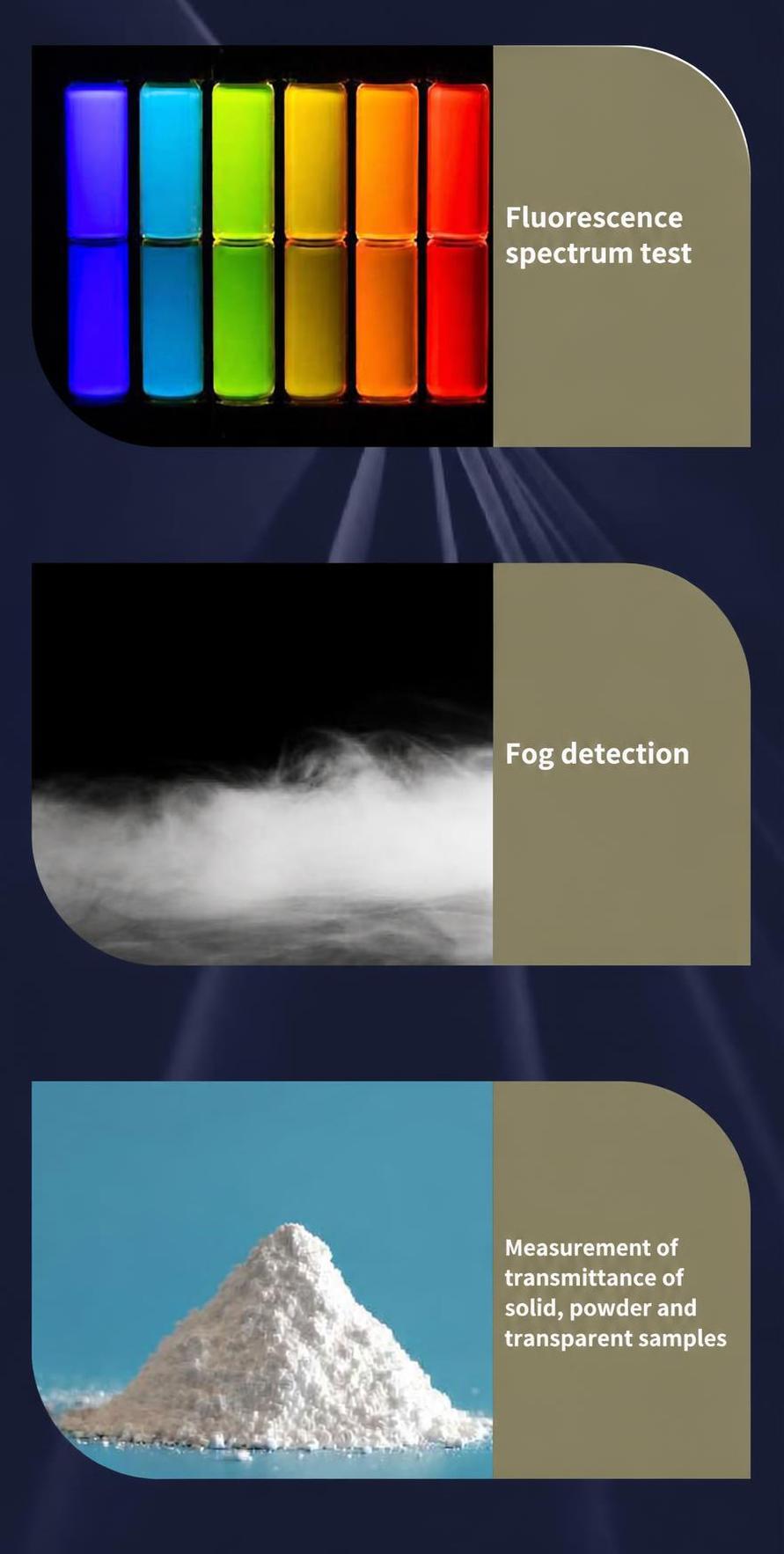
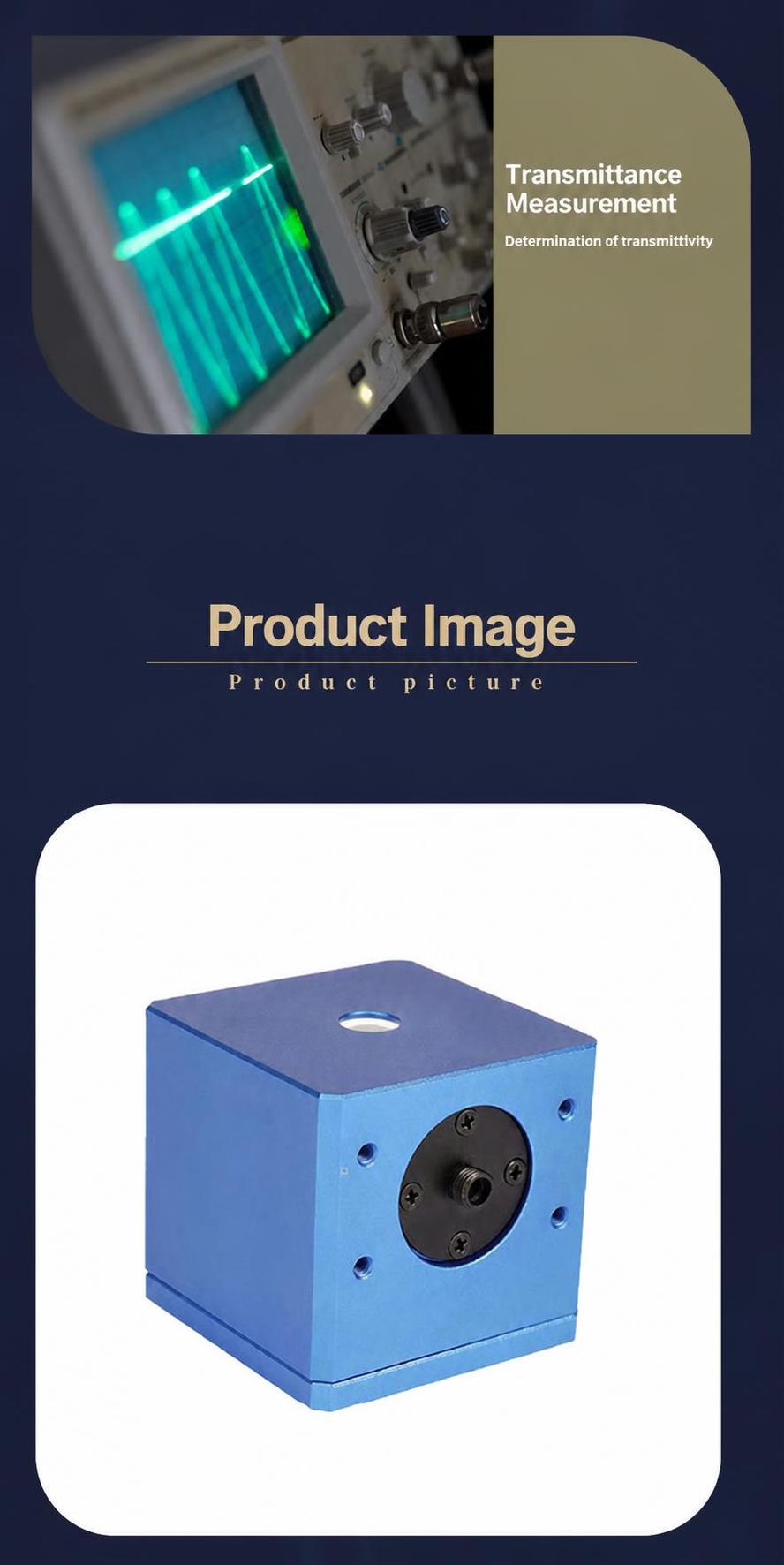
Application Fields: Laser Spectroscopy, Power Testing, Fluorescence Spectroscopy, Haze Detection, Transmittance Measurement of Solid, Powder, and Transparent Samples, Transmittance Color Determination
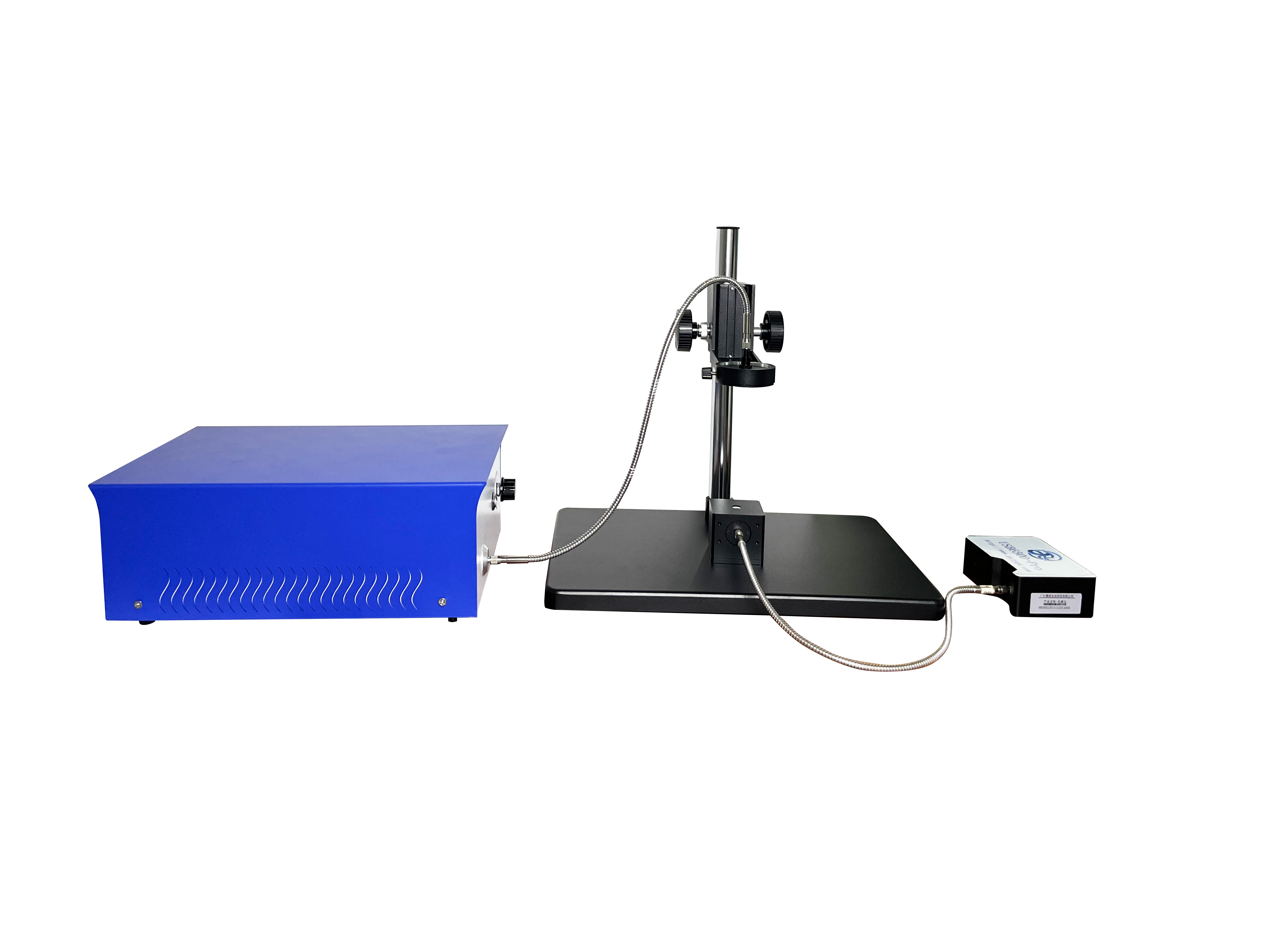
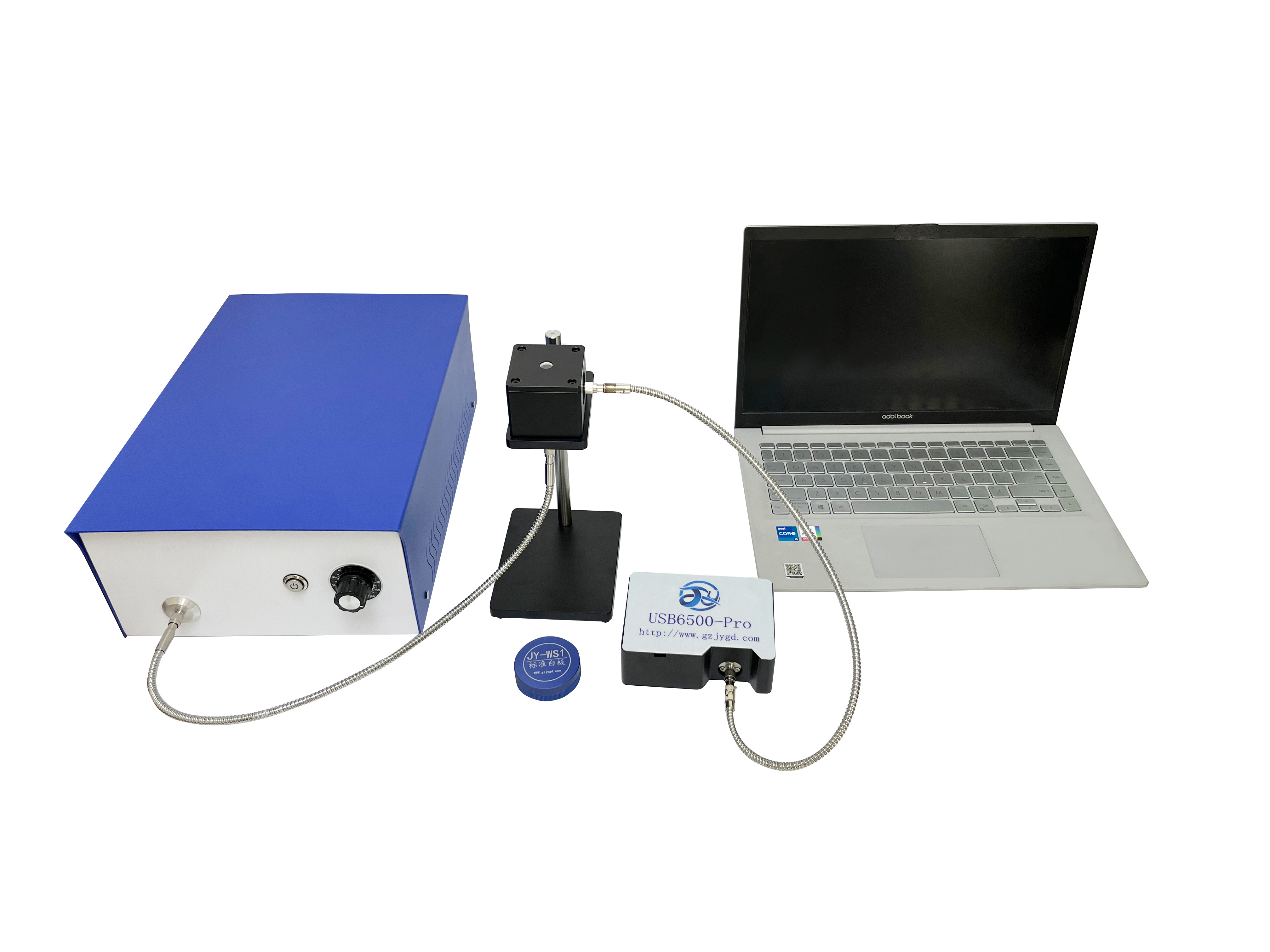
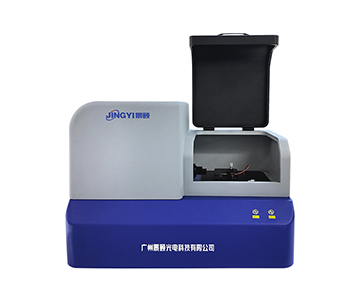
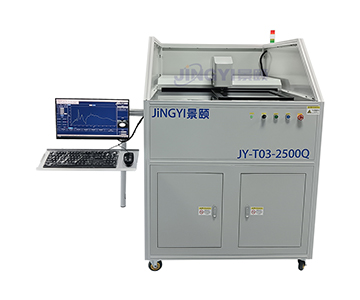
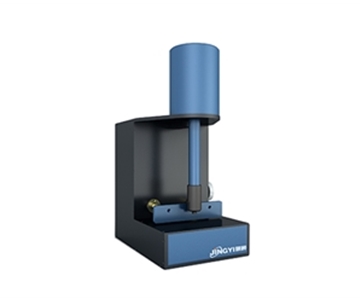
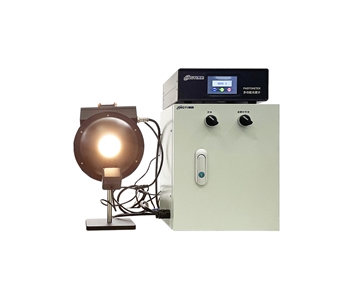
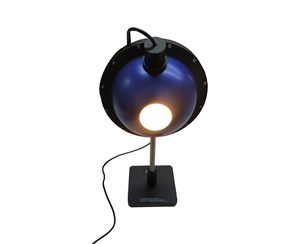
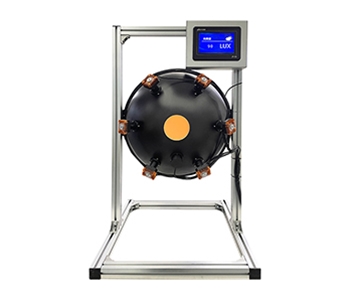
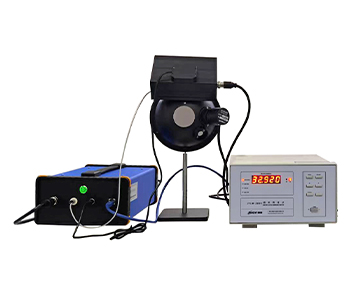
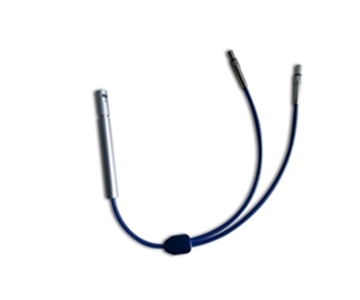
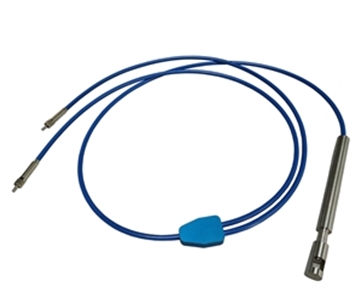
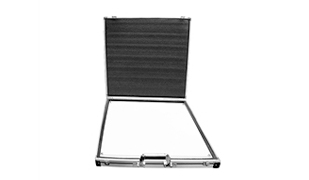
product image
Product Specifications