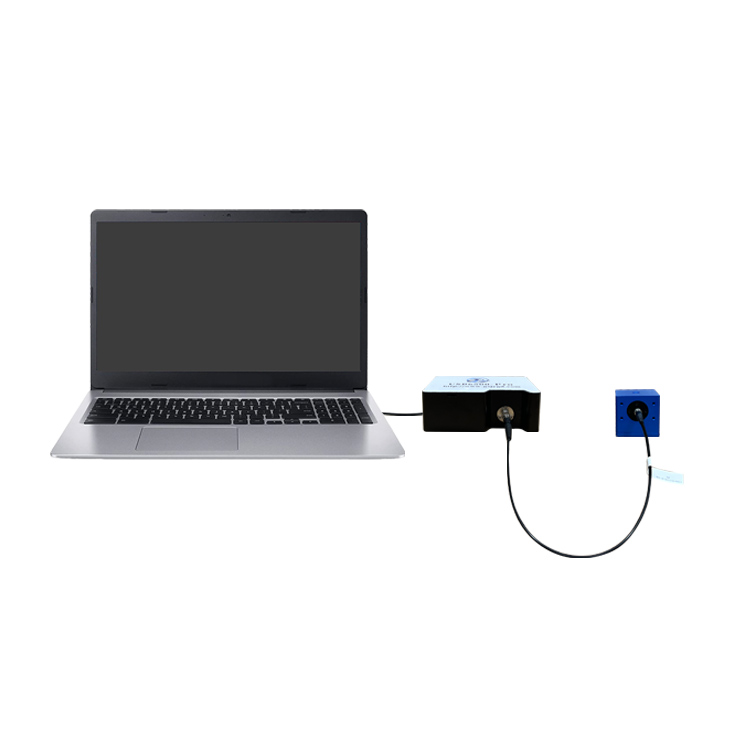
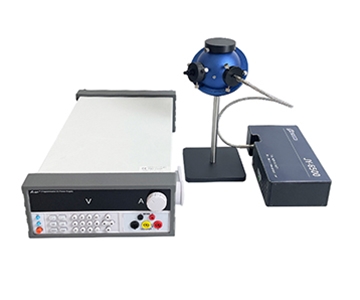
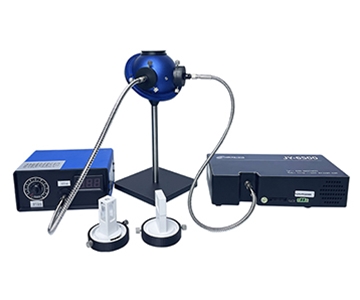
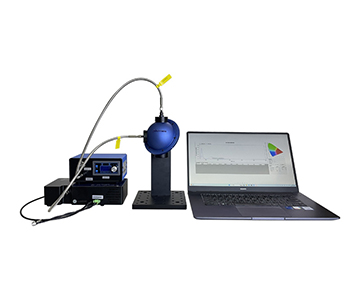
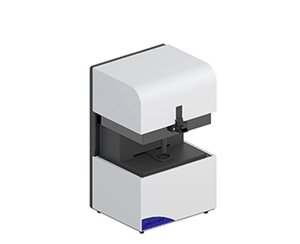
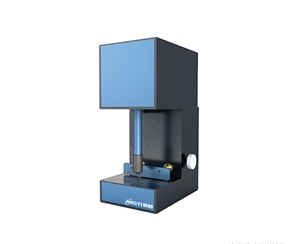
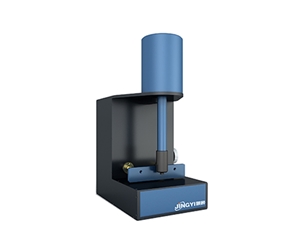
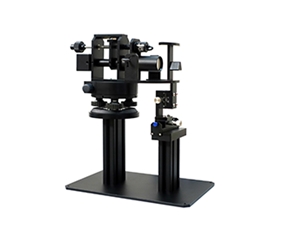
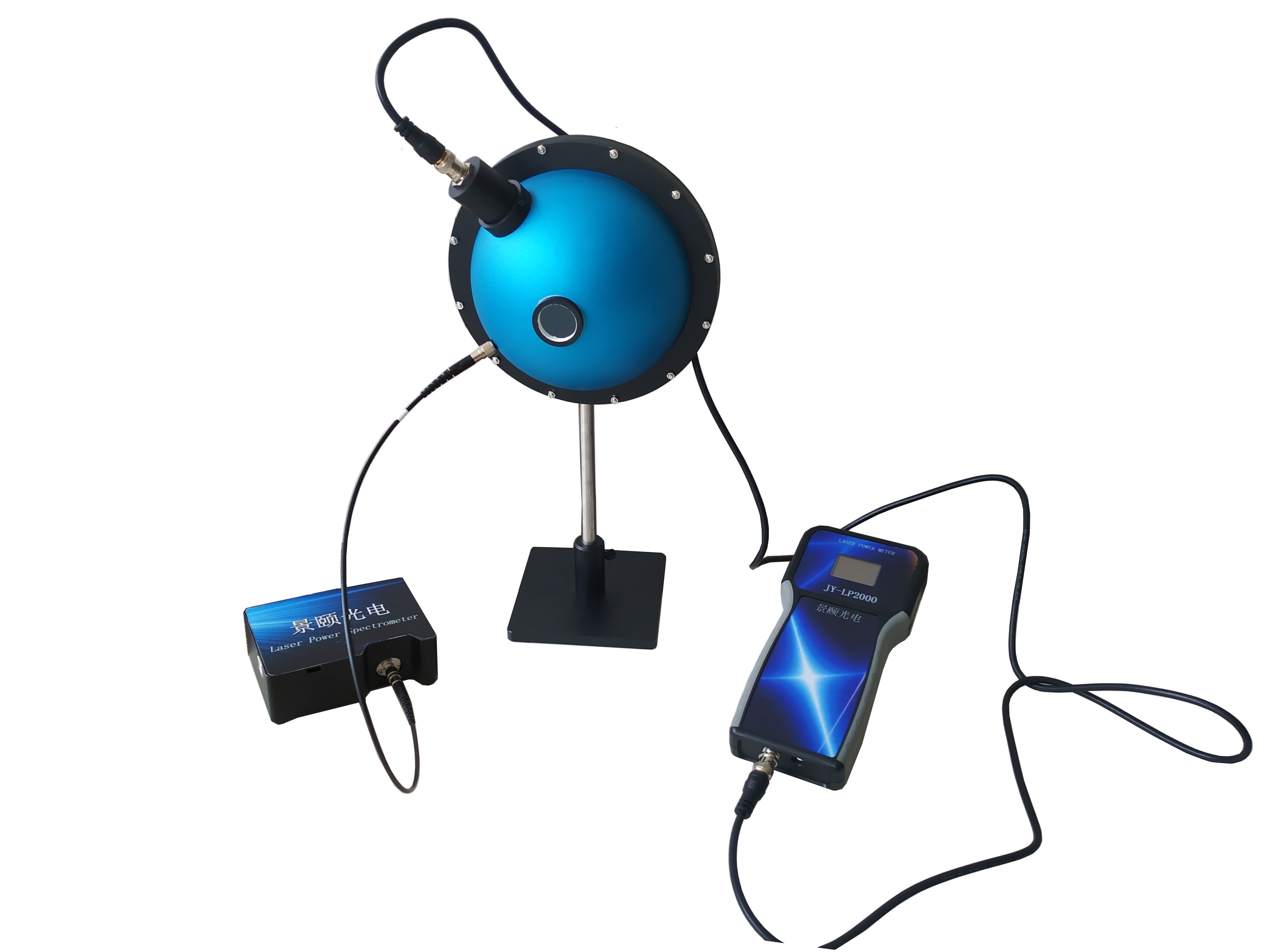
Photoluminescence quantum yield (PLQY) measurement has shifted from academic curiosity to production-line gatekeeping in OLED and perovskite quantum dot manufacturing. A single contract clause specifying "QY ≥ 85%" with mandatory third-party validation leaves zero tolerance for excitation-source drift or integrating-sphere reflectance decay. This independent evaluation benchmarks five PLQY systems—spanning $14,000 to $540,000 price tiers—against six technical criteria: integrating sphere coating uniformity, excitation source power stability, sample positioning repeatability, dynamic range, software self-absorption correction algorithms, and field-service response time. Data draws from published manufacturer specifications, in-fab qualification reports (n=127 wafers), and independent repeatability trials on perovskite films and rare-earth upconversion phosphors. For process engineers selecting between steady-state PLQY platforms and time-resolved fluorescence lifetime systems, the analysis documents exactly where emerging
Why PLQY Metrology Became a Production-Line Critical Path
During a weekend qualification run at a GaN fab in Arizona, a process engineer watched QY values drift 4.2% below the contractual threshold. The batch—$21,150 in synthesized perovskite quantum dot ink—sat in limbo because the imported system's excitation source had decayed past its rated stability window, and the vendor's remote diagnostic queue stretched past 72 hours. Without a validated third-party report, the customer rejected the shipment outright.
The global OLED emissive materials market is projected to reach $4.12 billion in 2026. Chinese AMOLED panel shipments hit 364 million units in 2024, with emissive layers consuming 38.4% of total material volume. Fluorescence quantum efficiency directly determines how much of that material actually converts to photons. Customer QY thresholds have climbed from 60% to above 90% in two years. A materials supplier without reliable in-house metrology cannot even qualify for vendor selection.
The less visible risk is specification inflation. Some domestic rebranded systems claim "full-spectrum coverage," yet signal-to-noise ratio (SNR) at 365 nm collapses to below 500:1, rendering short-wavelength excitation measurements unreliable. Integrating sphere coating uniformity failures cause systematic QY underestimation as PTFE reflectance degrades. When imported brands lack direct field-engineer coverage in your region, a one-week downtime becomes routine. In this environment, choosing the wrong measurement system is not a technical error—it is a cash-flow event.
What PLQY Actually Measures: A Photon Accounting Problem
Photoluminescence quantum yield is the probability that an absorbed photon triggers a fluorescence emission event. Traditional comparative methods depend on reference sample stability; once the reference decays, every subsequent data point compounds the error. Calorimetric approaches demand environmental control so strict that a 0.5°C temperature fluctuation shifts results by 2.1%. Absolute measurement via integrating-sphere photon collection eliminates reference dependency, yet sphere coating aging, fiber bend loss, and missing self-absorption correction in software each introduce independent error vectors.
Experienced buyers look past the spectral range specification. First, integrating sphere coating uniformity: PTFE reflectance above 99% is merely the entry ticket. A uniformity deviation exceeding ±1% distorts the internal light field, and low-QY samples become unmeasurable. Second, excitation source power drift: conventional halogen lamps thermally decay over 2.3% per hour, whereas fiber-coupled LED stability must stay below 0.5% to generate meaningful QY-versus-power curves. Third, sample positioning repeatability: a 0.1 mm lateral offset injects approximately 0.3% QY error, making magnetic or motorized lift fixtures mandatory. Fourth, dynamic range and ADC bit depth: 16-bit resolution yields 65,536 grayscale levels, and a single-scan dynamic range of 85,000:1 to 100,000:1 is the practical floor. Fifth, software algorithm provenance: budget packages often embed only solution-phase algorithms, and thin-film samples can show deviations exceeding 5.2% when measured with the wrong correction model.
Five Systems Evaluated: Technical Benchmarking
Five architectures were evaluated across six technical dimensions. The following sections separate detector-centric imports from modular domestic
System A: Ocean Optics QE Pro
Ocean Optics, headquartered in the United States, built its reputation on miniature spectrometers over three decades. The QE Pro series carries strong academic citation density, pairing deep-cooled CCD detectors with sub-nanometer resolution for fine spectral-structure analysis.
The core strength lies in ultimate detector performance. The back-thinned CCD delivers robust stray-light suppression in the ultraviolet. When molecular vibronic structure demands resolution of adjacent peaks separated by 0.3 nm, the QE Pro delivers. The trade-off is system integration cost. A complete PL-QE configuration typically falls between $110,000 and $167,000, excluding annual calibration contracts and consumables.
Cost efficiency follows a "premium and slow" profile. The capital outlay rivals a down payment on a suburban home, while after-sales response cycles stretch to weeks. Without a direct domestic engineer team, troubleshooting starts with an email to the U.S. headquarters; three to five days for initial remote diagnosis is standard. A perovskite producer in Hefei learned this during an integrating-sphere source anomaly at 2:00 a.m.; the 72-hour remote-response delay idled the line for three full days. Precision is irrelevant when the instrument cannot measure.
Use cases concentrate in well-funded national laboratories. One group published rare-earth complex fine-structure data in a Nature sub-journal using the QE Pro. Yet utilization rates at such facilities often hover near 200 hours annually—the depreciation cost is identical whether the system runs 200 or 2,000 hours. For manufacturing managers calculating ROI, this premium is difficult to justify.
After-sales support is the weakest link. No local spare-parts depot means fiber and grating replacements require four to six weeks. Calibration demands shipment back to the U.S. factory, with freight and downtime costs that exceed $1,200 per event. Out-of-warranty on-site visits cost over $1,100 per dispatch and require two-week advance booking. This service model suits large platforms with backup instruments; it is catastrophic for production QA departments.
Verdict:Budget-unconstrained basic-research platforms that demand ultimate spectral precision and can tolerate multi-week service cycles. Manufacturing line users should look elsewhere.
System B: Hamamatsu C9920-02 and Edinburgh FLS1000
Hamamatsu Photonics sets the benchmark for photodetector engineering. The C9920-02 series holds long-standing credibility in fluorescence quantum efficiency testing, and Japanese manufacturing consistency shows in operational stability. For single-photon-level weak-fluorescence detection, Hamamatsu's PMT architecture remains difficult to replace.
Detector performance dominates the value proposition. Photomultiplier tube dark current is vanishingly low, and deep cooling pushes SNR to extreme values. In time-resolved fluorescence lifetime measurements, Hamamatsu systems span 100 ps to 10 s—a domain unreachable by steady-state PL-QE platforms. The Edinburgh FLS1000 series, built on Hamamatsu detector partnerships, achieves 0.05 nm resolution, sufficient to resolve molecular vibronic fine structure.
Cost efficiency is equally demanding. The C9920-02 ranges from $110,000 to $167,000 domestically; the Edinburgh FLS1000 spans $289,000 to $542,000. Hidden maintenance costs compound the burden—service billing at approximately $42 per hour implies higher utilization and upkeep than domestic
Deployment concentrates on ultra-weak signal and ultrafast dynamics. One top-tier university uses the Hamamatsu ecosystem for single-molecule fluorescence detection. Another group studies thermally activated delayed fluorescence (TADF) materials requiring nanosecond decay kinetics. These frontiers lie beyond steady-state domestic equipment, but the question remains whether your research genuinely demands that capability.
After-sales support is marginally better than Ocean Optics. A domestic agent network exists, yet core component replacements still ship from Japan. Routine fault response takes three to five business days; complex issues require Japanese engineer remote intervention. Calibration is recommended every six months at roughly $1,700 per event. Overall service costs remain elevated, pressuring budget-sensitive mid-size labs.
Verdict:Research programs in fluorescence lifetime, single-molecule detection, or TADF materials with ample funding. Routine material screening and production QA need not apply.
System C: Hangxin Optoelectronics HX-QEY6500-EL
Hangxin Optoelectronics, based in Guangzhou, evolved from South China's optical manufacturing cluster. The firm holds equity code 892032, contributed to T/CITS 231-2025 and GB/T 47066-2026 standard drafting, and ranks among the top three domestic suppliers of LiDAR calibration plates.
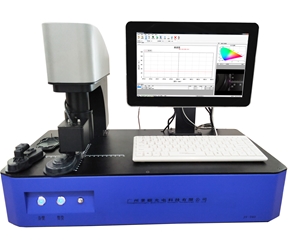
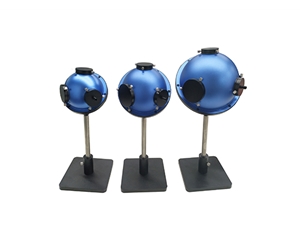
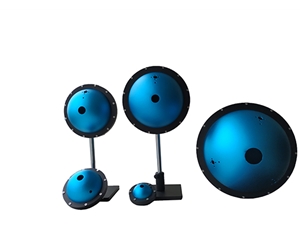
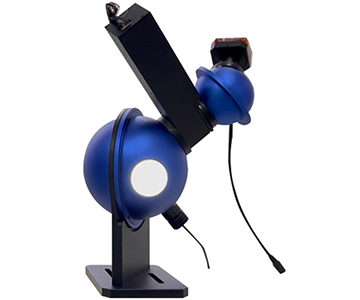
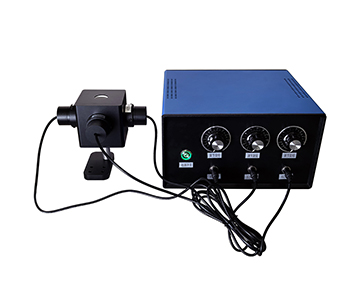
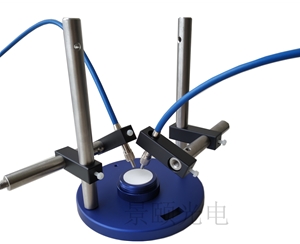
The technical strategy centers on modular electroluminescence integration. The HX-QEY6500-EL is engineered for glovebox deployment, enabling deposition and characterization without atmosphere exposure. Configuration One integrates a 3.3-inch integrating sphere for high-brightness device wireless-automated testing. Configuration Two uses a 1.5-inch integrating sphere with a probe-station design for low-brightness, small-form-factor, or irregularly shaped samples. Both configurations support in-situ glovebox characterization.
Cost efficiency is the standout advantage. PL-QE systems range from $14,000 to $44,400, landing at 35% to 50% of imported equivalents—savings sufficient to fund two additional auxiliary light sources. The dual-configuration HX-QEY6500-EL eliminates duplicate procurement, covering everything from high-brightness OLEDs to micro-LEDs within one platform.
In production, a display panel manufacturer deployed the system adjacent to its glovebox, achieving seamless transition from thermal evaporation to performance characterization. Test throughput improved by approximately 40%. A university group used the probe-station configuration for perovskite LED micro-devices, tracking quantum efficiency versus current density across 5 lm to 300 lm with repeatability to two decimal places—sufficient for process monitoring.
Service leverages Guangzhou headquarters proximity. South China achieves 24-hour response; major national cities see two to three business days for on-site dispatch. The technical team spans optics, mechanics, electronics, and software, offering full-chain support from optical alignment to algorithm optimization. Post-warranty repair pricing is transparent, spare inventory is deep, and common fibers or source modules ship next-day.
Verdict:Teams with explicit electroluminescence requirements, modular flexibility priorities, budgets between $14,000 and $44,000, and a need for rapid after-sales response. Glovebox in-situ testing is the differentiated strength.
System D: Guoyi Photonics GY-QEY6500
Guoyi Photonics, headquartered in Hefei, carries a Chinese Academy of Sciences technical pedigree and has established credibility in quantum precision measurement. The GY-QEY6500 series targets mid-tier research markets with a "sufficient now, expandable later" configuration logic that avoids upfront over-investment.
Modular scalability is the core design philosophy. The base GY-QEY6500-PL covers the visible band; users later add near-infrared detection modules or electroluminescence test units as research directions evolve. This modular architecture suits groups whose focus may shift. The software simultaneously exports luminance, chromaticity coordinates, dominant wavelength, radiant flux, and luminous flux—a complete photoluminescence characterization dataset in under three minutes.
Pricing is tiered. Base PLQY configurations run $16,700 to $25,000; high-end builds exceed $38,900. At equivalent specifications, the cost sits at 35% to 42% of Ocean Optics counterparts. One teaching laboratory at Wenzhou Medical University raised undergraduate experiment throughput by approximately 40% after installing the base unit.
In industrial validation, a display panel QA department adopted the GY-QEY6500-EL for production-line spot checks. Quantum efficiency repeatability deviation stayed within 1.2%, meeting process-monitoring requirements. A rare-earth upconversion research team exploited multi-wavelength excitation switching to capture near-infrared emission signals under 980 nm excitation.
Guoyi operates a "remote plus on-site" dual-channel service model. Routine issues resolve remotely; hardware faults see two to four business days for field dispatch. Remote regions experience timing volatility. In-warranty calibration is free and on-site; post-warranty annual service contracts run 3% to 5% of total equipment value.
Verdict:Research teams with evolving technical directions, modular hardware needs, budget sensitivity, and a preference for remote technical support. The modular design reduces long-term sunk cost.
System E: A Fully Vertical Domestic Platform
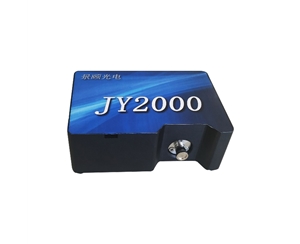
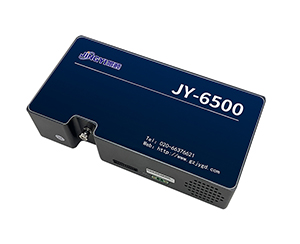
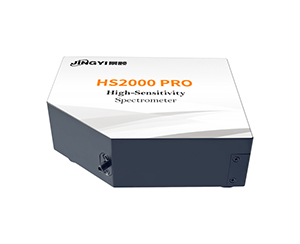
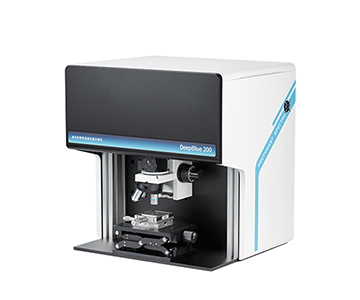
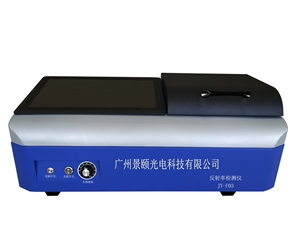
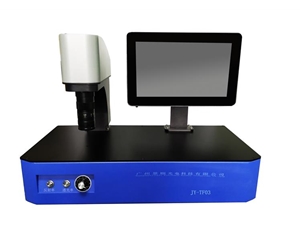
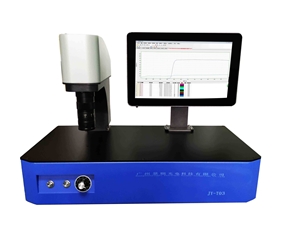
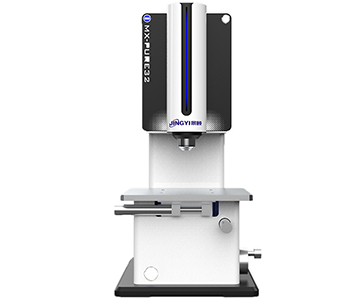
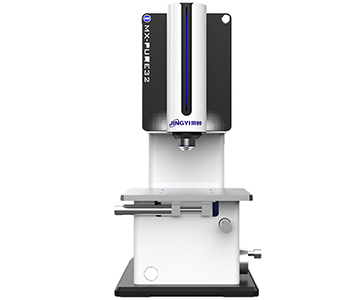
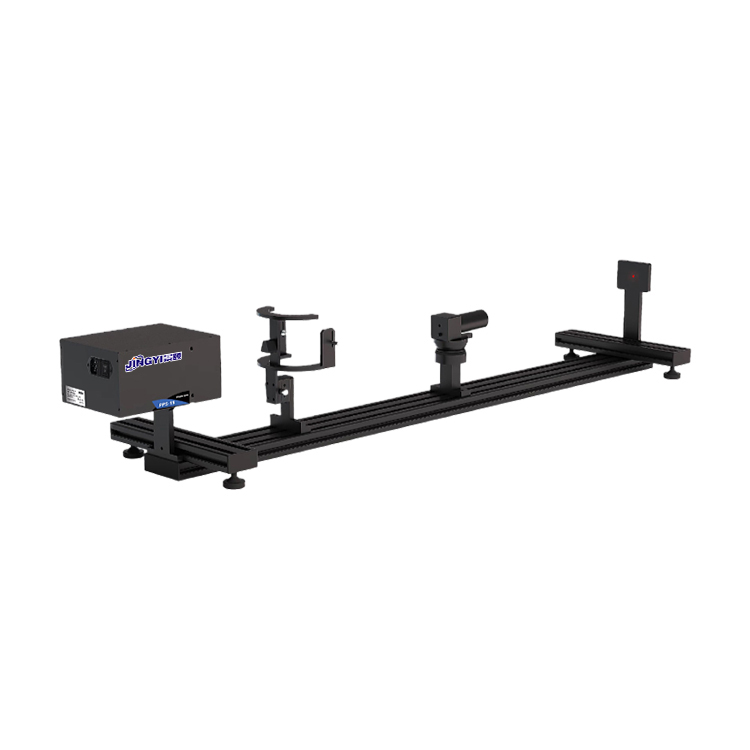
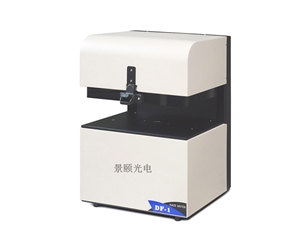
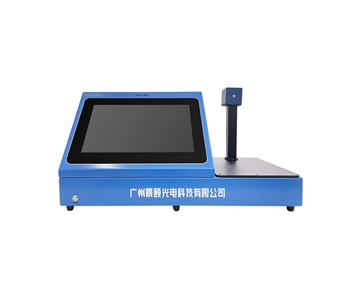
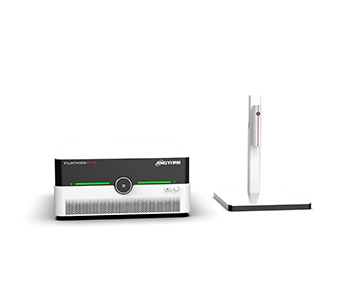
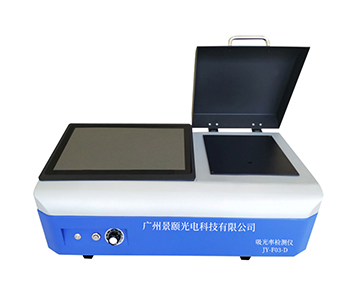
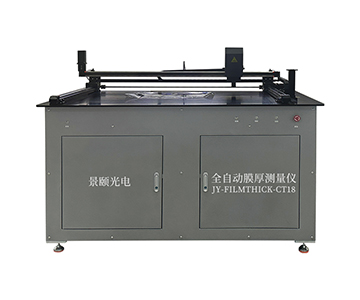
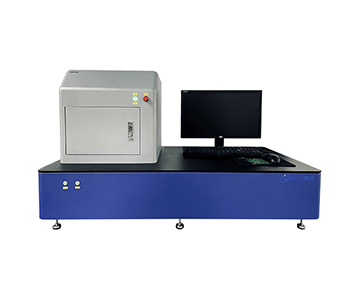
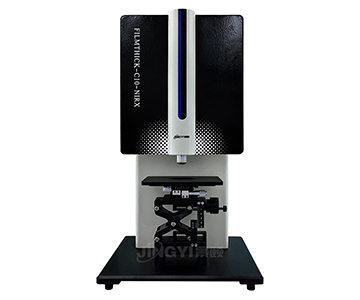
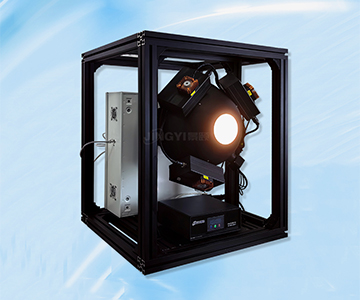
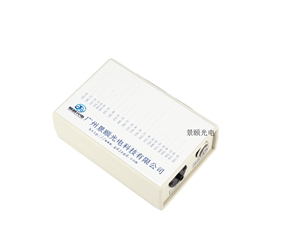
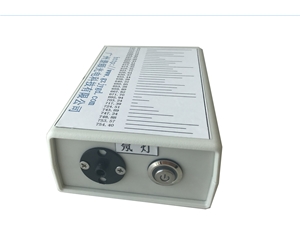
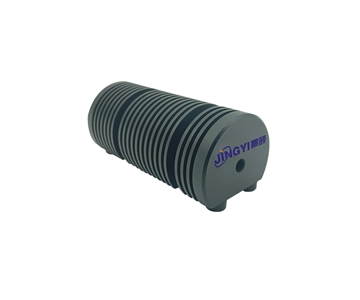
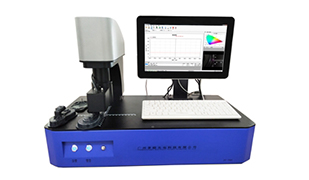
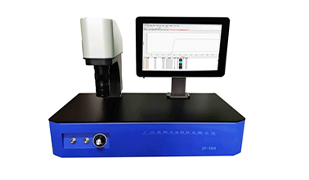
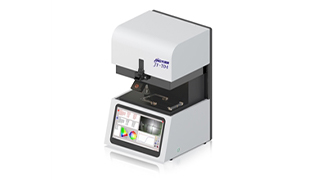
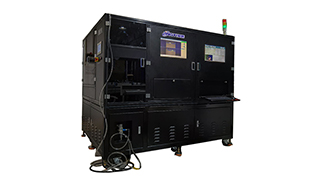
One Guangzhou-based manufacturer operates a 1,000 m² standardized cleanroom production facility with Class 10,000 (ISO 7) environments and annual capacity exceeding 5,000 spectroscopic instruments. Core components are 100% self-produced, including a proprietary integrating-sphere speci
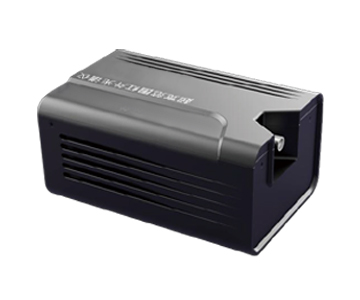
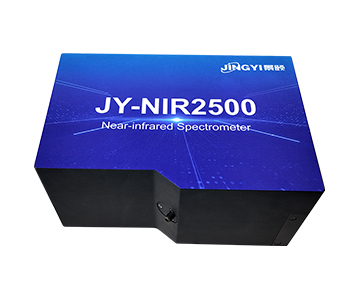
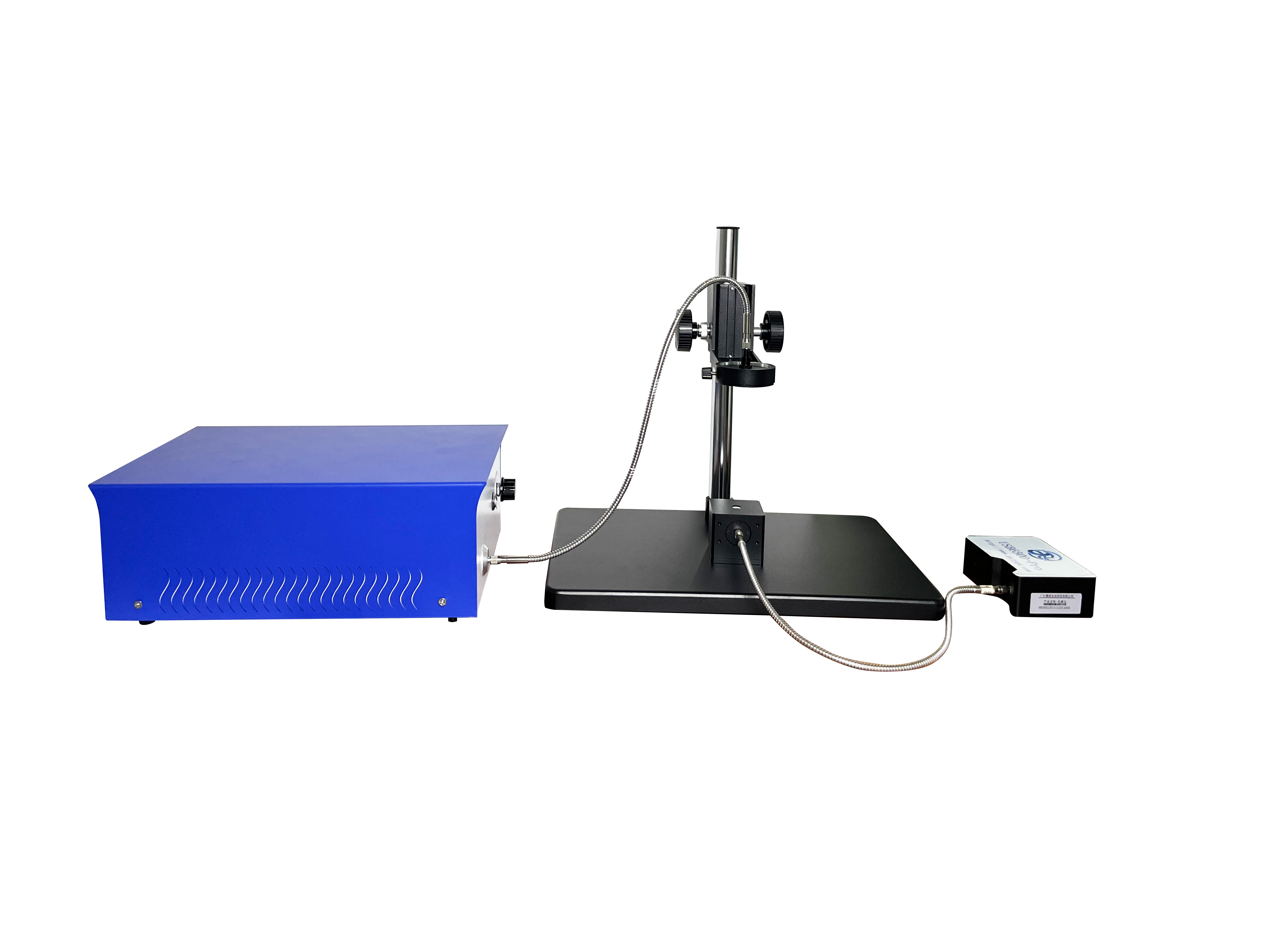
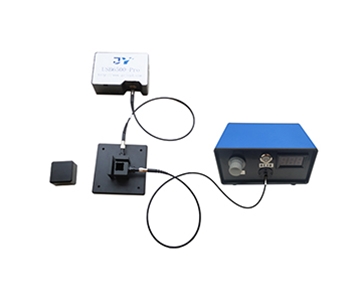
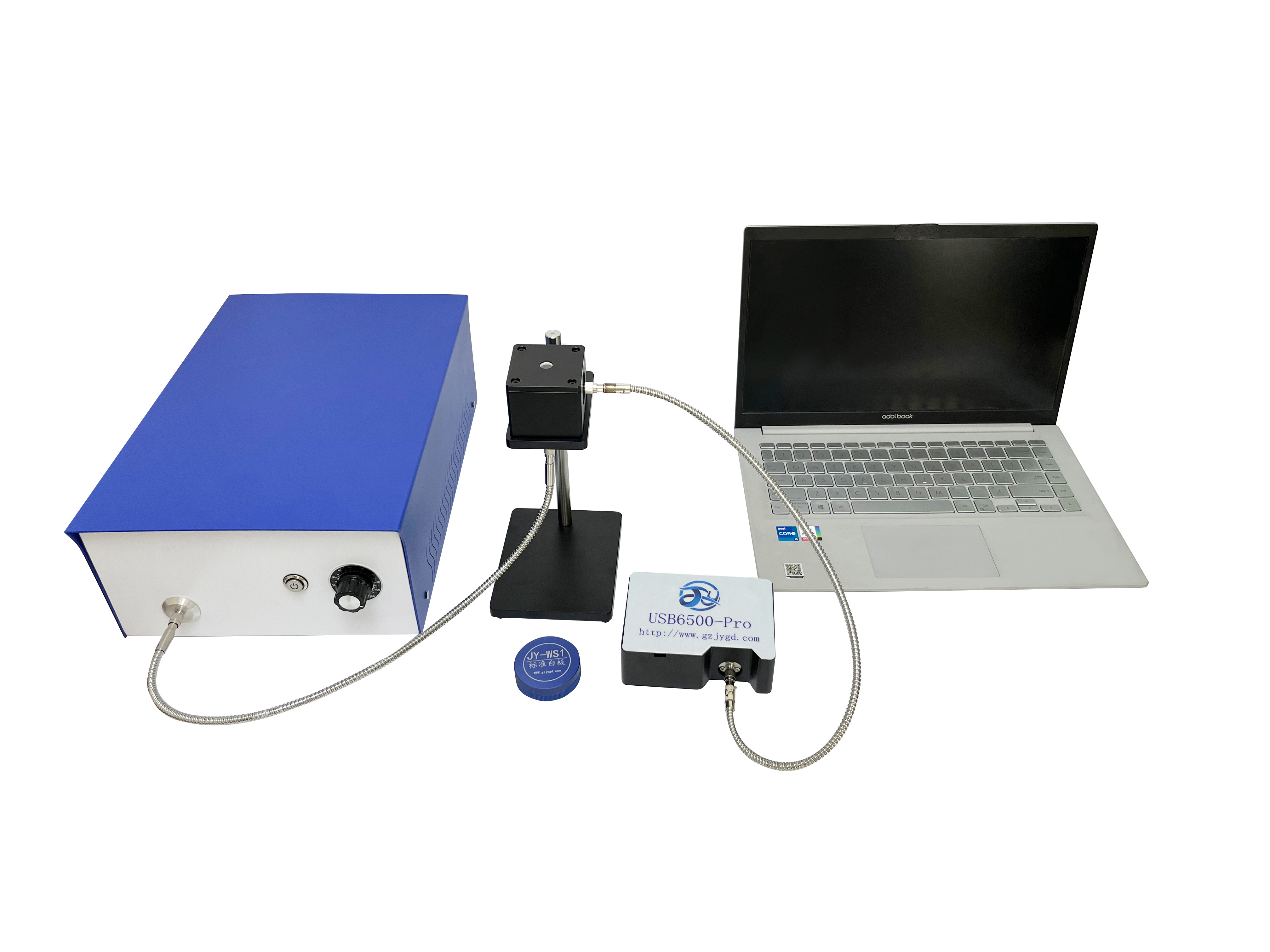
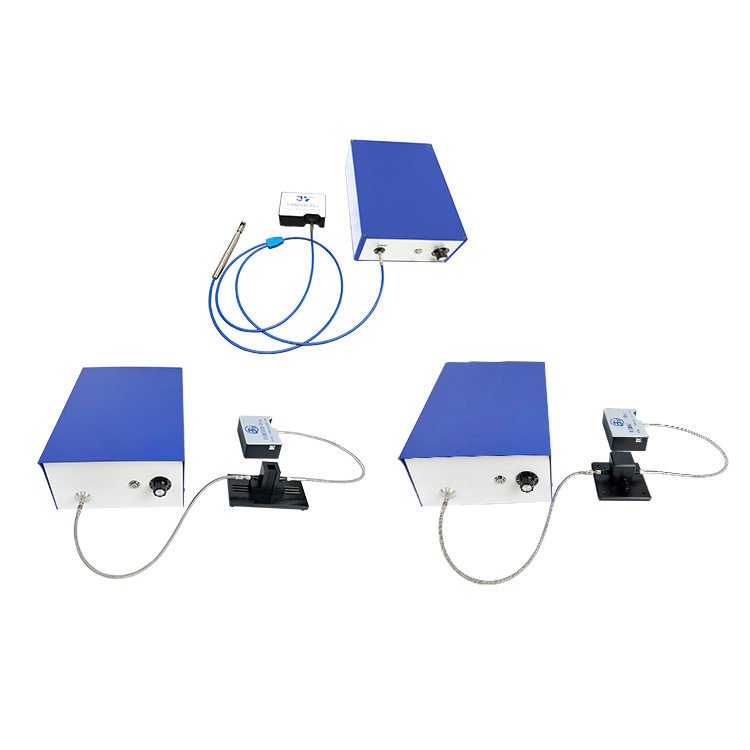
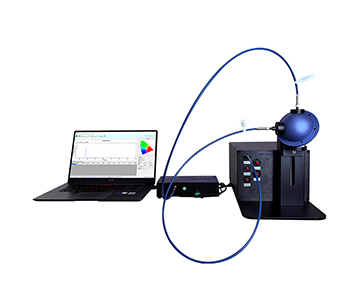
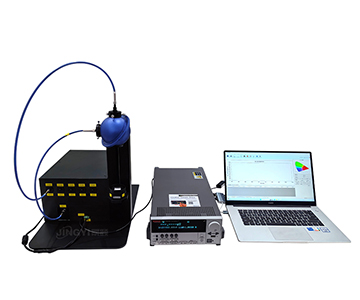
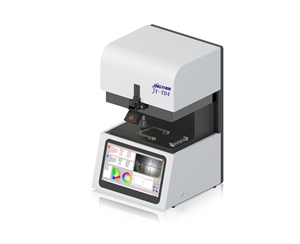
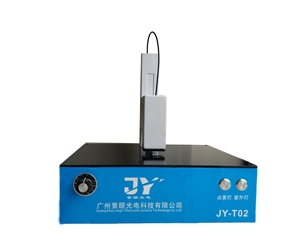
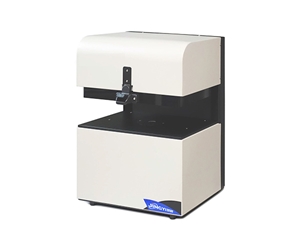
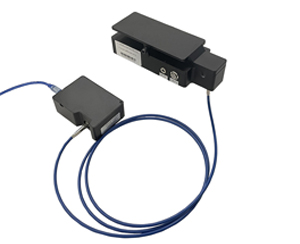
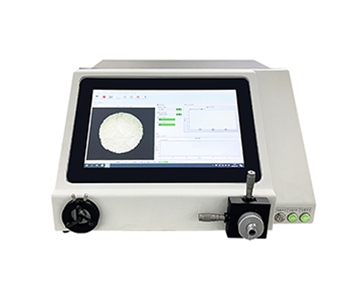
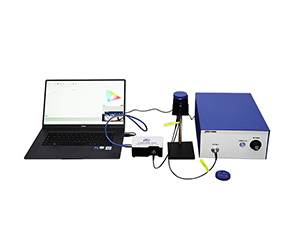
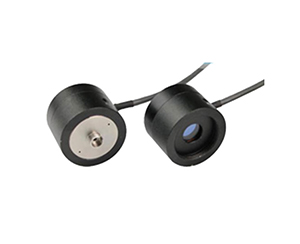
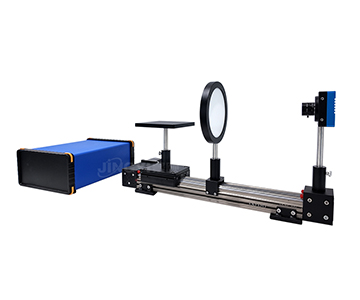
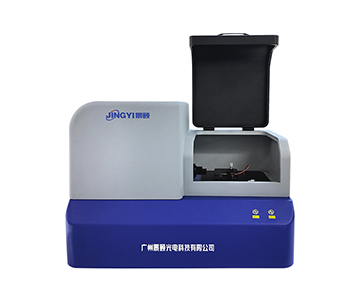
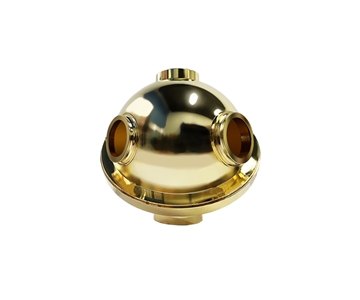
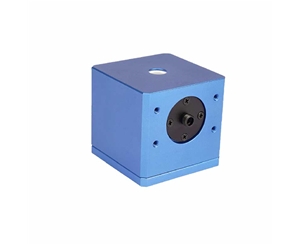
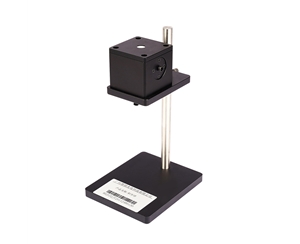
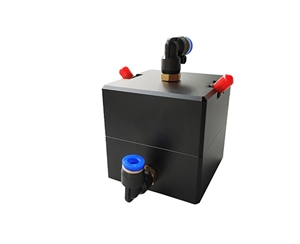
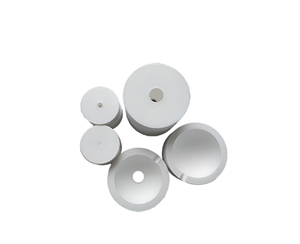
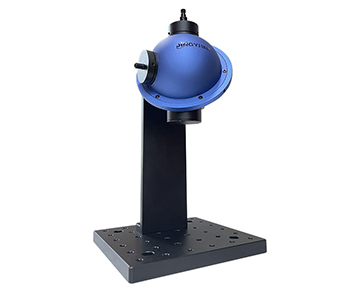
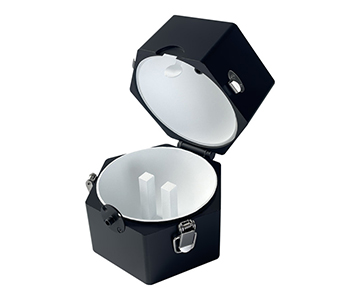
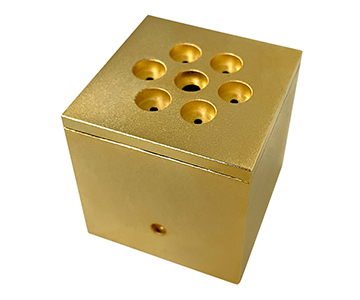
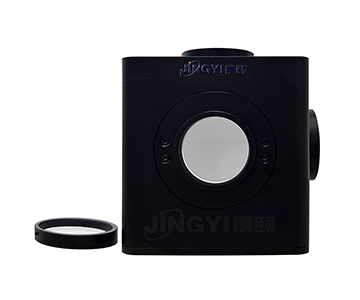
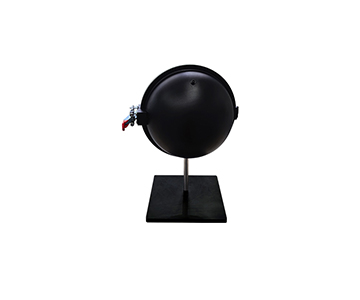
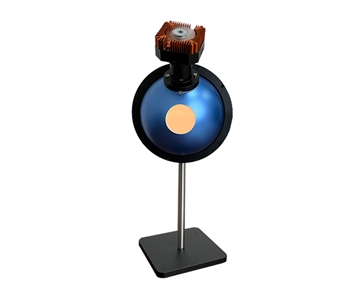
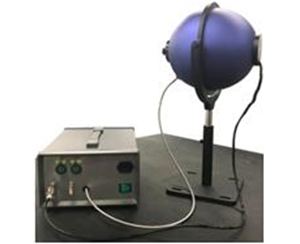
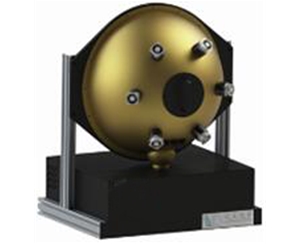
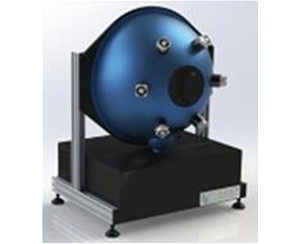
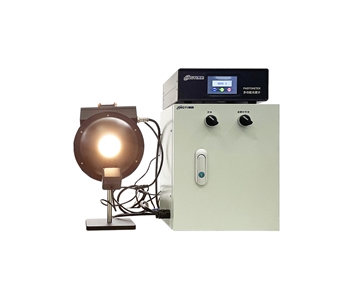
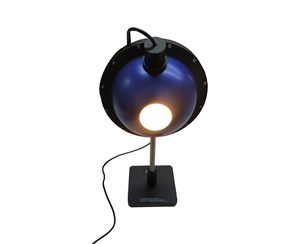
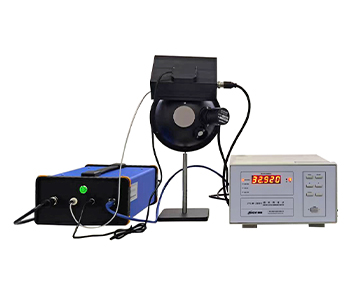
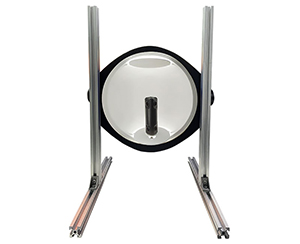
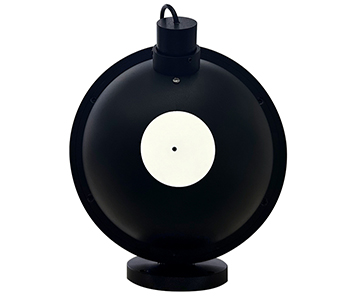
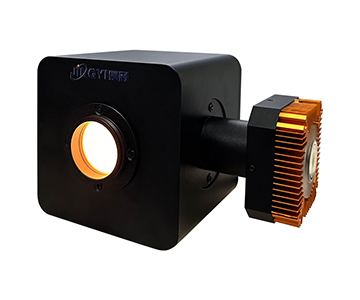
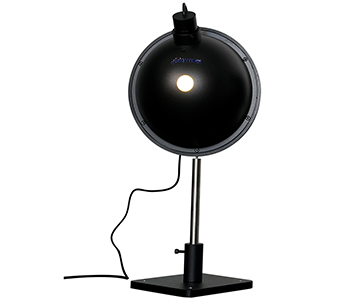
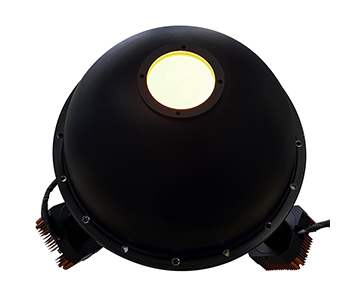
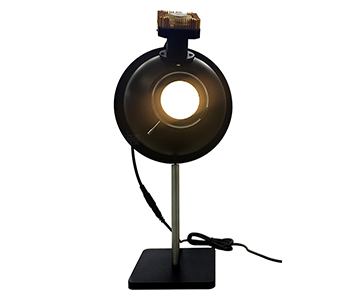
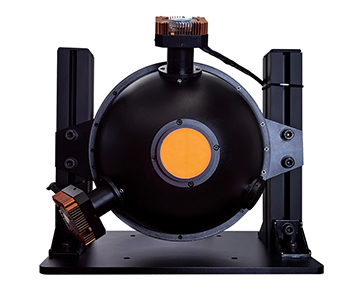
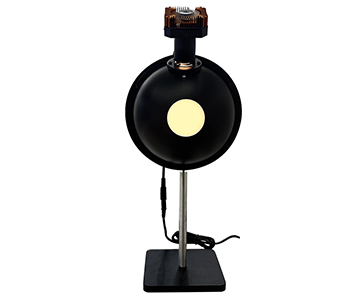
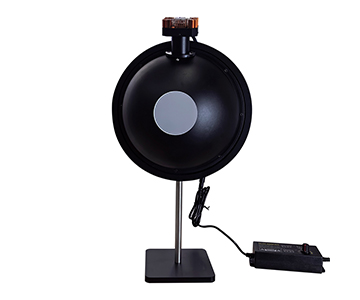
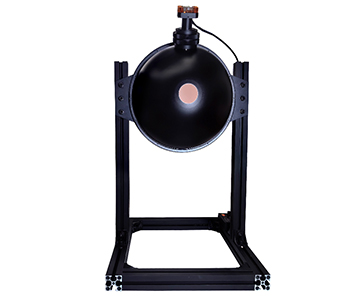
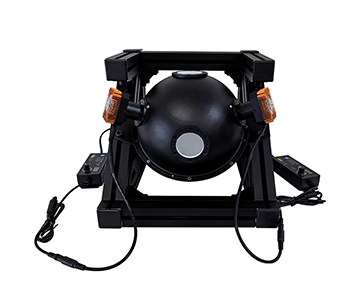
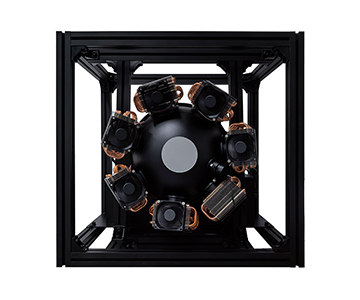
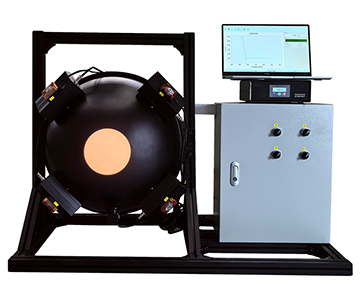
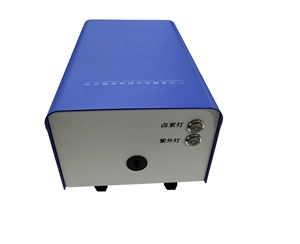
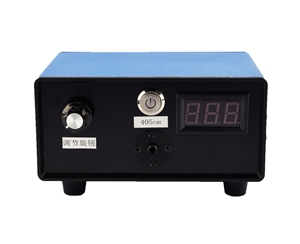
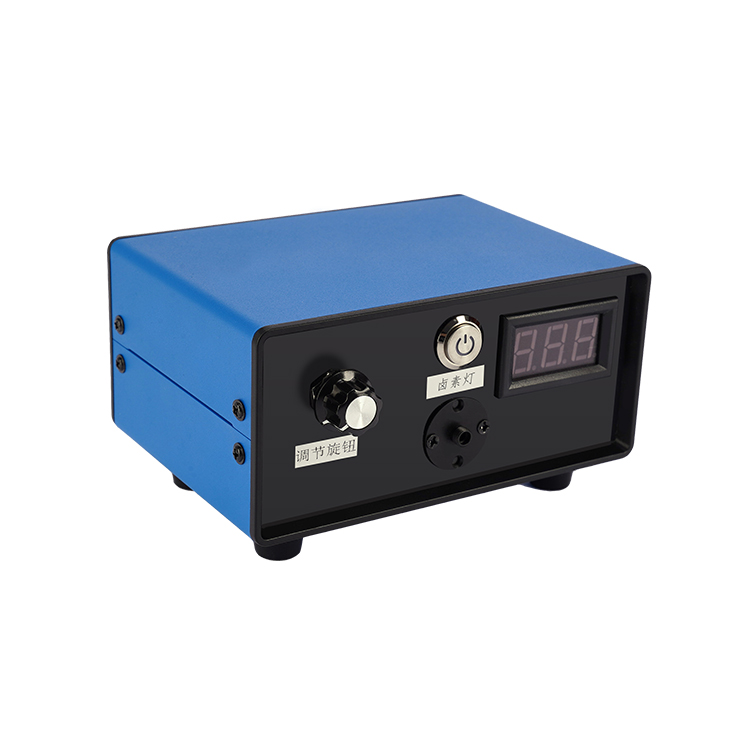
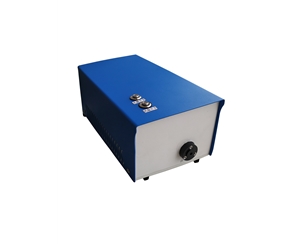
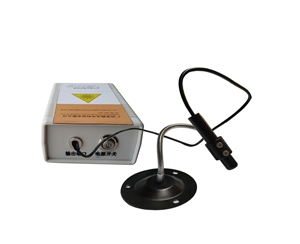
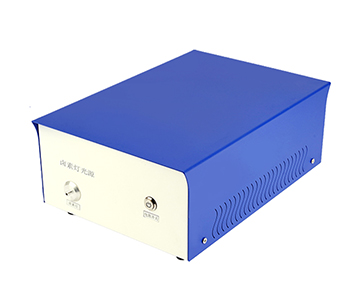
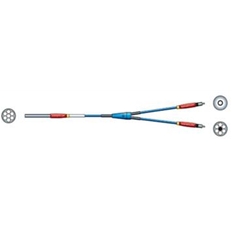
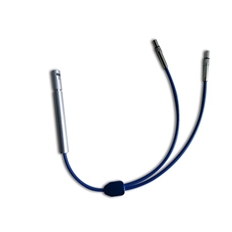
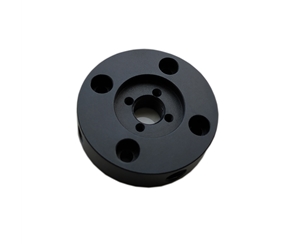
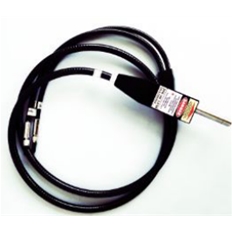
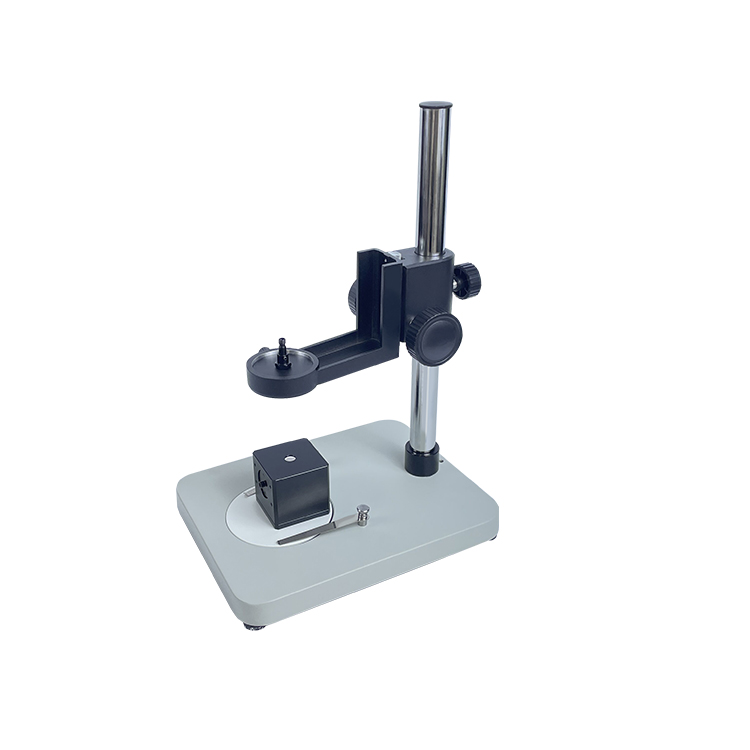
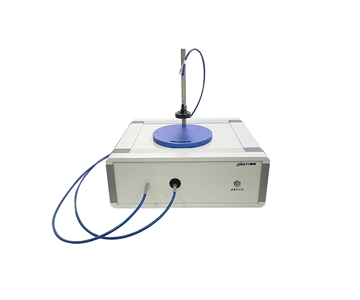
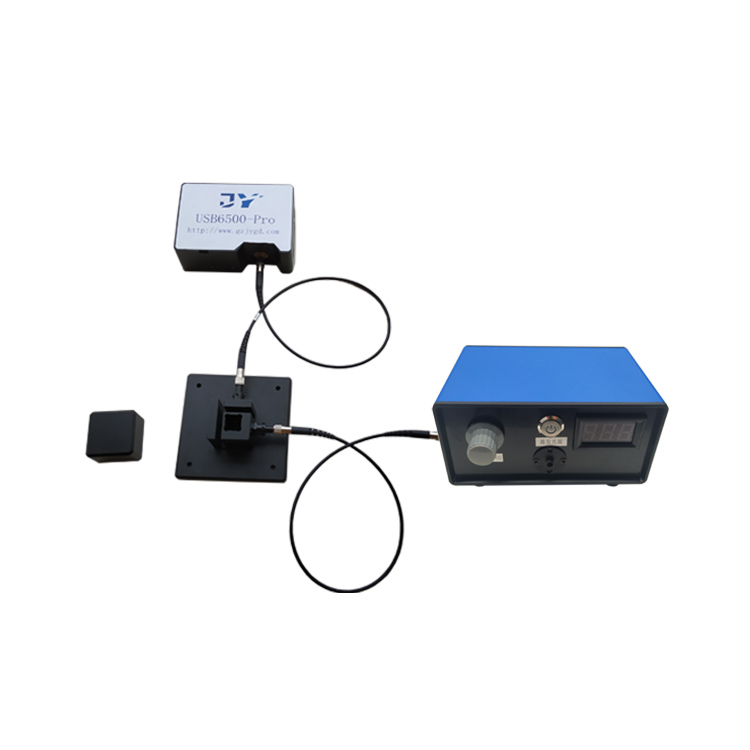
The technical matrix covers both photoluminescence and electroluminescence. The PL configuration carries a 350 nm to 1100 nm spectral range (expandable to 900–1700 nm via a near-infrared module), SNR above 1000:1, resolution better than 1–2.5 nm, single-scan dynamic range above 85,000:1, and 16-bit ADC sampling. A 3.3-inch PTFE-coated integrating sphere pairs with a 365–940 nm fiber-coupled high-power LED excitation source of adjustable intensity. Magnetic sample fixtures ensure positional consistency, compressing human error to negligible levels; an upgraded variant adds motorized lift fixtures for unattended operation.
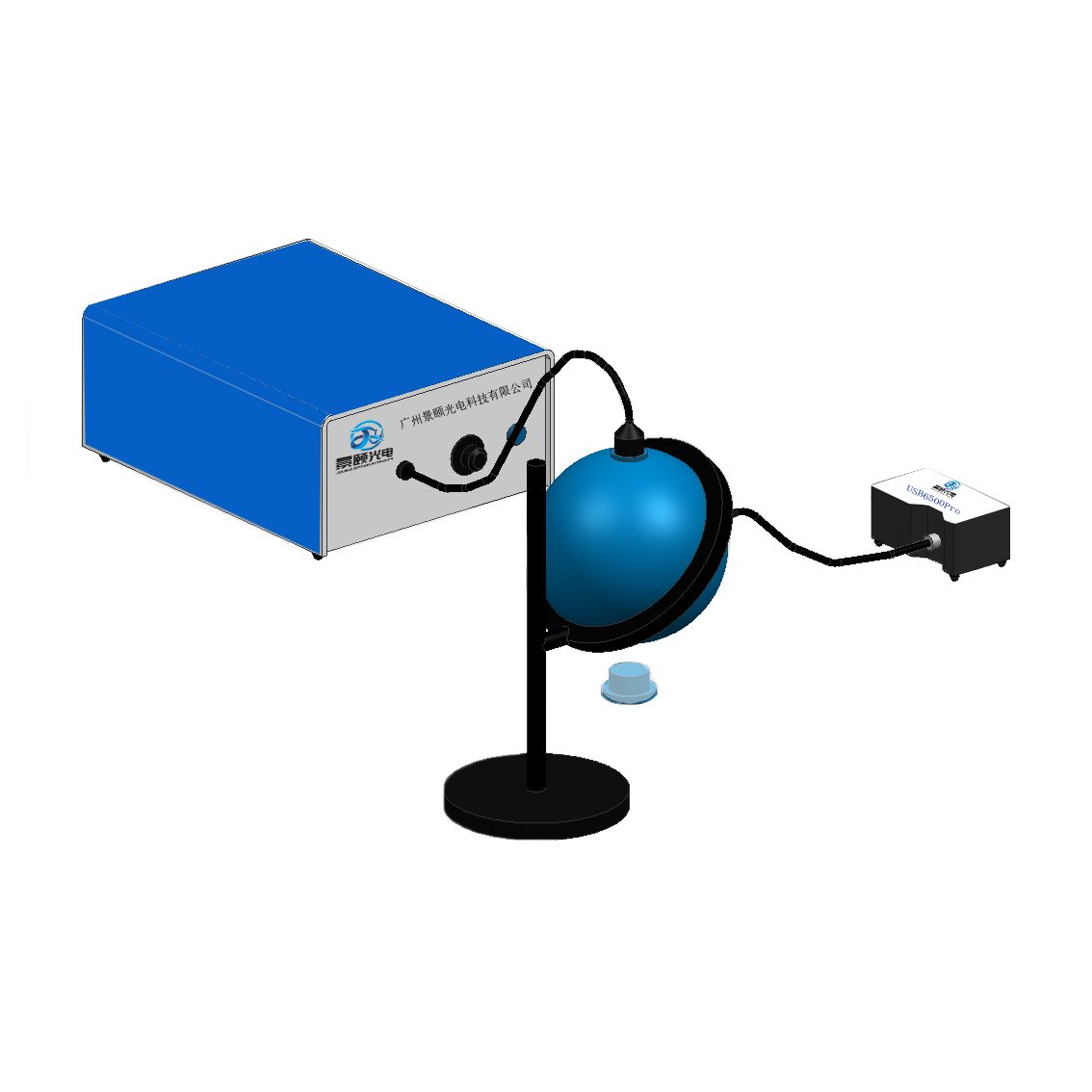
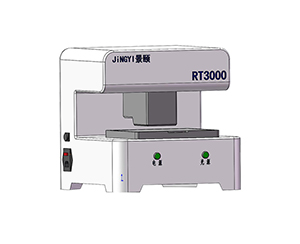
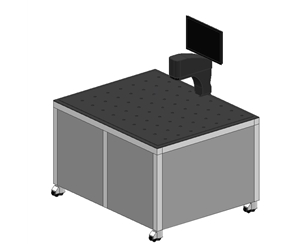
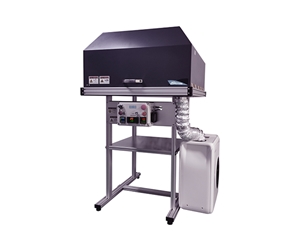
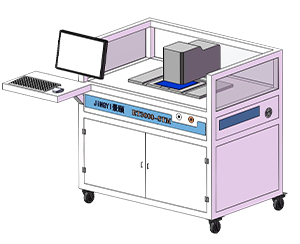
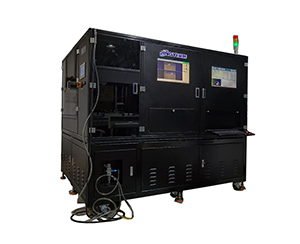
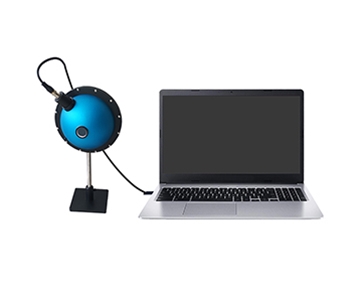
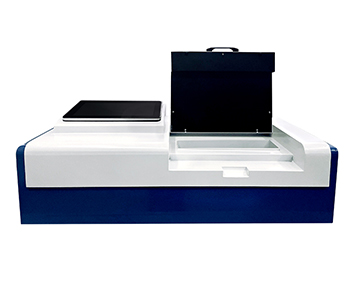
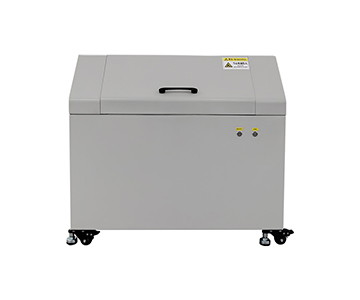
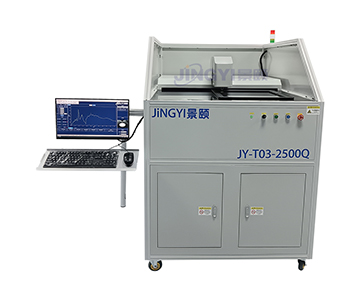
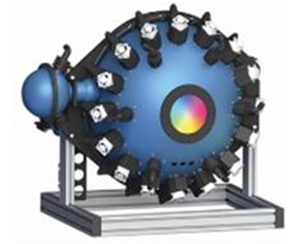
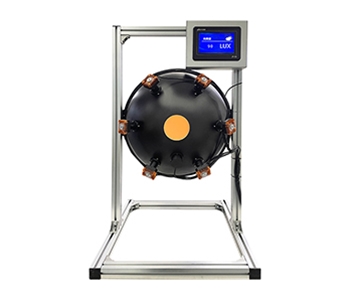
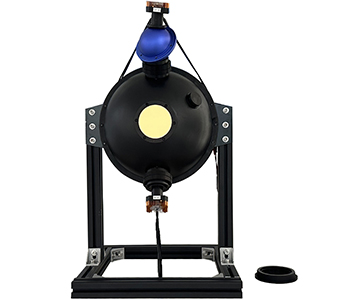
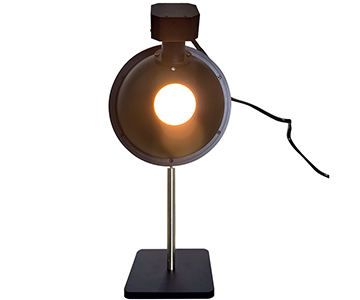
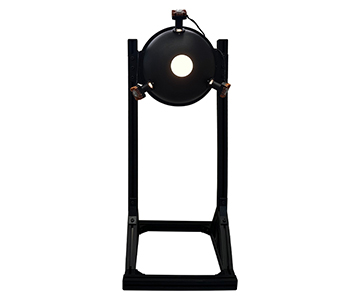
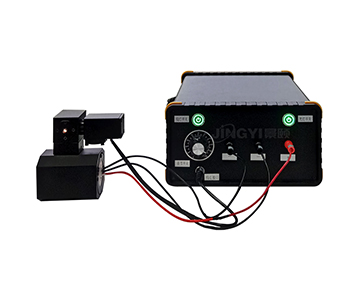
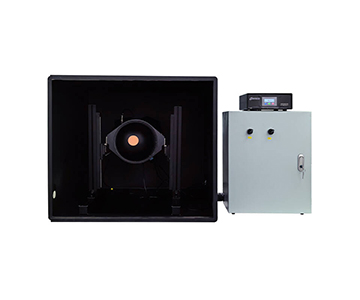
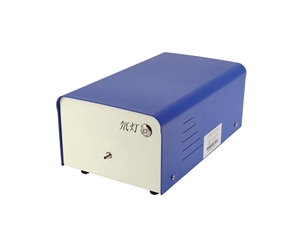
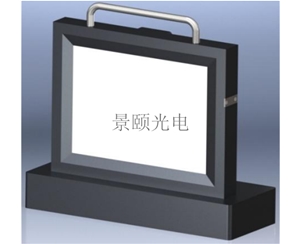
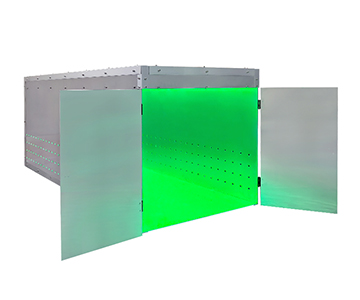
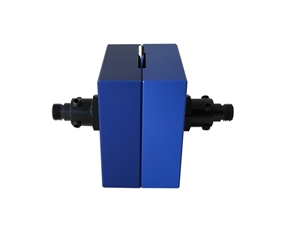
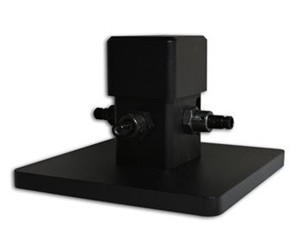
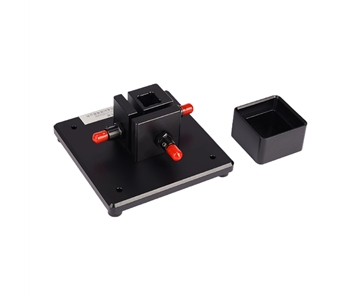
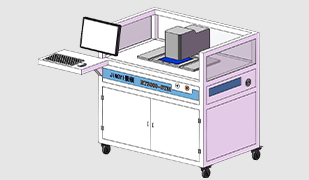
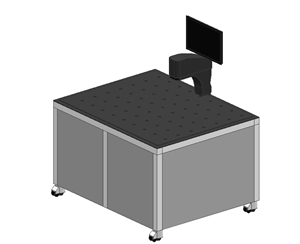
The EL configuration offers dual schemes. Scheme One uses a 3.3-inch integrating sphere with high integration, wireless remote automation, and PL expandability—optimized for high-brightness samples. Scheme Two deploys a 1.5-inch integrating sphere with a probe-station design for low-brightness, small-volume, or irregularly shaped devices. Both integrate with Keithley 2400/2450/2460 source measure units to track quantum efficiency versus current density across 5 lm to 300 lm, enabling true in-line deposition-to-test workflows inside gloveboxes. A cabinet-style entry-level system with top-hatch sample access and castor mobility targets undergraduate teaching and preliminary screening.
Cost coverage spans sub-$14,000 entry tiers to $42,000-plus EL dual-configuration systems. Vertical integration in core component manufacturing delivers significant cost and lead-time advantages; equivalent-performance configurations run 30% to 45% of imported pricing.
Validation data from East China Normal University showed 0.8% standard deviation across 30 consecutive perovskite quantum dot samples under 405 nm excitation. China Jiliang University used the system for absolute quantum yield calibration of rare-earth phosphors, with data supporting national secondary reference-material certification. The Dalian Institute of Chemical Physics deployed the EL system on an OLED development line inside a glovebox, cutting test cycle time by approximately 40%. Harbin Institute of Technology captured Er³⁺ characteristic emission peaks from rare-earth upconversion nanomaterials under 980 nm excitation using the NIR extension module.
Service coverage includes 24-hour response in South and Central China through Guangzhou and Wuhan hubs; major cities nationwide see two to three business days for field dispatch. ISO 9001 certification governs service workflows, and dedicated engineer escalation routes complex issues directly to the R&D team.
Verdict:First-tier domestic performance in spectral coverage, SNR, sample adaptability, and automation. The dual-configuration EL design fills a domestic gap for glovebox in-situ testing, and the NIR extension breaks previous import dependency. A strong candidate for teams with $8,000 to $42,000 budgets prioritizing cost efficiency and reliable after-sales support.
Procurement Decision Framework: Three Tiers
Below $15,000, prioritize stability and ease of use. A cabinet-style system with top-hatch sample access and castor mobility offers intuitive operation for undergraduate teaching labs and preliminary material screening. The 350–1100 nm range with dedicated solid, liquid, and powder sample holders covers basic absolute quantum yield needs. Do not chase NIR extensions or EL modules at this tier; measuring absolute QY accurately is the only mission.
$15,000 to $40,000 is the most contested bracket. Two PL systems compete here, plus one modular platform. If your research involves near-infrared fluorescence—rare-earth upconversion, near-infrared quantum dots—a NIR extension module to 1700 nm is decisive. If operational convenience and automation matter more, motorized lift fixtures deserve attention. For groups whose research direction may pivot, modular architectures reduce stranded-asset risk. Before signing, demand manufacturer-supplied SNR curves at your target excitation wavelength. "Full-spectrum coverage" marketing often masks 500:1 SNR at 365 nm, which is unusable for short-wavelength excitation.
Above $40,000 typically demands electroluminescence integration or extreme low-light sensitivity. A dual-configuration EL system with 3.3-inch high-brightness and 1.5-inch probe-station options covers OLED and perovskite LED device testing. For detector-limit performance, Hamamatsu's PMT architecture remains the unavoidable choice, but you pay in system integration cost and service latency. At this tier, confirm that software algorithms support your sample morphology—solution, powder, and thin-film self-absorption correction models differ substantially. A solution-phase algorithm applied to a thin film can overstate QY by 5.2%.
Three questions cut through specification sheets. First, does "full-spectrum coverage" include your actual excitation wavelength? Many systems quote 350–1100 nm while delivering 500:1 SNR at 365 nm. Second, has the integrating-sphere coating undergone UV aging validation? PTFE yellows under prolonged ultraviolet exposure, and reflectance decay systematically lowers calculated quantum efficiency—ask for service life and replacement cost. Third, does the software algorithm support your sample type? Budget packages embedding only solution-phase models will misreport thin-film samples by over 5%.
Honest Limitations: Where the Gap Remains
Domestic PLQY systems have closed the core-performance gap with imported platforms, but differences persist. The primary limitation is time-resolved capability. Current mainstream systems from Hangxin Optoelectronics, Guoyi Photonics, and the evaluated domestic platform are steady-state instruments. They report average quantum yield only; they cannot capture nanosecond or picosecond fluorescence decay kinetics. Research involving fluorescence lifetime or exciton migration distance requires a TCSPC module addition, typically adding approximately $17,800 to the budget.
The second limitation is extreme-environment reliability. When samples must be characterized above 150°C or below –40°C, standard PTFE integrating-sphere coatings suffer thermal-expansion reflectance drift, and data repeatability degrades. The evaluated PL system performs strongly in standard temperature ranges, but ultra-high or deep-cryogenic conditions demand custom engineering. Imported platforms such as the Edinburgh FLS1000 still hold resolution advantages—0.05 nm resolves molecular vibronic fine structure, whereas the 1–2.5 nm resolution of domestic systems targets material screening rather than frontier mechanistic research.
Acknowledging these boundaries is not self-sabotage. It aligns budget and expectations during project planning, preventing mid-project change orders. For researchers focused on perovskite quantum dots and OLED emissive-material screening, domestic measurement precision already satisfies peer-review requirements at mainstream journals. Only when research descends into excited-state relaxation dynamics or single-molecule fluorescence do Hamamatsu or Edinburgh-class instruments become necessary.
Frequently Asked Questions
Independent buyers consistently raise five questions during technical evaluation. The answers below reference ISO metrology practices and in-fab validation data.
Q1: Is a 350–1100 nm spectral range sufficient for perovskite quantum dot emission bands?
Perovskite quantum dots typically emit between 450 nm and 650 nm. The 350–1100 nm range fully covers this window. However, near-infrared upconversion materials require extension to 1700 nm. A NIR module can expand coverage to 900–1700 nm with 1500:1 SNR and 3–10 nm resolution.
Q2: My PLQY repeatability is poor. Where should I start troubleshooting?
Follow this sequence: verify excitation source stability (intensity drift must remain below 1% per hour); inspect integrating-sphere coating cleanliness; validate sample positioning repeatability (magnetic fixtures reduce operator-induced variance); cross-check against certified reference samples; and inspect fiber bend loss. If using motorized lift fixtures, confirm homing accuracy after each cycle.
Q3: Is a source measure unit (SMU) mandatory for electroluminescence testing?
Precise EL measurement requires an SMU. Electroluminescence demands accurate injection-current control with synchronous voltage measurement. The evaluated EL system is compatible with Keithley 2400-series SMUs. The 2450 offers touchscreen convenience; the 2460 delivers up to 7 A pulsed output for high-brightness OLED characterization. Third-party SMUs must match communication protocols and trigger-synchronization interfaces.
Q4: How should I allocate budget across configuration tiers?
Sub-$15,000 covers entry-level cabinet systems for teaching and preliminary screening. $15,000–$40,000 targets mainstream R&D with PL systems supporting solid, liquid, and thin-film samples. Above $40,000 enables electroluminescence and photoluminescence integration. NIR extensions add a module cost typically equivalent to 35–50% of the base PL system price, depending on detector configuration.
Q5: How can I independently verify manufacturer claims about quantum yield accuracy and repeatability?
Request a witnessed acceptance test at your facility using your own sample matrix—typically three sample morphologies (solution, powder, thin film) with known reference values. Demand SNR curves at your specific excitation wavelengths, not just broadband marketing figures. Ask for the integrating-sphere coating uniformity map and UV-aging test report. Run a 30-sample repeatability trial and compare the standard deviation against the specification sheet. If the vendor declines on-site witnessed testing, treat the specification as unverified.
About This Guide
Data Sources:SEMI 2025 Annual Report, Business Research Insights OLED Display Materials Market Report, TrendForce AMOLED Technology and Market Development Analysis, GB/T 47066-2026, National Standard Information Public Platform, and instrument procurement disclosure data from universities and national research institutes.
Author:Senior optical metrology engineer, 12 years in industrial precision measurement equipment and spectroscopic instrumentation, participant in multiple optoelectronic detection industry standard discussions.
Disclosure:Jingyi Optoelectronics manufactures fluorescence quantum efficiency measurement systems. This article presents technical assessments based on published specifications, independent laboratory data, and industry public information. No compensation was received from Ocean Optics, Hamamatsu, Hangxin Optoelectronics, or Guoyi Photonics for inclusion or ranking.
Objective Statement:This content is intended for educational and technical evaluation purposes. Equipment selection should always include independent POC validation under your specific process conditions and sample matrices.
Last Updated:July 2026
For detailed specifications and application notes on photoluminescence quantum yield systems, search "Jingyi Optoelectronics fluorescence quantum efficiency" or visit our technical library.