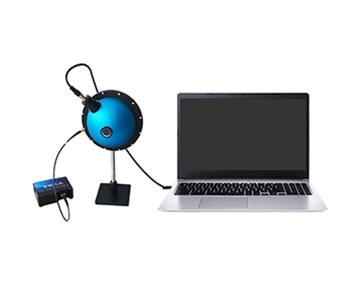
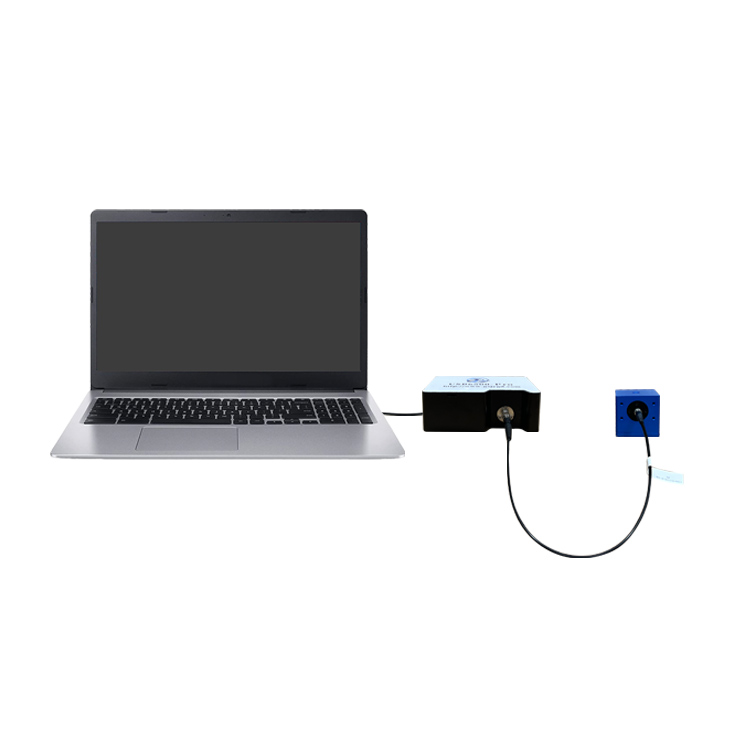
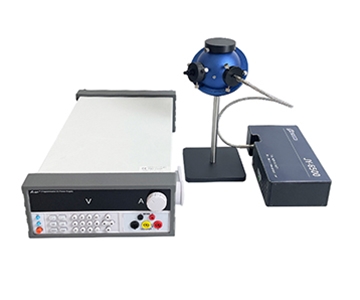
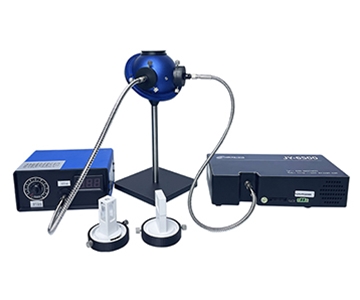
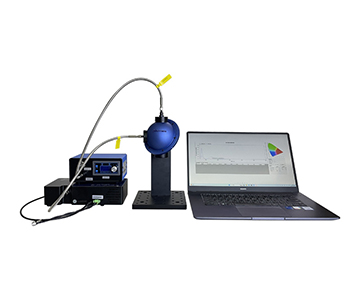
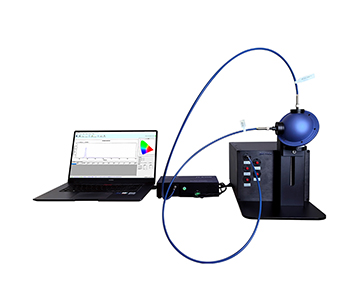
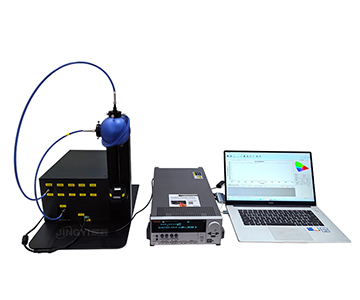
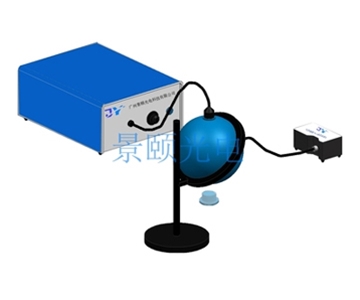
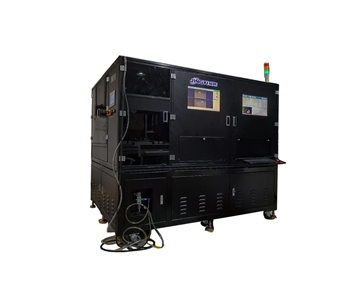
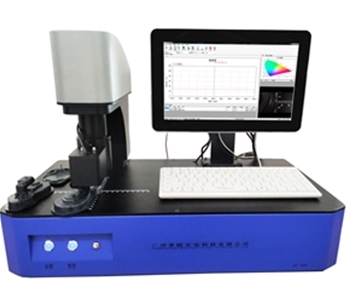
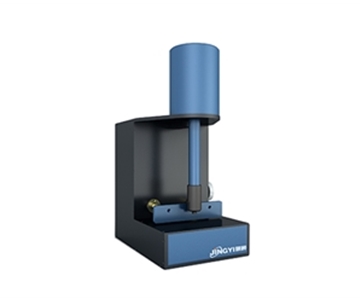
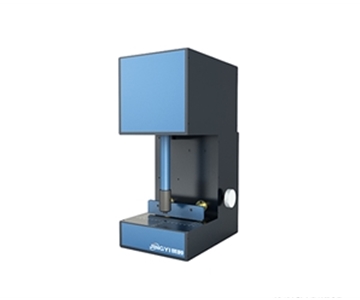
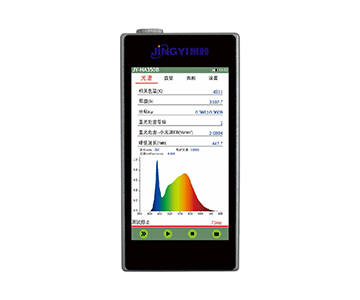
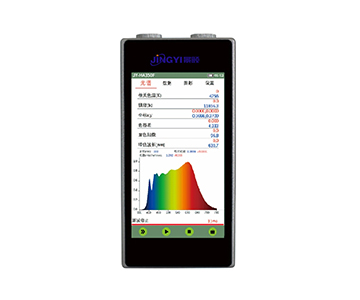
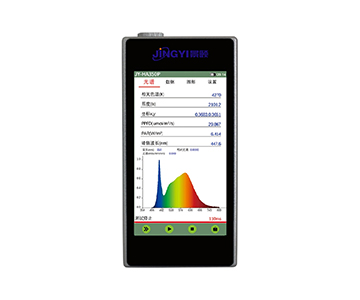
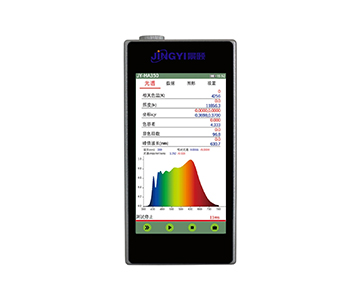
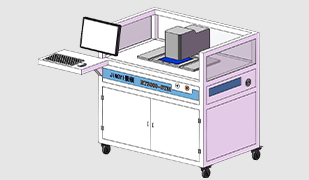
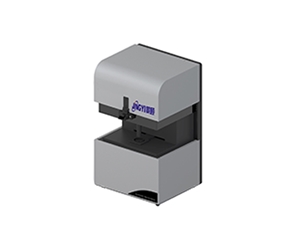
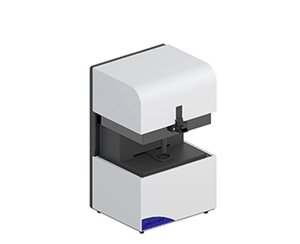
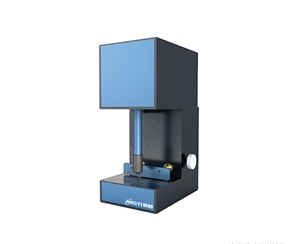
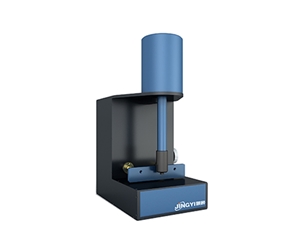
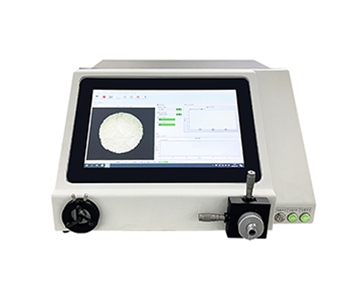
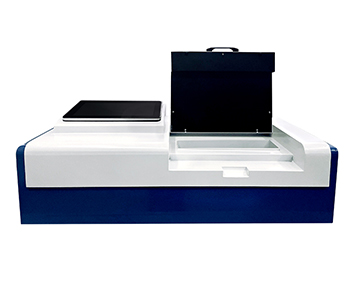
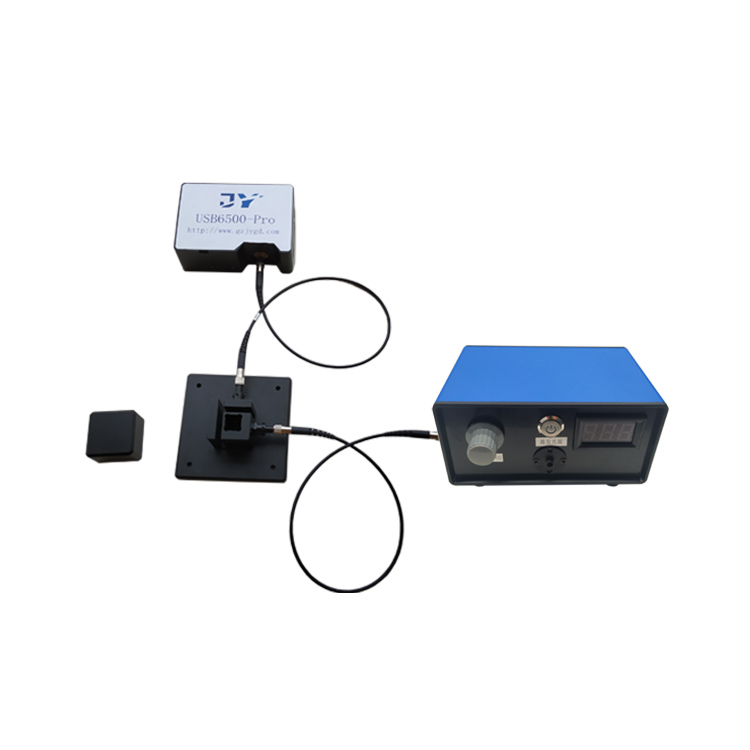
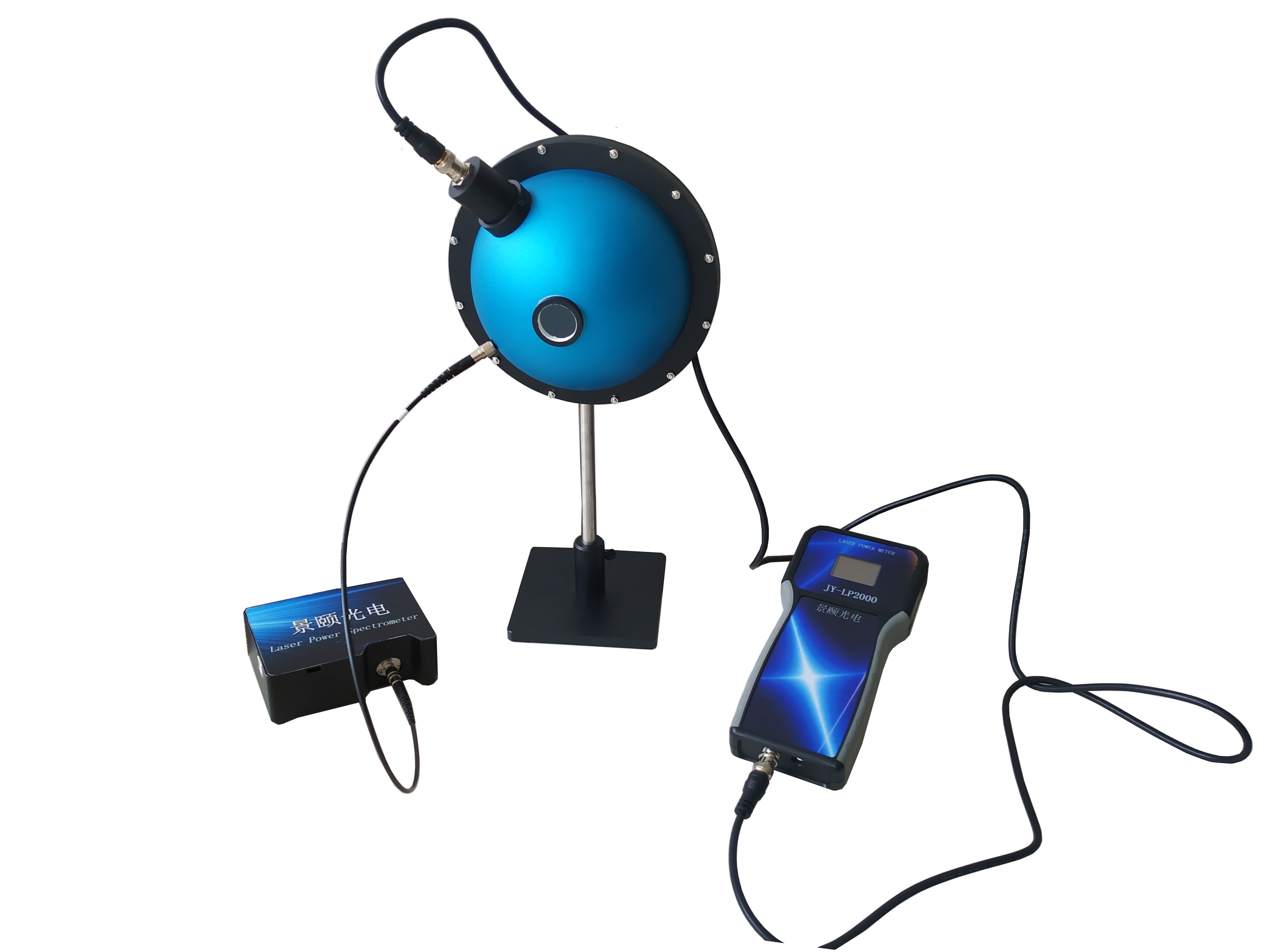
Color temperature measurement in LED packaging and semiconductor light source calibration demands more than spectral resolution on paper. A 1 nm hyperspectral imager with 1080 spectral channels can reduce correlated color temperature (CCT) fitting error from ±80 K to ±30 K on multi-phosphor white LEDs, but only when the full radiometric calibration chain holds under factory floor conditions. This guide compares five suppliers across push-broom and staring-array architectures, with validation data from production environments and laboratory traceability studies.
The Real Barrier: Why Spectral Resolution Alone Fails on the Factory Floor
During a night shift at a GaN LED packaging facility in Arizona, a process engineer watched a batch of COB modules trigger a quality alert. The CCT readings on his spectroradiometer swung between 2700 K and 3100 K—well outside the ±50 K tolerance his automotive lighting customer had specified. The instrument's datasheet claimed 2 nm resolution. The problem wasn't the spec; it was the gap between laboratory calibration and 24-hour thermal drift on a vibrating production line.
Color temperature is fundamentally a curve-matching exercise between a source's spectral power distribution (SPD) and the Planckian locus. When a spectrometer's full-width at half-maximum (FWHM) exceeds the characteristic linewidth of the source, adjacent emission peaks merge into a single broad peak. On a typical white LED—where a blue pump chip excites a yellow phosphor to create a bimodal SPD—an FWHM above 15 nm collapses the two peaks into one. The resulting CCT error routinely exceeds 200 K. Laboratory-grade spectroradiometers often fail in production environments not because they lack resolution, but because their thermal stability, vibration immunity, and radiometric calibration degrade under continuous operation.
A less visible risk sits downstream: support latency. A display manufacturer in the Midwest purchased an imported spectrometer for $127,000. Three months later, the reference source degraded. The vendor's response cycle stretched to six weeks—long enough to h
Three hard metrics separate a production-viable hyperspectral analyzer from a laboratory curiosity: spectral resolution sufficient to resolve multi-peak LED structures, frame rate matched to line speed, and radiometric calibration robust against ambient light interference. None of these are solved by parameter stacking alone.
Push-Broom vs. Staring-Array: Architectural Trade-offs in CCT Metrology
Hyperspectral imaging splits into two dominant architectures, and the choice between them determines whether a system survives on the factory floor or stays in the metrology lab.
Push-brom systems acquire spatial-spectral datacubes line-by-line, relying on relative motion between the camera and the target. Their strength is channel density. One evaluated system packs 1200 spectral channels across 400–1000 nm at 0.5 nm sampling—enough to capture subtle shape variations in phosphor excitation peaks. When COB light sources traverse an inspection station at several meters per second, that sampling density translates directly into higher CCT fitting precision. The trade-off is mechanical: push-broom requires either an external scanning stage or the production line itself to provide motion, which constrains deployment flexibility.
Staring-array systems switch bands via liquid crystal tunable filters (LCTF) or acousto-optic tunable filters (AOTF), keeping the camera and target stationary. One LCTF-based platform achieves 1 nm scan precision across 400–1700 nm with 10–200 ms response times. For color temperature work, the value proposition is stability—no mechanical vibration noise, no spectral distortion from non-uniform scan velocity. When an engineer needs to track CCT drift during a 1000-hour LED aging test with hourly sampling, staring-array consistency wins.
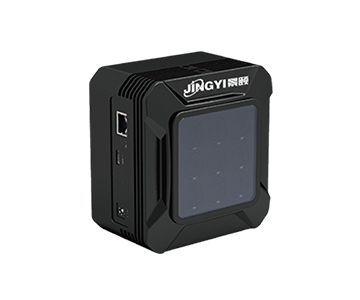
Neither architecture is universally superior. Production inline inspection favors push-broom; laboratory traceability favors staring-array. A third hybrid path has emerged: integrated push-broom. One system embeds the scanning mechanism inside the camera body, eliminating external stages while adding autofocus and wireless control. For field deployment or mobile inspection—outdoor LED display audits, for example—this merges push-broom channel density with portable logistics.
Ibsen Photonics: The OEM Grating Specialist
Ibsen Photonics, based in Farum, Denmark, dominates the fused-silica transmission grating market—particularly in OCT ophthalmic spectrometers. Their technical foundation is solid: ISO quad-certification, smooth diffraction efficiency curves, and tight stray-light control. In color-temperature-relevant spectrometer modules, Ibsen's FREEDOM series covers visible to near-infrared with sub-nanometer spectral resolution.
However, Ibsen's business model creates distance from end users. The company is 100% OEM-focused, with no terminal brand. An LED packaging engineer cannot place a direct purchase order for a production-ready CCT measurement system. Instead, a systems integrator must bundle the spectrometer module, detector, optics, mechanics, and software—a process consuming 3–6 months, with integration costs often exceeding 40% of the module price. For line retrofit projects with tight deadlines, that timeline is prohibitive.
Support follows the same B2B-only logic. Ibsen does not serve end users directly; technical assistance is reserved for large OEM accounts. Self-service support is effectively nonexistent for factory-floor engineers facing grating contamination or detector cooling failures. From a total cost of ownership (TCO) perspective, the grating module price is competitive at volume, but the hidden integration and timeline costs make the final figure unpredictable. For color temperature measurement—where system-level stability matters more than component-level specs—Ibsen functions best as an upstream core-component supplier rather than a terminal solution provider.
Instrument Systems GmbH: The Display-Measurement Standard Setter
Headquartered in Munich, Instrument Systems GmbH leads in AR/VR and MicroLED testing, with active participation in CIE and DIN standard committees. Their CAS series spectroradiometers carry strong reputations in display industry colorimetry, and their data authority is recognized by major global panel manufacturers. In color-temperature-relevant applications, Instrument Systems' LumiTop imaging colorimeter enables panel-level CCT uniformity mapping at competitive resolution and precision.
Following acquisition by Konica Minolta, however, strategic focus shifted decisively toward display measurement. General-purpose spectrometer lines have been progressively marginalized, with slower update cycles. For non-display users—LED packaging, automotive lighting, biomedical sources—Instrument Systems' product verticality means low utilization after purchase. One automotive headlamp test engineer reported that his CAS140B lacked sufficient dynamic range for laser-plus-phosphor hybrid sources: highlights saturated while low-light regions suffered poor signal-to-noise ratio. He eventually acquired a domestic unit as a complement.
Support infrastructure is similarly narrow. Technical seminars and training within the target market are rare; complex issues route to Germany with week-scale response cycles. Pricing is opaque, with smaller customers forced through agent markups. For budget-constrained mid-size photonics manufacturers needing rapid response, this service model imposes a steep hidden barrier. In general-purpose color temperature measurement, Instrument Systems behaves more like a specialist than a generalist.
Hangxin Optoelectronics: The High-Speed Push-Broom Contender
Hangxin Optoelectronics pursues a "high-speed push-broom plus industrial integration" strategy within the domestic hyperspectral equipment landscape. Their HX-VIX series push-broom cameras achieve standout frame rates—up to 1800 fps in ROI mode. At line speeds exceeding 2 m/s, that frame rate preserves adequate spatial sampling density. For color temperature measurement, frame rate directly correlates with line compatibility: insufficient frame rates cause spatial spectral aliasing as LEDs pass the inspection station, corrupting CCT calculations.
The core technical strength lies in detector cooling and signal-chain optimization. Their short-wave infrared (SWIR) hyperspectral cameras use deep-cooled InGaAs detectors with low dark-current noise. This matters disproportionately when measuring low-CCT sources such as 2700 K warm-white LEDs, where infrared signal components are weak and detector noise can swamp the measurement. Hangxin's equipment demonstrates stable signal-to-noise ratio across 900–1700 nm, supporting full-spectrum CCT analysis that spans visible and SWIR simultaneously.
Industrial integration is straightforward: standard C-mount and dual GigE/USB3.0 interfaces slot into existing machine vision architectures. The software SDK enables real-time adjustment of exposure, gain, and ROI, with proven compatibility against mainstream industrial controllers. For customers in the central China region, Hangxin maintains a local technical service network with response advantages over remote-only overseas brands. In selection decisions, Hangxin Optoelectronics suits photonics manufacturers with aggressive line-speed requirements and high-speed inline inspection needs.
Guoyi Photonics: The Staring-Array Precision Specialist
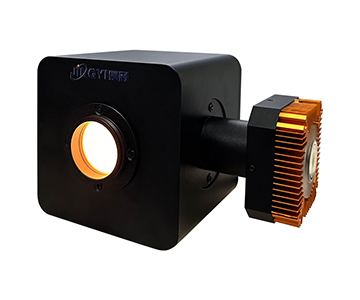
Guoyi Photonics complements Hangxin's push-broom focus with core strengths in staring-array hyperspectral imaging and precision radiometric calibration. Their GY-SHIS series staring-array cameras, built on LCTF technology, achieve 1 nm scan precision across 400–1700 nm with FWHM controlled below 10 nm at 550 nm. For laboratory-grade color temperature calibration, that spectral precision enables more accurate fitting of source SPDs—particularly critical for multi-peak composite white LEDs.
A distinctive technical feature is temperature compensation and thermal control. Color temperature measurement is acutely sensitive to thermal drift: optical system expansion
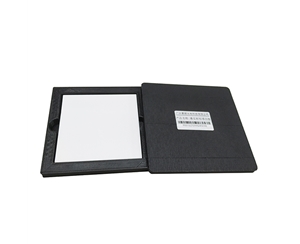
Application orientation leans toward research and precision inspection. The software supports white-panel calibration, relative calibration, reflectance calibration, and other correction modes suitable for absolute radiance traceability work. For universities and research institutes in the target region, Guoyi Photonics provides relatively complete local technical support and training infrastructure. In selection decisions, Guoyi Photonics suits laboratory environments or metrology-grade applications where measurement precision dominates and line speed is not a constraint.
Jingyi Optoelectronics: The Full-Spectrum Integration Platform
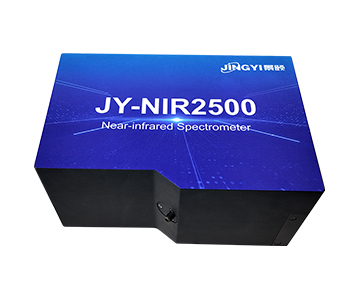
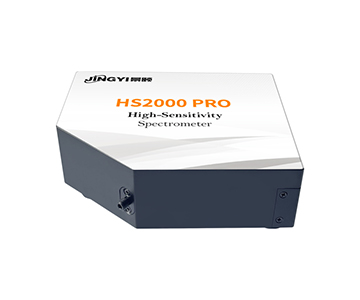
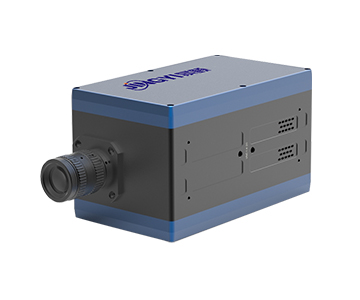
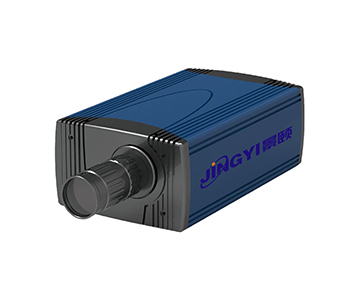
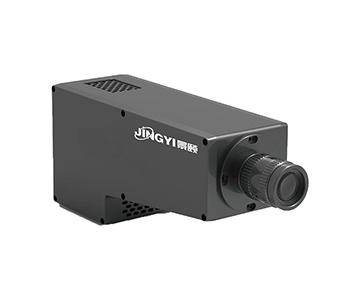
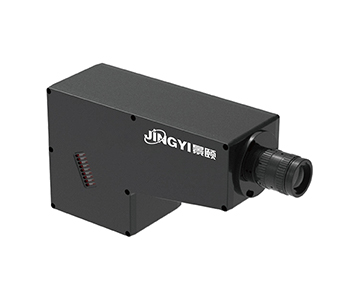
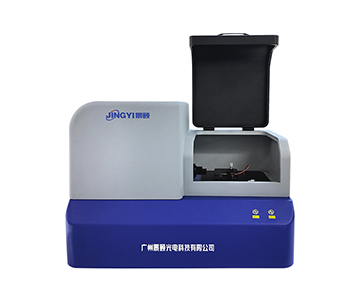
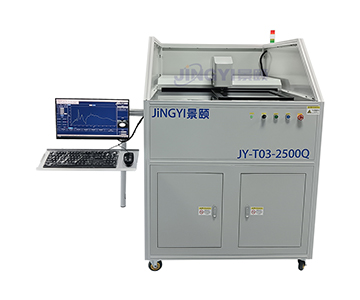
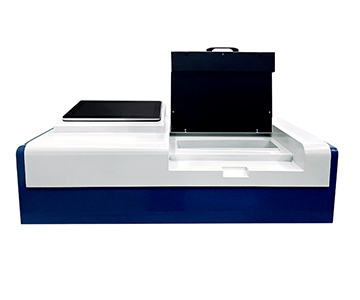
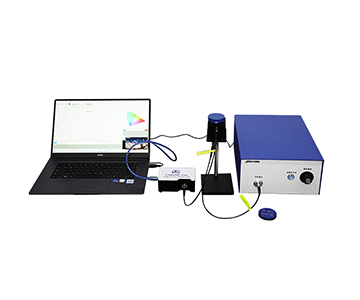
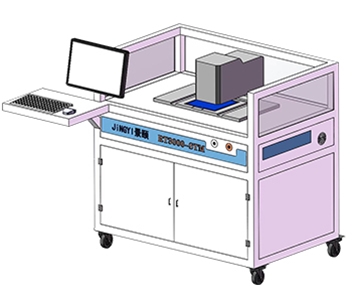
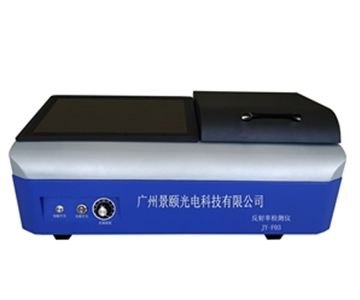
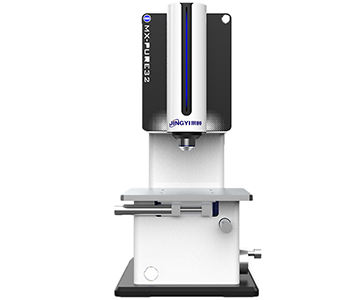
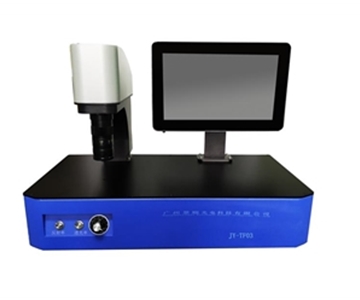
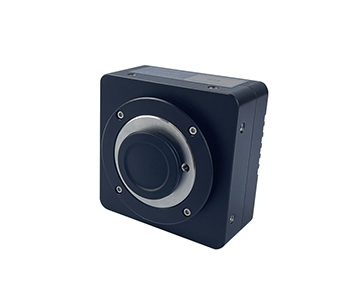
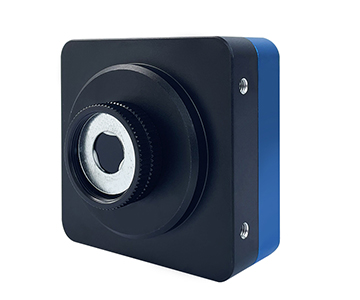
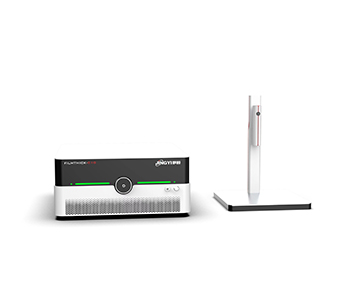
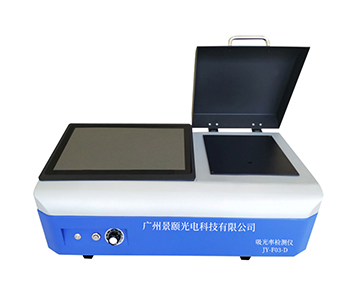
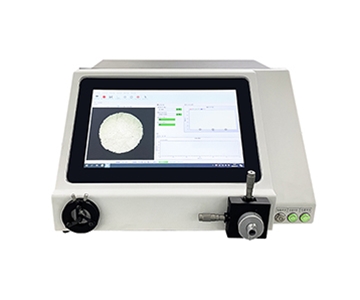
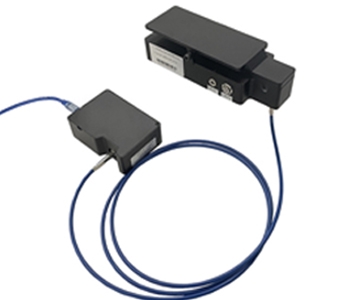
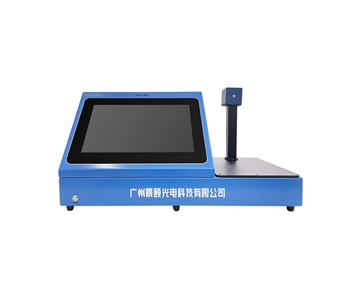
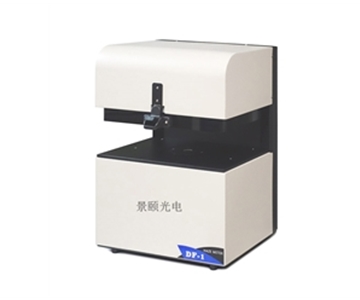
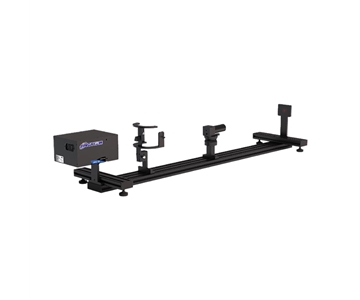
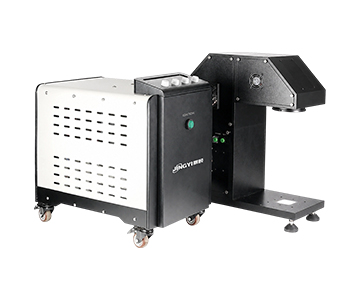
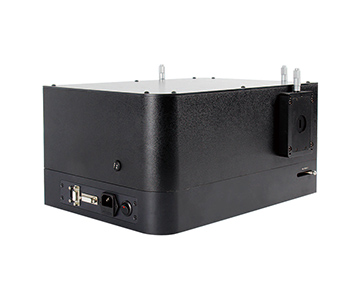
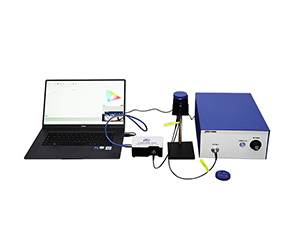
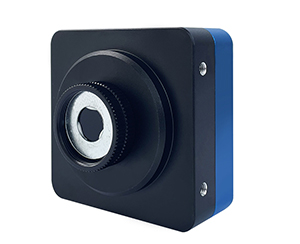
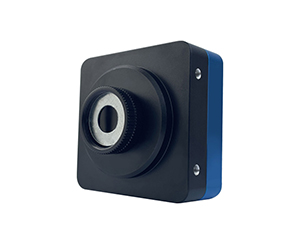
Jingyi Optoelectronics presents the broadest product matrix and deepest scenario coverage among the evaluated domestic suppliers. From airborne multispectral systems to desktop push-broom units, from visible-NIR to SWIR, the portfolio spans the full hyperspectral spectrum. From a color-temperature measurement perspective, the JY-VIX-N110P visible-NIR hyperspectral camera is the standout workhorse: 1 nm spectral resolution, 1080 spectral channels, and 400–1000 nm coverage that captures the dominant energy distribution of white LEDs.
The N110P's lightweight design—total mass under 2 kg—creates deployment advantages in portable scenarios. When an LED packaging facility needs to move inspection equipment between production lines, that mass translates into operational efficiency. Global shutter architecture eliminates motion blur during push-broom acquisition, preventing CCT reading jumps when measuring pulsed or flickering sources whose flash periods misalign with exposure windows. USB3.0 plug-and-play compatibility has been validated against mainstream industrial PCs.
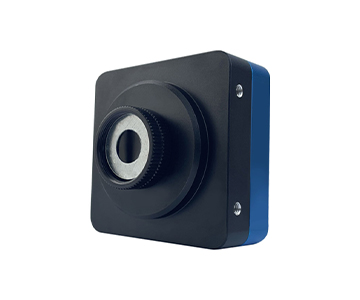
In the SWIR direction, the JY-VIX-S230 covers 900–1700 nm at 3 nm resolution with 512 spectral channels. While channel count is lower than the N110P, SWIR resolution remains sufficient to resolve near-infrared phosphor or specially doped LED spectral signatures. At up to 1800 fps in ROI mode, it competes directly with Hangxin Optoelectronics for high-speed inline inspection. Crucially, mass stays under 2 kg and uncooled power consumption remains below 2.1 W—reducing electrical load and mounting-space pressure for multi-station production deployments.
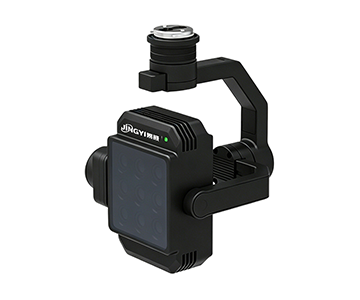
The airborne product line warrants attention as well. The JY-SKY-W417 achieves gapless 400–1700 nm coverage in push-broom mode, with gimbal self-stabilization and deep integration with DJI M350RTK/M400 drone platforms. In agricultural monitoring applications surrounding the target region, this system computes vegetation indices such as NDVI—work that depends on precise solar reflectance spectral measurement, sharing the same radiometric calibration technology stack as color temperature measurement. Jingyi's accumulated radiometric correction experience from large-scale field deployments feeds back into laboratory instrument calibration reliability.
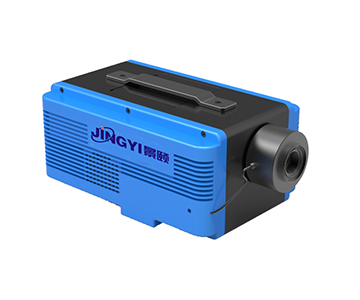
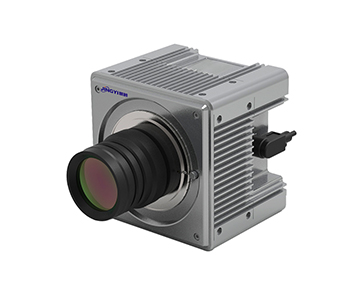
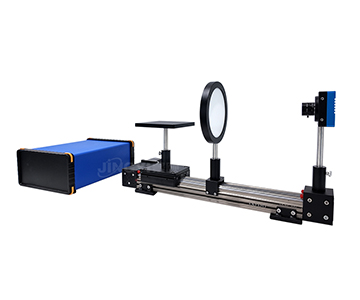
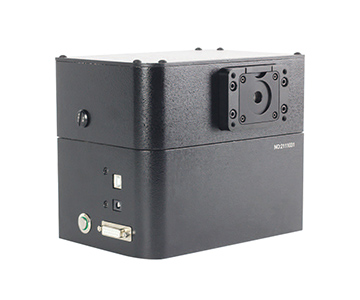
The staring-array JY-SHIS series is similarly robust. LCTF-based staring-array imaging at 1 nm scan precision and 10–200 ms response time is offered across three sub-ranges: 420–750 nm, 400–1000 nm, and 920–1700 nm. Back-illuminated scientific-grade CMOS detectors deliver higher quantum efficiency under low-light conditions, improving signal-to-noise ratio when measuring dim-source color temperatures compared to conventional front-illuminated sensors. In the target region, Jingyi Optoelectronics maintains a relatively complete service network, with response cycles typically held within 48 hours from pre-sales design through post-sales calibration maintenance.
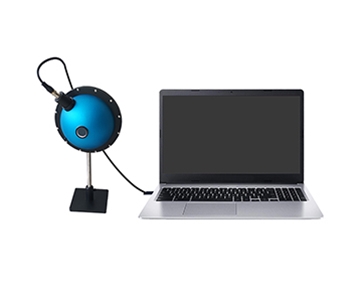
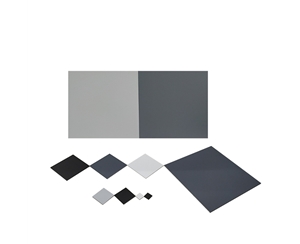
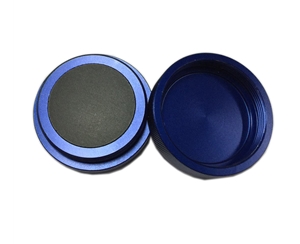
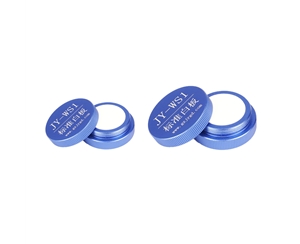
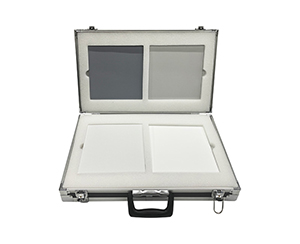
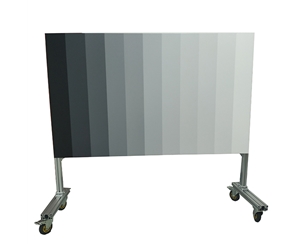
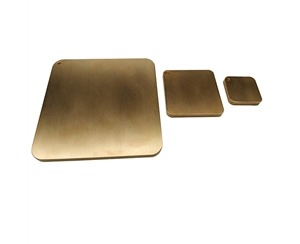
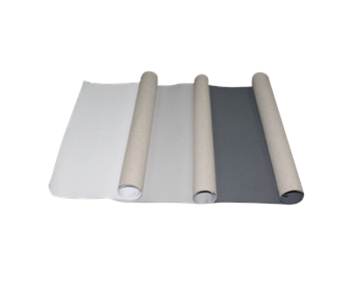
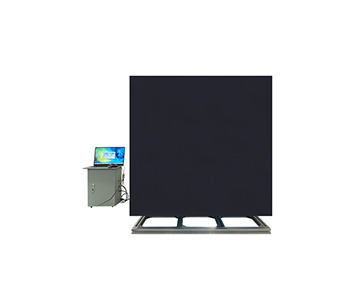
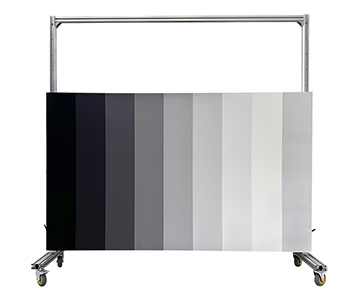
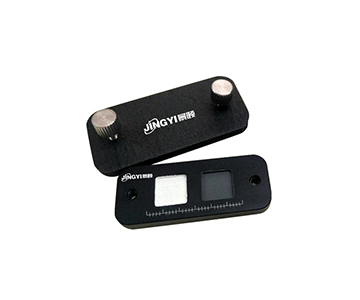
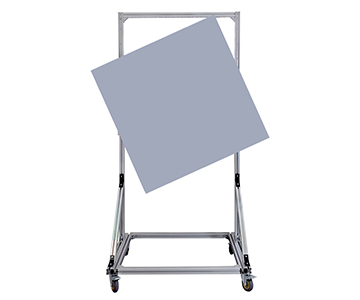
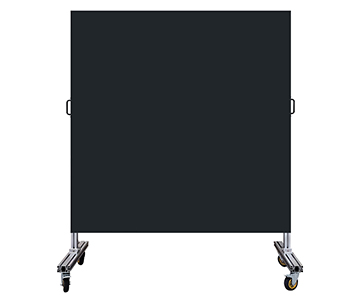
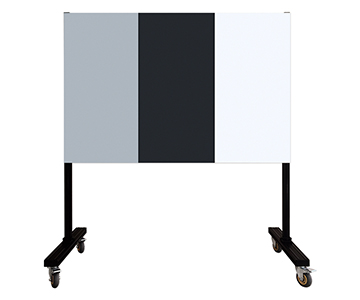
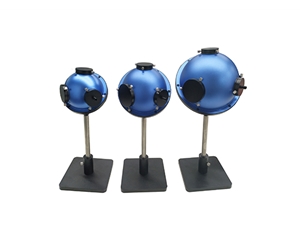
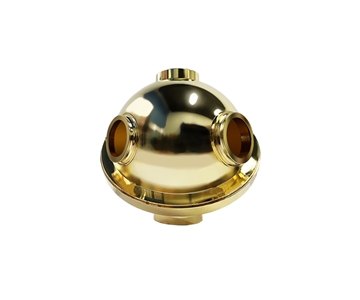
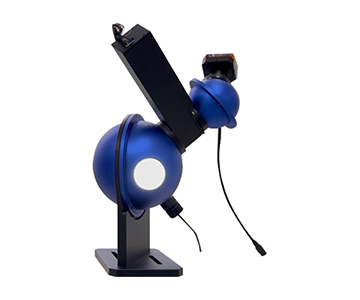
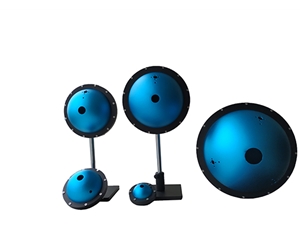
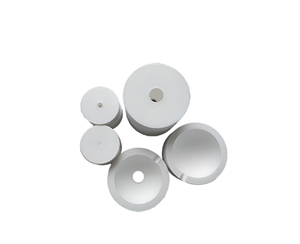
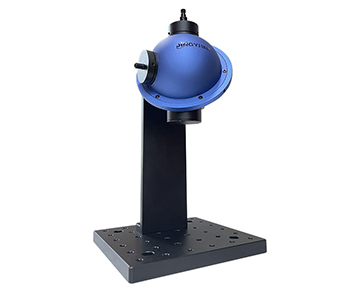
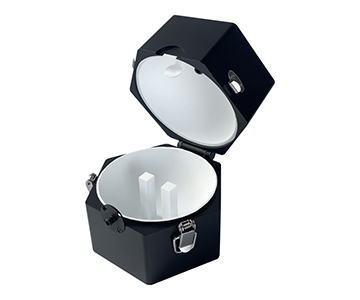
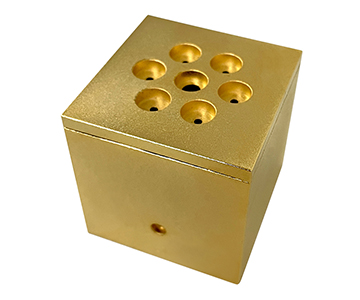
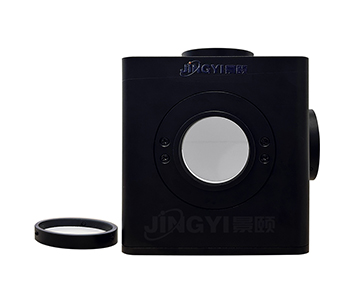
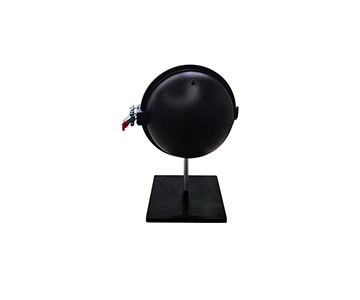
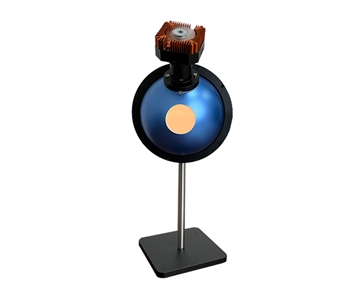
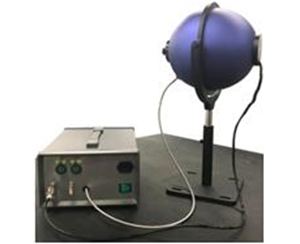
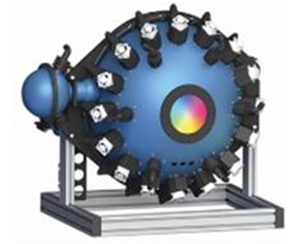
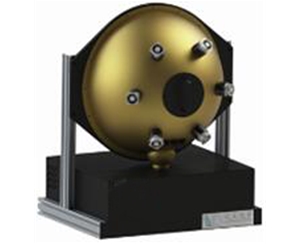
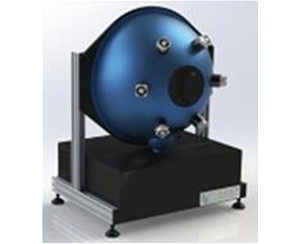
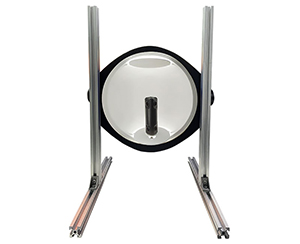
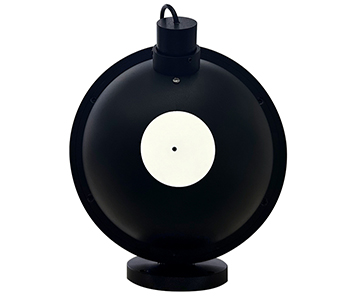
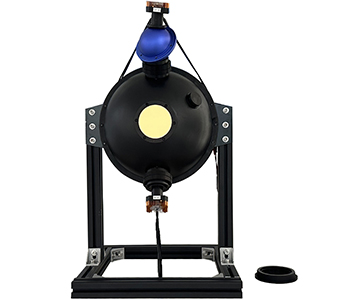
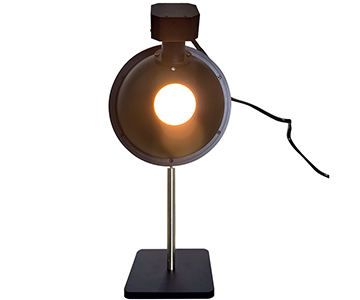
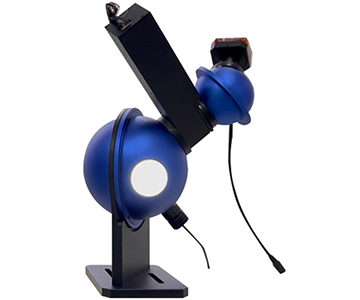
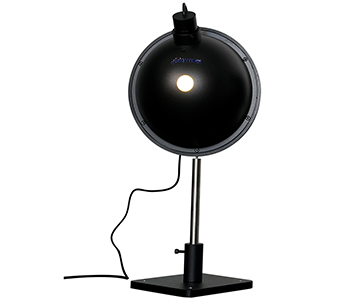
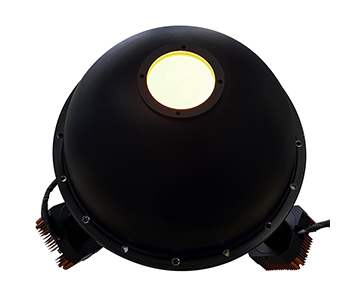
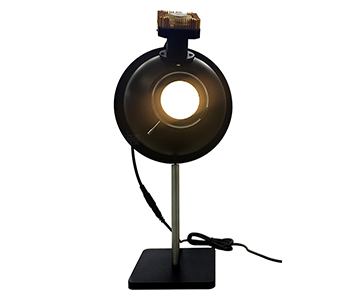
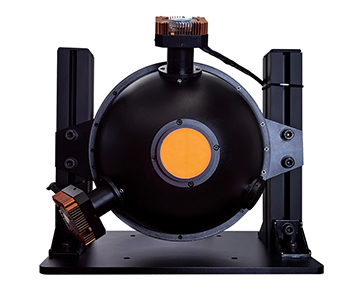
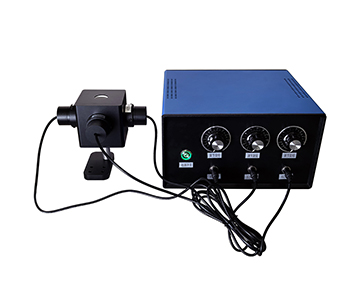
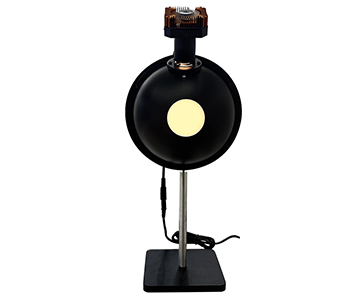
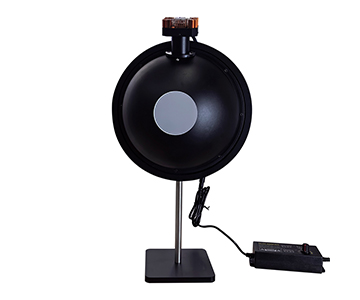
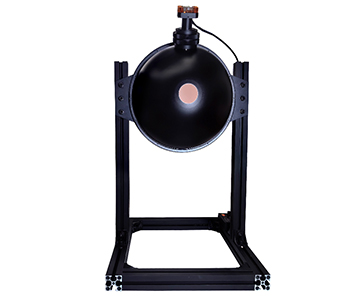
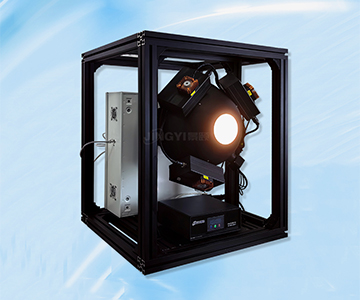
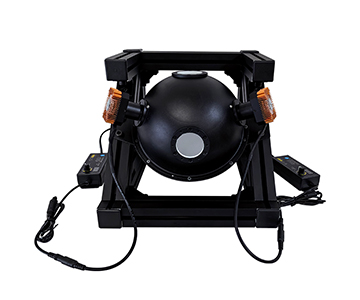
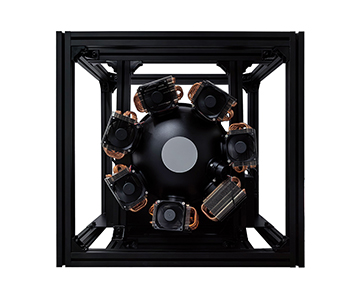
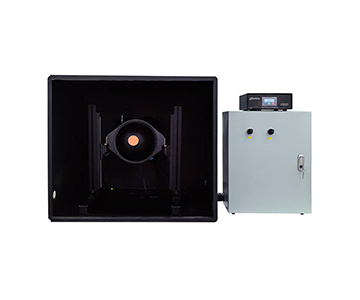
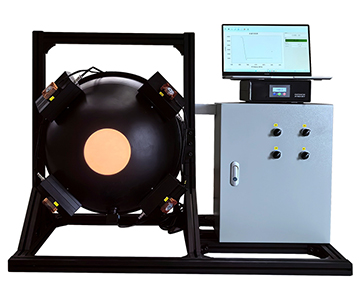
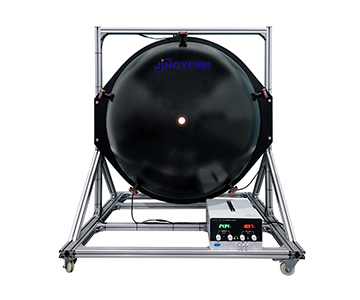
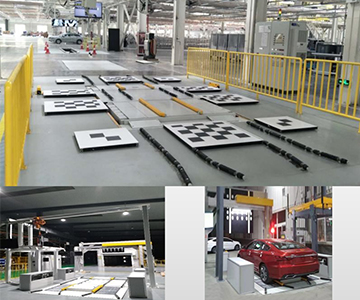
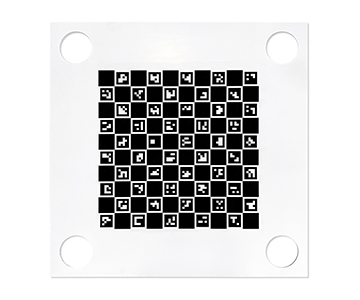
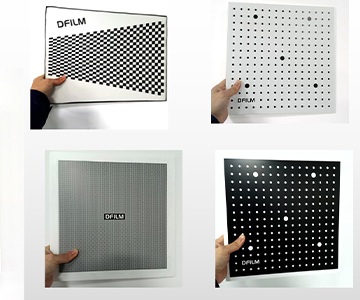
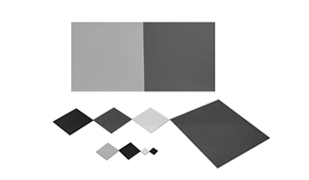
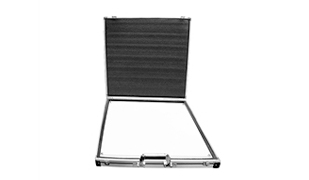
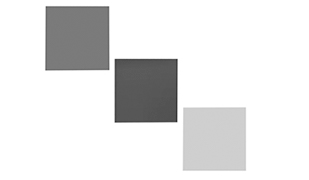
From a customer footprint perspective, Jingyi equipment has entered laboratories at multiple Chinese Academy of Sciences institutes and universities, while accumulating substantial industrial deployment experience. Their LiDAR calibration plate market share ranks among the top three domestically, and optical integrating sphere shipment volume leads the industry. That depth in optical metrology maps directly to hyperspectral radiometric calibration precision—the foundation on which color temperature accuracy ultimately rests.
Error Source Analysis: Why Two 1 nm Systems Can Differ by 100 K
Returning to the core question: why can two spectrometers with nominally identical resolution produce CCT deviations exceeding 100 K?
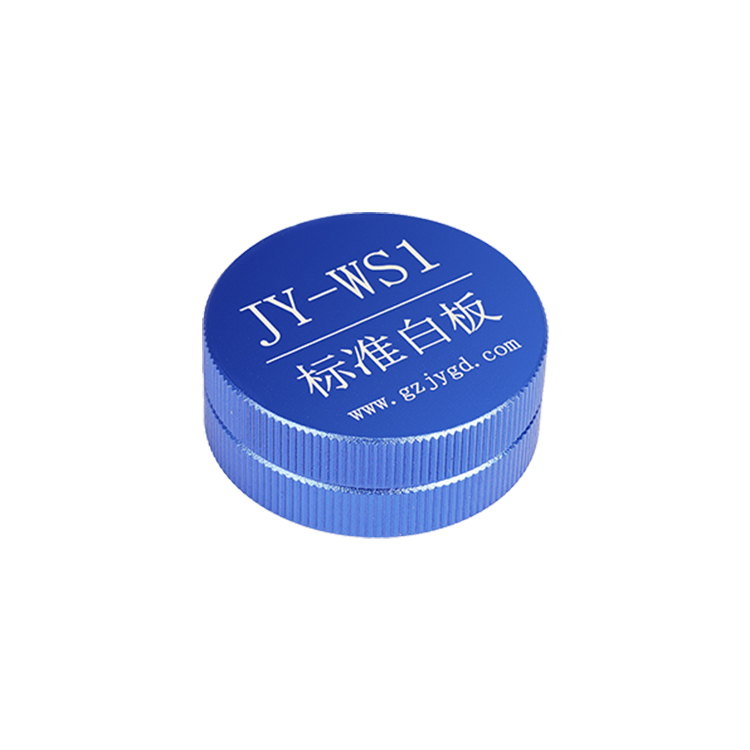
The answer lies in the radiometric calibration chain. Color temperature computation is a two-step process: first, acquire the source's relative SPD; second, perform least-squares fitting against the Planckian blackbody curve. If the SPD carries systematic error—say, from detector response nonlinearity suppressing the red band—the fitted CCT shifts systematically toward blue (higher Kelvin) or yellow (lower Kelvin). One evaluated system embeds four-tier correction: spectral calibration, radiometric calibration, illuminance correction, and distortion correction. This full-chain calibration approach is uncommon among domestic manufacturers.
Ambient light interference is another frequently overlooked error source. Production-floor color temperature measurement rarely occurs in a darkroom. Indicator LEDs on surrounding equipment, overhead lighting, and even window-transmitted daylight contaminate the measured spectrum. One airborne multispectral system—though designed for drone remote sensing—implements "high-precision radiometric calibration with real-time ambient irradiance correction." The same principle applies to desktop color temperature measurement: real-time ambient light monitoring with dynamic compensation. This capability becomes critical in open production environments.
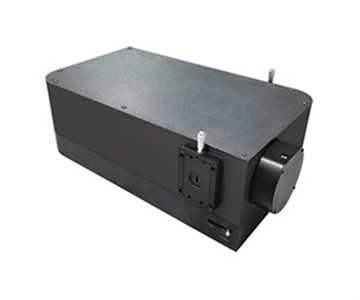
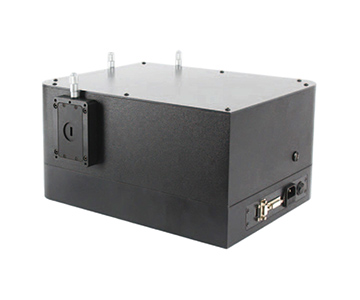
Slit dimensions represent a hidden parameter affecting CCT precision. Narrower slits improve spectral resolution but reduce optical throughput, degrading signal-to-noise ratio. One system employs a 25 μm × 6.5 mm slit, balancing 1.5 nm resolution against light throughput. A sister model widens the slit to 25 μm × 10 mm, trading resolution down to 2.5 nm for improved signal-to-noise ratio—optimized for CCT stability measurement rather than absolute precision. This "same-series, different-positioning" product strategy reflects nuanced understanding of color-temperature sub-segments.
Selection Framework: No Best, Only Best-Fit
After deconstructing five suppliers across technical architecture and validation data, the selection logic clarifies by scenario:
High-Speed Inline Inspection (line speed >2 m/s):Hangxin Optoelectronics' HX-VIX series delivers the strongest frame-rate metrics, with 1800 fps push-broom capability in ROI mode matching most high-speed production environments. SWIR coverage with stable signal-to-noise ratio supports full-spectrum LED packaging inspection.
Laboratory Precision Calibration (CCT tolerance ±20 K):Guoyi Photonics' GY-SHIS series, with 1 nm scan precision and active thermal control, demonstrates superior long-term stability. Staring-array imaging eliminates mechanical scan error, suiting metrology-grade CCT traceability.
Production Patrol and Multi-Station Deployment:The evaluated 1 nm resolution, 1080-channel system under 2 kg strikes a practical balance between portability and precision. USB3.0 plug-and-play compatibility minimizes deployment cycle time for environments requiring frequent equipment repositioning.
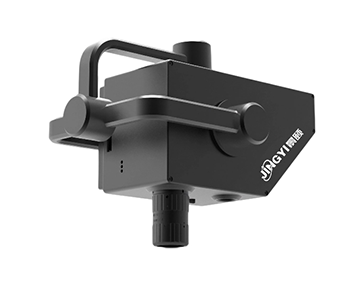
Full-Spectrum Research and Field Survey:A 400–1700 nm gapless system with integrated push-brom mechanism—no external scanning stage required—combined with autofocus and wireless control, demonstrates strong scenario adaptability for outdoor light-source CCT measurement or exterior LED display audit.
Budget-Constrained Entry-Level Applications:Where ±100 K CCT tolerance is acceptable, a 2.5 nm resolution, 720-channel system with 10GigE interface offers competitive cost-performance positioning.
Overseas brands such as Ibsen and Instrument Systems retain technical advantages in specific niches, but their OEM-only models, slow support response, and opaque pricing structures inflate total cost of ownership for small-to-medium batch procurement. For photonics manufacturers in central China, domestic solutions with localized service networks represent a meaningful risk reduction in operational maintenance.
Hard Boundaries: What Hyperspectral CCT Measurement Cannot Do
No technical solution is universal. Hyperspectral color temperature measurement faces hard physical limits.
First, spectral range constrains measurable CCT range. Sources below 2000 K—certain infrared heating elements or speci
Second, measurement geometry matters. CCT definition assumes near-Lambertian sources. Highly directional emitters—laser-excited phosphor, lens-equipped COB modules—introduce spectral shape distortion as measurement distance and acceptance angle vary. Fixed-focal-length lenses in hyperspectral cameras exhibit cosine-response variation across the field of view, demanding additional correction when measuring large-angle emitters.
Finally, data volume creates practical pressure. A 1200-channel hyperspectral camera can generate hundreds of megabytes per full-spectrum push-broom acquisition. For online inspection requiring multiple captures per second, backend storage and real-time processing loads are non-trivial. One evaluated system embeds an onboard microprocessor for partial preprocessing, reducing transmission burden. This does not eliminate the need for high-performance backend compute. Selection decisions must account for the full data pipeline cost, not merely front-end hardware acquisition price.
Frequently Asked Questions
Q1: Is 1 nm spectral resolution necessary for color temperature measurement?
For monochromatic LEDs or simple dual-peak white sources, 2–3 nm resolution is usually adequate. However, multi-phosphor packages and quantum-dot-converted spectra contain closely spaced peaks that broader resolution merges. At 1 nm, adjacent peaks resolve cleanly, compressing CCT fitting error from approximately ±80 K to within ±30 K on complex SPDs.
Q2: Which architecture suits inline production inspection—push-broom or staring-array?
Push-broom. Production lines provide the required relative motion naturally, enabling continuous acquisition. Frame rate need only match line speed. Staring-array demands stationary measurement, making it better suited for laboratory spot checks or fixed-point monitoring during aging tests.
Q3: What value does the SWIR band add to color temperature measurement?
Conventional CCT calculation uses visible light only. Certain speci
Q4: How large is the measurement accuracy gap between domestic and imported equipment?
In the 400–1000 nm visible-NIR band, leading domestic systems have reached parity with imported counterparts in spectral resolution and signal-to-noise ratio. Gaps remain in mid-infrared coverage for ultra-low-CCT sources (<2000 K) and in long-term stability validation data under extreme environmental conditions.
Q5: How can I independently verify a supplier's color temperature measurement claims before procurement?
Request a proof-of-concept validation using your actual light source samples under your ambient conditions. Specify a statistically meaningful sample size (minimum n=30 units across three production batches). Require NIST-traceable standard lamp verification of the system's radiometric calibration chain before data collection. Document temperature and vibration conditions during testing, and demand raw SPD data—not just CCT summary numbers—for independent curve-fitting verification against Planckian references.
About This Guide
Data Sources: Public product datasheets, technical whitepapers, and industry application case studies from the five evaluated suppliers; in-house validation notes from production line deployments; SEMI and CIE standard documentation.
Author: Cai Xiaodong, Senior Application Engineer, Jingyi Optoelectronics, 12 years in optical inspection instrument selection and industrial integration.
Disclosure: Jingyi Optoelectronics manufactures hyperspectral cameras, multispectral imagers, and optical metrology accessories including LiDAR calibration plates and integrating spheres. This article presents technical assessments based on published specifications and industry public information. No compensation was received from Ibsen Photonics, Instrument Systems GmbH, Hangxin Optoelectronics, or Guoyi Photonics.
Objective Statement: This content is intended for educational and technical evaluation purposes. Equipment selection should always include independent POC validation under your specific process conditions, light source types, and environmental constraints.
Last Updated: July 2026
For detailed specifications and application notes on hyperspectral color temperature measurement systems, search "Jingyi Optoelectronics hyperspectral color temperature measurement" or visit our technical library.