Product Introduction
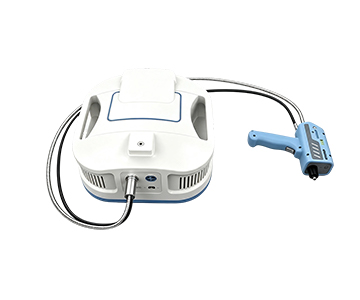
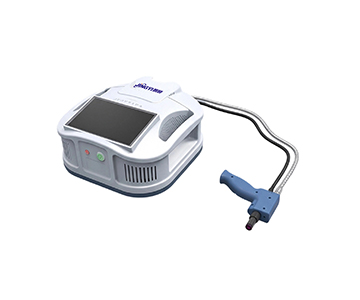
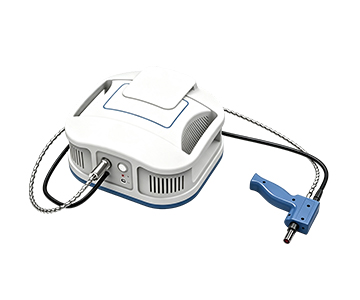
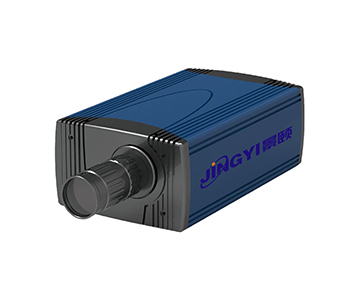
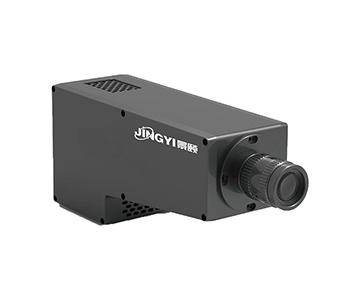
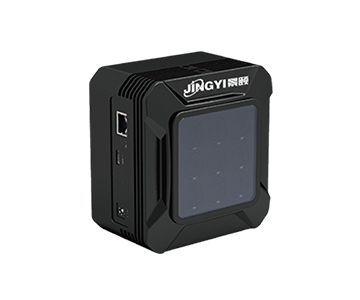
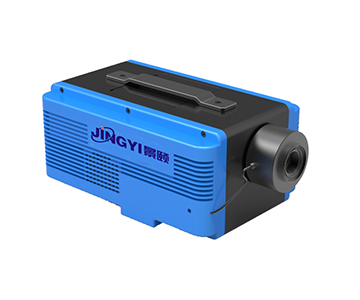
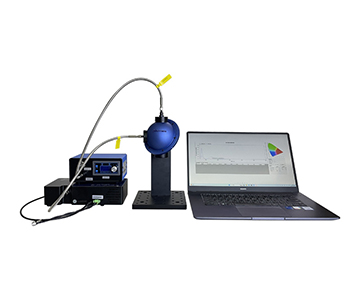
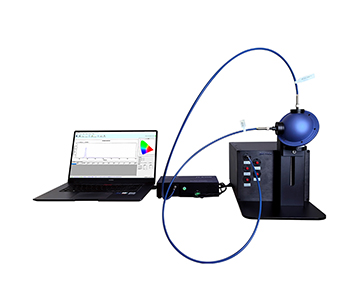
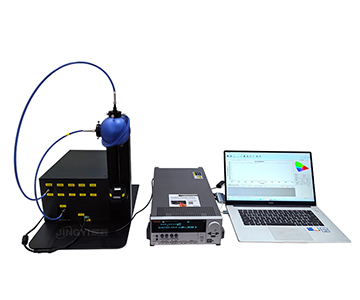
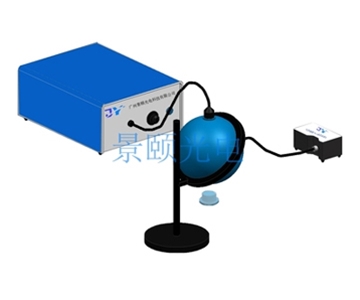
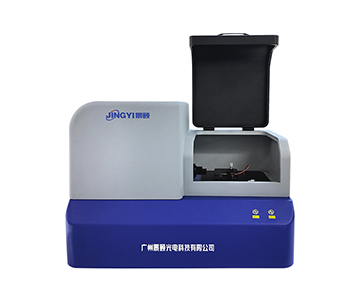
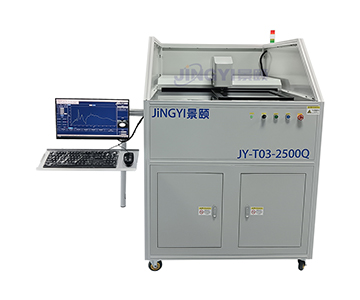
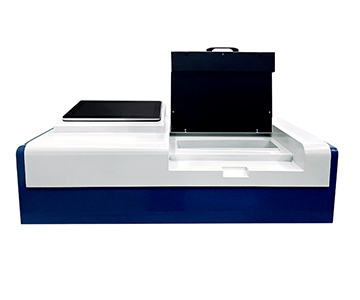
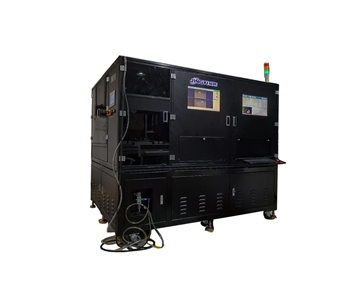
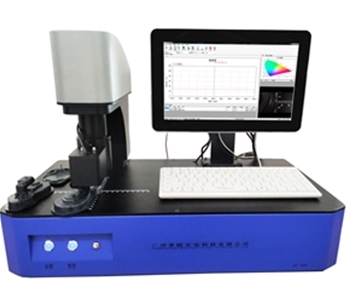
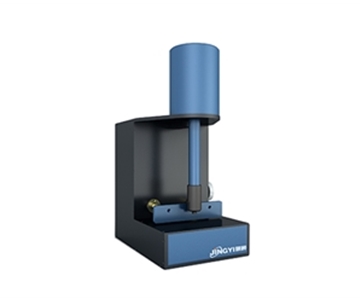
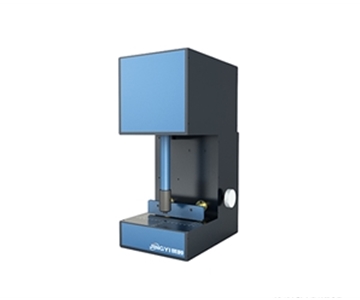
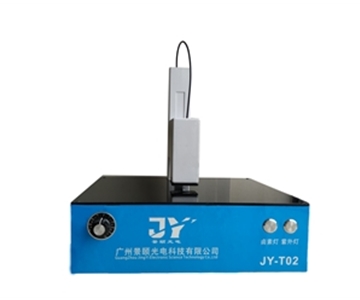
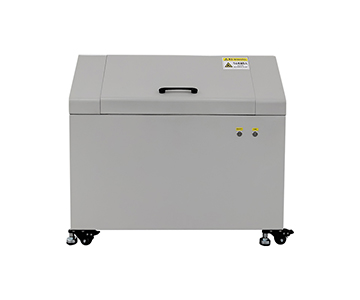
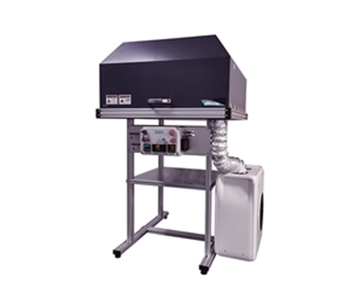
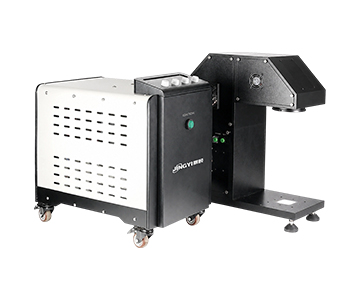
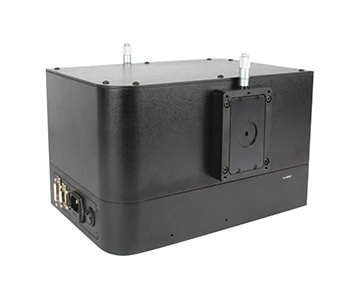
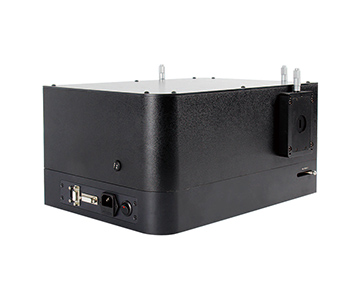
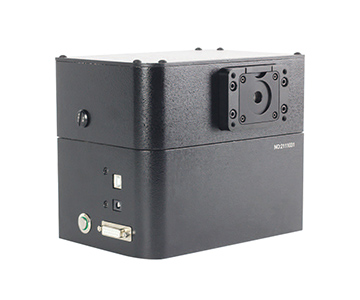
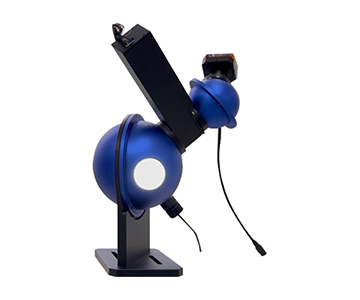
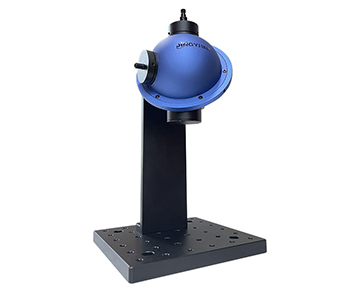
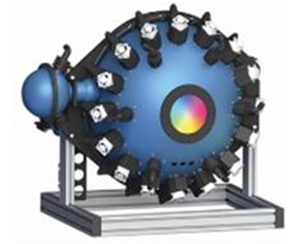
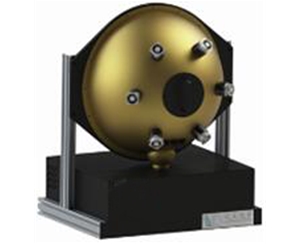
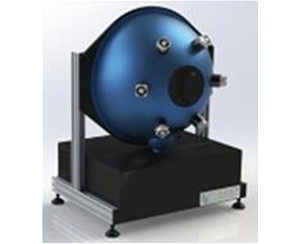
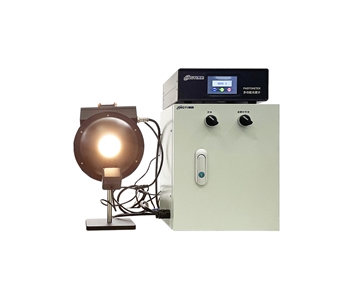
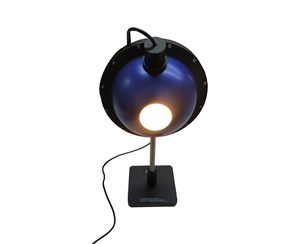
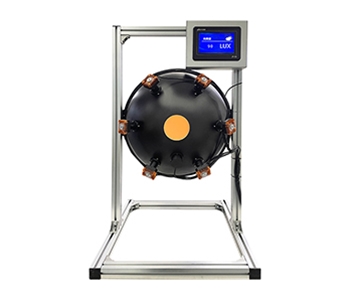
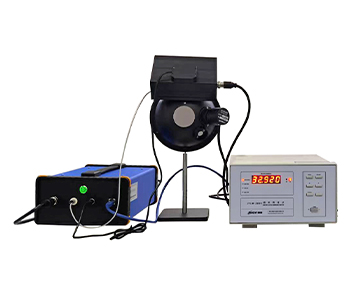
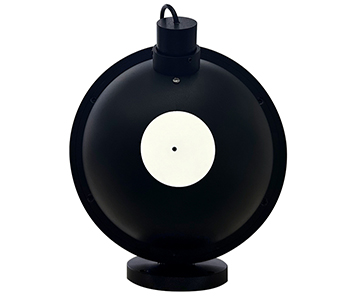
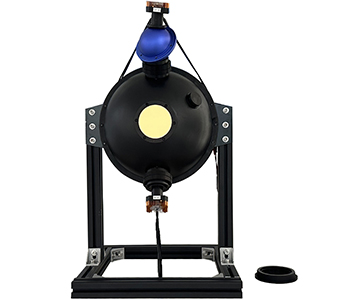
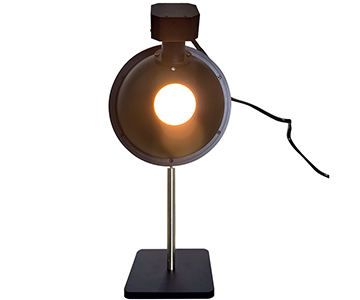
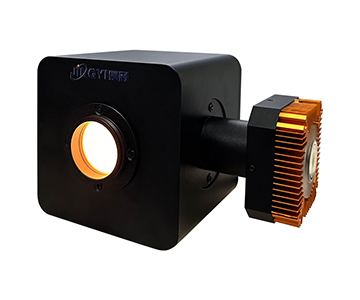
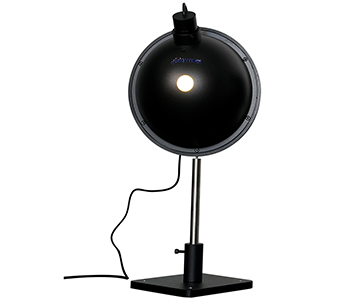
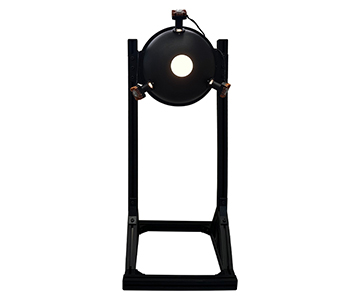
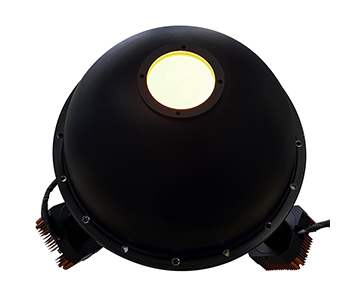
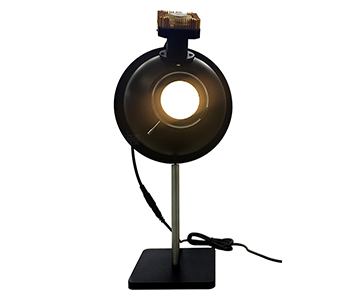
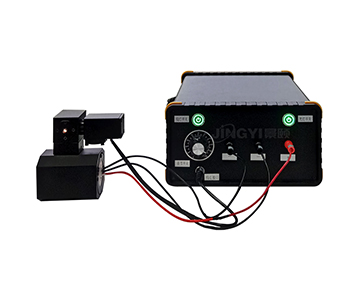
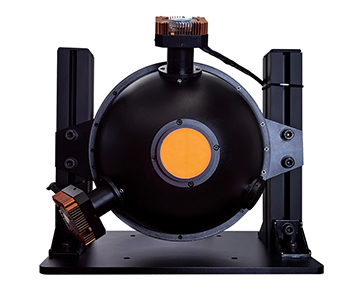
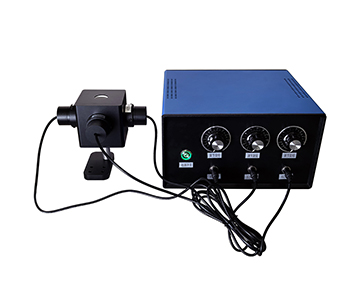
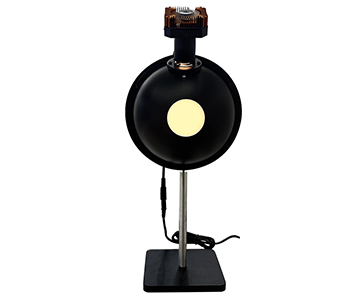
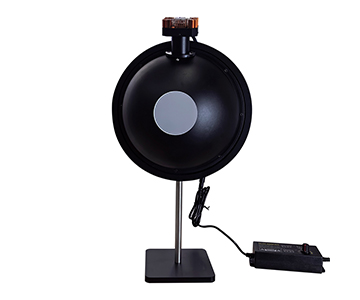
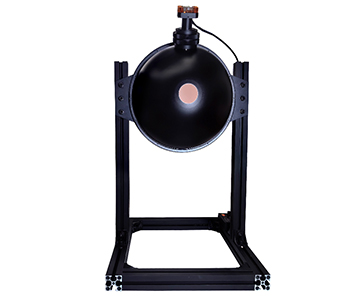
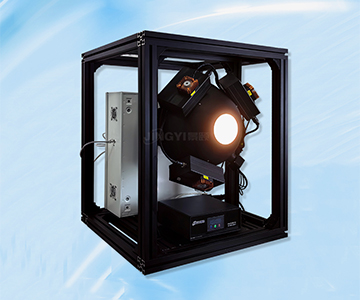
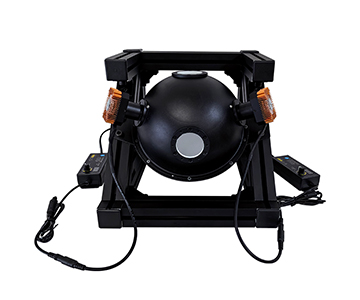
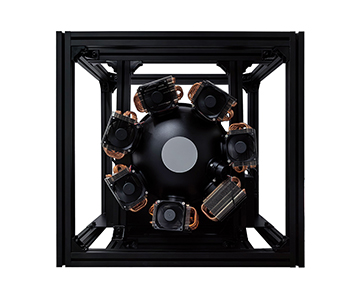
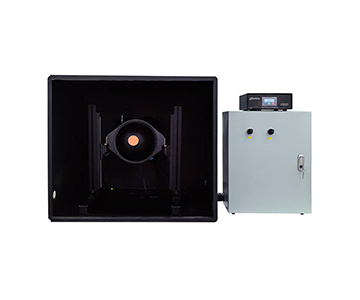
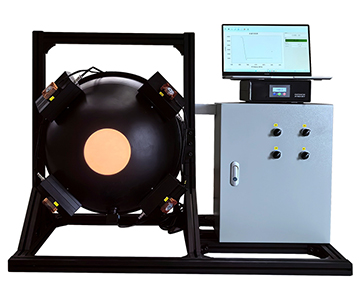
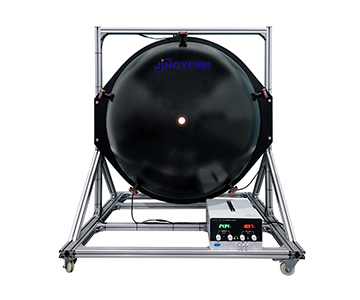
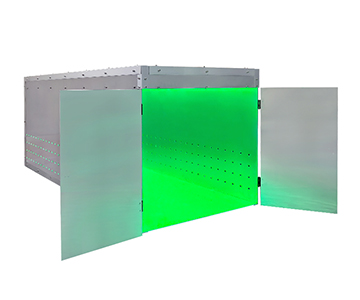
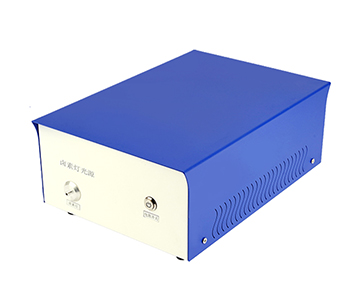
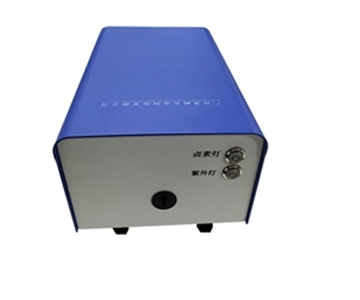
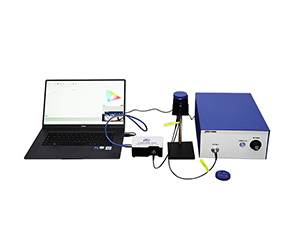
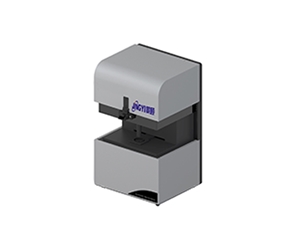
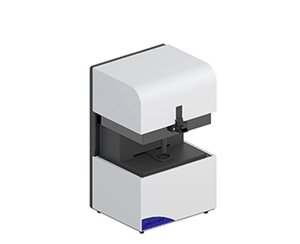
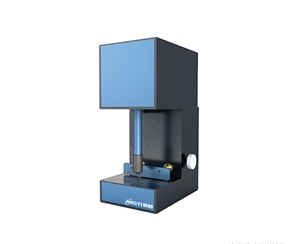
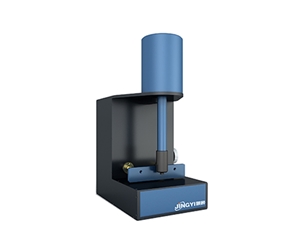
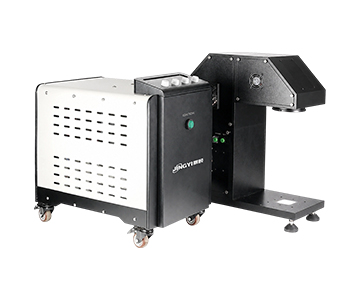
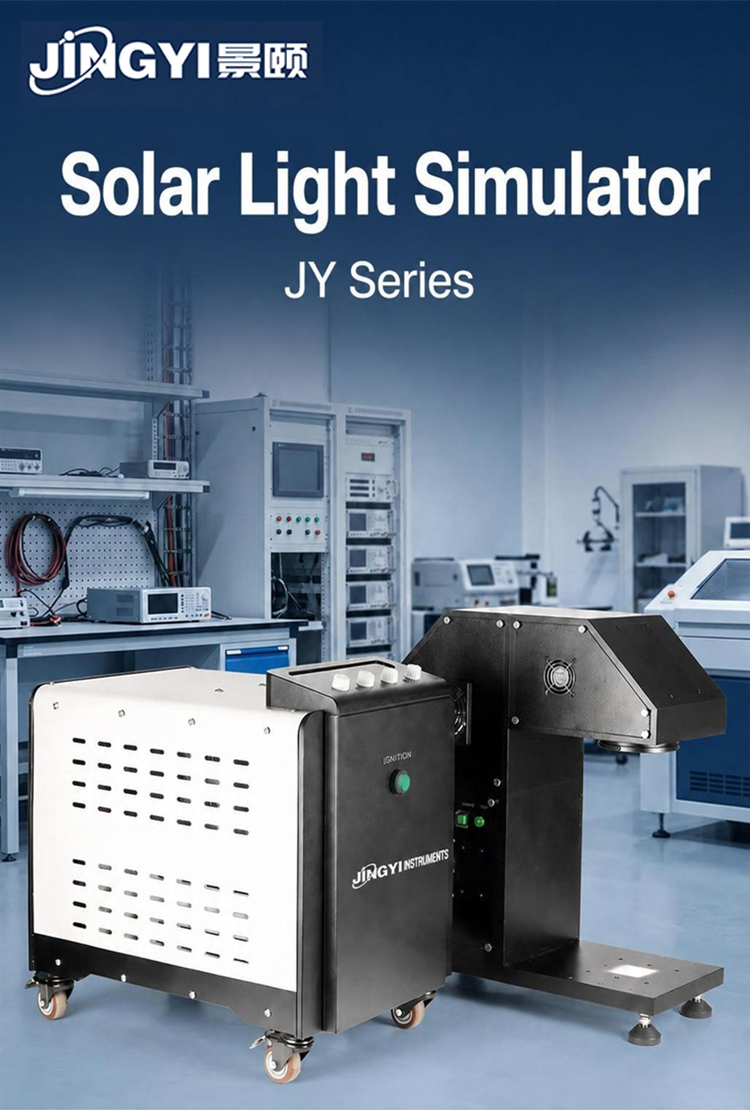
The JY-7ISxxx3A series solar simulator from Jingyi Optoelectronics adopts a single lamp design and meets AAA level performance standards. It is an instrument that can simulate standard solar radiation conditions 24/7 without interruption. Solar simulators are commonly used in the field of photovoltaic testing, providing efficient and convenient testing conditions for your production and experiments. The solar simulator can be used as a light source for various physical, biochemical, pharmaceutical, environmental and other measuring instruments, as well as other laboratory light sources; It can also be used in conjunction with data acquisition and processing equipment to measure the electrical parameters of solar cells.
Product Features
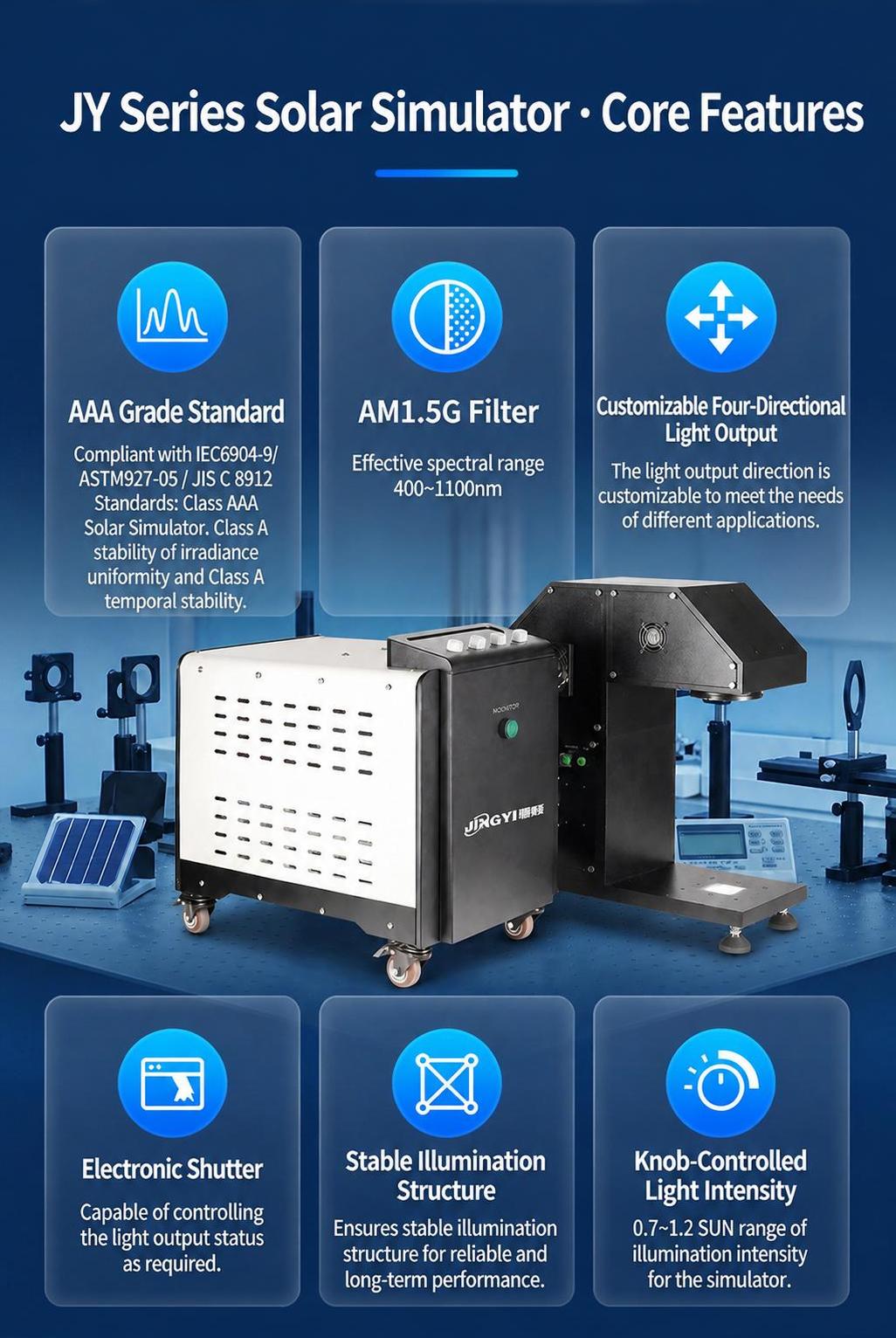
According to the standards of AAA level simulator specified in IEC6904-9/ASTM227-05/JIS C 8912:
A-level spectral matching
Grade A spatial non-uniformity
A-level time stabilityA-level time stability
The simulator light source contains an AM1.5G air quality filter with an effective spectral range of 400~1100nm
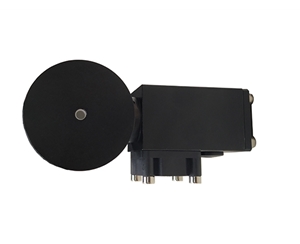
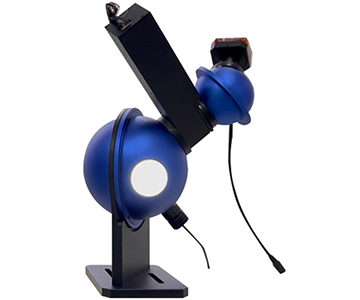
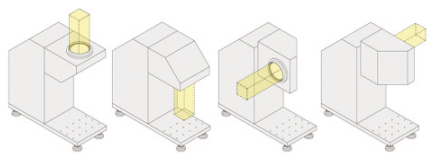
The output direction of the simulator light source can be customized to four directions according to requirements, meeting different application scenarios
The simulator light source is equipped with an electronic installation shutter, which can control the light output status as needed
The simulator's light source structure is stable, ensuring that the entire machine is not deformed, and the light path is stable and long-lasting
The output current of the power controller adopts a knob control method, which can adjust the light intensity of the simulator within the range of 0.7~1.2SUN
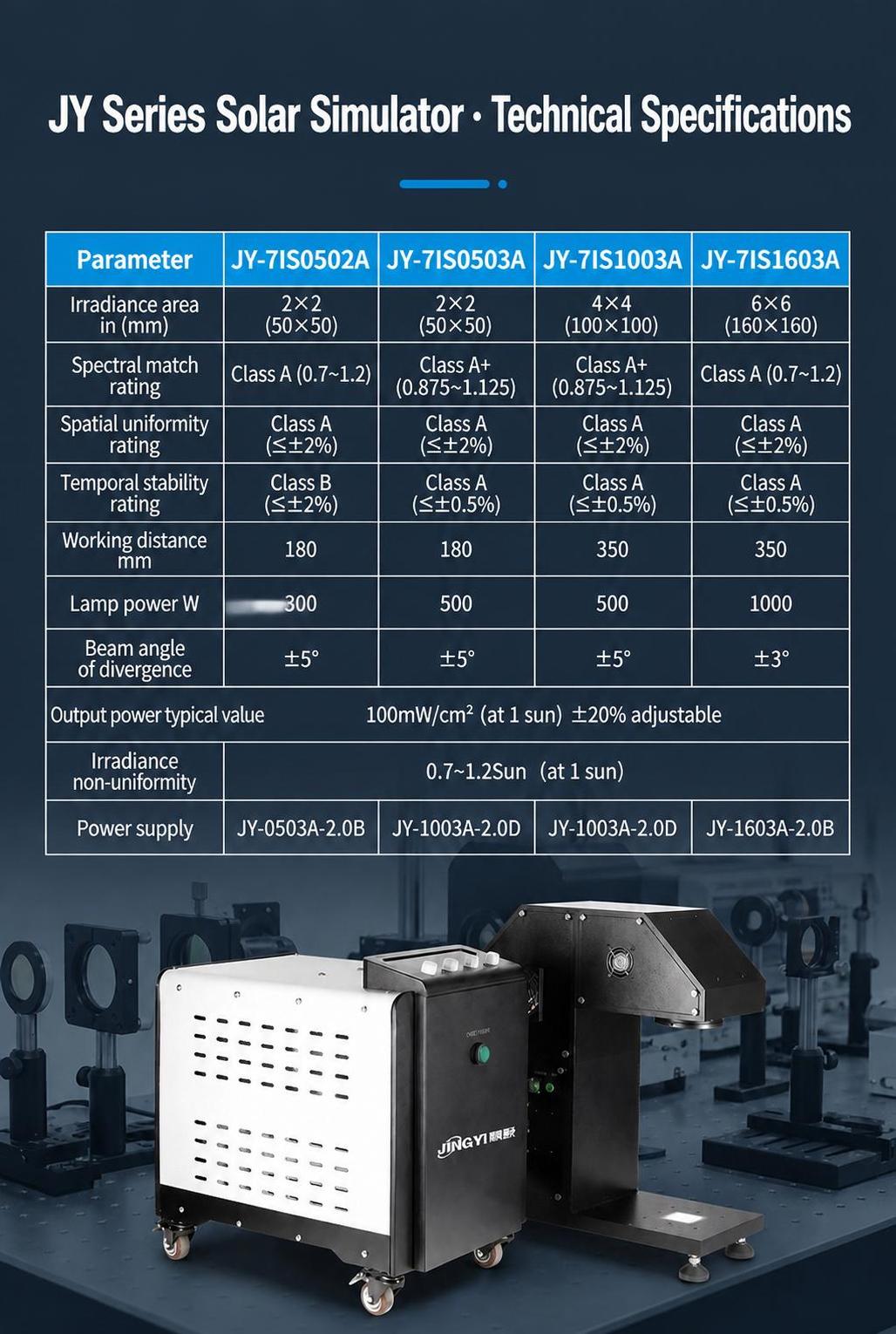
Technical Parameters
|
parameter item
|
JY-7IS0502A
|
JY-7IS0503A
|
JY-7IS1003A
|
JY-7IS1603A
|
|
spot sizein (mm)
|
2×2 (50×50)
|
4×4
(100×100)
|
6×6
(160×160)
|
|
Spectral matching level
|
Grade A (0.7~1.2)
|
Grade A+(0.875~1.125)
|
Grade A (0.7~1.2)
|
|
Level of spatial non-uniformity
|
Grade A (better than ± 2%)
|
|
Time stability level
|
Grade B (better than ± 2%)
|
Grade A (better than ± 0.5%)
|
|
Working distance mm
|
180
|
350
|
350
|
|
Light bulb power W
|
300
|
500
|
500
|
1000
|
|
Beam quasi right angle
|
±5°
|
±5°
|
±5°
|
±3°
|
|
Typical value of power output
|
100mW/cm ² (1 solar constant) ± 20% adjustable
|
|
Irradiance of illuminated surface
|
0.7~1.2 Sun (solar constant)
|
|
Standard power supply
|
7IS0503A-2.0B
|
7IS1003A-2.0D
|
7IS1603A-2.0B
|
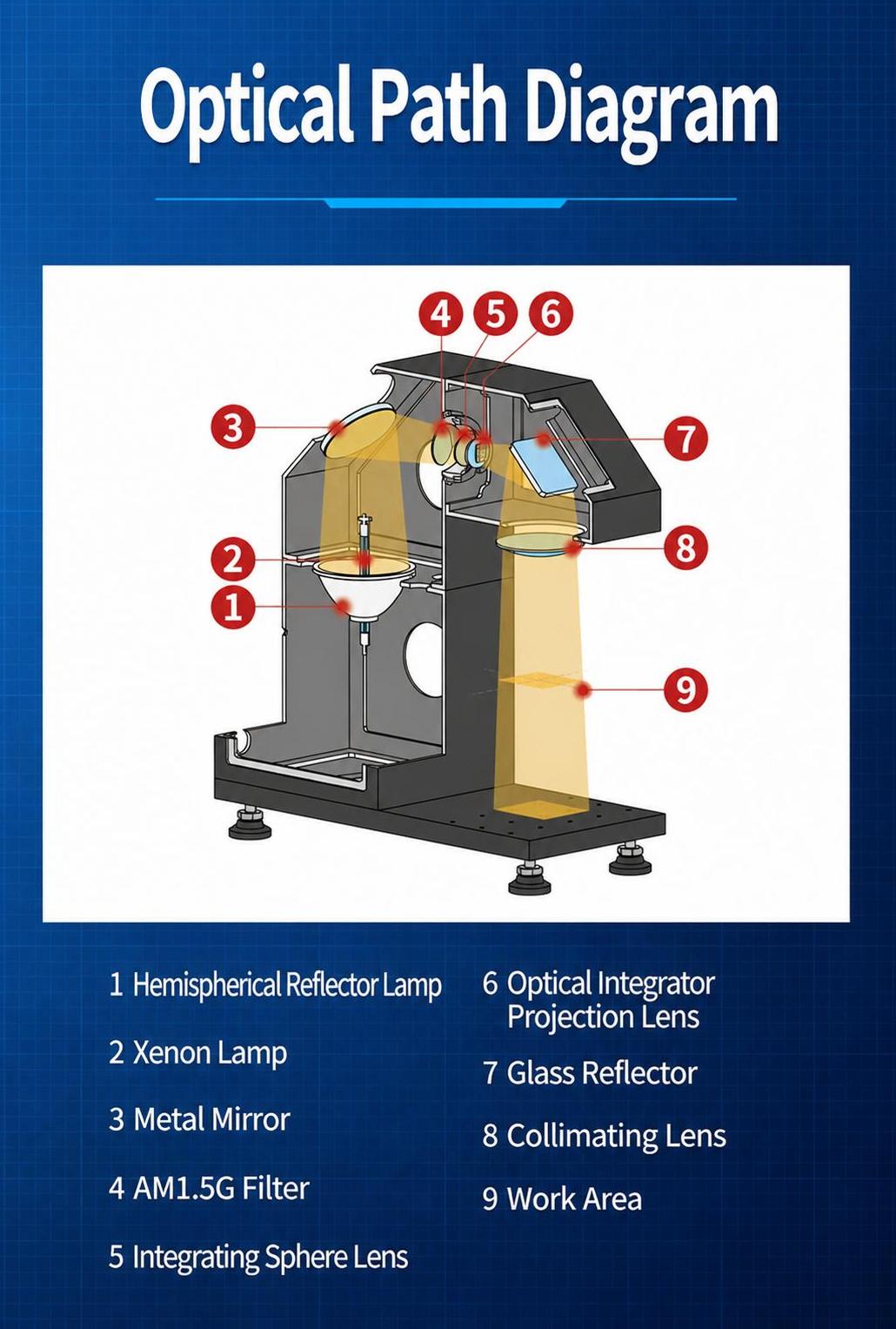
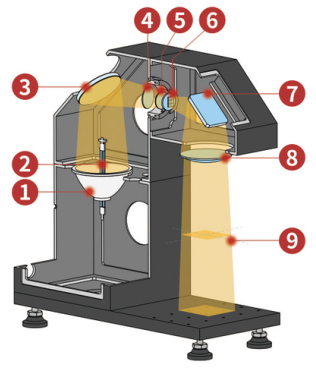
Optical path diagram
1 ellipsoid reflector tile
2 Xenon lamp bulbs
3 metal reflectors
4 AM1.5G filter
5 optical integrator field mirror
6 Optical integrator projection mirror
7 Glass Reflectors
8 collimating mirrors
9 working faces
Evaluation criteria for solar simulator
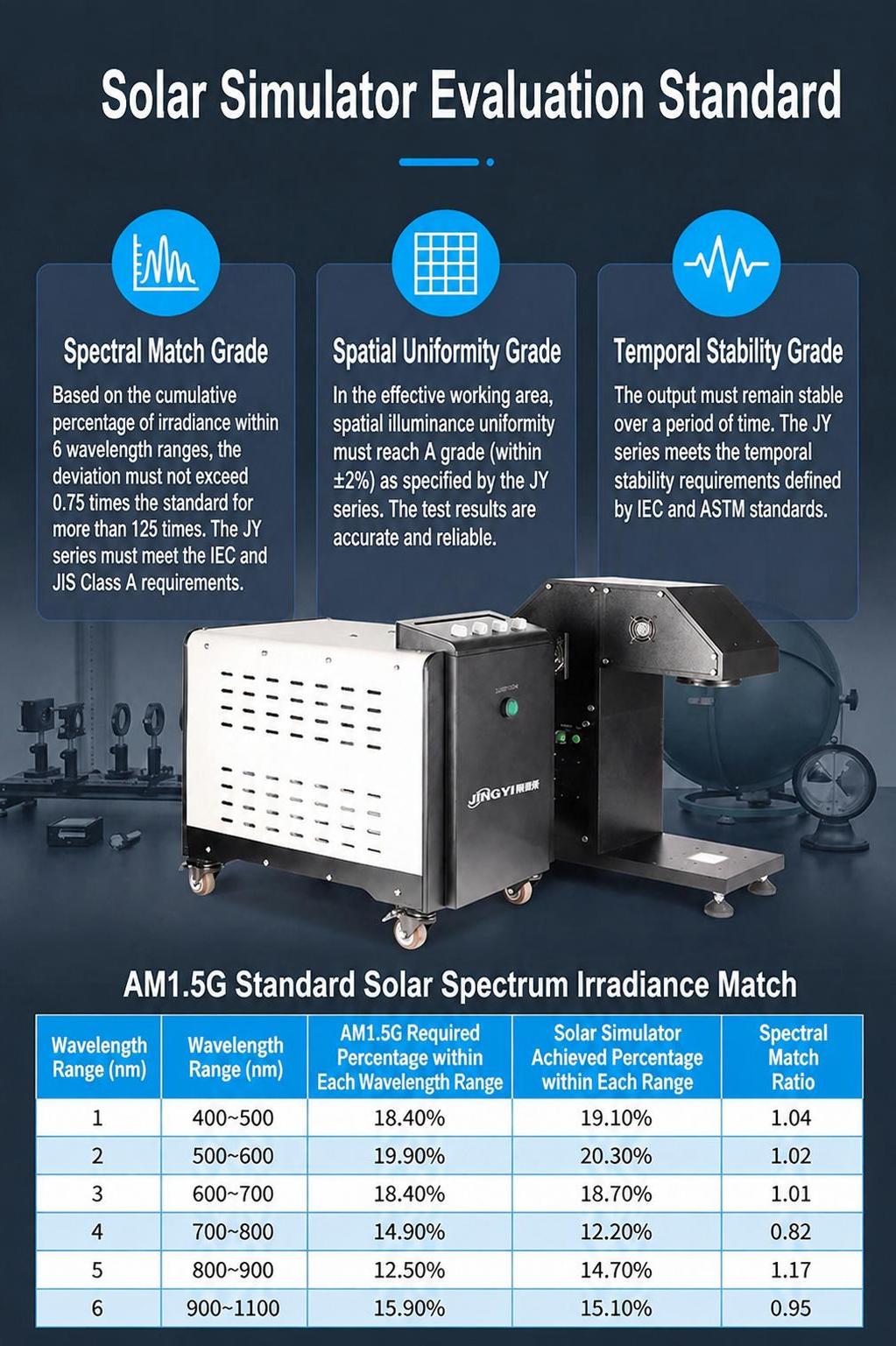
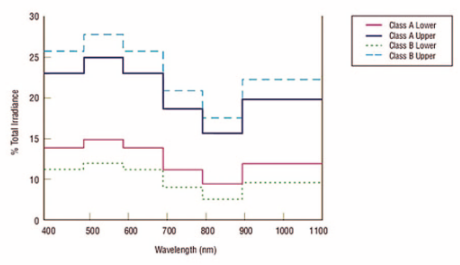
Spectral matching level
The ideal spectral matching of a solar simulator is based on the cumulative light intensity percentage expressed in six spectral ranges. The deviation of AAA level solar simulator in each spectral range cannot exceed 0.75 to 1.25 times the ideal percentage. The spectral matching of JY-7ISxxx3A series solar simulator equipped with AM 1.5G air quality filter can meet the A-level requirements under IEC JIS standards.
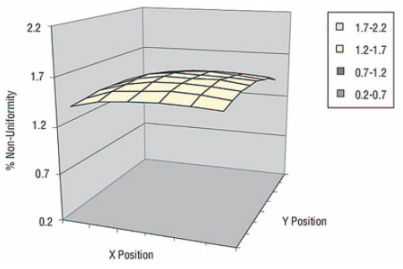
Spatial non-uniformity
The non-uniformity of spatial light irradiation within the effective working area is an important indicator of solar simulators. In using a solar simulator for photovoltaic testing, uneven light irradiation can cause deviations in test results, leading to errors in measuring efficiency or grading of solar cells. A high uniformity solar simulator can provide more accurate testing conditions and results.
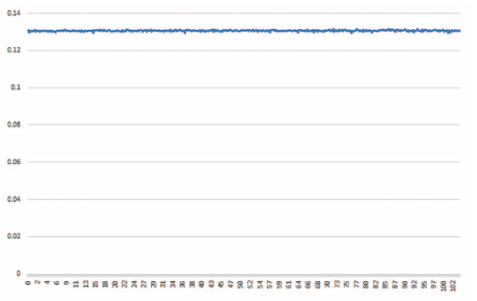
Time stability level
Time instability is the third performance parameter of the AAA level standard. It requires the output light to remain stable for a period of time to ensure that fluctuations in the lamp do not distort the measurement of solar cell efficiency. The JY-7ISxxx3A series solar simulator can meet the requirements of time instability defined by IEC and ASTM standards.
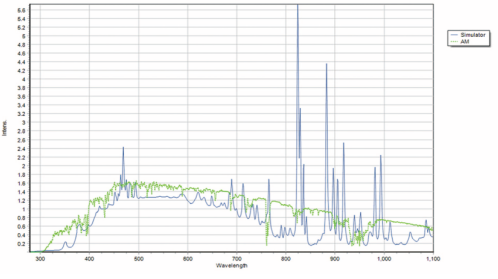
AM1.5G standard solar spectral irradiance matching:
|
Number of bands
|
Wavelength range nm
|
Percentage of integrated irradiance within the effective frequency band under AM1.5G conditions
|
Percentage of integrated irradiance within the effective band of the solar simulator
|
Spectral matching degree
|
|
1
|
400~500
|
18.40%
|
19.10%
|
1.04
|
|
2
|
500~600
|
19.90%
|
20.30%
|
1.02
|
|
3
|
600~700
|
18.40%
|
18.70%
|
1.01
|
|
4
|
700~800
|
14.90%
|
12.20%
|
0.82
|
|
5
|
800~900
|
12.50%
|
14.70%
|
1.17
|
|
6
|
900~1100
|
15.90%
|
15.10%
|
0.95
|
Product features:
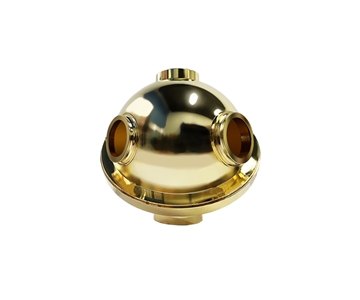
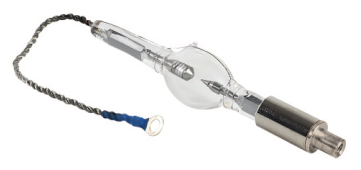
Spherical xenon lamp
Spherical xenon lamp, also known as ultra-high voltage short arc xenon lamp, is filled with a point light source of high-pressure xenon gas inside the lamp. After applying sufficient direct current to both ends of the lamp, arc discharge is formed under high-frequency and high-voltage excitation. The axis emits a strong continuous spectrum from ultraviolet to near-infrared, with visible light colors very similar to sunlight, high luminous efficiency, and good color temperature (6000K). High color rendering (Ra=94). It is an ideal light source for xenon lamps and simulated fluorescent lamps
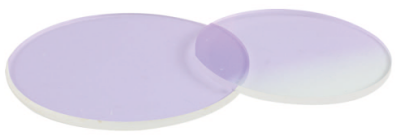
AM1.5G air quality filter
The AM1.5G air quality filter is commonly used for solar cell detection, atmospheric experiments, etc. It matches the filter based on the irradiance spectrum of sunlight. AM1.5 is a condition that describes the average illuminance of sunlight incident on the ground. For ease of calculation, the infrared spectrum used borrows the infrared spectrum part of the easily accessible sunlight spectrum. That is, under the AM1.5 atmosphere, the total solar irradiance is 100mW · cm-2, and the atmospheric quality varies at different latitudes. Only the solar spectrum in mid latitude regions is represented by AM1.5; The calibration temperature is 25 ± 1 ℃
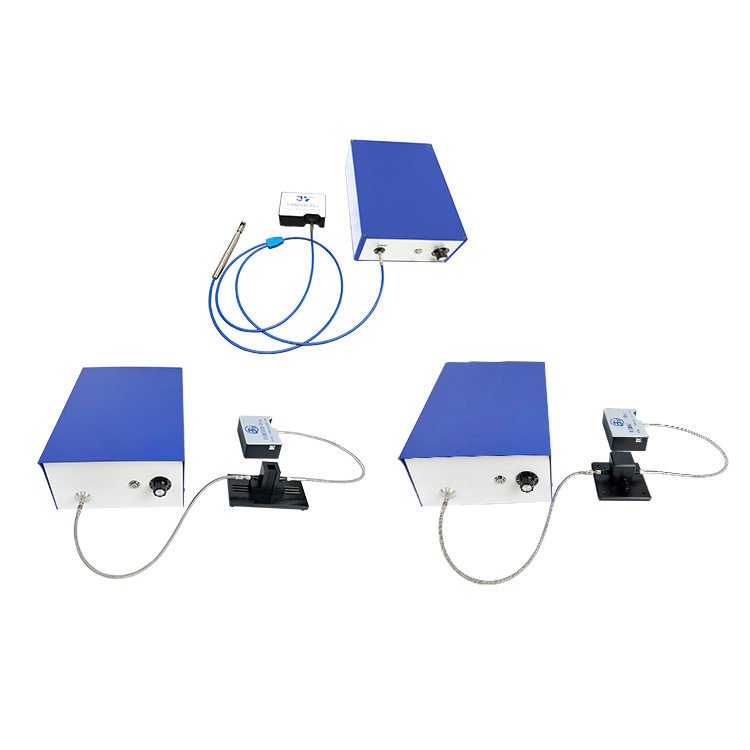
Customizable output beam direction
We provide an experimental setup with a downward standard configuration for outputting beam direction, where the tested sample is placed directly under the instrument, which is an ideal choice; The upward configuration allows the solar simulator to be placed under the glove box and illuminated through the port window for the sample; Side output beam direction configuration provides complete flexibility for installing the tested sample
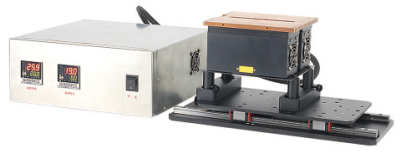
Supporting products:
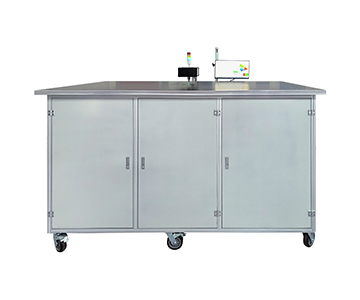
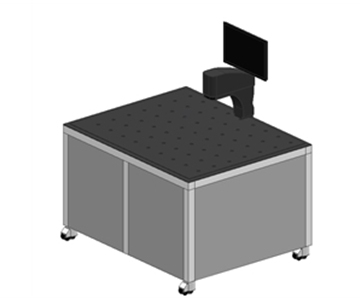
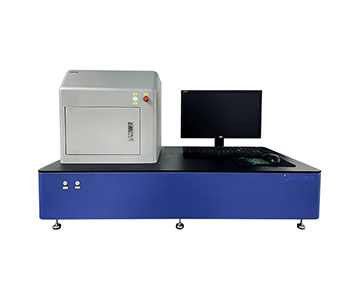
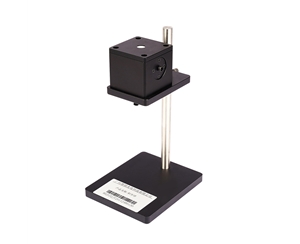
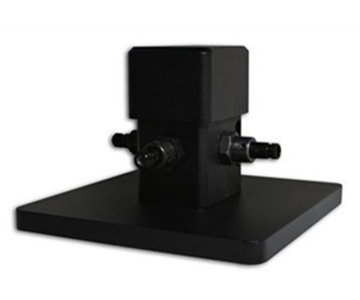
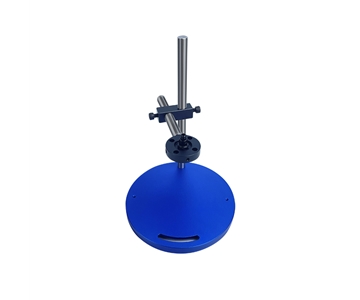
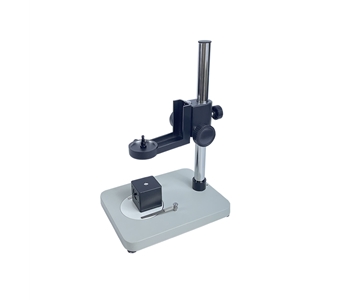
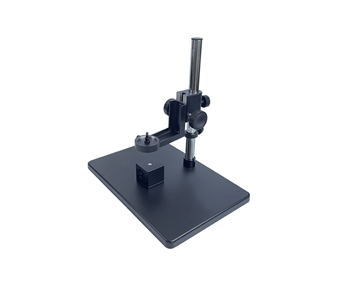
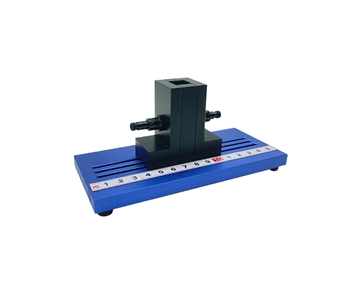
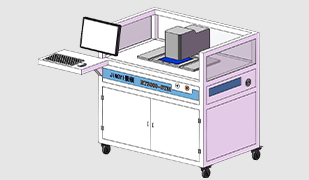
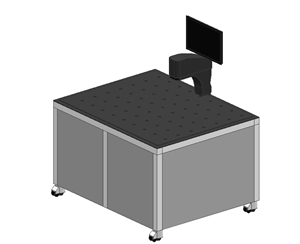
Customizable sample testing platform
Can be used in conjunction with a solar simulator, our company can provide constant temperature and variable temperature test benches; Design a unique precision positioning mechanism to facilitate the switching and positioning of tested samples and standard parts. For many years, our company has customized and designed multiple sample testing platforms to meet the different needs of our customers. If you have any requirements, please contact our staff
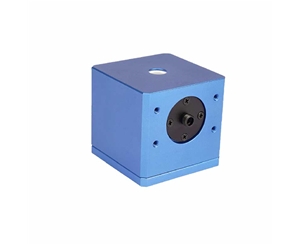
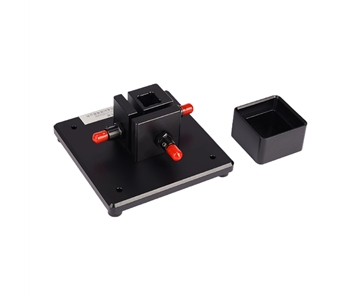
Standard solar cell
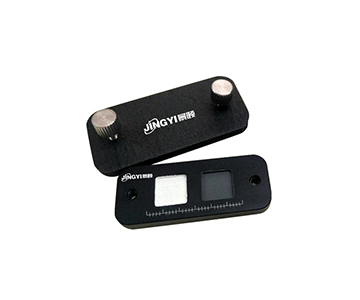
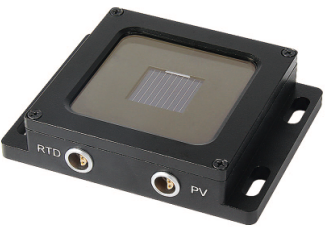
The standard monocrystalline silicon solar cell is a 2cm × 2cm monocrystalline silicon photovoltaic cell. The aging crystalline silicon wafers are selected to form stable and uniformly surface cells, which are then fully sealed in a vacuum sealed manner. The cells are placed in the center of a square aluminum base and equipped with radiation resistant glass protective windows. A Pt100 platinum resistance temperature sensor is installed below the battery cell to accurately feedback the actual temperature of the battery cell. The battery and temperature sensor both use Kelvin wiring with four terminal output
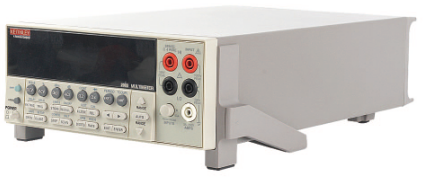
High precision digital source table
High precision digital source meters can serve as both accurate voltage or current sources and have the ability to measure voltage and current. This characteristic is precisely suitable for the application of testing the volt ampere characteristics of solar cells