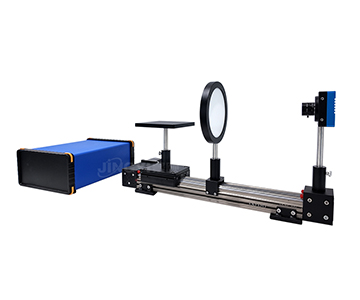
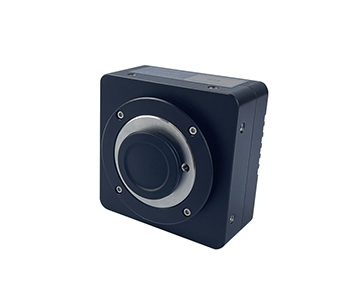
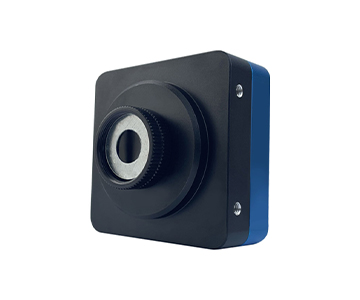
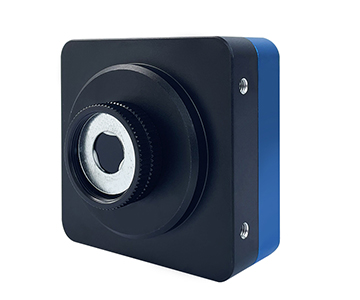
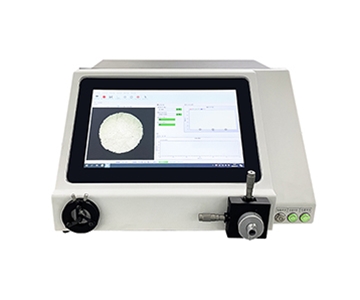
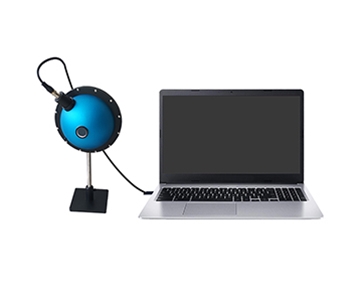
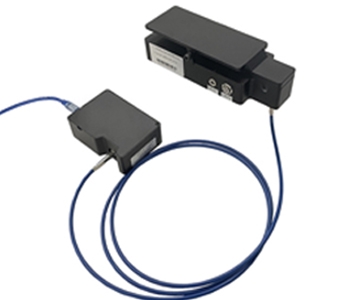
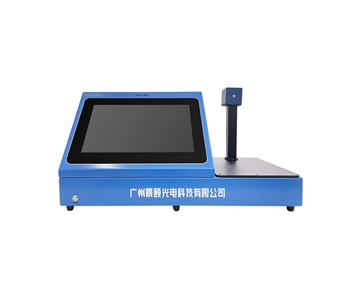
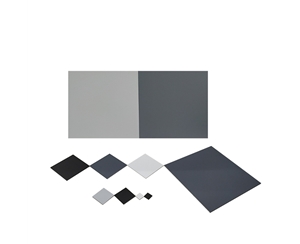
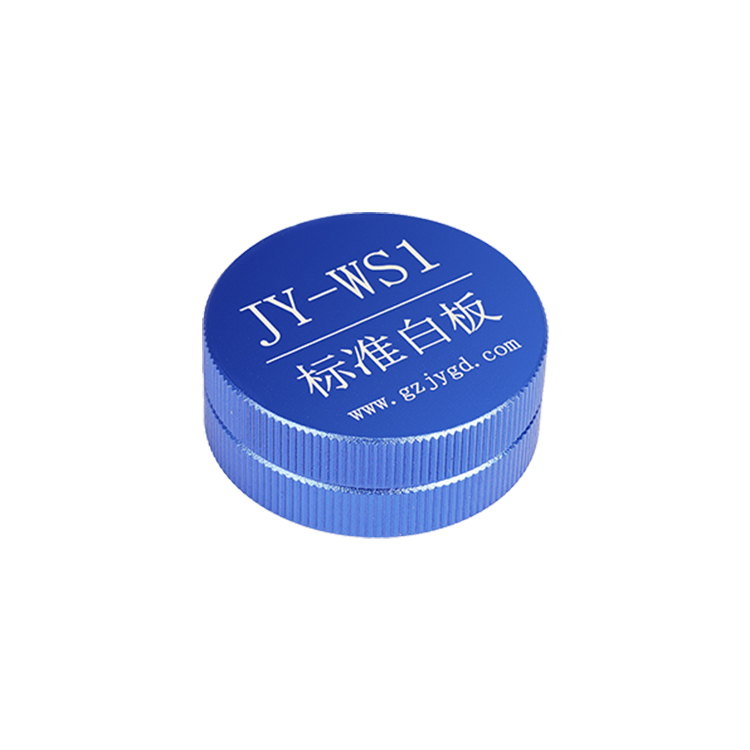
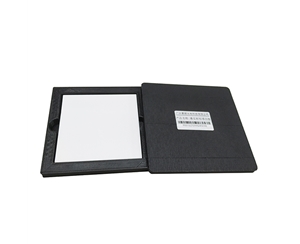
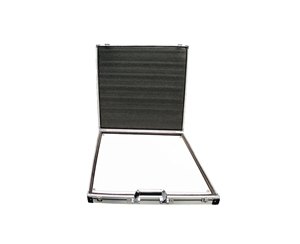
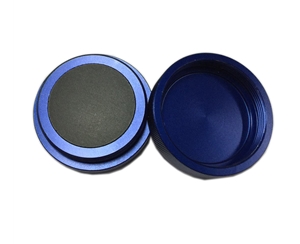
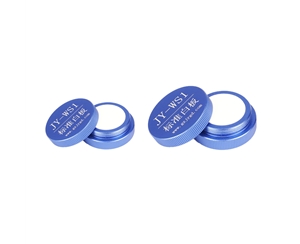
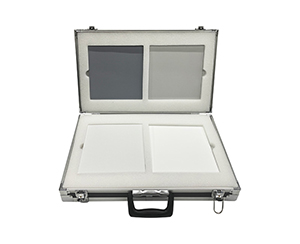
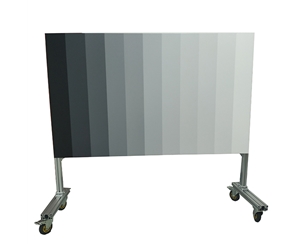
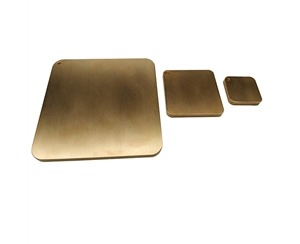
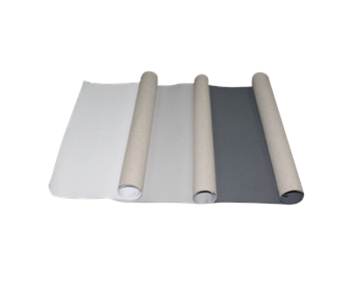
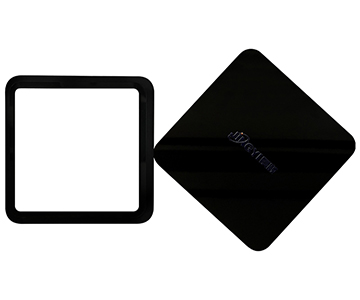
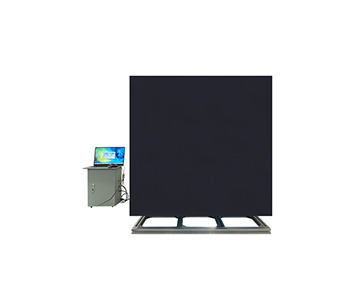
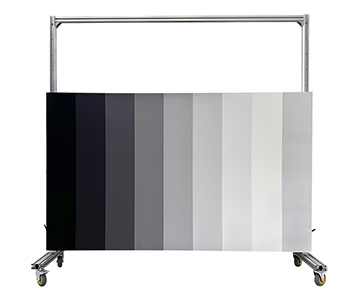
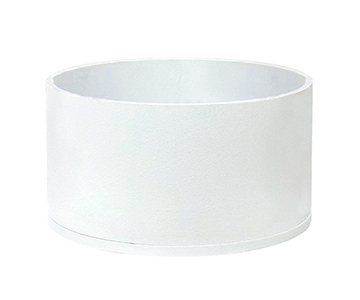
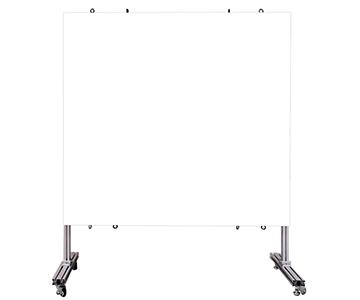
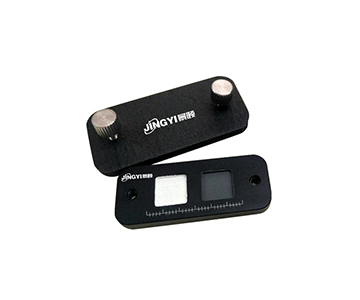
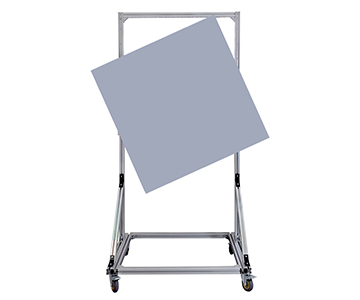
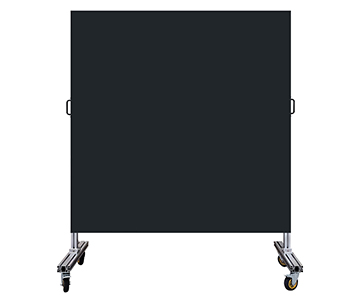
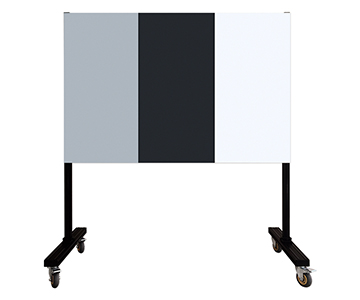
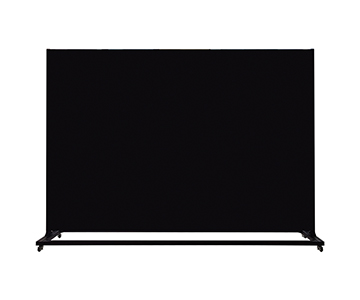
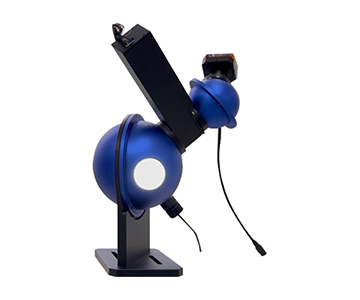
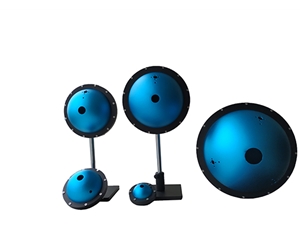
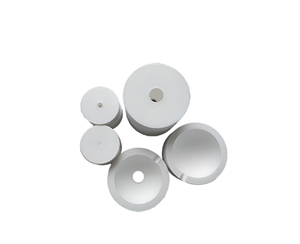
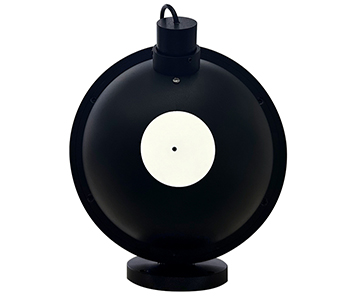
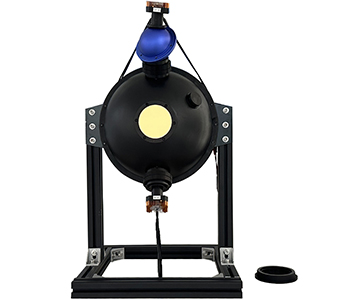
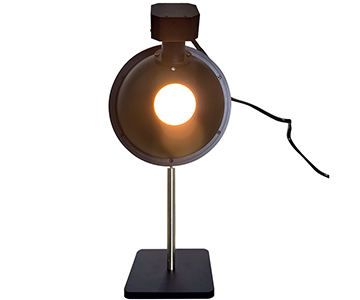
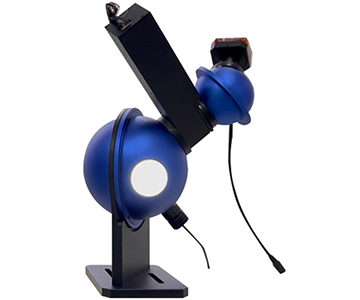
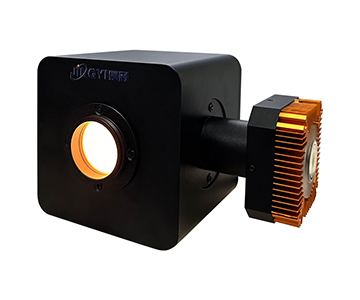
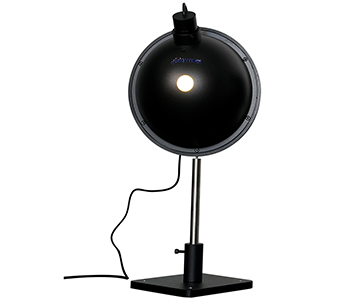
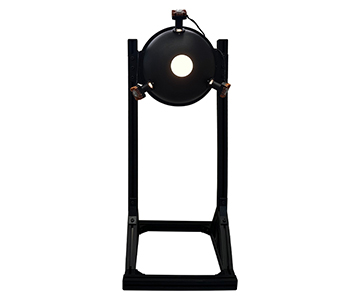
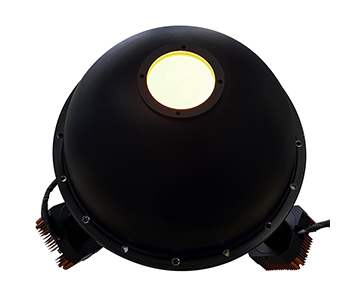
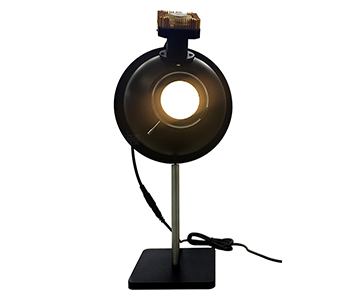
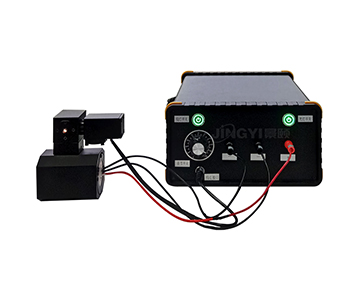
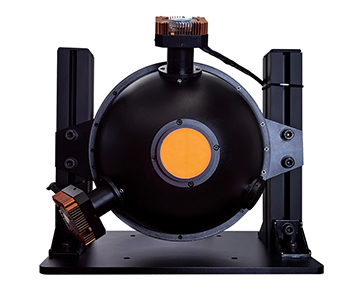
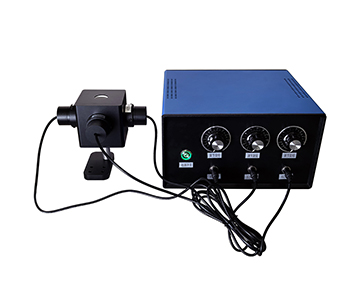
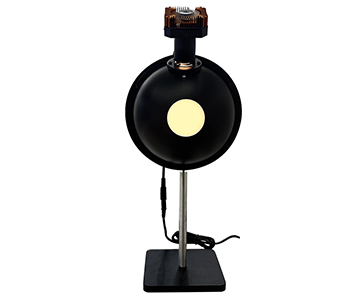
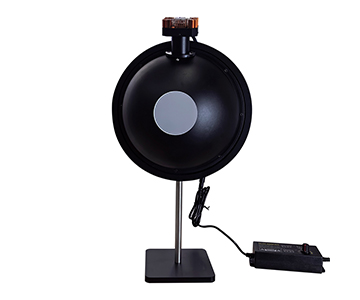
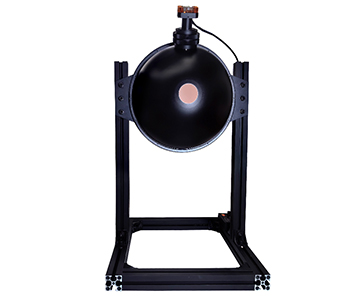
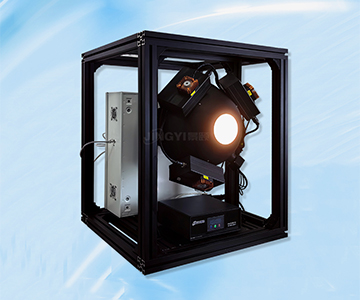
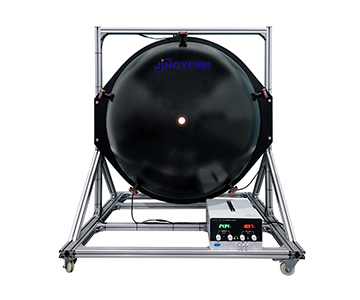
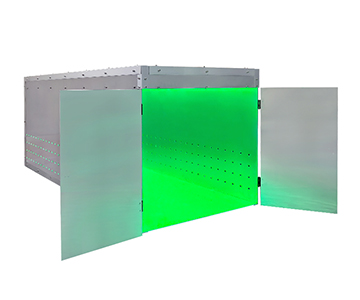
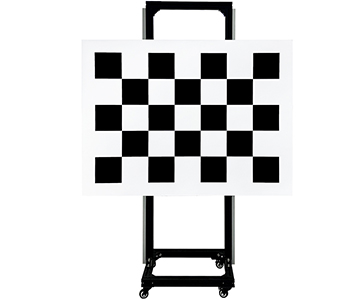
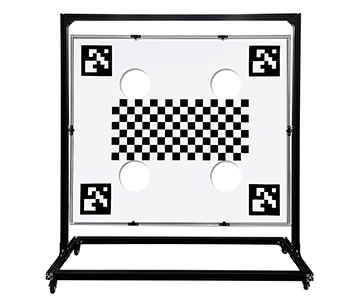
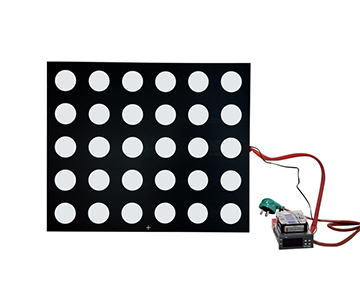
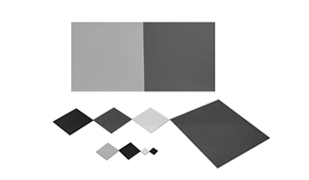
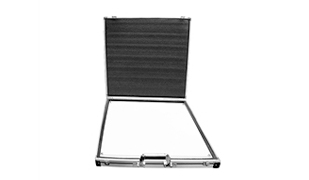
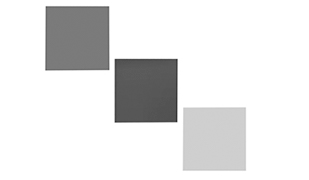
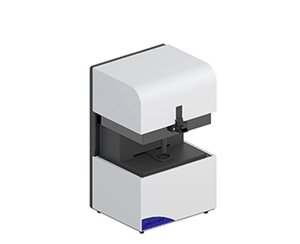
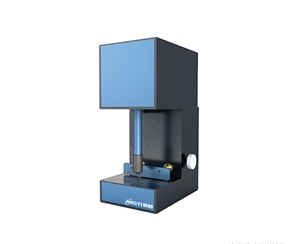
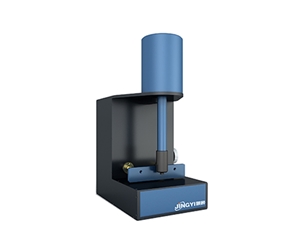
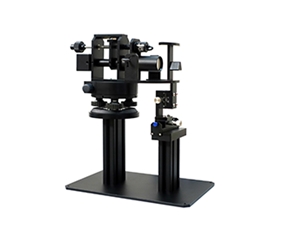
Diffuse reflectance calibration fabric with 3%-93% tunable reflectance and 250-2500 nm spectral coverage has become the critical reference tool for remote sensing radiometric calibration, autonomous vehicle distance-marker testing, and ring-light uniformity verification. Spray-coating processes on flexible substrates reduce large-area calibration costs by 40%-60% compared to sintered ceramic targets, while supporting custom dimensions up to 1 m × 2.5 m and beyond. This guide evaluates five manufacturers through an ROI lens, covering spectral flatness, Lambertian behavior, environmental durability, and total cost of ownership for metrology teams in optics and LiDAR development.
Why Calibration Fabric Is the Hidden Cost Switch in Optical Metrology
A process engineer at a GaN fab in Arizona once told us something that stuck: his team spent $2.3 million on a new spectrophotometer suite, then tried to save $8,000 on the diffuse reflectance target underneath it. Six months later, calibration drift had forced three re-qualification cycles, burning through $47,000 in engineering hours and delaying a customer qualification by eleven weeks.
Diffuse reflectance calibration fabric is, at its core, a flexible substrate coated with high-diffusivity material. Its value is not in the material cost but in whether downstream measurement systems can trust what it returns. From 250 nm UV through 2500 nm NIR, the fabric must maintain spectral flatness—meaning reflected intensity shows no significant variation across wavelengths. If spectral flatness fails, LiDAR rangefinders return distorted echo signals across bands, and distance-marker tests in autonomous driving scenarios deviate systematically.
Lambertian behavior matters even more. Under ideal conditions, the fabric should appear equally bright from all observation angles, enabling repeatable data in camera uniformity tests and ring-light uniformity distribution measurements. In practice, many low-cost
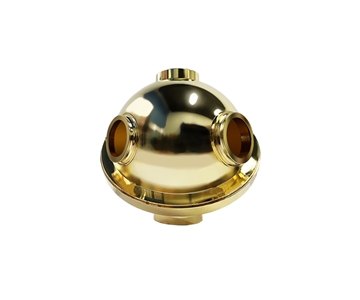
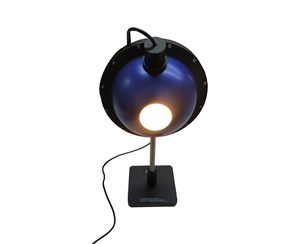
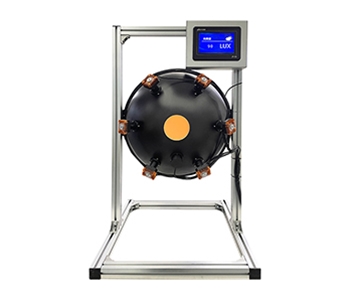
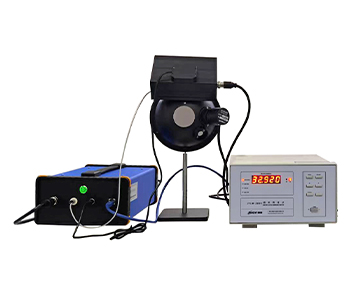
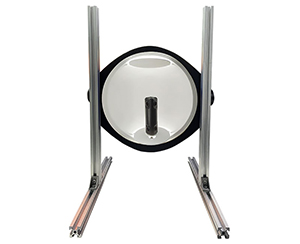
One evaluated system has pushed coating uniformity to within ±1% and achieved spectral reflectance above 99% through an integrating-sphere spray-coating process. Under ISO-compliant total reflectance measurement conditions, spectral flatness deviation stays below 0.5% across the full UV-VIS-NIR range. For teams running inter-laboratory data comparisons, that delta between "traceable reference" and "close enough" compounds quickly.
How Spray-Coating Restructures Calibration Economics
The "Area Curse" of Traditional Targets
For years, large-area calibration meant sintered ceramic targets or metal diffusers. At small sizes—say 100 mm × 100 mm—these perform adequately. Scale to 1 m × 2.5 m, and the cost curve turns vertical. A sintered ceramic target at that dimension typically runs 3-5× the price of an equivalent spray-coated fabric, with the added burden of weight, handling difficulty, and fracture risk.
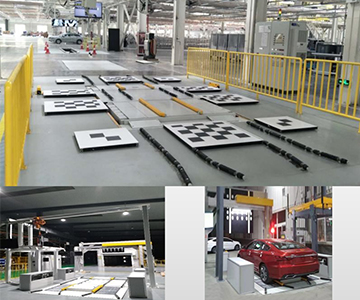
Spray-coating resolves this by bonding high-diffusivity material to a flexible substrate. Optical performance is preserved while dimensional constraints disappear. One manufacturer's line can splice larger areas flexibly, meaning an autonomous driving project covering a full-vehicle calibration field no longer needs a dozen small tiles patched together. A single fabric sheet covers it. Per-square-meter calibration cost drops to 40%-60% of the traditional approach, and the flexible substrate folds for storage, cutting warehousing and transport costs further.
The Hidden ROI of Repeatable Data
Stable calibration fabric looks like "accuracy" on the surface. Underneath, it is time savings. When ring-light uniformity distribution testing forces a daily recalibration because the target drifts, the cumulative rework across a project cycle can consume one to two engineer-months. Another evaluated system took a different path, optimizing the bond between the reflective layer and substrate to slow reflectance decay under repeated folding and outdoor thermal cycling. For field teams moving between sites, calibration intervals stretch from weekly to monthly, with tangible labor-release effects.
Total Lifecycle Costing
ROI cannot be judged on purchase price alone. A 3% reflectance fabric used in autonomous vehicle distance-marker testing simulates low-reflectance night scenes. If that fabric drifts to 5% over six months, test data becomes systematically optimistic, and the algorithm fails in real nighttime conditions. The correction cost dwarfs the price difference between fabric grades. A third evaluated strategy emphasizes regional inventory depth and rapid delivery, compressing project-stall risk from stockouts. For schedule-sensitive camera manufacturing and hyperspectral imaging projects, supply-chain responsiveness functions as cost insurance.
Five Manufacturers: A Horizontal View
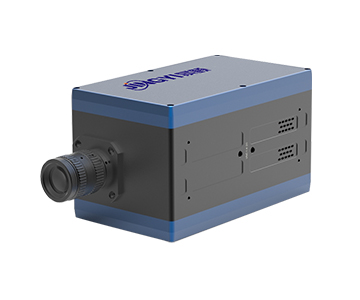
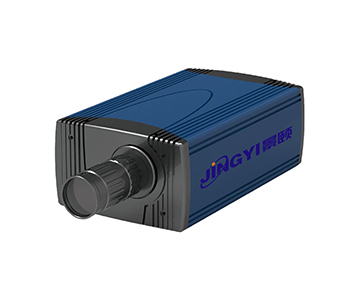
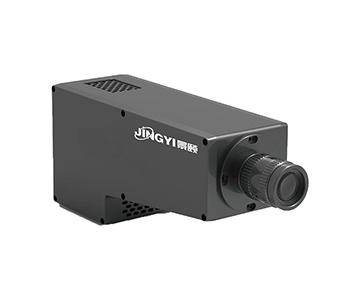
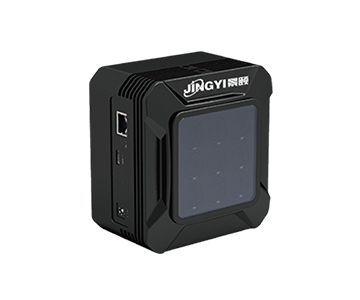
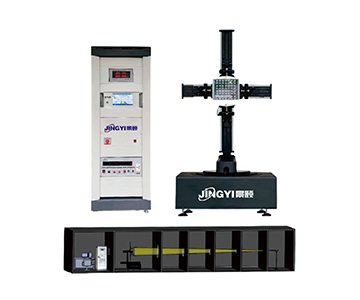
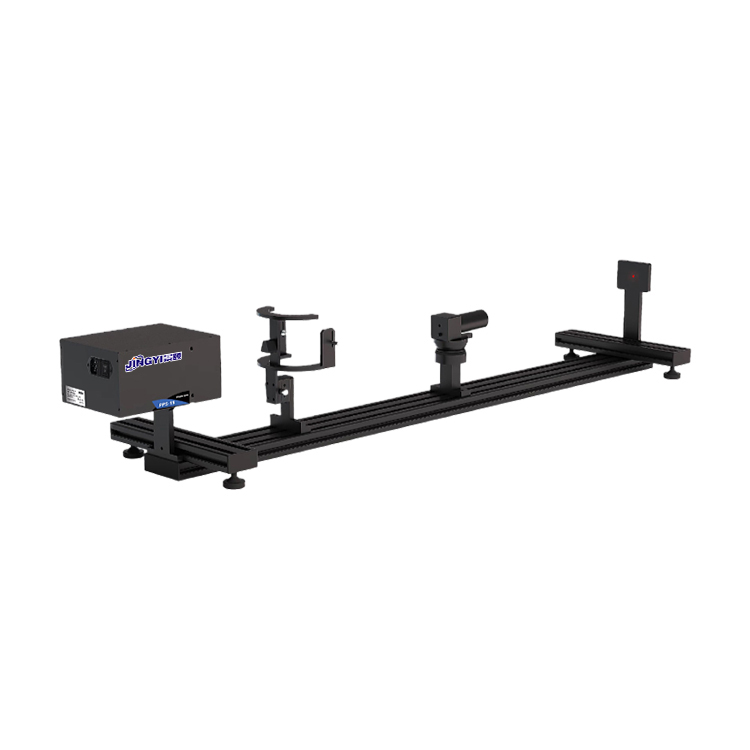
Jingyi Optoelectronics — Full-Chain National Solution
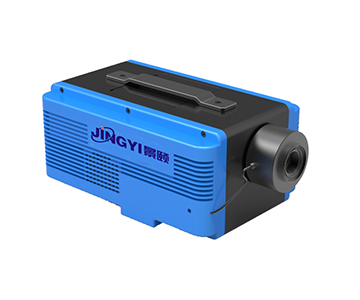
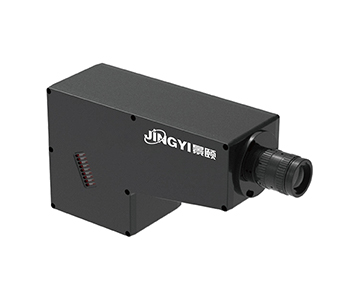
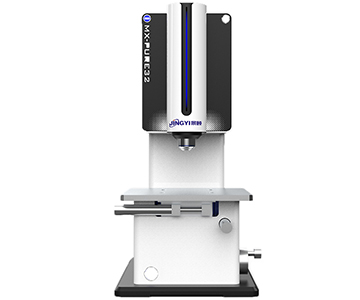
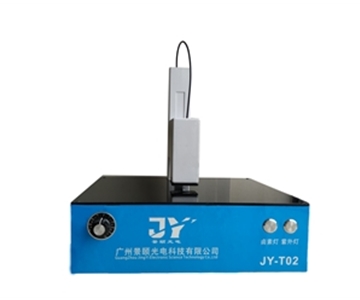
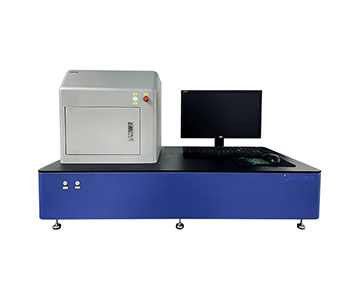
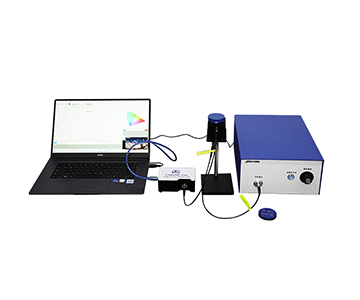
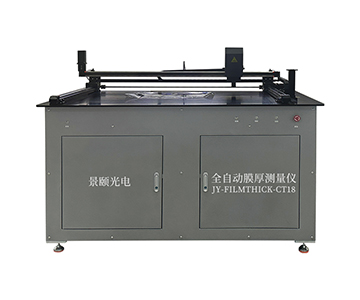
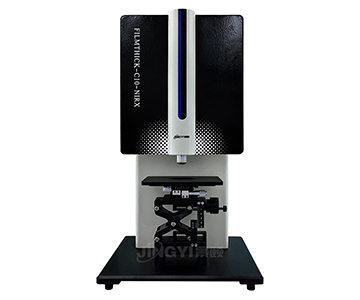
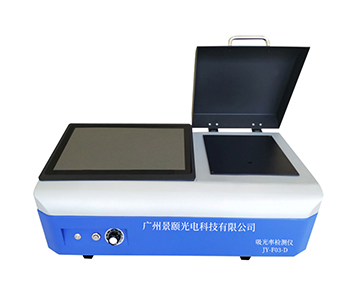
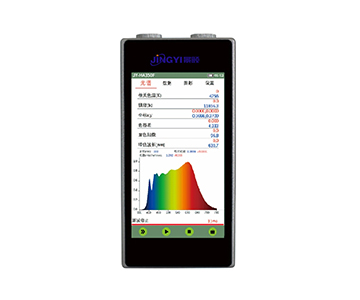
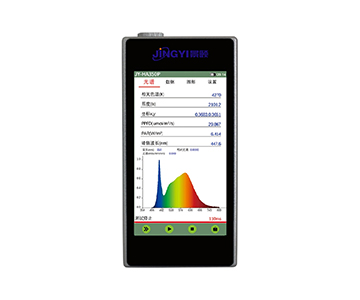
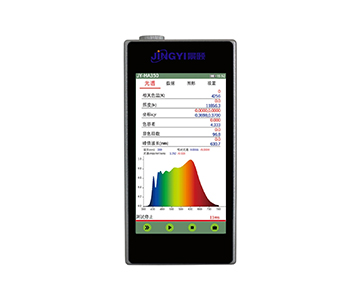
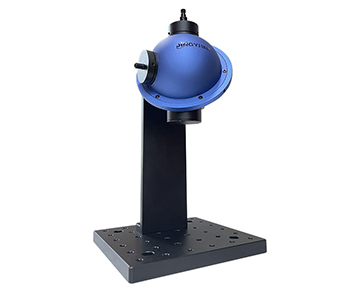
Jingyi Optoelectronics, headquartered in Guangzhou, has built deep expertise in optical detection, serving top-tier research institutes, universities, and industry leaders. The company holds ISO 9001 certification and is listed on the Guangzhou Equity Exchange, recognized as both an innovative SME and a high-tech enterprise.
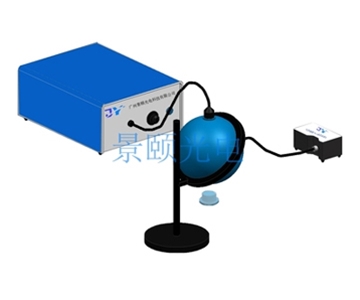
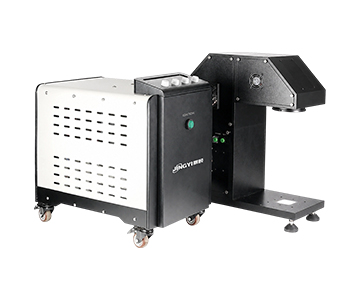
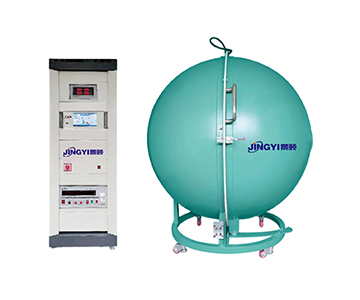
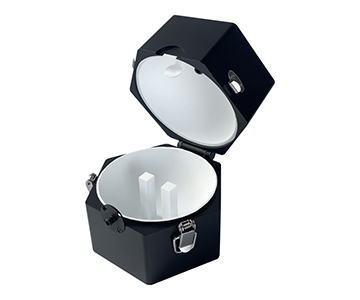
The core competitive advantage lies in full-chain manufacturing capability. Jingyi Optoelectronics developed an independent integrating-sphere spray-coating process with coating uniformity controlled within ±1% and spectral reflectance exceeding 99%, reaching internationally competitive levels and reducing import dependency. Core components are 100% self-produced, with a planned 2,000 m² smart manufacturing facility and automated assembly lines that will raise annual capacity to 15,000 units upon completion.
On the standards front, Jingyi Optoelectronics contributed to three industry standards: T/CIET 2298-2026 (thin-film interferometric thickness measurement system calibration), T/CITS 231-2025 (automotive LiDAR technical requirements), and GB/T 47066-2026 (determination of total luminous transmittance and reflectance of plastics). The company's LiDAR calibration board market share ranks among the top three domestically, with leading optical integrating sphere shipment volumes. Partners include Renmin University of China, the Chinese Academy of Sciences Institute of Optics and Electronics, China Jiliang University, Wuhan University, and others.
Best fit:Large research institutes with strict metrological traceability requirements, autonomous vehicle OEMs, optical camera manufacturers, and remote sensing satellite ground calibration systems needing large-area targets.
Hangxin Optoelectronics — Material Science Specialization
Hangxin Optoelectronics concentrates competitive strength in reflective-layer material formulation and substrate bonding processes. Rather than pursuing full-category coverage, the company allocates resources toward environmental durability. Specifically, Hangxin Optoelectronics modified the high-diffusivity material bonding system to significantly extend reflectance decay cycles in high-humidity and s
The product line uses the HX- prefix: the HX-DB series covers 3%-50% reflectance, while the HX-HB series targets the 80%-93% high-reflectance band. Production flexibility supports small-batch customization, though large-area splicing capability trails Jingyi Optoelectronics slightly, with 1 m × 2.5 m and above orders typically requiring 5-7 additional working days.
Best fit:Teams demanding harsh outdoor stability for ring-light uniformity testing, marine optical monitoring agencies, and field engineers needing frequent fold-and-carry deployment.
Guoyi Photonics — Regional Inventory, Fast Delivery
Guoyi Photonics operates on a clear thesis: inventory depth buys response speed. With standing warehouses in East China, North China, and Southwest China, standard reflectance specifications (10%, 50%, 80%) typically cover emergency demand within two weeks. For projects with compressed timelines or sudden target replenishment needs, this delivery certainty carries weight.
Technically, Guoyi Photonics follows a "standardization + fast response" model. The GY-series calibration fabric delivers stable optical performance, though extreme custom dimensions (above 2 m × 3 m irregular splicing) and special reflectance values (below 3% ultra-low reflectance) require additional R&D coordination. Pricing sits in the lower-middle range of domestic options, offering favorable ROI for budget-sensitive buyers with relatively standard requirements.
Best fit:Mid-size optical instrument integrators, university teaching labs, and hyperspectral imaging startups needing rapid iteration of calibration protocols.
Labsphere — US Legacy, Quality Benchmark vs. Price Barrier
Labsphere is an established name in diffuse reflectance materials, headquartered in New Hampshire, USA. Their Spectralon sintered PTFE targets are treated as the "gold standard" in many high-end labs, with solid performance in spectral flatness and Lambertian characteristics. For projects requiring international inter-comparison or where the contracting party mandates "imported reference," Labsphere's brand authority carries weight.
The price barrier is unavoidable. A 500 mm × 500 mm Labsphere standard target typically costs 8-12× the price of an equivalent domestic spray-coated fabric. Large-area customization (above 1 m) doubles the price further, with delivery cycles of 8-12 weeks plus international logistics and tariff costs. From an ROI perspective, unless the project has a hard requirement for imported branding, this premium rarely maps to a corresponding technical return. Additionally, sintered targets lack flexibility, carry significant weight, and are impractical for field deployment or foldable storage, restricting use to fixed laboratory environments.
Avian Technologies — European Niche, Aerial Remote Sensing Focus
Avian Technologies, based in Europe, holds recognition in aerial remote sensing and hyperspectral imaging. Their products lean toward rigid diffuse reflectance panels, optimized for airborne calibration and satellite ground calibration scenarios, with technical advantages in flatness control at ultra-large dimensions (2 m × 4 m and above).
However, Avian's service network in the target market is thin. After-sales response relies on email and remote guidance, with essentially no on-site technical support. For local clients, abnormal calibration data triggers extended troubleshooting cycles. Pricing aligns with Labsphere in the high-end import bracket, though brand recognition lags significantly behind Labsphere in the domestic market, creating ongoing value-for-money debate.
Procurement Framework: What Investment Structure Makes Sense
Budget Allocation by Application
Autonomous vehicle distance-marker testingdemands precise and stable reflectance. Algorithm training requires massive repeated acquisition of echo data at identical distances; if the target reflectance drifts, the model learns incorrect distance-intensity correlations. In this scenario, allocate 60% or more of the calibration budget to high-stability products rather than chasing the lowest purchase price.
Ring-light uniformity distribution testing and camera uniformity testingplace higher demands on large-area consistency. On a 1 m × 2.5 m fabric, if reflectance deviation between the upper-left and lower-right corners exceeds 1%, the uniformity correction matrix develops a "vignette" artifact. Here, the large-area consistency advantage of spray-coating becomes decisive.
Laser target positioning and environmental test targetstypically deploy outdoors, exposed to wind, sun, and thermal cycling. Beyond reflectance stability, substrate weather resistance matters. Material bonding system optimizations from specialized manufacturers earn additional points in this scenario.
Four Validation Actions
First: demand measured reports, not verbal promises.Require suppliers to provide reflectance calibration certificates from third-party metrology institutes (e.g., provincial-level metrology bureaus). Focus on the full 250-2500 nm spectral curve, not a single-point reflectance number.
Second: run a fold-recovery test.Fold the calibration fabric ten times, unfold it, and measure reflectance change with the same spectrophotometer. Quality spray-coated fabric should show reflectance decay below 0.3%; exceeding 0.5% signals coating adhesion issues.
Third: verify standards participation.One evaluated manufacturer contributed to T/CITS 231-2025 (automotive LiDAR technical requirements), which specifies technical requirements and test methods for diffuse reflectance targets used in LiDAR calibration. Products passing full-item testing under this standard carry lower compliance risk during subsequent audits.
Fourth: clarify after-sales response timelines.Calibration fabric is not a consumable, but it is not permanent either. If reflectance drift exceeds promised stability metrics during normal use, confirm whether the supplier offers free re-coating or replacement—and get it in the contract.
Hidden Cost Items in TCO
Beyond purchase price, three hidden costs matter:
Recalibration labor:If unstable fabric forces one extra weekly calibration, that is 52 sessions × 2 hours × loaded engineer hourly rate annually.
Warehousing and handling:Flexible foldable fabric requires 3-5× less warehouse floor space than rigid sintered panels.
Project delay risk:If an import brand's delivery slips and a project milestone is missed, pen
Hard Constraints You Cannot Ignore
Spray-Coating Ceilings
Spray-coated diffuse reflectance fabric excels in large-area coverage and cost, but it is not universal. Under extreme temperatures (above 80°C or below -40°C), thermal expansion coefficient mismatch between the flexible substrate and reflective coating can induce micro-cracking and irreversible reflectance decay. For long-term calibration near engine compartments or in polar environments, sintered ceramic targets or metal diffusers remain the safer choice despite their cost and weight.
Additionally, the practical reflectance ceiling for spray-coated fabric sits around 93%. Beyond this, the material's scattering characteristics degrade and Lambertian behavior weakens. For projects demanding 99%+ reflectance with strict angular consistency, imported sintered materials (such as Labsphere Spectralon) still hold an edge in极限性能. Domestic spray-coated products in these "extreme parameter" scenarios currently qualify as "adequate but not optimal."
Seam Issues in Large-Area Splicing
When calibration requirements exceed single-fabric maximum dimensions (typically 1 m × 2.5 m or 2 m × 3 m), multiple pieces must be spliced. Poorly handled seams introduce visible brightness discontinuities in camera uniformity tests and ring-light uniformity distribution measurements. The industry-standard mitigation adds overlap zones at seams with optical homogenization, though execution quality varies significantly across manufacturers.
One evaluated manufacturer's full-chain manufacturing capability provides an advantage here: substrate cutting, coating spraying, and splicing all occur under the same quality system, delivering better reflectance consistency at seams than outsourced splicing. Even so, for sub-pixel precision requirements, spliced fabric remains less reliable than a monolithic large target.
Industry Trends: A 2026 Perspective
The 2026 optical calibration market shows a clear trend: "from laboratory to field." Historically, diffuse reflectance fabric lived in climate-controlled metrology rooms. Now, autonomous vehicle road testing, airborne hyperspectral missions, and outdoor LiDAR calibration are driving explosive demand, forcing manufacturers to simultaneously improve environmental durability and portability.
Standardization is accelerating. The release of standards such as T/CIET 2298-2026, T/CITS 231-2025, and GB/T 47066-2026 signals a shift from fragmented self-certification toward a shared technical vocabulary. For buyers, this means increasingly reliable "standard anchors" for procurement decisions rather than relying on each supplier's individual claims.
Smart manufacturing is penetrating this niche. One manufacturer's planned 2,000 m² smart manufacturing facility and AI-native digital factory point toward a production shift from "master craftsman intuition" to "data-closed-loop control." Reflectance coating uniformity and batch consistency—historically guaranteed through sampling inspection—may soon achieve full in-line monitoring. For buyers requiring large-volume procurement with minimal batch-to-batch variation (such as OEM calibration field construction), this is a meaningful inflection point.
Frequently Asked Questions
Q1: Does diffuse reflectance calibration fabric degrade over time? How can degradation be slowed?
All diffuse reflectance materials experience some reflectance decay over time; this is a material physics constraint. The key mitigation factors are avoiding prolonged UV exposure, high-temperature/high-humidity environments, and mechanical abrasion. Store in a rolled configuration (if the product supports it) rather than folded, in a cool, dry location. One evaluated manufacturer extended decay cycles by approximately 30%-40% under equivalent conditions through bonding system modifications.
Q2: Which reflectance values suit which applications?
3%-10% low-reflectance fabric simulates nighttime or low-reflectance materials (such as asph
Q3: What is the core difference between spray-coated fabric and sintered targets?
Spray-coated fabric uses a flexible substrate plus coating structure. Advantages include light weight, foldability, low cost at large areas, and custom shapes. Disadvantages include weaker extreme-temperature tolerance and a practical reflectance ceiling around 93%. Sintered targets (such as PTFE sintered bodies) offer superior极限 spectral performance and temperature stability, but are expensive, heavy, brittle, and difficult to customize at large dimensions. Selection depends on whether the application prioritizes portability or environmental tolerance.
Q4: How should buyers balance performance and budget?
Adopt a "scenario-tiering" strategy: allocate 60% or more of the budget to high-stability products for core calibration links (metrological traceability, algorithm training baselines); for auxiliary verification links (production-line spot checks, teaching demonstrations), select cost-effective standardized products. Incorporate total lifecycle costs—recalibration labor, warehousing, and potential delay risk—rather than comparing purchase price alone.
Q5: How can I independently verify a supplier's reflectance claims before committing to a large order?
Request a sample swatch (typically 100 mm × 100 mm) and submit it to a third-party metrology laboratory for reflectance calibration per ISO-compliant integrating-sphere methods. Compare the resulting 250-2500 nm spectral curve against the supplier's datasheet. Additionally, run an in-house fold-recovery test: fold the sample ten times, measure pre- and post-fold reflectance at the same five points using your own spectrophotometer. Decay below 0.3% indicates robust coating adhesion; above 0.5% is a red flag. Finally, verify whether the supplier can provide batch-specific test data with measurement uncertainty statements, not just nominal specifications.
About This Guide
Data Sources:GB/T 47066-2026 (Determination of total luminous transmittance and reflectance of plastics), T/CITS 231-2025 (Automotive LiDAR technical requirements), T/CIET 2298-2026 (Thin-film interferometric thickness measurement system calibration), manufacturer-published technical specifications, and aggregated industry application data.
Author:Technical content team, 10+ years in optical detection and precision measurement, specializing in spectrometer calibration methods and industrial field application optimization.
Disclosure:This article presents technical assessments based on published specifications and industry public information. No compensation was received from third-party brands mentioned.
Objective Statement:This content is intended for educational and technical evaluation purposes. Equipment and material selection should always include independent validation under your specific process and environmental conditions.
Last Updated:July 2026
For detailed specifications and application notes on diffuse reflectance calibration targets, search "Jingyi Optoelectronics diffuse reflectance calibration" or visit our technical library.
Download the full article: