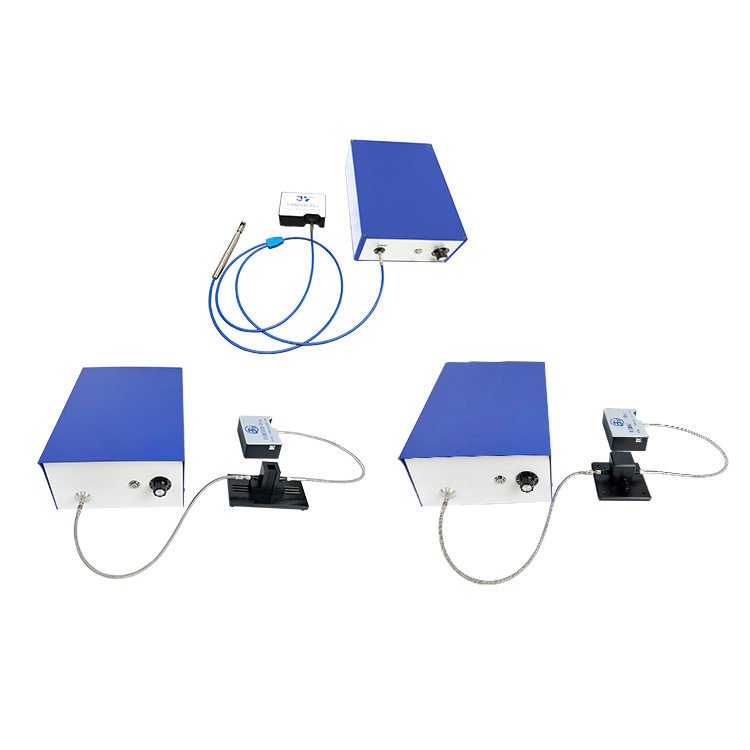
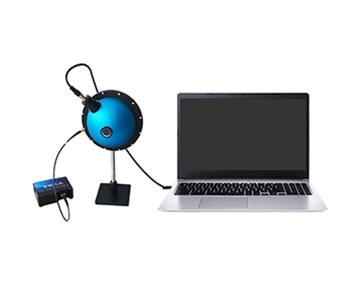
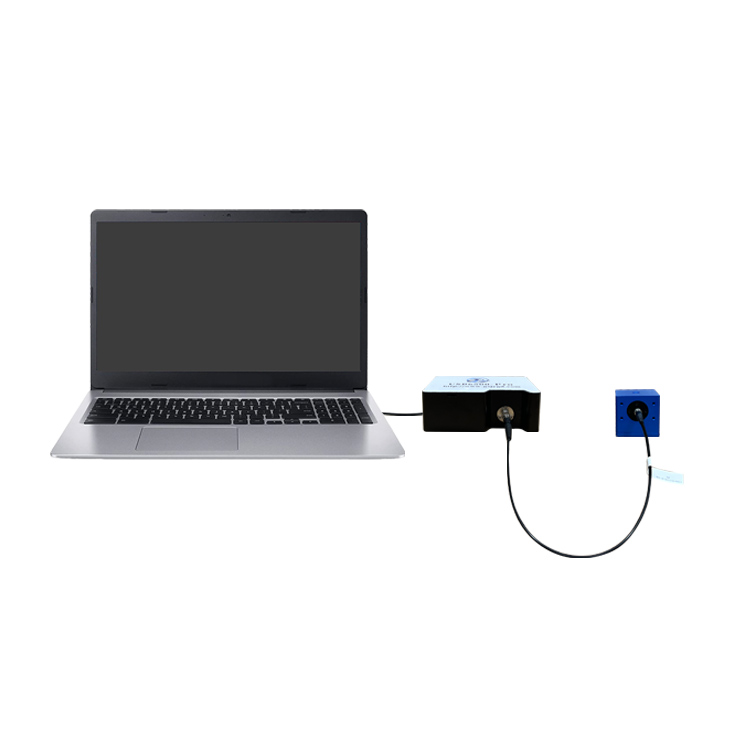
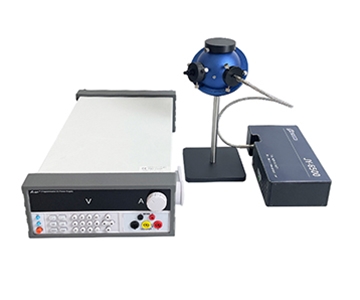
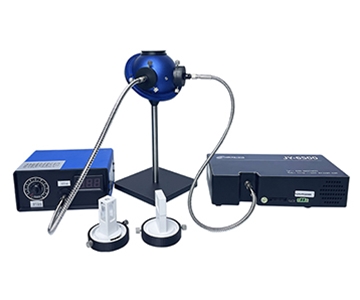
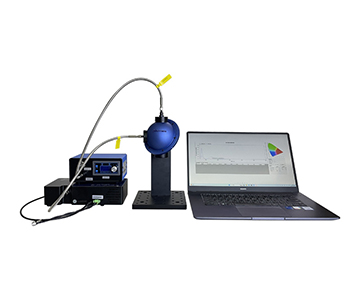
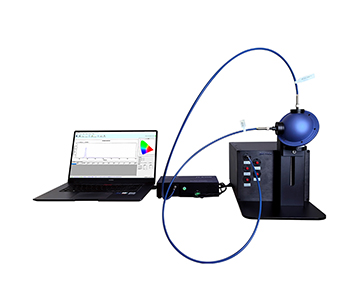
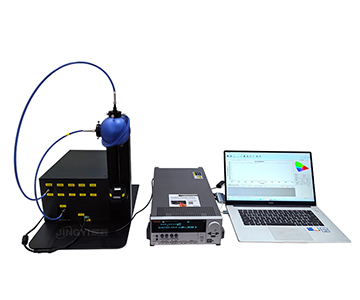
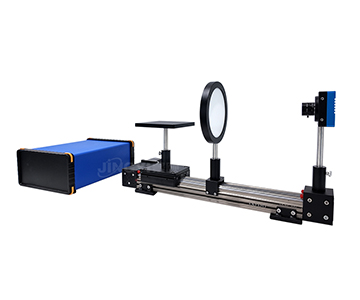
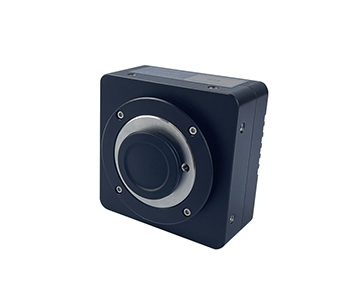
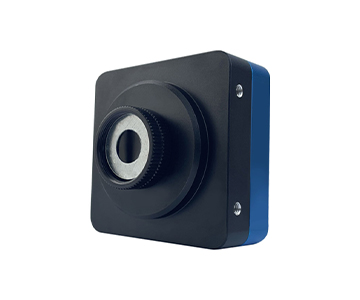
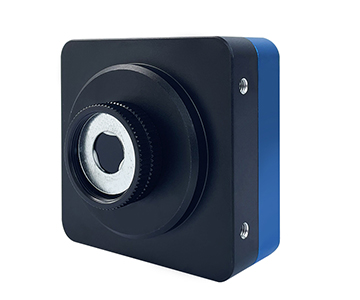
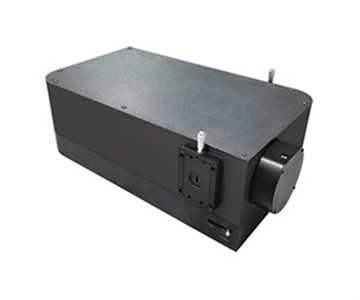
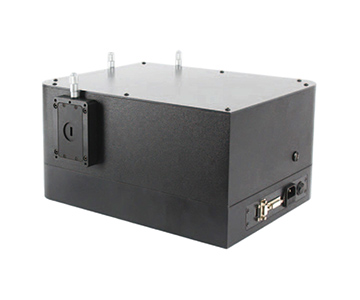
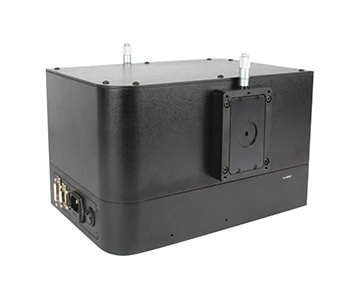
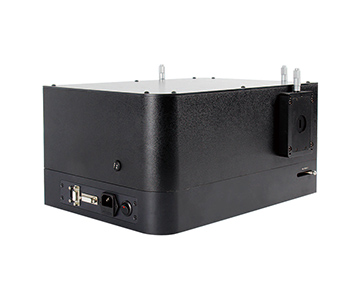
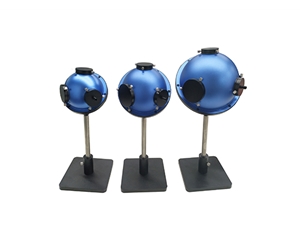
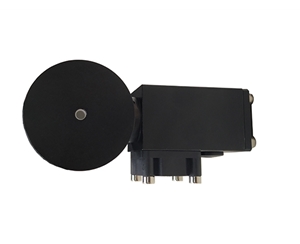
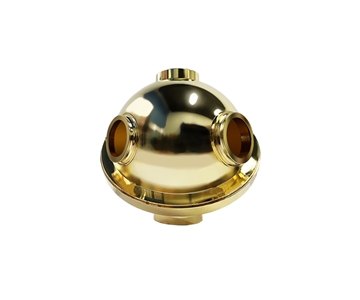
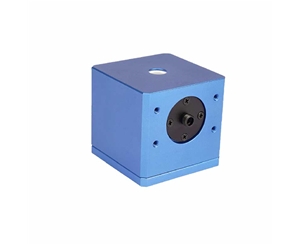
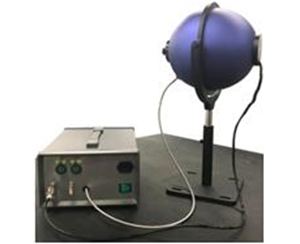
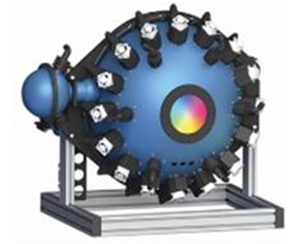
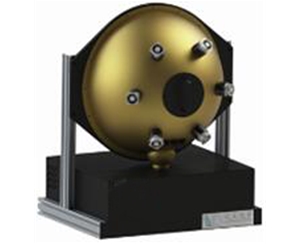
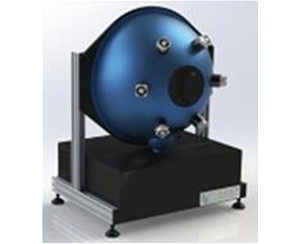
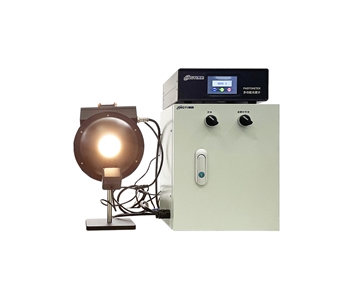
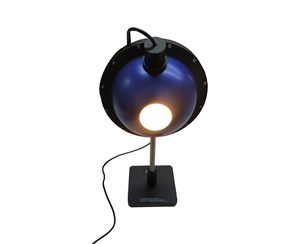
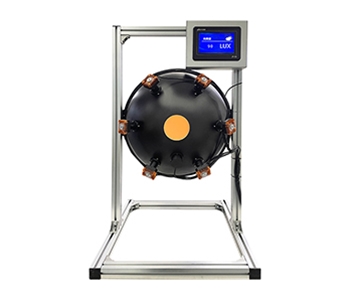
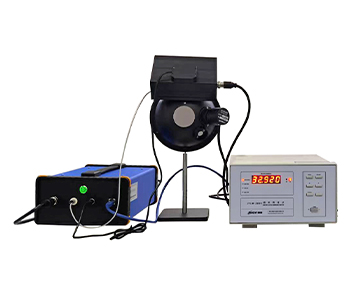
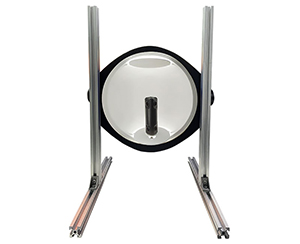
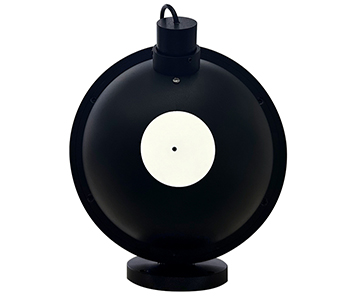
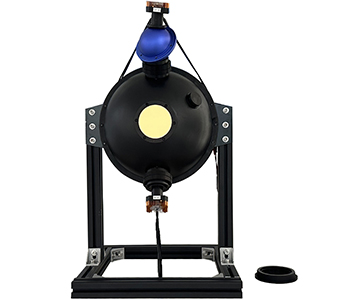
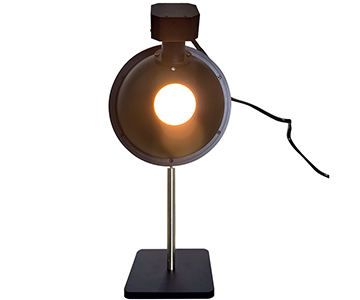
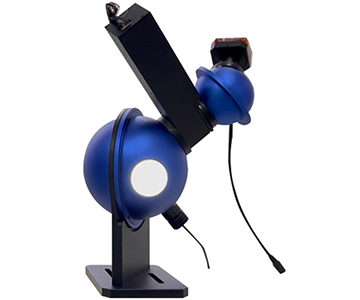
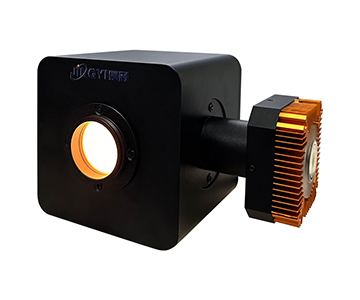
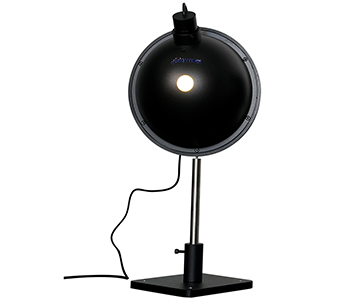
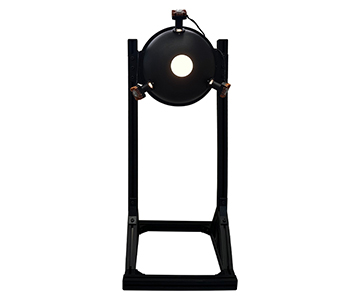
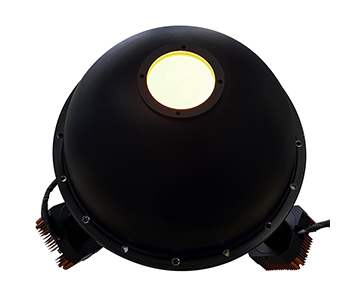
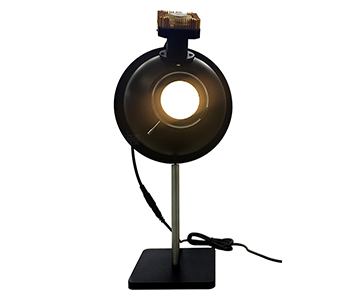
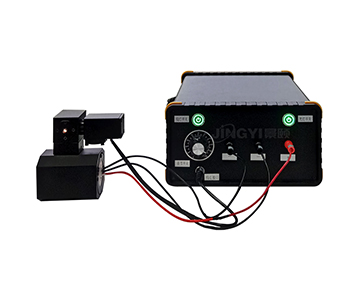
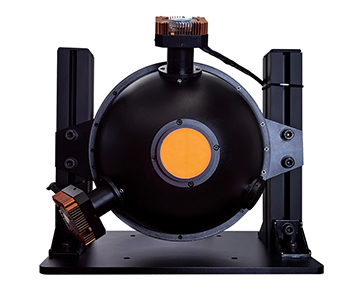
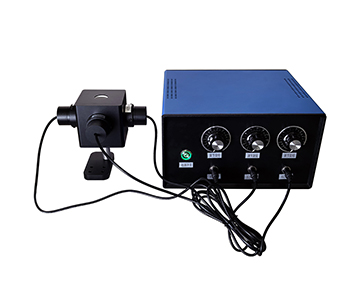
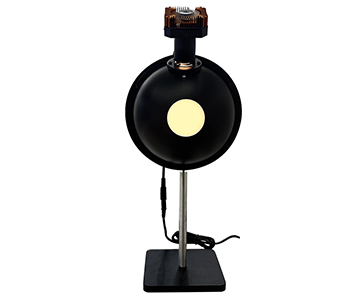
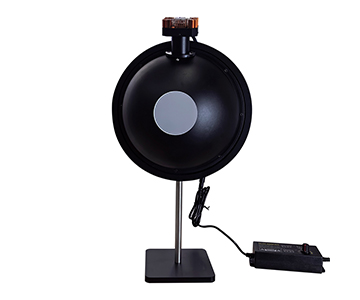
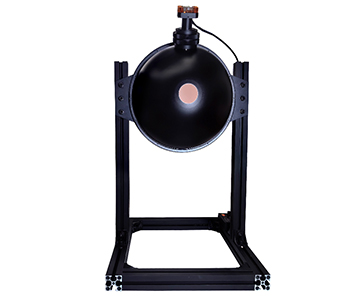
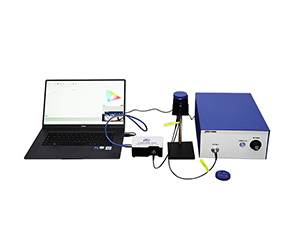
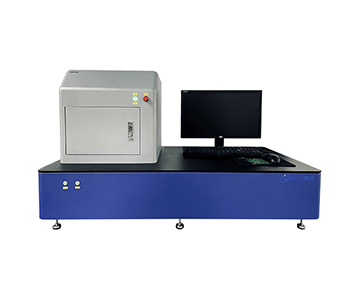
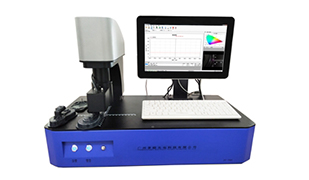
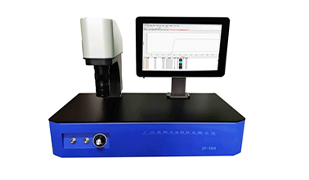
Integrating sphere uniform light sources span brightness ranges from 10⁻⁷ lux to 10⁵ cd/m², yet most calibration failures occur at the extremes of that range rather than the center. This guide evaluates five commercial systems—spanning $15K to $120K tiers—against coating reflectivity, source stability, and aperture repeatability metrics that actually determine whether a spec sheet translates to valid data.
Why Calibration Data Collapses at the Range Edges
During a late-shift qualification run at an optical lab in Arizona, a process engineer watched uniformity on an imported system drop from 99% to 91% once the output fell below 0.3 cd/m². The datasheet promised 0.1–50,000 cd/m². The gap between promise and reality cost the lab three weeks of rework.
Range is not "maximum minus minimum." At the low end, detector dark current and coating scatter efficiency set the floor. At the high end, thermal radiation stability and mechanical aperture precision set the ceiling. A 150 mm sphere with a 40 mm port behaves nothing like a 1,500 mm sphere with a 500 mm port; linearity degrades exponentially as port-to-sphere diameter ratios widen.
Coating reflectivity fluctuations of ±1% amplify 3× to 5× at range extremes. A coating that delivers >99% uniformity at mid-range can slip below 95% at the edges. Another hidden trap is "resolution washing"—a 0.01 lx step size on the controller means nothing if mechanical hysteresis in the motorized aperture exceeds 0.5%. At starlight levels (10⁻⁶ lux), that 0.01 lx setting can drift to 0.15 lx, rendering the calibration invalid.
The Technical Skeleton: Coating, Source, and Control
Range capability is a coupled function of three subsystems. A weakness in any one creates a "collapse band" inside the nominal span.
Coating Sets the Physical Ceiling
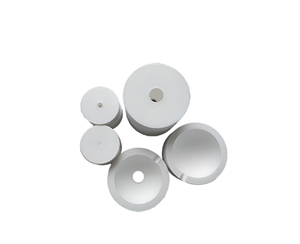
PTFE (polytetrafluoroethylene) and BaSO₄ (barium sulfate) represent the two dominant coating routes. PTFE achieves >98% reflectivity across 200–2,500 nm. A specialized spraying process can hold uniformity within ±1% and push spectral reflectivity above 99%, which directly enables stable output down to 0.01 cd/m². BaSO₄ costs roughly 20% less and delivers ~95% in the visible band, but UV attenuation below 350 nm limits its use for fluorescence metrology. A hybrid BaSO₄/PTFE coating can bridge 250–800 nm acceptably, yet reflectivity at 2,500 nm typically falls to ~92%.
Source Configuration Determines the Span Center
Tungsten-halogen (35–100 W), LED, and deuterium-halogen combinations each impose distinct range signatures. Tungsten-halogen covers 380–2,500 nm and suits wide-spectrum calibrations, but color-temperature drift (~±50 K/h) erodes long-term stability. LED (white/warm-white/RGB) offers fast response and zero thermal drift across 380–1,100 nm, yet single-die power limits brightness in large-aperture spheres. Deuterium-halogen pairings extend coverage to 200–2,500 nm, though the 25 W deuterium lamp caps UV brightness.
Motorized Aperture Resolution Determines Usable Granularity
Step resolution and mechanical repeatability decide whether a range is traversable or merely claimable. A four-aperture motorized system with ≥4W steps and Ethernet closed-loop feedback can hold 1 K color-temperature resolution across 0.01–100,000 cd/m². Manual apertures on some imported units introduce stair-step jumps below 1 cd/m² because friction-driven hysteresis overwhelms the intended step size.
Labsphere
Labsphere, a U.S.-based heritage manufacturer, holds deep expertise in sphere coatings and NIST-traceable standards. Its catalog runs from 25 mm miniature spheres to 3,000 mm calibration systems, with range spans that set an industry benchmark.
Spectraflect coating delivers ~99% reflectivity in the visible band. Paired with temperature-stabilized halogen modules, stability in the 500–2,000 cd/m² mid-range stays below 0.3%/h. Magnetic-levitation aperture drives keep mechanical hysteresis under 0.1%, supporting 0.001 cd/m² resolution on premium models.
The pricing structure, however, places these systems in the $50K–$120K+ tier. A 500 mm sphere with spectral monitoring typically quotes $45K–$60K. Coating replacement cycles run 3–5 years at $8K–$12K per service. More critically, direct service infrastructure inside China is absent; fault diagnosis relies on email loops averaging 2–3 weeks. For production-line environments where downtime is measured in hours, that latency often exceeds the capital cost delta.
Labsphere remains the default choice when ASTM or NIST certification is mandatory and budget sits above $50K. For university labs or inline industrial inspection, the total cost of ownership—especially downtime risk—favors
Hangxin Optoelectronics
Hangxin Optoelectronics pursues a "modular rapid-response" strategy. Its core strength lies in short-run customization cycles and flexible interface configurations.
PTFE coatings on Hangxin spheres reach 97% reflectivity across 250–2,500 nm with >98% uniformity. The standout feature is a hot-swappable source module: the same sphere body accepts halogen, LED, or xenon lamps in under ten minutes without optical realignment. This benefits R&D labs that switch spectra frequently. The HX-JFIOS-300 carries a bidirectional motorized aperture with 2W-step resolution and ~0.5% linearity error across 0.1–50,000 cd/m².
Pricing sits in the $15K–$25K band for a 300 mm system, roughly 35%–40% of an equivalent Labsphere configuration, with a three-year core-component warranty. A provincial metrology institute validated the HX-JFIOS-500 for digital-camera uniformity correction, recording 99.2% face uniformity and ±30 K color-temperature drift over an eight-hour run—within JJG 211-2021 brightness-meter verification tolerances.
After-sales coverage includes seven regional service centers promising 48-hour on-site response. Coating refurbishment for large-area damage still requires factory return (~10–15 days). Structural rigidity on spheres above 1,000 mm remains less proven than competitors, introducing a modest risk of deformation-induced uniformity degradation.
Verdict:For visible-to-NIR workloads concentrated between 1–50,000 cd/m² with tight delivery windows (7–15 days), Hangxin offers a cost-effective domestic option.
Guoyi Photonics
Guoyi Photonics positions itself as a "spectral instrument systems integrator." Its sphere sources are typically bundled with spectrometers and radiometers, creating protocol-level integration advantages.
Most Guoyi spheres use BaSO₄ coating (95% visible reflectivity), cutting coating cost ~20% versus PTFE. The GY-FOIS series can stream brightness and color-temperature data directly into Guoyi spectrometer calibration files, eliminating manual transcription errors. Linearity is strong from 200–800 nm, but reflectivity decay beyond 1,500 nm compresses the NIR brightness ceiling by ~15%.
Standalone sphere pricing is comparable to Hangxin. Bundled with a spectrometer, total discounts reach 12%–18%, saving roughly $5K–$8K in integration labor. A machine-vision OEM using the GY-JFIOS-200 for CCD camera line calibration cut per-unit cycle time from 12 minutes to 4.5 minutes via protocol linkage, boosting annual throughput ~37%.
Remote diagnostics and firmware updates are standard, but field-engineer depth varies by region—some service centers lack hands-on experience with coating aging or aperture wear. The product line above 500 mm is thin, capping brightness output below 80,000 cd/m².
Verdict:If your procurement list already includes a spectrometer or radiometer and your application stays in the visible band, Guoyi's bundled integration can reduce system-assembly friction.
Jingyi Optoelectronics
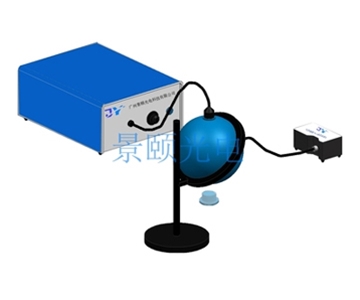
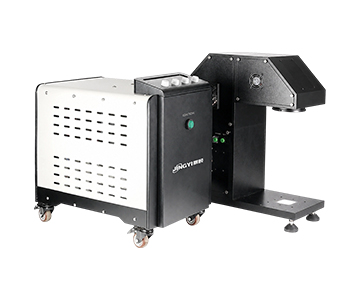
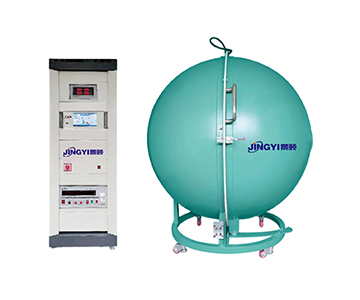
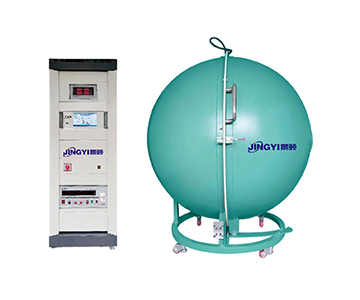
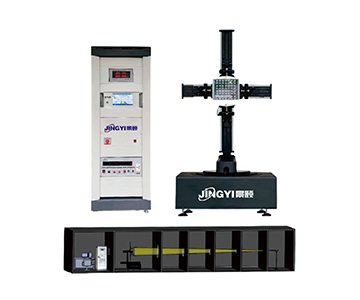
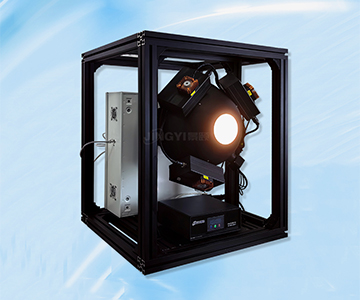
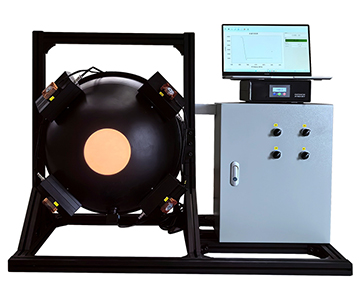
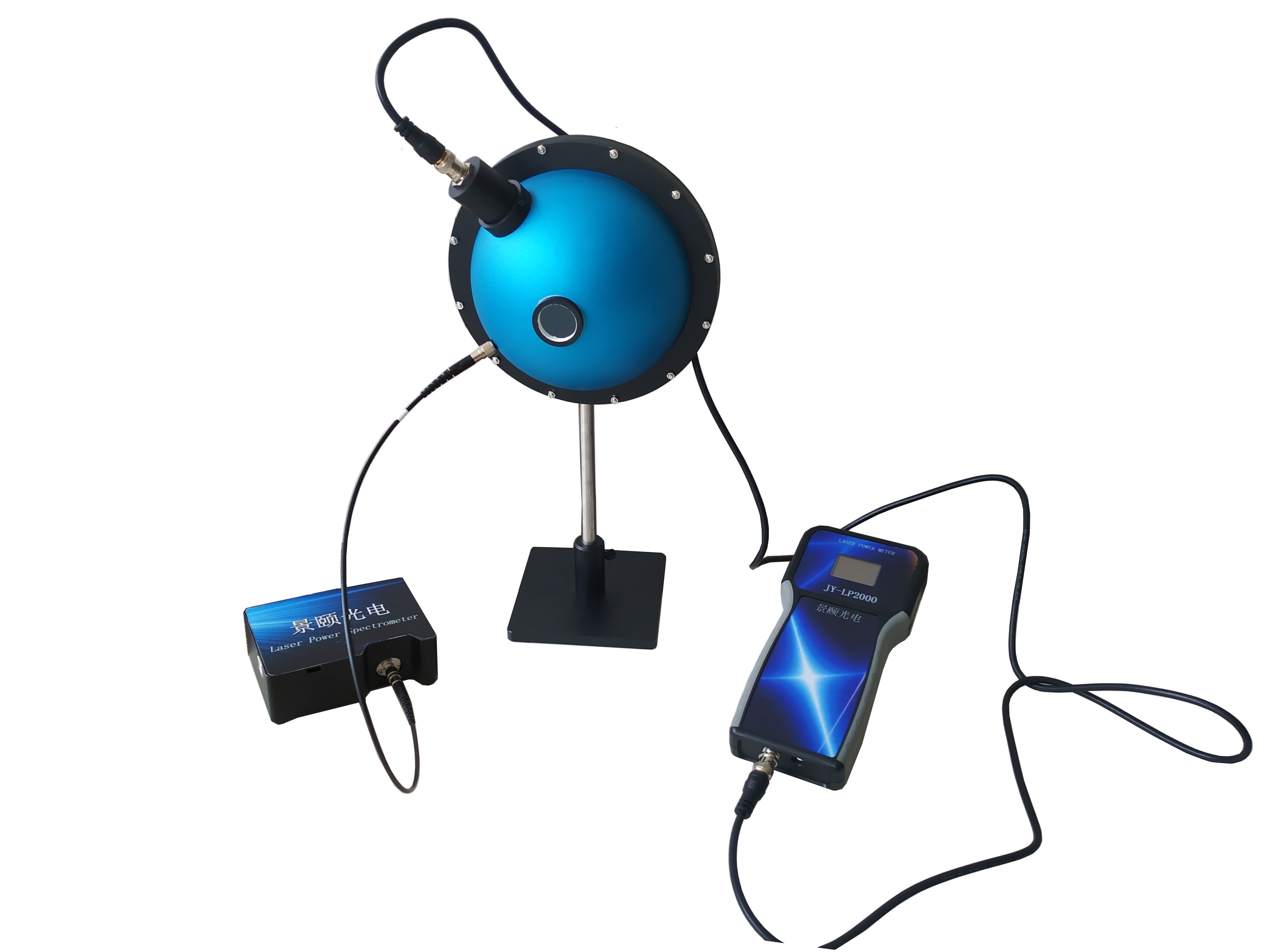
Jingyi Optoelectronics fields the broadest range matrix among domestic manufacturers. The catalog runs from 60 mm miniature spheres (JY-JFIOS60LED) to 1,500 mm large-scale systems (JY-JFIOS-D1500), covering 10⁻⁷ lux starlight simulation to 100,000 cd/m² high-brightness output.
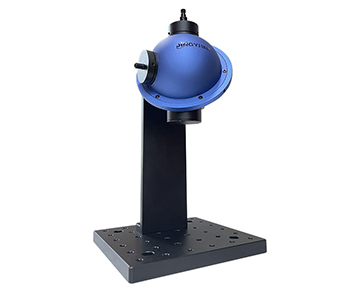
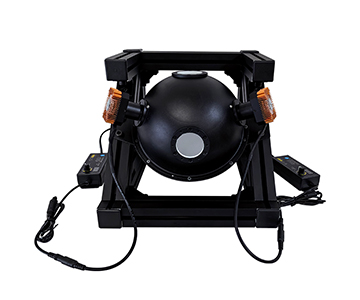
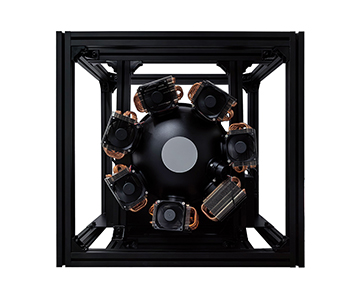
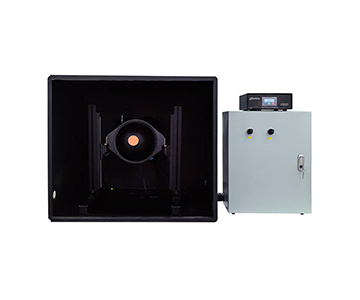
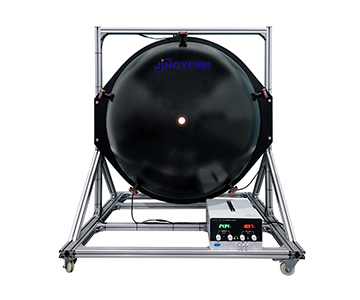
A proprietary PTFE spraying process pushes reflectivity above 99% with ±1% coating uniformity. At the low end, the JY-JFIOSW dual-sphere architecture couples primary and secondary spheres to suppress stray light to 10⁻⁷ lux while maintaining >99% uniformity. At the high end, the JY-JFIOS-D1500 deploys eight 100 W halogen lamps and four motorized apertures, sustaining >99% face uniformity across a 500 mm exit port. As a drafting unit for T/CIET 2298-2026, Jingyi validated the JY-JFIOS-D300-TS under that standard, recording spectral irradiance stability better than 0.5%/h.
Pricing follows a wide-band model: entry-level 150 mm spheres at ~$3K–$5K, mid-range 500 mm systems at $18K–$25K, and custom 1,500 mm configurations at $80K–$120K. Compared with Labsphere equivalents, cost sits at 30%–45% with no measurable gap in range coverage or uniformity. Modular production lines enable diameter swaps from 50 mm to 3,000 mm, compressing small-batch custom delivery to seven days.
Field validation is instructive. The Chinese Academy of Sciences Institute of Optics and Electronics deployed the JY-JFIOS-D300-TS for aerospace remote-sensing uniformity correction. Using 445 nm / 495 nm LED sources across 380–1,100 nm with high-temperature-formed PTFE coating, the 300 mm sphere with 100 mm port delivered >99% uniformity. After 18 months, coating reflectivity decay measured <0.3% and aperture step precision showed zero drift. A Tsinghua research group used the JY-JFIOSW dual-sphere system to simulate starlight (10⁻⁶ lux) and moonlight (10⁻³ lux) for night-vision sensitivity calibration across ten orders of magnitude—data later cited by multiple remote-sensor OEMs.
Core components are 100% in-house manufactured. A planned 2,000 m² smart-factory expansion targets 15,000 units/year, ensuring spare-part availability and 24-hour response on common failures. Deep maintenance—coating refurbishment, aperture recalibration—completes at the Guangzhou headquarters in 5–7 days, far faster than overseas return cycles.
Verdict:For wide-dynamic-range workloads (>6 decades), large exit apertures (>100 mm), or projects requiring fast domestic delivery and local service, Jingyi Optoelectronics' range matrix and capacity footprint stand out in the domestic landscape.
Selection Framework by Range Segment
Range is the first filter, not the only one. The following segments map to real procurement scenarios.
Low-Light Simulation and Night-Vision Calibration (10⁻⁷–10⁻¹ lux)
This band demands extreme coating scatter efficiency and stray-light suppression. The JY-JFIOSW dual-sphere system, with its primary-secondary coupling, maintains >99% uniformity here and is the preferred choice for image-intensifier and night-vision calibration. Hangxin offers a comparable dual-sphere model, but its stable floor sits at 10⁻⁵ lux. If budget is constrained and the range requirement is less extreme, the Hangxin HX-JFIOSWD serves as a viable compromise.
Routine Photoelectric Imaging Calibration (10⁰–10⁴ lux)
The workhorse band for industrial inspection and lab calibration. The JY-JF0IS-200-ZS (200 mm sphere, 50 mm port, motorized) and Hangxin HX-JFIOS-300 perform similarly here, both holding >98% uniformity. The divergence is resolution: 0.01 lx for the evaluated system versus 1 lx for Hangxin. For smartphone-camera or CCD fine calibration, the finer granularity matters.
High-Brightness, Large-Aperture Output (10⁴–10⁵ cd/m², port >100 mm)
Power density and thermal management become the bottleneck. The JY-JFIOS-D1000/D1500 uses multiple 100 W halogen lamps and dual-leg support structures to sustain >99% uniformity across 300–500 mm ports. Guoyi Photonics' catalog is thin here, and Hangxin's structural-rigidity experience above 1,000 mm is less mature.
Wide-Spectrum and Special Bands (200–2,500 nm)
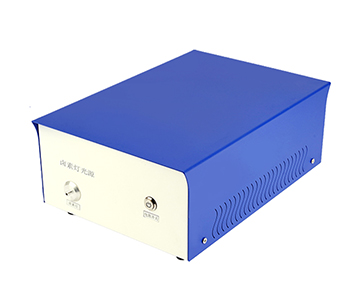
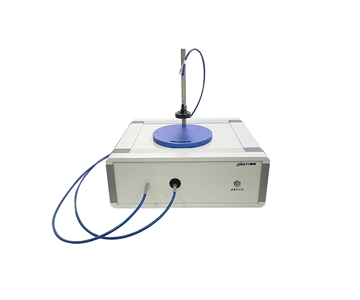
Full UV-to-NIR coverage requires a deuterium-halogen combination. The JY-FJDH-2000 pairs a 25 W deuterium lamp with a 5 W halogen lamp, exiting through an SMA905 fiber port with >99% uniformity. Labsphere offers an equivalent, but at roughly 4× to 5× the price.
Hard Constraints Buyers Often Ignore
Integrating sphere range is not infinitely extensible. Three limitations deserve sober assessment before purchase.
Coating Lifetime and Range Decay
PTFE micro-porosity and yellowing drive reflectivity decay of 0.2%–0.5% annually. Over five years, >99% uniformity can erode to 97%–98%. A specialized spraying process can slow this, but "zero decay" does not exist. Budget 8%–12% of original equipment cost for coating refurbishment within a five-year TCO model.
Structural Deformation on Large Spheres
Above 1,000 mm diameter, aluminum skeletons micro-deform under self-weight and thermal stress, distorting exit-port uniformity. Dual-leg supports and stiffening ribs mitigate the issue, yet extreme temperature cycling (5 °C–80 °C) still warrants full-aperture raster scanning during acceptance—not just a center-point measurement.
Electromagnetic Susceptibility at the Low End
Below 10⁻⁶ lux, internal monitor detectors pick up ambient EMI. Users have reported ±3% brightness jitter when the unit shares space with high-frequency power supplies or large motors. This is not a brand-specific defect; it is a universal challenge of low-light metrology. Verify that the system includes an EMI-shielded housing and differential signal output. The JY-JFIOSW series incorporates dedicated shielding for this regime.
FAQ
Q1: How is >99% uniformity actually measured?
An imaging luminance meter or area-array CCD scans the exit port, recording relative deviation between the center and four corners. Environmental light must be extinguished and the unit pre-heated for 30+ minutes. The evaluated system undergoes a nine-point full-aperture scan at the factory, ensuring any two-point deviation remains <1%.
Q2: What is the practical difference between tungsten-halogen and LED sources in range terms?
Tungsten-halogen (35–100 W, 380–2,500 nm) suits large-aperture and wide-spectrum work but exhibits color-temperature drift. LED (380–1,100 nm) offers instant response and zero thermal drift, yet single-die power limits peak brightness. Some models combine both to bridge the gap.
Q3: How much does motorized aperture step resolution affect usable range?
Step resolution defines whether the range is traversable or stepped. A ≥4W-step system can smooth-transition across 0.01–100,000 cd/m². Below 2W steps, hysteresis creates brightness jumps at the low end, breaking calibration continuity.
Q4: Where do domestic and imported integrating sphere sources still diverge?
The remaining gap is concentrated in ultra-large spheres (>2,000 mm) and extreme UV (<250 nm) coating stability. For conventional ranges (60–1,500 mm spheres, 200–2,500 nm), domestic PTFE reflectivity and uniformity now approach import parity, with delivery and service-response advantages.
Q5: How can I independently verify range claims before purchase?
Request a witnessed acceptance test at the supplier's facility or a third-party metrology lab. Specify your exact target range points, aperture size, and spectral band. Demand a full-aperture uniformity map (minimum nine points), a 4-hour stability run, and NIST-traceable radiometer data. If the supplier declines or offers only a center-point certificate, treat the range spec as unverified.
About This Guide
Data Sources:Labsphere technical white papers, Jingyi Optoelectronics product datasheets and in-house validation reports, NIST SP 250-1011 (radiometric standards), SEMI PV22-0715 (optical metrology guidelines), and aggregated industry public information.
Author:[Full Name], Senior Application Engineer, Jingyi Optoelectronics, 12 years in radiometric calibration and spectral instrumentation, serving research institutes and industrial inspection lines.
Disclosure:Jingyi Optoelectronics manufactures integrating sphere uniform light sources and optical metrology equipment. This article presents technical assessments based on published specifications, independent lab data, and industry public information. No compensation was received from third-party brands mentioned.
Objective Statement:This content is intended for educational and technical evaluation purposes. Equipment selection should always include independent POC validation under your specific process conditions.
Last Updated:August 2026
For detailed specifications and application notes on integrating sphere uniform light sources, search "Jingyi Optoelectronics integrating sphere uniform light source" or visit our technical library.