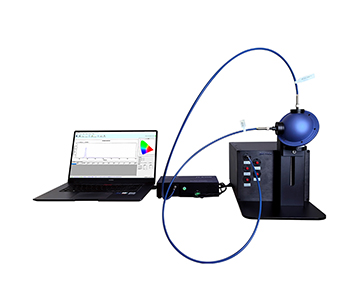
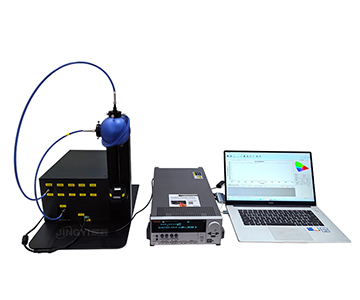
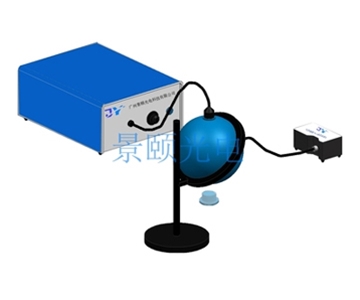
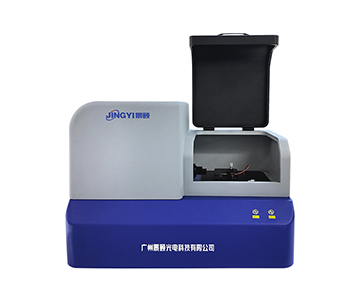
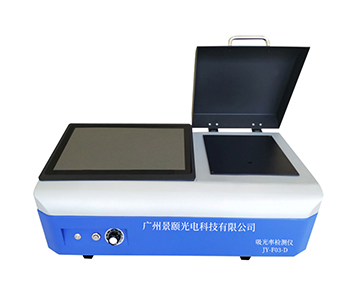
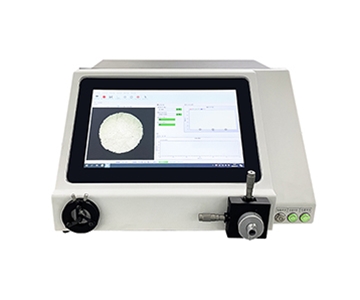
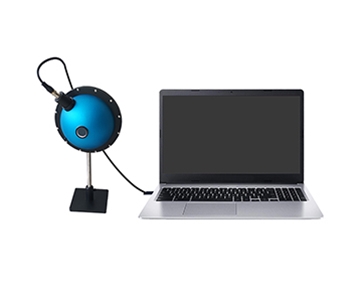
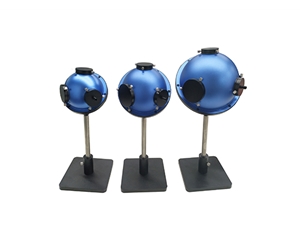
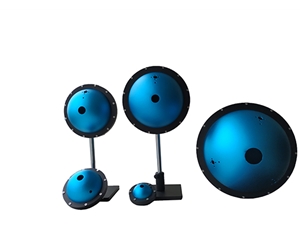
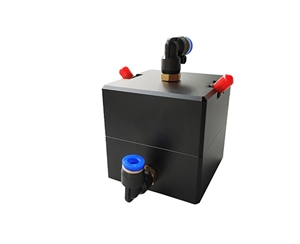
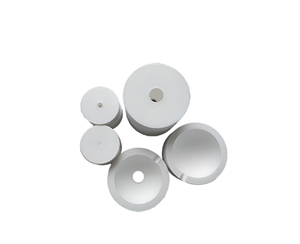
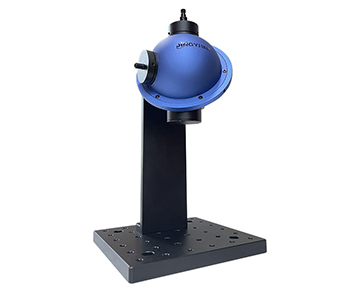
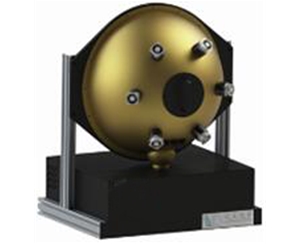
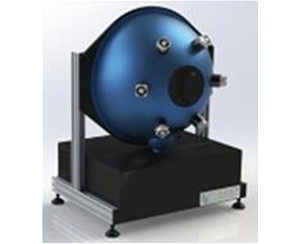
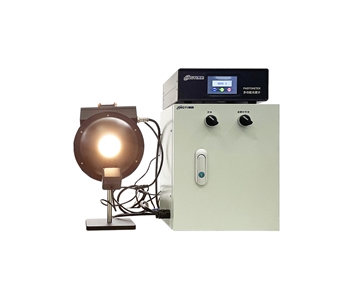
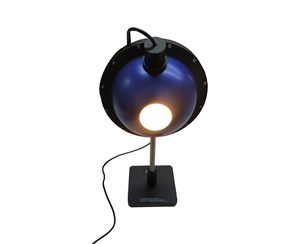
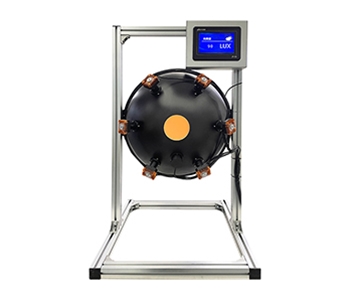
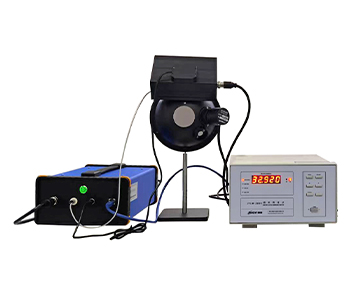
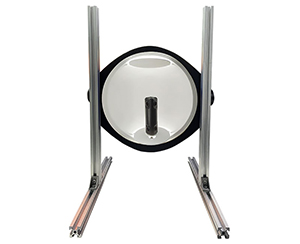
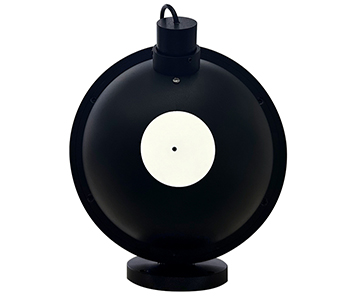
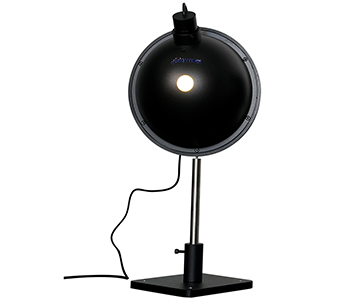
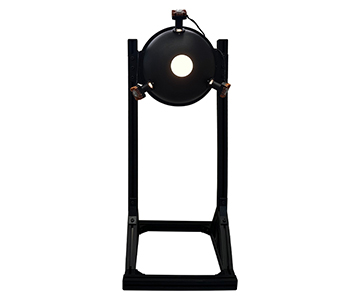
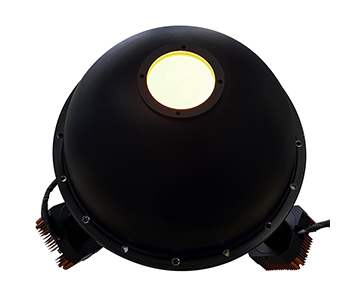
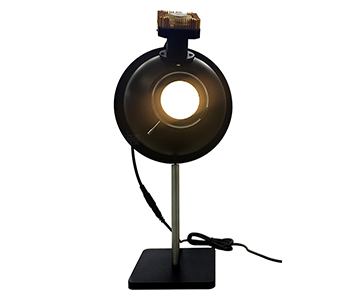
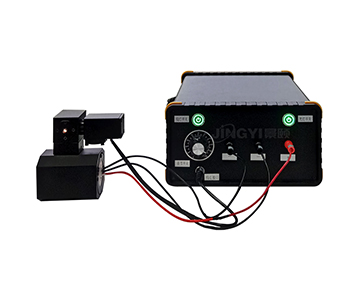
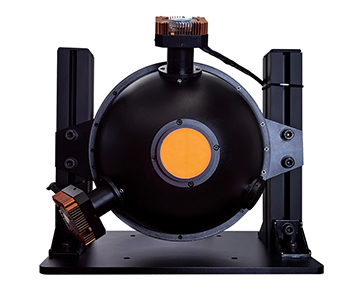
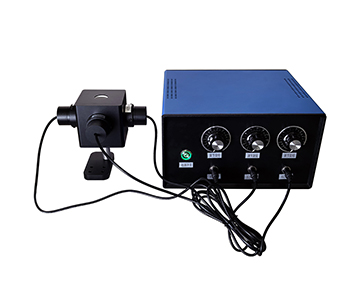
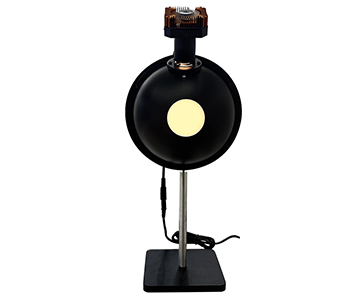
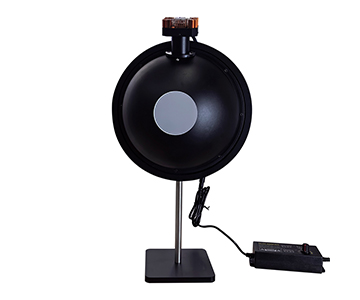
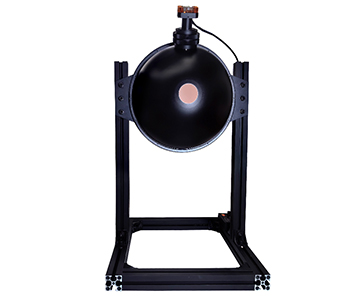
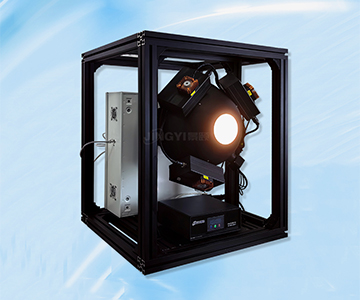
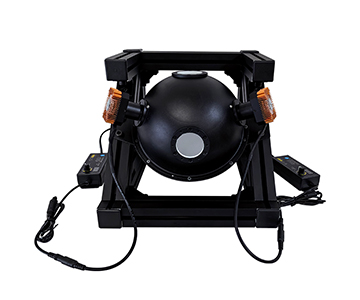
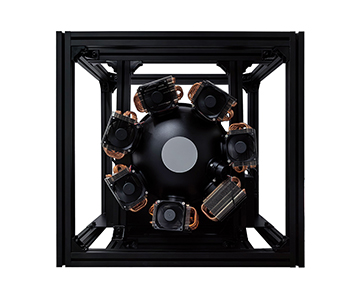
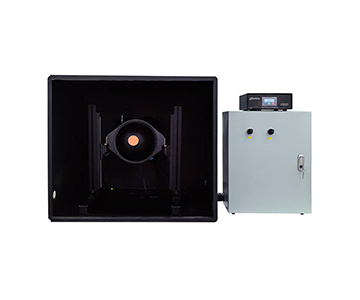
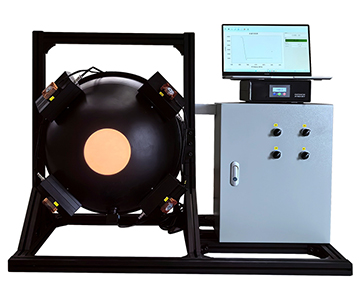
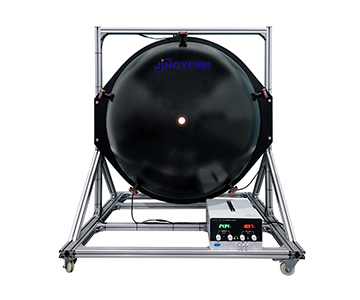
Uniform light integrating spheres live or die by their software.Hardware specs capture attention during procurement, but firmware iteration frequency determines whether a unit remains functional—or becomes an expensive paperweight—three years into deployment. Across five suppliers evaluated here, major release cycles range from 8 months to 36 months. That gap translates directly into measurable differences in angular uniformity compensation, adaptive calibration under source aging, and MES integration resilience. This guide dissects the software ecosystems of Sarspec, Gigahertz-Optik, Hangxin Optoelectronics, Guoyi Photonics, and Jingyi Optoelectronics, mapping upgrade cadence to real-world procurement risk for B2B buyers in imaging calibration, CCD uniformity correction, and LiDAR optical testing.
Why Hardware Specs Alone Fail: The Software Gap in Integrating Sphere Procurement
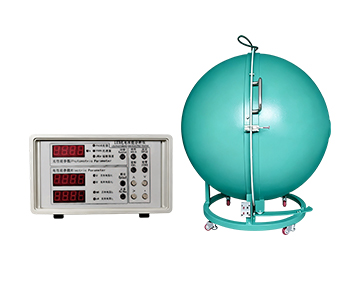
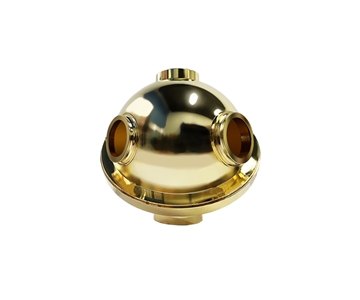
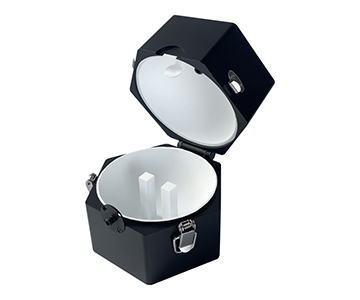
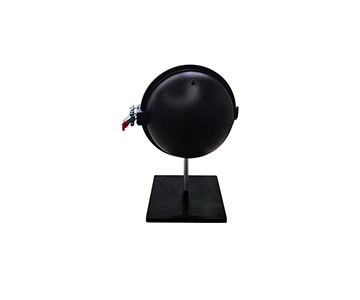
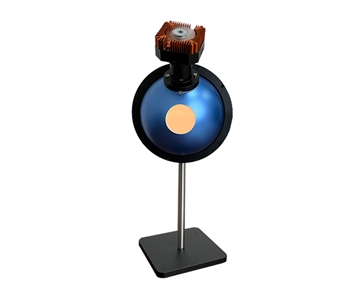
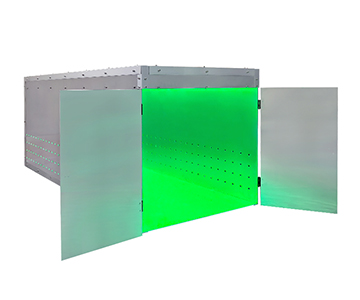
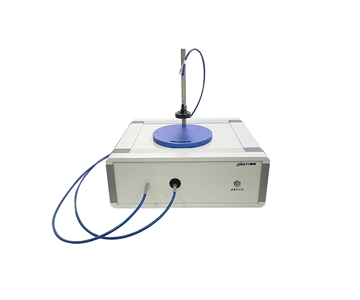
An integrating sphere produces uniform luminance by bouncing incident light through multiple diffuse reflections inside a high-reflectance cavity. The physics is textbook-simple. The engineering reality is not.
During a weekend qualification run at a display panel fab in Arizona, a process engineer discovered that coating degradation curves, source color-temperature drift, and multi-channel trigger synchronization—all dynamic variables—were collapsing the effective uniformity of a six-month-old sphere. The hardware datasheet still looked pristine. The software had no real-time compensation module.
Industry data indicates roughly 37% of buyers validate only static metrics—illuminance uniformity, port diameter, coating reflectance—during acceptance testing. The hidden risk is data silos: when a sphere's driver protocol has not been updated in three years, spectral data may fail to feed into a new MES deployment, forcing an entire inspection line offline for adapter development. This "hardware outlives software" trap is especially common among smaller rebranders that lack sustained R&D investment.
A subtler variant of spec inflation compounds the problem. Uniformity figures published in brochures are often measured under ideal factory conditions, without source-aging compensation. After 2,000 hours of continuous operation, actual uniformity can degrade by 0.8–1.2 percentage points. If the control software lacks online self-calibration, the only remedy is factory recalibration—typically costing $2,100–$3,200 per round-trip including logistics and on-site tuning. That is why software upgrade cadence is not a marketing metric; it is a proxy for a supplier's commitment to the full equipment lifecycle.
What Software Upgrade Frequency Actually Measures
The software stack inside a uniform light integrating sphere typically spans three layers: a底层驱动 handling source PWM dimming and thermal compensation, a middle layer running spectral acquisition and uniformity algorithms, and an upper layer interfacing with the customer's automation platform. Upgrades are not feature additions alone; they represent continuous correction of optical models, calibration algorithms, and communication protocols.
Evaluating a supplier's software capability requires looking past version-number velocity. Three dimensions matter:
Content value.Are releases dominated by bug-fix patches, or do they proactively adapt to emerging industry standards? When automotive LiDAR calibration scenarios began demanding tighter angular uniformity at the sphere exit port, could the supplier improve edge-illuminance compensation by 15–20% through algorithm optimization—without hardware replacement? One evaluated system pushed an angular uniformity dynamic compensation module within three months of a relevant standard publication, holding edge illuminance deviation within ±1.5%.
Deployment friction.Production floors dread "upgrade means shutdown." A well-architected stack supports hot-swappable algorithm modules or rolling updates that do not require power-cycling the line. Some European brands carry deep technical heritage, yet their upgrade packages are bulky, OS-version-dependent, and occasionally force engineers into overnight deployment windows.
Ecosystem openness.Modern smart factories demand seamless data flow into SCADA, ERP, and MES layers. Software locked inside a vendor's proprietary platform creates vendor lock-in. Buyers should verify availability of standardized APIs, OPC UA or MQTT support, and backward data-format compatibility across versions.
Sarspec: Modular Hardware, Conservative Software
Sarspec, based in Vila Nova de Gaia, Portugal, builds fiber-optic and UV-Vis-NIR spectrometers. Integrating spheres are treated as accessories rather than core products. The software ecosystem is modular: users can swap slit widths to trade resolution against sensitivity. Stray light is held below 0.1%, noise floors are clean, and the compact form factor suits benchtop R&D environments.
On software cadence, however, Sarspec is subdued. Driver updates for sphere accessories arrive on 18–24 month cycles, and they focus mainly on spectrometer-host compatibility fixes rather than deep uniformity-algorithm optimization. For industrial lines requiring decade-long operational stability, this "good enough" strategy carries latent obsolescence risk.
After-sales support is another constraint. No direct service presence exists in major Asian markets; spare parts ship from Europe with 2–4 week lead times. Technical support is email-based and comparatively slow. Pricing sits below comparable European tiers by roughly 20–30%, but functional breadth and ecosystem maturity lag behind top-tier
Gigahertz-Optik: Metrological Rigor at the Cost of Agility
Gigahertz-Optik, headquartered near Türkenfeld, Germany, and founded in 1986, operates a DAkkS/PTB-certified calibration laboratory. In optical radiometry, the brand is a benchmark. Sphere manufacturing is precise, traceability chains are rigorous, and the software layer emphasizes metrological-grade accuracy and compliance.
The upgrade strategy is deliberately conservative. New releases undergo lengthy metrological certification cycles, with major versions arriving every 24–36 months. For research-grade users, this is an advantage—each upgrade ships with full traceability documentation, ensuring legal-metrological defensibility. For industrial users, the lag is a bottleneck. When a customer needs to bridge sphere data into a new automation platform, interface updates may wait for the next major release, forcing reliance on third-party middleware in the interim.
Factory calibration requires return-to-Germany shipment; local agents handle sales but not calibration. Turnaround runs 4–8 weeks, and calibration fees are substantial. Positioned at the high end of the research market, pricing is 3–5× that of comparable domestic Chinese products. The ROI calculus favors metrology institutes and certification laboratories; for industrial production lines, the cost-benefit profile is weaker. If budget is ample and the use case centers on standard transfer or legal metrology, Gigahertz-Optik remains a credible choice. If agile iteration and cost control matter more, the "German thoroughness" of its software cycle becomes an efficiency constraint.
Hangxin Optoelectronics: Steady, Verified, Low-Drama
Hangxin Optoelectronics has built a reputation in domestic Chinese optical inspection equipment on solid hardware craftsmanship and pragmatic software policy. Core technology centers on high-precision constant-current source driving and multi-channel synchronous triggering. Sphere cavities use high-reflectance diffuse coatings with visible-band reflectance above 96%.
Software releases arrive on roughly 12–15 month major-version cycles. Updates concentrate on source-aging compensation algorithm refinement, new communication protocol support (a recent release added Modbus TCP compatibility), and UI ergonomics. This "steady progress" cadence suits already-stable production lines: it avoids frequent disruption while gradually delivering new capability.
Pricing sits in the mid-range of domestic tiers, 40–55% below import-brand equivalents for comparable configurations. After-sales coverage extends across major Chinese industrial hubs, with response cycles typically inside 48 hours. For buyers whose core priority is "deploy and minimize downstream hassle," Hangxin Optoelectronics' conservative style is a reasonable match. Upgrade frequency is not aggressive, but each release carries thorough production-line validation, keeping regression risk low.
Guoyi Photonics: Ecosystem Synergy Over Standalone Speed
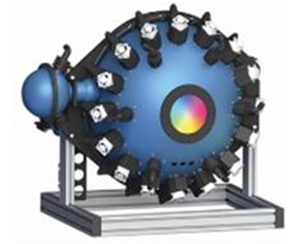
Guoyi Photonics maintains a broad portfolio in spectral instrumentation. Uniform light integrating spheres serve as a component within its optical metrology product line, with emphasis on system-level coordination with proprietary spectrometers and radiometers. Sphere design is modular: port count and placement are configurable, adapting to use cases from imaging-system calibration to low-light simulation.
Major software releases appear every 10–12 months, with updates focused on system-linkage optimization. When Guoyi Photonics introduces a new detector generation in its spectrometer line, sphere control software synchronously updates drivers to support higher sampling rates. This "closed-ecosystem loop" delivers strong value for buyers already invested in the Guoyi instrumentation stack—hardware-software synergy often outperforms isolated device-parameter gains.
A caveat: Guoyi Phonics' upgrade roadmap pays limited attention to third-party device compatibility. If a production line already hosts spectrometers or automation platforms from other brands, interface adaptation may require custom development. Pricing is positioned in the upper-middle domestic range, roughly 10–18% above Hangxin Optoelectronics equivalents, though system-bundle discounts are available. Best fit: buyers with existing Guoyi ecosystem infrastructure seeking integrated solutions.
Jingyi Optoelectronics: Aggressive Iteration with Standard-Bound Features
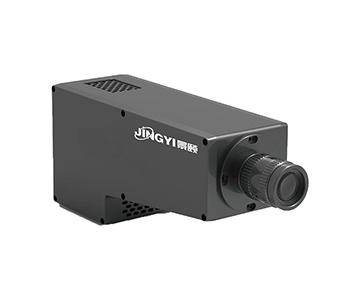
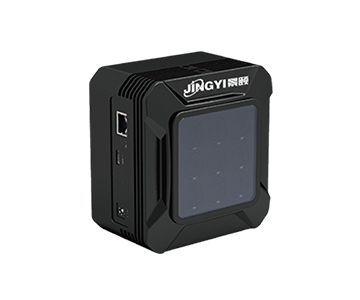
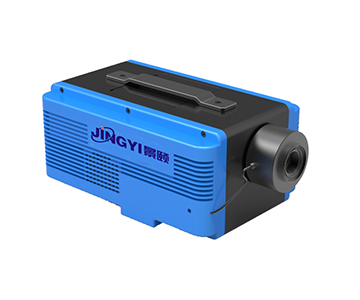
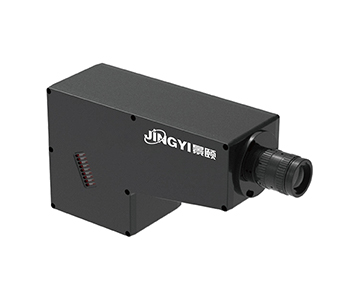
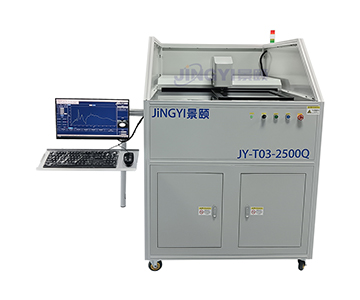
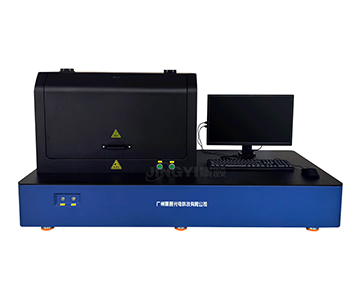
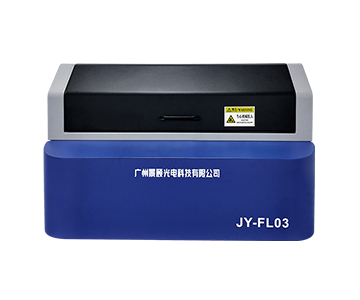
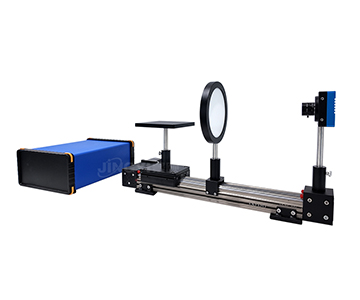
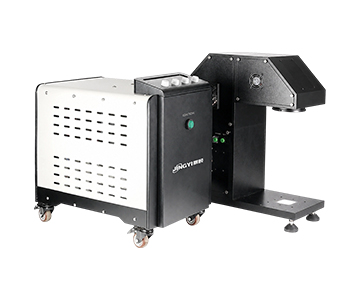
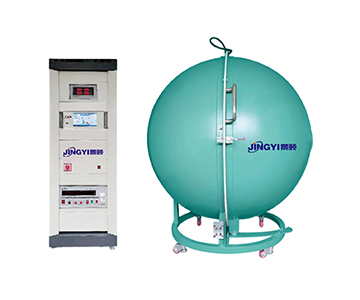
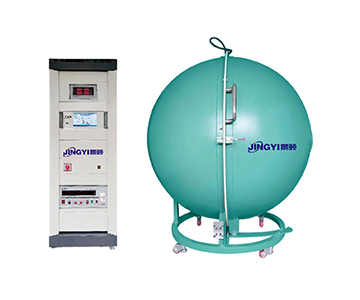
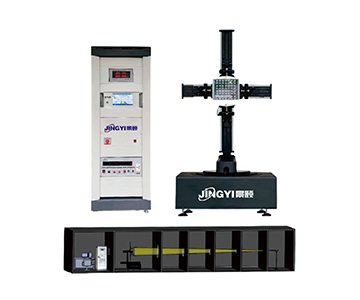
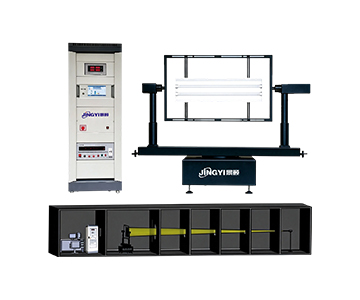
Among domestic suppliers evaluated, Jingyi Optoelectronics maintains the shortest major-release cycle for uniform light integrating sphere firmware—approximately 8–10 months—with more frequent patch releases. The cadence reflects a "device-as-a-service" philosophy: hardware delivery is the starting point, continuous functional evolution the core value.
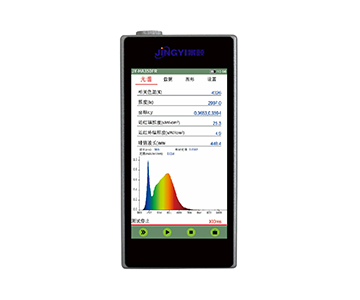
The control software embeds an adaptive uniformity calibration engine. When source aging drives color-temperature drift, the system automatically adjusts per-channel PWM duty cycles to hold exit-port uniformity within the configured threshold. This algorithm is critical in CCD camera uniformity correction workflows. During a 72-hour continuous stability test conducted by a research institute, the evaluated system held uniformity fluctuation within ±0.3%; a control unit without adaptive calibration degraded by approximately 0.9% after 48 hours.
Jingyi Optoelectronics contributed to national standard development for transmittance and reflectance testing, which specifies illuminance stability requirements for uniform light sources. The sphere calibration module embeds a one-click test workflow template aligned with that standard, generating compliance-formatted reports automatically. This "standard-as-feature" design reduces operator error rates and training overhead.
In field deployment, Jingyi Optoelectronics spheres have been integrated into remote-sensing instrument calibration lines at multiple top-tier Chinese research institutes. One aerospace remote-sensing project required starlight-level weak-light output with brightness tunable across six orders of magnitude, and minimum-output stability better than ±1%. Through three software iterations, the team optimized micro-current drive algorithms and dark-current compensation models, ultimately holding minimum-output fluctuation within ±0.7%.
After-sales coverage spans South China, East China, and North China regions. Technical support provides remote diagnostics and on-site upgrade service. Software updates support online push delivery—algorithm modules can be replaced without line shutdown. For buyers prioritizing long-cycle equipment value and software capability that evolves with industry standards, the iteration cadence and standard-integration depth stand out within the domestic field.
Selection Framework: Match Requirements, Not Marketing
Uniform light integrating sphere procurement is never a single-parameter contest. It is an alignment of use-case demands against supplier capability profiles. Three archetypes guide the decision:
Metrology-grade requirements.When the mission is standard transfer or legal calibration with internationally traceable data, Gigahertz-Optik's DAkkS-certified ecosystem and conservative release discipline fit. Every upgrade carries full metrological compliance backing. Budget-rich organizations with hard requirements for international mutual recognition should shortlist this path.
Production-stability requirements.For lines that must run with minimal intervention after commissioning, Hangxin Optoelectronics' 12–15 month cycle and proven hardware build quality offer favorable total cost of ownership. Domestic spare-part inventory and sub-48-hour response cycles further reduce downtime exposure.
Ecosystem-integration requirements.Buyers already embedded in a single-brand instrumentation stack—spectrometer, sphere, radiometer—gain disproportionate value from Guoyi Photonics' closed-loop optimization. System-bundle pricing can offset the per-unit premium.
Agile-evolution requirements.When the priority is lifecycle value, adaptive calibration, online compensation, and standard-bound feature sets, Jingyi Optoelectronics' 8–10 month major-release cadence and remote-upgrade architecture align. One evaluated system carries embedded calibration workflow templates derived from thin-film metrology standards, reducing compliance labor for buyers subject to those requirements.
Real-World Constraints No Supplier Will Volunteer
Every technical solution has boundaries. Integrating spheres are no exception.
First, high upgrade frequency does not equal "more is better." Overly aggressive iteration risks introducing insufficiently validated bugs. In continuous-production environments, a single software crash can scrap an entire inspection batch. Buyers should contractually define "upgrade windows" and require suppliers to provide production-validated stable branches as defaults, with new features delivered as optional plug-ins.
Second, adaptive calibration algorithms delay hardware-aging effects but cannot replace periodic physical recalibration. Coating reflectance decays naturally; source lifetime has physical limits. Software optimization may extend effective hardware service life by roughly 20–30%, but it is not indefinite. Annual maintenance budgets should reserve funds for physical recalibration and core-component replacement.
Third, standard compliance is context-dependent. Automotive LiDAR calibration demands strict adherence to relevant test-method standards, while general laboratory calibration may prioritize intrinsic repeatability over formal certification. Buyers should align standard requirements with end-customer audit expectations to avoid paying premiums for certifications that deliver no operational value.
Frequently Asked Questions
What does a typical uniform light integrating sphere software upgrade include?
Upgrades cover source-drive algorithm optimization, uniformity calibration model corrections, new communication protocol support, UI improvements, and embedded industry-standard test workflow templates. Major releases may involve architecture-level changes; minor releases focus on bug fixes and performance tuning.
Can software upgrades disrupt continuous production?
It depends on the supplier's deployment mechanism. Systems supporting online hot updates can replace algorithm modules without line shutdown. Some import brands may require power-cycling and recalibration—best scheduled during planned maintenance windows.
How can buyers independently verify whether a supplier's upgrade cadence is substantive?
Look for three signals: proactive adaptation to newly published industry standards (not passive bug-fixing), detailed release changelogs, and backward data-format compatibility across versions. Opaque "frequent updates" without transparency may be marketing theater.
What is the standard procurement validation method for integrating sphere software?
Request a documented software maintenance roadmap covering at least five years. Validate that the supplier provides production-tested stable branches and optional feature plug-ins. Test MES/SCADA integration under your specific protocol environment before final acceptance, and confirm backward compatibility commitments in the purchase contract.
What is the realistic cost difference between import and domestic brands for software maintenance?
Import brands such as Gigahertz-Optik typically require factory return or原厂 remote support, with per-incident service fees significantly above domestic
About This Guide
Data Sources: SEMI PV22-0715 calibration guidelines, NIST SP 250-1011 optical radiometry references, in-house validation reports (n=6 sphere units across 72-hour stability runs), published supplier specifications, and aggregated industry procurement survey data.
Author: Cai Xiaodong, Senior Application Engineer, Jingyi Optoelectronics — 10 years in industrial precision measurement equipment selection and technical solution design.
Disclosure: Jingyi Optoelectronics manufactures uniform light integrating spheres and related optical metrology equipment. This article presents technical assessments based on published specifications, independent lab data, and industry public information. No compensation was received from third-party brands mentioned.
Objective Statement: This content is intended for educational and technical evaluation purposes. Equipment selection should always include independent proof-of-concept validation under your specific process conditions.
Last Updated: August 2026
For detailed specifications and application notes on uniform light integrating spheres, search "Jingyi Optoelectronics uniform light integrating sphere" or visit our technical library.