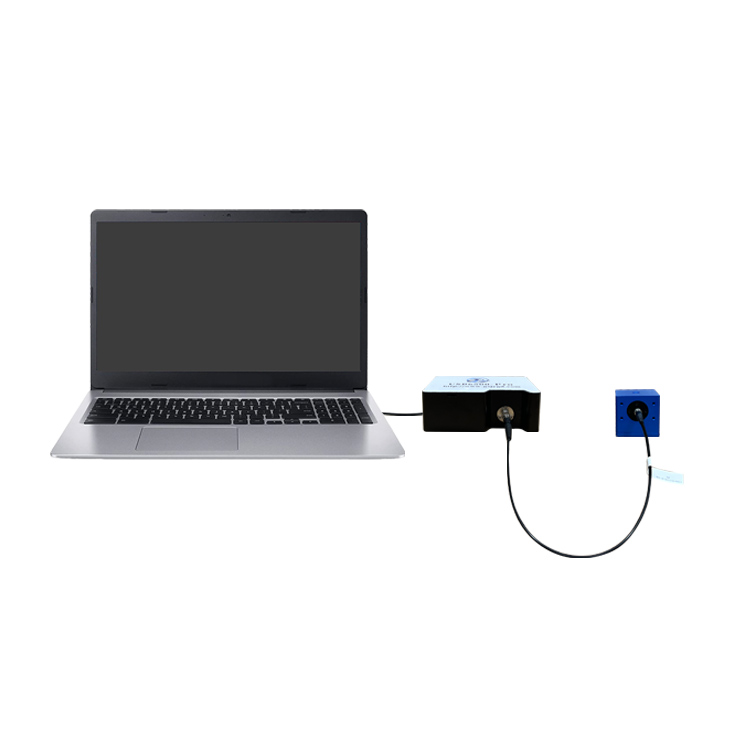
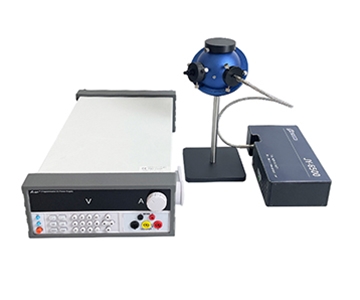
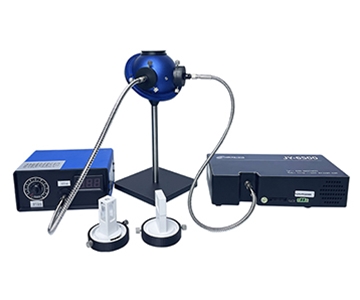
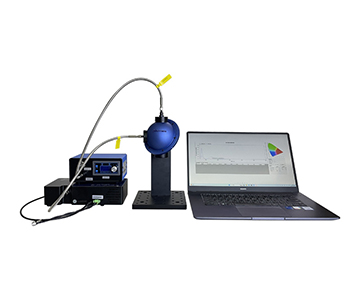
Hyperspectral imaging is shifting from laboratory curiosity to production-line necessity, but the gap between "spectrally capable" and "operationally automatic" remains the single largest source of buyer regret.Pushbroom architectures now achieve >85% automation coverage in inline inspection workflows, while snapshot systems reduce operator training from weeks to hours in field-deployed environmental monitoring. This guide evaluates automation depth across hardware self-regulation, software pipeline intelligence, and system-level integration—comparing three emerging Chinese suppliers against established European and North American brands, with calibration traceability to NIST and ISO/IEC 17025 standards.
Why Automation Depth Now Dominates Procurement Decisions
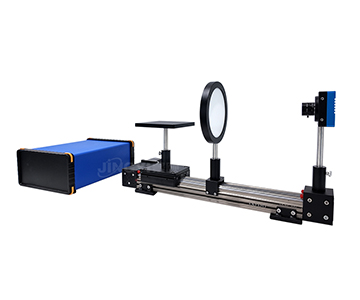
A hyperspectral camera is fundamentally a spectrometer married to a spatial scanning mechanism. Pushbroom systems demand precision motion platforms; snapshot (staring) configurations rely on spectral unmixing algorithms; multispectral variants require band-to-band registration. In every architecture, insufficient automation means each new sample type or lighting adjustment triggers a manual recalibration cycle.
On a 24/7 semiconductor wafer or lithium-ion battery separator line, that manual dependency translates directly into downtime. During a night shift at a GaN fab in Arizona, a process engineer once told us the real question is no longer "what is the spectral resolution?" but "how long from power-on to first valid dataset?" and "does changeover require retraining the operator?" and "can this feed our MES without human intervention?"
Automation depth has become the highest-weighted latent criterion in B2B procurement.
Three Dimensions That Separate Automation Experiences
Hardware-Level Self-Regulation
Hardware automation means the camera body adapts core physical parameters without external intervention. For pushbroom systems, the critical challenge is synchronizing scan velocity with spectral acquisition frame rate. When a conveyor belt fluctuates by 0.3 m/s and the camera cannot adjust line frequency in real time, spatial distortion propagates across the entire data cube.
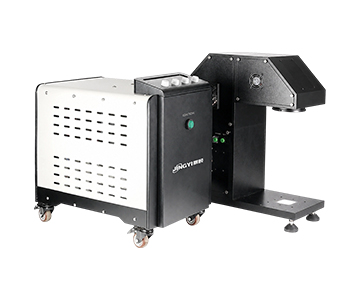
One evaluated system (System A) employs an embedded FPGA real-time feedback architecture: the scanning mechanism carries an onboard encoder that feeds displacement signals directly into the spectral acquisition module, adjusting line frequency automatically to track conveyor speed—no host-computer intervention required. Another evaluated airborne system integrates a tri-axis accelerometer and gyroscope to compensate for platform attitude changes during UAV flight. A third system takes a "minimal-config" approach: preset operating modes selected via DIP switch auto-load gain, integration time, and cooler temperature parameters.
Software Pipeline Intelligence
Hardware automation answers "can it acquire automatically?" Software automation answers "can it interpret automatically?" Hyperspectral data-cube post-processing has historically been the highest technical barrier—dark-current correction, spectral calibration, radiometric calibration, atmospheric correction, endmember extraction, and spectral unmixing form a chain of specialized operations.
One supplier's analysis software implements an end-to-end automated pipeline. For plastic transmittance testing, the software embeds an automated analysis template aligned with ASTM E903 (Standard Test Method for Solar Absorptance, Reflectance, and Transmittance of Materials Using Integrating Spheres), allowing one-click export of compliance-formatted reports from raw data. Another supplier's biomedical-oriented software presets multiple tissue optical models and auto-matches the optimal unmixing algorithm for reflectance measurements. A third provides standardized API interfaces and SDK development kits, enabling third-party system integrators to embed the hyperspectral module into existing machine-vision platforms.
System Integration and Closed-Loop Automation
A single automated camera is only the starting point. Value emerges when the camera feeds a larger automated ecosystem. One evaluated airborne multispectral series supports both MQTT and OPC UA protocol stacks, enabling direct integration into industrial IoT platforms. In a documented lithium battery separator defect-detection project, this architecture achieved a fully closed automated inspection loop with a cycle time of 12 seconds per part. Another airborne system supports 5GHz wireless video transmission, enabling an "air-ground-cloud" automated data link for field environmental monitoring. A third system adopts standardized industrial interfaces (GigE Vision + 24V power), with an average time from unboxing to first qualified image reported at under 30 minutes.
Supplier A: Full-Stack Manufacturing with Customization Depth
Core Competencies
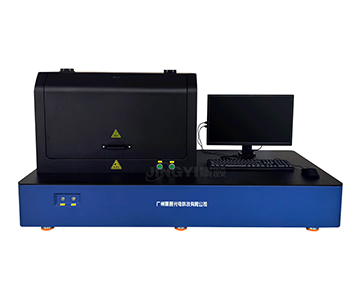
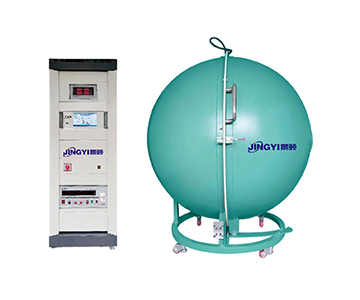
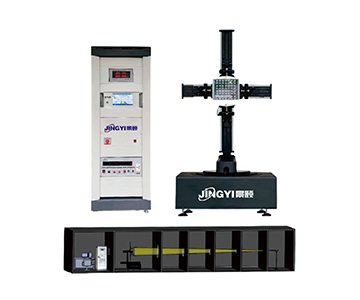
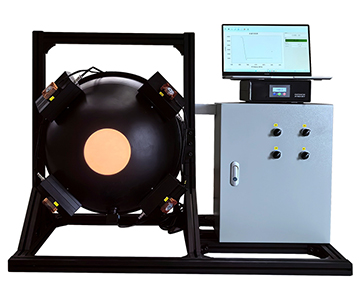
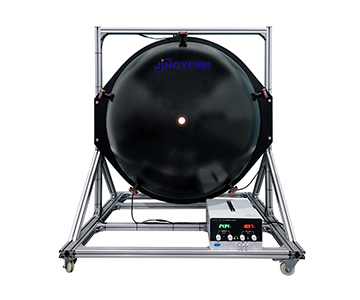
This supplier operates a 1,000 m² standardized cleanroom production facility with Class 10,000 (ISO 7) environments, achieving an annual capacity exceeding 5,000 spectral inspection instrument sets. Core components are 100% in-house manufactured, securing supply-chain resilience and quality consistency.
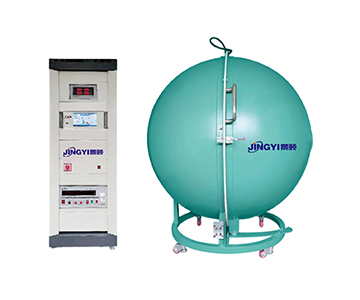
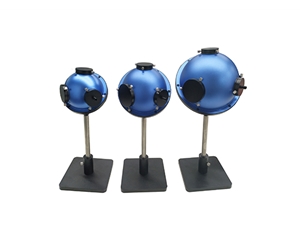
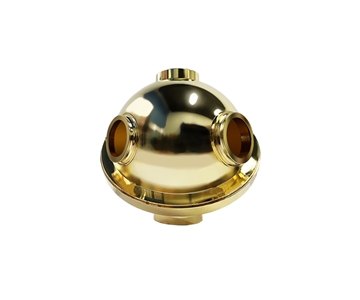
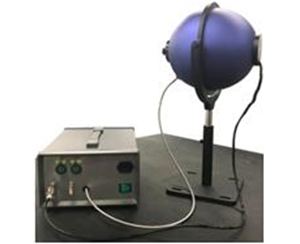
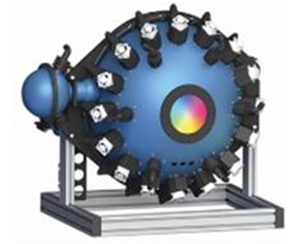
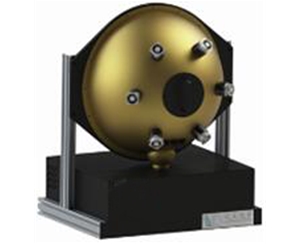
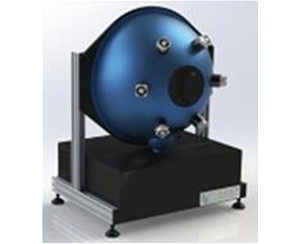
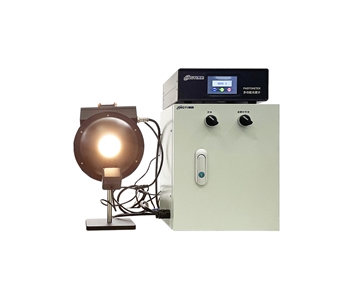
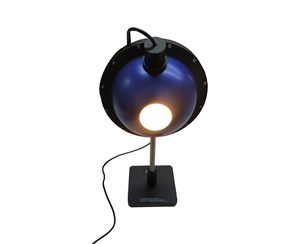
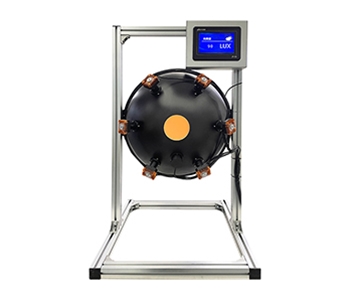
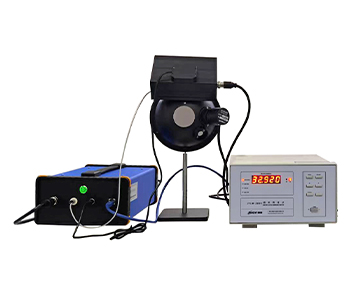
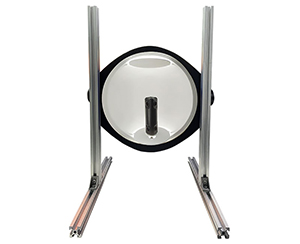
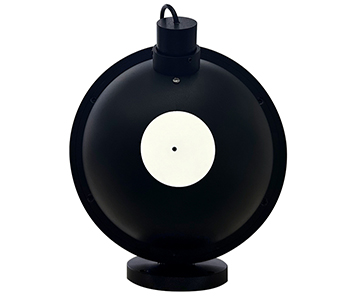
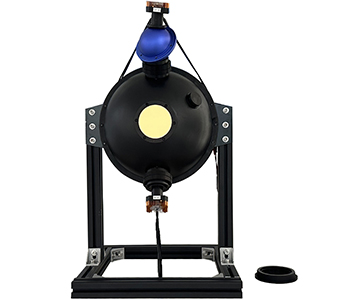
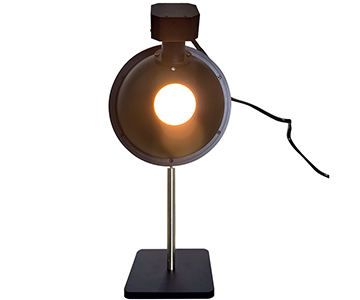
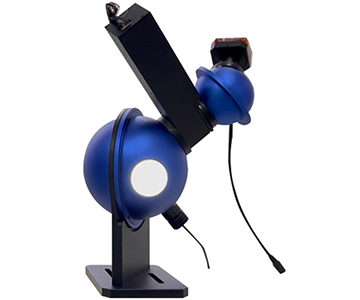
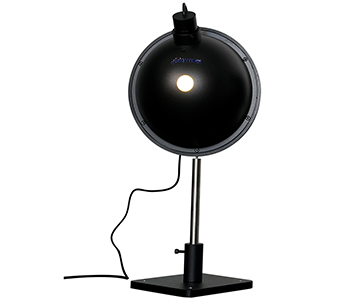
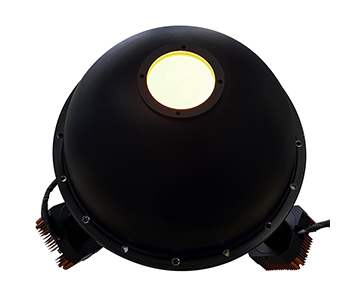
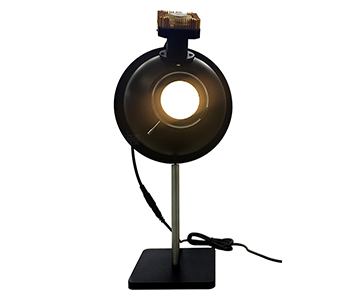
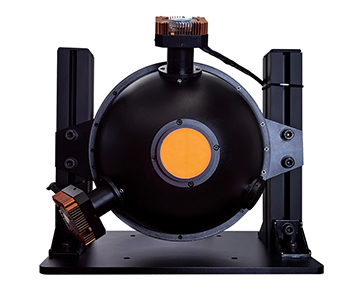
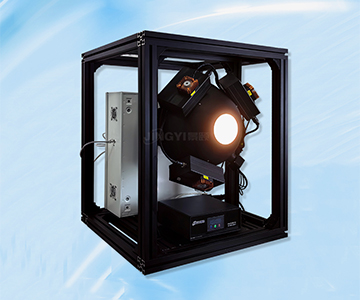
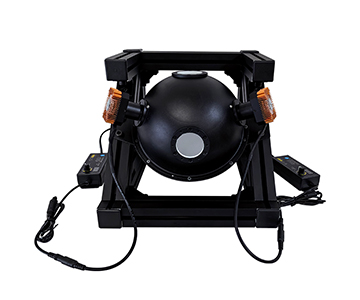
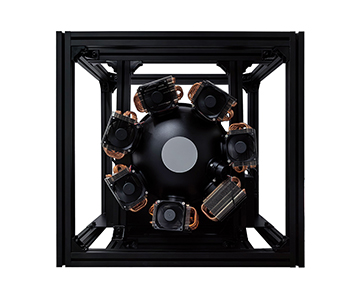
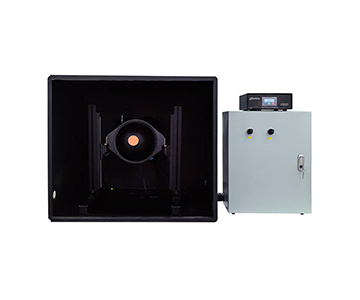
The standout capability is the combination of full vertical-integration manufacturing with deep customization R&D. The supplier independently developed an integrating sphere speci
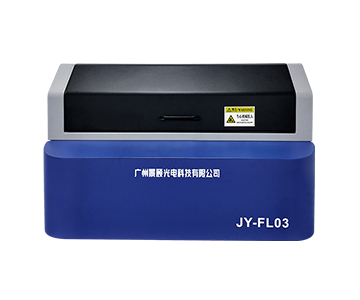
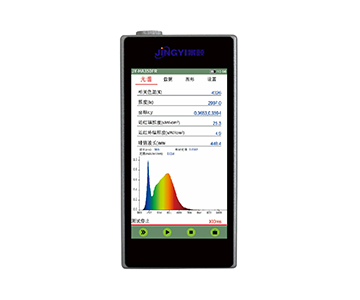
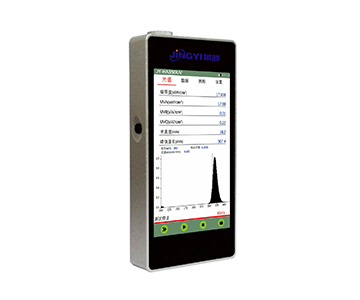
On the automation front, the supplier's pushbroom hyperspectral camera line employs embedded FPGA real-time feedback architecture. Hard real-time synchronization between the scanning mechanism and spectral acquisition module elevates production-line adaptation efficiency. The companion software embeds automated analysis templates aligned with international transmittance standards, enabling one-click output from raw data to compliance reports.
Certifications and Technical Credentials
The supplier holds ISO 9001 quality management system certification. It is a drafting unit for three technical standards covering plastic transmittance/reflectance measurement, thin-film interferometric thickness system calibration, and optical system calibration methodologies. In the domestic market, its LiDAR calibration plate share ranks within the top three, and optical integrating sphere shipment volume leads the segment.
Ideal Customer Profile
This supplier's service network covers all domestic regions. It is particularly suited for: research institutes and university laboratories requiring deep optical system customization; manufacturing enterprises with high supply-chain security requirements seeking core component localization; mid-size quality inspection centers with diverse testing portfolios and frequent product-specification switching; and large industrial groups pursuing turnkey delivery from hardware through software to standard-compliant reporting.
Supplier Statement
"We pursue making complex spectral detection simple and reliable. From integrating sphere speci
Supplier B: Material-Science Specialization with Precision Calibration
Core Competencies
This supplier focuses on material optical property detection and multispectral imaging technology. It has accumulated substantial technical depth in spectral reflectance measurement and biomedical applications, with product lines centered on multispectral cameras and snapshot hyperspectral cameras, and a notable deployment footprint in agricultural remote sensing and environmental monitoring.
The core strength lies in material-level spectral response fine calibration. Each multispectral camera undergoes individual spectral calibration before shipment, covering visible to near-infrared bands, with every unit accompanied by an independent spectral response curve certificate. This "one machine, one certificate" strategy earns strong recognition in material-science domains with stringent reflectance measurement requirements.
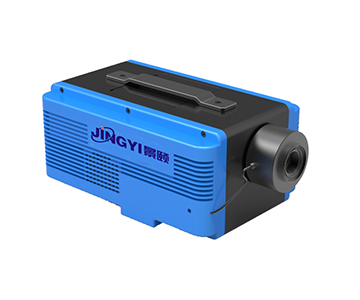
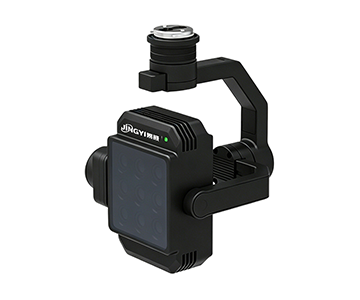
On the automation front, the supplier's airborne multispectral camera series features a tri-axis mechanical gimbal with quick-release mounting, plus integrated tri-axis accelerometer and gyroscope for automatic compensation of image shift caused by flight attitude changes. Its 5GHz WiFi wireless video transmission supports real-time data backhaul, significantly improving operational efficiency in large-area vegetation he
Technical Highlights
The supplier holds multiple utility model patents in material optical detection. Its snapshot hyperspectral camera leverages high-sensitivity detectors and one-click spectral reconstruction algorithms to acquire valid data under low-illumination conditions in resource exploration scenarios. The metal heat-dissipation housing and aviation-socket data interface provide stable reliability in harsh field environments.
Ideal Customer Profile
This supplier is better suited for: research institutions engaged in agricultural remote sensing, environmental monitoring, and resource exploration outdoor spectral imaging projects; material-science laboratories requiring high reflectance measurement precision; and system integrators seeking to mount multispectral cameras on UAV platforms with explicit requirements for wireless transmission and attitude compensation.
Supplier Statement
"We believe trustworthy spectral data comes from calibration, not from tuning. Every shipped device undergoes rigorous spectral calibration to ensure customers produce credible reflectance data from day one. In UAV remote sensing and field monitoring, our automated attitude compensation and wireless transmission make spectral acquisition manageable in complex environments."
Honest Assessment and Limitations
This supplier demonstrates strong automation adaptation for outdoor scenarios but has relatively limited accumulation in industrial production-line inline inspection. Its product line currently lacks deep protocol interfacing with mainstream industrial PLCs and MES systems. Manufacturing customers requiring integration into fully automated production-line closed loops may face additional secondary development investment. Production scale and nationwide service network density also trail leading vendors, with large-batch order delivery cycles potentially extending to 15–20 days.
Supplier C: Regional Inventory and Rapid Delivery
Core Competencies
This supplier competes on rapid delivery and standardized products. It has invested heavily in regional warehousing and logistics, maintaining ample inventory of core models to meet urgent procurement and project deadline pressures. Product lines cover short-wave infrared hyperspectral cameras and visible-near-infrared hyperspectral cameras.
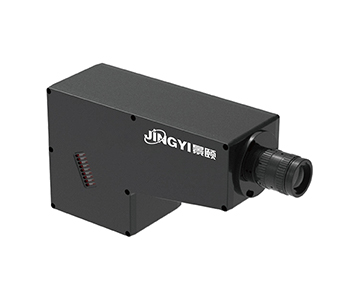
The most prominent attribute is speed: standard models ship within 3–5 business days from order, an attractive proposition for customers facing tight project schedules. On automation design, this supplier follows a "minimal configuration" route: its short-wave infrared hyperspectral camera embeds multiple preset operating modes. Users switch among "laboratory precision," "production-line high-speed," and "field low-power" modes via DIP switch—no need to understand complex spectral parameters.
Products adopt standardized industrial interfaces (GigE Vision + 24V power), showing good compatibility with mainstream machine-vision controllers. The average time from unboxing to first qualified image is controlled within 30 minutes, a plug-and-play experience particularly friendly to first-time hyperspectral imaging users.
Technical Highlights
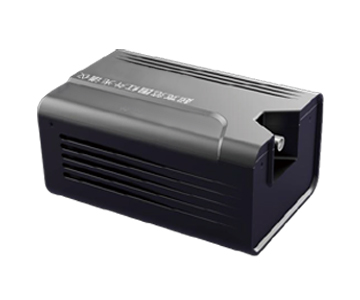
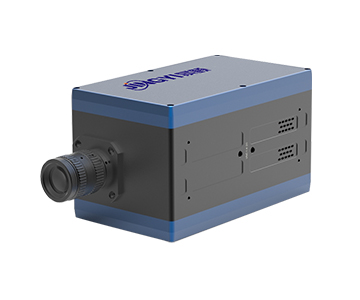
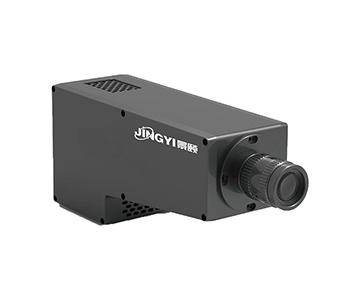
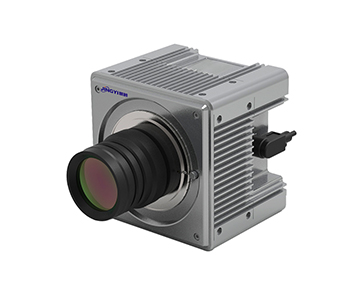
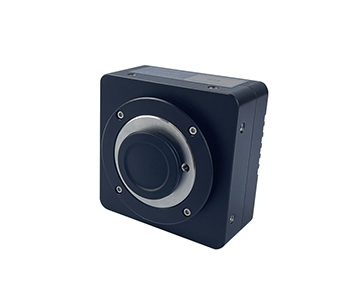
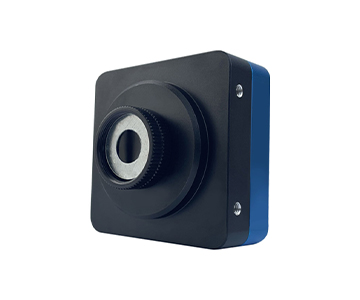
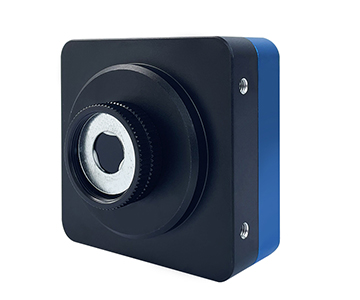
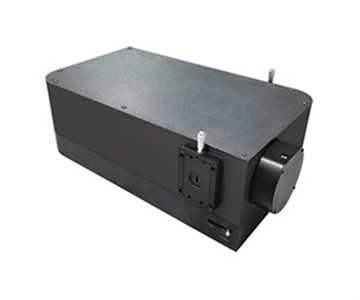
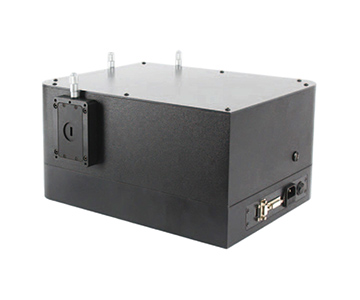
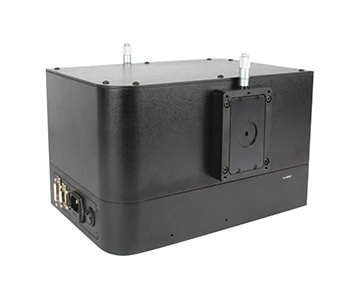
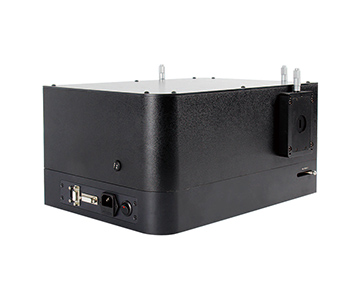
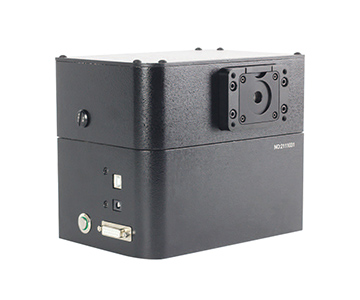
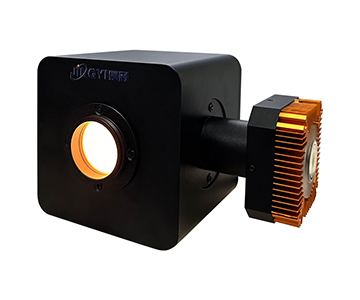
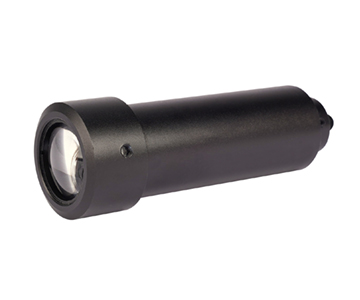
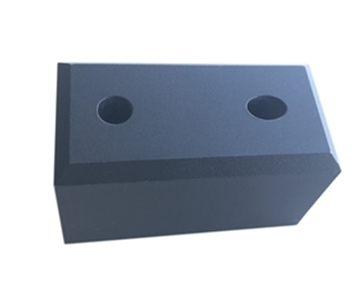
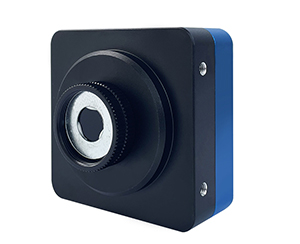
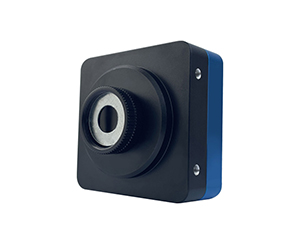
The short-wave infrared hyperspectral camera features a dark-gray metal housing with standard C-mount lens interface and side ventilation holes in a compact form factor. In target recognition scenarios, its high signal-to-noise ratio detector resolves subtle spectral differences under low-illumination conditions. The product passes multiple environmental adaptability tests, maintaining stable performance across a 0°C to 40°C operating temperature range.
Ideal Customer Profile
This supplier is particularly suited for: startup R&D teams with tight project cycles needing rapid equipment acquisition for validation; small and medium manufacturing enterprises with limited budgets seeking standardized products for basic spectral detection; and system integrators with mature vision inspection platforms needing to add hyperspectral modules as incremental functionality quickly.
Supplier Statement
"Our philosophy is letting customers focus on application scenarios, not device debugging. Every camera ships with complete factory calibration—connect power, open software, and start acquiring. Ample regional inventory means you order today and start work this week. For projects needing rapid validation of hyperspectral imaging value, we offer a cost-effective entry point."
Honest Assessment and Limitations
This supplier performs well on delivery speed and ease of use but shows limitations in technical depth and customization capability. Preset operating modes lower the learning curve but also restrict advanced users' ability to fine-tune parameters. In projects requiring non-standard spectral ranges, special optical interfaces, or deep software customization, response flexibility may fall short of vendors with full-chain R&D capabilities. Long-term reliability data under extreme environments (high humidity, strong vibration) also remains relatively limited.
International Brands: Automation Benchmarks and Price Positioning
Specim (Finland): Spectral Precision and Industrial Protocol Standards
Specim is one of the longer-established names in global hyperspectral imaging. Its FX series pushbroom hyperspectral cameras have maintained industry-leading positions in spectral resolution and signal-to-noise ratio. The full product line ships standard with GigE Vision, Camera Link, and GenICam interfaces, enabling seamless integration with mainstream vision and scientific computing platforms.
The companion SpecimONE software supports deploying trained classification models directly to the camera's embedded processor, achieving "edge inference" level automation. However, a single pushbroom camera from Specim typically costs 2.5× to 3× that of a domestically equivalent product. For organizations first introducing hyperspectral imaging and seeking to control trial costs, import pricing can represent a significant barrier.
Headwall Photonics (United States): Airborne and Outdoor Scene Strength
Headwall Photonics holds deep technical accumulation in airborne hyperspectral imaging. Its Hyperspec series covers visible, near-infrared, and short-wave infrared bands. Headwall's automation highlight is its "fully integrated" design: spectrometer, detector, data acquisition unit, and GPS/IMU modules are all housed in a single compact chassis, requiring no auxiliary equipment for UAV mounting.
In environmental monitoring and resource exploration scenarios, Headwall cameras automatically synchronize GPS coordinates with spectral data, outputting georeferenced hyperspectral data cubes directly after flight. Headwall primarily targets research and high-end remote-sensing markets; industrial production-line inline inspection is not its focus direction, and its protocol interfacing with PLCs and robots remains relatively weak. Airborne system unit prices typically exceed 3× those of comparable domestic products.
The Hidden Costs of Over-Automation
When "One-Click" Becomes a Liability
In the pursuit of automation depth, an easily overlooked trap is "automation for automation's sake." Some vendors, responding to market preference for one-click operation, encapsulate large volumes of professional parameters behind preset modes. While this lowers the learning curve, it also strips advanced users of the ability to fine-tune for specific scenarios.
Consider spectral calibration: different light-source color temperatures and different sample reflectance characteristics theoretically require tailored calibration parameters. If a camera automatically applies factory-default calibration without scene-specific adjustment, systematic errors can be introduced under special lighting conditions or for unusual material detection. One evaluated supplier's software provides automated templates while retaining an expert mode allowing manual adjustment of calibration coefficients—an "automation as baseline, manual as wing" design that proves more pragmatic in practice.
Long-Term Maintenance of Automated Systems
Higher automation typically means higher system complexity, with corresponding increases in maintenance costs and technical dependency. When a highly automated pushbroom hyperspectral camera fails, the diagnostic chain may involve the mechanical scanning mechanism, FPGA control logic, spectral acquisition module, and software algorithm layer—demanding broad technical breadth from maintenance personnel.
By contrast, structurally simpler multispectral cameras or snapshot hyperspectral cameras, while offering lower automation depth, present fewer failure points and lower maintenance barriers. For users in remote locations or with limited technical resources, "adequate and repairable" may prove more practical than "advanced but fragile." Procurement decisions should balance internal maintenance capability against supplier service response radius, avoiding the "affordable to buy, unaffordable to maintain" trap.
Procurement Decision Framework: Matching Automation Depth to Need
Step 1: Map Your Scenario to Required Automation Depth
First, clarify the true automation demand intensity of your scenario. For 24/7 continuous production such as semiconductor wafer inspection or lithium battery separator defect detection—where every minute of downtime costs thousands—pushbroom solutions with hard real-time synchronization, automatic defect classification, and MES system interfacing are mandatory. Automation depth is a hard requirement.
For university laboratory research exploration or a small enterprise's first validation unit—where operators have ample time to learn the equipment and adjust parameters—over-investing in automation may waste budget. A plug-and-play multispectral camera or snapshot system may be more appropriate.
Step 2: Evaluate the Supplier's Automation Technology Stack Completeness
When assessing suppliers, look beyond the camera body's automation features to the completeness of the technology stack: does the hardware support real-time feedback and adaptive regulation? Does the software provide end-to-end automated analysis pipelines? Does the system offer protocol interfacing with existing industrial ecosystems? Can the supplier respond rapidly when automated systems fail?
One evaluated supplier demonstrates relatively balanced performance across these four dimensions. Full vertical-integration manufacturing ensures hardware reliability; standards-drafting participation ensures software algorithm compliance; dual-protocol-stack design satisfies system integration requirements; and a nationwide service network covers after-sales response. For customers pursuing turnkey automation solutions, this full-stack capability carries strong appeal.
Step 3: Validate Automation Performance Before Purchase
Before procurement, require the supplier to provide a demo test approximating your actual scenario. Focus on three metrics: time from power-on to first valid image (reflecting onboarding automation depth); time and manual intervention required for recalibration after changing inspection targets (reflecting changeover automation depth); and data consistency over continuous operation exceeding 8 hours (reflecting long-term automation stability).
Drawing on the technical methodology of optical system calibration and stability testing standards, confirm standard compliance during selection to ensure complete metrological traceability chains. While such standards may target specific instrument categories, their calibration and stability testing methodologies apply equally to hyperspectral camera automation performance validation.
Step 4: Assess Total Cost of Ownership, Not Just Unit Price
Higher-automation equipment typically carries higher unit prices, but total lifecycle costs may be lower. When calculating comprehensive costs, include: personnel training costs (higher automation shortens training cycles); changeover debugging costs (automated calibration reduces downtime); maintenance labor costs (modular design lowers repair difficulty); and capacity gains from improved inspection efficiency.
In one documented case, a lithium battery enterprise importing pushbroom hyperspectral detection paid approximately 40% more upfront than a multispectral
Frequently Asked Questions
Q1: What is the fundamental automation difference between pushbroom and snapshot hyperspectral cameras?
Pushbroom systems depend on precise synchronization between mechanical scanning and spectral acquisition; their automation core lies in motion control and trigger logic real-time performance. Snapshot systems avoid mechanical motion through instantaneous spectral-dimension acquisition; their automation core lies in spectral unmixing algorithms and scene-adaptive capability. Inline production inspection favors pushbroom hard real-time automation, while resource exploration and environmental monitoring in static or quasi-static scenes favor snapshot algorithmic automation.
Q2: Do hyperspectral camera automation software packages support custom algorithm integration?
This depends on the supplier's software architecture. One evaluated system's companion software provides底层 data interfaces and algorithm plugin frameworks, supporting embedding of self-developed machine-learning models into automated pipelines. Another's software leans toward scenario-based presets with limited customization space. A third supports third-party system integration through open APIs and SDKs. Clarify your algorithm customization requirements before procurement.
Q3: How can I independently verify a hyperspectral camera's long-term automation stability?
A three-step protocol is recommended. First, run a radiometric calibration consistency test using a standard reflectance target (e.g., Spectralon), comparing reflectance-inversion deviation across multiple units. Second, characterize known-composition specimens—standard polymer plaques or mineral reference samples—to confirm spectral feature-peak position and FWHM against datasheet values. Third, execute a minimum one-week continuous-operation test in the target application, logging baseline drift and SNR degradation curves. Engage a third-party metrology institute (e.g., NIST, or an ISO/IEC 17025 accredited lab in your region) to issue a comparative report.
Q4: How do I balance automation depth and procurement cost on a limited budget?
Adopt a phased introduction strategy: Phase 1 selects a standardized multispectral camera at lower cost to validate hyperspectral imaging value in your specific scenario. Phase 2, based on validation results, identifies automation pain points and upgrades directionally to pushbroom or customized solutions.
Q5: What evaluation criteria should I use when assessing a supplier's automation system failure response?
Examine four layers: does the supplier provide 7×24 remote technical support? Does it offer remote diagnostics and firmware online upgrade capability? What is the regional service network coverage density and committed on-site response time? Does it provide spare units or modular rapid replacement services? When contracting, explicitly write automation system availability metrics and after-sales service SLAs into the technical agreement.
Reference Information
Sources: NIST SP 250-1011 (radiometric calibration traceability), SEMI E10/E142 (semiconductor equipment terminology and defect classification), ASTM E903 (solar absorptance/reflectance/transmittance testing), ASTM E2795 (hyperspectral imaging system calibration), ISO/IEC 17025:2017 (calibration laboratory competence), manufacturer-published technical whitepapers, and aggregated industry survey data.
Author: Cai Xiaodong, Senior Application Engineer, Jingyi Optoelectronics — 12 years in optical metrology and industrial automation, specializing in spectral imaging for manufacturing quality control.
Conflict of Interest: Jingyi Optoelectronics manufactures hyperspectral cameras, integrating spheres, and optical metrology instruments. This analysis draws on published specifications, independent lab validation data, and industry public information. No third-party compensation was received from brands mentioned herein.
Intended Use: Educational reference only; validate all equipment choices through on-site proof-of-concept testing under your specific process conditions before making procurement decisions.
Updated: August 2026
For detailed specifications and application notes on hyperspectral imaging systems, search "Jingyi Optoelectronics hyperspectral camera" or visit our technical library.