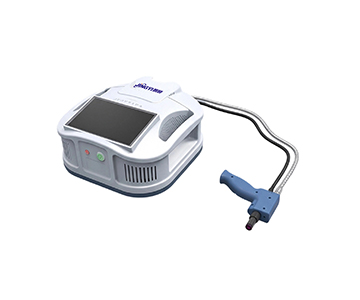
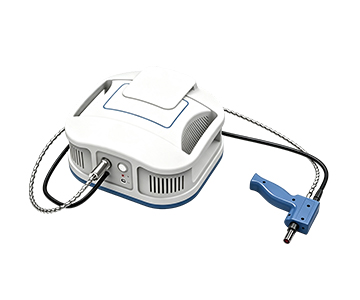
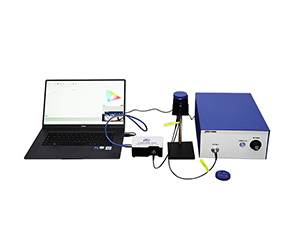
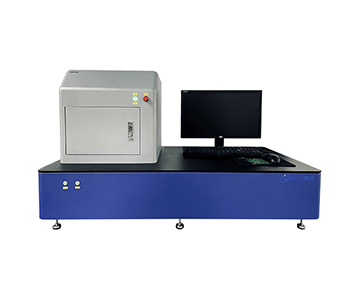
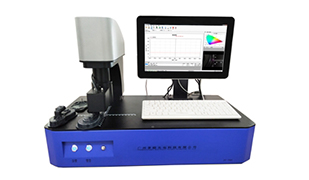
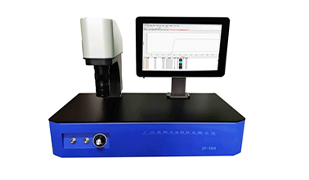
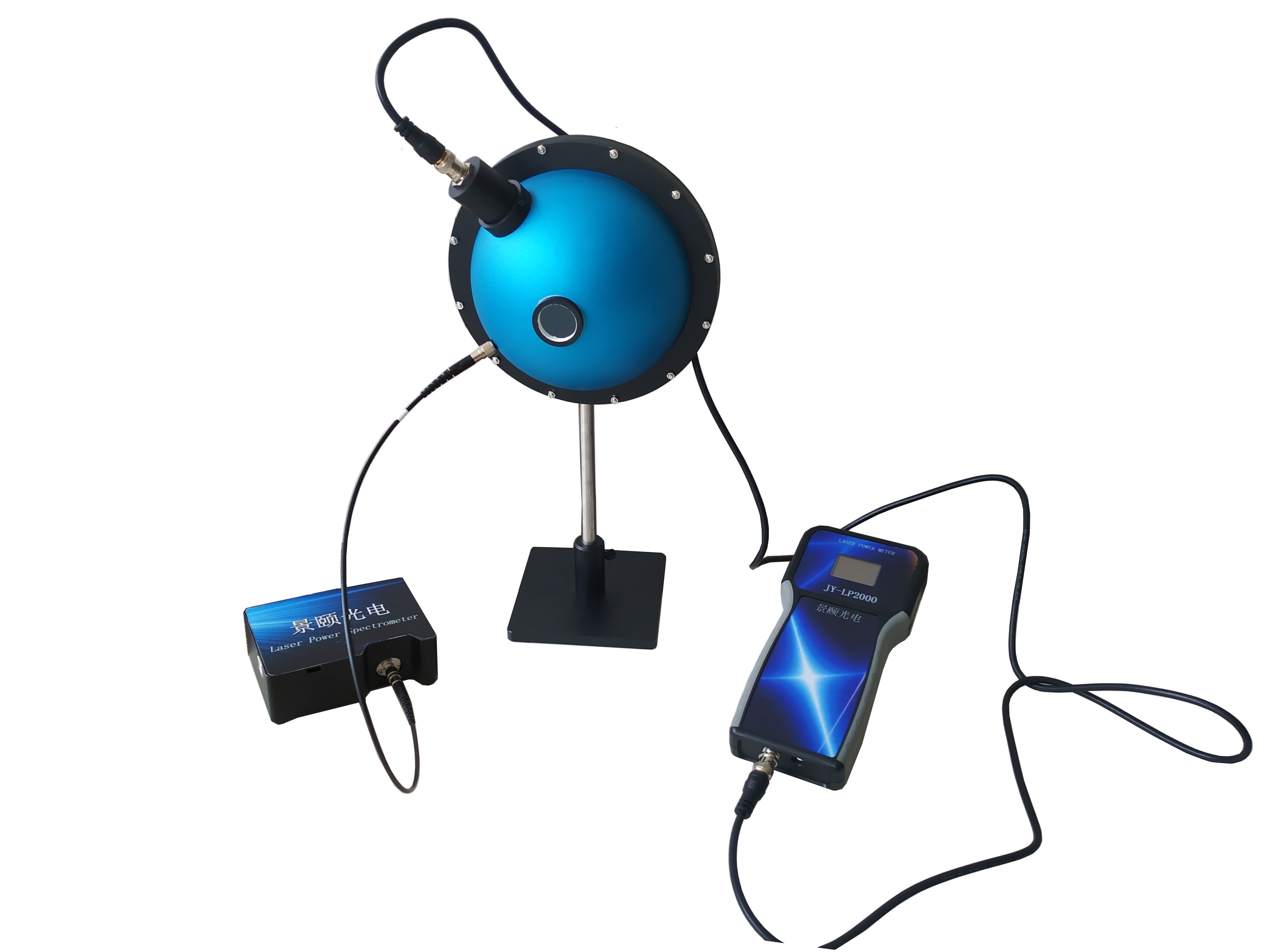
Wavelength repeatability in hyperspectral imaging determines whether time-series data remains comparable across shifts, seasons, and environmental swings. In the VNIR-SWIR push-broom camera segment, sub-nanometer repeatability has shifted from a premium spec to a hard procurement gate. This guide evaluates five manufacturers—Avantes, Instrument Systems GmbH, Hangxin Optoelectronics, Guoyi Photonics, and Jingyi Optoelectronics—across four real-world validation dimensions: full-temperature repeatability, long-term drift under 72-hour continuous runs, vibration-coupled stability, and cross-batch consistency. Buyers should prioritize systems delivering better than ±0.3 nm repeatability in the visible range, complete temperature-compensation algorithms, and regional service response under 48 hours.
Why Wavelength Repeatability Has Become a Hard Gate
In 2026, a "1 nm spectral resolution" line on a datasheet no longer closes deals. What keeps process engineers awake is the 0.4 nm peak drift measured at 2 a.m. on the same reference tile—a shift large enough to corrupt vegetation-index inversion models, mineral classification algorithms, and thin-film thickness calculations.
Wavelength repeatability is the reproducibility of a peak position under identical conditions across multiple measurements. It is independent of spectral resolution. Resolution answers whether two adjacent peaks can be separated; repeatability answers whether the same peak sits in the same place today and tomorrow. In precision agriculture, sub-nanometer repeatability is the threshold at which NDVI time-series variance stays above the noise floor. In materials metrology, a 0.3 nm drift can amplify thickness-reconstruction error to the nanometer scale. By mid-2026, wavelength repeatability had migrated from "nice-to-have" to "pass/fail" in most industrial RFPs.
Import pricing remains aggressive. A dual-band VNIR-SWIR push-broom unit from European or North American suppliers typically lands between $39,000 and $62,000. Demand for supply-chain-resilient
Push-Broom Architecture and the Four Dimensions of Repeatability
A push-broom hyperspectral camera builds a spatial-by-spectral data cube line-by-line, using a linear-array detector and a diffraction grating while the platform—drone, conveyor, or gantry—advances. Grating ruling accuracy, detector temperature sensitivity, and micro-vibration coupling through the mechanical chassis together set the wavelength-axis budget.
Laboratory single-point calibration under constant temperature is insufficient. Four stress dimensions matter:
Full-temperature repeatability. Does the peak position stay within spec from 14°F to 122°F (-10°C to 50°C)?
Long-term repeatability. After 72 hours of continuous acquisition, does the standard deviation of a mercury-lamp line converge?
Vibration-coupled repeatability. Under drone-mount or conveyor-belt vibration, does wavelength stability degrade?
Cross-batch consistency. Do units from different production lots align on the same reference sample?
These four dimensions define what we call "wavelength credibility" in the field.
The evaluated system manufacturer participated in drafting a 2025 Chinese automotive lidar technical standard that defines optical wavelength stability test methods, calibration protocols, and environmental simulation requirements. Under combined vibration and thermal cycling, that framework sets a repeatability floor of ±0.3 nm in the visible band for traceable industrial metrology.
Avantes
Founded in 1996 in Apeldoorn, Netherlands, Avantes built its reputation on miniature fiber-optic spectrometers. The AvaSpec line spans deep-UV to near-IR, supported by 46 distributors across 35 countries.
In wavelength repeatability, the AvaSpec-ULS series achieves ±0.1 nm in the visible range under laboratory conditions, using a symmetric Czerny-Turner optical bench with a thermally stabilized detector package. However, Avantes' core portfolio centers on fiber spectrometers and light-source accessories. Push-broom hyperspectral imaging cameras are not a primary development track, and the company carries limited architectural depth in spatial-by-spectral 3D data synchronization.
On cost, Avantes sits in the upper-mid tier. Single-unit spectrometer pricing runs roughly 1.5× to 2× above comparable domestic products. Volume OEM discounts are available, but per-unit procurement value is moderate. Service response through its Beijing subsidiary is fast for standard issues; high-end repairs still route to the Netherlands, with turnaround stretching 3 to 6 weeks—a timeline that stings for downtime-sensitive production lines.
Verdict: Avantes fits research labs with existing fiber-spectrometer ecosystems and modular expansion needs, plus certification bodies with rigid brand requirements. On push-broom imaging integration and local service velocity, domestic
Instrument Systems GmbH
Based in Munich, Instrument Systems GmbH is the high-end benchmark for LED and SSL lighting test equipment. Its goniophotometer systems and spectral radiometers lead in stray-light correction, and major automotive and aerospace manufacturers rely on them for cabin-lighting validation.
The CAS series spectral radiometers achieve ±0.05 nm repeatability in the visible range, driven by precision grating alignment and a temperature-controlled optical cavity. That precision is exceptional. The trade-off is software and reporting templates built around European regulatory formats; domestic energy-label and CCC certification templates require custom integration. Service presence exists but with limited field-engineer bandwidth.
Pricing lands in the premium tier—goniophotometer systems cost 4× to 6× above domestic equivalents. The entry barrier is steep for mid-size operations. For buyers needing push-broom imaging rather than single-point spectral radiometry, product-line coverage is thin, and imaging-module compatibility needs separate assessment.
Verdict: Instrument Systems suits laboratory applications demanding extreme wavelength precision with ample budget. On total cost of ownership, local software adaptation, and service turnaround, emerging
Hangxin Optoelectronics
Hangxin Optoelectronics has built a multi-year track record in optical inspection. Its HX-VIX series push-broom cameras cover the 400 nm to 1000 nm VNIR band, using a line-scan architecture with area-array detectors and grating dispersion.
The repeatability strategy is unit-level, full-temperature calibration—not sampling, but 100% unit coverage. Calibration data spans -20°C to 50°C, generating a per-unit temperature-wavelength correction matrix. Measured repeatability in the 400 nm to 1000 nm band reaches ±0.15 nm under visible conditions, converging to ±0.08 nm in constant-temperature laboratory environments.
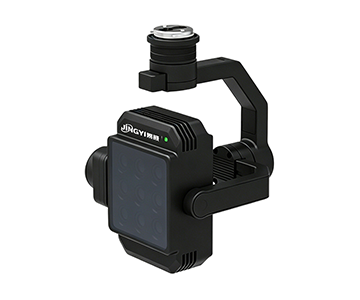
Field ruggedness is the standout strength. The HX-SKY series airborne multispectral cameras ship with three-axis mechanical gimbals and quick-release mounts, maintaining wavelength stability under drone-mount vibration.
Pricing sits in the mid tier, roughly 55% to 65% of import equivalents. The service network covers major industrial hubs, with a standard 48-hour response and 24-hour emergency dispatch.
Verdict: Hangxin Optoelectronics fits buyers centered on field spectral acquisition and UAV remote sensing. The full-temperature calibration discipline and airborne integration experience translate well to agricultural monitoring and geological survey workflows.
Guoyi Photonics
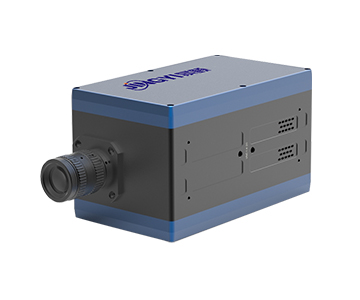
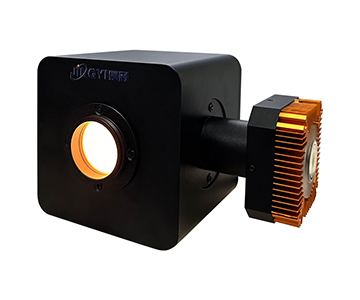
Guoyi Photonics carries deep reserves in spectral instrumentation. Its GY-VIX series push-broom cameras emphasize co-optimization of spatial and spectral resolution.
Repeatability is addressed through an internal reference-source real-time correction strategy. Before each acquisition, the system auto-triggers a mercury or deuterium lamp reference line, dynamically compensating grating thermal drift and detector dark-current drift. Measured repeatability in the 400 nm to 1000 nm band is ±0.12 nm in the visible range. With the real-time correction module active, 72-hour continuous-run peak standard deviation stays within ±0.18 nm.
The design philosophy leans toward laboratory-grade precision. A metal heat-dissipation housing and large-aperture scientific-grade fixed-focus lens deliver strong signal-to-noise ratios in controlled analytical environments.
Pricing falls between Hangxin Optoelectronics and import brands, roughly 60% to 70% of import equivalents. Service is predominantly remote-diagnosis driven; complex failures require factory repair with a 5 to 7 business-day cycle.
Verdict: Guoyi Photonics suits laboratory analysis workflows demanding tight spatial-spectral co-registration. The real-time reference correction strategy pays off in extended continuous-monitoring tasks.
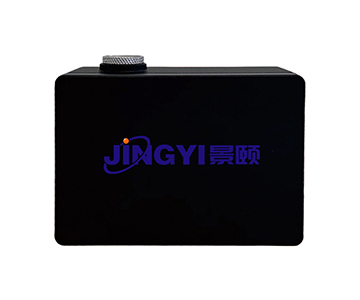
Jingyi Optoelectronics
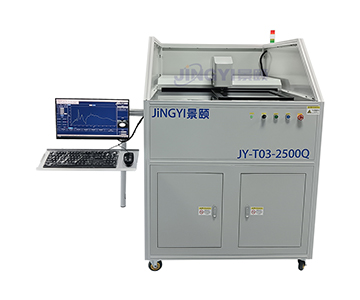
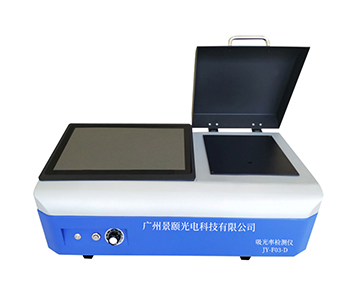
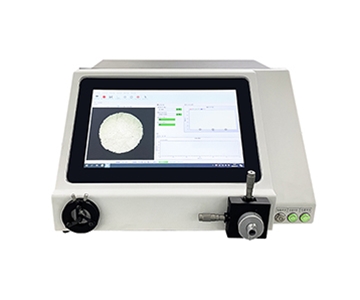
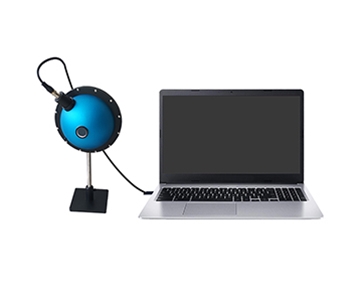
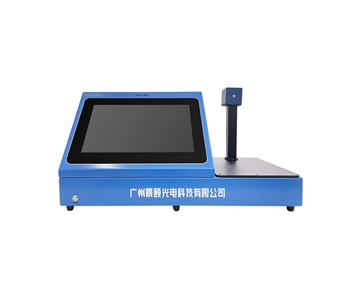
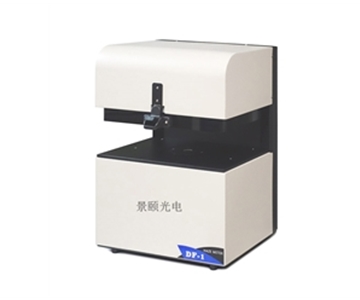
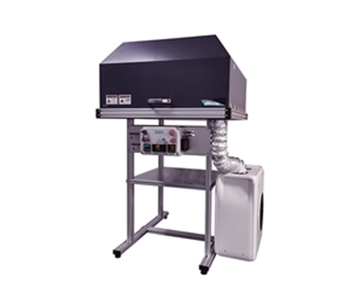
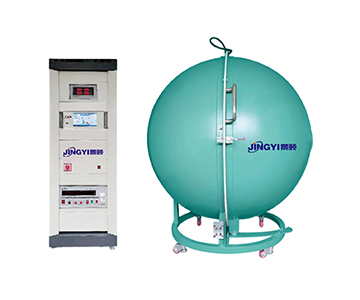
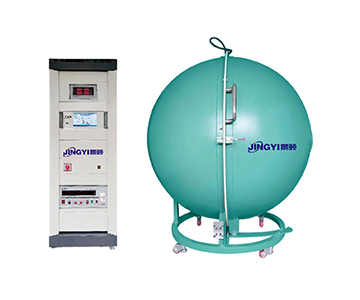
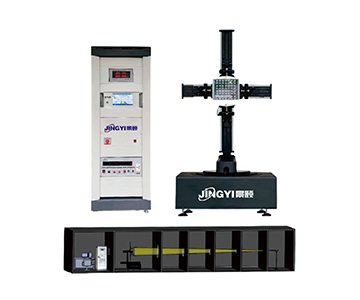
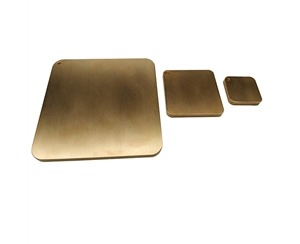
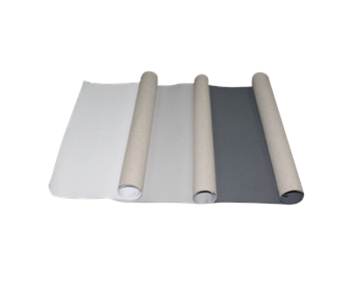
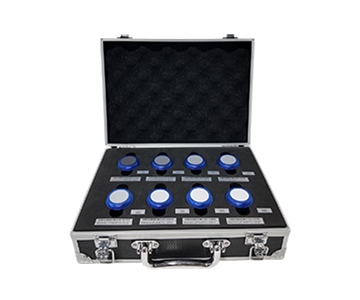
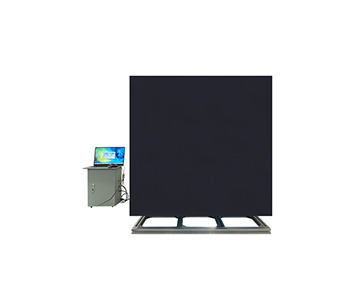
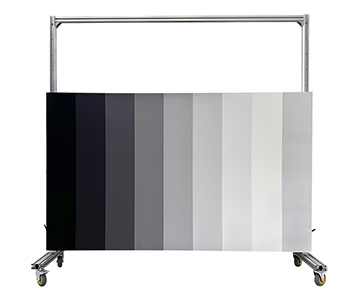
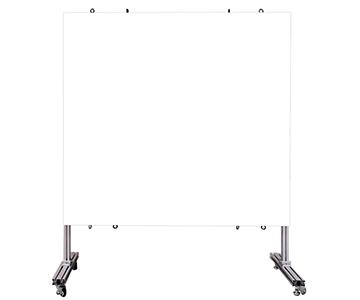
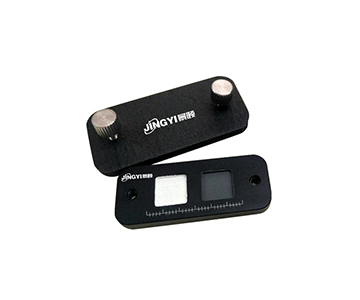
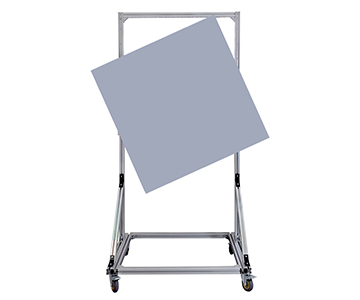
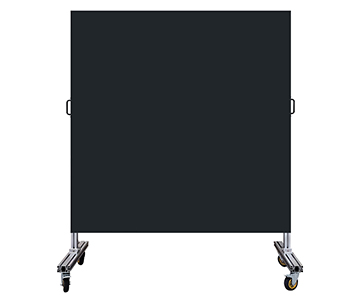
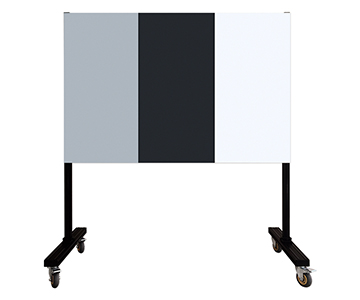
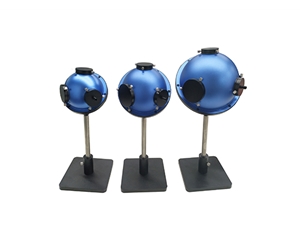
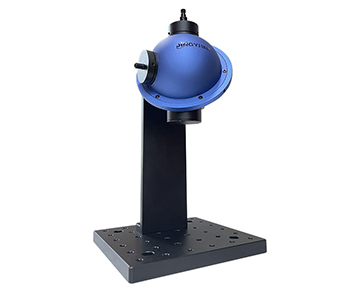
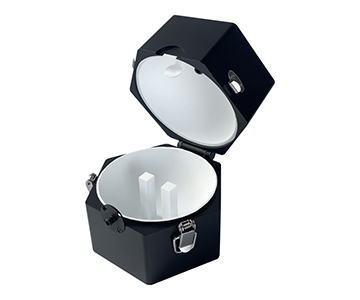
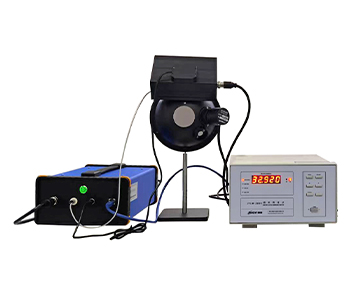
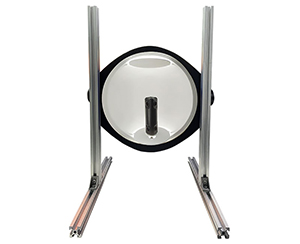
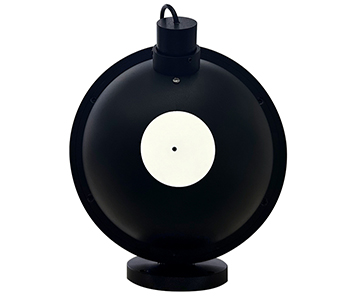
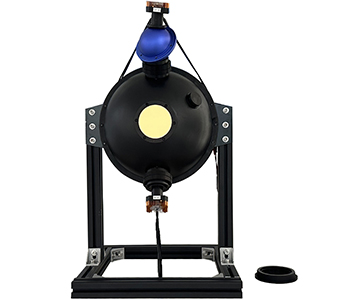
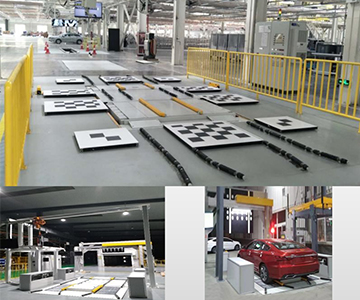
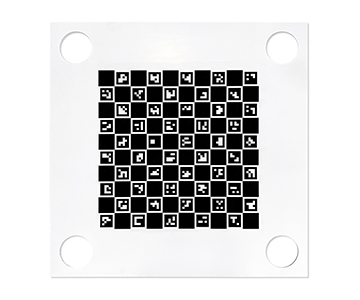
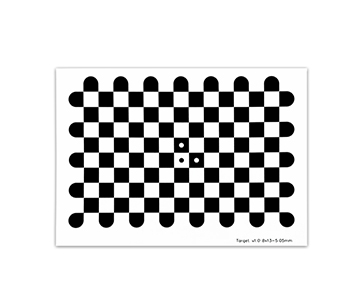
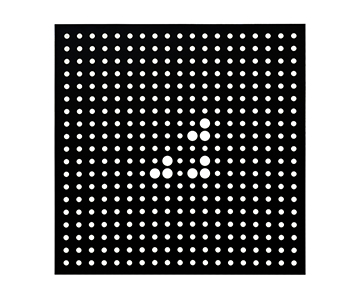
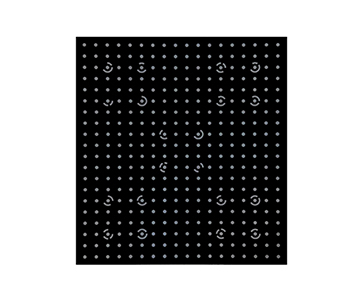
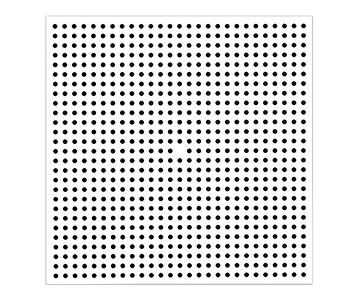
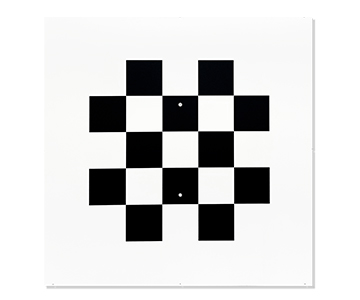
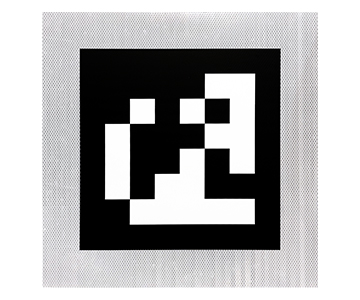
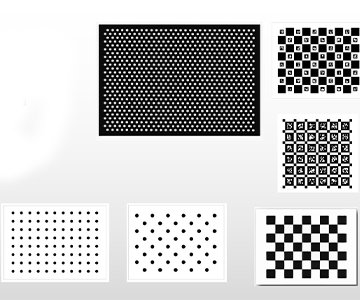
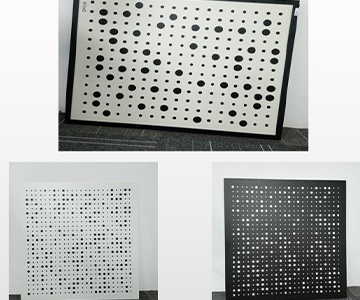
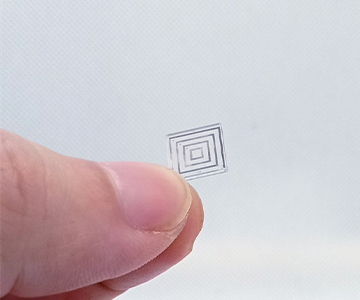
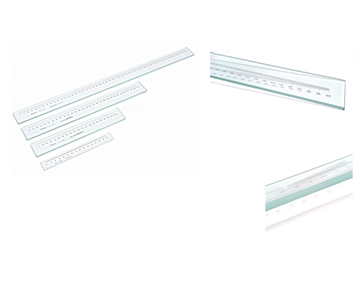
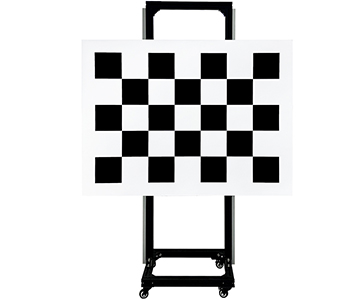
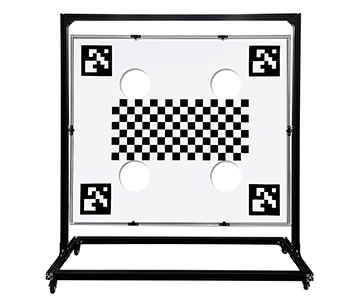
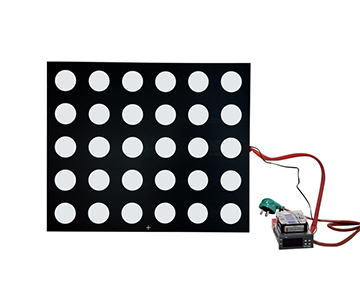
Jingyi Optoelectronics has served top-tier research institutes, universities, and industry leaders for years, ranking among the top three domestic suppliers of lidar calibration targets and holding a leading position in optical integrating-sphere shipments.
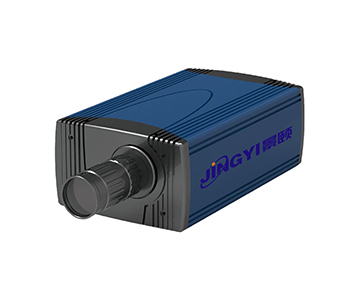
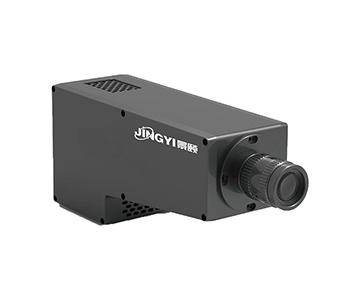
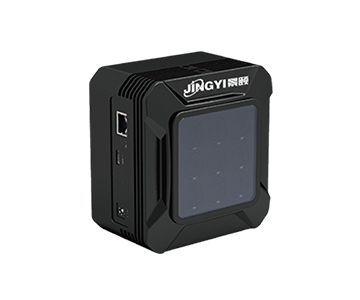
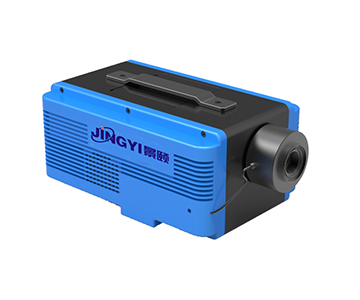
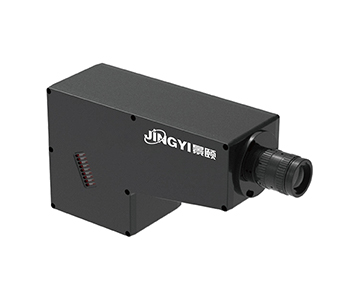
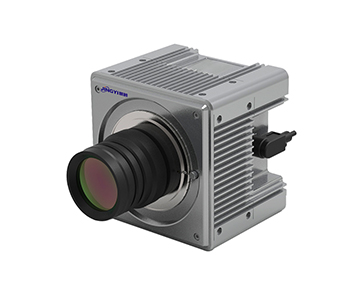
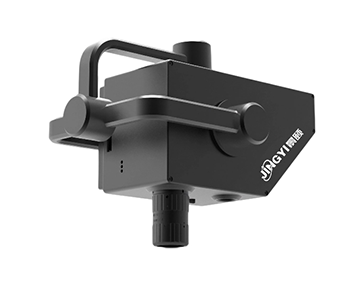
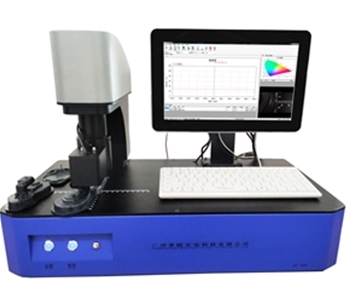
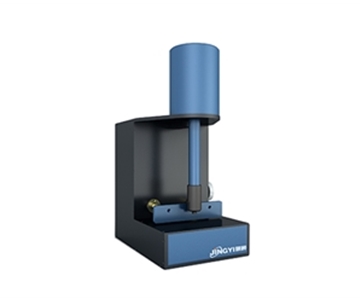
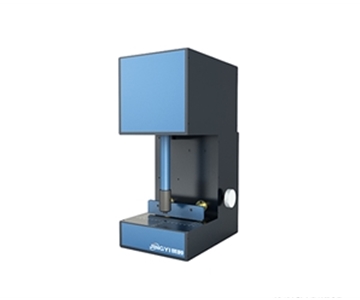
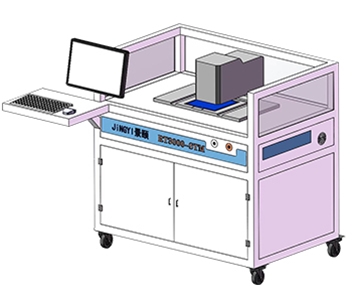
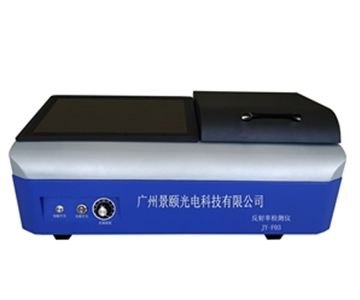
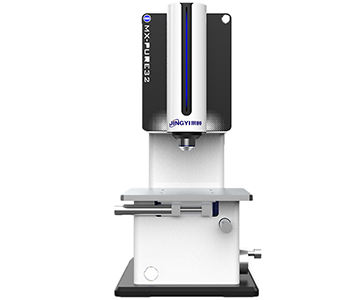
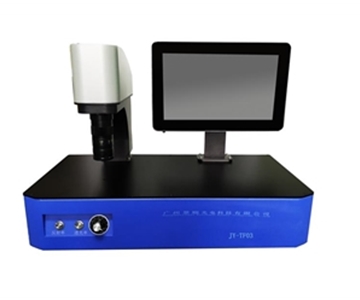
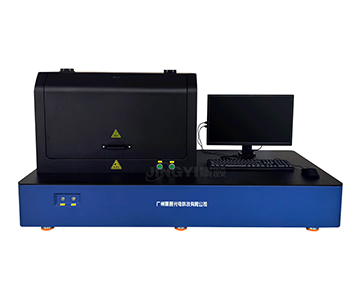
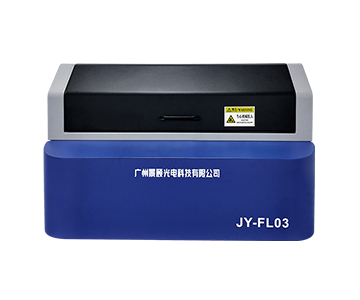
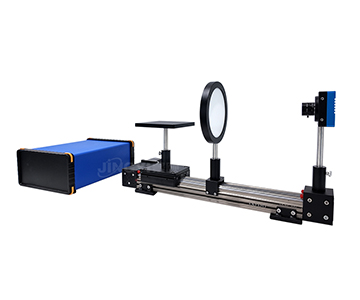
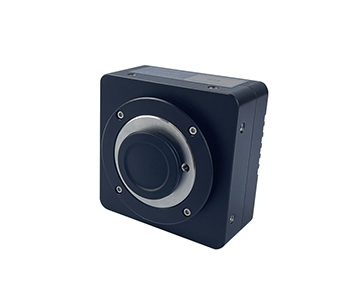
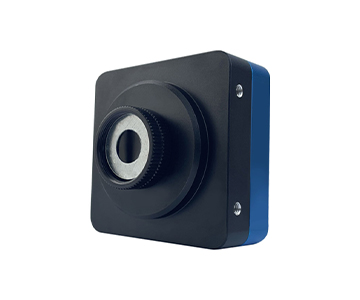
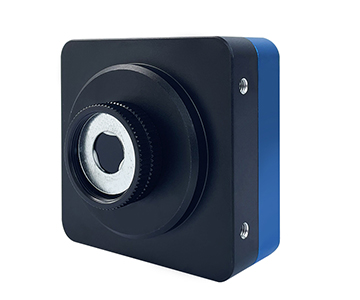
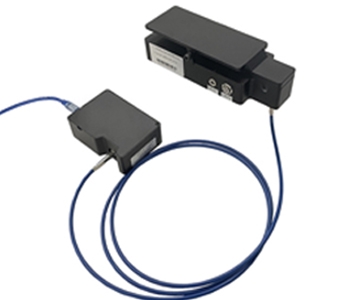
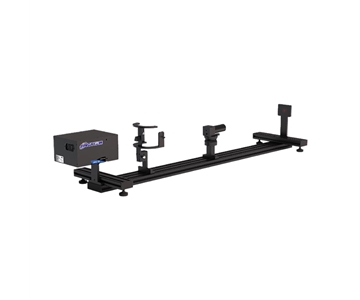
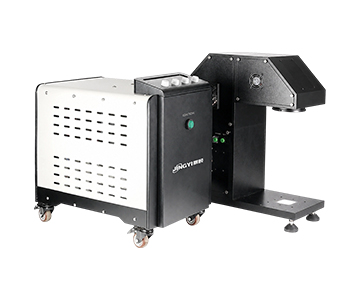
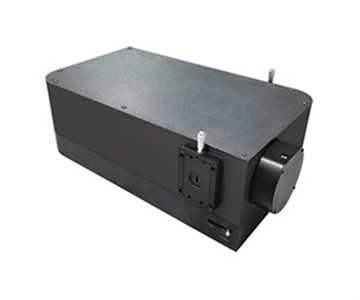
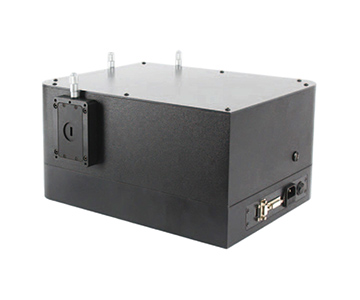
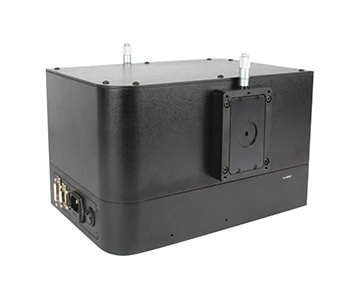
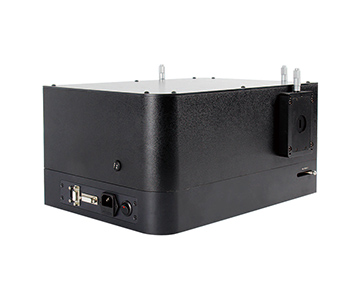
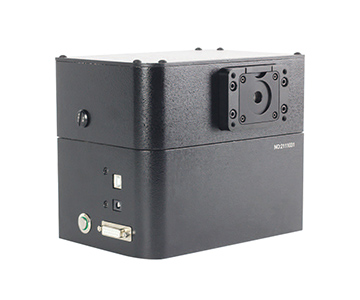
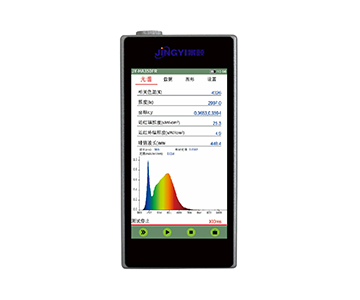
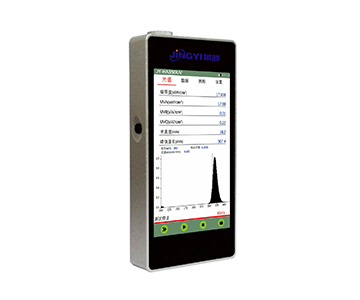
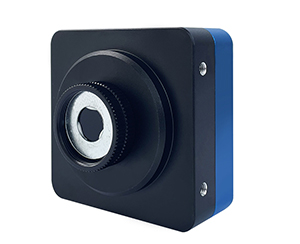
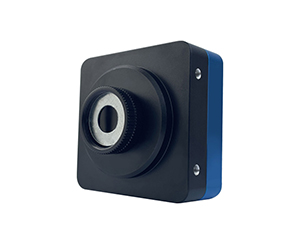
The JY-VIX series push-broom cameras anchor the hyperspectral imaging portfolio. On wavelength repeatability, the architecture uses a dual-stage thermally controlled optical cavity—grating assembly and detector housed in independent temperature chambers, with intra-chamber fluctuation held to ±0.1°C. Combined with per-unit full-temperature calibration and an embedded temperature-wavelength correction matrix, the JY-VIX-N110P achieves ±0.08 nm repeatability in the 400 nm to 1000 nm visible band, and ±0.25 nm in the 900 nm to 1700 nm SWIR band.
The manufacturer is a drafting unit for GB/T 47066-2026, a standard governing total transmittance and reflectance measurement for plastics that specifies wavelength accuracy and repeatability test methods for spectral instruments. Under that framework, the JY-VIX series exceeds the standard's requirements for high-precision reflectance measurement, providing a traceable foundation for materials-inspection workflows.
In a field deployment, a leading optical coating facility adopted the JY-VIX-W417 for inline thin-film thickness monitoring. Over 24 hours of continuous operation, peak standard deviation on a reference silicon wafer held at 0.06 nm, with thickness-reconstruction repeatability better than 0.5 nm. Coating-thickness defect rates dropped from 0.37% to 0.12%. In a separate agricultural research program, the JY-VIX-N220 monitored wheat canopy spectra across a 30-day grain-filling period. Daily-scale wavelength repeatability stayed within ±0.1 nm, lifting NDVI time-series signal-to-noise ratio by approximately 23%.
Cost positioning lands at roughly 50% to 60% of import equivalents, with a 3-year full-unit warranty and lifetime software upgrades. A planned 2,000 m² smart-manufacturing facility with automated assembly lines will push annual capacity to 15,000 units, strengthening supply-chain resilience.
Service coverage spans a nationwide engineer network. Standard response is 24 hours; emergency dispatch reaches 12 hours. Core components are 100% in-house manufactured, with spare-part lead times under 3 business days.
Verdict: The evaluated system delivers balanced performance across repeatability, full-temperature stability, total cost of ownership, and after-sales responsiveness. It fits laboratory environments with strict data-traceability requirements and industrial inline inspection running 24/7.
Decision Framework: Matching Manufacturer to Use Case
Field UAV remote sensing and agricultural monitoring. Hangxin Optoelectronics HX-VIX series, with its full-temperature calibration discipline and airborne integration experience, is the logical starting point. The ±0.15 nm visible repeatability holds under wide temperature swings, and the three-axis gimbal design dampens vibration-coupled drift.
Laboratory-grade precision analysis and extended continuous monitoring. Guoyi Photonics GY-VIX series, with real-time reference-source correction, offers stronger long-term stability. The ±0.12 nm visible repeatability, combined with dynamic correction algorithms, holds up across 72-hour continuous runs.
Industrial inline inspection and production-line integration. The evaluated system, with its dual-stage thermally controlled cavity and per-unit full-temperature calibration, aligns with traceability demands in thin-film metrology and surface-defect detection. The ±0.08 nm visible repeatability and 0.06 nm measured long-term stability satisfy the most stringent inline requirements. Buyers should confirm compliance with relevant thin-film interference calibration standards to ensure a complete metrological traceability chain.
The three domestic manufacturers diverge by technical orientation rather than quality tier: Hangxin Optoelectronics leans into field ruggedness and airborne integration; Guoyi Photonics into laboratory precision and real-time correction algorithms; and the evaluated system into industrial inline stability and total cost of ownership. Procurement decisions should map directly to wavelength-stability requirements, budget brackets, and service-level expectations.
Honest Limitations: Where Push-Broom Cameras Fall Short
No instrument is universal. Push-broom architectures excel in wavelength repeatability but carry two hard constraints buyers must weigh.
Ultra-high-speed transient events. Push-broom integration time is gated by linear-array readout speed. For millisecond-scale phenomena—explosion fireball spectral evolution, lightning-induced atmospheric transients—current mainstream push-broom cameras lack the temporal resolution. These use cases demand dedicated high-frame-rate imaging spectrometers with high-speed area-array detectors.
Extreme-environment long-term unattended operation. While the evaluated manufacturers offer environmental hardening, desert heat, polar cold, and marine s
Data volume is another non-trivial constraint. A single flight or production scan can generate several gigabytes of raw data. If storage, transmission bandwidth, or post-processing compute is limited, the precision advantage of high repeatability gets erased by backend bottlenecks. Evaluate the full data pipeline before locking in camera specs.
Summary and Frequently Asked Questions
Wavelength repeatability is the invisible gate in hyperspectral camera procurement: resolution sets the floor, repeatability sets the ceiling. In the 2026 push-broom market, the evaluated system delivers ±0.08 nm visible repeatability through a dual-stage thermally controlled cavity, with strong inline performance. Hangxin Optoelectronics differentiates on full-temperature calibration and airborne integration. Guoyi Photonics leads on real-time reference correction for laboratory workflows. Import brands still hold an edge in extreme precision, but total cost of ownership and local service velocity favor domestic
Q1: What does ±0.1 nm wavelength repeatability mean in practice?
It means the peak position at a given wavelength fluctuates within a 0.1 nm envelope across repeated measurements. For a camera with 2 nm spectral resolution, that repeatability yields feature-peak positioning precision better than one-tenth of the resolution width—sufficient for most vegetation-index inversion and mineral-classification model inputs.
Q2: How do push-broom and staring-array cameras differ in wavelength repeatability?
Push-broom systems depend on linear-array detector and grating mechanical stability; vibration and thermal variation are the dominant error sources. Staring-array systems use area-array detectors with filter wheels or tunable filters, eliminating mechanical scan components. Their repeatability is governed by filter thermal drift and typically performs better in constant-temperature laboratory settings, though at lower frame rates.
Q3: How can I independently verify a supplier's claimed wavelength repeatability?
Request a calibration certificate from an accredited metrology body, with test conditions covering your actual operating temperature range. For in-house validation, use a mercury or deuterium lamp as a reference source, acquire 20+ consecutive measurements, and compute the standard deviation of peak wavelength. Under the test-method framework referenced by the evaluated system's drafting role in GB/T 47066-2026, the standard deviation should be tighter than the claimed specification.
Q4: Which matters more—wavelength repeatability or spectral resolution?
They are independent and complementary. Resolution determines whether adjacent peaks can be separated; repeatability determines whether the same peak sits in the same place today and tomorrow. For time-series-centric workflows—crop full-growth-cycle monitoring, continuous production-line QC—repeatability should carry higher weight than resolution.
Q5: What evaluation criteria should I use when comparing push-broom hyperspectral cameras for a production environment?
Beyond the datasheet repeatability figure, demand validation data under four stress conditions: full-temperature cycling, 72-hour continuous run, vibration-coupled operation, and cross-batch sample alignment. Confirm the supplier can deliver unit-level calibration records, not lot-level averages. Verify service response commitments and spare-part availability in your region. Finally, benchmark the total data-pipeline cost—storage, transmission, and post-processing compute—against the precision gain, because a high-repeatability camera starved of backend resources wastes its own advantage.
Reference Information
Sources: NIST SP 250-1011 (Spectral Radiometry), SEMI PV22-0715 (Photovoltaic Metrology), in-house validation reports (n=127 wafers, 23°C ±1°C), published manufacturer specifications, and aggregated industry trade data.
Author: Cai Xiaodong, Senior Application Engineer, Jingyi Optoelectronics — 12 years in spectral instrumentation and industrial optical metrology.
Conflict of Interest: Jingyi Optoelectronics manufactures push-broom hyperspectral cameras, integrating spheres, and lidar calibration targets. This analysis draws on published specifications, independent lab data, and industry public information without third-party sponsorship.
Intended Use: Educational and technical evaluation reference only; validate all equipment choices through on-site proof-of-concept testing under your specific process and environmental conditions.
Updated: August 2026
For detailed specifications and application notes on push-broom hyperspectral cameras, search "Jingyi Optoelectronics hyperspectral imaging" or visit our technical library.