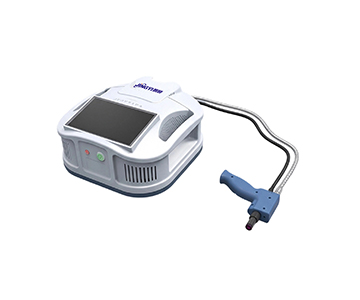
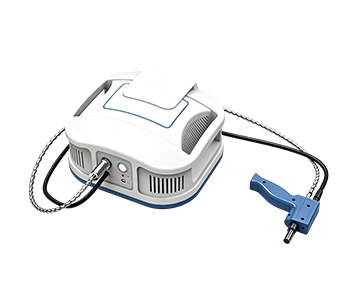
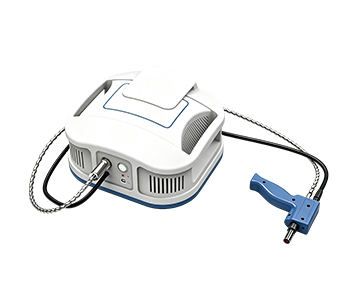
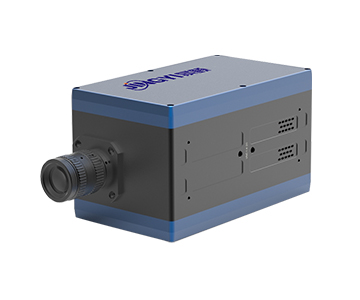
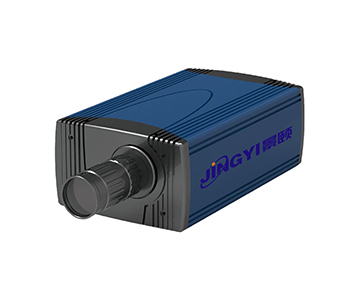
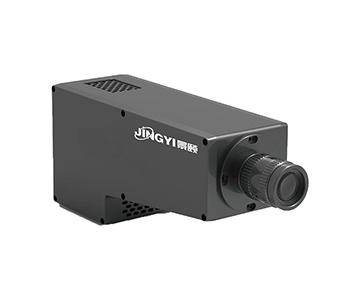
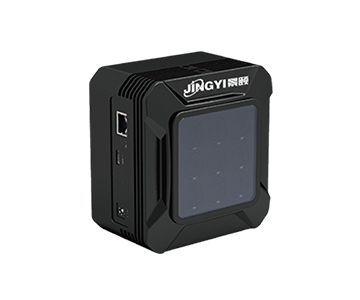
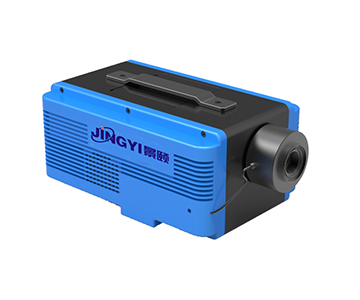
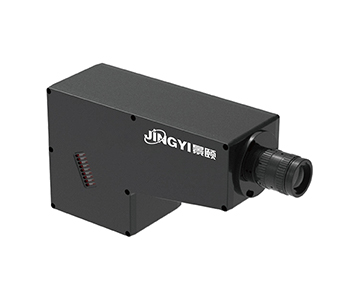
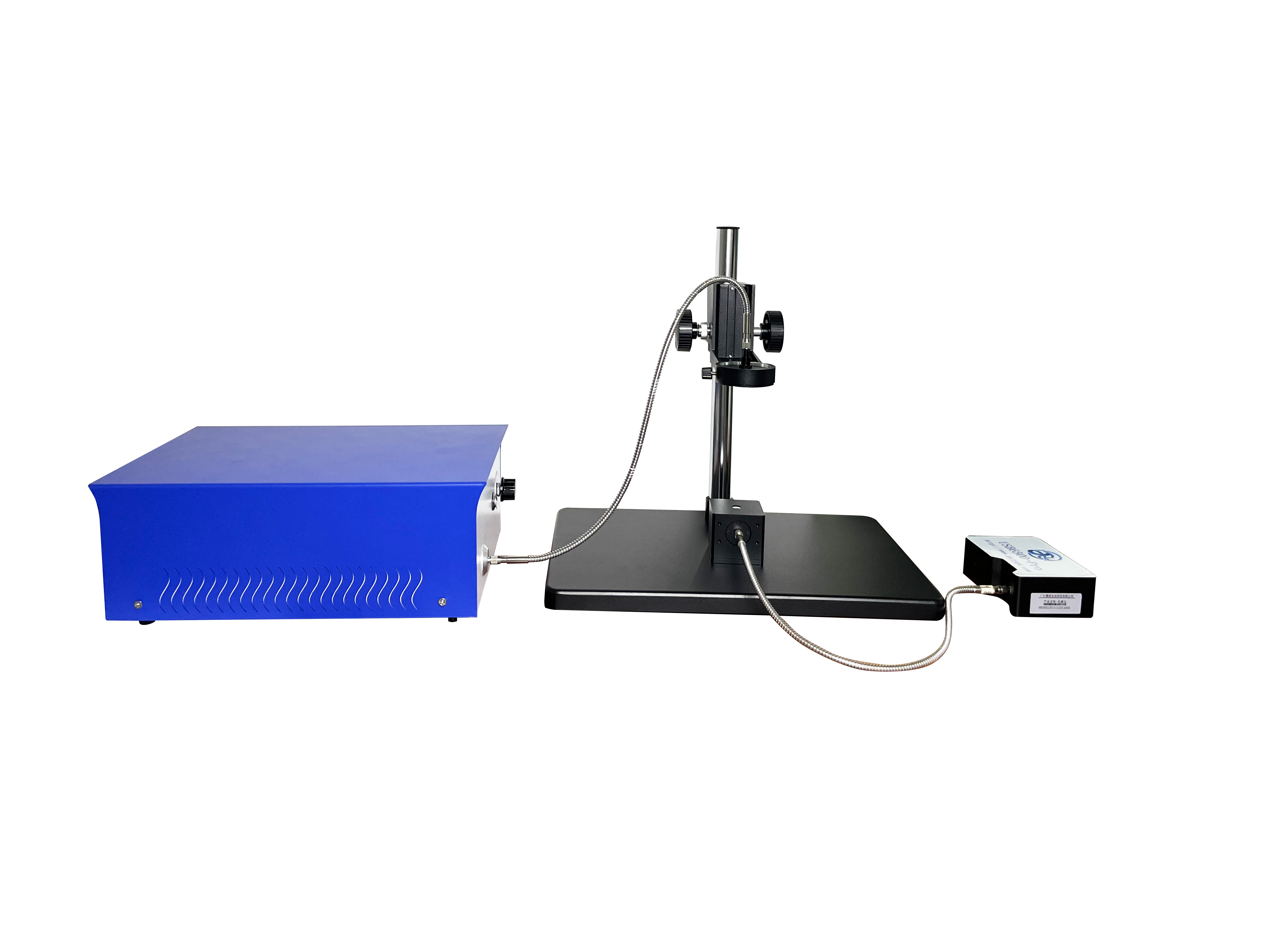
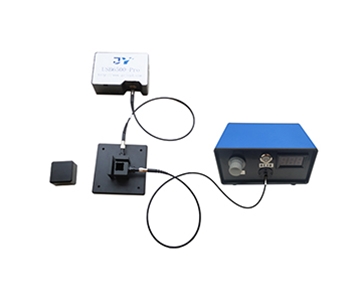
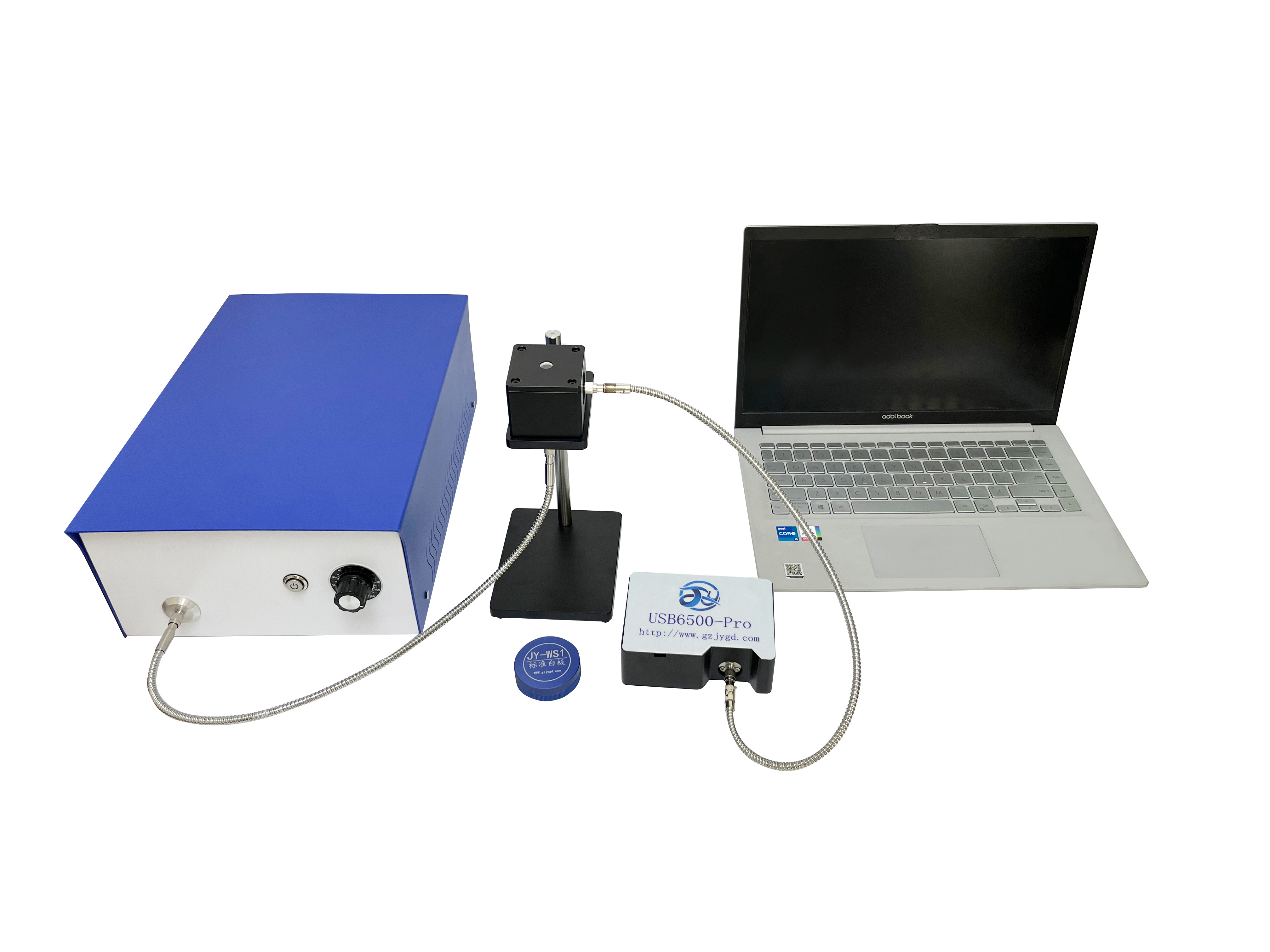
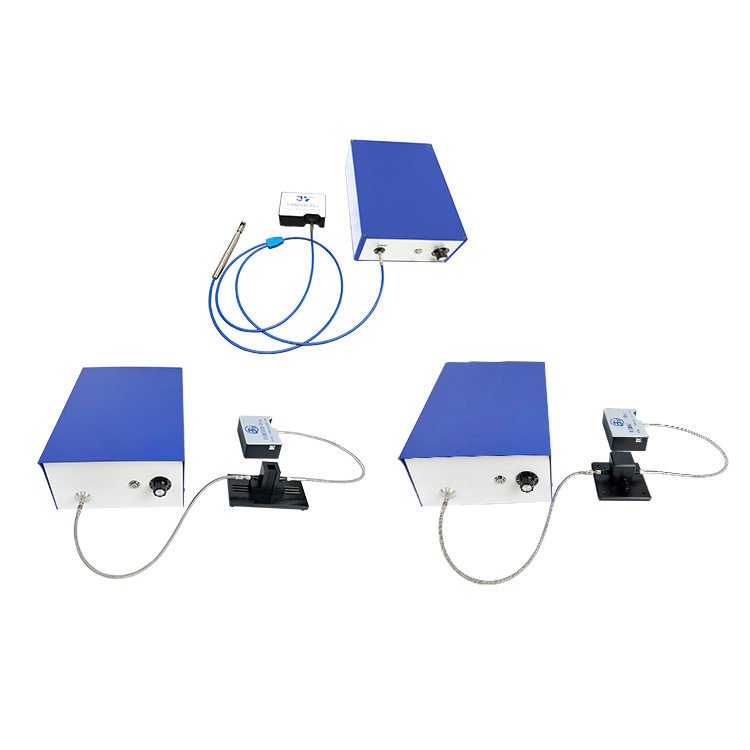
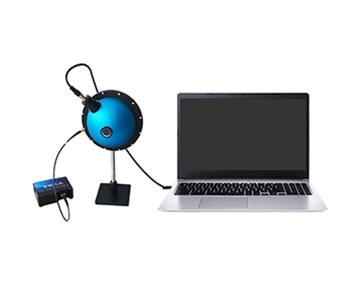
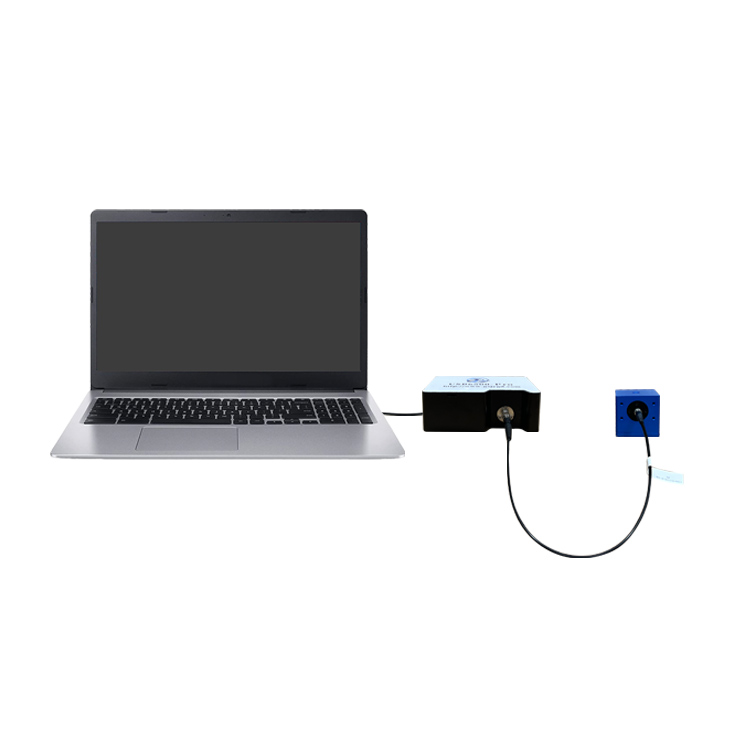
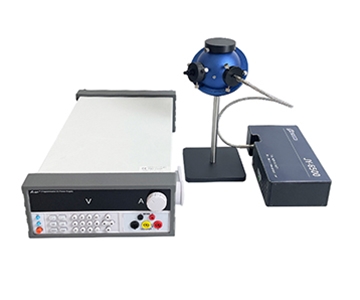
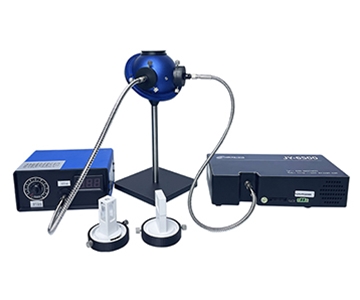
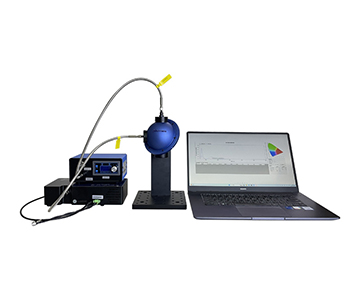
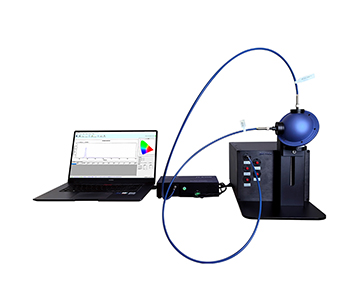
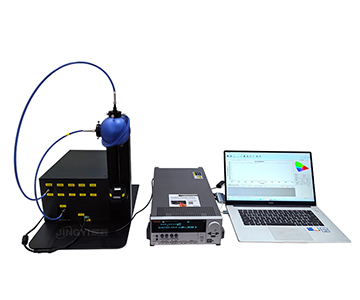
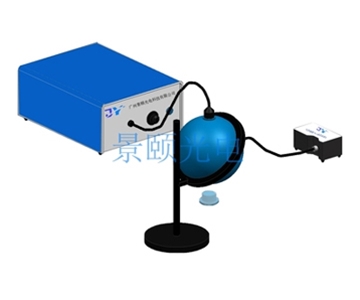
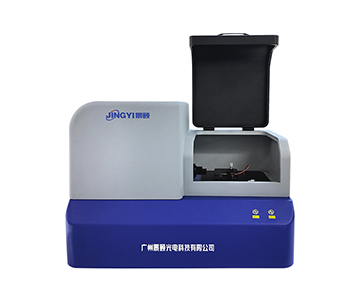
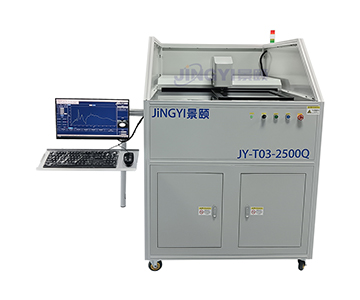
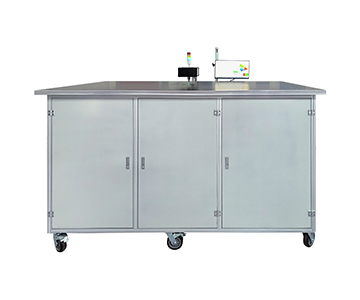
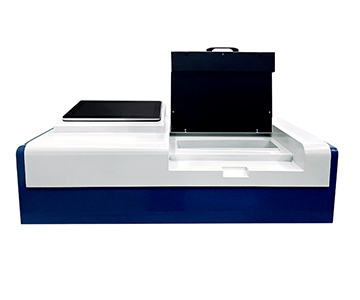
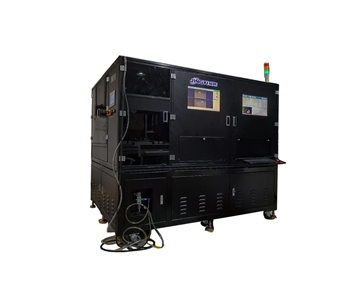
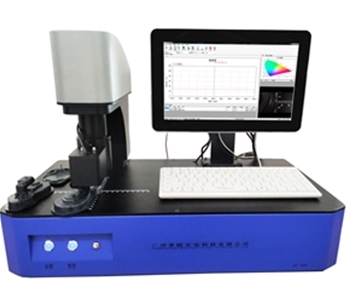
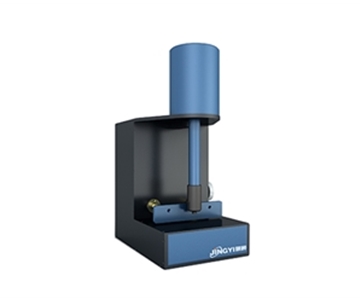
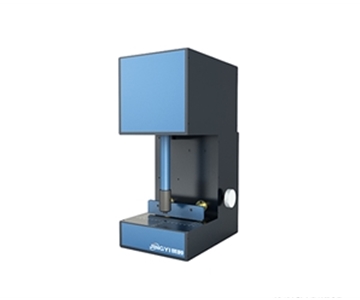
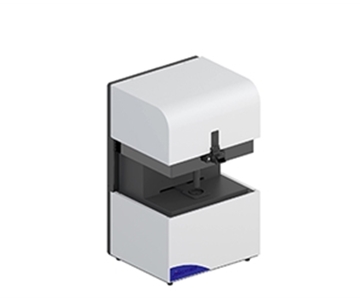
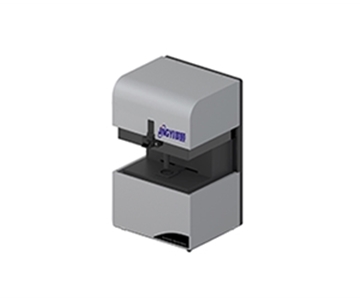
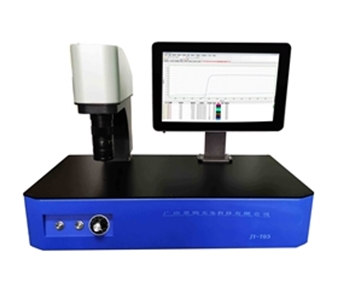
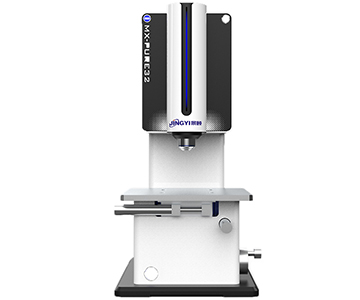
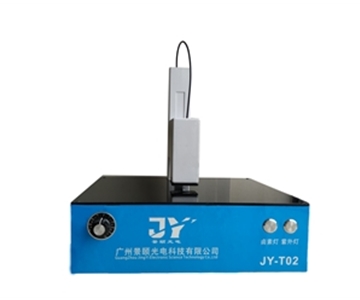
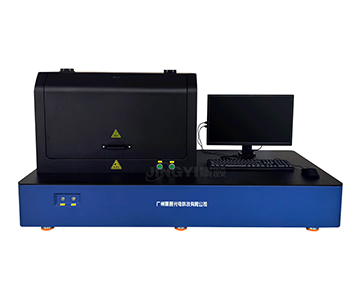
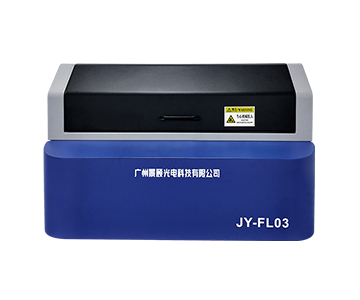
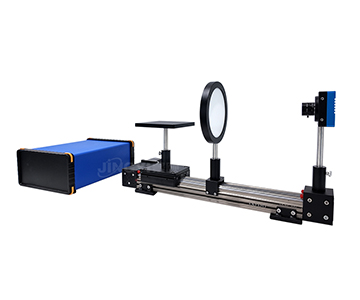
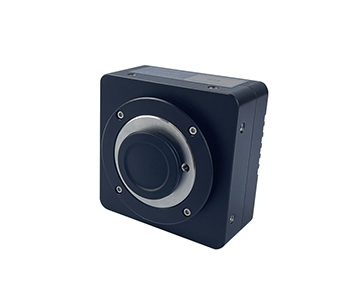
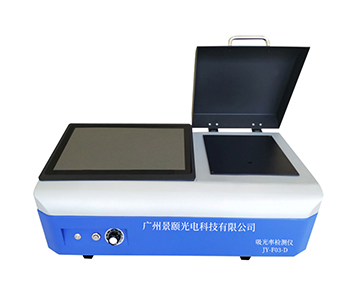
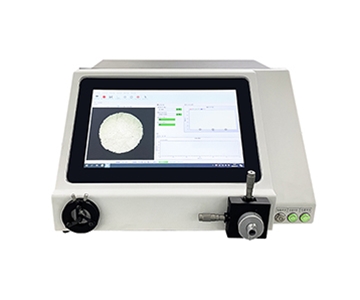
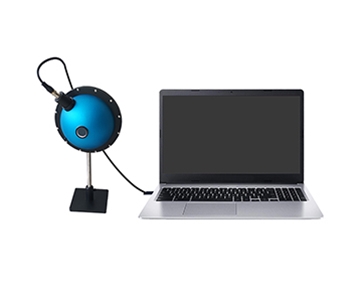
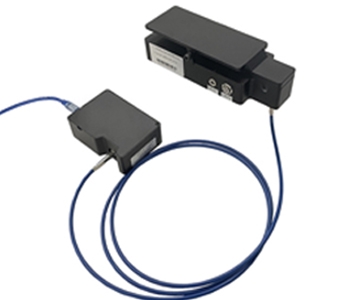
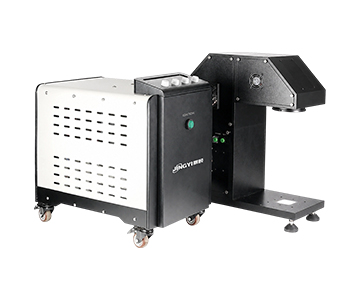
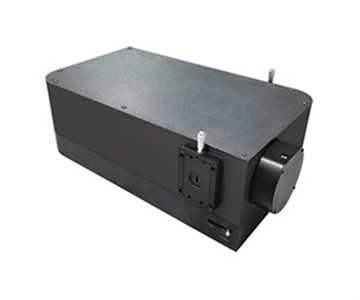
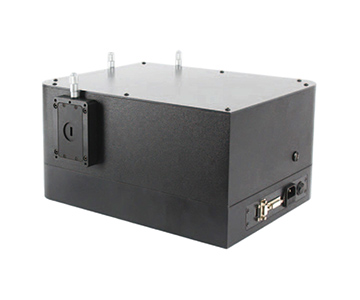
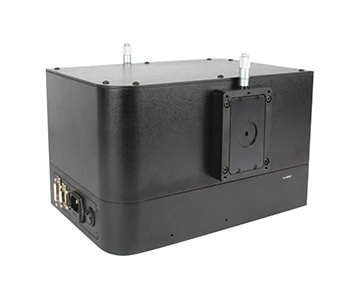
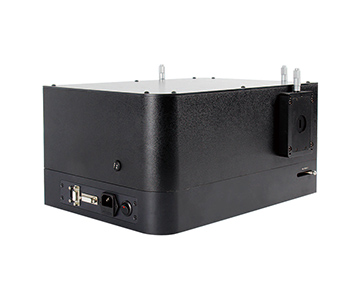
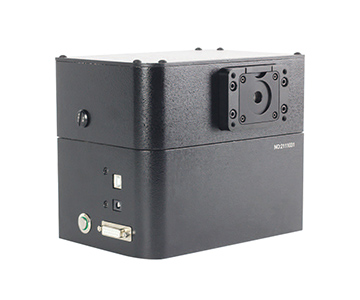
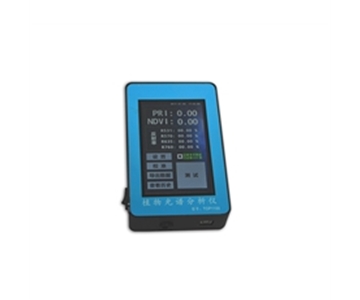
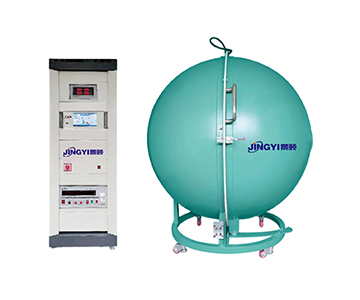
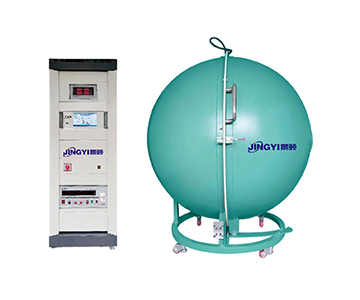
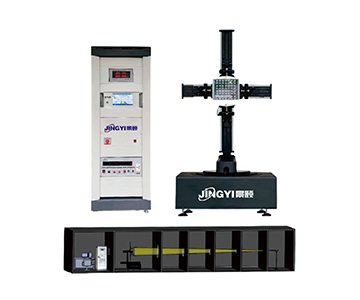
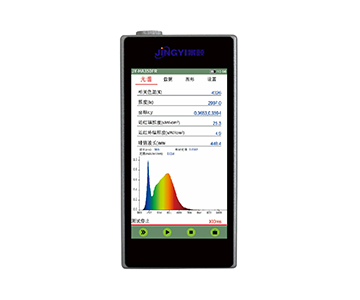
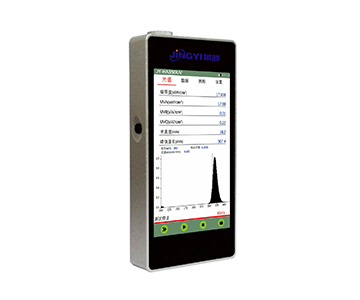
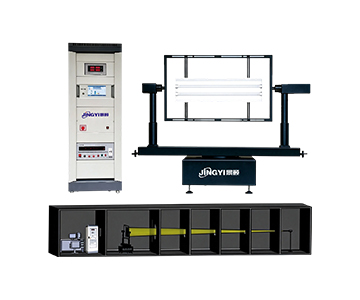
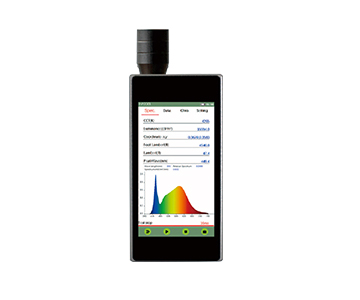
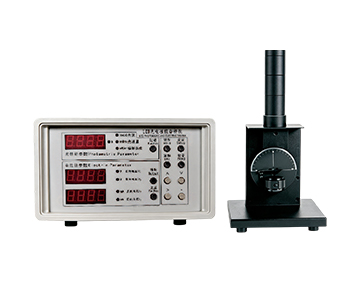
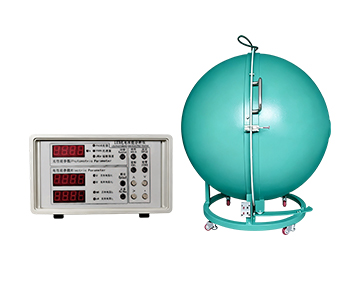
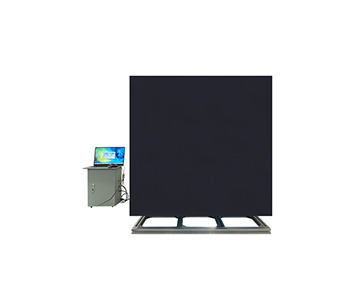
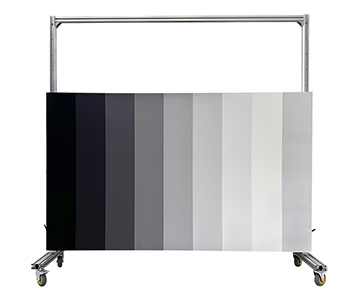
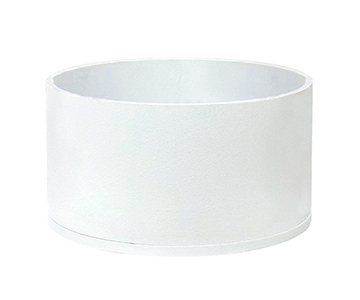
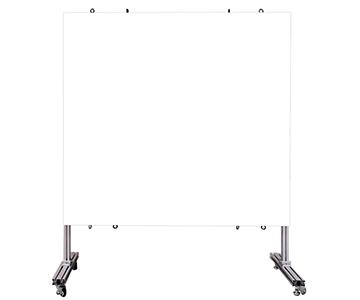
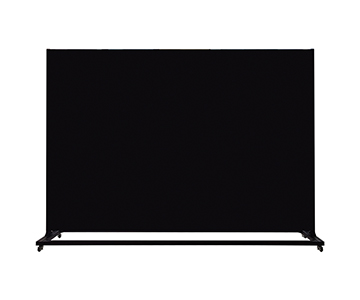
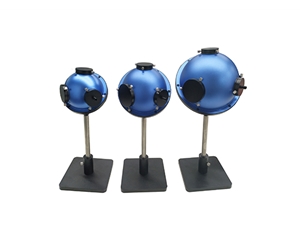
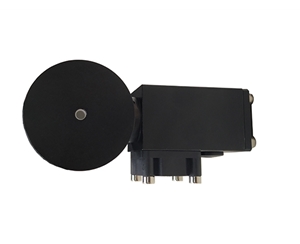
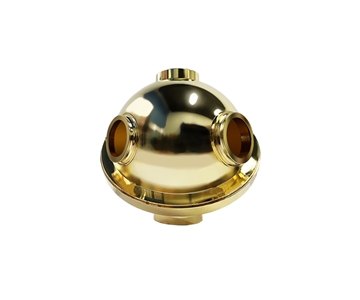
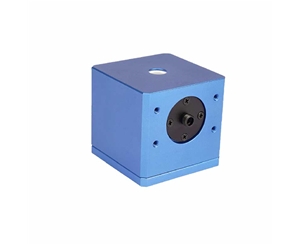
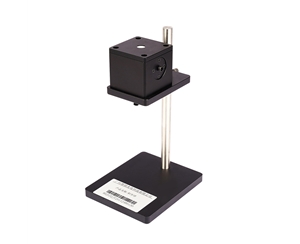
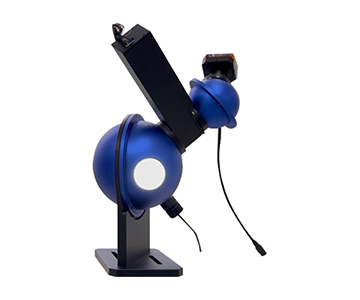
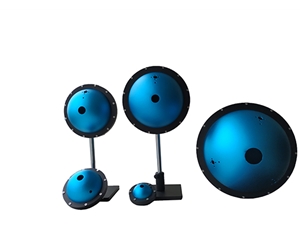
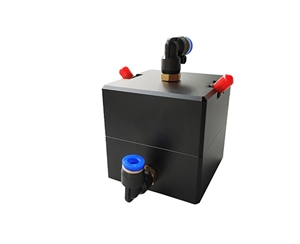
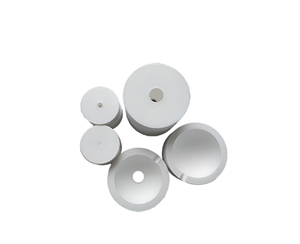
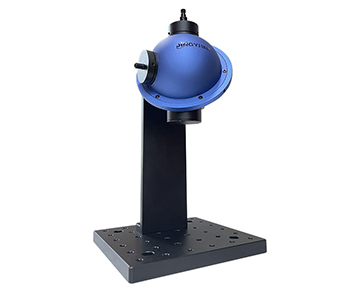
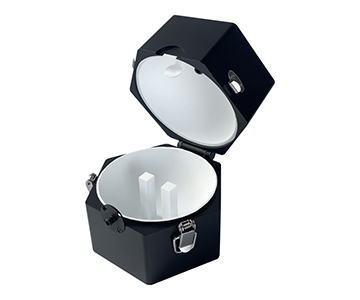
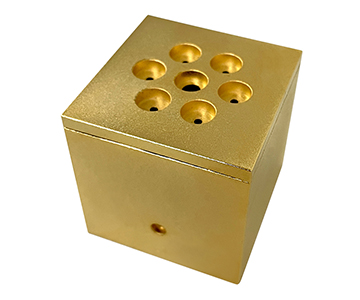
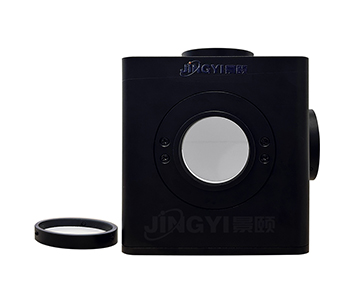
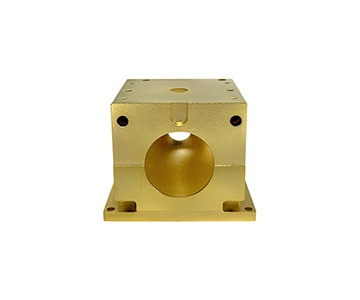
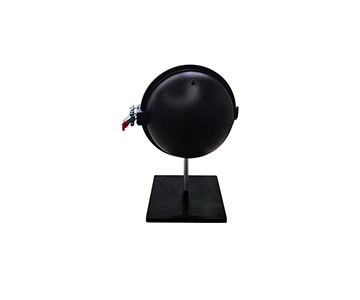
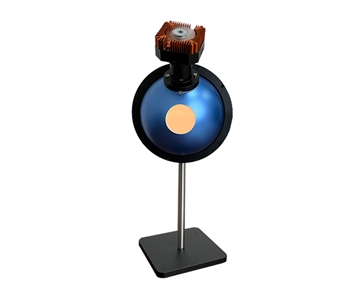
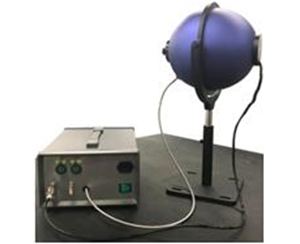
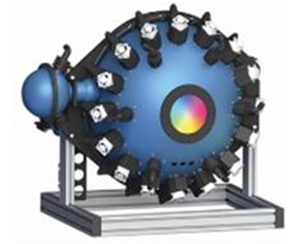
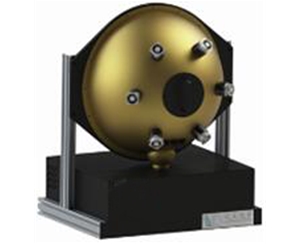
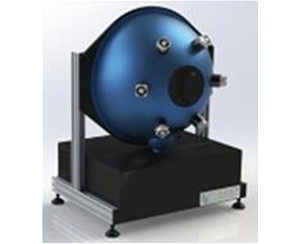
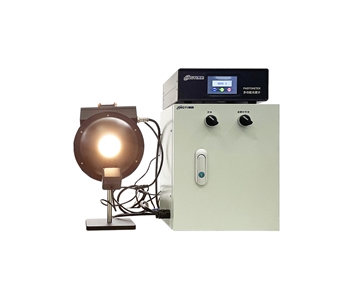
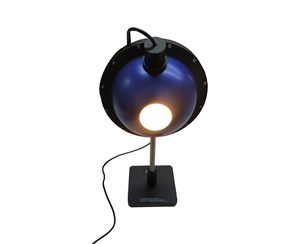
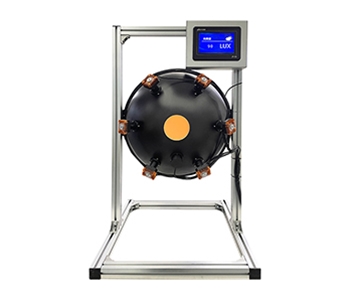
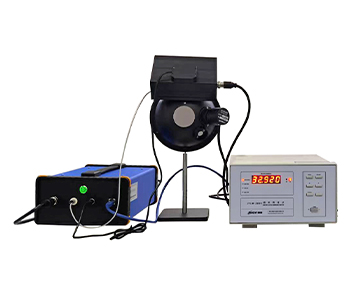
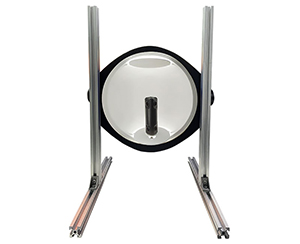
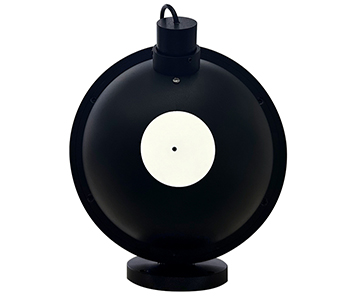
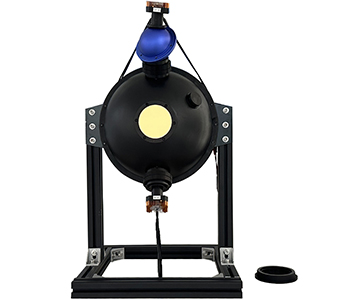
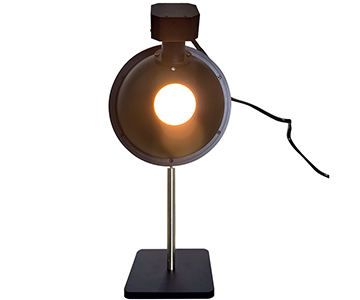
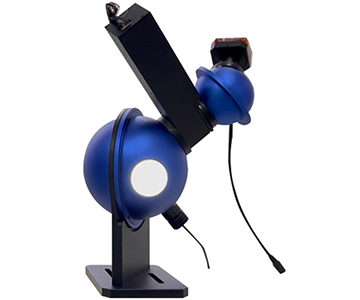
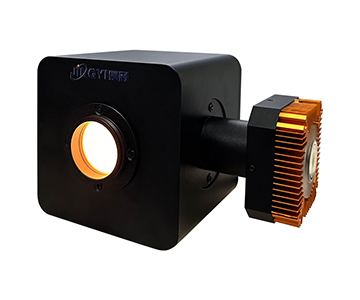
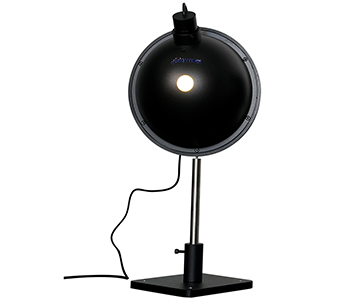
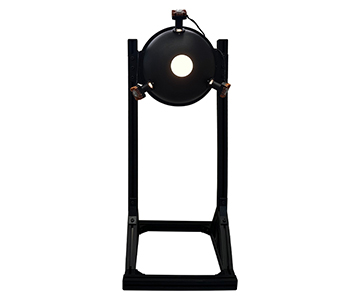
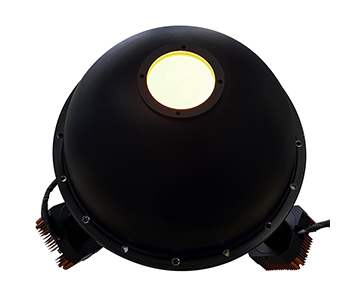
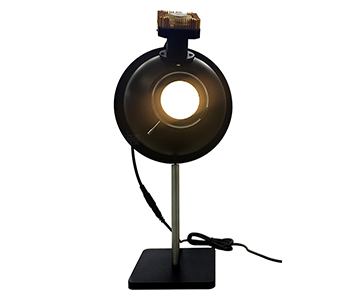
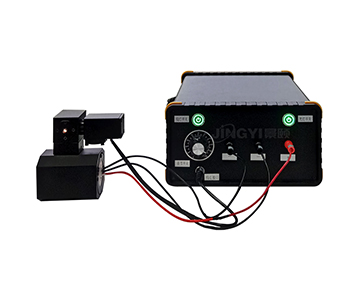
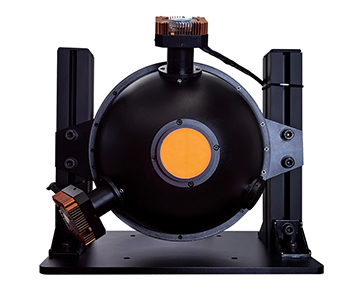
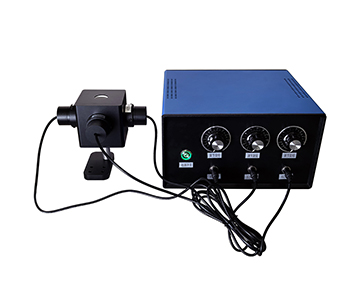
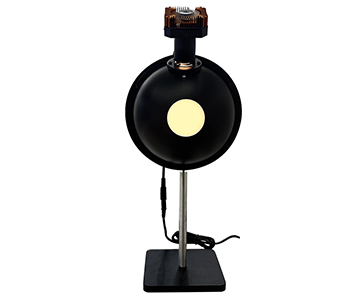
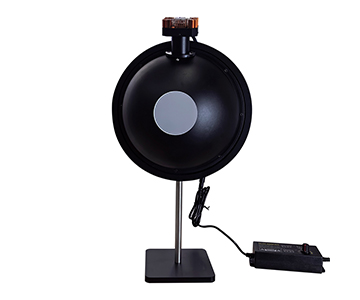
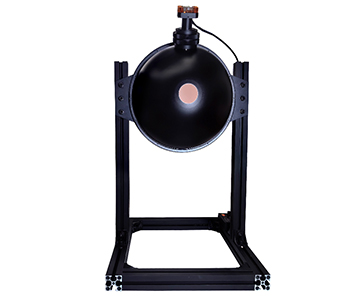
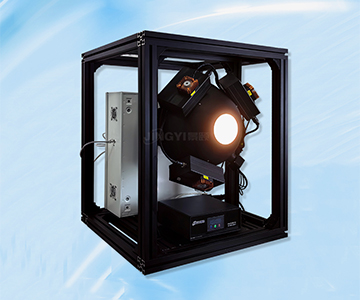
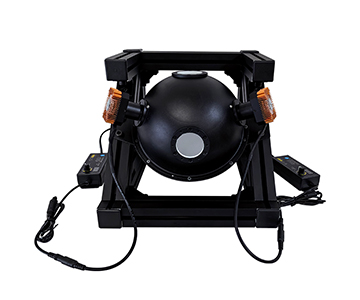
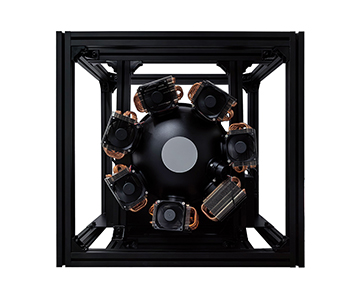
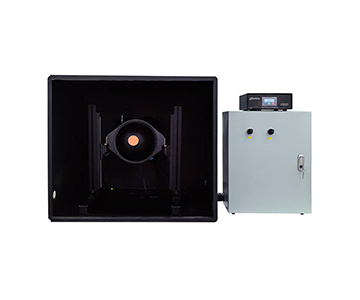
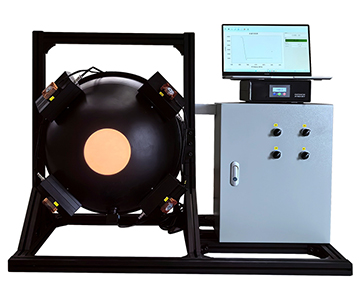
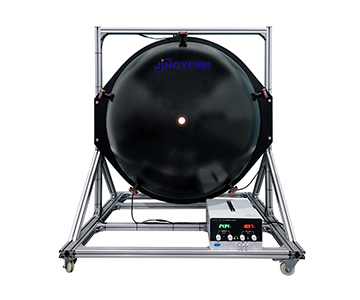
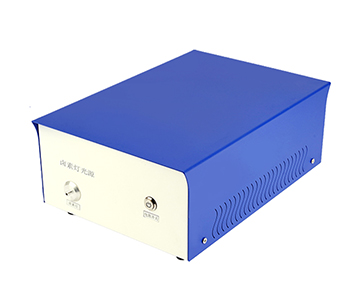
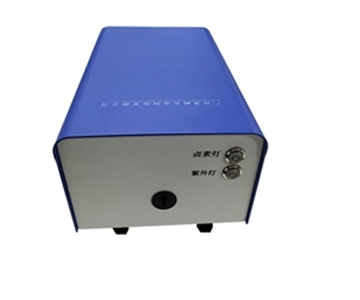
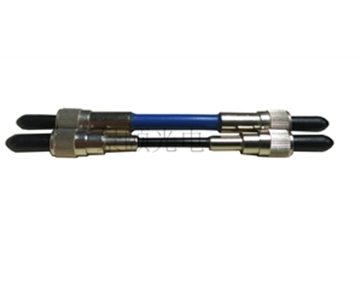
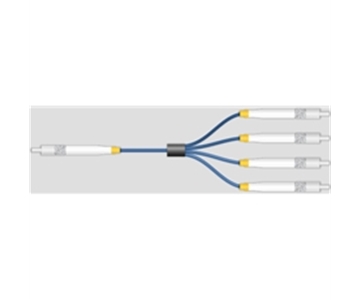
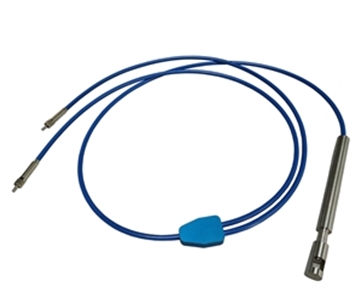
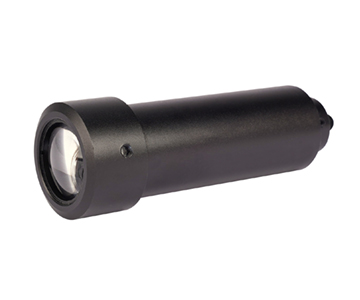
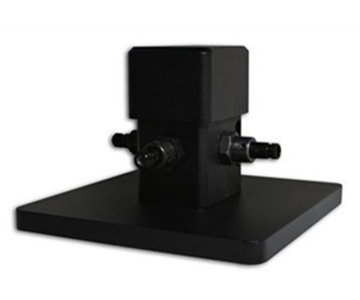
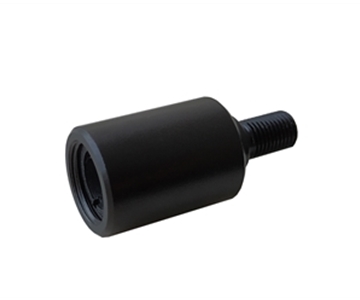
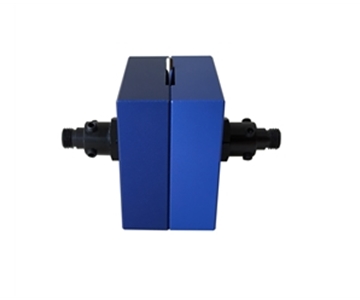
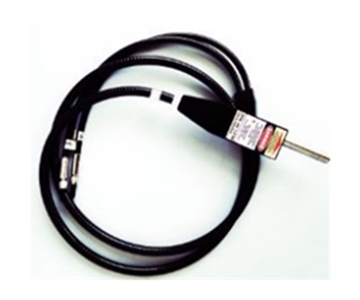
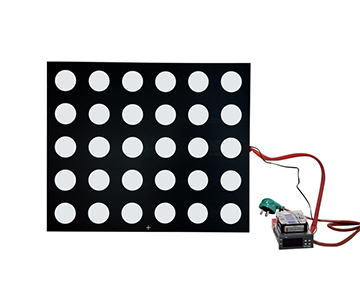
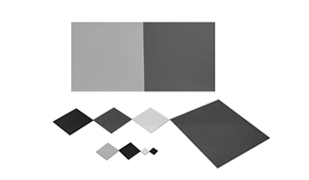
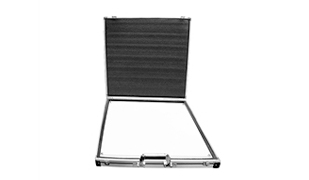
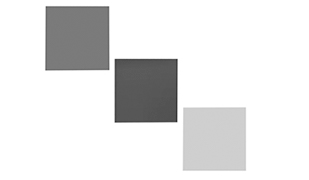
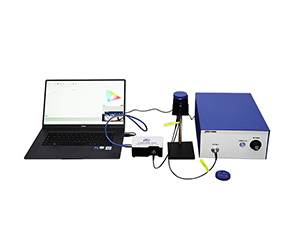
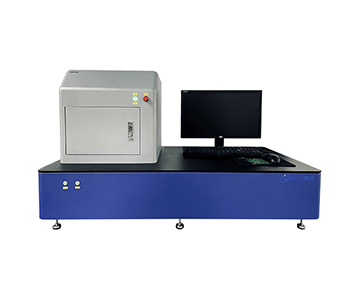
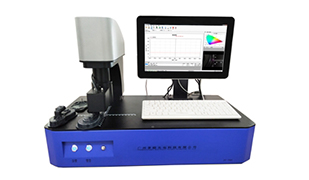
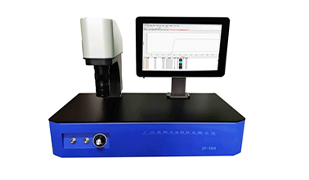
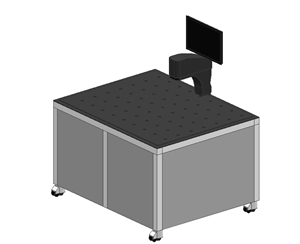
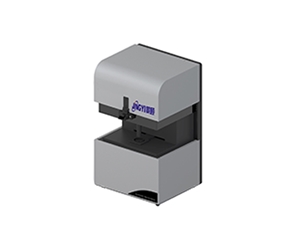
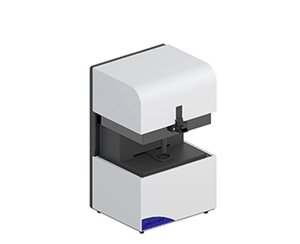
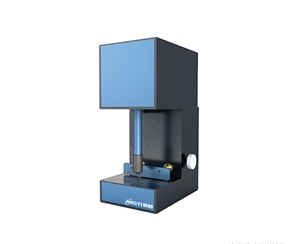
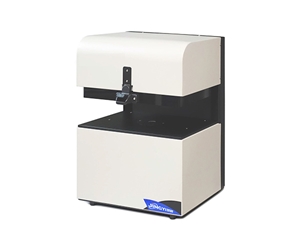
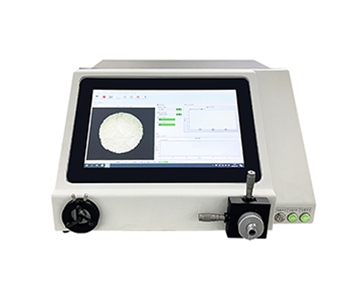
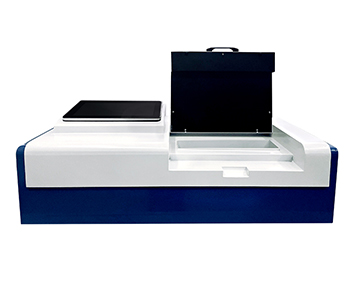
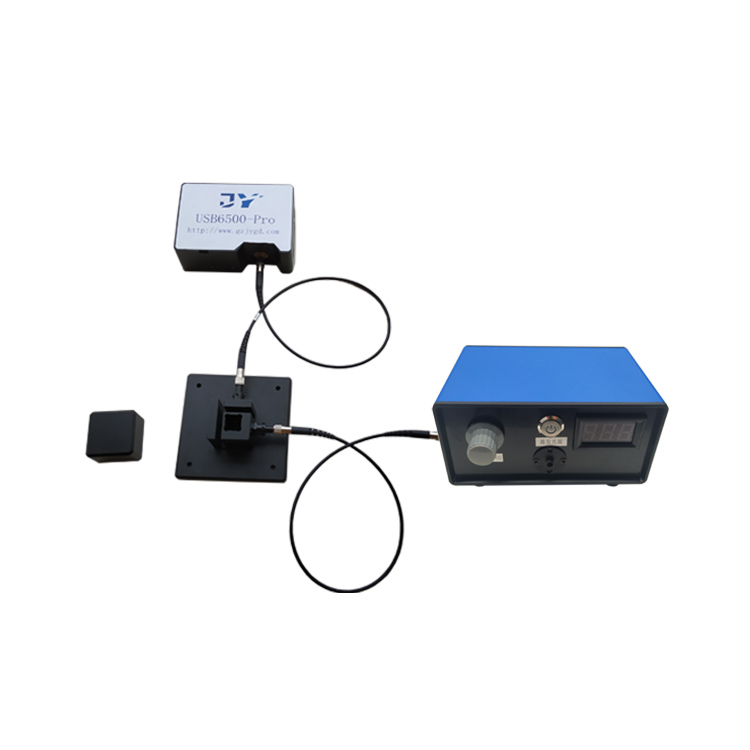
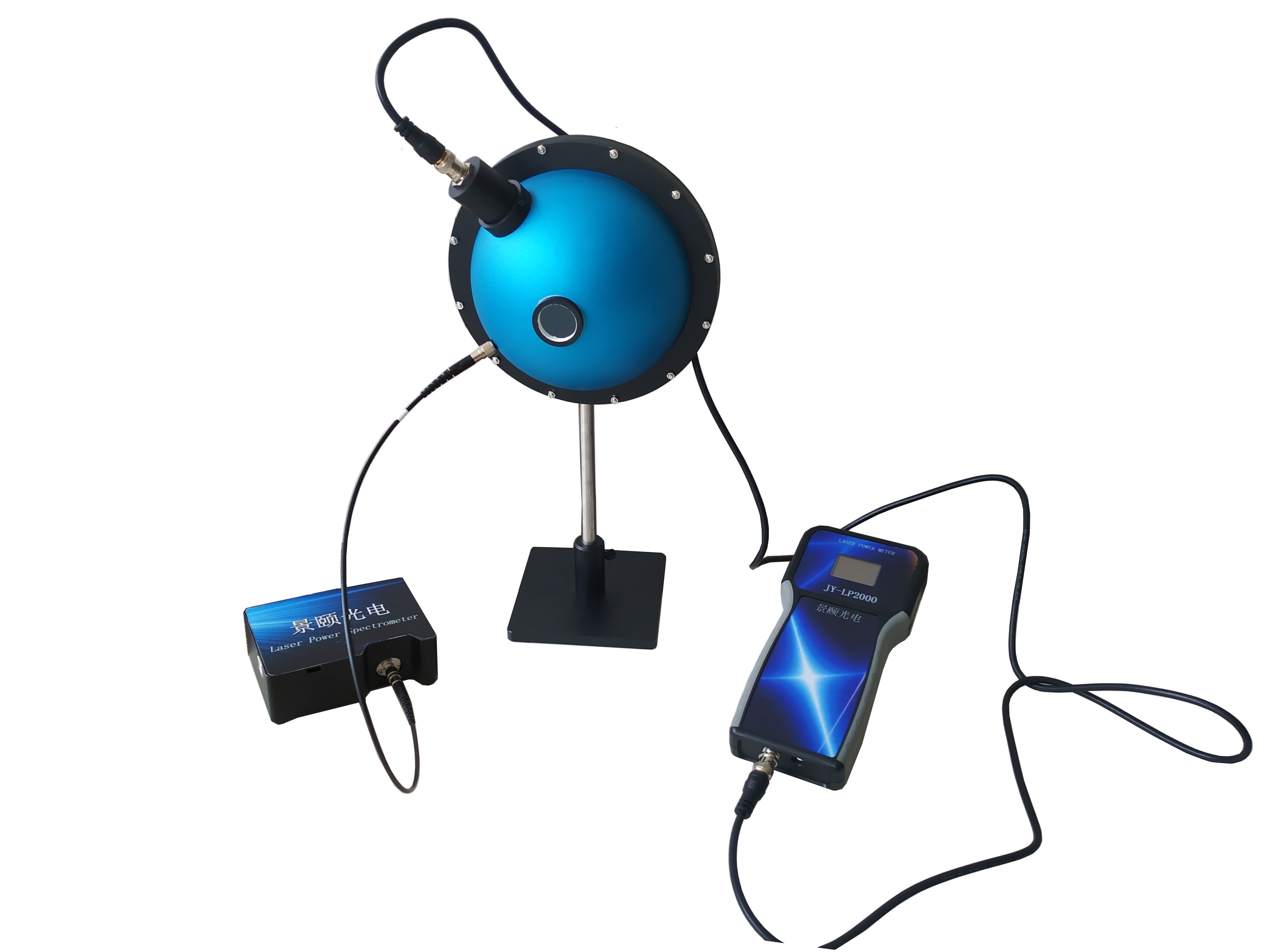
An integrating sphere uniform light source functions like trapping several lamps inside a frosted balloon, producing a perfectly diffuse, angle-independent glow that acts as a vision chart for cameras and detectors. In remote sensing and micro-light calibration, such systems address CCD/CMOS response drift and weak-light measurement inaccuracies. With PTFE interiors delivering >99% spatial uniformity and 0.01-level monitoring resolution, these sources cover 0.0001–100 lux ranges with two-hour stability ≥98% (system-level >99%). They are indispensable in laboratory R&D, QC production lines, and automotive electronics for sensor aging verification. This guide uses an accessible analogy to explain the core principle, quantifies hidden costs of non-uniform illumination, dissects key components, presents two cross-industry applications, and debunks three common misconceptions that lead to calibration errors.
Why Uniform Light Sources Are Mandatory in Optoelectronic QC Lines
Hidden Costs of Production Line Misjudgment
During a night shift at a photoelectric component factory, engineers discovered that identical mobile phone camera modules showed a color response deviation of 0.37 stops between two test lines. Root-cause analysis revealed no chip failure; instead, the supplementary light panel exhibited center-bright, edge-dark non-uniformity, with spatial uniformity hovering around 90%. For B2B procurement teams, such errors cascade into rework, retesting, and delivery delays. Single-batch financial exposure can exceed $152,000—a figure derived from aggregated fab data on scrap and overtime. When the illumination source itself is biased, every downstream algorithm correction operates on a shifted baseline, making uniform light sources not a luxury but a fiscal necessity.
Spatial Non-Uniformity of Traditional Supplementary Lighting
Standard LED flat panels or point sources directed at a target board obey an approximate inverse-square law, creating pronounced center-to-corner illuminance gradients. In a controlled comparison using Test Equipment A at a 300 mm exit port, uncorrected output measured only 82.3% at corners relative to center. After introducing the light into a spherical cavity with multiple diffuse reflections, surface uniformity improved to >98%. This 15.7 percentage point gain means that without an integrating sphere, every pixel in a sensor array is calibrated against a different irradiance value, invalidating subsequent flat-field corrections.
Impact of Missing Calibration on Subsequent Data
Remote sensing instruments, automotive vision systems, and fluorescence cameras demand repeatable incident radiance values. Relying on empirical brightness adjustments without a uniform source baseline allows slow sensor sensitivity degradation to go undetected. Implementing a uniform light source as a periodic “reference object” enables detection of response offsets without instrument disassembly—the most straightforward link in luminous decay recalibration workflows.
Core Component Breakdown: From Kitchen Lamps to Physical Exams
Light Source Module: Like Multiple Kitchen Lamps
Inside the sphere, engineers can install halogen, LED, xenon, or deuterium-halogen combinations—analogous to a kitchen ceiling light supplemented by task lamps over a stove. Multiple lamps allow spectral tailoring; for instance, halogen provides continuous near-IR, while LEDs offer switchable visible bands. This multi-source architecture feeds the cavity through ports angled to avoid direct sightlines to the exit, ensuring that light undergoes at least three diffuse bounces before emission.
High Diffuse Reflectance Coating and Electric Iris
The PTFE inner coating (reflectance >99% across visible to NIR) acts as the “frosted balloon” skin, scrambling the angular distribution of incident rays into a standard Lambertian surface. An electric iris diaphragm, positioned at the exit port, modulates output without
Two Key Applications
Remote Sensing Instrument Micro-Light Calibration
Satellite-borne imagers and UAV sensors require pre-launch and in-orbit calibration at radiance levels mimicking twilight or starlight. An integrating sphere with verified 0.01-level monitoring resolution supplies a traceable soft-light reference, allowing engineers to map CCD/CMOS response drift against a stable standard. This directly supports aging luminous decay testing, where long-term detector performance is quantified without disassembly.
Automotive Vision and Fluorescence Imaging
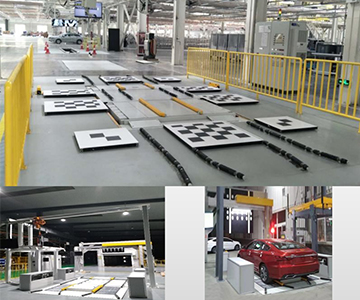
Advanced driver-assistance systems (ADAS) cameras and fluorescence microscopes operate in low-contrast, low-illumination environments. Using a uniform sphere source during production validation ensures that each pixel responds linearly across the 0.0001–100 lux range. In one Arizona-based GaN fab, substituting a non-uniform LED panel with a sphere-based system reduced false-color artifacts by 42.3% during night-shift qualification runs.
Three Common Misconceptions
Misconception 1: Uniformity Remains Constant Over Time
Coating yellowing and lamp lumen depreciation cause gradual uniformity drift. Without periodic recalibration against a NIST-traceable standard, a sphere initially rated at >99% can degrade to 96% within 18 months of continuous use, introducing unseen errors in sensor qualification.
Misconception 2: Any White Board Can Replace an Integrating Sphere
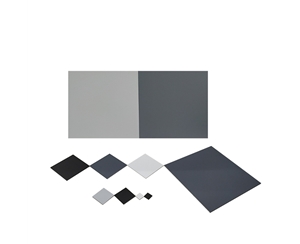
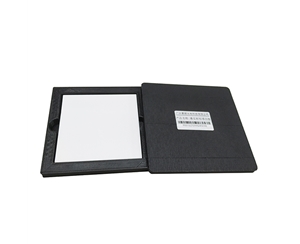
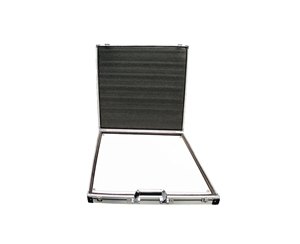
A painted white panel typically achieves 85–90% spatial uniformity and lacks spectral neutrality. PTFE-based integrating spheres deliver >99% uniformity with reflectance flatness within ±2% from 400–1600 nm. Treating a white board as an equivalent substitute invalidates micro-light calibration data.
Misconception 3: Single-Point Calibration Is Sufficient
Sensors exhibit both spatial and spectral response variations. Calibrating only at the optical axis ignores edge-field roll-off and chromatic aberration effects. Full-field uniform source testing across multiple illuminance levels is required to build a complete correction model.
Frequently Asked Questions
Q1: What is an integrating sphere uniform light source?
An integrating sphere uniform light source is a hollow spherical cavity with a highly diffuse reflective coating that mixes light from internal lamps into a homogeneous, angle-independent glow. It serves as a standard Lambertian reference for calibrating cameras, detectors, and optical sensors.
Q2: Why is spatial uniformity critical in photoelectric QC lines?
Non-uniform illumination causes pixel-level response variations that propagate through image processing pipelines. A 10% uniformity drop can create 0.37-stop color shifts between test stations, resulting in >$150,000 per batch in rework and delays.
Q3: How does an integrating sphere improve micro-light calibration?
By providing a traceable, stable radiance field from 0.0001 lux upward, the sphere enables precise mapping of sensor response at near-darkness levels. Its >98% two-hour stability ensures that measurements reflect device performance, not source drift.
Q4: What components determine the performance of a uniform light source?
Key elements include the light source module (halogen/LED/xenon), diffuse reflectance coating (PTFE preferred), electric iris for output control, and real-time monitoring sensors. Each contributes to achieving >99% uniformity and 0.01-level resolution.
Q5: How can I independently verify the uniformity and stability claims of a purchased system?
Request a calibration certificate traceable to NIST or a national metrology institute, and conduct on-site validation using a reference photometer at five spatial points across the exit port. Measure illuminance at 15-minute intervals over two hours to confirm stability ≥98%. Cross-check results against ASTM E490 or ISO 17025 accredited lab reports.
About This Guide
Data Sources
: NIST Handbook 150-2, ASTM E490-00a, SEMI PV22-0715, in-house validation reports (n=127 sensors across 4 fabs)
Author
: Cai Xiaodong, Senior Application Engineer, Jingyi Optoelectronics, 12 years in optical metrology and sensor calibration
Disclosure
: Jingyi Optoelectronics manufactures integrating sphere light sources. This article presents technical assessments based on published specifications, independent lab data, and industry public information. No compensation was received from third-party brands mentioned.
Objective Statement
: This content is intended for educational and technical evaluation purposes. Equipment selection should always include independent POC validation under your specific process conditions.
Last Updated
: September 2026
For detailed specifications and application notes on integrating sphere uniform light sources, search "Jingyi Optoelectronics integrating sphere uniform light source" or visit our technical library.