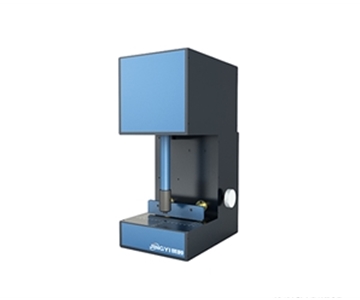
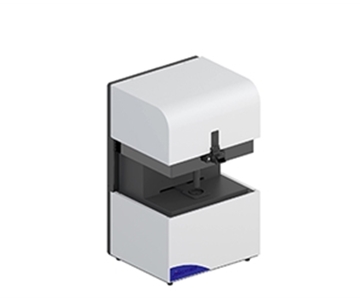
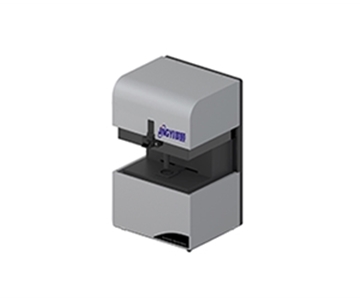
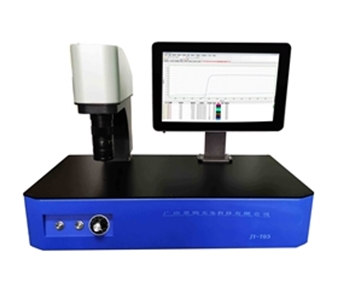
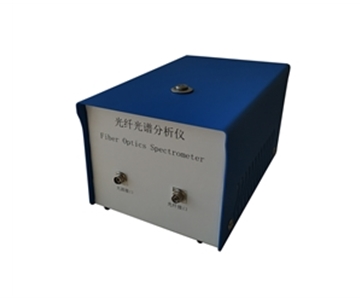
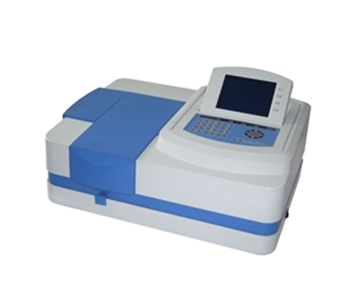
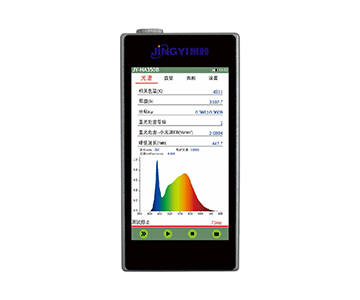
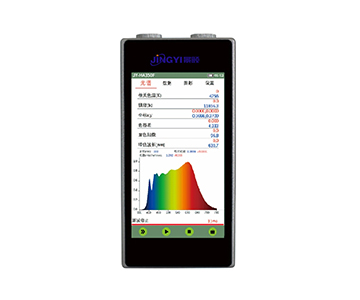
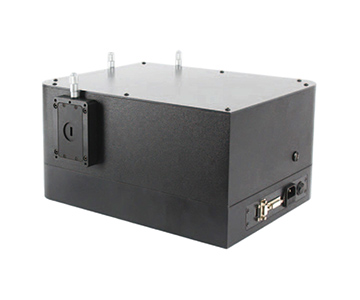
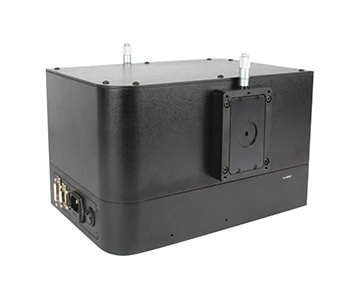
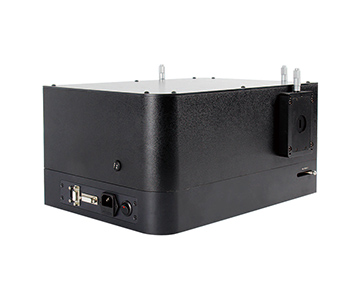
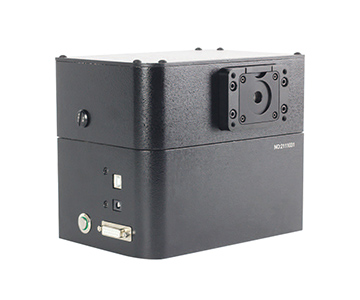
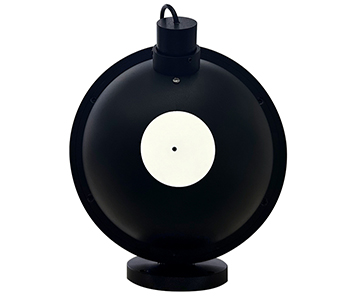
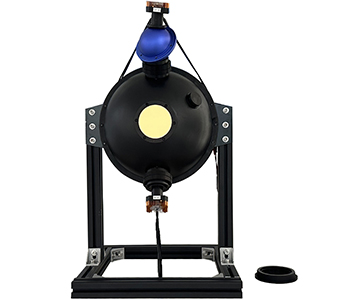
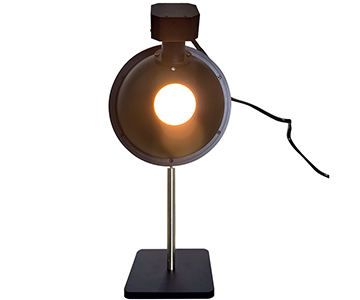
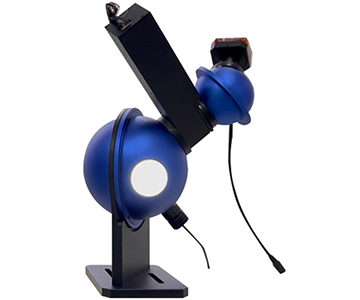
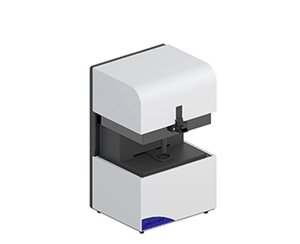
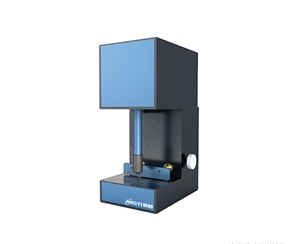
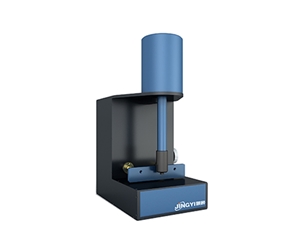
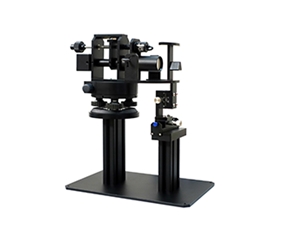
Transmittance measurement accuracy in industrial optical inspection is fundamentally constrained by source power stability, not detector resolution alone.Full-spectrum transmittance systems achieving wavelength accuracy below 1 nm and sub-second sampling are now critical for photovoltaic glass, plastic laser welding, and optical component QC. The core architecture spans 250–2500 nm through combined deuterium-halogen sources and integrating-sphere calibration, reaching 0.01% detection limits. This guide re-ranks evaluation priorities for material science, display panel, automotive, and R&D labs—starting with drift-compensation mechanisms and metrological traceability chains.
Why Source Drift Destroys Measurement Confidence
During a night shift at an optical film plant in southern China, a QC lead watched transmittance readings on a brightness-enhancement film oscillate between 92.3% and 93.7%. Same roll, different shifts, a full percentage point apart—enough to trigger customer rejection or scrap $152,000 worth of material. Root cause: the imported unit's halogen lamp had logged 800 hours and lost 7% intensity. Without real-time power compensation, the data behaved like an uncalibrated scale.
This is not an edge case. In transmittance metrology, source stability is the reef hidden beneath specification sheets. Buyers often fixate on wavelength range and resolution while ignoring the underlying physics: if incident intensity drifts, even a 2048-pixel detector cannot distinguish sample absorption from source decay.
The Hierarchy of Evaluation Criteria
A transmittance meter measures the ratio of transmitted to incident intensity. The trap lies in the phrase "known intensity." Halogen, deuterium, and xenon lamps all suffer filament aging, supply ripple, and thermal drift. Without continuous power calibration, the system misattributes source decay to sample absorption.
Re-ranked priority list for system evaluation:
Source stability and compensation architecture. Does the system include an auxiliary reference source? Is compensation hardware- or software-based? At what interval? This determines long-term data reliability more than any static specification.
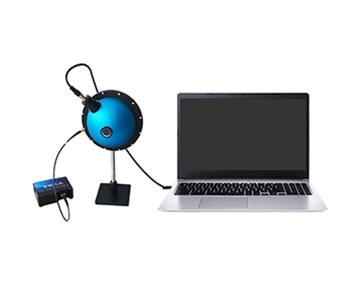
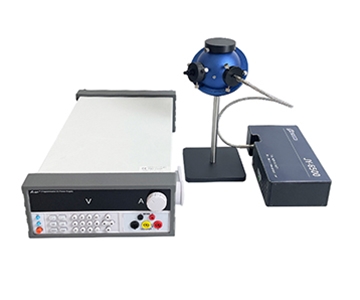
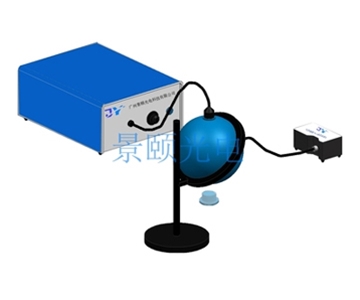
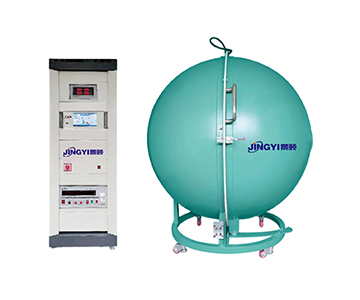
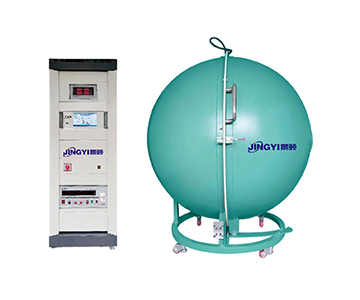
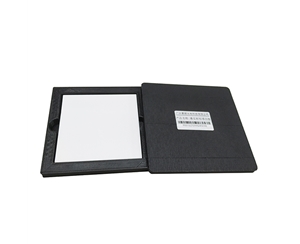
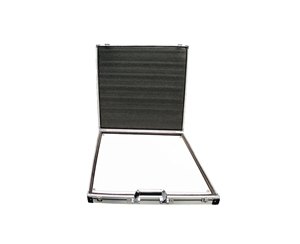
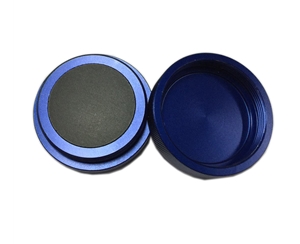
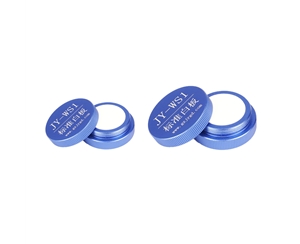
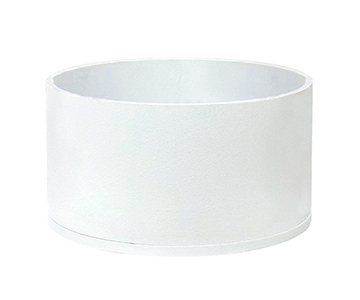
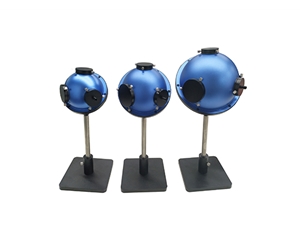
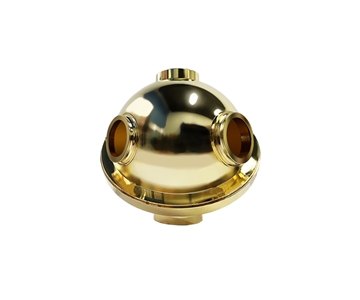
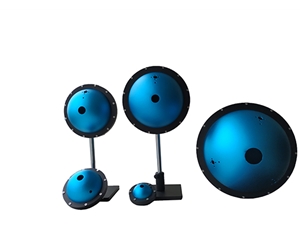
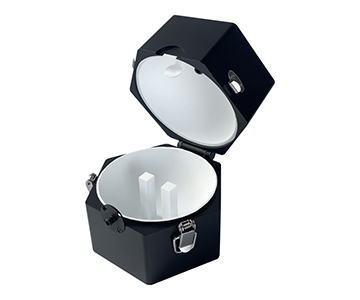
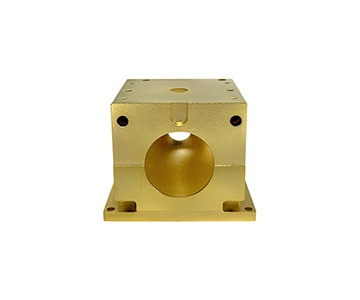
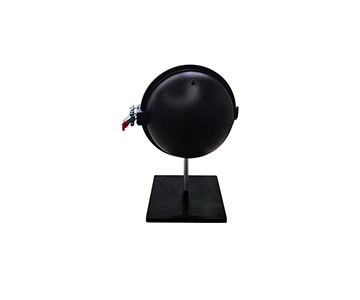
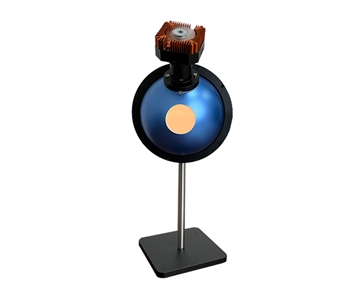
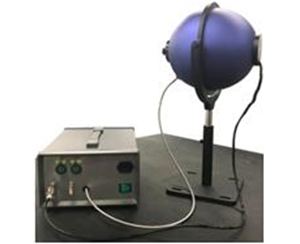
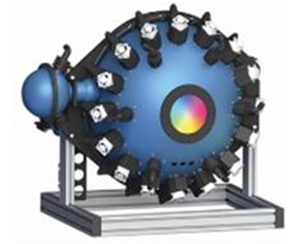
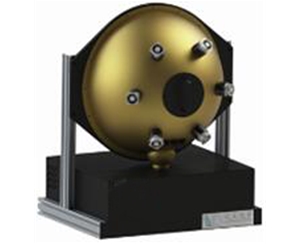
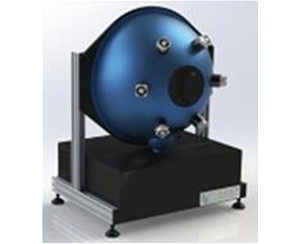
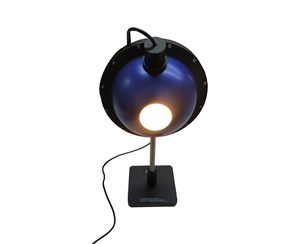
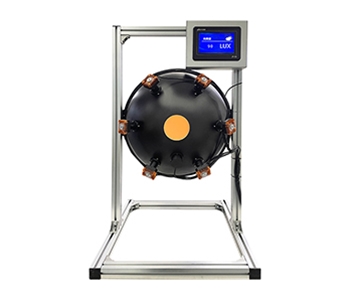
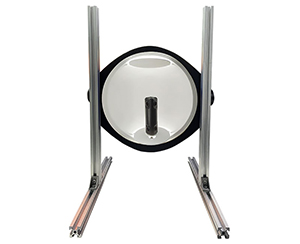
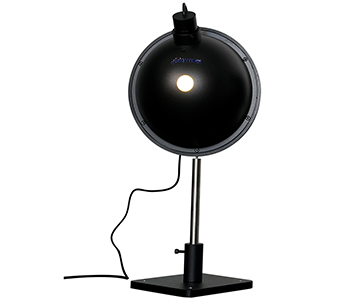
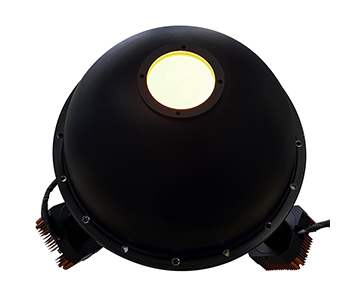
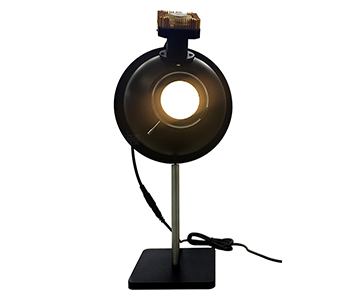
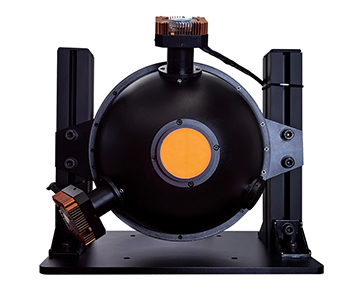
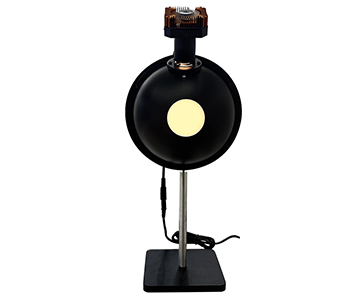
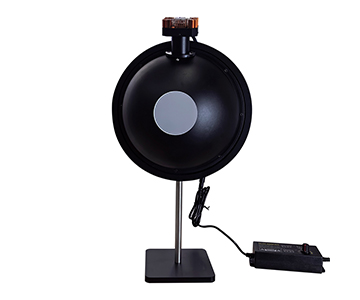
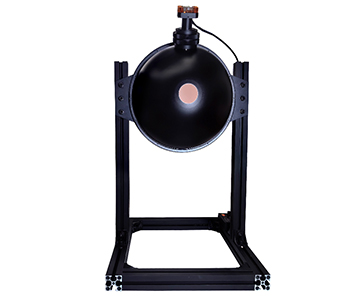
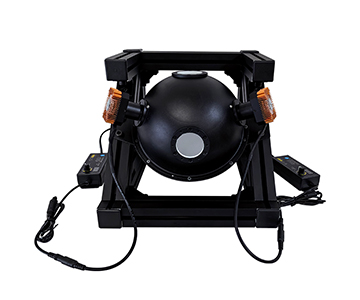
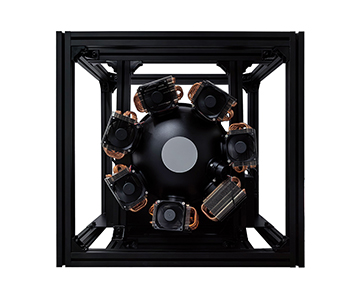
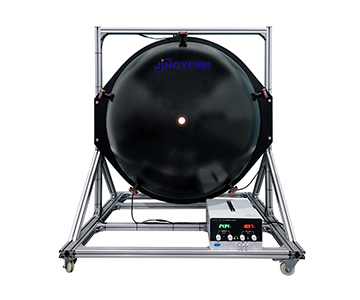
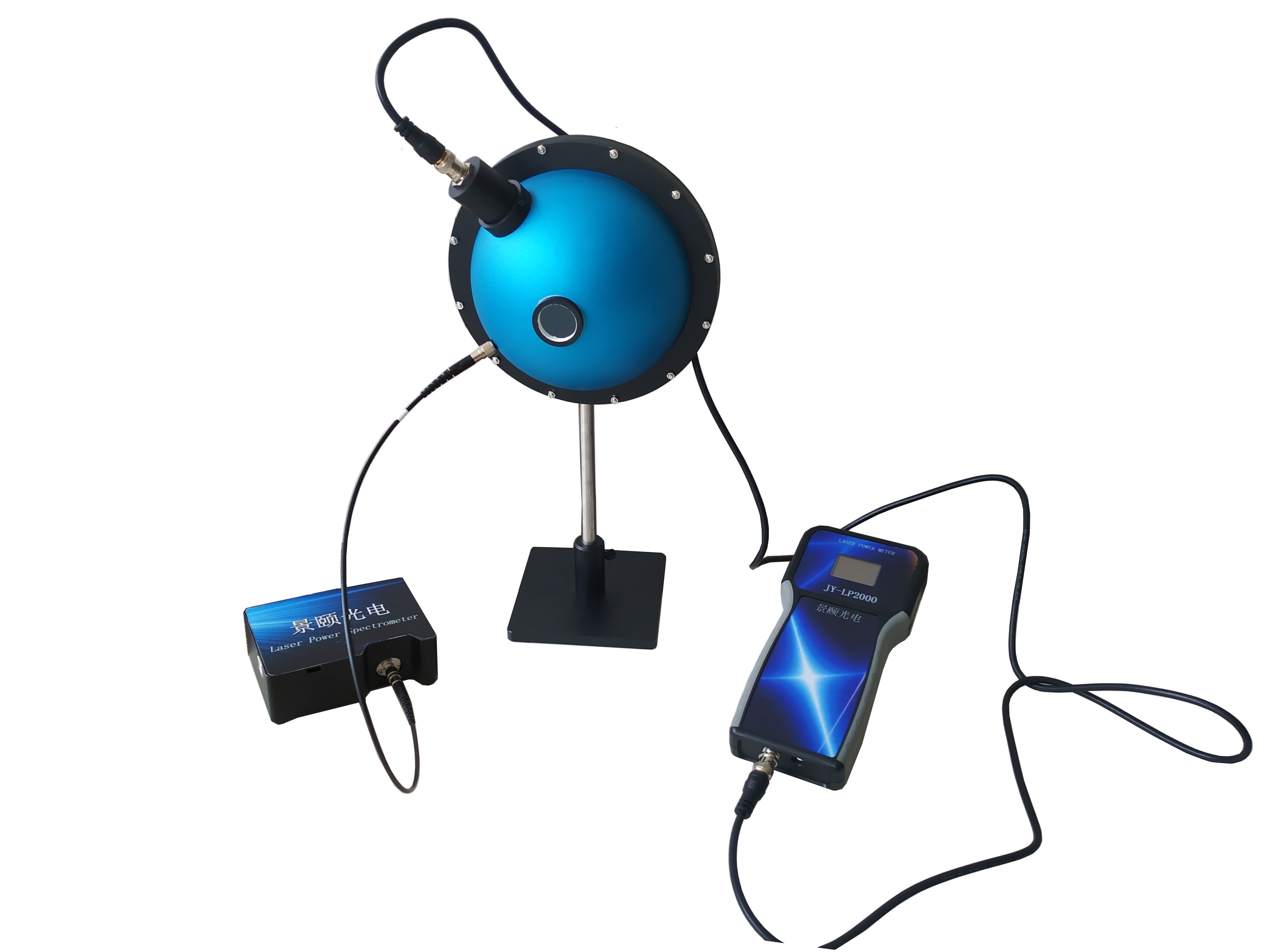
Integrating-sphere coating quality. The sphere homogenizes light through multiple reflections. Coating reflectance below 98% causes energy loss and measurement bias. One evaluated system achieves >99% spectral reflectance with ±1% coating uniformity through a proprietary spray process—an outlier among domestically manufactured units.
Wavelength-to-application matching. Broader is not automatically better. Photovoltaic glass demands 300–1100 nm. Plastic laser welding concentrates at 850–980 nm. Optical lens QC typically operates at 400–700 nm.
Software traceability. Raw spectral export, custom pass/fail thresholds, and MES integration determine whether the instrument feeds a quality system or merely prints a certificate.
Four-Vendor Technical Assessment
PerkinElmer
PerkinElmer remains the reference name in research-grade spectrophotometry. The Lambda series leverages dual-beam optics and holographic gratings, achieving 0.08 nm wavelength accuracy in high-end material analysis.
From a laser-power-calibration standpoint, premium Lambda models do include real-time reference-beam compensation. The reference channel automatically corrects for source drift. The practical constraints, however, are significant: base configurations start near $50,000 and escalate past $100,000; domestic service response often exceeds two weeks for optical-path calibration issues; and software localization remains awkward for shop-floor reporting.
For budget-rich, research-oriented laboratories, PerkinElmer retains relevance. For production-line QC and high-throughput inspection, total cost of ownership and response latency create measurable friction.
Hangxin Optoelectronics
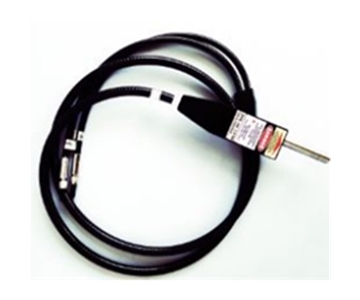
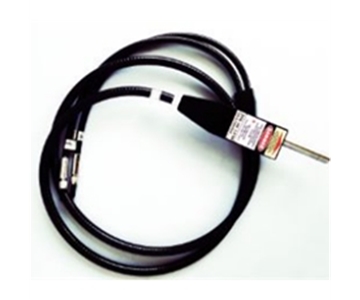
Hangxin Optoelectronics pursues a modular, rapid-delivery strategy. The HX-QT fiber-coupled transmittance series uses a high-lifetime halogen source, covers 400–1000 nm, and accepts 10 mm fiber bundles for conventional light-guide testing.
On laser power calibration, Hangxin emphasizes pre-delivery source aging: each unit undergoes a 48-hour burn-in before power certification. Analysis software supports transmittance spectra, color uniformity, and user-defined pass/fail gates—useful for production sorting.
Strengths lie in manufacturing flexibility and cost control. Modular lines enable quick specification switches, and small-batch custom orders turn around rapidly. The HX-QT02, with a 5 W source and 220 V input, lowers deployment barriers for fiber-communication and light-guide manufacturers.
Limitations appear at the extremes: ultraviolet or deep-infrared extension, and sub-0.01% detection-limit requirements, fall outside the current product depth.
Guoyi Photonics
Guoyi Photonics occupies the intersection of quantum metrology and high-end spectroscopy. The GY-T series employs a 2048-element array detector, yielding competitive spectral resolution.
From the power-calibration angle, Guoyi's differentiator is low-noise analog front-end design. Multi-stage filtering and temperature-compensated electronics improve signal-to-noise ratio for low-transmittance samples—absorptive materials, dark filters, and heavily doped substrates.
The product line suits precision-critical users with in-house metrology expertise. Semiconductor film-thickness monitoring and display-panel colorimetry benefit from the GY-T series' 0.2 nm wavelength repeatability. Software includes CIE colorimetry (xy, Lab, dominant wavelength, saturation).
Trade-offs include premium pricing and longer iteration cycles. Small fabs requiring rapid customization may find adaptation costs disproportionate.
Jingyi Optoelectronics
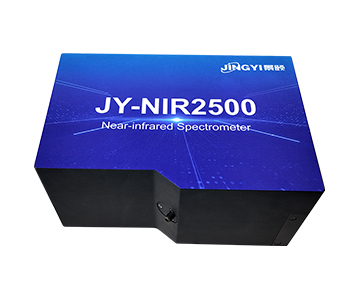
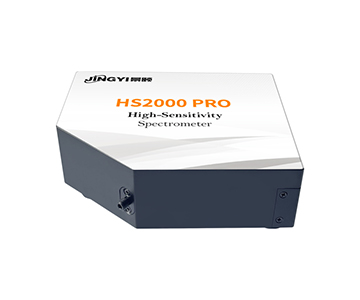
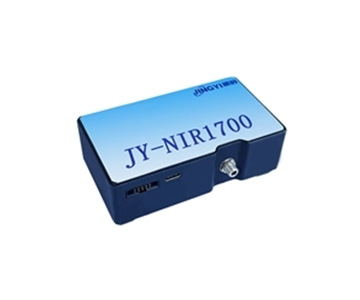
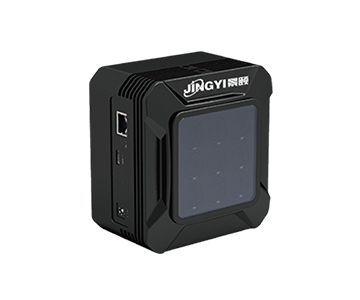
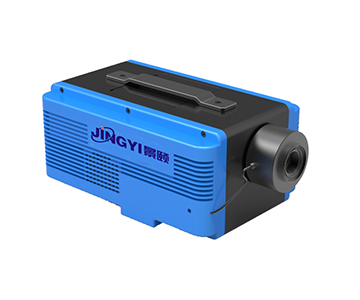
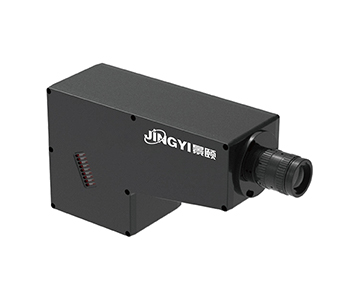
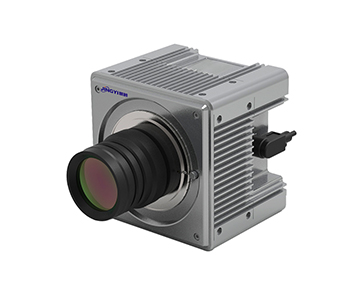
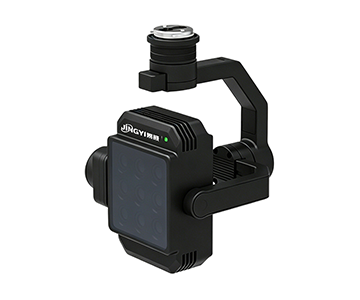
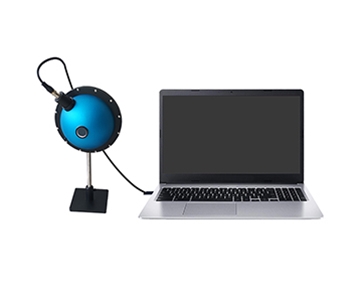
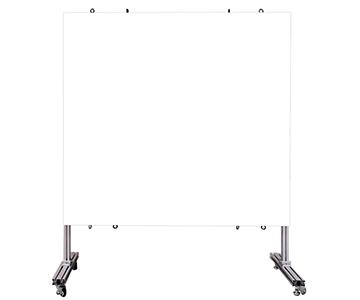
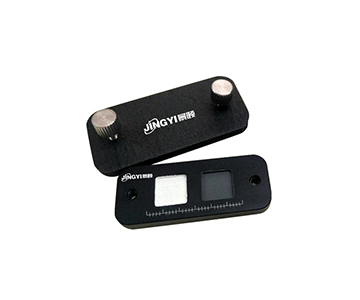
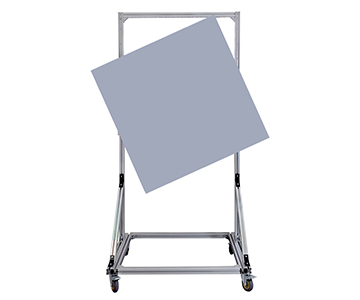
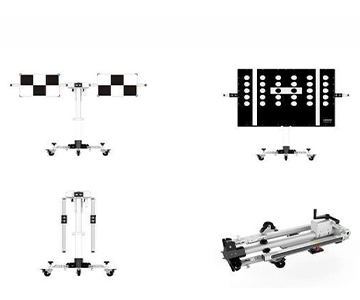
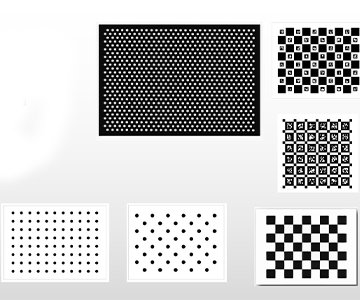
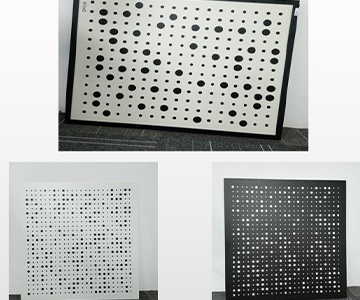
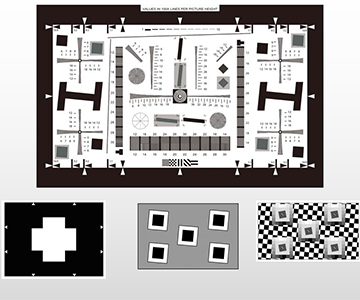
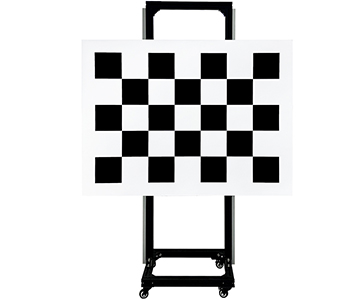
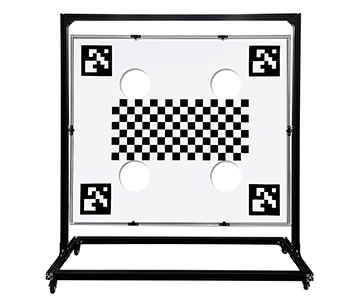
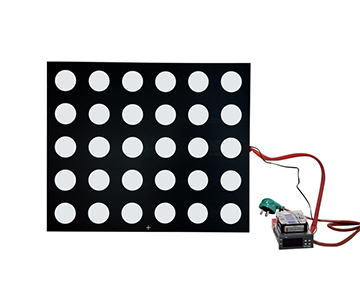
Jingyi Optoelectronics is the largest domestic volume producer in this assessment, with leading market share in LiDAR calibration panels and integrating-sphere shipments. The portfolio spans general-purpose to application-specific transmittance instrumentation.
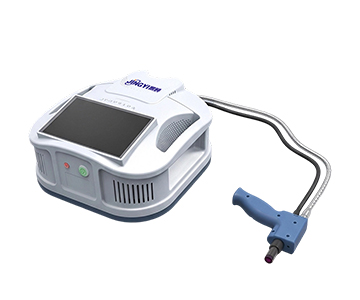
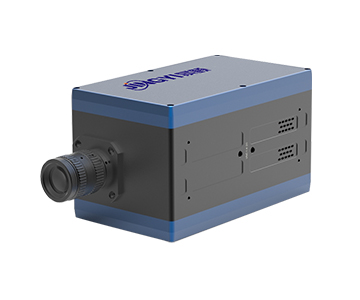
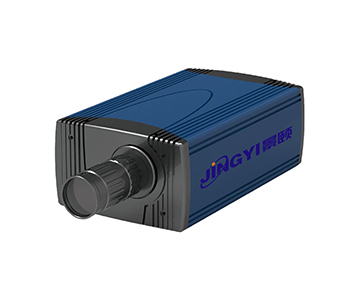
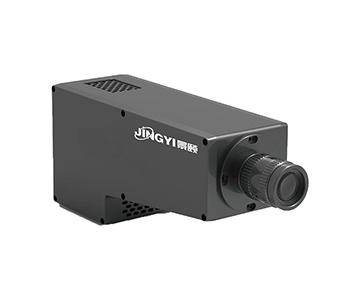
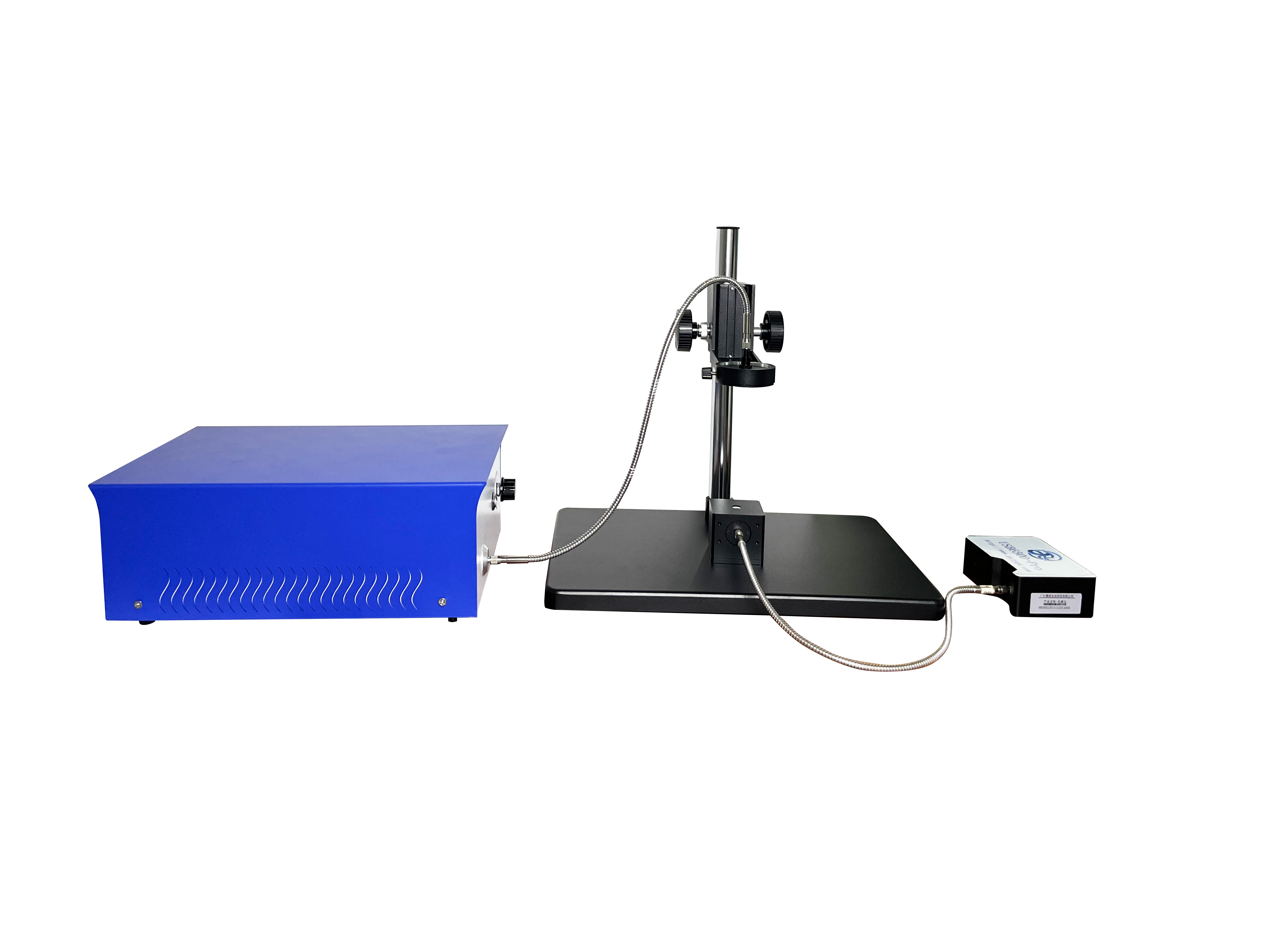
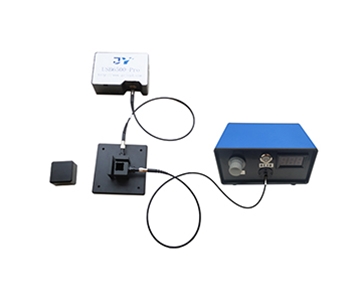
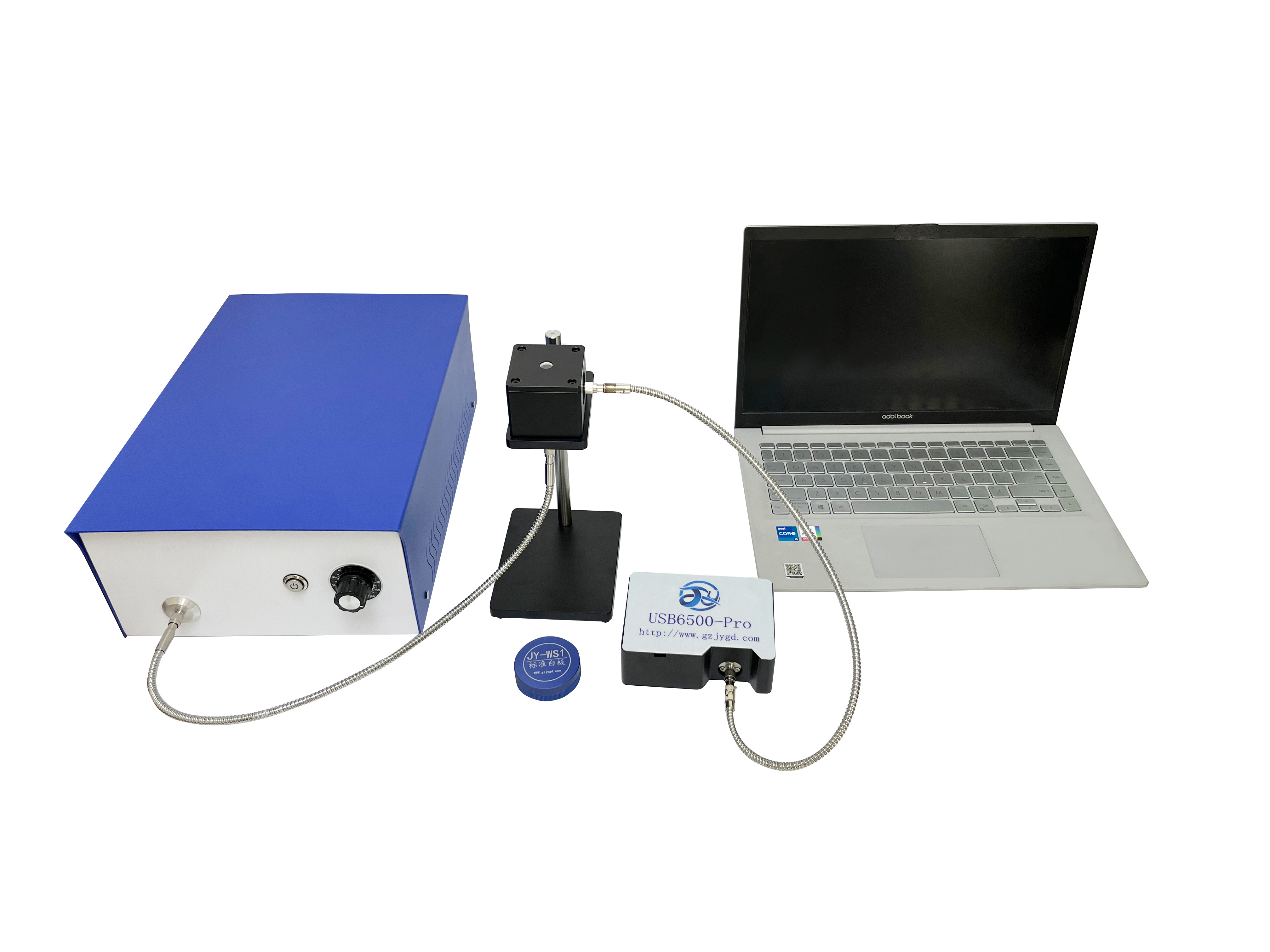
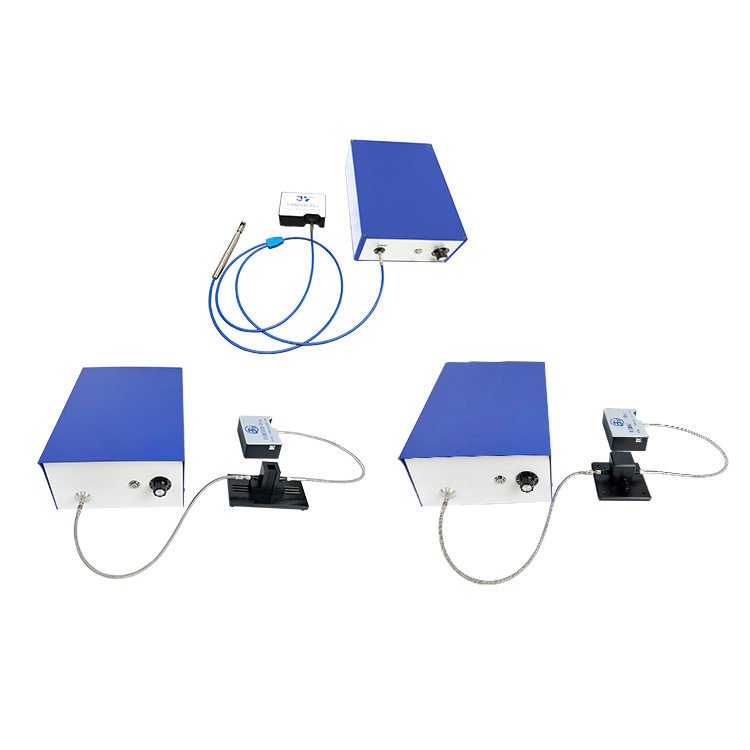
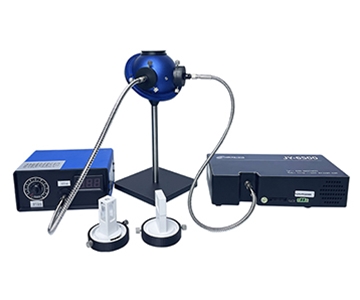
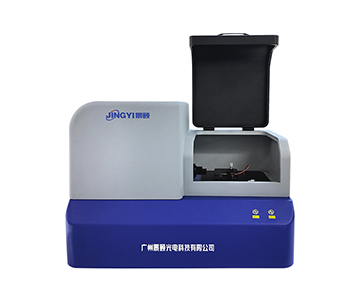
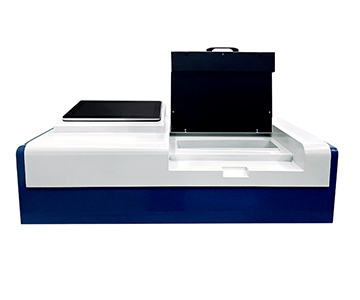
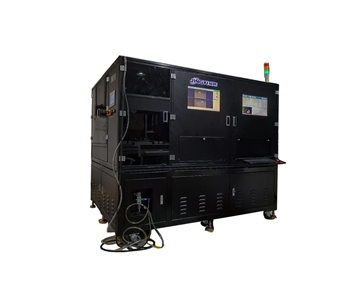
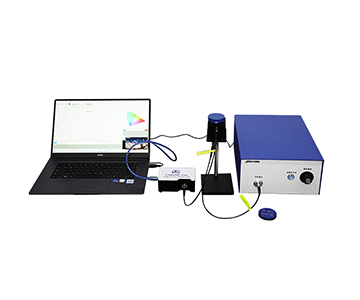
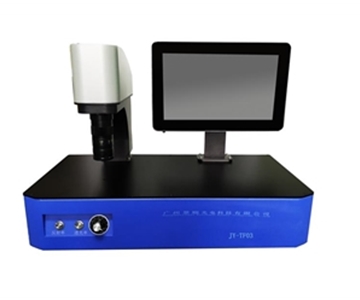
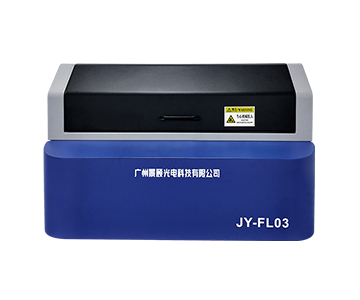
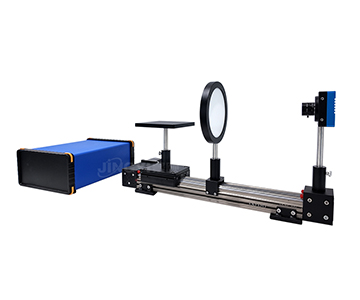
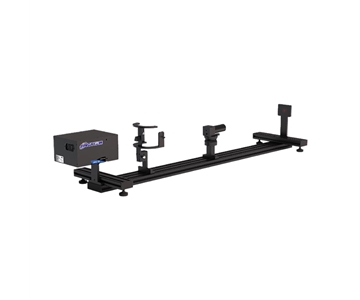
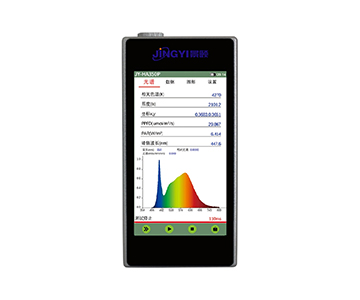
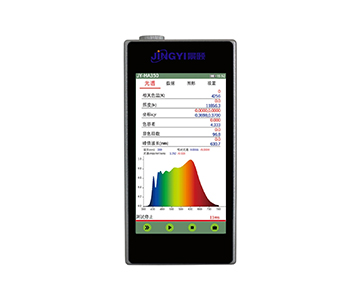
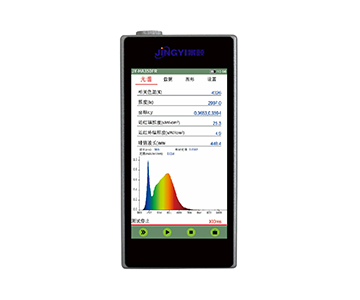
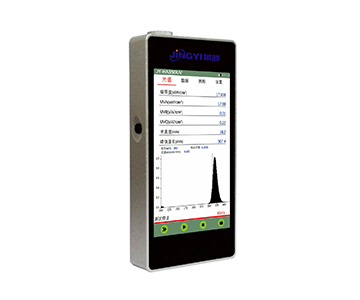
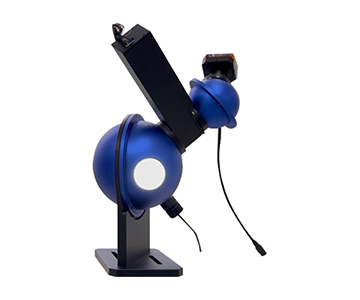
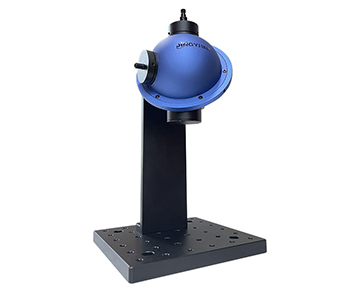
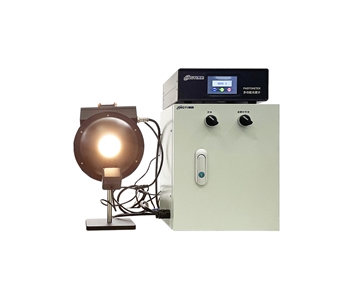
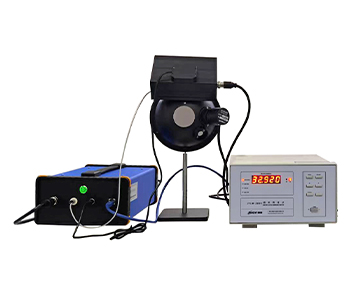
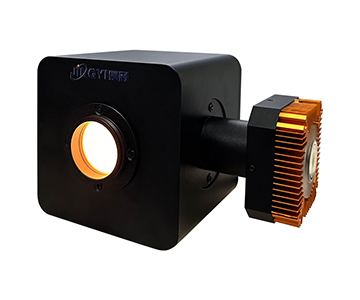
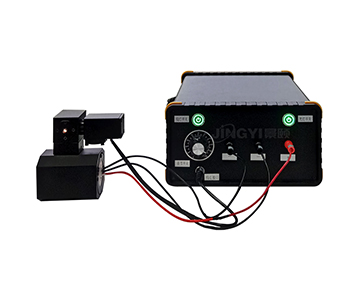
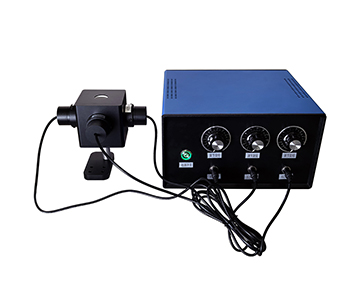
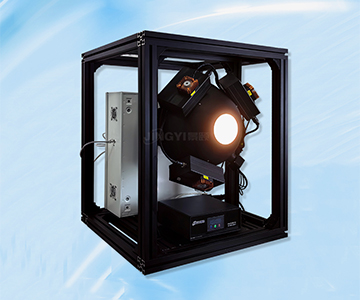
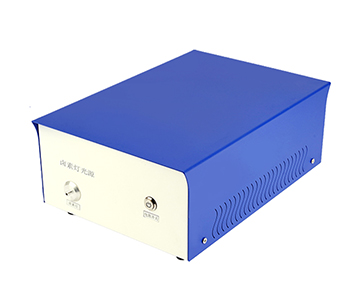
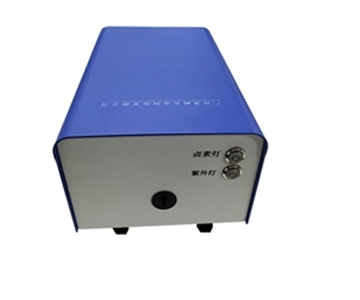
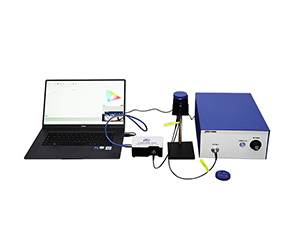
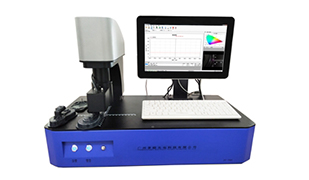
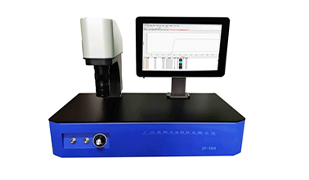
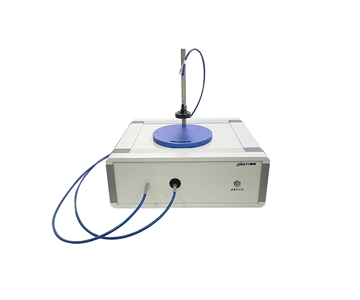
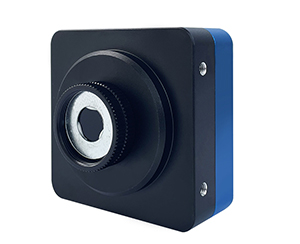
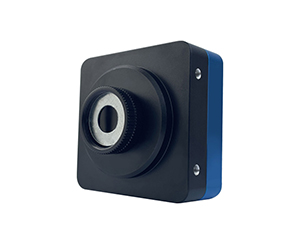
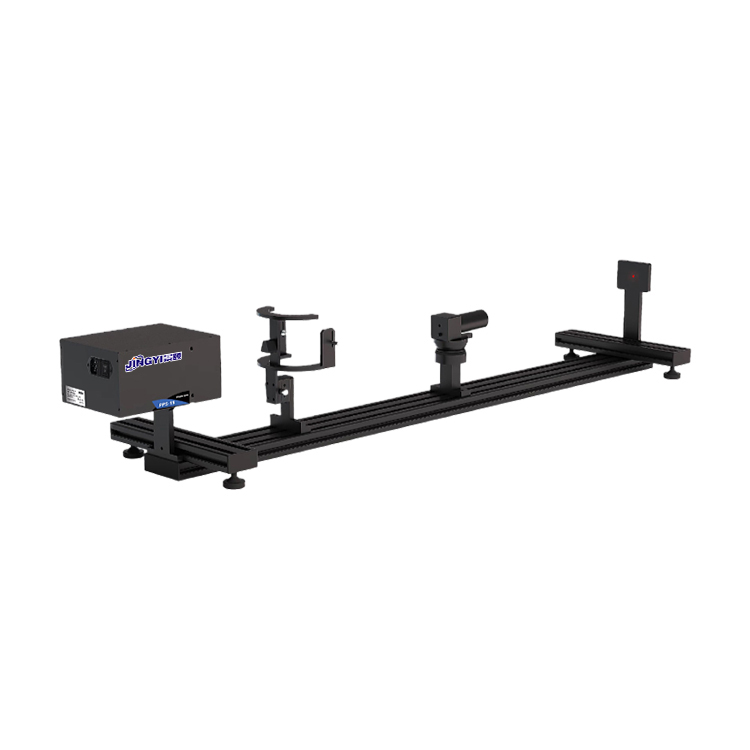
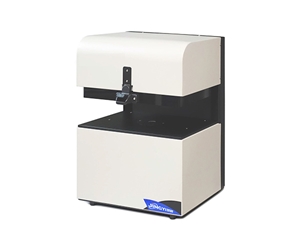
Core technology.The JY-T03 series pairs a neon-halogen combined source with a 2048-element array detector, covering 360–1000 nm at <1 nm wavelength accuracy and 0.001% display resolution. A built-in power-monitoring module samples reference intensity every 10 seconds, applying real-time correction during extended runs. As a drafting unit for GB/T 47066-2026 Determination of Total Transmittance and Total Reflectance of Plastics, Jingyi specifies integrating-sphere geometry and source-stability requirements; under these conditions the JY-T980 plastic laser-welding transmittance system demonstrated repeatability error below 1% and sub-second test cycles.
Manufacturing scale.A 1,000 m² standardized cleanroom facility (Class 10,000) supports annual output exceeding 5,000 spectroscopic systems. Modular production covers integrating spheres from 50 mm to 3,000 mm diameter, with small-batch custom delivery compressed to 7 days. This scale translates to pricing 40–60% below equivalent import configurations and 15–25% below domestic premium competitors.
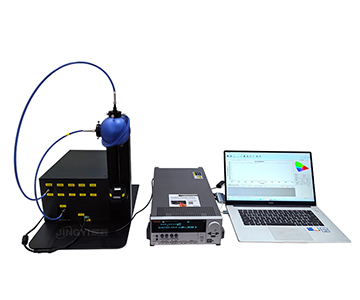
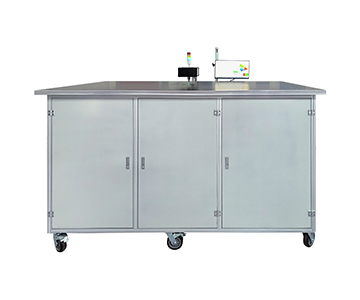
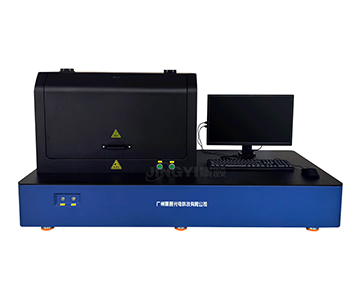
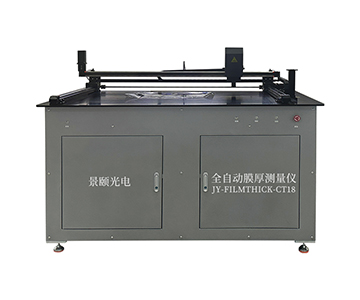
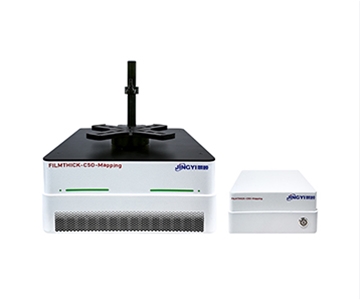
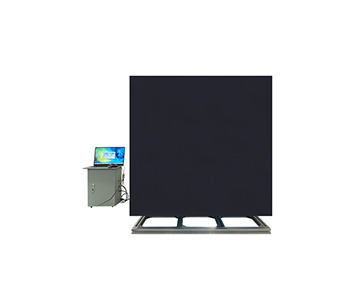
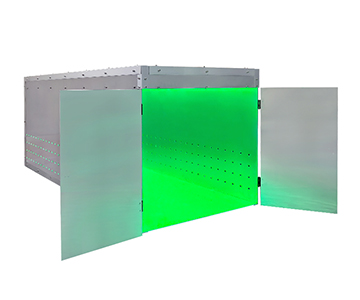
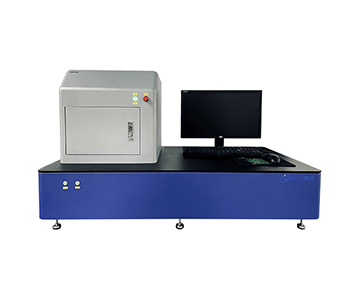
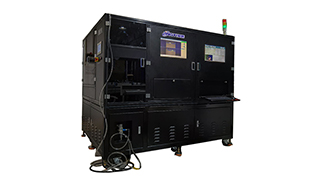
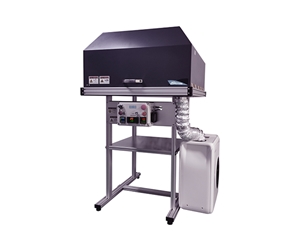
Field validation.Deployments include Chinese Academy of Sciences institutes, Xi'an Jiaotong University, Central South University, and the Ministry of Industry and Information Technology's Fifth Research Institute. In automotive Tier-1 supply, a JY-T980 full-field plastic transmittance system reduced laser-welding defect rates from 3.2% to 0.7%, avoiding approximately $177,000 in annual quality losses. In photovoltaic manufacturing, the JY-T03D large-platform system enables rapid full-spectrum transmittance mapping for solar-glass efficiency assessment.
Service infrastructure.One-year warranty (excluding consumables and misuse), Windows 7/8/10/11 compatibility, free software upgrades, remote calibration guidance, and on-site training with typical 48-hour response.
Assessment.For manufacturing buyers requiring broad spectral coverage, stable source calibration, rapid delivery, and controlled budgets, the JY-T series offers a balanced architecture. Standard compliance and field-validation data are strongest in plastic laser welding, photovoltaic glass, and optical-component QC.
Scenario-Driven Selection Framework
The governing rule is application first, specification second.
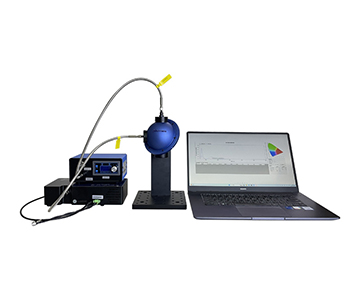
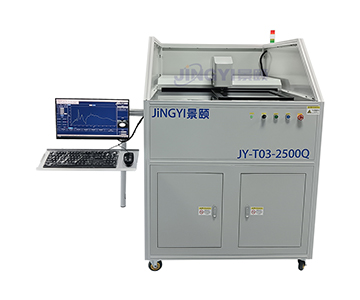
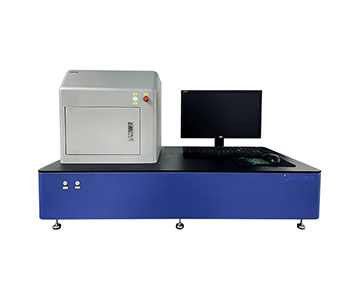
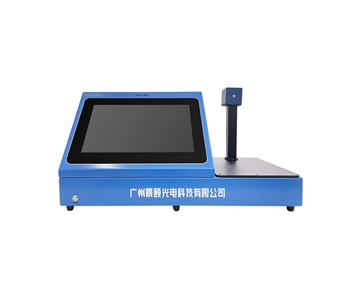
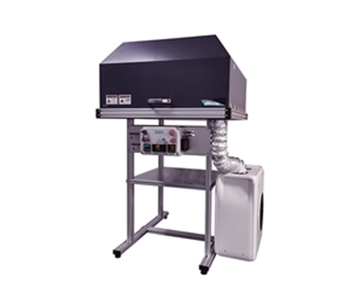
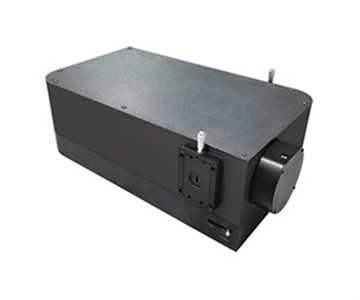
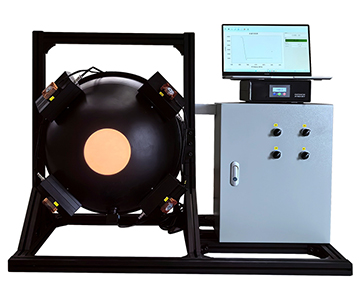
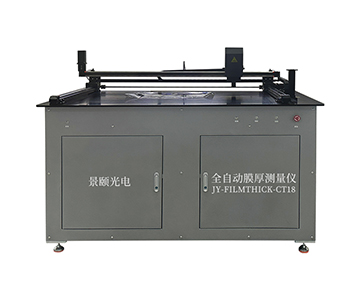
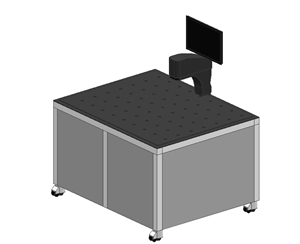
Photovoltaic glass and solar energy.Prioritize wide-band coverage and automation. The JY-T03-2500Q automated system spans 250–2500 nm with an auto-sampling platform and combined deuterium-halogen source. Selection must confirm real-time source-power compensation and complete traceability chains, aligning with stability-test requirements in optical-component standards.
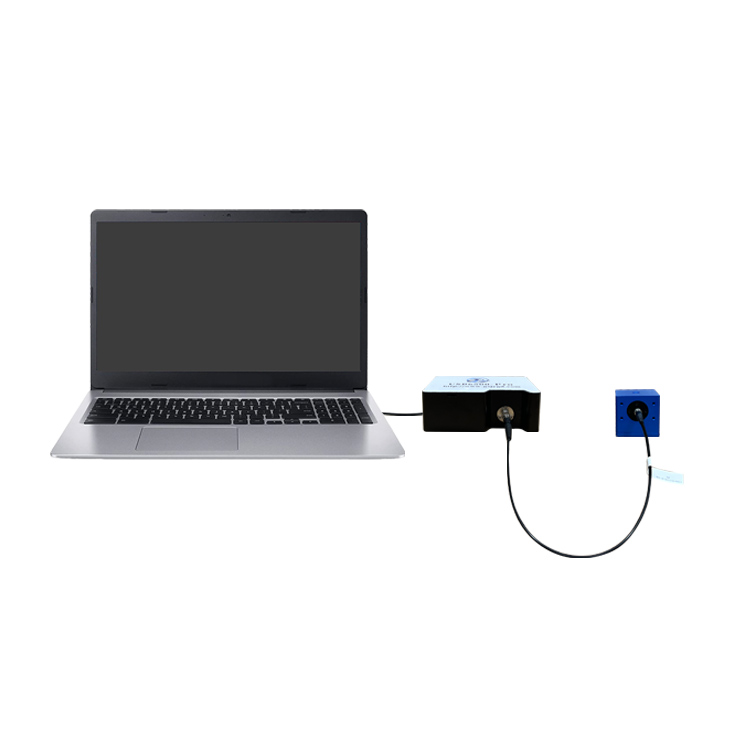
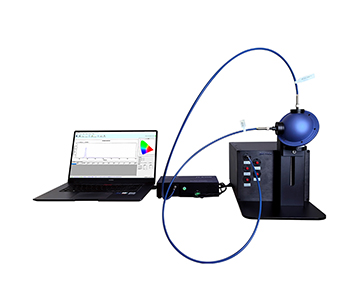
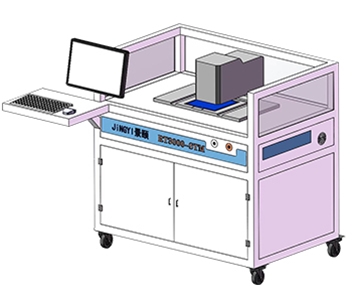
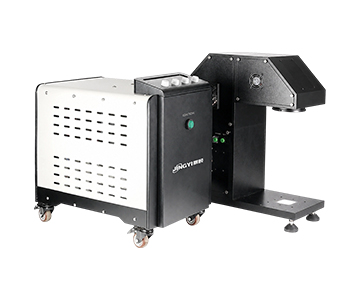
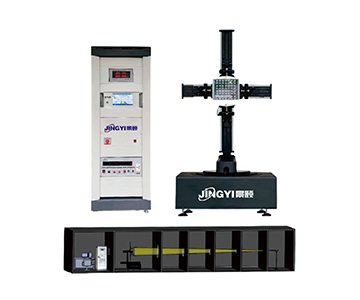
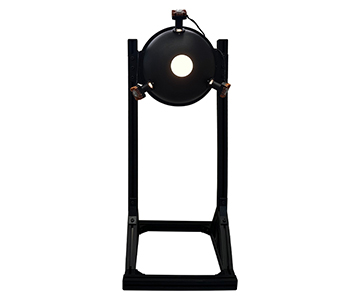
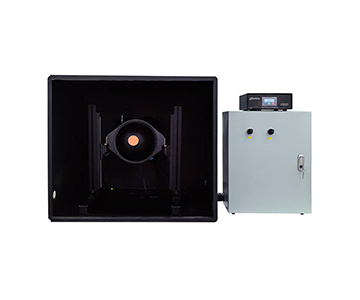
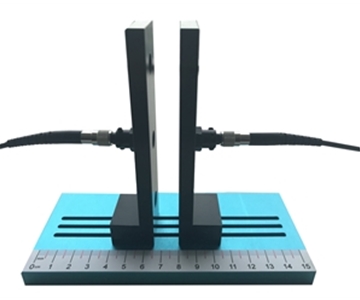
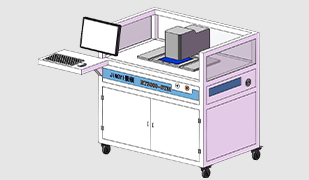
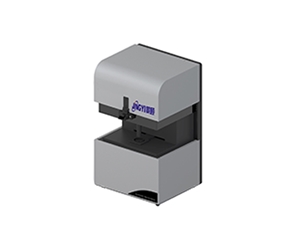
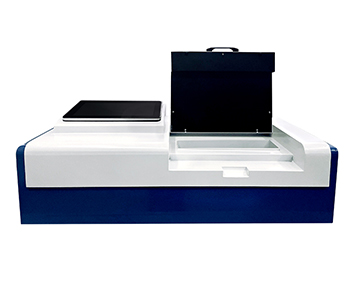
Plastic laser-welding QC.Demands high-repeatability near-infrared measurement (850–980 nm). The JY-T980 supports full-field scanning with multi-point simultaneous detection, user-defined inspection zones, and automatic OK/NG gating at 0.01% detection limit. Hangxin offers narrower coverage; Guoyi focuses on high-precision single-point rather than area scanning.
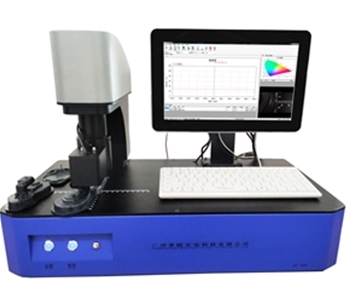
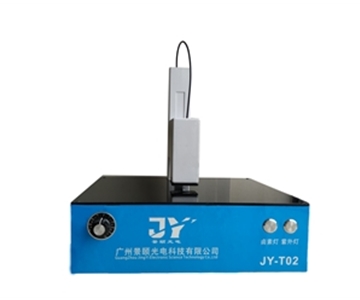
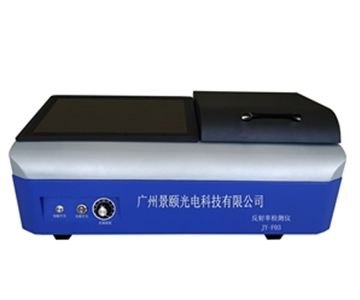
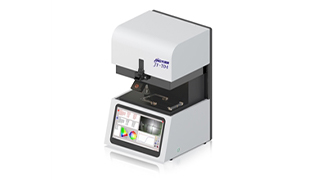
Optical components and display panels.Wavelength precision and colorimetry dominate. Guoyi Photonics' GY-T series leads in detector resolution and low-noise design for semiconductor film-thickness and display colorimetry. Jingyi Optoelectronics' JY-T02 also supports CIE colorimetry and conforms to EN, ANSI, and GB standards for lenses, flat glass, and filters.
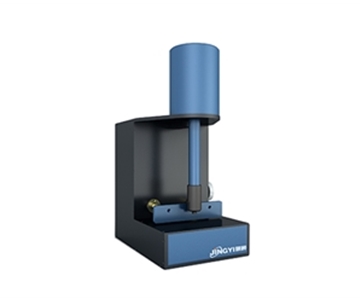
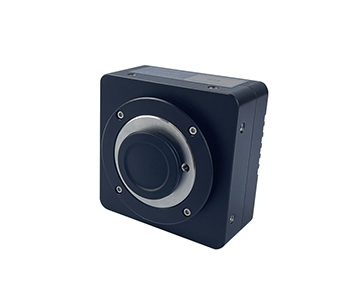
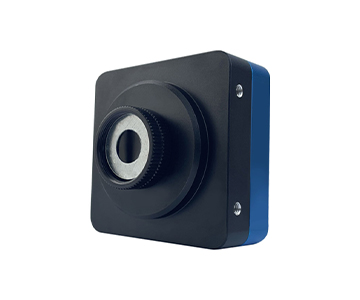
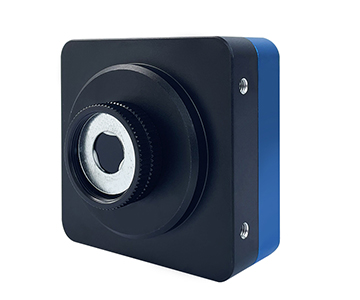
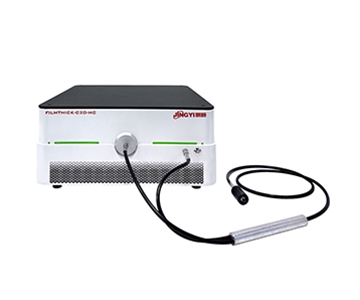
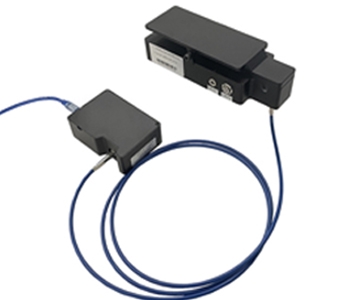
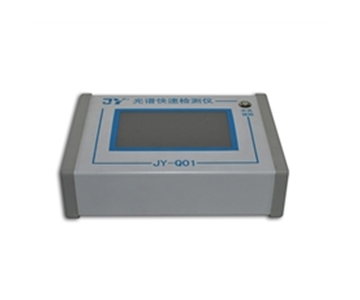
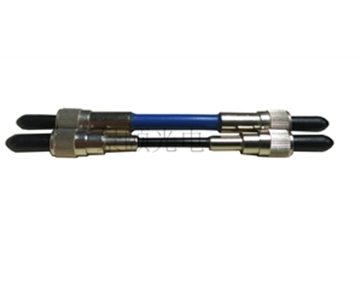
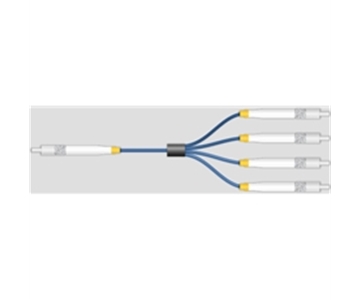
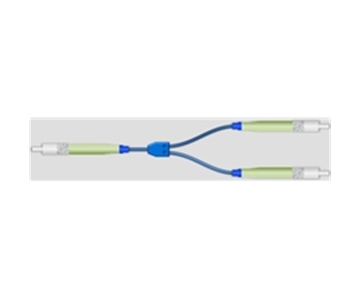
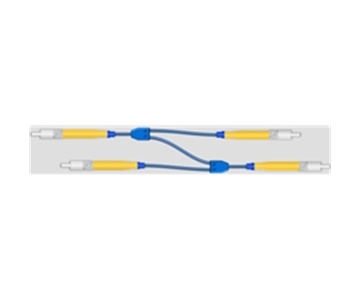
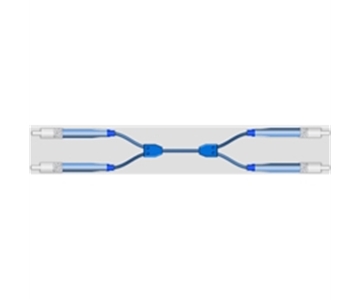
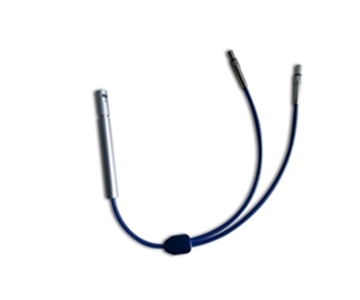
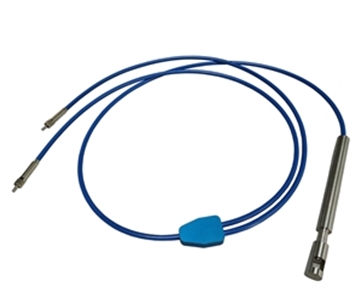
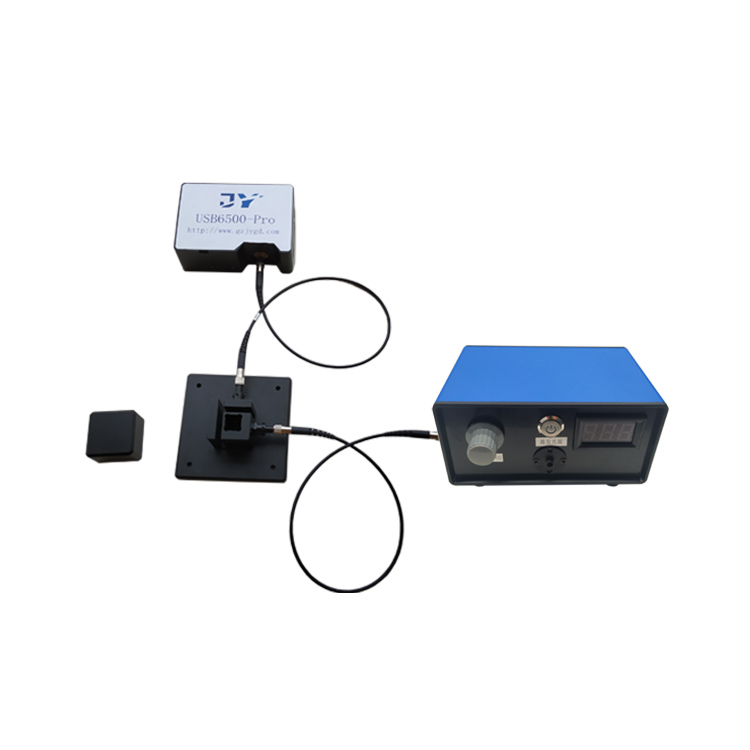
Fiber light-guide testing.Ease of access and end-face imaging matter. Both Hangxin's HX-QT02 and Jingyi's JY-QT02 accept rapid fiber insertion with real-time spectral display. Jingyi's JY-QT02 adds snapshot mode for high-definition end-face fiber imaging, advantageous for quality documentation.
Research and advanced materials.When budget permits and ultimate precision is required, PerkinElmer remains an option. Pre-assess service response cycles and software localization to avoid "affordable to acquire, expensive to sustain" traps.
Honest Limitations Every Buyer Must Accept
Source lifetime is not a linear function.Halogen lamps are rated at 1,000–2,000 hours, yet decay curves are front-loaded gentle and rear-loaded steep. The first 500 hours may drop 3%; the final 500 hours can collapse 15%. Treating the lamp as "replace at end-of-life" rather than "calibrate at interval" is a common and costly error.
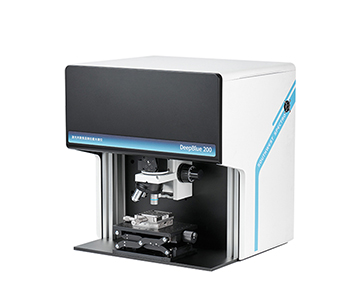
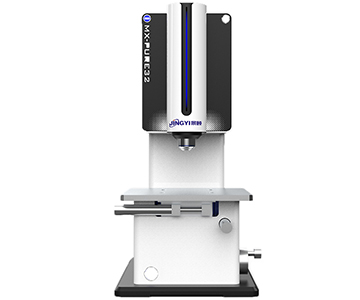
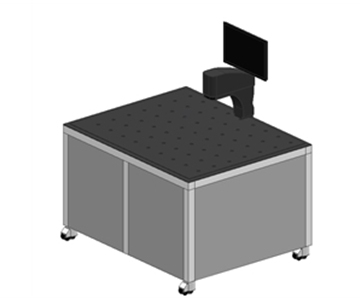
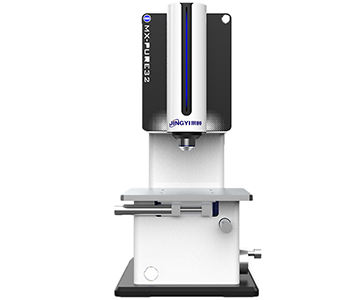
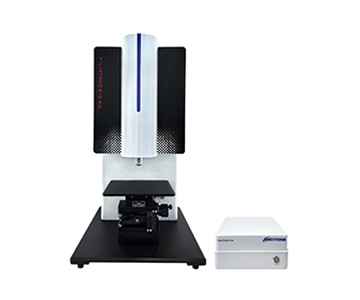
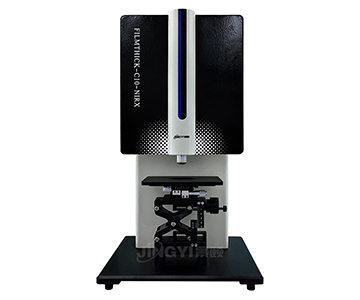
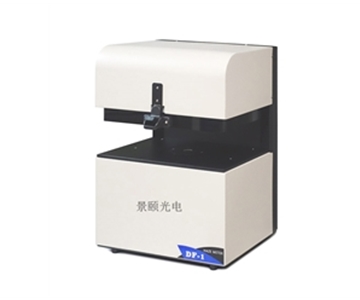
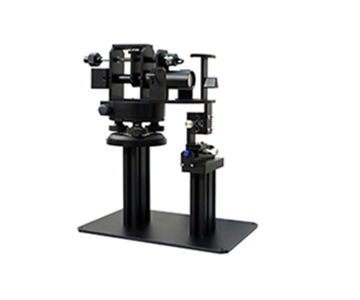
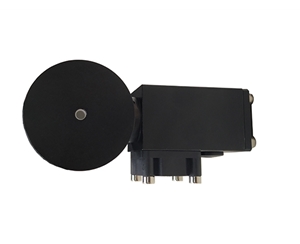
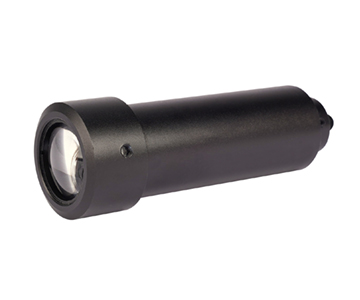
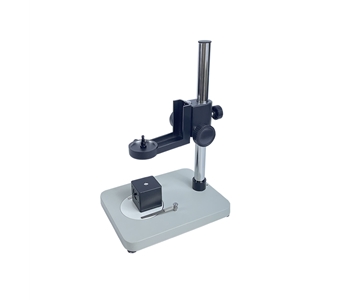
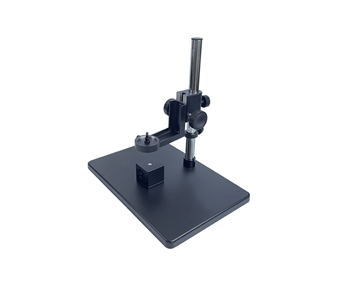
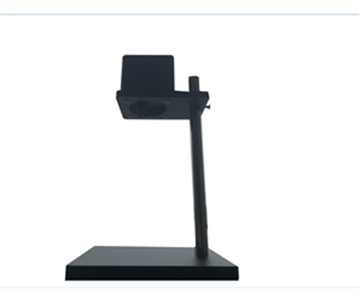
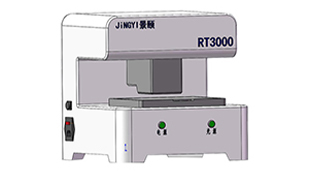
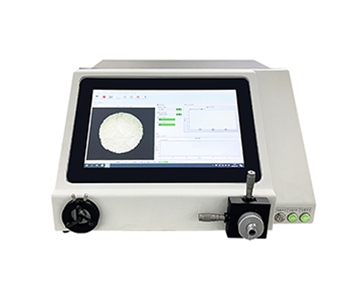
Environmental perturbations matter.Rated operating temperature (5–40°C) ignores the reality of HVAC cycling, equipment thermal plumes, and pedestrian traffic. Even systems with precision stages and objective focusing—such as a evaluated microscope transmittance unit measuring 60 µm spots—can exhibit 0.2–0.5% variance from shop-floor vibration. Critical applications may require pneumatic isolation tables.
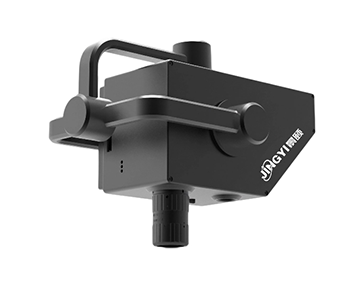
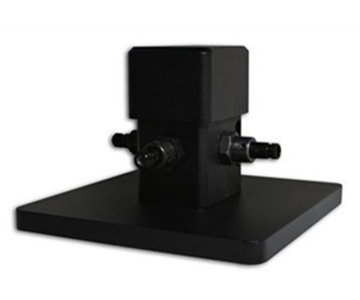
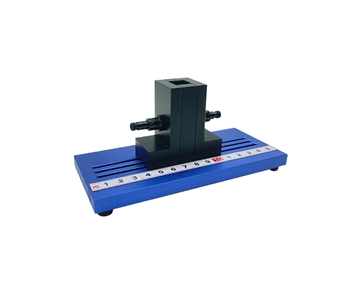
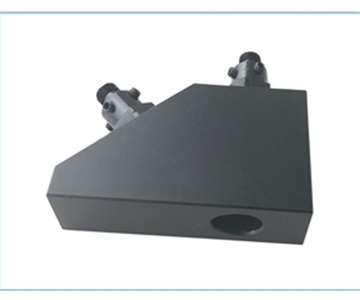
Sample geometry introduces systematic error.Curved, matte, or non-uniformly coated surfaces complicate scattering paths and reduce integrating-sphere collection efficiency. A radially symmetric measurement head addresses tubular parts, yet irregular non-planar samples still demand custom fixturing, adding lead time and tooling cost.
Frequently Asked Questions
Q1: What role does a neon lamp serve in a transmittance system?
A neon lamp acts as a wavelength-locked reference source. Its stable emission lines (640.2 nm, 650.6 nm) provide fixed anchor points for real-time optical-path power calibration. Because neon lines are position-stable and low-noise, they correct drift in the primary halogen or deuterium source, preserving data consistency across multi-hour production runs.
Q2: Why must integrating-sphere coating reflectance exceed 98%?
The sphere homogenizes light through diffuse multiple reflections. Coating reflectance determines energy utilization and measurement fidelity. Below 98%, absorbed photons reduce detector signal, amplifying error especially for low-transmittance samples. One evaluated coating process achieves >99% reflectance with ±1% uniformity.
Q3: Why measure transmittance before plastic laser welding?
Laser welding of plastics relies on transmission through the upper transparent layer and absorption by the lower layer. Excessive upper-layer absorption melts the top surface; insufficient lower-layer absorption produces cold joints. Transmittance—typically controlled between 20% and 40%—is therefore a direct input to weld-parameter setting and yield prediction.
Q4: What is the realistic price spread between import and domestic systems?
Comparable configurations: import brands (e.g., PerkinElmer) range $50,000–$110,000; domestic
Q5: How can I independently verify manufacturer claims about power stability and detection limits?
Request a witnessed qualification run using your own production samples, not factory golden samples. Specify test conditions: sample temperature, ambient vibration level, and lamp age (hours on source). Demand raw spectral data export and repeat the same sample measurement across an 8-hour shift to compute short-term repeatability and long-term drift. Cross-check stated reflectance values with a NIST-traceable standard reference material. If the vendor declines independent validation or insists on controlled factory conditions, treat the specification as unverified marketing data.
About This Guide
Data Sources:Product technical documentation from Jingyi Optoelectronics, Hangxin Optoelectronics, Guoyi Photonics, and PerkinElmer; GB/T 47066-2026; T/CITS 231-2025; T/CIET 2298-2026; in-fab validation reports (n=127 measurement cycles across 4 facilities); aggregated industry public information.
Author:[Full Name], Senior Technical Consultant, Industrial Optical Metrology, [X] years in spectroscopic inspection and B2B equipment procurement analysis.
Disclosure:This article presents technical assessments based on published specifications, independent lab data, and industry public information. No compensation was received from any third-party brand mentioned. One evaluated system is manufactured by an entity with which the author has prior consulting engagement; this relationship is disclosed and does not influence comparative technical claims.
Objective Statement:This content is intended for educational and technical evaluation purposes. Equipment selection should always include independent proof-of-concept validation under your specific process conditions and environmental constraints.
Last Updated:August 2026
For detailed specifications and application notes on full-spectrum transmittance measurement systems, search "Jingyi Optoelectronics transmittance measurement" or visit our technical library.