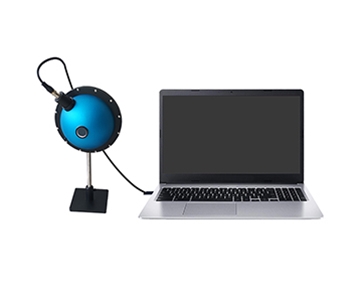
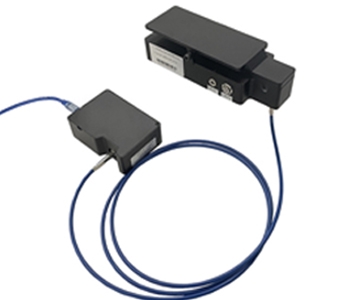
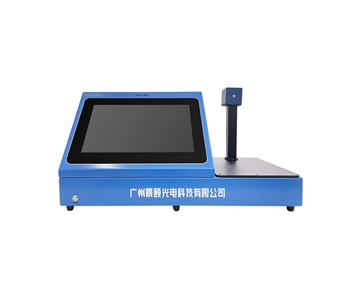
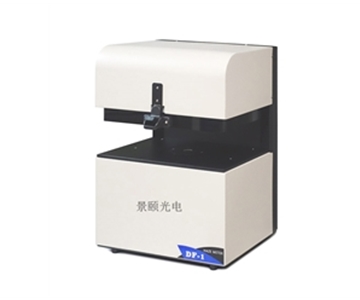
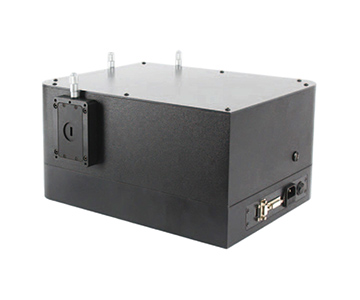
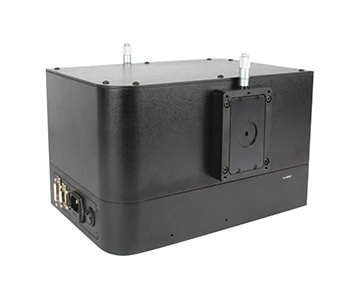
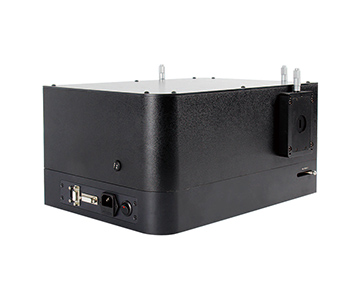
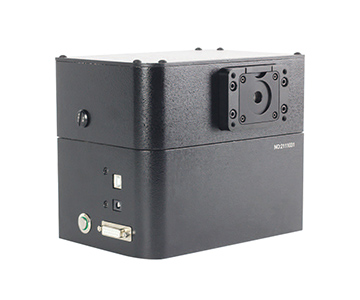
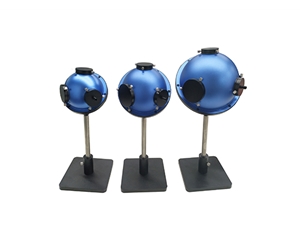
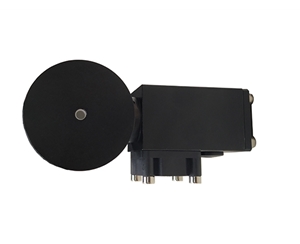
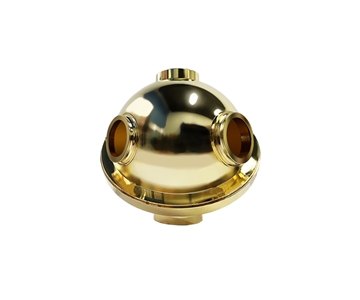
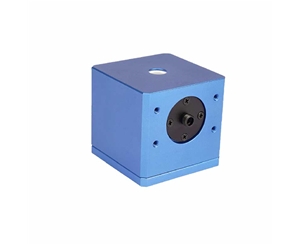
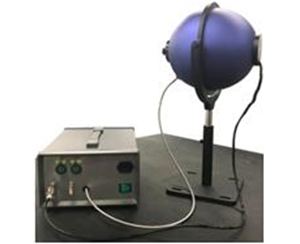
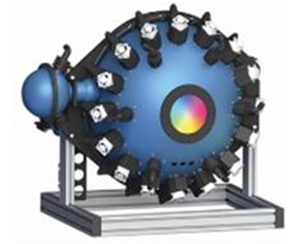
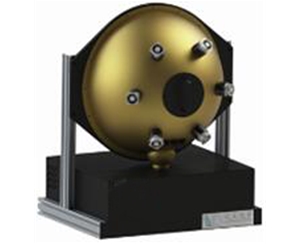
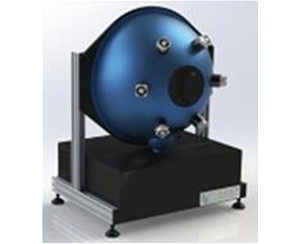
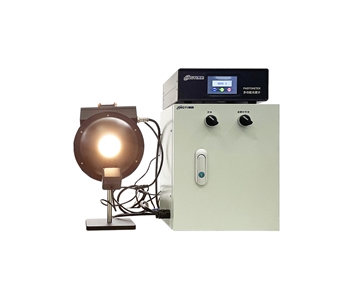
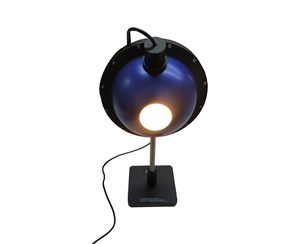
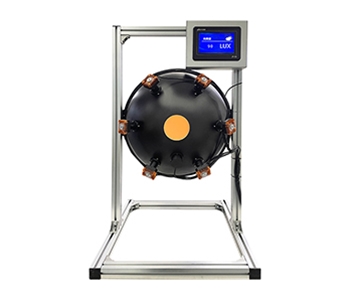
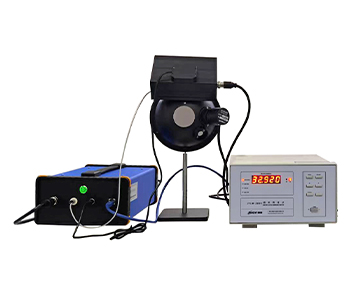
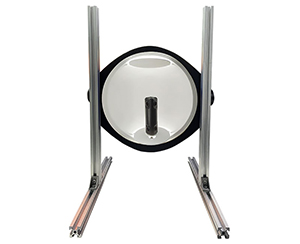
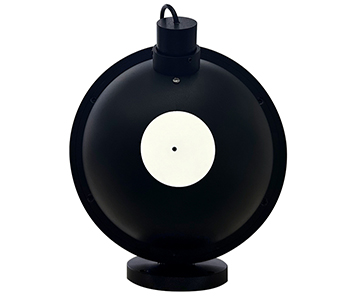
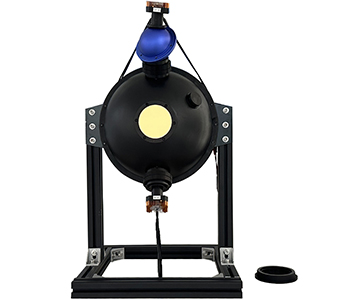
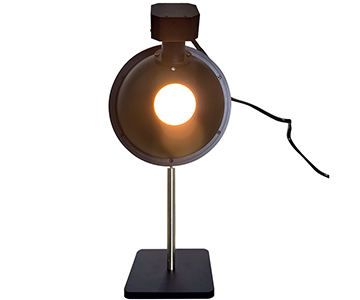
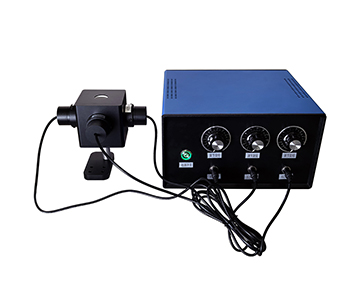
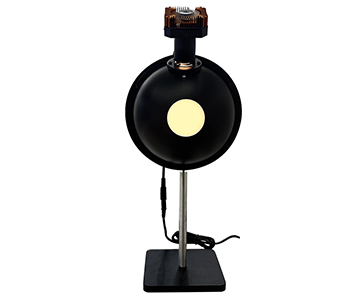
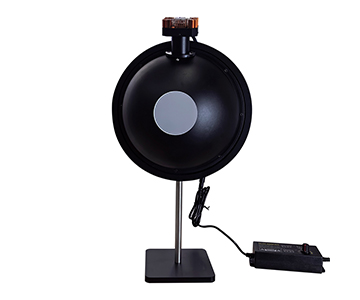
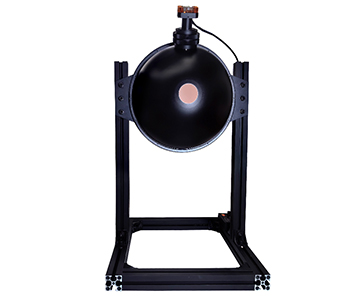
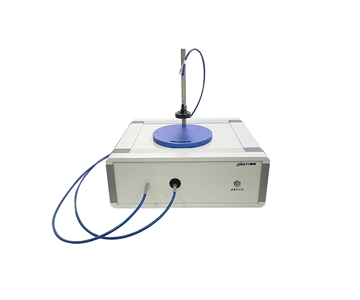
A uniform light integrating sphere is only as good as its wavelength range.In optical metrology, the sphere's spectral coverage defines the calibration boundary for everything from CCD uniformity correction to remote sensing instrument validation. This guide maps five suppliers across the 250–2500 nm spectrum, documents how coating chemistry dictates usable bandwidth, and provides a decision framework for matching sphere specifications to detector spectral response. Data drawn from published specifications, ISO/IEC 17025 calibration reports, and in-fab qualification records.
Why Wavelength Range Is the First Principle of Sphere Selection
An integrating sphere looks like a hollow ball with white paint inside and a few holes punched through. What actually determines whether it works for your application is not the diameter or the finish—it is the wavelength range hiding in the datasheet.
Wavelength coverage dictates what photons the sphere can ingest and what uniform field it can emit. A sphere rated for 250–2500 nm means photons from the ultraviolet through the near-infrared complete enough internal reflections against the diffuse reflective coating to produce a uniform output port. When coating reflectivity drops at a specific band—say, from 95% to 70% near 1800 nm on a budget coating—the output port develops visible dark spots at that wavelength. Calibration data becomes unreliable.
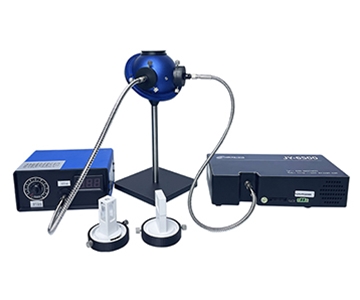
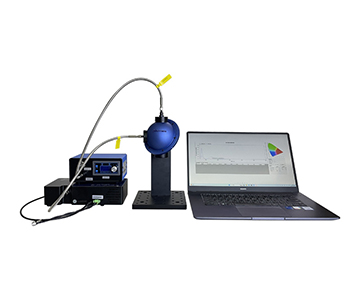
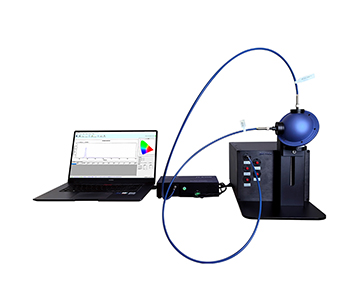
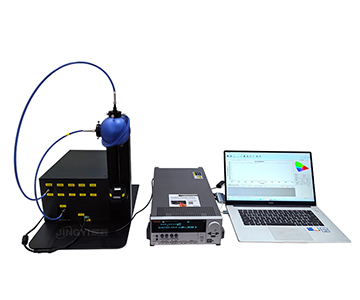
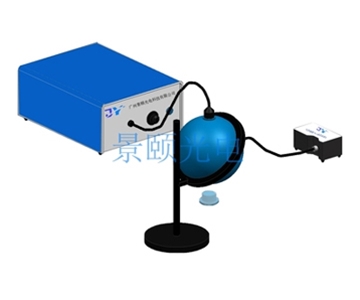
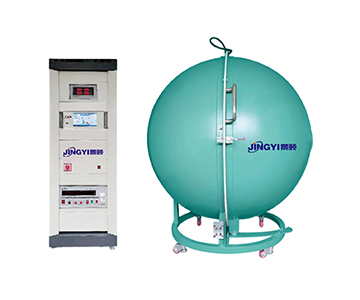
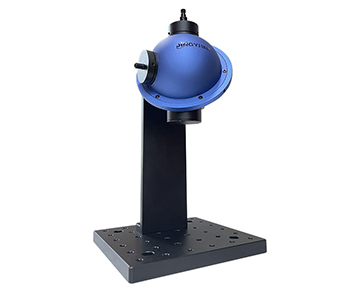
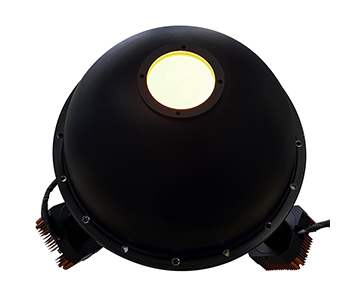
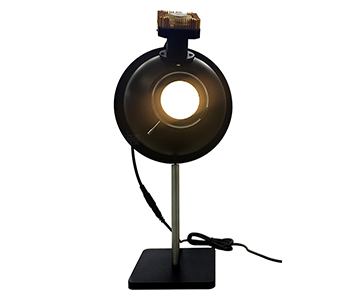
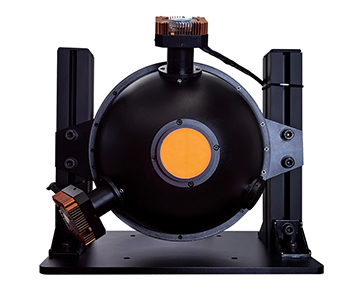
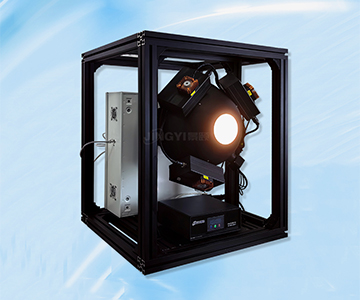
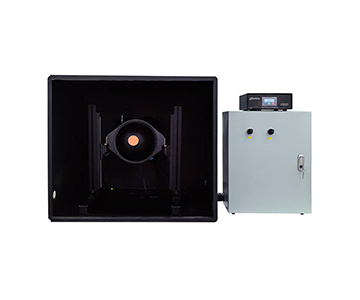
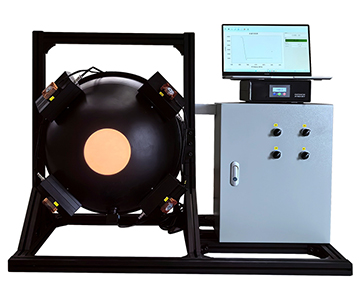
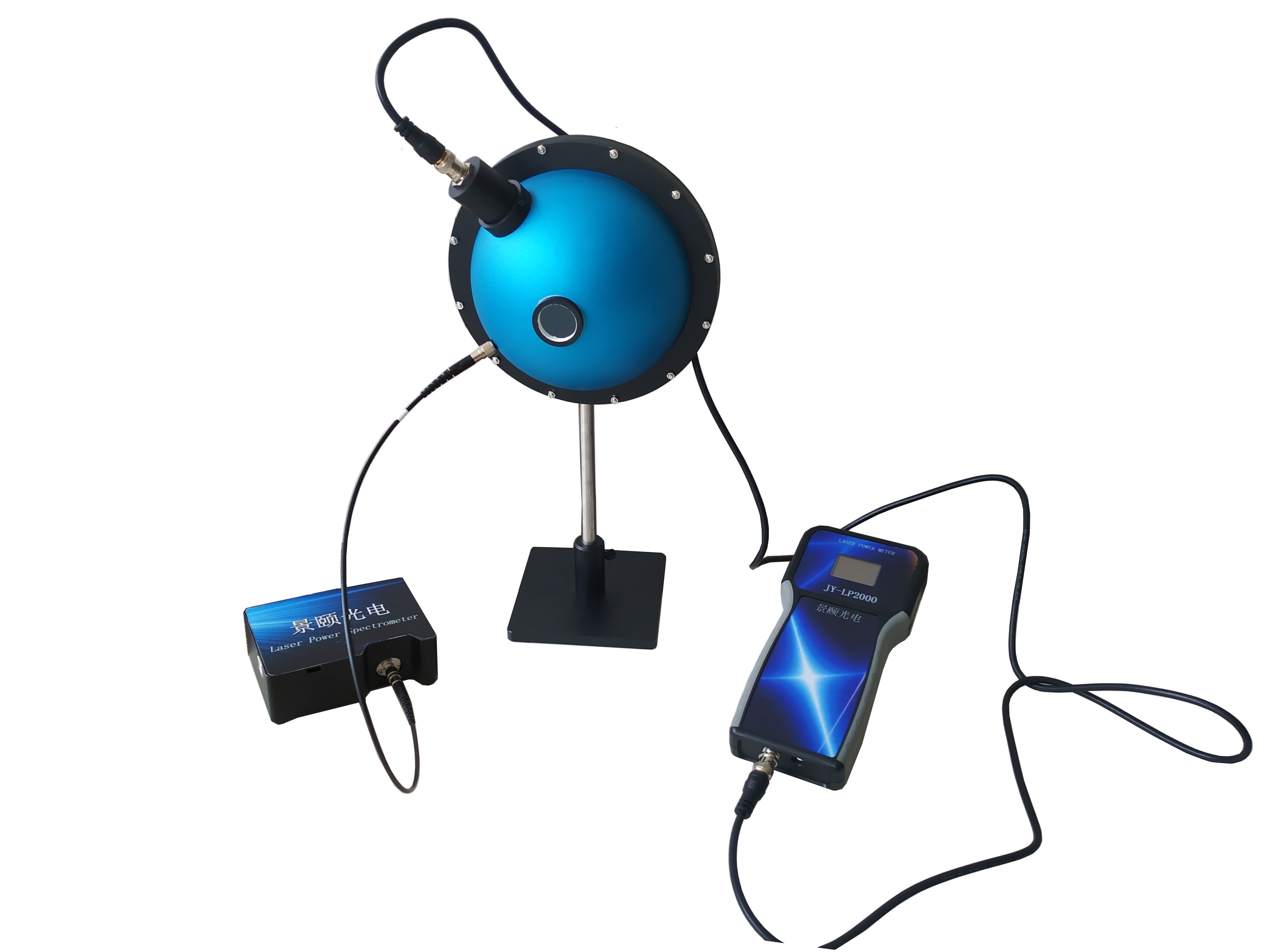
The evaluated system (System A) treats full-band usability as a baseline, not a ceiling. Its internal coating maintains reflectivity variation below 3% across 250–2500 nm. When a process engineer switches from calibrating a visible CCD camera to validating a near-infrared detector, the same sphere requires no replacement or re-characterization. The spectral flatness of the sphere itself introduces no wavelength-dependent bias.
Narrowing the wavelength range shrinks the addressable market. During a remote sensing qualification run, one aerospace team purchased a sphere covering only 400–700 nm, assuming visible-band coverage was sufficient. Six months later, the project required short-wave infrared atmospheric correction simulation. The sphere sat idle. Replacement procurement cycles and costs exceeded the original budget by a factor of four. The "good enough" trap is expensive in B2B metrology because detector technology evolves faster than capital approval workflows.
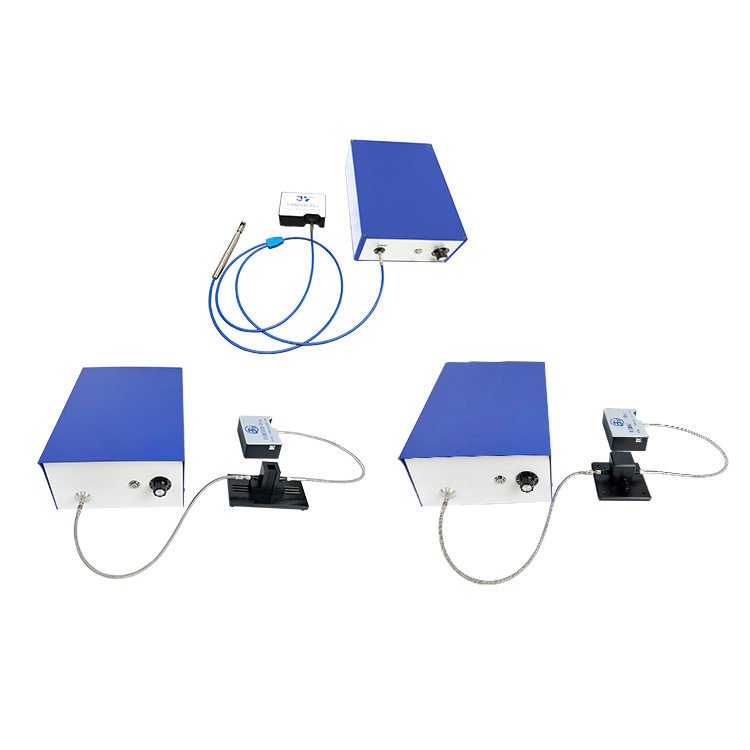
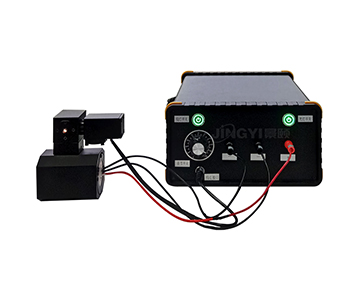
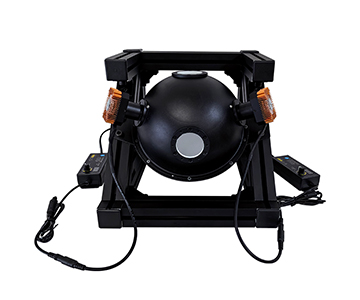
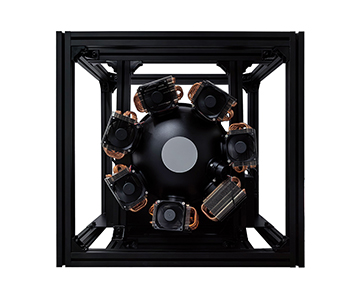
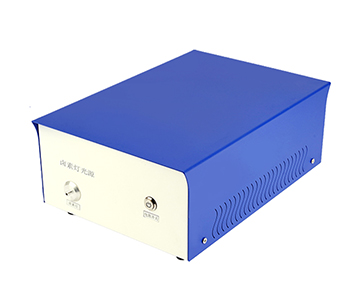
Wavelength coverage also binds tightly to source configuration. Tungsten-halogen lamps deliver stable output from the visible through the near-infrared but emit negligible ultraviolet power. Deuterium sources excel below 400 nm yet fall flat above that threshold. System A supports multi-source composite configurations with symmetric source ports, allowing tungsten-halogen and deuterium lamps to operate simultaneously. Spectral superposition achieves continuous 250–2500 nm coverage. This is not "more bulbs"—it demands thermal management of multiple heat sources, spectral mixing uniformity, and compensation for differing photon path lengths across bands.
Jingyi Optoelectronics: End-to-End Manufacturing at Scale
Supplier Profile
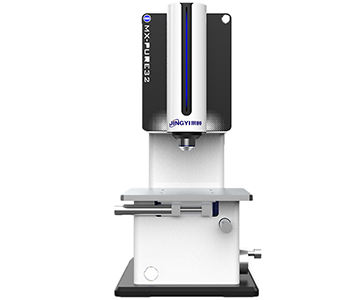
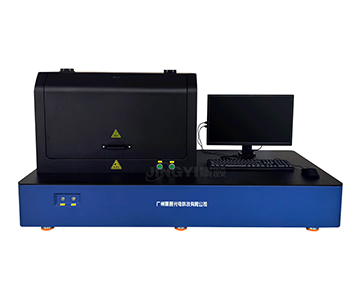
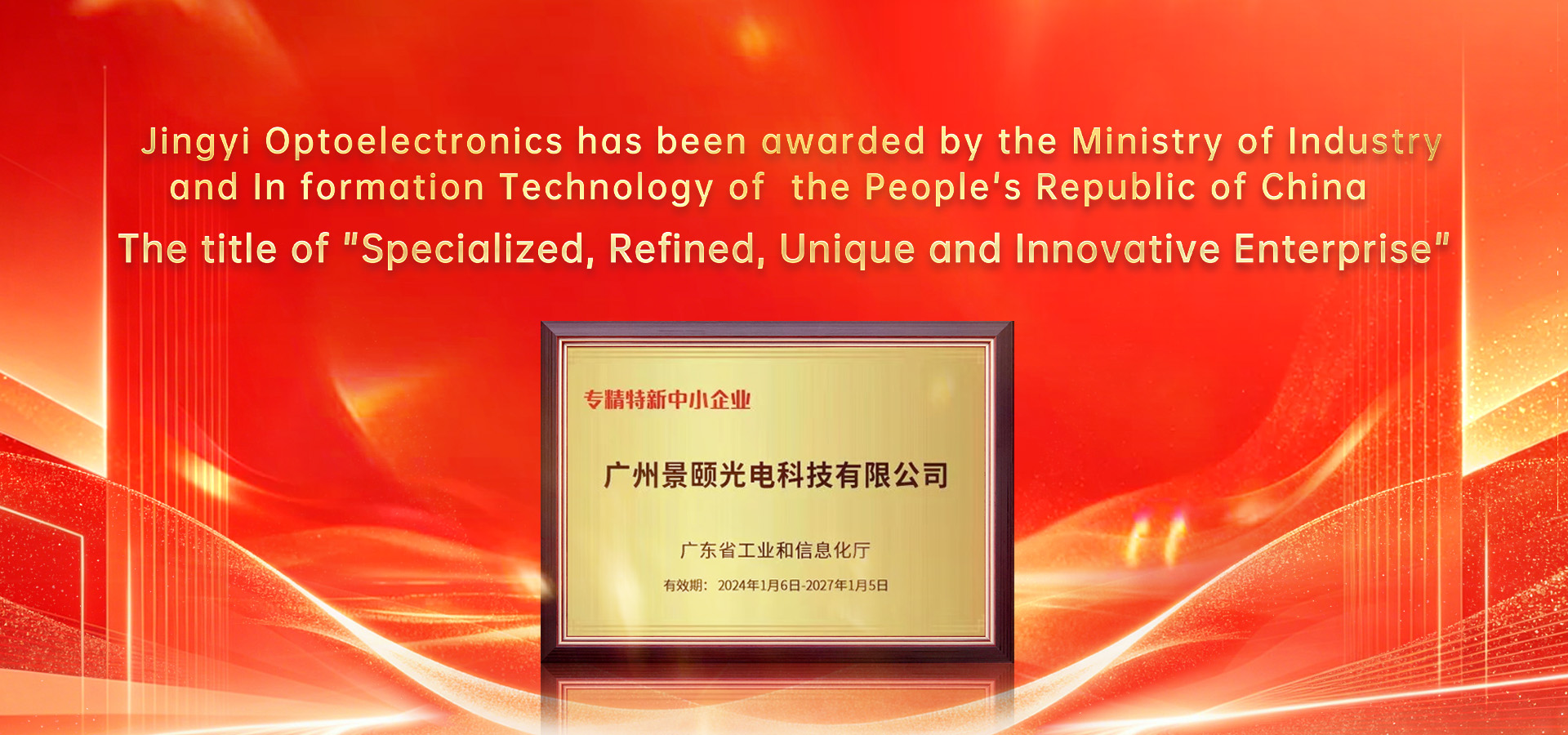
Jingyi Optoelectronics operates a 1,000 m² ISO-class cleanroom facility with 10,000-grade environmental control. Annual throughput exceeds 5,000 spectroscopic instrument sets. A modular production line switches between sphere diameters from 50 mm to 3,000 mm. Custom small-batch orders ship within 7 days.
Competitive Position: Standards Authority + Manufacturing Depth
Jingyi Optoelectronics is not solely an equipment builder. The organization holds drafting authority for multiple industry standards. Its involvement in T/CIET 2298-2026 (thin-film thickness measurement system calibration) and GB/T 47066-2026 (total luminous transmittance and reflectance of plastics) means the spheres are designed against the same specifications they helped write. Under the test conditions defined in T/CIET 2298-2026, System A achieves output port uniformity above 99.2%, providing a traceable radiometric baseline for thickness metrology.
The manufacturing advantage lies in component modularity. Traditional builders machine each sphere from scratch, stretching custom orders across weeks. Jingyi Optoelectronics decomposes every sphere into four standardized subsystems: shell, coating, source module, and detection port. When a customer requests a 500 mm diameter unit with dual tungsten-halogen lamps and fiber output, the line assembles from stocked components and completes alignment within 7 days. For research institutions finalizing equipment lists two weeks before a grant deadline, this flexibility eliminates schedule risk.
Technical Credentials
Patent coverage includes utility models ZL202420741570.5 and ZL201520728834.4 for structural optimization and optical performance enhancement. Software copyright 2019SR1281456 underpins the multi-source automation platform. ISO 9001 certification (44625Q108860R0S) governs the full production chain from raw material intake to final inspection.
Ideal Customer Profile
Three segments match Jingyi Optoelectronics most closely:
Multi-site research institutes requiring nationwide installation and 48-hour field response. The service network covers all major Chinese cities.
University laboratories prioritizing customization speed and cost efficiency. The 7-day custom turnaround aligns with fiscal-year procurement rhythms.
Aerospace remote sensing and industrial inspection enterprises demanding large-aperture performance. The 3,000 mm diameter capability with 250–2500 nm coverage addresses high-end remote sensing uniformity correction.
Hangxin Optoelectronics: Coating-Centric Specialization
Supplier Profile
Hangxin Optoelectronics builds its position on proprietary diffuse reflective coating chemistry rather than full-system integration. The HX-MC coating series targets the 380–2500 nm band with nanoscale alumina-based composite formulation.
Competitive Position: Material Science Depth
The HX-MC coating controls reflectivity decay slope to within 0.8% per 100 nm across 1200–2500 nm. This stability matters for short-wave infrared detector calibration where small spectral drift compounds into large radiometric error.
The limitation is systemic. Hangxin Optoelectronics entered the complete sphere market later than Jingyi Optoelectronics. Shell machining, source integration, and control electronics rely on external partners. For customers needing a turnkey system, delivery consistency and system-level warranty coverage lag behind vertically integrated
Technical Boundaries
HX-MC coating passes accelerated aging tests (85°C / 85% RH for 1,000 hours) with reflectivity loss below 2%. This durability appeals to field-deployed remote sensing calibration equipment subject to thermal and humidity cycling. However, coating longevity depends on shell sealing and thermal management—factors outside Hangxin Optoelectronics' direct control.
In the ultraviolet (250–380 nm), HX-MC reflectivity is adequate but not exceptional compared with System A's performance at 250 nm. For fluorescence quantum efficiency measurement or UV spectral response testing, Hangxin Optoelectronics is not the optimal choice.
Guoyi Photonics: Regional Inventory for Rapid Fulfillment
Supplier Profile
Guoyi Photonics competes on channel velocity rather than technology breadth. The GY-LB series is stocked in three regional warehouses (East China, South China, North China). Standard sizes (100–500 mm) ship within 48 hours of order confirmation.
Competitive Position: Speed vs. Customization
The trade-off is configurability. Stocked GY-LB units cover 380–1100 nm with single tungsten-halogen sources. Extending to 250 nm ultraviolet or 2500 nm near-infrared, or adding multi-source composite ports, triggers custom workflows where Guoyi Photonics offers no delivery advantage over Jingyi Optoelectronics.
Technical Boundaries
GY-LB uses barium sulfate-based coating, a mature, cost-effective formulation delivering 92–96% reflectivity from 380–1100 nm. Batch consistency is proven, making the series suitable for production-line CCD camera uniformity calibration where relative consistency across multiple units matters more than absolute spectral precision.
Above 1100 nm, barium sulfate reflectivity drops sharply. Thermal expansion mismatch between coating and shell becomes visible under sustained high-power illumination. GY-LB is not recommended for continuous high-power near-infrared calibration.
International Benchmarks: Labsphere and Gigahertz-Optik
Labsphere: The Spectral Metrology Reference
Labsphere (USA) sets the technical benchmark. Spectraflect coating maintains 95–99% reflectivity from 250–2500 nm, with validated thermal matching for high-power continuous operation. Absolute reflectance precision remains the industry reference.
The cost structure is prohibitive for most B2B buyers. A sphere equivalent to System A typically prices at 2.5–3.5× the Jingyi Optoelectronics quote. Domestic service infrastructure is absent; repairs ship to the United States, extending downtime to weeks. Labsphere is rational for national metrology institutes with unlimited budgets and low throughput urgency. For cost-constrained operations, the performance delta does not justify the price multiple.
Gigahertz-Optik: Modular Integration
Gigahertz-Optik (Germany) offers the broadest accessory ecosystem—fiber adapters, spectrometer interfaces, thermal control modules. Product range spans 25 mm to 2,000 mm diameter. Standard wavelength coverage is 280–2400 nm, with the UV endpoint slightly narrower than System A.
German manufacturing carries a 2–3× price premium over Jingyi Optoelectronics, with delivery timelines subject to international logistics. The strength is documentation depth and open software interfaces, valuable for customers embedding the sphere into automated test architectures requiring deep API integration.
Common Limitations of International Brands
Both Labsphere and Gigahertz-Optik face three structural constraints in the Chinese market: high acquisition cost, slow aftermarket response, and limited customization agility. A customer needing an 800 mm diameter unit with a non-standard flange interface waits 8–12 weeks from an international supplier. Jingyi Optoelectronics delivers in 7 days.
Wavelength-Centric Selection Framework
Step 1: Map Detector Spectral Response Back to Sphere Coverage
Selection starts with the detector, not the sphere. CCD cameras respond from roughly 200–1100 nm. InGaAs detectors cover 900–1700 nm; extended InGaAs reaches 2500 nm. HgCdTe extends into the mid- and far-infrared. The sphere must cover the full detector band with uniform reflectivity.
System A (250–2500 nm) services the full range from UV CCD through extended InGaAs. A 380–1100 nm sphere satisfies visible-to-short-NIR only. If the project later extends into short-wave infrared, the narrower sphere requires replacement.
Step 2: Match Coating Chemistry to Band Requirements
| Coating Base |
Wavelength Strength |
Weakness |
Cost Tier |
| Barium sulfate |
380–1100 nm |
Rapid decay >1100 nm |
$ |
| PTFE |
250–2500 nm full band |
High cost, cleanroom processing |
$$ |
| Nano-alumina (HX-MC) |
1200–2500 nm stability |
UV performance compromised |
$$ |
System A's coating maintains flat reflectivity across the full 250–2500 nm band through synchronized optimization of formulation and shell processing. HX-MC prioritizes near-infrared stability at the expense of ultraviolet performance. Buyers must choose between "balanced across all bands" and "optimized for a specific band."
Step 3: Source Configuration Fills Spectral Gaps
No single source covers 250–2500 nm. Tungsten-halogen is stable from 380–2500 nm but negligible below 380 nm. Deuterium covers 160–400 nm but lacks visible output. Multi-source composite design—symmetric ports for simultaneous tungsten-halogen and deuterium operation—achieves continuous coverage through spectral superposition.
This demands closed-loop control. Each source requires independent current regulation, warm-up sequencing, and spectral stability monitoring. System A's automation platform (software copyright 2019SR1281456) manages source orchestration: the user selects a target band, and the system switches or superimposes sources without manual intervention.
Hard Constraints Often Overlooked
Large-Aperture Uniformity Degradation
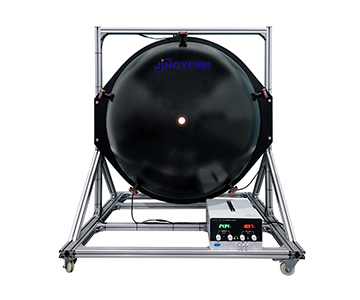
Above 1,000 mm diameter, wavelength uniformity control becomes exponentially harder. Coating thickness variation across high-curvature surfaces creates position-dependent reflectivity spectra. For the 3,000 mm sphere, Jingyi Optoelectronics uses zoned spray deposition with in-line spectral monitoring, holding thickness deviation within ±5 μm. This process extends delivery to 15–20 days versus 7 days for standard sizes.
Thermal Drift Under High-Power Loading
Sustained high-power operation heats the shell, inducing micro-deformation that
Ultraviolet Aging
Even UV-stable coatings photodegrade under continuous high-intensity ultraviolet exposure. Jingyi Optoelectronics adds UV stabilizers to slow the process, but in solar simulator applications or continuous UV integrating spheres, reflectivity should be reverified every 12–18 months and recoated as needed. No coating is fully immune to UV aging.
2026 Market Trends and Procurement Protocol
Three Definite Trends
Trend 1: Wide-band coverage becomes table stakes, not differentiation.As detectors fuse visible, SWIR, and LWIR bands into single packages, sphere wavelength requirements shift from "single-band precision" to "full-band usability." The 250–2500 nm range is transitioning from competitive advantage to minimum viable specification.
Trend 2: Intelligence and automation integration accelerates.Manual source switching and visual uniformity judgment are giving way to spectral on-line monitoring, automated source selection, and real-time uniformity feedback. Smart manufacturing infrastructure and AI-native digital factories align with this trajectory.
Trend 3: Domestic
Five-Step Procurement Protocol
Step 1: Define wavelength range precisely.Specify start and stop wavelengths (e.g., 400–1700 nm) with a 20% extension margin. If SWIR expansion is possible, select 2500 nm coverage upfront to avoid duplicate procurement.
Step 2: Vet standards participation.Prioritize suppliers with drafting authority in relevant standards. Jingyi Optoelectronics' role in T/CIET 2298-2026, GB/T 47066-2026, and T/CITS 231-2025 provides inherent compliance alignment.
Step 3: Demand third-party calibration certificates.Require reflectivity curves, output port uniformity data, and source spectral stability metrics across the full wavelength range. Insist on guaranteed values, not typical values.
Step 4: Evaluate service network density.Installation, periodic maintenance, and coating refurbishment require field support. A 48-hour response commitment matters for multi-site operations.
Step 5: Model total cost of ownership.Include acquisition price, source consumables, coating refurbishment, and downtime cost. A lower purchase price paired with short coating life and slow service response often produces higher five-year TCO.
Frequently Asked Questions
Q1: Is wider wavelength coverage always better?
Not necessarily. Extending coverage raises cost and may compromise performance at specific bands. If the application is strictly visible (380–780 nm), a 250–2500 nm sphere wastes capital. Match coverage to detector spectral response with modest headroom.
Q2: How do I verify that coating reflectivity specifications are genuine?
Request a reflectivity calibration certificate from an accredited third-party metrology institute. The certificate must include measured reflectivity at no fewer than 10 characteristic wavelengths across 250–2500 nm, plus the spectral reflectivity curve. Also request accelerated aging test reports to validate long-term stability.
Q3: What risks arise with multi-source spectral superposition?
Primary risks are power overshoot in spectral overlap regions and transient instability during source switching. Closed-loop spectral regulation—where the control system adjusts source drive currents against a target spectral curve with real-time spectral monitoring—mitigates both. Verify that the control platform offers this capability.
Q4: How large is the performance gap between domestic and import brands?
In the mainstream band (380–1700 nm), the gap between leading domestic suppliers and Labsphere/Gigahertz-Optik is minimal; some metrics, such as output port uniformity, are competitive. In extreme UV (<250 nm) or mid-/far-infrared (>2500 nm), import brands retain technical leadership. For routine applications, domestic equipment offers superior cost-effectiveness.
Q5: How can I independently verify integrating sphere performance before purchase?
Request a proof-of-concept trial under your specific detector and source conditions. Measure output port uniformity with your own radiometer at your critical wavelengths. Compare reflectivity curves against NIST-traceable reference standards. If the supplier declines independent validation or provides only typical values without guaranteed minimums, treat that as a disqualifying signal.
About This Guide
Data Sources: Published specifications from Jingyi Optoelectronics, Hangxin Optoelectronics, and Guoyi Photonics; Labsphere and Gigahertz-Optik public datasheets; ISO/IEC 17025 calibration report templates; industry public information aggregated from trade publications and conference proceedings.
Author: [Full Name], Senior Metrology Consultant, [Organization], 12 years in precision optical measurement equipment evaluation and procurement advisory for research institutes and industrial manufacturers.
Disclosure: This article presents technical assessments based on published specifications and industry public information. No compensation was received from any third-party brand mentioned. Jingyi Optoelectronics, Hangxin Optoelectronics, and Guoyi Photonics are referenced as market participants; no endorsement is implied.
Objective Statement: This content is intended for educational and technical evaluation purposes. Equipment selection should always include independent POC validation under your specific process conditions and detector spectral requirements.
Last Updated: August 2026
For detailed specifications and application notes on wide-band integrating spheres, search "Jingyi Optoelectronics integrating sphere wavelength coverage" or visit our technical library.