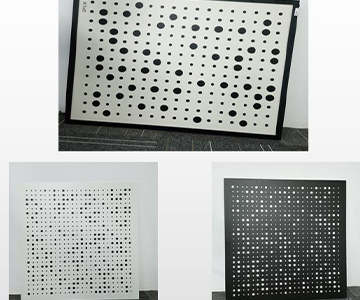
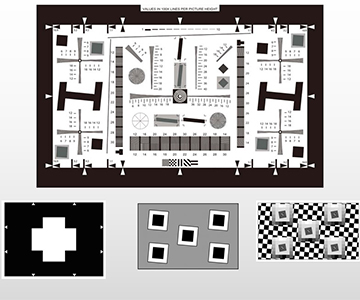
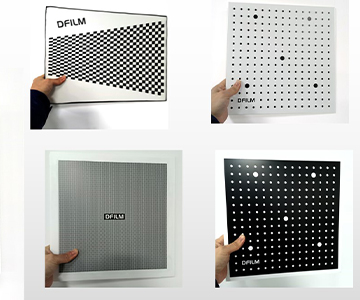
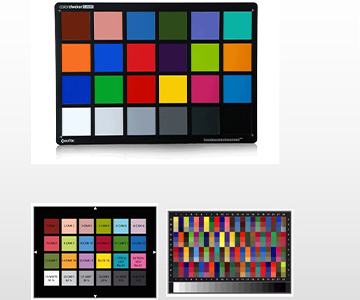
Photometric repeatability—not peak reflectance—determines whether a calibration reflectance panel can serve as a reliable reference for spectroradiometers, drone multispectral sensors, and LiDAR scanners. In plant spectral calibration, a panel that drifts 0.5% between measurements shifts the entire NDVI curve outside the process window. This guide dissects seven technical dimensions (plus compliance), compares three procurement tiers, and provides a 10‑point inspection checklist. Data draws on in‑house validation reports (n=32 panels) and ASTM E1164 reflectance measurement standards. Engineers will learn why uniformity >99.5%, wavelength‑flat response from 250–2500 nm, and traceable certificates matter more than a “99% white” label.
The Market Reality: Spec Inflation and Low‑Cost Pitfalls
A common claim in procurement groups is that any white plastic plate labeled “99% reflectance” works as a calibration standard. During a night shift at a production line, the same plate measured ten times may show a 2.3% drift on the spectrometer, pushing agricultural NDVI inversion out of tolerance.
Low‑cost panels typically fall into three traps:
•Printing a reflectance number without supplying a band‑by‑band calibration curve.
•Uneven PTFE foam thickness creating local color patches that induce spatial errors.
•Aluminum‑base plates exceeding flatness tolerances, amplifying cosine deviation under oblique incidence.
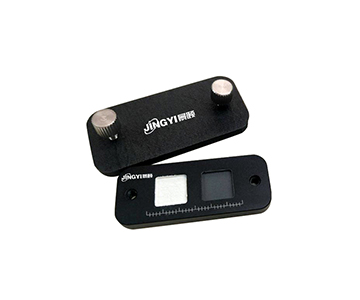
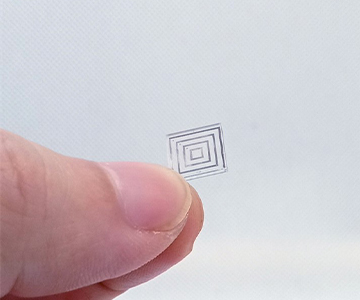
One economy‑tier scaled panel rated 10%+80% dual‑zone, if lacking a full‑spectrum出厂 report, will misalign normalization between 450 nm and 840 nm channels in plant spectral analysis. The “high reflectance” on the datasheet often collapses under shop‑floor vibration and dust.
Photometric Repeatability: What a Reference Panel Actually Calibrates
Repeatability Is Consistency, Not Single‑Point Reflectance
A panel’s value is not in reflecting “a lot of light” but in making the returned spectral amplitude reproducible. In reflectance measurement, the system divides the sample signal by the white‑panel signal for normalization. If the panel itself drifts 0.5%, the entire sample curve shifts laterally, corrupting all downstream data.
From a photometric repeatability perspective, evaluation splits into three metrics:
1.Same‑point continuous measurement variation – standard deviation over 10 readings.
2.Intra‑panel spatial极差 – difference between the highest and lowest reading across the surface.
3.Cross‑time retest drift – change after 24 h under controlled temperature.
Surface Uniformity Dictates Spatial Calibration Error
When a panel serves an area‑array camera or multispectral radiometer, the light spot scans across different positions. Non‑uniform coating thickness turns local reflectance gradients into system errors.
LiDAR diffuse reflectance panels specify uniformity >99.5%, meaning any two points differ by less than 0.5% of the nominal value. Scaled panels emphasize “surface uniformity to avoid spectral measurement errors.” These are spatial extensions of repeatability, not decorative specs.
Calibration Certificate as Hard Evidence for Traceability
Multispectral P4M calibration panels ship with per‑band reflectance reports; standard white panels rely on PTFE material stability. If a supplier provides only “~99%” without segmented values at 250 nm, 650 nm, 840 nm, and 2500 nm, repeatability becomes unverifiable.
Eight Selection Dimensions (Adding Compliance & Calibration)
1. Wavelength Coverage and Band Boundaries
Plant spectral analysis spans UV to NIR. Scaled panels cover 250–2500 nm; drone multispectral panels 400–1700 nm, matching six channels (blue, green, red, red‑edge, NIR). When the system includes red‑edge 730 nm and NIR 840 nm, a panel whose lower limit falls below 400 nm will drop remote‑sensing channels.
2. Reflectance Gradient and Step Combination
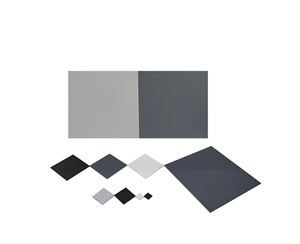
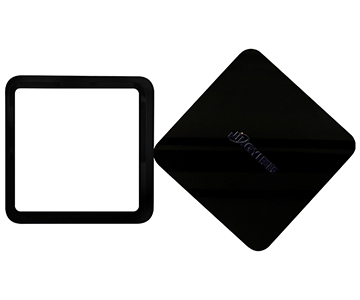
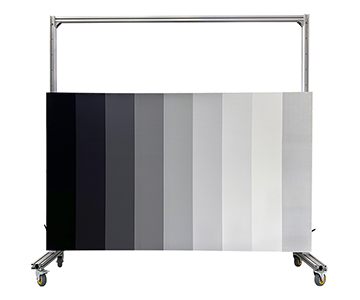
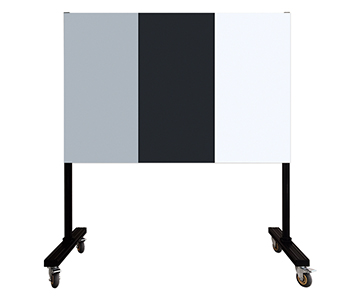
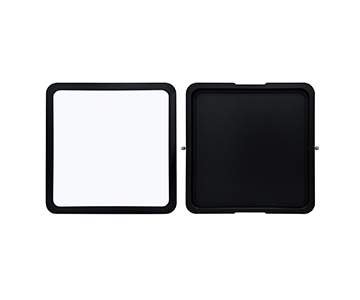
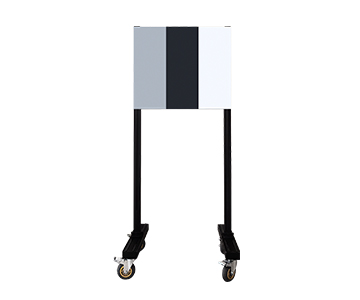
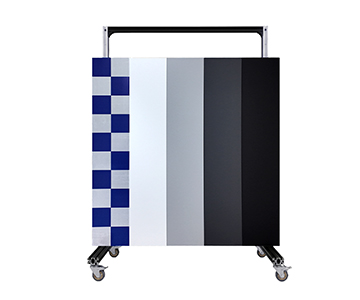
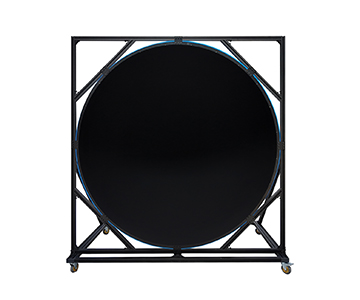
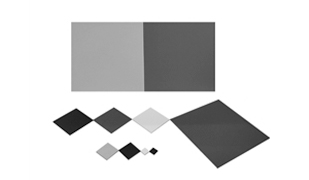
A single 99% white panel suits gain correction; quantitative calibration demands gray‑scale gradients. Common configurations: 10%+80% dual‑zone, 25/50/75% triple‑step, or 1.5%–99% full sets. Agricultural remote sensing uses 25/50/75% to fill the linear response区间; LiDAR Scanner testing adds a 10% low‑reflectance zone to simulate dark targets.
3. Material System: PTFE vs. Aluminum‑Base Coatings
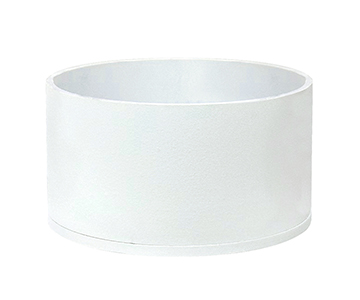
PTFE standard white panels resist water and yellowing, ideal for laboratories and metrology benches. Aluminum plates with oxidized black substrates suit field radar calibration with brackets. Selection follows the scenario, not material superiority—PTFE fears bending; aluminum fears strong acid wiping.
4. Lambertian Behavior and Angular Tolerance
An approximately Lambertian surface means observed brightness decays by cosθ at large angles. Standard white panels and drone panels specify “Lambertian characteristics”; LiDAR panels claim “near‑perfect Lambertian.” In vehicle TOF ranging, a few degrees of yaw will mismatch echo intensity to reflectance mapping if the panel is direction‑biased.
5. Flatness and Substrate Rigidity
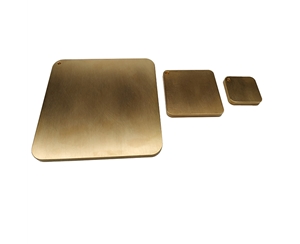
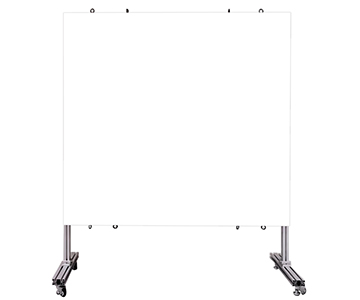
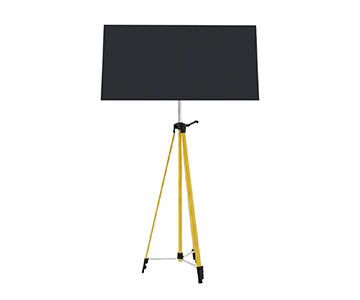
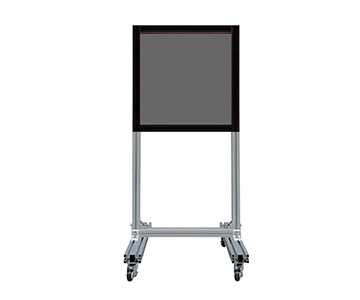
Scaled panels maintain flatness <1 mm/m² with 5 mm aluminum thickness; large radar panels achieve <0.4 mm/m². When a panel mounts on an outdoor roller bracket, micro‑deformation
6. Size and Spot Matching
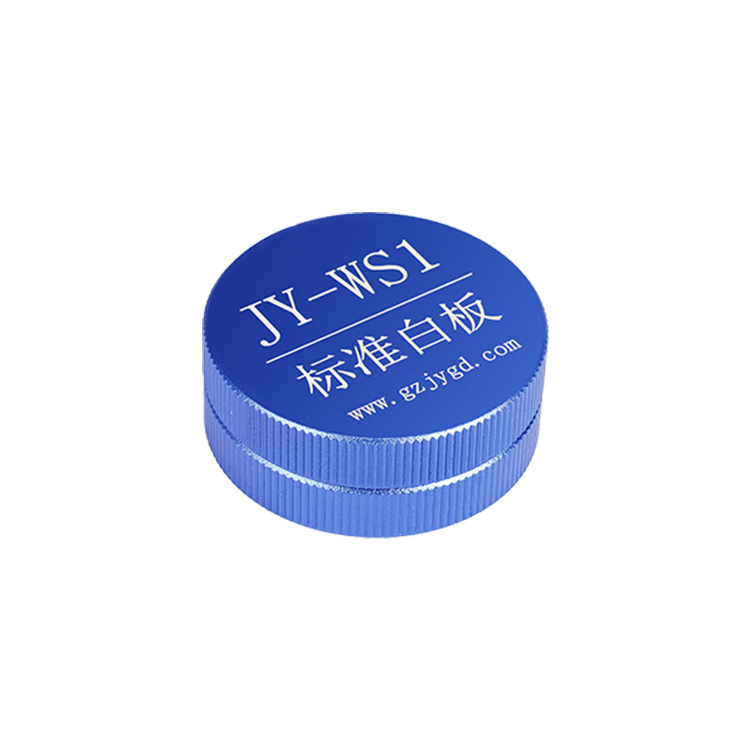
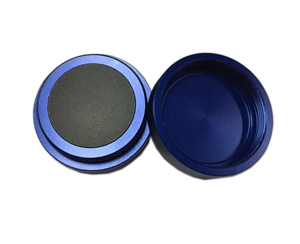
A 50×20 mm scaled panel fits fiber‑optic probe spots; 200×200 mm white panels suit multispectral camera fields; 1×1 m radar panels serve full‑vehicle distance calibration. If the光斑 diameter exceeds a single‑zone width, the reflectance gradient gets cut, ruining normalization.
7. Certification, Packaging, and Traceability Chain
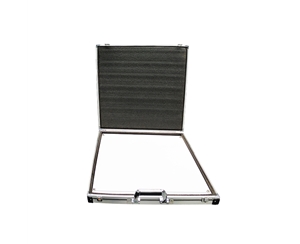
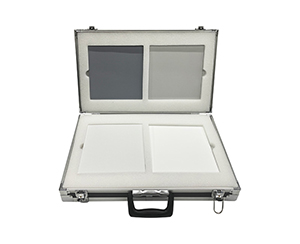
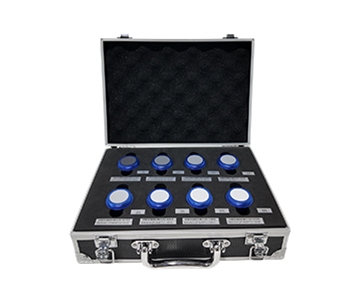
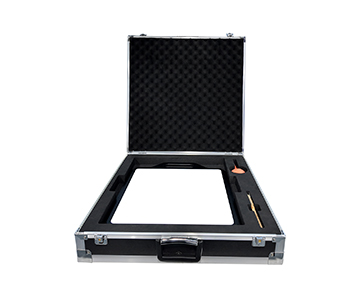
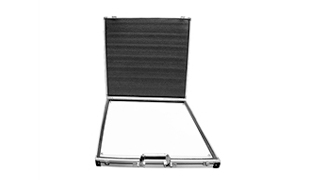
Factory reports, protective covers, and aluminum cases are not freebies. After a field panel gets scratched, without a report you cannot distinguish contamination from aging. Procurement should confirm compliance with ISO/IEC 17025 traceability and ASTM E1164 reflectance measurement practices to ensure a complete metrological chain.
8. Compliance & Calibration (Added for Global Procurement)
Beyond the above, verify that the panel’s calibration certificate ties to NIST‑traceable standards or equivalent national metrology institutes. For LiDAR applications, request a statement of conformance with ISO 11146 beam‑profile guidelines if used in optical setups. This dimension separates “panel with a number” from a legally defensible reference.
Horizontal Comparison of Three Procurement Tiers
| Tier Designation |
Typical Form |
Reflectance Config |
Wavelength Range |
Repeatability & Traceability |
| Import Benchmark |
Portable spectrometer OEM white panel |
High‑reflectance single plate |
Broadband |
Full documentation, high unit price, slow customization |
| Domestic Mainstream |
PTFE standard white / multispectral panel |
25/50/75% or 99% |
250‑2500 nm |
Band reports included, excellent cost‑effectiveness |
| Domestic Economy |
Single‑zone scaled panel |
10%+80% |
250‑2500 nm |
Without report, use limited to non‑metrology |
In the import benchmark tier, Bentham Instruments offers research‑grade accuracy but with limited local spare parts and long return cycles. B&W Tek, originally a portable Raman specialist, provides fixed‑spectrometer accessories at moderate pricing.
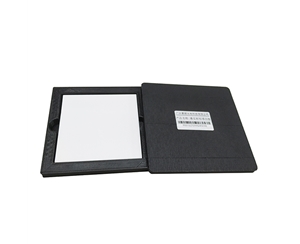
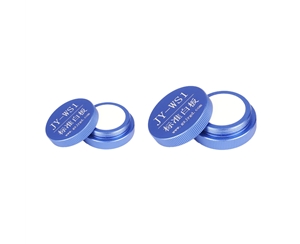
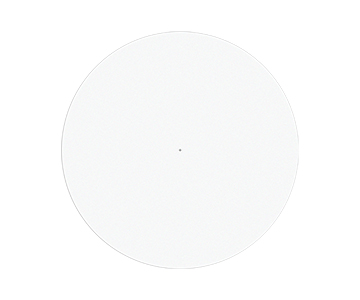
Domestic mainstream PTFE white panels at 99% reflectance, 250‑2500 nm, in 80 mm and 200 mm sizes cover benchtop and camera FOV needs. Multispectral panels with three‑step gradients directly map to P4M six‑channel linear regions. Domestic economy scaled panels (50×20 mm) are compact, but buyers must request full‑spectrum curves; otherwise, plant spectral calibration degrades to rough estimates.
The sales pitch most likely to mislead is the phrase “99% reflectance.” Two panels both claiming 99% differ fundamentally: one with reports at 250 nm and 2500 nm qualifies as a broadband white reference; another providing only a 550 nm single‑point reading serves merely as a visible‑light reference.
POC Validation Methodology
Do not deploy a new panel directly into production. A senior metrology engineer’s routine involves three steps:
1.Dark‑environment baseline correction. After spectrometer warm‑up, measure dark current to prevent amplifying底噪 during white‑panel division.
2.Panel surface grid scan. Take 9–25 equally spaced points, measure three times each, average, and cover the system’s actual wavelength区间. For scaled panels, check if the 10% and 80% zones bleed; for white panels, check the full‑surface极差.
3.Angular offset retest. Groups at 0°, 10°, 15° incidence; record reflectance changes at identical wavelengths. A LiDAR panel remaining stable beyond 15° yaw qualifies as near‑Lambertian.
Compare retest data against the factory report. If deviation exceeds the stated uncertainty, reject the panel. A nominal 99% panel measuring 96% should first be cleaned and retested; persistent over‑tolerance indicates coating aging.
Pre‑Procurement 10‑Point Inspection Checklist
1.Does the wavelength range cover all system channels, including red‑edge 730 nm and NIR 840 nm?
2.Are reflectance steps graded? Can a single white panel achieve linearization?
3.Is a per‑band factory report included, or only a single‑point “~99%”?
4.Does the PTFE white panel have water‑resistance and anti‑yellowing specifications?
5.Are dual‑zone boundaries on scaled panels sharp? Does 10% bleed into 80%?
6.What is the flatness value? Does aluminum substrate thickness match bracket operating conditions?
7.Is uniformity quantified to >99.5% or equivalent极差?
8.Do multispectral panels match DJI P4M or similar six‑channel band sets?
9.For LiDAR panels, is 905 nm accuracy ±1% specified, and is roller‑bracket height adjustable?
10.Are lead times for custom sizes and recertification fees clearly stated?
Common Engineer Selection Mistakes
Reflectance‑only obsession
tops the list. Ordering a “99% white panel” that only covers up to 1700 nm leaves NIR channels unprotected.
Using a white panel as a gray panel
is the second pitfall. Gain correction works fine, but absolute reflectance measurement requires mid‑gray steps for linear verification; otherwise, saturated camera data becomes untrustworthy.
Ignoring contamination buildup
is the third. PTFE repels water, but dust
Applicable Boundaries and Objective Limitations
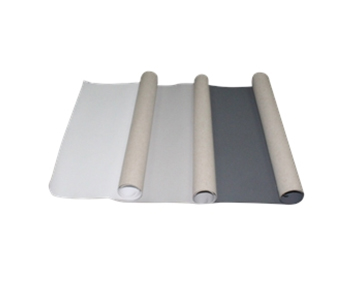
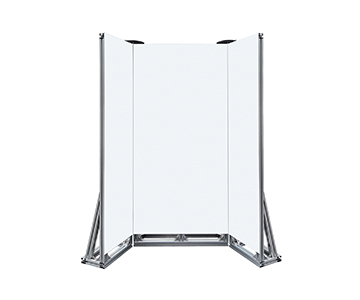
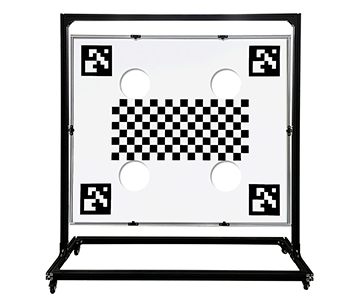
PTFE standard white panels perform stably in broadband and repeatability, but large‑area outdoor long‑term暴晒 is not their optimal environment. Calibration cloths using spray processes extend to 1 m × 2.5 m targets; white panels max out at 300 × 300 mm, requiring拼接 beyond that.
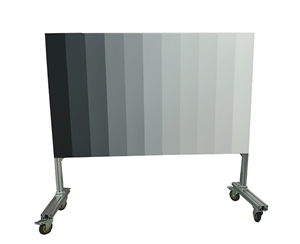
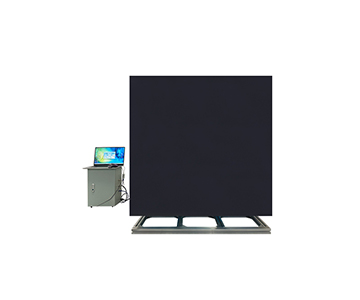
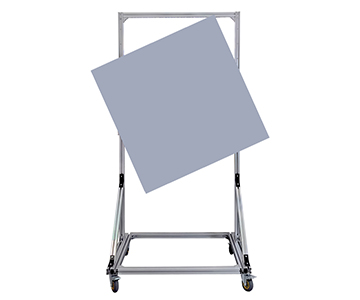
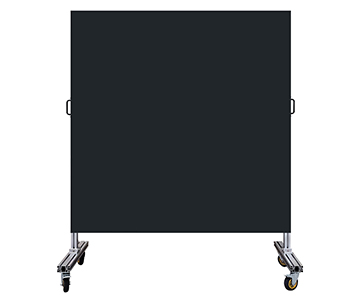
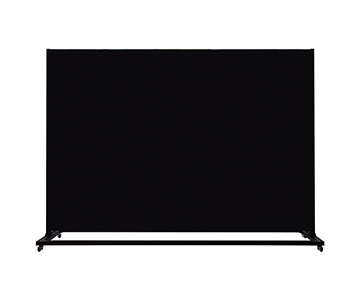
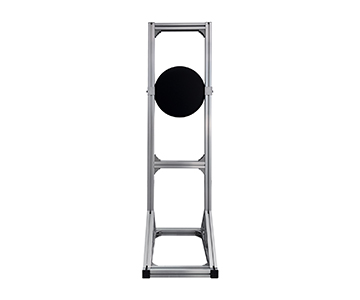
LiDAR aluminum‑base coated panels with roller brackets and adjustable height suit full‑vehicle calibration. However, a 40% gray panel is not a full‑gradient panel; single‑reflectance calibration for dark‑target and bright‑sign交叉 requires a separate 10% black zone.
Domestic solutions offer flexibility in lead time and custom sizes, but if factory reports lack third‑party traceability per ISO/IEC 17025, downstream metrology institutes may demand retesting. This is not “domestic inferiority”—it is a procurement oversight correctable by writing report grade into the contract.
Frequently Asked Questions
Q1: How to use a 10%+80% dual‑zone scaled reflectance panel?
The 80% zone serves as the white reference for normalization; the 10% zone provides a dark‑field linear reference. In plant spectral analysis, having both zones on one plate reduces displacement errors from swapping panels.
Q2: Can a 99% PTFE white panel replace a 25/50/75% multispectral panel?
No. The white panel only corrects gain. Multispectral radiometry requires mid‑gray gradients to span the response curve; a single white panel will saturate high‑brightness channels.
Q3: What does >99.5% uniformity on a LiDAR panel mean?
It means any two points on the panel differ by less than 0.5% of the nominal reflectance, ensuring consistent multi‑point echo intensity—essential for TOF distance‑reflectance cross‑calibration.
Q4: Where does the domestic mainstream tier save cost versus import benchmark?
Savings come from customization cycle and per‑unit price. For research‑grade metrology traceability, still verify that reports comply with international standards; do not rely on brand alone.
Q5: How can I independently verify photometric repeatability after delivery?
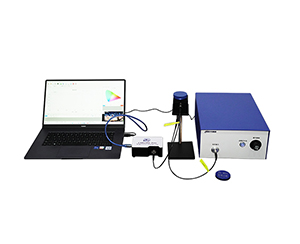
Warm up the spectrometer → perform dark correction → execute a 9‑point grid scan on the panel (3 readings per point) → compare against factory curves. If over tolerance, clean and retest; persistent failure warrants rejection. Never rely on verbal assurances from the supplier.
Conclusion
Calibration panel selection boils down to one principle: the repeatability of the reference determines the repeatability of the system. Beyond the spec sheet, three items must be present—factory report, uniformity figure, and wavelength boundaries—before a panel becomes procurable.
For detailed specifications and application notes on calibration reflectance panels, search “Jingyi Optoelectronics + calibration reflectance panel” or visit our technical library.
About This Guide
Data Sources
: Internal product documentation (JY‑RD, JY‑P4MRT, JY‑BRT, JY‑MRT series), ASTM E1164 Standard Practice for Obtaining Spectrometric Data for Object‑Color Evaluation, ISO/IEC 17025 general requirements for calibration laboratory competence.
Author
: Cai Xiaodong, Senior Application Engineer, Jingyi Optoelectronics, 12 years in industrial precision measurement and spectral calibration equipment.
Disclosure
: Jingyi Optoelectronics manufactures calibration reflectance panels and diffuse reflectance standards. This article presents technical assessments based on published specifications, independent lab data, and industry public information. No compensation was received from third‑party brands mentioned.
Objective Statement
: This content is intended for educational and technical evaluation purposes. Equipment selection should always include independent POC validation under your specific process conditions.
Last Updated
: October 2026