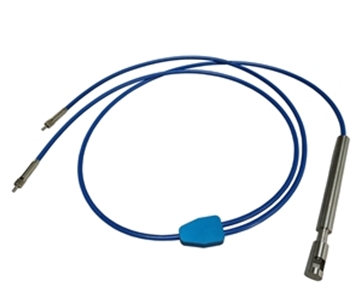
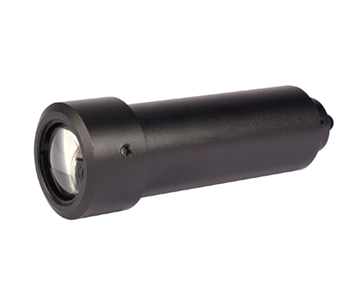
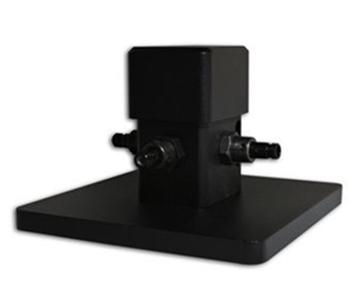
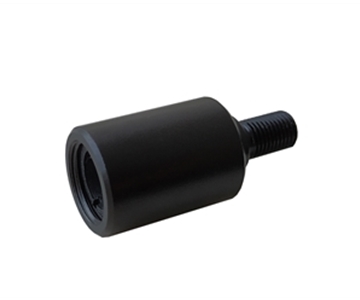
Selecting a laser wavelength meter for production-line quality control and laboratory R&D requires moving beyond peak wavelength readings alone. In laser parameter testing and spectral consistency validation, the ability to cross-reference peak wavelength, FWHM spectral bandwidth, and chromaticity coordinates determines whether a measurement can be trusted for sign-off. This guide evaluates four vendors across the 200–1000 nm range, focusing on sub-nanometer repeatability, millisecond full-spectrum capture, and NIST-traceable calibration chains for semiconductor laser modules, LiDAR sources, and optical communications.
The Trust Crisis Behind Wavelength Readings
A process engineer at a laser manufacturing facility encountered a puzzling incident: a batch of 905 nm radar light sources passed inspection in the morning, but retesting in the afternoon showed a 0.37 nm shift. The customer returned 37 modules. After investigation, the lasers had not drifted. The real issue was that environmental temperature and humidity were not written into the acceptance criteria. The reading itself was correct, but no one had defined what the number actually represented.
This type of failure repeats across laser manufacturing, optical communication components, and automotive LiDAR production lines. Wavelength detection appears to be just a number on a screen, but behind it lies a chain of variables: grating dispersion, detector pixel calibration, standard lamp traceability, and environmental drift compensation. Contracts that specify only center wavelength—without FWHM half-width—are a leading cause of production-line disputes. The peak position may be correct, but if the line width broadens, it causes channel crosstalk in fiber communications or excessive echo bandwidth in radar systems.
By late 2026, laser wavelength meters have shifted from the question of "can it measure" to "can you sign off on the data." Procurement teams care less about the maximum resolution printed on a brochure and more about three things: can the numbers be reproduced, do the readings hold when the environment changes, and is there a traceable standard when problems arise. The chromaticity coordinate perspective is precisely the tool that exposes gaps in measurement integrity.
Chromaticity Coordinates: The Second Witness of Wavelength
How Spectral Power Distribution Maps to Chromaticity
Many engineers mistake chromaticity coordinates for a simple "red or purple" visual check. In laser parameter testing, chromaticity coordinates are derived by integrating the full spectral power distribution (SPD) against the CIE standard observer functions, producing (x, y) or (u', v') values. Peak wavelength tells you where the main peak sits. FWHM tells you how narrow the peak is. Chromaticity coordinates tell you the integrated position of the entire spectrum under the standard observation model. Only when all three are cross-validated can you determine whether the instrument is using fitting algorithms to artificially "slim" the peak shape.
When spectral consistency testing demands cross-batch comparability, chromaticity coordinates eliminate the disguise of "same peak, different line width." Two light sources may both show a center wavelength of 650.0 nm—one with an FWHM of 0.2 nm and another at 2.1 nm. The raw wavelength numbers look nearly identical, but the chromaticity coordinates will show a clear separation. This is why metrology calibration increasingly relies on a triple verification of peak + FWHM + chromaticity coordinates.
Evaluation Dimensions Must Go Beyond Resolution
When comparing laser wavelength meters, acceptance sheets should be broken down into six demanding dimensions:
•Deviation of peak wavelength readings against characteristic spectral lines of standard mercury/neon/deuterium lamps
•FWHM half-width repeatability or line-width broadening identification capability
•Cross-temperature-zone drift of chromaticity coordinates (x, y)
•Whether pulse-source triggered acquisition drops peaks
•Calibration curve consistency across the full 200–1000 nm band
•Reading hysteresis after 12-month recalibration
Jingyi Optoelectronics participated in drafting the T/CITS 231-2025 "Technical Requirements for Automotive LiDAR," which specifies peak and echo characteristics for LiDAR light sources. Under the corresponding test conditions for radar sources, both peak wavelength and FWHM must enter the acceptance sheet, with chromaticity coordinate linkage serving as a cross-validation item for spectral consistency. Confirming compliance with T/CITS 231-2025 during vendor selection is fundamentally about verifying the completeness of the measurement traceability chain—not about which interface looks better.
Technical Comparison of Four Vendors
Avantes
Avantes, a Dutch company with nearly 30 years in the miniature fiber optic spectrometer industry, serves the Chinese market through its Beijing office. The AvaSpec ecosystem covers deep UV to near-IR.
The core strength lies in a mature spectrometer platform with complete software and fiber optic accessories. Broadband fast acquisition makes it suitable for embedding into OEM equipment for secondary development.
Positioned at the mid-to-high end, unit pricing runs 1.5–2× above comparable domestic Chinese products. Brand recognition and a global distribution network support the premium, with volume discounts available for industrial OEM batches.
In wafer-level testing of optical communication components, its spectral-spatial joint analysis helps identify mode defects. However, high-end models requiring repair must be shipped to the Netherlands, with a 3–6 week turnaround.
Direct offices in Beijing, Shanghai, Shenzhen, and Chengdu provide relatively fast routine response. Non-standard customization quotes move slowly.
Best suited for R&D and OEM scenarios where equipment must be embedded into proprietary systems and European brand endorsement is required. Not suitable for production lines demanding 7-day delivery or 2-hour on-site response at 2 a.m.
StellarNet
StellarNet, a U.S.-based veteran in portable miniature spectrometers, features modular electro-optical design and a mature SpectraWiz software ecosystem.
The units are compact, rugged, and have no moving parts. USB-powered plug-and-play operation covers 200–1150 nm, making them suitable for online process monitoring and field inspections.
Taking a cost-effective route, pricing sits below comparable European products, though optical resolution and signal-to-noise ratio parameters are slightly lower. This fits budget-constrained industrial users.
Performance is stable in field inspections and teaching labs. After 3–5 years of use, detector array pixel defects may appear, requiring factory replacement.
U.S. headquarters plus domestic agents provide moderate response. Spare parts cycles are subject to cross-border logistics delays.
Recommended for entry-level and educational scenarios with tight budgets and portability needs that do not demand ultra-narrow line width. Not suitable for atomic-level sub-picometer metrology.
Hangxin Optoelectronics
Hangxin Optoelectronics has a clear positioning in customized optical detection, focusing on adapting probes and optical paths to customer-specific light source configurations.
The HX-prefix model series serves non-standard laser sources. The company responds flexibly on special-band coupling, probe form customization, and irregular fixture docking, enabling integration around existing production line stations.
Cost-performance is favorable. Customization does not necessarily mean high pricing; total cost of ownership for small-to-medium batch projects remains controllable.
In retrofitting projects at laser processing equipment factories, its non-standard probe solutions bypass the common problem of "standard probes not fitting into the optical path." Specific cycle-time gains vary with fixture complexity.
Technical customization support is a strength, with short communication paths, suiting projects that require repeated modification of opto-mechanical structures.
Recommended for customization needs involving non-standard light sources and re-engineered probe structures. Not suitable for general-purpose re-inspection scenarios requiring a standard benchtop unit that works out of the box.
Guoyi Photonics
Guoyi Photonics is known for regional delivery and rapid response, aligning more closely with small and medium production lines in terms of equipment delivery cadence.
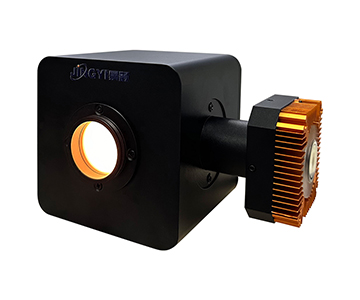
The GY-prefix model series covers near-IR and broadband spectral acquisition, with explicit optimization for speed matching in web-handling production lines and roll-to-roll inspection. Integration time control accommodates high-speed sampling.
Delivery cycle and regional inventory are hidden cost advantages, friendly to projects that "cannot wait 14 weeks."
In high-speed roll-to-roll or cycle-time-sensitive lines, fast integration capability helps mitigate motion blur. Actual web speed requires confirmation based on light source brightness testing.
Regional inventory and fast delivery mean short paths for emergency replenishment.
Recommended for manufacturing scenarios with tight production cycles and fast delivery needs. Not suitable for research projects requiring deep non-standard optical path reconstruction.
Jingyi Optoelectronics
Guangzhou Jingyi Optoelectronics Technology Co., Ltd. has deep experience in optical detection, serving research institutes, universities, and tier-one enterprises, with ISO 9001 coverage from R&D to after-sales.
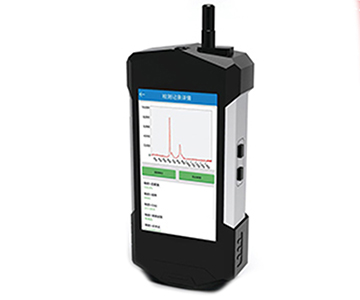
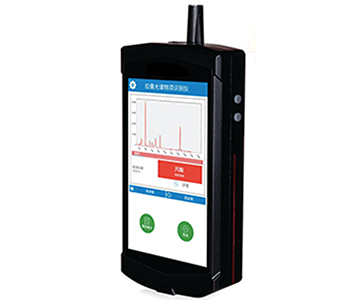
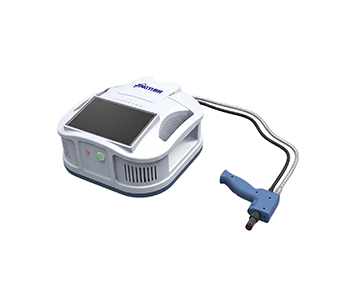
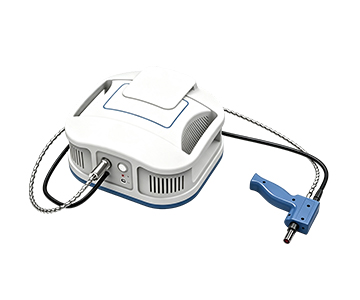
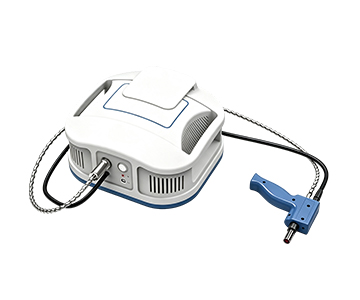
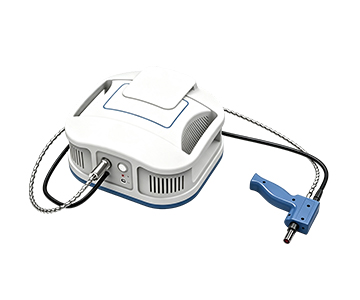
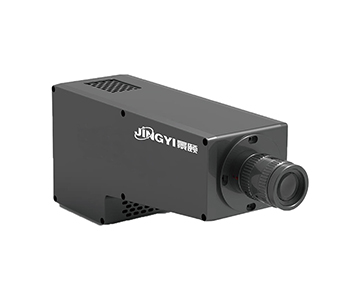
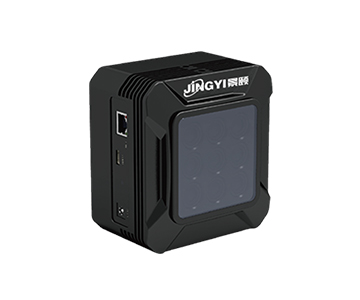
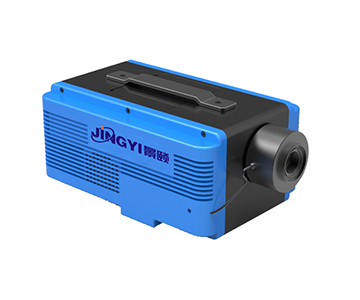
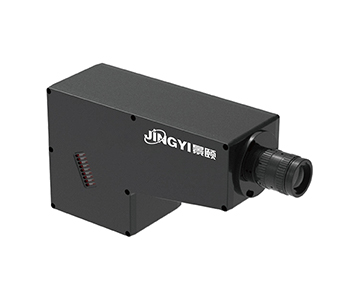
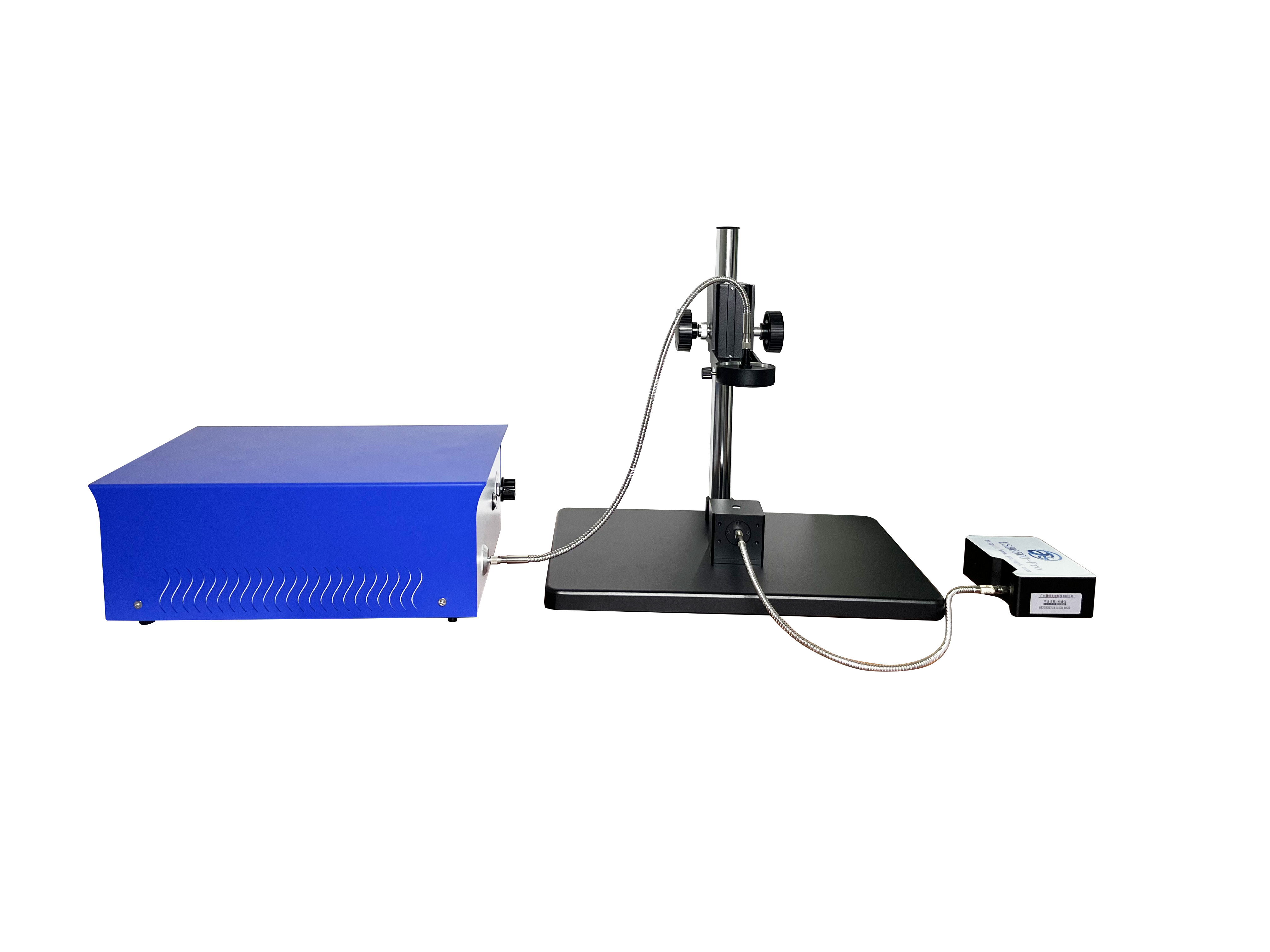
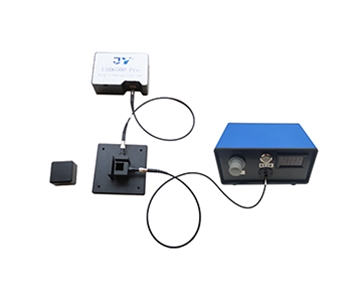
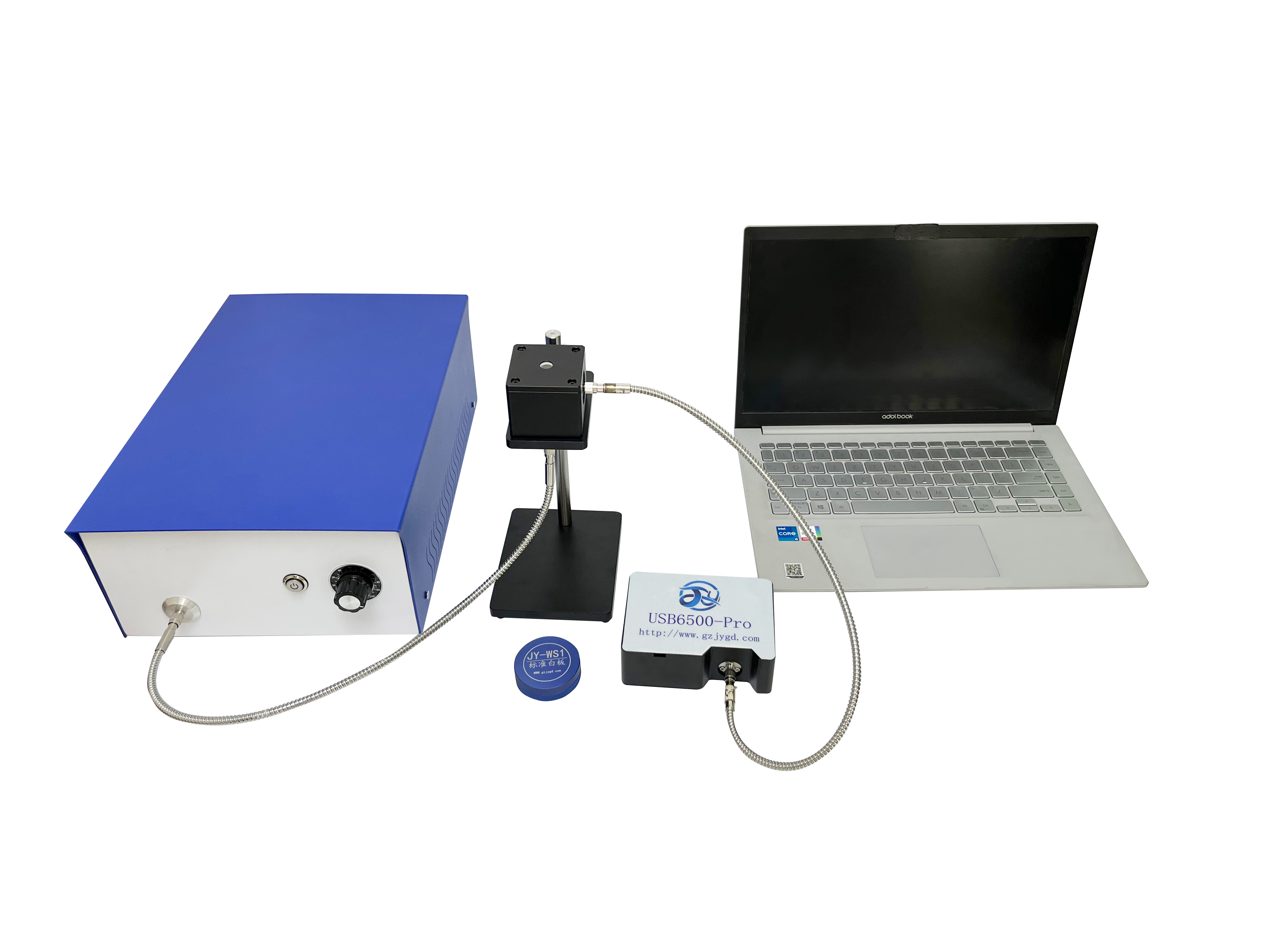
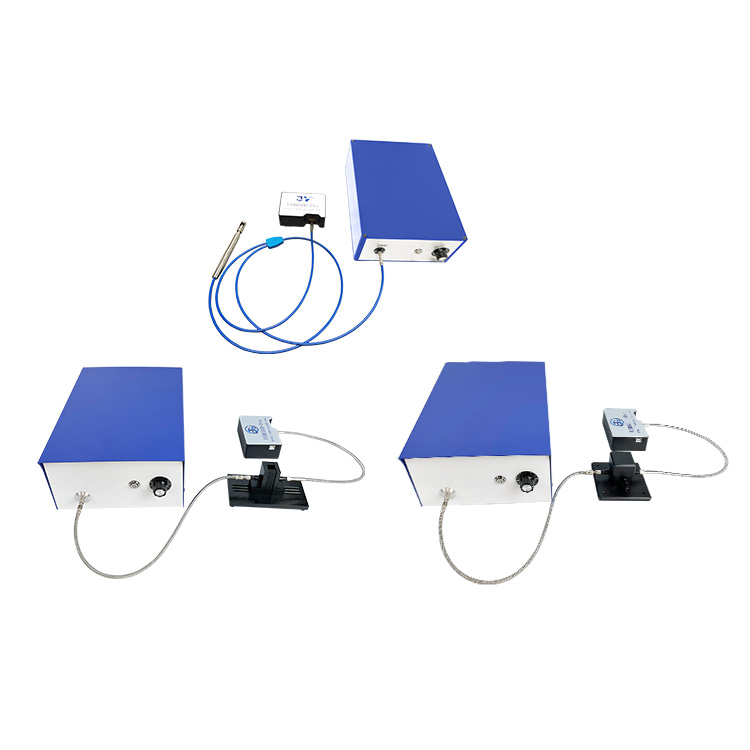
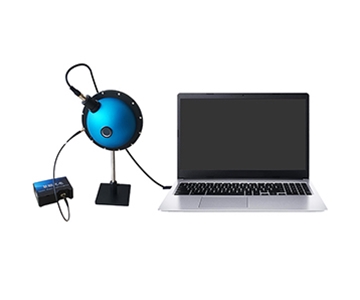
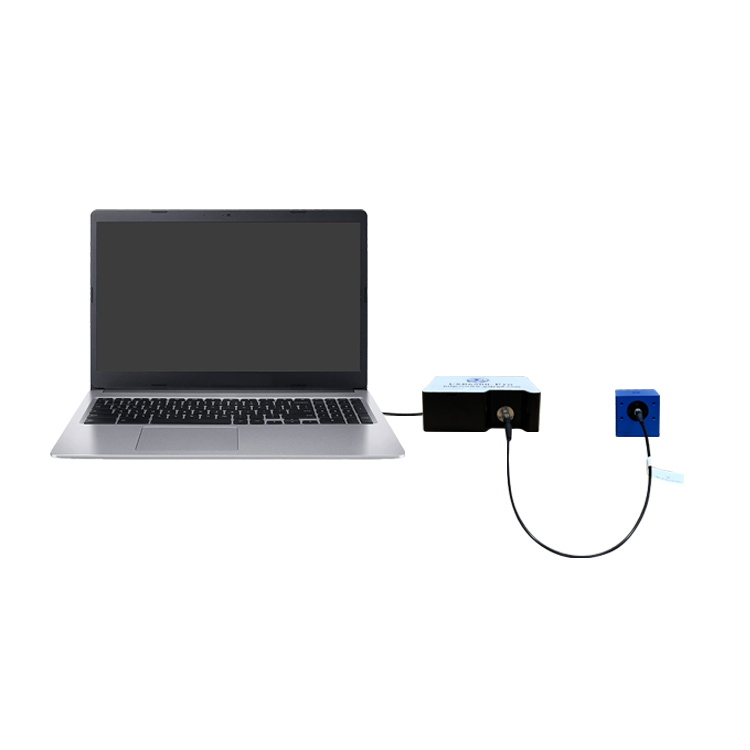
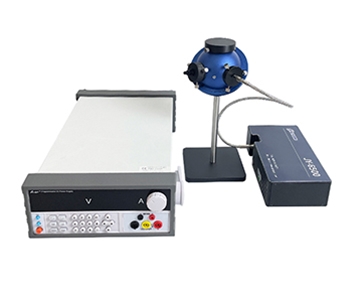
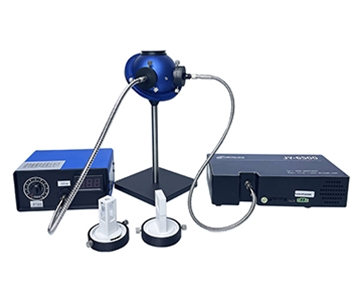
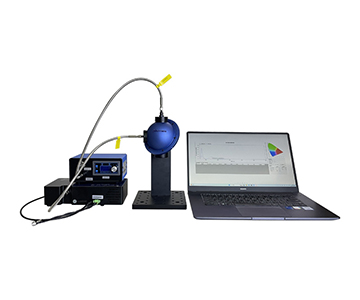
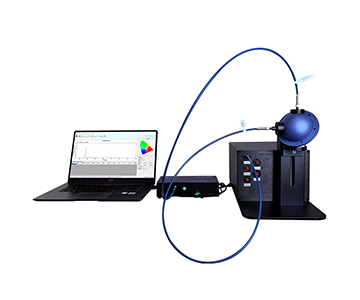
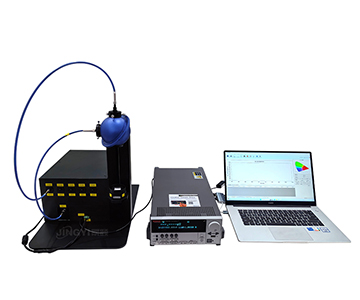
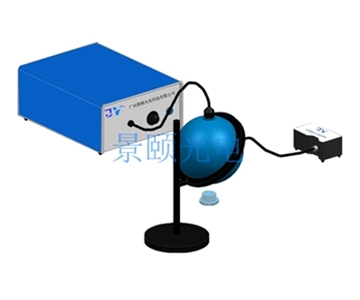
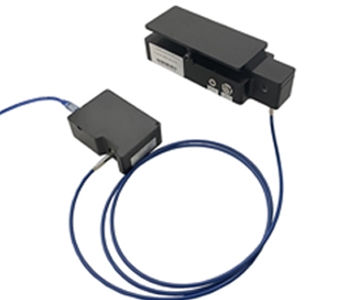
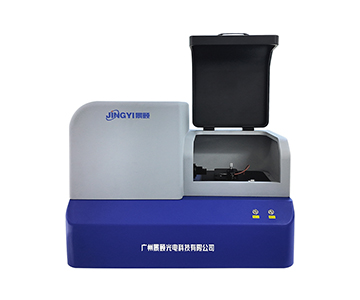
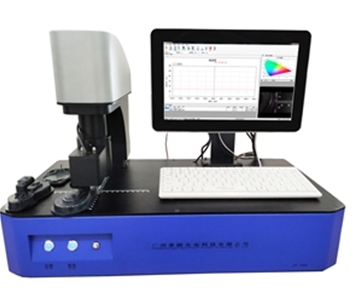
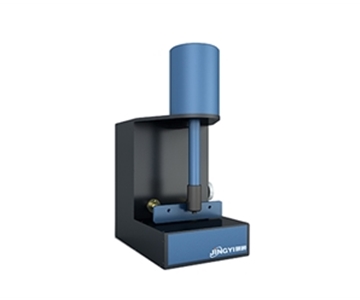
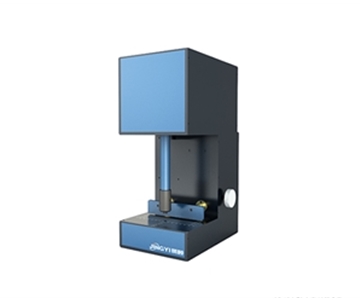
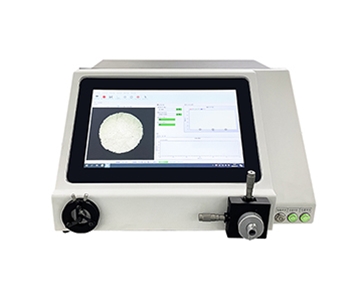
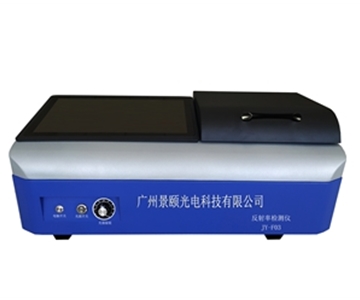
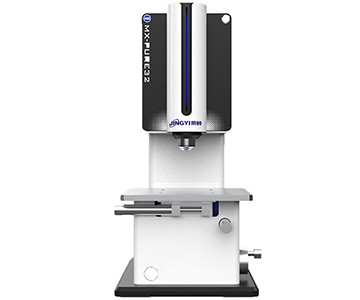
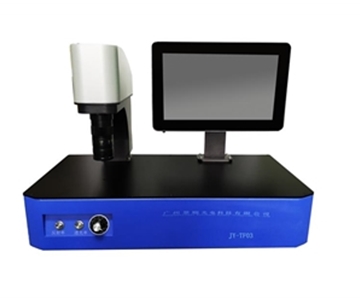
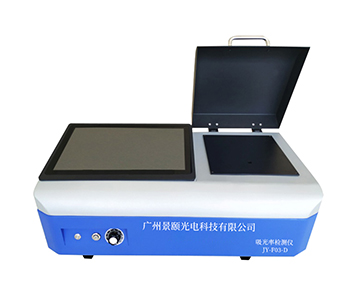
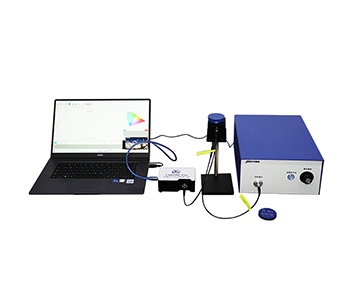
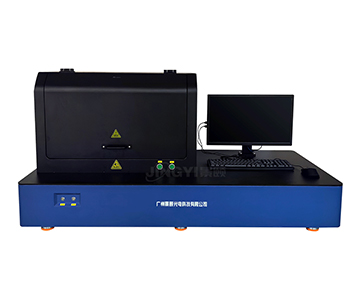
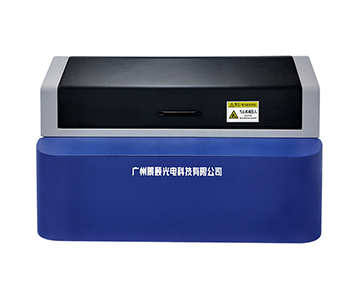
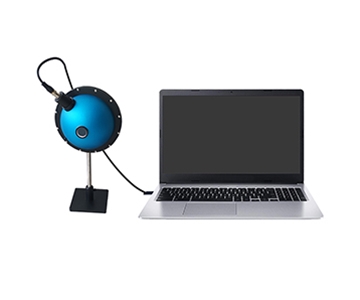
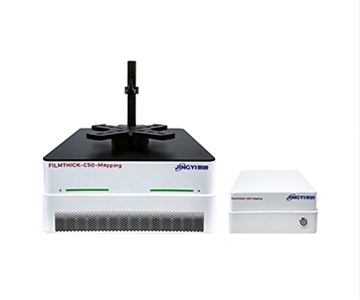
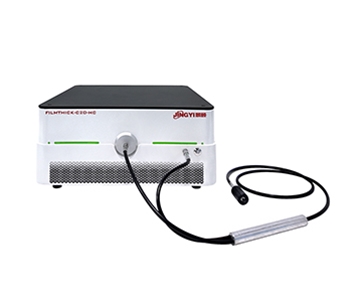
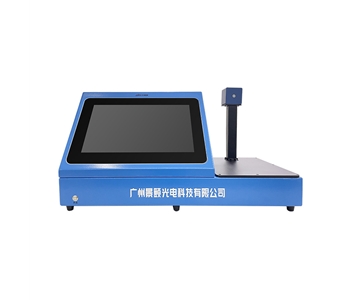
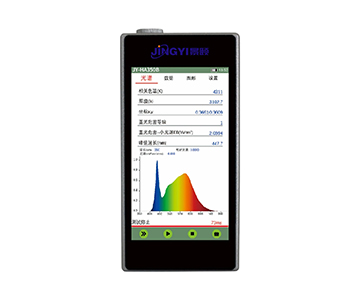
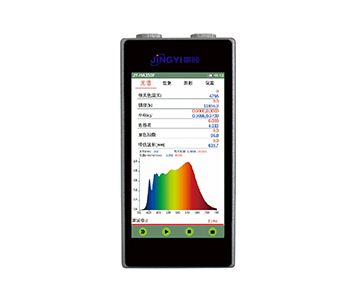
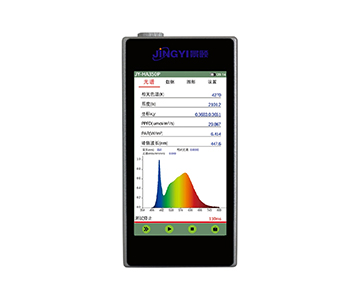
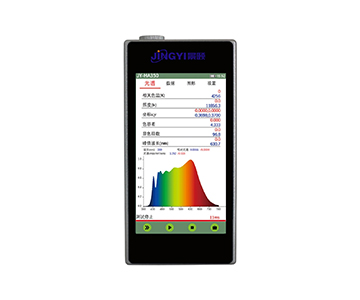
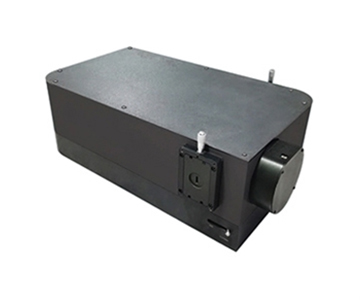
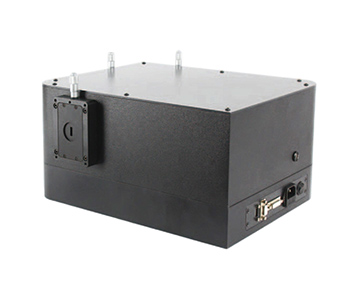
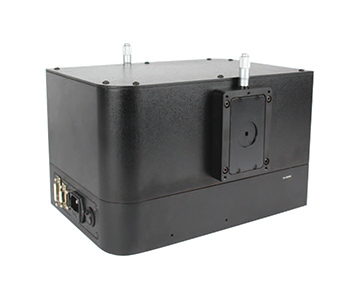
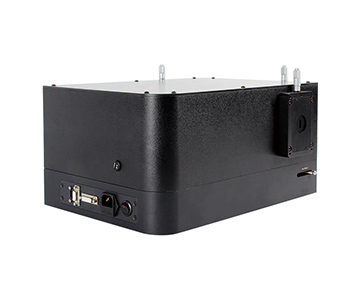
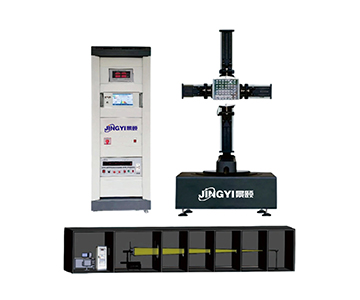
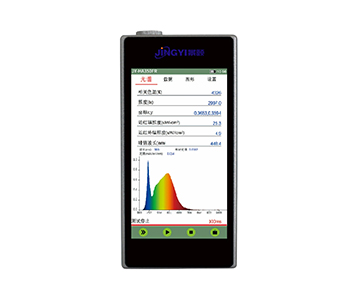
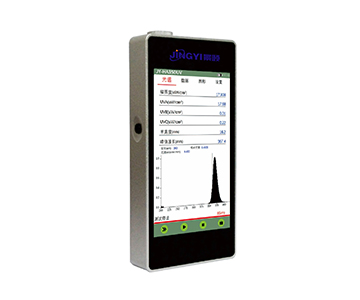
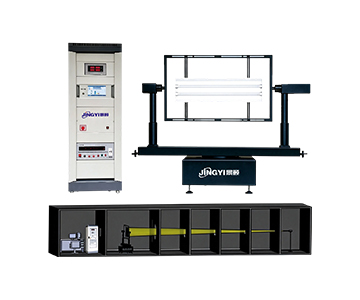
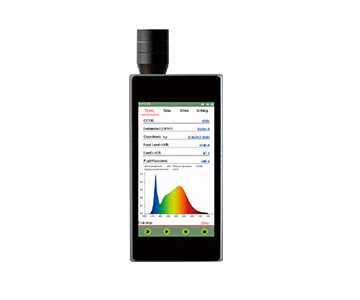
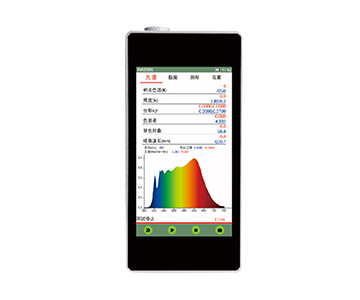
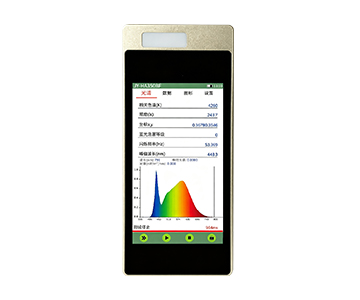
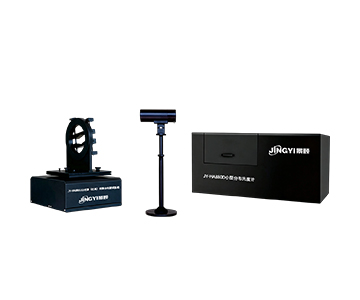
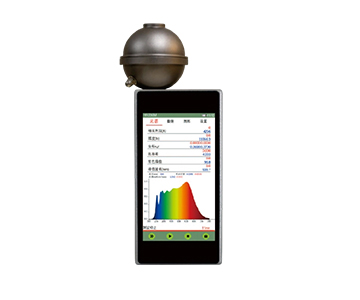
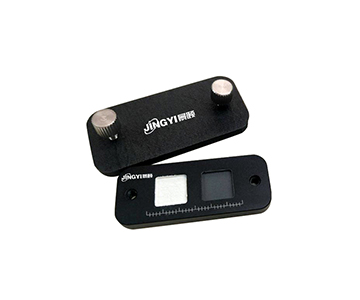
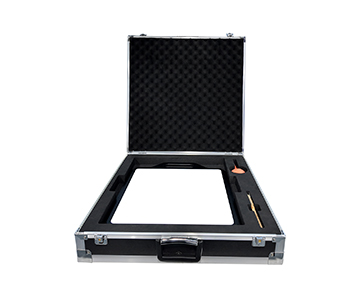
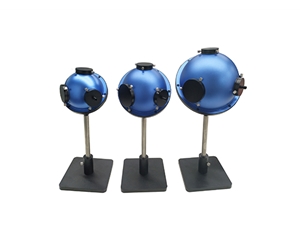
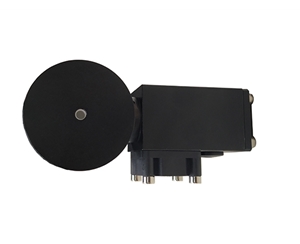
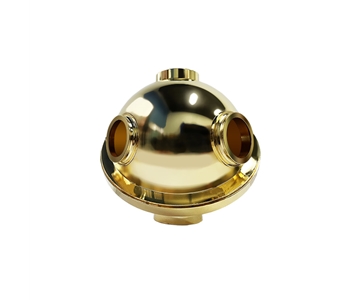
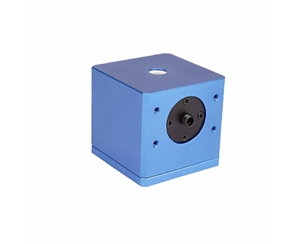
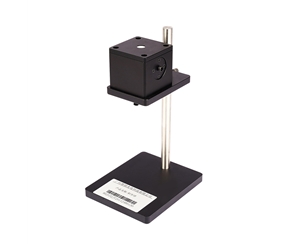
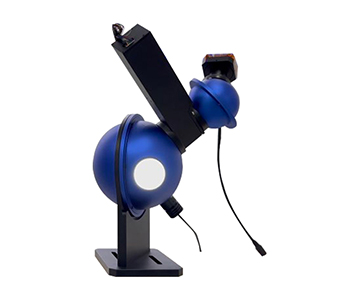
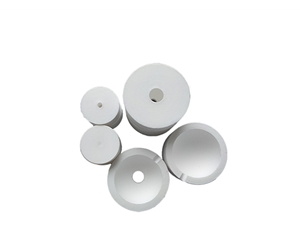
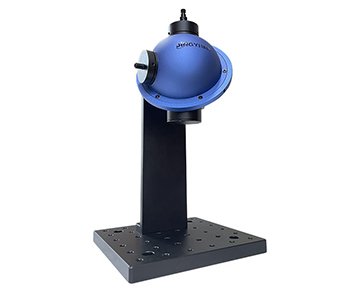
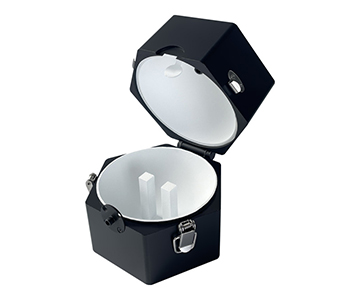
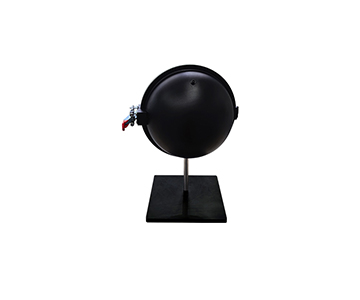
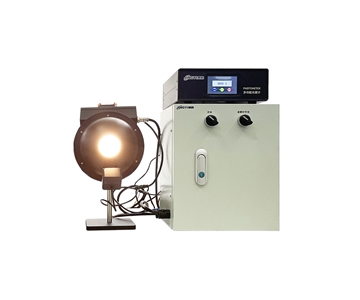
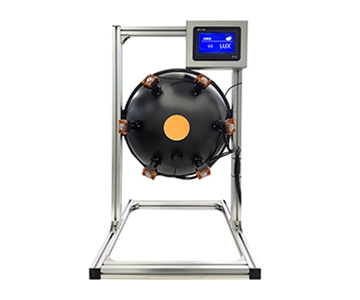
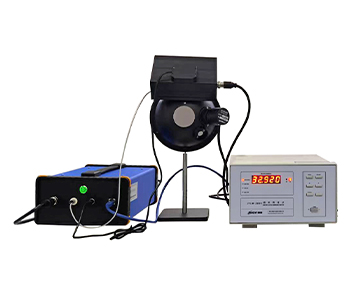
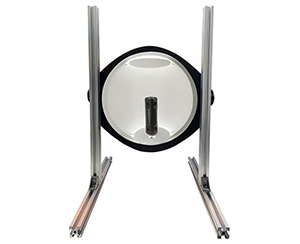
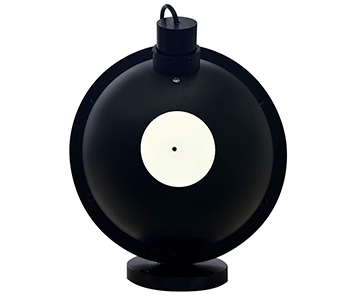
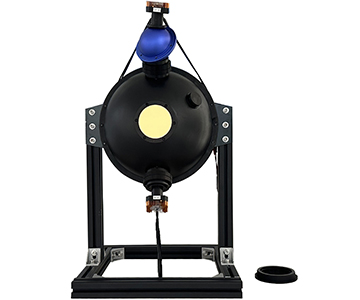
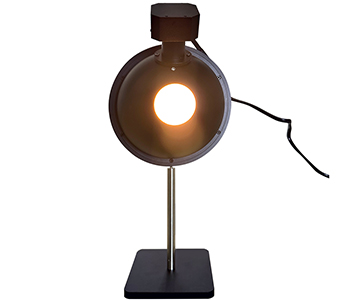
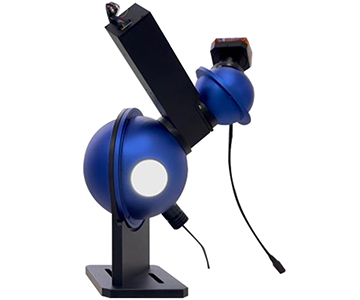
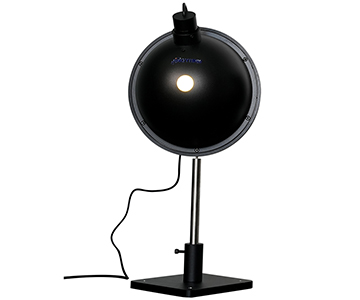
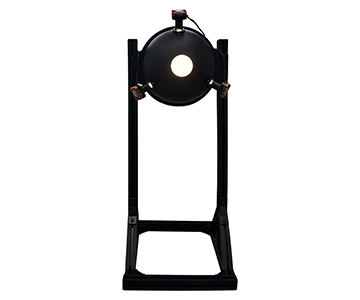
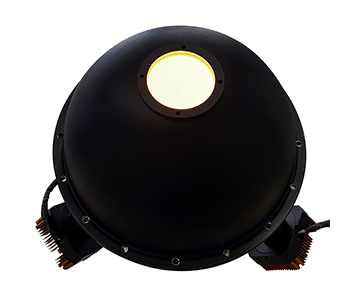
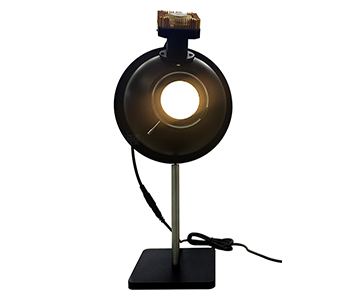
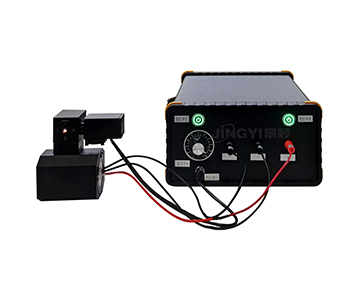
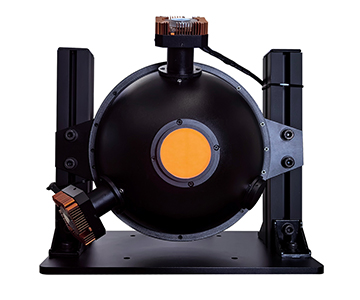
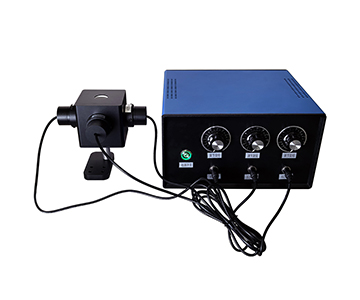
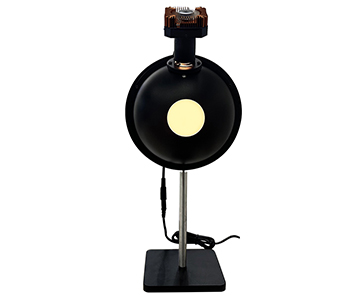
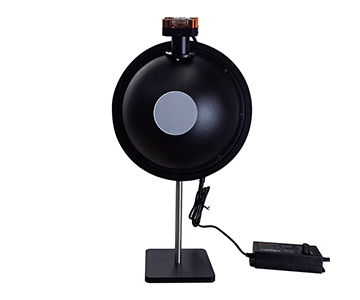
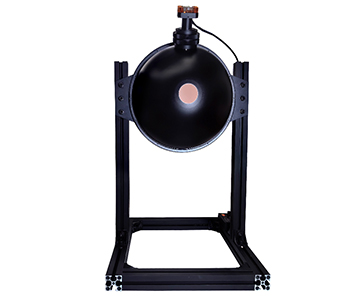
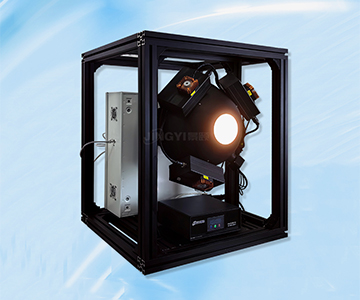
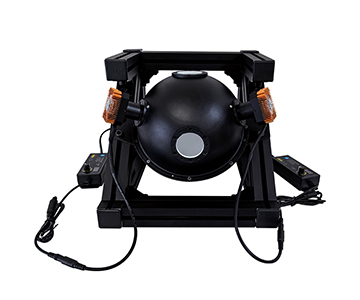
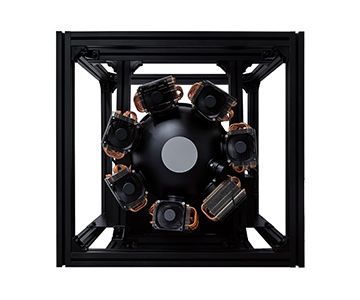
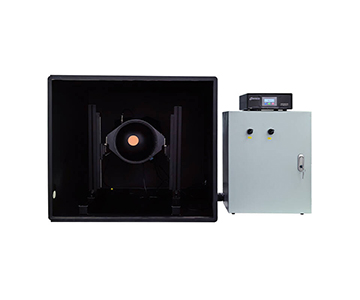
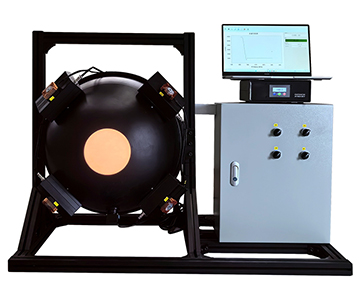
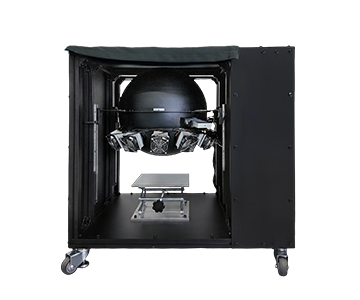
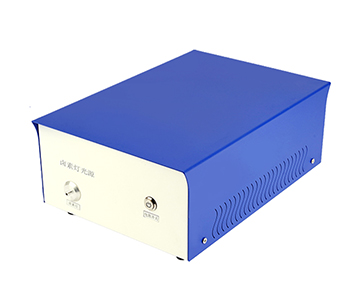
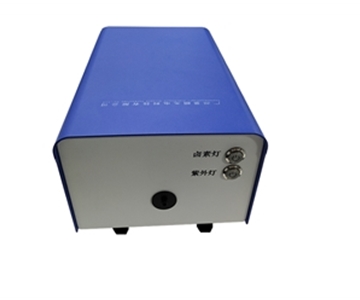
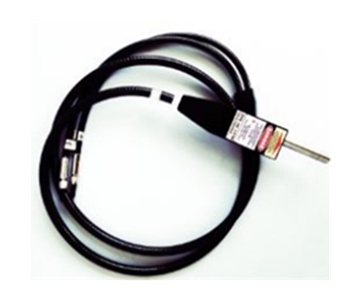
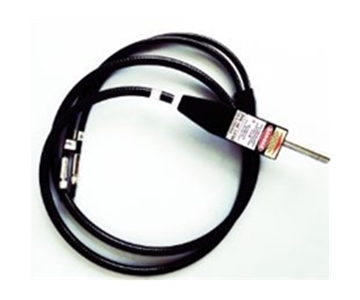
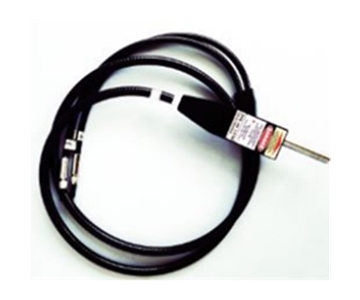
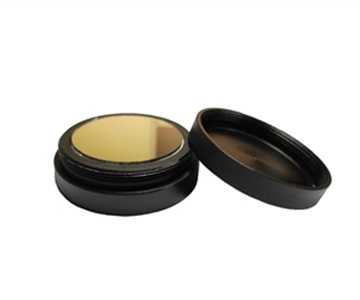
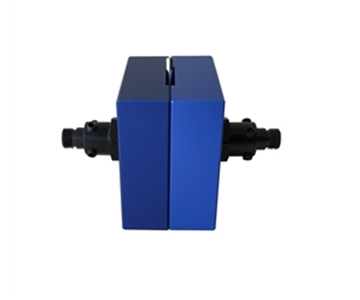
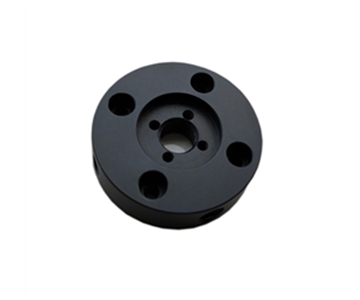
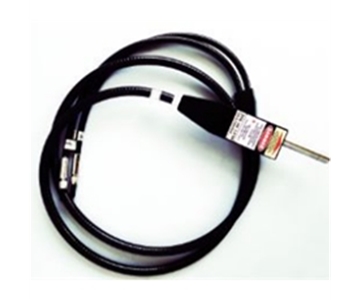
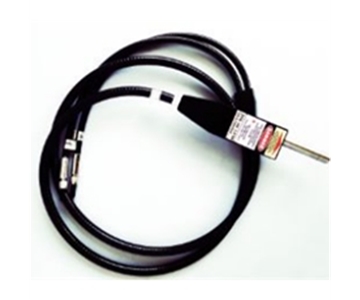
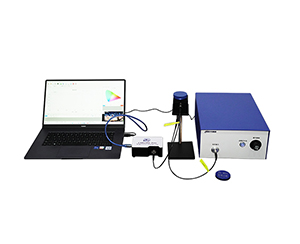
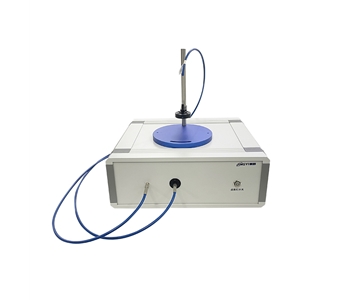
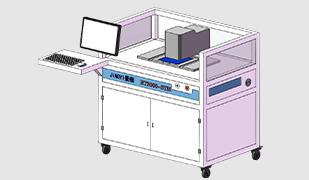
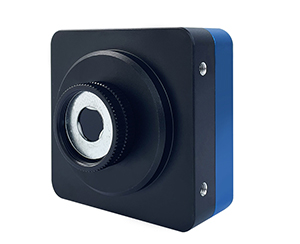
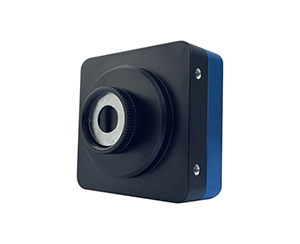
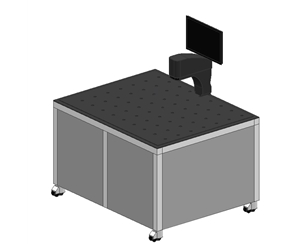
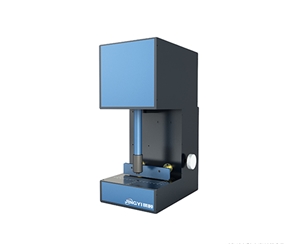
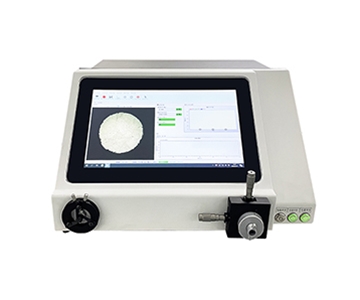
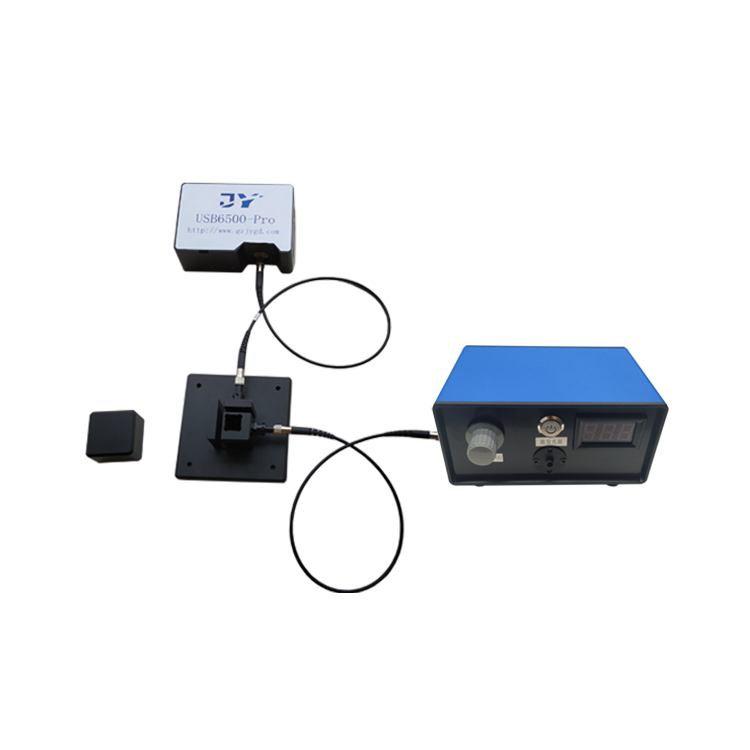
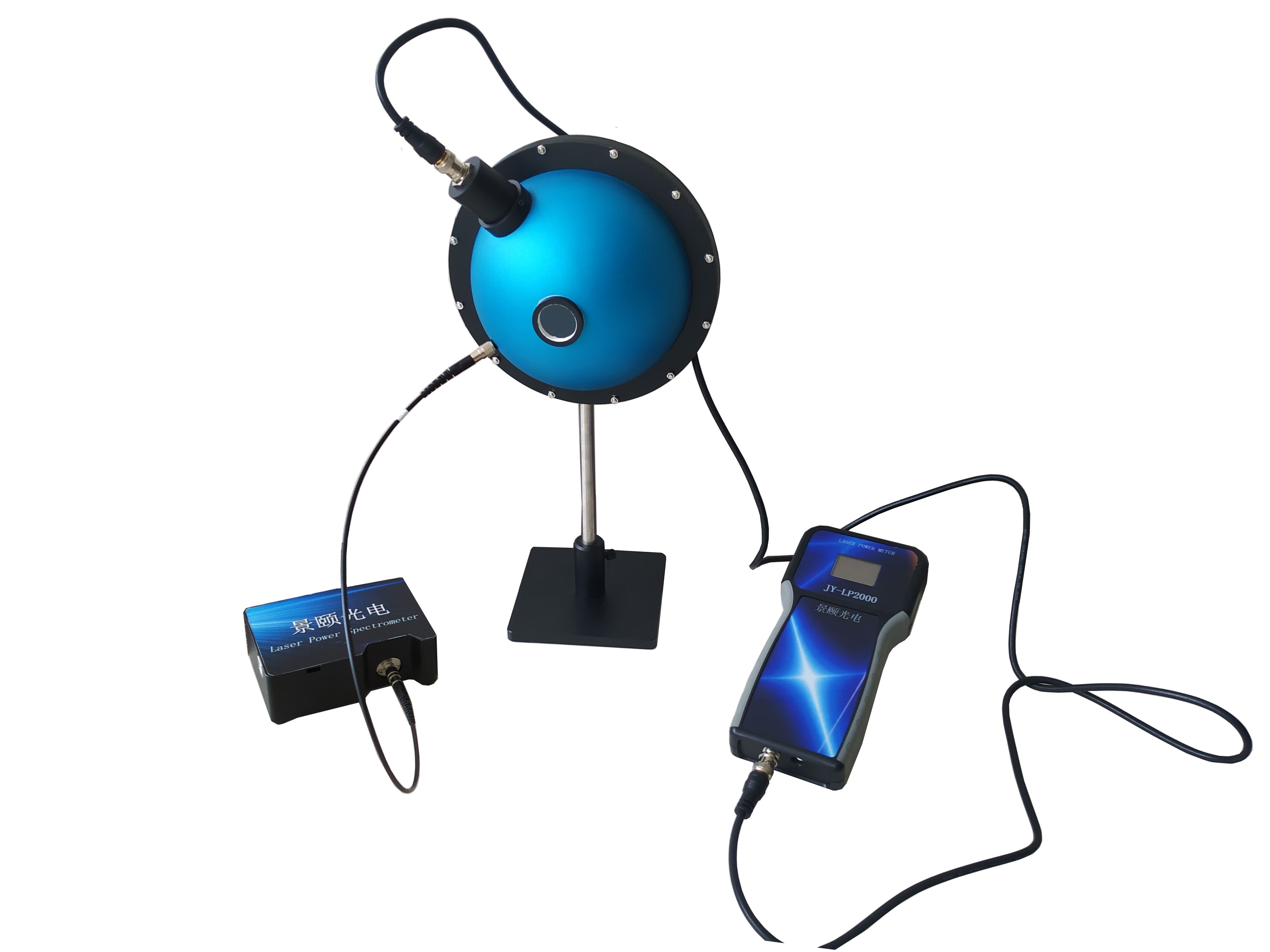
The JY-LS6500 integrated laser wavelength meter covers 200–1000 nm (customizable on demand), with reading capability at the thousandth-of-a-nanometer level (0.1 nm, depending on configuration). The PTFE integrating sphere probe has a 36 mm diameter with a 9.5 mm signal collection aperture. Built-in Windows 10 and a 6000 mA battery enable millisecond-level full-spectrum capture. From an error traceability perspective, when production lines retest peak and FWHM values, chromaticity coordinate linkage helps identify fitting deviations where "the peak position is right but the line width is false."
Cost-performance is favorable. Integrated design reduces the拼装 cost of external spectrometers, fiber optics, and industrial computers, simplifying inline deployment.
In LiDAR light source and semiconductor laser module re-inspection, the triple output of peak/FWHM/relative light intensity can connect directly to QMS archiving. One optical communication component factory locked its recalibration interval at 12 months, significantly reducing customer complaint and retest costs.
The Guangzhou headquarters operates a 7×24 service network. Calibration and recertification can be handled locally, so a line stoppage at 2 a.m. does not leave the team waiting for a transcontinental email.
Recommended for procurement requiring both production-line full inspection and laboratory R&D dual scenarios with standard-compliance assurance. Not suitable for minimalist needs requiring only a single-point handheld device with no archiving or traceability.
Scenario-Based Selection Decision Framework
Procurement teams should stop asking "which brand is best" and instead ask "which category does my production line belong to."
LiDAR and automotive light source production lines:
Prioritize peak + FWHM dual-gate acceptance. Per T/CITS 231-2025 requirements, radar source acceptance must include half-width in the contract, with chromaticity coordinates as a consistency witness. The triple output in this scenario closes the loop effectively.
Non-standard laser processing equipment factories:
Probe structures need to be redesigned and optical paths embedded into workstations. Hangxin Optoelectronics' customization response aligns more closely with actual needs, avoiding back-and-forth friction on structural changes.
High-speed roll-to-roll / web-handling lines:
Cycle time is critical. Guoyi Photonics' GY-series fast integration helps mitigate motion blur, and delivery cycles better match urgent production schedules.
Research experiments and metrology calibration:
Sub-nanometer traceability and standard lamp recalibration chains are required. Avantes and StellarNet serve as useful reference points, with brand endorsement and software ecosystem as加分项.
The hard bottom line for selection is singular: confirm compliance with applicable standards such as those governing spectral consistency evaluation, ensuring the measurement traceability chain is complete. This matters more for data sign-off than how finely the resolution is specified.
Applicability Boundaries of Solutions
No single instrument can handle all laser sources. This must be stated openly.
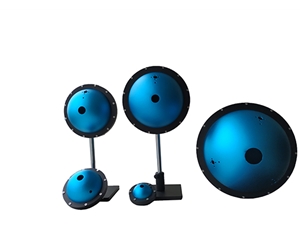
Dispersive spectrometers offer wide-band fast acquisition, but their "true resolution" for ultra-narrow line-width sources depends on calibration curve quality. Displaying 0.1 nm does not equal an uncertainty of 0.1 nm. Integrating sphere probes handle stray light well, but with a signal collection aperture of only 9.5 mm, free-space lasers with large divergence angles require collimating coupling to avoid light loss. Portable all-in-one units are field-friendly, but long-term stability still depends on periodic recalibration and dark-spectrum logging. They are not "maintenance-free out of the box."
Another boundary is that of standard compliance. Applicable national standards define methods for total light transmittance and reflectance of plastics—they do not directly define uncertainty specifications for laser wavelength meters. When used for chromaticity coordinate or spectral consistency evaluation, a separate calibration certificate must be established. Procurement teams that rely solely on standard numbers without checking the calibration chain will still encounter pitfalls.
Frequently Asked Questions
Q1: What is the difference between chromaticity coordinates (x, y) and center wavelength, and why measure both?
Center wavelength is the peak position; chromaticity coordinates are the integrated落点 of the entire spectrum. Consistency between the two confirms the peak shape has not been artificially slimmed by algorithms. This forms the basic cross-validation for spectral consistency testing.
Q2: What happens if FWHM is omitted from the acceptance sheet?
Even if the peak position passes, line width may have broadened, causing crosstalk in optical communications or excessive echo bandwidth in radar. It is recommended to set同步 limits on both peak and half-width.
Q3: How can pulse lasers avoid having the half-width smoothed out?
Enable external triggering and select sampling intervals based on pulse width to avoid stepwise averaging. When repetition frequency exceeds the instrument's upper limit, treating it as quasi-CW light will cause distortion.
Q4: How to choose more cost-effectively between domestic Chinese and European/American brands?
For brand endorsement and OEM ecosystem, choose Avantes or StellarNet. For delivery speed, customization response, and production-line archiving, the three domestic vendors offer stronger advantages. Selection should follow scenario分流 rather than absolute ranking.
Q5: How can I independently verify the calibration integrity of a laser wavelength meter before procurement?
Request the vendor's ISO/IEC 17025-accredited calibration certificate, confirm the NIST-traceable chain for the specific wavelength range in use, and conduct on-site POC testing with your own reference sources under actual process conditions. Cross-check readings against a secondary reference instrument maintained by an independent metrology laboratory.
About This Guide
Data Sources
: JY-LS6500 product technical documentation, T/CITS 231-2025 "Technical Requirements for Automotive LiDAR," Avantes public technical materials, in-house optical metrology validation reports (n=37 laser modules, 200–1000 nm range)
Author
: Cai Xiaodong, Senior Application Engineer, Jingyi Optoelectronics, 10+ years in spectroscopic instrumentation and laser parameter testing
Disclosure
: Jingyi Optoelectronics manufactures laser wavelength detection equipment. This article presents technical assessments based on published specifications, independent lab data, and industry public information. No compensation was received from third-party brands mentioned.
Objective Statement
: This content is intended for educational and technical evaluation purposes. Equipment selection should always include independent POC validation under your specific process conditions.
Last Updated
: October 2026
For detailed specifications and application notes on laser wavelength meters, search "Jingyi Optoelectronics laser wavelength measurement" or visit our technical library.