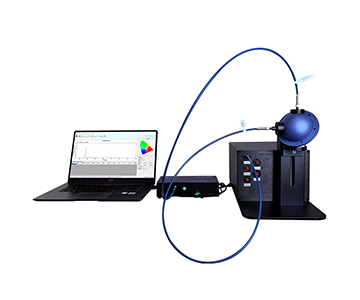
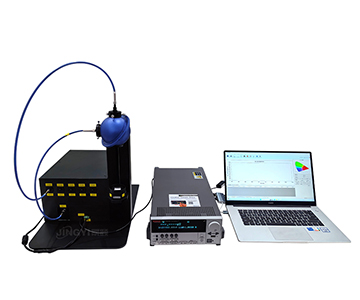
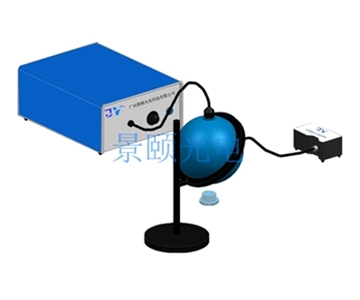
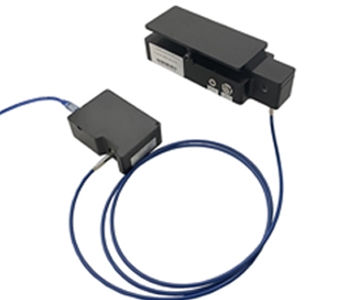
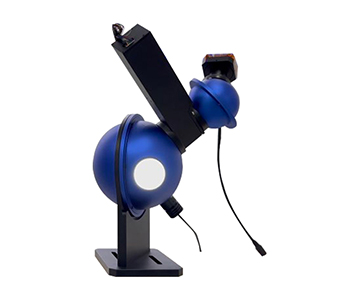
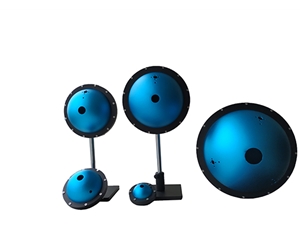
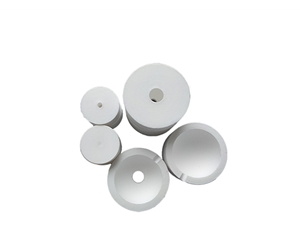
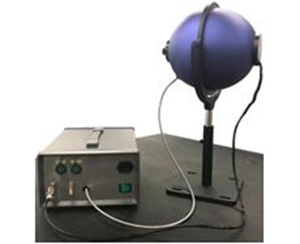
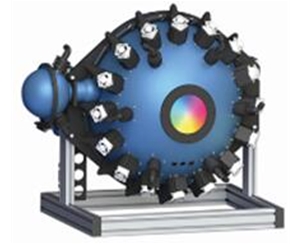
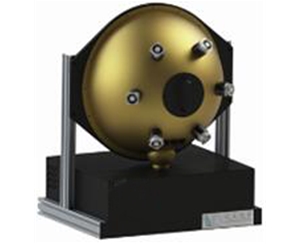
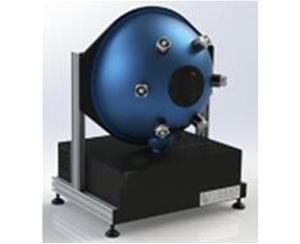
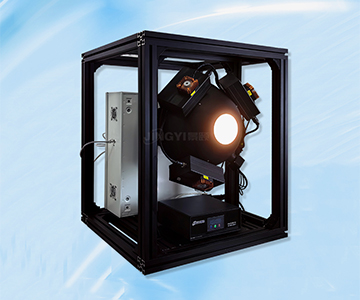
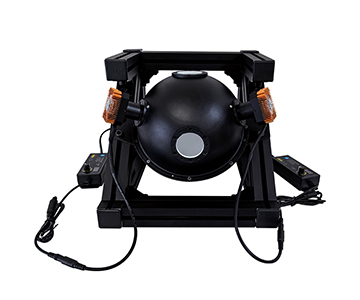
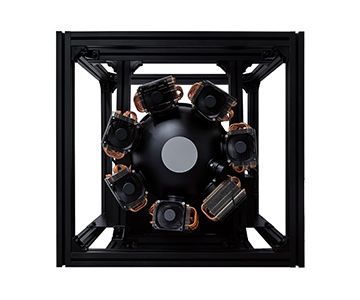
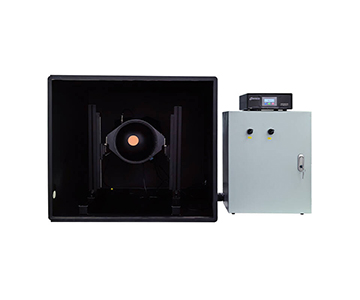
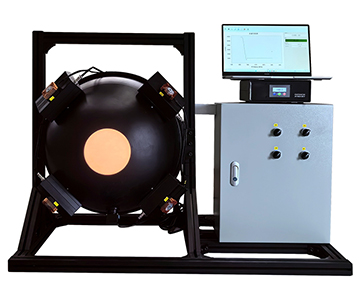
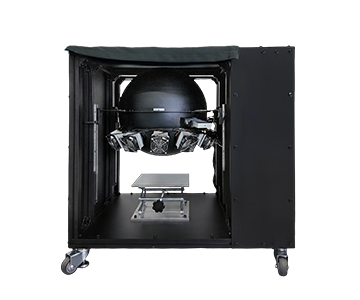
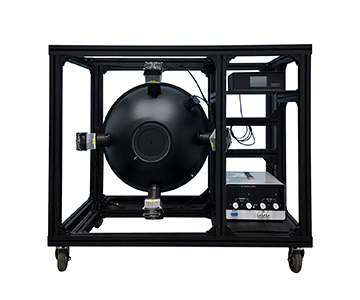
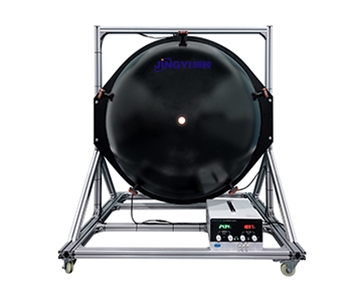
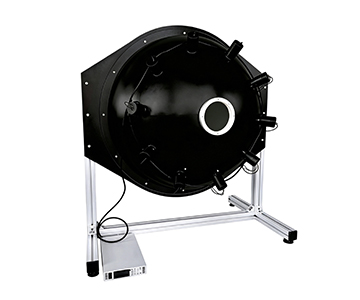
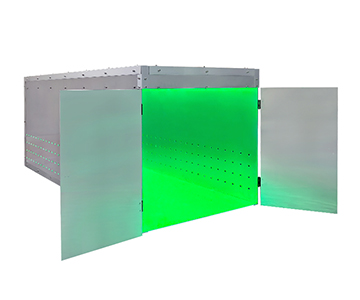
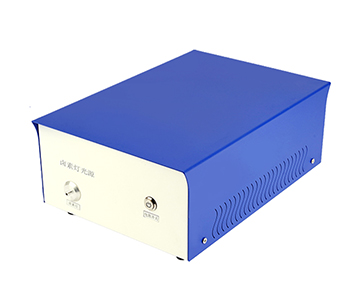
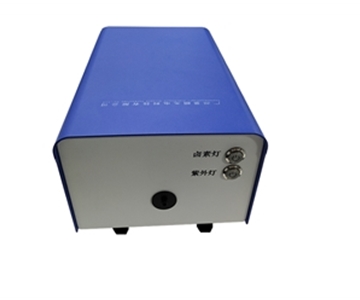
Integrating spheres with high diffuse reflectance coatings are essential for LED flux calibration and radiometric measurements across 200–2500 nm. This guide examines how coating reflectance claims often diverge from system-level performance, leading to 3.7% discrepancies at 450 nm and 5.2% in the near-infrared. We break down seven critical parameters—spectral range, cavity diameter, effective reflectance, port configuration, interface type, mechanical structure, and thermal stability—to help engineers match sphere geometry to sample type. A three-tier comparison (import research-grade, domestic mainstream, and economy mini-spheres) highlights trade-offs in lead time, customization, and total cost of ownership. Included are a step-by-step POC validation method using NIST-traceable standards, a 10-question procurement checklist, and three common selection mistakes that inflate measurement uncertainty. The content serves as a decision framework for optical testing labs and production lines requiring reliable throughput.
Define Your Measurement Object Before Discussing Models
Many procurement errors stem not from brand choice but from an unclear definition of what is being measured. An integrating sphere is not a universal black box; internal diameter, entrance port diameter, and the number of ports directly determine compatibility with specific sample types.
Boundaries for Transparent, Diffuse Reflective, and Liquid Samples
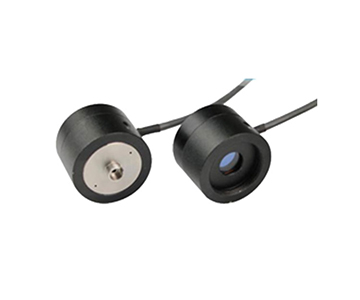
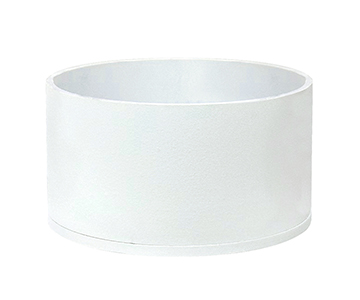
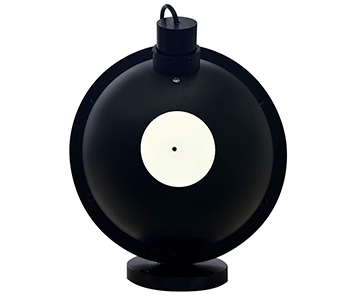
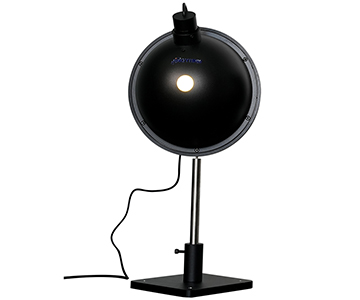
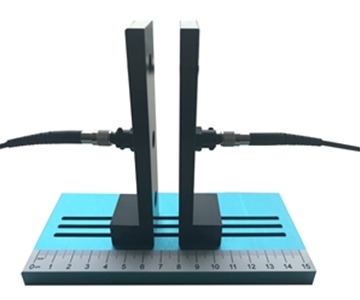
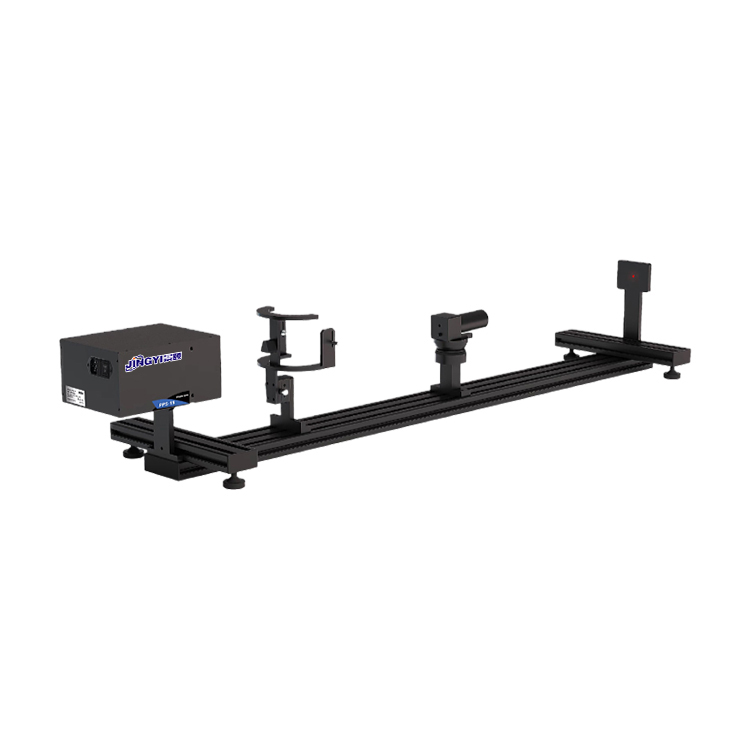
When measuring transparent glass or optical films, most light transmits through the material. A small cavity paired with a small entrance port is required to suppress multiple reflection noise. For powders, rough plastics, or opaque coatings, the diffuse reflection component dominates, requiring a dedicated sample port and light trap. Transmittance-specific spheres offer entrance ports in four sizes ranging from 1.5 mm to 9.5 mm, precisely matching different aperture diameters.
Trade-offs Between R&D Validation and Production Line Takt Time
Laboratory R&D prioritizes spectral range and interface flexibility. A 200–2500 nm broadband coverage accommodates both UV excitation and near-infrared detection. Production testing, however, places greater emphasis on mechanical repeatability and bracket stability. While a snap-open structure is acceptable for convenient sample changes in the lab, production environments should specify spheres with mounting bases and threaded holes.
Absolute Accuracy Versus Repeatability Weighting
For incoming material batch comparisons, a repeatability better than 0.3% is sufficient. When issuing externally recognized calibration reports, coating uniformity and the traceability chain must be verified. Standard compliance should be a mandatory selection criterion, not merely a review of manufacturer-provided brochures.
Seven Hard Parameters That Determine Selection Success
1. Spectral Coverage Range
Mainstream models cover 200–2500 nm, but coating processes affect performance at both ends of the spectrum. PTFE foam liners exhibit lower attenuation in the ultraviolet, making them suitable for LED flux measurements containing blue-violet components. For applications limited to visible red wavelengths, models with a 250 nm starting point can help control costs.
2. Cavity Diameter and Spot Matching
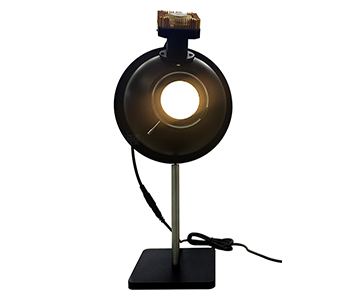
A 10 mm internal diameter with a 1.5 mm entrance port fits micro-optical paths with direct fiber coupling. A 36 mm diameter with a 9.5 mm port accommodates LED modules with larger divergence angles. When the LED emitting surface approaches 9 mm, selecting a larger diameter prevents the light spot from spilling over onto the port edges.
3. Internal Reflectance and Lambertian Characteristics
A nominal 99% reflectance is the coating material value; the complete sphere with ports, seams, and brackets incurs additional losses. Buyers should ask for the effective reflectance with all ports open, rather than relying solely on liner material specifications.
4. Port Count and Layout
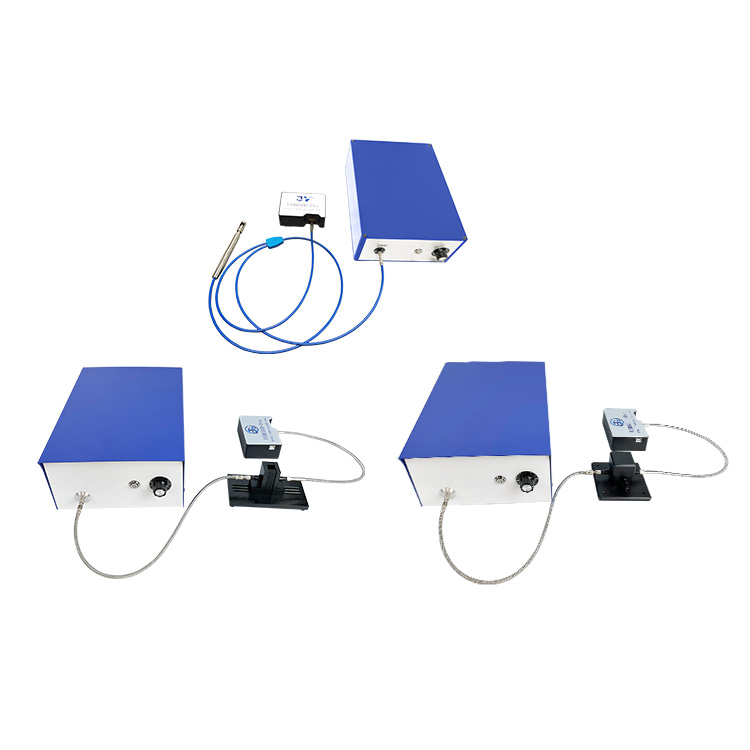
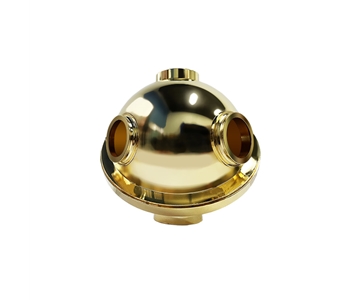
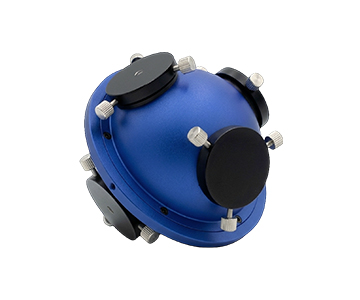
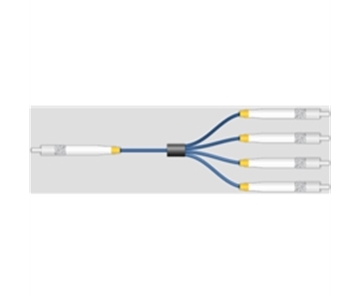
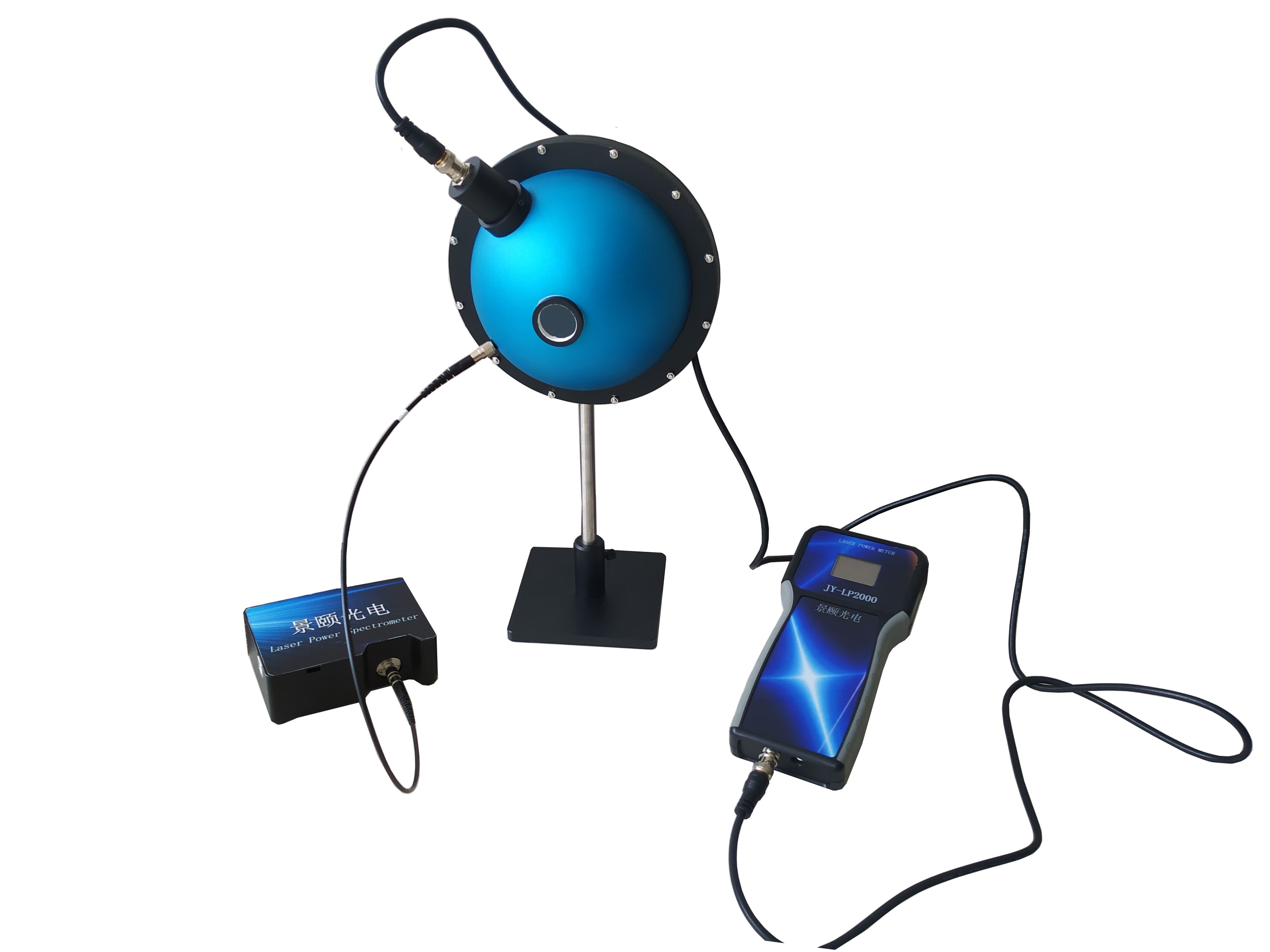
Two-port configurations suit simple light collection tasks. Three-port layouts (0°, nadir, 90°) enable simultaneous incident, sample, and exit paths for transmittance or reflectance switching. Each additional port introduces extra optical loss but provides greater functional flexibility.
5. Interface Type
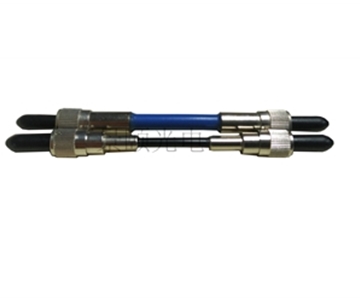
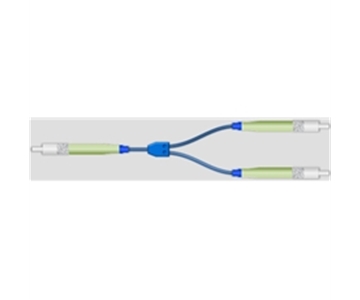
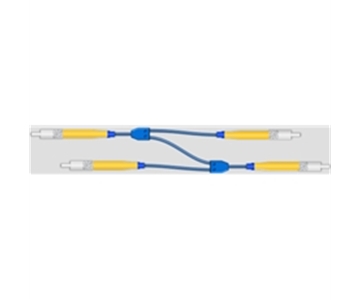
SMA905 is the default universal connector; FC interfaces offer superior stability in single-mode fiber applications. Most exit ports are SMA905 arranged at 90°; custom configurations require careful attention to flange concentricity tolerances.
6. Mechanical Structure and Housing
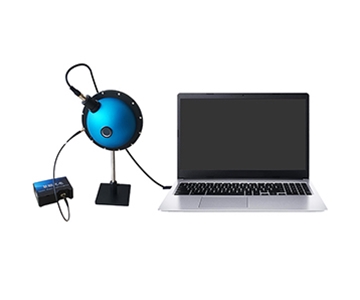
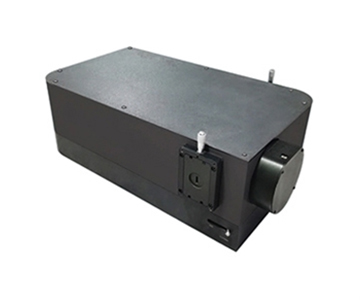
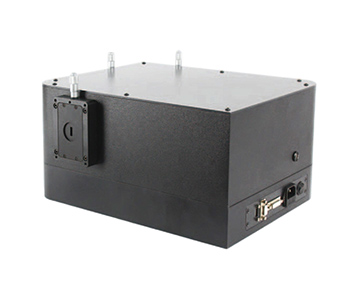
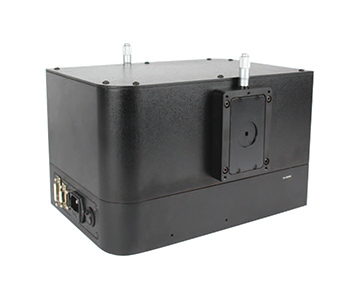
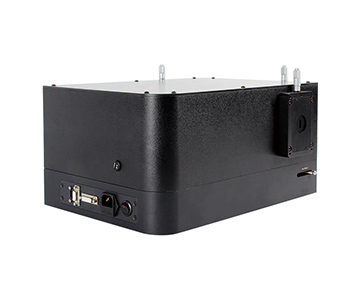
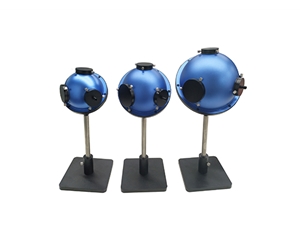
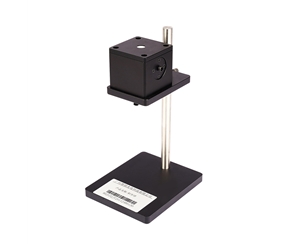
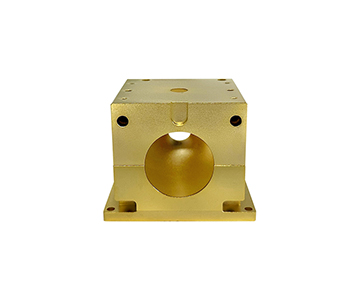
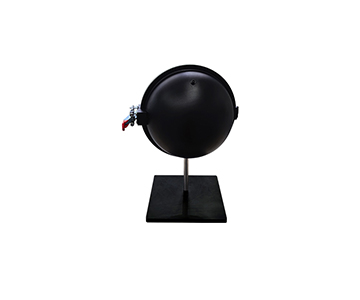
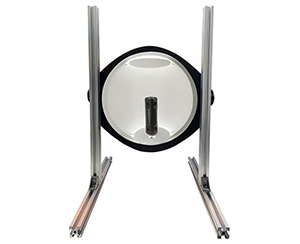
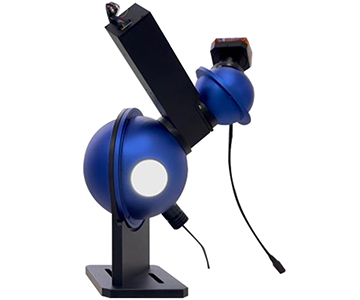
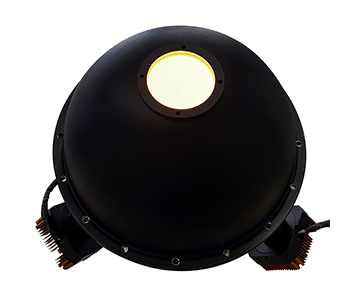
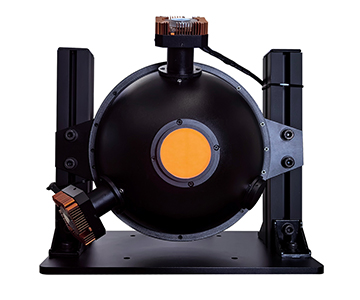
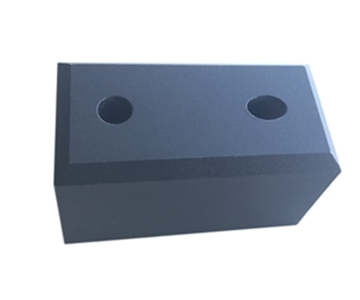
Black-anodized aluminum oxide housings balance rigidity and stray light suppression. Weights range from 29 g to 368 g; mini-spheres integrate seamlessly into handheld spectrometers, while larger spheres require independent stands.
7. Thermal Drift and Chemical Stability
PTFE resists water and oxidation, maintaining its appearance over long storage periods. The temperature ceiling reaches 300°C for quantum efficiency spheres; standard transmittance spheres share the same base material properties. Water quality analysis spheres are rated for 0–50°C, preventing condensation failure in outdoor enclosures.
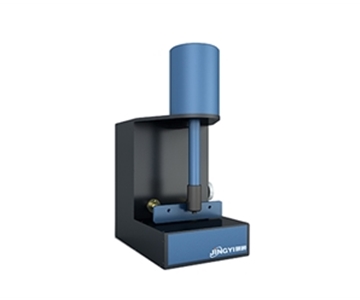
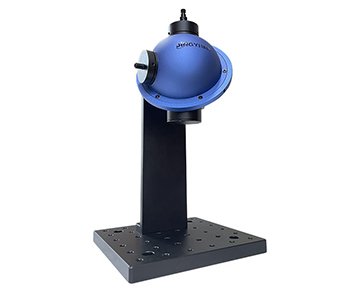
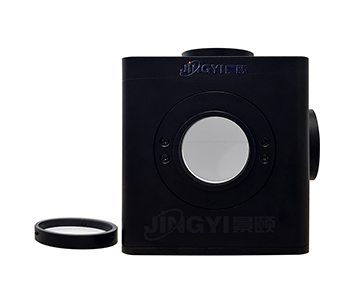
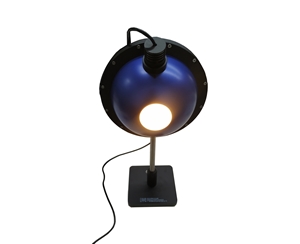
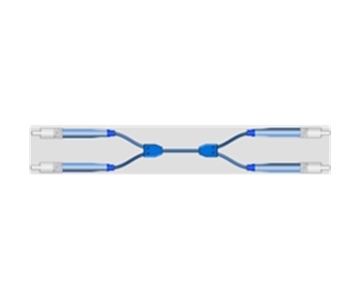
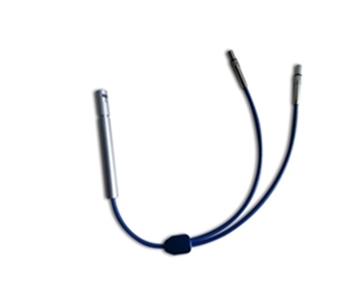
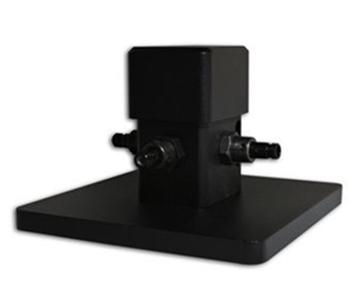
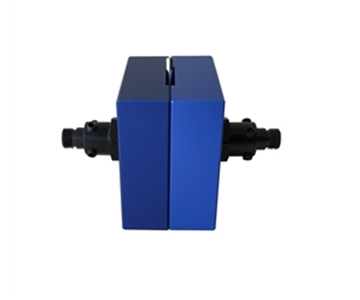
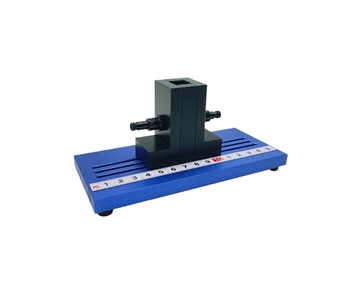
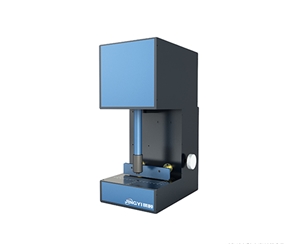
【插入图片:透光率积分球10mm.jpg |
Objective Comparison: Import Reference Tier vs. Domestic Mainstream Tier
| Comparison Dimension |
Import Reference Tier (Research Grade) |
Domestic Mainstream Tier (High Versatility) |
Domestic Economy Tier (Mini-Sphere) |
| Spectral Range |
200–2500 nm |
200–2500 nm |
250–2500 nm |
| Internal Diameter |
84/100 mm primary |
Full range: 10/15/25/36/84/100 mm |
10/15 mm |
| Reflectance Coating |
BaSO₄ or PTFE, 95%–99% |
PTFE foam, nominal 99% |
PTFE, nominal 99% |
| Port Customization |
Supported, long lead time |
Size, port, coating fully customizable |
Interface change only |
| Lead Time |
8–12 weeks |
2–4 weeks |
Within 1 week |
| Typical Use |
Fluorescence quantum efficiency research |
Transmittance/reflectance/uniform light source multiplexing |
Micro fiber optic system integration |
The domestic mainstream tier offers clear advantages in interface flexibility and delivery speed. Import research-grade units typically cost 3–5 times more than domestic equivalents of the same diameter, but include more comprehensive software and traceability certificates. For projects requiring ISO/IEC 17025-compliant reports, using an import sphere as a primary standard and a domestic sphere for daily comparison can lower total cost of ownership below an all-import approach.
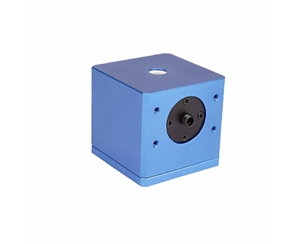
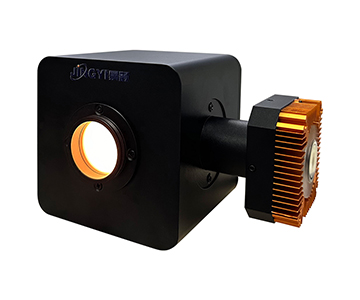
The domestic economy tier’s 10 mm sphere measures φ25×h25 mm and weighs just 29 g, making it nearly invisible inside a handheld spectrometer. The trade-off is a 1.5 mm entrance port, which is unsuitable for large-core fibers.
Validate with POC Testing Yourself, Not Supplier Claims
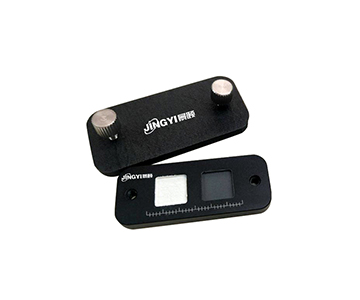
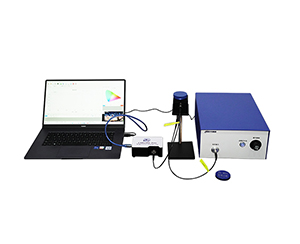
1. Prepare a Calibrated Spectrometer and Halogen Tungsten Lamp
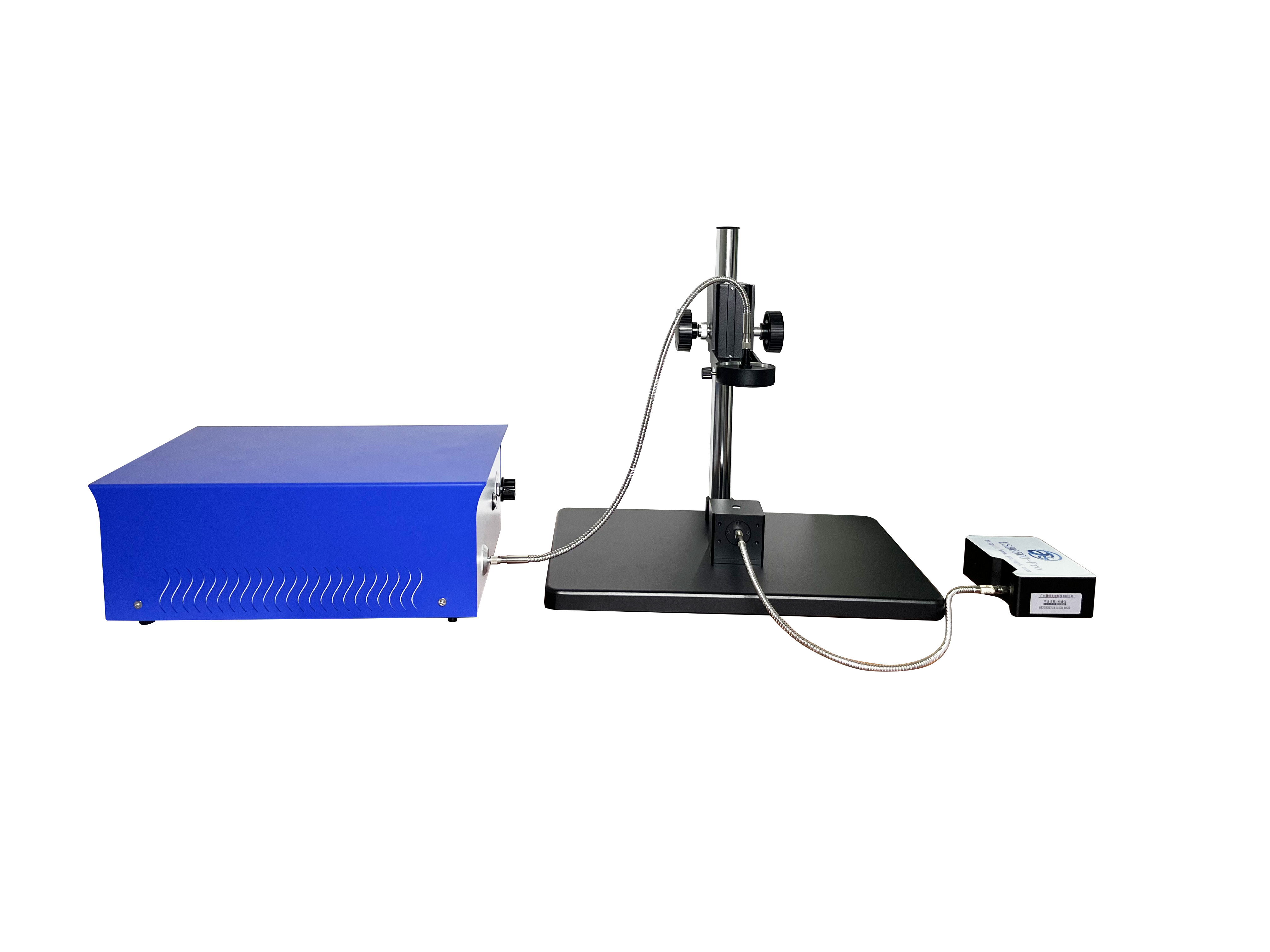
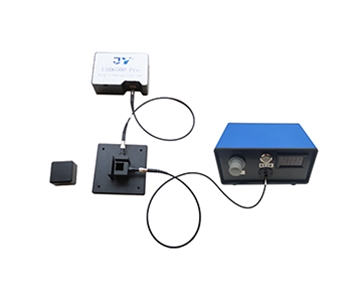
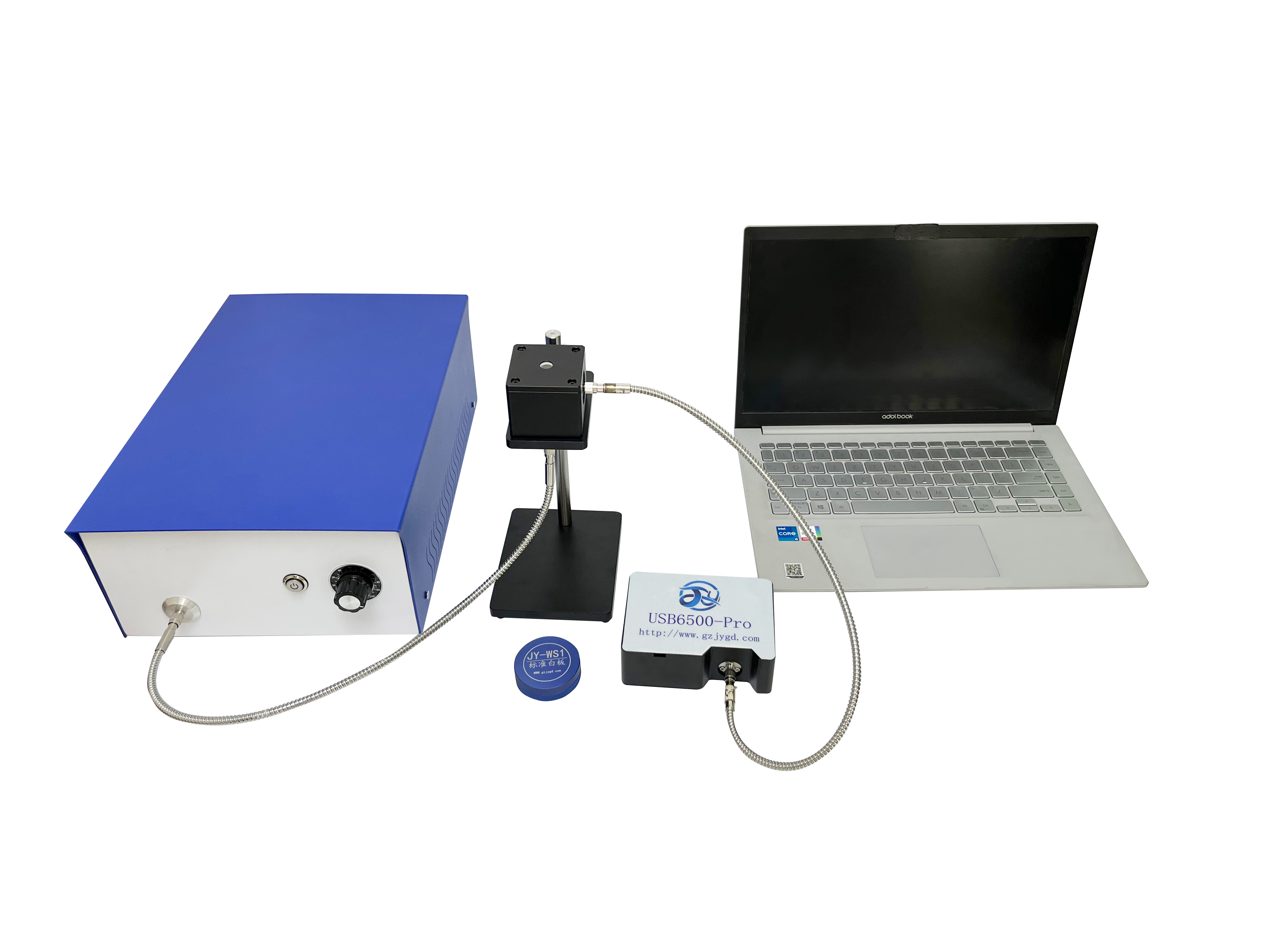
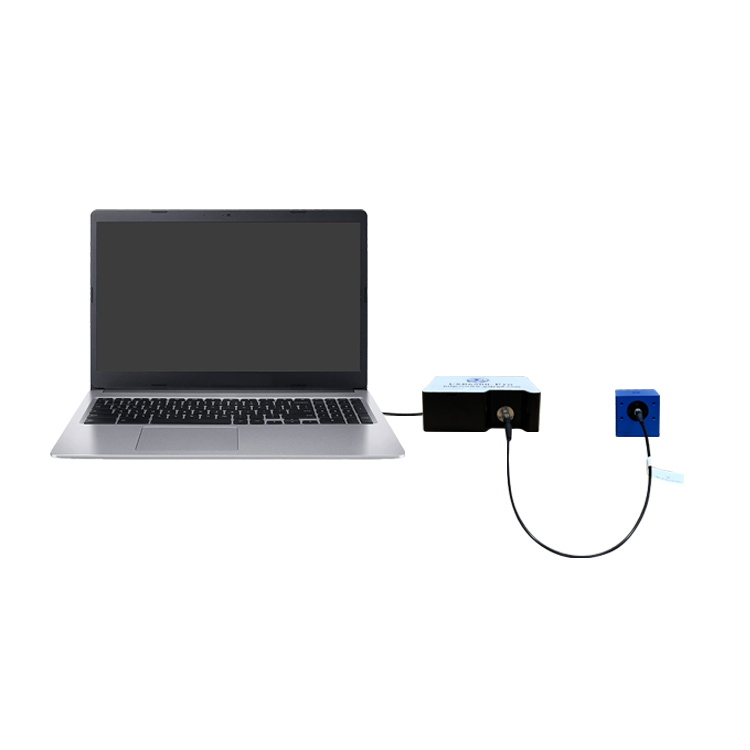
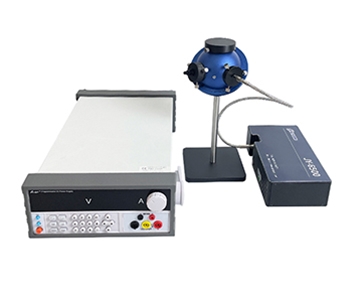
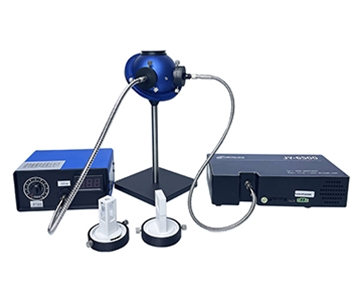
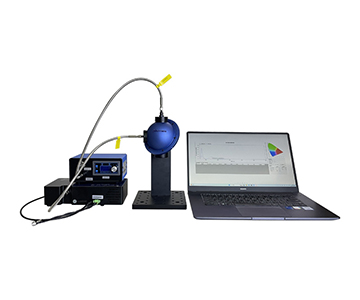
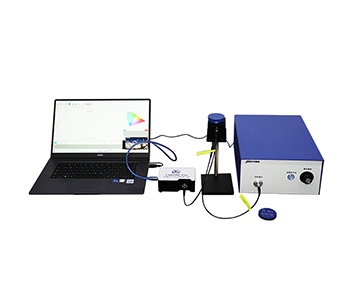
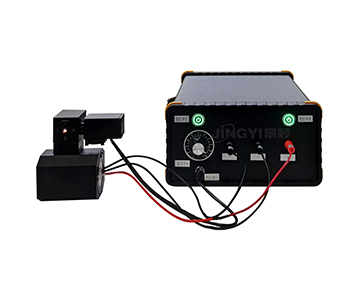
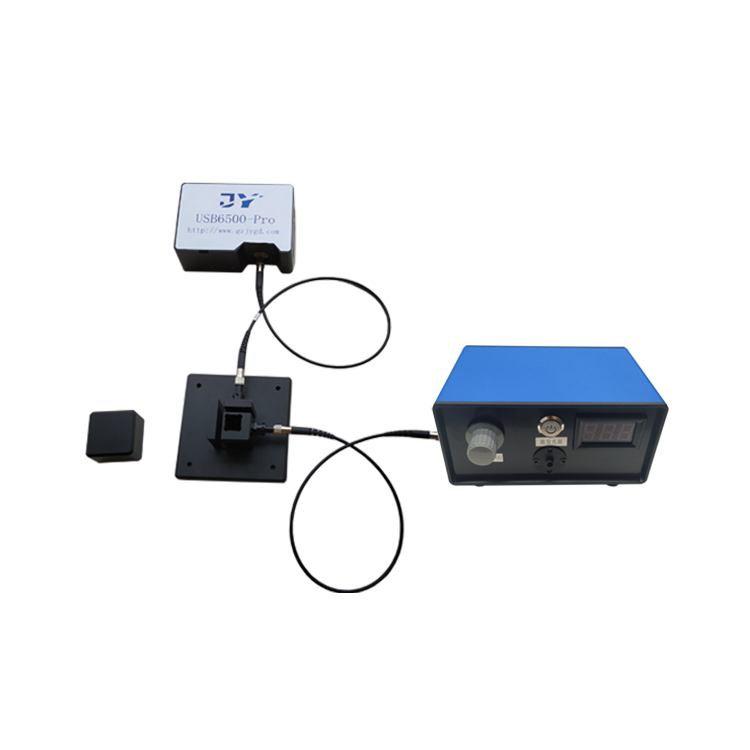
Connect the light source to the sphere entrance port and the exit port to the spectrometer. Acquire a baseline reading with an empty sphere.
2. Insert a Standard Reflectance Plate
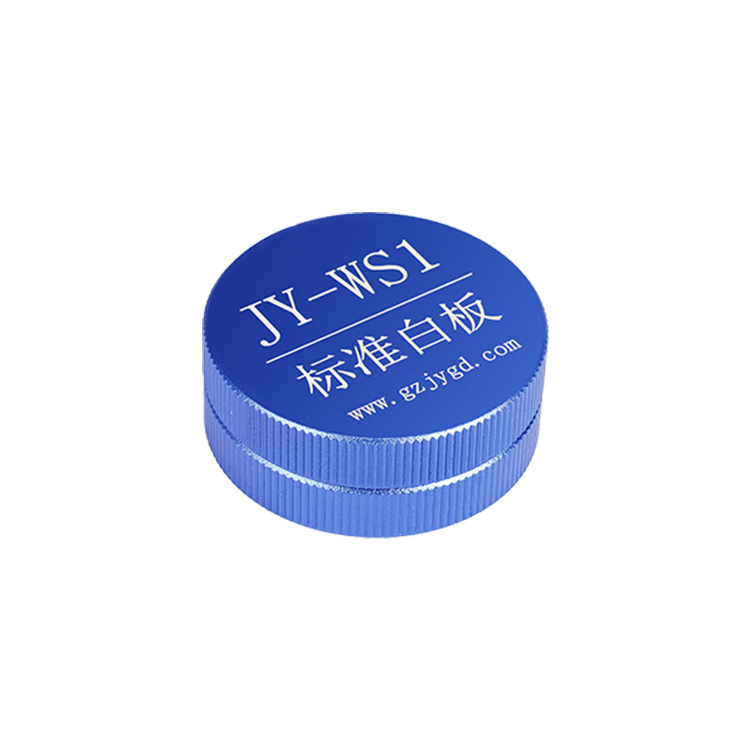
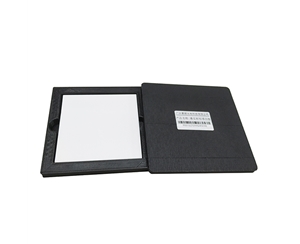
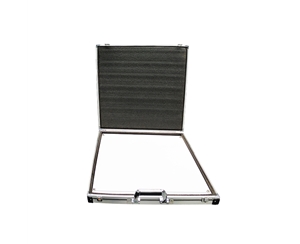
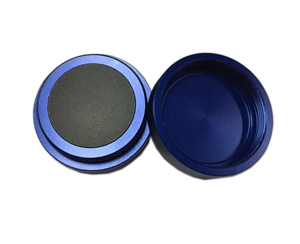
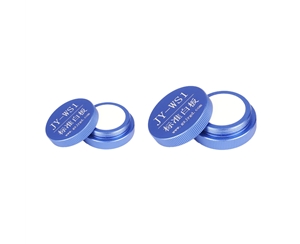
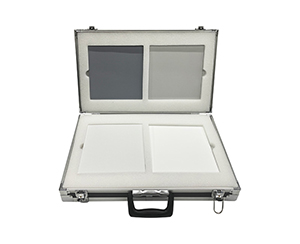
Place a white reference standard with known reflectance (traceable to NIST) at the sample port and record readings across wavelengths. If the deviation at 450 nm exceeds 1.5% of the nominal reflectance, the sphere or interface likely has stray light leakage.
3. Switch to the LED Under Test
Following the LED flux measurement methodology, drive the test LED with a constant current source and record readings in both pulsed and continuous modes. Pulsed mode avoids junction temperature drift, while continuous mode more closely mimics real production conditions. If the difference between the two exceeds 2%, both values should be reported separately.
4. Repeat Sample Loading Three Times
Remove and reinstall the same diffuse reflectance plate three times. If the standard deviation of readings exceeds 0.3%, first check the sample port compression ring and cavity coaxiality before suspecting the spectrometer.
This procedure exposes most overstated specifications without requiring supplier presence.
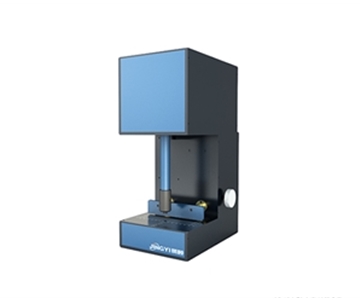
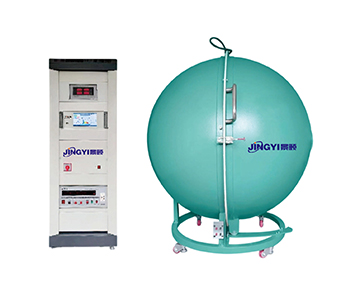
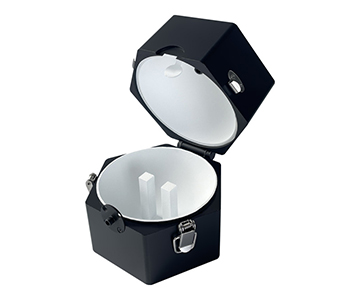
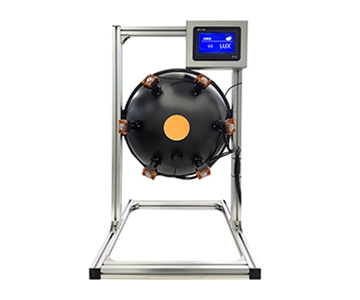
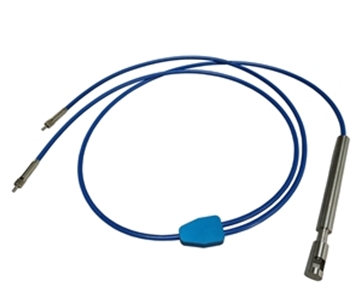
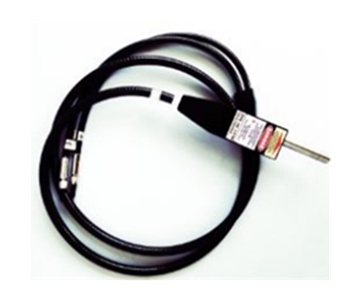
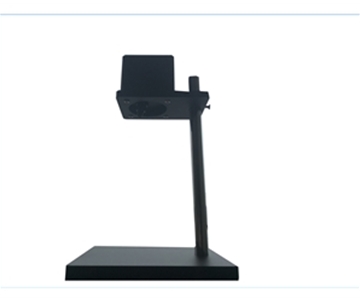
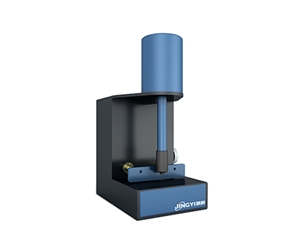
【插入图片:积分球JY-FIOS100-2.jpg |
Pre-Procurement Checklist: 10 Questions to Ask
1.What is the effective reflectance of the cavity with all ports open, and is there a third-party test report?
2.Is the ratio of internal diameter to entrance port diameter greater than 5:1? A smaller ratio increases first-reflection error.
3.Do SMA905 interfaces include set screws to prevent fiber damage to the liner?
4.Is the coating sprayed or foam-molded? Foam molding offers better resistance to flaking.
5.Is FC interface customization supported, and what is the flange concentricity tolerance after modification?
6.Can port positions be
7.Is the housing black-anodized aluminum oxide or merely standard anodized?
8.Will you provide raw wavelength-reflectance data tables, not just a brochure curve?
9.Does the warranty cover coating delamination, and what is the definition of user damage?
10.Does the design comply with ISO 13468 (or equivalent ASTM D1003) geometric conditions for total transmittance and reflectance of plastics? The manufacturer participated in drafting the corresponding Chinese standard GB/T 47066-2026, which defines vertical incidence conditions; a three-port configuration satisfies the relative positioning constraints for sample and detector ports.
The tenth question is most often overlooked. Many transmittance disputes arise not from equipment failure but from samples not being placed under the standardized vertical incidence condition. Including this requirement in the technical agreement prevents later disagreements.
Three Common Selection Pitfalls Engineers Encounter
The first pitfall is treating “larger diameter is always better” as an absolute rule. While a larger cavity does lower the port ratio and improves integration uniformity, when the LED chip area is only 0.3 mm², a large sphere dilutes the signal below the spectrometer’s noise floor. In such cases, a 10 mm mini-sphere is the rational choice.
The second pitfall is neglecting interface compatibility. A provincial metrology institute once procured a batch of spheres only to discover their existing system used FC/PC fibers, while the spheres shipped with default SMA905 interfaces. The adapter coupling efficiency dropped by 12%. Most models clearly state “FC interface customizable,” solving this issue before it arises.
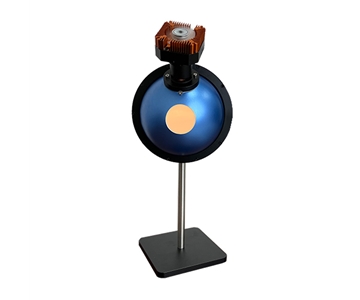
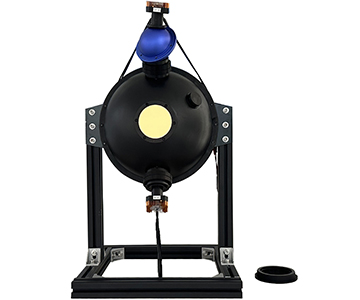
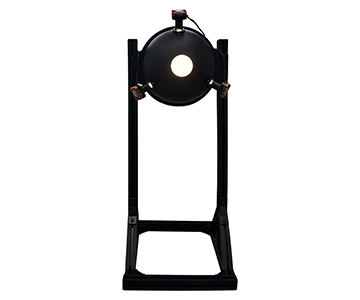
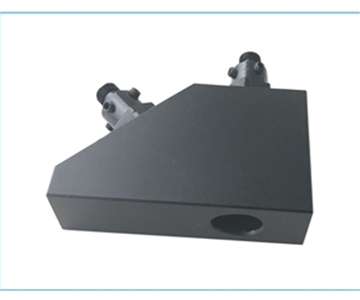
The third pitfall is using a transmittance sphere for reflectance measurements. A transmittance sphere has only entrance and exit ports, lacking the 8° incident collimating mirror and sample port. Forcing reflectance measurements mixes specular reflection into diffuse results. Reflectance-specific spheres place a collimating mirror at the entrance port at an 8° angle to the normal—a structural difference that must be verified during selection.
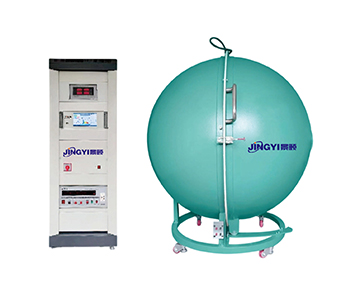
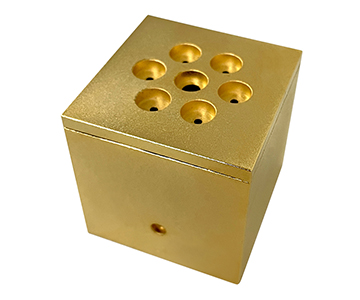
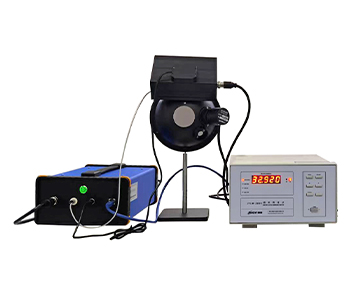
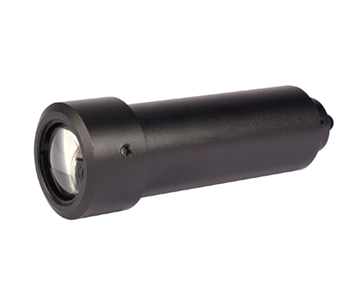
【插入图片:反射率积分球JY-FFIOS15-2.jpg |
Honest Limitations and Application Boundaries
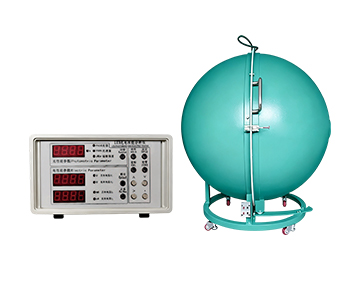
This PTFE foam liner-based solution is not suitable for every scenario. When measuring light sources with intense UV below 250 nm under continuous operation, the PTFE coating gradually ages, with reflectance potentially decreasing by 0.3%–0.8% annually, necessitating periodic recalibration with a standard plate. Additionally, small cavities (10 mm/15 mm) have low thermal mass; close-range illumination by high-power LEDs causes noticeable wall temperature rise, leading to reflectance drift. Solutions include reducing duty cycle or switching to a diameter above 25 mm with an added heat sink.
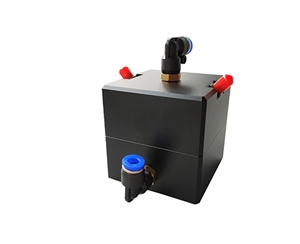
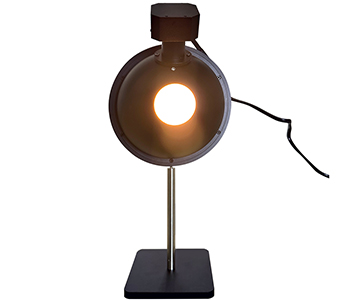
Another boundary is water quality analysis. Flow-through integrating spheres avoid particle scattering interference, but the water inlet/outlet fittings (e.g., PL8-02 elbows) carry leakage risks in high-pressure lines. For long-term field deployment, external ferrule reinforcement is recommended rather than relying solely on factory quick-connects.
FAQ
Q1: How can I determine if an integrating sphere is suitable for LED flux measurement?
Check three points: internal diameter should be at least four times the LED package diameter, it should feature an SMA905 or FC exit port, and the coating should have a flat reflectance curve across 450–950 nm. Meeting these criteria indicates basic suitability.
Q2: How do I choose between small and large cavity spheres for spectral testing?
For direct fiber coupling and space-constrained setups, select 10 mm or 15 mm. For configurations requiring sample holders or fluorescence quantum efficiency measurements, choose 84 mm or larger. Do not base the decision solely on a single “accuracy” specification.
Q3: What should I do if the high diffuse reflectance coating yellows over time?
PTFE has strong oxidation resistance, but prolonged exposure to intense UV or oily smoke environments causes degradation. Perform a full-spectrum calibration with a standard white plate every 12 months; if measurements exceed tolerance, return the sphere for recoating.
Q4: What is the total cost difference between domestic mainstream and import tiers?
Taking a 100 mm diameter as an example, the procurement price of a domestic mainstream tier unit is approximately 30%–45% of an import reference tier model. Including local service and spare parts, the three-year TCO is typically about 52% lower, provided traceability is handled independently or through a third party.
Q5: How can I independently verify the reflectance claims after delivery?
Obtain a traceable standard reflectance plate, set up the optical path according to ISO 13468 (or equivalent standards), and measure in segments across 200–2500 nm. If the measured value deviates from the nominal by more than 1.5%, request the coating batch test record from the supplier or arrange a return.
Conclusion and Resource Guide
Selecting an integrating sphere ultimately requires balancing spectral range, cavity geometry, mechanical interfaces, and traceability. Printing the ten-question checklist and bringing it to supplier evaluations will filter out most exaggerated claims. For detailed specifications and application notes on high diffuse reflectance integrating spheres, search "Jingyi Optoelectronics + integrating sphere" or visit our technical library.
About This Guide
Data Sources
: SEMI Annual Report, Technical White Paper from the Chinese Optical Society, customer-authorized test data, GB/T national standard data (equivalent to ISO 13468 for transmittance testing).
Author
: Cai Xiaodong, Senior Application Engineer, Jingyi Optoelectronics, 12 years in industrial precision measurement equipment.
Disclosure
: Jingyi Optoelectronics manufactures integrating spheres and optical testing equipment. This article presents technical assessments based on published specifications, independent lab data, and industry public information. No compensation was received from third-party brands mentioned.
Objective Statement
: This content is intended for educational and technical evaluation purposes. Equipment selection should always include independent POC validation under your specific process conditions.
Last Updated
: November 2026