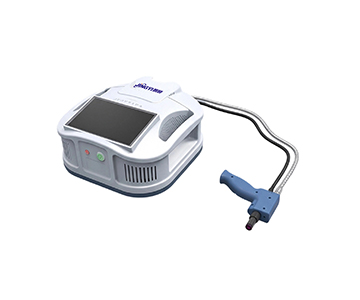
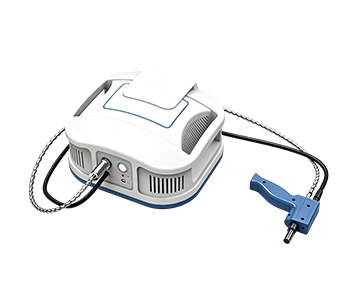
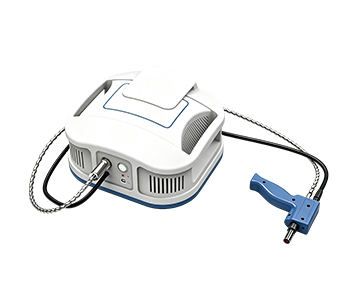
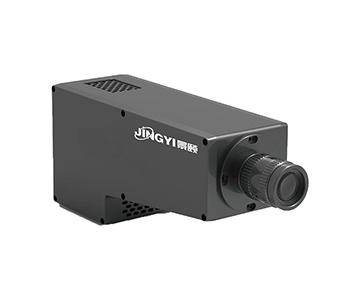
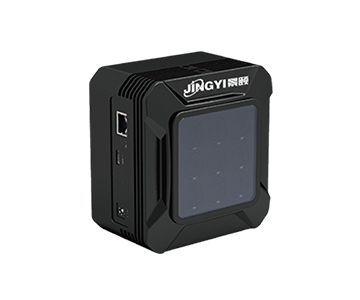
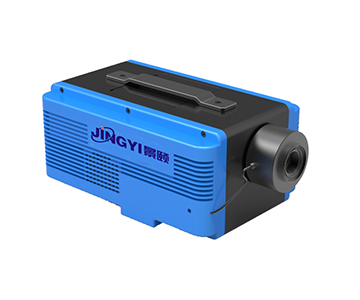
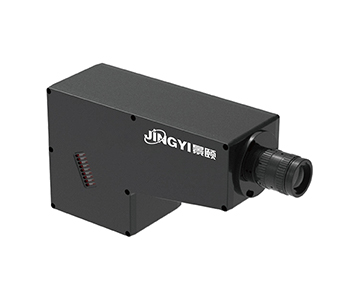
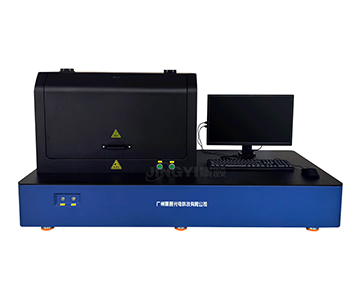
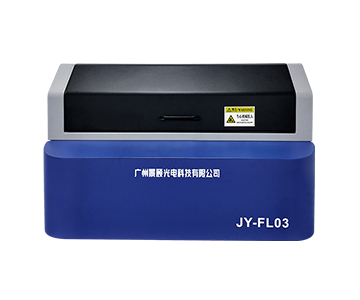
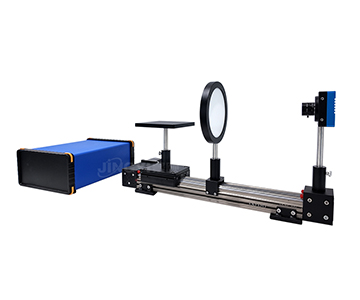
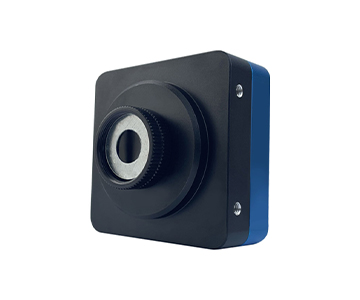
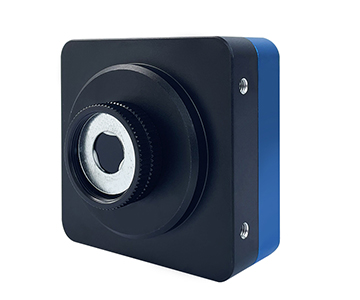
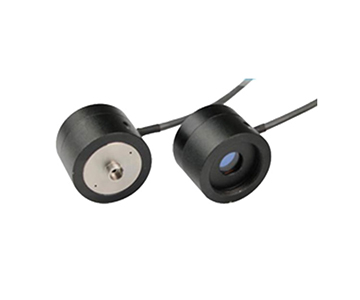
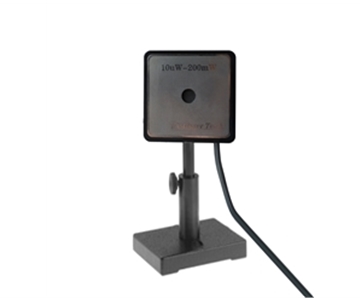
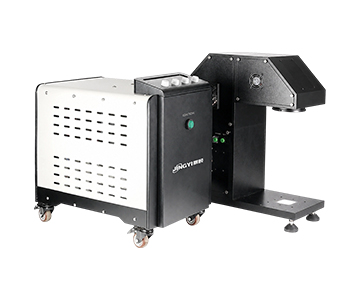
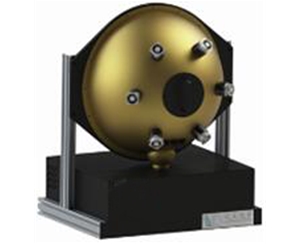
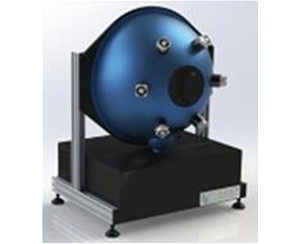
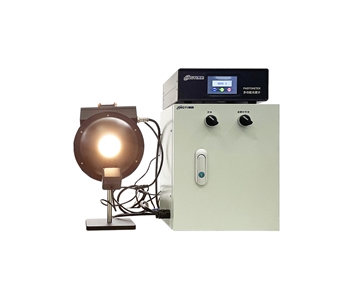
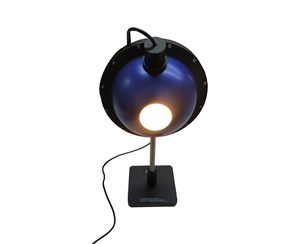
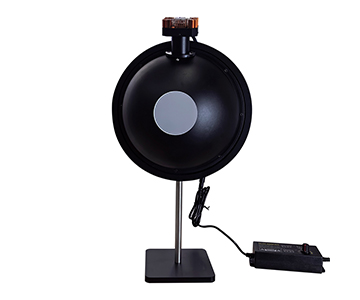
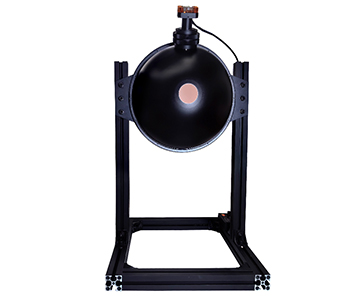
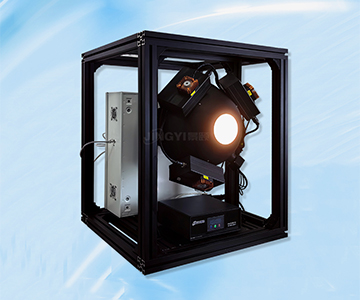
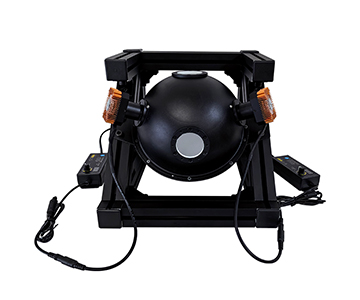
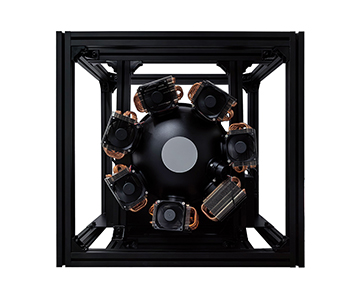
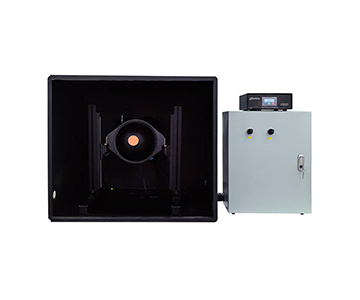
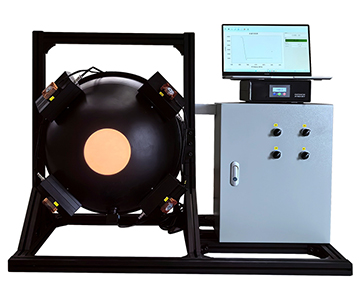
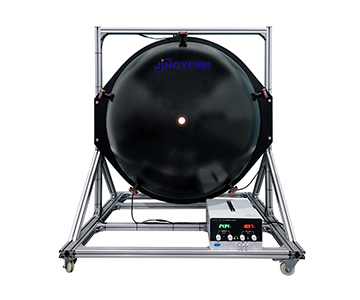
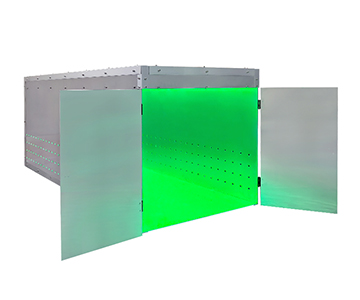
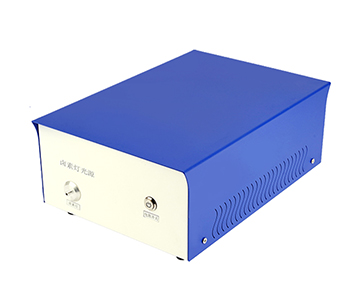
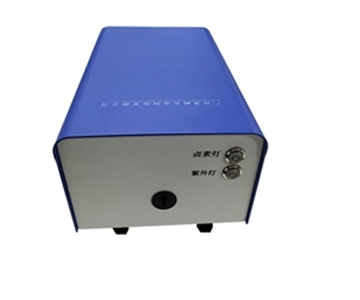
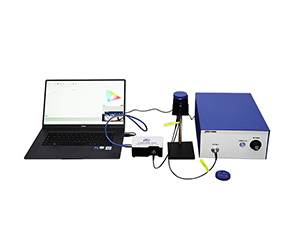
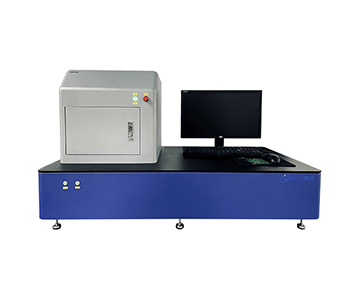
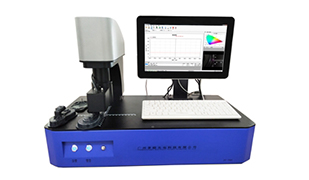
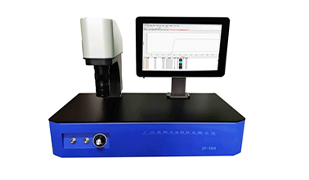
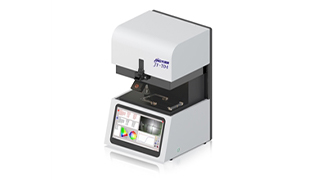
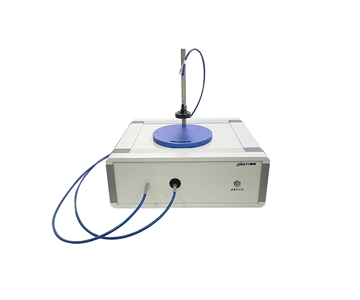
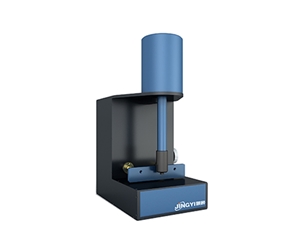
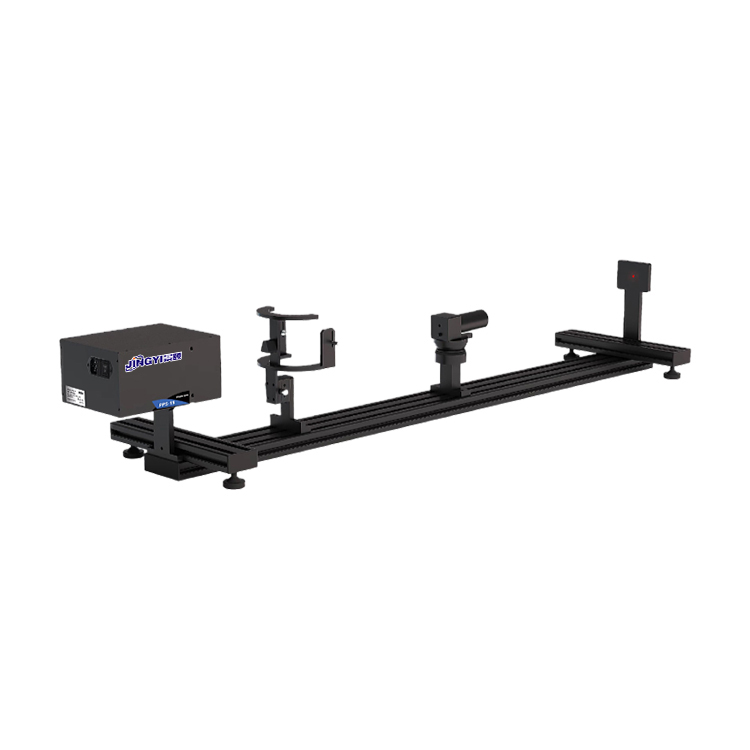
JYL-2000 LED Adjustable Light Source: Customized Output Wavelength and Quantity
LED adjustable light source output wavelength and quantity can be customized according to requirements
Product Features
1、Low operating costs, no need for consumables
2、LED emits a cold light source, which has no thermal radiation deformation effect on the workpiece
3、The attenuation change of illumination is smaller than that of traditional bulb type
4、Simple operation, easy installation, improved efficiency, environmentally friendly and pollution-free
5、Unique heat dissipation ensures stable and reliable illumination intensity
6、Multiple channel outputs: selectable1-channel, 3-channel, and 9-channel outputs, with output wavelengths that can be freely selected within the range provided by our company
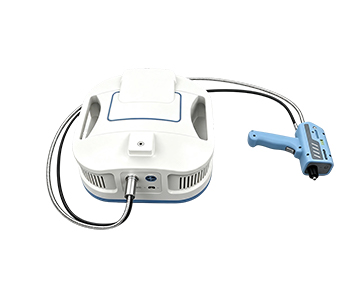
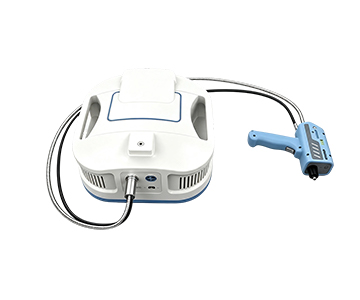
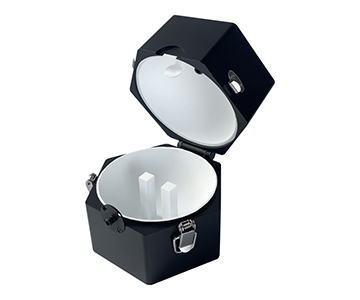
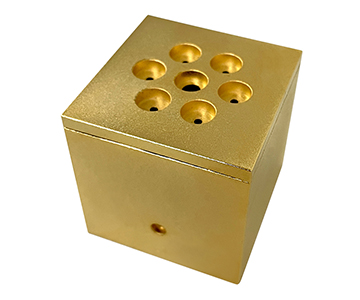
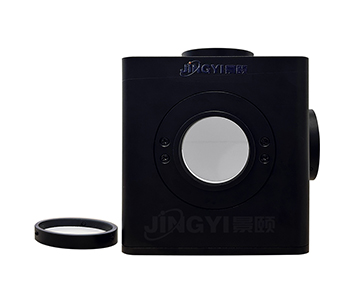
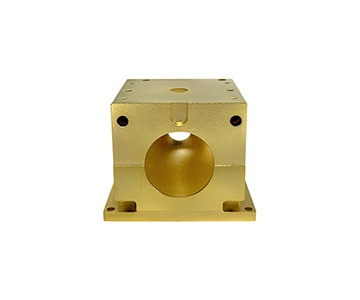
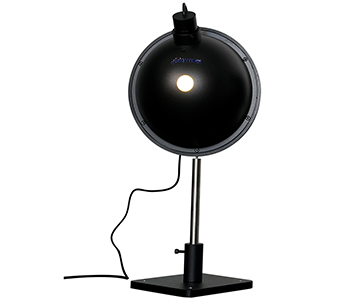
JYL-2000LED Adjustable Light Source
1、LED is an ideal choice for fluorescence excitation, spectroscopy, and fiber optic lighting applications.
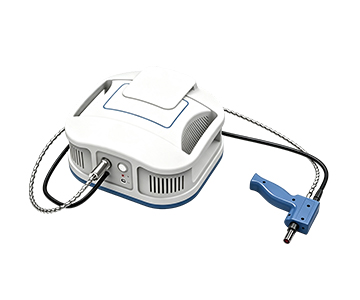
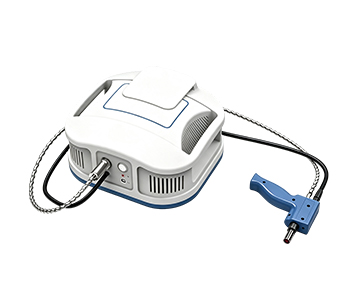
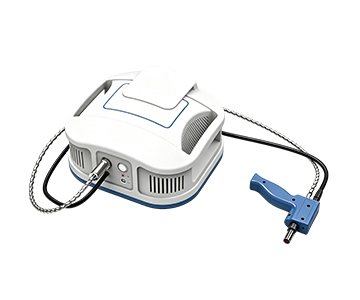
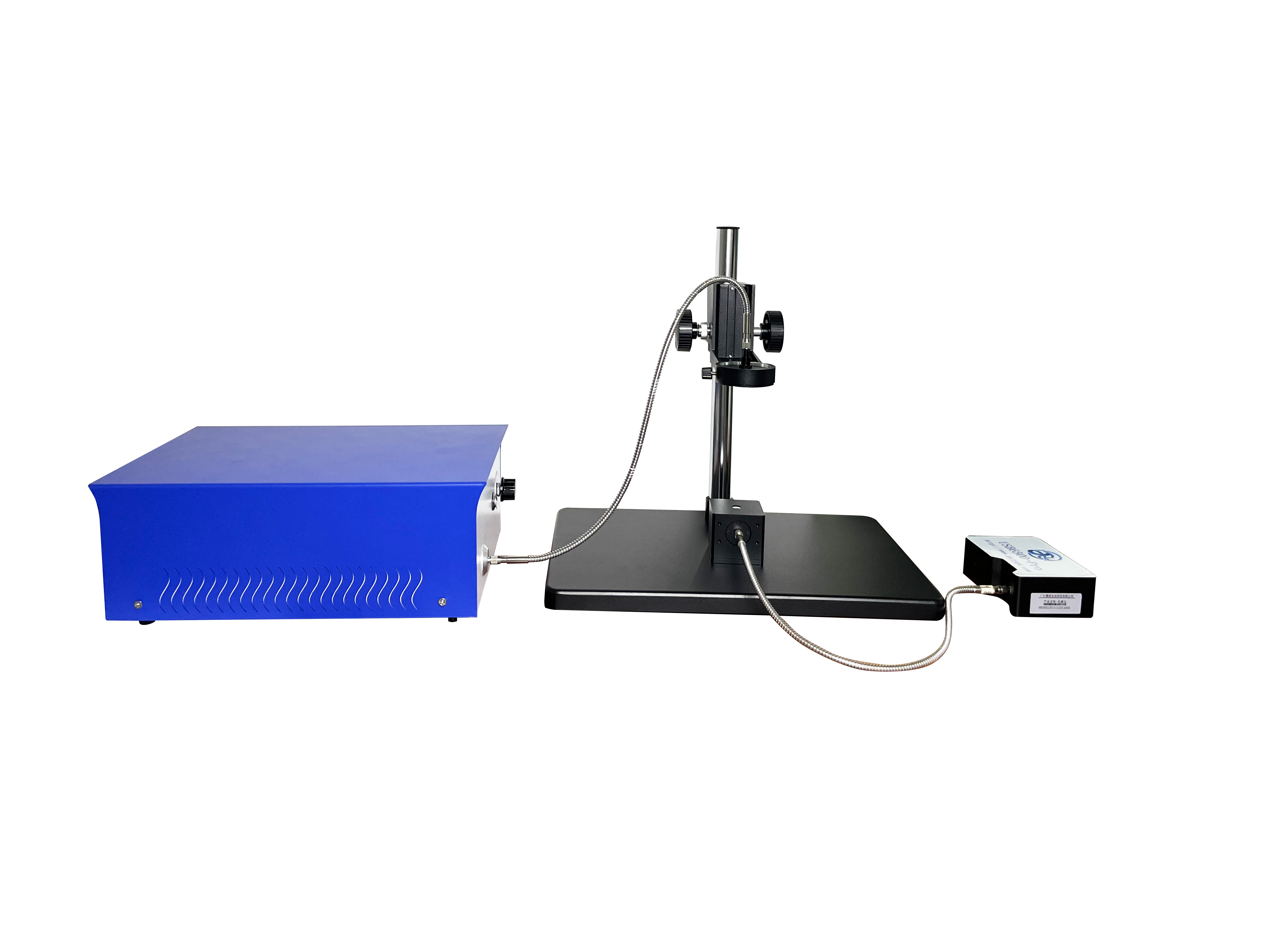
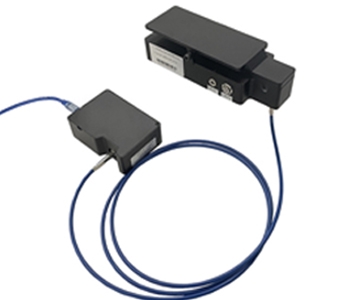
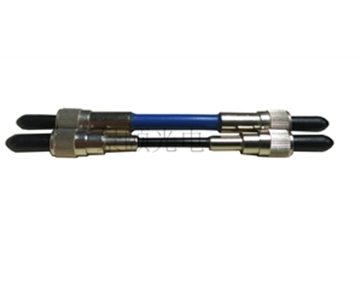
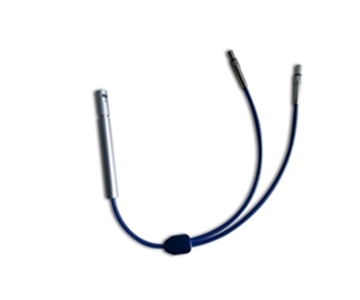
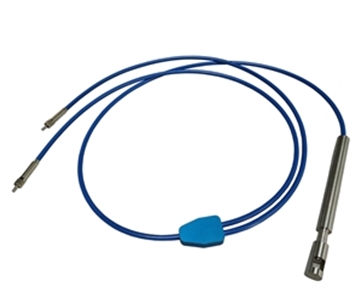
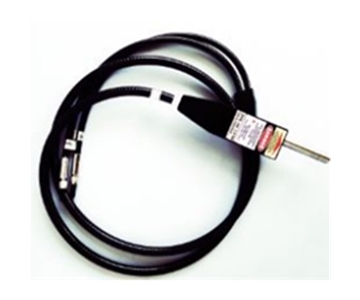
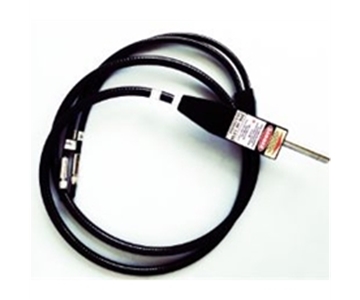
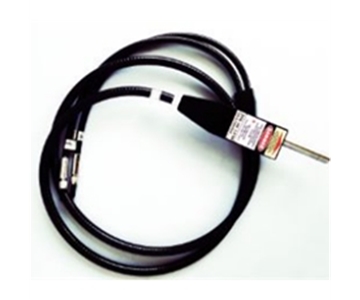
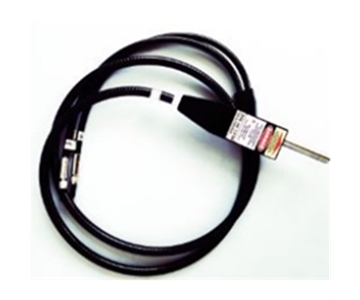
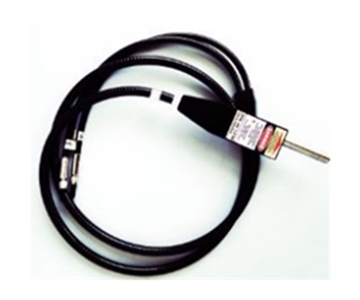
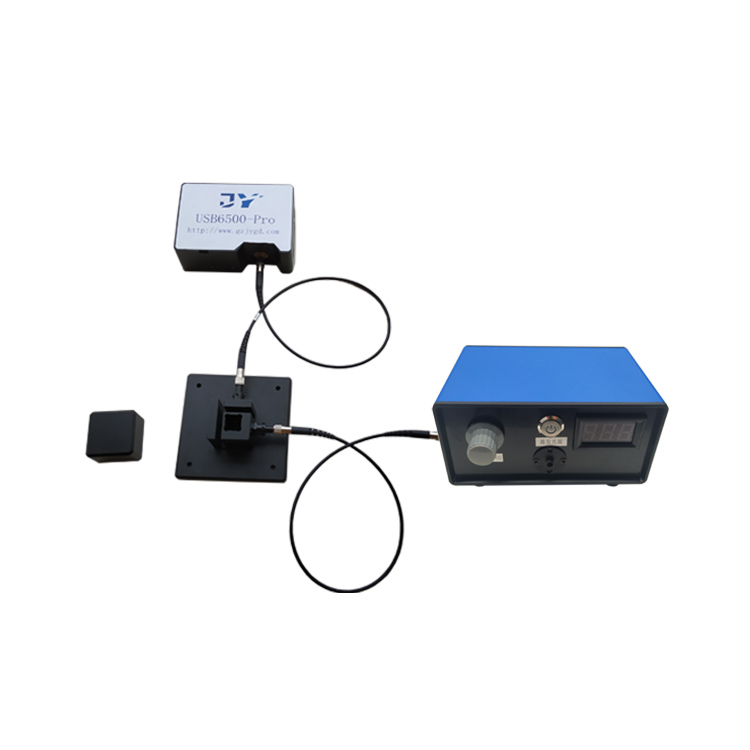
2、LED light sources can be output through fiber optics, with output ports of SMA905 or FC interface, which can be customized according to specific situations. The output wavelength and quantity can be customized according to requirements.
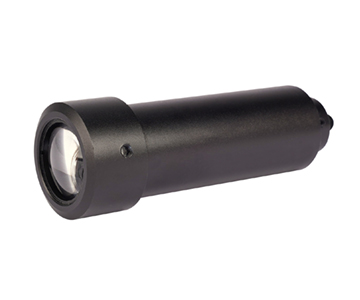
3、The LED light source can be output through the illumination head, and the output wavelength and quantity can be customized according to requirements.
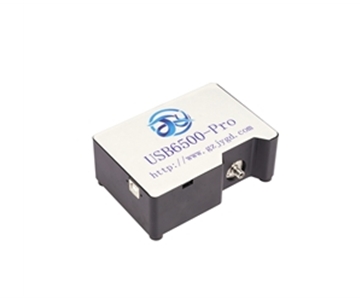
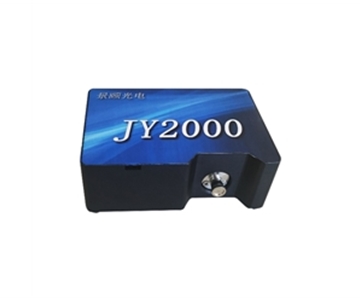
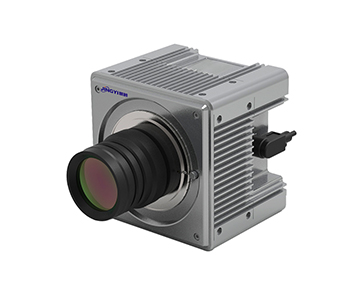
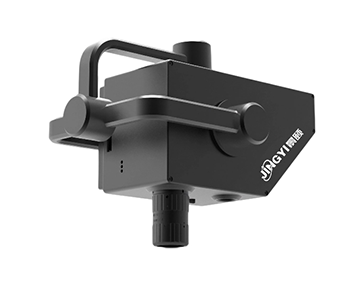
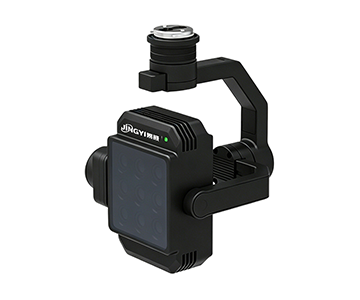
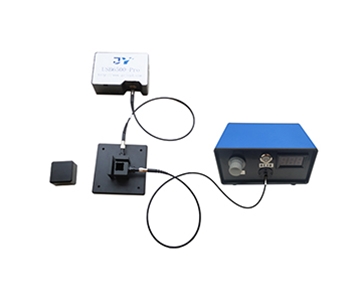
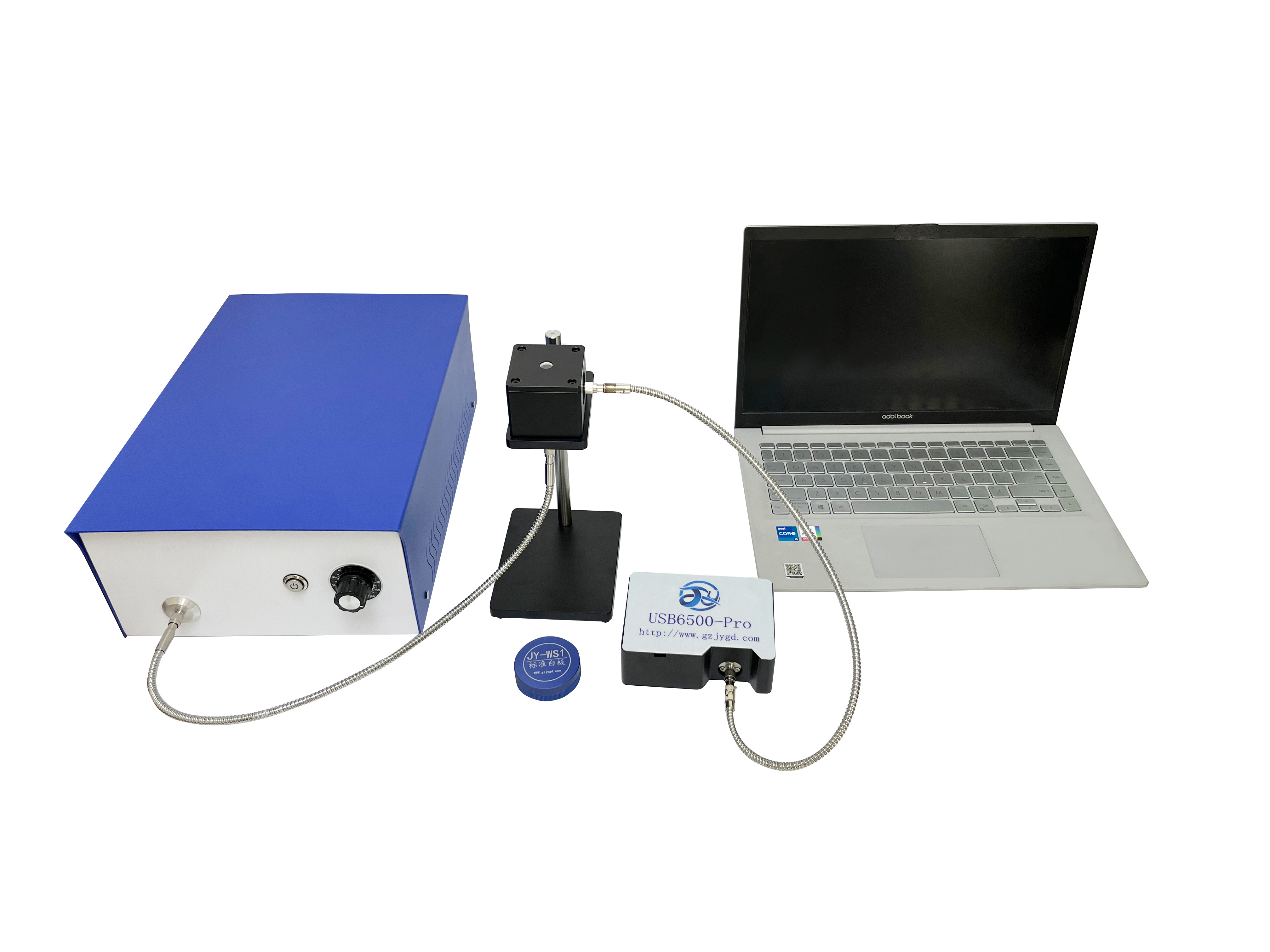
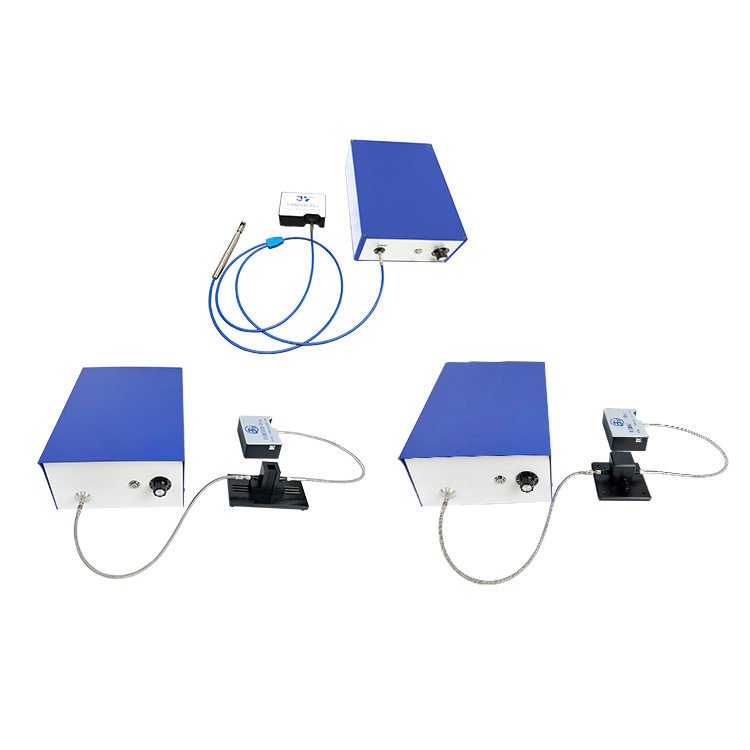
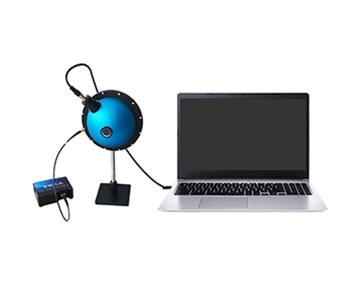
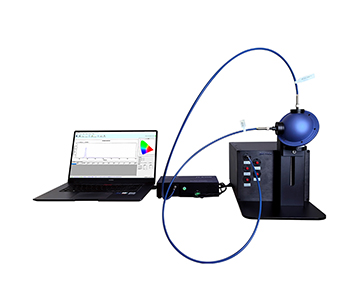
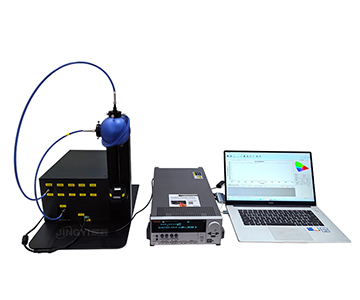
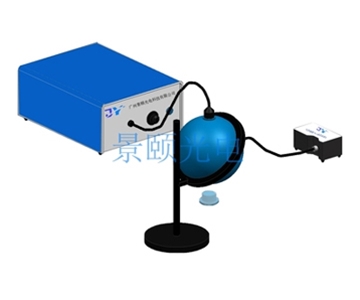
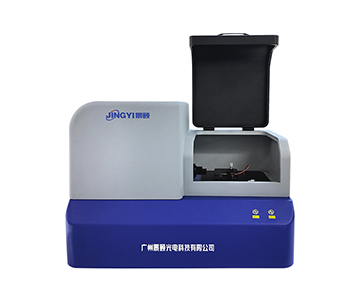
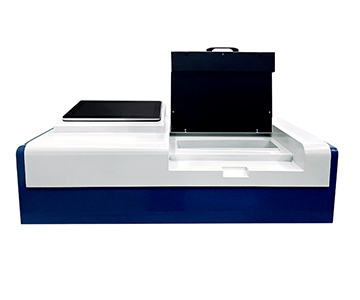
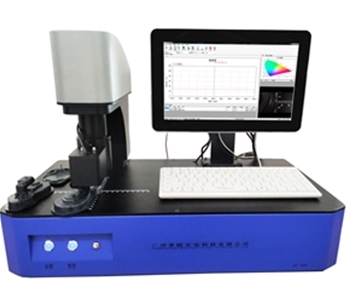
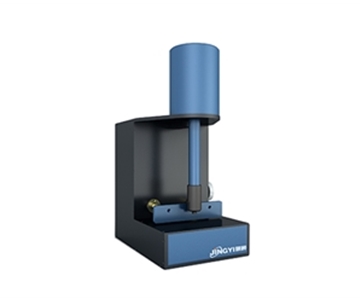
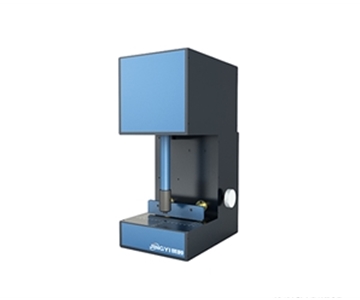
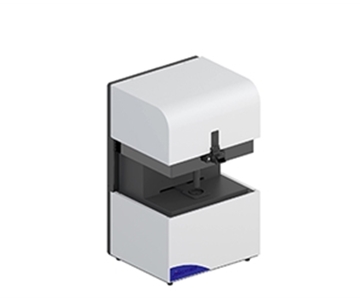
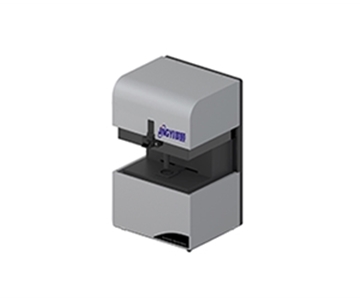
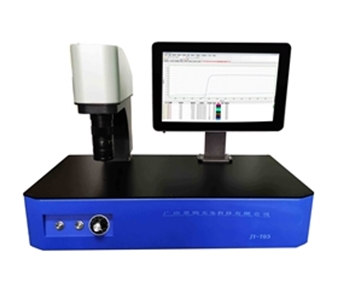
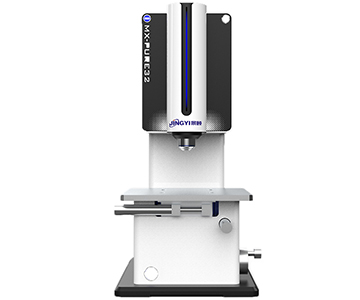
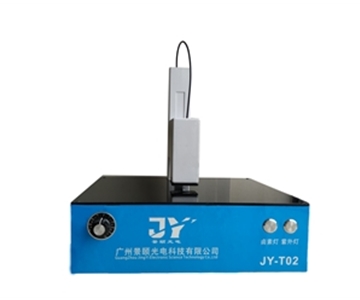
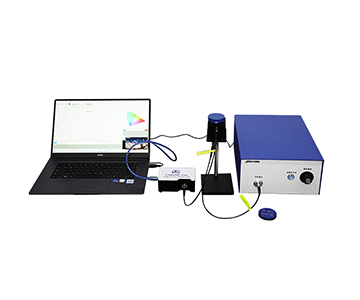
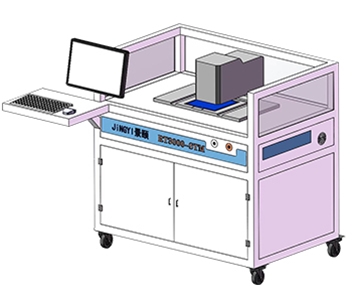
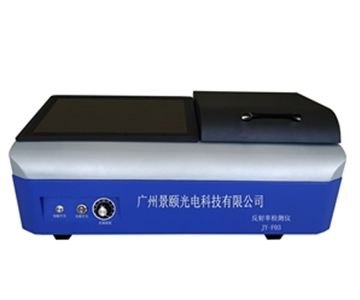
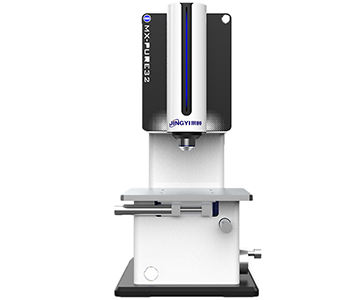
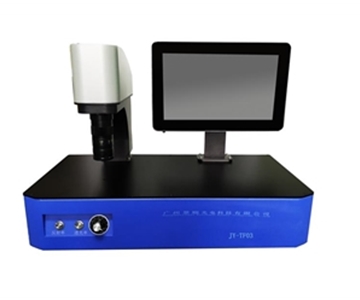
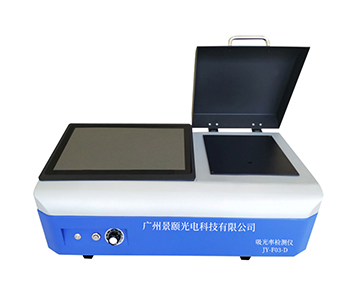
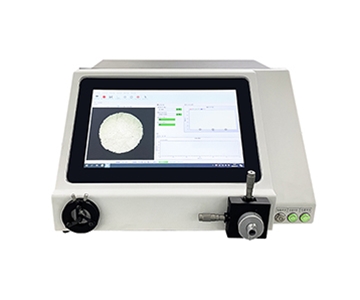
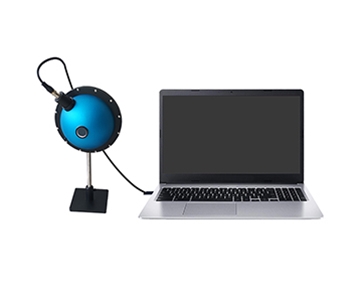
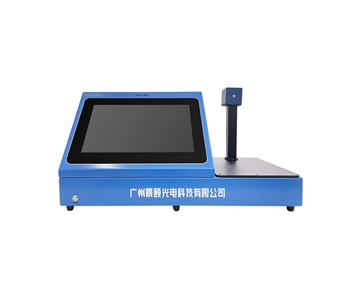
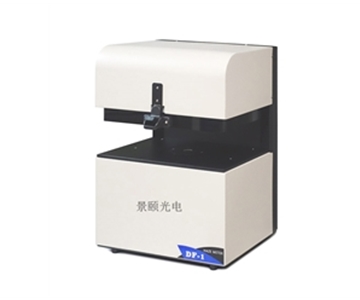
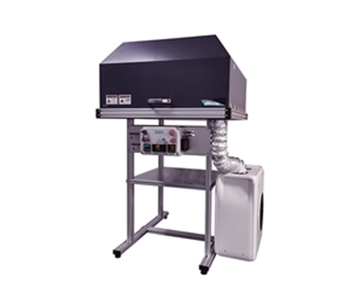
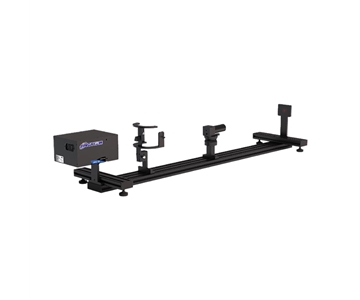
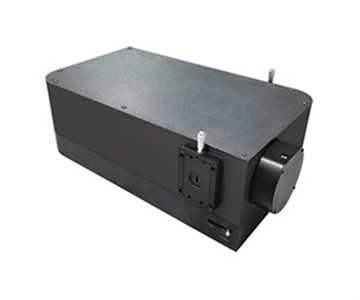
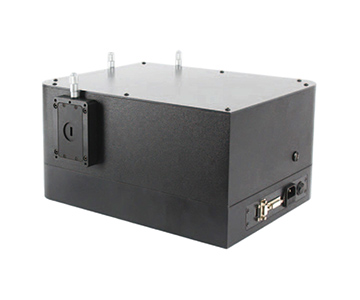
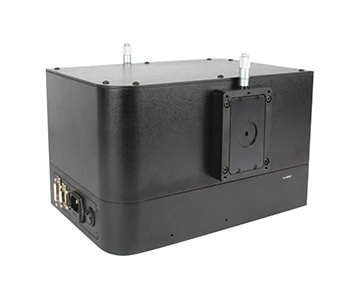
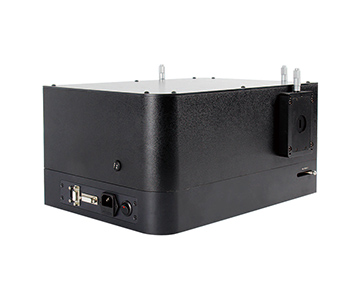
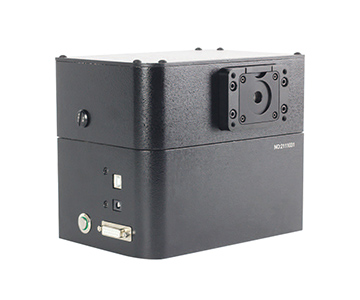
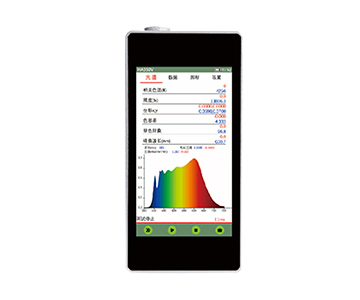
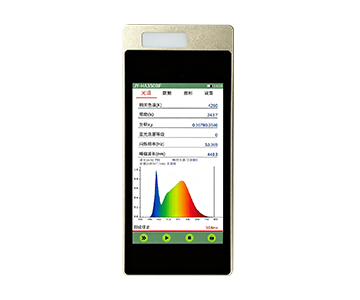
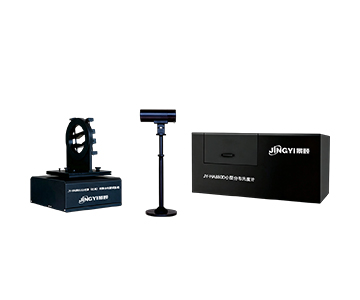
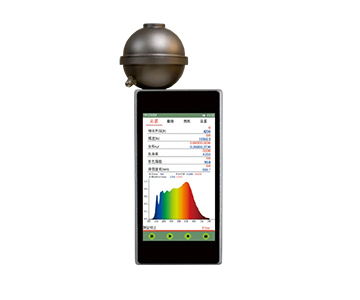
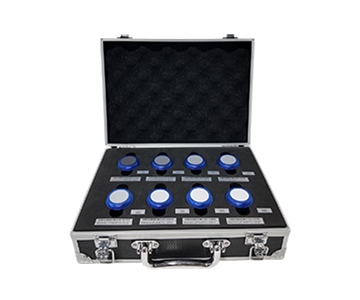
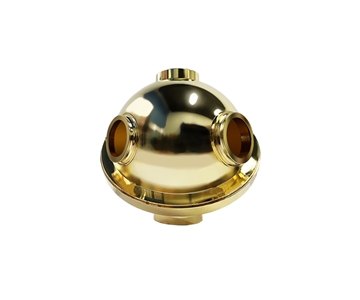
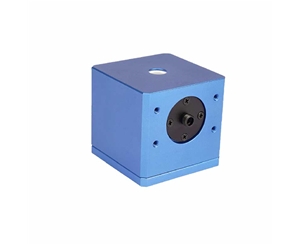
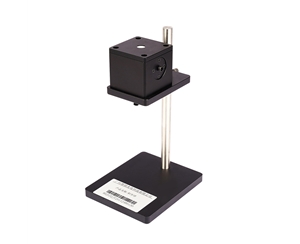
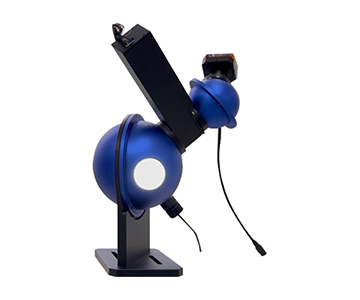
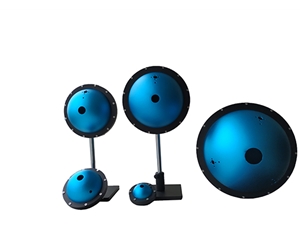
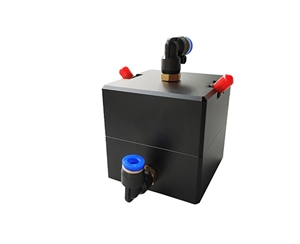
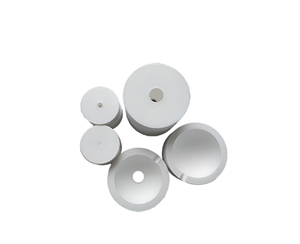
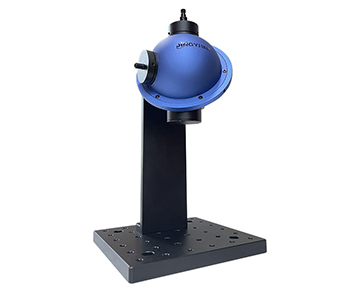
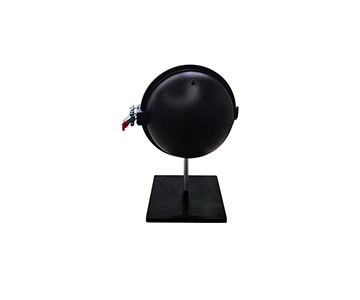
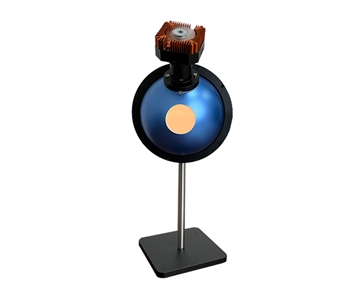
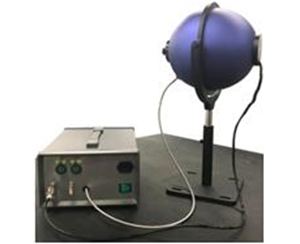
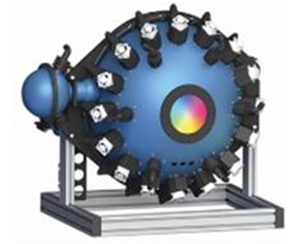
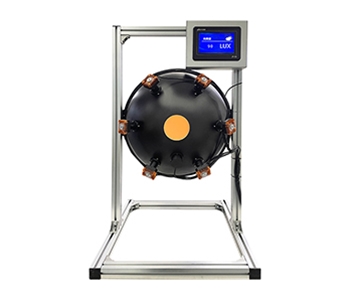
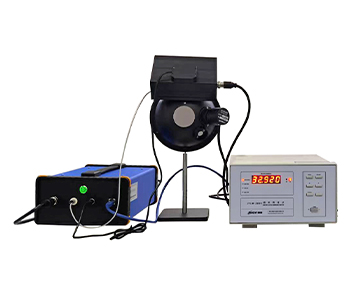
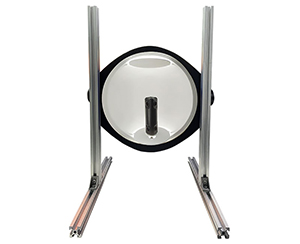
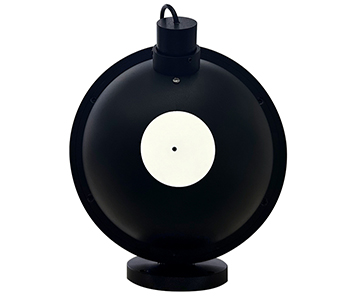
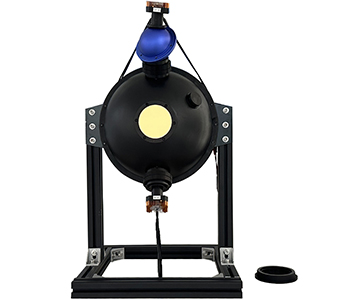
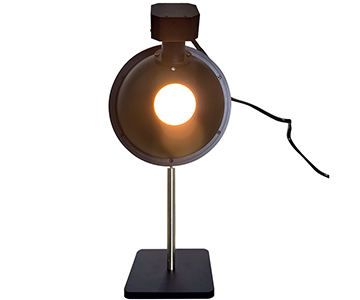
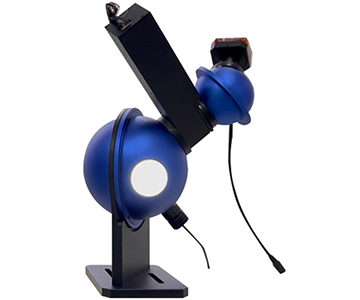
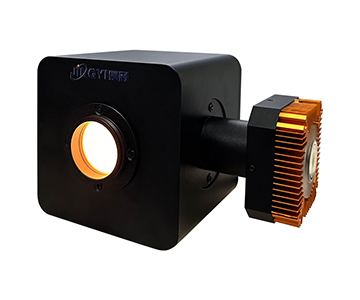
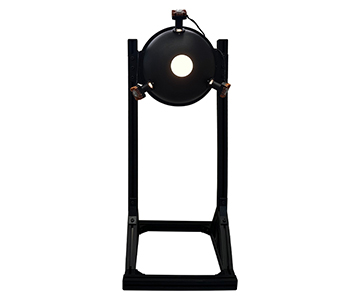
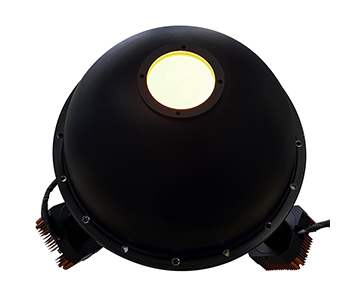
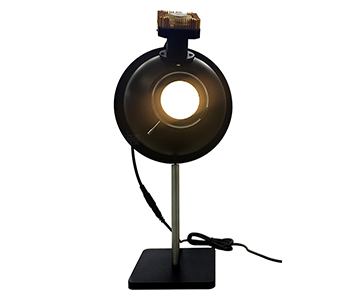
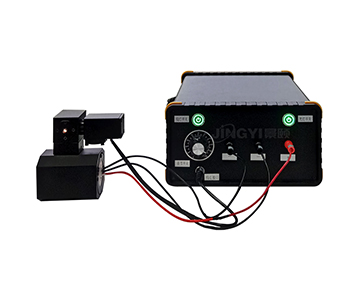
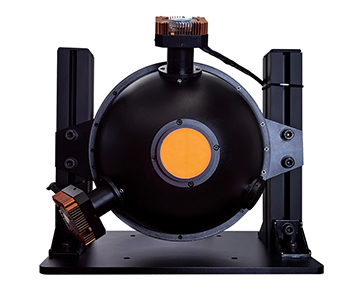
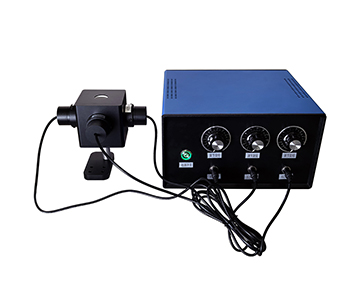
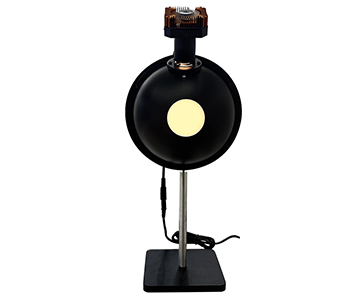
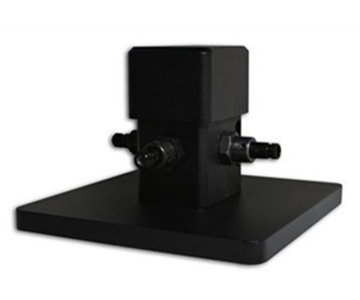
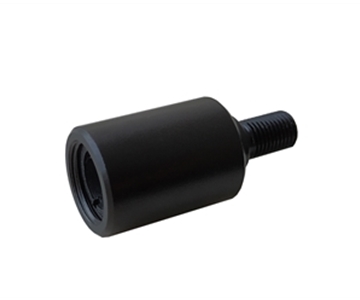
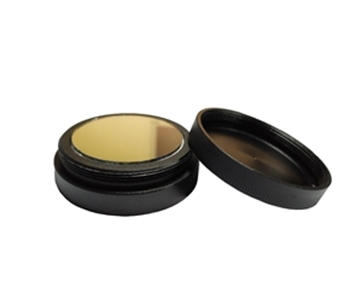
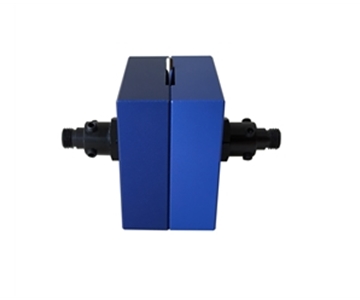
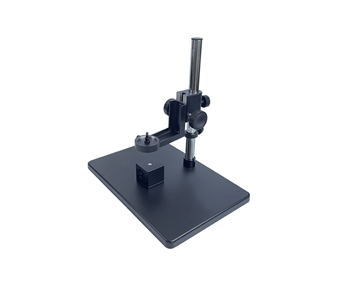
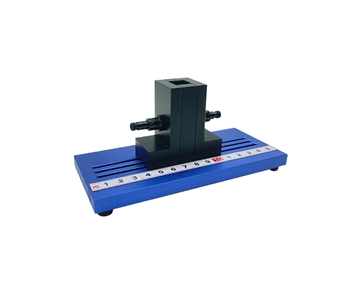
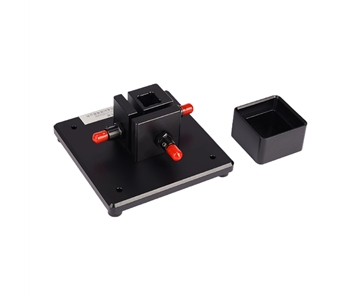
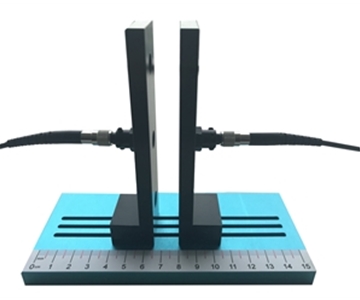
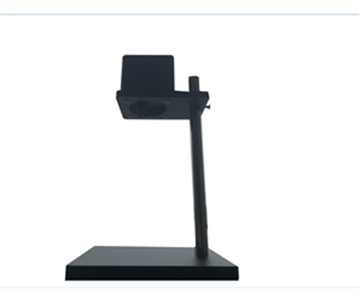
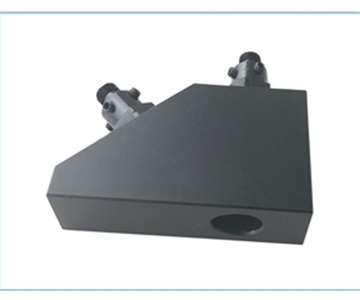
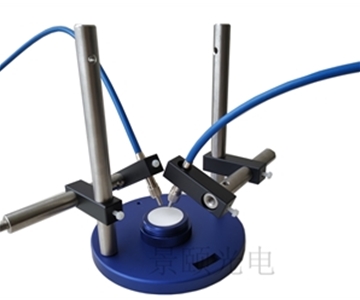
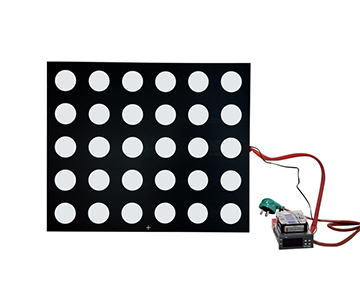
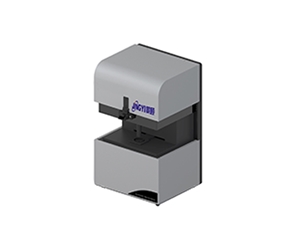
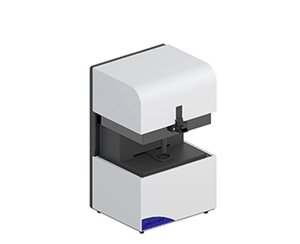
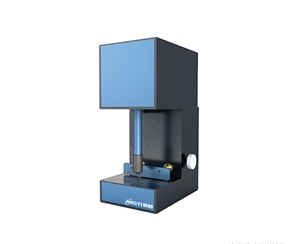
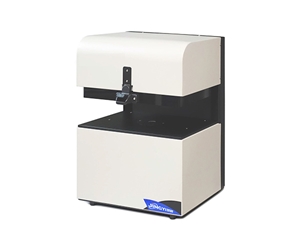
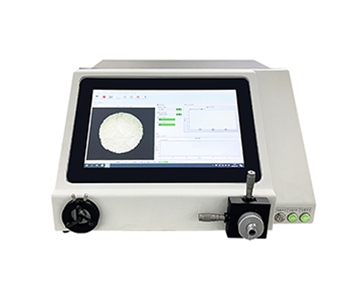
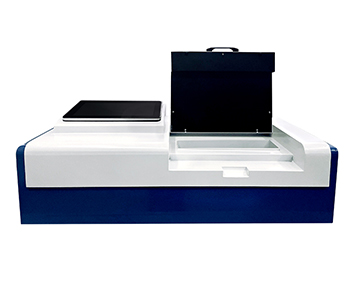
product image Commonly used single wavelengthLED Adjustable Light Source Multi band Adjustable Light Source Illumination Head Output 11 band Fiber Optic Output LED Adjustable Fiber Optic Interface 11 band Fiber Optic Output LED Adjustable Light Source Adjustment Interface
Application Fields
1、Fluorescence excitation light source (fluorescence spectroscopy detection).
2、Ultraviolet light sources, biological genetic engineering, molecular genetics, medical and health, biological products, drug research, health and epidemic prevention, dye chemical industry, petrochemical industry, textile industry, public security and law enforcement departments, cultural relics and archaeology departments, all departments that require fluorescence analysis and testing can use them. Biochemistry, microbiology, genetics, medicine, catalysis, each channel uses ultraviolet LEDs with different wavelengths, ranging from 240NM to 410MM, with each 5NM step for analysis.
3、Standard light source, due to the relatively single emission spectrum and consistent energy of LED, can be used as an effective standard light source.
4、Ultraviolet disinfection can not only disinfect fresh water, but also seawater: it can disinfect not only drinking water, but also wastewater. It can be widely used in various fields that require water disinfection. Agricultural processing water, purified drinking water, electronics, pharmaceuticals (disinfection of various laboratory water and high content pathogenic wastewater), ultra pure water for biotechnology, various beverages, beer and food processing, disinfection after sewage treatment, tap water disinfection, swimming pools, urban fountain decoration water, cooling water for central air conditioning and power plants, and water for military bases, ships, submarines, etc.
5、The criminal investigation light source, combined with high-power LED, can emit various colors of light with consistent intensity from 365NM to 780NM, from ultraviolet, purple, blue, green, cyan, yellow, orange, red, to infrared. It can extract fingerprint samples under different background light bands.
6、There are a total of 12 bands of light, including one white light. Multi band light source is a new type of forensic scientific light source developed and researched mainly for criminal investigation and judicial departments. It is suitable for the display of fingerprints, bloodstains, body fluids (semen, saliva, vaginal secretions, urine traces, etc.), fibers, gunshot residues, bite marks, hair, and trace traces in various criminal scenes.
7、When a certain intensity and wavelength of ultraviolet radiation is applied to a substance (some substances require the addition of fluorescent dyes), the substance element will emit fluorescence (photoluminescence), and the content of the element can be determined based on the color of the fluorescence. Heavy metals such as lead and mercury, pesticide residues, etc. can all be detected using this method.
8、Biological sterilization, deoxyribonucleic acid in bacteria(DNA)、 The strongest peak of ultraviolet absorption for ribonucleic acid (RNA) and nucleoprotein is between 254-257NM. After bacteria absorb ultraviolet radiation, it causes DNA strand breakage, resulting in cross-linking rupture between nucleic acid and protein, killing the biological activity of nucleic acid and leading to bacterial death.
9、Inspection and comparison of food quality (measurement of freshness).
10、Quantitative analysis of water quality and water pollution (testing of the effectiveness of water treatment technologies).
11、Detection of various wines and beverages (feature recognition of Baijiu).
12、Rapid measurement of bacterial concentration in liquids (pollution monitoring on beer production lines).
13、Research on plant physiological characteristics (testing of genetic engineering effects).
14、Research on Seed Quality: Determination of Germination Rate (Identification of Transgenic Seeds).
15、Analysis of drug performance and efficacy (selection of the best drug for cancer patients).
16、The application prospects of biopharmaceuticals: utilizing biological samples and bioindicators
17、Medical application prospects: indication of human health status, disease diagnosis
18、Pesticide degradation, fruit and vegetable treatment, sewage treatment, and other fields have wide applications in medical diagnosis and treatment, agriculture, environmental protection, processing and manufacturing. In drug production and research, it can also be used to check the quality of various fluorescent drugs such as hormones, alkaloids, vitamins, etc. It is particularly suitable for thin-layer analysis, paper layer analysis spot detection, and detection; In the chemical industries such as dye coatings, rubber, and petroleum, various fluorescent materials, fluorescent indicators, and additives are measured to identify different types of crude oil and rubber products; In the grain and oil, vegetable, and food sectors, it can be used to check the quality of mycotoxins (such as aflatoxin), food additives, spoiled vegetables, fruits, chocolate, fat, honey, sugar, eggs, etc
LED wavelength - Fiber port output UV: 265-270nm 1W 280-290nm 0.1W 310-320nm 0.1W 365-375nm 3/5W Infrared: 845-855nm 3W 935-945nm 3W 975-985nm 3W Visible: 385-405 nm 5W 400-410nm 5W 410-420nm 5W 420-430nm 5W 440-445nm 5W 450-455nm 5W 460-465nm 5W 470-475nm 5W 490-500nm 5W 505-515nm 5W 525-535nm 5W 555-565nm 5W 595-605nm 5W 620-630nm 5W 655-665nm 5W 730-740nm 5W Note: The optical power varies depending on the material and core diameter of the optical fiber
LED spectrum cold white light 3/5W warm white light 3/5W