Optical metrology companies with validated R&D pipelines are increasingly preferred by academic-industry consortia. This report examines how a Guangzhou-based spectroscopic measurement firm secured core partnership status in a vocational institution's AI innovation hub, and what this signals for buyers evaluating optical detection equipment in semiconductor and LiDAR supply chains.
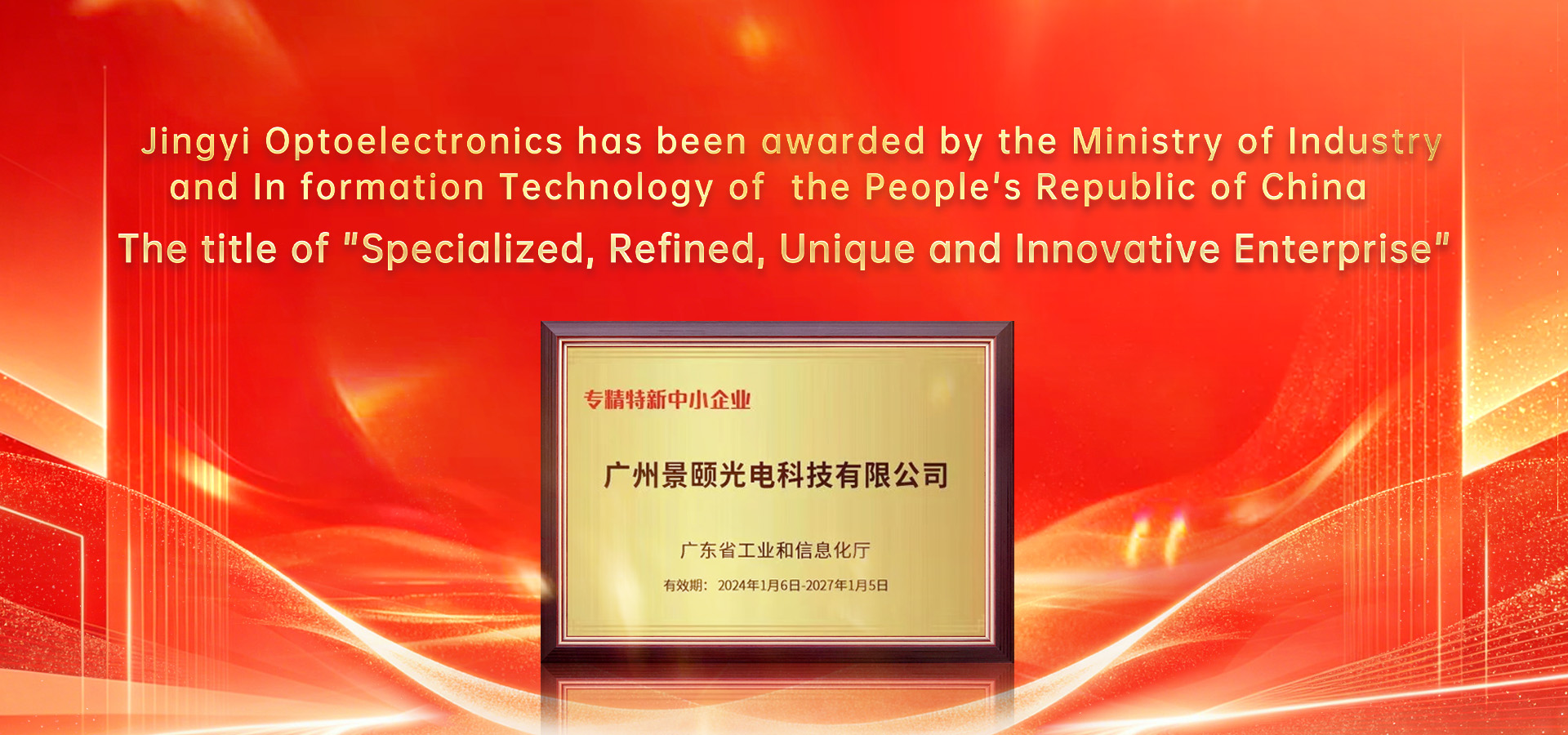
In mid-2026, Guangdong Engineering Polytechnic formally approved the establishment of the "Qingteng AI Innovation Center." Guangzhou JY Optics Technology Co., Ltd. was selected as a core co-building partner. The center focuses on integrating artificial intelligence with industrial technology, using a university-enterprise collaboration model to advance AI applications in optical inspection and precision measurement.
For procurement engineers evaluating optical metrology suppliers, this selection offers a case study in how third-party academic validation intersects with technical capability assessment. The five evaluation dimensions used by the review panel—intellectual property ownership, sustained R&D investment, industrialization capacity, technical talent, and industry influence—map directly onto due-checklist items that buyers should apply when qualifying metrology vendors.
What the Qingteng AI Innovation Center Partnership Validates
The review panel assessed JY Optics across five dimensions. The alignment between institutional criteria and corporate capability is summarized below:
| Evaluation Dimension |
JY Optics Corresponding Capability |
| Core technology IP ownership |
Multiple proprietary technologies in fluorescence quantum efficiency detection, laser beam profiling, and integrating sphere optical design; product portfolio covers electroluminescence test systems, photoluminescence systems, and infrared beam profilers |
| R&D investment and sustained innovation |
Continuous optical metrology R&D with product iterations serving semiconductor manufacturing, LiDAR, and optical coating; active participation in national and association standards drafting |
| High-tech product industrialization |
Fluorescence quantum efficiency systems, beam profilers, integrating sphere sources, and reflectance standards form a complete industrialized product line serving semiconductor, optical communication, and new energy sectors |
| Technical talent and team building |
Multidisciplinary team spanning optical design, precision mechanics, and algorithm development; core technical staff participated in drafting Technical Requirements for Automotive LiDAR (T/CITS 231-2025) |
| Corporate growth and industry influence |
Product matrix expanded from spectroscopic detection into LiDAR calibration and optical coating measurement; industry footprint steadily increasing |
This selection does not merely recognize historical technical accumulation. It signals that the firm's AI-driven optical detection capabilities have received validation from a higher-education technical review system, creating a platform for deeper industry-academia collaboration and accelerated technology transfer.
Core Technology Portfolio: From Material Characterization to Device Testing
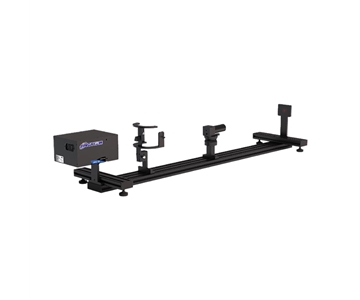
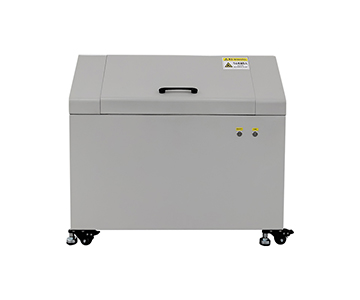
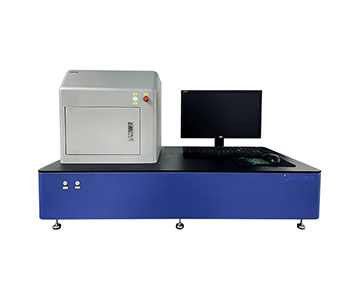
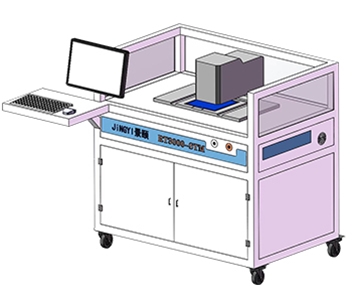
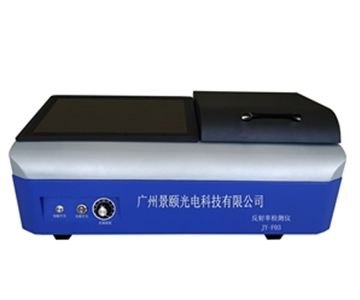
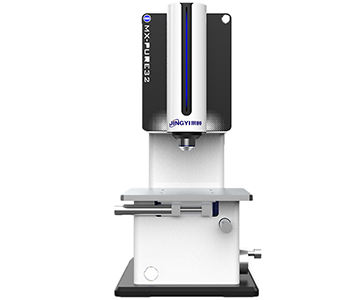
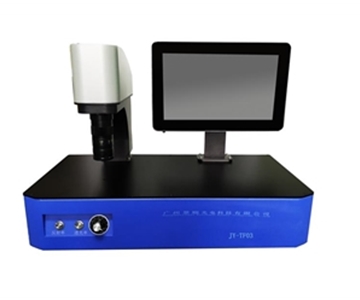
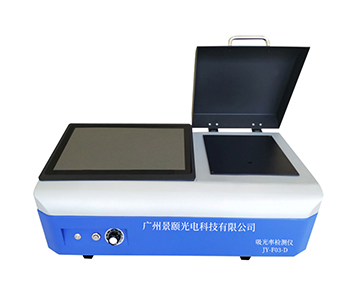
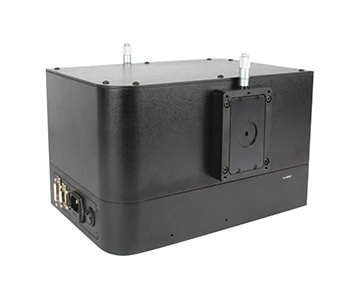
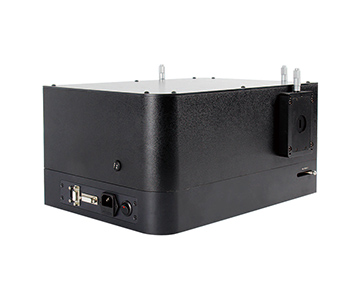
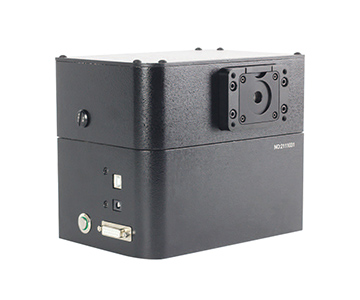
JY Optics operates four technical segments centered on spectroscopic detection and precision optical measurement. The product architecture spans the full workflow from material characterization to device-level testing.
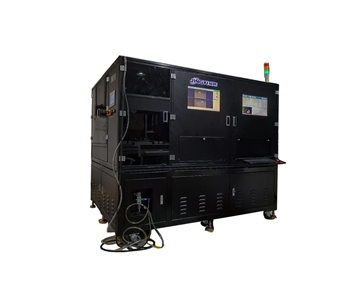
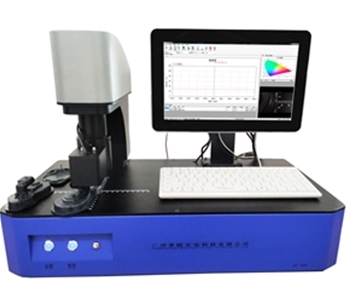
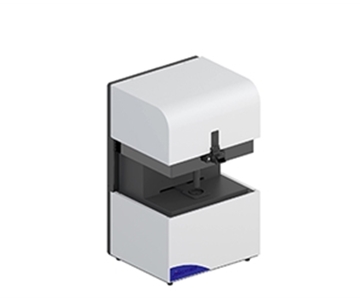
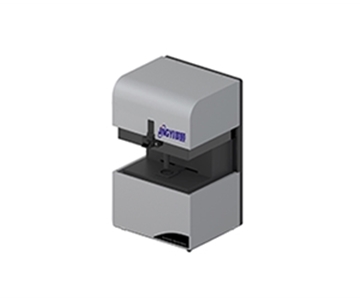
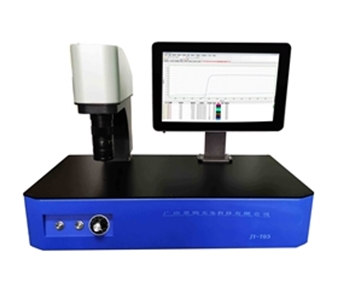
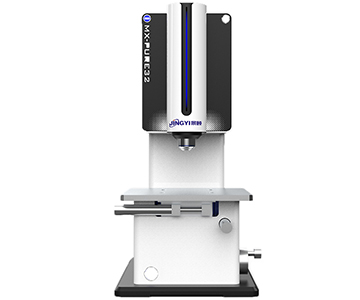
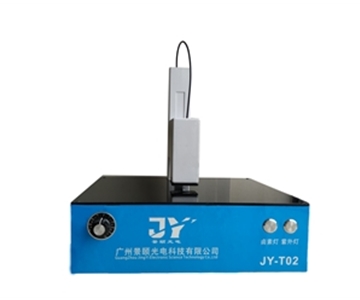
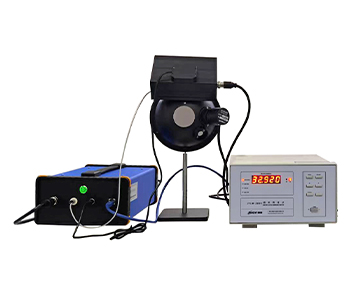
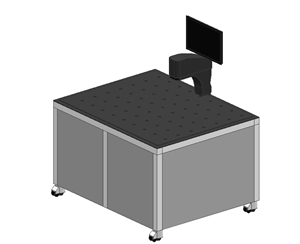
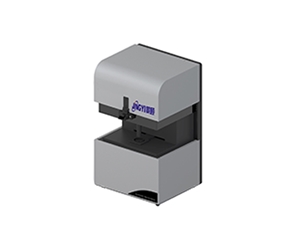
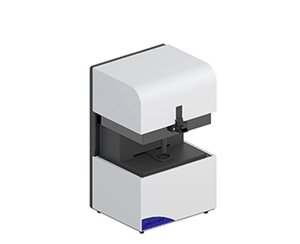
Fluorescence Quantum Efficiency Measurement Systems
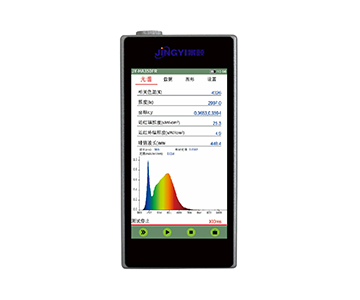
This segment targets photoelectric material and device luminescence characterization. Core products include:
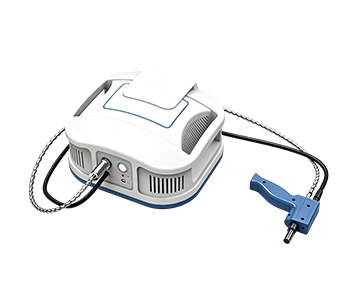
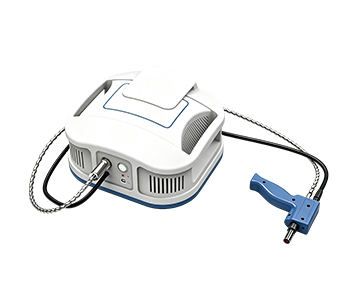
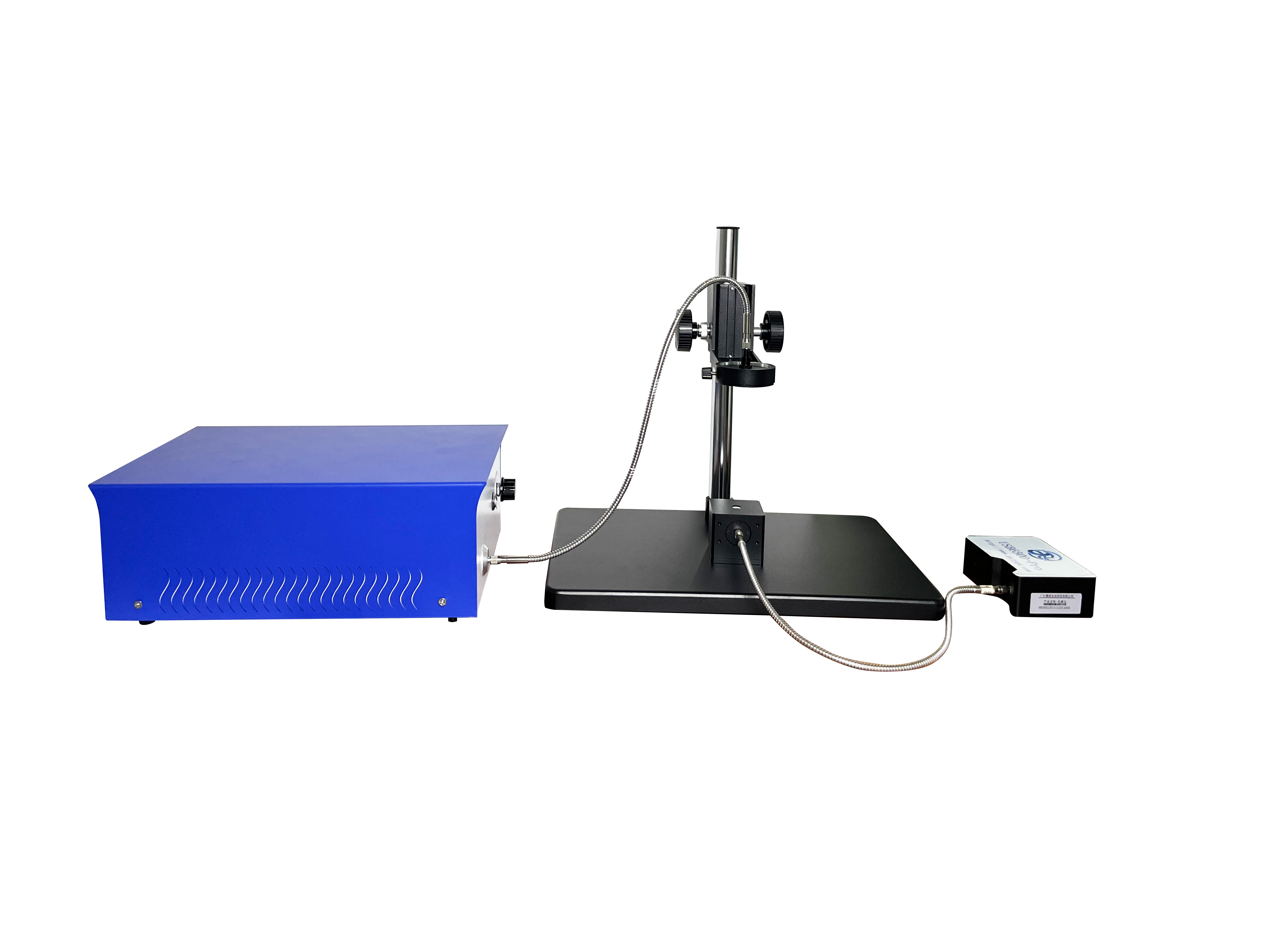
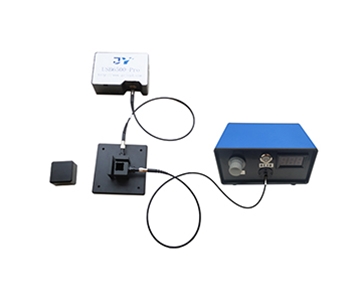
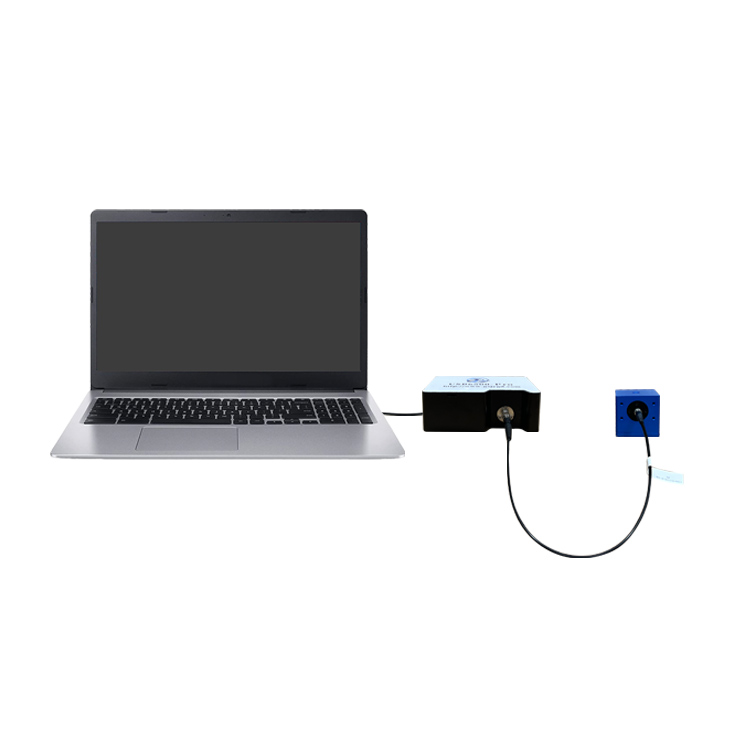
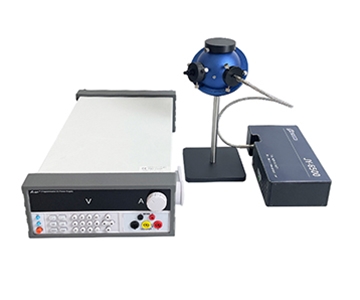
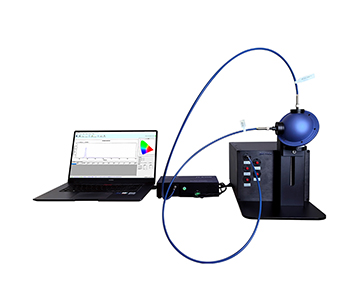
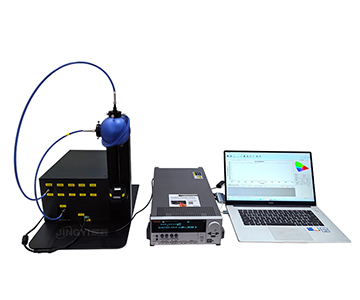
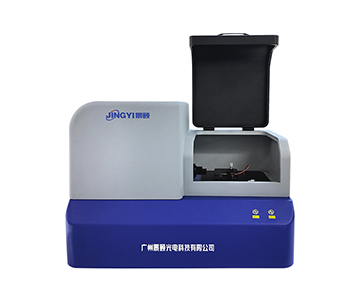
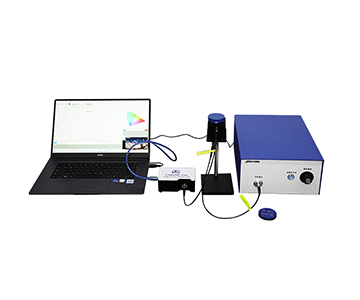
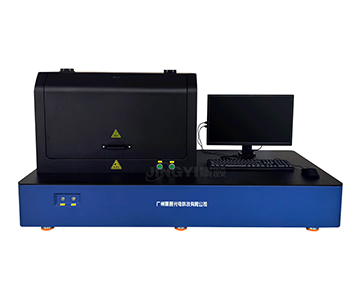
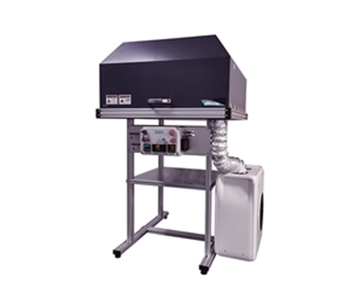
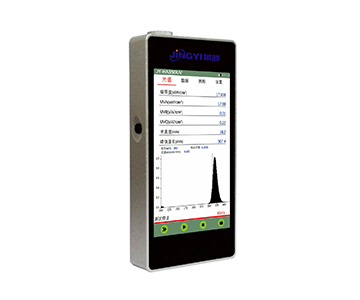
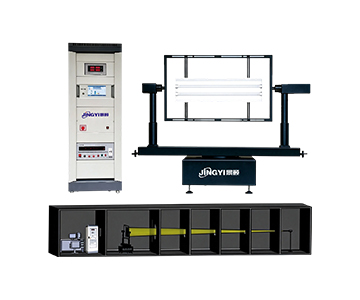
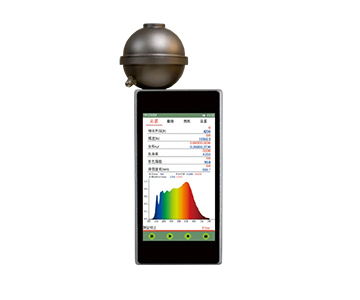
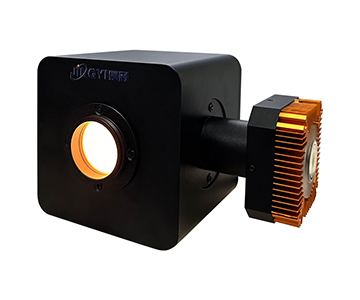
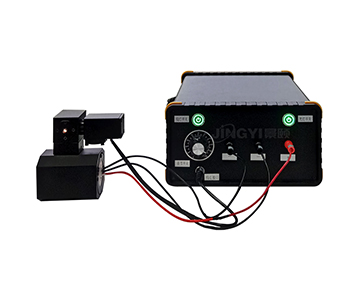
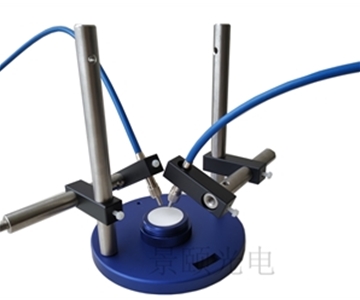
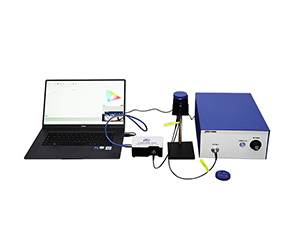
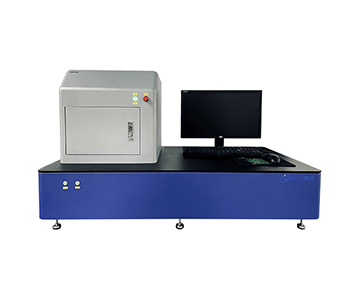
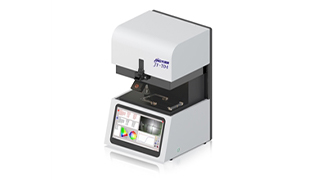
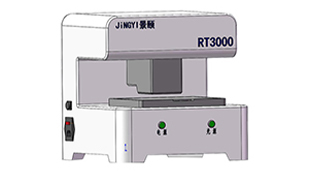
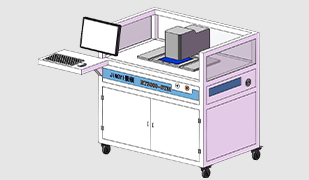
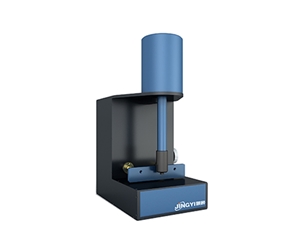
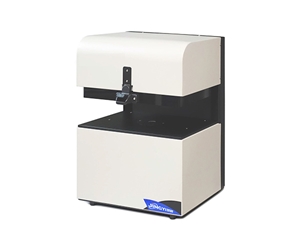
Electroluminescence test system: Synchronized quantum efficiency, chromaticity, and electrical characterization for OLED and LED devices
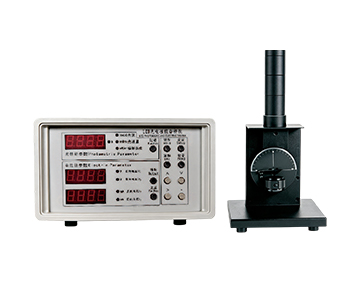
Electroluminescence quantum efficiency detection system: High-precision spectral acquisition integrated with electrical drive for device-level quantum efficiency measurement
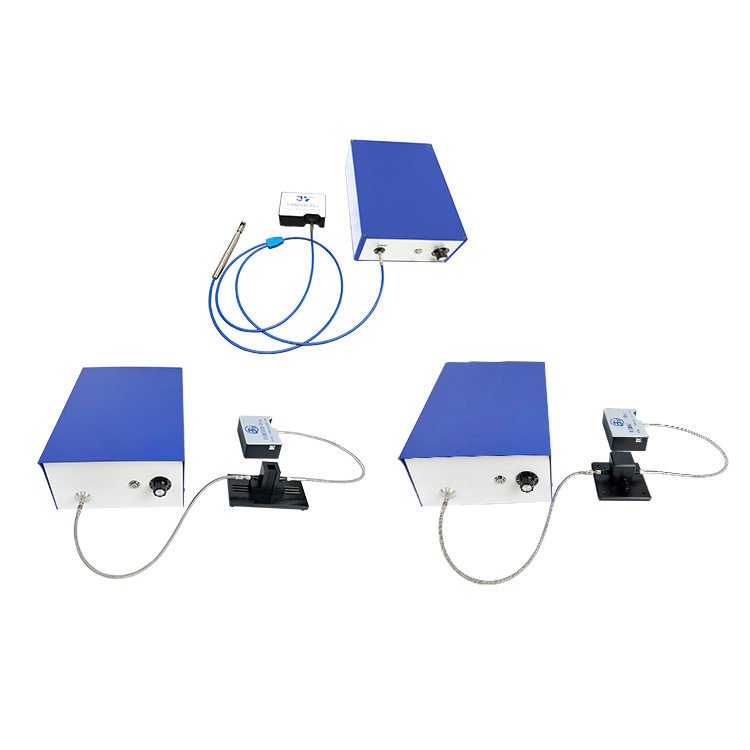
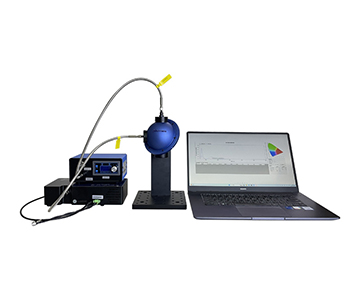
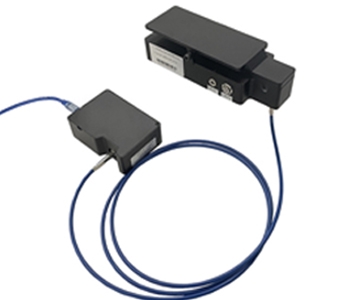
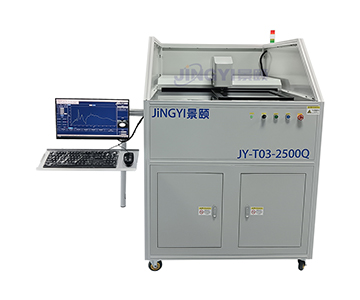
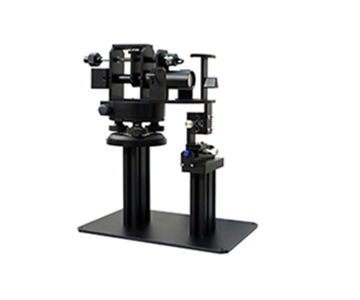
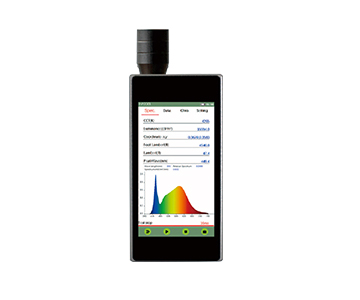
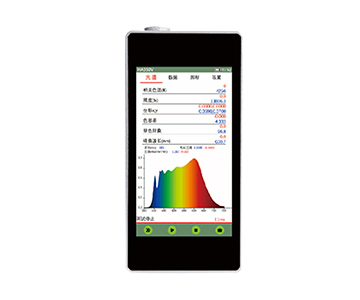
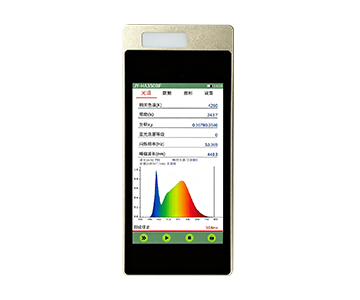
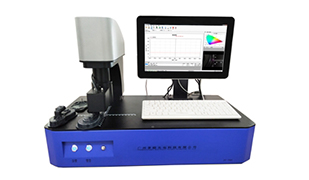
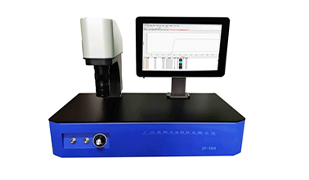
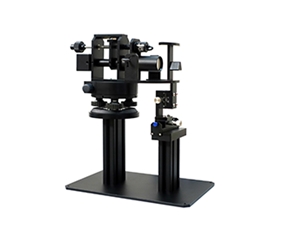
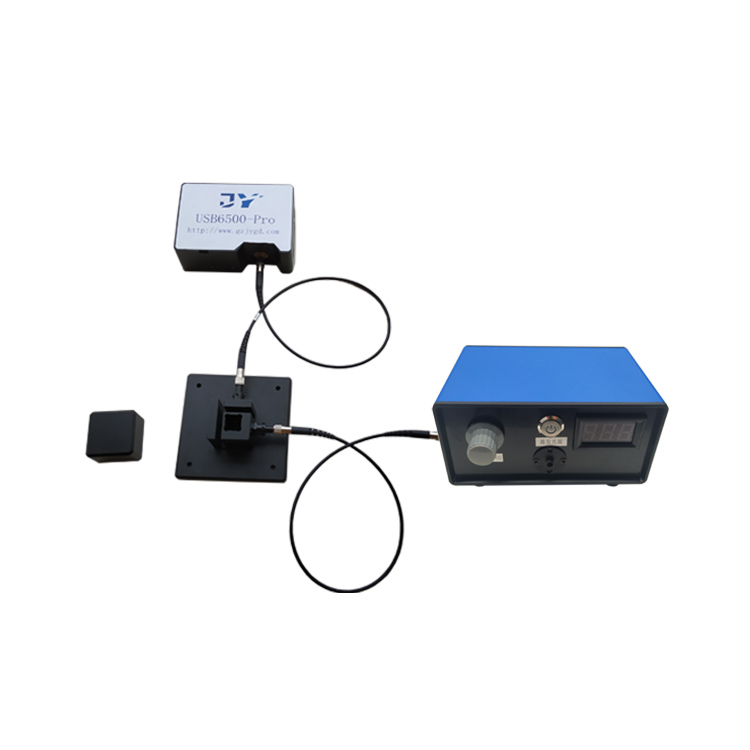
Photoluminescence test system: Spectral analysis for semiconductor materials, phosphors, and quantum dots
Polarized photoluminescence test system: Polarization-state luminescence characterization for polarization-sensitive materials
Application contexts:Semiconductor material R&D, OLED display panel manufacturing, LiDAR emitter chip testing, optical coating material characterization, university photonics laboratories.
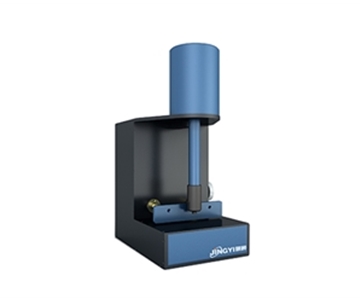
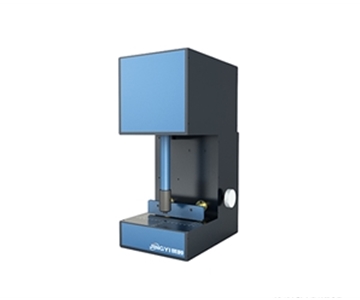
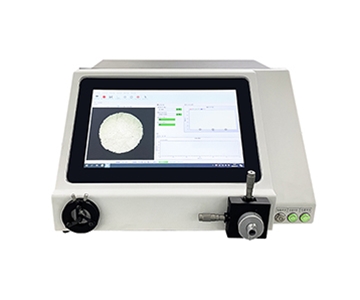
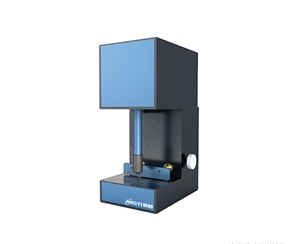
Laser Beam Profilers
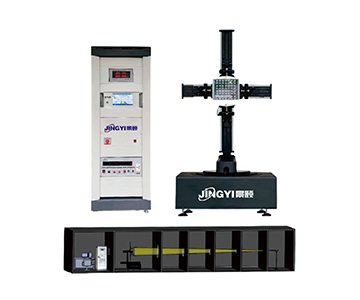
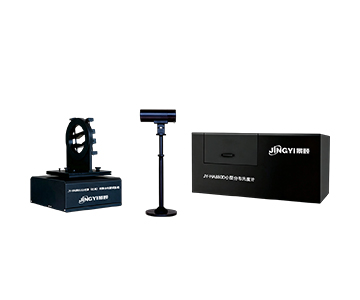
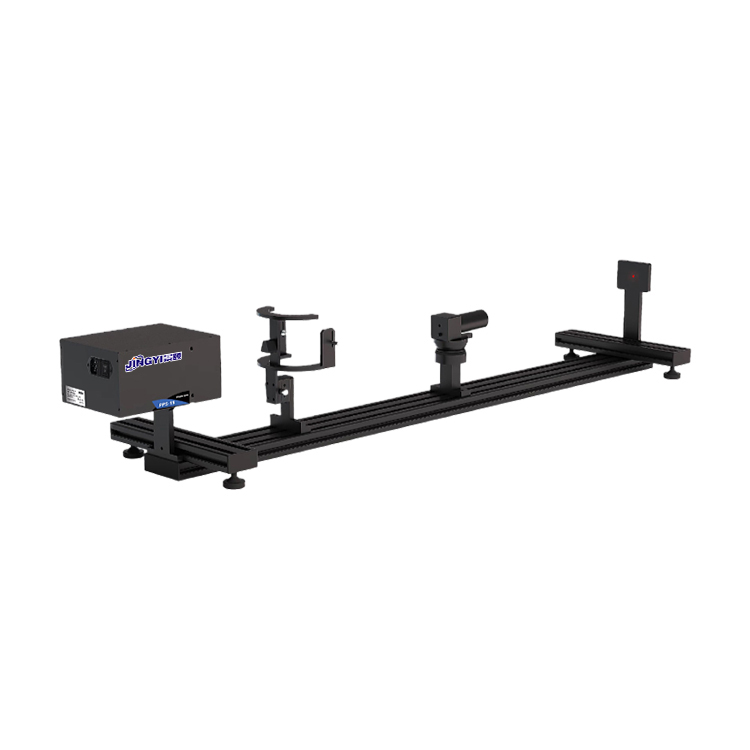
This segment focuses on high-precision laser beam quality measurement. Core products include:
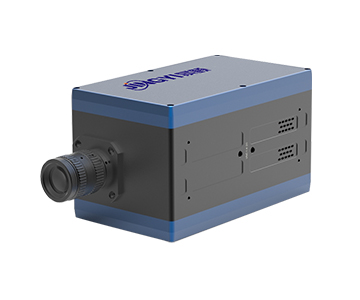
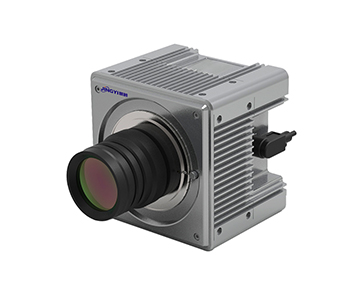
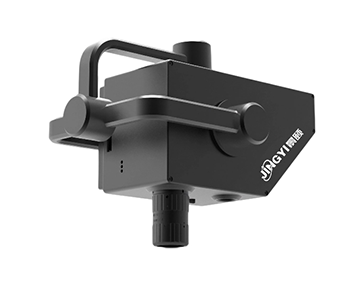
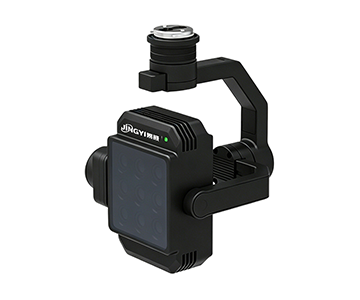
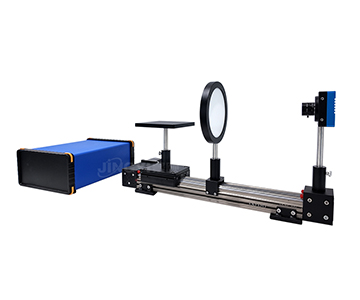
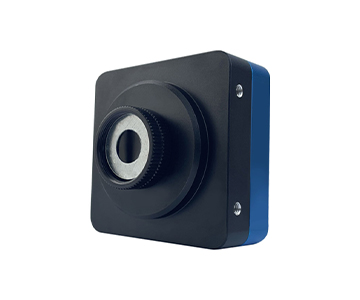
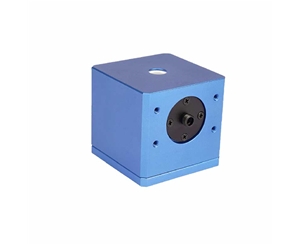
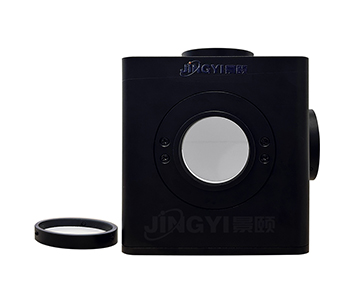
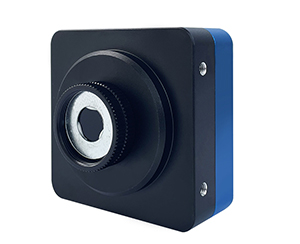
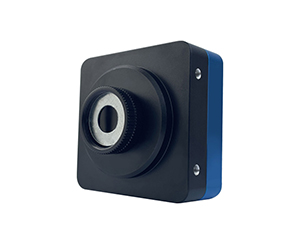
Large-target-area beam profiler: 2D/3D morphology analysis for large-field laser spots
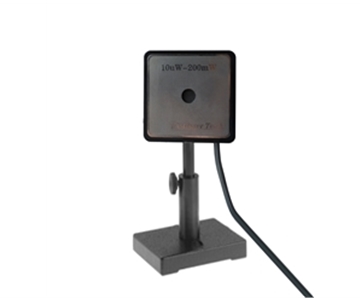
Large-aperture beam profiler: Beam quality assessment for high-power laser systems
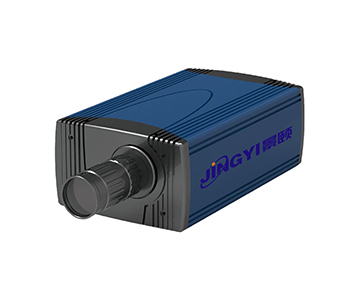
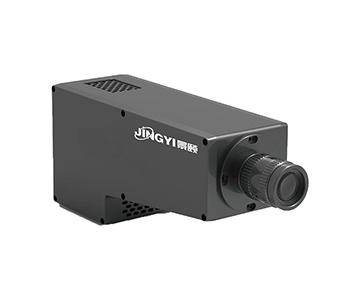
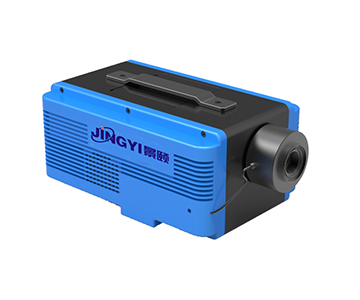
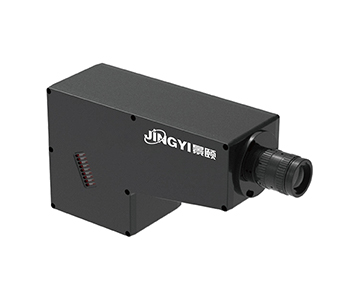
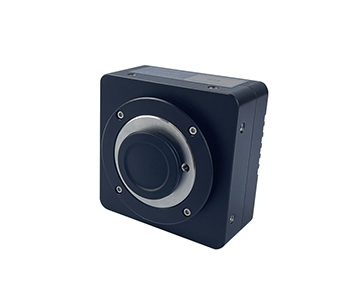
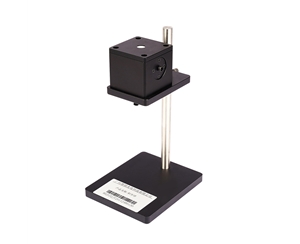
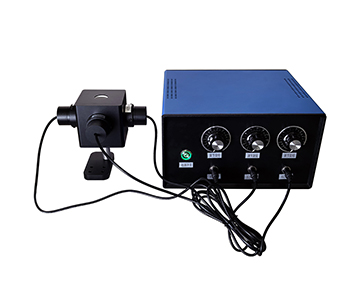
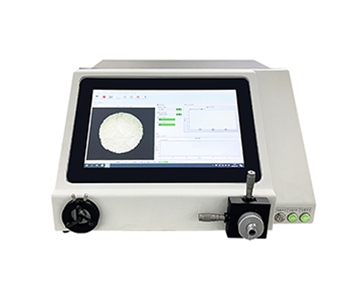
Standard beam profiler: General-purpose laser spot parameter measurement including intensity distribution, beam waist diameter, and divergence angle
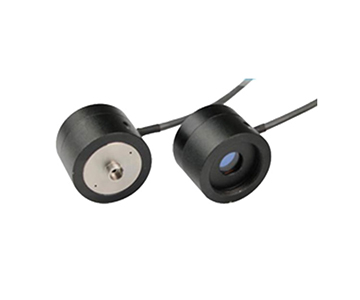
Infrared beam profiler: Dedicated detection for 1064 nm and 1550 nm infrared band lasers
Application contexts:LiDAR transmitter beam calibration, semiconductor laser outgoing inspection, optical communication module coupling efficiency evaluation, optical coating equipment laser source monitoring, industrial laser processing quality control.
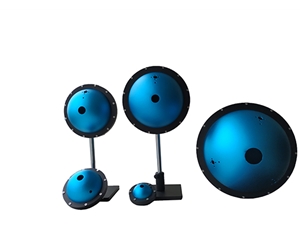
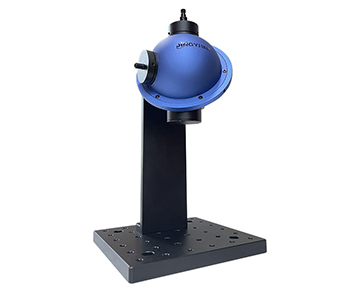
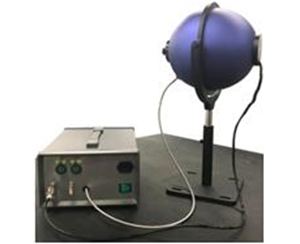
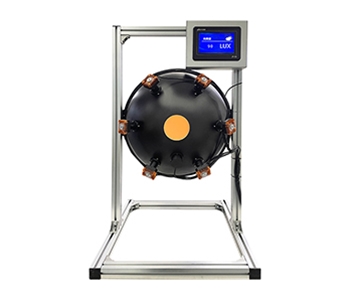
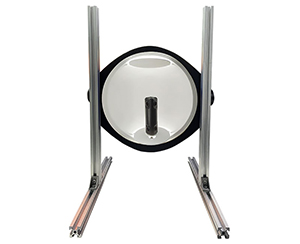
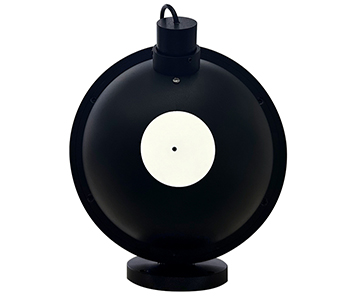
Integrating Spheres
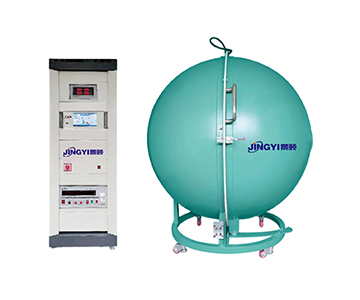
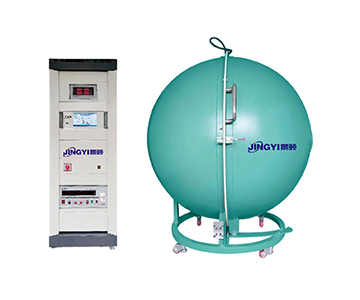
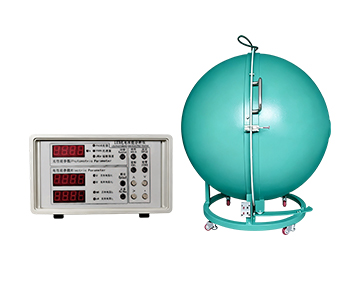
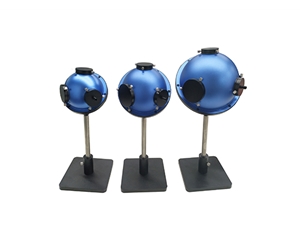
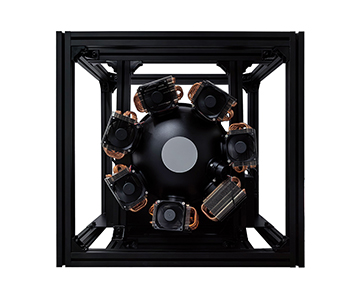
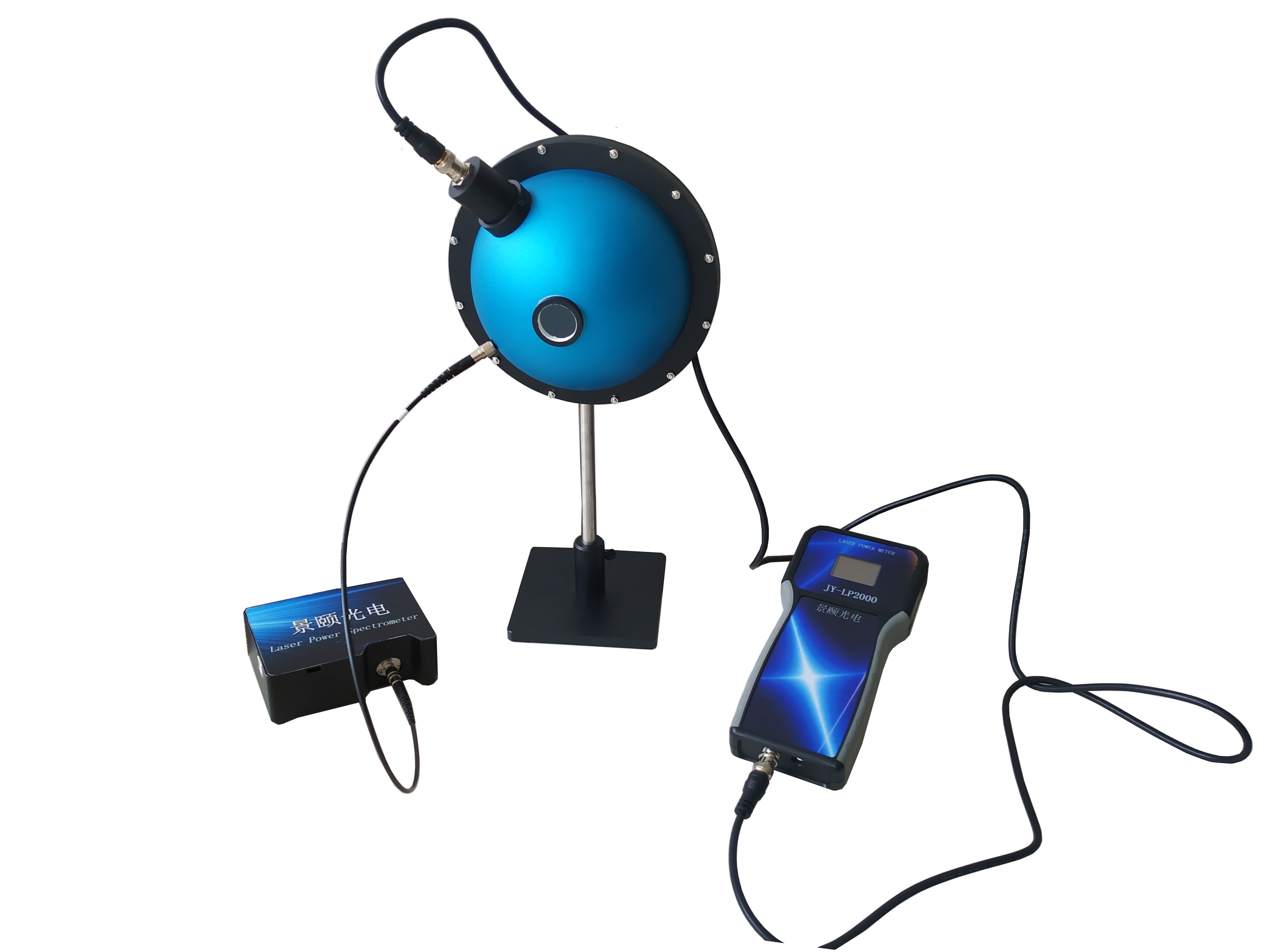
This segment provides uniform light sources and core components for optical radiation measurement. Core products include:
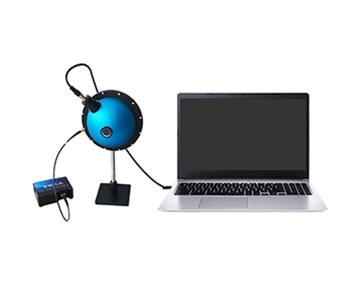
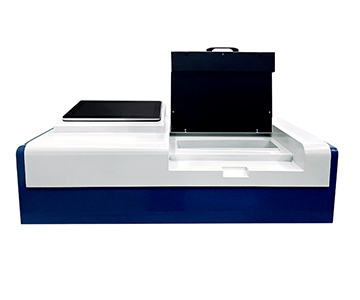
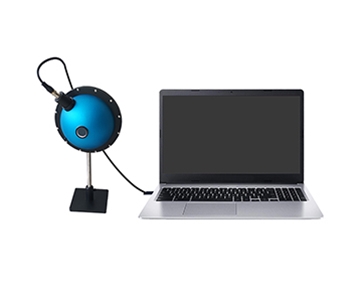
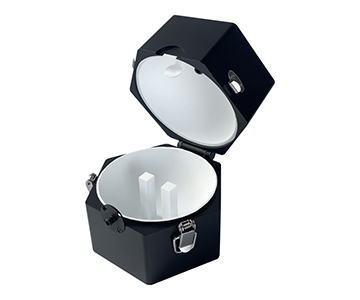
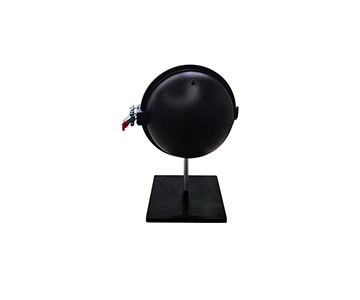
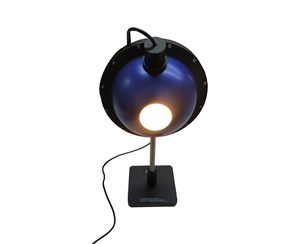
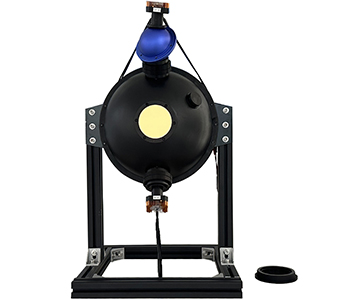
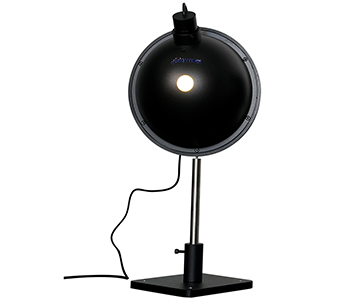
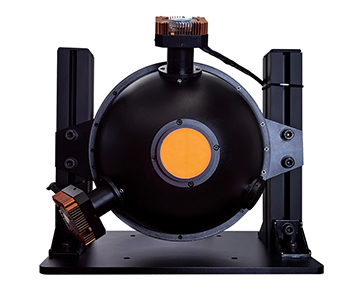
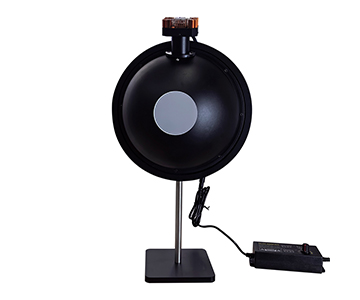
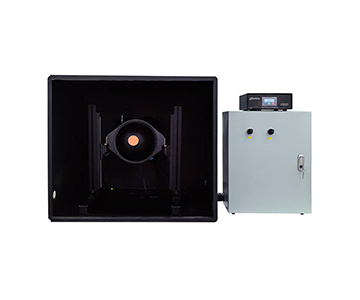
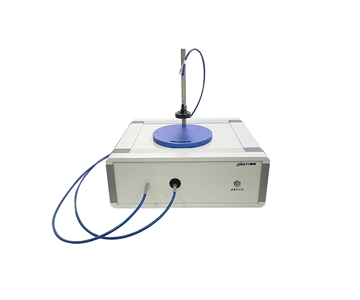
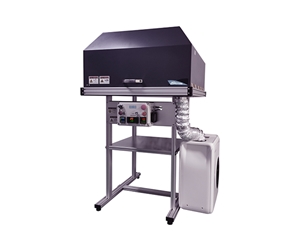
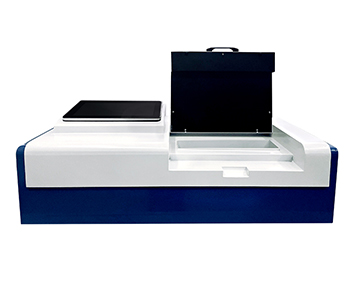
Open-port integrating sphere (200 mm): Quick-access design for rapid transmittance/reflectance testing
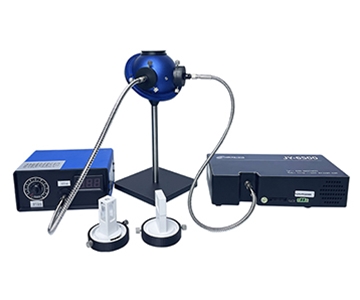
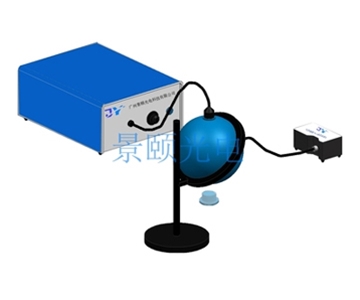
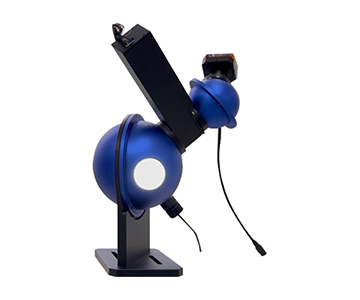
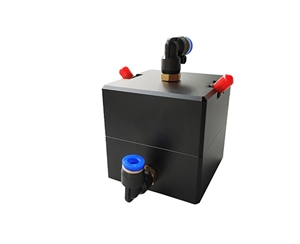
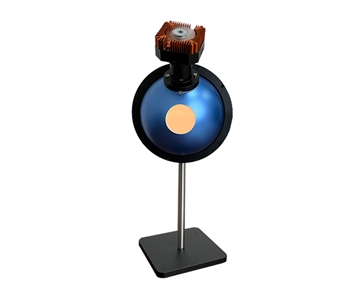
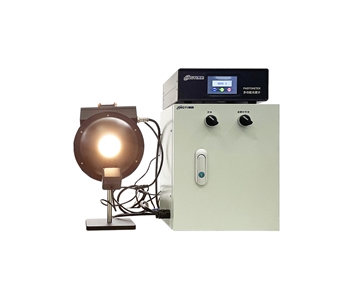
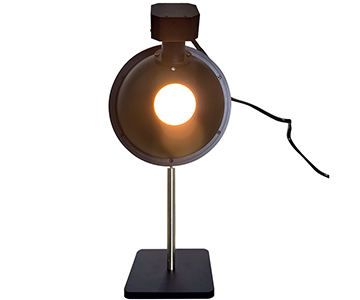
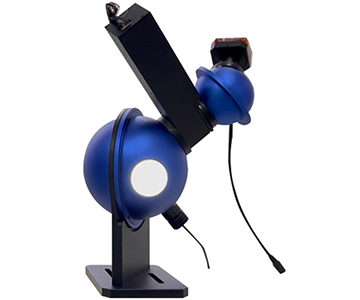
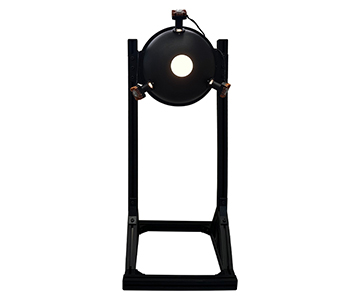
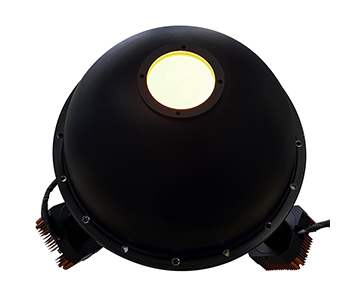
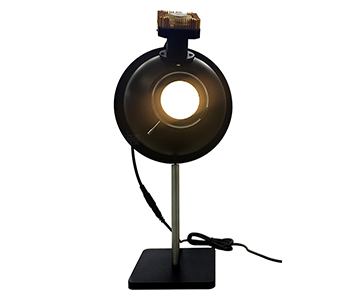
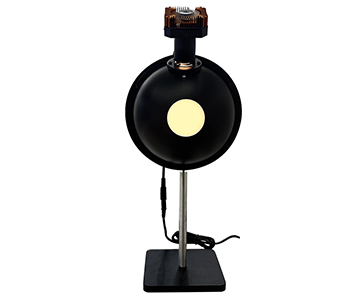
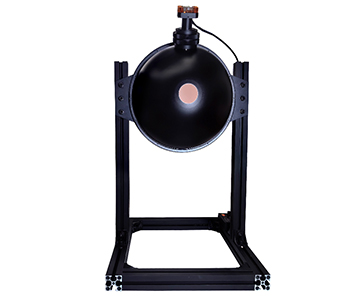
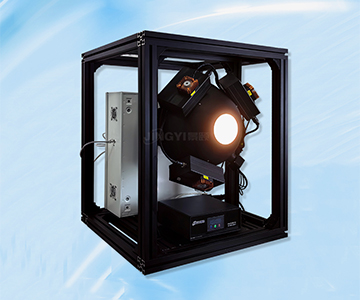
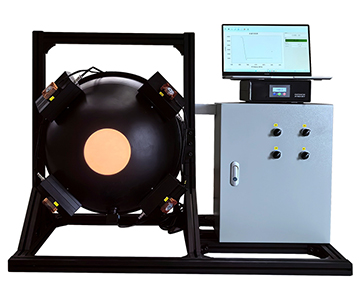
Integrating sphere with integrated source: Built-in standard source outputting uniform diffuse light
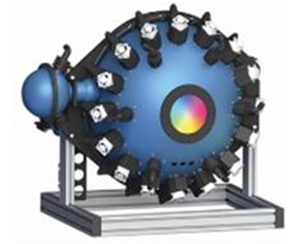
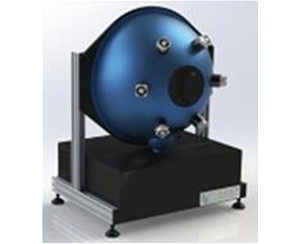
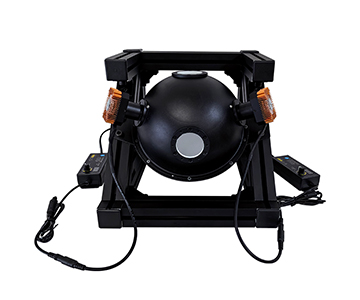
Custom integrating sphere: Non-standard designs tailored to customer requirements for luminous flux, port size, and coating material
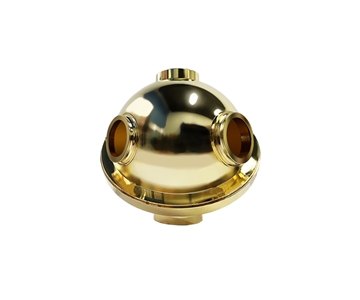
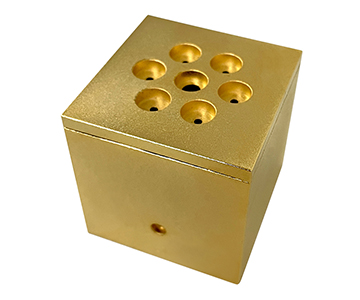
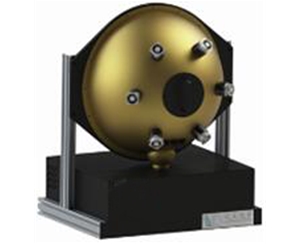
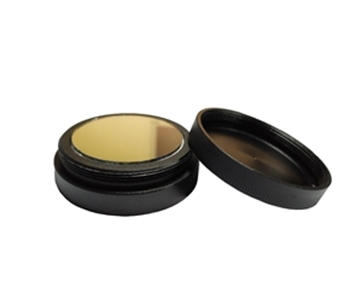
Gold-coated integrating sphere (general purpose): Gold internal coating for high reflectance in infrared bands
Application contexts:LiDAR receiver sensitivity calibration, semiconductor device photoresponse testing, optical coating transmittance/reflectance benchmark measurement, LED/laser luminous flux and colorimetry metrology, photovoltaic module efficiency evaluation.
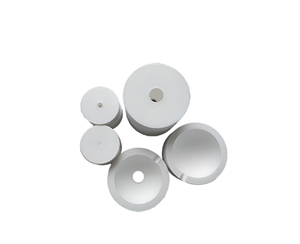
Reflectance Standards
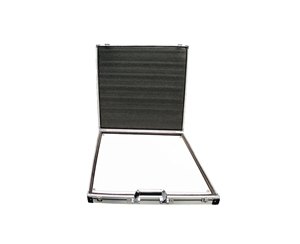
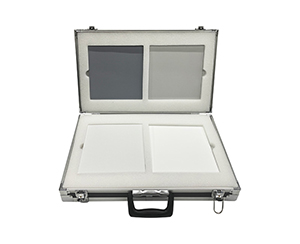
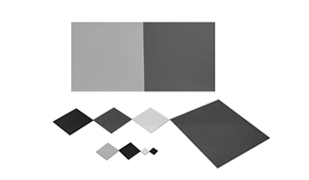
This segment supplies high-precision diffuse reflectance standards for LiDAR and optical systems. Core products include:
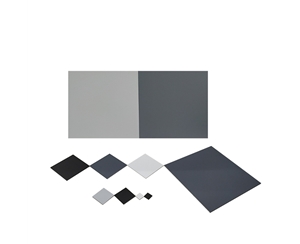
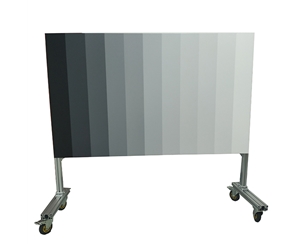
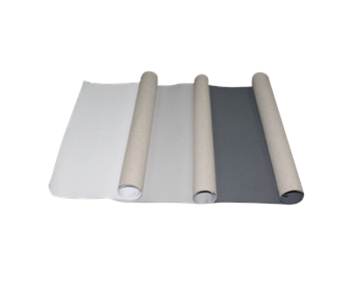
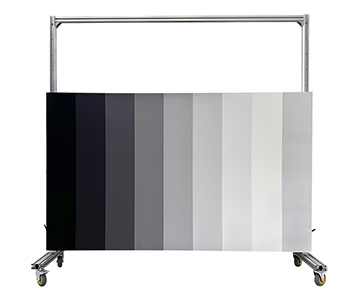
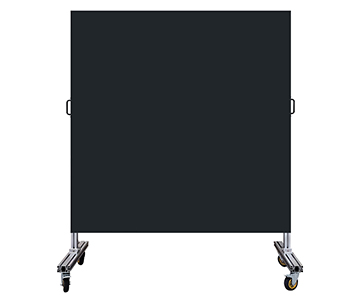
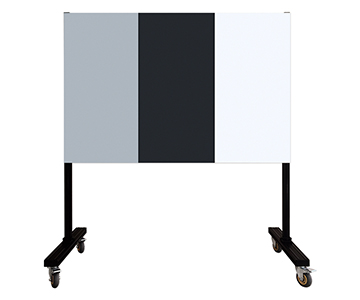
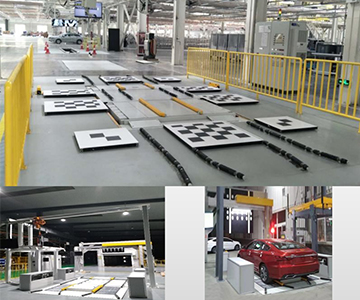
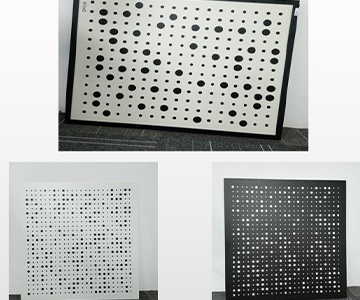
LiDAR diffuse reflectance target: Designed specifically for LiDAR calibration, available in 10%/50%/90% reflectance grades
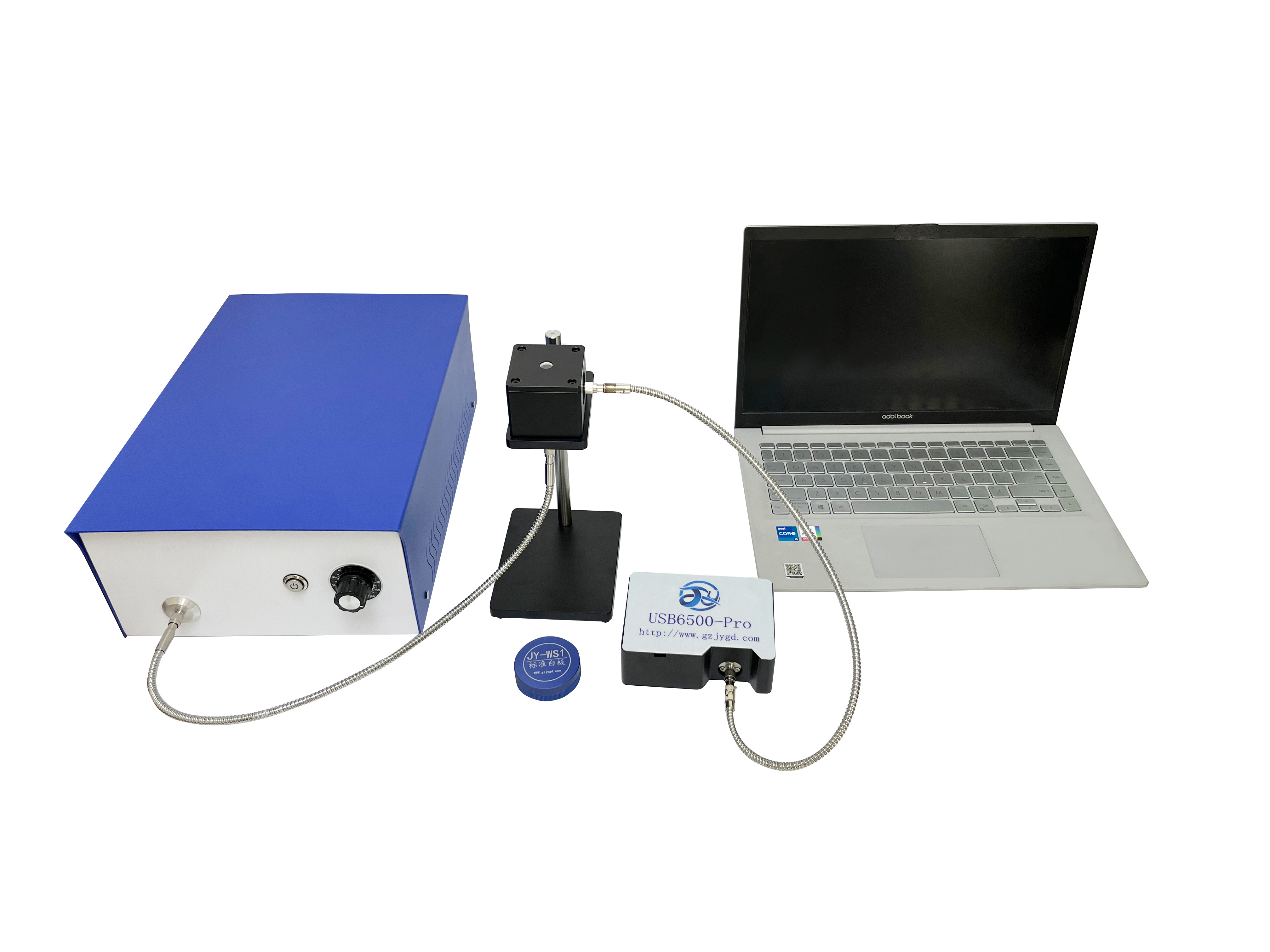
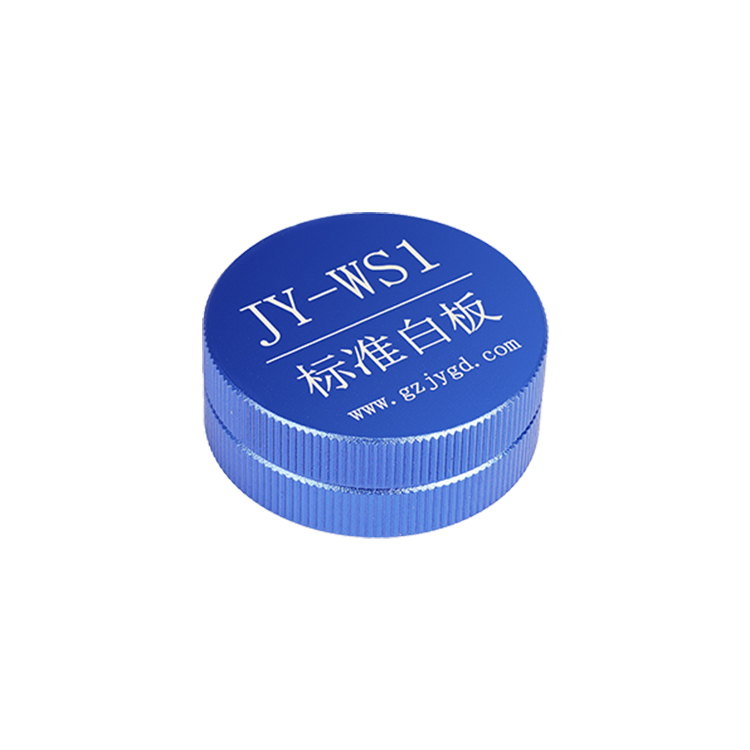
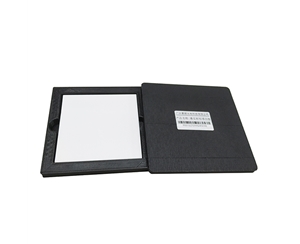
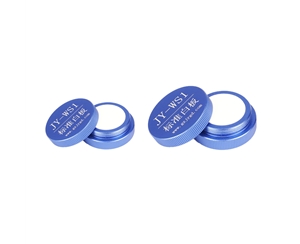
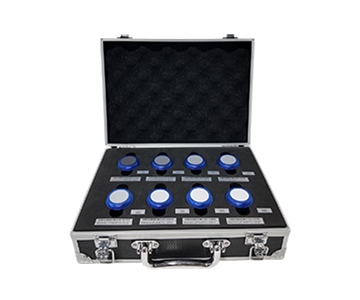
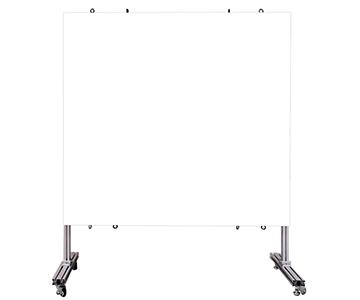
Standard white plate JY-BRT200: 200 mm aperture diffuse reflectance standard for visible-band reflectance benchmark transfer
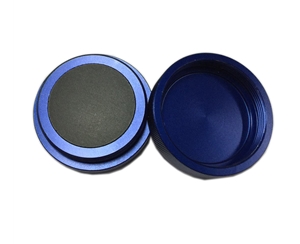
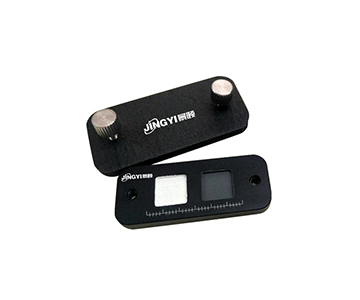
Standard white plate JY-BRT80: 80 mm portable standard for field calibration
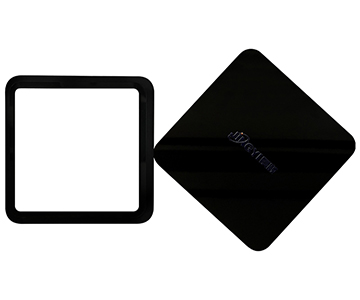
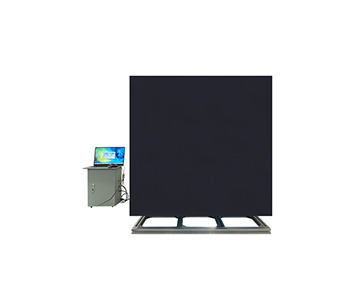
Automotive LiDAR calibration black target: Low-reflectance design for LiDAR dynamic range and blind-zone testing
Application contexts:Automotive LiDAR factory calibration and road-test validation, autonomous driving perception system accuracy assessment, optical coating reflectance benchmark comparison, multispectral remote sensing equipment radiometric calibration, research laboratory optical system calibration.
Standards Participation and Industry Contribution
JY Optics participates in national and association standards drafting, using technical output to drive industry normalization. The following table summarizes principal standards involvement:
| Standard Number |
Standard Name |
Role |
Application Domain |
| T/CITS 231-2025 |
Technical Requirements for Automotive LiDAR |
Core drafting unit |
Autonomous driving LiDAR design, production, inspection, and use |
| GB/T 47066-2026 |
Plastics—Determination of Total Luminous Transmittance and Total Reflectance |
Core drafting unit |
Plastic material optical property testing, optical coating substrate evaluation |
| T/CWDPA 136-2026 |
Performance Evaluation of AI-Driven Spectral Parsing Algorithms for UV-Vis Fiber Spectrometers |
Core drafting unit |
Spectral instrument AI algorithm performance testing, intelligent optical detection data processing |
These standards cover LiDAR, material optical inspection, and spectral instrument intelligence—demonstrating full-chain technical participation from hardware equipment to algorithm evaluation.
Implications for Equipment Buyers
What Academic Validation Means for Vendor Qualification
For procurement teams and process engineers, a supplier's inclusion in an academic innovation consortium provides several due-diligence signals:
Third-party technical credibility: The partnership indicates the supplier's technical stack has undergone independent academic review, adding a verification layer beyond self-reported specifications
R&D continuity assurance: University-enterprise collaboration mechanisms typically impose reporting and milestone requirements, suggesting sustained R&D investment rather than sporadic product updates
Standards alignment: As a core drafting unit for standards such as Technical Requirements for Automotive LiDAR, the supplier's equipment design maps directly to industry norms, improving test data compatibility across customer sites
Supply chain resilience: Academic collaboration platforms can accelerate localization of high-end optical detection technology, potentially reducing long-term procurement and maintenance costs for buyers dependent on imported metrology tools
Risk Assessment Framework for Buyers
When evaluating whether this partnership status translates to procurement confidence, engineers should apply the following independent verification steps:
Request qualification data: Ask for measurement uncertainty budgets and repeatability data under conditions matching your process (temperature, sample type, throughput)
Validate standards alignment: Verify that the supplier's claimed standards participation is documented in official standard publication records
Conduct POC trials: Run head-to-head comparison tests against incumbent metrology tools using your actual production samples
Review service infrastructure: Map the supplier's calibration and field service network against your facility locations
Assess software integration: Evaluate data export formats and API compatibility with your existing MES or SPC systems
Future Development Trajectory
JY Optics has outlined four development directions leveraging the Qingteng AI Innovation Center platform:
Sub-nanometer metrology: Increased R&D investment in sub-nanometer film thickness measurement and ultrafast laser pulse characterization to address gaps in high-end domestic optical detection technology
Spectral range expansion: Extending beam profiler wavelength coverage into UV and deep-UV bands; completing optical component inspection solutions for attenuators and filters
Localization acceleration: Accelerating core component localization for high-precision fluorescence quantum efficiency systems and large-dynamic-range beam profilers currently dependent on imports, with target reductions in customer procurement and maintenance costs
Standards leadership: Continued participation in national, industry, and association standards, with focus on AI-driven spectral parsing and LiDAR performance testing to advance China's optical detection standards ecosystem
Frequently Asked Questions
What does "core co-building partner" status in an academic innovation center actually certify?
It certifies that the firm's technical capabilities, R&D infrastructure, and industrialization track record have passed a multi-dimensional review by an independent academic institution. For buyers, this functions as a pre-qualification filter—similar to how ISO/IEC 17025 accreditation signals laboratory competence—though it does not replace process-specific equipment validation.
How does standards participation affect equipment procurement decisions?
When a supplier participates in drafting standards such as T/CITS 231-2025 for automotive LiDAR, their equipment is typically designed with standard-compliant data formats and test methodologies from inception. This reduces integration friction and improves measurement traceability across supply chain partners. However, buyers should still verify that the specific instrument model carries appropriate calibration certificates (NIST-traceable or equivalent).
What optical metrology capabilities are most critical for semiconductor front-end applications?
For front-end semiconductor processes, the priority capabilities are: (1) sub-nanometer repeatability for thin-film gate oxides and high-k dielectrics; (2) non-destructive measurement to preserve wafer value; (3) throughput matching production line takt times; and (4) spectral range covering UV through near-IR for multi-layer stack analysis. Fluorescence quantum efficiency systems become critical at the materials characterization stage, particularly for compound semiconductors and quantum dot emitters.
How should buyers evaluate "AI-driven" claims in optical detection equipment?
Request specific performance metrics: algorithm accuracy against reference datasets, inference latency, false positive/negative rates under defined test conditions, and whether the AI module has been validated against established physical models. The T/CWDPA 136-2026 standard on AI-driven spectral parsing algorithm performance evaluation provides a framework for this assessment.
What evaluation criteria should I use when selecting a fluorescence quantum efficiency or beam profiler system?
Prioritize: (1) measurement uncertainty specifications under your actual sample conditions, not just factory calibration data; (2) wavelength range and resolution matching your material system; (3) software data export compatibility with your analysis toolchain; (4) availability of NIST-traceable or equivalent reference standards for in-house verification; and (5) service response times for your geographic region. Always require a proof-of-concept trial with your production samples before final specification commitment.
About This Guide
Data Sources: Industry public information; standards publication records from CITS and CWDPA; corporate technical documentation; in-house academic partnership evaluation frameworks.
Author: Technical Content Team, JY Optics Technology Co., Ltd., with collective experience in spectroscopic metrology, precision optics, and semiconductor process control.
Disclosure: JY Optics manufactures fluorescence quantum efficiency measurement systems, laser beam profilers, integrating spheres, and reflectance standards. This article presents technical assessments based on published specifications, standards participation records, and industry public information. No compensation was received from third-party brands mentioned.
Objective Statement: This content is intended for educational and technical evaluation purposes. Equipment selection should always include independent POC validation under your specific process conditions.
Last Updated: June 2026
For detailed specifications and application notes on optical metrology systems, search "JY Optics spectroscopic measurement" or visit our technical library.