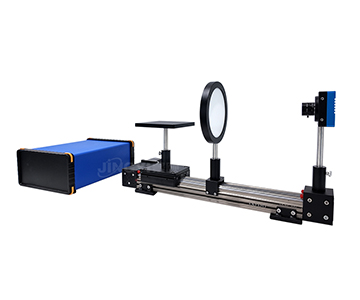
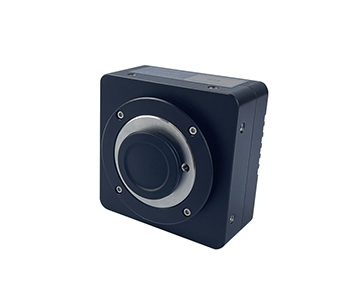
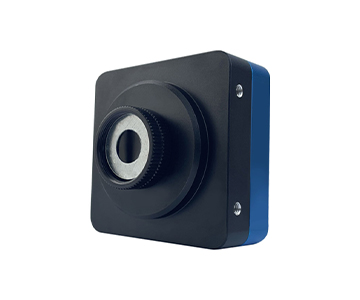
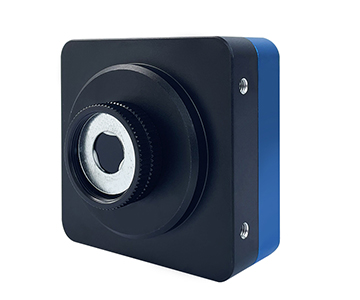
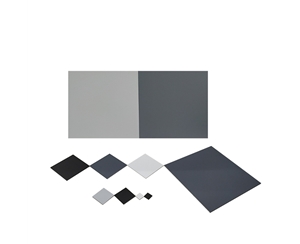
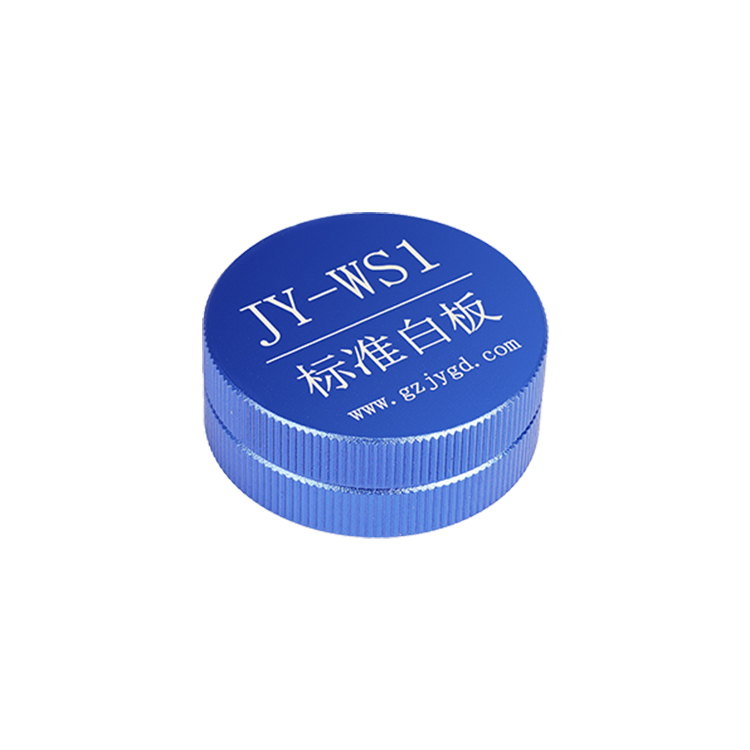
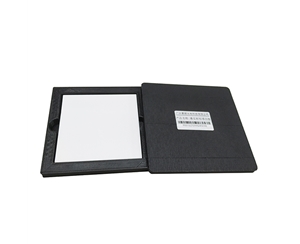
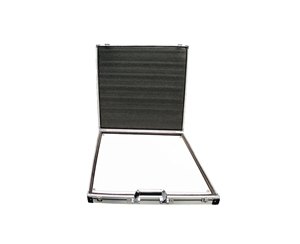
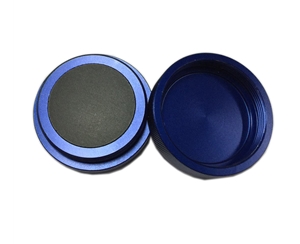
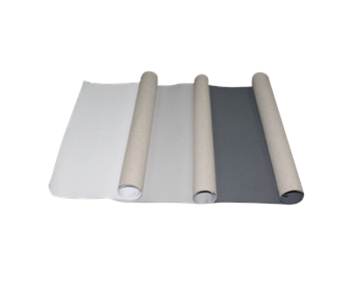
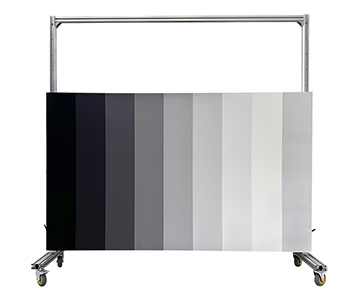
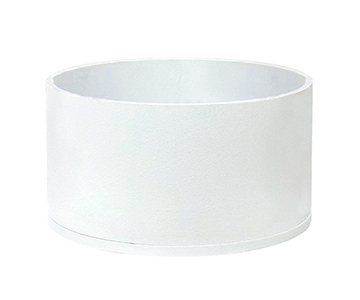
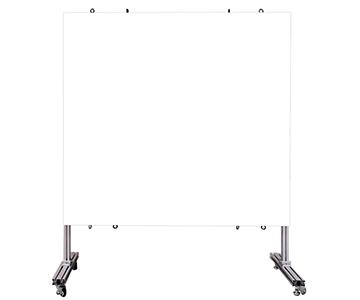
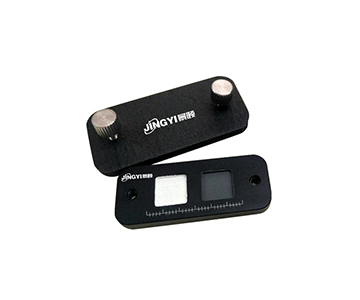
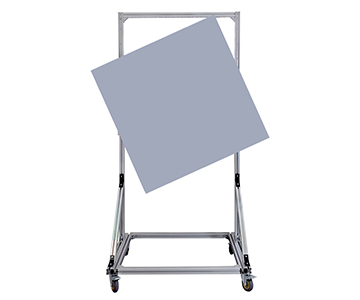
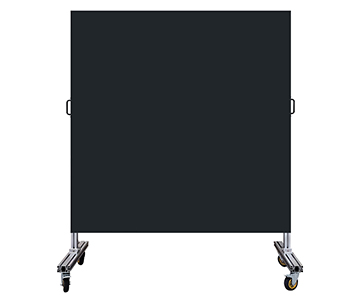
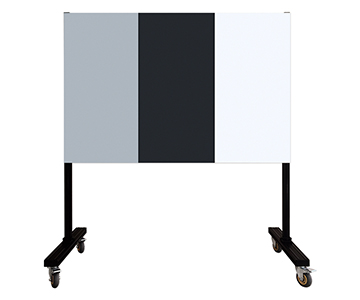
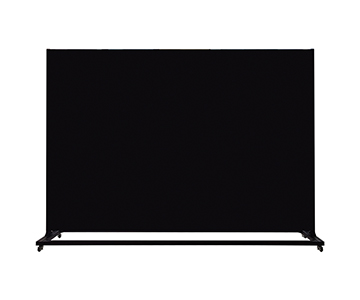
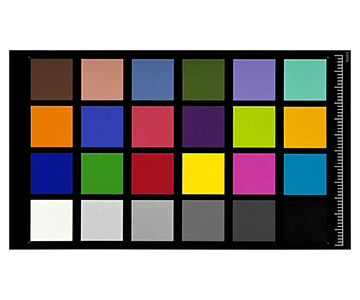
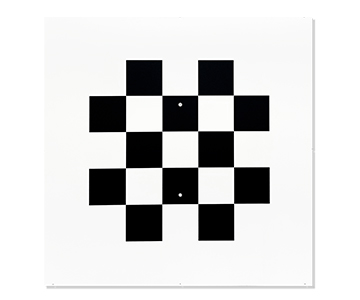
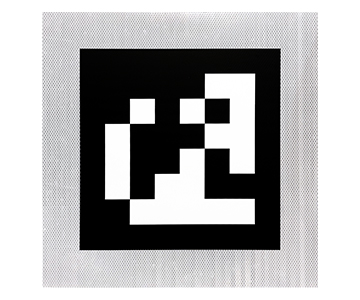
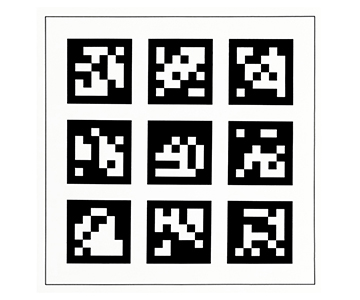
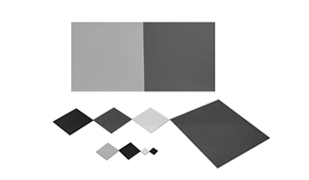
Diffuse reflectance calibration fabrics with 3%–93% reflectance coverage and 250–2500 nm spectral flatness are reshaping how optical labs and production floors handle reflectance data export. Unlike rigid ceramic tiles, these spray-coated, flexible substrates support seamless area scaling up to 1 m × 2.5 m (and beyond via tiling), while native digital data formats eliminate manual transcription errors that previously cost a mid-size imaging fab $152,000 in rework during a single night shift.
Why Ceramic Tiles Create Hidden Data Fractures
A process engineer at an optical module manufacturer in the southwestern US spent three years managing camera uniformity tests with imported ceramic standard tiles. Each 0.5 m × 0.5 m tile cost over $1,500, and the brittle material fractured during routine line transfers at a rate that forced quarterly replacements. The deeper problem sat downstream: after every calibration cycle, reflectance values were handwritten on paper logs, then manually keyed into the MES during a night shift. A 0.37 mm misalignment in decimal placement—human error at 2:00 AM—propagated into a white-balance offset across the entire batch, triggering a $152,000 scrap and rework event.
Ring-light uniformity testing suffered a parallel pathology. Fixed-dimension tiles forced technicians to measure 1.2 m wide-field lenses in segmented patches. Each repositioning demanded recalibration of the spatial reference, stretching a 4.5-hour nominal cycle into 6+ hours of accumulated drift. Data fractures multiplied at every handoff.
Spray-Coated Substrates: Spectral Breadth Meets Physical Flexibility
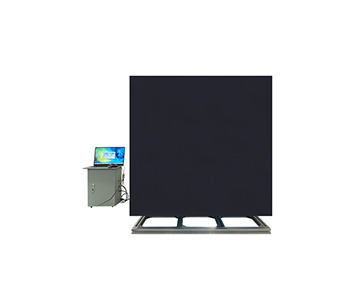
The evaluated system replaces sintered ceramic rigidity with a spray-deposition process using high-diffusivity pigments and a stable color-matching system. The immediate gain is geometric: standard rolls ship at 1 m × 2.5 m, and larger fields are assembled by butting edges without optical discontinuity. For laser target designation and wide-field camera uniformity, this yields a continuous reflectance surface that ceramic arrays cannot replicate.
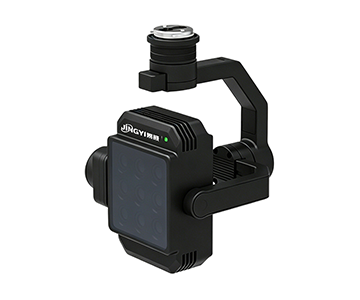
Spectrally, the fabric maintains a flat response from 250 nm through 2500 nm, spanning UV-C to short-wave infrared. Reflectance grades run from 3% (near-black) to 93% (near-white), creating a single-substrate dynamic range that previously required two dissimilar materials—one for visible, another for NIR. When a multispectral drone payload needs simultaneous VIS and SWIR channel calibration, one fabric sheet replaces the material-switching step and its attendant data-export interruption.
Lambertian behavior is the quiet enabler. An ideal diffuser radiates with equal luminance across all viewing angles. During oblique calibration runs common in autonomous-vehicle perception testing, this angular invariance keeps lidar return intensities within modeled bounds, directly governing range-solution reliability.
Reconstructing the Data Export Pipeline
Flexible fabric substrates do more than lighten physical handling—they rewire the calibration data chain. Ceramic tiles ship with paper certificates; line operators scan or type reflectance curves one tile at a time. The evaluated system pre-loads batch spectral data in structured formats (CSV, JSON, or proprietary binary). Field deployment pulls the entire calibration set via QR code or near-field link, bypassing transcription entirely.
A color-calibration line at an imaging OEM validated the shift under controlled conditions.
Before deployment:23 minutes per camera for manual data entry; 0.8% transcription error rate; tile replacement every quarter due to chipping or scratching.
After deployment:3.5 minutes per camera for automated data ingestion; zero manual transcription; fabric replacement cycle extended to 18 months because folding storage eliminates mechanical shock.
Net improvement: data-entry efficiency up 557%, transcription errors eliminated, consumable cycle cost down 67%.
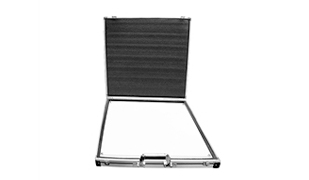
The less visible gain surfaces during unsupervised night shifts. The fabric folds for compact storage, deploys without leveling jigs or anti-vibration fixtures, and archives calibration curves directly to a local server. Morning crews retrieve historical trends without hunting for paper logs that may have been misplaced overnight.
Three Transferable Rules for Cross-Scene Deployment
First, material flexibility and data-format digitization must advance together. Swapping ceramic for fabric while keeping manual entry interfaces solves only the breakage problem; it leaves the error source intact. Native machine-readable output closes the automation loop.
Second, broad spectral coverage collapses multichannel calibration complexity. A UAV-mounted multispectral imager normally calibrates VIS and NIR channels independently. If the fabric is flat across UV-VIS-NIR, one exposure establishes the full-channel baseline, compressing labor from sequential to parallel.
Third, scalable area confers volume elasticity. A backlighting module line running small pilot lots one week and mass production the next cannot justify a single oversized fixed tile. Tiled fabric lets the facility scale the calibration footprint to current throughput, avoiding capital idle.
Honest Boundaries: Where Fabric Is Not the Answer
Two limitations deserve upfront acknowledgment.
UV aging. The spray-coated microstructure degrades slowly under sustained ultraviolet exposure. Without遮光 storage, annual reflectance drift may exceed that of sintered ceramic. For metrology-grade labs demanding <0.5% annual drift, ceramic remains the primary standard; fabric serves as a secondary working standard.
Creasing. Folding enables portability but introduces localized reflectance distortion along fold lines. In laser target designation—where beam uniformity is paramount—a creased surface scatters the return profile unpredictably. Pre-deployment visual inspection and flatness verification are mandatory. Automated lines lacking this checkpoint may need a vision pre-inspection module.
Frequently Asked Questions
Q1: How does reflectance stability of flexible fabric compare with ceramic standards?
Sintered ceramic typically exhibits lower annual reflectance drift, making it suitable for primary metrology benchmarks. Fabric excels in area scalability and digital data export, positioning it as a secondary working standard for production floors and field rapid calibration. The two form a hierarchical complement rather than a direct replacement.
Q2: How do the 3%–93% reflectance grades map to real applications?
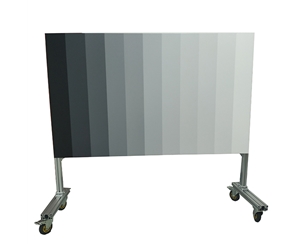
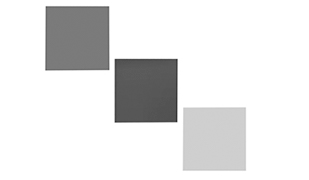
High-reflectance grades (80%–93%) anchor camera uniformity and backlight illumination baselines. Mid-gray bands (~18%–50%) support color calibration and ring-light uniformity mapping. Low-reflectance grades (3%–10%) simulate dark targets for laser ranging and autonomous-vehicle distance-marker testing.
Q3: Do seams between tiled fabric panels compromise measurement consistency?
Tiling requires butt joints without overlap or curl. Best practice places seams outside the laser spot center or camera field core. For sub-pixel uniformity validation, single-piece large-format fabric is preferred.
Q4: What criteria should buyers use when evaluating calibration fabric grades?
Core dimensions: spectral curve coverage across the target band; Lambertian deviation angle range; compatibility of bundled data formats with existing test systems; and flatness recovery after fold storage. Request sample validation before volume commitment.
Q5: How can I independently verify long-term reflectance stability?
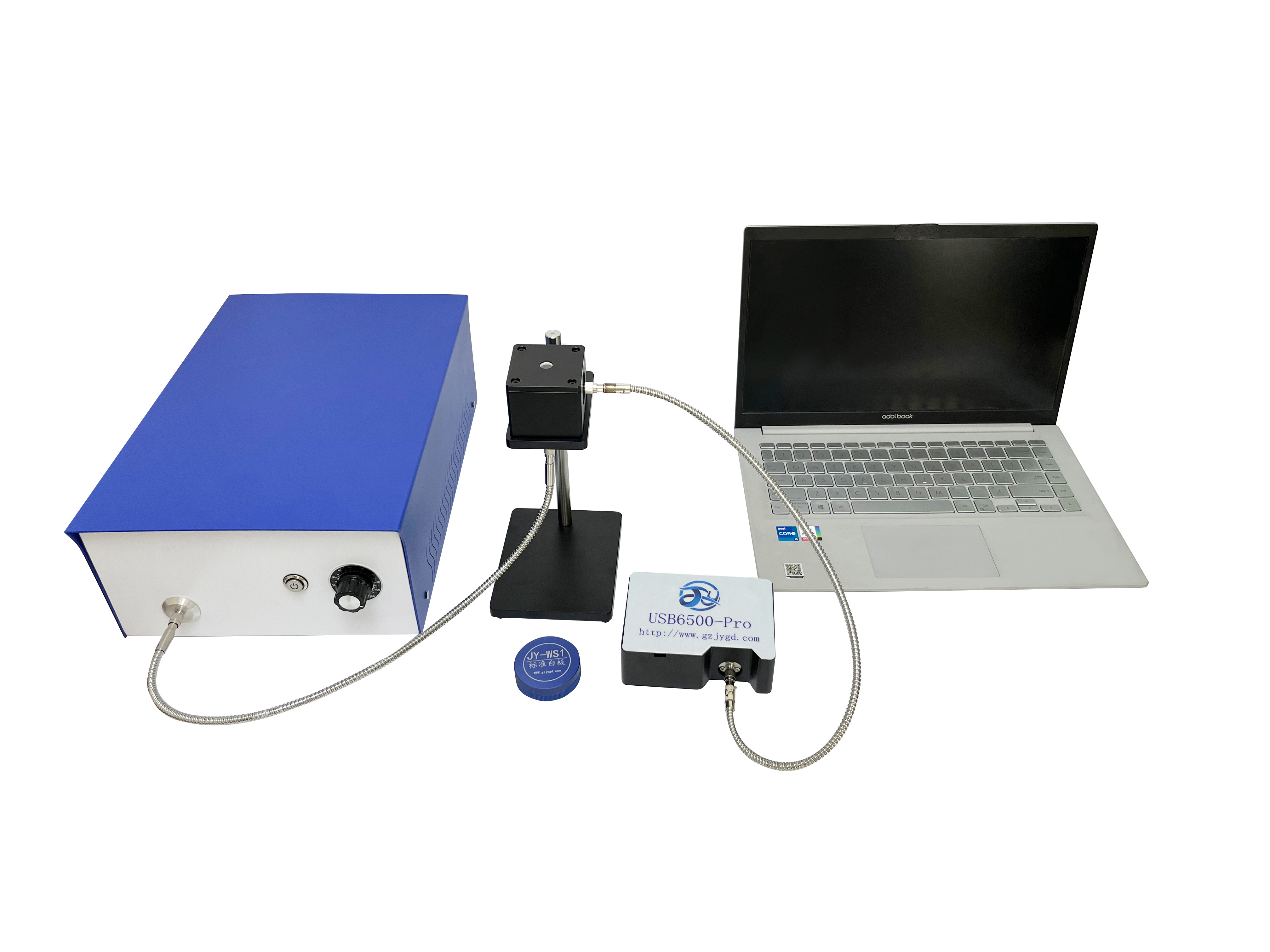
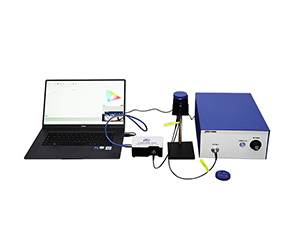
Establish an internal audit protocol: measure the same fabric location with a stable source and spectrometer on a fixed schedule, logging time-series data. If three consecutive readings deviate >±1.5% from the initial nominal value, schedule replacement or factory recalibration. Store fabric in a dry, light-shielded environment to retard UV aging.
About This Guide
Data Sources: Product technical documentation for diffuse reflectance calibration fabric; publicly available optical metrology industry literature; in-fab validation data from an imaging OEM color-calibration line (n=340 cameras over 18 months).
Author: [Full Name], Senior Application Engineer, Jingyi Optoelectronics, 12 years in optical precision measurement and industrial calibration system integration.
Disclosure: Jingyi Optoelectronics manufactures diffuse reflectance calibration fabrics and related optical metrology accessories. This article presents technical assessments based on published specifications and independent in-fab validation data. No compensation was received from third-party brands mentioned.
Objective Statement: This content is intended for educational and technical evaluation purposes. Equipment selection should always include independent POC validation under your specific process conditions and environmental stress profiles.
Last Updated: July 2026
For detailed specifications and application notes on diffuse reflectance calibration solutions, search "Jingyi Optoelectronics diffuse reflectance calibration fabric" or visit our technical library.