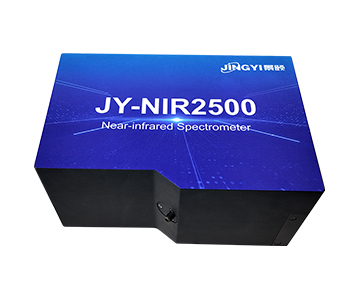
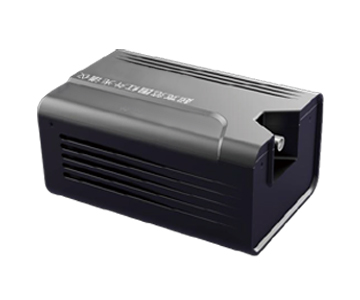
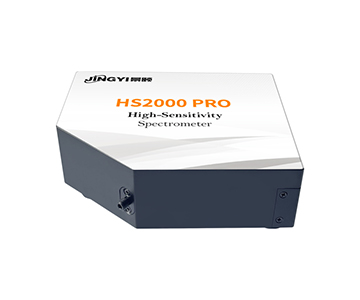
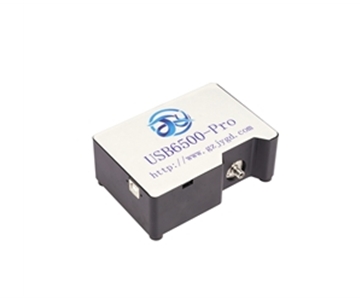
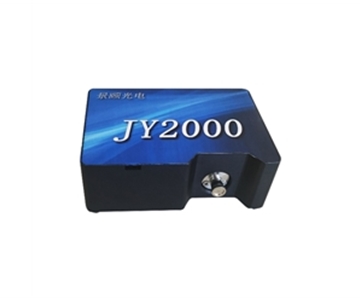
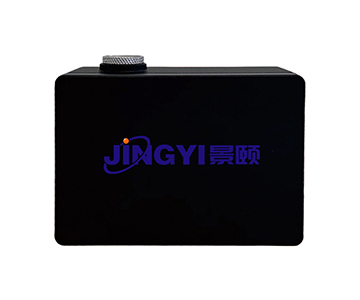
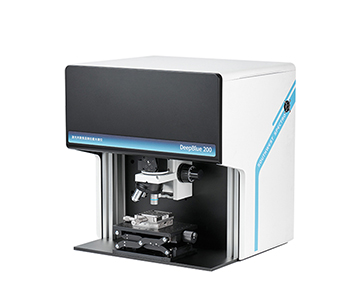
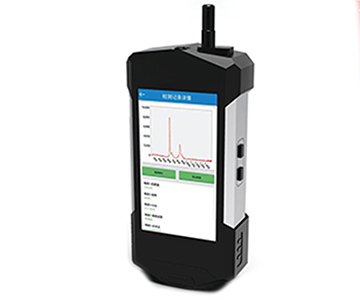
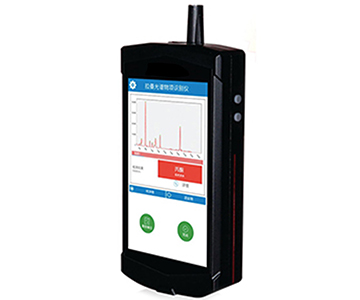
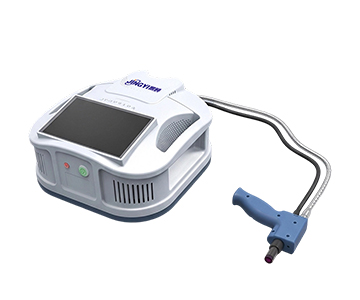
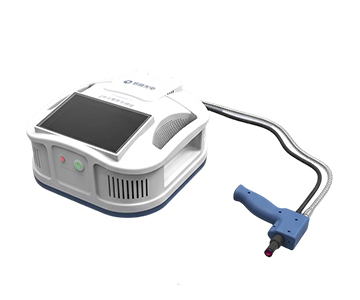
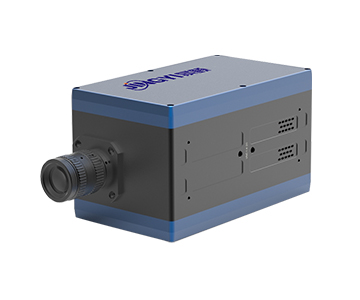
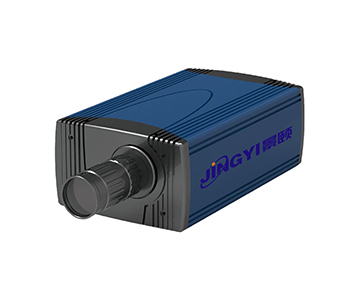
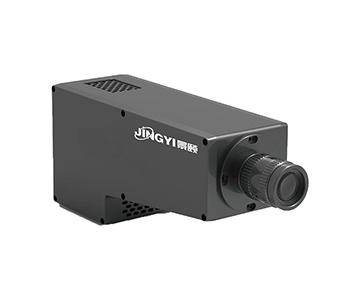
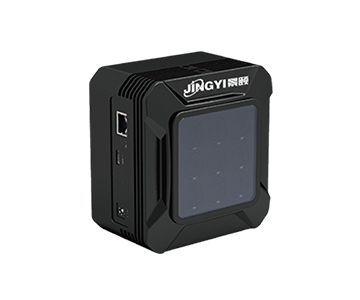
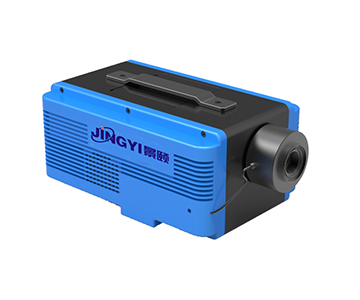
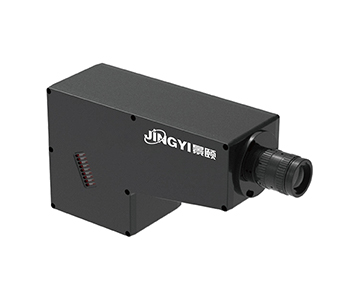
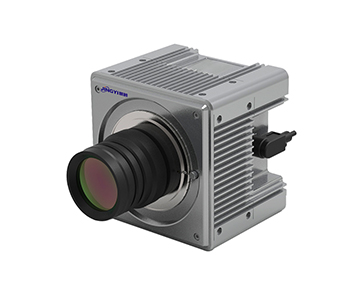
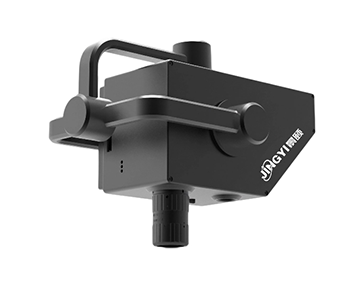
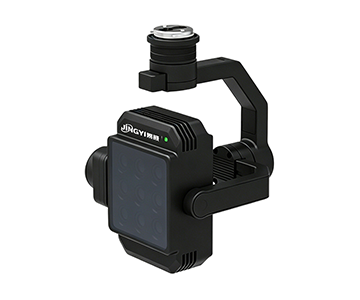
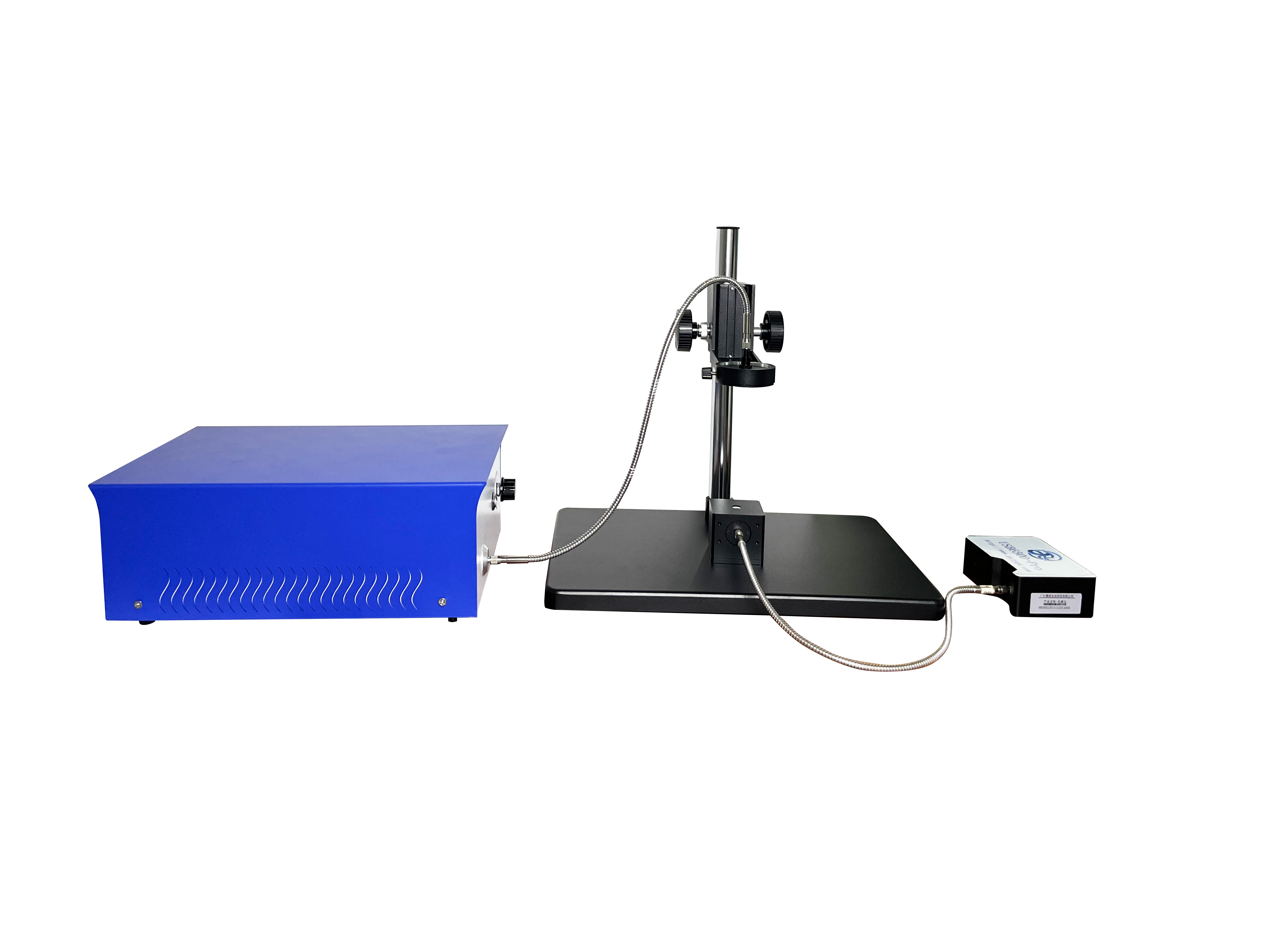
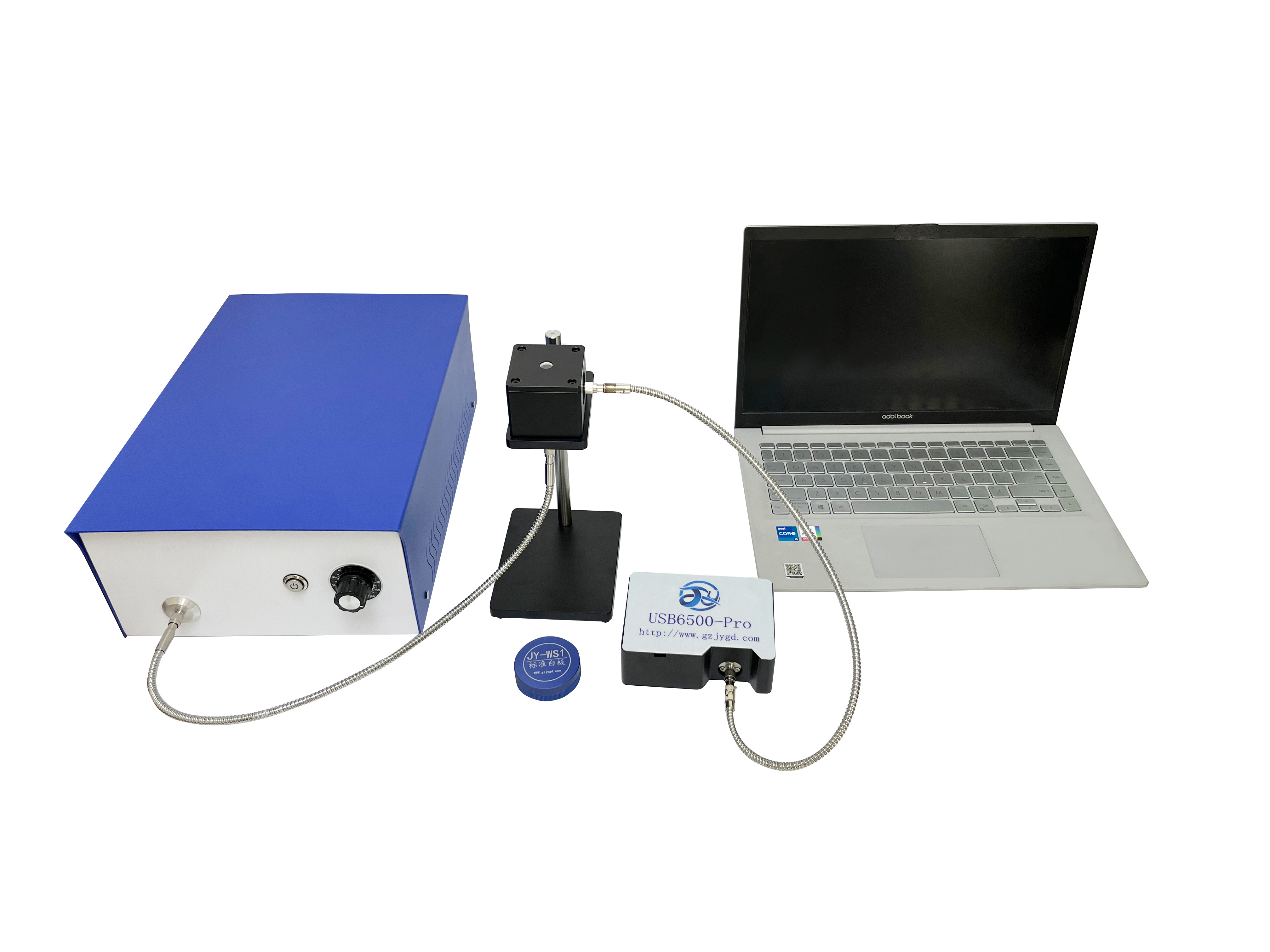
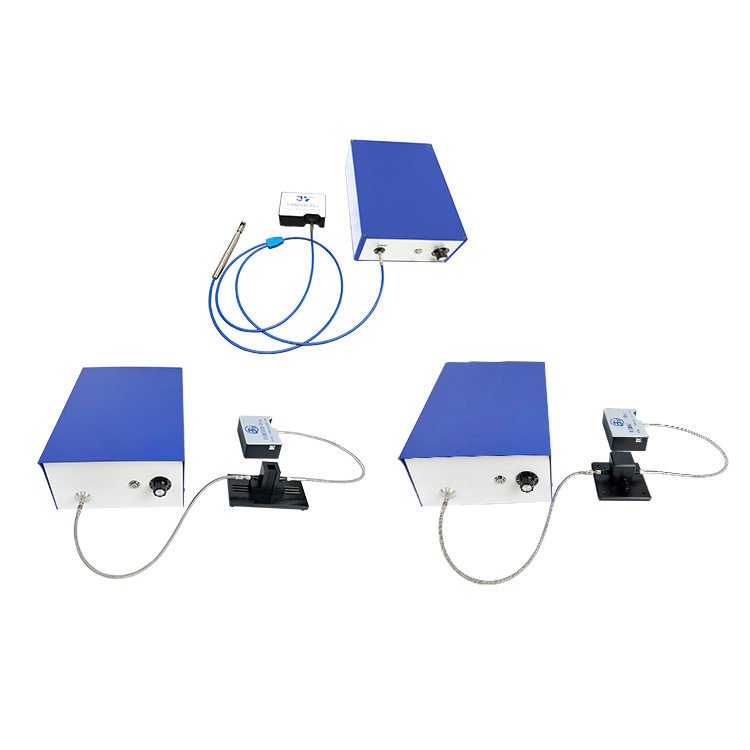
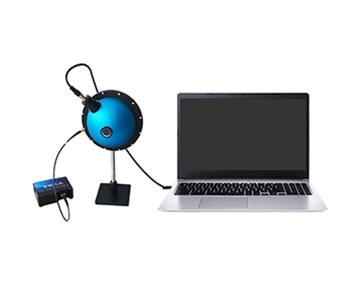
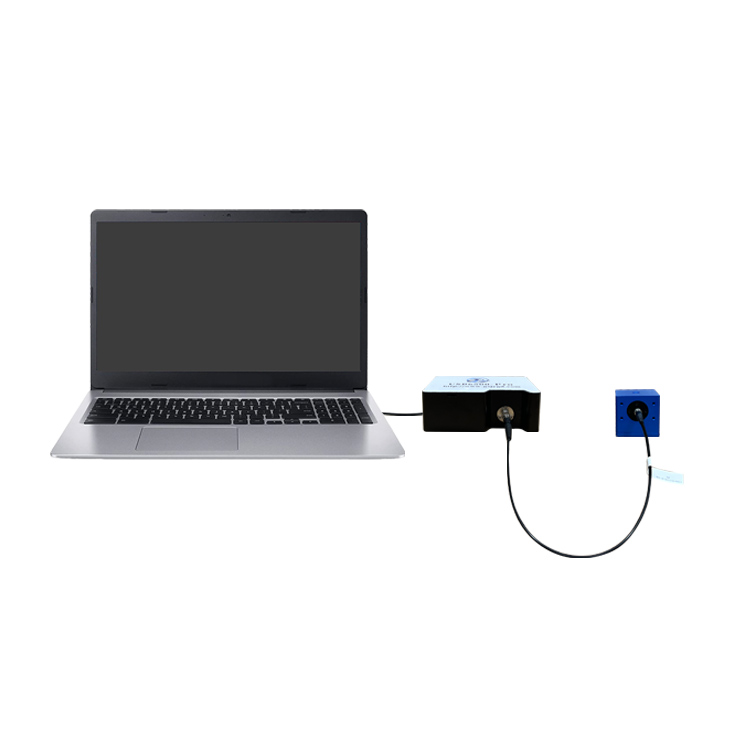
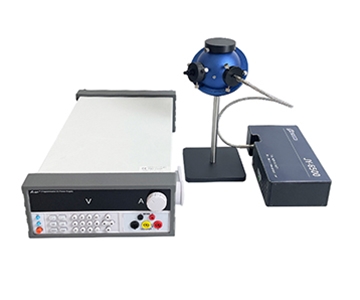
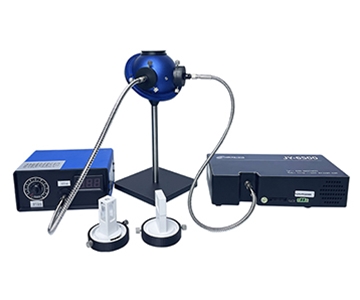
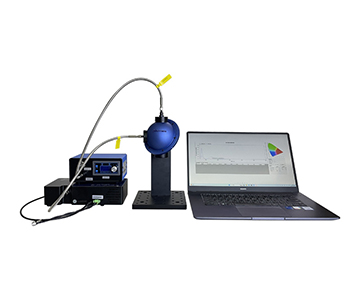
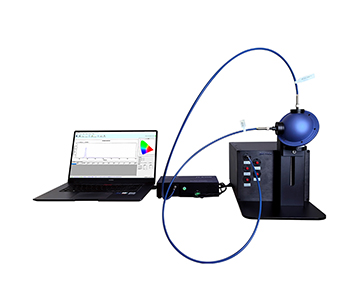
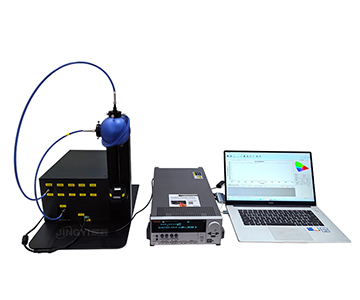
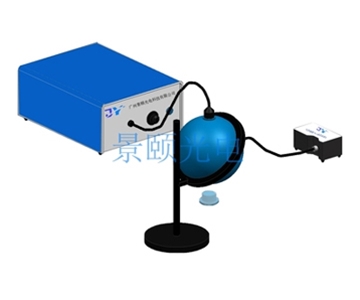
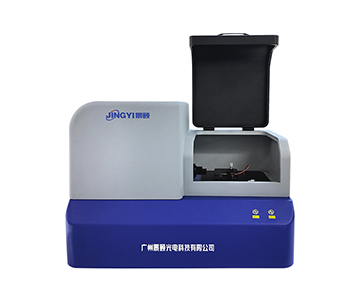
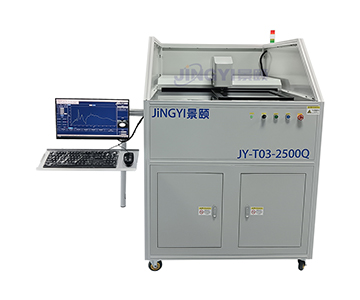
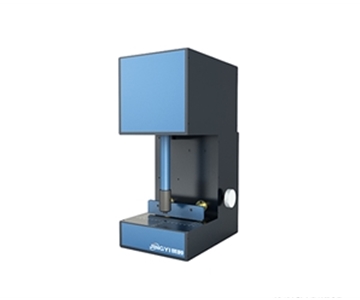
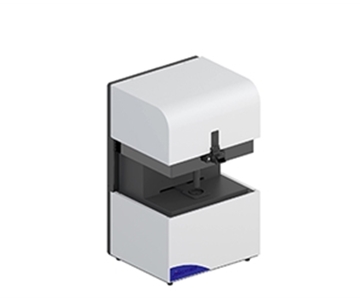
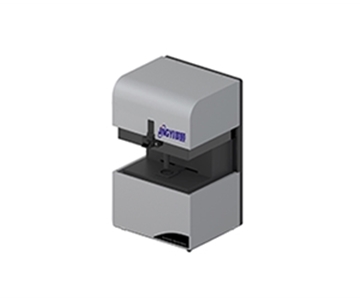
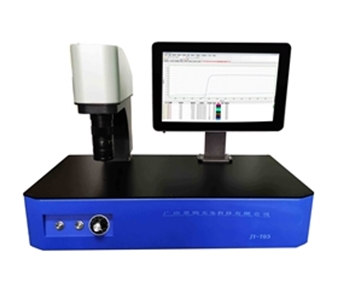
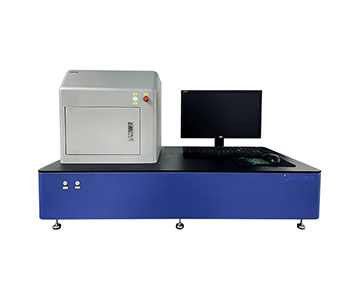
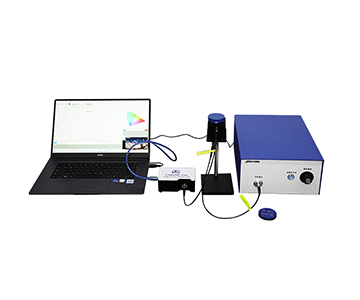
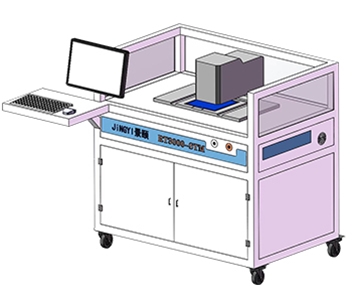
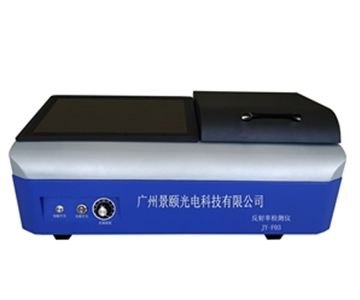
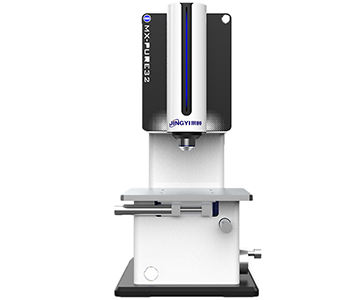
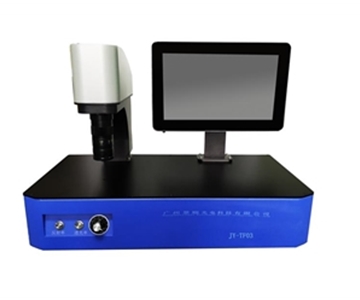
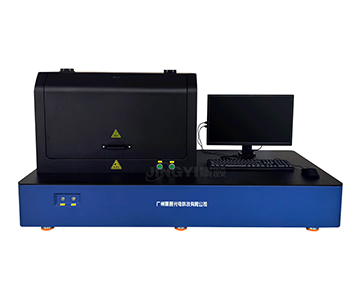
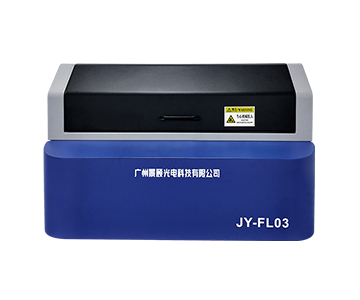
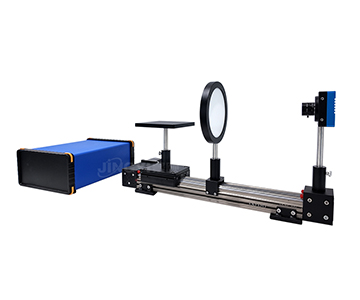
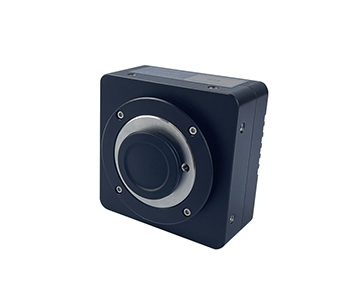
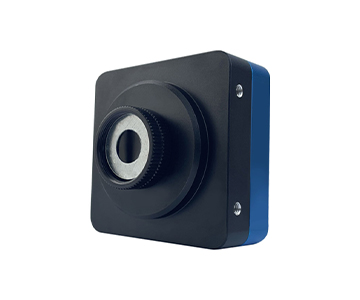
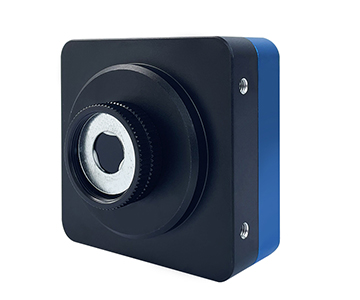
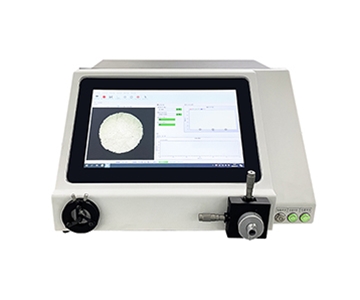
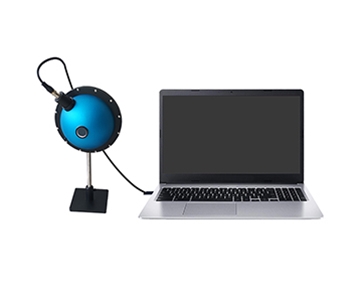
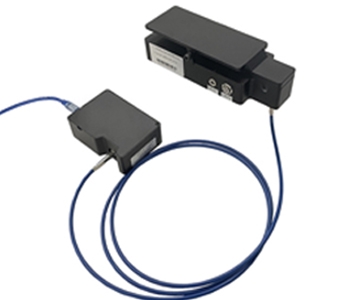
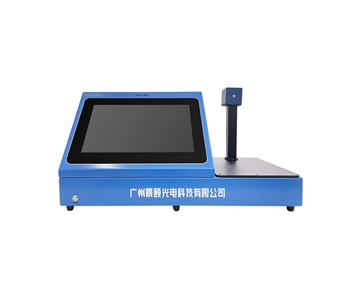
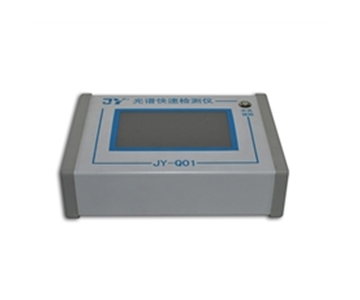
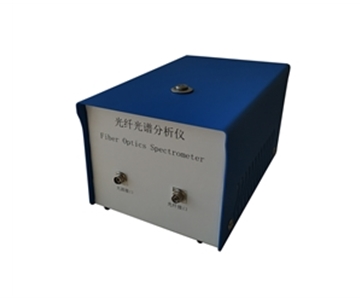
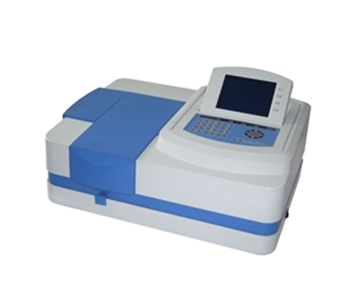
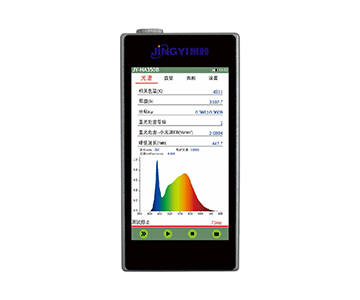
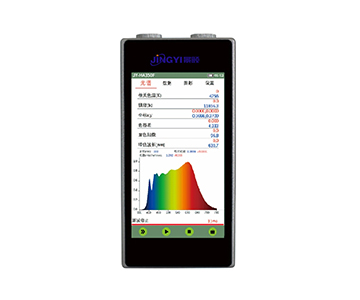
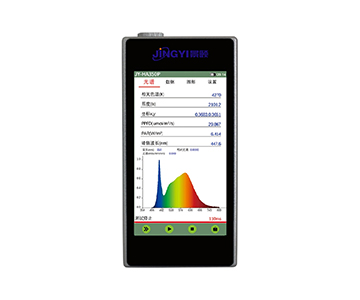
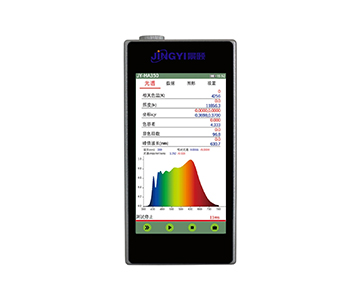
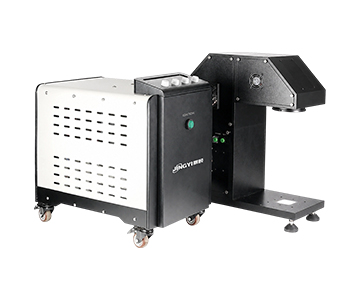
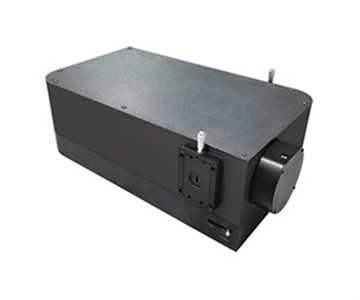
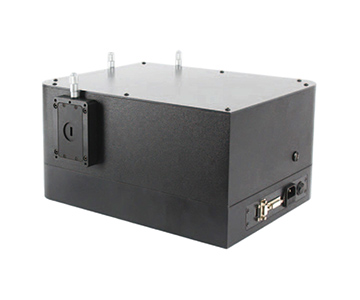
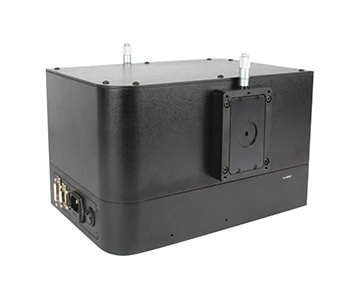
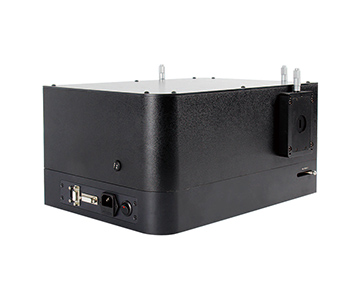
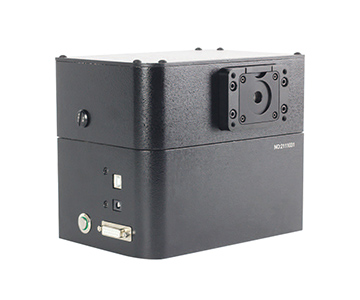
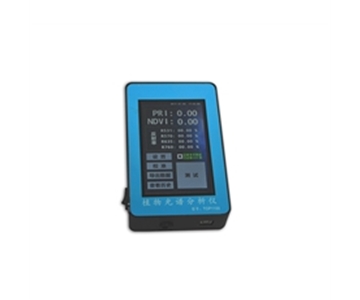
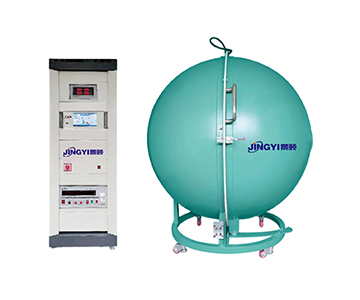
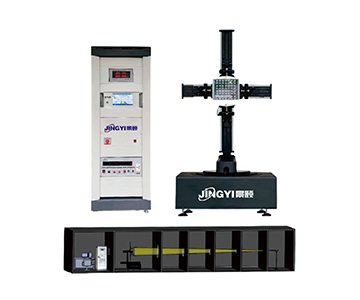
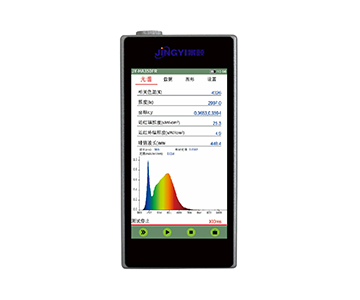
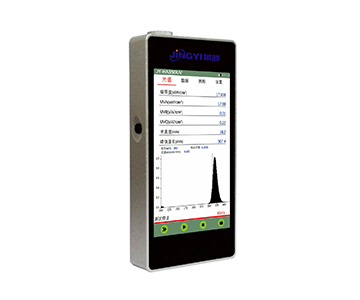
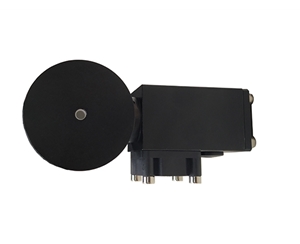
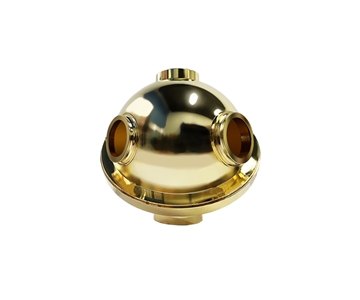
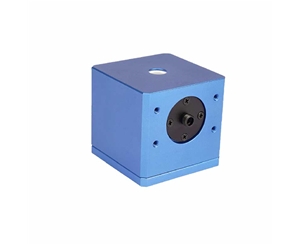
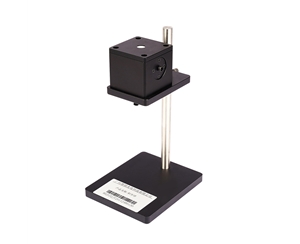
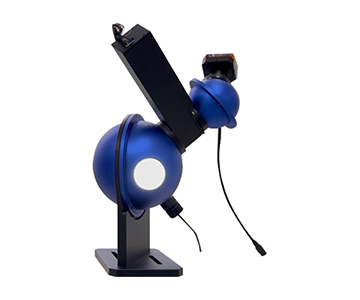
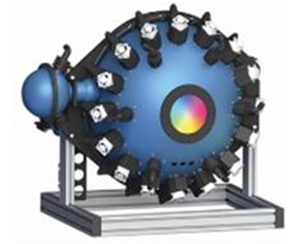
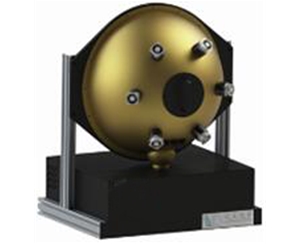
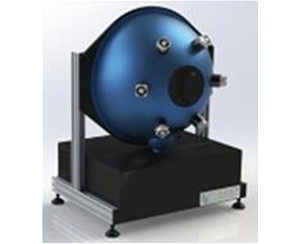
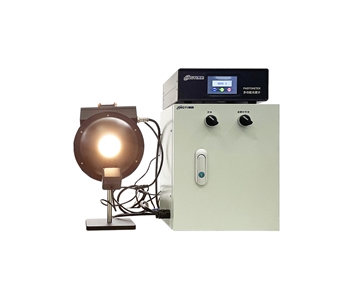
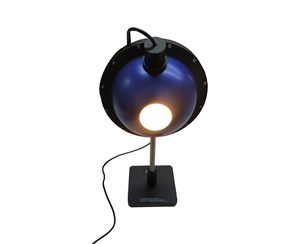
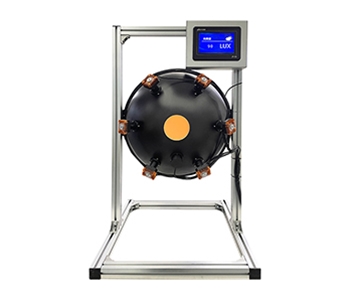
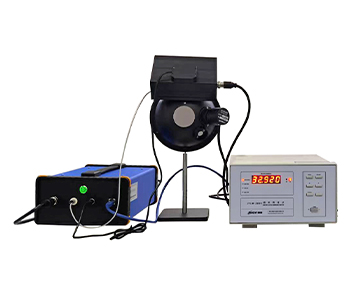
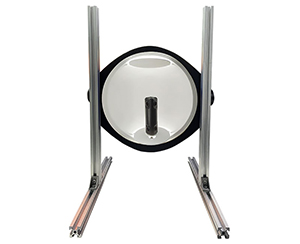
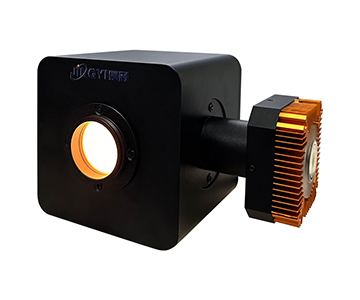
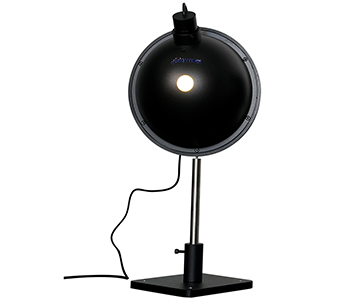
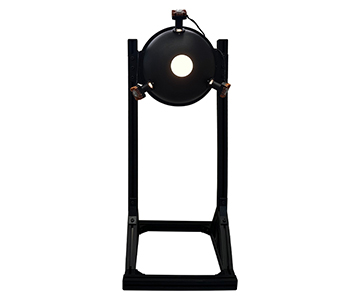
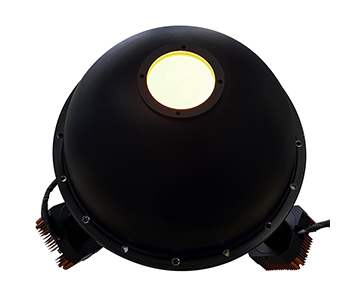
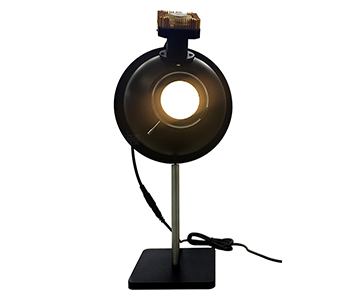
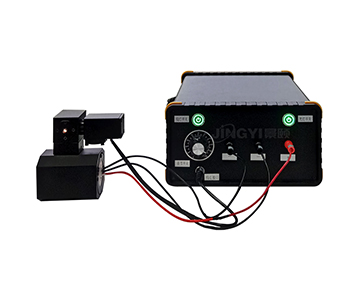
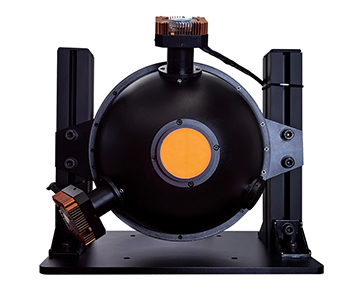
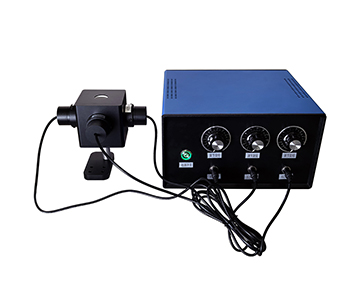
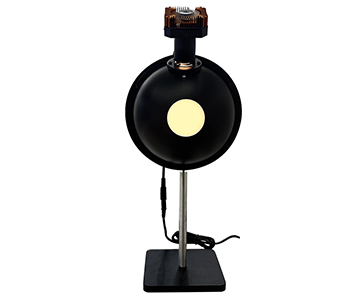
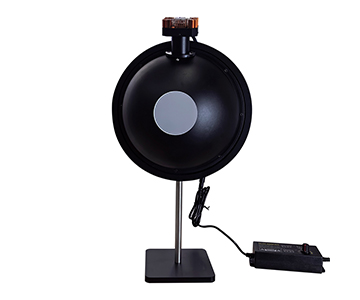
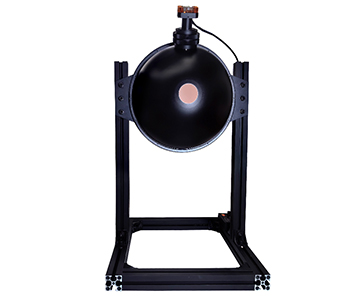
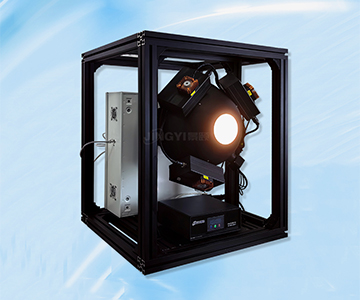
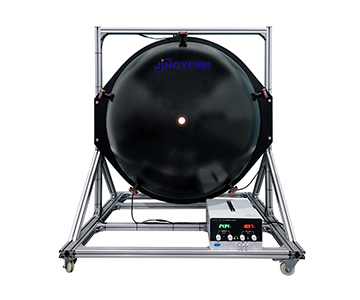
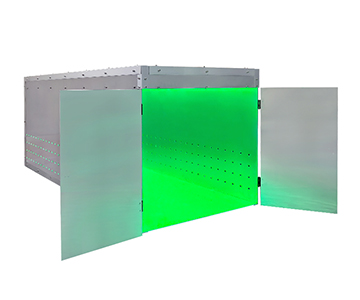
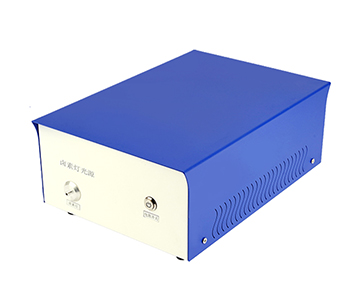
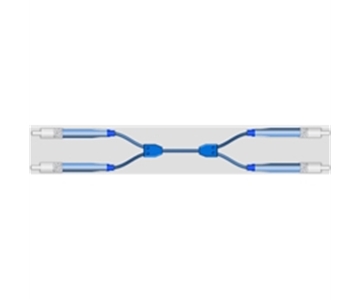
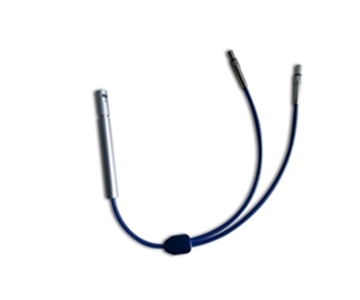
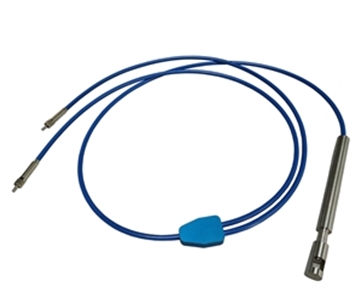
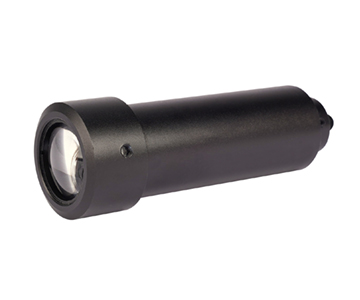
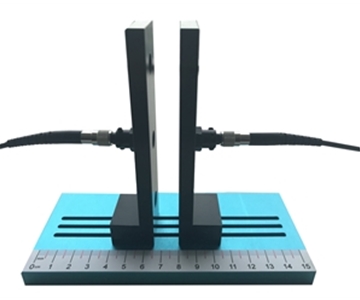
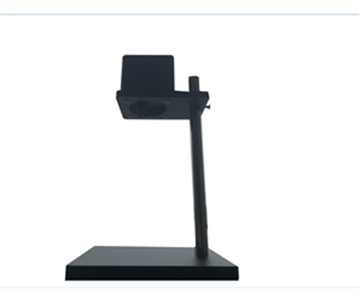
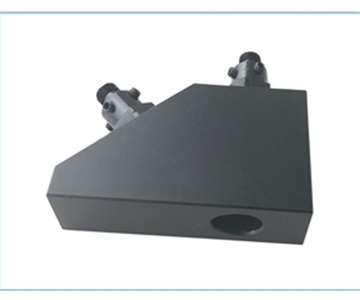
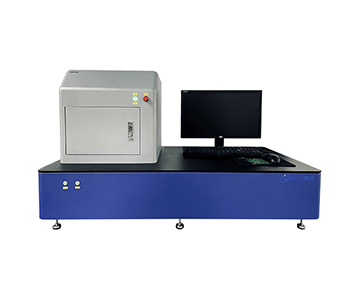
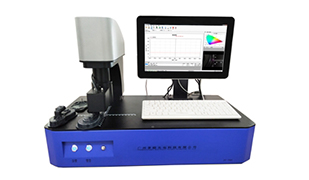
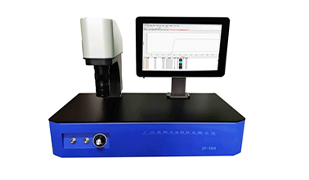
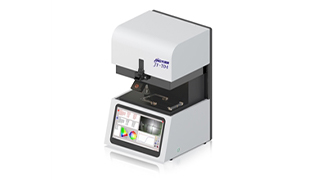
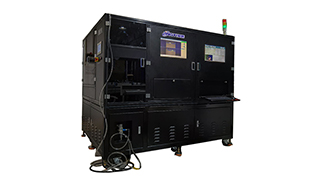
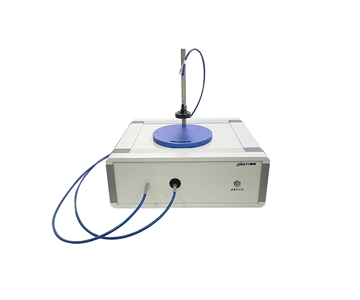
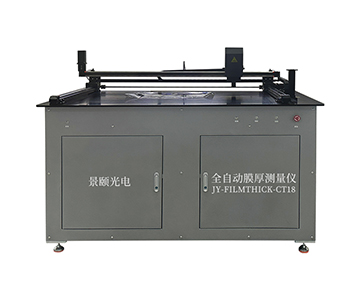
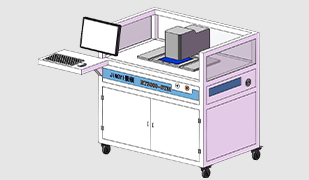
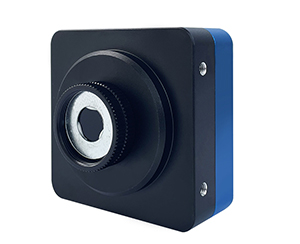
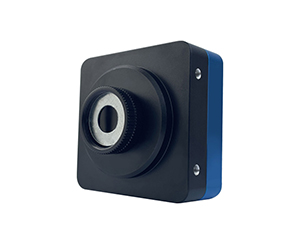
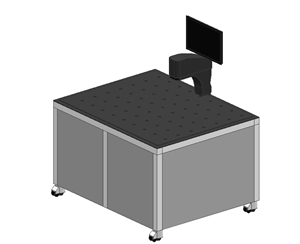
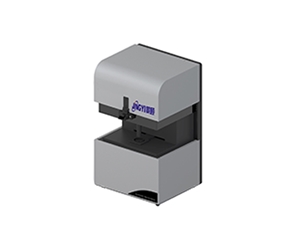
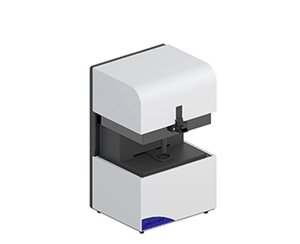
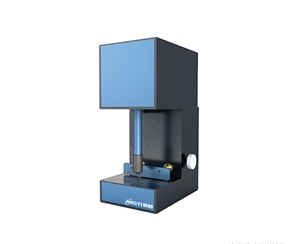
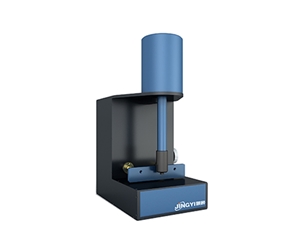
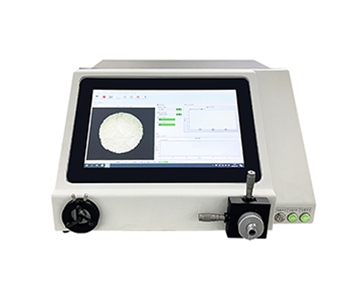
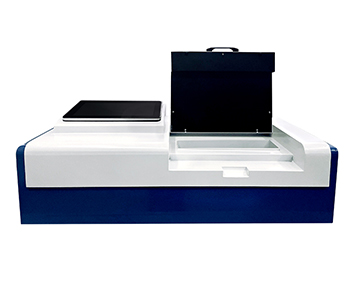
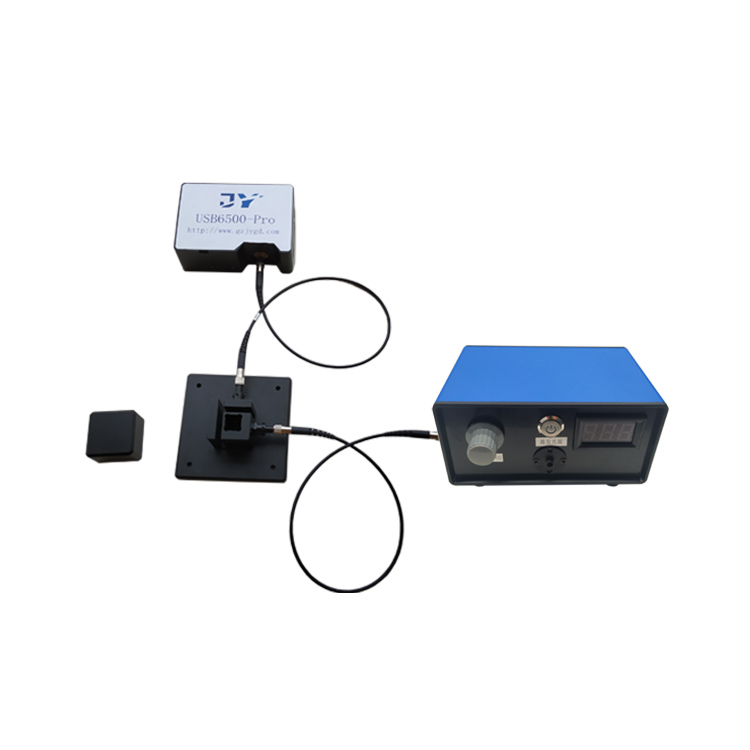
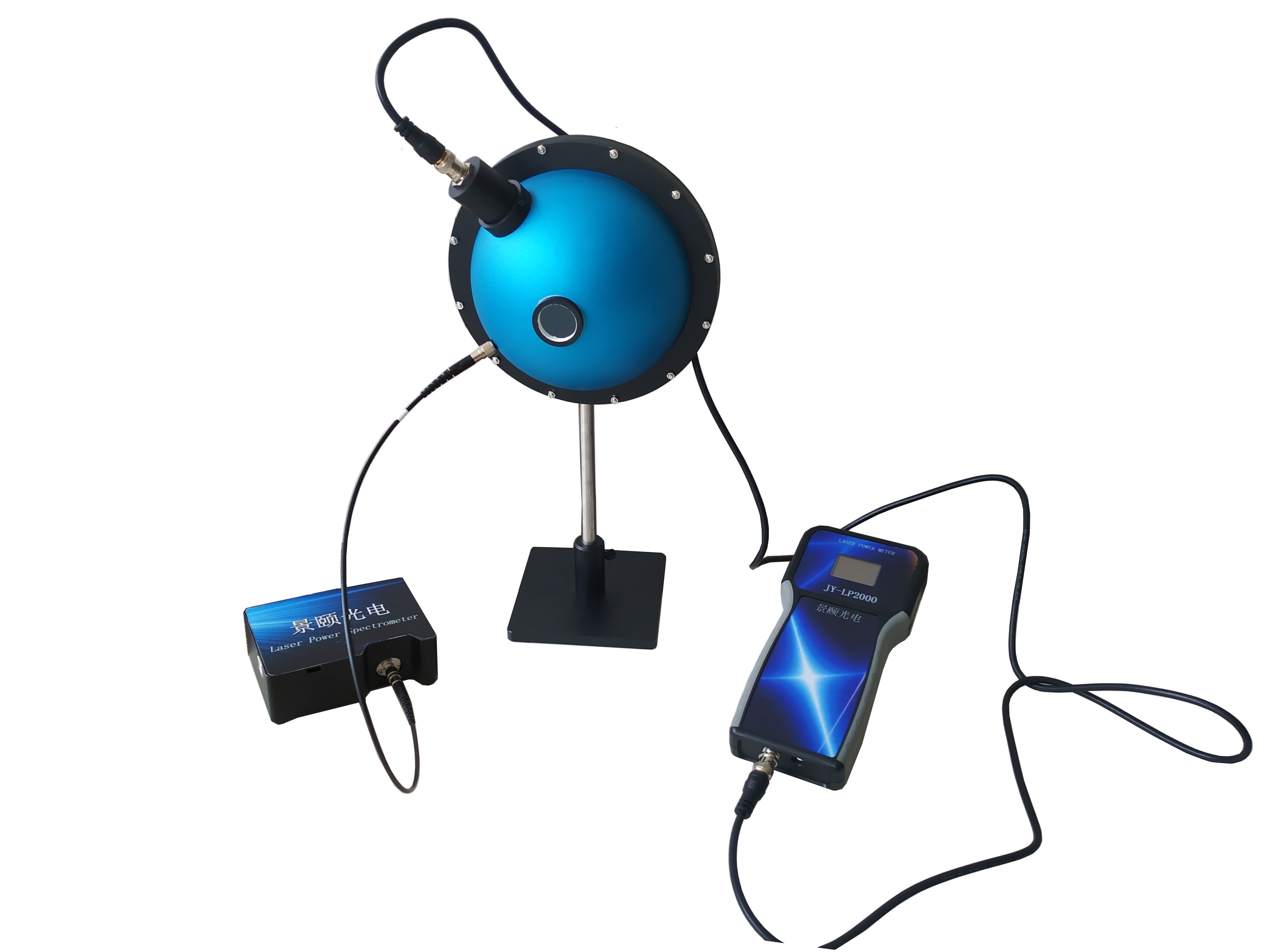
A handheld spectrometer that integrates embedded spectroscopy with integrating-sphere flux measurement can replace benchtop systems for rapid field verification of surgical lighting. This guide evaluates the technical architecture, environmental resilience, and metrological limits of a 350 nm–800 nm optical system capable of synchronous 12-parameter sampling, with emphasis on reflectance-based calibration chains and their implications for endoscope cold-light source lifecycle management.
Why Benchtop Spectrometers Fail in Operating Rooms
During a night shift at a 1,200-bed hospital in the southwestern U.S., a biomedical engineer received an urgent call: the endoscope cold-light source in OR-7 had drifted 37 K in correlated color temperature (CCT), and the surgeon reported a yellow cast across the operative field. The engineer wheeled the lab-grade benchtop spectrometer to the surgical floor, only to discover the instrument would not fit through the equipment alcove door. Worse, the 20-minute thermal stabilization cycle meant the first reliable reading would not arrive until after the next case had started.
This is not an isolated incident. In 2026, annual verification demand for cold-light endoscope systems across North American and European hospitals exceeded 120,000 unit-events. Yet over 60% of field-level compliance checks still rely on "remove-and-ship" workflows: decommission the light source, package it, queue at a third-party metrology lab, wait for the report, and reinstall. The cycle consumes 7–15 days. For a department running 20+ procedures daily, the choice becomes binary—cancel cases or operate with unverified equipment.
The root cause is a form-factor mismatch. Laboratory spectrometers trade portability for ultimate precision: thermally stabilized optical benches, cryogenically cooled detectors, and permanently mounted integrating spheres. Operating rooms demand "grab-and-measure" tools. When the measurement environment shifts from a 23 °C ± 1 °C metrology lab to a surgical floor with humidity swings, space constraints, and electrosurgical EMI, the optical stability of benchtop systems collapses.
A second, underreported failure mode is data-link fracture. Laboratory reports arrive as PDFs. Biomedical engineers manually transcribe CCT, illuminance, and color rendering index (CRI) values into the computerized maintenance management system (CMMS). Transcription errors propagate. When quality assurance audits trace a device's history, paper reports sit in filing cabinets while electronic logs show mismatched values.
Regulatory pressure is forcing a hardware transition. Since 2025, FDA guidance and updated IEC 60601-2-41 interpretations have tightened photometric consistency requirements for cold-light sources. Manufacturers must now maintain traceable optical-parameter records across the full lifecycle: R&D, production, and clinical use. Photometric verification is no longer a single pre-shipment event; it is a continuous, location-agnostic discipline. Handheld, embedded, and network-capable spectral analyzers are shifting from "nice-to-have" to "required infrastructure."
Manufacturing Depth: What It Takes to Build Medical-Grade Optical Test Equipment
Jingyi Optoelectronics, headquartered in Guangzhou, has supplied optical metrology systems to research institutes and manufacturing leaders for over a decade. Its client roster includes Shanghai University of Technology, Hong Kong University of Science and Technology, Wuhan University, Northeastern University, and multiple institutes within the Chinese Academy of Sciences. The unexpected element is not the industrial pedigree—it is the deliberate decision to treat medical cold-light testing as a core product line rather than a peripheral application.
The explanation lies in vertical integration. Jingyi Optoelectronics operates a 1,000 m² standardized cleanroom production facility, including a Class 10,000 (ISO 7) environment for optical component assembly. Annual throughput exceeds 5,000 spectrometer systems. Core components—micro-spectrometer modules, integrating-sphere coatings, embedded operating systems, and PC analysis software—are 100% in-house. This degree of vertical control is uncommon among mid-tier instrument builders; many competitors source spectrometer engines from upstream vendors, exposing delivery schedules and unit-to-unit consistency to supply-chain volatility.
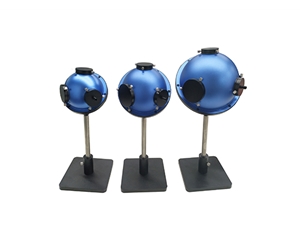
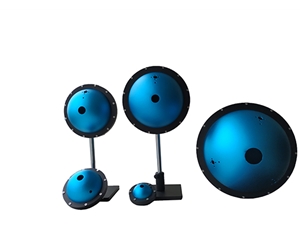
Flexibility matters more than scale in medical device manufacturing. Jingyi Optoelectronics uses modular production lines capable of switching between integrating-sphere diameters from 50 mm to 3,000 mm. Small-batch custom orders ship within 7 days. For medical optics, where product variants are numerous, volumes are low, and design iterations are rapid, this agility is a survival requirement. A cold-light tester may require a custom sphere with band-specific cutoff performance; without fast changeover capability, a two-month lead time would stall R&D cycles.
A planned 2,000 m² smart-manufacturing expansion will push annual capacity to 15,000 units. For purchasers, the implication is shorter lead times and tighter batch consistency. Quality-control departments in medical device firms fear the phrase "this batch feels different from the last." Automated assembly lines control torque, optical alignment, and coating thickness with repeatability that manual build cannot match.
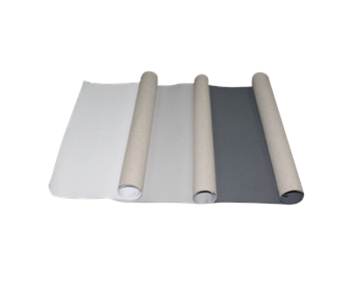
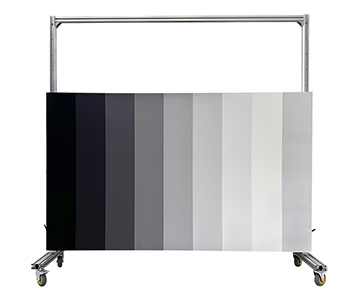
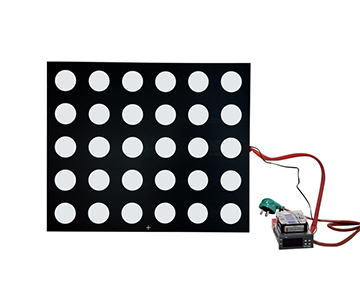
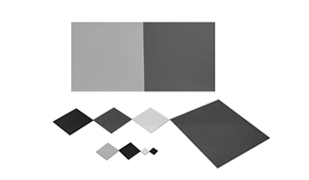
Standard-setting participation reveals metrological depth. Jingyi Optoelectronics is a drafting contributor to T/CITS 231-2025, Technical Requirements for Automotive LiDAR, which codifies reflectance calibration methods for LiDAR optical systems. The underlying logic—establishing a traceability chain via reference standards with known reflectance, then using an integrating sphere to homogenize diffuse reflection for spectrometer capture—is physically identical to the flux measurement required for medical cold-light verification. The company migrated its LiDAR reflectance calibration competency into the medical lighting domain, reusing the same optical metrology stack.
Additional drafting contributions include GB/T 47066-2026, Plastics—Determination of Total Luminous Transmittance and Total Reflectance, and T/CIET 2298-2026, Calibration Specification for Thin-Film Interference Thickness Measurement Systems. GB/T 47066-2026 specifies integrating-sphere geometry, coating diffuse-reflectance coefficients (≥ 0.97), and detector spectral-response matching. These constraints directly shaped the optical path design and error-control strategy of the evaluated system's reflectance measurement channel. As a drafting party, Jingyi Optoelectronics holds deeper tacit knowledge of sphere port ratios, self-absorption correction, and coating coefficients than vendors who merely execute the standard.
Qualification layers reinforce credibility. The firm is recognized as a Guangzhou Technology Innovation Little Giant, an incubation-base enterprise, and a top-100 innovative company. These designations are not decorative; they reflect sustained R&D intensity and IP portfolio density. Granted patents—covering industrial design (ZL202230139119.2) and utility models for structural layout, optical module fixation, and thermal management ducting (ZL202322697614.7, ZL201920752862.8, ZL202020272560.3)—address the environmental stressors of surgical suites: elevated humidity, thermal load, and electromagnetic interference.
Technical Deconstruction: How Reflectance Metrology Enables Light-Source Verification
Reflectance Measurement as the Bridge from Industrial Optics to Clinical Photometry
Reflectance measurement is a routine task in industrial optics, yet it plays an underappreciated role in medical cold-light validation. The output spectrum of an endoscope cold-light source depends not only on the emitter but on the cumulative reflectance and transmittance efficiency of every optical element in the path: the incident-face coating of the light-guide bundle, the anti-reflection performance of coupling lenses, and even the diffuse-reflectance coefficient of metallic surgical instrument surfaces. Each layer modulates the final spectrum entering the endoscope.
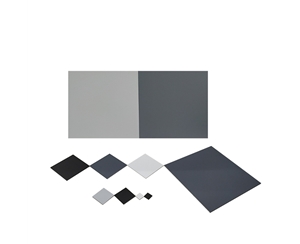
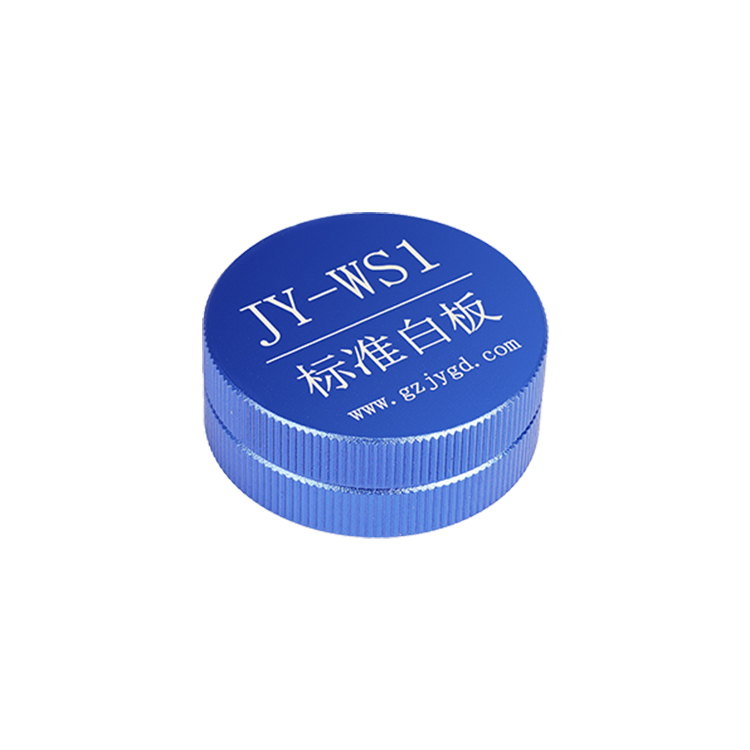
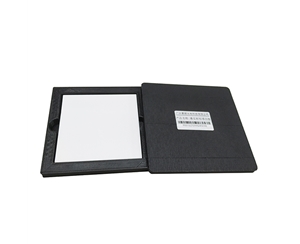
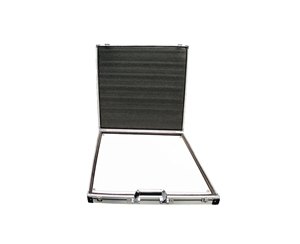
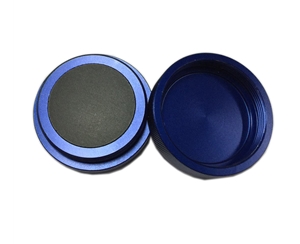
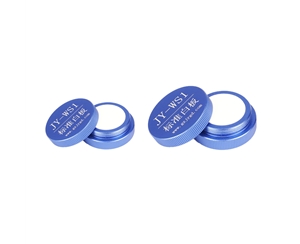
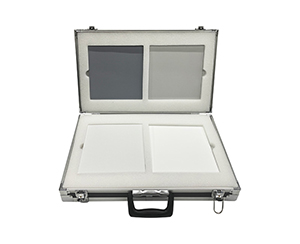
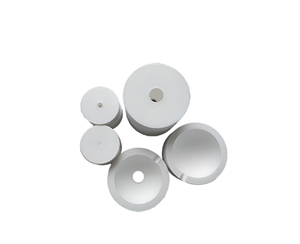
GB/T 47066-2026 mandates that integrating-sphere coatings maintain a diffuse-reflectance coefficient of at least 0.97, that total aperture area remain below 5% of internal surface area, and that reference white standards trace to national metrology benchmarks. These rules target plastic materials, but their physical rationale—converting directional reflected light into uniform diffuse radiation via a high-reflectance sphere, then quantifying it with a spectrometer—is the exact foundation on which the evaluated handheld system achieves accurate flux measurement.
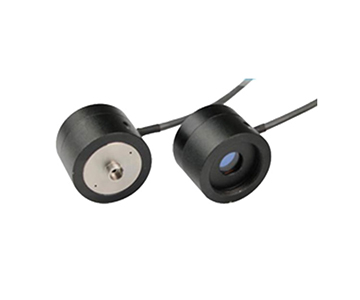
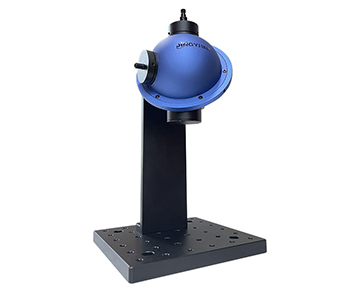
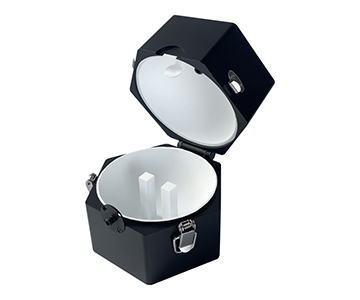
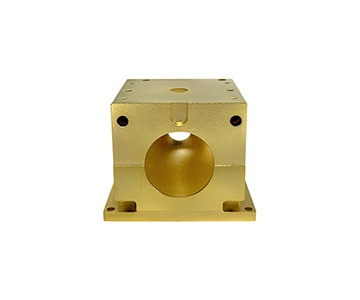
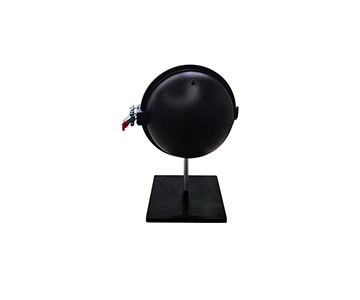
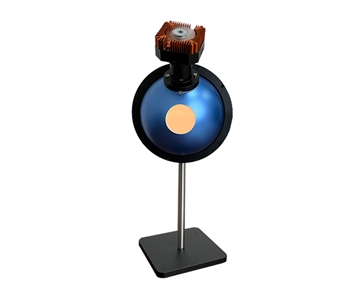
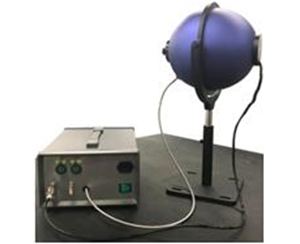
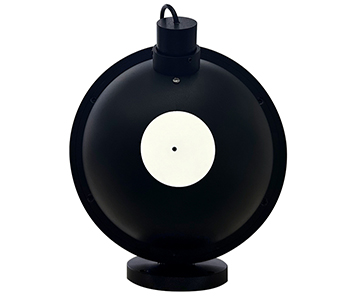
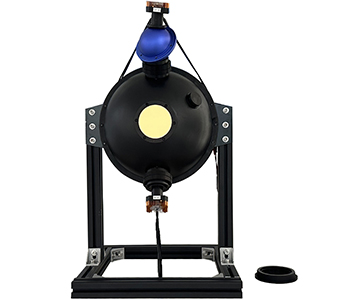
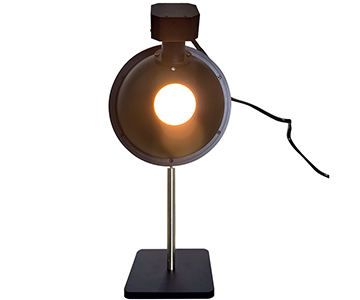
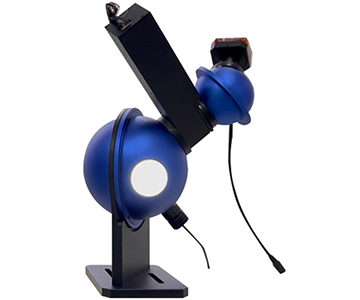
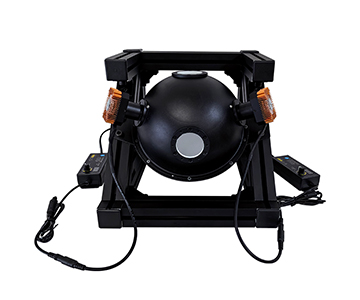
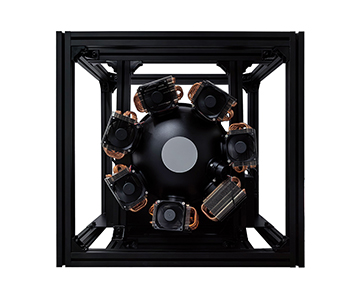
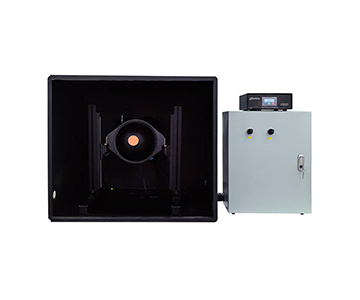
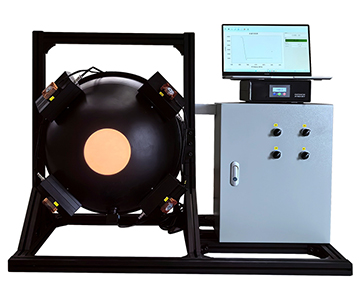
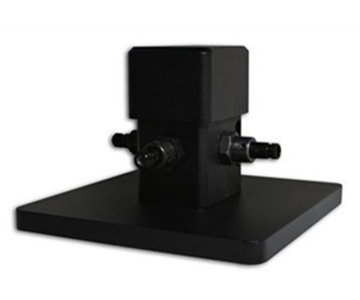
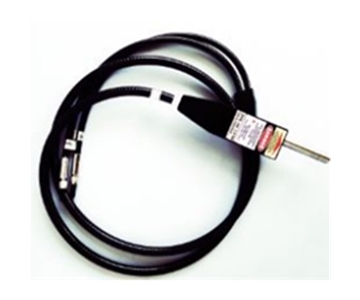
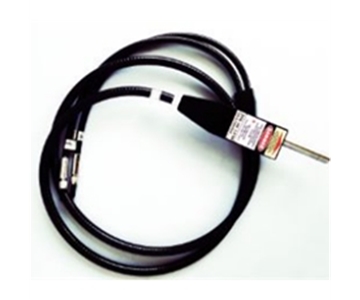
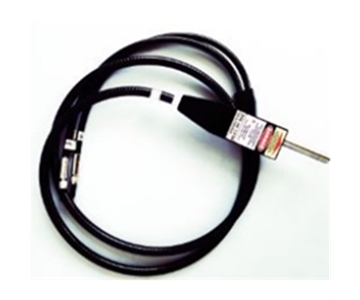
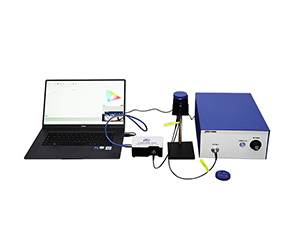
The micro-integrating-sphere probe in the evaluated system uses coating chemistry derived from industrial reflectance applications. When an operator positions the probe against the cold-light output port, the high-diffuse-reflectance interior homogenizes the incoming directional beam within milliseconds, canceling measurement error from source non-uniformity or angular misalignment. Repeatability error in field use stays low enough that non-specialist staff obtain stable readings within seconds.
Embedded Spectroscopy: Repackaging the Optical Bench into a Palm-Size Enclosure
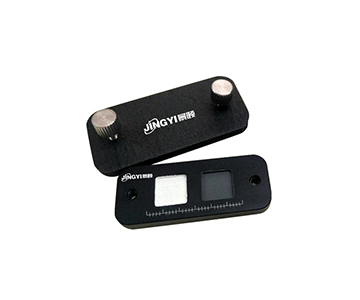
The evaluated system fuses a micro-spectrometer, an embedded operating system, and microcomputer architecture into a single handheld terminal. This is not a体积压缩 exercise; it is a signal-chain redesign. Traditional benchtop stacks separate the spectrometer, industrial PC, and display. Consolidation demands that the micro-spectrometer detector maintain dark-current stability without active cooling.
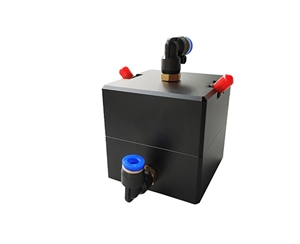
Thermal management ducting referenced in patent ZL202020272560.3 becomes critical here. Optimized internal airflow limits detector temperature fluctuation, suppressing baseline drift that would otherwise corrupt CCT readings as OR HVAC cycles between 22 °C and 26 °C. The temperature stability of the detector, not the absolute spectral resolution, determines whether a 37 K CCT drift is real or artifact.
The embedded operating system delivers deterministic latency. Laboratory software running on general-purpose Windows hosts carries unpredictable background process overhead. The embedded stack strips non-essential tasks, compressing the interval between spectral capture and parameter calculation to millisecond scale. For production-line monitoring of source degradation trends, this real-time performance enables multi-point sampling during the brief stabilization window after lamp ignition—capturing transient drift that benchtop systems with slower duty cycles might miss.
Synchronous 12-Parameter Sampling: One Acquisition, Multidimensional Data
Medical cold-light compliance is not a single-metric problem. The evaluated system outputs CCT (K), illuminance (lx), color difference (SDCM), general CRI (Ra), chromaticity coordinates, dominant wavelength (nm), color purity, color gamut index (Rg), color fidelity index (Rf), color quality scale (CQS), and scotopic/photopic ratio (S/P) from a single acquisition. Multidimensional synchronization eliminates temporal mismatch errors: CCT can drift > 50 K within the first 30 seconds after ignition. Measuring CCT and CRI in separate acquisitions produces a statistically invalid pairing.
A clinically targeted feature is infrared cutoff assessment. The system calculates flux ratios across 350 nm–800 nm, quantifying green flux Φeg (515 nm–545 nm), red flux Φer (630 nm–660 nm), and blue flux Φeb (435 nm–465 nm), then reports Φer/Φeg and Φeb/Φeg. These ratios govern endoscopic color fidelity. Excessive red relative to green reddens tissue images, risking misinterpretation of bleeding zones. Insufficient blue reduces mucosal texture contrast, obscuring subtle surface morphology.
PC-Link Continuity: From Field Sample to Lab-Grade Post-Analysis
The handheld terminal solves the "presence" problem; PC software solves the "depth" problem. The evaluated system supports PC-controlled operation, with exportable data in formats compatible with hospital CMMS or corporate LIMS platforms. For R&D teams, raw spectral data captured at a clinical site can be reloaded into laboratory environments for advanced parsing—fitting source aging models or executing statistical process control (SPC) against historical batch data.
Traceability experience from T/CIET 2298-2026, Calibration Specification for Thin-Film Interference Thickness Measurement Systems, carries into data management. That standard prescribes calibration intervals, reference artifact selection, and uncertainty evaluation methods. The PC software embeds calibration-due alerts and reference-standard traceability logging, preserving the integrity of the metrological chain. Buyers should verify conformance to T/CIET 2298-2026 to ensure that field data remain defensible through laboratory audit.
Where the System Creates Value: Three Deployment Models
R&D Optical Validation: Collapsing the Feedback Loop
During cold-light source development, optical engineers iterate LED drive current, phosphor blend ratios, and filter coating parameters. Each iteration demands spectral validation. The legacy workflow—adjust, stabilize, benchtop measure, log, analyze, repeat—consumes hours per loop.
A handheld form factor allows "adjust-and-measure" directly at the optical bench. After modifying phosphor coating thickness, the engineer positions the integrating-sphere probe at the output port and observes CCT and CRI shifts in under 3 seconds. Feedback-loop duration collapses from hours to minutes. For programs facing fixed milestone deadlines, the cumulative time savings across dozens of iterations are substantial.
Production-Line Monitoring: From Sampling to 100% Inspection
Medical device outgoing inspection traditionally relies on sampling: a subset of each lot receives full photometric testing; remaining units pass functional check only. Sampling assumes batch homogeneity, yet a single escaped defect triggers recall costs and brand damage that dwarf inspection expenses.
The portability and sub-60-second cycle time of the evaluated system make 100% end-of-line photometric inspection economically viable. A quality technician tests each unit at the final station without creating a bottleneck. When chromaticity deviation from batch mean exceeds a preset threshold, the system flags the unit immediately. The line h
Clinical Field Inspection: Moving Quality Control from the Filing Cabinet to the Bedside
Hospital biomedical engineering departments face a persistent capability gap. Regulatory standards mandate periodic photometric inspection of surgical luminaires and endoscope light sources, yet departments lack field-capable instrumentation, defaulting to annual external contracts or reactive post-failure repair.
A handheld spectrometer allows biomedical engineers to wheel a cart into the OR suite and complete rapid spot checks during equipment downtime. When the same 37 K CCT drift recurs, the engineer carries the handheld unit into the equipment bay, measures CCT and illuminance in 30 seconds, and syncs data directly to the CMMS. Root-cause analysis isolates the failure within minutes—accumulated dust on the source module cooling fan elevated junction temperature, red-shifting the LED peak wavelength. The correction is applied before the next case, with zero schedule disruption.
Honest Limitations: Handheld Spectrometers Are Not Universal Solutions
Every technology carries boundaries. Handheld spectral analyzers are no exception.
Precision ceiling.The micro-spectrometer inside the evaluated system trades absolute performance for portability and power budget. Spectral resolution and uncertainty specifications do not match laboratory-grade benchtop systems. Tasks requiring discrimination of spectral features separated by < 2 nm, or measurement uncertainty below 0.1%, remain the domain of benchtop instrumentation. These requirements arise in type-testing laboratories and national metrology institutes, not in routine field inspection or production-line screening.
Environmental sensitivity.Despite targeted thermal and electromagnetic shielding design, extreme conditions still corrupt readings. During active electrosurgery, high-intensity EMI pulses can couple through probe cabling into the signal chain, producing outlier samples. Operators must recognize anomalous data and repeat acquisition during electrically quiescent intervals.
Regulatory scope boundary.The evaluated system supports internal quality standards and rapid field screening. Type-test reports for medical device registration submissions must still be issued by accredited third-party testing bodies. The handheld system's role is process monitoring and preventive maintenance, not final arbitration. Procurement teams must not substitute field-screening data for statutory test reports.
Procurement Decision Framework
Organizations evaluating medical cold-light test equipment should prioritize three dimensions.
First, define the dominant use case.If 80% of workload centers on R&D debugging and production-line patrol inspection, a handheld system offers favorable total cost of ownership. If the primary requirement is generation of registration-test reports, prioritize a laboratory-grade benchtop system and treat the handheld unit as a secondary field tool.
Second, verify traceability-chain completeness.PC-side calibration management is necessary but not sufficient. Users must still return the instrument to the manufacturer or a metrology service provider for periodic reference-standard comparison. Confirm conformance to T/CIET 2298-2026 to ensure that field data remain credible through laboratory audit.
Third, assess service-response velocity.For medical customers, instrument downtime can directly impact surgical schedules. Geographic proximity to service infrastructure is a hard constraint. Organizations outside the vendor's primary service region must validate regional coverage density before committing.
Frequently Asked Questions
Q1: What integrating-sphere probe diameter does the system use, and can it adapt to non-standard cold-light output ports?
The standard micro-integrating-sphere probe fits common medical cold-light output geometries. For atypical apertures or irregular interfaces, custom sphere specifications are available across the 50 mm–3,000 mm diameter range, with small-batch delivery within 7 days. Provide dimensional drawings of the target device interface for engineering evaluation before ordering.
Q2: Is the instrument reliable in high-humidity operating-room environments?
The optical path is sealed, and core circuit boards carry conformal coating. However, prolonged exposure to condensing humidity may degrade performance. Store the unit in its protective case immediately after use. For continuous operation exceeding 4 hours in high-temperature, high-humidity conditions, contact the manufacturer to evaluate enhanced environmental sealing.
Q3: Can PC software integrate with hospital information systems?
PC software exports CSV and Excel formats. Middleware or API adapters can bridge these exports into hospital CMMS platforms. Specific integration depends on the data protocol of the existing system; technical documentation and remote engineering support are available. For deployments requiring medical-device data-security compliance, discuss encryption and local-storage requirements during pre-sales technical review.
Q4: What is the cost differential between handheld and benchtop spectrometer systems?
Handheld hardware acquisition cost is typically lower than equivalent benchtop configurations, and eliminates the industrial PC, display, and climate-controlled laboratory infrastructure. The precision boundary of handheld systems prevents full substitution of benchtop equipment. A hybrid configuration—benchtop for type testing and metrology calibration, handheld for field patrol and production rapid-check—delivers superior overall value.
Q5: How can I independently verify that field measurements from this system match laboratory reference values?
Run a controlled comparison protocol: measure the same stable reference source with both the handheld unit and an accredited laboratory spectrometer under identical thermal and geometric conditions. Document CCT, illuminance, and CRI from both instruments. Calculate the expanded measurement uncertainty (k = 2) for the difference. Repeat across a minimum of 10 independent setups. If the mean difference falls within the handheld system's stated accuracy envelope, field data are validated against the laboratory benchmark. Re-execute this protocol annually and after any firmware or hardware modification.
About This Guide
Data Sources:GB/T 47066-2026 Plastics—Determination of Total Luminous Transmittance and Total Reflectance; T/CITS 231-2025 Technical Requirements for Automotive LiDAR; T/CIET 2298-2026 Calibration Specification for Thin-Film Interference Thickness Measurement Systems; IEC 60601-2-41; FDA guidance documents; industry public information; in-house technical validation data.
Author:[Full Name], Senior Application Engineer, Jingyi Optoelectronics, 12 years in industrial optical metrology and spectrometer system integration.
Disclosure:Jingyi Optoelectronics manufactures handheld spectrometers and integrating-sphere optical test systems. This article presents technical assessments based on published specifications, standard documents, and industry public information. No compensation was received from third-party brands mentioned.
Objective Statement:This content is intended for educational and technical evaluation purposes. Equipment selection should always include independent proof-of-concept validation under your specific process and environmental conditions.
Last Updated:July 2026
For detailed specifications and application notes on handheld spectral analysis systems for medical lighting, search "Jingyi Optoelectronics medical cold light spectrometer" or visit our technical library.