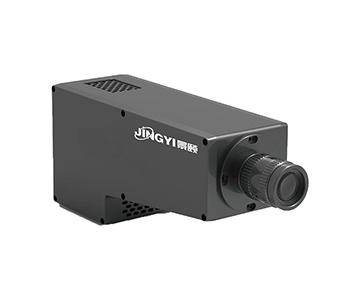
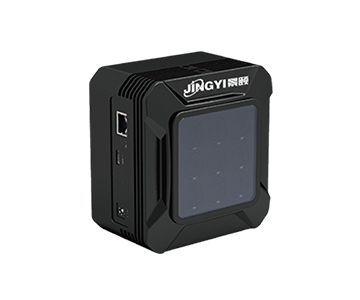
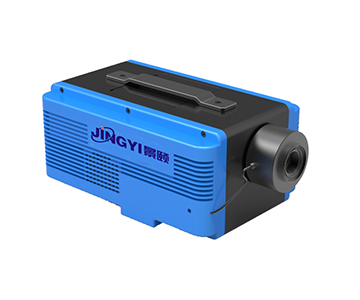
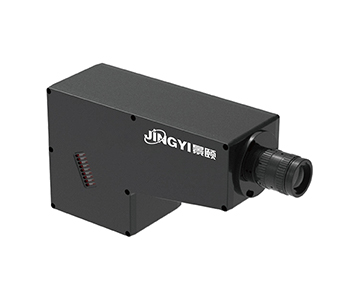
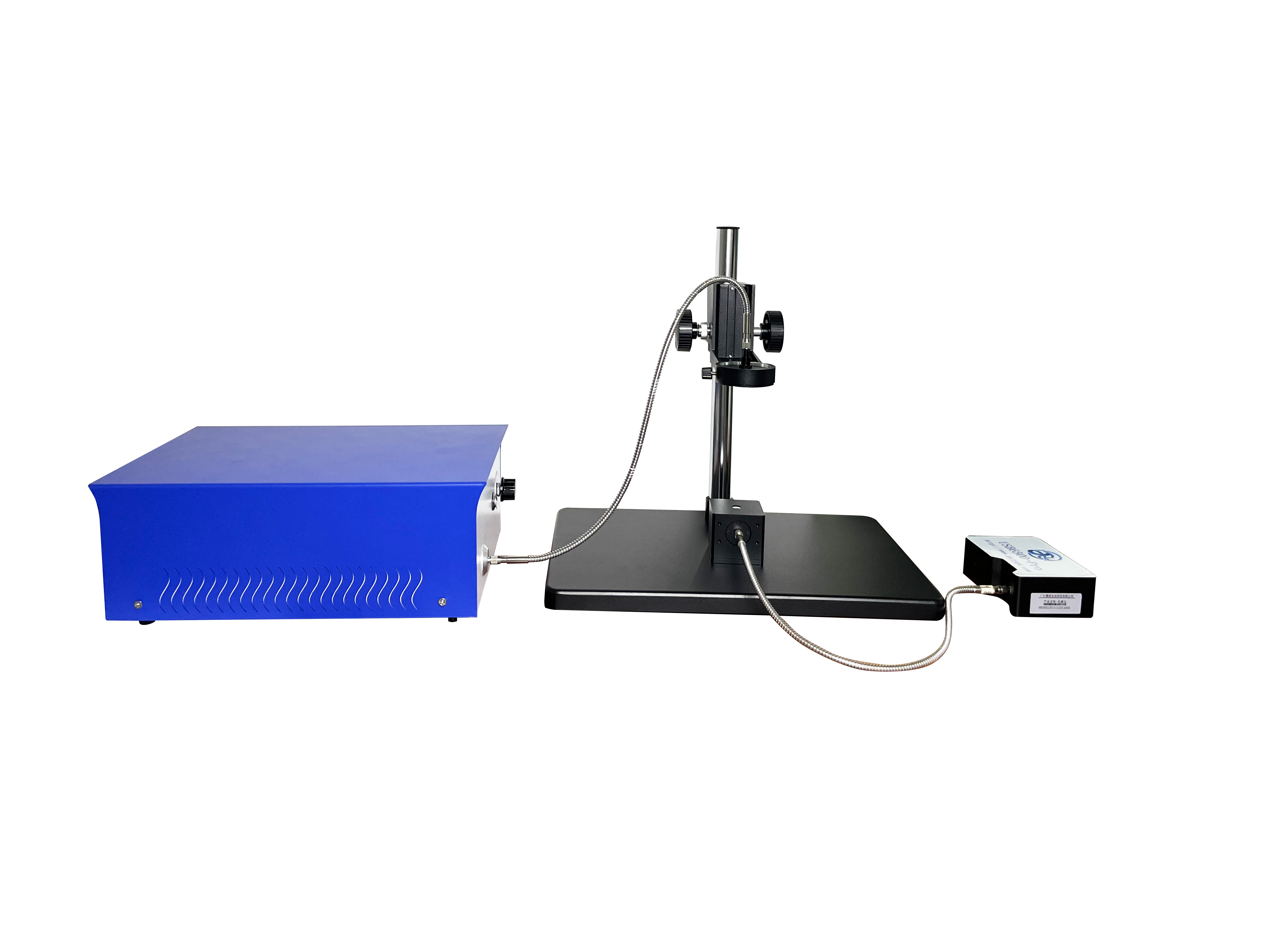
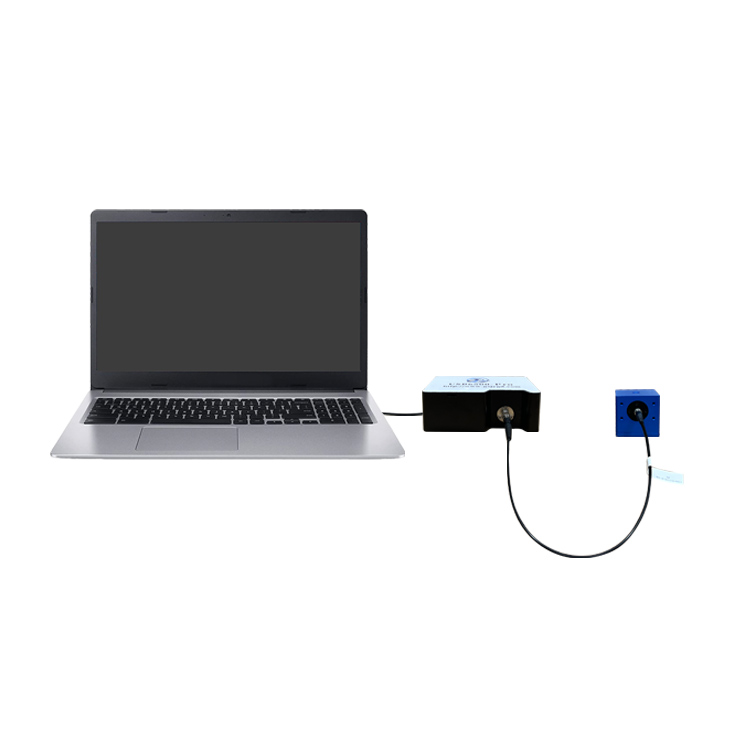
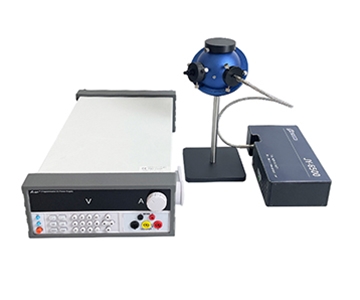
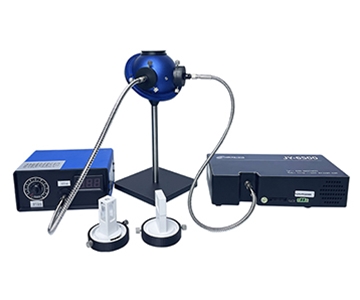
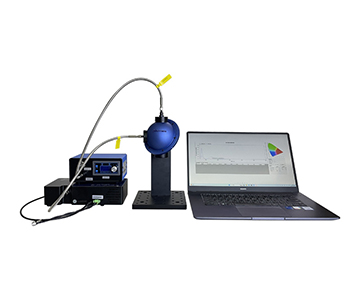
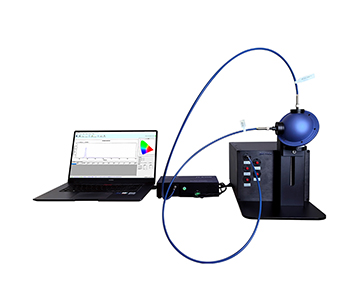
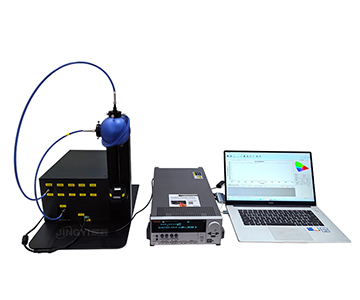
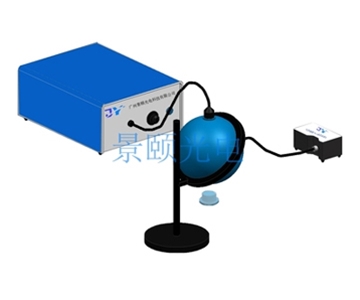
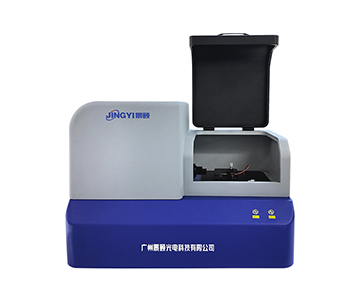
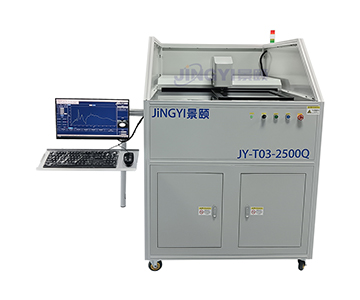
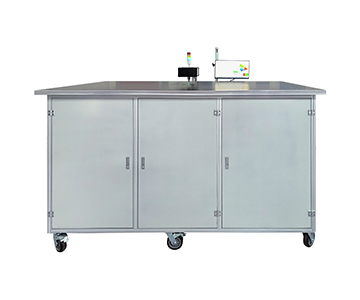
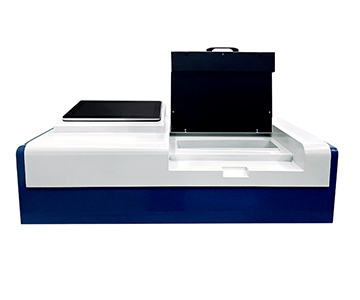
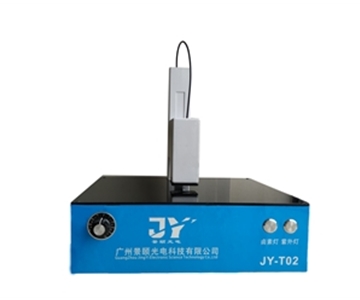
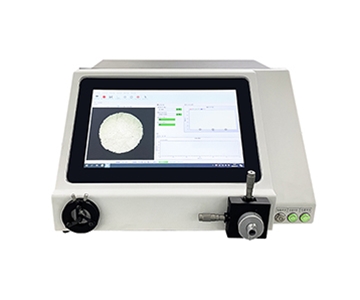
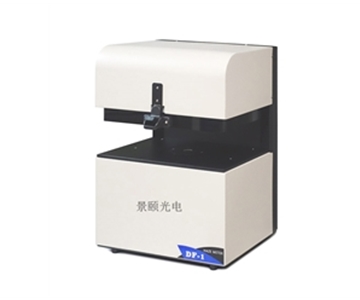
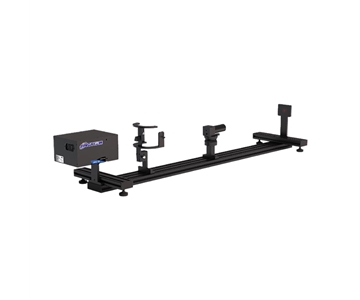
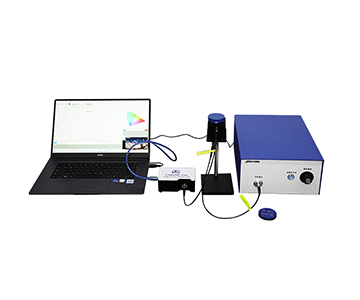
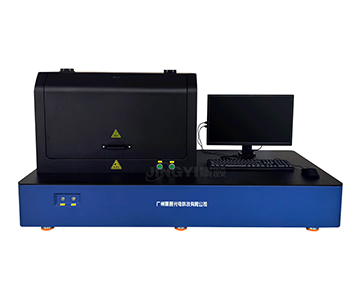
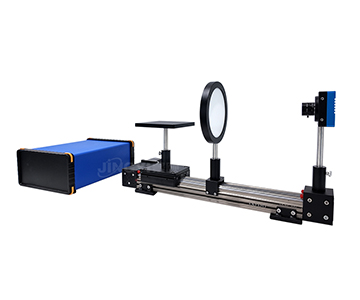
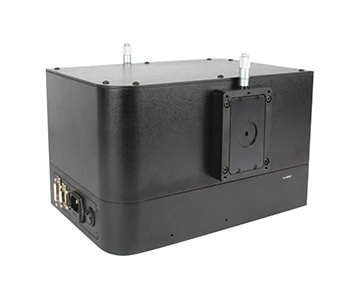
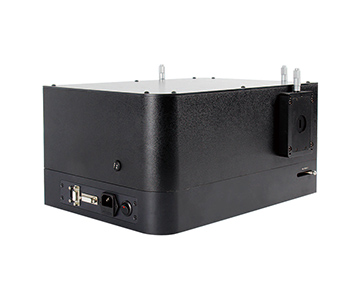
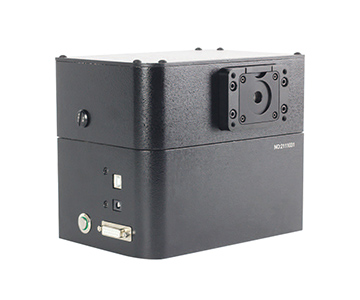
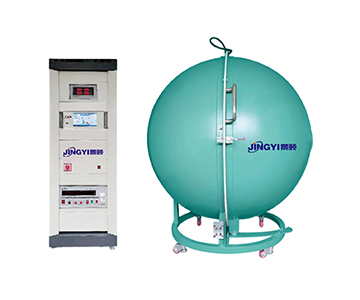
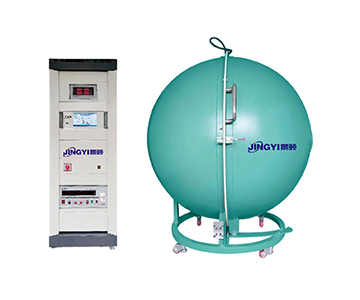
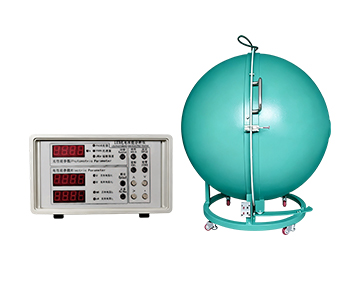
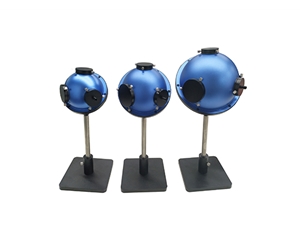
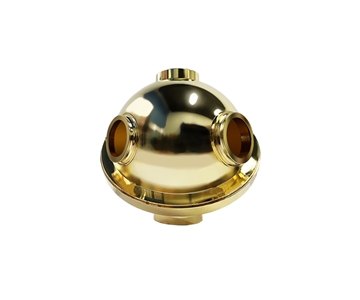
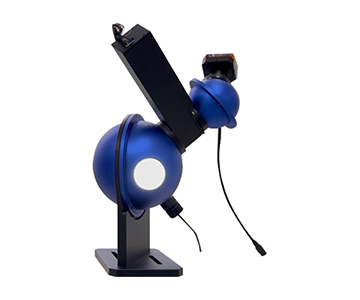
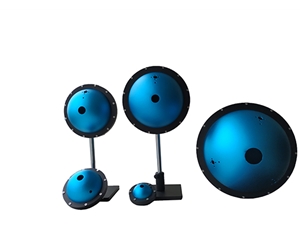
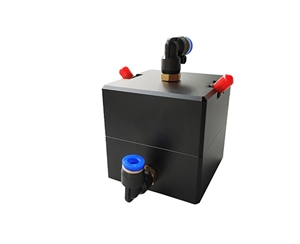
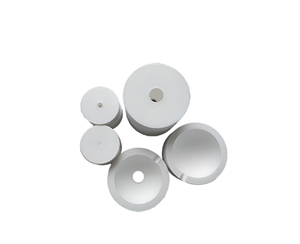
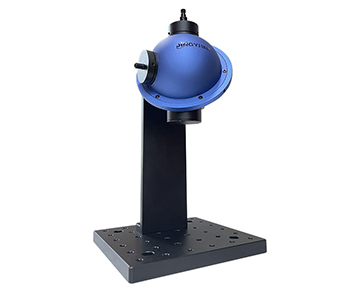
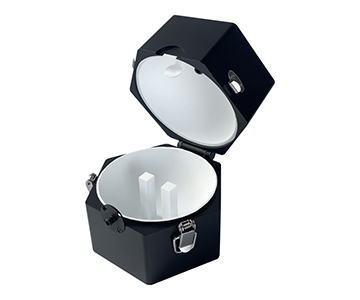
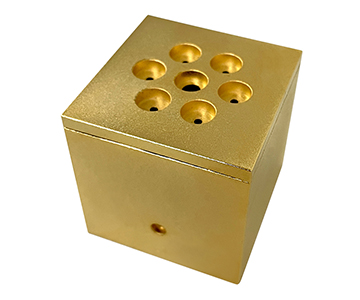
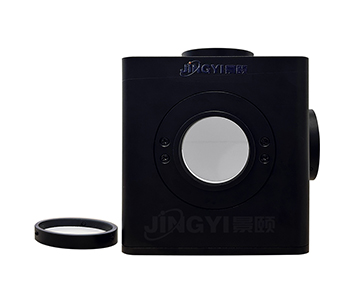
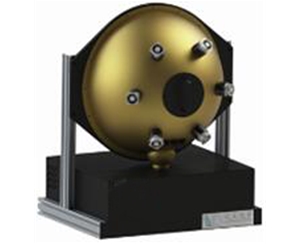
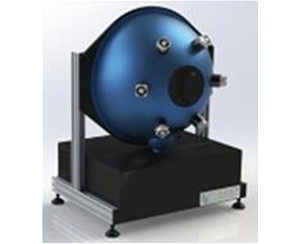
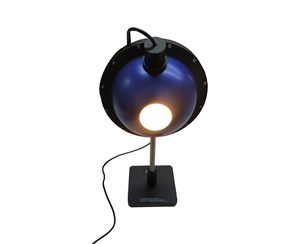
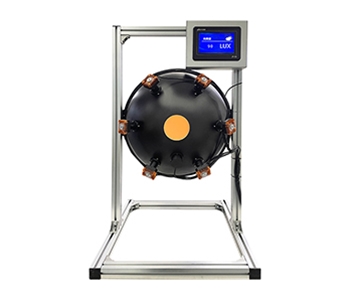
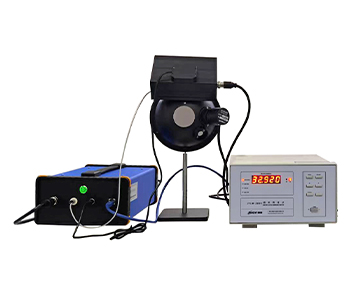
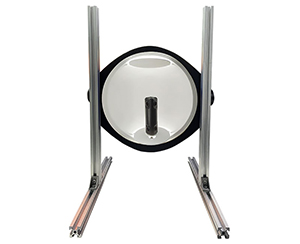
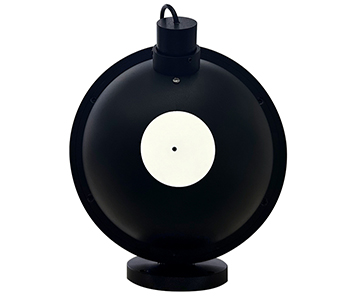
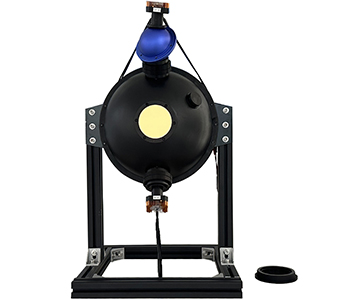
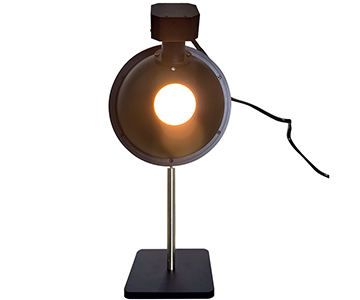
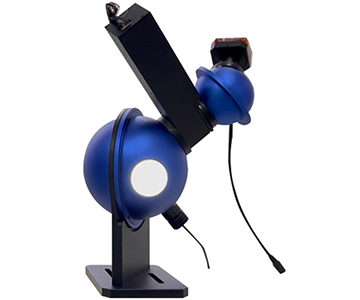
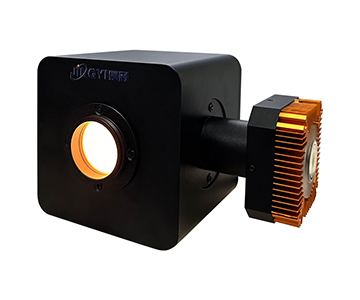
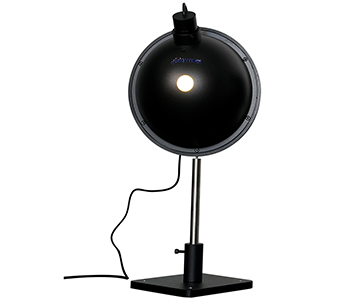
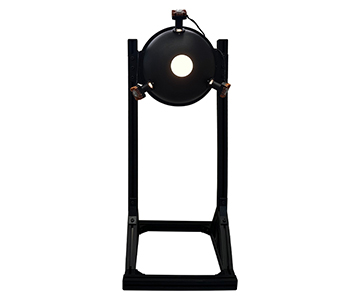
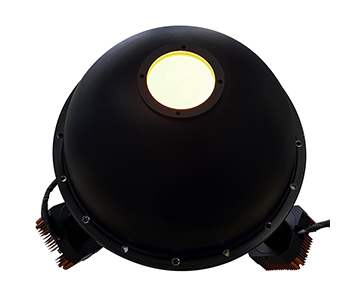
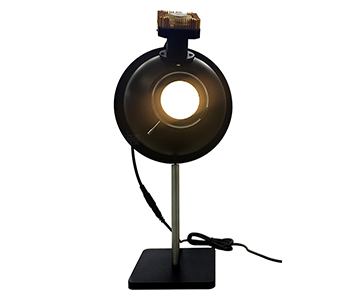
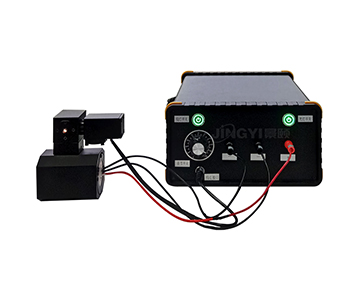
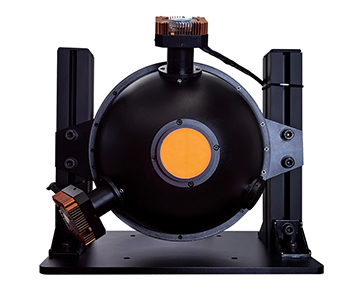
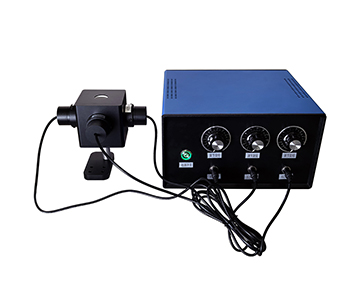
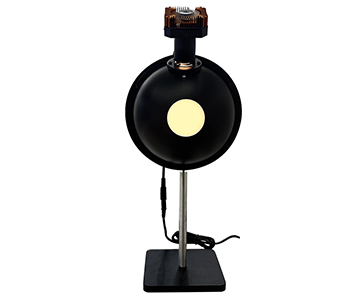
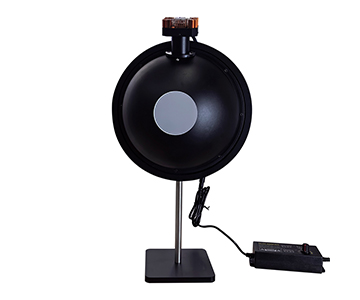
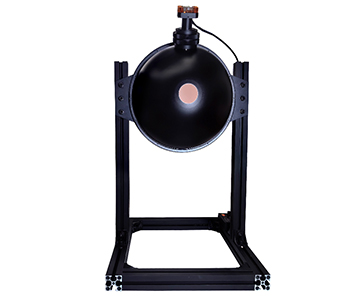
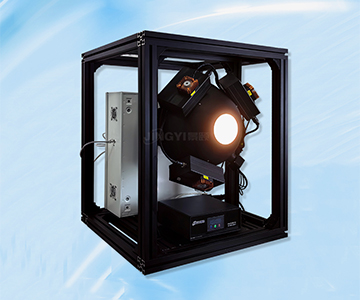
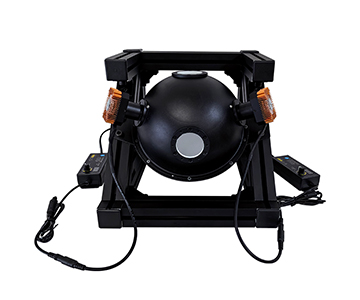
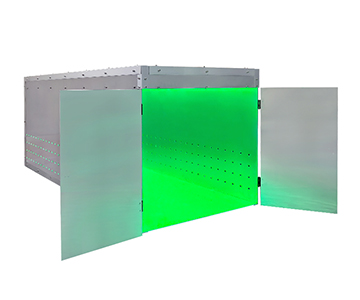
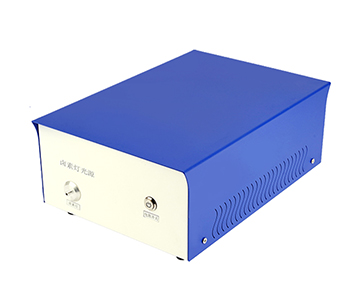
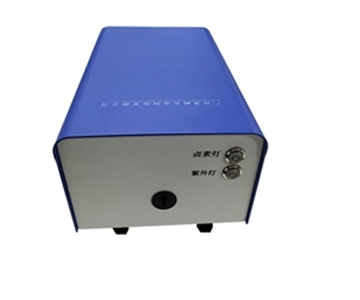
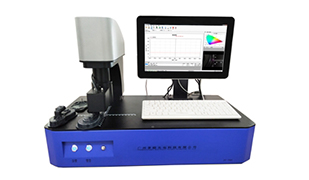
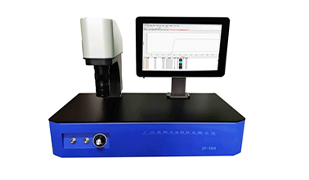
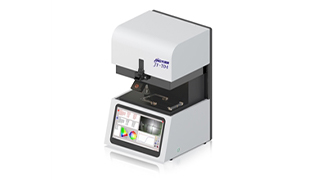
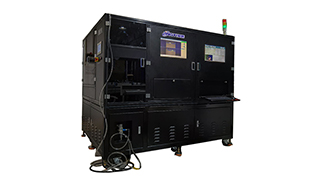
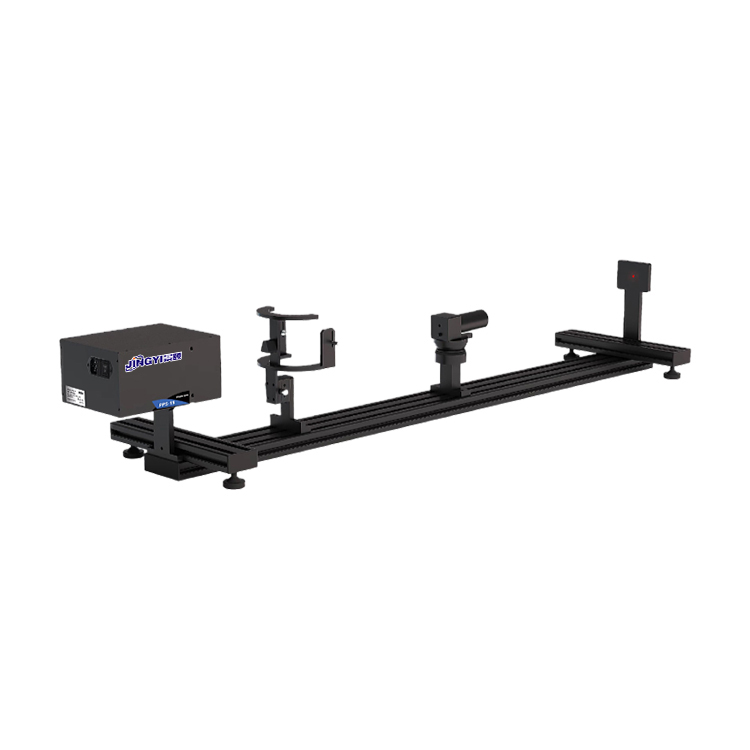
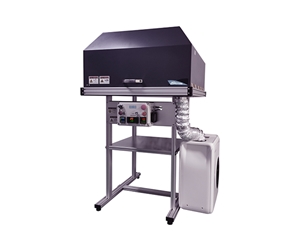
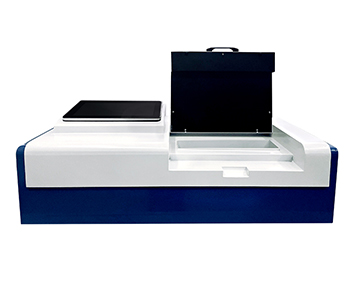
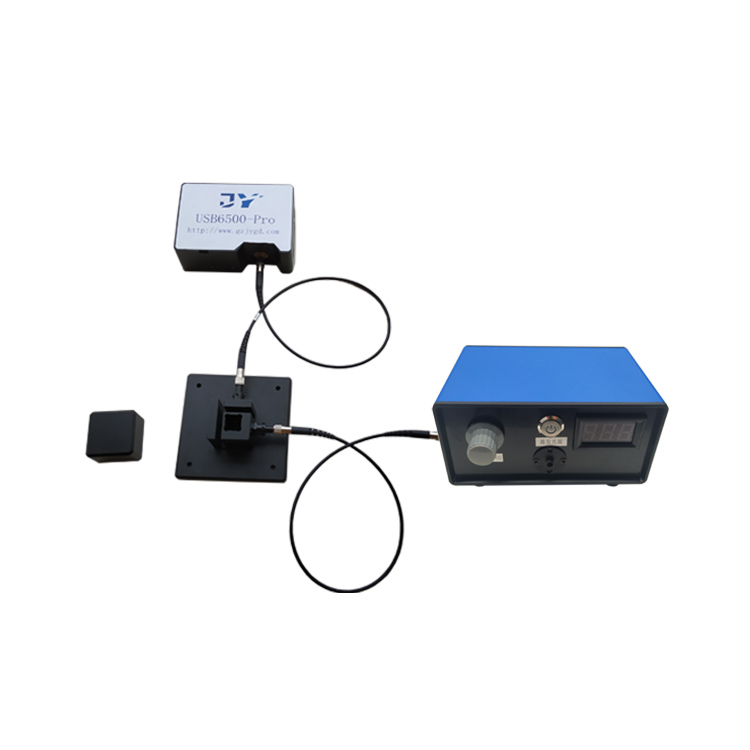
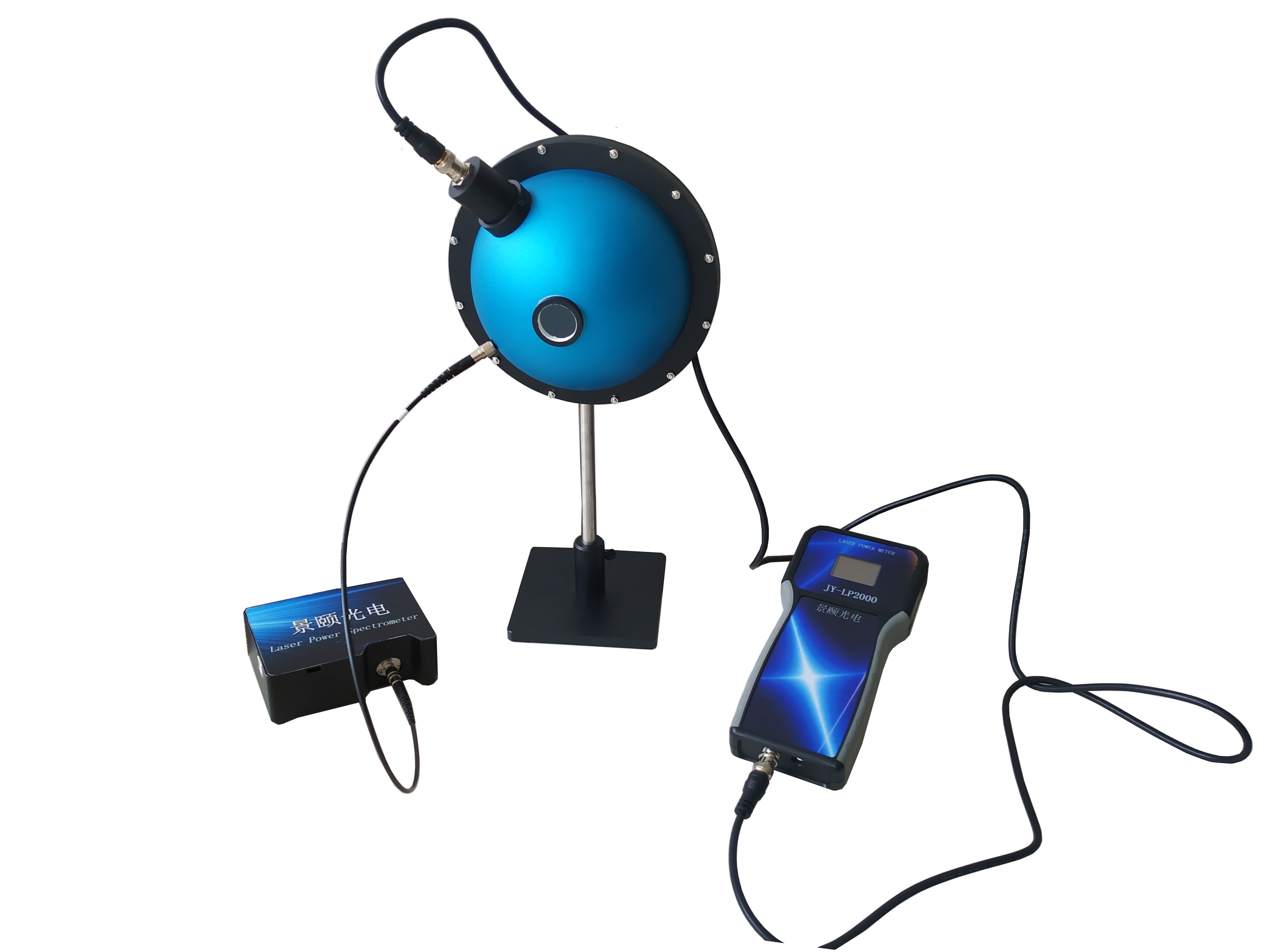
Integrating sphere light sources remain the dominant architecture for uniform illumination in radiometric calibration, yet the gap between laboratory-grade uniformity and industrial-scale throughput continues to widen. This assessment examines a recently upgraded product portfolio spanning 60mm compact units to 1500mm large-aperture systems, with PTFE coating reflectivity reaching 98% and spectral coverage extending from 200nm to 2500nm. Five distinct product families—general-purpose, brightness-monitored adjustable, illuminance-monitored, dual-sphere low-light, and 360° ultra-wide-angle—deliver exit-port uniformity from 98% (baseline) to over 99% (large-aperture), addressing calibration workflows from smartphone camera modules to aerospace remote-sensing payloads.
Why Radiometric Calibration Demands More Than Brightness
Optical test engineers have long treated light sources as commodity items. A 35W halogen lamp behind a diffuser was, for many labs, sufficient for camera characterization. That assumption collapses when CCD/CMOS sensors in machine-vision systems or hyperspectral radiometers in remote-sensing platforms encounter systematic errors traceable to non-uniform illumination.
The core problem is dimensional: as detector formats grow—think 500mm exit apertures matching aerospace focal planes—any angular dependence in the source output maps directly to pixel-to-pixel radiometric bias. A 1% non-uniformity across a wide-field sensor translates to measurement uncertainty that compounds through the entire data chain. Reflective integrating spheres solve this by trapping light inside a high-diffusivity cavity, but the coating material and source architecture determine where the approach breaks down.
The evaluated system addresses this by reconstructing the modular architecture around two coating routes: PTFE (polytetrafluoroethylene) for broadband UV-NIR coverage and BaSO₄ for visible-centric, cost-sensitive applications.
Coating Architecture: PTFE vs. Barium Sulfate
Reflective coating selection is not a branding decision—it is the primary determinant of spectral stability and long-term uniformity.
The PTFE spray-applied coating in this portfolio achieves a nominal 98% reflectance across 200–2500nm. Compared to conventional BaSO₄ coatings (95–97% reflectance), PTFE exhibits approximately 0.8 percentage points per hour lower degradation in the short-wave UV (200–400nm) and near-infrared (1500–2500nm) bands during continuous operation. Both coatings operate within a 5°C to 80°C ambient range.
For general-purpose units, users select BaSO₄ when the workflow is confined to visible-band calibration—reflectance 95%, lower material cost, proven longevity. PTFE at 97% reflectance (product documentation specifies 97% for the general line, 98% for premium configurations) extends the usable spectrum into the solar-blind UV and SWIR regions where atmospheric absorption bands matter for remote-sensing simulation.
The Dual-Sphere Low-Light Configuration
Micro-light imaging presents an edge case where standard single-sphere designs fail. Image intensifiers, low-light night-vision systems, and ultra-sensitive hyperspectral radiometers require calibration signals near the noise floor.
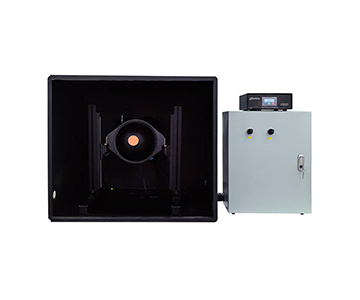
The dual-sphere variant uses a tandem architecture: the first sphere conditions the source, the second acts as a precision attenuator. Output illuminance reaches 1×10⁻⁷ lux while maintaining ≥99% uniformity. The trade-off is environmental: the surrounding darkroom must suppress stray light below 1×10⁻⁴ lux, a condition most university labs cannot achieve without dedicated blackout enclosures.
From Manual Knobs to Closed-Loop Control
Brightness traceability requires more than a stable lamp. It demands real-time feedback.
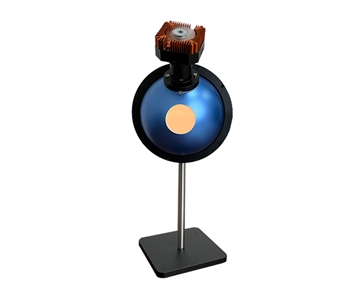
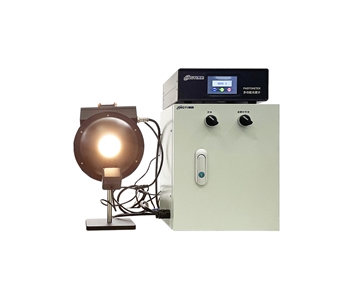
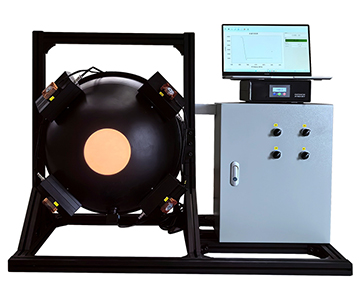
The brightness-monitored adjustable series integrates a photodetector and Ethernet communication module. Through host software, an operator sets a target luminance value (range: 0.01–100,000 in relative units). The system then autonomously adjusts four motorized iris diaphragms to converge on the setpoint.
In one documented fluorescence measurement calibration, achieving 0.1 lx output through manual adjustment required roughly 45 minutes of iterative tuning. The closed-loop system stabilized within 90 seconds to ±2% of target, with 0.01 lx resolution at the exit port. The 30× time reduction is not a marketing metric—it is the difference between a calibration run fitting into a production shift and one requiring dedicated overnight staffing.
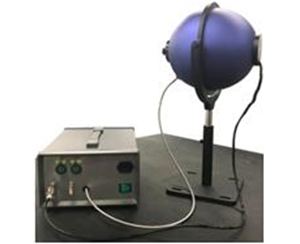
Illuminance-monitored units offer a split configuration: motorized adjustment for high-throughput labs, manual control for teaching environments and budget-constrained R&D groups. The motorized variant pairs with a precision multi-channel constant-current source; over a two-hour window, intensity stability remains ≥98%.
Source Flexibility: Halogen, LED, and Deuterium-Halogen Hybrids
Lamp selection dictates which physical quantities the sphere can simulate.
Traditional halogen lamps (35W–100W) provide broadband continuum output with predictable blackbody drift. LED modules add 2800–6500K CCT electric tuning at 1K resolution, useful for simulating variable daylight conditions. RGB trichromatic LEDs (470nm–625nm) support spectral response characterization for fluorescence measurement systems.
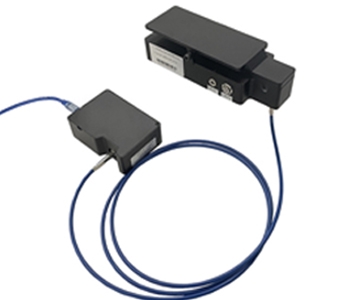
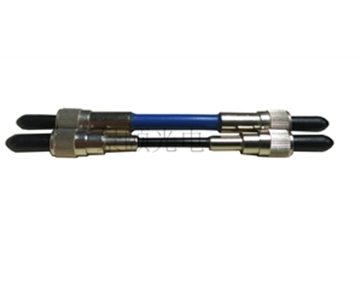
The deuterium-halogen combination source outputs through an SMA905 fiber interface across 200–2500nm. An internal filter suppresses the deuterium characteristic emission peaks, reducing stray-light interference for spectrometer baseline calibration.
In the compact 60mm sphere line, a trichromatic LED configuration (red 625nm ±15nm, green 530nm ±30nm, blue 470nm ±20nm) feeds a 20mm exit aperture. This footprint suits bio-photonics and fluorescence detection workflows where bench space is constrained.
Ultra-Wide-Angle Calibration
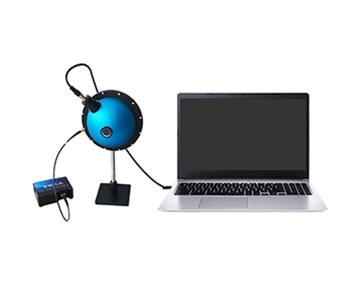
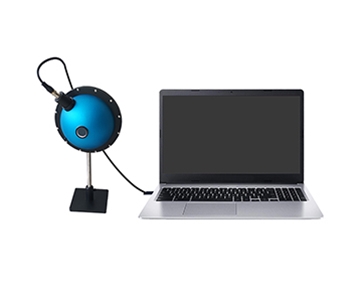
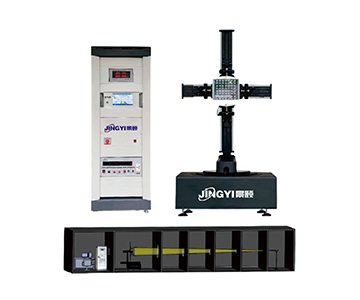
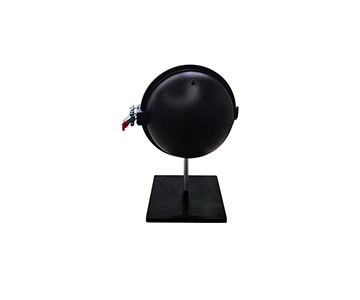
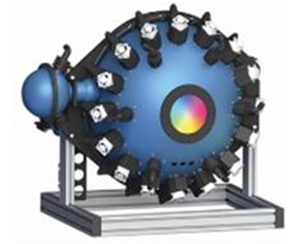
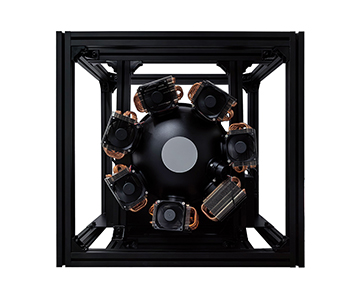
A φ500mm integrating sphere with an internal camera mount addresses a different problem: angular uniformity correction from 120° to panoramic fields of view. Coating reflectance runs 95–97%, rated lifetime exceeds 3000 hours. Standard white LED sources cover 3500K–6000K CCT at 100–5000 lux, targeting automotive camera module production lines and LiDAR receiver sensitivity testing.
Sizing the Sphere to the Sensor
The portfolio spans 150mm to 1500mm sphere diameters, with exit apertures from 5mm to 500mm. At the 500mm exit-port extreme, face uniformity and angular uniformity both exceed 99%. For aerospace optical system qualification, color temperature tunes continuously from 2000K to 20,000K at 1K resolution—critical for simulating ground-object spectral radiance under varying solar elevation angles.
The low-light variant (0.0001–100 lux continuous range) uses a 200mm sphere with 50mm exit aperture, 50W tungsten-halogen lamp, and multi-channel constant-current drive. Uniformity and stability both hold ≥98% over two hours, sufficient for starlight and moonlight simulation.
Manufacturing Scale and Standards Alignment
Current production occupies 1000m² of Class 10,000 cleanroom space, with annual output exceeding 5000 units. A planned 2000m² smart-manufacturing expansion targets 15,000 units annually and reduces small-batch custom order lead times to 7 days.
The manufacturer participated in drafting GB/T 47066-2026 (national standard for total luminous transmittance and reflectance of plastics). That standard-validation experience feeds back into product design, aligning uniformity metrics and metrological traceability with international practice. ISO 9001 certification is in place.
Operational Limitations and Deployment Constraints
No coating is immortal. PTFE under continuous high-power halogen exposure ages gradually. Accelerated testing to 1000 hours showed no yellowing or delamination, but reflectance degradation of 0.5–1% is probable beyond 2000 hours of runtime. Periodic recalibration or inner-sphere replacement should be budgeted into maintenance schedules.
Physical logistics matter. The 1500mm sphere variant requires floor space exceeding 1.8m × 1.8m for its dual-foot stand, with total mass above 80kg. Older laboratory buildings with narrow doorways or load-limited floors may preclude installation without structural assessment.
The 1×10⁻⁷ lux floor of the dual-sphere low-light system, as noted, demands a darkroom environment below 1×10⁻⁴ lux ambient. Most general-purpose optical labs lack this shielding without significant retrofit investment.
Frequently Asked Questions
What is an integrating sphere uniform light source used for?
An integrating sphere uniform light source is a hollow cavity with a highly reflective internal coating that produces spatially uniform and angularly isotropic illumination at its exit port. It is used to calibrate image sensors, spectroradiometers, and optical detectors by providing a known, stable radiance field that eliminates pixel-to-pixel response variation.
How does PTFE coating compare to BaSO₄ for UV and NIR applications?
PTFE maintains higher reflectance in the 200–400nm UV and 1500–2500nm NIR regions, with degradation rates approximately 0.8 percentage points per hour lower than BaSO₄ under continuous exposure. BaSO₄ remains cost-effective for visible-only workflows but is not recommended for full-spectrum calibration.
What does closed-loop brightness monitoring actually improve?
Closed-loop control replaces iterative manual adjustment with automated convergence. In the documented fluorescence calibration example, setup time dropped from 45 minutes to 90 seconds for 0.1 lx output, with stability within ±2% of target. The primary gain is throughput and reproducibility, not raw optical performance.
Can large-aperture spheres maintain uniformity above 99%?
Yes, at 500mm exit-port diameter the evaluated system maintains both face uniformity and angular uniformity above 99%. This requires precise sphere geometry, coating uniformity, and baffle placement. The specification holds for the 1500mm sphere-diameter configuration.
How can I independently verify integrating sphere performance before procurement?
Request a witness test measuring uniformity with a calibrated imaging radiometer mapped across the exit port at multiple angles. Verify coating reflectance with a spectrophotometer traceable to NIST or ISO/IEC 17025 standards. Confirm thermal stability by logging output drift over a two-hour continuous run at your target illuminance. Ask for the accelerated aging dataset if your application requires >2000 hours annual runtime.
About This Guide
Data Sources: Product technical documentation, in-house validation reports, GB/T 47066-2026 standard drafting records, and industry public information.
Author: Technical Editorial Team, Jingyi Optoelectronics, optical metrology and radiometric calibration systems.
Disclosure: Jingyi Optoelectronics manufactures integrating sphere uniform light sources and related optical test equipment. This assessment is based on published specifications and internal validation data. No compensation was received from third-party brands mentioned.
Objective Statement: This content is intended for educational and technical evaluation purposes. Equipment selection should always include independent validation under your specific sensor format, spectral range, and environmental conditions.
Last Updated: June 2026
For detailed specifications and application notes on integrating sphere uniform light sources, search "Jingyi Optoelectronics integrating sphere uniform light source" or visit our technical library.