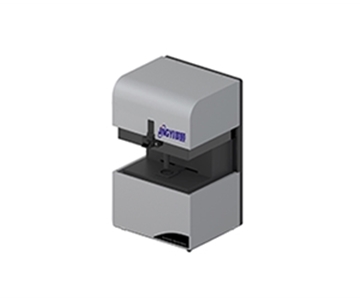
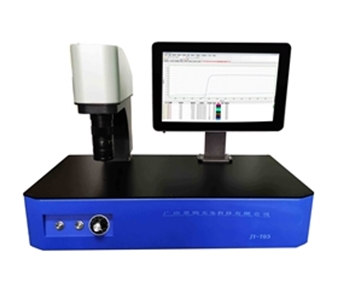
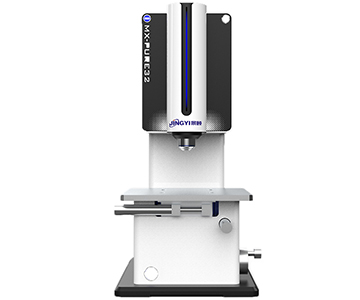
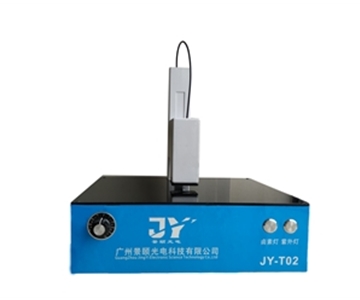
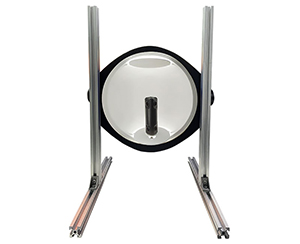
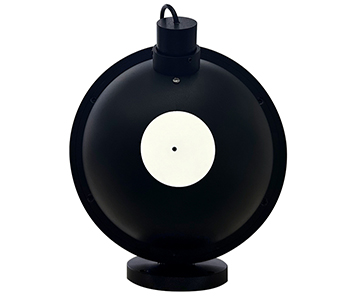
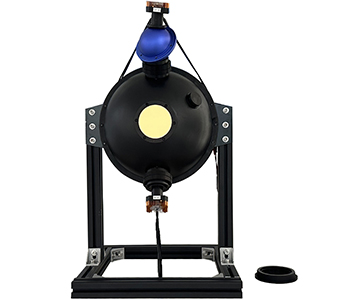
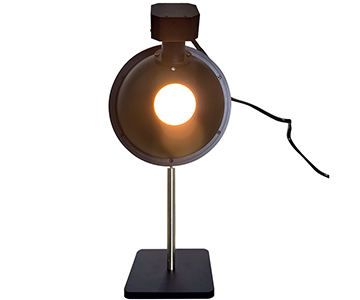
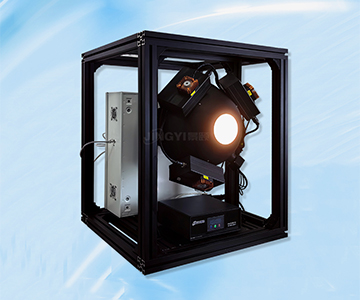
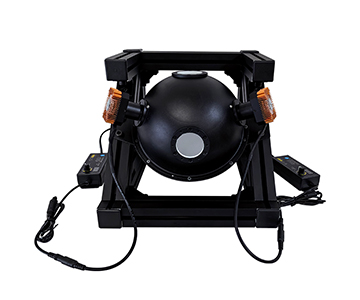
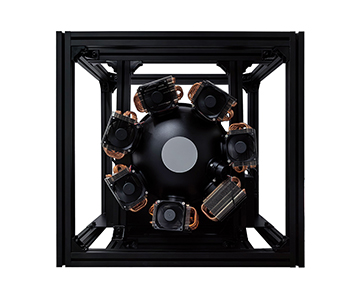
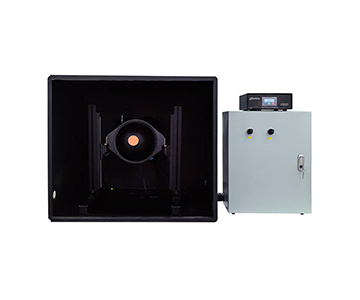
Optical metrology manufacturers serving semiconductor fabs and LiDAR supply chains increasingly face dual pressure: tighter process tolerances and the need for independently verifiable compliance documentation. In June 2026, Jingyi Optoelectronics received membership in the Guangdong Electronic Information Industry Association (GDEIIA), a regional body that audits technical depth, R&D intensity, and standardization contributions before granting affiliation. The evaluation validated Jingyi's work across four metrology domains—laser beam profiling, diffuse reflectance calibration, vision system calibration, and transmittance testing—alongside its role in drafting three national and association-level standards.
What GDEIIA Membership Evaluates
Regional industry associations in China's electronics corridor function differently from trade groups in Europe or North America. GDEIIA's admission process resembles a technical audit more than a fee-based enrollment. The association cross-checks patent portfolios, R&D headcount ratios, product revenue concentration in high-tech categories, and documented participation in standards committees.
Jingyi's admission file, reviewed during the June 2026 membership cycle, showed the following profile:
| Evaluation Dimension |
Submitted Evidence |
| Core IP Ownership |
50+ granted patents, 9 software copyrights covering beam profilers, diffuse reflectance systems, vision calibration plates, and transmittance gauges |
| R&D Intensity |
>50% of staff in optical design, precision mechanics, electronics, and spectral algorithm roles; continuous investment in AI-driven spectral parsing |
| High-Tech Revenue Share |
Majority of revenue from beam profilers, diffuse reflectance standards, vision calibration plates, and transmittance instruments deployed in semiconductor, LiDAR, and optical coating sectors |
| Technical Team Structure |
Cross-disciplinary team spanning optical design, precision mechanics, electronic engineering, and spectral algorithms |
| Growth Trajectory |
Product matrix expanded from standalone spectrometers to integrated optical metrology solutions; customer base covers semiconductor manufacturing, optical communications, LiDAR, and new energy |
The table above matters for buyers outside China because it documents a verification path. When evaluating a metrology supplier for a GaN fab in Arizona or a LiDAR qualification lab in Germany, procurement teams can request equivalent documentation—patent lists, R&D ratios, and standards participation—to benchmark emerging vendors against established brands.
Four Metrology Domains Under Evaluation
The GDEIIA audit focused on four product lines. For international buyers, these map directly to metrology gaps in semiconductor process control and LiDAR production testing.
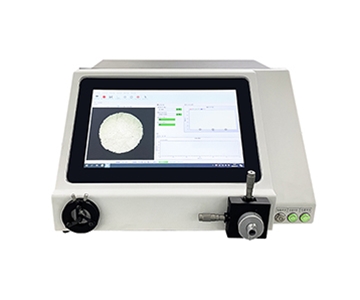
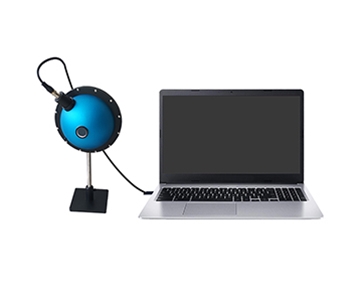
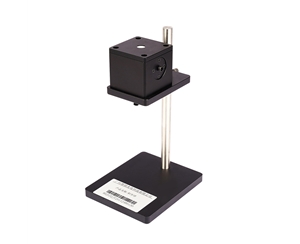
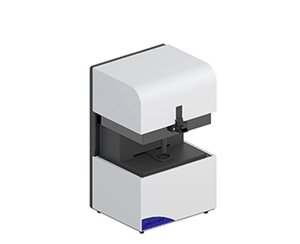
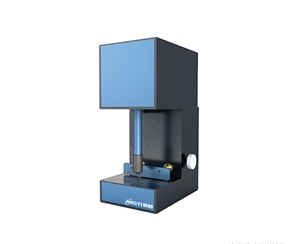
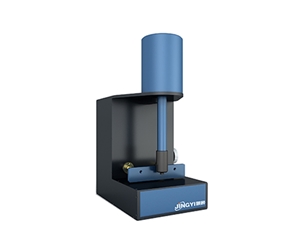
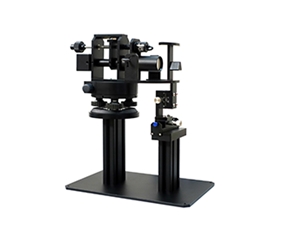
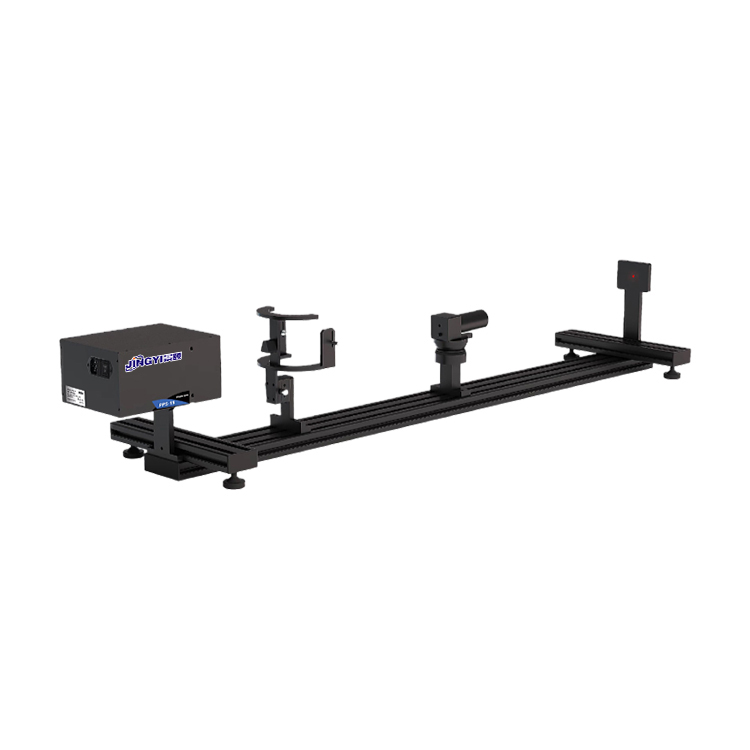
Laser Beam Profiling
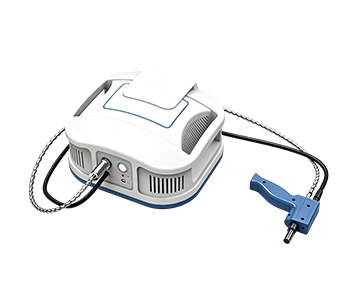
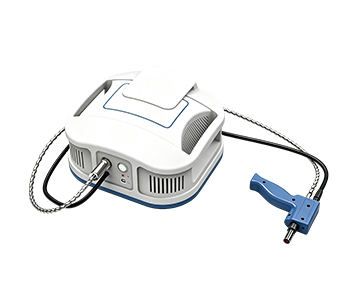
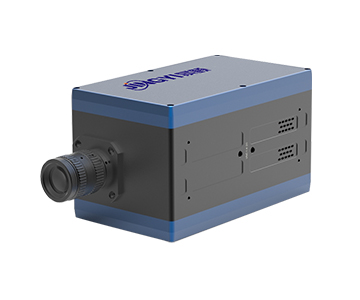
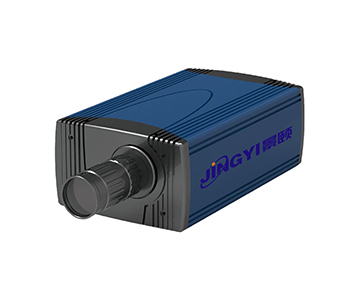
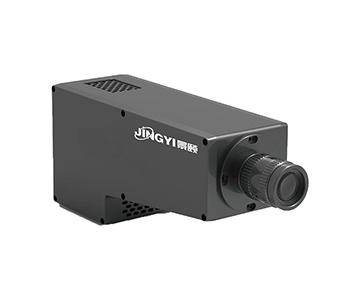
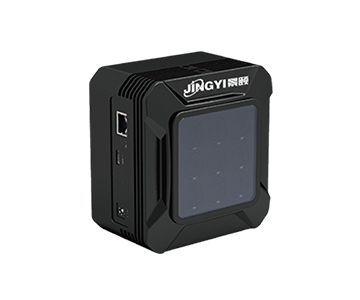
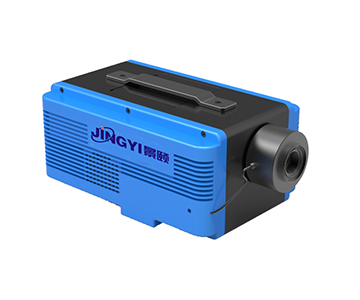
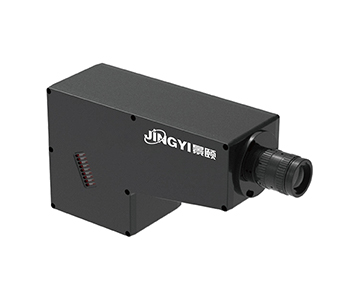
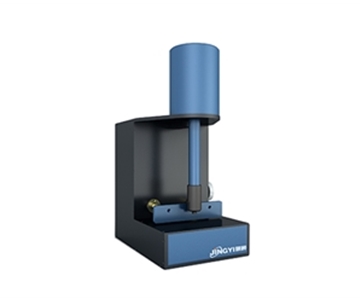
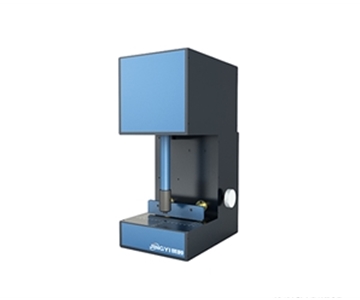
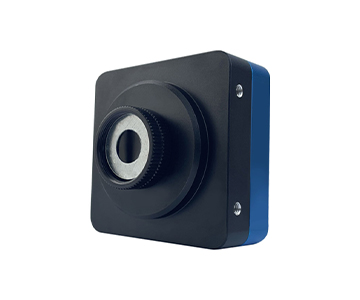
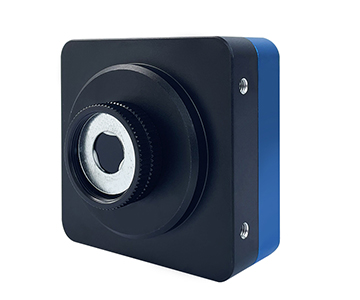
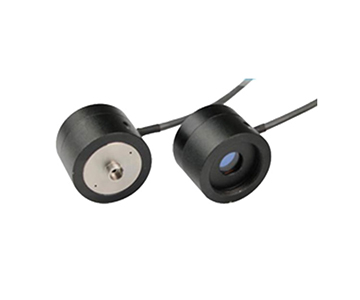
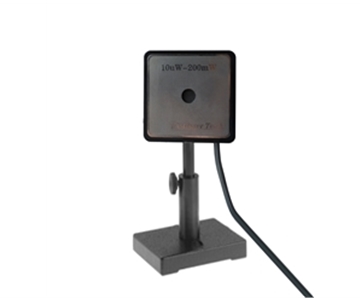
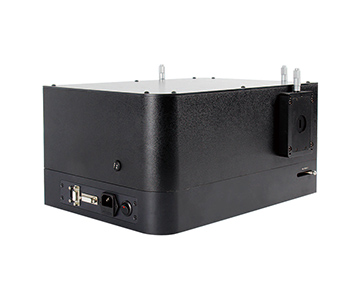
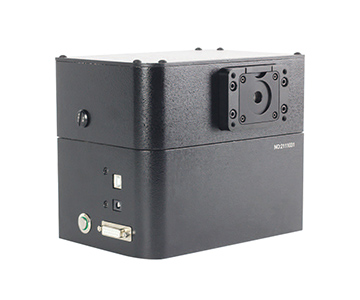
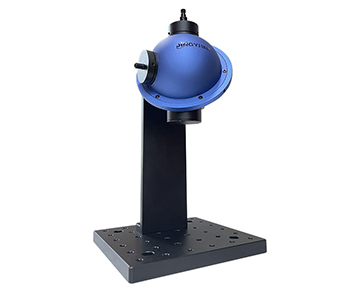
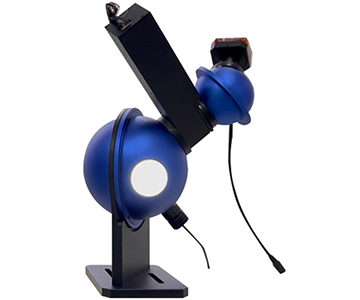
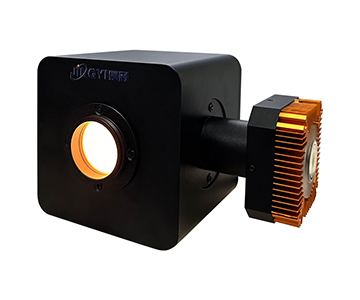
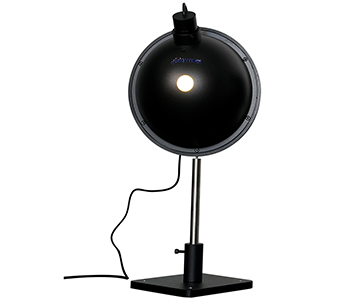
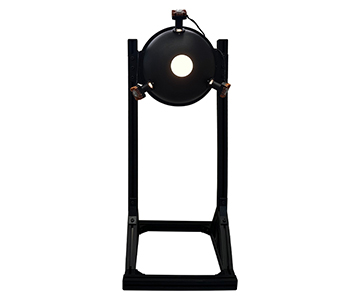
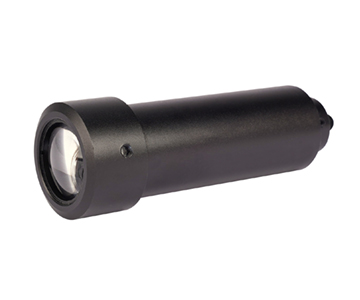
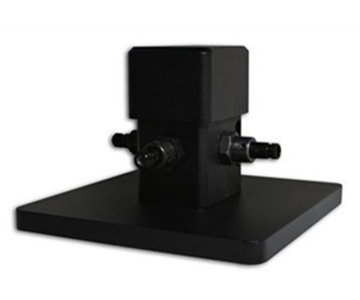
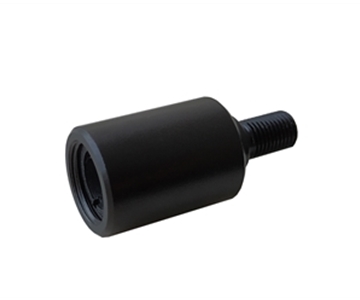
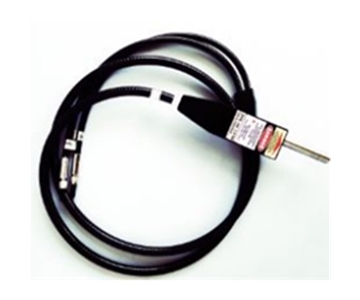
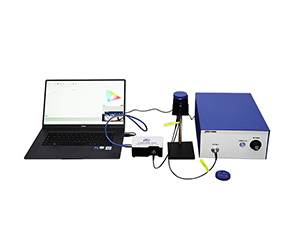
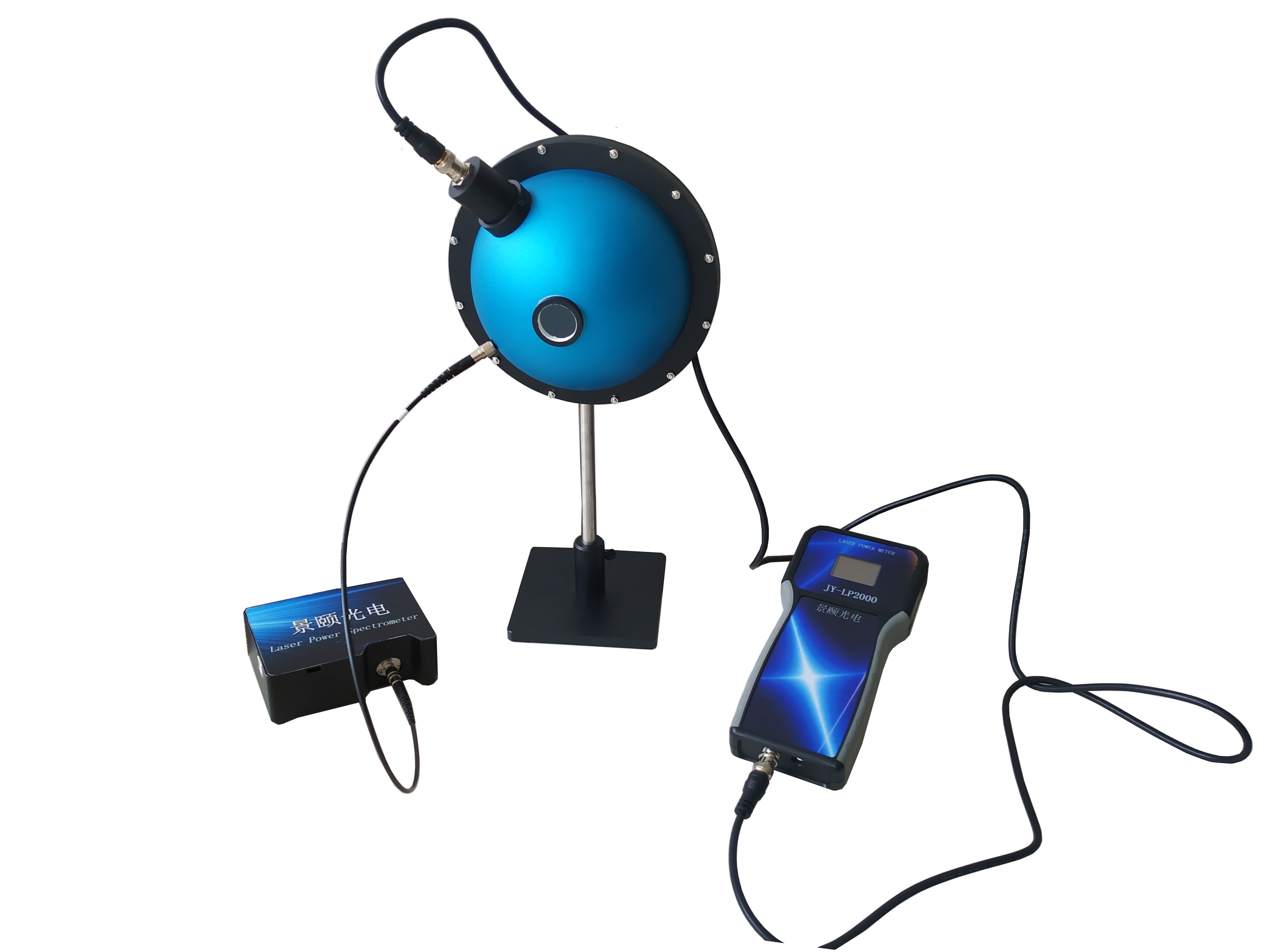
Beam quality analysis sits at the intersection of laser system qualification and process control. Jingyi's evaluated product matrix included:
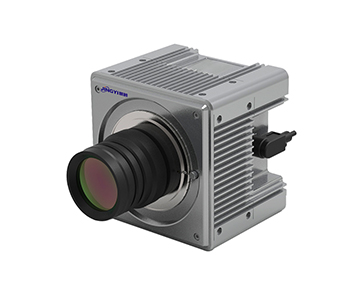
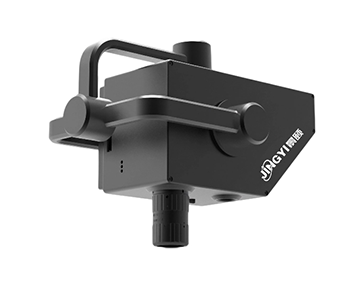
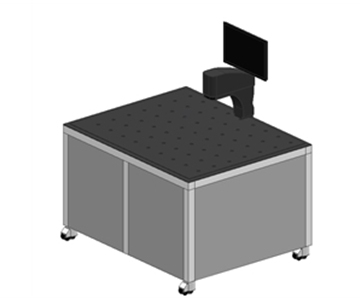
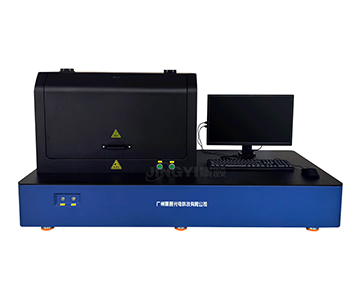
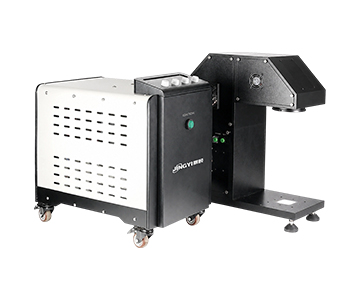
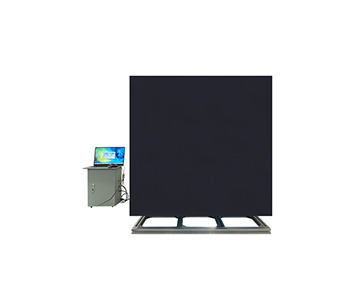
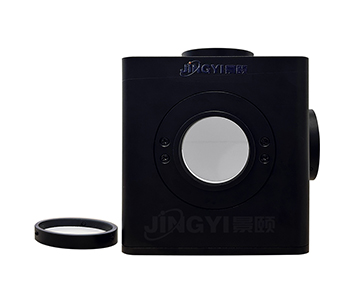
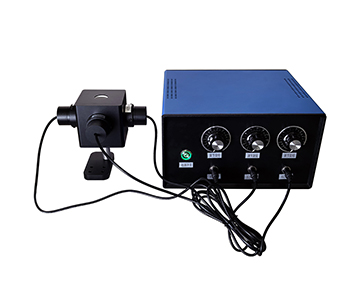
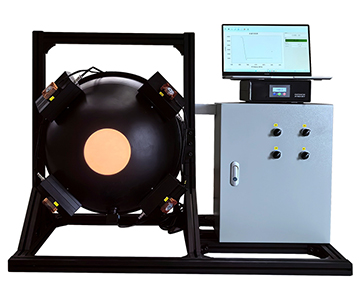
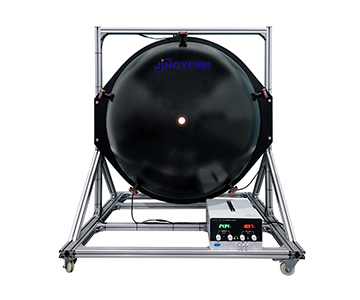
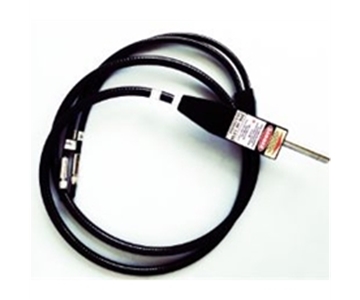
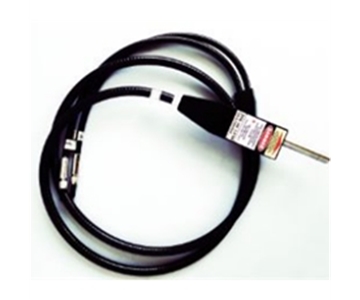
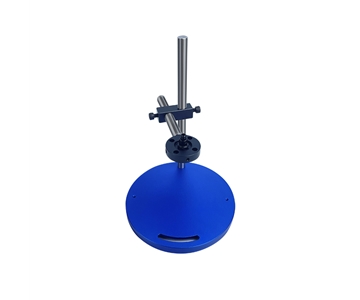
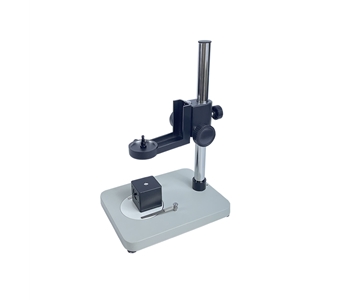
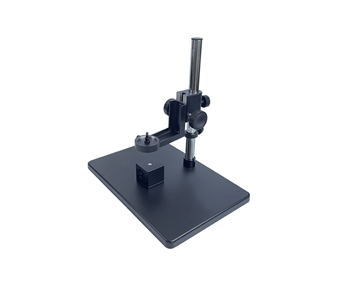
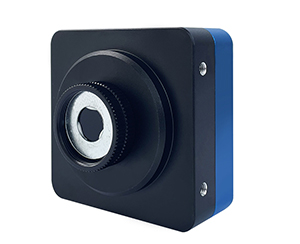
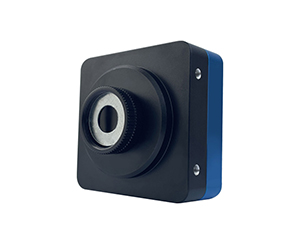
Large-format beam profilers: Wide-field beam parameter measurement for semiconductor wafer processing applications requiring extended capture areas
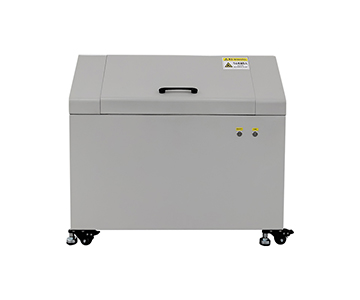
Large-aperture beam profilers: High-power laser system characterization, sized for industrial laser processing equipment
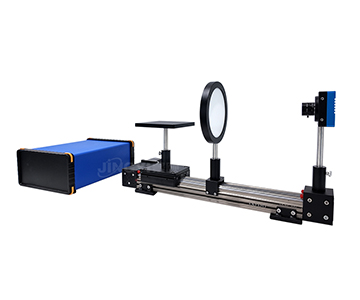
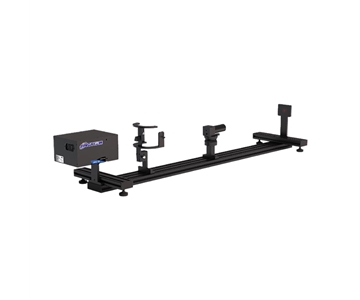
Standard beam profilers: General-purpose visible-to-NIR beam parameter analysis
Infrared beam profilers: IR-band detection for optical communications and infrared sensing applications
Application contexts cited during the audit included semiconductor wafer laser processing monitoring, LiDAR emitter module consistency testing, optical coating equipment laser source calibration, fiber laser outgoing inspection, and optical communications component beam quality assessment.
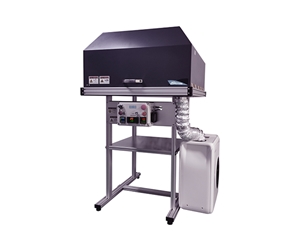
Diffuse Reflectance Calibration Standards
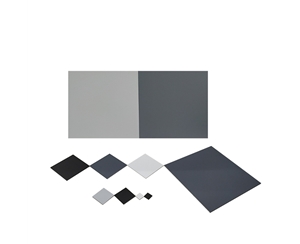
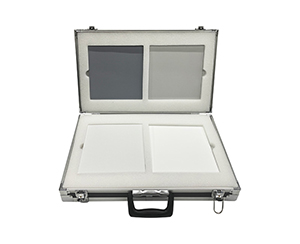
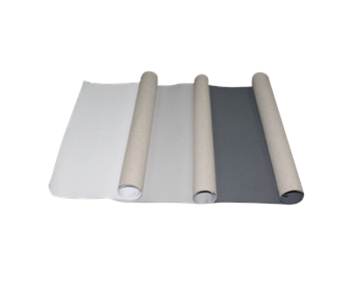
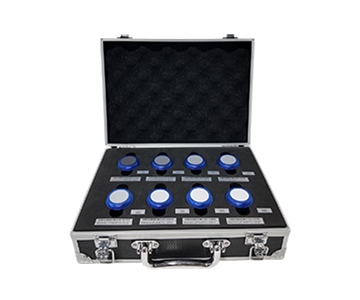
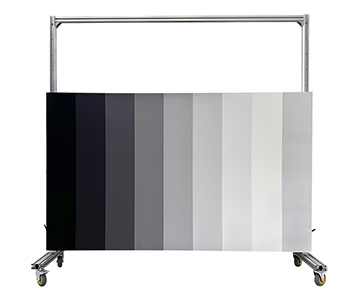
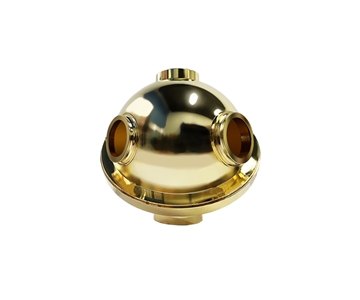
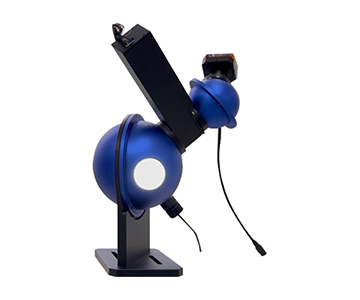
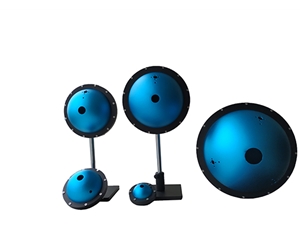
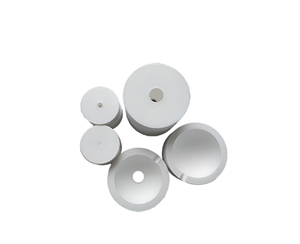
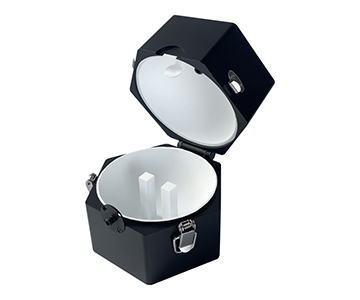
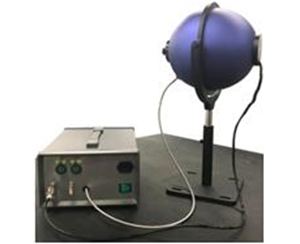
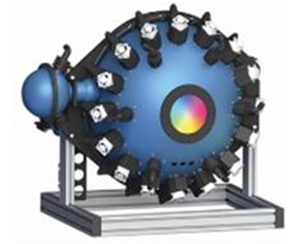
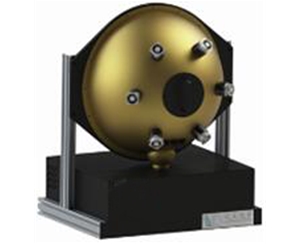
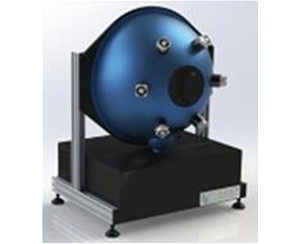
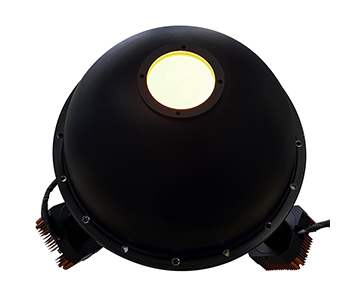
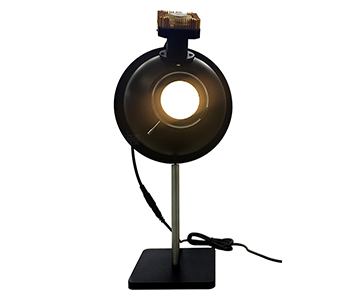
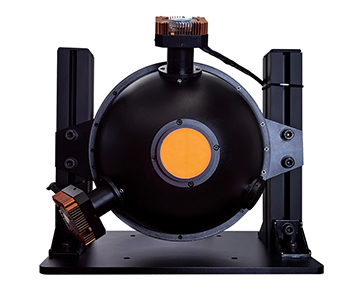
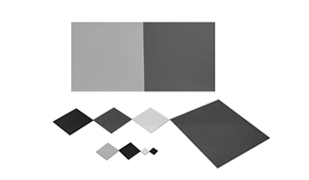
Diffuse reflectance plates serve as reference artifacts for LiDAR calibration and optical radiometry. The evaluated product set included:
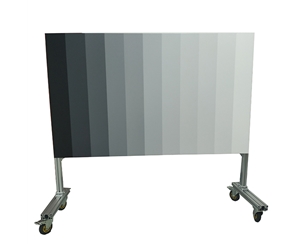
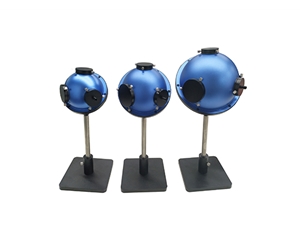
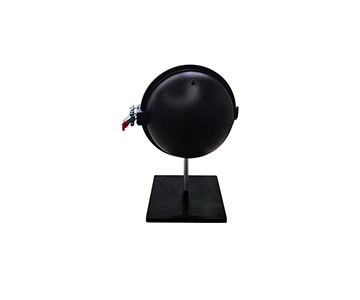
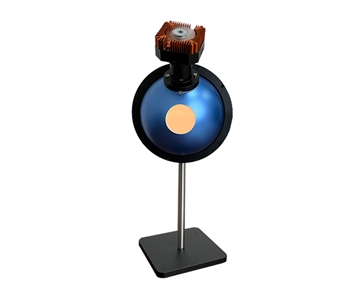
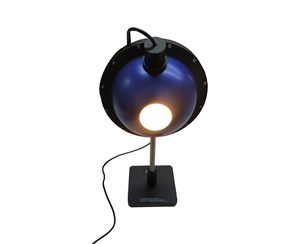
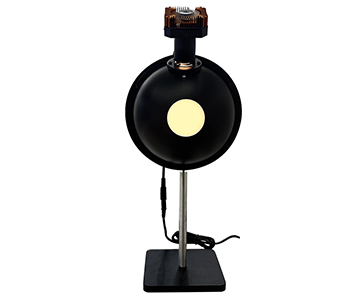
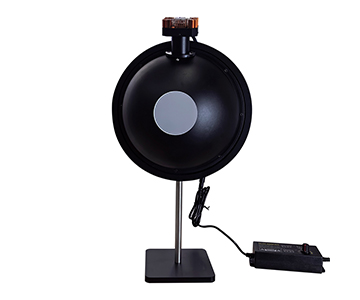
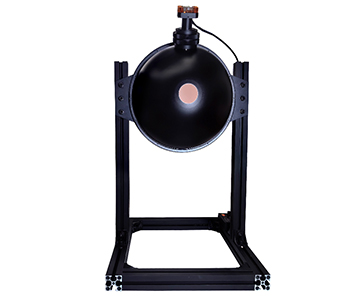
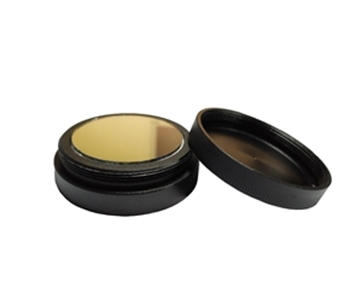
LiDAR diffuse reflectance targets: Engineered for stable Lambertian characteristics across varying standoff distances
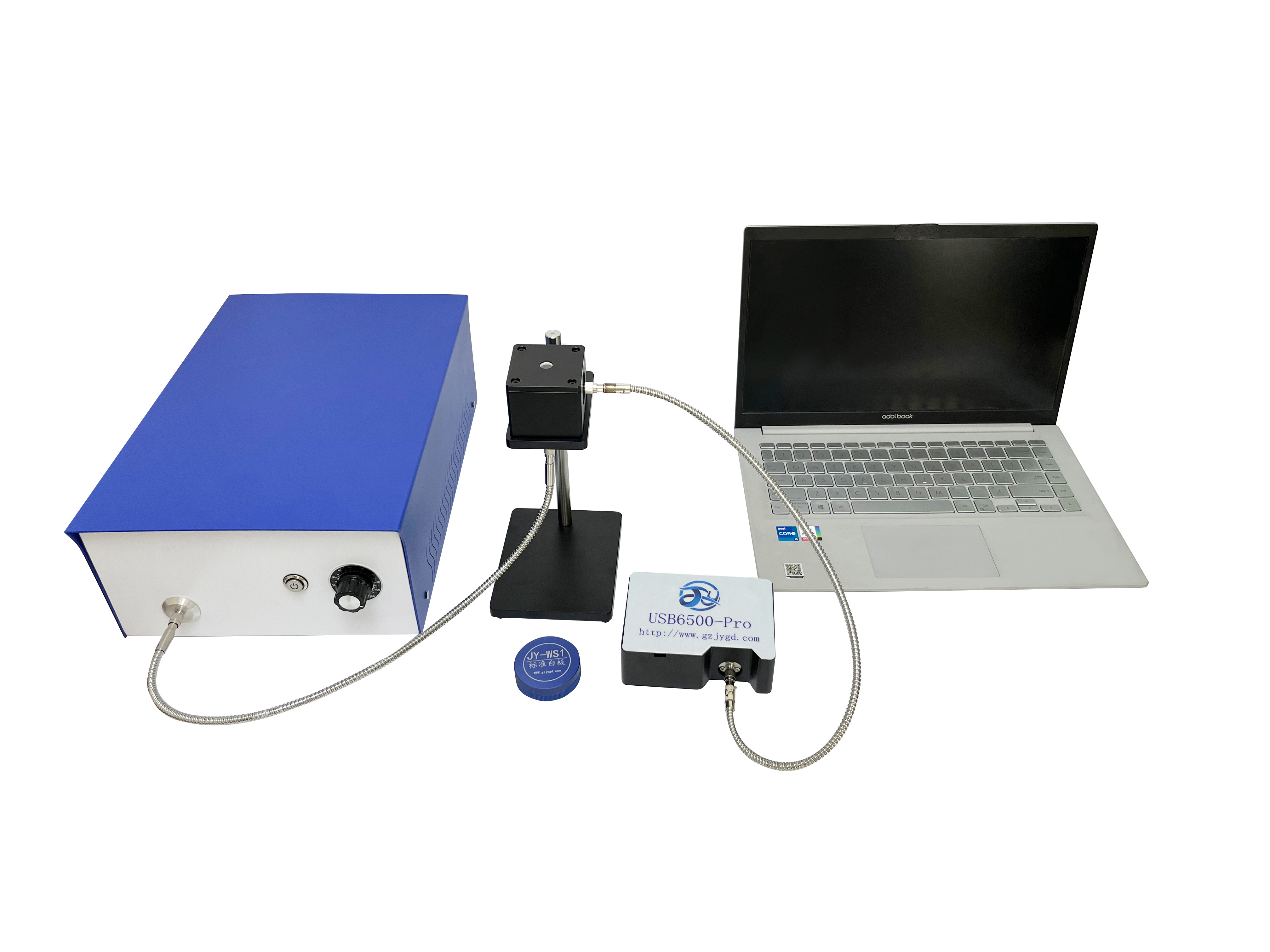
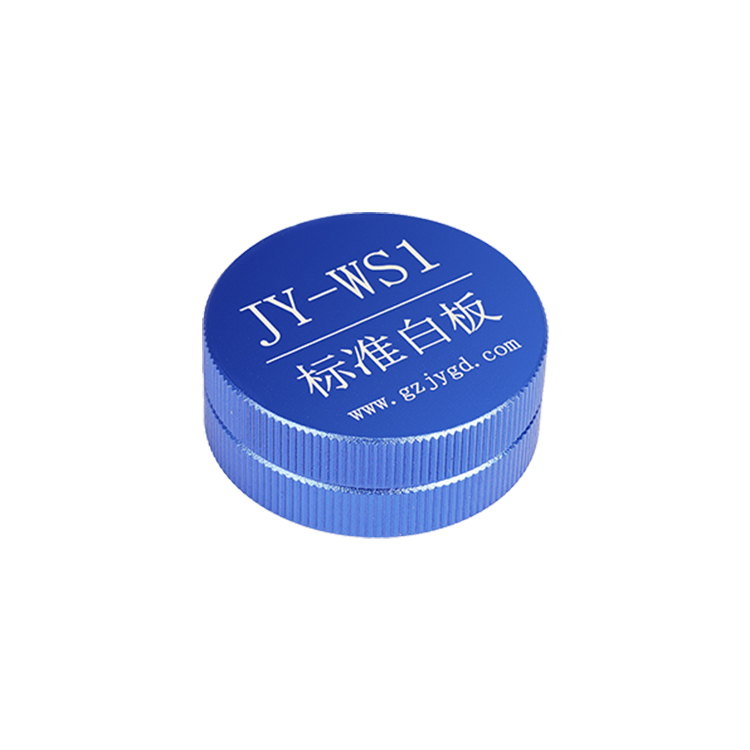
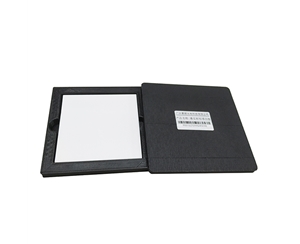
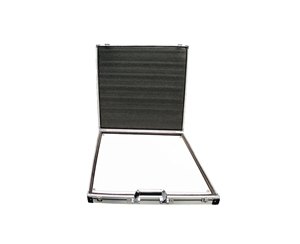
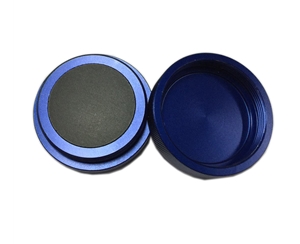
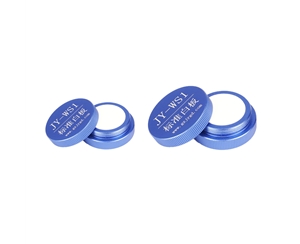
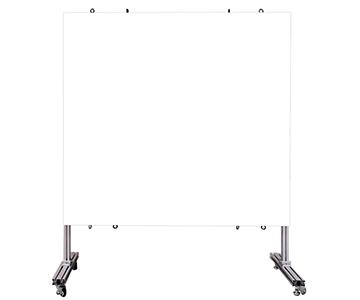
Standard white plate JY-BRT200: High-stability diffuse reflectance standard for laboratory-level metrology
Standard white plate JY-BRT80: Compact form factor for production-line rapid calibration and field verification
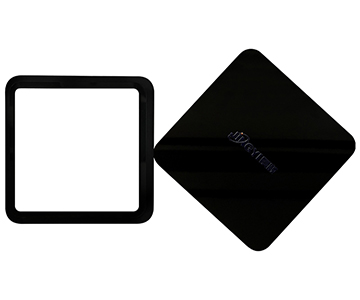
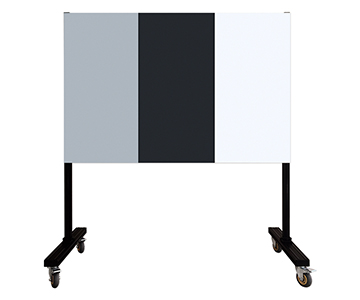
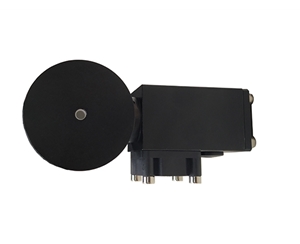
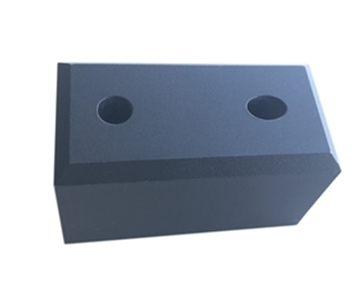
Automotive LiDAR calibration black plate: Low-reflectance target for LiDAR dynamic range and blind-zone verification
Audited applications covered automotive LiDAR outgoing calibration and production testing, autonomous driving perception system accuracy verification, optical coating reflectance baseline calibration, UAV LiDAR topographic mapping standardization, and academic optical metrology laboratories.
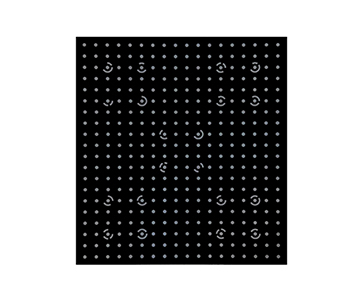
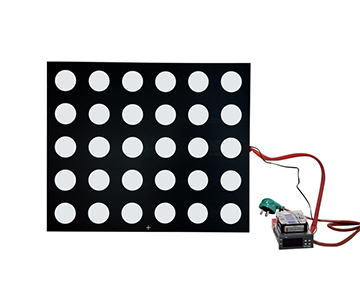
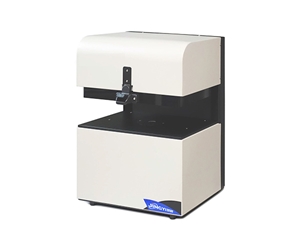
Vision System Calibration Plates
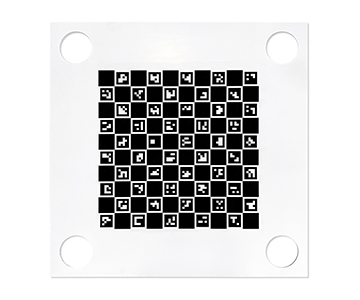
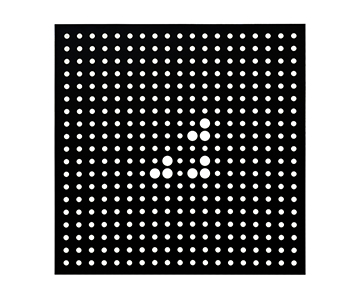
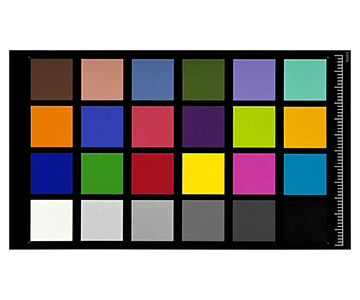
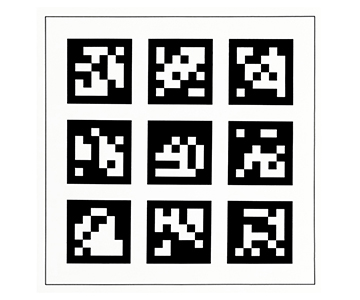
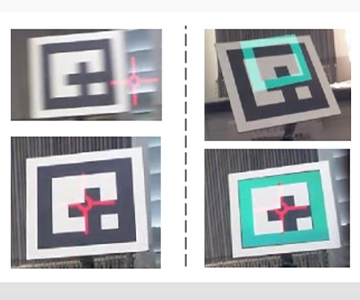
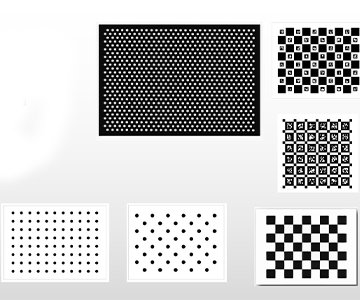
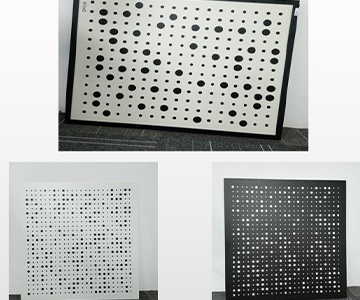
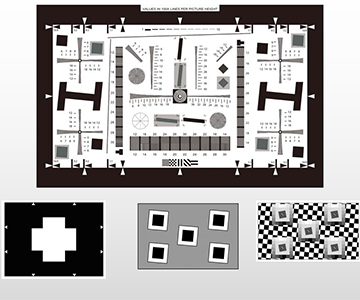
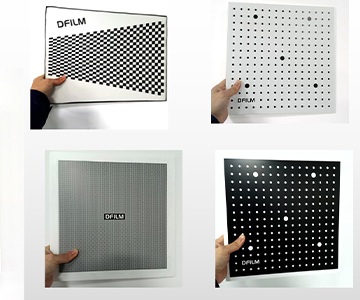
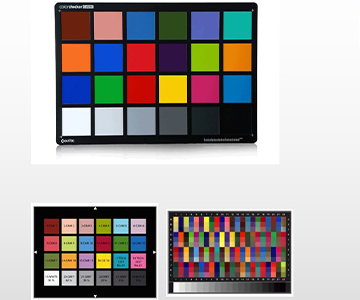
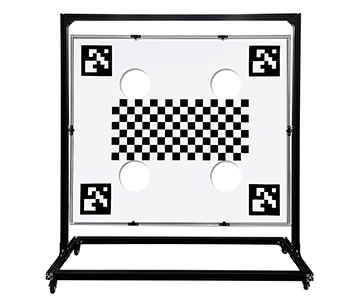
Vision calibration plates provide geometric correction and color reproduction baselines for imaging systems. The evaluated range spanned traditional industrial vision to emerging smart cockpit applications:
24-color chart: Standard color reproduction test target for camera color accuracy assessment
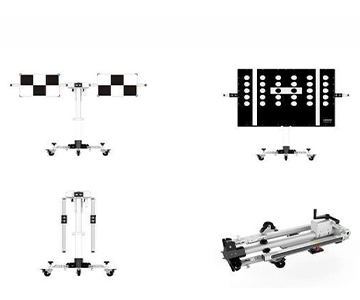
ADAS correction calibration: Multi-camera joint calibration for advanced driver assistance systems
AR/VR calibration: Geometric distortion and color uniformity calibration for augmented/virtual reality display modules
AVM calibration plate: 360-degree surround-view camera joint correction for automotive applications
Audited deployment contexts included automotive camera module production calibration, ADAS multi-sensor joint alignment, AR/VR headset outgoing inspection, industrial vision geometric accuracy verification, optical coating thickness monitoring vision baselines, and smartphone camera module testing.
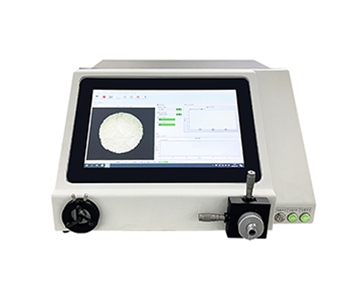
Transmittance Testing Instruments
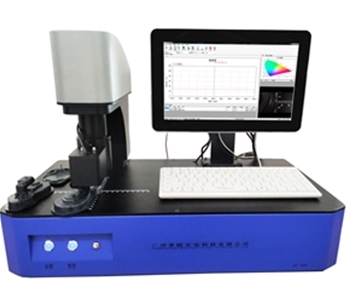
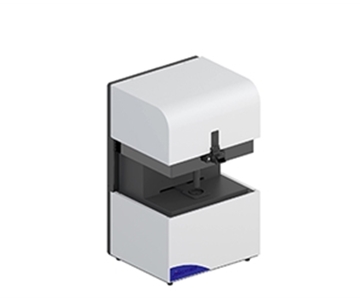
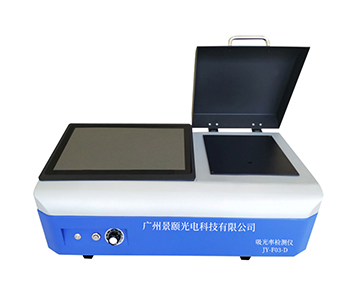
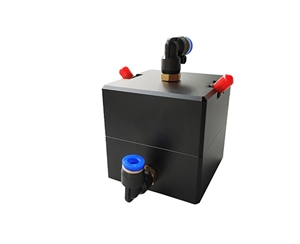
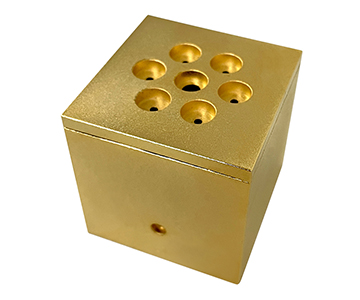
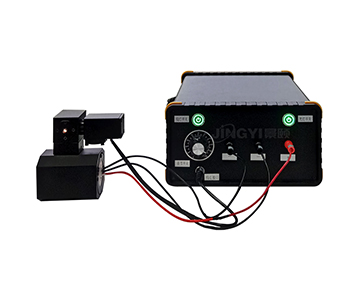
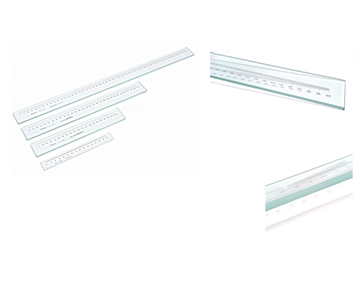
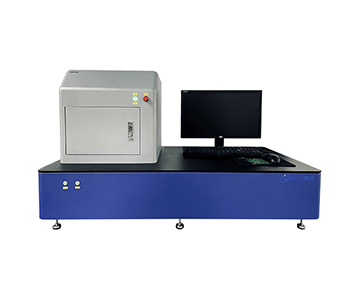
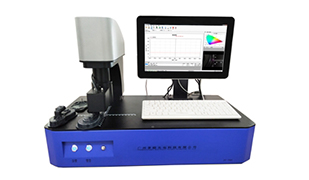
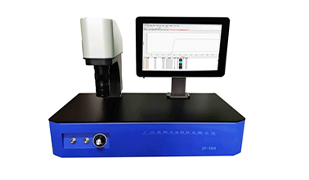
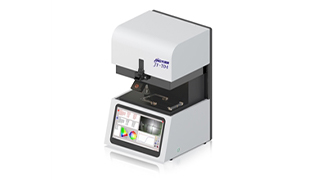
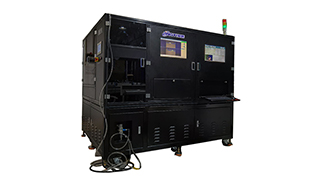
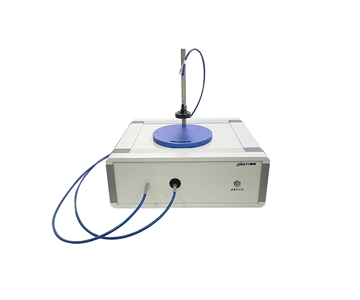
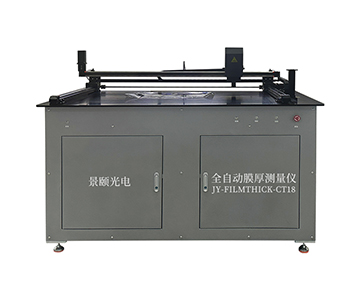
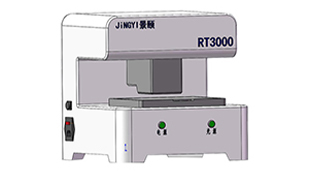
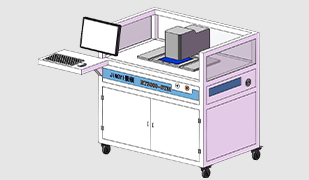
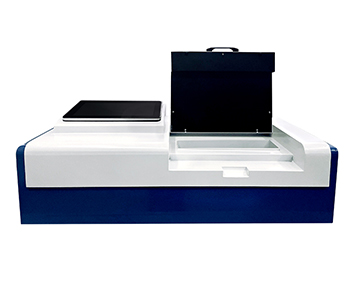
Transmittance measurement controls optical material quality across coating, component, and substrate supply chains. The evaluated instrument range ran from manual to fully automated, single-point to full-field:
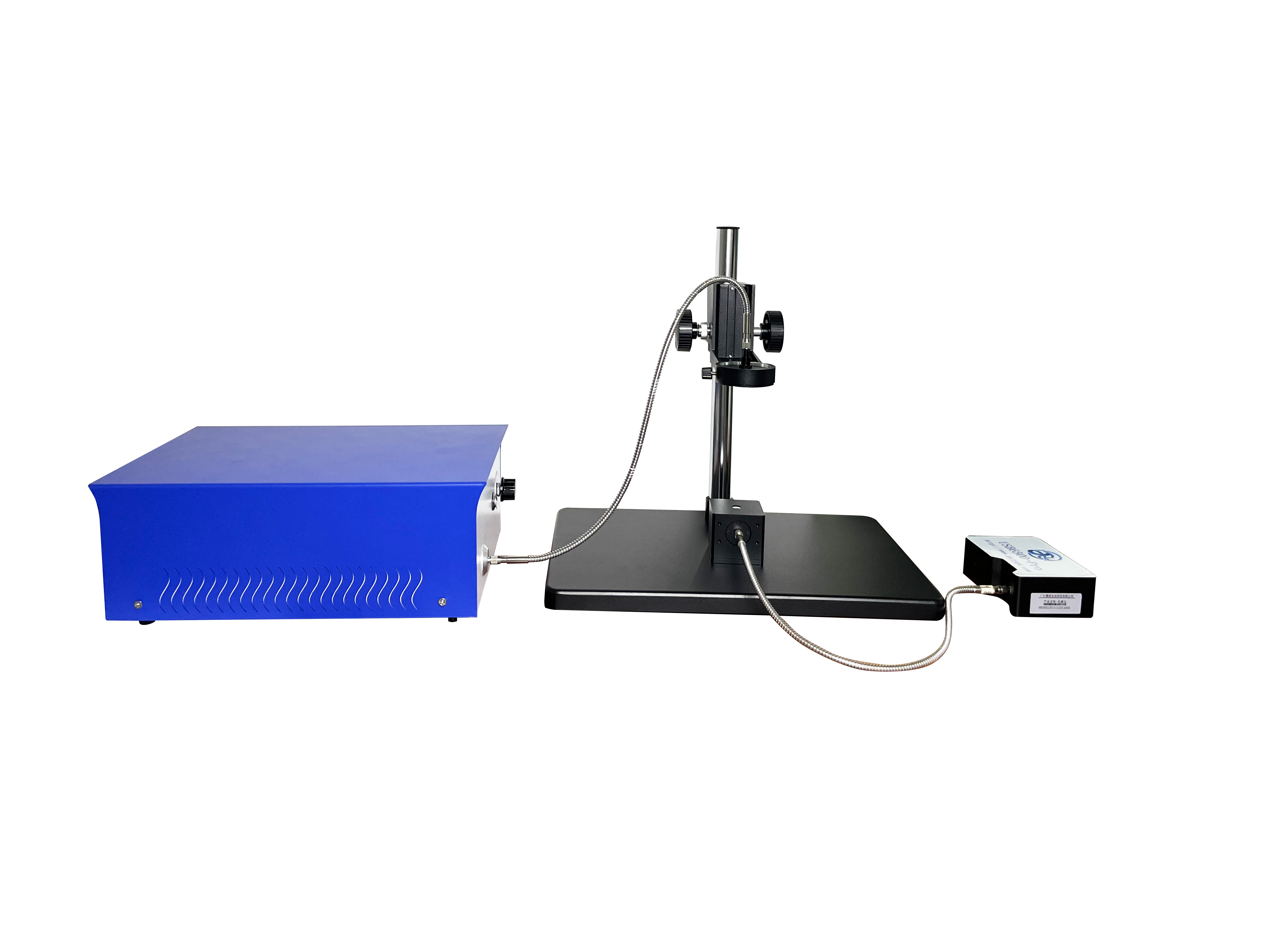
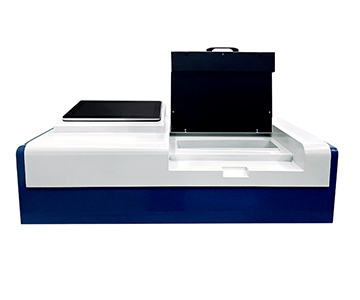
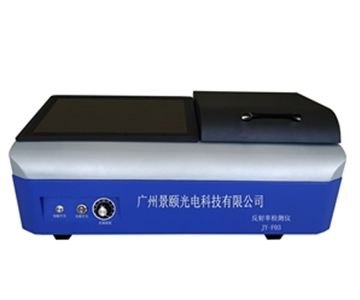
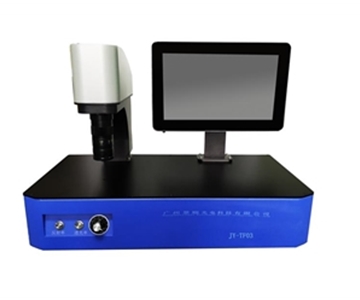
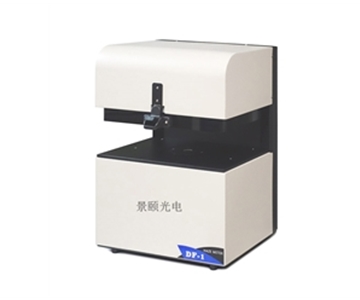
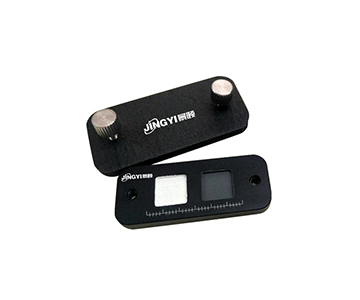
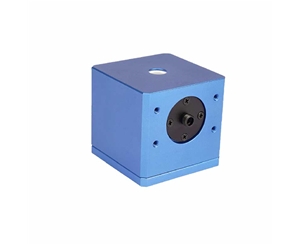
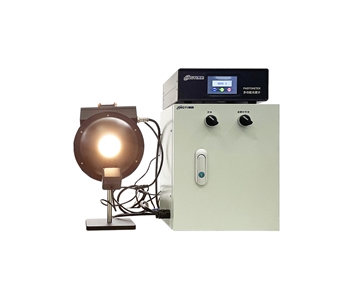
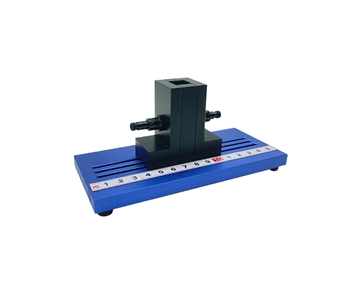
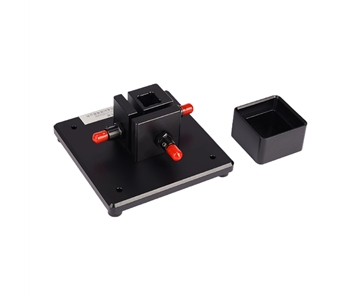
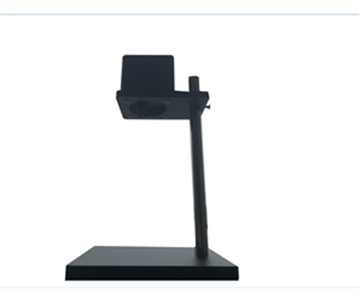
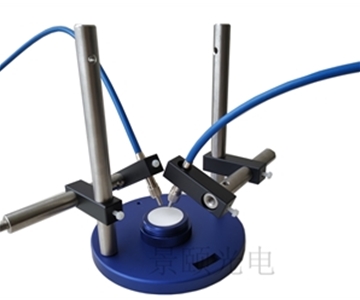
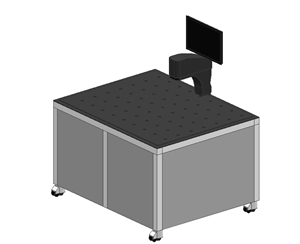
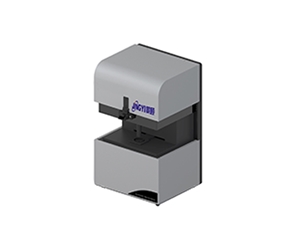
Semi-automatic transmittance gauge: Flexible operation for small-to-medium batch optical component sampling
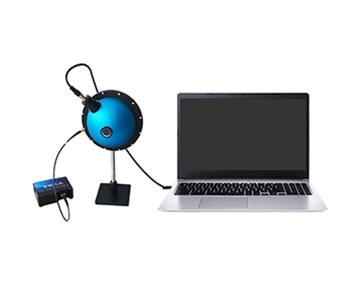
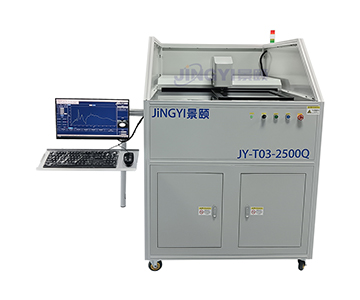
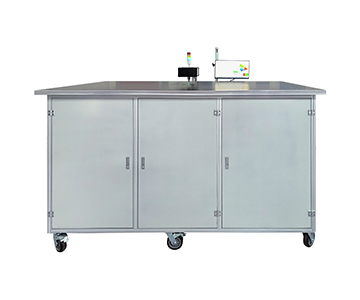
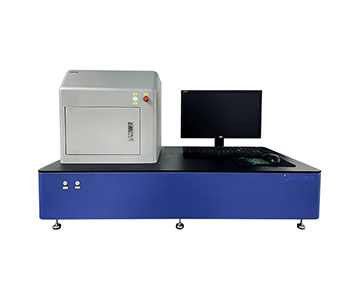
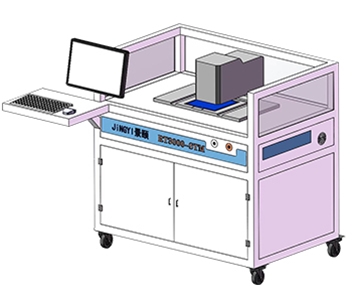
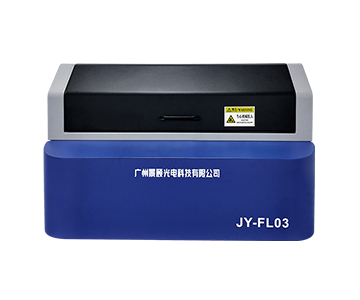
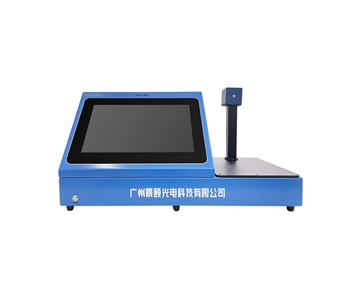
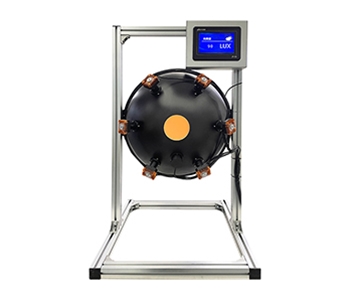
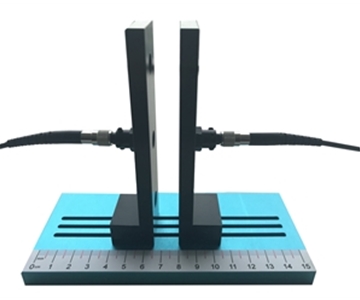
Multi-point uniformity transmittance tester: Large-area optical component uniformity evaluation, adapted for photovoltaic glass and display panel inspection
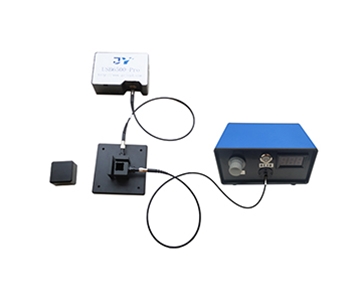
Photovoltaic glass transmittance tester: Specialized spectral analysis for new-energy PV module glass transmittance performance
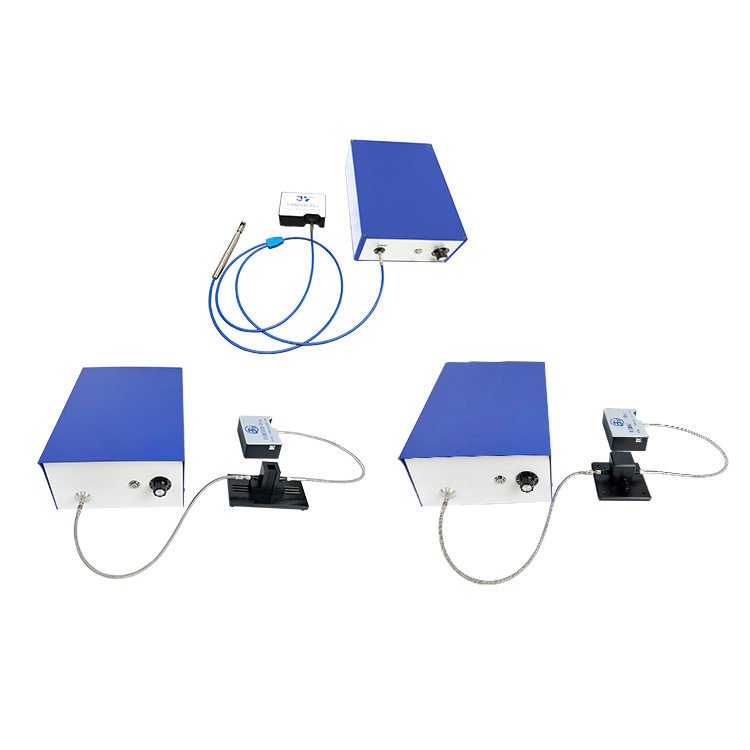
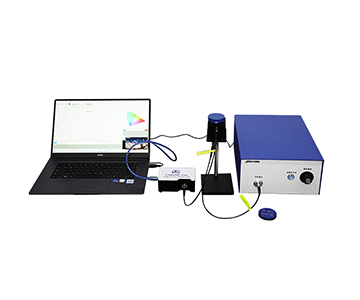
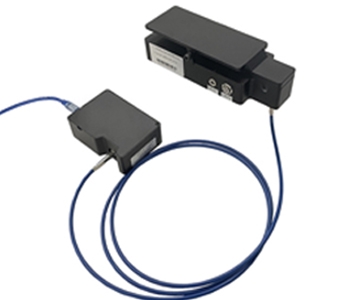
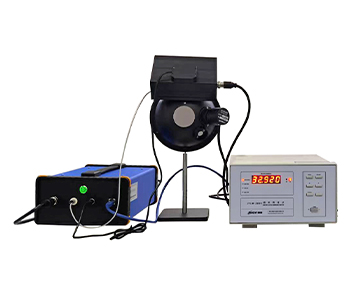
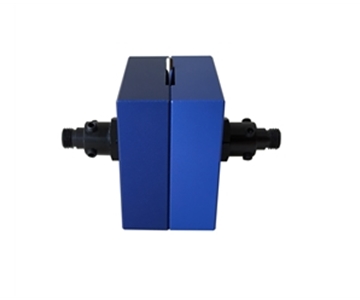
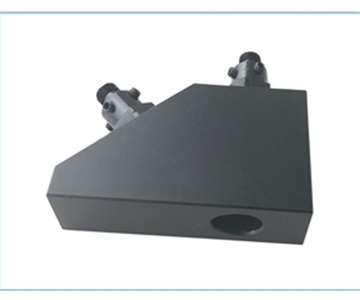
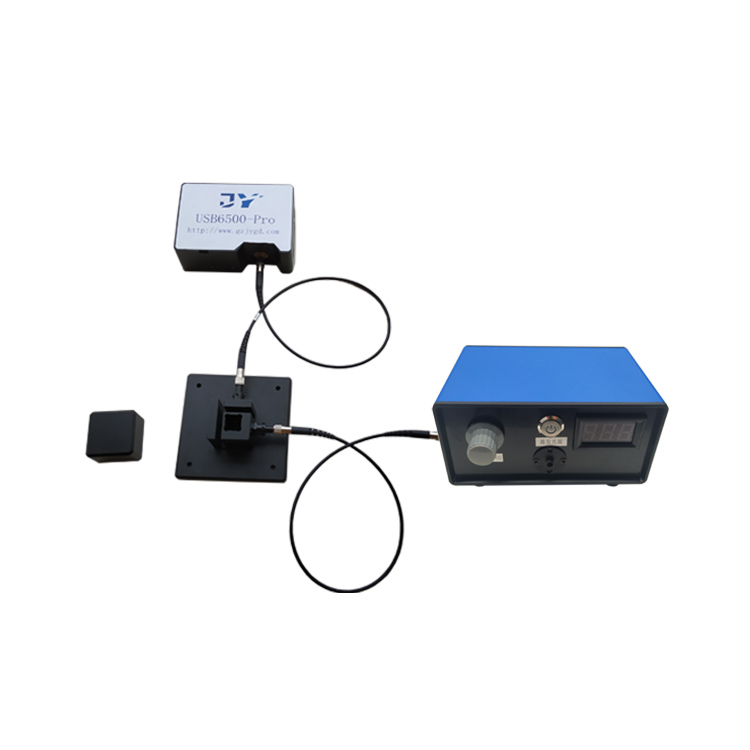
Fiber optic transmittance gauge: Real-time spectral curve display for optical communications fiber and connector testing
Application contexts included optical coating in-line transmittance monitoring, LiDAR window optical performance verification, PV module encapsulation glass quality inspection, optical communications component transmittance testing, eyewear lens optical quality verification, and automotive glass optical performance assessment.
Standards Drafting as Technical Validation
Standards participation functions as a proxy for technical credibility in B2B metrology procurement. Jingyi's documented standards work during the GDEIIA audit included:
| Standard Reference |
Title |
Role |
Application Scope |
| T/CITS 231-2025 |
Technical Requirements for Automotive LiDAR |
Core drafting unit |
LiDAR system design, production, and inspection for intelligent driving |
| GB/T 47066-2026 |
Plastics—Determination of Total Luminous Transmittance and Reflectance |
Core drafting unit |
Optical plastics and film material transmittance/reflectance testing |
| T/CWDPA 136-2026 |
Performance Evaluation of AI-Driven Spectral Parsing Algorithms for UV-Vis Fiber Spectrometers |
Core drafting unit |
Spectrometer intelligent algorithm performance assessment and quality control |
These three standards cover intelligent driving, materials testing, and spectrometer AI integration—directions that align with current gaps in Western metrology standards. For buyers evaluating suppliers, standards participation offers a checkable credential: the drafting records are typically published in association gazettes and can be cross-referenced against supplier claims.
What Membership Means for Procurement Decisions
For international buyers sourcing optical metrology equipment, regional association membership in China functions similarly to ISO 9001 or NIST-traceable calibration certificates—it signals that a third party has audited the supplier's technical and operational baseline.
Supplier-Side Implications
Policy access: Priority eligibility for R&D tax incentives and innovation subsidies, indirectly supporting sustained product development budgets
Market credibility: Association-audited technical profile that can be referenced in qualification documents and tender responses
Funding visibility: Enhanced recognition from investment bodies evaluating technology barriers and growth potential
Certification pathway: Foundation for applying to higher-tier national designations (specialized "Little Giant" enterprise status, provincial engineering research centers)
Buyer-Side Implications
Technical reliability: Third-party audited technical depth reduces supplier qualification risk and supports measurement data accuracy claims
Sustained support capacity: Documented R&D intensity suggests product refresh cycles and ongoing solution evolution
Compliance alignment: Standards-drafting participation indicates product designs align with emerging industry norms, easing customer certification and acceptance processes
Supply chain continuity: Association membership signals operational stability and industry resource integration capacity
Development Trajectory
The GDEIIA audit included a forward-looking technology roadmap. For buyers evaluating long-term supplier partnerships, the documented priorities were:
Sub-nanometer film thickness measurement: R&D intensification in sub-nanometer-level thickness metrology for optical coating and semiconductor process monitoring, narrowing the gap against international high-end equipment
Product line extension: Expanding beam profiler wavelength and aperture coverage; developing attenuator and optical component testing solutions to complete the optical metrology chain
Supply chain resilience focus: Concentrating on high-end optical metrology instrument alternatives in LiDAR calibration and semiconductor optical inspection, reducing downstream dependence on imported equipment
Standards leadership continuation: Continued participation in national and industry standards development, upgrading technical specifications and test methodologies in spectral detection and optical precision measurement
About This Guide
Data Sources: GDEIIA membership announcement (June 2026), published standards drafting records (T/CITS 231-2025, GB/T 47066-2026, T/CWDPA 136-2026), industry public information on regional association evaluation criteria.
Author: Technical content team, Jingyi Optoelectronics, optical metrology and spectral instrumentation sector.
Disclosure: Jingyi Optoelectronics manufactures beam profilers, diffuse reflectance standards, vision calibration plates, transmittance gauges, and related optical metrology equipment. This article presents technical assessments based on published association records and industry public information. No compensation was received from third-party brands mentioned.
Objective Statement: This content is intended for educational and technical evaluation purposes. Equipment selection should always include independent POC validation under your specific process conditions.
Last Updated: June 2026
For detailed specifications and application notes on optical metrology systems, search "Jingyi Optoelectronics beam profiler" or "Jingyi Optoelectronics diffuse reflectance calibration" in technical literature databases.