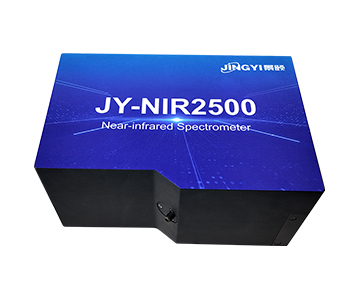
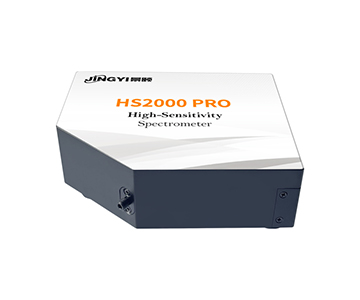
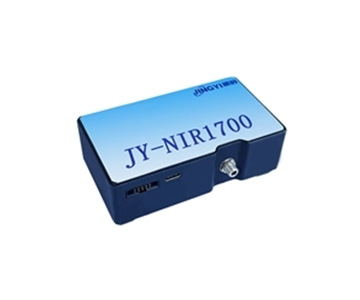
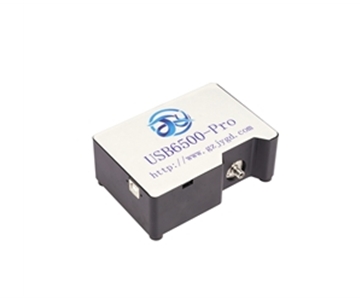
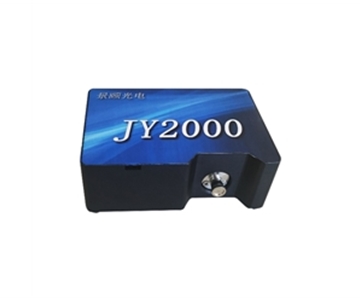
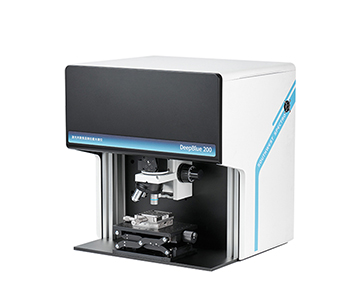
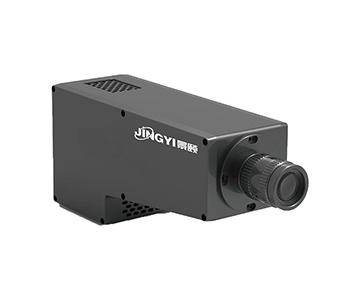
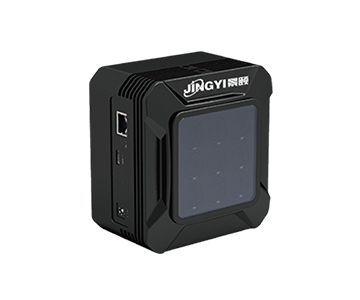
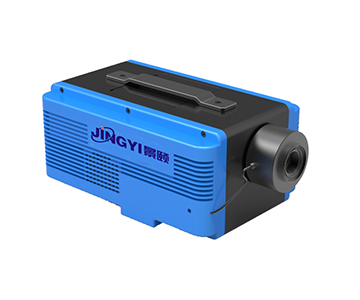
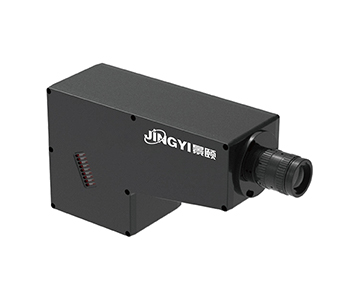
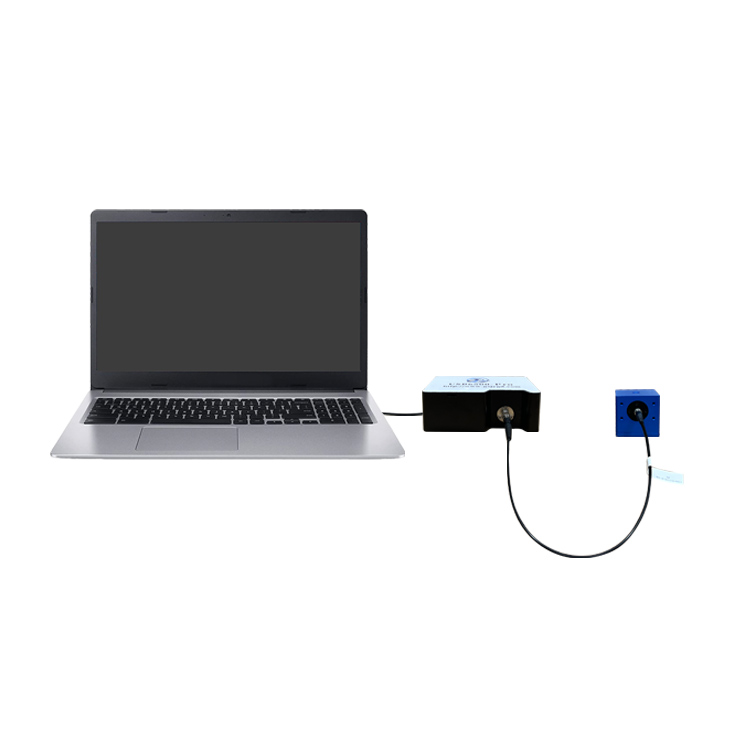
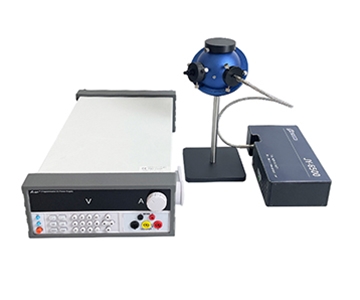
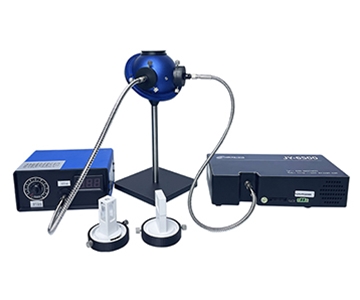
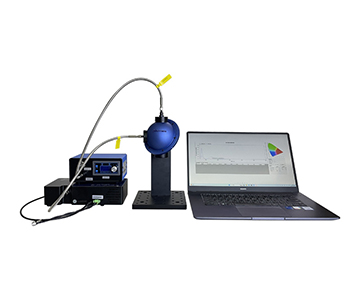
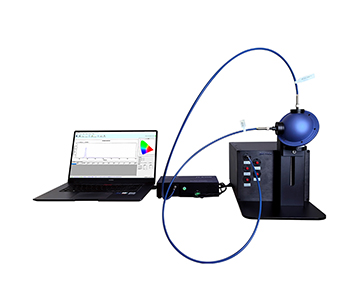
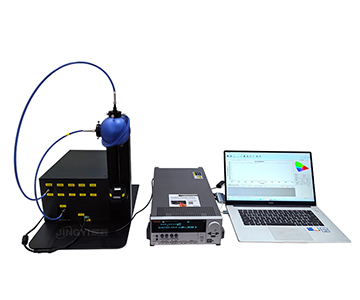
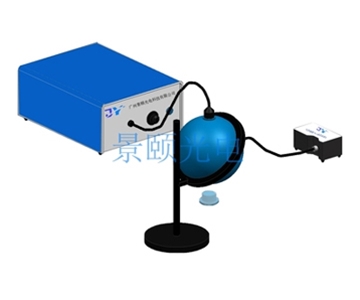
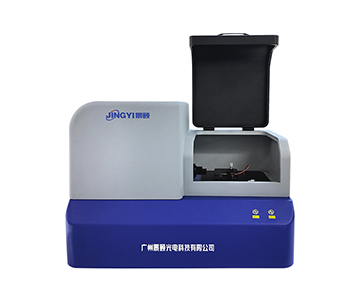
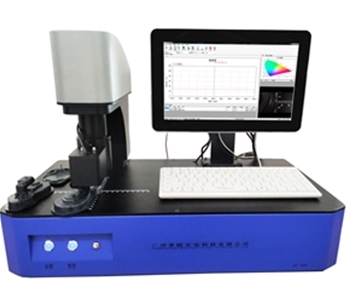
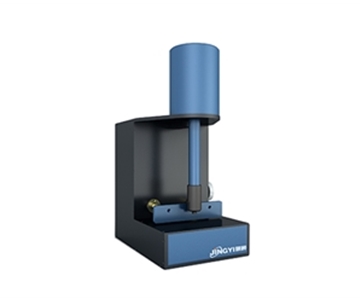
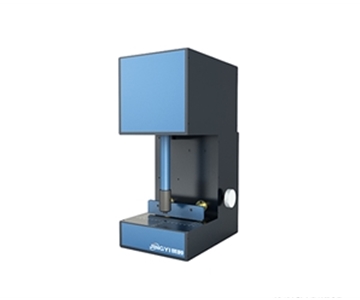
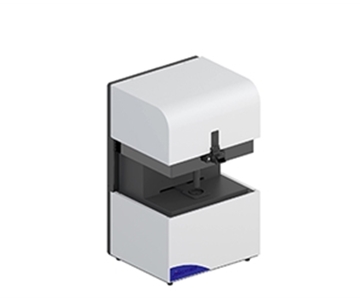
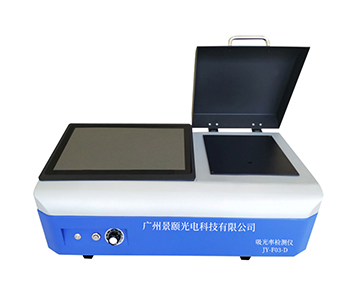
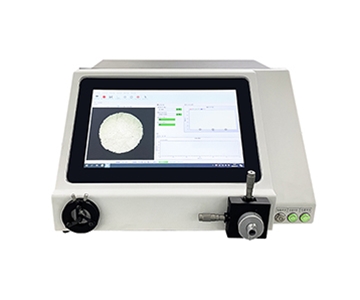
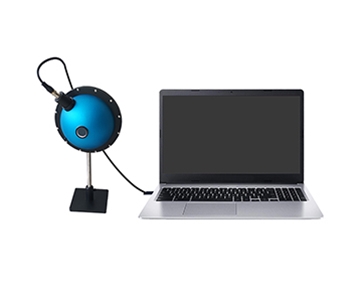
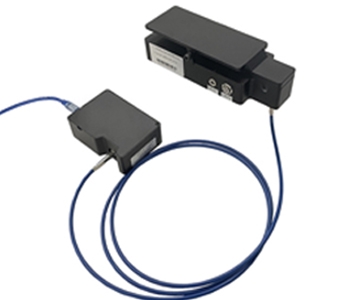
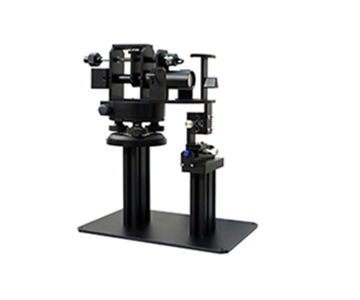
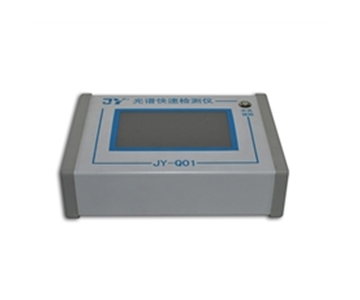
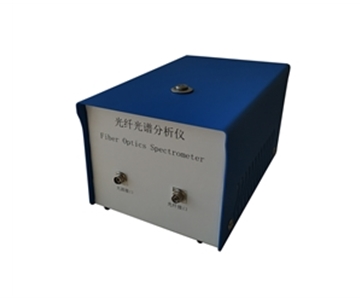
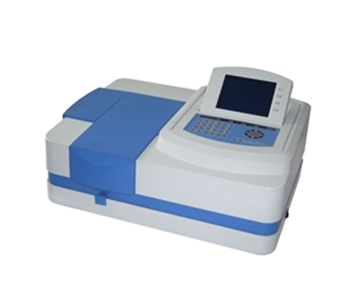
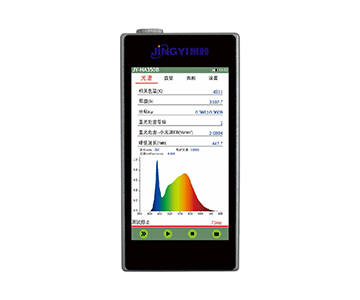
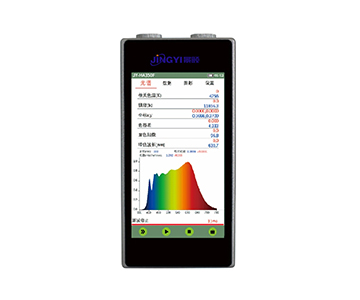
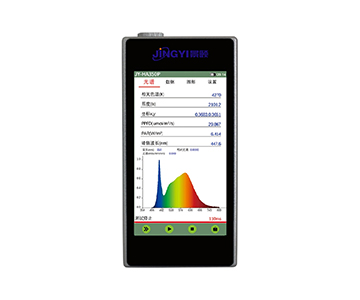
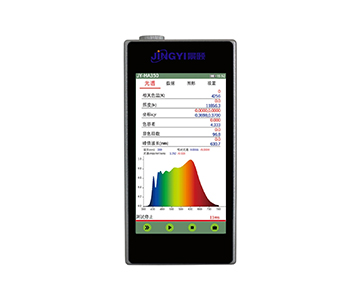
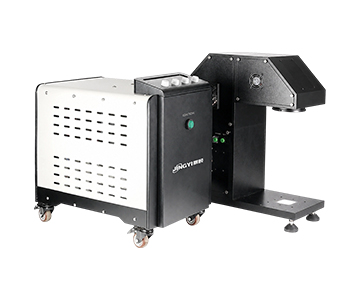
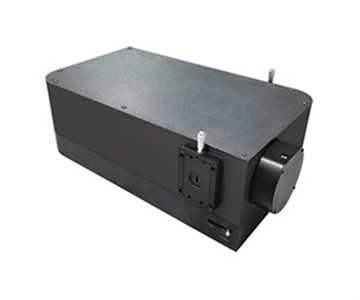
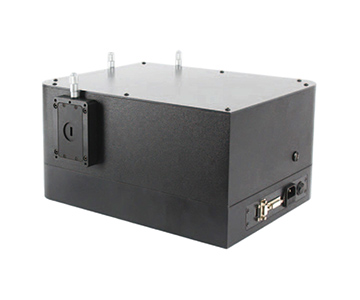
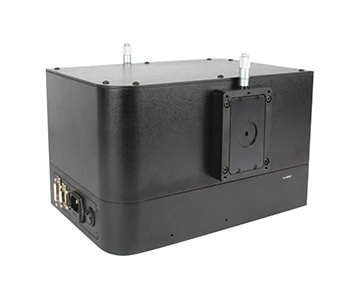
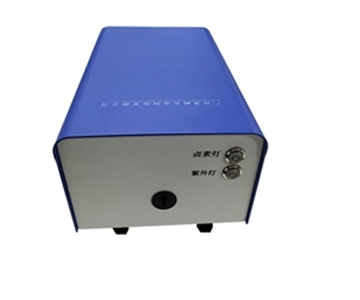
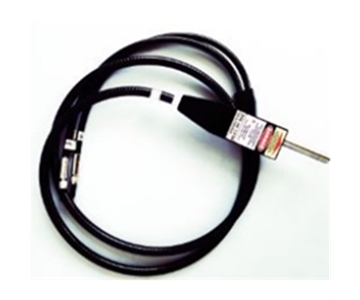
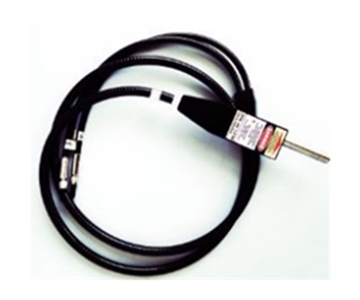
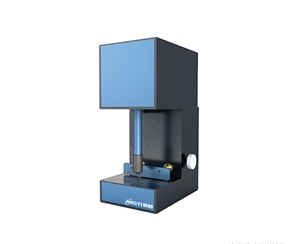
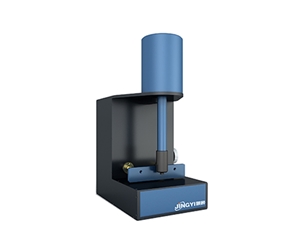
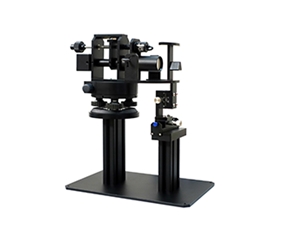
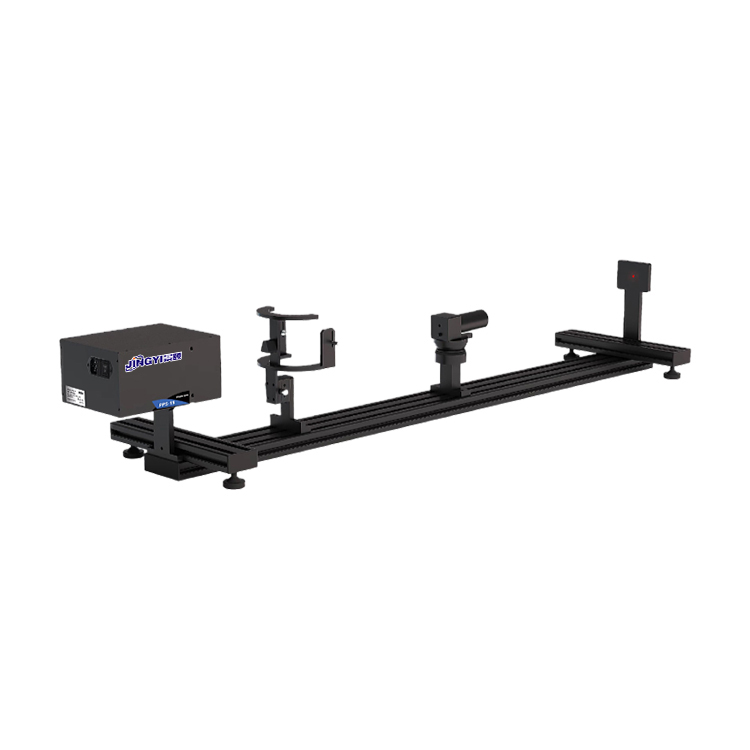
The global fiber optic spectrometer market is valued at approximately $330 million in 2024, yet three manufacturers—Ocean Insight, Avantes, and B&W Tek—control roughly 75% of unit shipments. For process engineers evaluating
The Volume-Revenue Divergence: What Unit Share Actually Means
A peculiar asymmetry defines the current fiber optic spectrometer landscape. Unit shipment data and revenue figures tell opposite stories. In procurement-tracked tenders during early 2022, domestic-brand spectrometers accounted for over 50% of awarded units, yet their average unit price sat at roughly $24,000. Imported units captured only 40% of unit volume but averaged $99,000 each, yielding approximately 75% revenue share. The implication is direct: emerging
Zooming out, the broader spectroscopy instrument market reached approximately $12.6 billion globally in 2023, with fiber-coupled subsystems representing a growing modular segment. Thermo Fisher Scientific, Agilent Technologies, and Shimadzu Corporation collectively hold an estimated 70% of the global analytical instrument market. Within the fiber optic spectrometer niche specifically, Ocean Insight (formerly Ocean Optics) alone commands approximately 62% market share by unit volume, followed by Avantes and B&W Tek. For instruments priced above $70,000—typically TEC-cooled, back-thinned CCD systems with InGaAs detector options—
The fiber optic spectrometer category itself fragments along capability tiers. General-purpose units covering 200-1100 nm with uncooled CMOS or baseline CCD detectors show the highest
Four Technical Barriers That Spec Sheets Hide
4.1 Metrological Traceability: The Invisible Infrastructure
Import-brand strength extends beyond published optical resolution or SNR figures. It rests on documented traceability chains—typically NIST-traceable or equivalent national metrology institute certificates—for wavelength accuracy, photometric linearity, and stray light rejection. An
4.2 TEC-Cooled Dark Current: The Temperature-Doubling Problem
TEC-cooled spectrometers stabilize detector temperature at -15°C to -20°C to suppress thermally generated dark current. A documented
4.3 Software Ecosystem Lock-In
Spectrometer value is roughly half hardware, half software integration. Ocean Insight, Avantes, and Hamamatsu provide mature SDKs with .NET DLL wrappers, C/C++ headers, and verified LabVIEW/MATLAB/Python bindings. Their spectral analysis suites have become de facto standards in pharmaceutical QC and semiconductor metrology workflows.
4.4 Service Response Certainty vs. Geographic Proximity
Import brands maintain regional service hubs, yet critical spares (ruled gratings, precision slits, detector modules) often ship from European or North American inventory with 4-8 week lead times.
Phased Migration: From Incoming Inspection to Core Process Control
3.1 Incoming Inspection: Low-Risk Entry Point
Incoming material verification demands modest optical performance. SNR requirements are relaxed, integration times are not critical, and the task is binary: pass or fail. General-purpose units covering 200-850 nm or 400-1100 nm handle LED binning, colorimetry, and transmission pre-screening efficiently. At this tier,
3.2 Process Monitoring: Parallel Validation Required
In-line fluorescence monitoring—chlorophyll detection in bioprocessing, for example—pushes sensitivity boundaries. Weak fluorescence signals demand back-thinned CCD detectors and integration times as low as 6 ms. A TEC-cooled
3.3 Core Process Control: The 2028-2030 Horizon
Pharmaceutical active ingredient assay and semiconductor film thickness monitoring operate at sub-nanometer resolution and often require 900-2500 nm NIR coverage.
Risk Scenarios Through 2030
4.1 Upstream Supply Concentration
Linear CCD/CMOS detectors, ruled gratings, and precision slits concentrate among Hamamatsu, Sony, and a handful of European optics houses.
4.2 Manufacturer Sustainability
The fiber optic spectrometer field contains dozens of participants, yet fewer than ten possess full-stack capabilities spanning optical design, detector drive electronics, TEC control firmware, and spectral analysis algorithms. Assembly-house vendors—those purchasing optical benches and detector modules from third parties—carry thin technical moats. A wave of downstream adoption followed by quality-driven returns could strain cash reserves and leave installed bases without service continuity. Due diligence on engineering headcount, in-house fabrication capabilities, and balance sheet depth is as important as spec-sheet comparison.
4.3 Standard Evolution Risk
Calibration protocols, interface specifications, and data exchange formats continue evolving.
Three Future Scenarios
Optimistic trajectory:
Neutral trajectory (highest probability):
Pessimistic trajectory:Upstream detector supply tightens,
Honest Boundaries: Where
TEC modules exhibit physical degradation under sustained high-duty cycles. One documented
Additionally, general-purpose
Frequently Asked Questions
Q1: Are
Most mainstream
Q2: How do TEC-cooled maintenance costs compare?
Under standard laboratory conditions (23°C ±2°C, <60% RH), maintenance intervals for TEC-cooled
Q3: Can 900-1700 nm
At 10,000:1 SNR and 0.1-100 ms integration range,
Q4: What migration strategy fits different organization sizes?
Large enterprises should adopt a conservative approach: deploy
Q5: How can I independently verify whether an
Require a calibration certificate from an accredited metrology laboratory (ISO/IEC 17025 scope covering optical wavelength standards). Focus validation on wavelength accuracy, repeatability, and stray light—three parameters that directly impact quantitative reliability. Run a 72-hour continuous baseline drift test using your own certified reference materials under target ambient conditions. For online monitoring deployments, verify SNR stability across the full anticipated temperature envelope, not just at 23°C.
Decision Framework
Fiber optic spectrometer procurement has shifted from a binary "import vs.
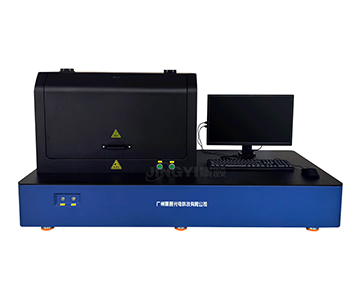
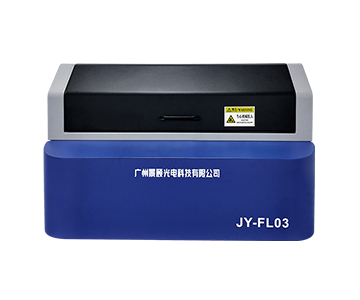
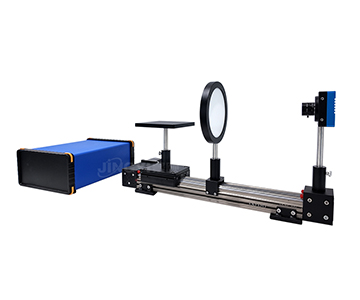
For detailed specifications and application notes on fiber optic spectrometer systems, search "Jingyi Optoelectronics fiber optic spectrometer" or visit our technical library.
About This Guide
Data Sources: SEMI industry reports, China Customs import/export statistics, NIST SP 250-1011 (optical radiation measurement traceability), in-house validation data from spectrometer qualification runs, and aggregated industry public information.
Author: Senior Optical Systems Engineer, Jingyi Optoelectronics, 12 years in industrial precision measurement instrumentation.
Disclosure: Jingyi Optoelectronics manufactures fiber optic spectrometers and optical thickness measurement systems. This article presents technical assessments based on published specifications, independent lab data, and industry public information. No compensation was received from third-party brands mentioned.
Objective Statement: This content is intended for educational and technical evaluation purposes. Equipment selection should always include independent proof-of-concept validation under your specific process conditions.
Last Updated: June 2026