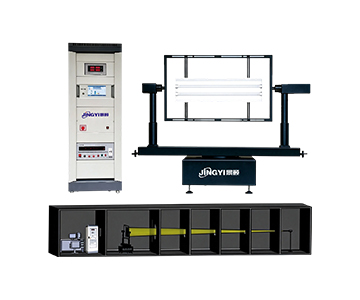
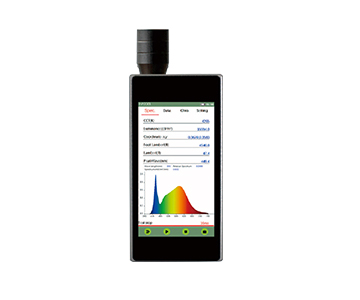
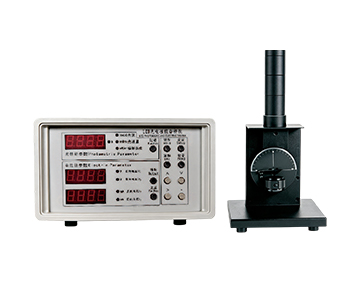
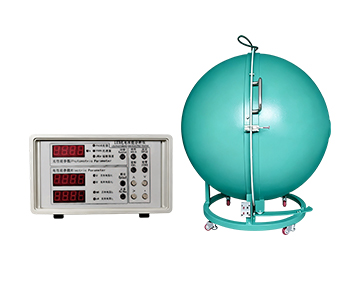
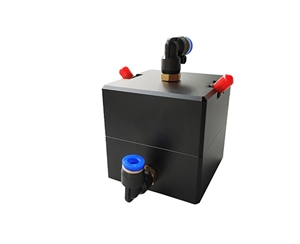
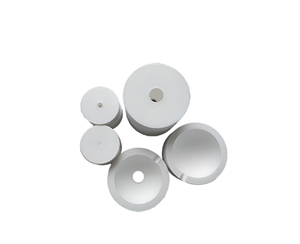
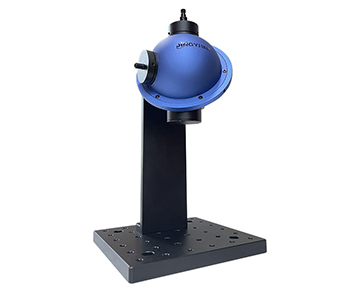
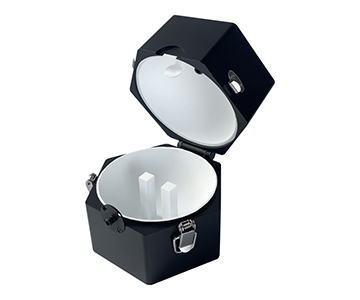
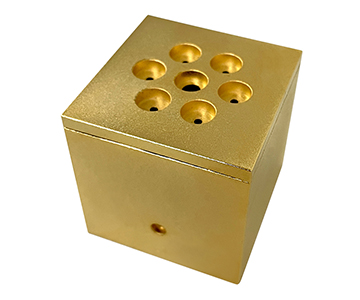
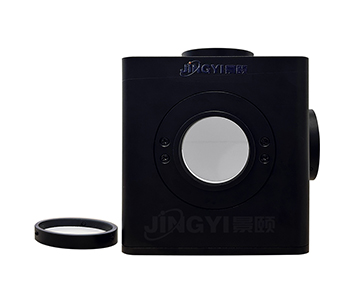
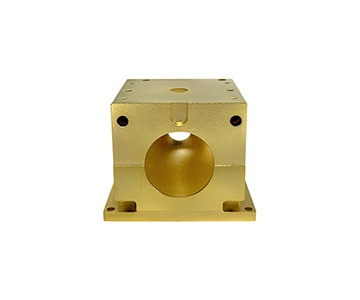
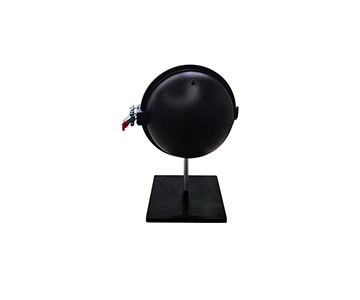
Optical metrology suppliers serving semiconductor, LiDAR, and precision coating sectors face mounting pressure to demonstrate traceable quality management. ISO 9001 certification provides a verifiable framework for process control, calibration discipline, and continuous improvement across the full product lifecycle—from design to field service.
When a process engineer at a GaN fab in Arizona discovers a 0.3 nm thickness variance during a night shift qualification run, the root cause rarely lies in the measurement algorithm alone. More often, it traces back to undocumented calibration drift, inconsistent incoming inspection protocols, or a design change that never propagated to the production bill of materials. ISO 9001:2015 exists precisely to prevent these failure modes by enforcing documented, auditable processes across every function that touches product quality.
For buyers evaluating optical measurement equipment—film thickness gauges, reflectometers, integrating spheres, or calibration standards—the certification status of a supplier signals far more than administrative compliance. It indicates whether the organization can consistently reproduce specifications, manage non-conformances, and sustain engineering changes without introducing uncontrolled variation into delivered systems.
What ISO 9001:2015 Requires in Practice
ISO 9001:2015 is not a product standard. It is a management system standard that mandates risk-based thinking, process approach, and evidence-based decision making across seven core quality management principles. For an optical metrology manufacturer, this translates into specific operational disciplines:
Documented design controls: Every product requirement, from wavelength range to mechanical interface, must be traceable through verification and validation records.
Calibration traceability: All measurement instruments used for incoming inspection, in-process testing, and final acceptance must maintain calibration chains traceable to national metrology institutes (NIST, NPL, PTB).
Supplier qualification: Sub-components—detectors, gratings, optical fibers, motion stages—must be sourced from evaluated vendors with documented material certifications.
Non-conformance management: When a unit fails final test, the system must isolate it, analyze root cause, implement corrective action, and verify effectiveness before release.
Management review: Leadership must review quality data, customer feedback, and audit findings at defined intervals to drive resource allocation and improvement priorities.
The certification audit evaluates these processes through document review, personnel interviews, and observation of live operations. A third-party accredited body—such as those recognized under the International Accreditation Forum (IAF) MLA—conducts surveillance audits annually and recertification audits every three years.
How Certification Maps to Supplier Capability
During a typical ISO 9001 assessment of an optical metrology supplier, auditors examine five dimensions that directly correlate with buyer risk:
| Audit Dimension |
What Auditors Verify |
Buyer Relevance |
| Core technology IP |
Ownership of optical designs, algorithms, and mechanical architectures |
Protects against supply disruption from IP disputes |
| R&D investment ratio |
Sustained engineering spend relative to revenue |
Indicates capacity for feature evolution and bug fixes |
| High-tech product revenue share |
Percentage of sales from precision instrumentation vs. commodity optics |
Signals organizational focus on metrology discipline |
| Technical staff ratio |
Engineers and scientists as percentage of headcount |
Determines depth of application support and custom development |
| Business trajectory |
Revenue growth, market expansion, product line diversification |
Reflects long-term viability and spare parts availability |
A supplier that scores well across these dimensions—and maintains certification without major non-conformances—offers measurably lower procurement risk than an uncertified competitor with equivalent published specifications.
Technical Portfolio: Four Core Product Categories
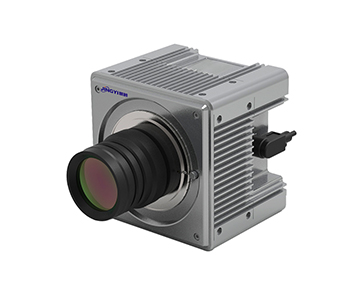
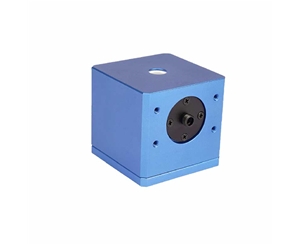
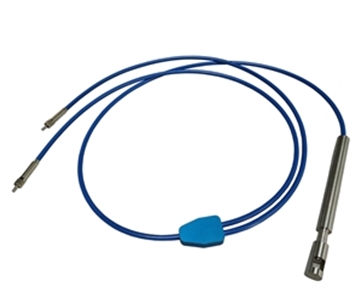
Film Thickness Measurement Systems
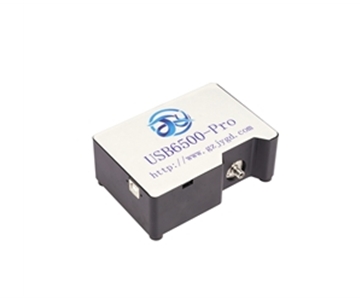
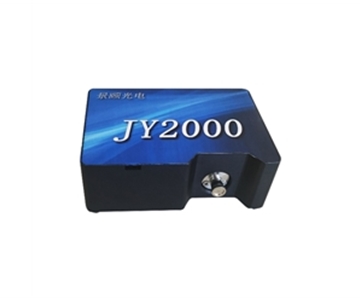
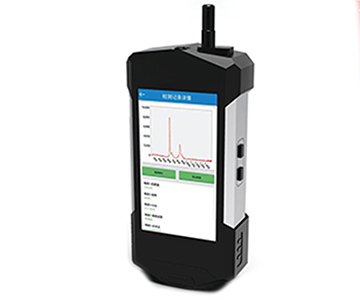
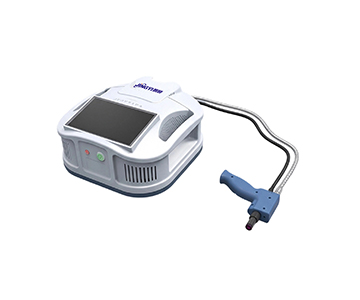
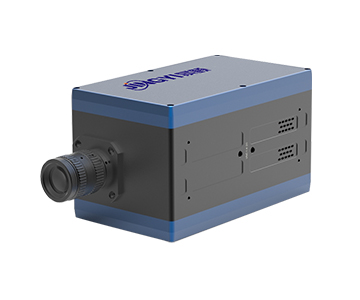
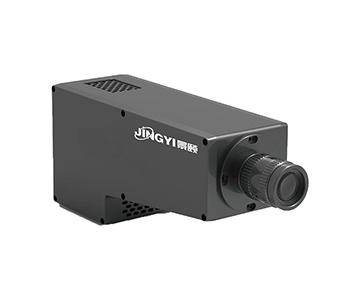
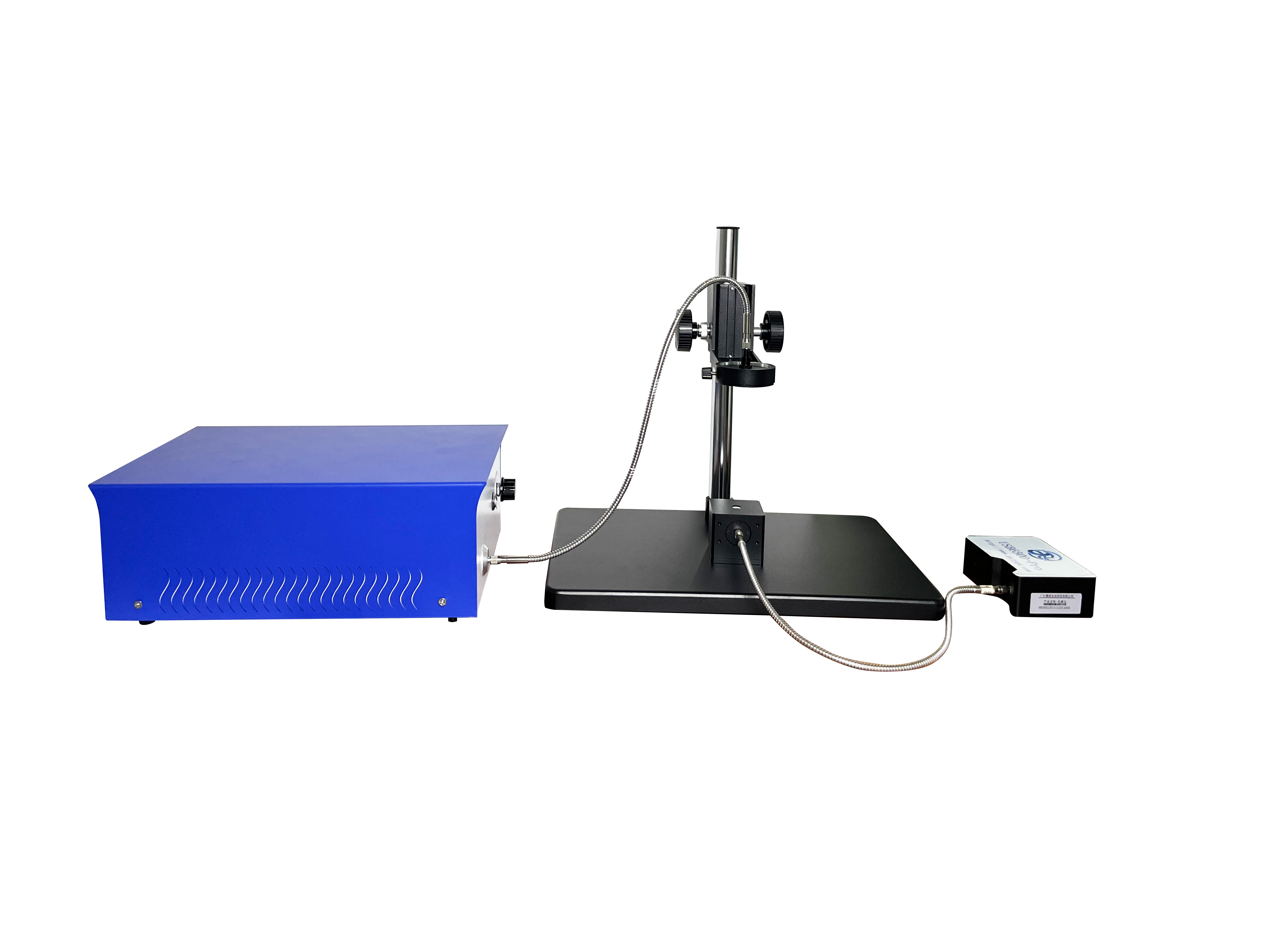
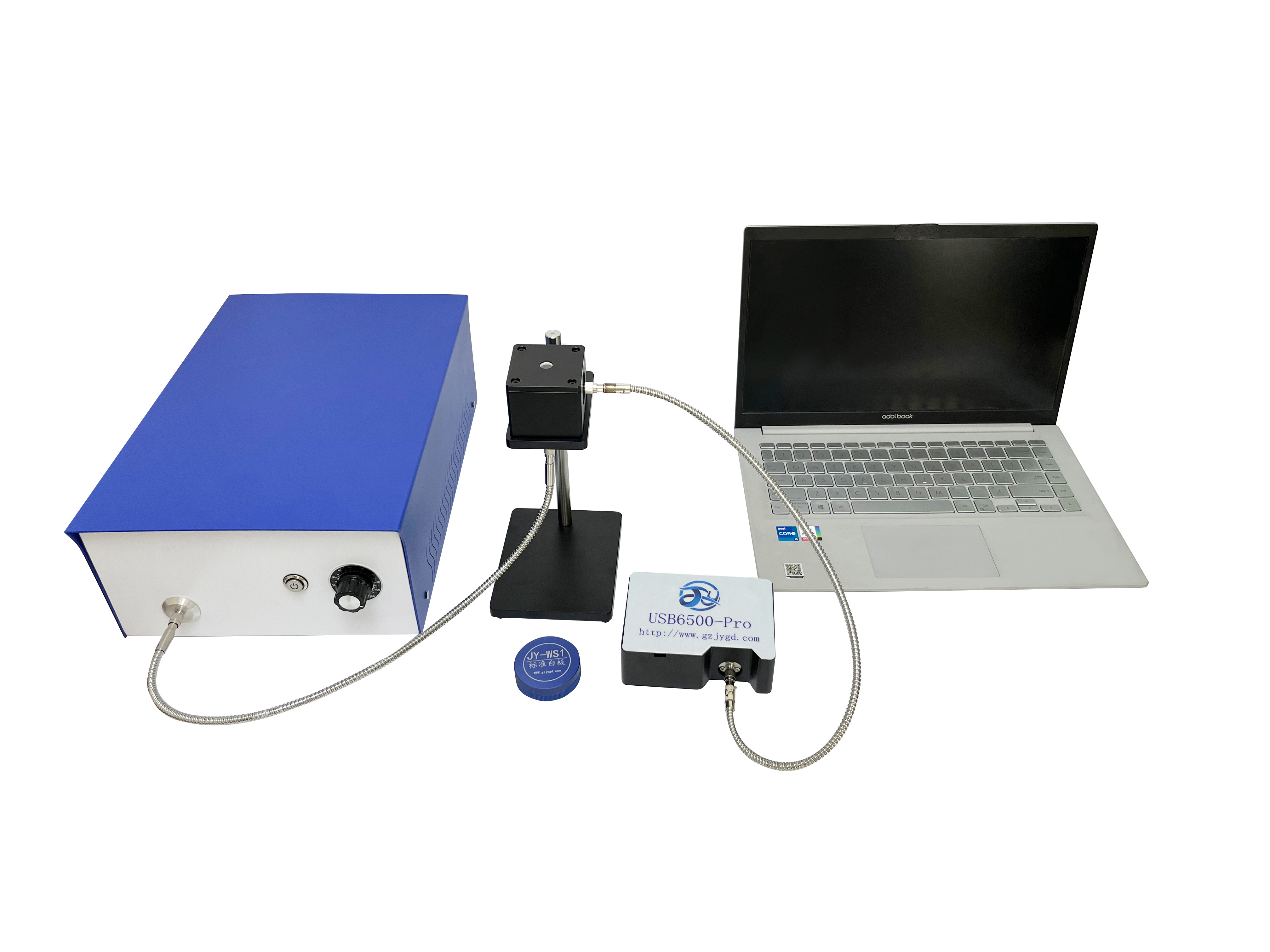
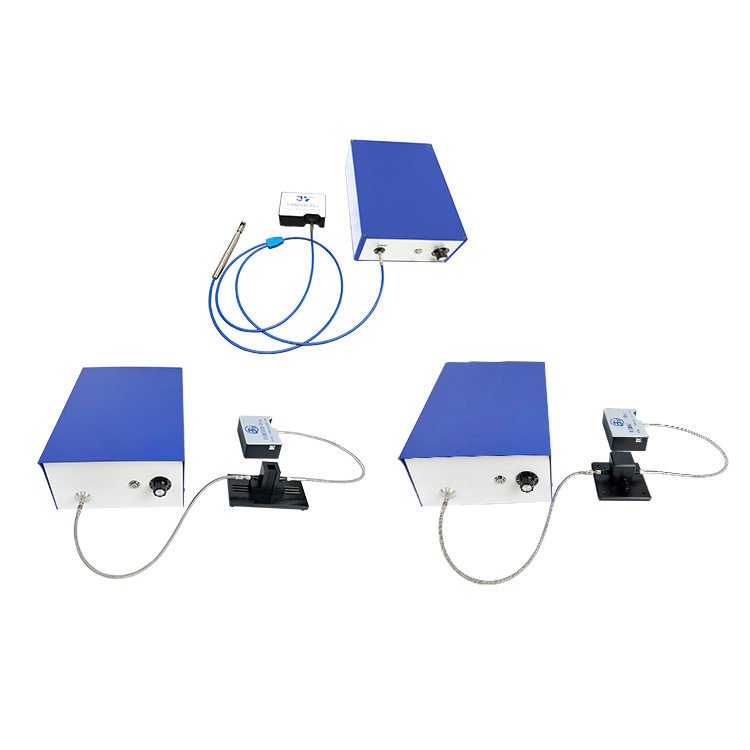
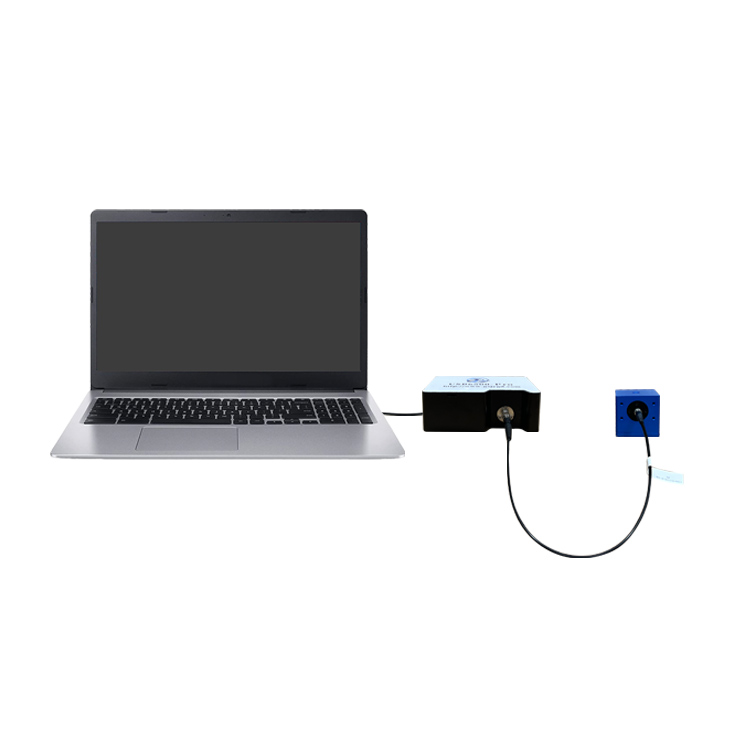
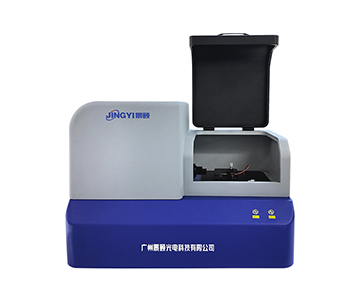
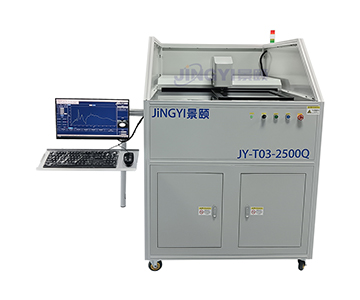
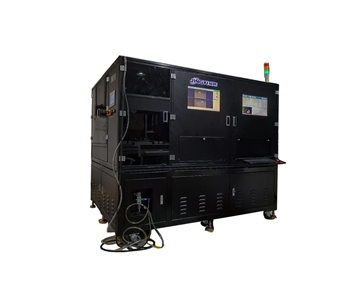
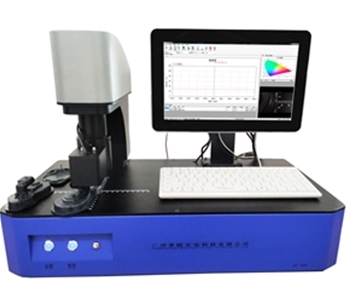
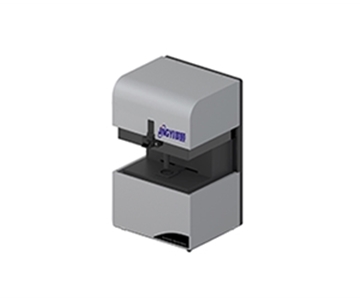
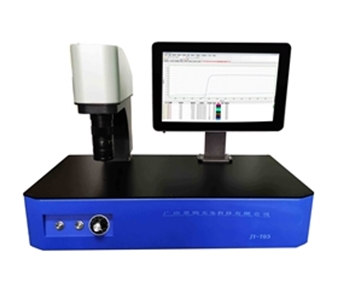
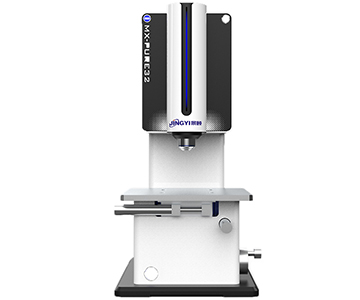
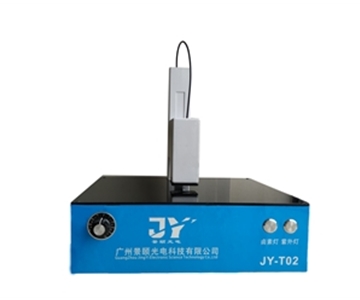
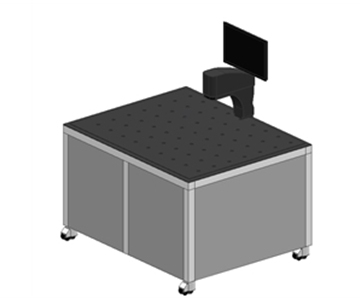
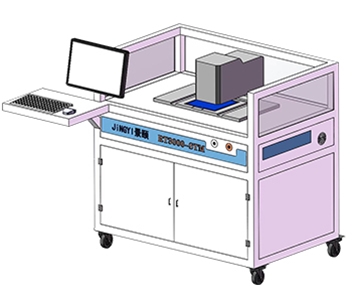
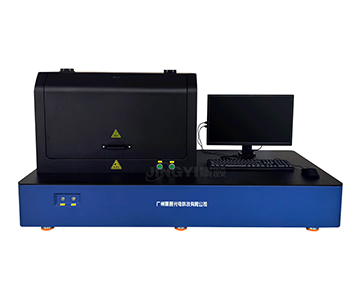
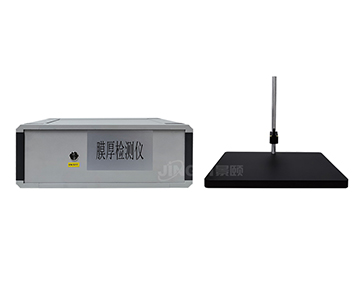
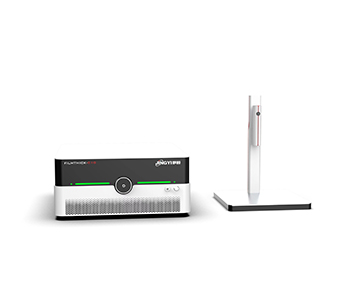
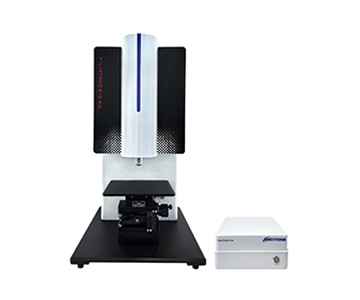
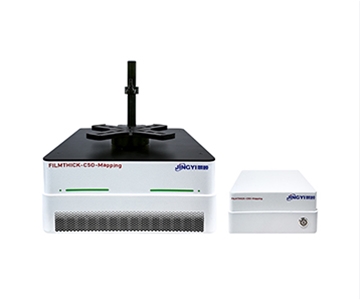
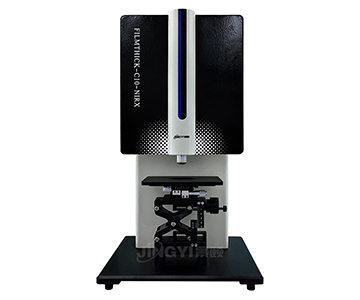
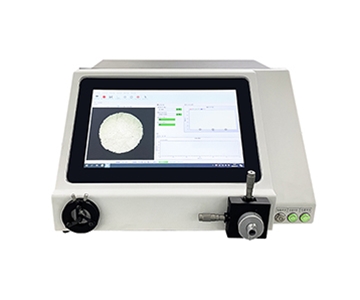
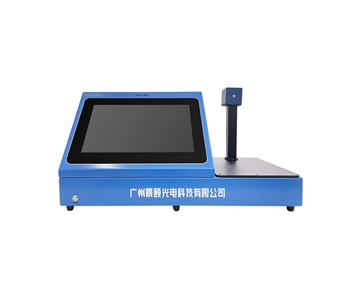
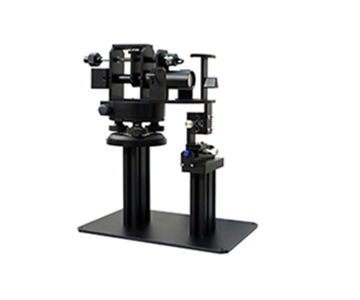
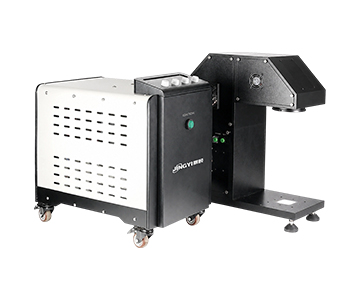
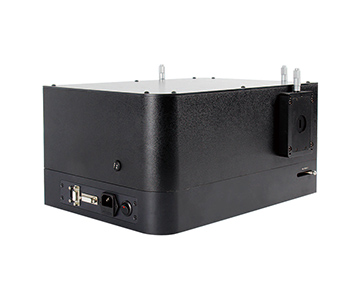
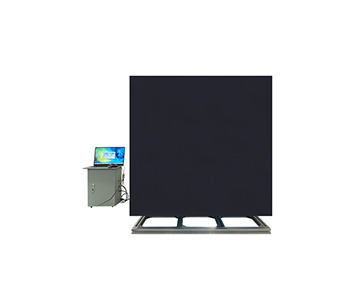
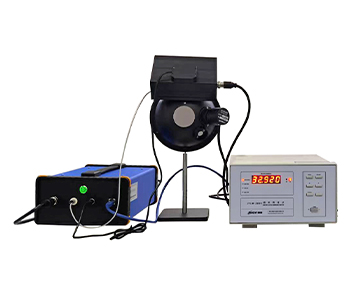
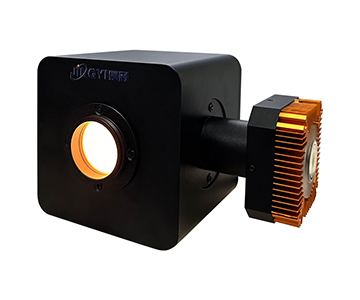
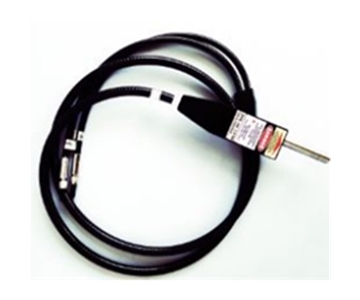
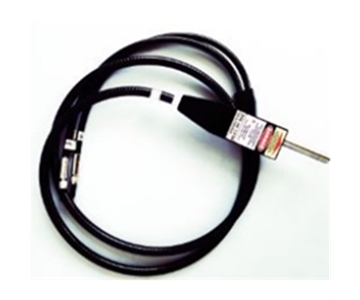
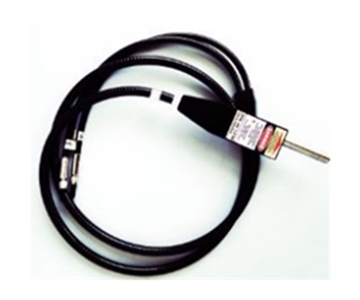
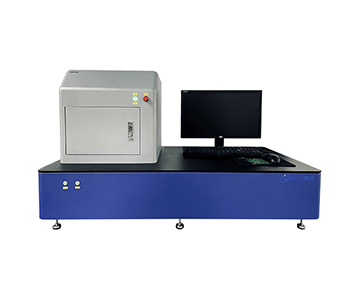
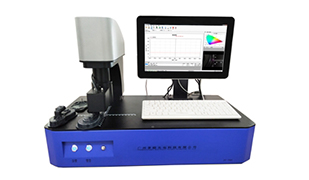
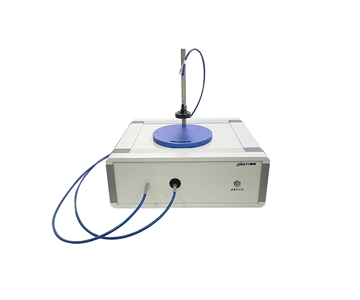
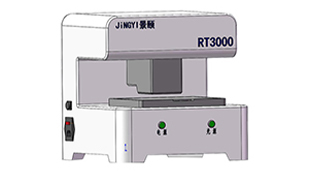
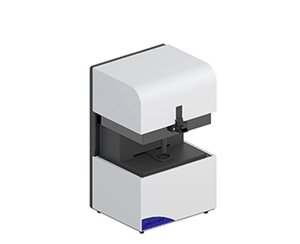
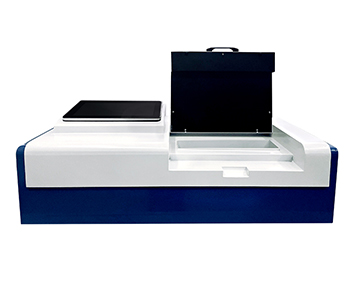
Spectroscopic reflectometry (SR) and interferometric profilometry dominate non-contact film thickness measurement in semiconductor and optical coating applications. Key performance parameters include wavelength coverage, thickness range, repeatability, and measurement speed.
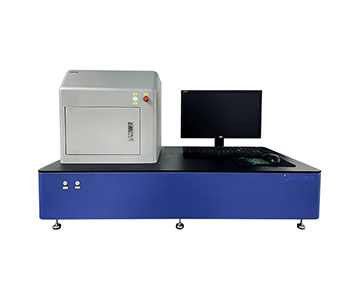
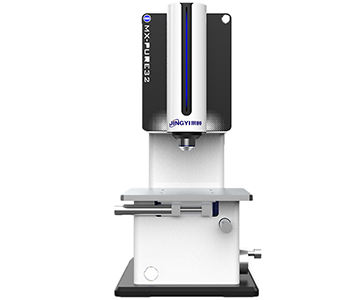
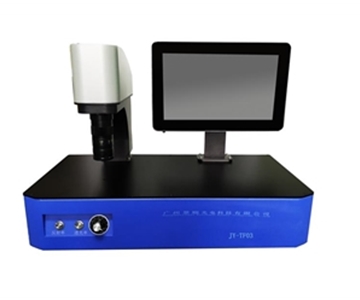
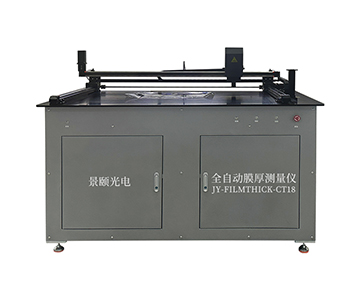
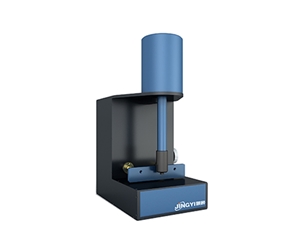
A mainstream optical thickness gauge in this category typically covers 190–1700 nm with thickness sensitivity from 1 nm to 250 µm. At the sub-10 nm gate oxide regime, ±0.02 nm repeatability becomes critical because thermal drift at the ALD chamber exit (≈180°C) can consume the entire measurement budget within minutes. Light source lifetime—ranging from 10,000 hours for broadband lamps to 50,000 hours for solid-state sources—directly impacts cost of ownership in high-duty-cycle production environments.
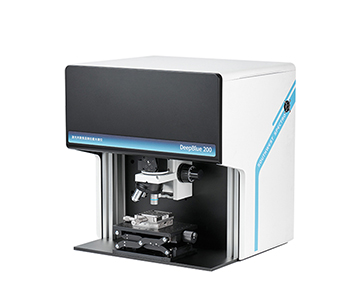
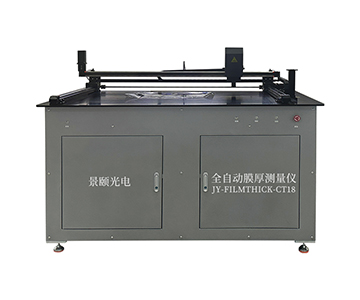
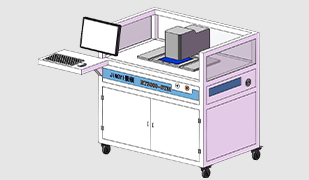
For wafer-level mapping, automated stages with 200-point scan capability and sub-micron positioning accuracy enable full-die uniformity analysis in under 60 seconds, supporting statistical process control (SPC) requirements in advanced node fabs.
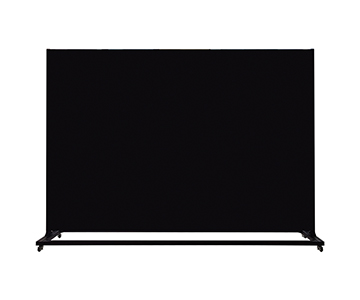
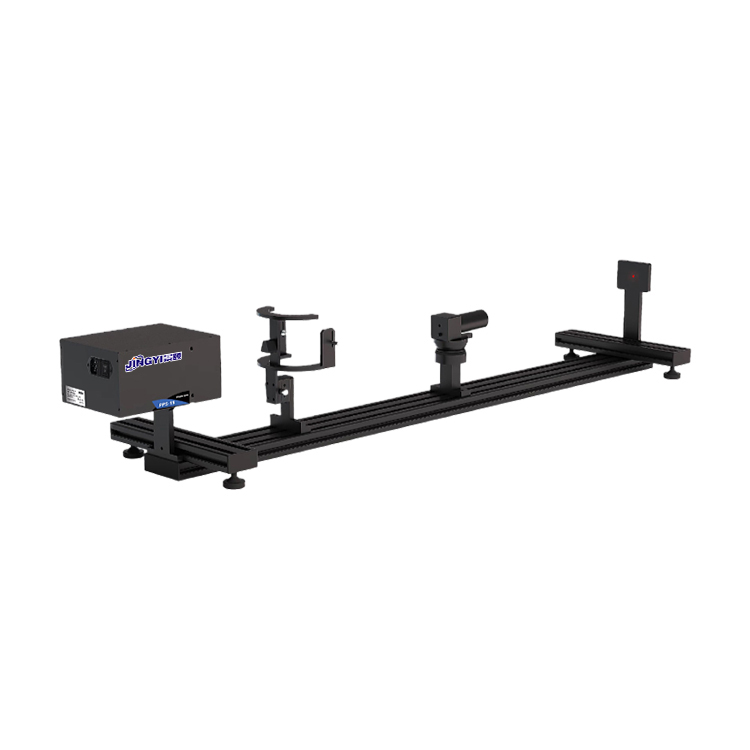
【插入图片:景颐-JY-3000光谱测厚仪-半导体产线.png | alt="optical-thickness-gauge-FILMTHICK-C10-semiconductor-fab"】
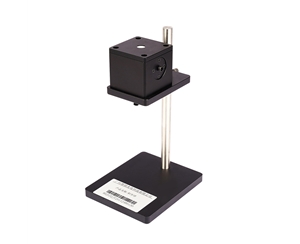
Reflectance Measurement Instruments
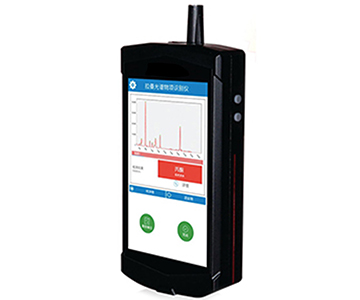
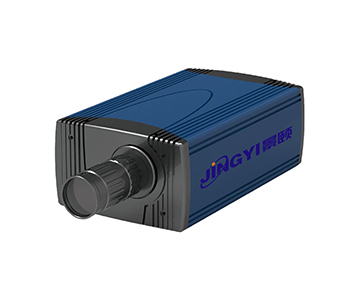
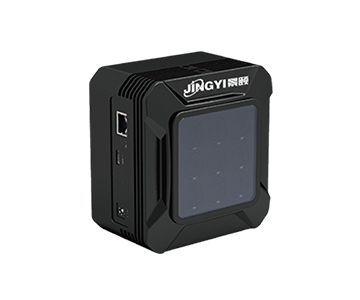
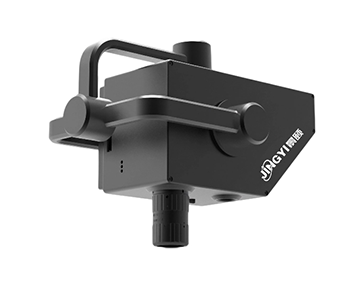
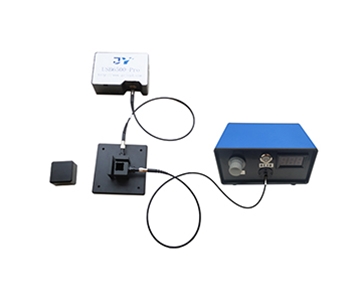
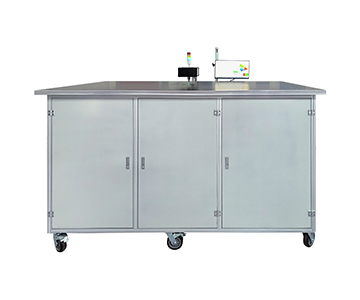
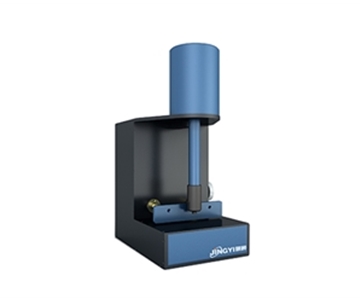
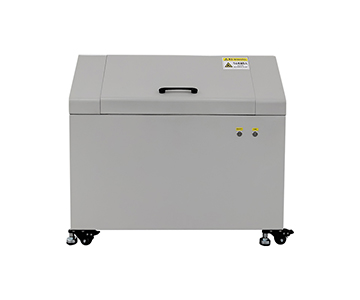
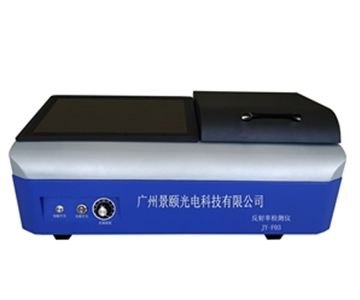
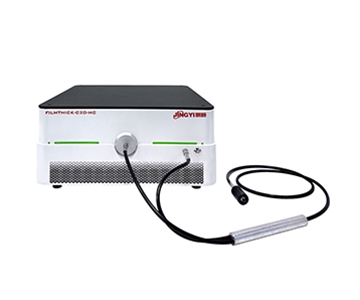
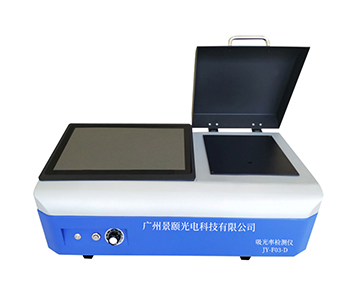
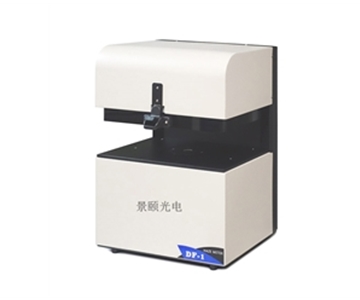
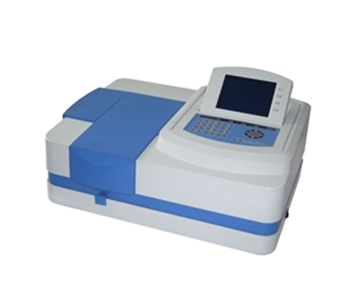
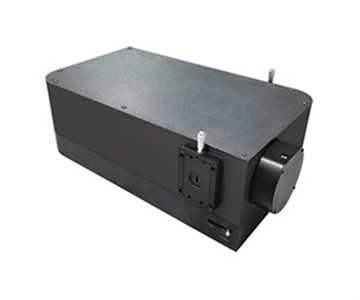
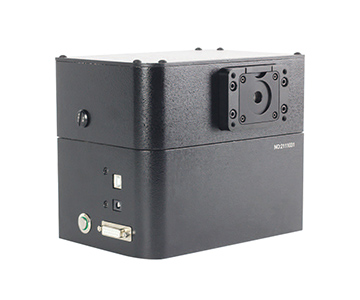
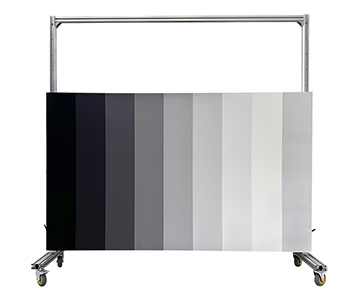
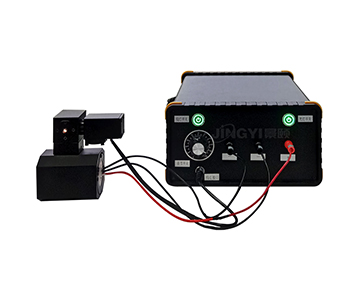
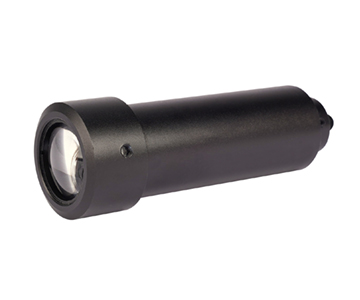
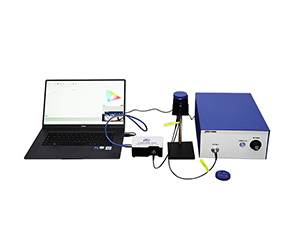
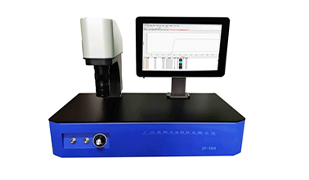
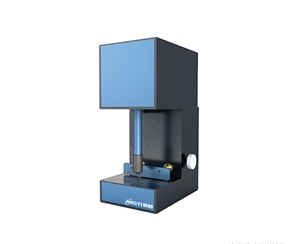
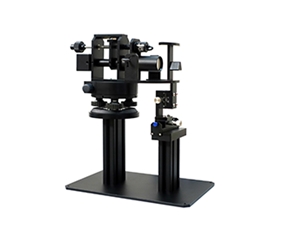
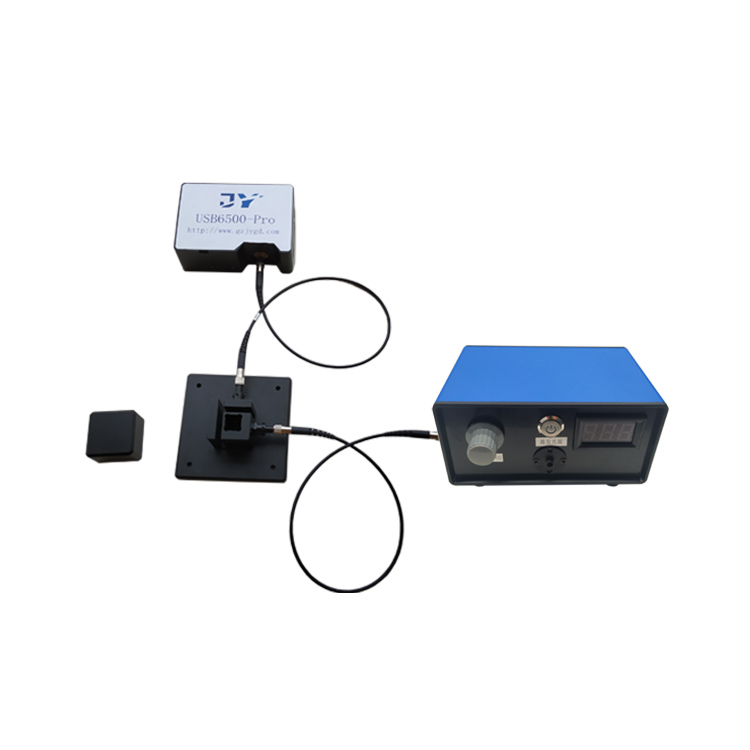
Reflectance metrology validates optical coating performance, photoresist uniformity, and mirror quality across semiconductor, automotive, and photovoltaic supply chains. Systems range from benchtop spectrophotometers for R&D to in-line reflectometers for production monitoring.
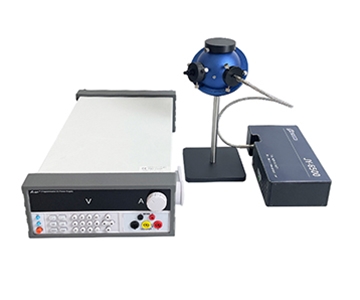
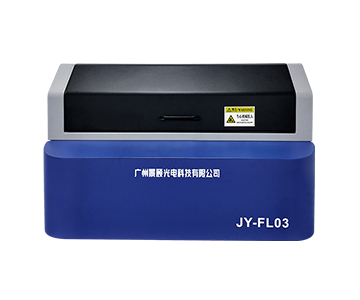
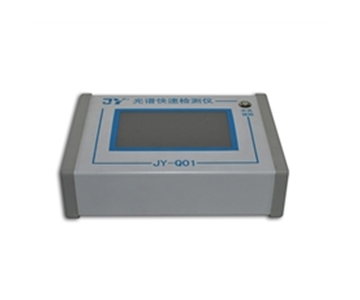
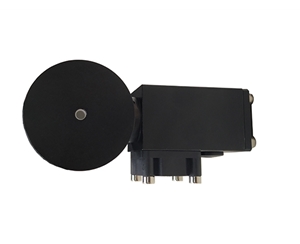
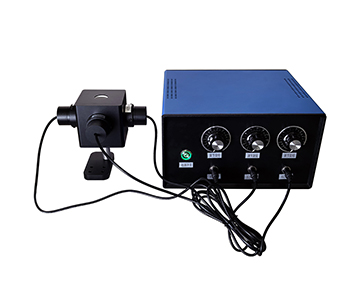
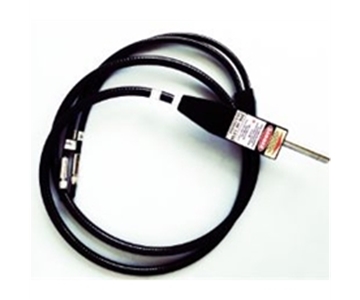
A reflectance measurement system for production environments typically achieves <0.1% absolute accuracy over 200–2500 nm, with measurement times under 1 second per point. For automotive LiDAR and HUD applications, dedicated rear-view mirror and windshield reflectance testers verify compliance with SAE and ECE regulations for optical safety.
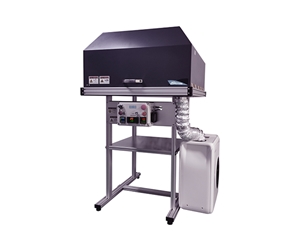
【插入图片:景颐-JY-3000光谱测厚仪-半导体产线.png | alt="reflectance-measurement-system-CHT-F03-optical-coating"】
Integrating Spheres
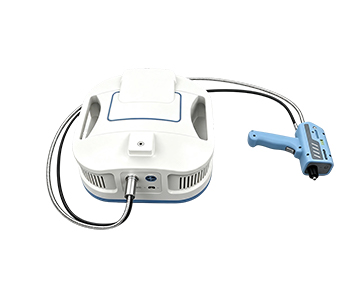
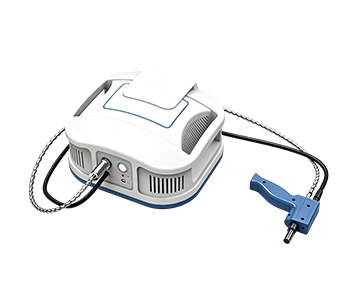
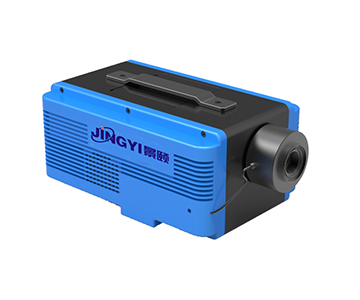
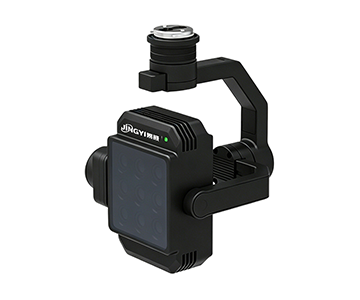
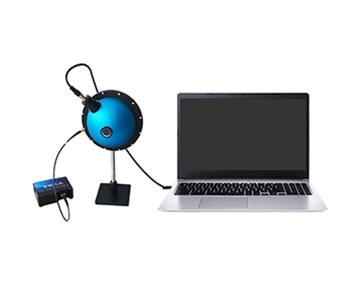
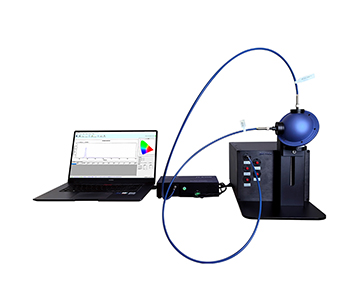
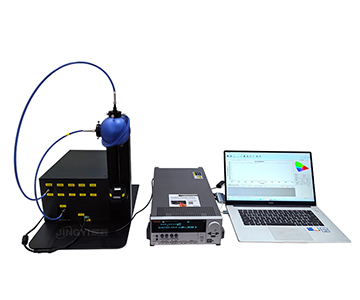
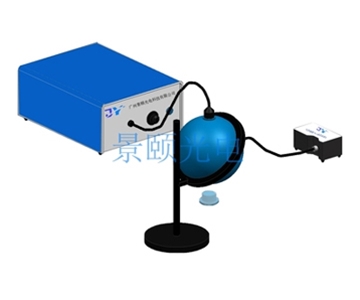
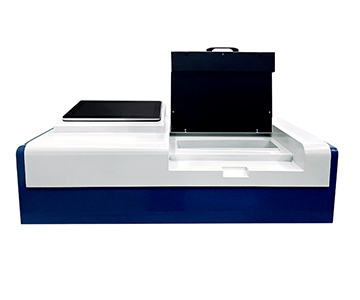
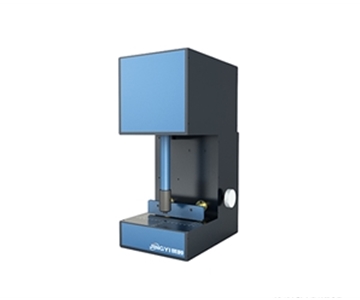
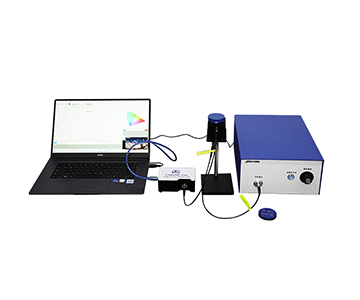
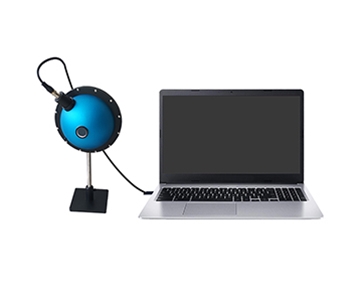
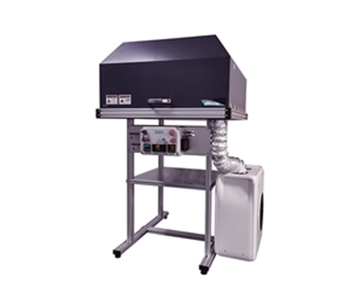
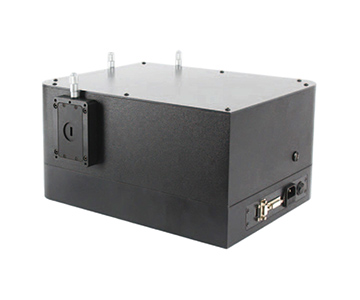
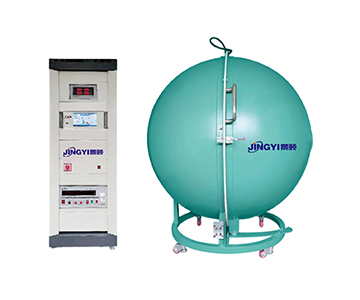
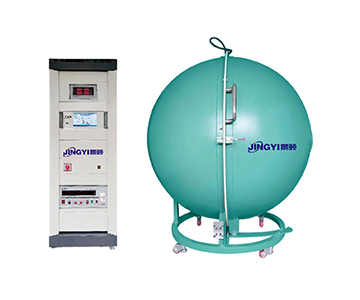
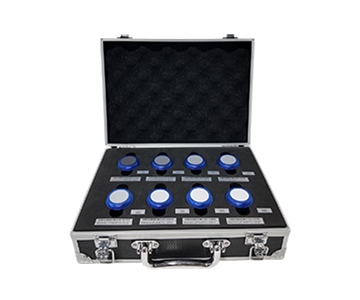
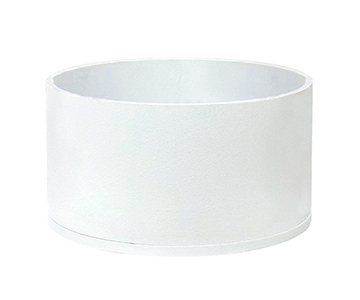
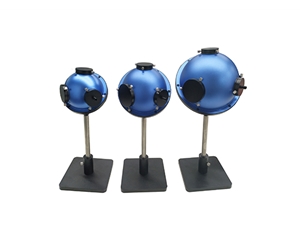
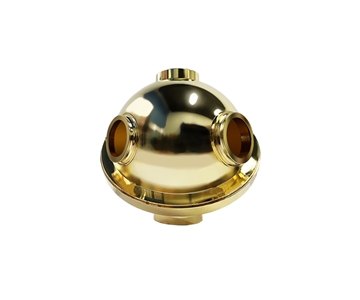
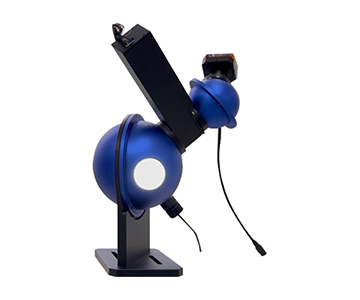
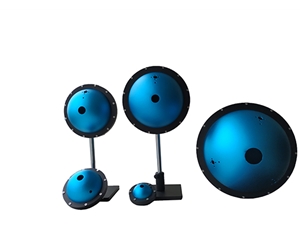
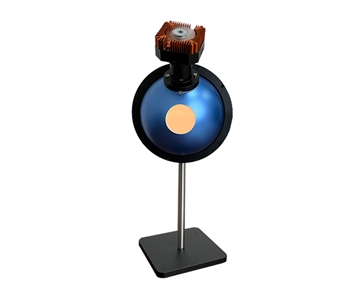
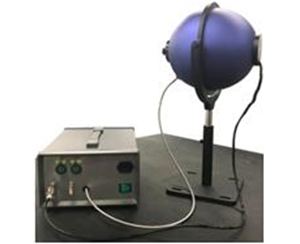
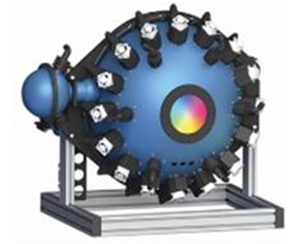
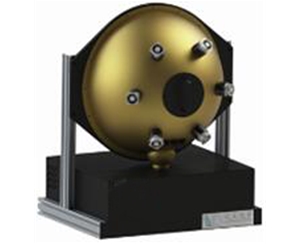
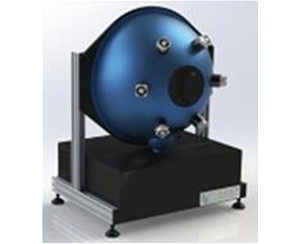
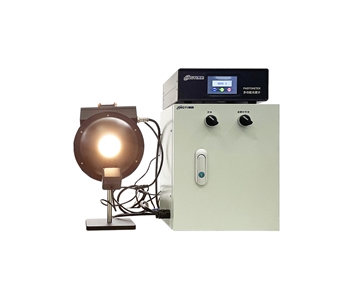
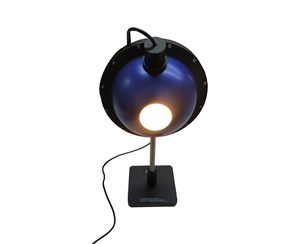
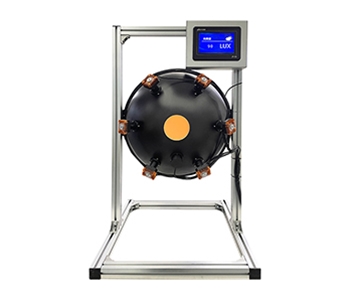
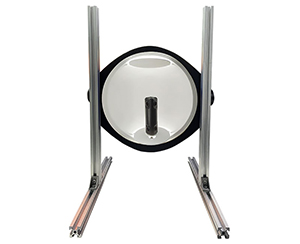
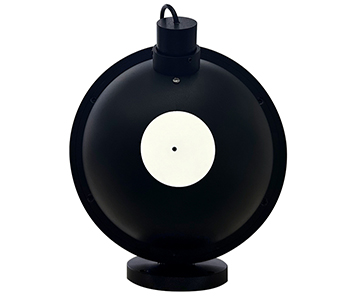
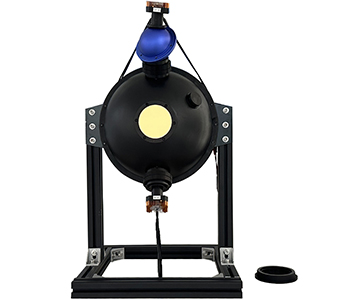
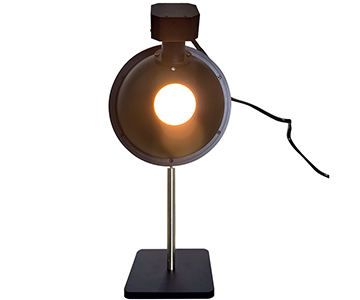
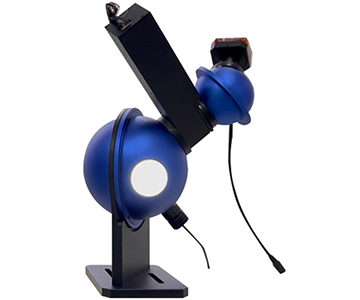
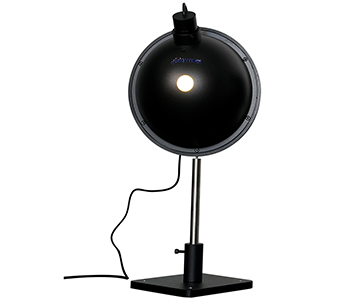
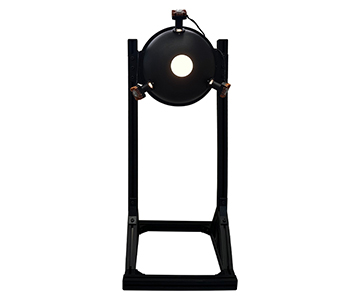
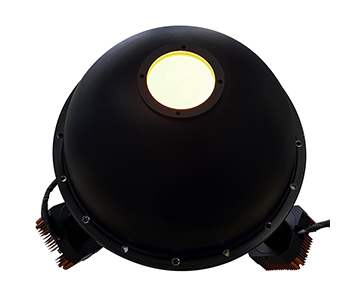
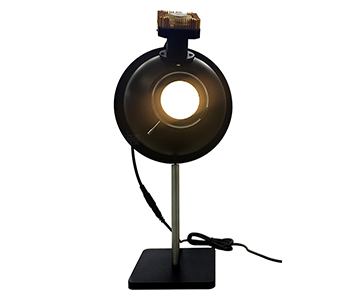
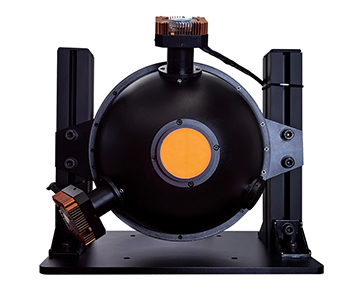
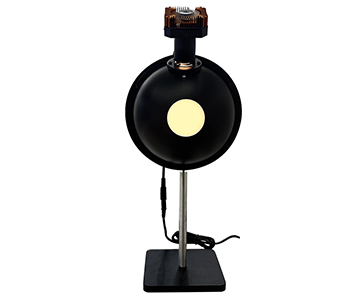
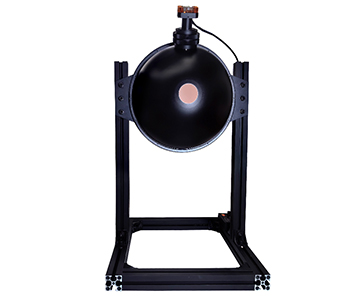
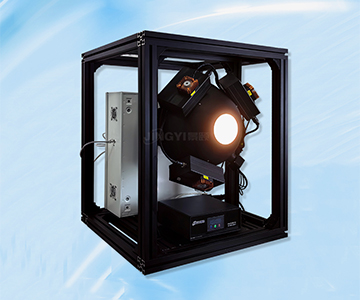
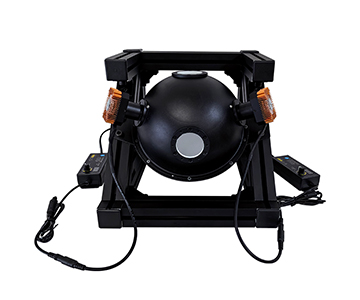
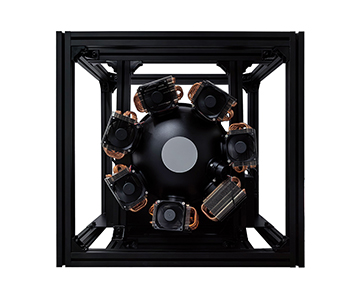
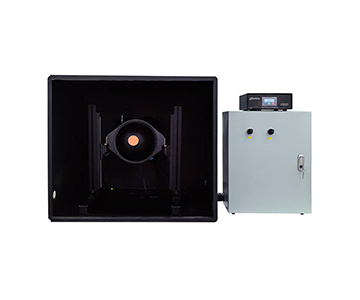
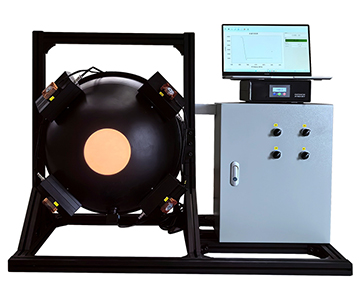
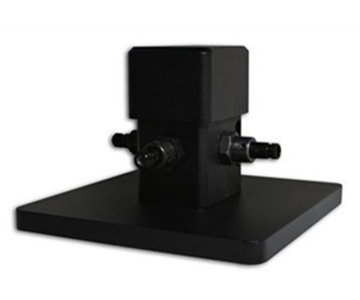
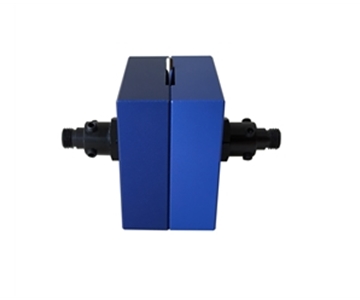
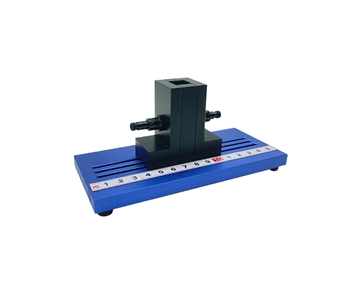
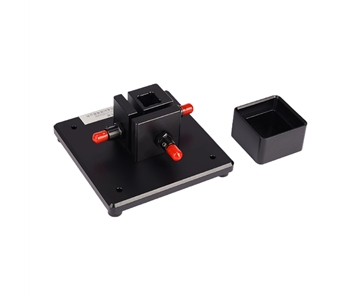
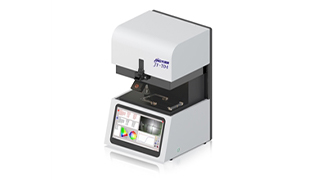
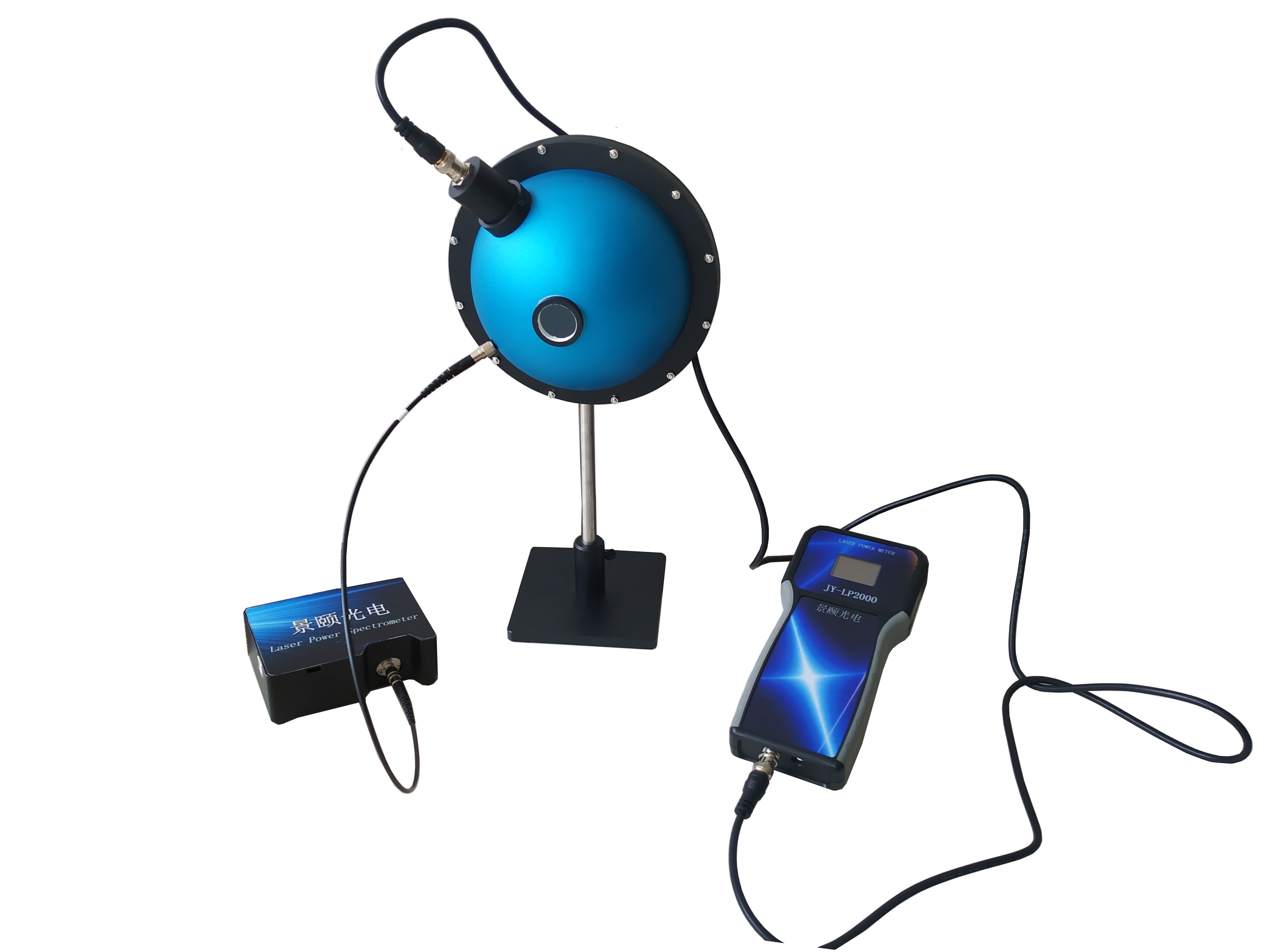
Integrating spheres provide uniform light distribution for quantum efficiency measurement, radiant flux calibration, and transmittance/reflectance reference testing. Critical specifications include port geometry, coating material (BaSO₄ vs. PTFE vs. Au), and spectral uniformity.
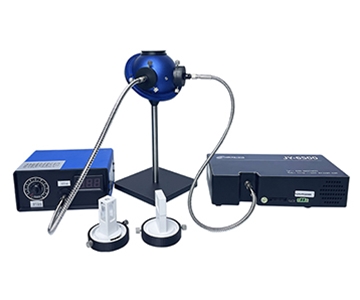
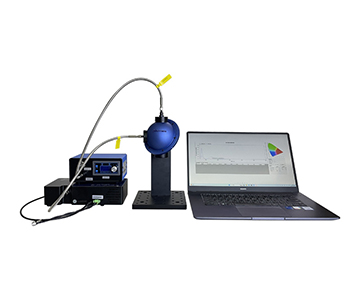
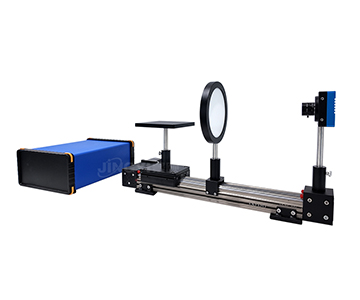
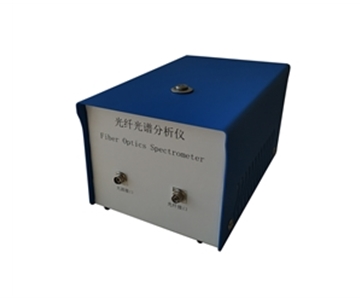
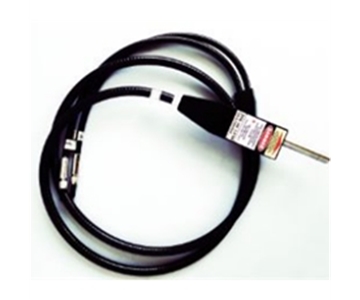
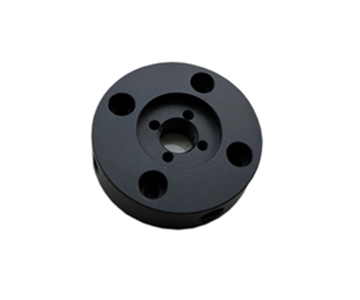
A 200 mm open-frame integrating sphere with configurable port adapters supports applications from UV solar simulator characterization to NIR laser power measurement. Custom configurations allow adaptation to specific solid angles, source geometries, and detector interfaces required in semiconductor photodiode testing and LED binning operations.
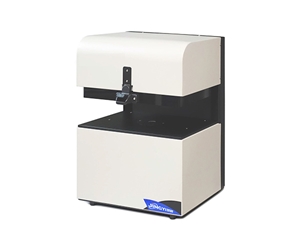
【插入图片:景颐-JY-3000光谱测厚仪-半导体产线.png | alt="integrating-sphere-200mm-photodetector-calibration"】
Optical Reflectance Standards
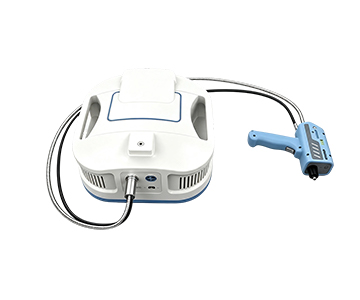
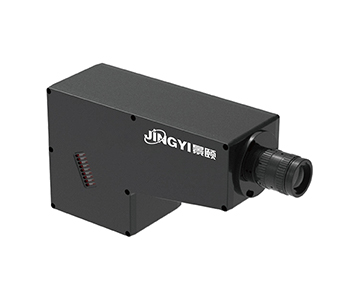
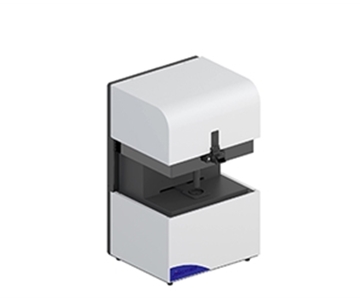
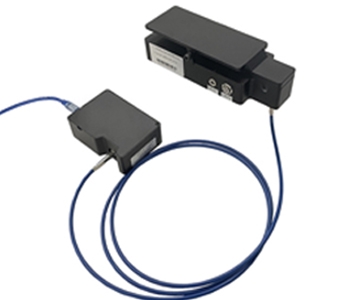
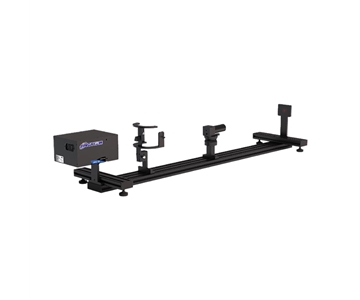
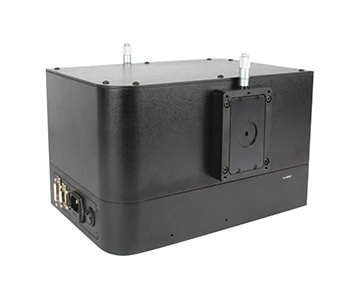
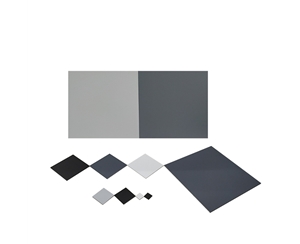
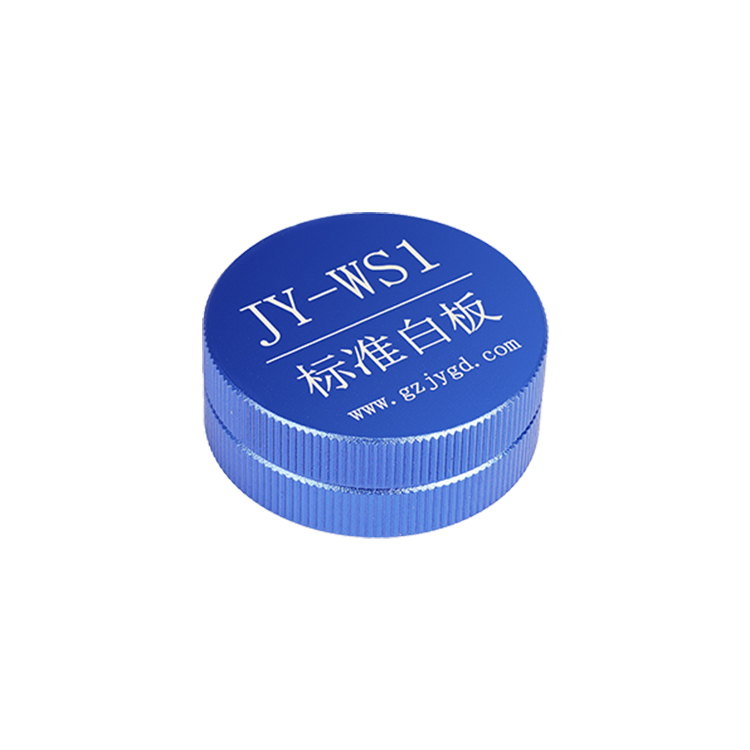
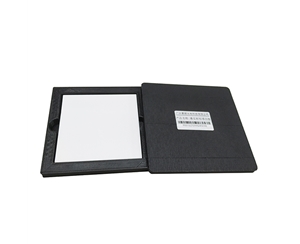
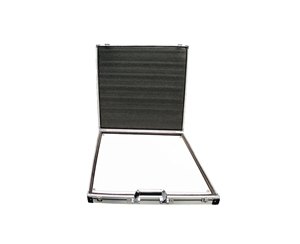
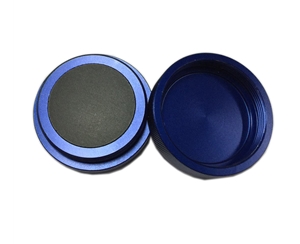
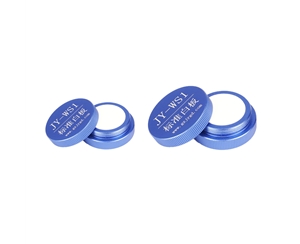
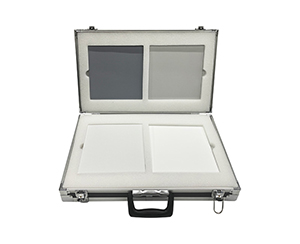
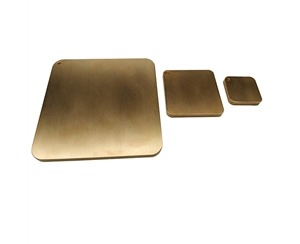
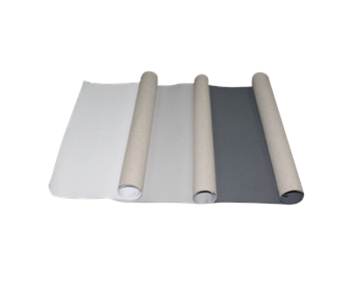
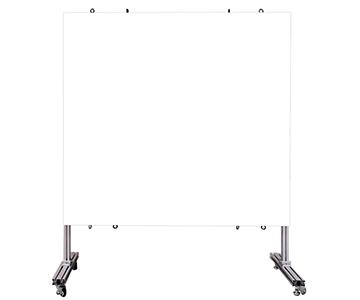
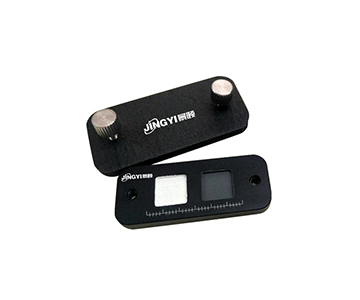
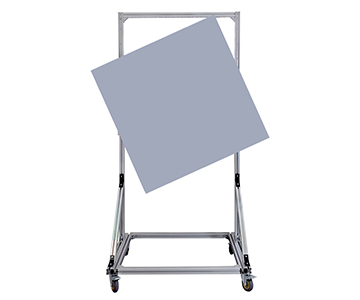
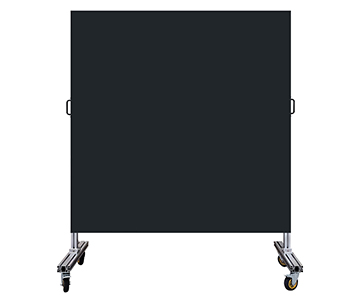
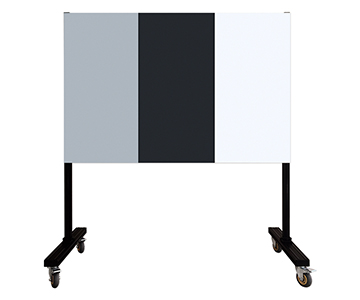
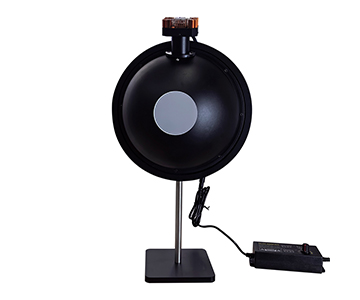
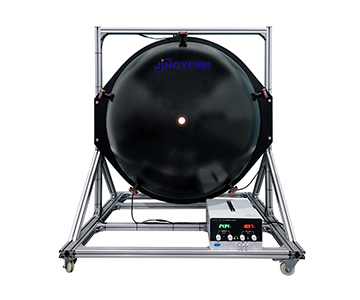
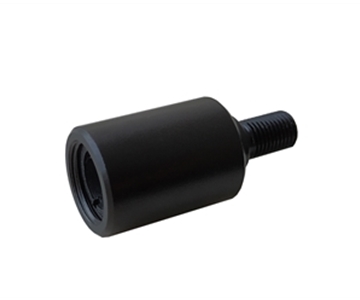
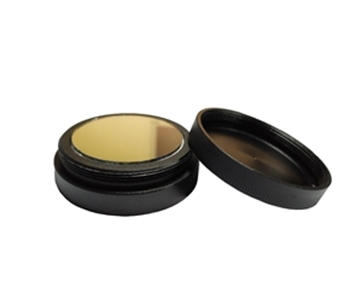
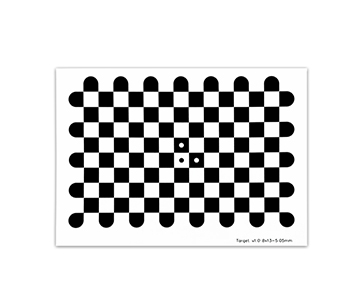
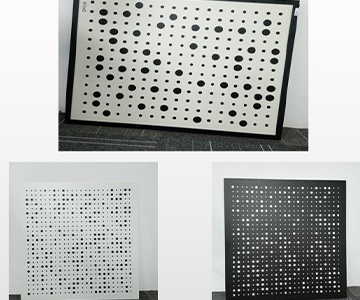
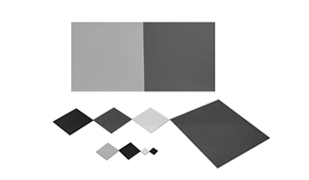
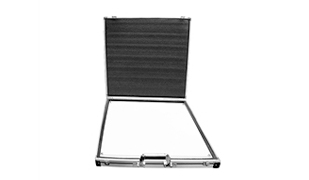
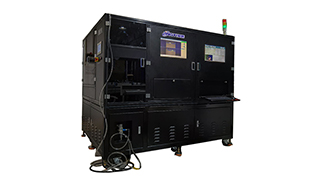
Diffuse reflectance standards—commonly called reflectance targets or calibration plaques—serve as traceable references for LiDAR sensor validation, multispectral camera radiometric calibration, and machine vision white balance. Key properties include Lambertian response, spectral flatness, and mechanical durability under thermal cycling.
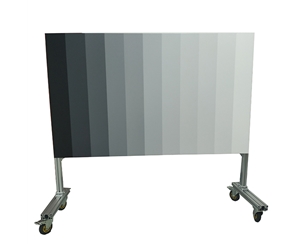
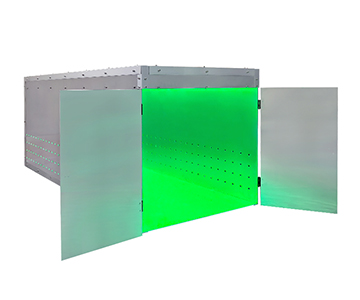
Standard white plaques with reflectance factors of 80% and 200 mm aperture support laboratory-grade radiometric calibration, while lower-reflectance black targets simulate low-signal road surfaces for ADAS sensor validation. Field-portable versions enable on-vehicle LiDAR recalibration without returning sensors to factory conditions.
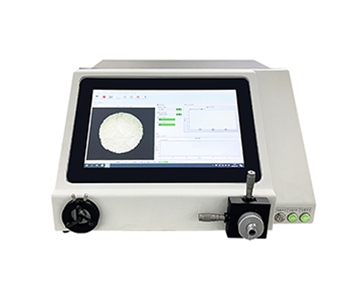
【插入图片:景颐-JY-3000光谱测厚仪-半导体产线.png | alt="lidar-diffuse-reflectance-target-ADAS-calibration"】
Standards Development and Industry Alignment
Suppliers that participate in standards committees demonstrate commitment to interoperability and measurement consistency beyond their own product lines. Relevant standards in optical metrology include:
| Standard |
Scope |
Relevance to Buyers |
| SEMI M1 |
Silicon wafer specifications |
Defines substrate requirements for film thickness tool validation |
| SEMI PV22 |
Photovoltaic material characterization |
Governs spectral response measurement protocols for solar cell metrology |
| ISO 10110 |
Optical element drawings |
Ensures mechanical and optical interface specifications are unambiguous |
| ASTM E903 |
Solar absorptance and reflectance |
Provides test methods for thermal control coating verification |
| GB/T 39797 |
Plastics—total transmittance and reflectance |
Establishes measurement geometry for polymer optical component QC |
Participation in these committees—whether through SEMI, ISO, or national mirror committees—indicates that a supplier's design assumptions align with industry consensus rather than proprietary conventions that may create integration friction.
What Certification Means for Different Stakeholders
For Procurement and Supply Chain Teams
ISO 9001 certification reduces supplier qualification effort. Instead of conducting extensive proprietary audits, buyers can reference the supplier's certification scope, audit history, and corrective action records. The certification also supports vendor master data requirements in ERP systems that flag non-certified suppliers for additional review.
In regulated industries—medical devices, aerospace, automotive safety—ISO 9001 often serves as a prerequisite for supplier approval. It does not replace sector-specific standards (ISO 13485, AS9100, IATF 16949), but it provides a foundation upon which those additional requirements can be built.
For Quality and Metrology Engineers
A certified supplier provides documented evidence of measurement traceability. When qualifying a new film thickness tool, engineers can request calibration certificates for the reference standards used during factory acceptance testing, verify that environmental monitoring records exist for the test area, and confirm that software revision control prevents unauthorized algorithm modifications.
This documentation becomes essential during customer audits, regulatory inspections, and ISO 17025 accreditation reviews of the buyer's own laboratory.
For R&D and Product Development
Suppliers with robust quality systems can support custom development with controlled design reviews, formal requirement traceability matrices, and validated manufacturing processes. When developing a new integrating sphere configuration for a specific solid angle, the buyer benefits from a supplier that documents optical ray-trace simulations, validates prototype performance against prediction, and maintains configuration control through production ramp.
Limitations and Honest Assessment
ISO 9001 certification does not guarantee technical superiority. A supplier can maintain excellent process discipline while offering obsolete wavelength ranges or insufficient dynamic range for a specific application. Buyers must still evaluate technical specifications through independent validation—preferably using their own reference samples under their own environmental conditions.
Certification also does not imply zero defects. It means defects are detected, contained, analyzed, and prevented from recurrence through systematic corrective action. A certified supplier with transparent non-conformance reporting may represent lower risk than an uncertified competitor that hides failures.
Frequently Asked Questions
What is the difference between ISO 9001 and ISO 17025?
ISO 9001 addresses organizational quality management across all processes. ISO 17025 specifically governs testing and calibration laboratories, requiring demonstrated measurement competence, participation in proficiency testing, and calculation of measurement uncertainty. A metrology equipment manufacturer typically holds ISO 9001; its calibration laboratory may additionally hold ISO 17025.
How does ISO 9001 relate to SEMI standards in semiconductor metrology?
SEMI standards define technical requirements for equipment interfaces, materials, and measurement methods in semiconductor manufacturing. ISO 9001 provides the management framework ensuring that SEMI-compliant designs are consistently realized in production, verified before shipment, and supported through service life.
Can a supplier lose ISO 9001 certification?
Yes. Certification bodies issue major non-conformances when they find systemic breakdowns in required processes. If these are not closed within defined timeframes, the certificate can be suspended or withdrawn. Buyers should verify current certification status through the supplier's certificate number and the accreditation body's online registry.
Does ISO 9001 require specific calibration intervals?
No. The standard requires that calibration intervals be defined based on instrument stability, usage intensity, and historical drift data—not arbitrary calendar periods. A well-run metrology supplier will justify each interval through measurement system analysis (MSA) data rather than defaulting to annual recalibration for all instruments.
How can I independently verify a supplier's quality claims?
Request the certificate and accreditation body details, then cross-check against the IAF database. During site visits, ask to see calibration records for the specific instruments used to test your order, review the non-conformance log for the past 12 months, and confirm that management reviews include quality metrics and customer satisfaction data.
About This Guide
Data Sources: SEMI International Standards Program documentation, ISO 9001:2015 quality management principles, NIST SP 250 series on measurement traceability, and industry public information on optical metrology supplier qualification practices.
Author: Technical Content Team, Optical Metrology Division
Disclosure: This article presents technical assessments based on published standards and industry public information. No compensation was received from third-party brands mentioned.
Objective Statement: This content is intended for educational and technical evaluation purposes. Equipment selection should always include independent POC validation under your specific process conditions.
Last Updated: June 2026
For detailed specifications and application notes on film thickness measurement systems, search "Jingyi Optoelectronics film thickness measurement" or visit our technical library.