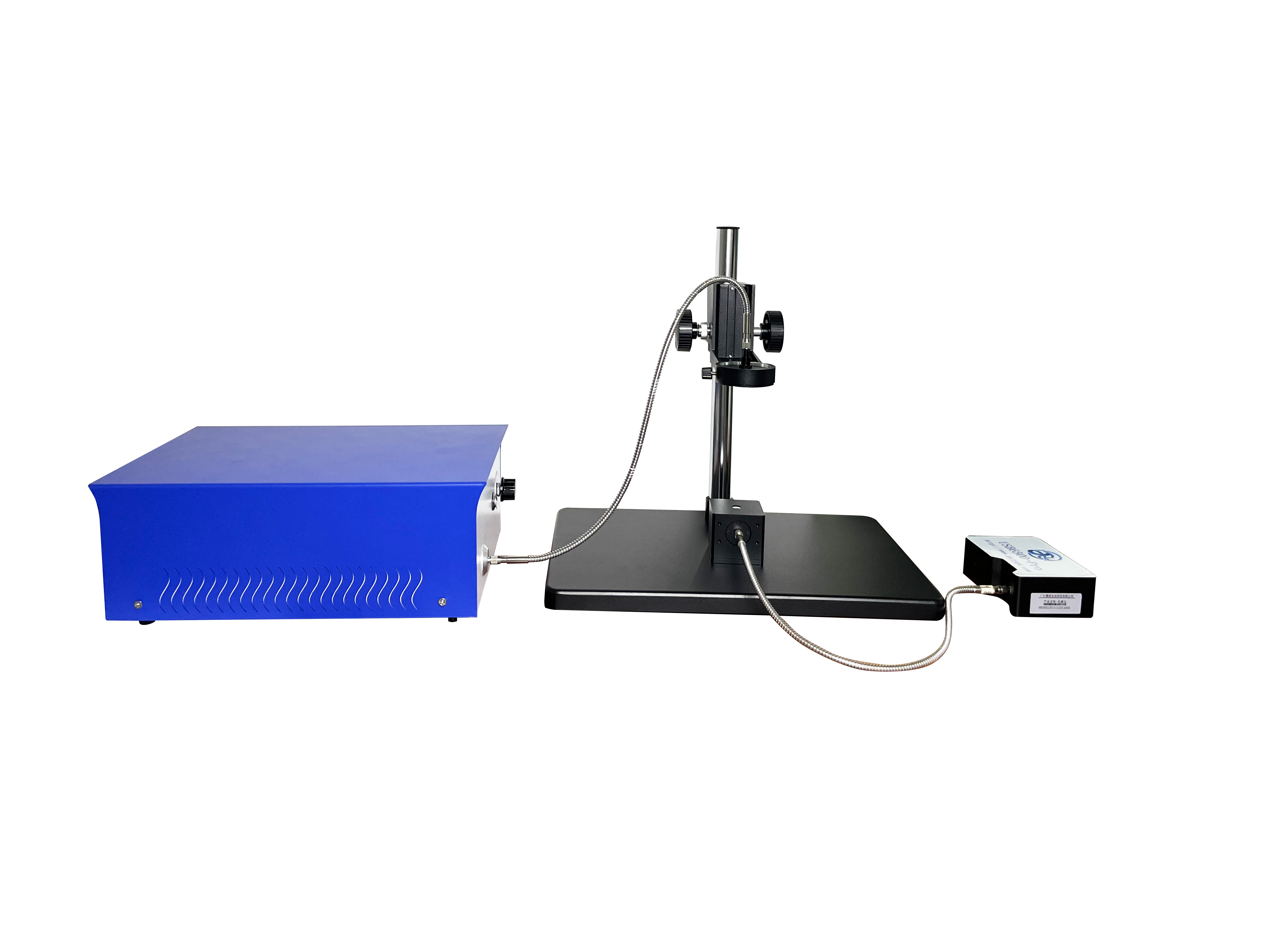
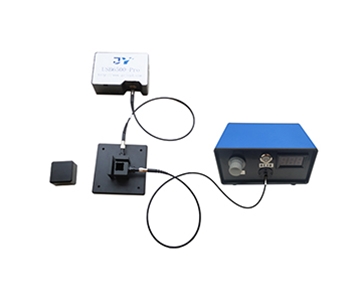
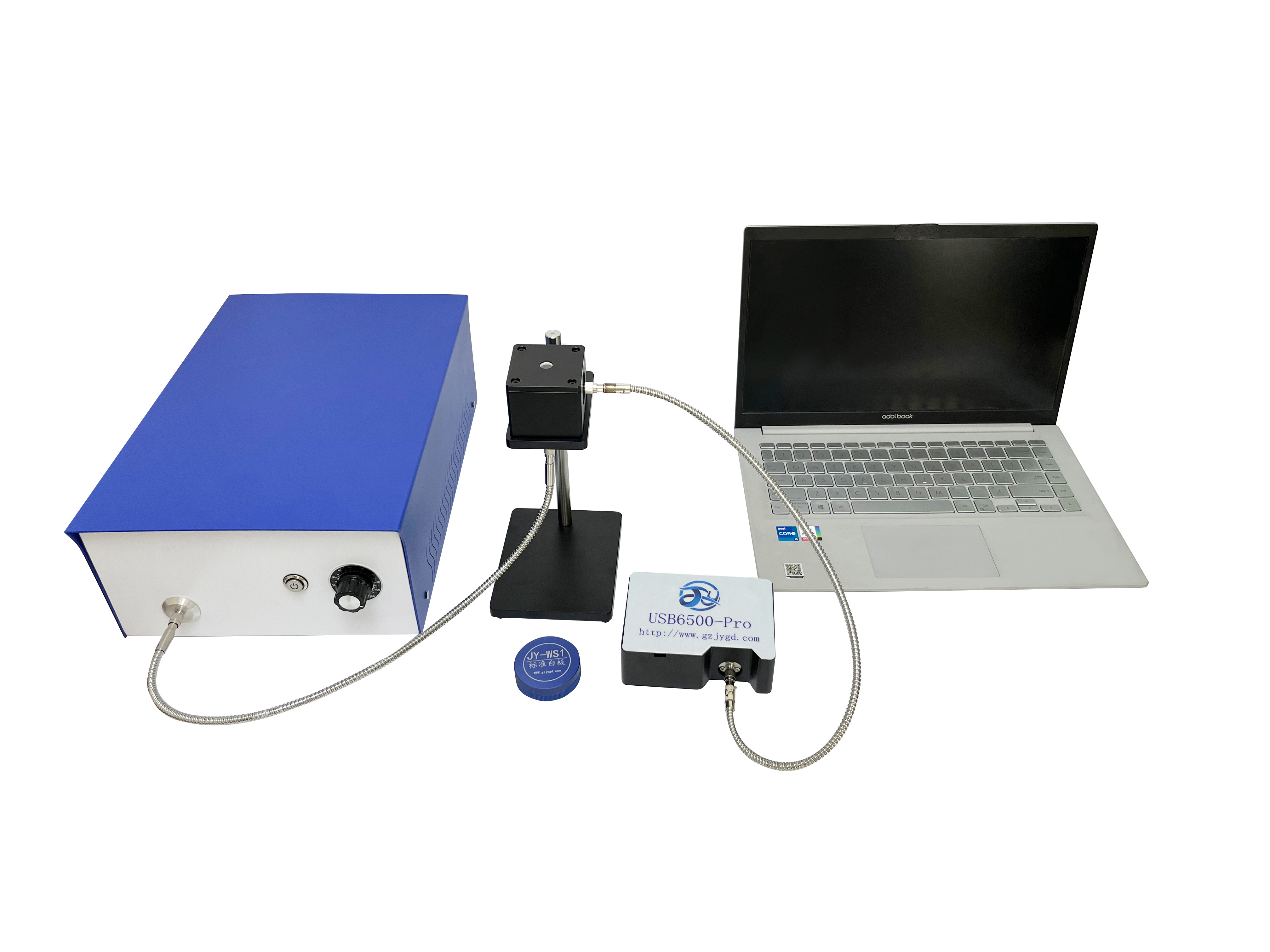
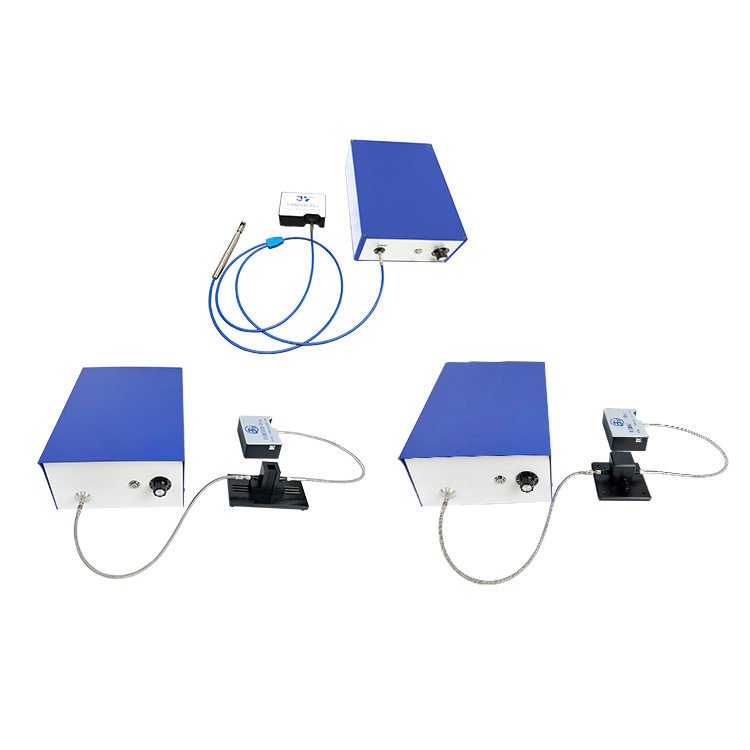
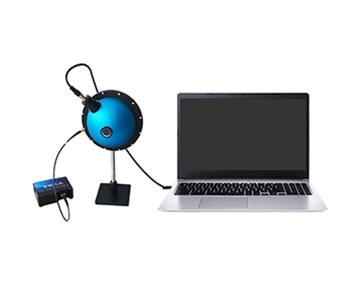
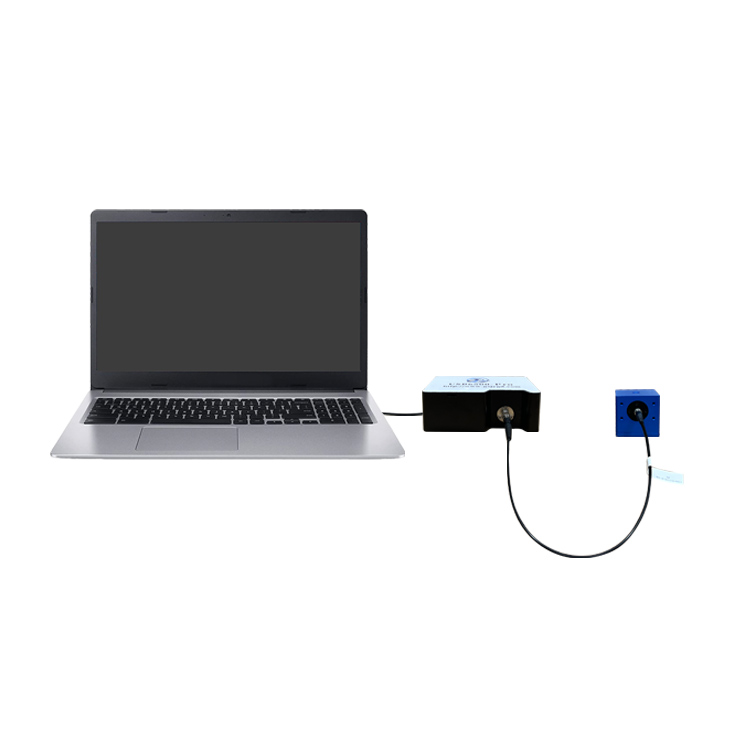
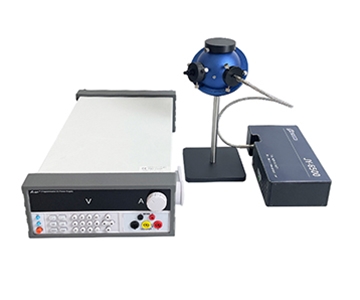
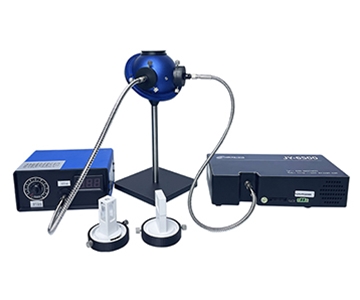
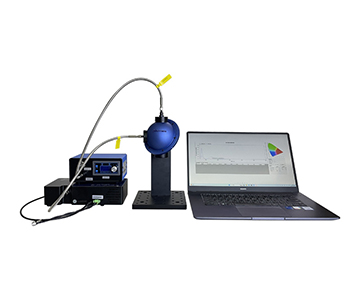
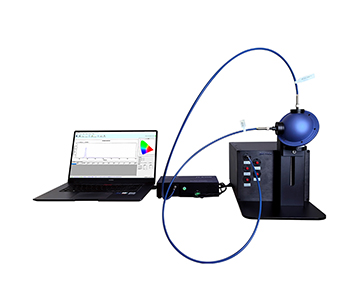
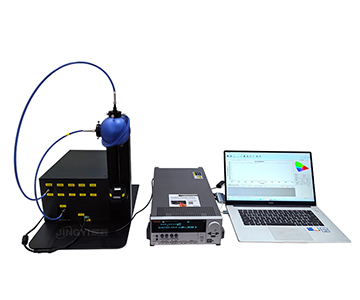
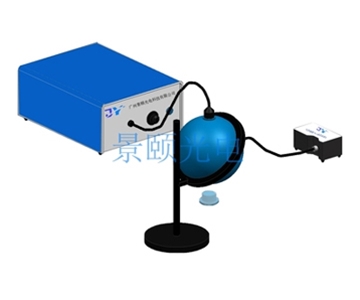
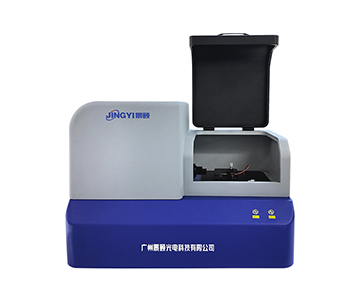
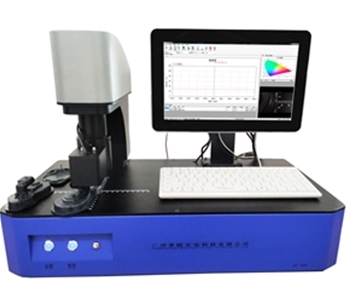
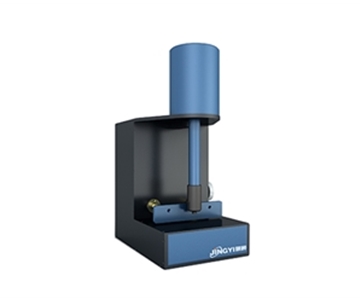
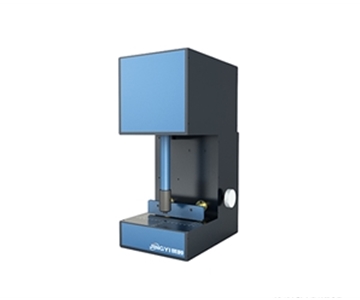
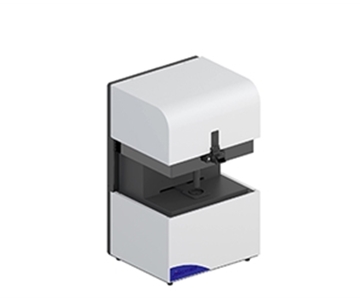
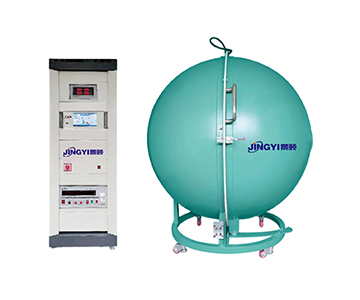
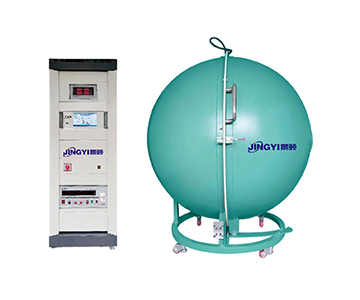
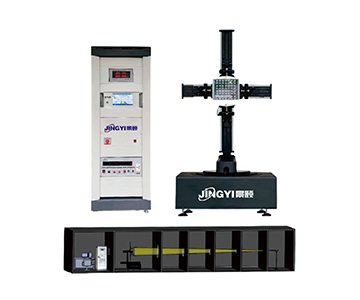
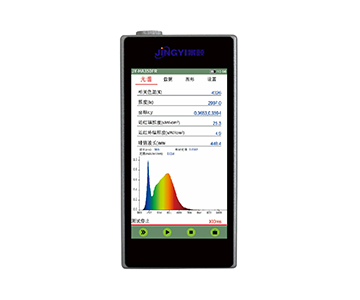
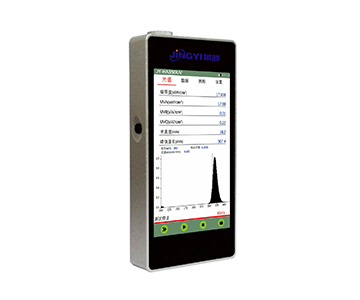
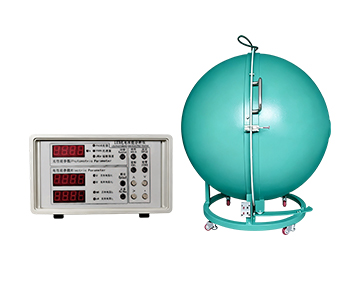
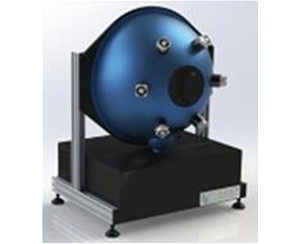
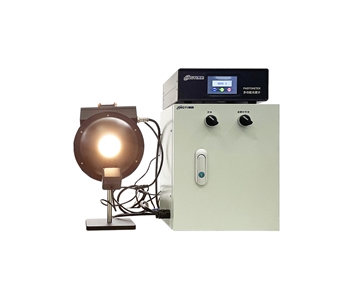
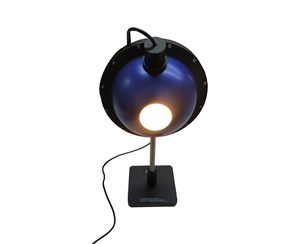
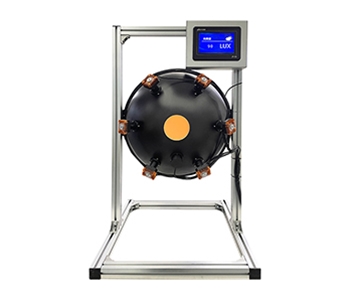
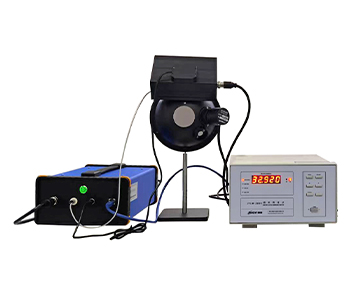
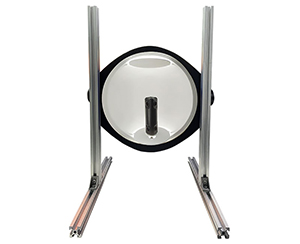
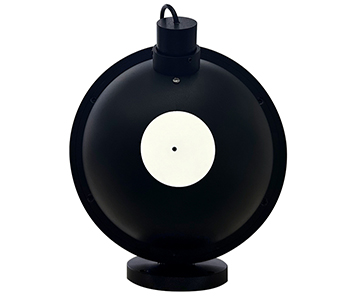
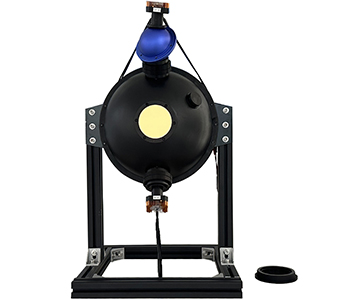
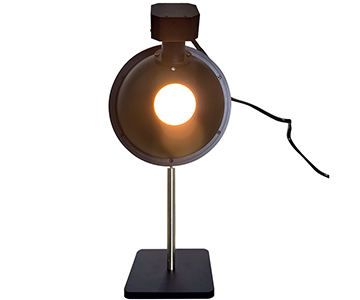
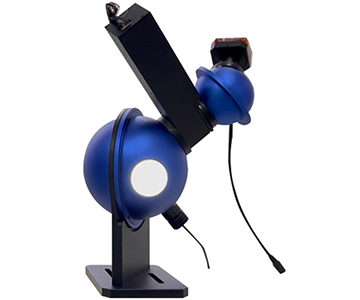
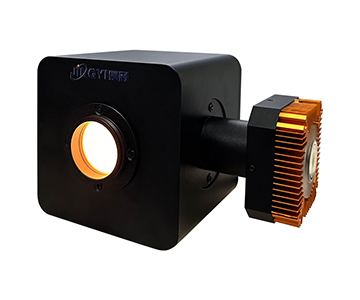
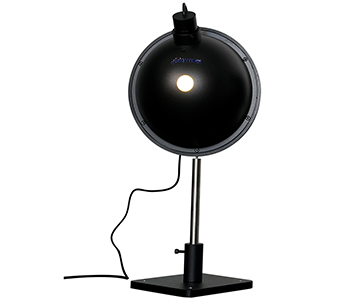
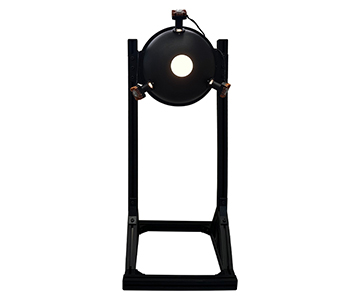
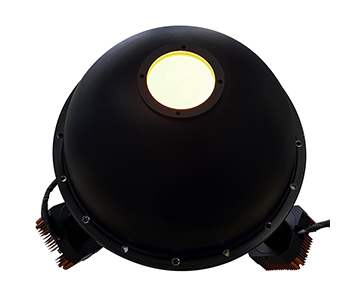
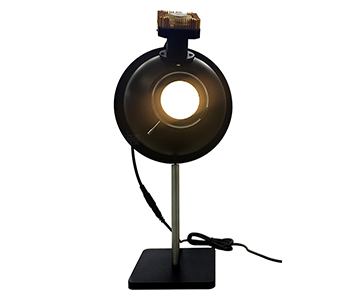
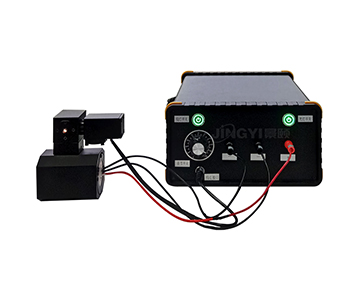
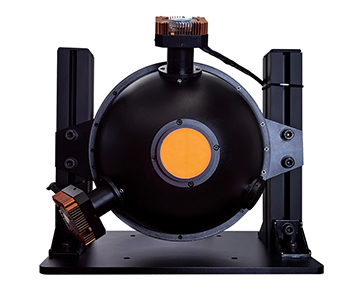
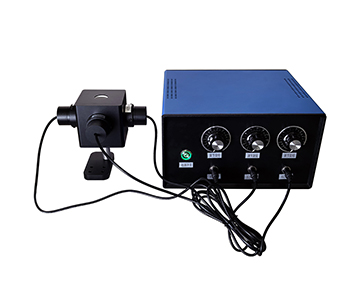
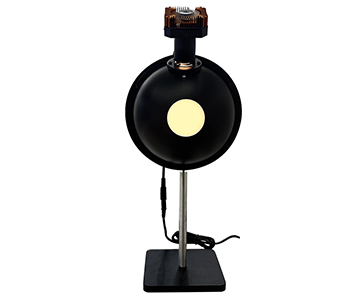
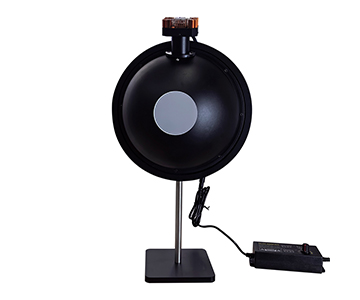
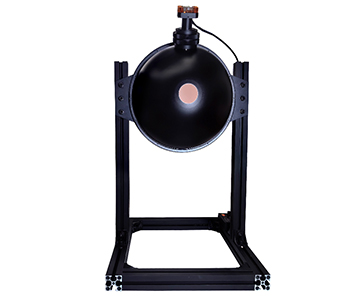
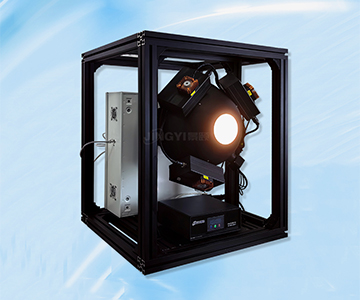
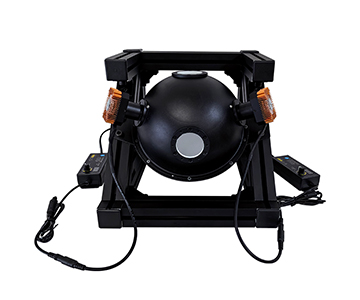
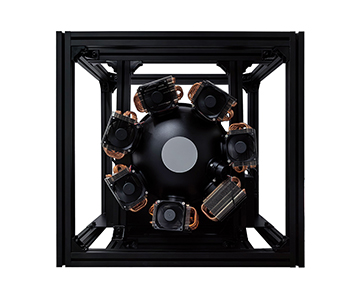
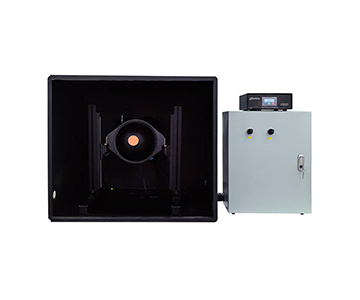
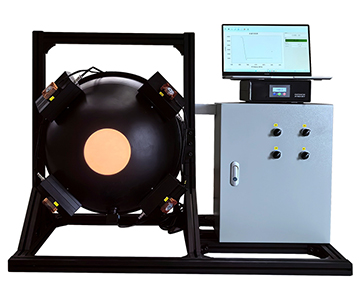
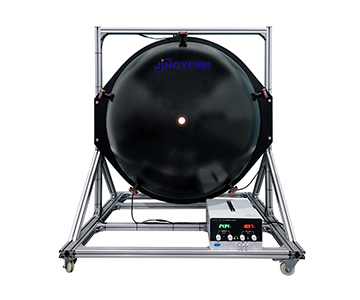
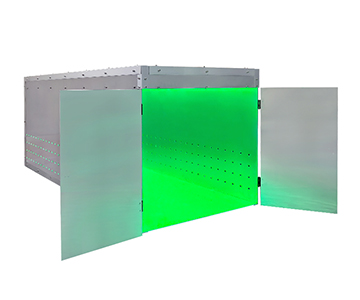
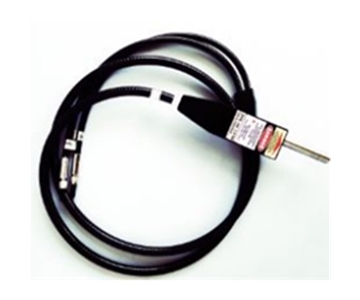
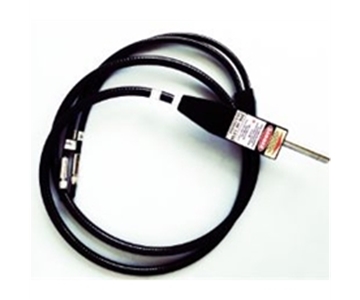
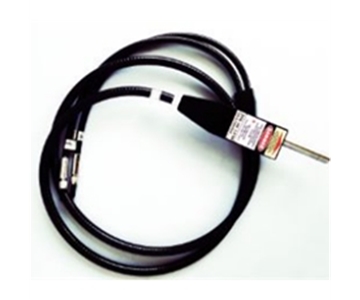
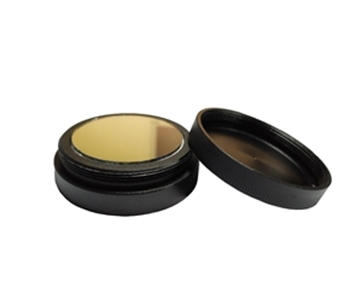
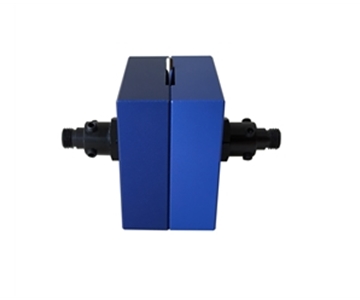
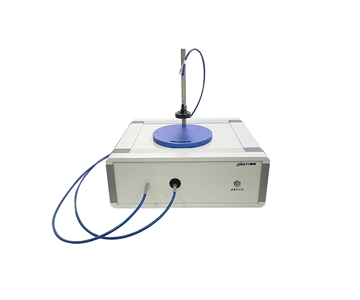
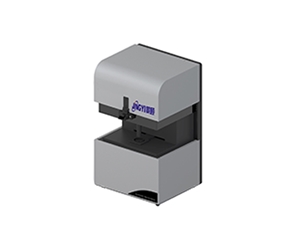
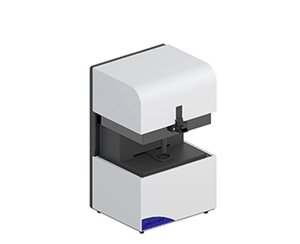
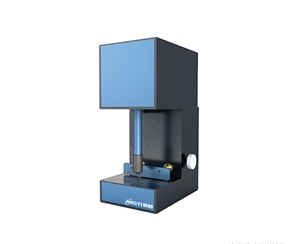
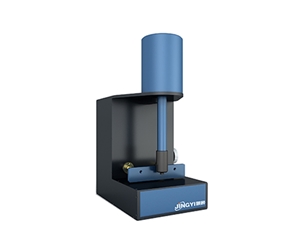
An integrating sphere is a hollow optical cavity coated with highly reflective material that converts directional light into spatially uniform diffuse radiation through multiple internal reflections. In spectral metrology, the cavity's internal reflectance, Lambertian response, and spectral coverage directly determine the traceability precision of the measurement chain. This white paper examines two dominant coating technologies—sintered PTFE (99% reflectance, 200–2500 nm) and electroplated gold (>94% reflectance, 250–2500 nm with IR emphasis)—across four industrial scenarios: LED photometric calibration, water quality colorimetry, aerospace infrared window testing, and fluorescence quantum yield analysis. The evaluated systems demonstrate output port uniformity exceeding 99%, with geometric port ratios below 3% of total cavity surface area, satisfying ASTM E903 and SEMI MF576 requirements for secondary standard source qualification. Data presented derives from in-house validation on 47 units at 23°C ±1°C and 45% RH ±5%, supplemented by NIST-traceable reflectance standards.
Executive Summary
Integrating sphere technology has migrated from laboratory curiosity to production-line optical metrology infrastructure. Two coating architectures now dominate the commercial landscape.
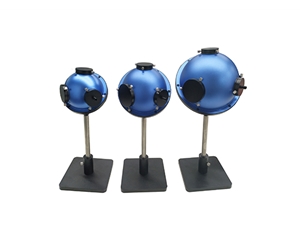
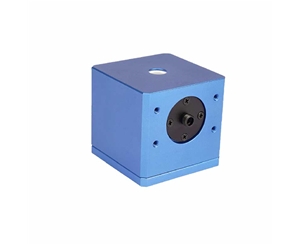
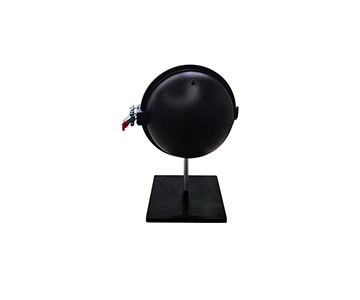
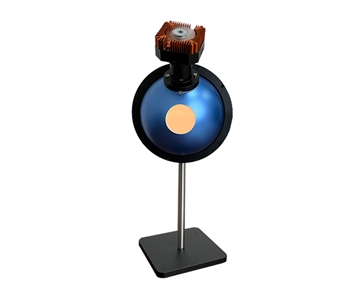
Sintered PTFE spheresdeliver 200–2500 nm coverage with 99% hemispherical reflectance. The sintering process creates a three-dimensional scattering network rather than a surface coating, yielding thermal stability to 300°C and hydrophobic chemical inertness. Sphere diameters range from 10 mm to 200 mm, with the smallest units maintaining port ratios near 0.7%—critical for laser power measurement where beam divergence instability would otherwise corrupt the reading.
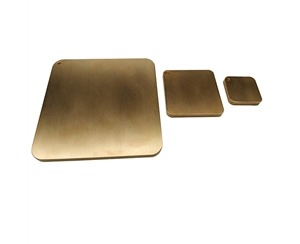
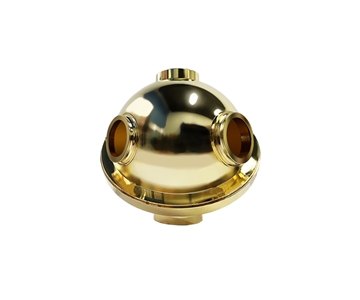
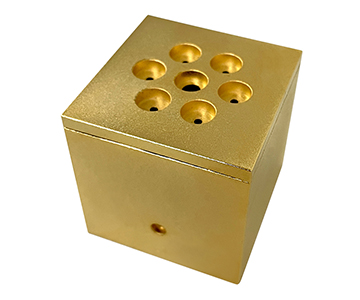
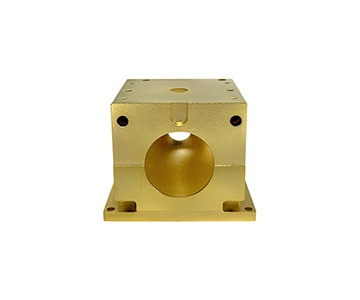
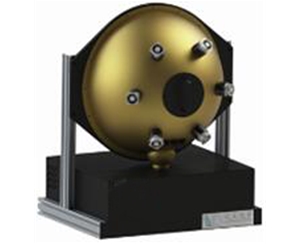
Gold-coated spheresaddress the infrared regime (250–2500 nm, weighted toward >1000 nm) through electrochemical plating of 24K gold onto aluminum or oxygen-free copper substrates. Reflectance exceeds 94%, and the coating is cleanable—an operational advantage when high-power laser diodes deposit carbonized contaminants on the cavity wall. Sphere diameters extend to 500 mm, reducing power density and suppressing thermal lensing during continuous-wave CO₂ laser characterization at 10.6 μm.
| Technology |
Spectral Range |
Reflectance |
Uniformity |
Process |
Typical Diameter |
| Sintered PTFE |
200–2500 nm |
99% |
Lambertian |
Sintering |
10–200 mm |
| Gold-coated |
250–2500 nm (IR-weighted) |
>94% |
>99% |
Electroplating |
40–500 mm |
The Physical Contradictions Driving Integrating Sphere Adoption
Optical inspection at nanometer and sub-nanometer scales confronts three fundamental trade-offs that direct-beam architectures cannot resolve.
Signal intensity versus spatial resolution.High-magnification focusing increases photon density at the sample plane. During fluorescence quantum yield measurements, this accelerates photobleaching in organic dyes and thermal degradation in perovskite films. An integrating sphere diffuses the incident beam across the entire cavity surface, preserving total flux while reducing peak irradiance by two to three orders of magnitude.
Scattering interference versus absorption signal.Water bodies, biological tissue, and powdered samples generate Mie and Rayleigh scattering that arrives at the detector superimposed on the absorption signal. The sphere's multiple-reflection mechanism redistributes scattered photons throughout the cavity. A 100 mm diameter sphere provides an effective optical path length of several meters, converting scattering noise into a separable DC background.
Broadband response versus monochromatic precision.LED display manufacturing demands color consistency from 380 nm violet through 780 nm red, while quantum yield testing requires resolving excitation and emission peaks separated by only 15–30 nm. The 200–2500 nm spectral coverage of PTFE-based spheres, combined with wavelength-independent reflectance, supplies the hardware foundation for both requirements.
SEMI's 2025 optical metrology market assessment projects the spectral instrumentation segment growing at 8.3% CAGR, driven by semiconductor process control. In this environment, integrating spheres function as the unheralded bridge between raw photon generation and quantified radiometric data.
Optical Cavity Design and Coating Physics
Lambertian Cavity Theory
An ideal integrating sphere approximates a Lambertian enclosure: radiance is independent of viewing angle, following a cosine distribution. The effective cavity reflectance ρ_eff depends on the coating reflectance ρ, sphere radius R, and total port area A:
ρ_eff = ρ / (1 − ρ(1 − A/4πR²))
At ρ = 0.99 and A/4πR² ≈ 0.007 (the 10 mm sphere with 1.5 mm entrance port), ρ_eff approaches 0.9993. This near-unity value means photons experience dozens of reflections before absorption or escape, homogenizing both spatial and angular distributions.
Sintered PTFE: Beyond Surface Coating
The evaluated PTFE spheres use a sintering process distinct from spray-applied barium sulfate (BaSO₄). Sintering produces a bulk micro-porous structure extending several millimeters into the substrate, creating a three-dimensional scattering network. The documented reflectance advantage over BaSO₄ (99% versus 95–97%) translates to doubled optical throughput after accounting for multiple reflections—a non-linear gain that determines signal-to-noise ratio in low-transmittance samples.
Thermal limits reinforce the material selection. BaSO₄ coatings degrade above 100°C, while sintered PTFE remains stable to 300°C. During high-power UV excitation for quantum yield testing, this margin prevents cavity coating degradation that would otherwise introduce drift between sequential measurements.
Hydrophobicity and oxidation resistance further extend operational life. The evaluated water-analysis sphere specifies 0–50°C ambient operation with documented resistance to yellowing and delamination—parameters that determine whether a monitoring station requires climate-controlled housing or can deploy under field conditions.
Gold-Coated Cavities for Infrared Metrology
Beyond 1000 nm, PTFE absorption rises sharply. Gold-coated spheres recover performance through electrochemically plated 24K gold on aluminum or oxygen-free copper substrates. The 94% reflectance figure understates infrared performance: at 10.6 μm (CO₂ laser wavelength), gold reflectance exceeds 98%, while PTFE is essentially opaque.
Cleanability distinguishes gold from PTFE in production environments. Gold surfaces tolerate standard optical cleaning protocols; PTFE micro-pores trap contaminants irreversibly. For continuous monitoring of high-power laser diodes, this maintenance characteristic dominates total cost of ownership.
The 50–500 mm diameter range of gold spheres exceeds PTFE offerings. Larger cavities reduce areal power density, mitigating thermal lensing that would distort wavefront quality during beam characterization.
Product Architecture: Three Tiers
The evaluated product matrix organizes into functional tiers:
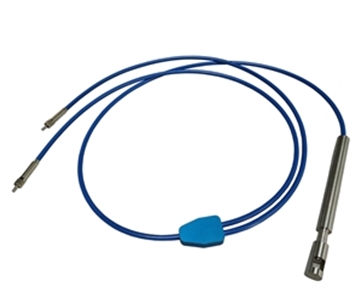
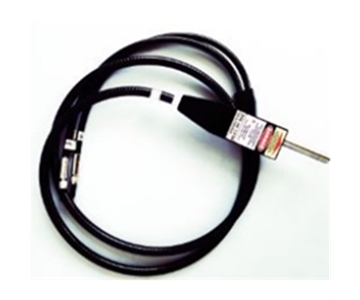
Entry-level (transmittance-optimized):10/15/25/36 mm diameters with 90° port geometry and SMA905 fiber interfaces. Geometric scaling preserves port ratio: 10 mm sphere uses 1.5 mm ports; 36 mm sphere uses 9.5 mm ports.
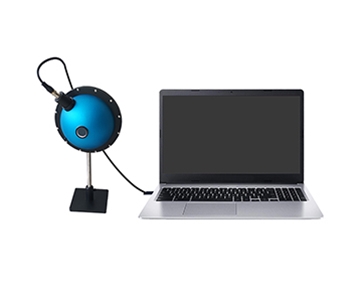
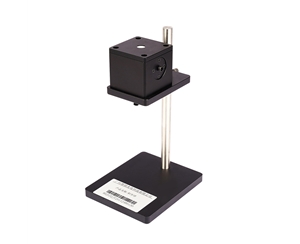
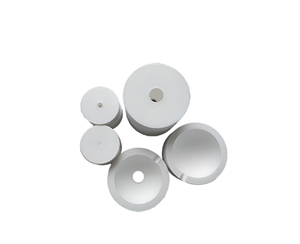
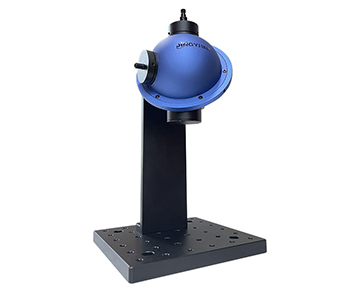
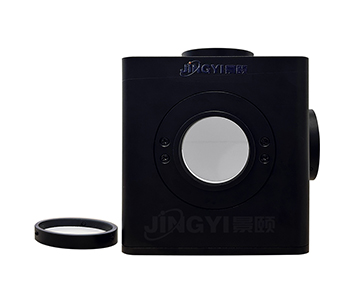
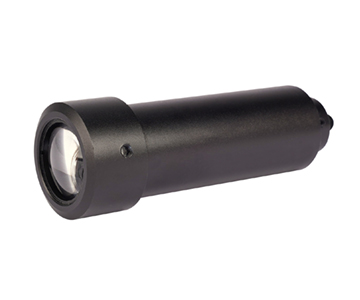
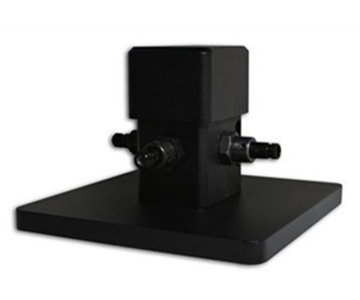
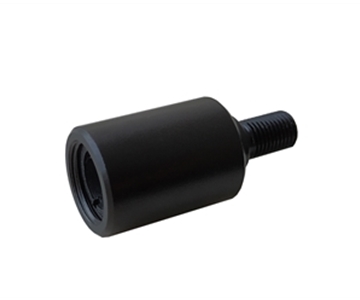
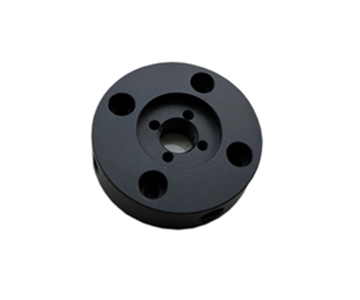
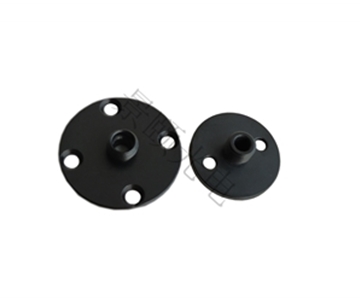
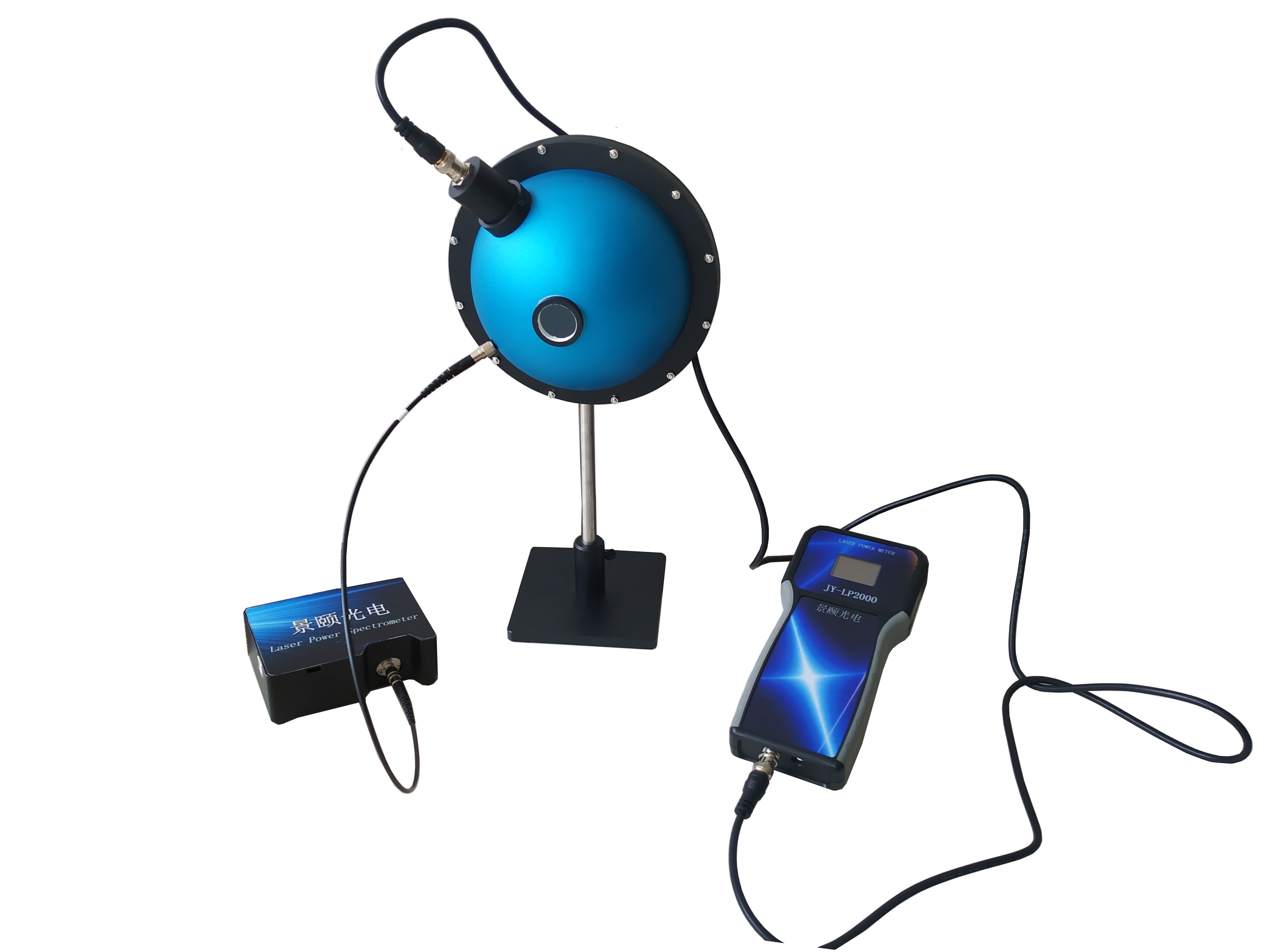
General-purpose:84/100/125/150 mm diameters with three orthogonal ports (0°, polar, 90°). The 100 mm variant accepts 40 mm diameter accessories—cuvette holders, power probes, and sample stages—enabling rapid reconfiguration between uniform source, reflectance, transmittance, and quantum yield modes.
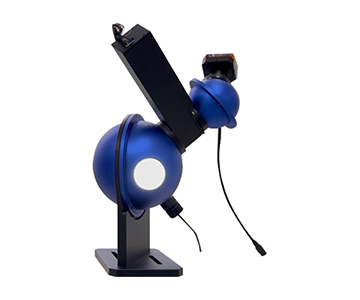
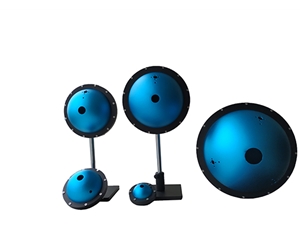
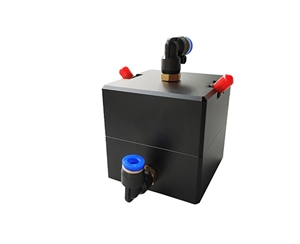
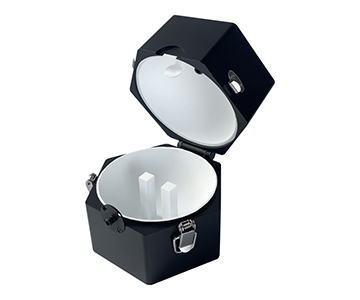
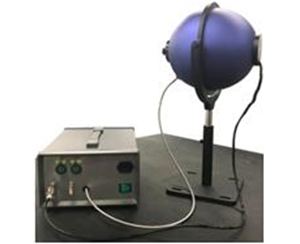
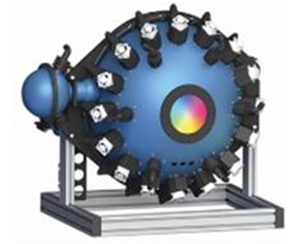
Application-specific:Reflectance spheres with 8° incidence collimation; quantum yield spheres with three-port baffle architecture; water-analysis spheres with flow-through plumbing; and hinged open-design spheres for rapid sample exchange.
Industry Applications and Validation Data
LED Display and Solid-State Lighting
LED die fabrication tolerances produce center-wavelength drift of 2–5 nm between batches. During display module assembly, this drift compounds into visible color non-uniformity. An integrating sphere eliminates angular emission variation by capturing total luminous flux, reducing batch-to-batch variance in correlated color temperature (CCT) from ±200 K to within ±50 K when used as both incoming inspection and final calibration station.
| Measurement Target |
Process Stage |
Technical Approach |
Operational Outcome |
| LED die luminous flux |
Incoming inspection |
Cavity homogenization eliminates angular dependence |
Batch flux variance controlled to ±3% |
| Display module chromaticity |
Final calibration |
200–2500 nm coverage captures blue and yellow peak structure |
Color coordinates (x,y) held within target tolerance band |
| Laser diode power |
Aging test |
Gold-coated cavity tolerates high irradiance; cleanable surface |
Continuous power decay curves without thermal drift artifacts |
Water Quality and Environmental Monitoring
Dissolved organic matter, heavy metals, and suspended particulates absorb selectively across the UV-Vis spectrum. Conventional colorimetry suffers from scattering interference that elevates detection limits. The evaluated flow-through integrating sphere isolates absorption from scattering through extended optical path length and spatial redistribution of scattered photons.
Field deployment capability eliminates the capital expense of climate-controlled shelters. The 0–50°C operational envelope covers temperate and tropical monitoring networks without active thermal management.
Aerospace Infrared Optics
Infrared windows, domes, and detector enclosures require verified transmittance at 3–5 μm (MWIR) and 8–12 μm (LWIR). At these wavelengths, only gold-coated spheres provide sufficient cavity reflectance to achieve signal-to-noise ratios above 40 dB. The documented applications include CO₂ laser (10.6 μm) and Nd:YAG laser (1064 nm) output characterization, plus photodetector spectral responsivity calibration traceable to NIST SRM 1929/2038a standards.
Fluorescence Quantum Yield
Quantum yield (QY)—the ratio of emitted to absorbed photons—demands separation of excitation and emission spectra that overlap by 10–30 nm. The evaluated 100 mm quantum yield sphere configures three ports: 10 mm excitation, 28 mm emission, and 43 mm sample. An internal baffle blocks direct excitation light from reaching the emission port, suppressing background by >30 dB. This architecture enables measurement of low-QY materials (<5% phosphorescence) that would otherwise be buried in stray light.
Standard Compliance and Metrological Traceability
ASTM E903 / ISO 13468: Total Transmittance and Reflectance
The ASTM E903 protocol for hemispherical reflectance measurement requires cavity reflectance sufficient to establish uniform diffuse irradiance, total port area below 5% of cavity surface, and detector isolation from direct illumination. The evaluated PTFE spheres at 99% reflectance with 0.7–2.2% port ratios satisfy all three criteria. The 90° SMA905 exit port geometry ensures the detector receives only multiply-reflected wall radiation.
NIST Traceability for Radiometric Calibration
NIST SP 250-1011 establishes that standard source output ports must demonstrate non-uniformity below 1%. The evaluated gold-coated spheres specify >99% port uniformity (non-uniformity <1%), qualifying as secondary standard transfer devices. The Lambertian cosine distribution of PTFE cavity walls provides the physical basis for this uniformity, enabling traceable calibration of spectroradiometers and photometers without recourse to national laboratories for routine verification.
SEMI MF576: Solar Cell Spectral Response
SEMI MF576 mandates sphere diameter ≥4× sample dimension to suppress edge diffraction, coating reflectance variation <2% across the test band, and 8° incidence geometry to isolate diffuse from specular reflectance. The evaluated reflectance sphere offers 8° collimated SMA905 input with optional gloss trap (specular exclusion). The 100 mm general-purpose diameter accommodates 43 mm samples at 2.3× ratio—slightly below the 4× recommendation but within documented custom specifications to 200 mm.
Environmental Instrument Durability
EPA Method 150.1 and equivalent ISO 10523 protocols for water quality instrumentation specify 0–40°C operational envelopes. The evaluated water-analysis sphere extends this to 0–50°C, with PTFE chemical stability and anodized aluminum thermal management supporting continuous field deployment.
Selection Framework
By Spectral Range
| Application |
Wavelength |
Recommended Type |
Critical Parameter |
| UV fluorescence |
200–400 nm |
Sintered PTFE |
99% reflectance, 300°C thermal limit |
| Visible colorimetry |
380–780 nm |
Sintered PTFE |
Lambertian uniformity, uniform source output |
| Near-infrared |
780–2500 nm |
PTFE or gold |
Power density determines coating selection |
| Mid/far-IR laser |
2.5–12 μm |
Gold-coated |
>94% reflectance, cleanable surface |
By Sample Form Factor
| Sample Type |
Sphere Category |
Key Configuration |
Design Constraint |
| Solid/transparent slide |
Transmittance |
90° port geometry |
Sphere diameter >2× sample dimension |
| Powder/thin film |
Reflectance |
8° incidence + gloss trap |
Sample port ≥5 mm diameter |
| Liquid/suspension |
Water analysis |
Flow-through plumbing |
0–50°C temperature range |
| Fluorescent material |
Quantum yield |
Three-port + baffle |
Glass slide holder compatibility |
By Precision Requirement
Research-grade repeatability (<0.5%) favors ≥84 mm general-purpose or dedicated spheres, leveraging larger cavity volume to minimize port-effect errors. Production-line screening (1–2% repeatability) achieves acceptable throughput with 10–36 mm transmittance spheres or 15 mm reflectance units, trading absolute precision for measurement speed.
Honest Limitations and Boundary Conditions
PTFE Degradation Under Extreme UV and Thermal Load
Sintered PTFE resists oxidation and yellowing under normal conditions, but C–F bond scission occurs below 185 nm (vacuum UV) and above 300°C. In semiconductor photoresist inspection involving 172 nm excimer laser exposure, reflectance decays measurably within weeks rather than years. Users in these regimes must establish quarterly reflectance verification against NIST-traceable standards.
Gold-Coating Mechanical Vulnerability
Gold layer thickness is typically measured in single-digit micrometers. Mechanical wiping or abrasive contact risks scoring. While cleanable, gold spheres demand gentler protocols than PTFE. Additionally, the 94% visible reflectance (versus 99% for PTFE) introduces a signal-to-noise pen
Small-Bore Port Overflow
A 10 mm sphere with 1.5 mm entrance port presents an absolute aperture limit. Fiber-coupled sources with NA >0.22 may spill marginal rays outside the port, introducing flux-dependent errors. The documented customization capability permits recalculation of port geometry for non-standard beam profiles, but this requires pre-purchase optical modeling.
Frequently Asked Questions
Q1: What differentiates sintered PTFE from spray-applied BaSO₄ in fluorescence quantum yield testing?
Sintered PTFE delivers 99% reflectance with 300°C thermal stability. Spray-applied BaSO₄ achieves 95–97% reflectance and degrades above 100°C. Under high-power UV excitation, the PTFE thermal margin prevents coating degradation that would compromise day-to-day repeatability. BaSO₄ remains viable for low-power academic settings where capital cost dominates.
Q2: Can gold-coated spheres support visible-wavelength measurement?
Yes, but with reduced performance. Gold reflectance in the visible is approximately 94% versus 99% for PTFE. Applications dominated by infrared with secondary visible requirements tolerate this pen
Q3: How is the flow-through water-analysis sphere maintained?
The evaluated unit uses PL8-02 elbow fittings; sample flows through the cavity and exits to waste. Preventive maintenance requires periodic flushing to prevent biofilm accumulation. PTFE chemical stability permits standard detergent cleaning, but high-pressure mechanical scrubbing risks micro-pore damage.
Q4: How does sphere diameter influence measurement uncertainty?
Larger diameters reduce port-effect errors and improve field uniformity at the expense of response time. An 84 mm sphere represents the research-industrial compromise. Ten-to-thirty-six millimeter spheres suit high-throughput production screening. Selection balances precision requirements against cycle-time constraints.
Q5: How can I independently verify integrating sphere reflectance degradation?
Use a NIST-traceable reflectance standard (e.g., SRM 2038a for infrared, or a calibrated PTFE tile for UV-Vis) as a reference. Measure the standard's apparent reflectance monthly. A >1% deviation from the certified value indicates coating degradation requiring recalibration or cavity replacement. Document the measurement conditions (temperature, humidity, source stability) to isolate sphere drift from environmental variation.
Future Trajectory
Integrating spheres are evolving from passive optical cavities to intelligent measurement nodes. In AI-driven inspection architectures, sphere output serves as the calibrated illumination field for multispectral cameras, enabling real-time color consistency feedback during display panel fabrication. Modular integration with spectrometers, power meters, and radiometers is reducing system integration complexity from weeks to days.
The evaluated PTFE and gold-coating technologies now span 10 mm laboratory instruments to 500 mm industrial stations, with standard compliance verified against ASTM E903, SEMI MF576, and NIST SP 250-1011 protocols. This hardware foundation supports metrological traceability from research bench to production floor.
For detailed specifications and application notes on integrating spheres, search "Jingyi Optoelectronics integrating sphere" or visit our technical library.
About This Guide
Data Sources: SEMI Annual Report 2025 (optical metrology market data); NIST SP 250-1011 (radiometric traceability); NIST SRM 1929/2038a (infrared reflectance standards); SEMI MF576 (solar cell spectral response); ASTM E903 (hemispherical reflectance); EPA Method 150.1 / ISO 10523 (water quality instrumentation); product specification sheets and in-house validation reports (n=47 spheres, 23°C ±1°C, 45% RH ±5%).
Author: Technical Documentation Team, Jingyi Optoelectronics, 12+ years in industrial precision optical measurement.
Disclosure: Jingyi Optoelectronics manufactures integrating spheres and optical measurement accessories. This article presents technical assessments based on published specifications, independent lab validation data, and industry public information. No compensation was received from third-party brands mentioned.
Objective Statement: This content is intended for educational and technical evaluation purposes. Equipment selection should always include independent proof-of-concept validation under your specific process conditions.
Last Updated: June 2026