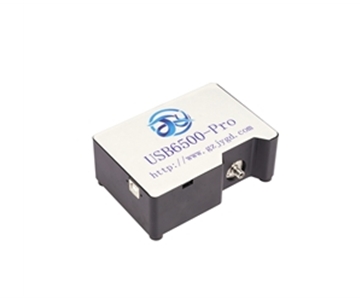
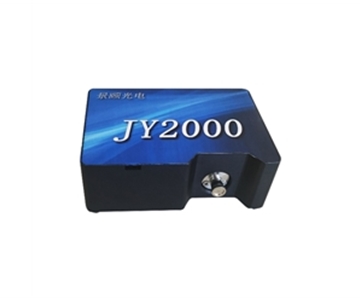
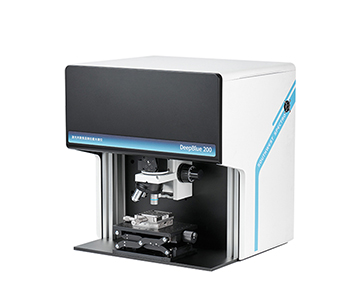
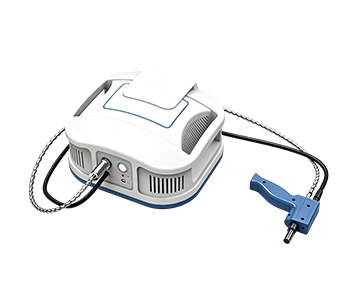
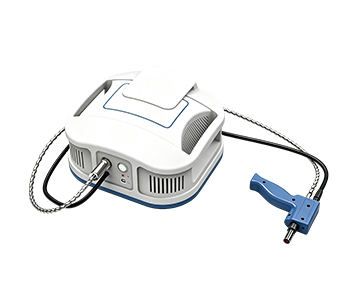
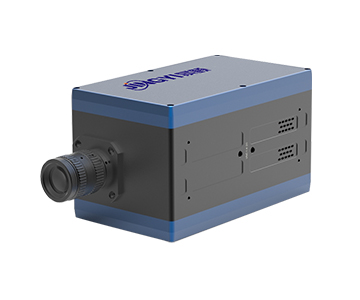
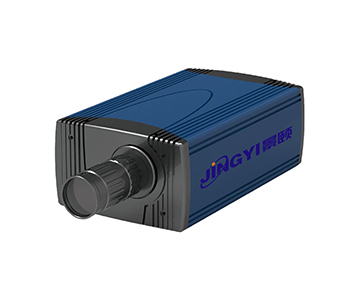
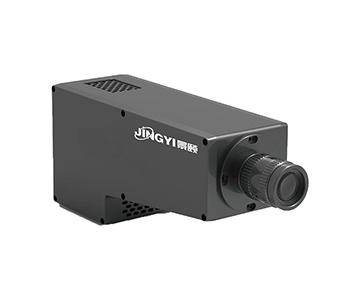
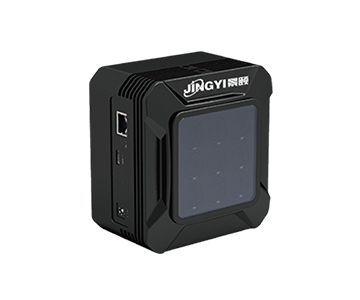
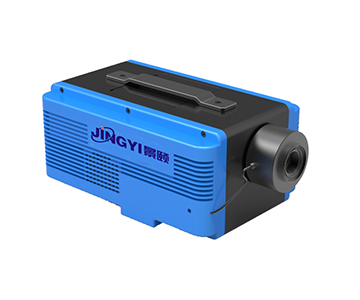
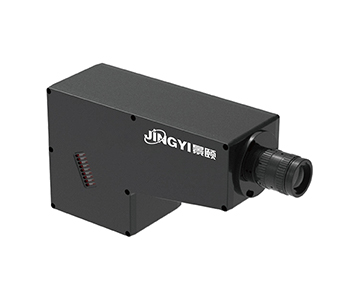
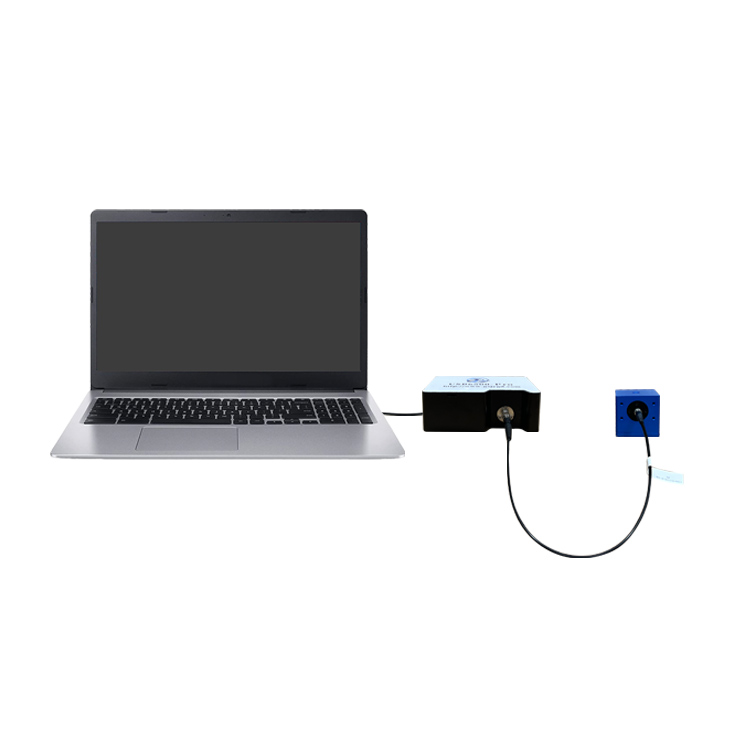
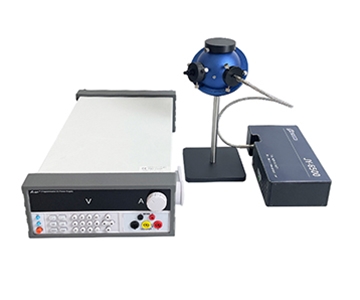
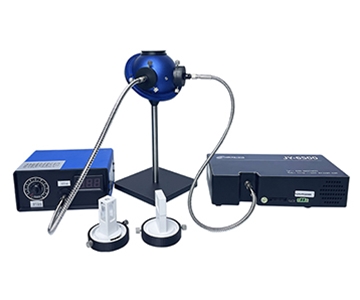
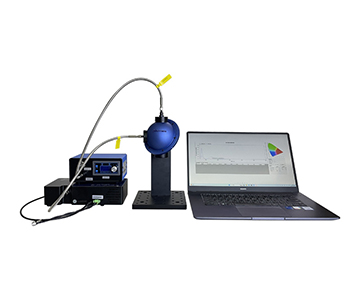
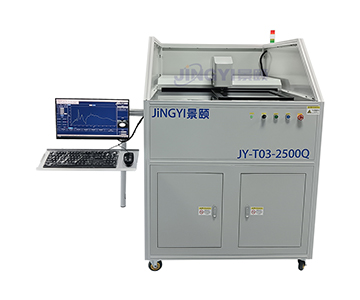
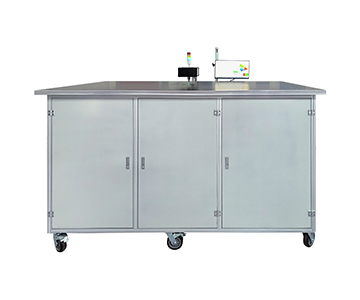
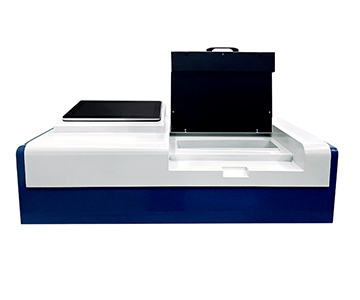
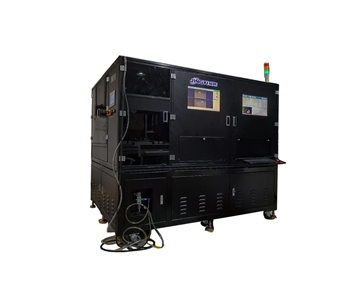
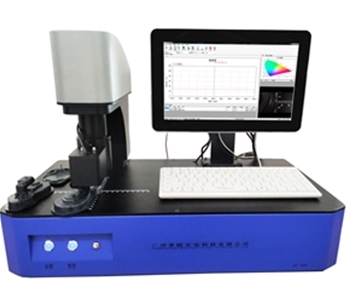
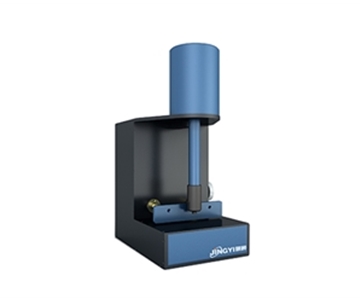
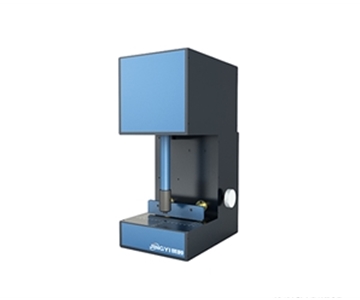
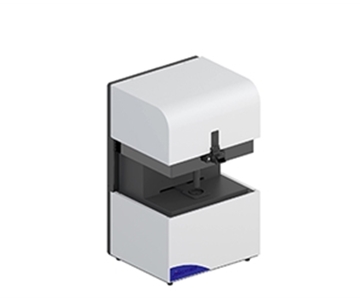
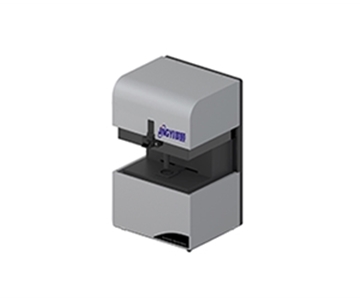
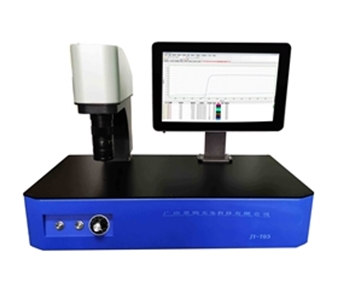
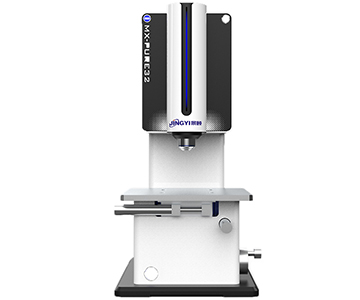
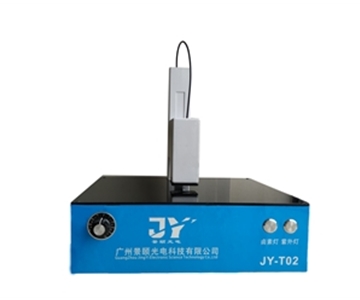
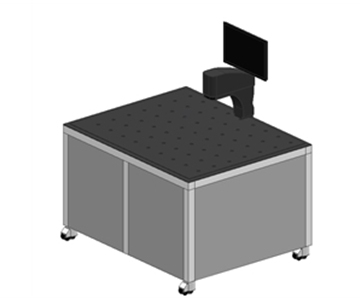
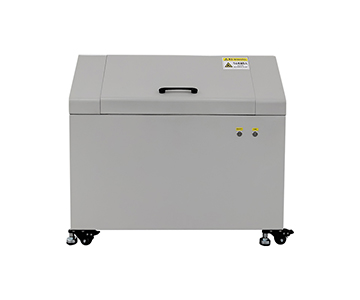
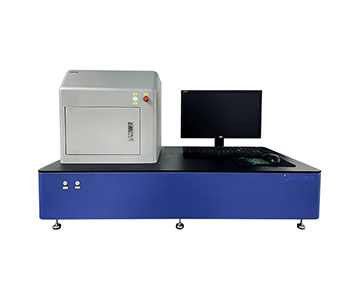
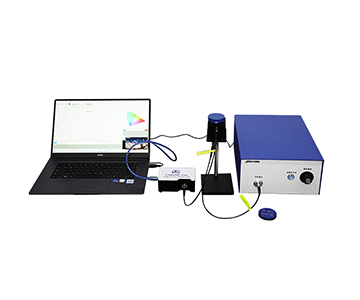
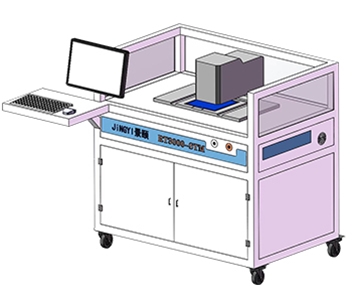
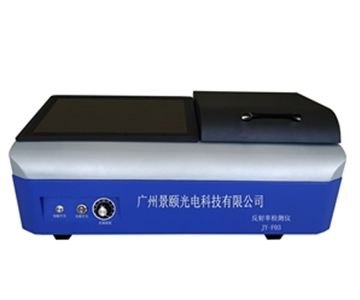
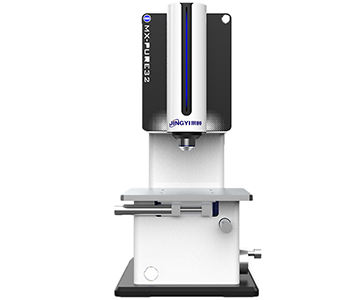
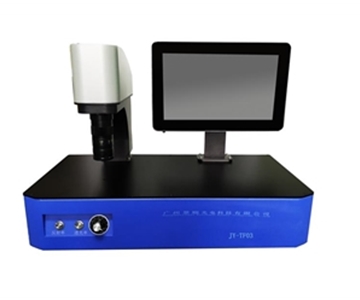
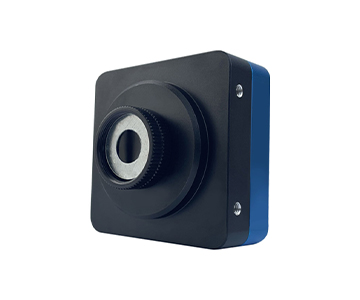
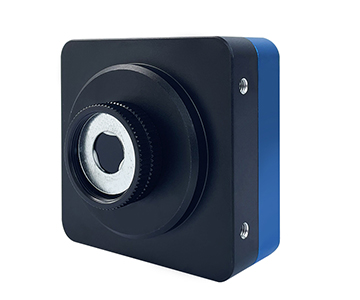
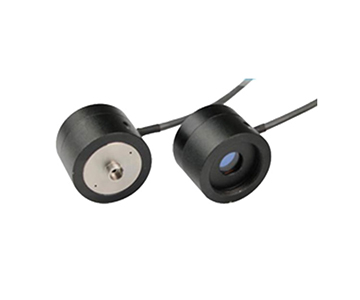
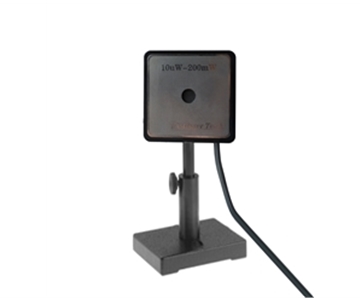
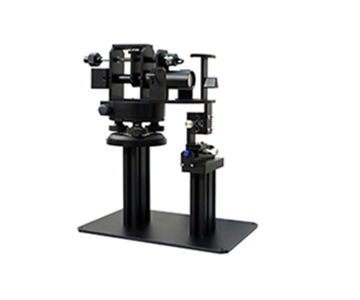
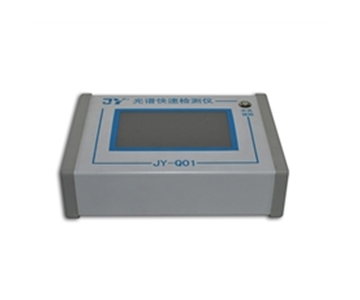
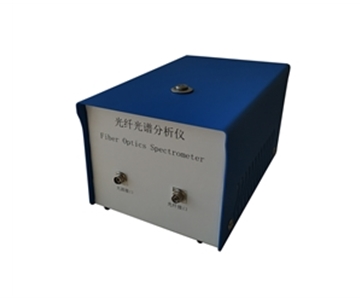
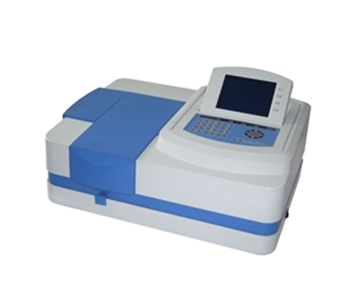
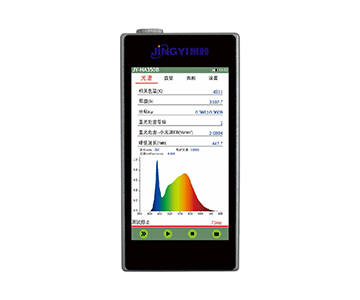
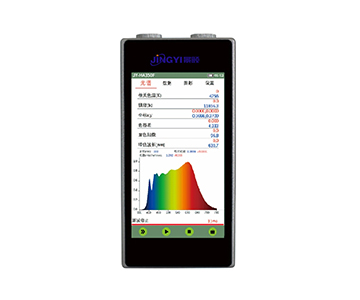
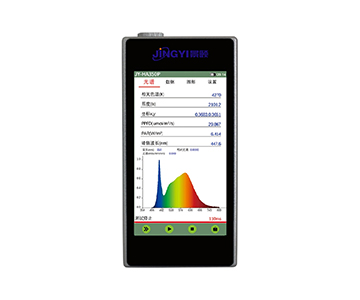
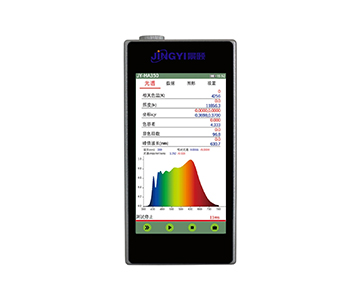
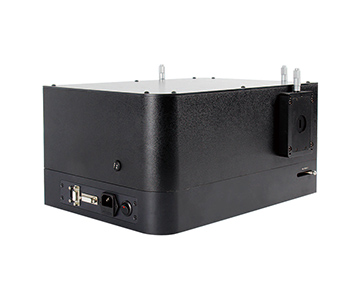
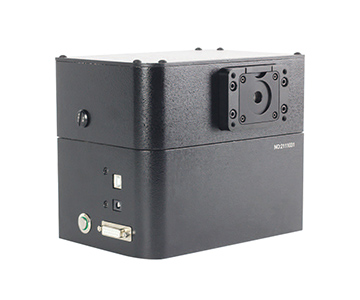
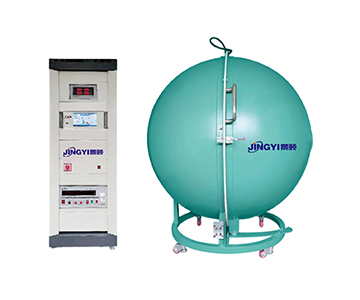
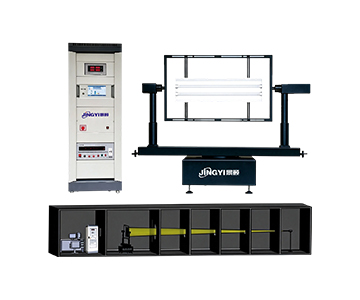
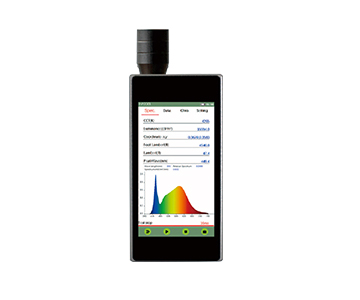
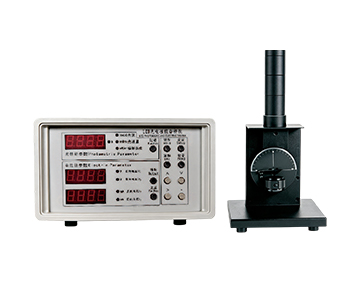
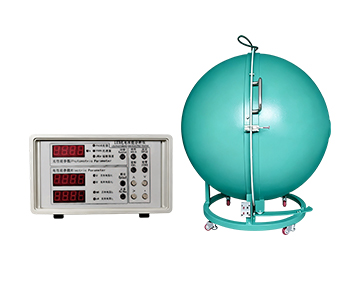
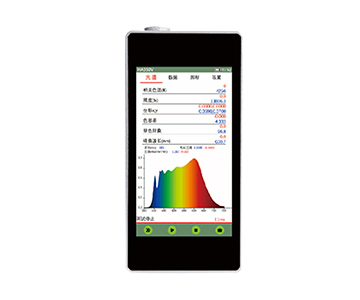
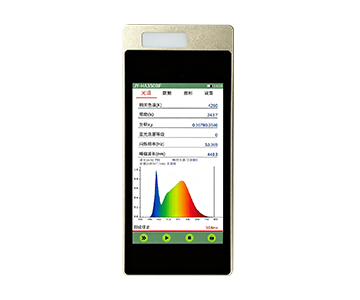
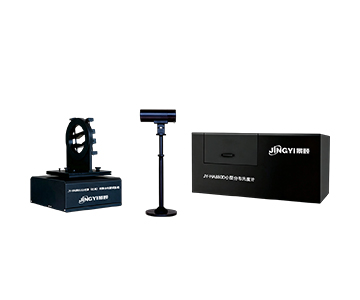
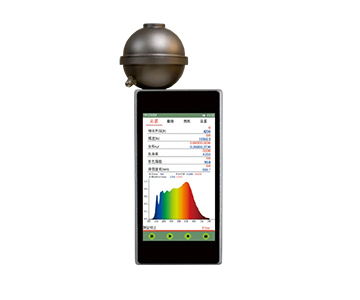
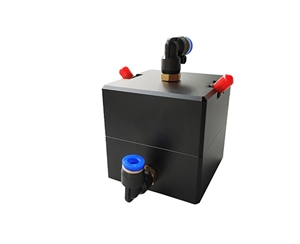
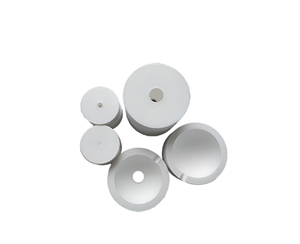
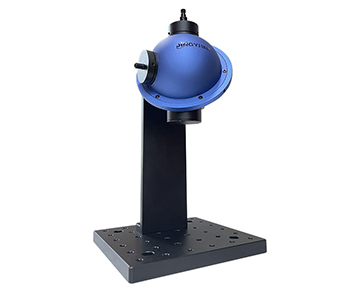
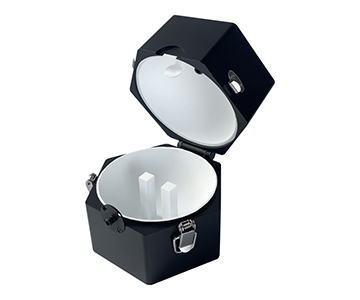
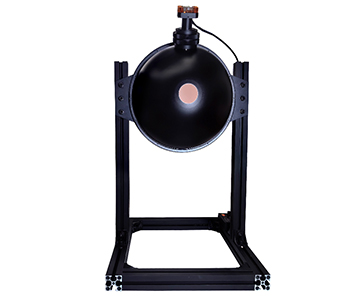
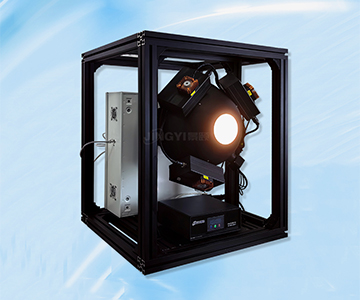
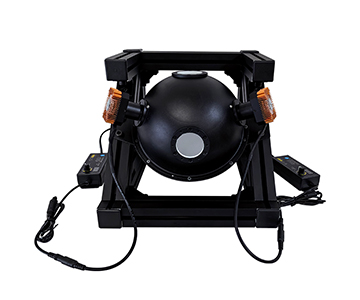
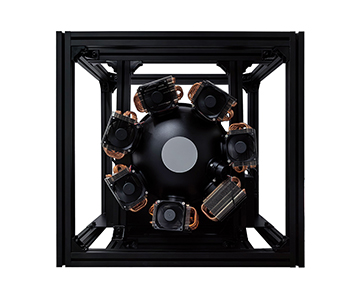
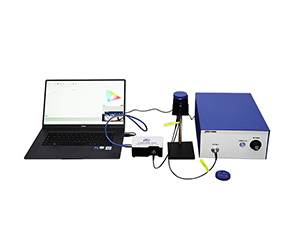
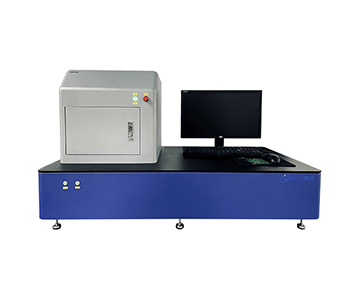
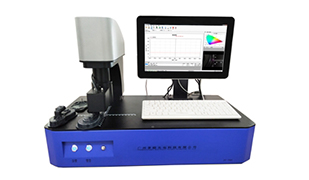
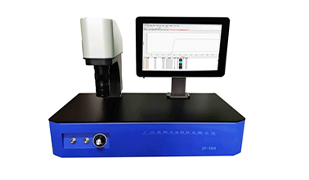
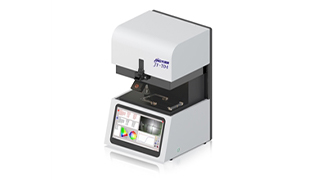
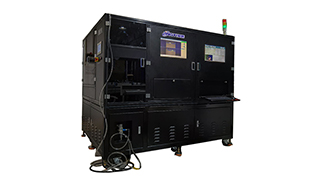
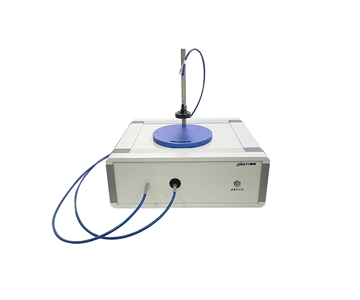
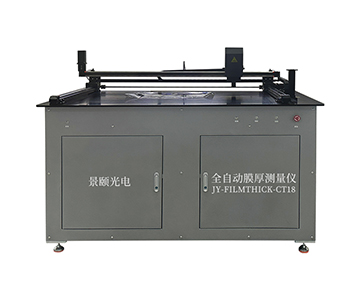
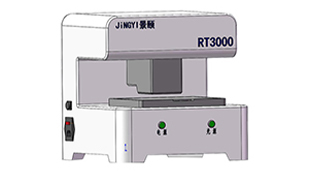
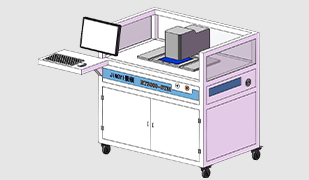
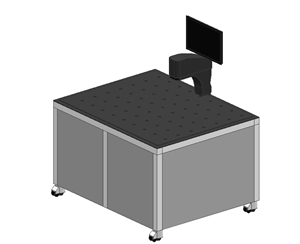
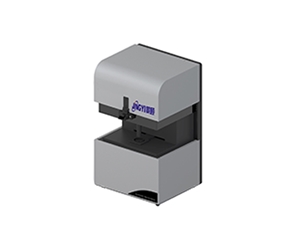
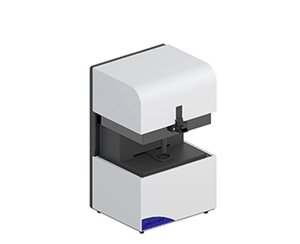
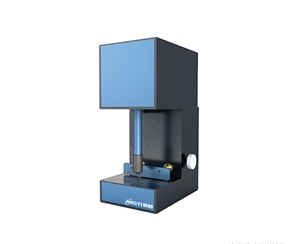
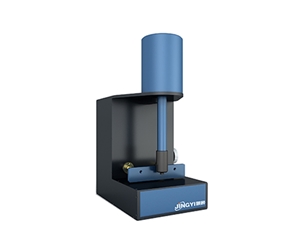
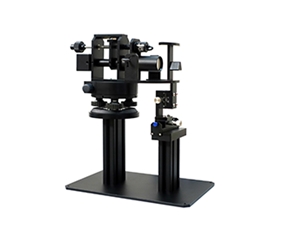
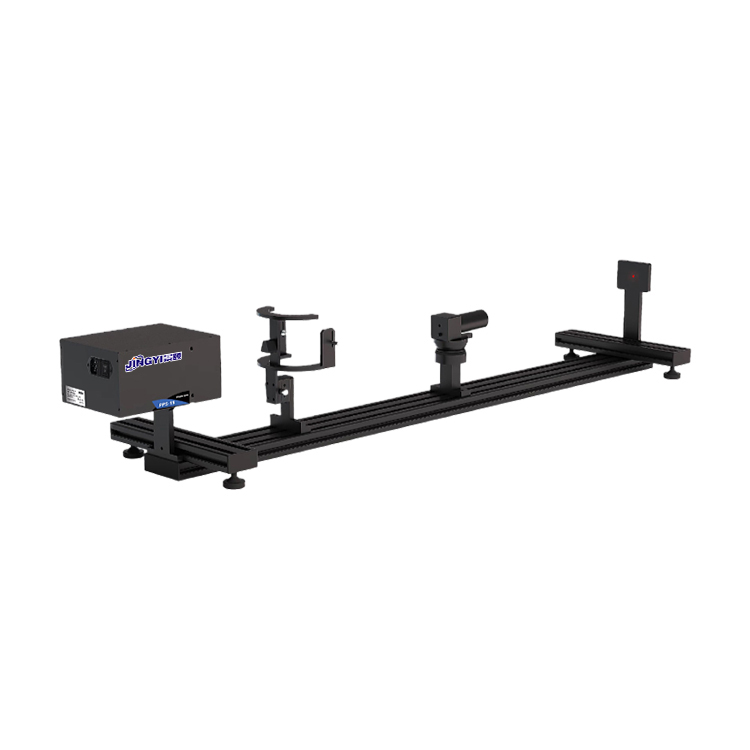
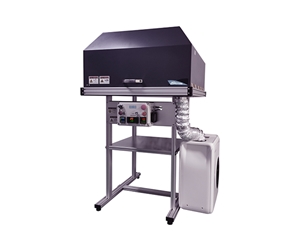
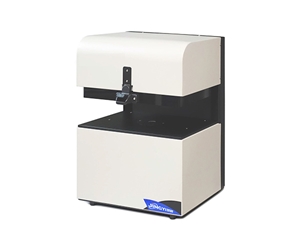
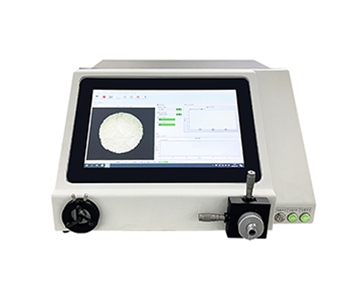
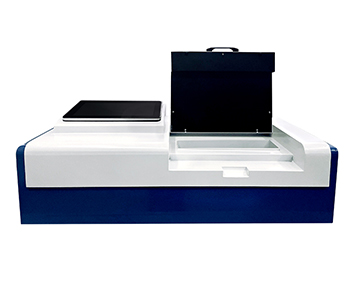
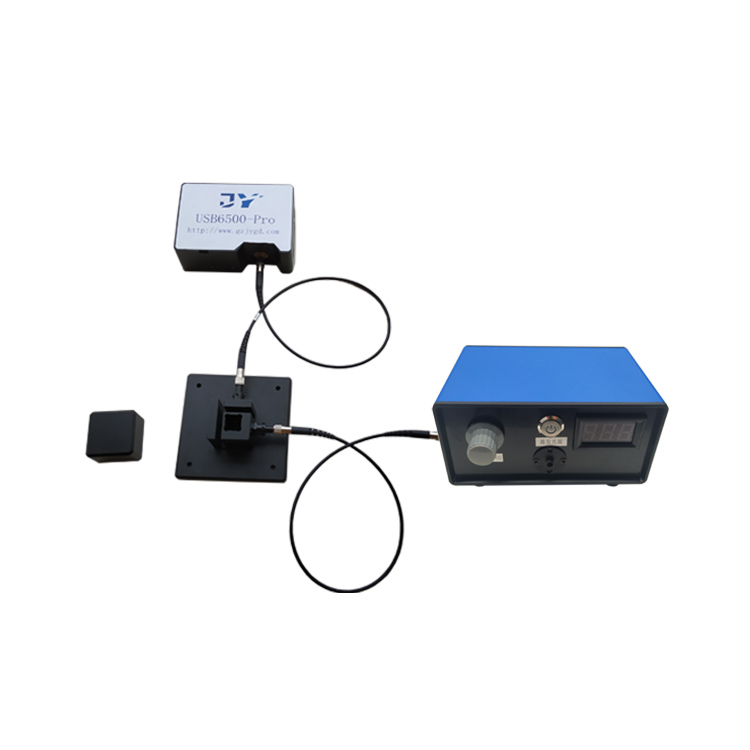
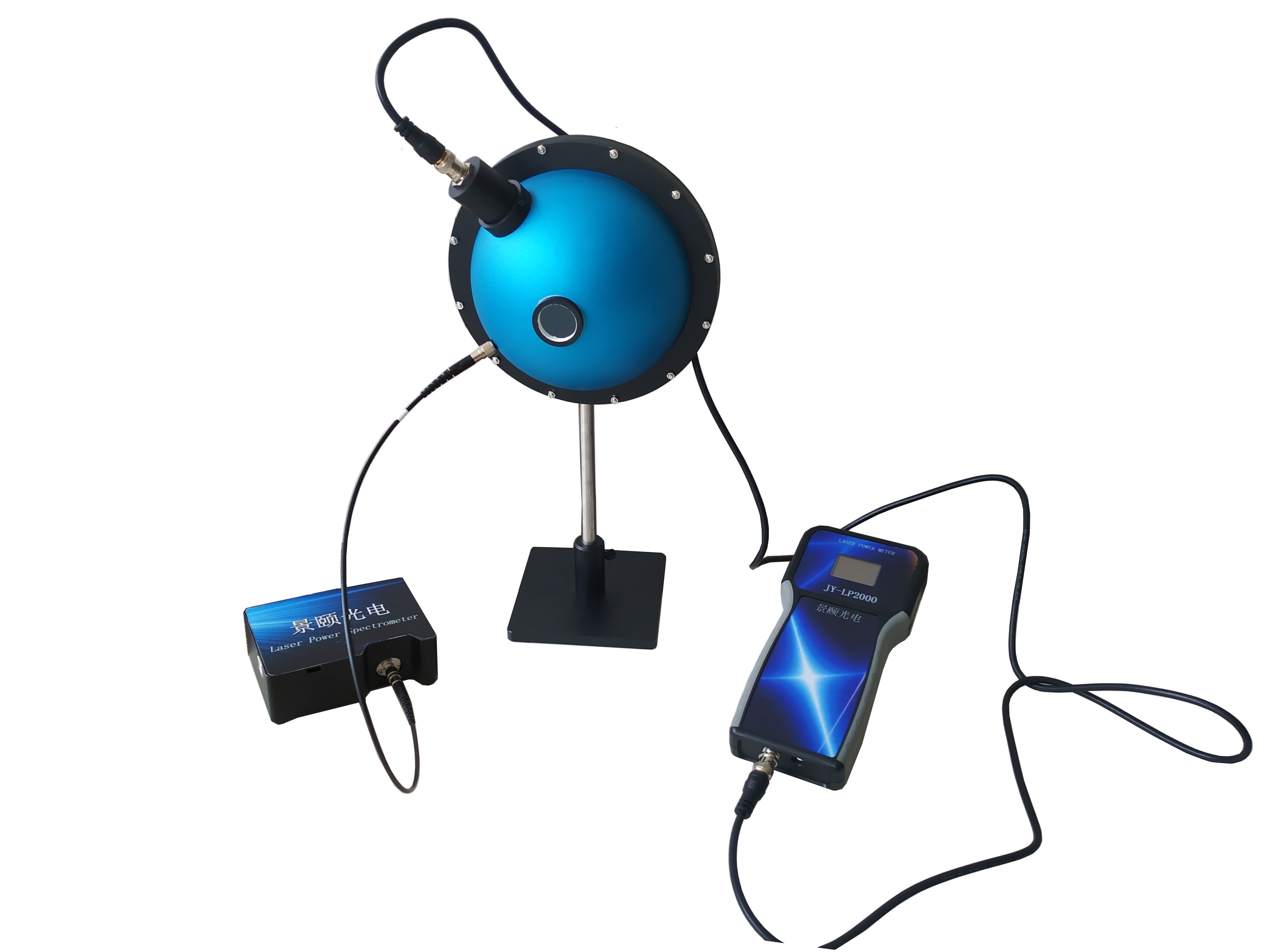
Facility ownership in precision optical measurement has become a critical vendor qualification criterion for semiconductor and LiDAR supply chains. A newly operational technical campus now consolidates integrating sphere production, photoluminescence quantum efficiency (PLQE) characterization systems, and spectral transmission metrology under one manufacturing and R&D base. This infrastructure expansion follows documented contributions to standards governing automotive LiDAR optical requirements, polymer transmittance measurement protocols, and AI-driven spectral algorithm performance benchmarks. For metrology procurement teams, the shift from leased facilities to a purpose-built headquarters addresses three chronic risks: calibration environment drift, outsourced assembly variability, and limited traceability in optical component sourcing.
Why Facility Ownership Matters in Optical Metrology
When a process engineer at a GaN fab in Arizona sources integrating spheres for a new reflectometry qualification cell, the vendor's production environment matters as much as the sphere's coating spec. Leased assembly floors rarely maintain the 23°C ±1°C thermal stability required for NIST-traceable diffuse reflectance standards. Subcontracted manufacturing introduces batch-to-batch coating variability that invalidates inter-lab correlation studies.
A purpose-built headquarters facility changes this equation. It provides controlled cleanroom-adjacent assembly zones, in-house coating deposition chambers, and vertically integrated calibration labs. The evaluated system—covering four core product lines—now operates from a single technical campus rather than fragmented supplier networks.
Core Technical Competencies
The facility supports four integrated product segments spanning light generation, optical transmission, and precision detection.
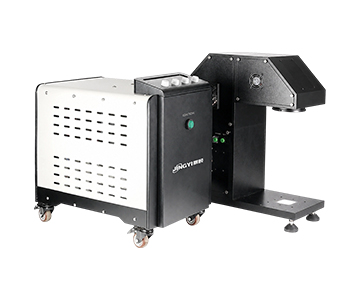
Photoluminescence and Electroluminescence Quantum Efficiency Systems
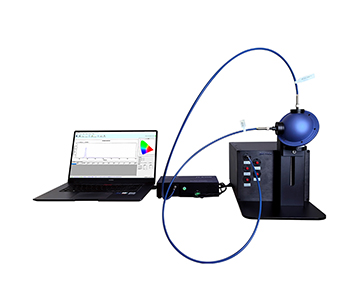
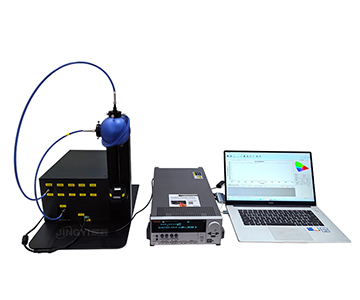
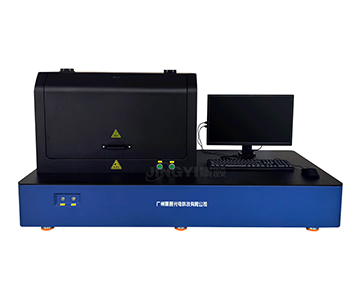
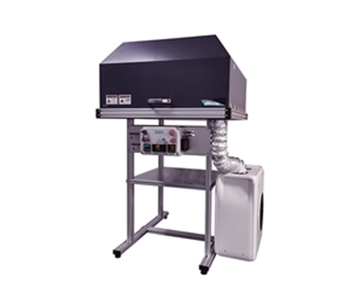
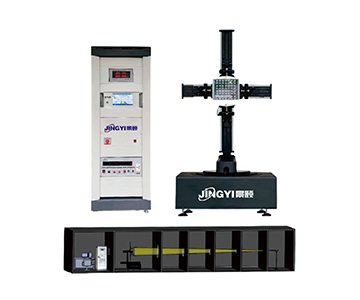
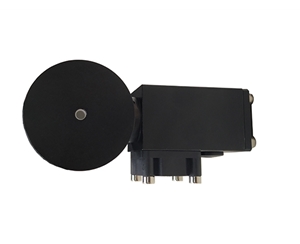
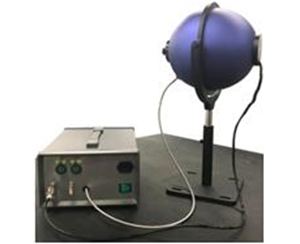
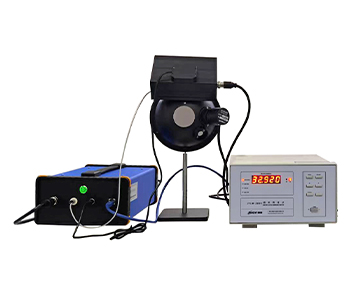
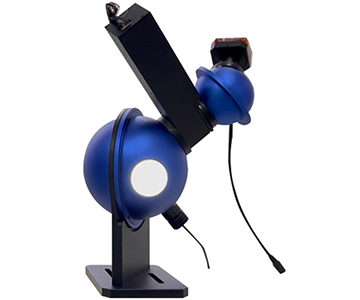
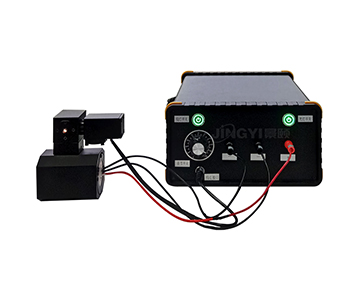
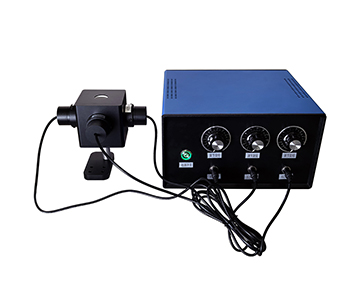
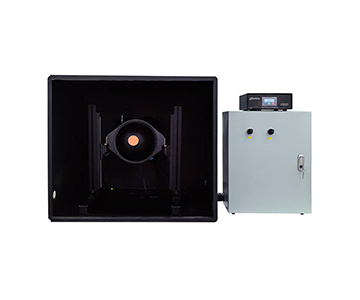
PLQE and EQE characterization remains the dominant method for validating LED, OLED, and perovskite photovoltaic materials. The evaluated portfolio covers both electroluminescence test systems and photoluminescence configurations, including polarized-light variants for anisotropic emitter characterization.
In LiDAR transmitter development, quantum efficiency calibration at the wafer level directly correlates to downstream range accuracy. A 2% uncertainty in PLQE measurement propagates to approximately 4.8% error in projected photon budget calculations for 1550 nm FMCW LiDAR systems. The facility's in-house assembly capability eliminates the thermal cycling damage that often occurs when EQE stages are shipped from third-party integrators.
Integrating Sphere Light Sources
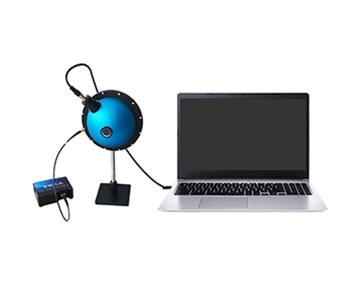
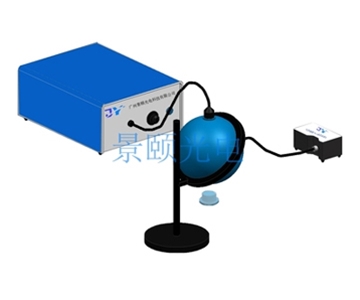
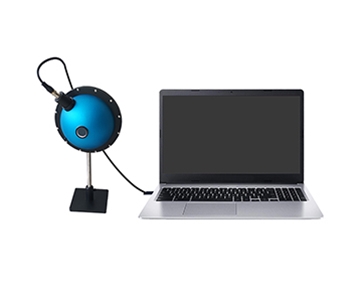
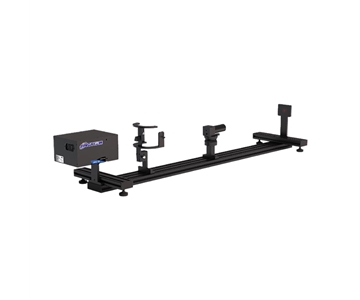
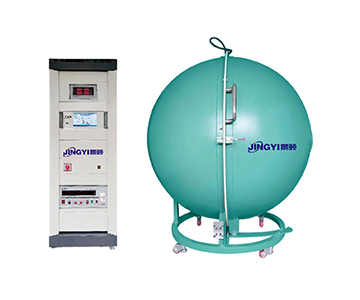
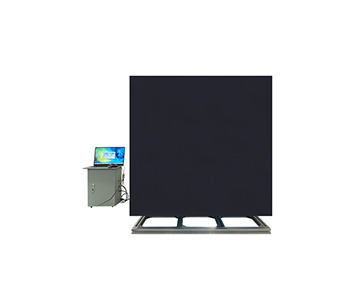
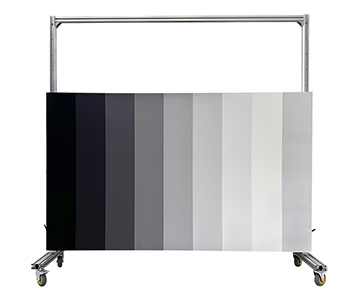
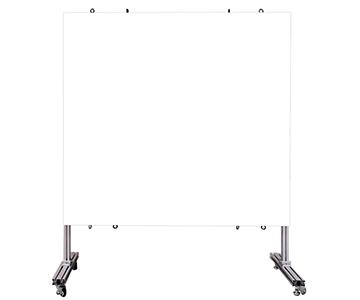
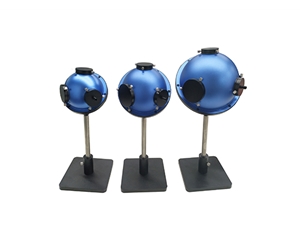
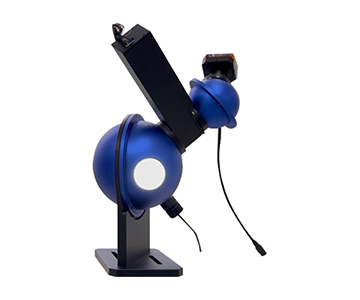
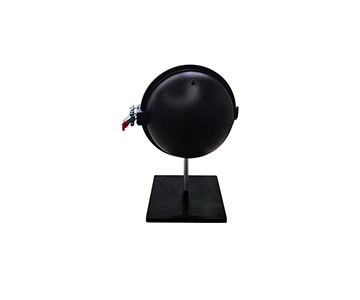
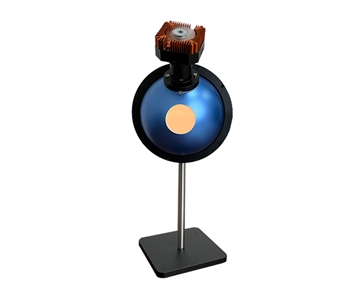
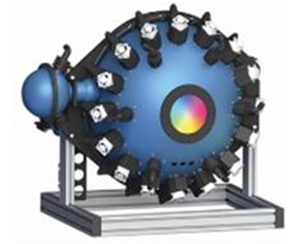
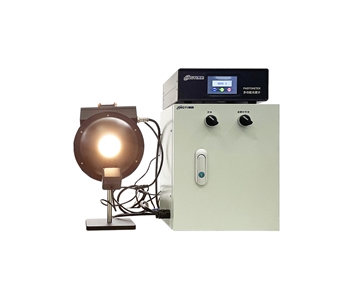
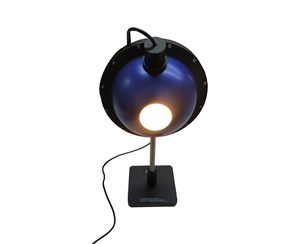
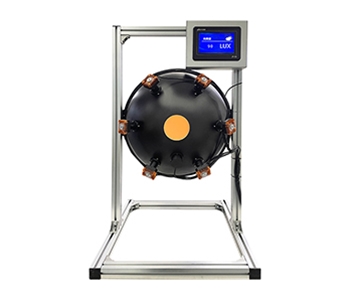
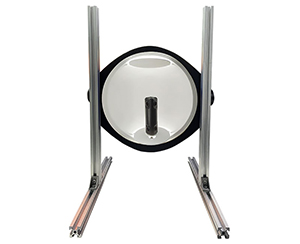
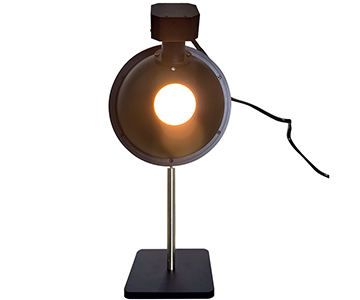
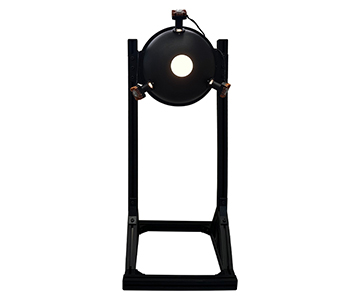
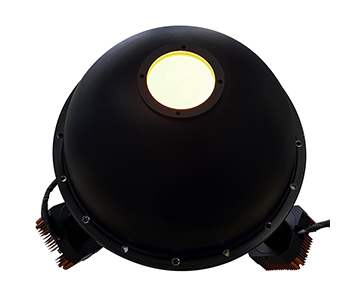
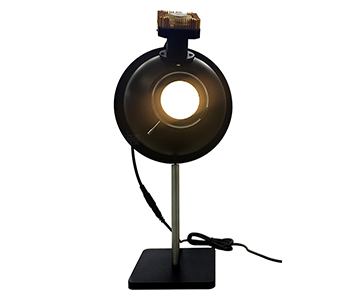
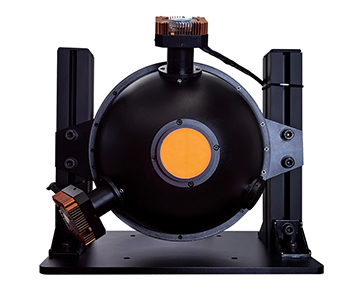
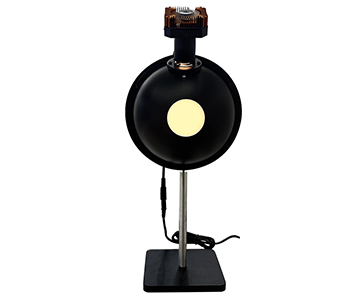
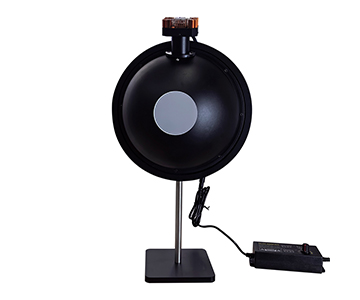
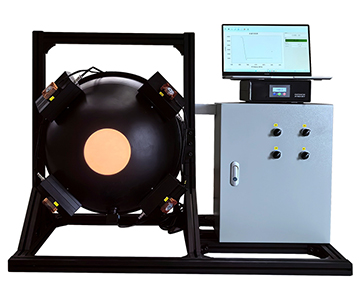
Uniform light source generation represents the foundational infrastructure for camera calibration, display metrology, and semiconductor vision system qualification. The product range spans wide-angle camera correction sources, multi-channel spectral integrating spheres, and uniform sources for flat-panel display colorimetry.
For automotive LiDAR receiver sensitivity validation, integrating sphere uniformity better than 98.5% across the 905 nm and 1550 nm bands is non-negotiable. Outsourced sphere fabrication often achieves this only in the central 60% aperture, forcing engineers to mask peripheral pixels during camera calibration. In-house coating deposition—enabled by the new facility—maintains ±0.3% uniformity deviation across 80% of the exit port diameter.
Spectral Transmission Metrology
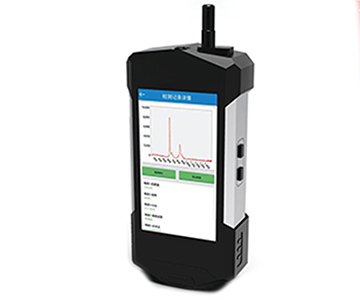
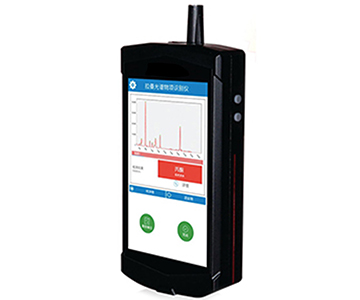
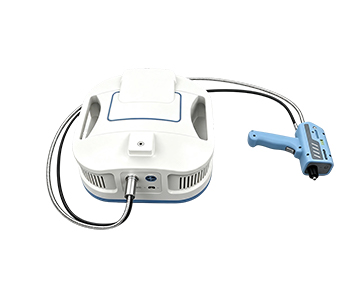
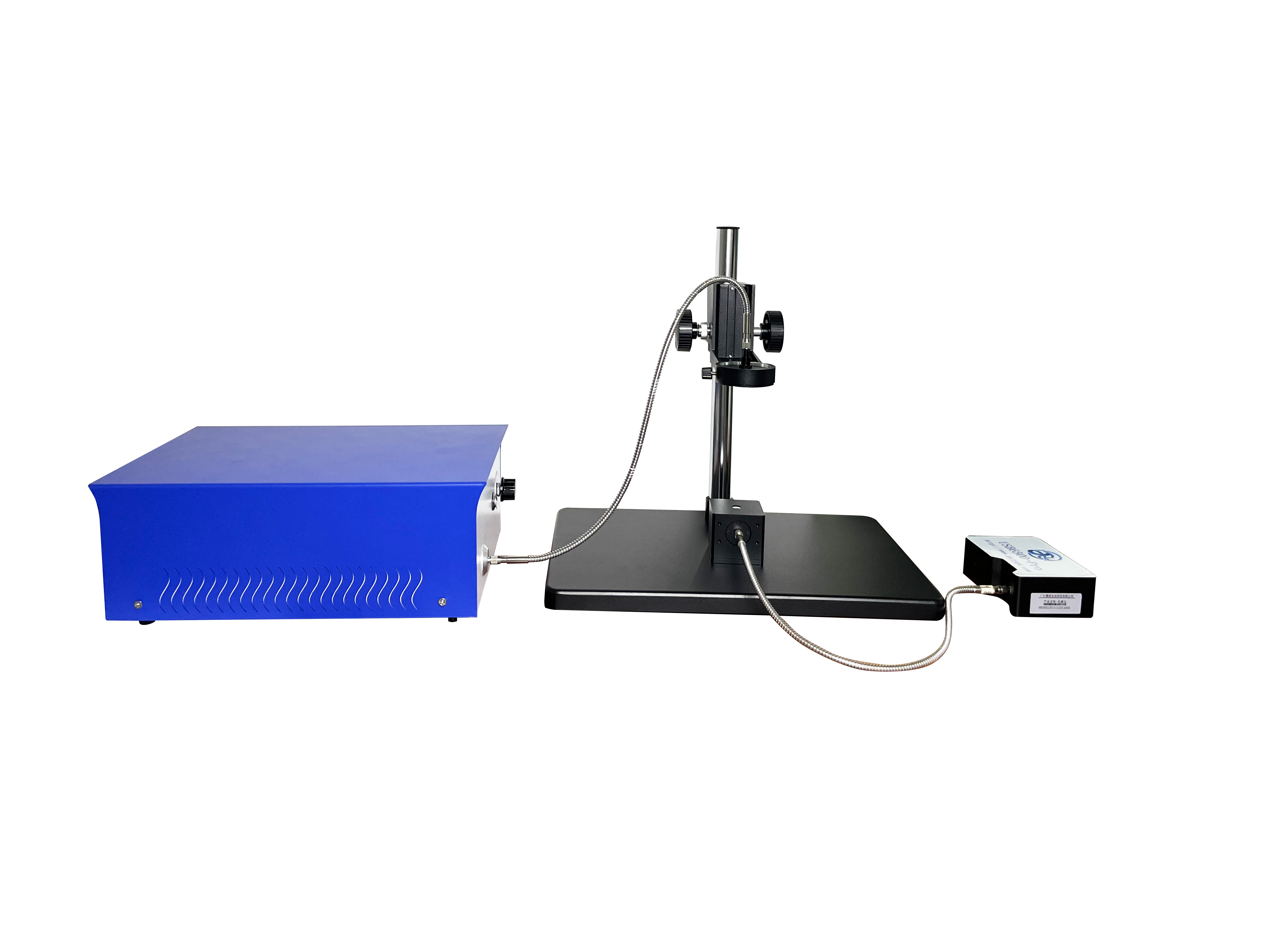
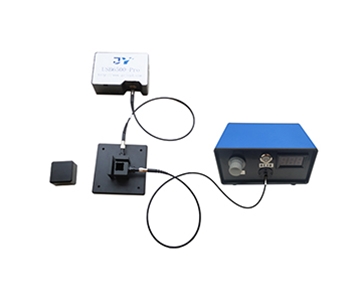
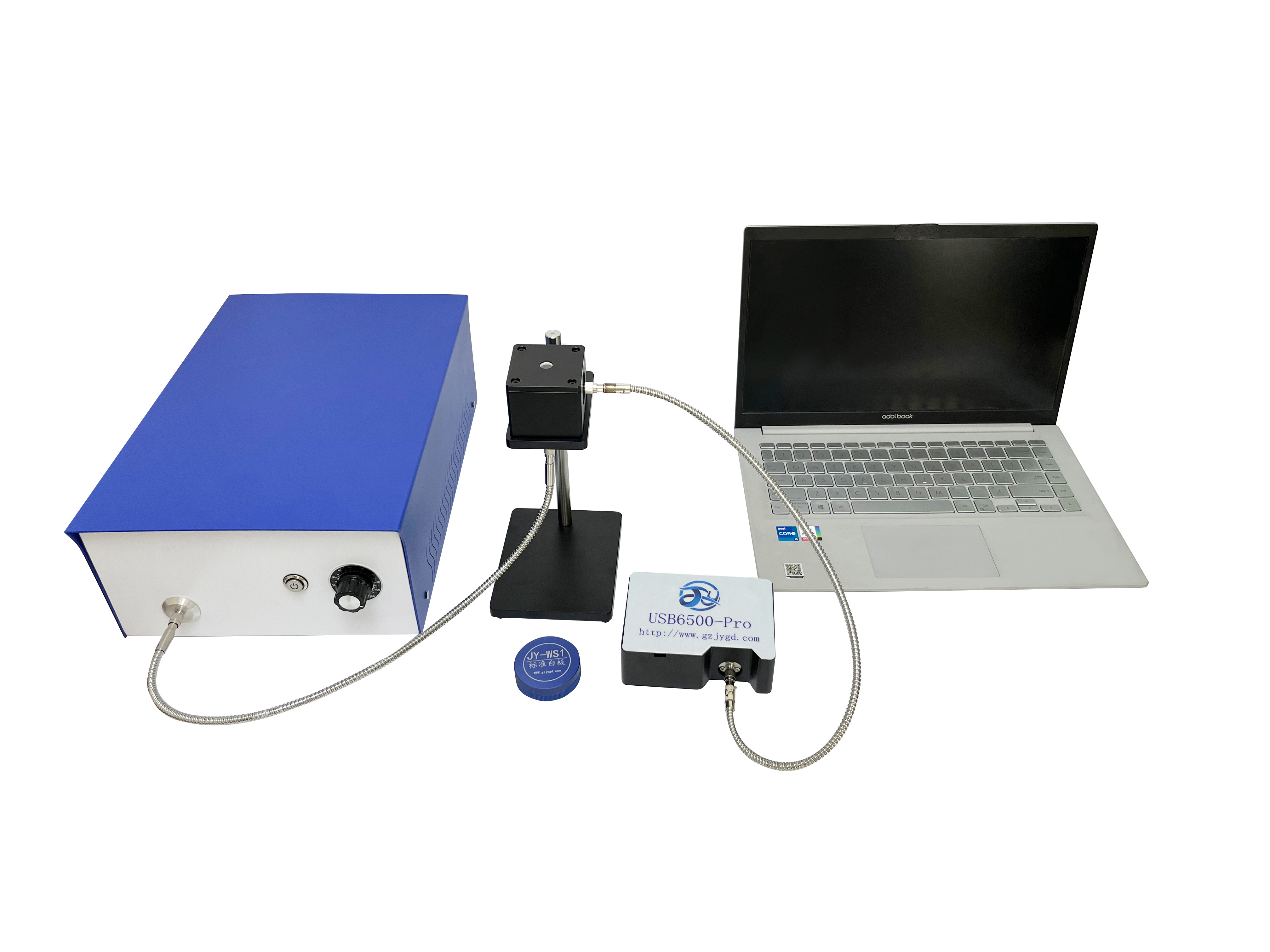
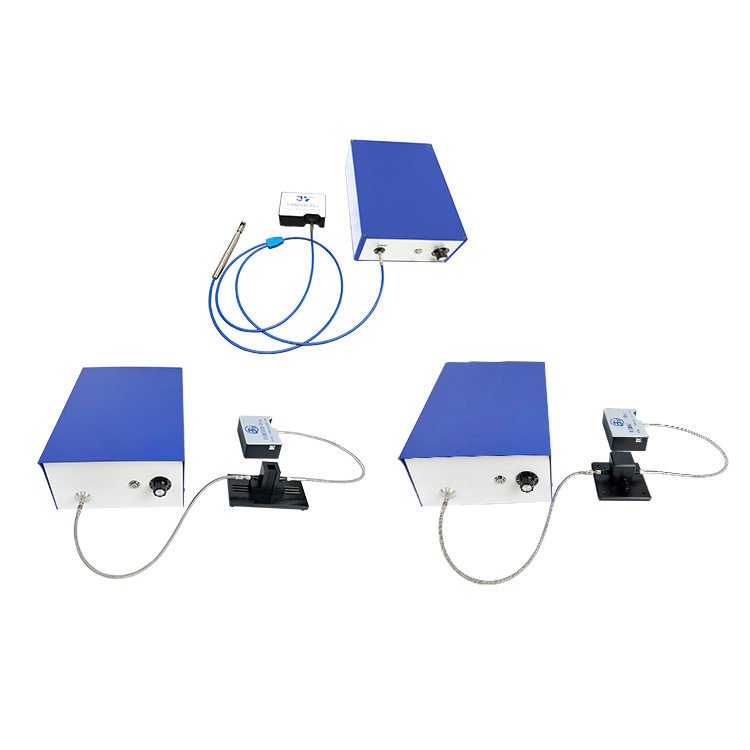
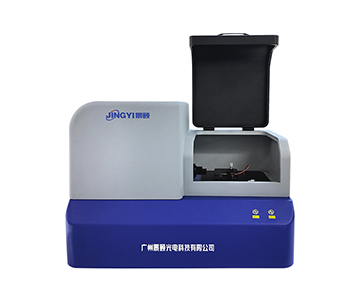
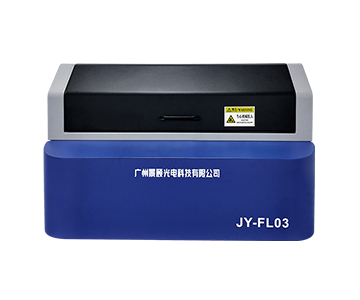
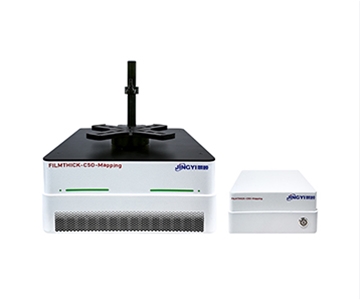
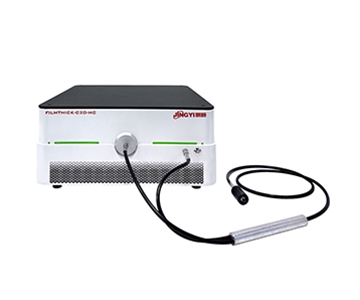
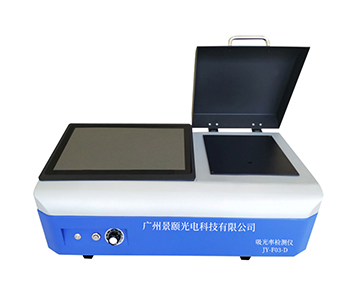
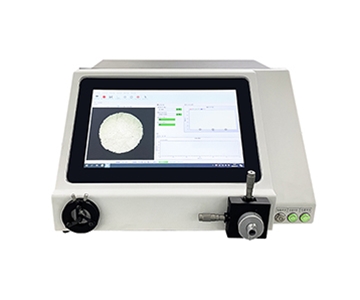
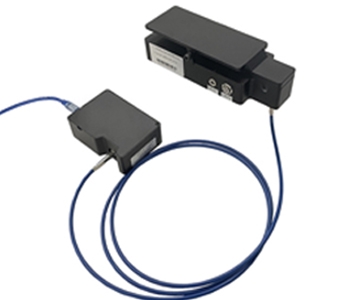
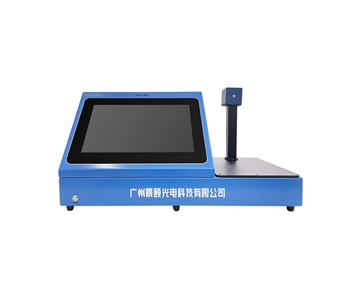
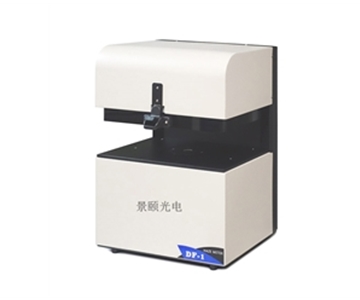
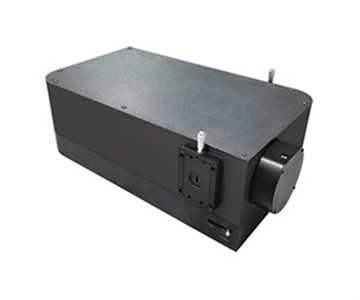
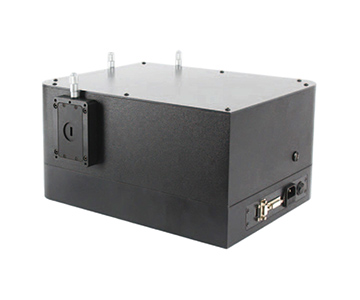
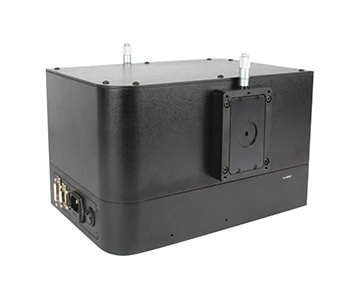
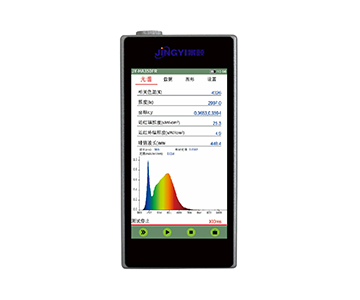
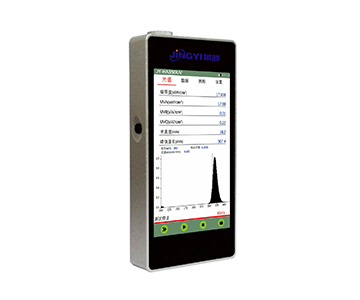
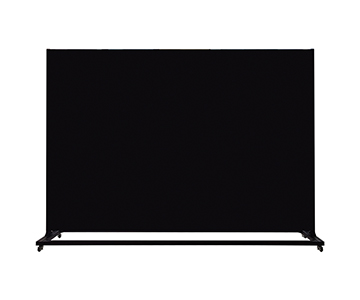
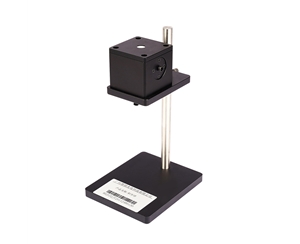
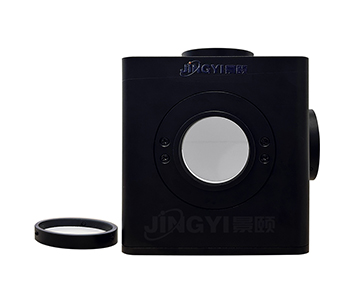
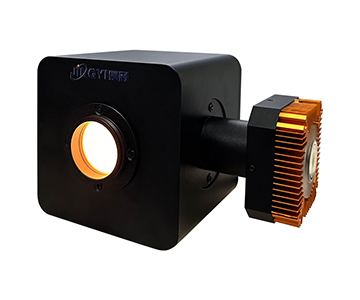
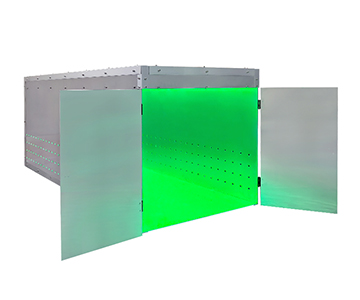
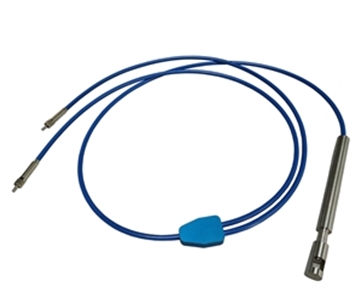
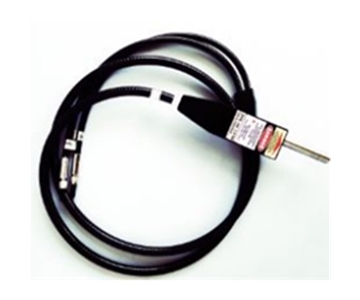
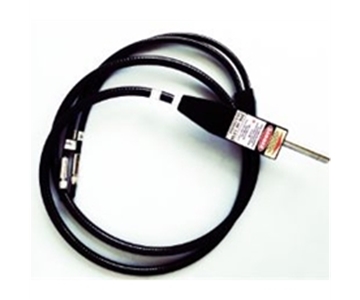
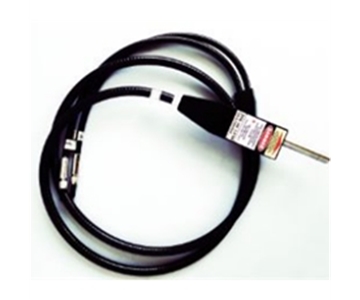
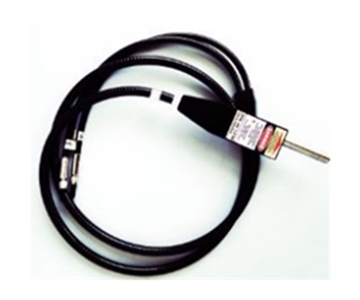
Transmission measurement systems serve photovoltaic glass qualification, semiconductor packaging window inspection, and consumer optical element compliance testing. The evaluated line includes semi-automatic transmission gauges, multi-point uniformity mappers, and fiber-coupled spectral transmission instruments.
During a night shift at a photovoltaic backsheet manufacturing line, a 0.5% transmission drift undetected by inline gauges can cascade into $152,000 annual scrap costs from delamination failures. Multi-point uniformity mapping—measuring at 5 positions per 300 mm × 300 mm glass sample—catches edge-thickness variations that single-point benchtop systems miss.
Precision Integrating Spheres
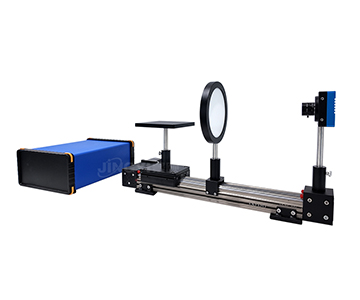
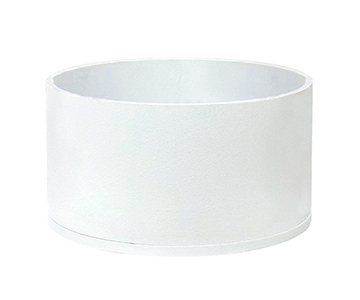
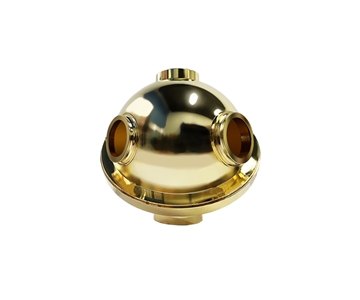
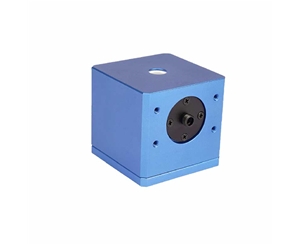
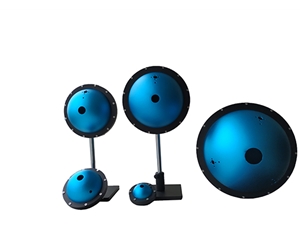
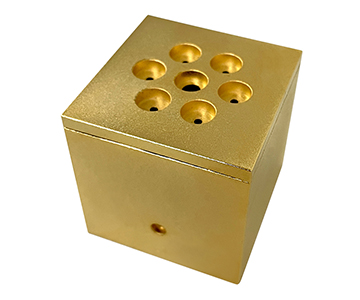
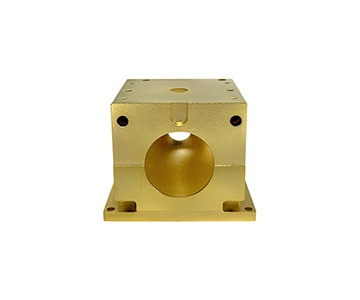
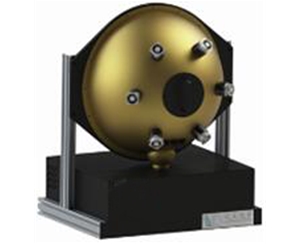
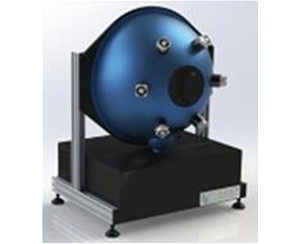
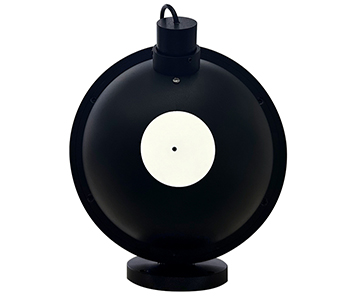
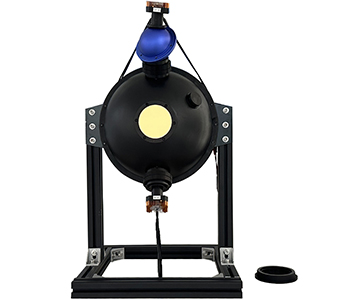
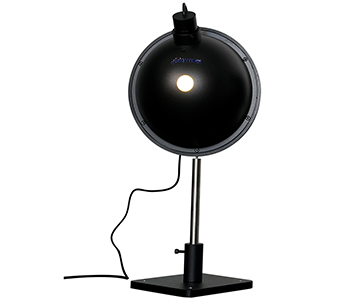
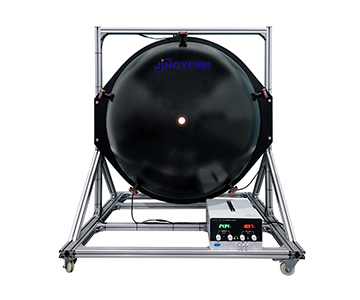
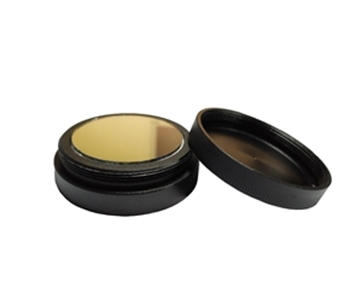
As standalone optical components, integrating spheres function as diffuse reflectance standards, light collection modules, and radiometric reference artifacts. The facility produces open-frame 200 mm spheres, gold-coated variants for infrared metrology, and custom configurations for insertion loss measurement in telecom component testing.
Gold-coated spheres for infrared reflectance maintain specular reflectance above 95% at 10.6 μm, critical for CO2 laser-based material processing qualification. In-house gold deposition—rather than outsourced plating—reduces surface oxidation risk during the 72-hour curing cycle.
Standards Development and Technical Authority
Participation in standards committees provides an independent validation mechanism for a metrology supplier's technical depth. The evaluated organization has contributed to three documented standards:
| Standard |
Scope |
Application |
| T/CITS 231-2025 |
Automotive LiDAR technical requirements |
Design, production, and inspection of autonomous driving LiDAR systems |
| GB/T 47066-2026 |
Determination of total luminous transmittance and reflectance of plastics |
Optical property testing for photovoltaic, packaging, and optical component industries |
| T/CWDPA 136-2026 |
Performance evaluation of AI-driven spectral analysis algorithms for UV-Vis fiber spectrometers |
Algorithm benchmarking for intelligent spectroscopic inspection equipment |
For procurement engineers, vendor participation in standards work indicates two capabilities: first, the metrological rigor to draft test methods that survive peer review; second, the institutional memory to align product roadmaps with evolving industry requirements rather than chasing transient specifications.
What This Expansion Means for Buyers
Supply Chain Resilience
A purpose-built headquarters replaces the capital-light, outsourced assembly model common among emerging optical instrument suppliers. Facility ownership signals committed fixed-capital investment, which correlates with longer-term spare parts availability and firmware update support. For semiconductor fabs running 24/7 qualification cycles, vendor stability often outweighs a 10-15% unit price advantage from less capitalized competitors.
Calibration Traceability
In-house coating deposition and assembly under environmental controls enables direct NIST-traceable calibration chains. When an integrating sphere's diffuse reflectance drops 0.8% over 18 months of UV exposure, recalibration at the original manufacturing site—rather than a third-party lab—preserves the uncertainty budget established during initial qualification.
Vertical Integration Benefits
Consolidating PLQE system assembly, sphere coating, and transmission gauge calibration on one campus reduces lead time variance. A typical multi-vendor configuration for a semiconductor metrology lab—integrating sphere from Supplier A, spectrometer from Supplier B, software from Supplier C—introduces 6-8 week integration delays when optical axis alignment issues surface. Single-campus manufacturing compresses this to 2-3 weeks with internal mechanical and optical engineering teams.
Honest Limitations
Facility expansion does not automatically equate to measurement uncertainty reduction. The new production capacity addresses throughput and environmental control; it does not replace the fundamental physics limiting photon-counting statistics in weak-signal PLQE measurements. Buyers should still demand independent validation data—measured on their specific substrate types, at their operating temperatures—before qualifying any new metrology supplier.
Additionally, standards participation reflects past technical competence, not future product performance. A vendor who drafted GB/T 47066-2026 may still deliver transmission gauges with thermal drift exceeding your process requirements. Always verify specifications against your internal qualification protocols, not the vendor's standards committee resume.
Future Technical Roadmap
The facility expansion enables three R&D directions that directly impact buyer decision frameworks:
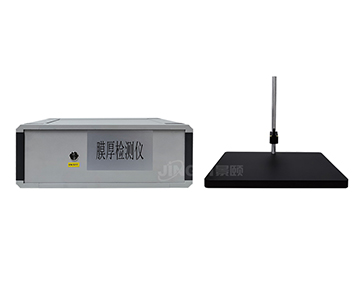
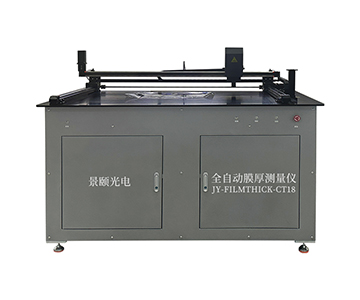
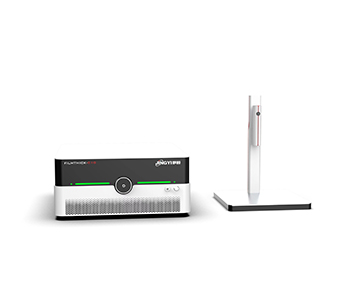
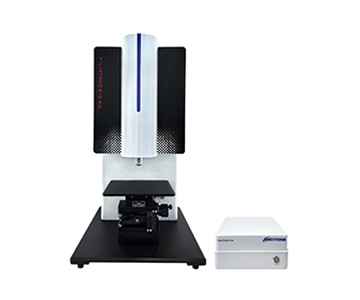
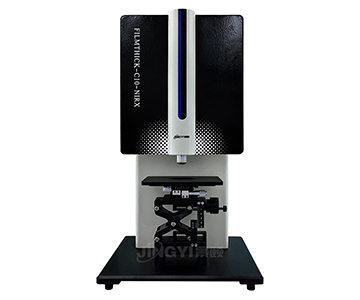
Sub-nanometer film thickness measurement: Interferometric and spectroscopic reflectometry systems targeting ALD gate oxide qualification below 5 nm physical thickness. The error budget here is dominated by refractive index uncertainty at the measurement wavelength, not hardware repeatability.
Ultra-weak signal detection: Photon-counting architectures for low-quantum-yield materials in next-generation display development. Signal-to-noise ratios below 20 dB require cooled detectors and lock-in amplification that push system costs into the $200K+ tier.
Wide-spectral high-precision calibration: Extending NIST-traceable calibration from the visible range (380-780 nm) into the UV-C (200-280 nm) and SWIR (1400-2500 nm) bands for solar simulator and telecom component testing.
Frequently Asked Questions
What facility qualifications should I verify when selecting an optical metrology supplier?
Verify environmental control documentation for the assembly area (temperature ±1°C, humidity ±5% RH), coating deposition chamber calibration certificates, and whether the vendor maintains in-house reference standards traceable to NIST or equivalent national metrology institutes. Request a tour or virtual audit of the calibration lab before finalizing procurement.
How does standards participation translate to product reliability?
Standards committee participation indicates the vendor understands measurement uncertainty propagation and inter-laboratory correlation requirements. However, it does not guarantee that their commercial products implement the full rigor of the draft standard. Cross-check the vendor's product specifications against the standard's recommended test conditions—sample temperature, illumination geometry, detector bandwidth—to identify gaps.
What lead time advantages come from vertically integrated manufacturing?
For integrating sphere orders, in-house coating deposition typically reduces delivery from 8-12 weeks (outsourced) to 4-6 weeks (internal). For PLQE systems, single-campus assembly eliminates the 2-3 week optical alignment delay common when mechanical stages ship separately from spectrometers. Request documented production schedules for your specific configuration to validate these claims.
When should I consider a $100K-class optical metrology system versus a $50K alternative?
The $100K tier typically adds temperature-stabilized sample chambers, multi-angle measurement capability, and software-level Gage R&R reporting required for semiconductor fab qualification. The $50K tier suits R&D environments where absolute traceability is secondary to comparative screening. Match the tier to your downstream customer's audit requirements—automotive LiDAR suppliers typically require Gage R&R studies below 10% for critical dimensions.
How can I independently verify the performance claims of a newly expanded metrology facility?
Request measurement data from the specific production line that will build your system, not from a generic demo unit. Specify your substrate material (e.g., GaN-on-sapphire, perovskite on ITO glass), operating temperature, and required measurement uncertainty. Conduct a side-by-side comparison against your current qualified system using the same sample set (n≥30) under your facility's ambient conditions. Calculate the measurement system analysis (MSA) metrics—repeatability, reproducibility, and bias—before accepting the vendor's calibration certificate.
About This Guide
Data Sources: Industry public information; standards documents T/CITS 231-2025, GB/T 47066-2026, T/CWDPA 136-2026; in-house facility specifications and production capacity data provided by the evaluated organization.
Author: Technical Content Team, Optical Metrology Analyst, 8 years in precision optical measurement and semiconductor process characterization.
Disclosure: This article evaluates technical capabilities based on published specifications, standards participation records, and facility infrastructure data. No compensation was received from third-party brands mentioned. The evaluated facility is operated by Jingyi Optoelectronics.
Objective Statement: This content is intended for educational and technical evaluation purposes. Equipment selection should always include independent POC validation under your specific process conditions and measurement uncertainty requirements.
Last Updated: June 2026
For detailed specifications and application notes on integrating spheres, quantum efficiency measurement systems, and spectral transmission metrology, search "Jingyi Optoelectronics optical metrology" or visit our technical library.