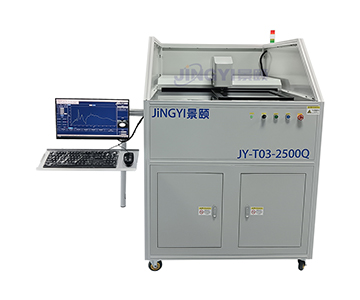
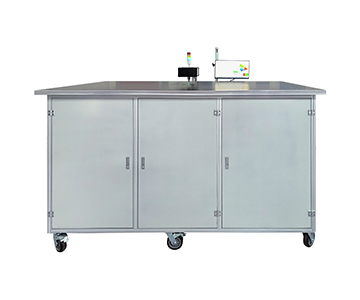
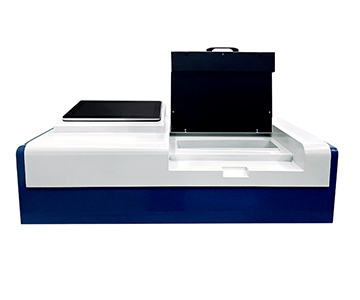
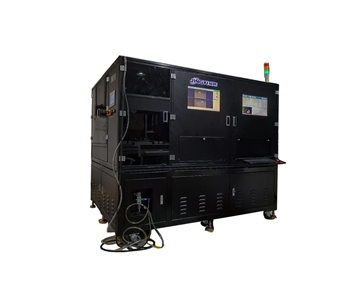
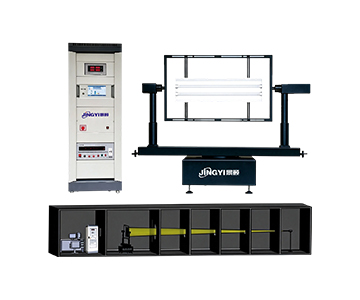
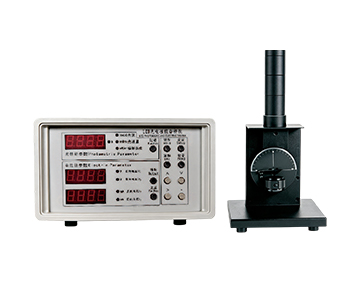
Accurately Assess Measurement Needs and Application Scenarios
Reflection Characteristics of Different Objects
-
Specular Objects:
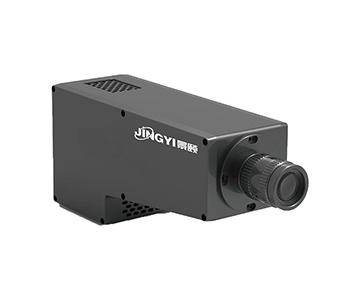
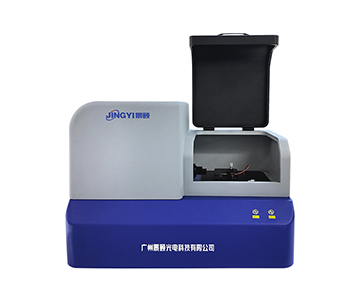
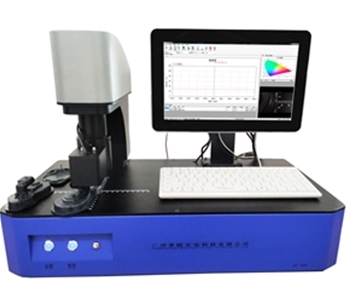
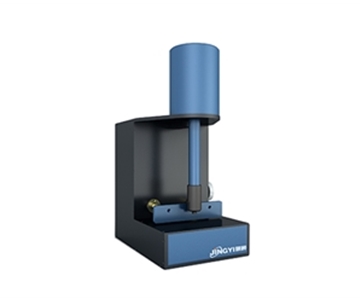
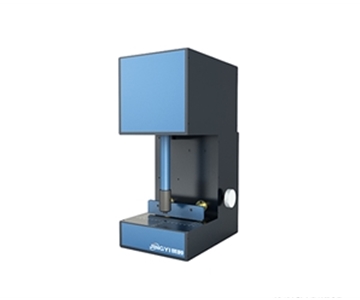
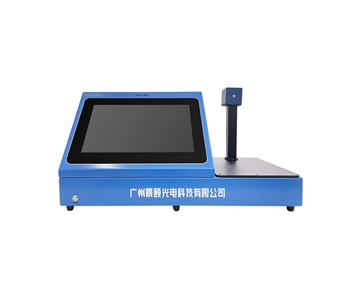
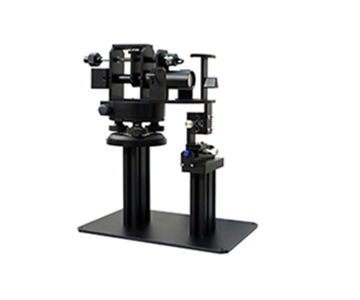
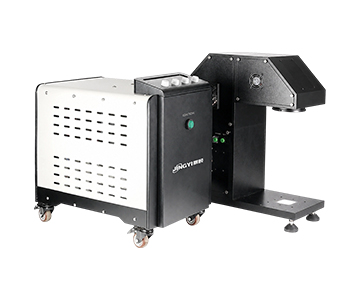
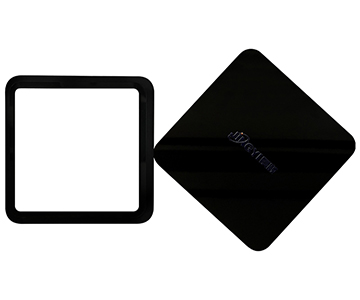
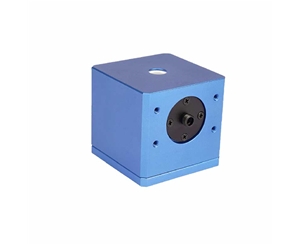
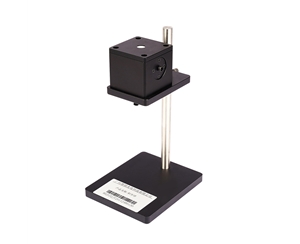
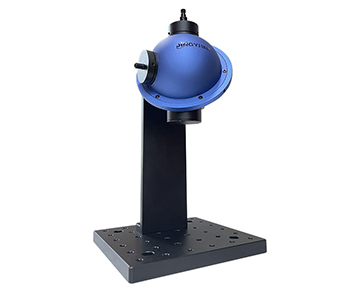
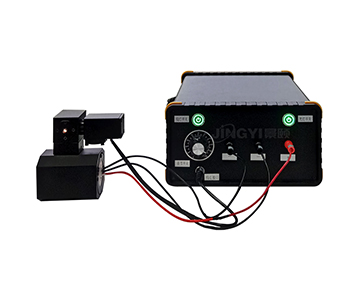
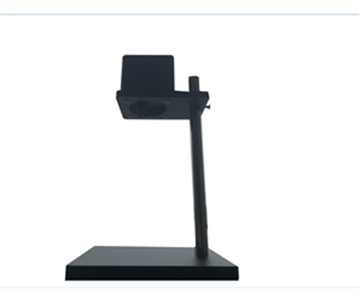
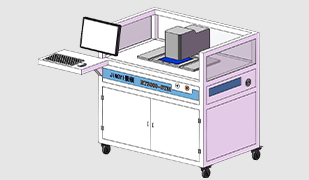
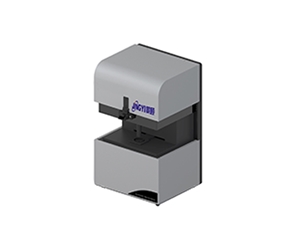
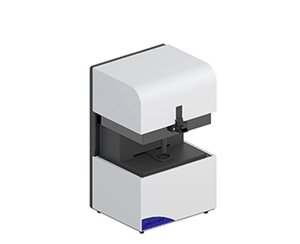
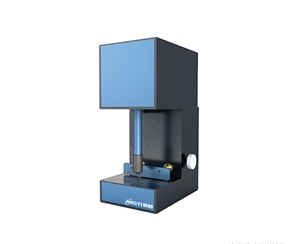
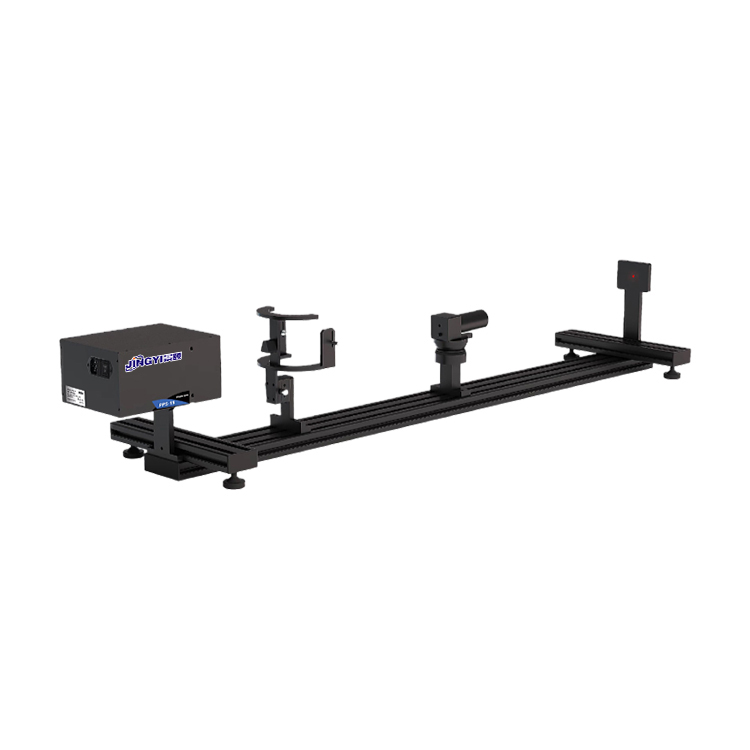
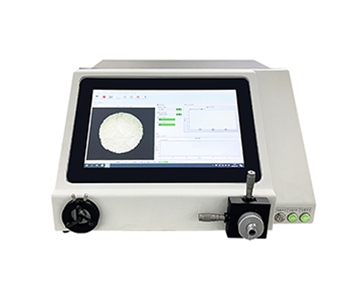
Objects like automotive rearview mirrors, optical lenses, and metal surfaces have special reflection characteristics. Their surfaces are smooth, and light reflection is highly directional, thus requiring high-precision directional reflectance measurement. For example, the reflectance of an automotive rearview mirror directly affects driver visibility and driving safety. Jingyi Optoelectronics' JY-RMC20-A Automotive Rearview Mirror Reflectance Tester is specifically designed for this need. It strictly adheres to the national standard GB 15084-2022 requirements for mirror reflectance testing, enabling precise measurement of rearview mirror reflectance and providing reliable testing assurance for the automotive industry.
-
Diffuse Reflecting Objects:
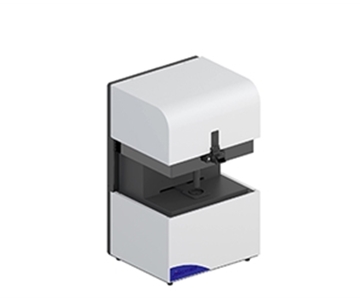
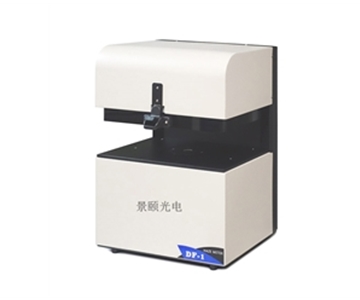
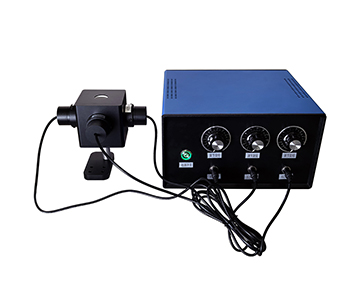
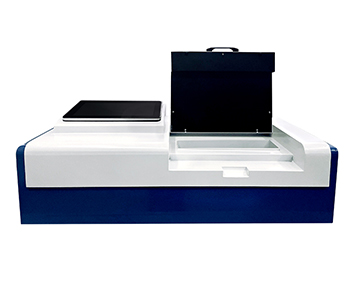
This includes coatings, paints, paper, plastics, textiles, ceramics, powders, etc. The surfaces of these objects are relatively rough, causing light to scatter in all directions. Measurements need to consider their diffuse reflection characteristics. In the coatings and pigment industries, precise reflectance measurement aids in controlling product quality and color consistency. This sector often follows standards like GB/T 13452.3 and GB 9270 to ensure accuracy and comparability of measurement results.
Measurement Requirements Under Special Conditions
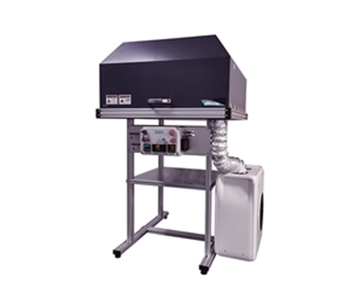
In specific environments, such as rainy nights or wet conditions, the retroreflective performance of road markings is critical for traffic safety. In such cases, a specialized "Rainy Night Marking Retroreflectometer" is needed to meet this particular measurement requirement.
In-depth Analysis of Core Technical Performance
Accuracy and Repeatability
-
Measurement Accuracy: This is a key indicator of a reflectance meter's performance. It refers to how close the measured value is to the true value, usually expressed as a percentage, e.g., better than ±2%. Accurate measurement provides reliable data support for product quality control and scientific research.
-
Repeatability: This refers to the consistency of results when measuring the same object multiple times under the same conditions, e.g., a repeatability of 0.3%. Good repeatability is crucial for quality control processes, ensuring the stability and reliability of measurement results and minimizing the impact of errors on production and research.
Measurement Range
The instrument's measurement range determines the interval of reflectance it can measure, such as 0 - 100% or 0 - 120%. When purchasing, ensure the selected instrument's range covers the possible reflectance values of your samples to avoid situations where accurate measurement is impossible due to an insufficient range.
Spectral Response
Spectral response refers to the instrument's sensitivity to different wavelengths of light. For color measurement and standardized testing, it's crucial that the instrument's spectral sensitivity meets standard requirements, e.g., approximately equal to the product of Sc(λ) and y(λ). An appropriate spectral response ensures the accuracy of measurement results and color consistency, especially in industries involving color matching and quality control, such as printing and textiles.
Measurement Method and Geometry
-
0°/45° or 45°/0° Geometry: This method is commonly used for measuring the reflectance of non-specular materials like paper and coatings. It simulates the way the human eye observes objects, providing a more intuitive reflection of their reflective properties.
-
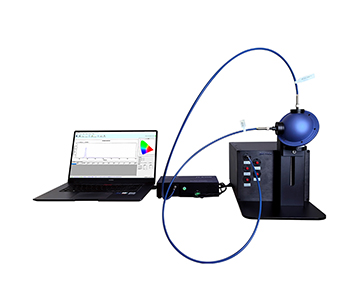
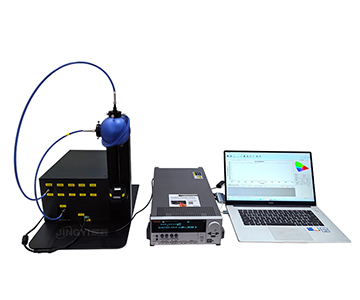
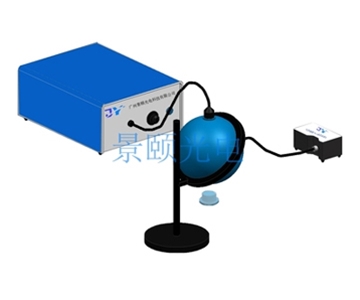
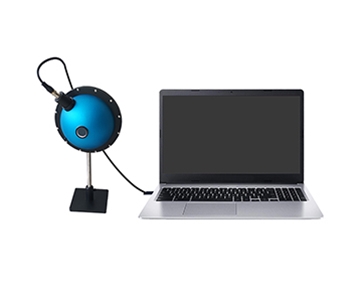
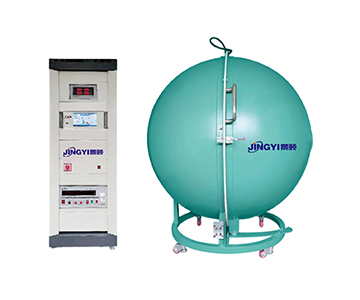
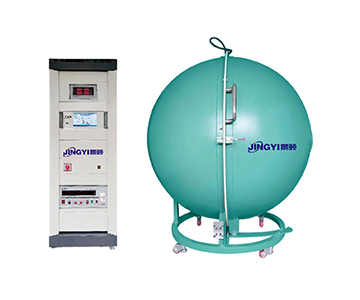
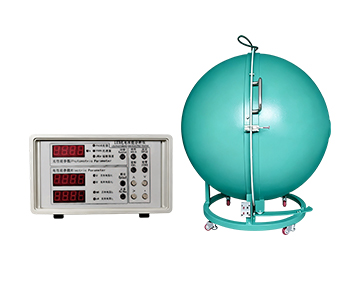
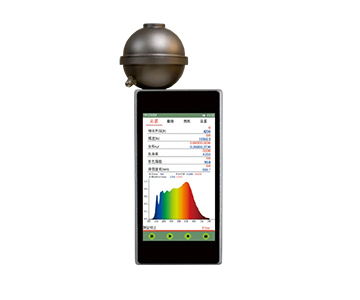
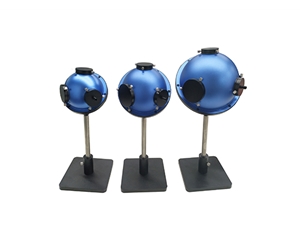
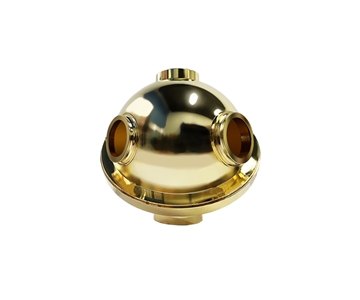
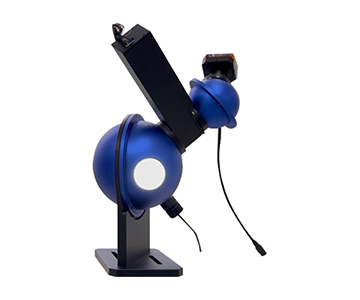
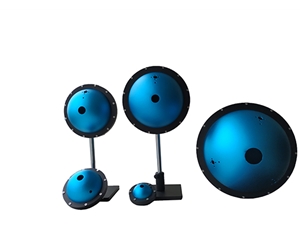
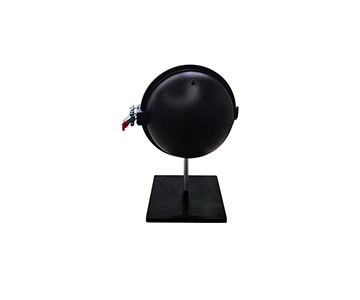
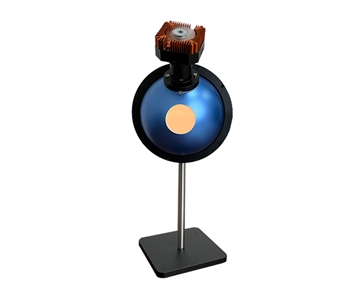
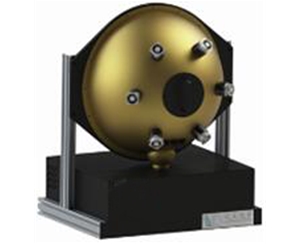
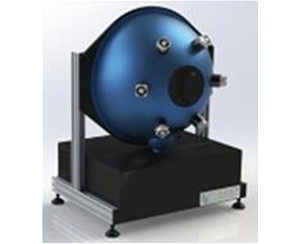
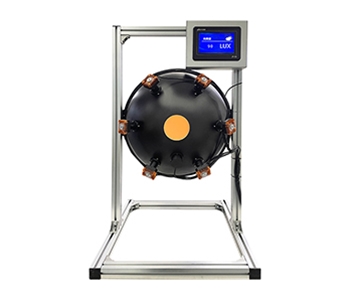
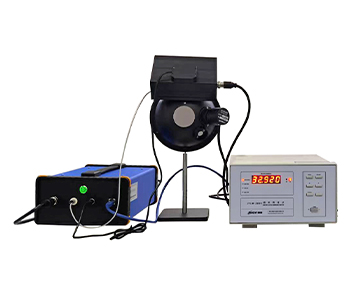
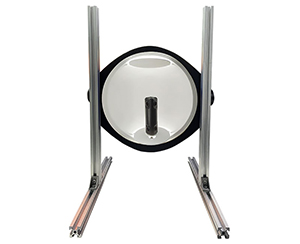
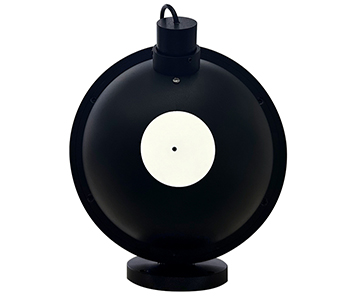
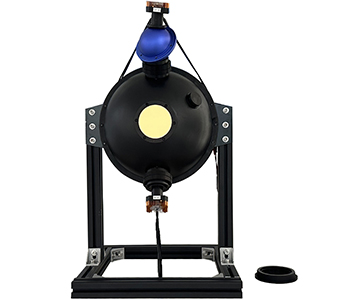
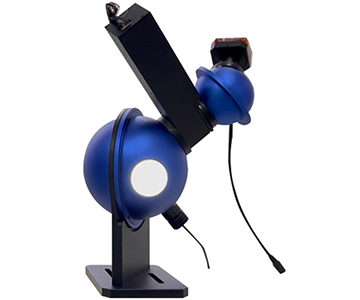
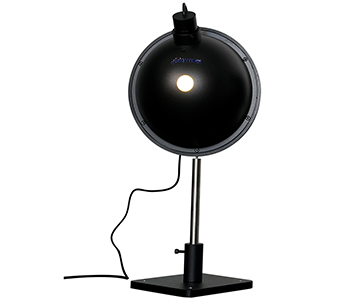
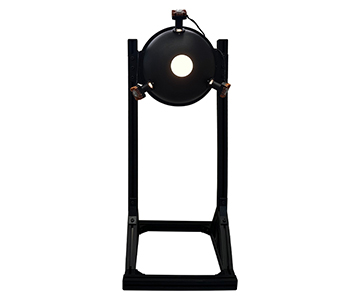
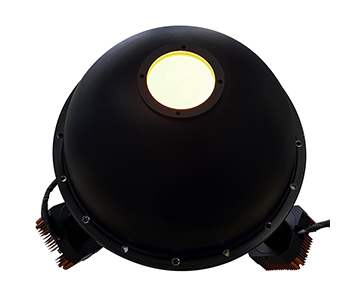
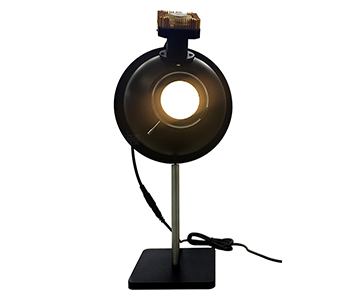
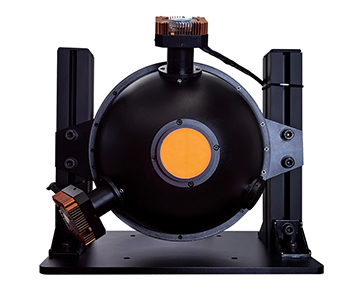
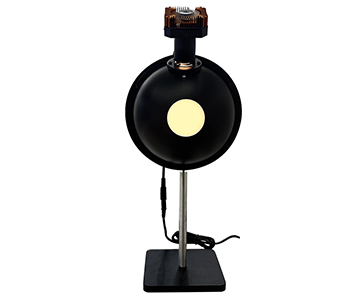
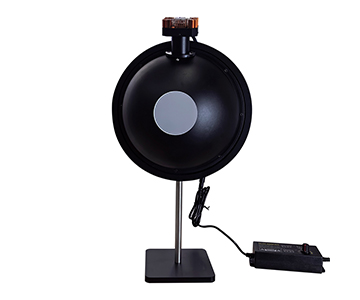
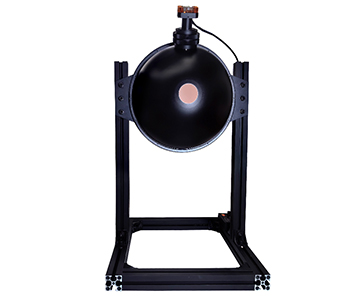
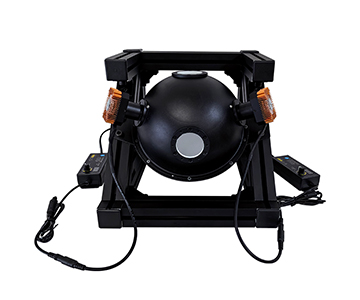
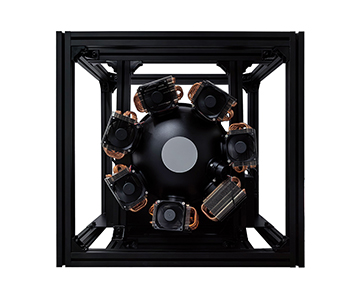
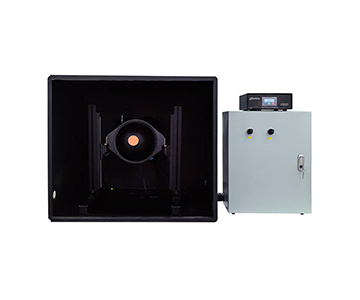
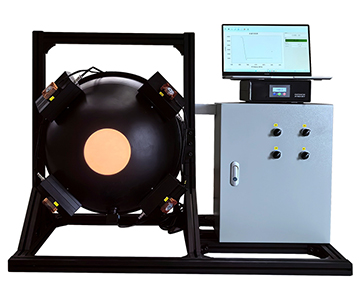
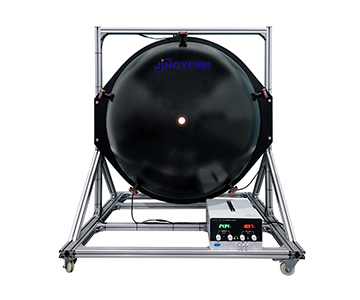
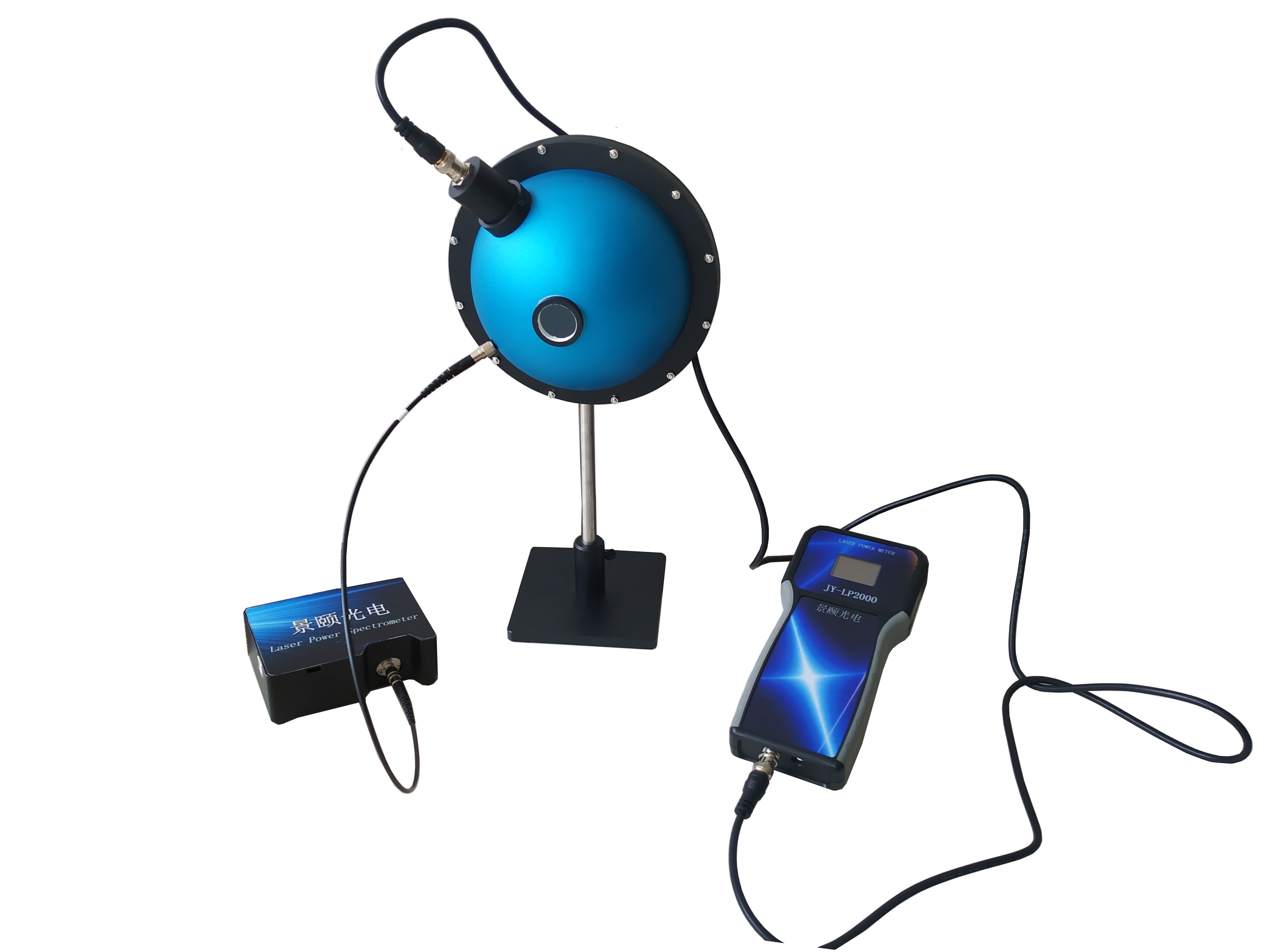
Integrating Sphere Measurement: An integrating sphere can measure both specular and diffuse reflection, or exclude specular reflection. It is suitable for measuring the total reflectance of irregular surfaces, powders, and other materials. This method provides more comprehensive reflection information and offers unique advantages for measuring certain special materials.
-
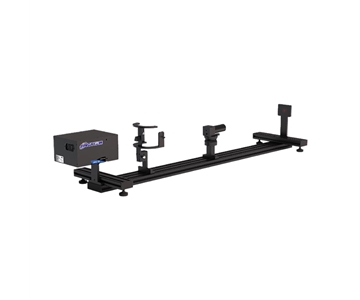
Specific Angle Measurement: Some special applications, such as measuring the reflectance of automotive rearview mirrors, may require specific incidence and reception angles. Jingyi Optoelectronics' JY-RMC20-A Automotive Rearview Mirror Reflectance Tester possesses this capability, allowing accurate adjustment of measurement angles based on different measurement needs to ensure result accuracy.
Comprehensive Consideration of Ease of Use and Durability
Portability
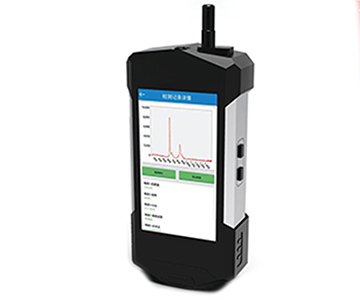
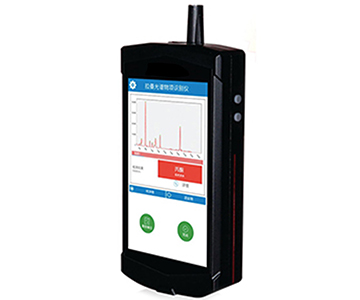
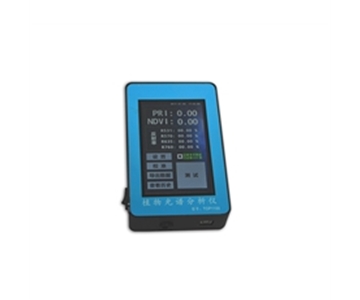
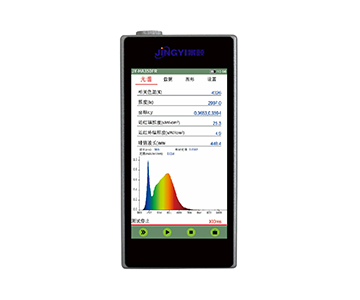
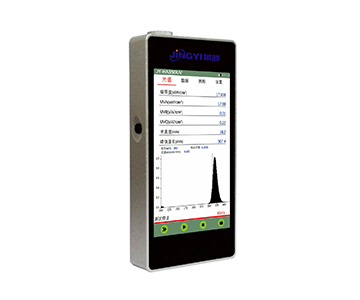
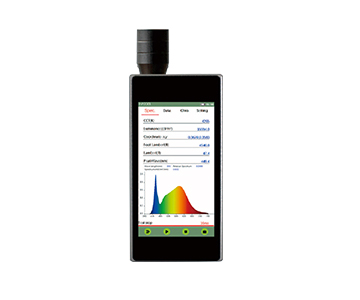
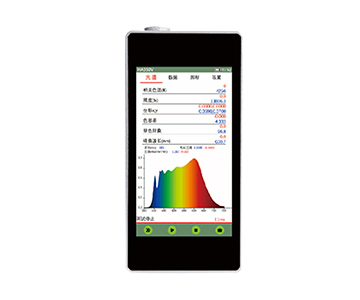
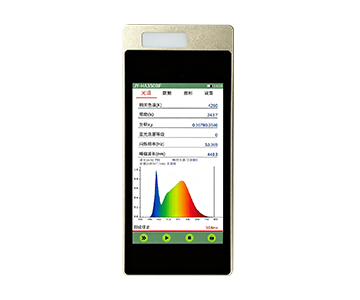
The need for portability varies based on the actual usage scenario. If measurements need to be taken on a production line, outdoors, or moved between different laboratories, a portable instrument (like a handheld spectrometer) is a better choice. It offers advantages like small size, light weight, and ease of operation, suitable for on-site rapid measurement. Fixed instruments typically offer higher precision and are suitable for use in stable environments like laboratories.
Ease of Operation
The ease of operation directly impacts user experience and work efficiency. When selecting, pay attention to factors like whether the instrument's interface is intuitive, the calibration steps are simple, and if it supports fast measurement and data storage functions. A simple and easy-to-use interface reduces the learning curve for users and improves work efficiency; fast measurement and data storage functions meet the needs for measuring and recording large volumes of data.
Durability and Protection
The durability and protective features of the instrument are key factors ensuring its long-term stable operation. When choosing a reflectance meter, consider the characteristics of the usage environment, such as whether it will be used in harsh conditions like factories or outdoors. If the environment is harsh, the instrument's ingress protection (IP) rating against dust and water, materials, and structural strength become particularly important. A higher protection rating effectively resists erosion by dust, moisture, and other external factors, extending the instrument's lifespan; robust materials and structure ensure the instrument is less prone to damage during transport and use.
Strictly Check Standard Accessories and Calibration
Standard Plates
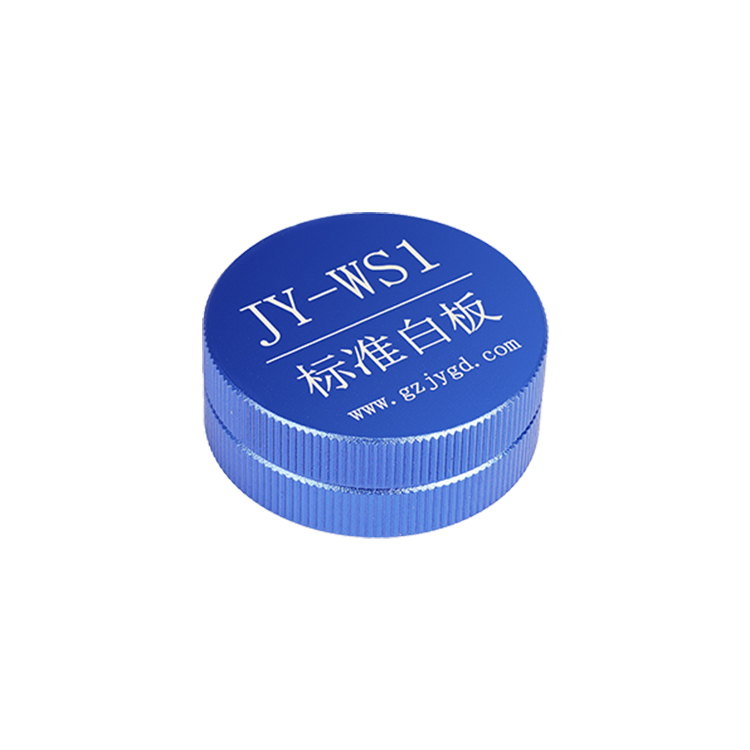
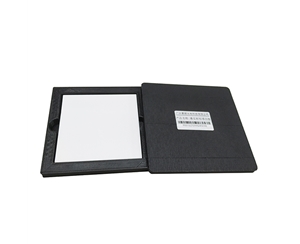
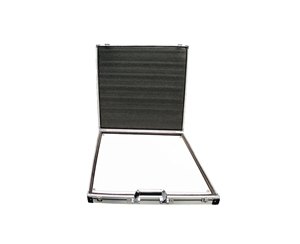
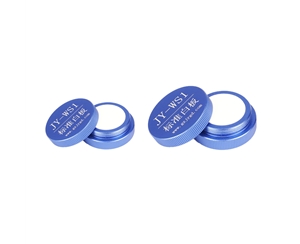
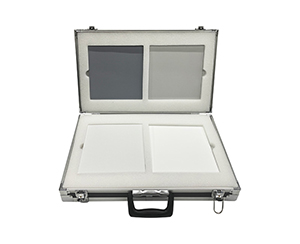
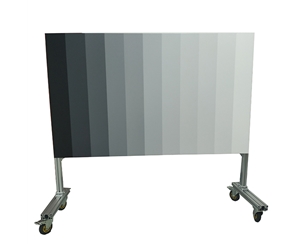
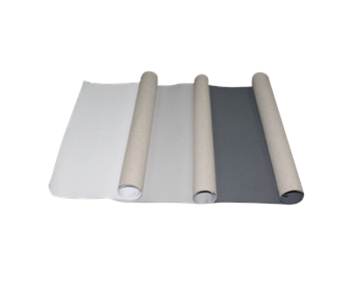
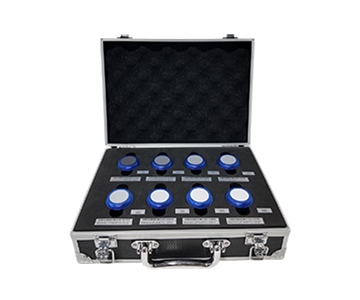
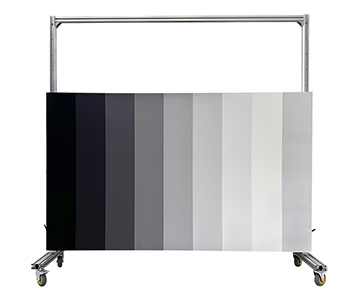
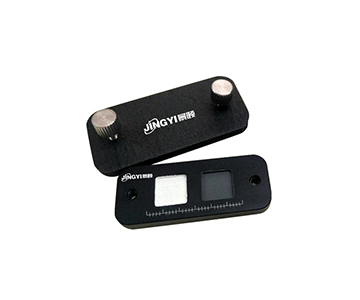
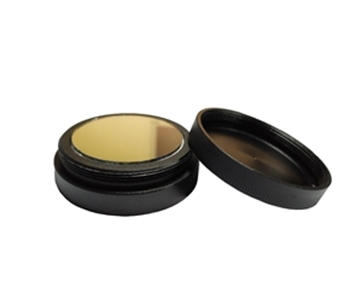
Standard plates are essential tools for calibrating reflectance meters. The instrument must be equipped with standard white and black plates (or a standard mirror) for calibration. When purchasing, confirm whether the standard plates are provided with the instrument and assess the convenience of calibration. The accuracy and stability of the standard plates directly affect the accuracy of measurement results, so choosing reliable standard plates is crucial.
Working Ceramic Tiles
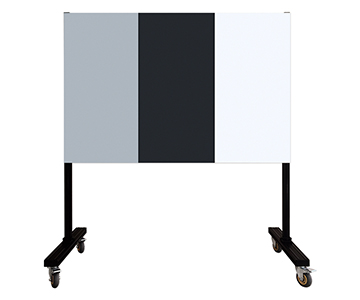
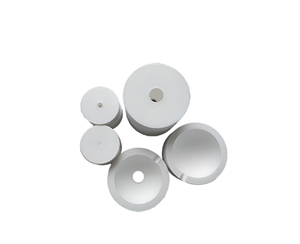
For applications requiring contrast ratio (RB/Rw) measurement, matching black and white working ceramic tiles may be needed. The color uniformity and reflectance stability of the working ceramic tiles also have a certain impact on the accuracy of measurement results. Therefore, care should be taken to select high-quality working ceramic tiles.
Calibration Services
To ensure the long-term accuracy of the instrument, it's important to understand whether the manufacturer offers periodic calibration services or technical support. Regular calibration can detect and correct instrument errors in a timely manner, ensuring the reliability of measurement results. Additionally, technical support provided by the manufacturer helps users solve problems encountered during use, improving the instrument's usage efficiency and lifespan.
Carefully Evaluate Brand Reputation and After-Sales Service
Brand Reputation
Brand reputation is an important indicator of a company's product quality and service level. When selecting a reflectance meter, choose a brand with a good reputation and credibility within the industry. Brands with a strong reputation typically possess more specialized technology, stricter quality control systems, and more comprehensive after-sales service networks, providing users with more reliable products and better service.
After-Sales Service
After-sales service is one of the primary concerns after purchasing an instrument. When choosing, understand the manufacturer's warranty period, repair services, technical support response times, and other after-sales service details. Good after-sales service promptly resolves issues users encounter, minimizing downtime losses. Furthermore, technical training and maintenance guidance provided by the manufacturer help users better operate and maintain the instrument, extending its lifespan.
Balance Cost-Effectiveness and Budget
Cost-Effectiveness
After meeting all necessary technical requirements, comparing prices across different brands and models is an important step in selecting a reflectance meter. However, focusing solely on price is insufficient; it's necessary to comprehensively consider factors like instrument performance, quality, and after-sales service to assess its cost-effectiveness. A cost-effective instrument not only meets the user's measurement needs...