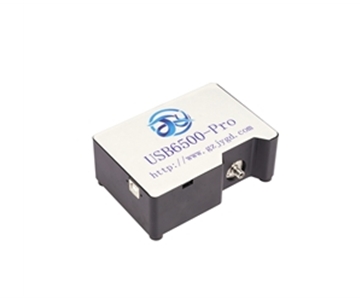
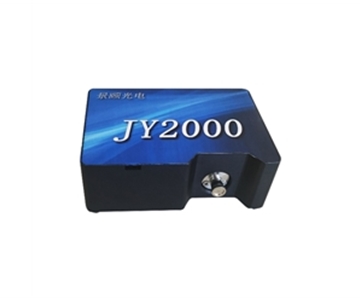
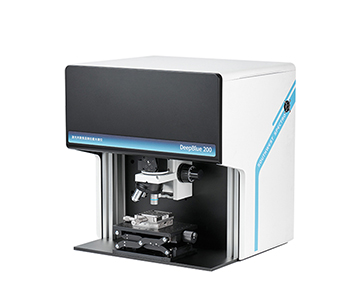
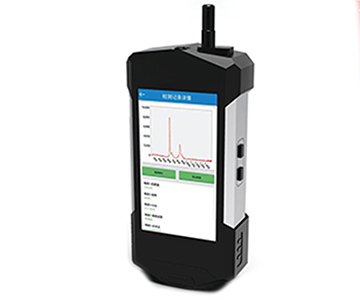
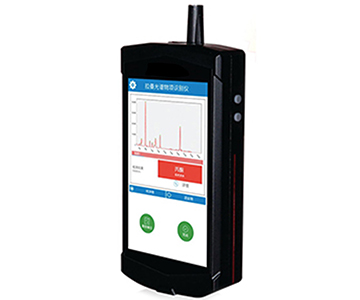
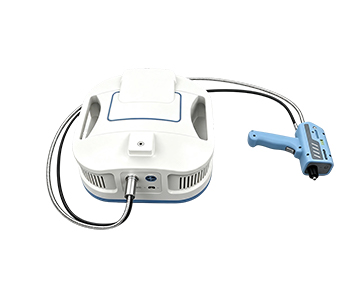
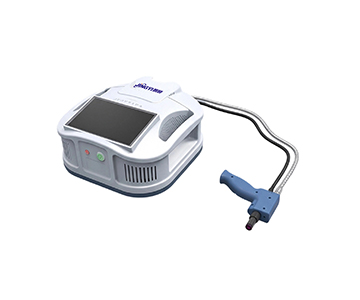
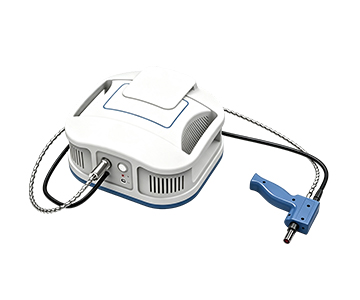
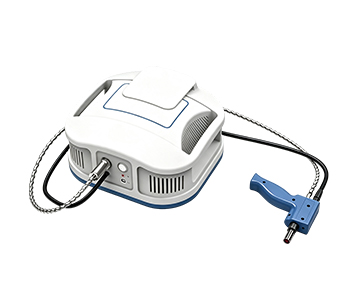
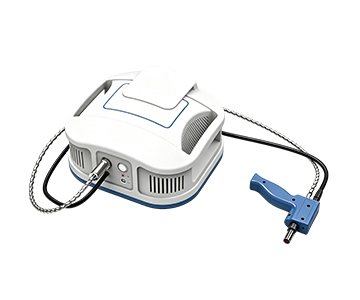
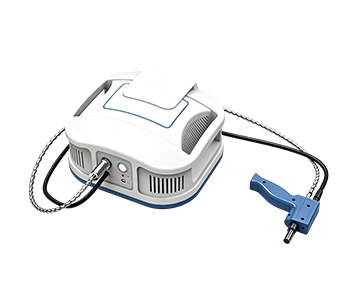
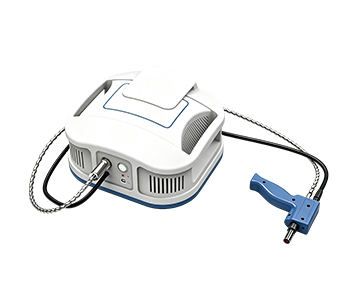
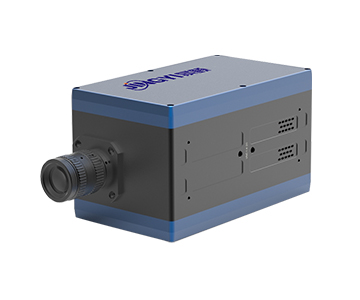
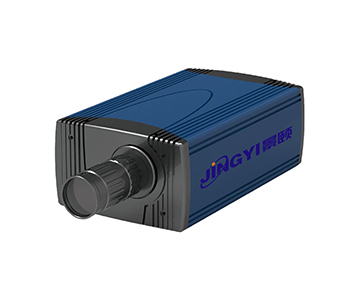
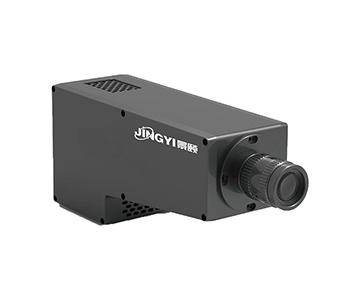
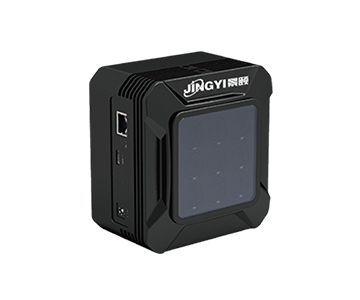
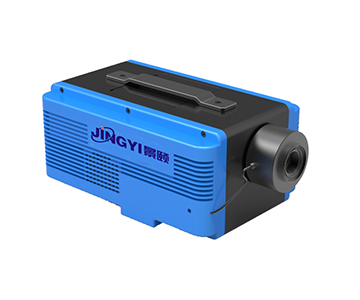
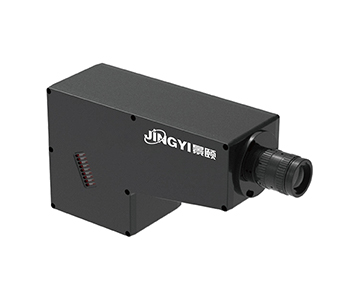
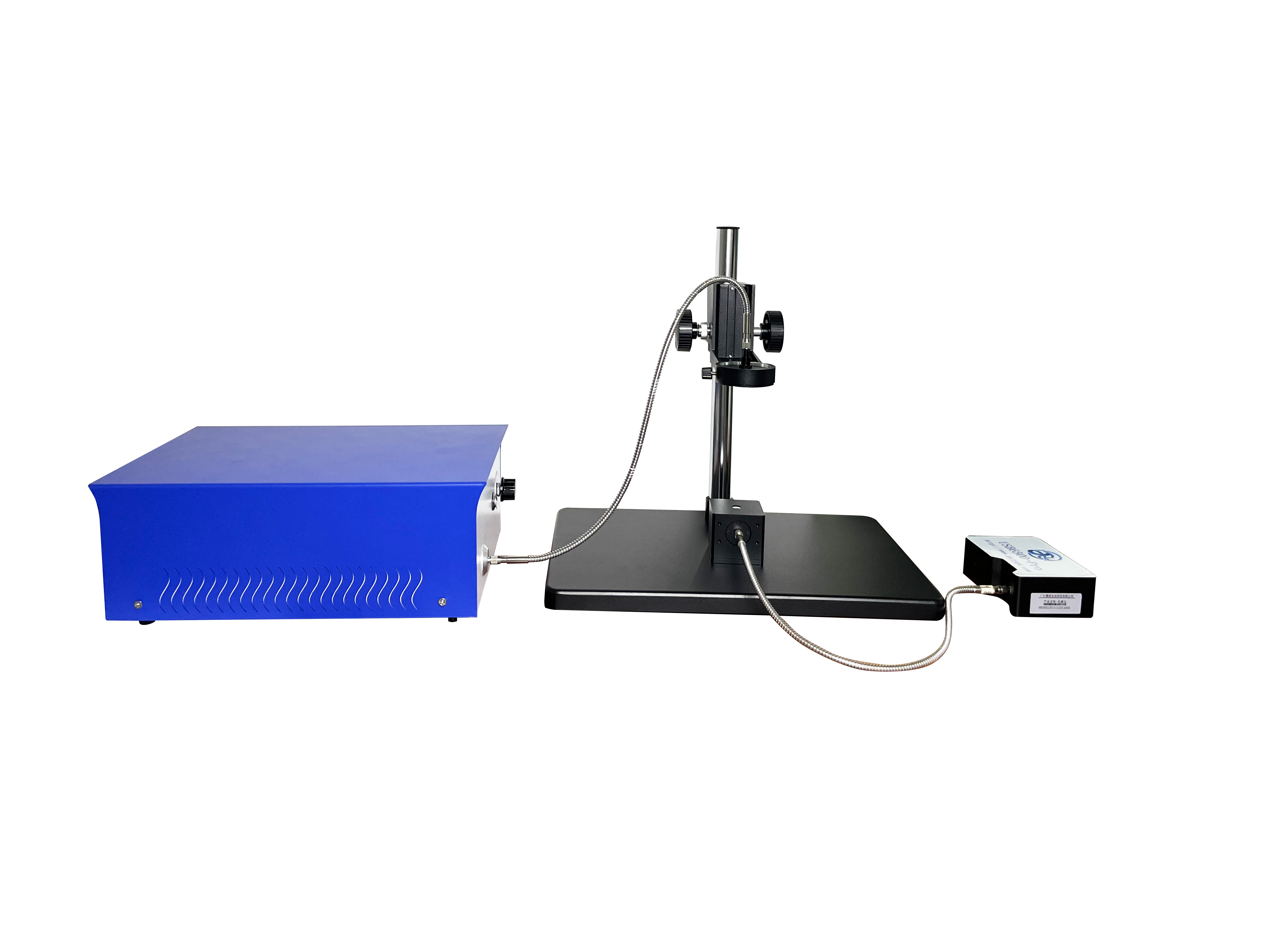
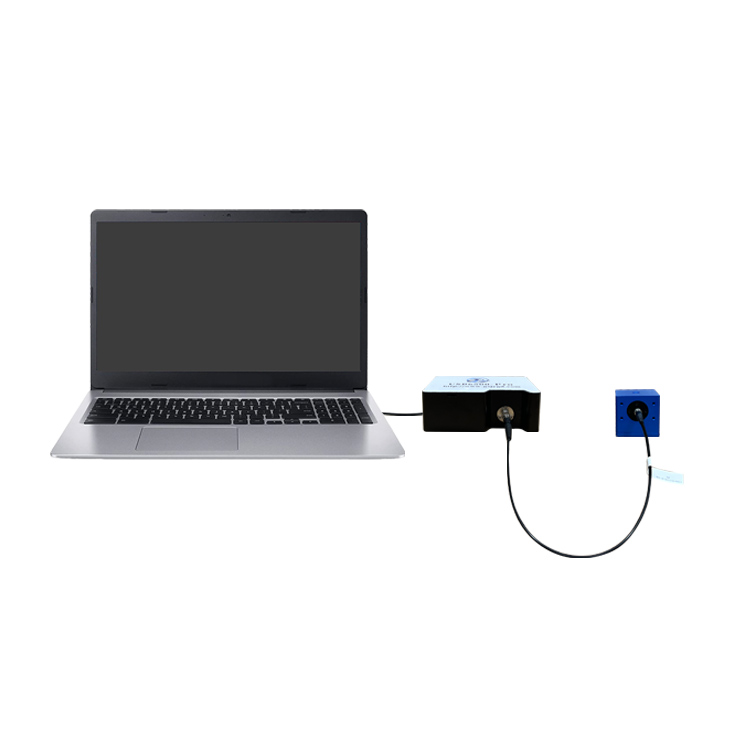
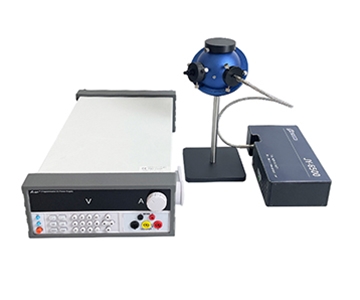
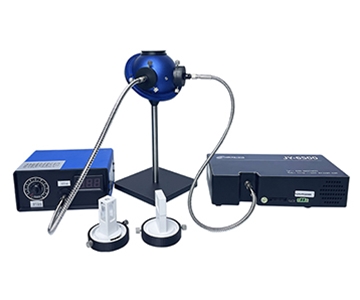
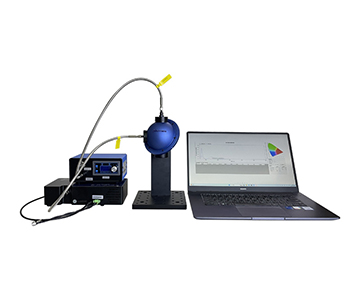
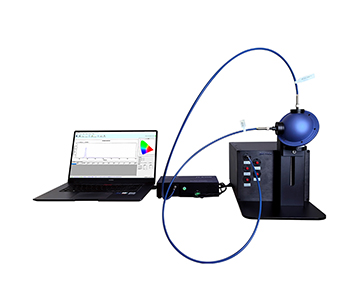
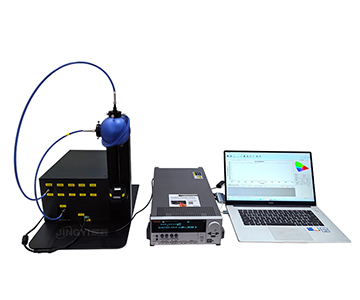
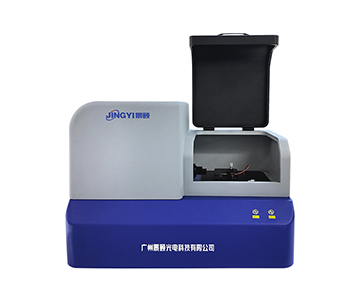
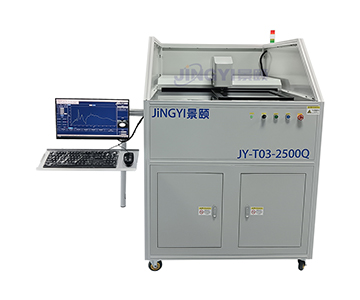
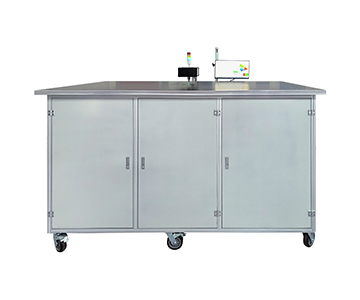
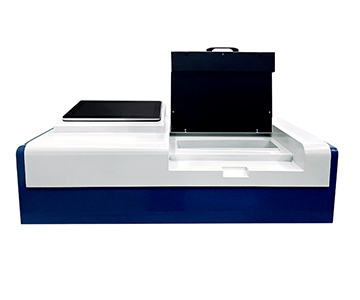
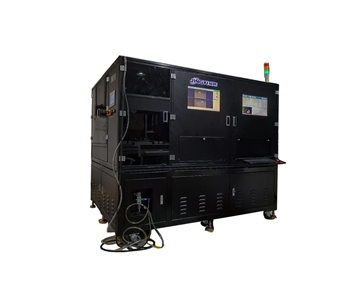
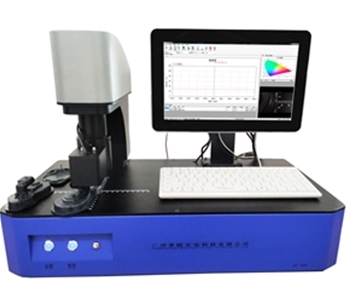
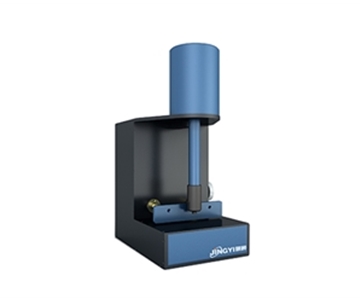
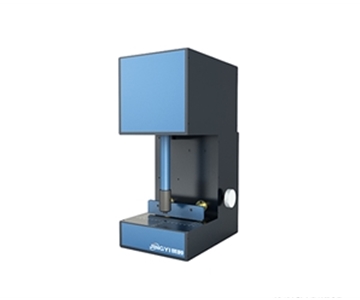
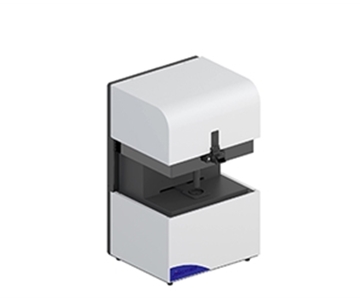
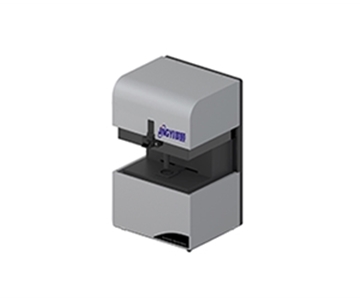
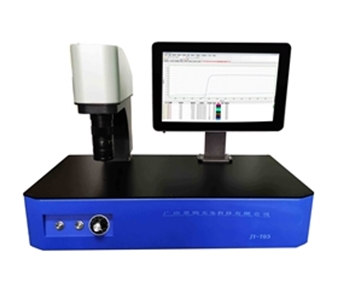
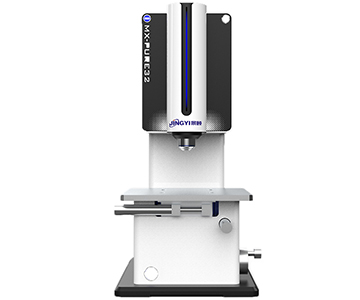
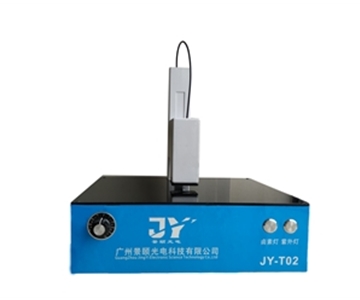
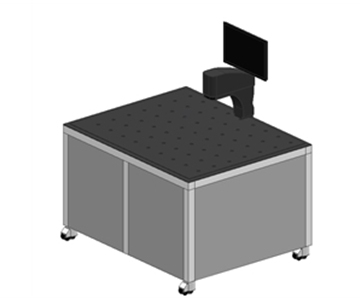
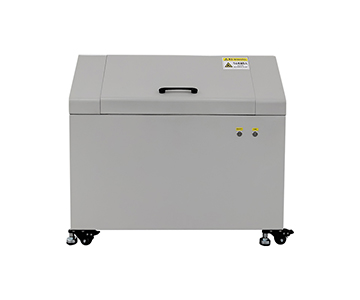
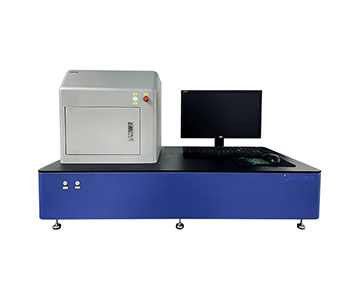
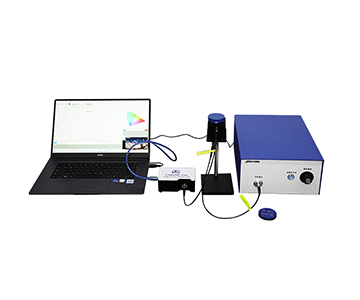
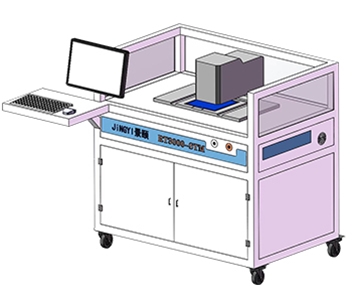
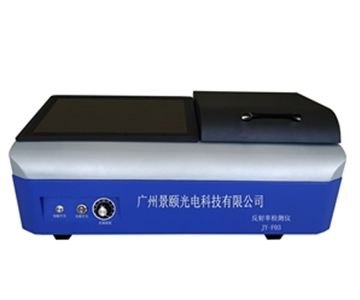
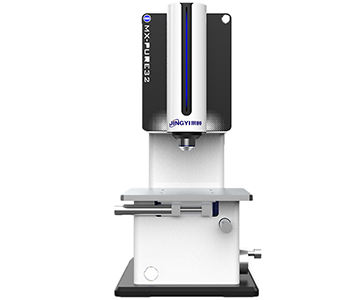
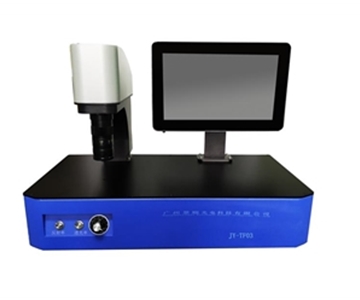
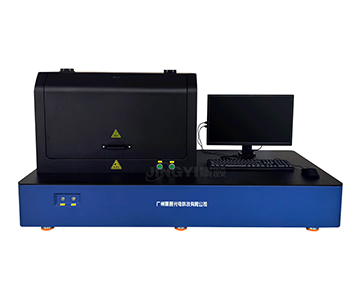
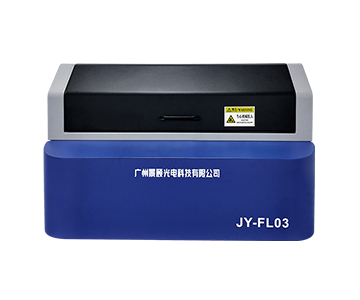
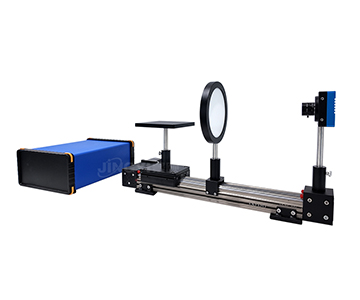
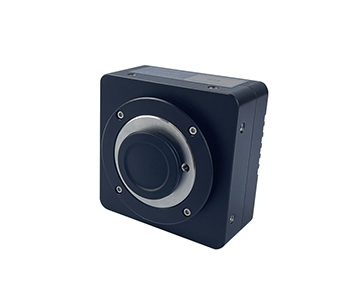
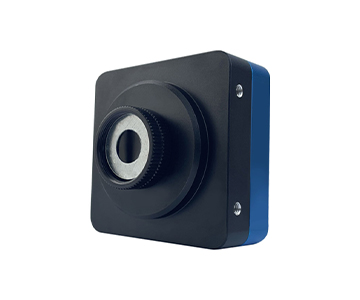
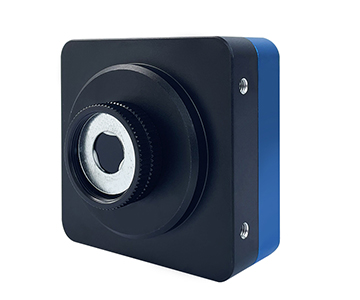
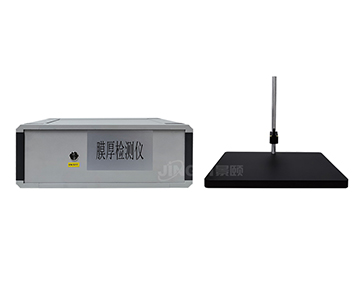
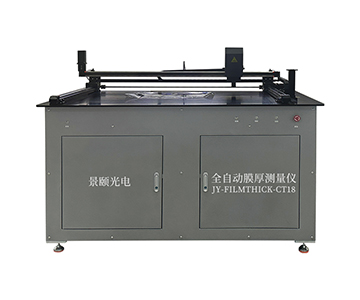
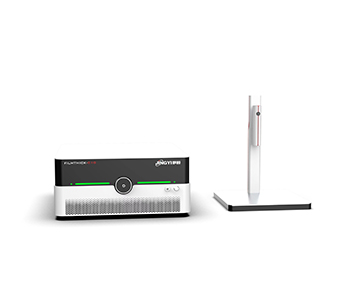
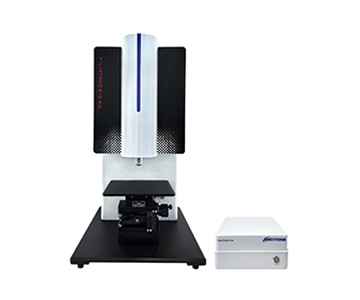
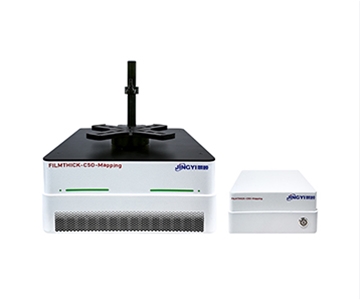
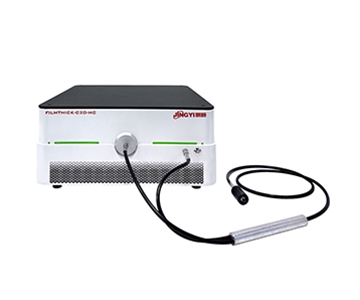
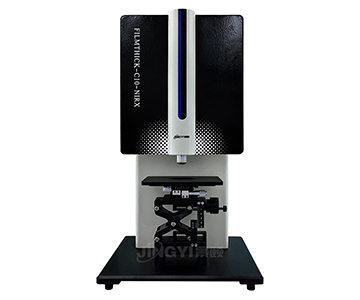
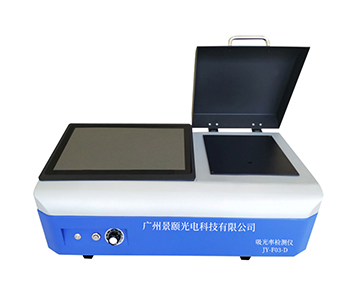
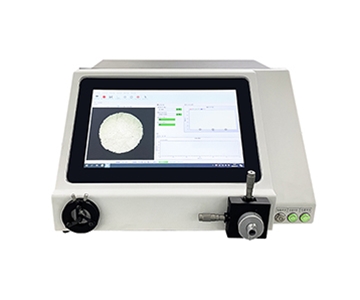
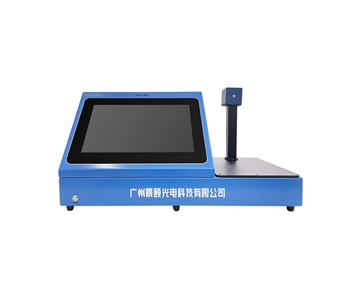
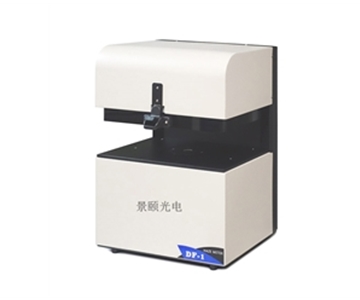
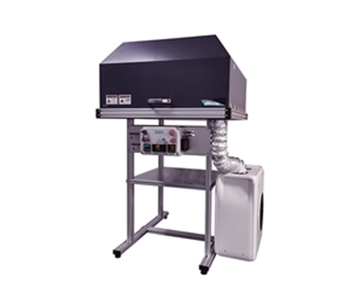
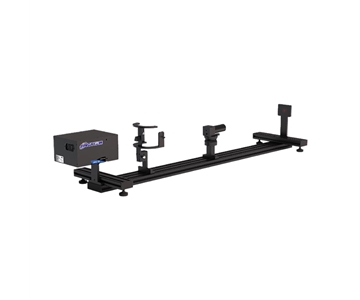
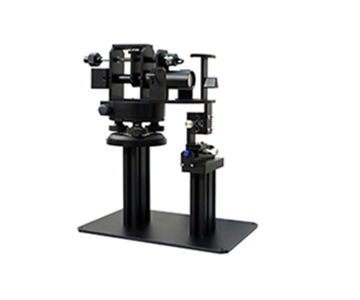
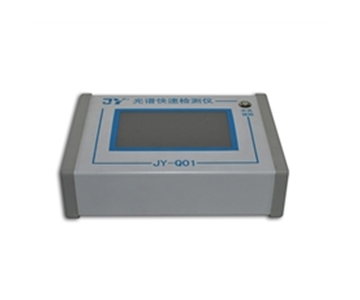
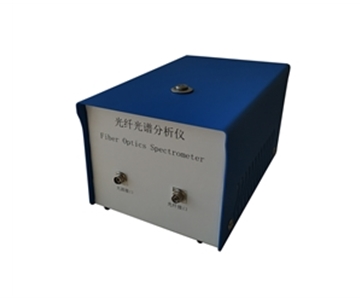
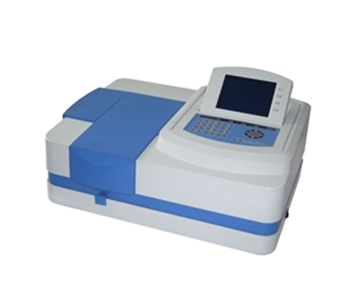
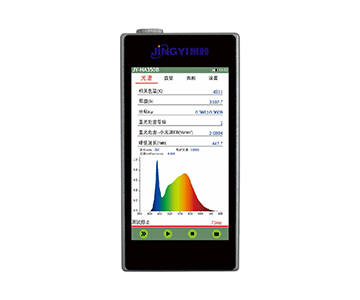
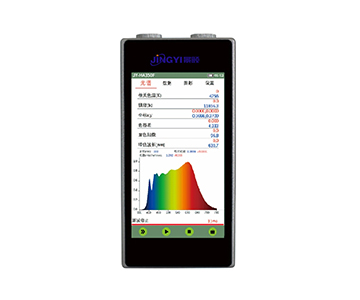
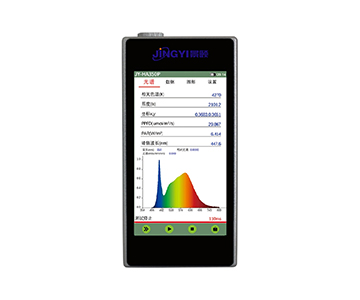
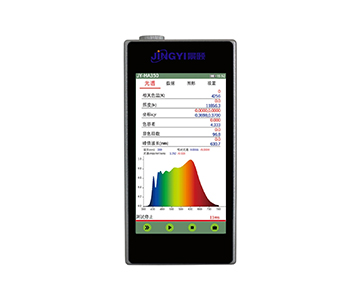
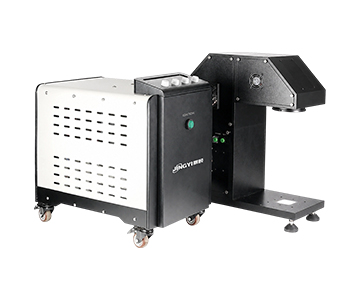
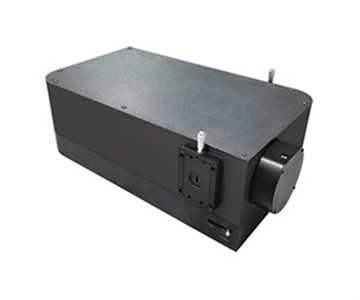
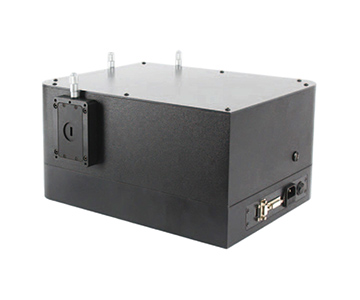
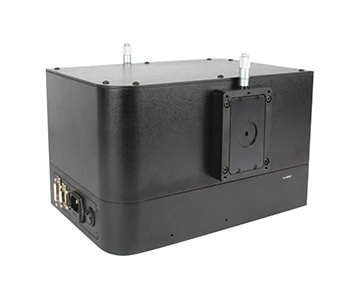
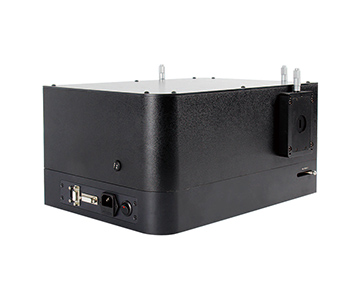
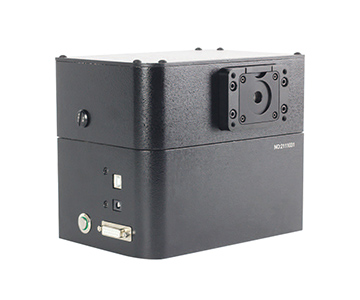
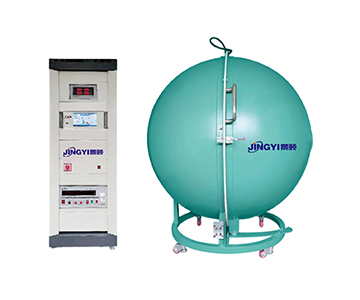
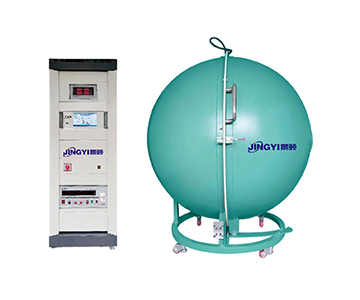
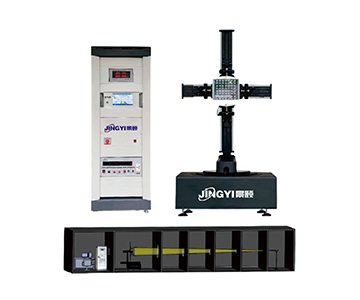
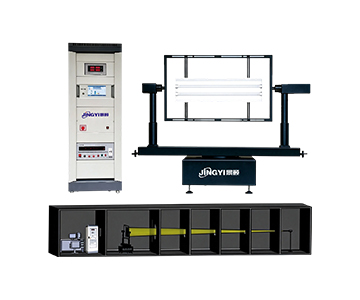
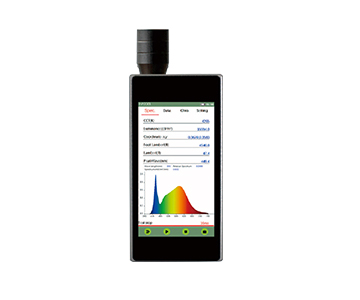
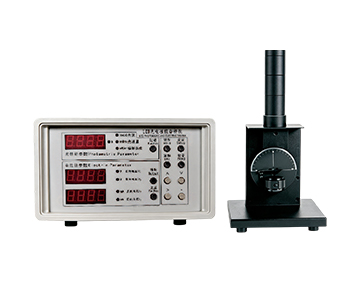
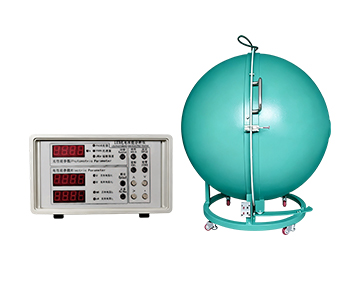
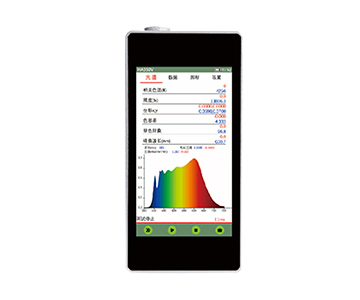
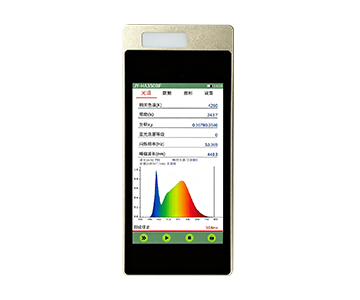
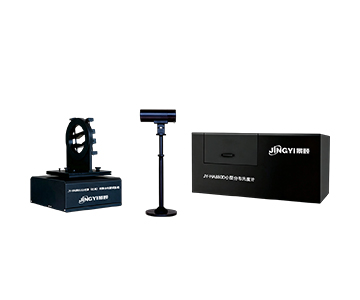
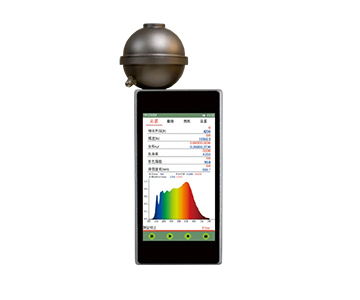
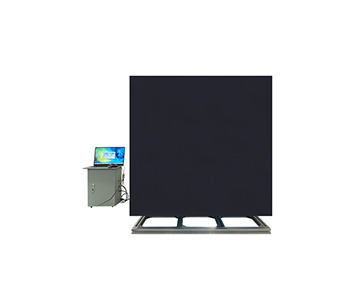
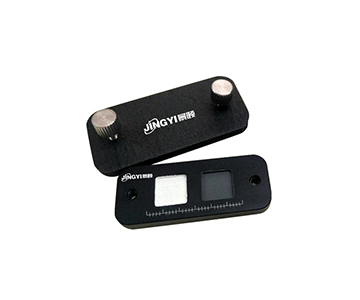
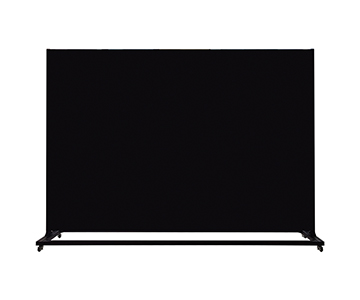
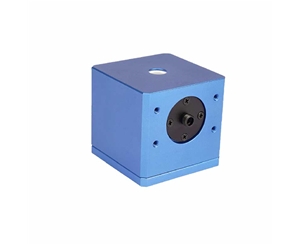
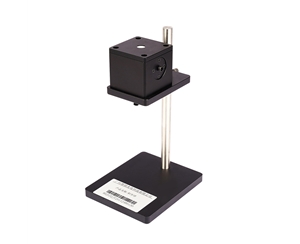
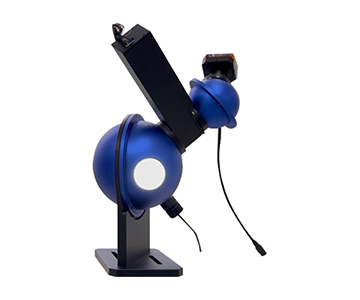
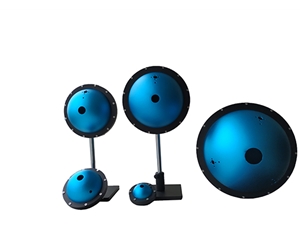
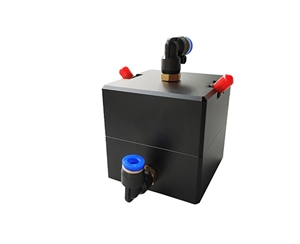
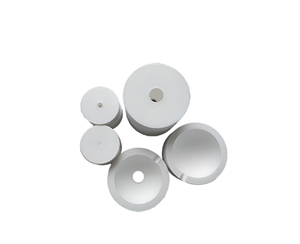
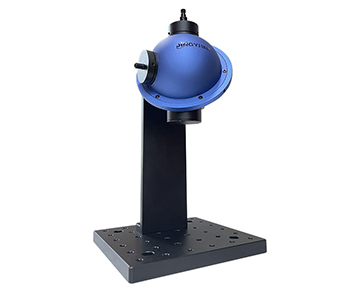
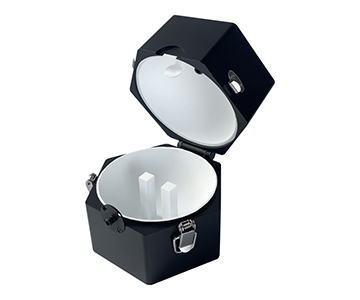
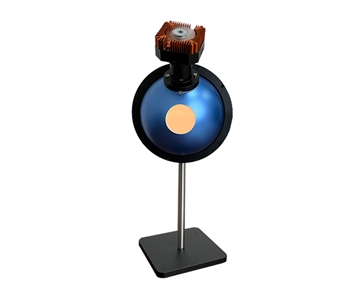
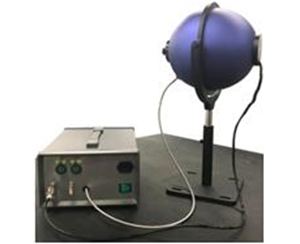
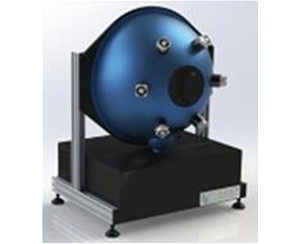
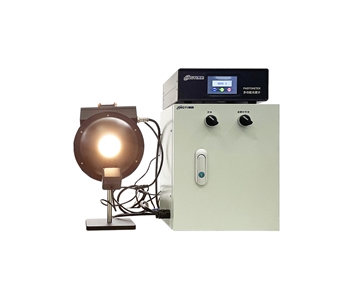
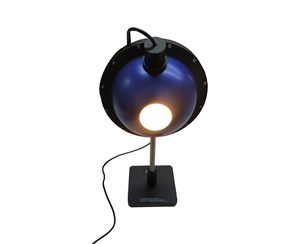
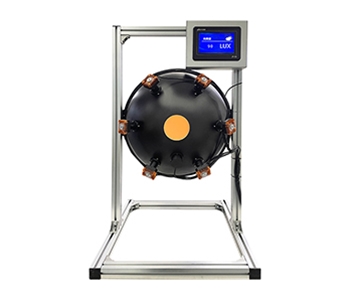
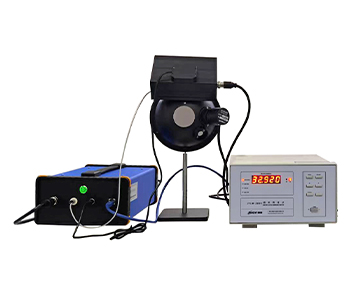
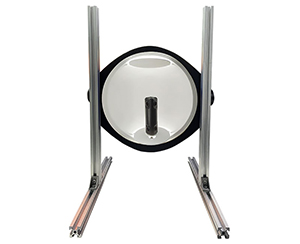
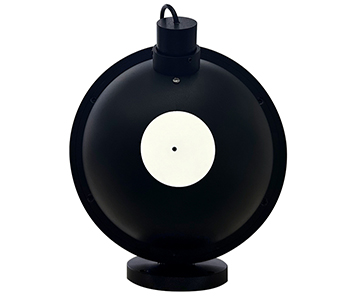
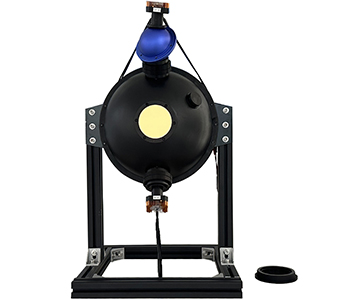
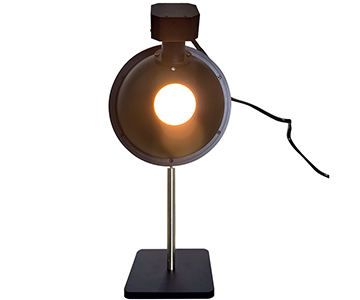
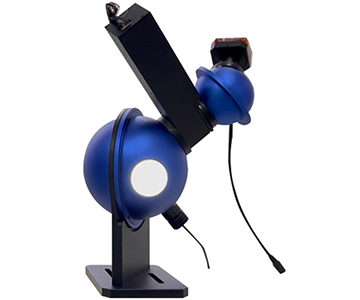
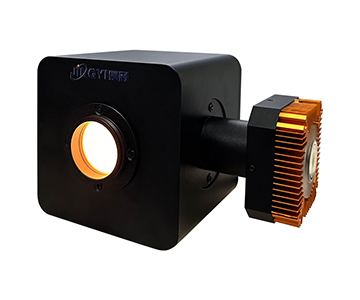
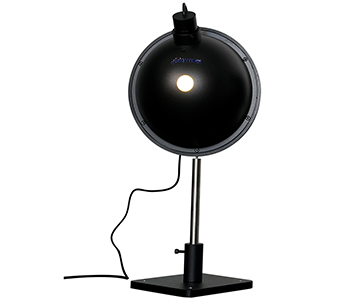
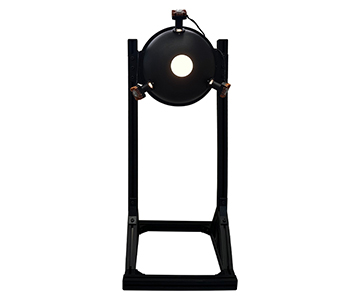
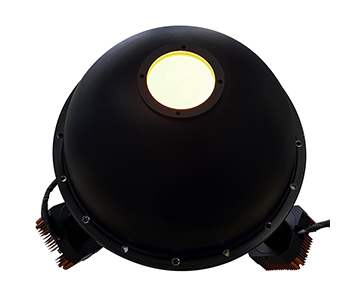
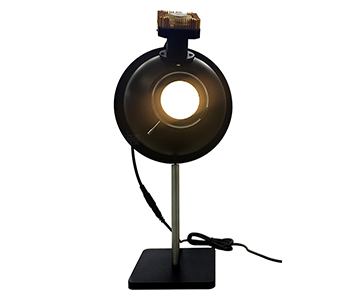
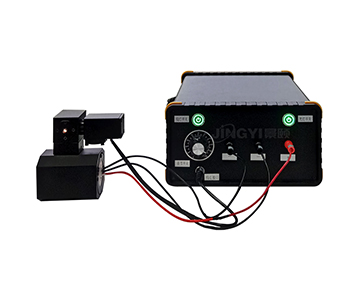
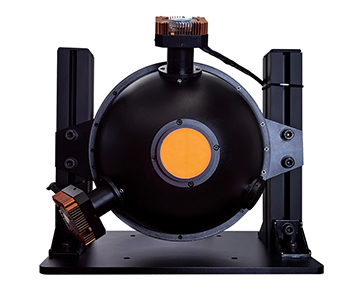
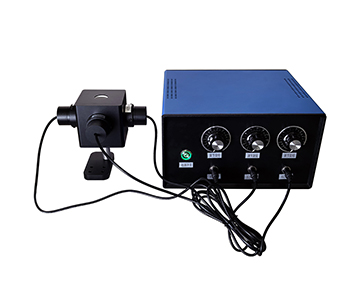
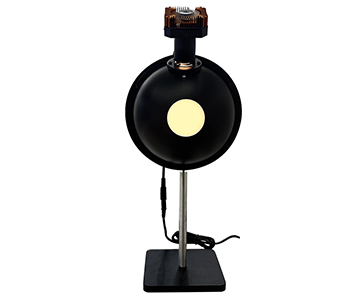
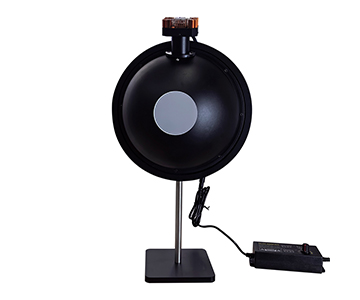
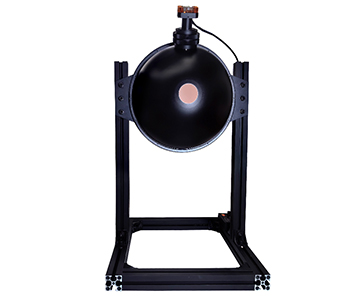
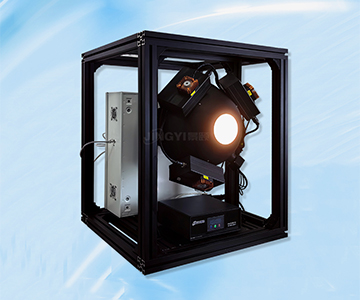
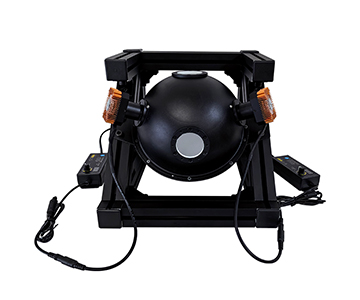
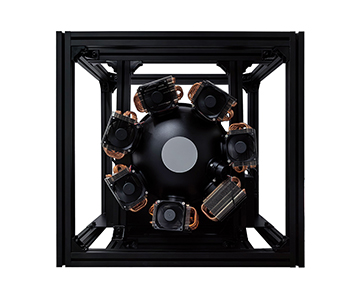
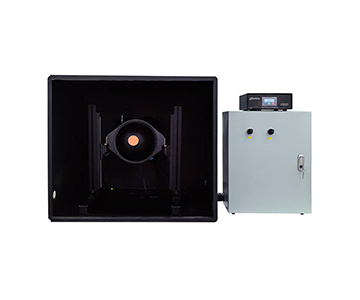
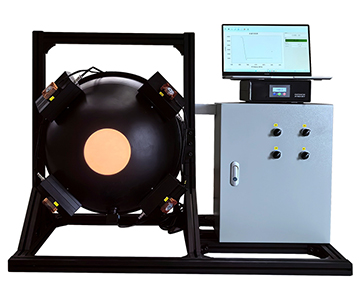
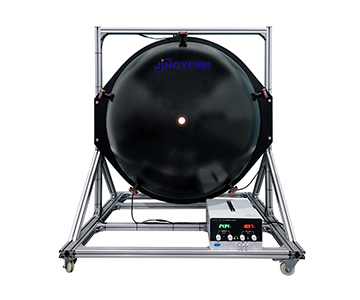
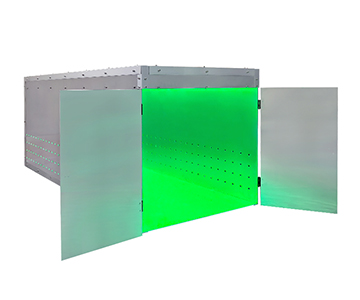
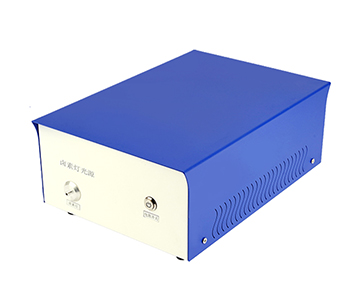
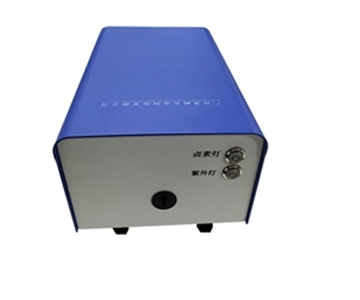
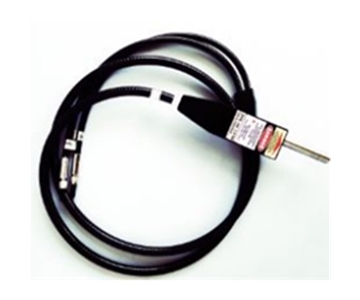
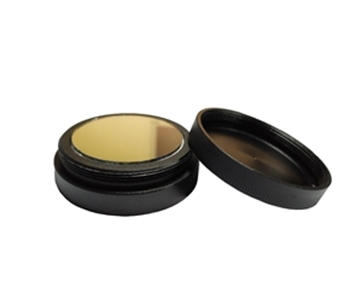
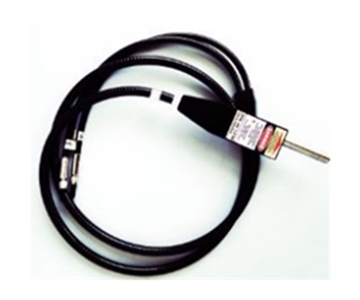
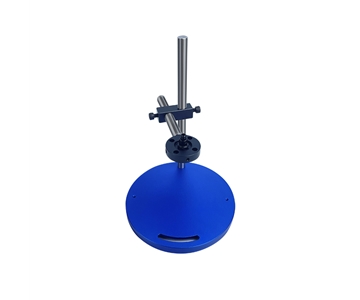
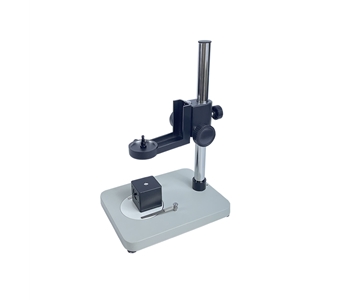
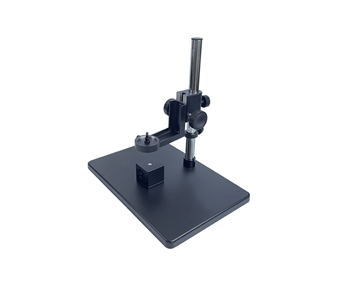
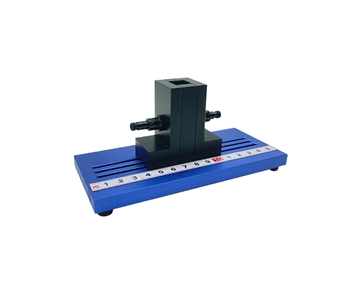
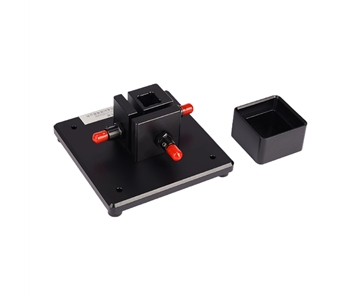
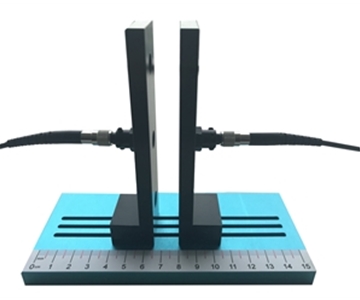
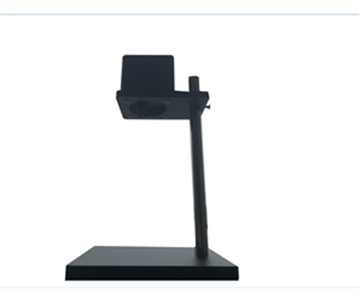
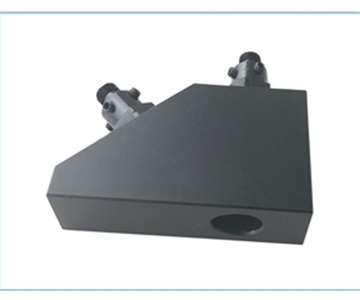
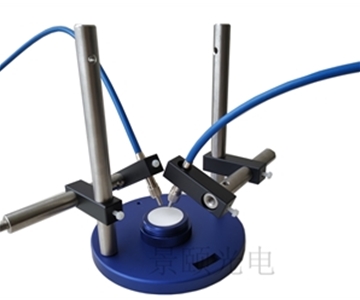
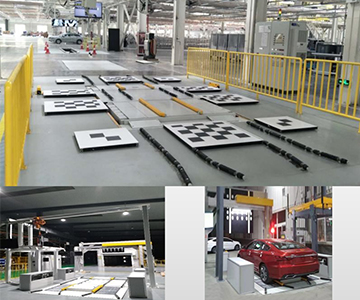
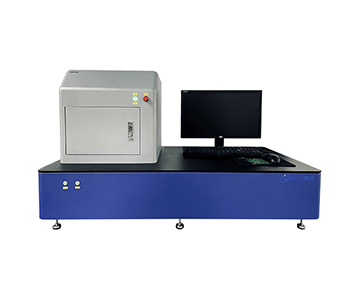
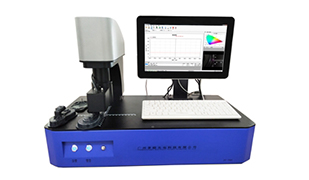
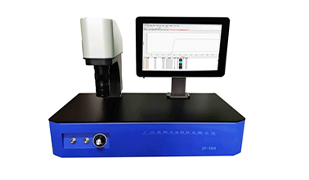
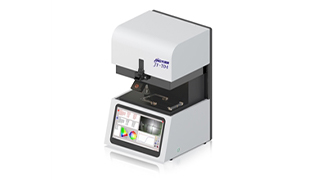
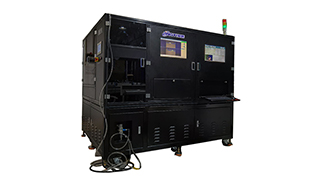
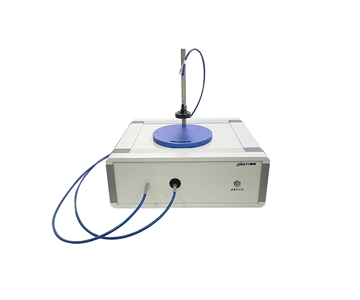
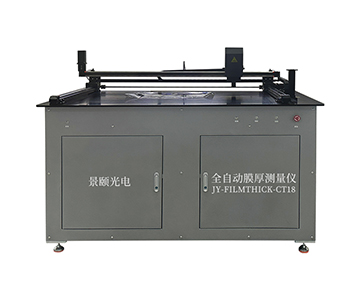
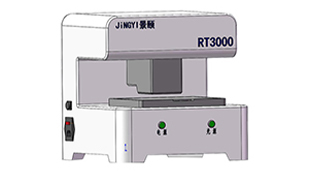
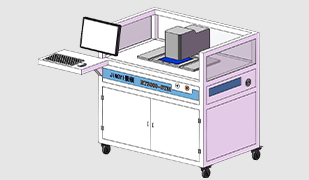
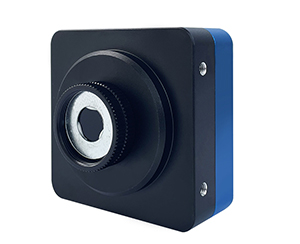
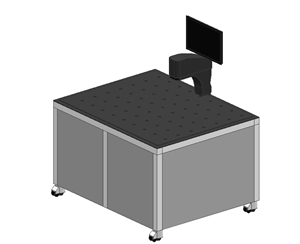
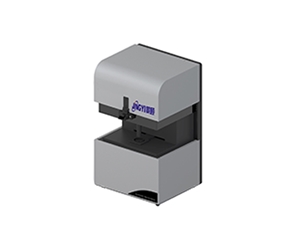
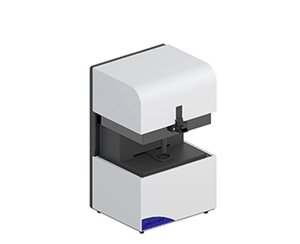
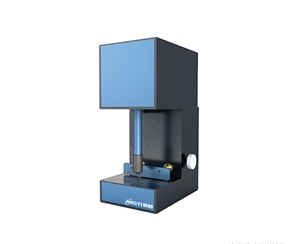
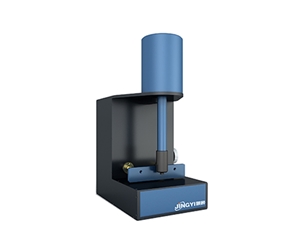
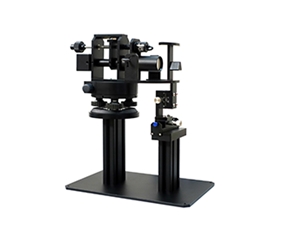
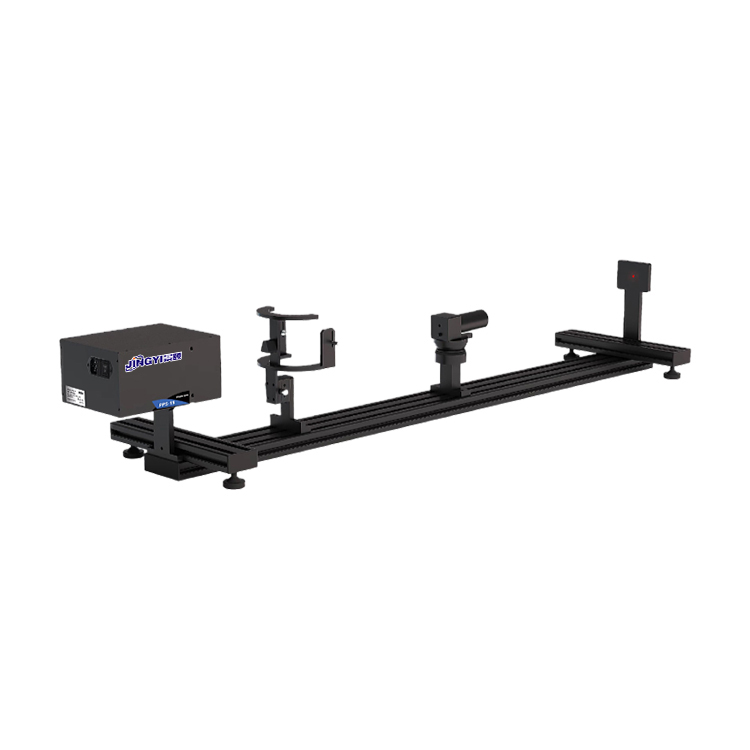
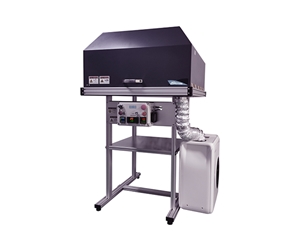
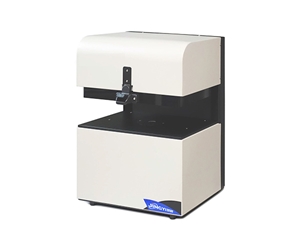
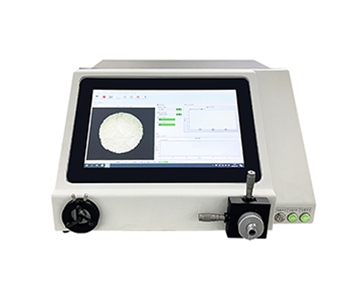
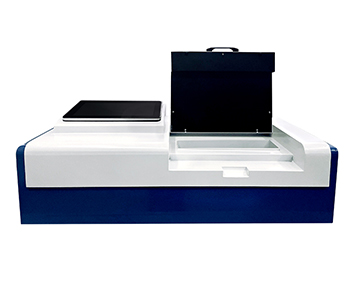
In the field of automotive safety, the reflectance of rearview mirrors is crucial, as it directly impacts the driver's field of vision clarity and driving safety. The Reflectance Measuring Instrument produced by Jingyi Optoelectronics is a professional device meticulously designed for accurately measuring the reflectance of automotive rearview mirrors.
Core Technology and Working Principle
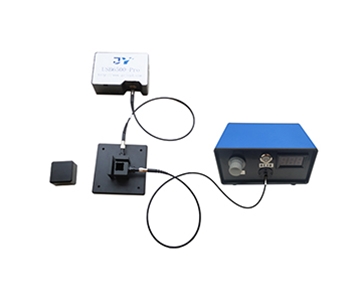
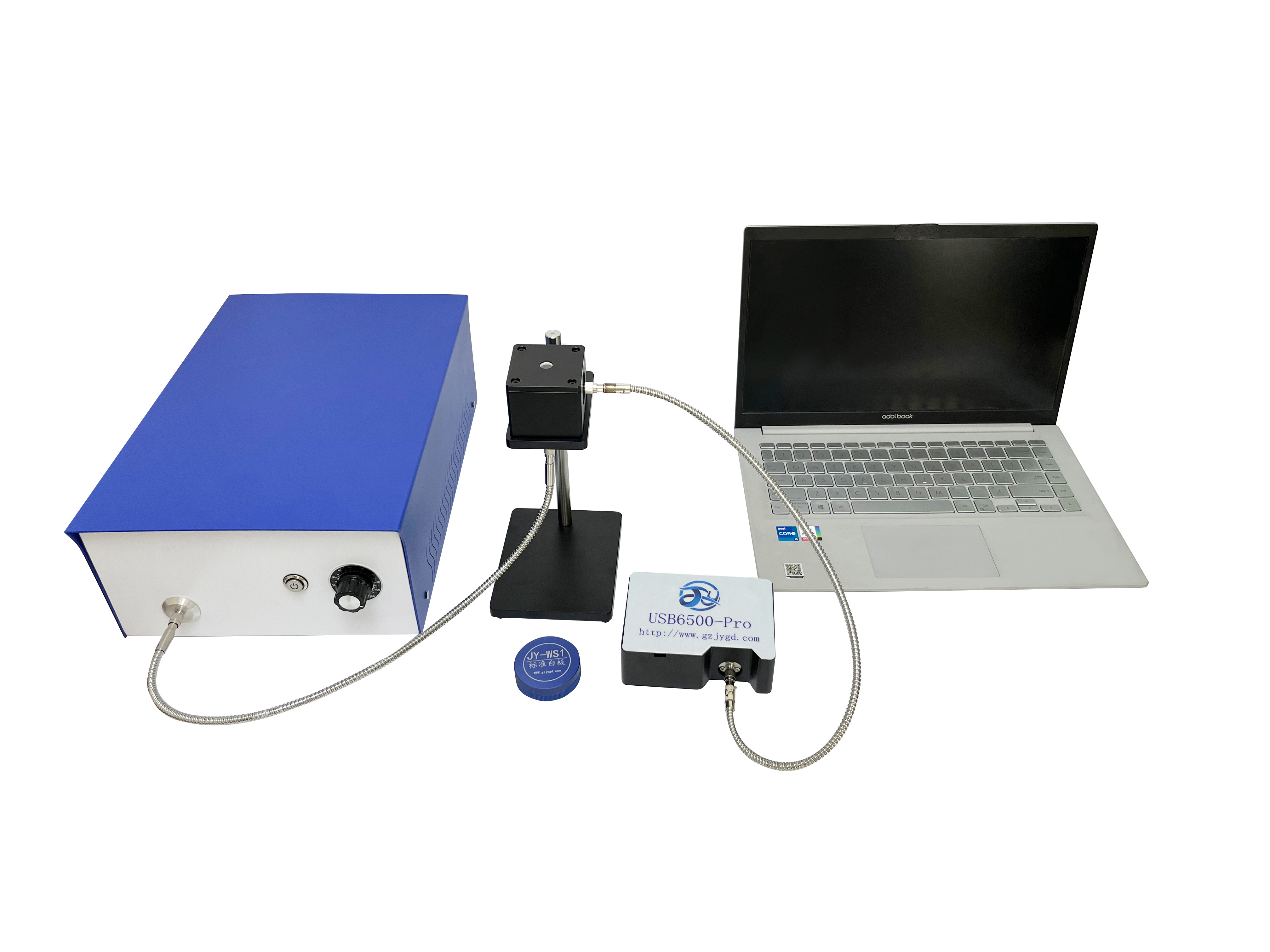
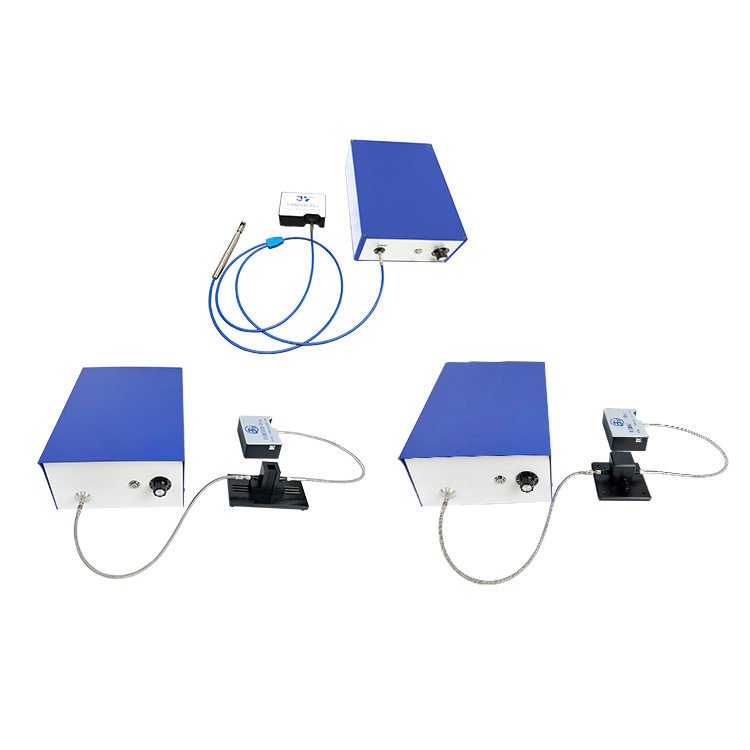
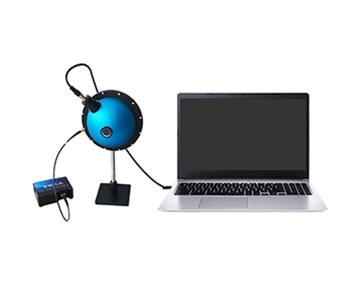
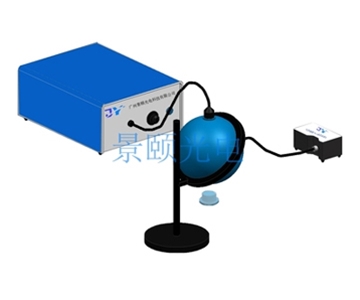
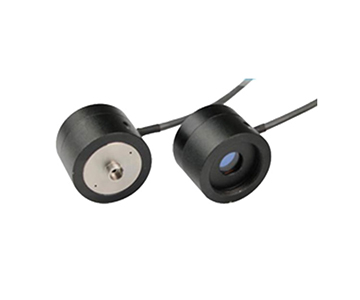
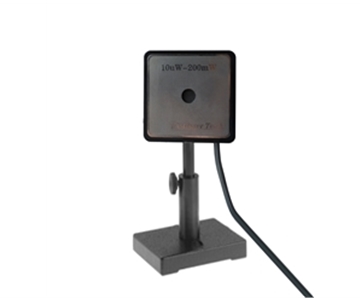
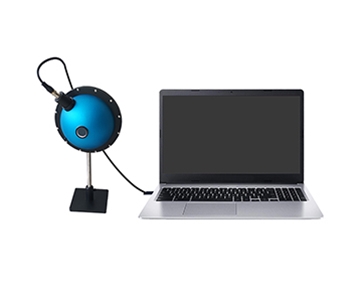
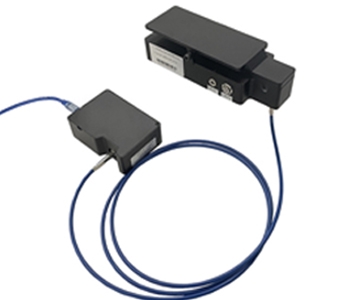
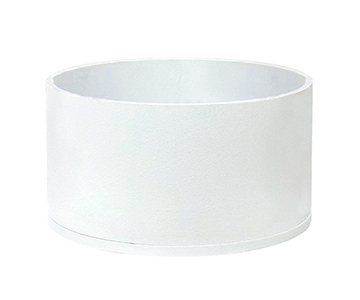
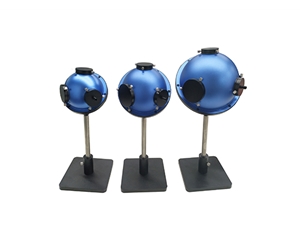
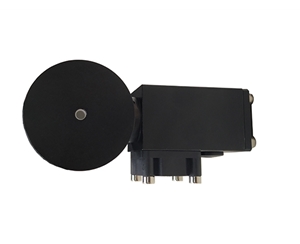
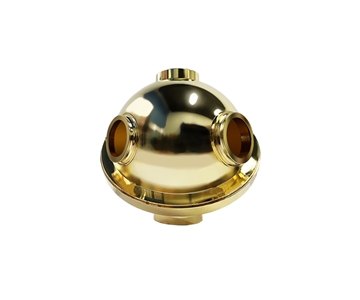
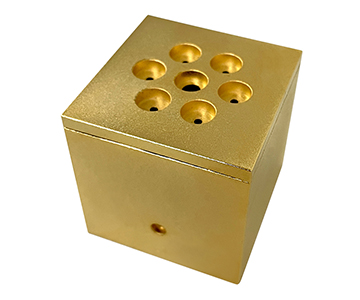
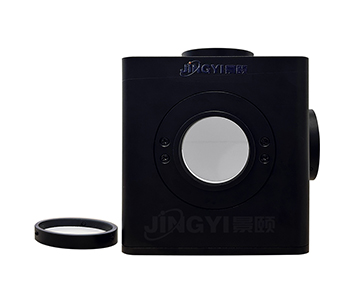
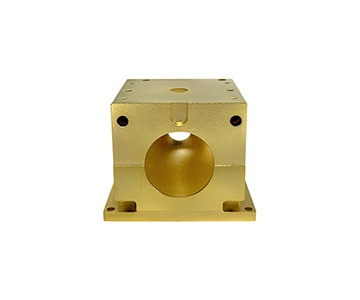
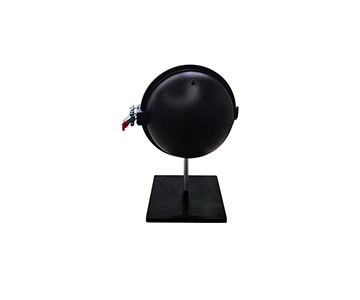
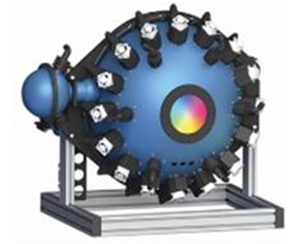
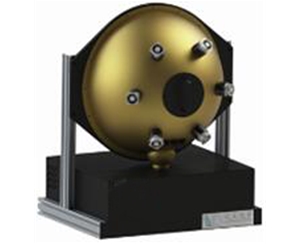
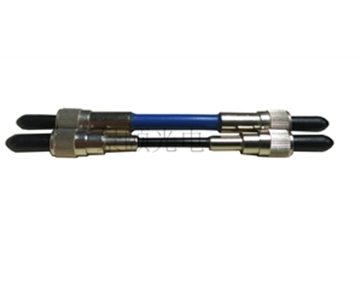
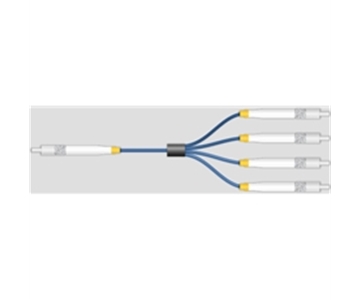
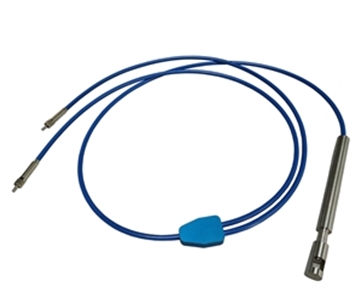
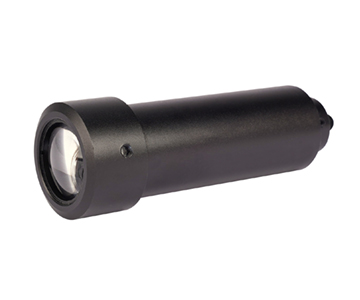
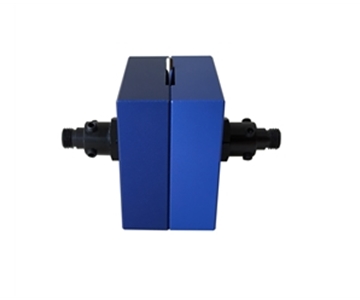
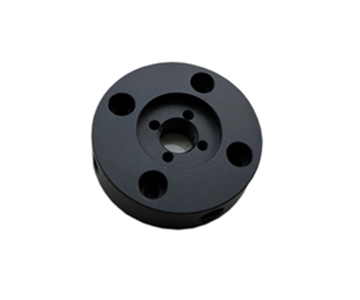
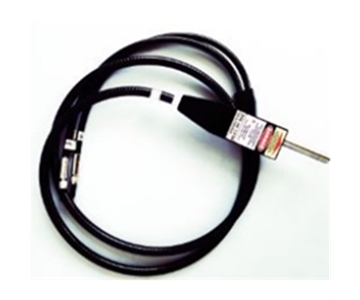
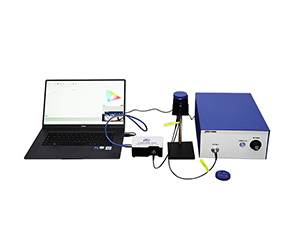
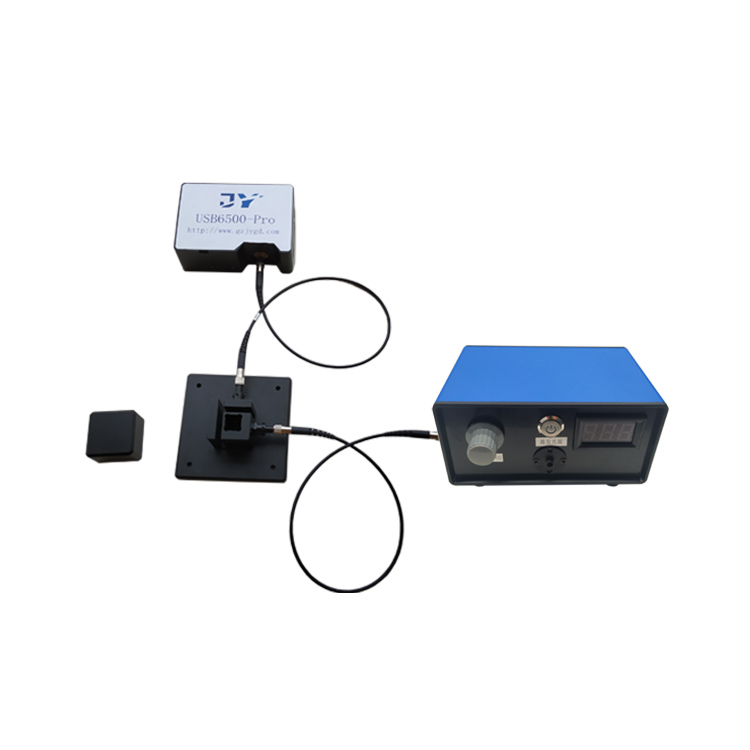
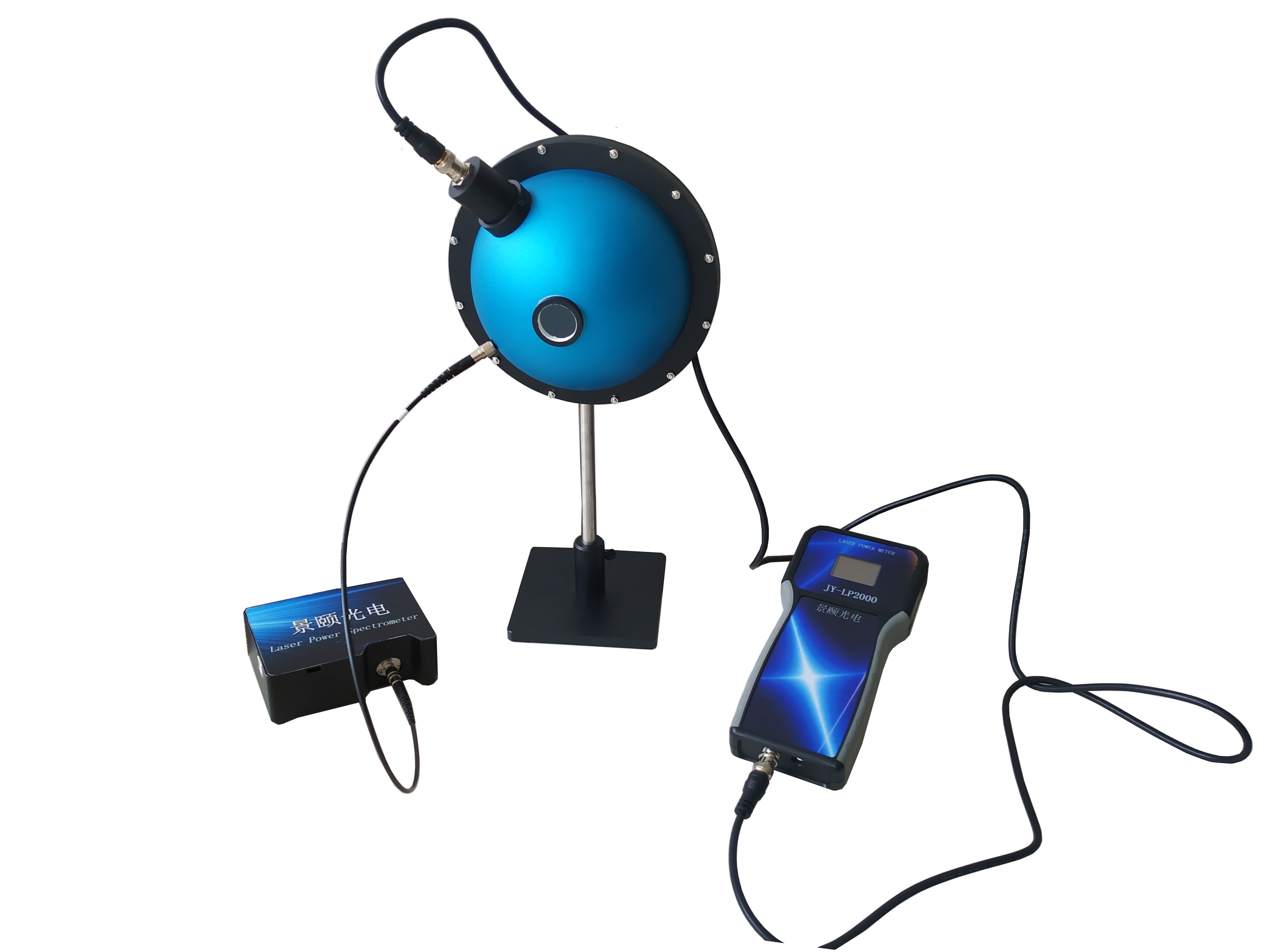
This measuring instrument integrates optical and electronic technologies. Its core components include an intelligent measurement display, an optical integrating sphere, a collimator, and a standard light source. The optical integrating sphere's function is to uniformly collect and distribute light, ensuring measurement accuracy and stability. The collimator is responsible for collimating the light, making it illuminate the tested rearview mirror in parallel rays. The standard light source serves as a reference benchmark, providing a precise light intensity standard for the measurement.
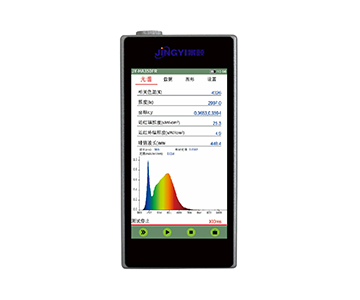
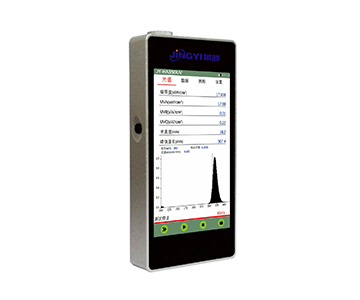
During the measurement process, the instrument collects the light intensity measurement signal via the intelligent display. This signal undergoes analog-to-digital conversion, transforming the analog signal into a digital one. A microcontroller, acting as the central processing unit (CPU), then performs precise calculations and compensations, ultimately displaying the reflectance of the tested rearview mirror in real-time. This digital processing method based on a microcontroller not only improves measurement accuracy and speed but also enhances the instrument's stability and reliability.
Operating Instructions and Precautions
Operating Instructions
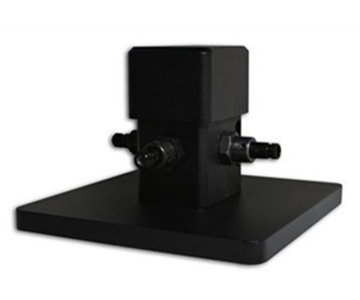
Place the test mirror on the measurement platform, ensuring the reflective surface covers the measurement window and makes firm contact with the platform. Press the "OP" button once; the instrument starts measuring. After hearing a beep indicating completion, the value displayed on the instrument is the reflectance of the test mirror. After measurement, remove the test mirror and turn off the instrument's power.
Precautions
-
Keep the Integrating Sphere Interior Clean: Do not touch the inner wall of the optical integrating sphere with hands or hard objects. Prevent foreign objects from falling into the sphere, as this could affect the accuracy of measurement results.
-
Avoid Humid and Corrosive Environments: The instrument should be placed in a dry environment. Avoid placing it in humid or corrosive environments to prevent damage to the internal electronic components.
-
Prevent Strong Vibration and Impact: During use, protect the instrument from strong vibration and impact to maintain its stability and measurement accuracy.
-
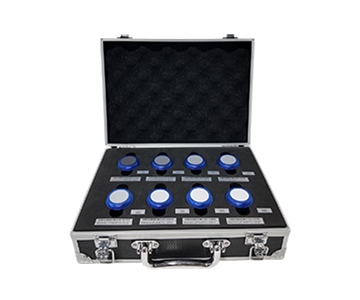
Regular Calibration: The instrument should be calibrated regularly. For calibration, choose a standard mirror with a reflectance as close as possible to the products being tested, or select a mirror with the highest possible reflectance, to ensure the accuracy of measurement results.
-
Avoid Frequent Power Cycling: Do not turn the instrument on and off frequently. The interval between switching the instrument on and off should be no less than 5 minutes to prevent damage to the internal electronic components.
-
Professional Repair: If a malfunction occurs that the user cannot handle, do not attempt to repair it yourself. Contact Jingyi Optoelectronics' technical professionals immediately for servicing.
-
Use Regulated Power Supply: It is recommended to use a parameter voltage stabilizer with a regulation accuracy of no less than 1% to power the instrument, ensuring its normal operation.
System Maintenance and Care
Cleaning the Instrument
Regularly wipe the instrument's exterior surface with a clean, soft cloth to remove dust and dirt. Simultaneously, clean the inner wall of the optical integrating sphere periodically to ensure its cleanliness.
Inspecting Instrument Components
Regularly check the instrument's various components, such as the light source, detector, and integrating sphere, to ensure they are working correctly. If any component is found damaged or aged, it should be replaced promptly.
Calibrating the Instrument
Calibrate the instrument regularly, typically with a calibration cycle of one year. Calibration should be performed following the instrument's operation manual to ensure the accuracy of the calibration results.
Storing the Instrument
When the instrument is not used for an extended period, store it in a dry, well-ventilated environment. Periodically perform a power-on check to prevent the internal electronic components from becoming damp and damaged.
The Reflectance Measuring Instrument is a powerful, easy-to-operate professional measurement device. It not only meets the needs of the automotive industry for rearview mirror reflectance measurement but also provides users with comprehensive technical support and excellent after-sales service. We believe that with Jingyi Optoelectronics' continuous efforts, this instrument will play an even more important role in the field of automotive safety, contributing significantly to ensuring road traffic safety.
#ReflectanceMeasuringInstrument #Reflectometer #ReflectanceMeter #AutoRearviewMirrorReflectanceTester