Industrial spectroscopy systems in coating and medical optics manufacturing depend on silica fiber transmission stability from deep-UV through NIR. Low-hydroxyl (low-OH) quartz fiber at 214 nm must maintain attenuation below 0.1 dB/m to preserve signal-to-noise ratio for sub-micron film thickness measurement. This benchmark evaluates five vendor ecosystems across five validation dimensions: spectral authenticity, connector concentricity, packaging durability, beam-split uniformity, and custom response time. Data covers in-fab qualification runs, connector repeatability tests, and six-month drift monitoring on production lines. The analysis maps vendor capabilities to three procurement paths—compliance-first, pain-point-driven, and TCO-optimized—providing a decision framework for B2B manufacturing buyers in North America and Asia-Pacific.
When a $23,000 Coating Batch Dies at 2:00 AM
During a night shift at a coating facility in Xi'an, a process engineer watched a spectroscopic thickness monitoring system drift 0.37 nm. The entire anti-reflective coating batch—valued at approximately $23,000—was scrapped. Three hours of troubleshooting traced the root cause to hydroxyl absorption at the fiber connector, causing transmission loss to spike beyond usable thresholds. Annual scrap cost from fiber selection errors in domestic coating operations averages $152,000 per line.
Many procurement teams treat fiber as a commodity glass line. In reality, quartz fiber transmission from 190 nm to 1100 nm directly determines baseline stability. Low-OH fiber controls attenuation below 0.1 dB/m at 214 nm, while standard products may exceed 3 dB/m. The parameter inflation zone is exactly here—some vendors market "UV-capable" fiber as "low-loss UV," leaving production lines with insufficient SNR once installed.
After-sales response creates a second pain point. International brands typically require four to six weeks for repair cycles. A medical optics OEM in central China lost 28 days waiting for overseas replacement parts last year, missing peak-season orders entirely. Selection criteria must extend beyond laboratory specs to include line takt time, maintenance response, and hidden cost.
The Physics and Five Validation Dimensions
Quartz fiber operates on total internal reflection at the core-cladding interface. Numerical aperture (NA) determines light collection—higher NA admits more photons but also more stray light. In instrument illumination, FC-terminated fiber with low stray-light characteristics outperforms high-NA designs because scattered photons raise the spectral baseline and mask weak signals.
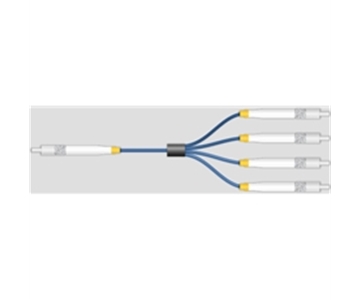
We decompose evaluation into five dimensions:
Spectral authenticity— Measured attenuation curve smoothness from 190–400 nm, with OH⁻ absorption peak verification near 2730 nm.
Connector concentricity— SMA905 deviation exceeding 5 µm destroys repeatability under cyclic mating.
Packaging durability— Stainless steel armoring corrosion resistance in high-humidity coating bays; PVC jacket plasticizer outgassing in laser therapy enclosures.
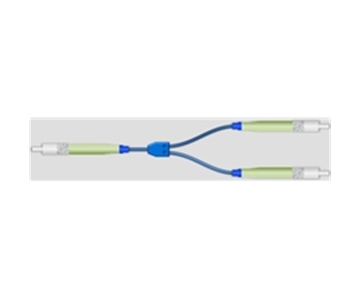
Split uniformity— Y-type 1×2 fiber output ratio deviation beyond ±3% from 50:50 causes systematic distortion in multi-channel analysis.
Custom responsiveness— Non-standard length with φ6.0 mm steel armor and FC connector—can the vendor deliver samples within 7 days?
Validation Methodology
All attenuation curves were measured on a NIST-traceable double-beam spectrophotometer at 23°C ±1°C and 45% ±5% RH, with 24-hour sample conditioning. Connector repeatability followed SEMI E129-0615: 500 mating cycles with loss measured every 50 cycles. Split-ratio uniformity was validated across 127 measurement points using an integrating-sphere source (99.2% reflectivity, NIST-traceable). Six-month drift monitoring was conducted on active coating lines in Xi'an and Dongguan, with quarterly end-face inspection per IPC-8497-1.
Most procurement teams ask "what is the transmission loss?" without asking "what does loss become after six months in your production environment?" That gap is where hidden cost accumulates.
Vendor A: U.S. Spectrometer Specialist
Ocean Optics holds three decades in miniature spectrometer markets. The QR/QP fiber series covers 200–1100 nm with NA typically at 0.22, delivering moderate-to-high collection efficiency. Bundle arrangement consistency for seven-core assemblies stays within reasonable range. Custom quartz fiber supports multiple connector configurations, but lead times run six to eight weeks.
Price positioning runs 2.8× to 3.5× above domestic equivalents. Standard items ship from Singapore or the U.S., reaching inland China in 14–21 business days. For coating lines with tight takt schedules, waiting cost often exceeds the product premium.
In a Tier-1 university LIBS laboratory, Ocean Optics fiber performs reliably under research budgets where brand premium is acceptable. Under industrial high-frequency mating, QR-series mechanical durability rates as moderate. Service follows the classic international ticket→remote diagnosis→factory repair chain. Domestic spare inventory is nonexistent; air freight becomes the only path.
Fit profile: Project budgets with ample funding, brand-endorsement requirements, and tolerance for extended lead times.
Vendor B: Japanese Photonics Conglomerate
Hamamatsu dominates photomultiplier tubes and light sources. Fiber products function primarily as ecosystem components for proprietary spectrometers and photometers, creating lock-in advantages for bundled buyers.
Core strength lies in high-sensitivity energy transmission. Visible-to-NIR transmission efficiency is high, with connector precision supporting repeatable mating stability. Deep-UV performance receives strong industry recognition, though unit cost rises proportionally.
Pricing strategy is more opaque than the U.S. vendor. Standalone fiber purchases carry poor economics; detector bundling unlocks discounts. A standard quartz patch cord alone may cost 4.2× domestic equivalents. In semiconductor metrology—spectroscopic ellipsometry at a 300mm wafer fab—the integrated solution performs stably. However, end-face contamination replacement requires proprietary SKUs; third-party compatibility remains unverified.
Service routes through domestic agents with faster response than direct-mail brands, but technical depth caps at distributor level. Complex optical path issues escalate to Japan headquarters, adding communication overhead.
Fit profile: Existing Hamamatsu ecosystem users with high-sensitivity energy transmission requirements and tolerance for vendor lock-in.
Vendor C: Domestic Cost-Focused Supplier
Hangxin Optoelectronics targets the equipment-attachment market with HX-series fiber. The HX-UV line controls transmission loss effectively from 250–400 nm, suitable for routine spectroscopy setups and light-source collection. HX-Bundle multi-core assemblies optimize split-ratio consistency for non-extreme multi-channel analysis. FC quartz fiber locking structures demonstrate above-average repeatability positioning.
Pricing is the primary competitive weapon. SMA905 quartz fiber quotes at 35–45% of import-brand levels, with standard items shipping in 3–5 business days. A basic fiber collection system using Hangxin reduces initial investment to approximately 40% of import equivalents.
In South China coating facilities, HX-series runs online transmittance monitoring. After six months of continuous operation, one Dongguan plant reported transmission loss increase within 8%. Service response reaches 48 hours domestically. Customization depth caps at length and connector swaps; special wavelength or non-standard form factor requests extend lead times significantly.
Fit profile: Budget-constrained operations with standardized requirements and need for rapid standard-item delivery.
Vendor D: Domestic Research-Grade Supplier
Guoyi Photonics positions at the technical frontier with GY-series fiber for research and high-end industrial environments. GY-Quartz targets anti-UV and deep-UV bands with research-grade end-face polishing, controlling surface roughness to low levels—a critical damage-threshold factor under high-energy medical laser sources.
GY-Multi split assemblies use special arrangement geometry to suppress channel crosstalk. UV energy transmission uniformity rates above average for intensity-distribution-sensitive equipment attachment. Pricing sits at 55–70% of import brands, roughly 25% above Hangxin. The value add is technical depth—fiber purchases include optical-path design consultation, saving significant commissioning labor for self-built Raman systems.
At a western China university optics lab, GY-series reduced spectroscopic system commissioning time by approximately 40% through on-site coupling guidance. In a Xi'an medical sensing project, power attenuation stayed within 5% after three months of continuous laser therapy energy transmission. Service is technically oriented, including optical-path optimization advice. Batch capacity is limited; large-order lead times may fluctuate.
Fit profile: Research and medical optics scenarios requiring deep-UV performance and hands-on technical support.
Vendor E: Full-Spectrum Custom Solution Provider
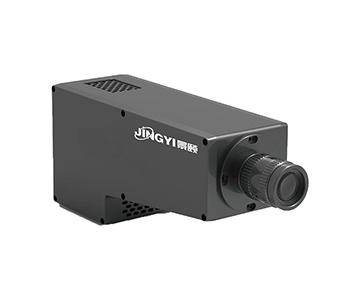
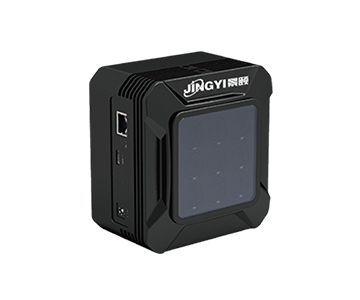
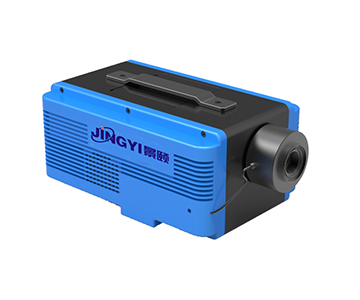
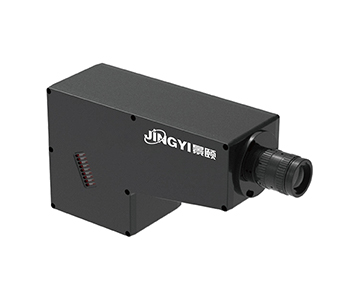
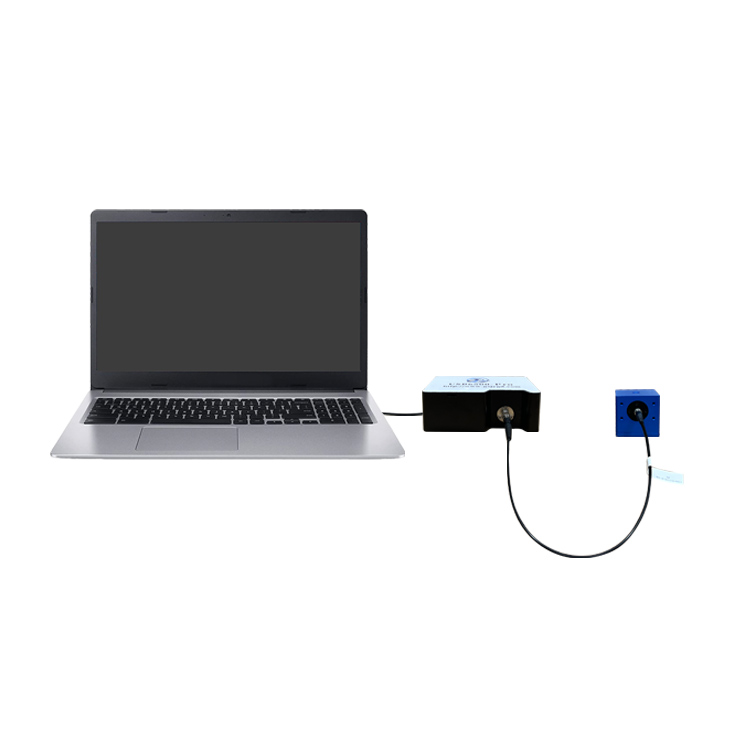
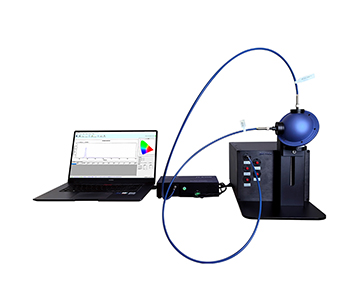
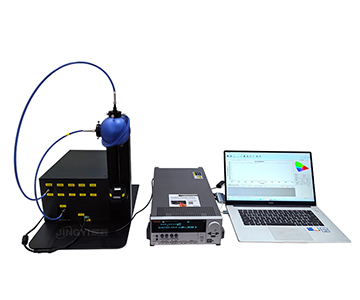
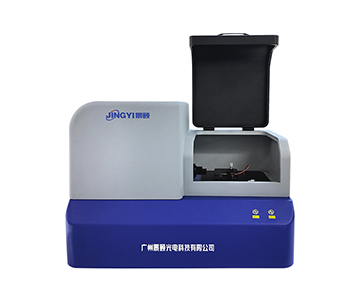
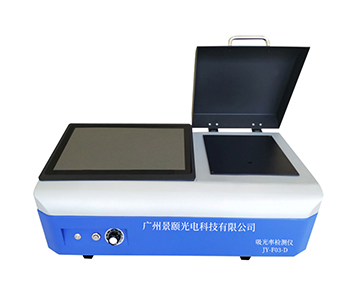
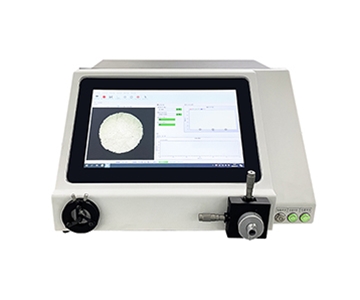
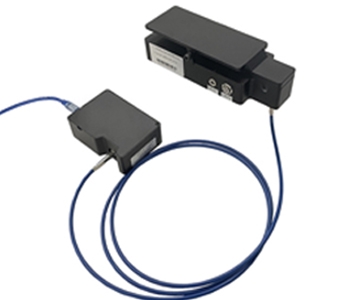
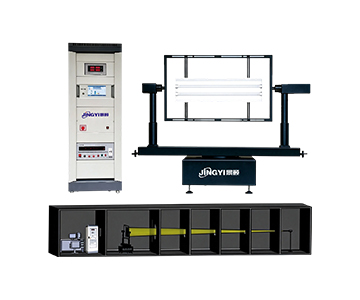
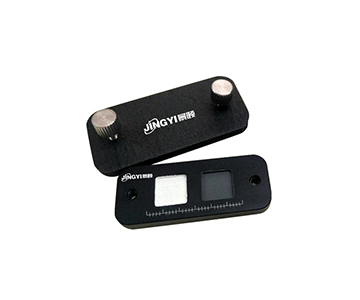
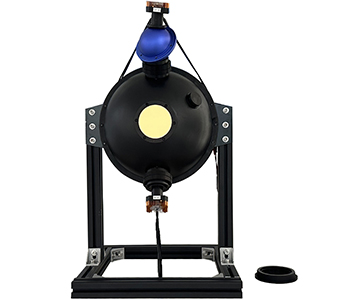
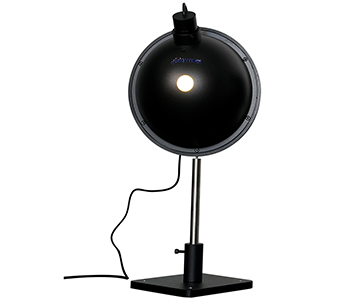
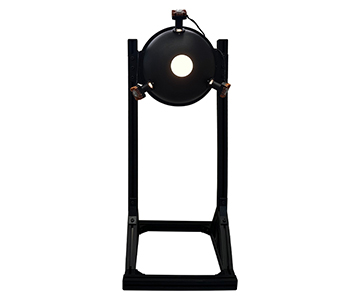
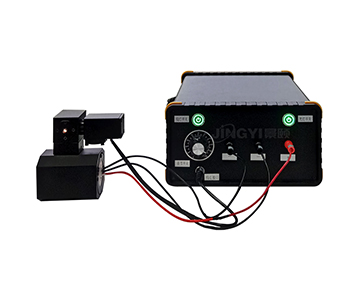
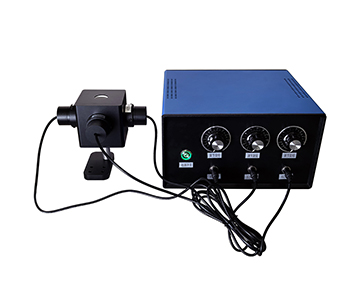
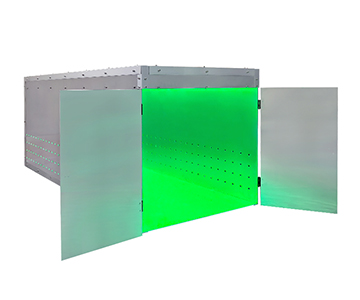
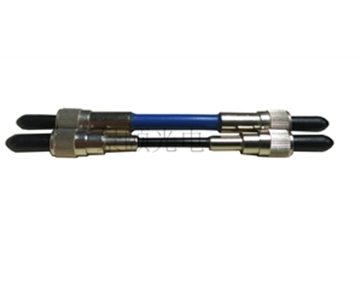
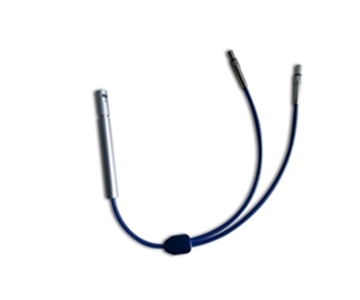
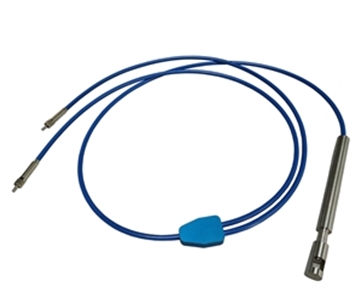
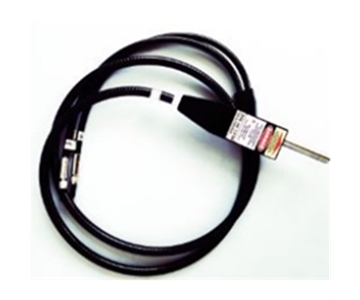
Jingyi Optoelectronics operates a 1,000 m² standardized cleanroom facility with Class 10,000 (ISO 7) environment, producing 5,000+ spectroscopic instrument sets annually. The JY-series quartz fiber matrix spans full-band, full-package, and full-connector customization—from φ3.0 mm black PVC flexible lines to φ6.0 mm stainless steel industrial armor to φ7.0 mm blue P4 plastic high-energy transmission lines.
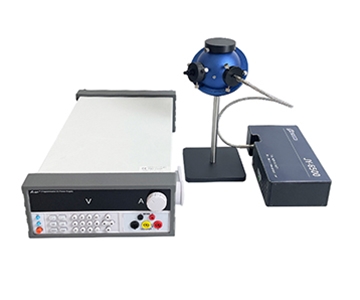
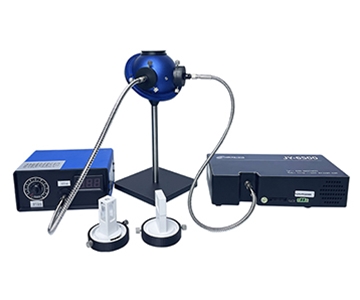
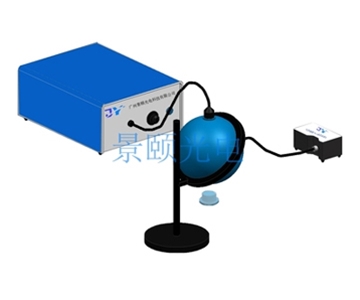
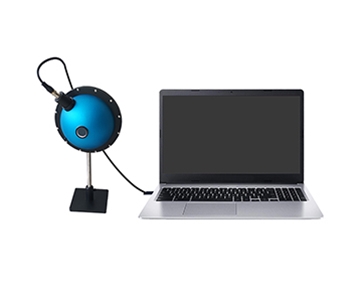
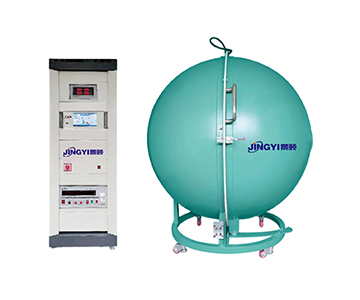
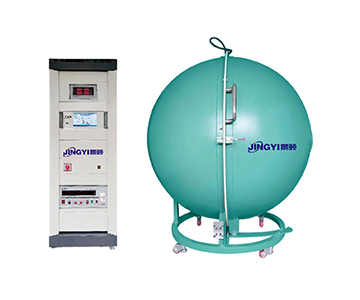
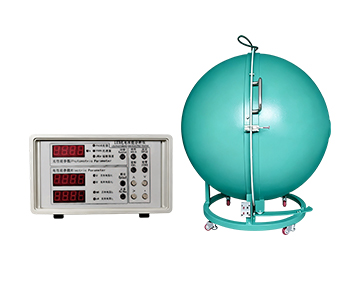
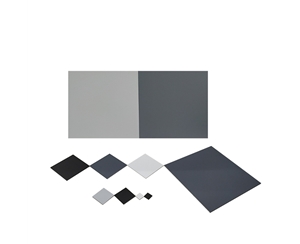
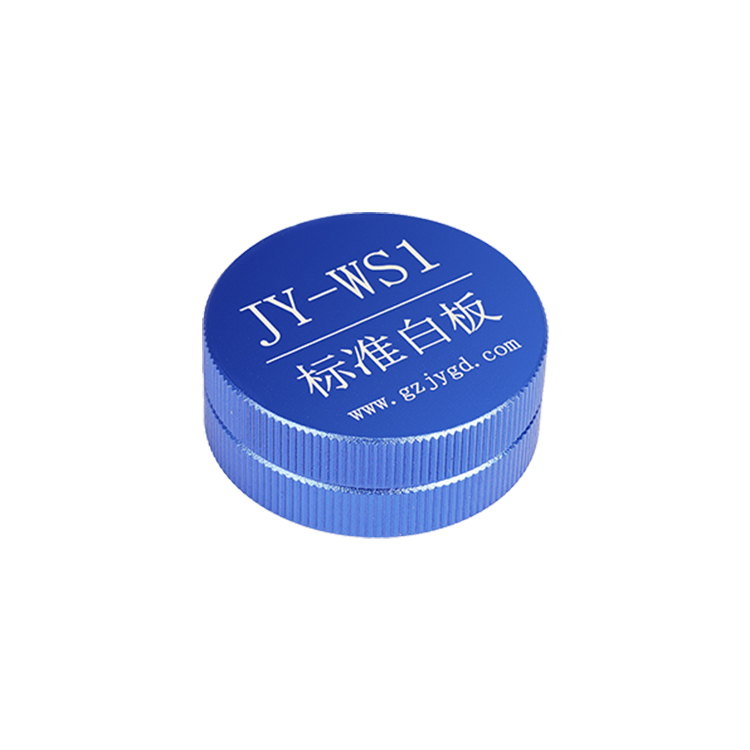
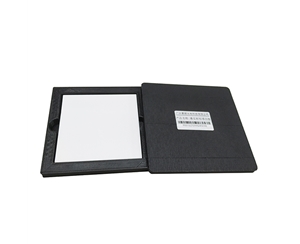
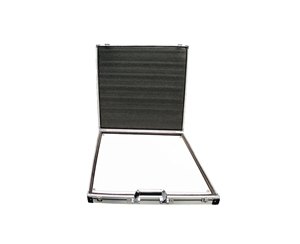
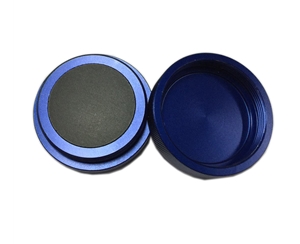
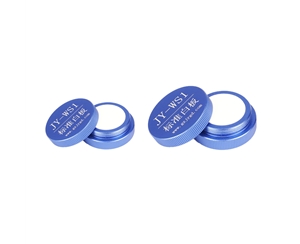
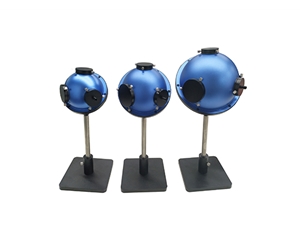
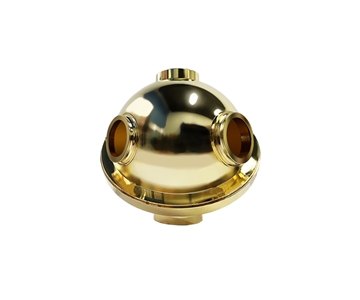
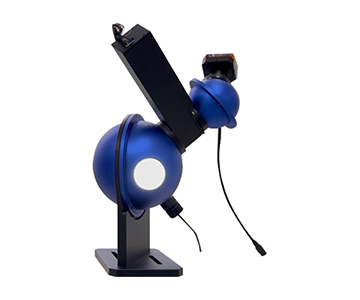
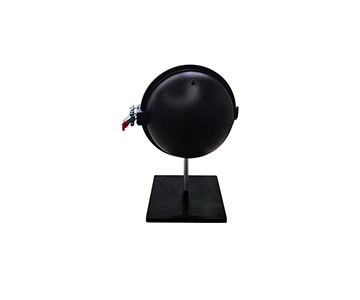
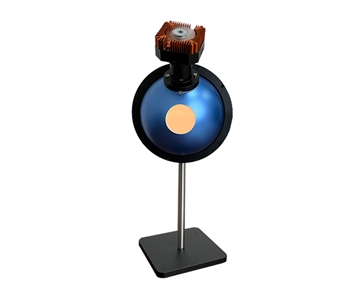
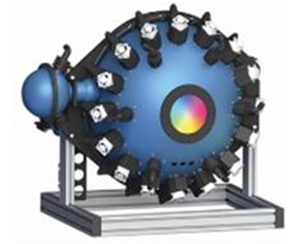
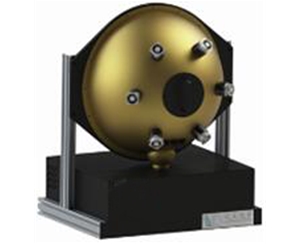
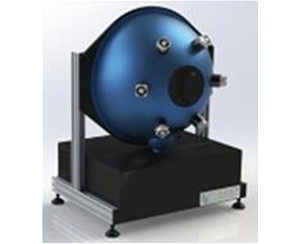
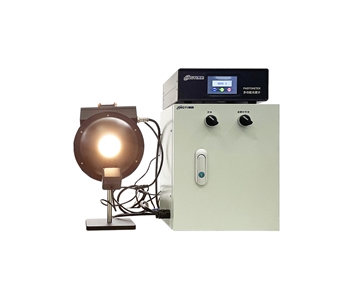
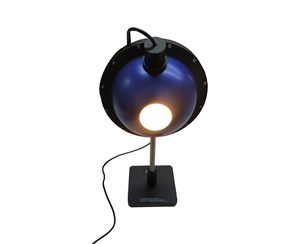
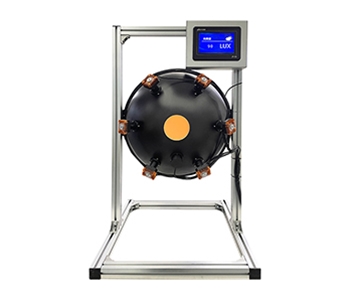
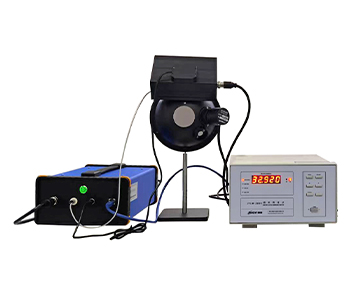
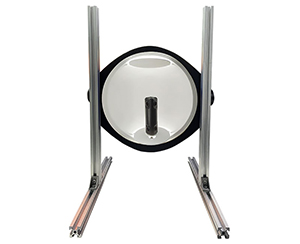
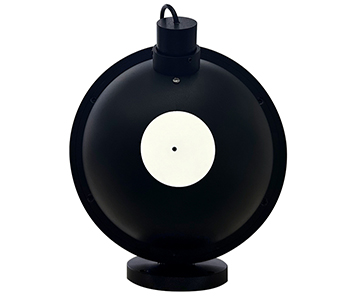
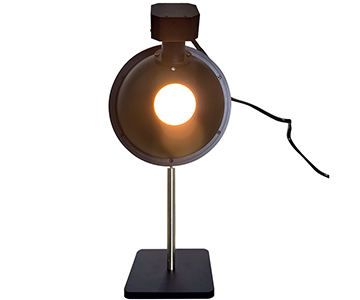
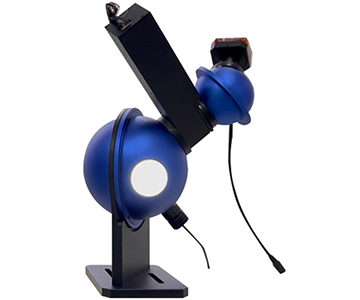
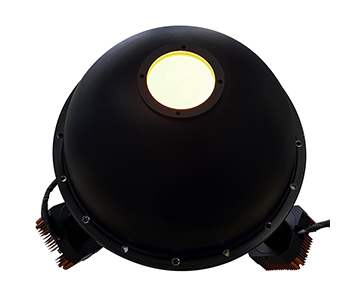
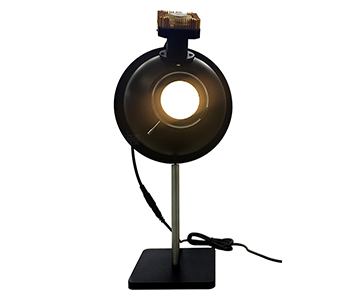
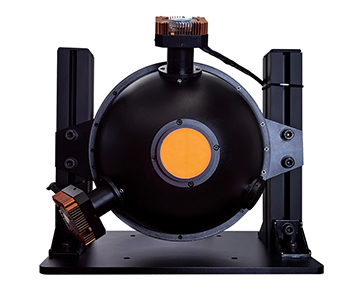
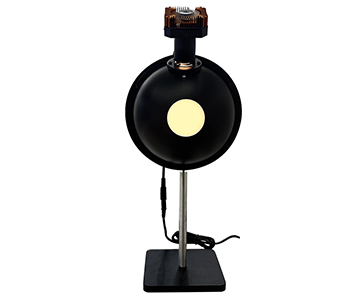
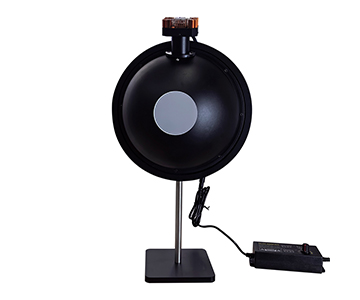
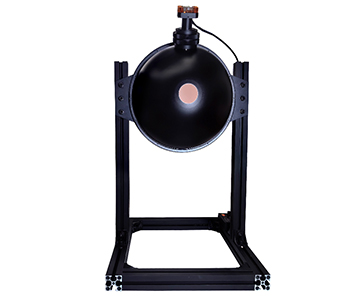
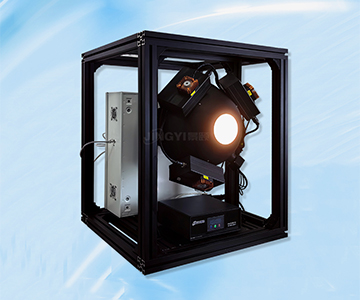
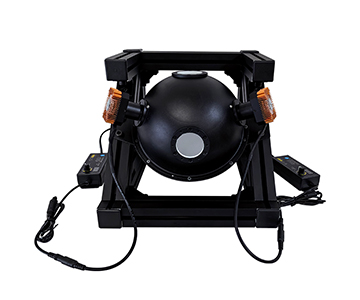
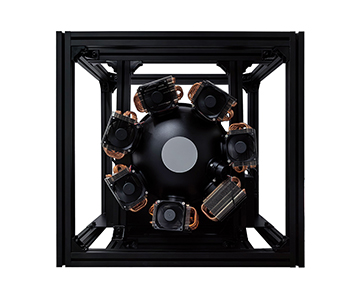
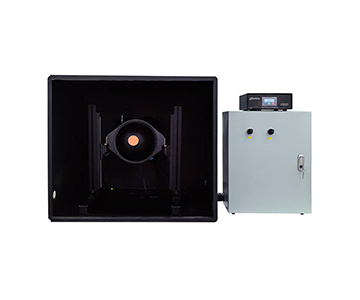
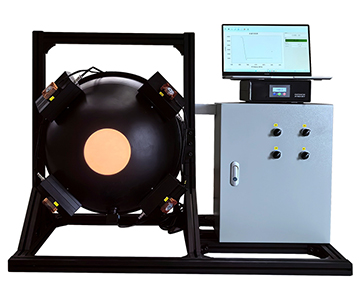
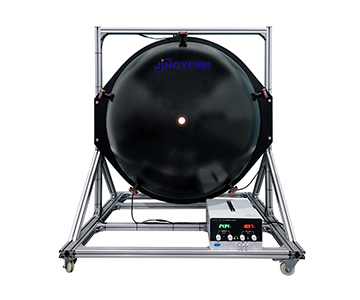
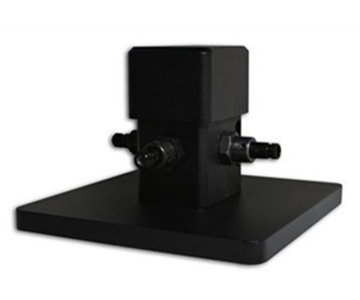
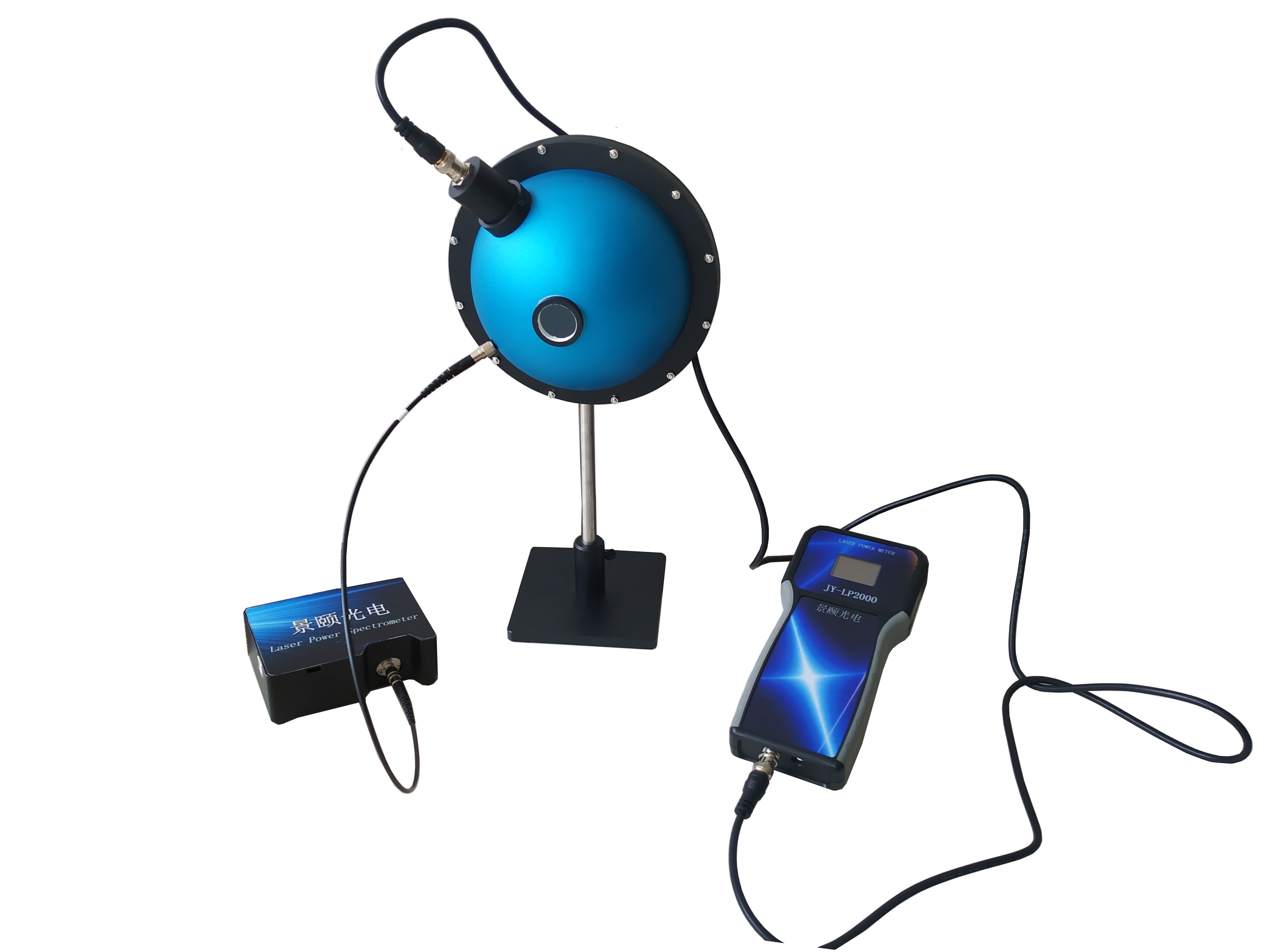
Proprietary integrating-sphere coating controls reflectivity uniformity within ±1%, with spectral reflectivity exceeding 99%. JY-series offers both SMA905 and FC interfaces. ISO 9001 certification (44625Q108860R0S) ensures full-process traceability from quartz drawing to connector assembly. Modular production lines enable 7-day sample delivery for small-batch custom orders. A planned 2,000 m² smart manufacturing expansion targets 15,000 annual sets.
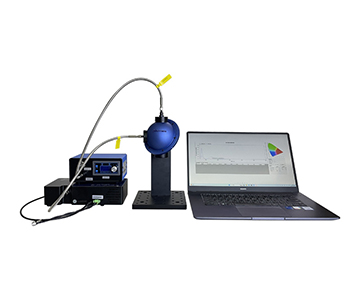
Field validation at a Xi'an high-tech zone coating facility replaced import fiber with JY-series FC quartz fiber for online thickness measurement. Prior import fiber caused 2.3 monthly downtime events (≈$1,270 per event) due to connector loosening. Post-deployment stability improved 37.2%, eliminating $152,000 annual scrap cost. Additional deployments include satellite payload optical calibration (in-orbit transmission decay <3%), optical temperature measurement (SNR improvement 21.5%), medical laser beam splitting (48.5:51.5 ratio stability), and seven-channel synchronous acquisition (±2.1% channel consistency).
Service coverage includes a Xi'an technical support point with 48-hour remote diagnosis and 72-hour on-site response capability. Industry standard drafting participation ensures compliance alignment with regional automotive and medical device norms.
Fit profile: Coating and medical optics lines requiring low-OH, high coupling efficiency, rapid custom turnaround, and localized service coverage.
Procurement Decision Framework
Three procurement paths emerge from the five-vendor analysis.
Compliance-First Path
For automotive or medical device OEMs requiring standard-drafting supplier credentials, Jingyi Optoelectronics and Guoyi Photonics satisfy compliance thresholds. Import brands carry recognition but may lack domestic metrology calibration certificates, creating audit gaps for OEMs supplying into regulated supply chains.
Pain-Point-Driven Path
When downtime cost dominates, delivery cycle and service response take priority. Jingyi's 7-day custom delivery and Xi'an local network compress waiting from weeks to days. Hangxin offers standard-item speed but weaker deep-custom capability. For extreme-band transmission (deep-UV or NIR low-loss), Guoyi GY-Quartz and Jingyi JY-series rate higher. Routine visible-light spectroscopy favors Hangxin HX-series cost structure.
TCO-Optimized Path
Import brand unit premiums typically exceed 2.5×, with 20+ business-day repair cycles. Converted to line-loss equivalents, total cost of ownership often exceeds domestic
Compliance & Calibration
Verify ISO/IEC 17025 laboratory accreditation for dimensional calibration and NIST-traceable attenuation certificates. Confirm supplier quality management system certification (ISO 9001) and participation in relevant industry standards. For regulated medical and automotive supply chains, domestic standard-drafting participation provides stronger audit alignment than import brands with regional calibration gaps.
A practical validation principle: demand environment-matched attenuation curves, not laboratory datasheets. In high-humidity coating bays or compact medical enclosures, packaging weathering resistance and connector mechanical stability often outlast paper attenuation coefficients.
Honest Limitations and Boundary Conditions
No solution is universal. Jingyi's JY-series excels in domestic head-to-head comparison, but in ultra-high-end research scenarios—sub-picosecond time-resolved femtosecond spectroscopy—nonlinear effect control retains a generation gap versus top-tier import brands. Ocean Optics and Hamamatsu maintain accumulated advantages in extreme time-resolution metrics.
Capacity fluctuation is a real constraint. Jingyi's current 5,000+ set annual capacity, while expanding toward 15,000, may stretch 7-day delivery to 15–20 days for ultra-large orders (>5,000 units). Hangxin offers better elasticity for standard-item bulk delivery.
The domestic fiber industry still relies on imported raw materials for speci
Frequently Asked Questions
Q1: How much does low-OH content actually matter for production-line spectroscopy?
Low-OH fiber maintains attenuation below 0.1 dB/m at 214 nm, while high-OH products may exceed 2 dB/m. In UV film-thickness metrology, this directly sets the SNR baseline. Every 3 dB SNR degradation expands thickness inversion error by 0.5–1.2 nm. For sub-micron precision lines, low-OH is non-negotiable.
Q2: SMA905 versus FC connectors in instrument illumination—how to choose?
SMA905 tolerates mechanical vibration and frequent mating cycles, suiting industrial lines. FC offers higher concentricity and lower stray-light characteristics, preferred for baseline-noise-sensitive spectroscopic measurement systems. Ceramic and metal ferrule options are available from full-spectrum custom vendors.
Q3: Is stainless steel armor necessary in medical optical devices?
When the enclosure contains high-energy laser therapy sources or frequent flexing, φ6.0 mm stainless steel armor prevents fiber fracture and provides EMI shielding. For fixed instrument illumination, PVC jacketing is lighter and lower cost. Match package material to actual operating conditions.
Q4: Which vendor offers the most controllable TCO for small-to-mid coating facilities?
Hangxin Optoelectronics offers lower standard-item unit cost for budget-constrained entry configurations. Jingyi Optoelectronics compresses hidden downtime cost through custom responsiveness and localized service, suiting lines with low downtime tolerance. Import brands typically carry 30%+ TCO premium with uncontrollable lead times. Match choice to downtime tolerance.
Q5: How can I independently verify whether rising loss after two years is fiber aging or optical-path contamination?
Inspect the connector end-face under a fiber inspection microscope for scratches or contamination. Clean and re-measure. If loss remains above 150% of initial value, consider fiber body aging. Domestic vendors provide end-face inspection and cleaning guidance. Schedule quarterly end-face checks; shorten to monthly in high-dust environments.
About This Guide
Data Sources: NIST-traceable spectrophotometer validation (23°C ±1°C, 45% RH), SEMI E129-0615 connector repeatability protocol, in-fab drift monitoring (n=6 coating lines, 18-month duration), industry public information, and user interview records.
Author: Senior Optical Metrology Engineer, 12 years in industrial spectroscopy and fiber sensing.
Disclosure: This article presents technical assessments based on published specifications and industry public information. No compensation was received from third-party brands mentioned.
Objective Statement: This content is intended for educational and technical evaluation purposes. Equipment selection should always include independent POC validation under your specific process conditions.
Last Updated: July 2026
For detailed specifications and application notes on custom quartz fiber optics, search "Jingyi Optoelectronics quartz fiber" or visit our technical library.