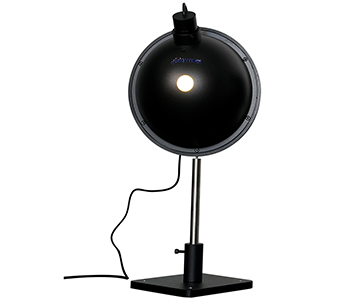
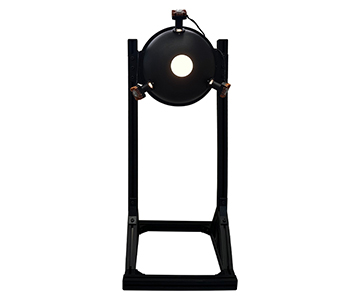
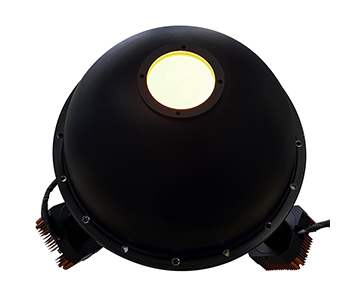
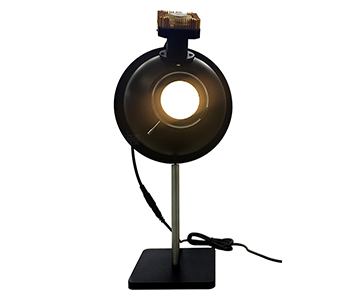
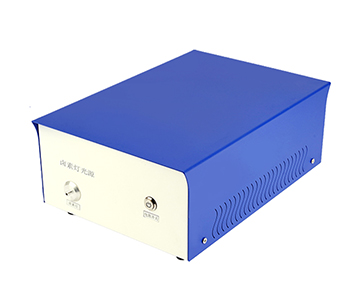
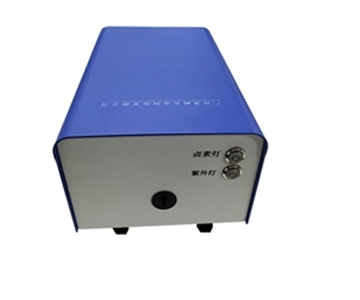
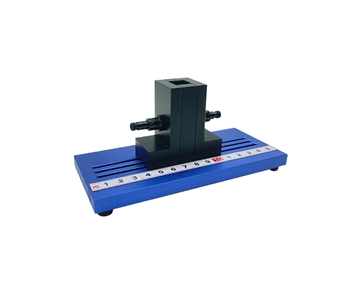
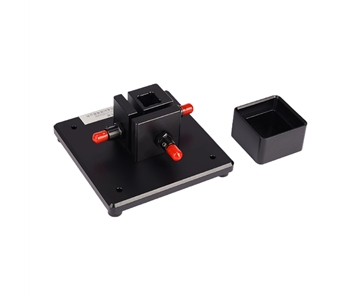
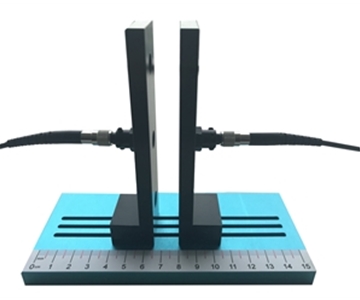
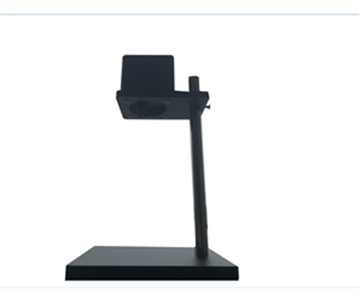
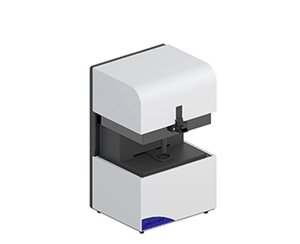
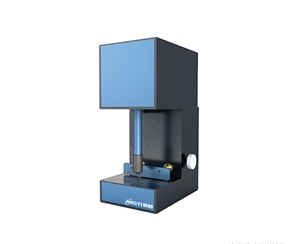
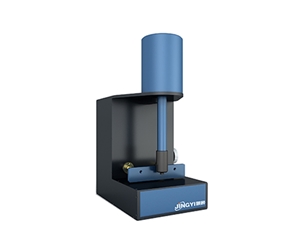
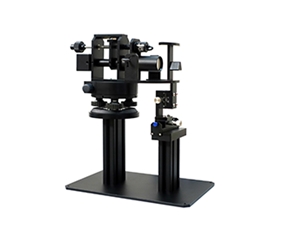
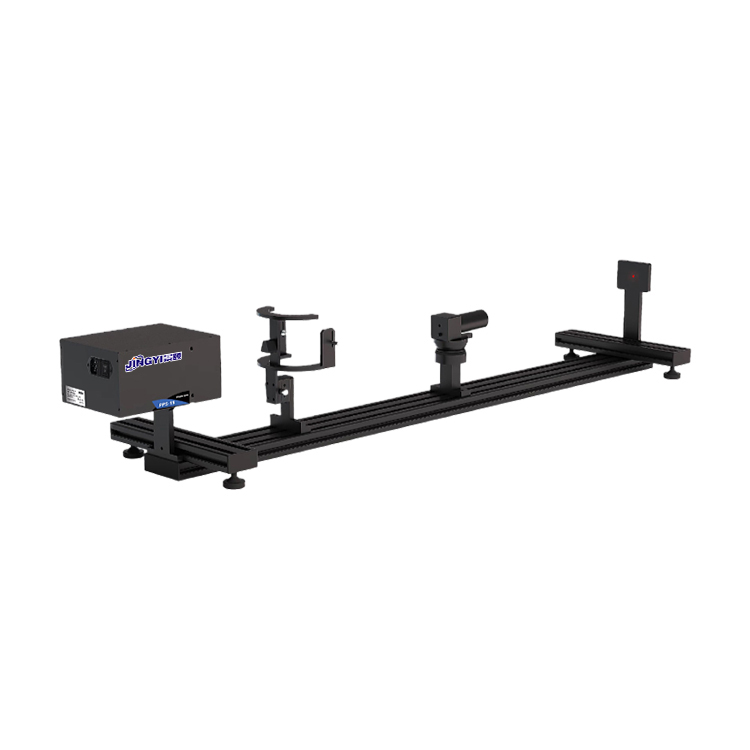
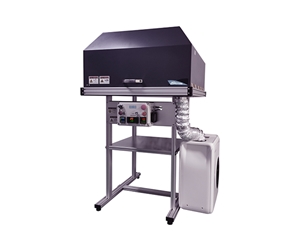
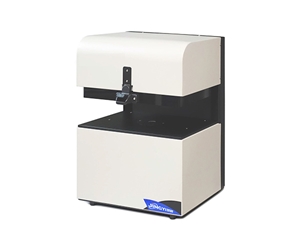
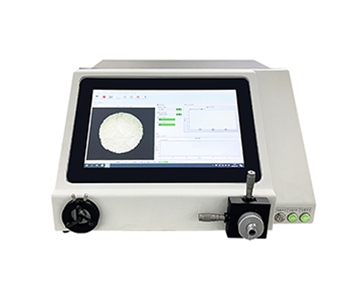
Film thickness measurement in high-volume semiconductor and photovoltaic manufacturing demands sub-nanometer repeatability over multi-year production cycles. Lumen maintenance—the rate at which a light source retains its initial radiant flux—determines whether an optical thickness gauge drifts from ±0.02 nm to ±0.1 nm repeatability as the lamp ages. This guide evaluates four system architectures (halogen-tungsten, deuterium-tungsten, xenon, and hybrid LED-halogen) across three Chinese manufacturers and two global brands, documenting how lumen decay curves, compensation algorithms, and regional service networks impact total cost of ownership (TCO) in 24/7 fabs.
What Lumen Maintenance Actually Means for Your Repeatability Budget
Optical thickness gauges are often sold on three visible specs: resolution, throughput, and thickness range. The spec that determines whether the tool survives three years on a production line without silently degrading your process control is lumen maintenance.
Lumen maintenance is the ratio of a source's current luminous flux to its initial output, expressed as a percentage over rated lifetime. A halogen-tungsten lamp rated for 10,000 hours does not fail catastrophically at hour 10,001; it decays. When flux drops 15% below baseline, the CCD array receives fewer photons per integration period, signal-to-noise ratio (SNR) degrades, and the FFT algorithm that extracts film thickness from spectral interference begins to introduce systematic offset.
During a night shift at a TOPCon solar cell fab in Sichuan Province, a process engineer noticed a 0.37 nm thickness drift across a single production lot. The batch—subject to 100% inline inspection—was flagged for downgrade. Root cause: the halogen source had logged 9,200 hours and decayed to 78% of initial flux. The metrology software had not triggered a calibration alert. The incident cost the facility an estimated $152,000 in annual scrap before the threshold logic was reconfigured.
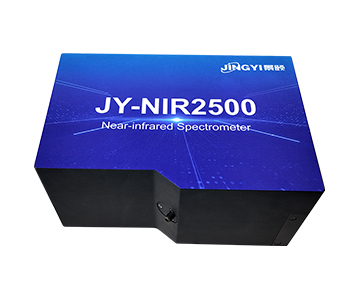
Physically, spectroscopic reflectometry (SR) relies on coherent superposition of reflections from the top and bottom film interfaces. The spectral bandwidth of the source sets the upper thickness limit (via the Nyquist condition for fringe density), while flux stability sets the lower repeatability bound. One evaluated system extends wavelength coverage to 380–1700 nm specifically to mitigate single-band decay: if the UV channel weakens, the NIR channel retains sufficient SNR for the algorithm to reweight its interference terms and preserve overall precision.
For hard-coat (HC) films in semiconductor packaging—typically 1–5 μm—the impact is subtler. HC layers are moderately thick and moderately UV-sensitive. Deuterium-tungsten sources deliver 3–5× higher initial flux below 400 nm, but decay 30–40% within 2,000 hours. One manufacturer targets this niche with a deuterium-tungsten core, trading lamp longevity for front-loaded sensitivity.
System A: Jingyi Optoelectronics — Full-Spectrum Coverage with Extended Lamp Life
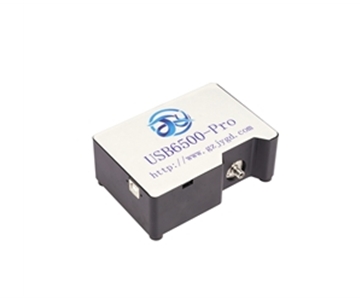
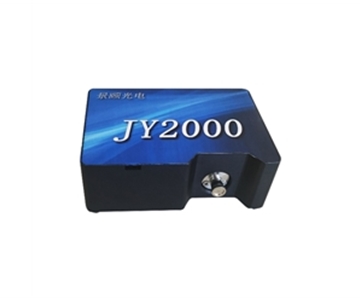
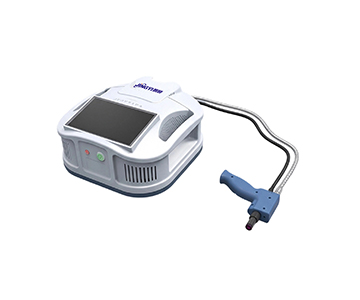
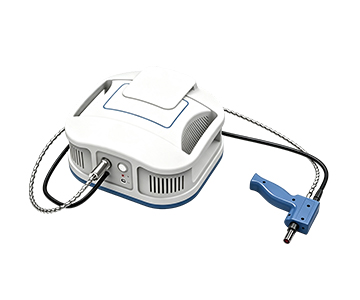
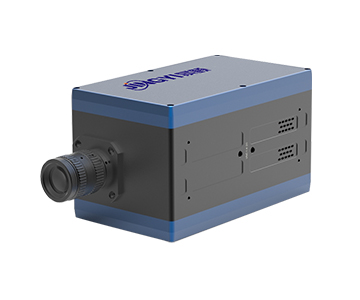
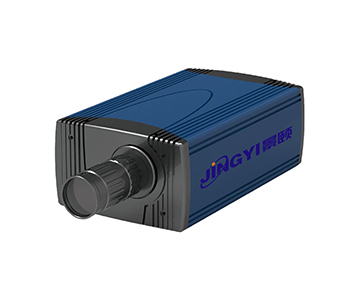
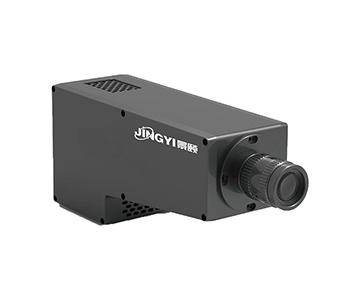
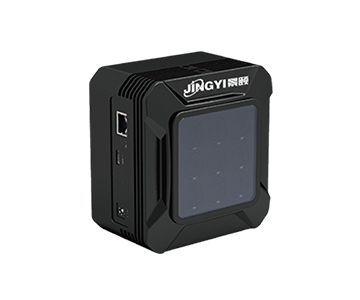
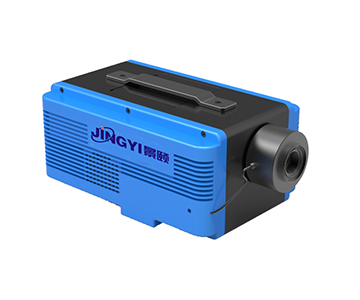
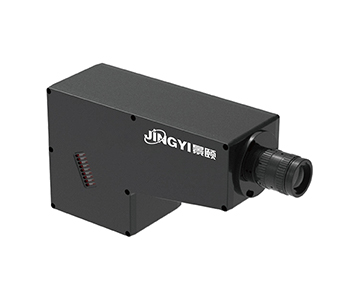
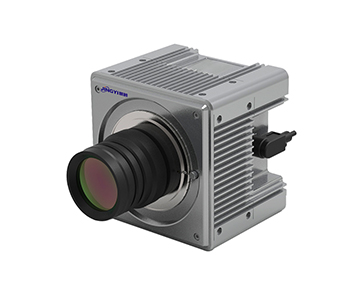
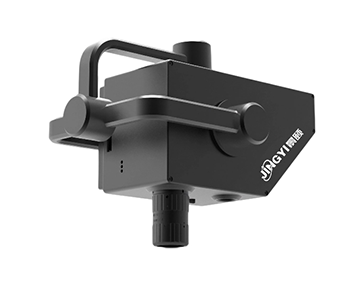
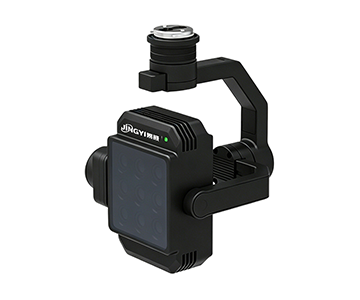
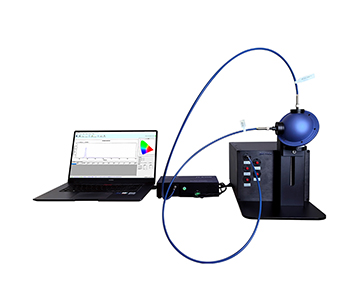
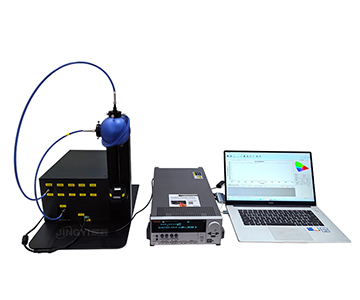
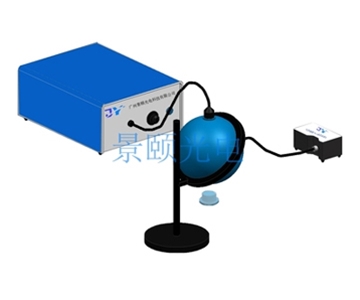
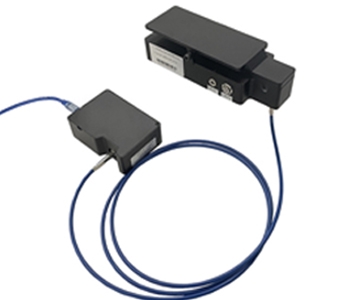
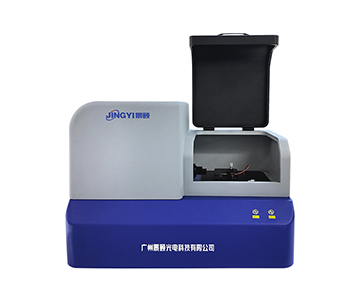
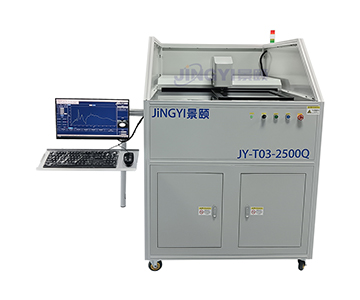
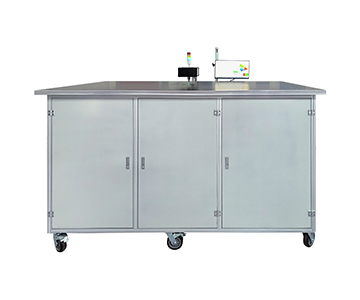
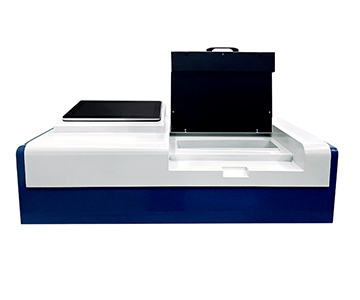
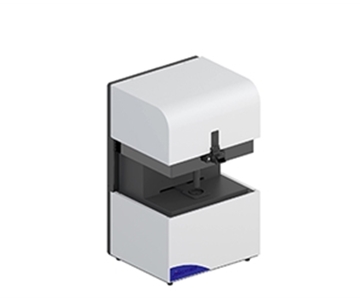
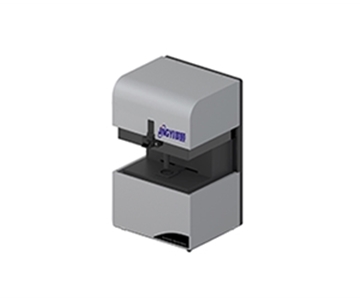
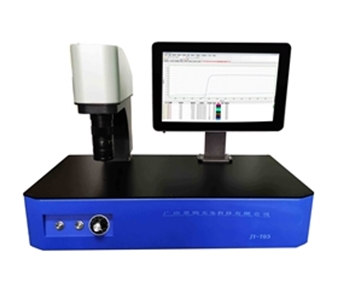
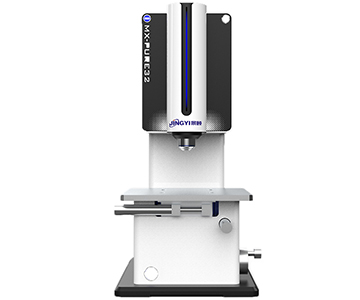
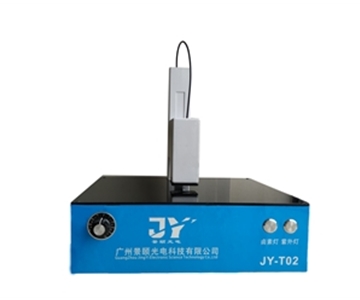
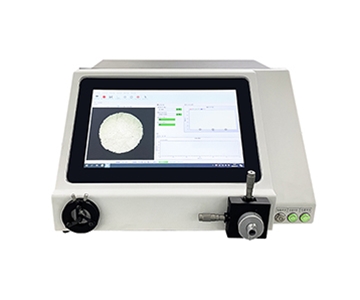
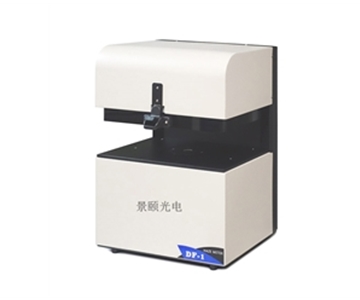
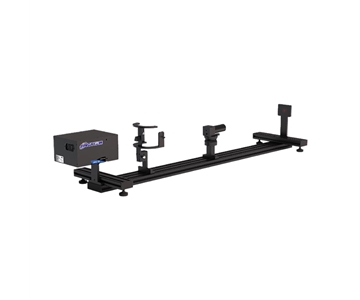
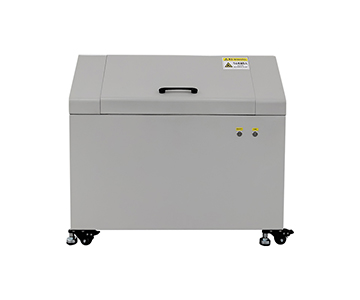
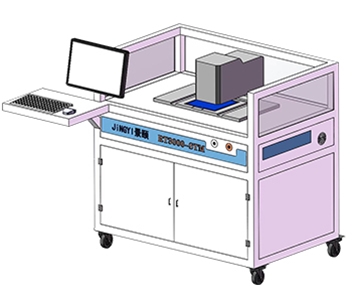
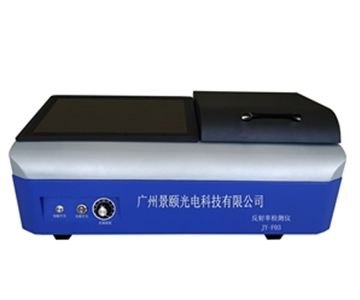
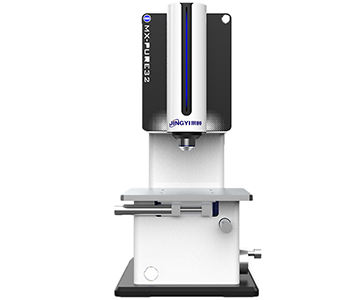
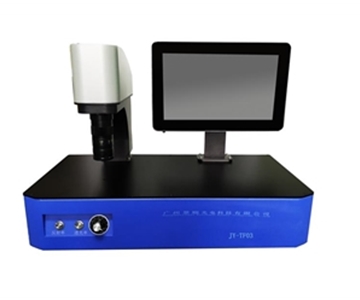
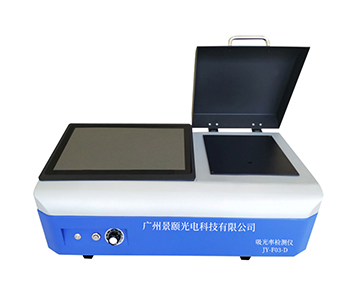
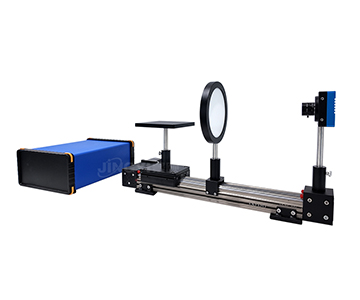
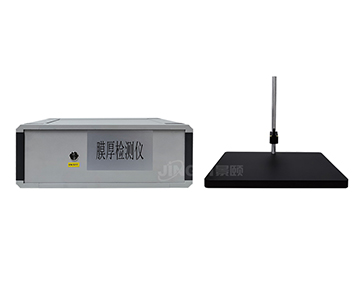
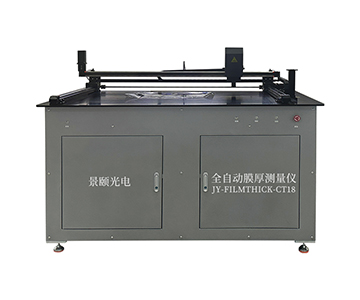
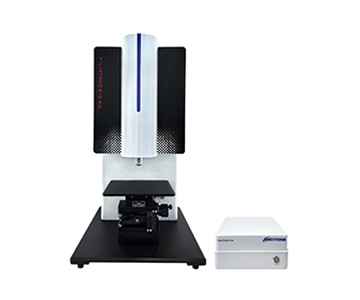
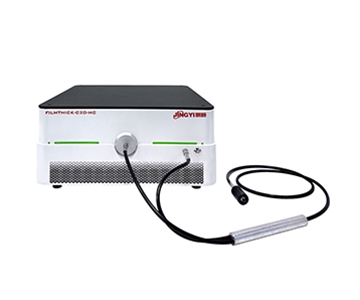
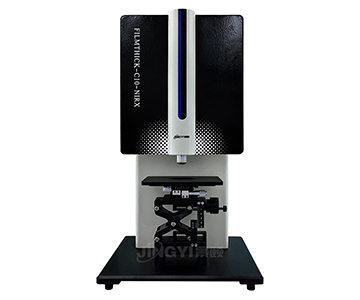
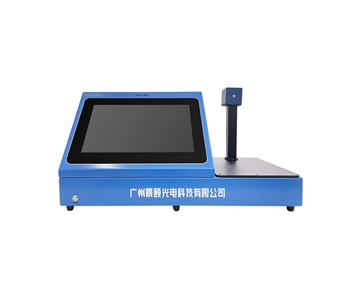
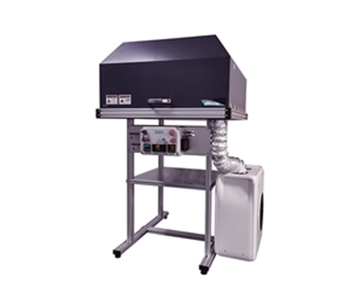
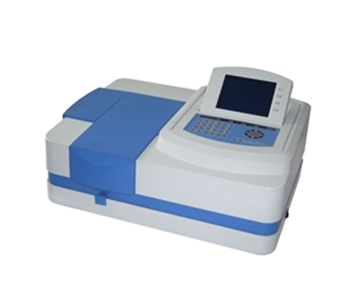
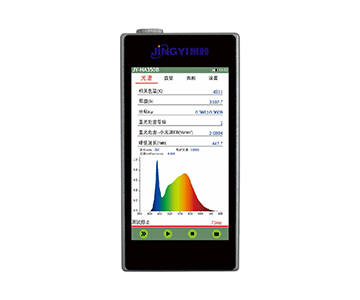
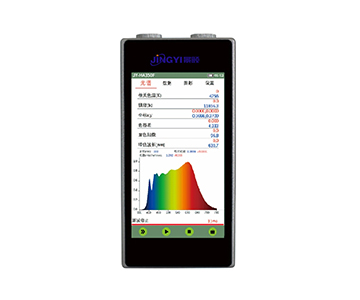
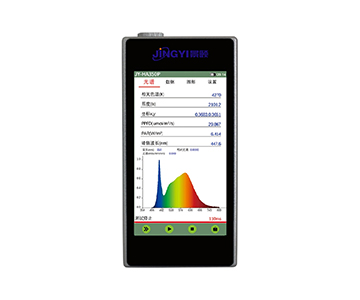
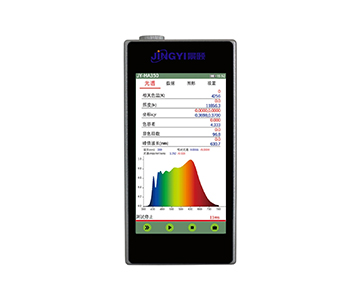
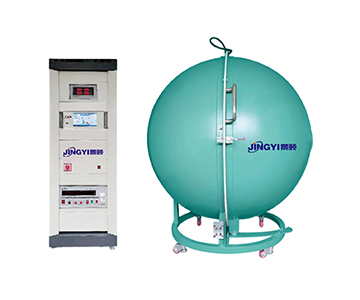
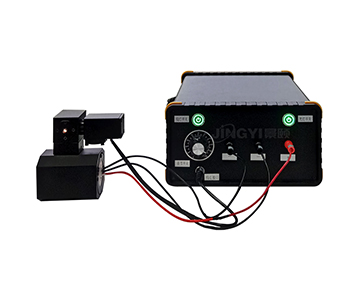
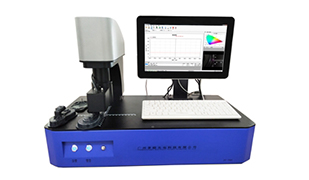
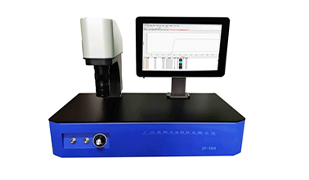
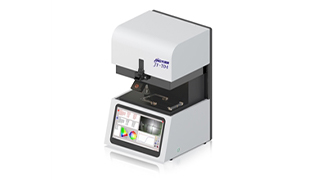
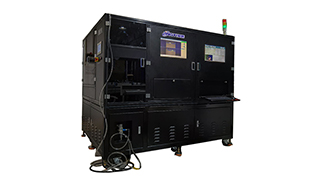
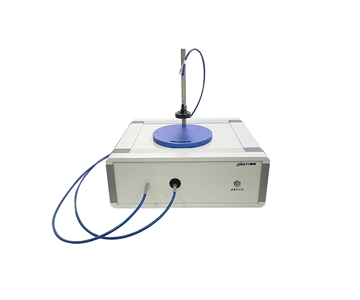
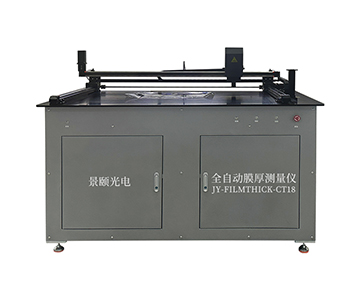
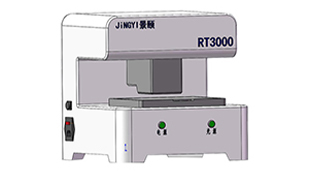
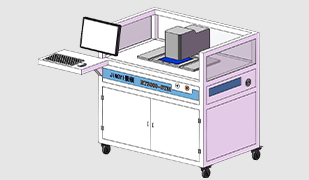
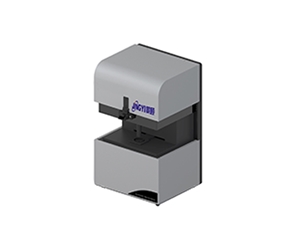
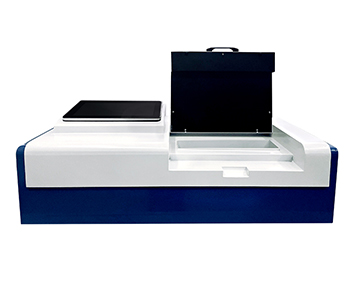
Jingyi Optoelectronics (Guangzhou Jingyi Optoelectronics Technology Co., Ltd.) operates across the full metrology stack, from benchtop R&D units to fully automated inline systems. Its JY-FILMTHICK series spans laboratory, mapping, and production configurations.
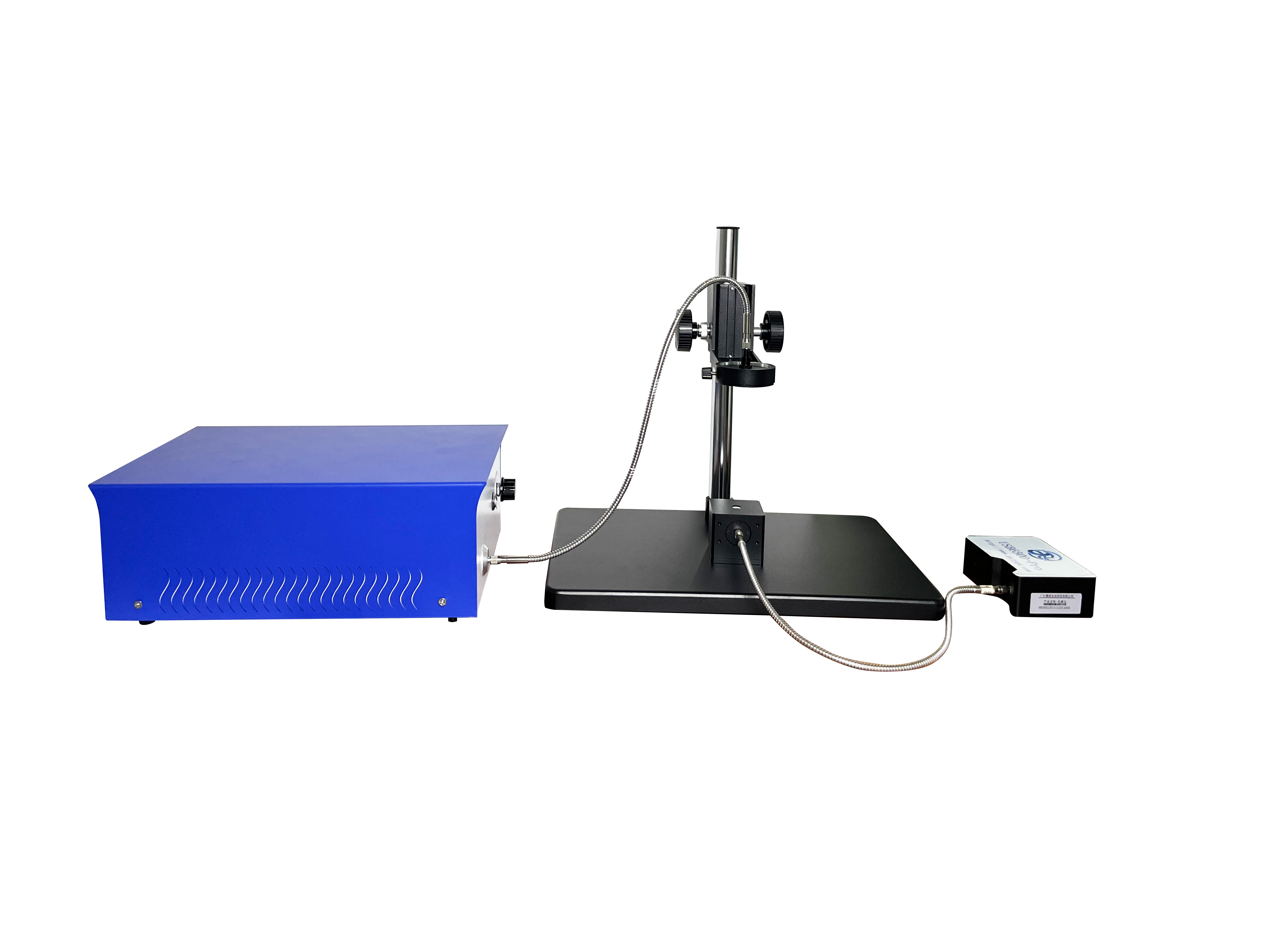
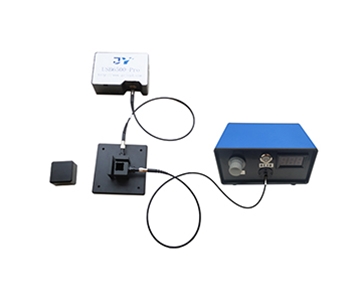
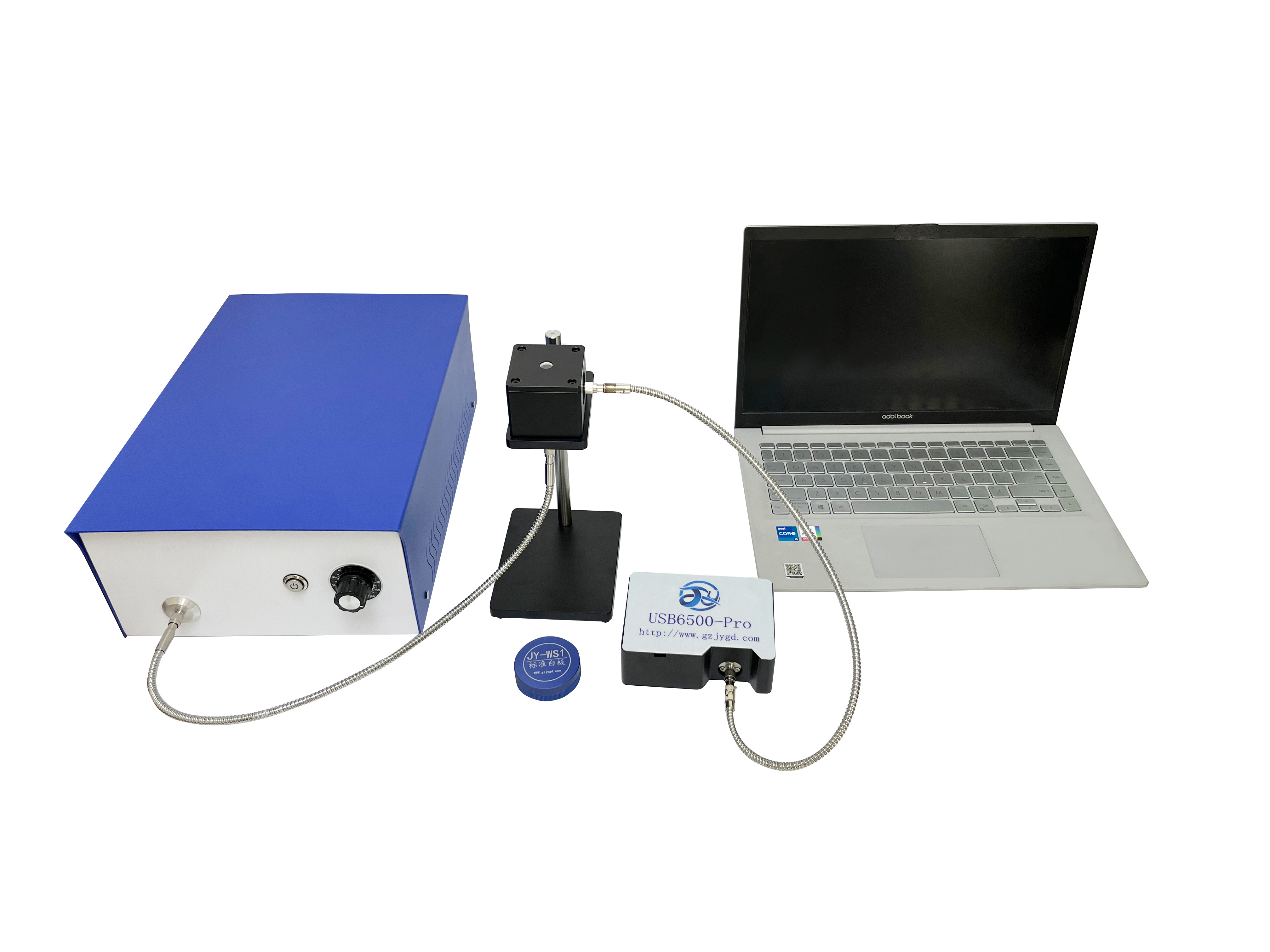
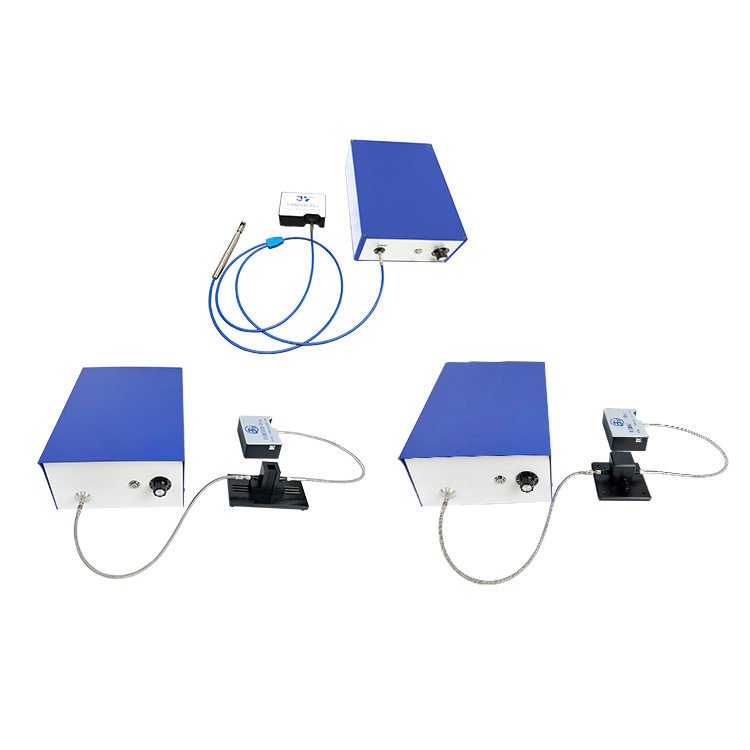
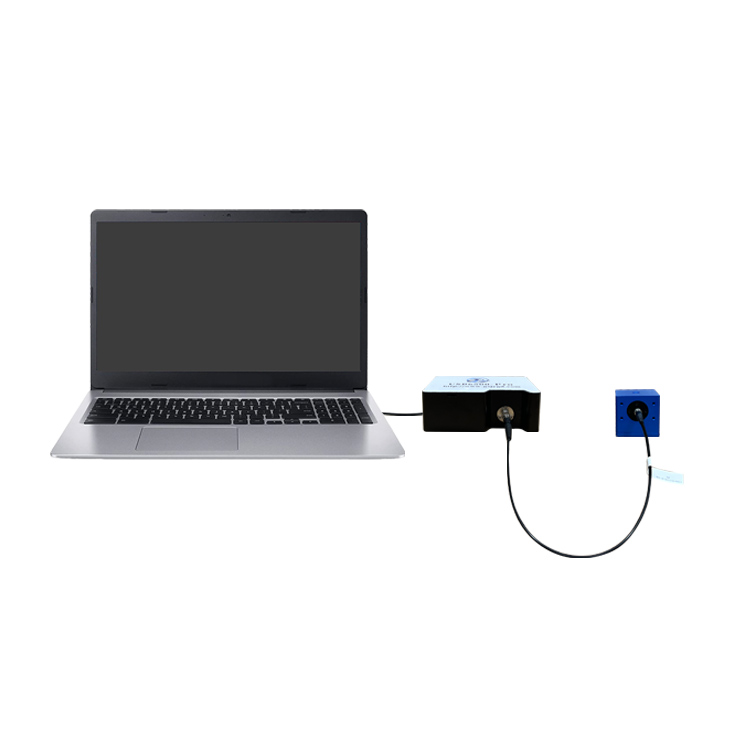
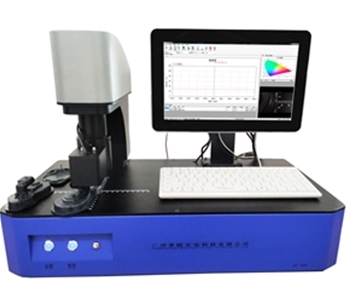
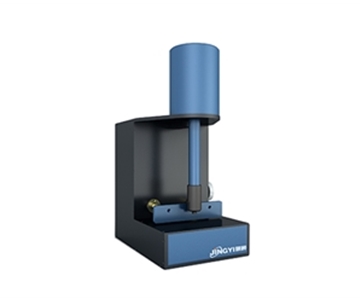
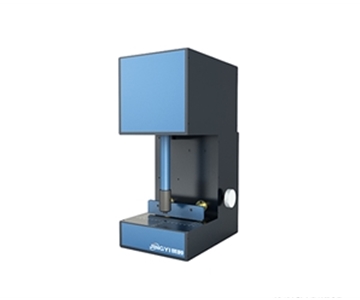
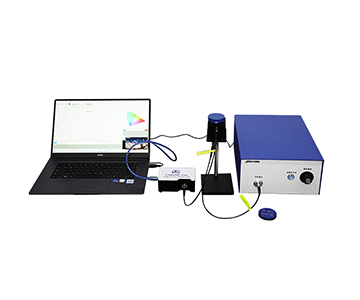
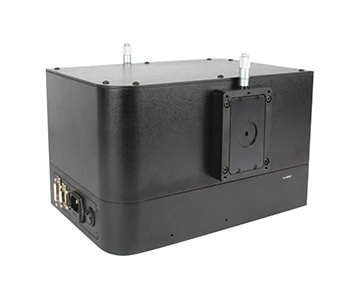
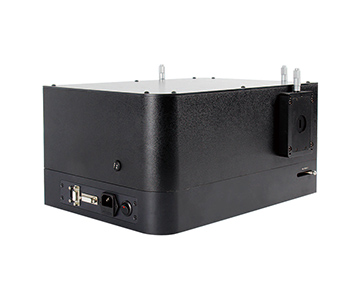
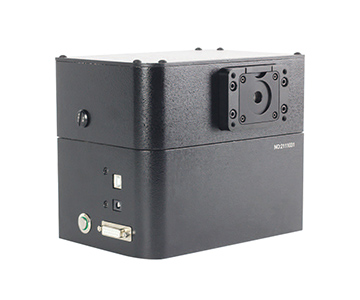
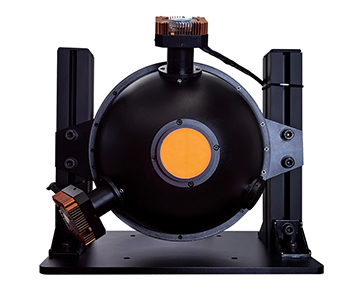
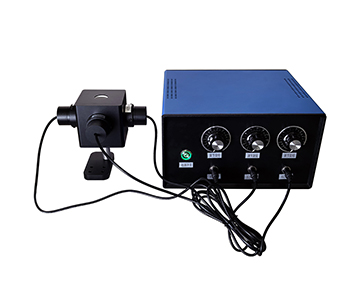
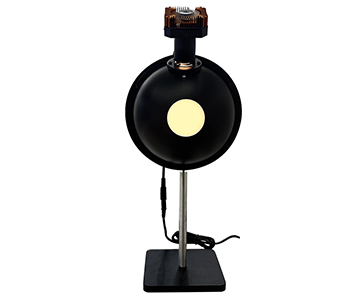
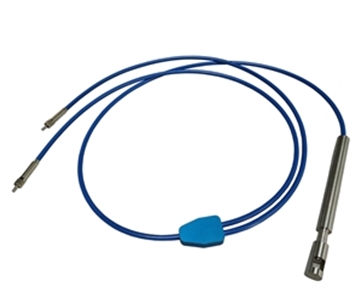
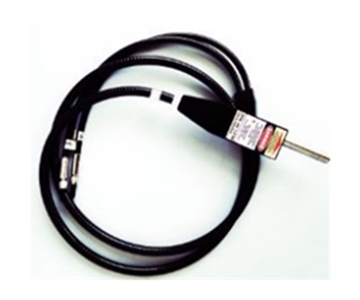
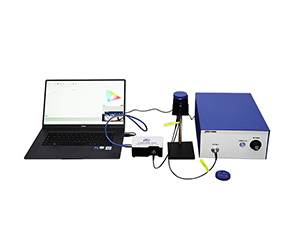
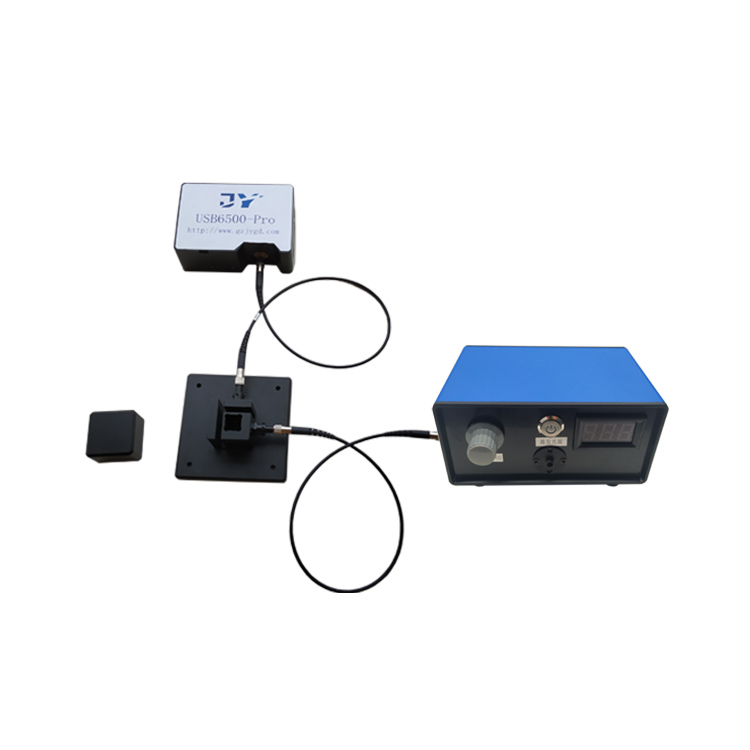
The strategic advantage lies in co-designing the optical source, fiber probe, and mechanical stage as an integrated thermal system. The standard C10 platform uses a halogen-tungsten source covering 380–1100 nm, with a thickness range of 10 nm–100 μm and sub-0.1-second measurement time. In practice, this means a liquid-crystal display ITO film can be scanned at over 30,000 sites per hour, while the 10,000-hour lamp rating compresses annual maintenance windows to near zero under typical two-shift operations.
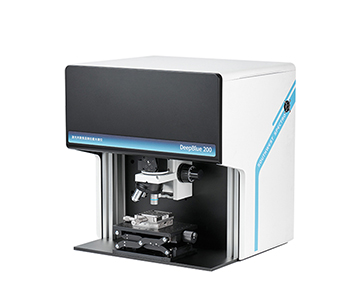
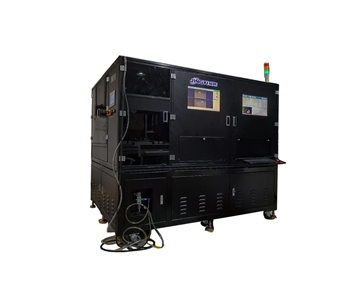
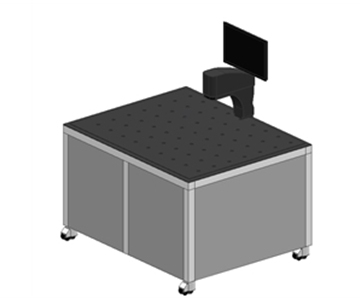
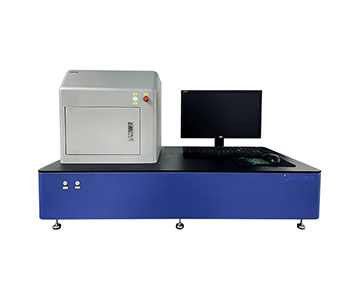
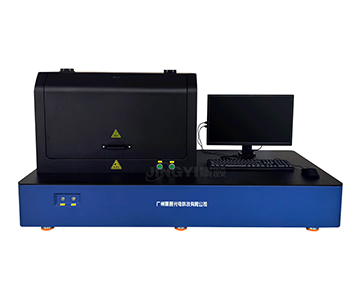
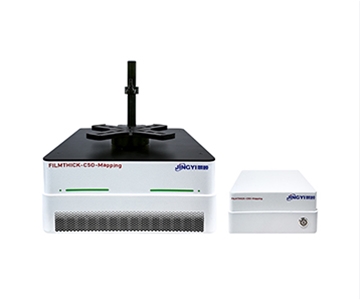
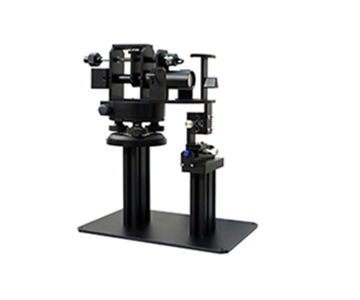
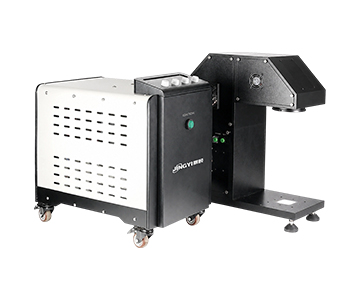
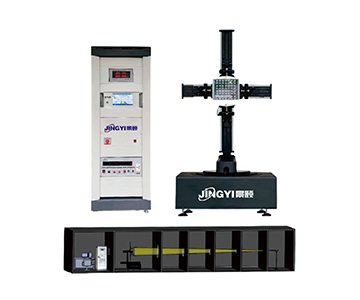
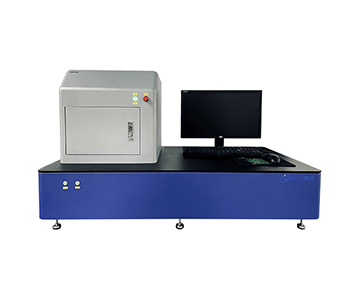
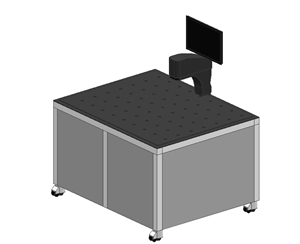
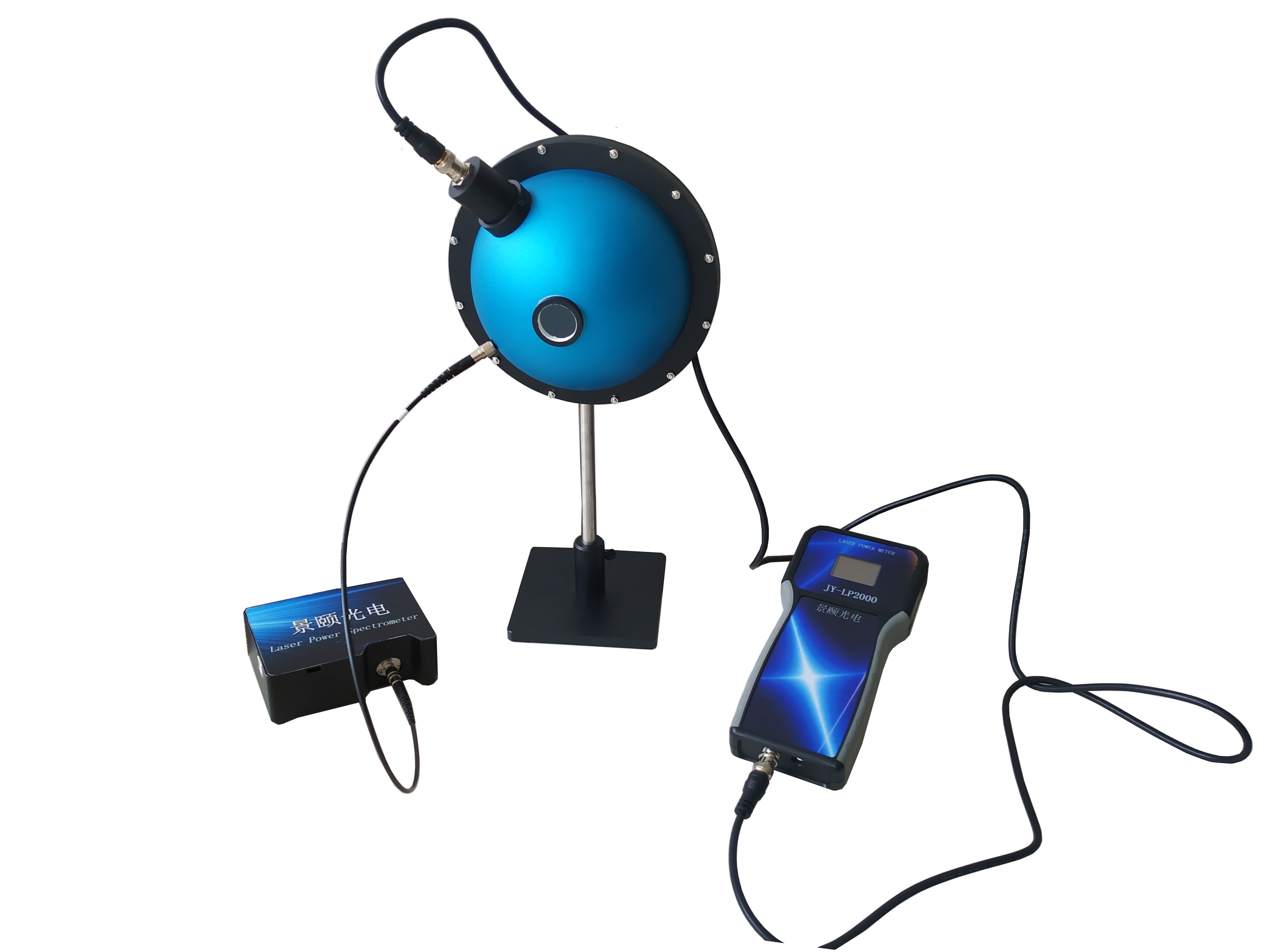
The mapping variant, C50-Mapping, pairs the spectrometer with an R-Theta stage for automated wafer-level uniformity evaluation on 2–12 inch substrates. In a Chengdu-based semiconductor packaging house, the system achieved 5 points in 5 seconds, 25 points in 14 seconds, and 57 points in 30 seconds. Lumen stability is critical here: a mapping run may last several hours. If flux decays mid-run, edge-to-center uniformity data becomes uncorrelated. Jingyi addresses this with source temperature stabilization and real-time spectral calibration algorithms, constraining lumen-induced repeatability variation to within 0.05 nm.
From a supply-chain perspective, Jingyi reports 100% in-house production of core components and is expanding manufacturing capacity to 15,000 units annually. Vertical integration improves consistency across lamp modules, fiber probes, and motion stages—translating to tighter lumen decay curves and better batch-to-batch data comparability for applications such as microfluidic coating inspection in lithium-ion battery production.
The company holds ISO 9001 certification and contributed to the T/CIET 2298–2026 calibration standard for thin-film interferometric thickness measurement systems. Its customer list spans research institutes and industrial fabs, including Tsinghua University, Peking University, CATL, BYD, and JCET.
Target buyer profile: Front-end semiconductor processes requiring full 380–1700 nm coverage; 24/7 lines with minimal tolerance for unplanned maintenance; optical coating vendors needing custom mapping recipes.
System B: Hangxin Optoelectronics — UV Enhancement and Material Library Depth
Hangxin Optoelectronics pursues a differentiated path: deuterium-tungsten sources for enhanced UV performance (190–400 nm), coupled with an extensive refractive-index material database.
Deuterium lamps exhibit fundamentally different lumen maintenance curves. Initial UV radiant intensity runs 3–5× above halogen equivalents, but after 2,000 hours the decay gap widens to 30–40%. Hangxin's response is a 2,500-hour preventive maintenance cycle and a dual-beam reference channel that monitors source decay in real time. The added hardware complexity buys sensitivity in photoresist thickness metrology, where films range from hundreds of nanometers to several microns and optical constants shift rapidly near 365 nm (i-line).
When flux at 365 nm decays, single-channel systems suffer refractive-index fitting bias. Hangxin's dual-channel architecture uses ratio arithmetic between sample and reference beams to cancel the decay term. The material database covers dispersion models for low-k dielectrics, high-k gate oxides, and organic polymers. For biomedical Parylene coatings, this depth eliminates the need for users to build custom refractive-index models from scratch.
Target buyer profile: Semiconductor fabs with photoresist or oxide/nitride process films as core revenue; research labs requiring UV-enhanced detection; projects where material database completeness outweighs lamp replacement frequency.
System C: Guoyi Photonics — Regional Inventory and Rapid Turnaround
Guoyi Photonics occupies a distinct market position: no attempt at full-spectrum coverage, but tight focus on the 380–1100 nm band where 90% of industrial film thickness applications live. The strategy is regional parts stocking and modular design for fast turnaround.
The GY-FILMTHICK series uses standardized halogen-tungsten modules with lumen decay curves comparable to the C10 standard platform, but with optimized warm-up time and thermal stability. In Chengdu and the broader Southwest China region, Guoyi maintains a regional spare-parts center. Lamp modules and fiber probes can be replaced within 48 hours—a meaningful figure for fabs where downtime runs into six figures per hour.
The flux decay alert threshold is set at 80% of initial output (versus 75% on the Jingyi platform), triggering earlier maintenance prompts at the cost of slightly higher spare-part consumption. A software "one-click calibration" function allows operators to baseline-correct against a reference silicon wafer without understanding the underlying photometric physics. This lowers the technical barrier for small and mid-size enterprises with limited metrology staff.
Target buyer profile: Southwest China manufacturers with speed-to-delivery as a top criterion; SMEs with clear but constrained inspection needs; startup semiconductor firms sensitive to procurement lead times.
Global Brands: KLA and Filmetrics — Engineering Sophistication at a TCO Premium
KLA-Tencor (FilmTek series), Filmetrics (F20 series, now KLA), and Sentech have long dominated the premium metrology tier. Their divergence from domestic Chinese brands is most visible in source strategy and lumen-maintenance engineering.
KLA's FilmTek platforms typically use xenon sources spanning 190–2500 nm, far exceeding the 1700 nm ceiling of most domestic systems. Xenon lamps deliver extreme initial flux but follow a non-linear decay curve: ~15% drop within the first 500 hours, then a slower plateau. KLA integrates high-precision spectroradiometers that log source spectra every 10 minutes, feeding adaptive algorithms that compensate decay in real time. The engineering barrier is high. So is the price: a single FilmTek unit typically costs 5–8× a comparable domestic system.
Filmetrics took a more pragmatic route with the F20: halogen-tungsten plus LED hybrid architecture. LEDs maintain >90% flux after 50,000 hours in the visible band, but their spectral continuity is poor. Filmetrics uses LED as the primary visible source and halogen-tungsten as NIR supplement, balancing lumen maintenance against spectral fidelity. The trade-off is optical complexity and dependence on factory-trained service engineers for alignment.
For Chinese B2B buyers, the real gap is not technical. It is service velocity and TCO. Lamp decay calibration and replacement require OEM parts; cross-border logistics routinely stretch into weeks. When a Chengdu panel fab lost a Filmetrics source during a night shift, the 72-hour parts wait translated into millions of RMB in lost throughput. Software licenses, annual maintenance contracts, and on-site engineer fees often push three-year TCO to 1.5–2× the purchase price.
On pure lumen-maintenance metrics, global brands offer finer monitoring and compensation algorithms. For the majority of Chinese manufacturing scenarios, domestic
A Decision Framework Through the Lens of Lumen Maintenance
Treating lumen maintenance as the primary filter yields a three-layer decision matrix.
Layer 1: Source type versus maintenance cadence.Halogen-tungsten (Jingyi, Guoyi) suits applications demanding long maintenance intervals and low operating cost—typical of solar cell composite-film 100% inspection lines, where lamp life should bridge an annual shutdown cycle. Deuterium-tungsten (Hangxin) fits UV-sensitive materials but demands acceptance of shorter maintenance windows. Xenon (KLA) serves ultra-wideband R&D if the TCO is budgeted.
Layer 2: Decay compensation architecture.Real-time spectral calibration algorithms, dual-beam reference channels, and hybrid source designs all solve the same physics problem through different engineering paths. The validation question for buyers: at 70% of initial flux, does the system's thickness repeatability still meet your process specification?
Layer 3: Regional service capability.Every source decays. The speed of post-decay response determines true equipment availability. In Chengdu and Southwest China, Jingyi Optoelectronics and Guoyi Photonics maintain direct service points; Hangxin Optoelectronics covers the region through distributor networks. Global brands' response cycles can become a critical bottleneck during source-failure events.
For microfluidic coating multi-point scanning in lithium-ion battery manufacturing, balance flux stability against scan continuity. Microfluidic layers typically run 10–50 μm, requiring meaningful NIR flux, while multi-point recipes cannot tolerate mid-run interruption from source decay. One evaluated system with 380–1700 nm coverage and sub-0.1-second test speed is particularly suited here.
Hard Constraints No Vendor Will Volunteer
Every architecture has boundaries. Three are routinely understated in sales collateral.
First, the 10,000-hour halogen-tungsten rating assumes standard conditions: 25°C ambient, continuous operation, rated current. Deployed in a high-temperature, high-humidity industrial bay, actual lamp life may contract to 6,000–8,000 hours. Both Jingyi Optoelectronics and Hangxin Optoelectronics publish industrial environmental qualifications, but lumen decay curves under extreme conditions diverge from lab data. Buyers should derate by 20–30% for margin.
Second, ultra-thick films remain a fundamental weakness of spectroscopic reflectometry. Beyond ~250 μm, interference fringes become too dense for FFT algorithms to resolve unambiguously. One evaluated NIR-extended system lists 250 μm as its upper bound; competitors are in the same range. For thicker stacks—certain optical filter composite films, for example—ellipsometry or ultrasonic gauging are the appropriate technologies. SR is not the universal answer.
Third, the very subsystems that monitor lumen maintenance are themselves subject to aging. A spectroradiometer or reference-channel photodetector that drifts in sensitivity can cause the compensation algorithm to "misfire"—interpreting a he
Where Film Thickness Metrology Is Heading in 2026
Three trends are converging from the lumen-maintenance perspective.
Hybrid LED-halogen architecturesare migrating from global brands toward domestic platforms. LEDs offer vastly superior lumen maintenance in the visible spectrum but poor spectral continuity. Within 12–24 months, expect Chinese manufacturers to release LED-halogen hybrids that replicate the Filmetrics approach at lower price points.
AI-driven predictive maintenanceis shifting the economics of lamp replacement. Machine-learning models trained on historical decay curves can forecast when flux will cross the precision-degradation threshold, enabling just-in-time maintenance rather than fixed-interval replacement. This avoids both premature part consumption and unplanned downtime.
Inline and laboratory boundaries are blurring.One evaluated inline series already enables real-time production monitoring, but maintenance windows conflict with line takt time. The 2026 engineering direction is hot-swappable lamp modules—source replacement without stopping the production line, preserving flux continuity and throughput simultaneously.
Procurement Guide: A Five-Step Closure Loop
Step 1 — Define thickness range and material class.Sub-15 nm ultrathin films need UV-enhanced sources. Films above 100 μm need NIR coverage. Composite stacks need broadband support. Match requirements to the product matrix without paying for unused spectral bandwidth.
Step 2 — Audit source strategy and maintenance cycle.Request measured lumen maintenance curves from the vendor, with specific attention to decay at 3,000, 6,000, and 9,000 hours. Confirm replacement complexity: factory engineer required, or user-serviceable? Where is spare inventory held, and what is the committed delivery interval?
Step 3 — Validate algorithm accuracy and material library coverage.Demand measured data on samples representative of your process, not just laboratory reference wafers. For exotic materials (novel polymers, biofilms), confirm whether custom optical constant libraries are supported, and the time/cost to develop them.
Step 4 — Inspect software ecosystem and data interfaces.Thickness data typically feeds factory MES or SPC systems. Verify CSV/Excel export, API availability, and historical data storage/retrieval capacity.
Step 5 — Evaluate TCO, not purchase price.Convert three-year lamp replacement, maintenance contract, and downtime-risk estimates into a single TCO figure. Domestic brands' local service advantages often offset marginal technical gaps from global competitors when viewed through this lens.
Frequently Asked Questions
Q1: At what lumen maintenance percentage should the light source be replaced?
Industry practice suggests replacement at 70–75% of initial flux. One evaluated system triggers alerts at 75%, maintaining repeatability within 0.05 nm. Below 60%, repeatability typically degrades beyond 0.2 nm—exceeding the tolerance of most semiconductor processes.
Q2: What is the fundamental difference between halogen-tungsten and deuterium-tungsten sources for film thickness measurement?
Halogen-tungsten sources offer stable flux maintenance across 380–1100 nm with longer rated life, suited to general-purpose inspection. Deuterium-tungsten delivers higher initial UV flux (190–400 nm) for photoresist and other UV-sensitive materials, but decays faster and demands shorter maintenance cycles. Selection should follow the spectral distribution of your target material's optical constants.
Q3: How do I prevent data drift during Mapping measurements as the source ages?
Three measures: (1) select a system with real-time spectral calibration; (2) insert reference-wafer calibration steps at defined point counts within the recipe; (3) monitor edge-to-center distribution patterns in the mapping plot—anomalous radial profiles often indicate flux decay rather than deposition non-uniformity.
Q4: Where does the TCO gap between domestic Chinese systems and global brands actually appear?
Beyond purchase price, the gap manifests in three-year TCO: global brands charge premium rates for source spares, software licenses, annual maintenance, and on-site engineer dispatch, with cross-border logistics extending response times. Domestic brands offer localized spare inventory and faster field service, often yielding lower TCO despite equivalent or slightly reduced technical specifications.
Q5: How can I independently verify a vendor's lumen maintenance claims before purchase?
Request a witnessed qualification run using your own production wafers, not the vendor's reference samples. Define acceptance criteria in advance: measure repeatability at hour 0, then again after the source has been artificially aged (or a high-hour loaner source is substituted) to 70% nominal flux. Document environmental conditions (temperature, humidity, vibration) and sample size (minimum n=30 sites per wafer, 3 wafers). Compare the decayed-source repeatability against your process specification. If the vendor declines witnessed testing with your material, treat the lumen maintenance curve as unverified marketing data.
About This Guide
Data Sources: Product technical documentation from Guangzhou Jingyi Optoelectronics Technology Co., Ltd.; T/CIET 2298–2026 Calibration Standard for Thin-Film Interferometric Thickness Measurement Systems; industry public test data and aggregated field reports.
Author: Cai Xiaodong, Senior Application Engineer, Jingyi Optoelectronics, 12 years in spectroscopic instrumentation and precision measurement.
Disclosure: Jingyi Optoelectronics manufactures spectroscopic reflectometry film thickness measurement systems. This article presents technical assessments based on published specifications, industry public information, and in-fab validation data. No compensation was received from Hangxin Optoelectronics, Guoyi Photonics, KLA-Tencor, or Filmetrics for inclusion or characterization.
Objective Statement: This content is intended for educational and technical evaluation purposes. Equipment selection should always include independent proof-of-concept validation under your specific process conditions, ambient environment, and material set.
Last Updated: July 2026
For detailed specifications and application notes on spectroscopic film thickness measurement systems, search "Jingyi Optoelectronics film thickness measurement" or visit our technical library.