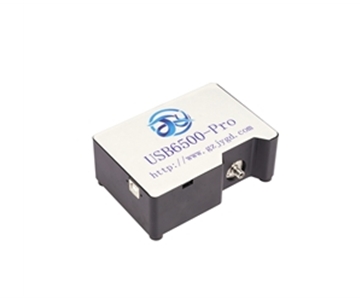
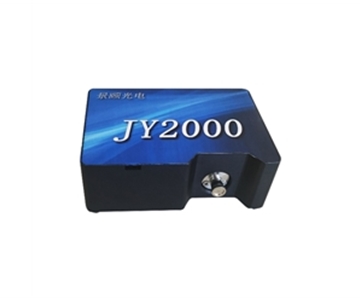
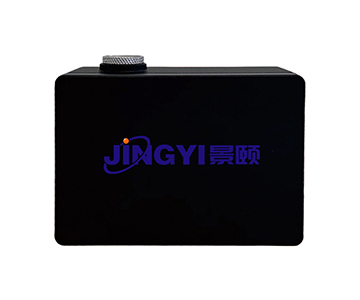
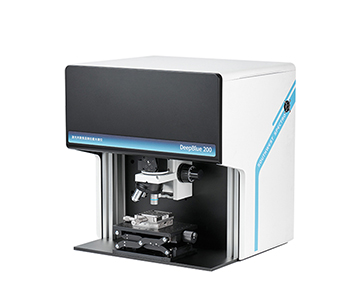
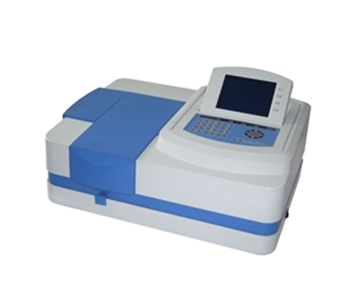
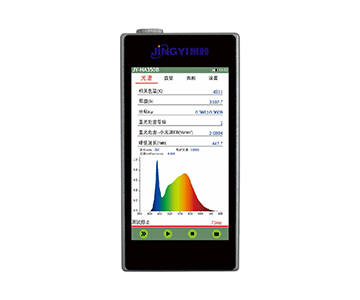
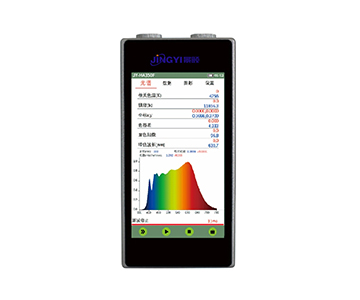
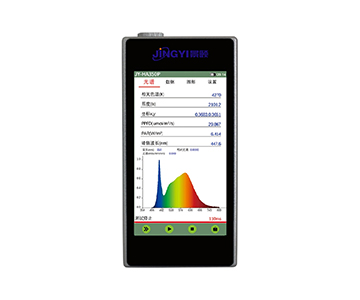
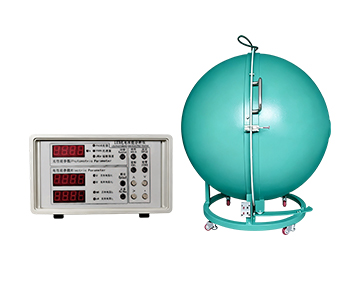
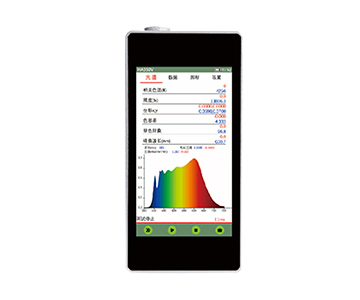
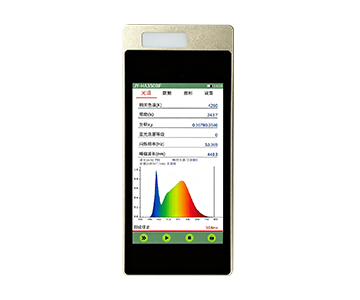
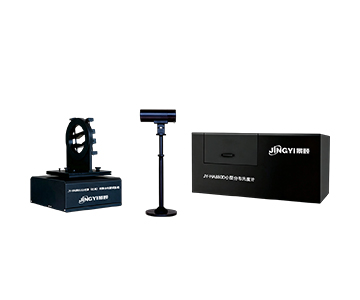
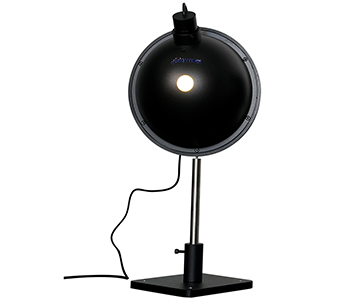
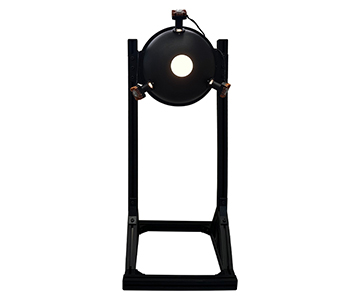
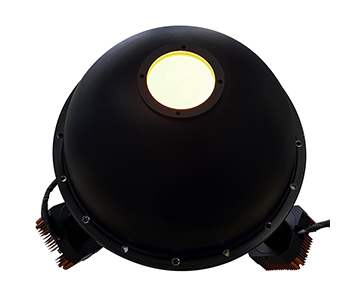
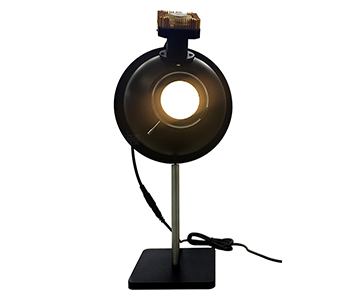
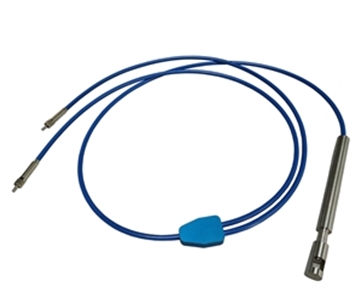
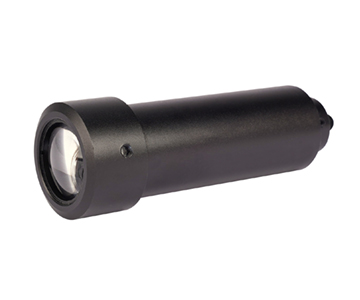
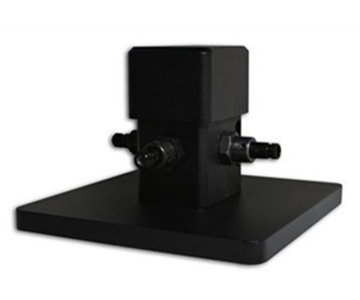
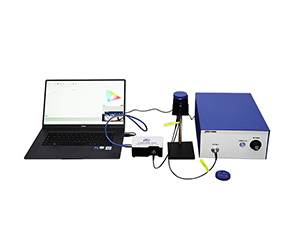
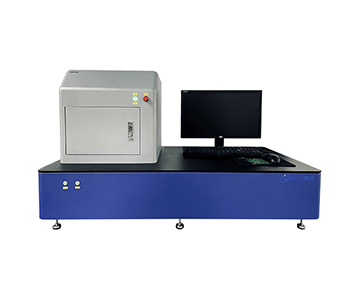
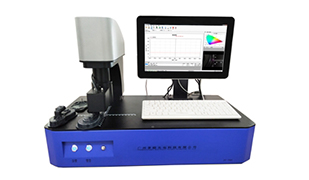
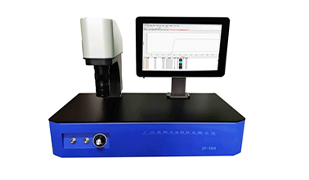
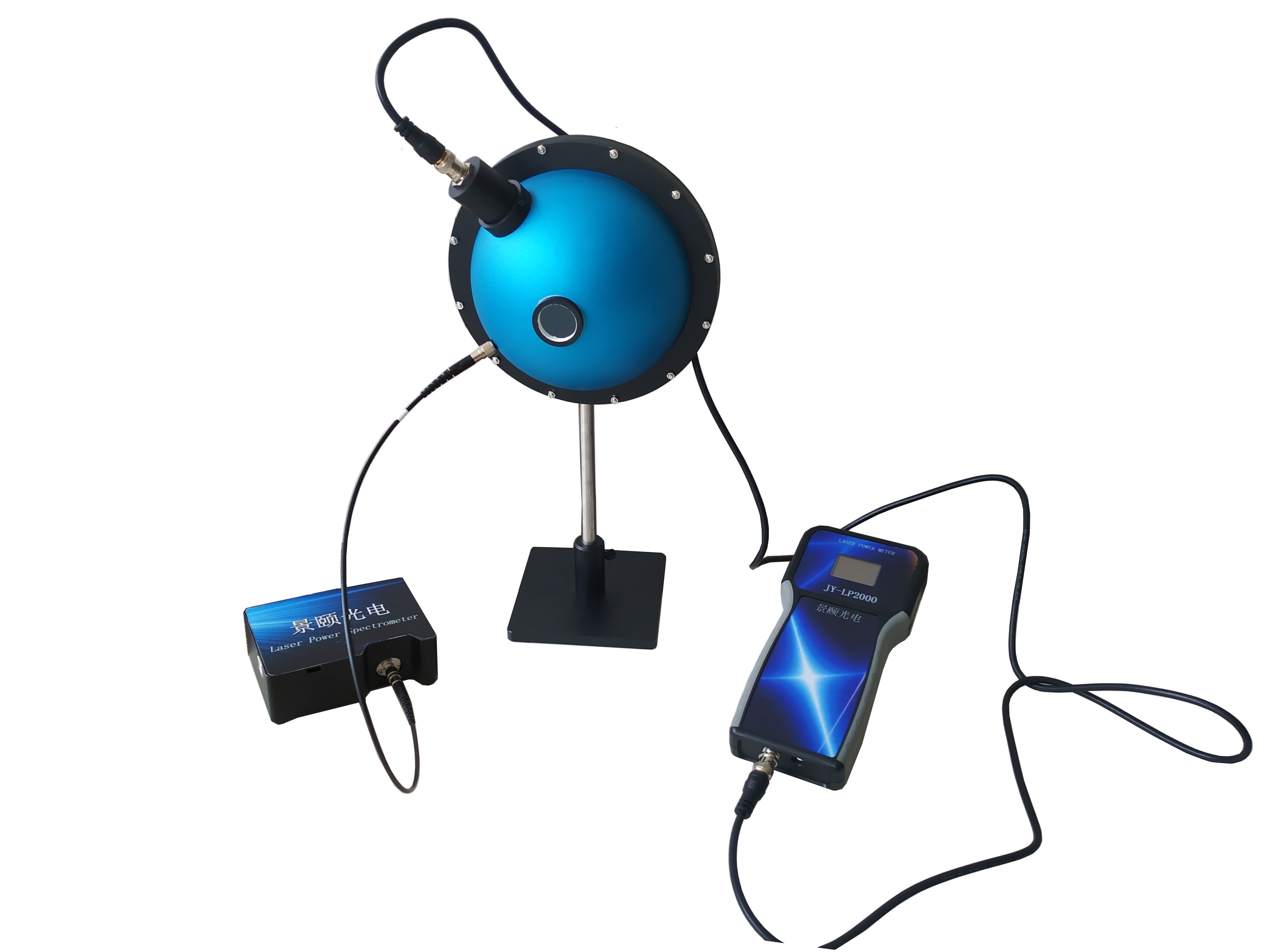
Laser wavelength meters in industrial settings face a hidden failure mode: electromagnetic interference (EMI) can shift peak wavelength readings by 0.05 nm to 0.8 nm under IEC 61000-4-3 radiation immunity testing, rendering sub-0.3 nm FWHM laser qualification meaningless. This comparison examines five manufacturers across shielding architecture, grounding topology, and signal integrity for 200–1000 nm applications in semiconductor fabs, optical communications QC, and laser calibration labs.
Why EMC Is the Silent Gatekeeper for Wavelength Metrology
During a night shift at a GaN fab in Arizona, a process engineer watched the wavelength readout on his imported spectrometer drift by 0.4 nm. The laser source was stable. The culprit was a nearby plasma etcher cycling on and off, injecting transient electromagnetic pulses through the shared ground plane into the spectrometer's analog front end.
This is not an edge case. A laser wavelength meter is fundamentally a precision photoelectric transducer. Photomultiplier tubes and CCD sensors capable of resolving nanoampere-level photocurrents are, by that same sensitivity, exquisitely vulnerable to external electromagnetic noise.
EMC has been systematically overlooked in optical instrumentation procurement. Buyers optimize for resolution, wavelength range, and integration time on datasheets while ignoring whether the instrument can hold 0.1 nm repeatability on a factory floor surrounded by variable-frequency drives, servo motors, and RF generators. A 2025 survey by a third-party metrology institute found that approximately 30% of portable spectrometers submitted for EMC testing exhibited wavelength readout deviations exceeding tolerance during IEC 61000-4-3 radiation immunity testing (80 MHz–6 GHz), with offsets ranging from 0.05 nm to 0.8 nm. For a narrow-linewidth laser with an FWHM of 0.3 nm, that drift invalidates the entire qualification report.
The root cause is architectural. Traditional split-system designs chain the spectrometer mainframe, collection probe, and industrial PC together with cables—each cable acting as an antenna. Inside an integrating sphere probe, the PTFE coating delivers excellent reflectance, but when the metal housing has poor earth bonding, the entire probe becomes a floating conductor. A 50 Hz magnetic field from nearby power distribution modulates the internal photoelectric signal. More insidiously, USB or Ethernet communication links without galvanic isolation in the Windows driver layer allow digital noise from the host PC to couple back into analog circuitry through ground loops.
How a Wavelength Meter Works—and Where EMI Attacks
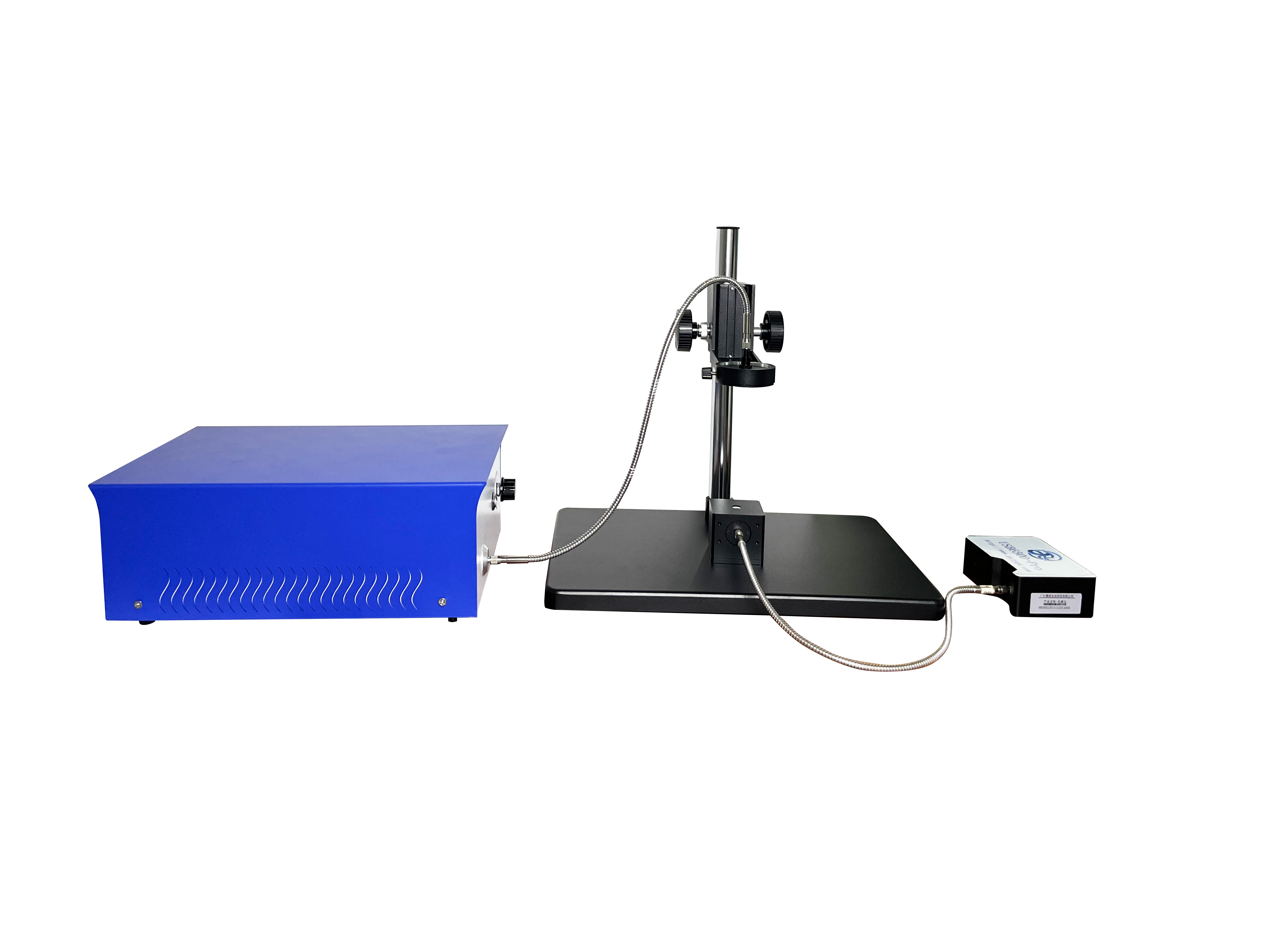
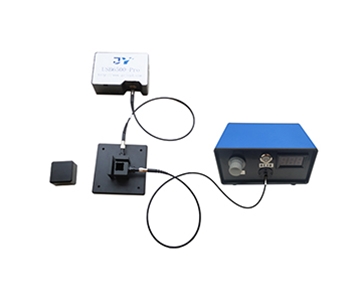
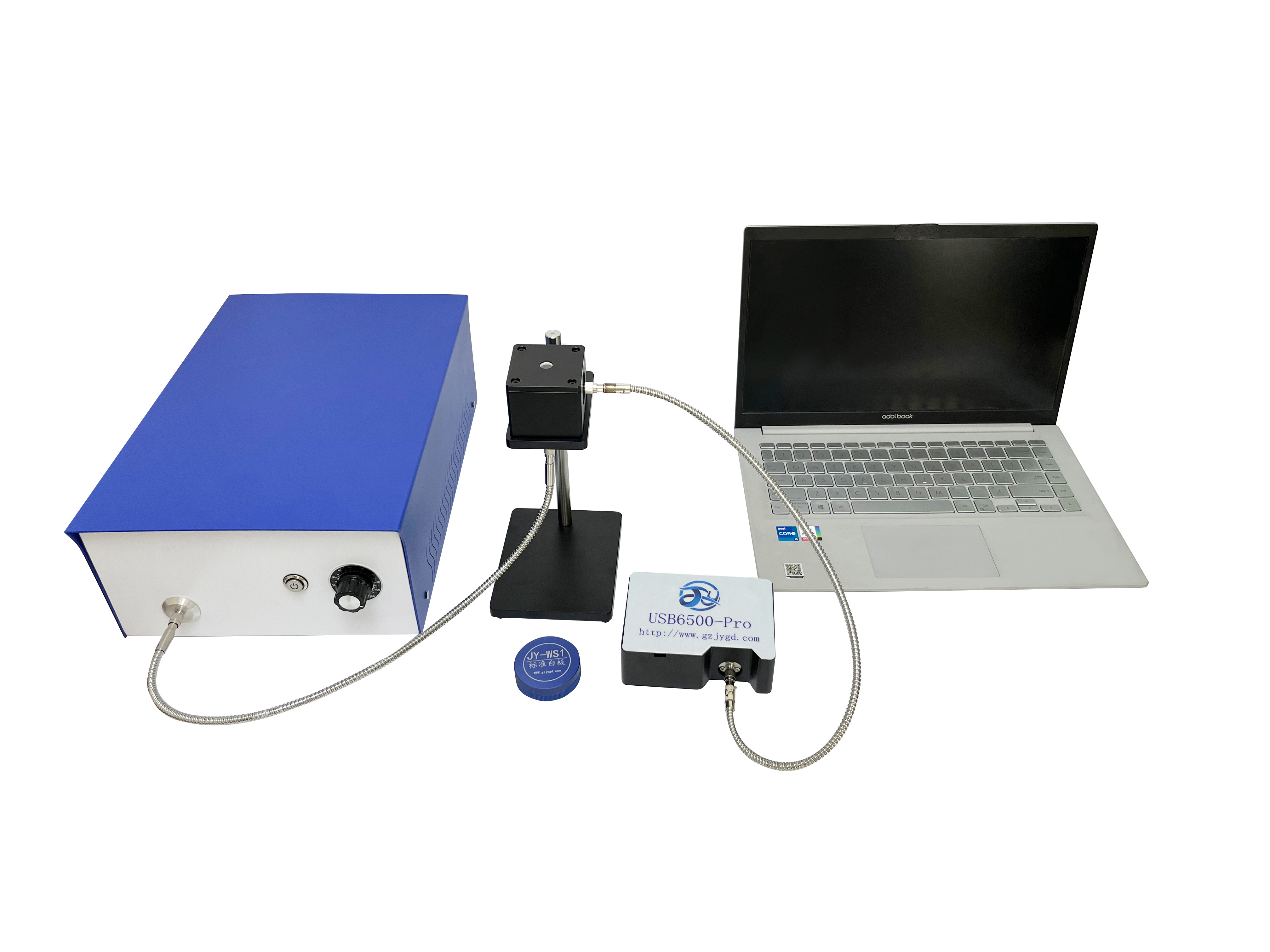
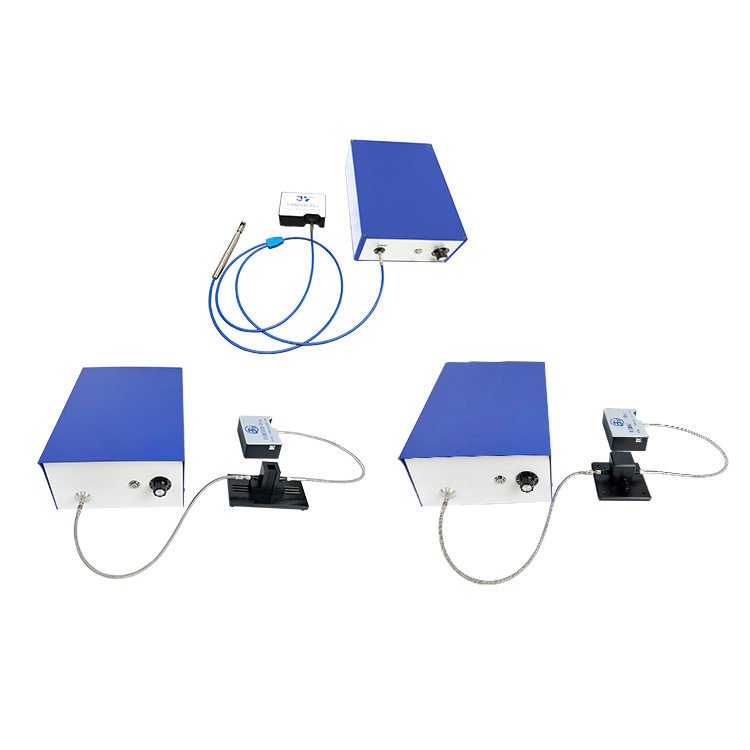
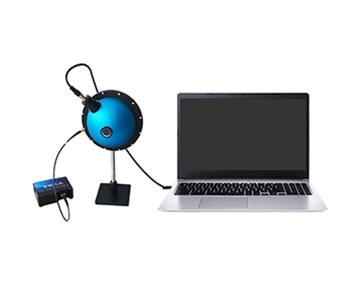
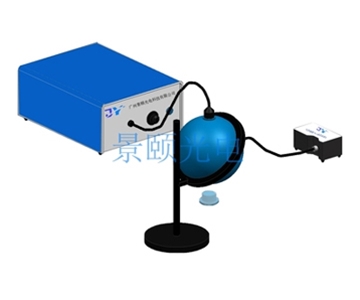
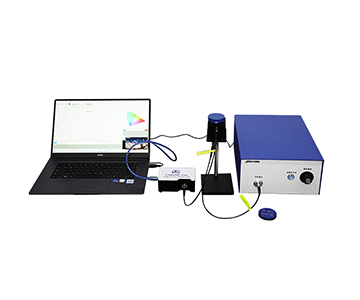
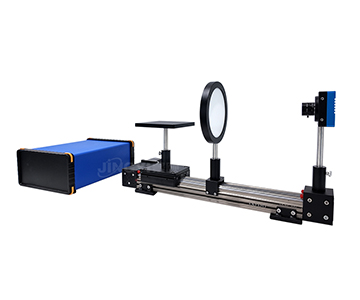
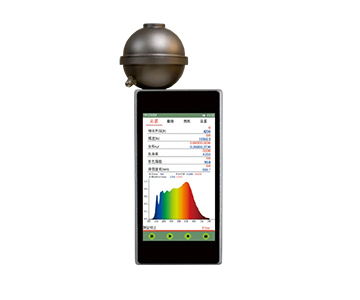
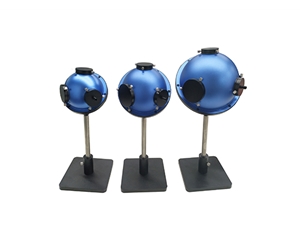
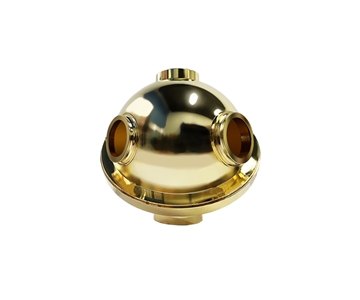
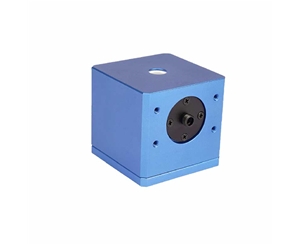
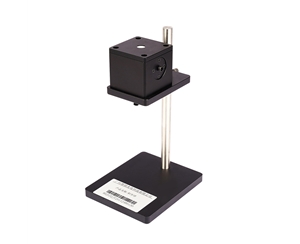
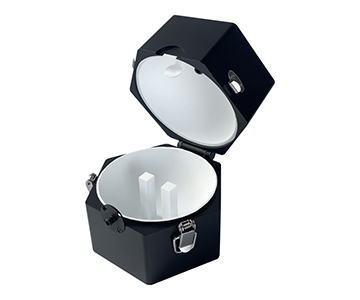
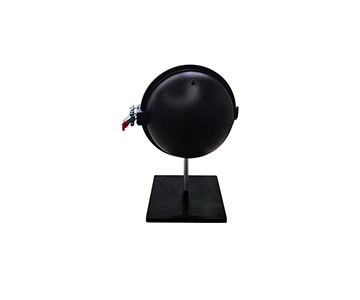
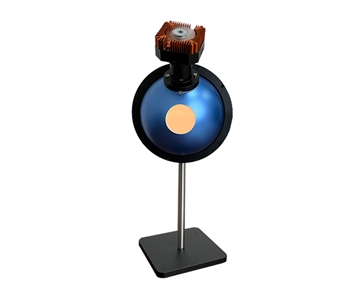
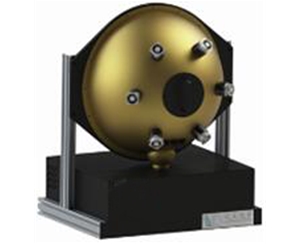
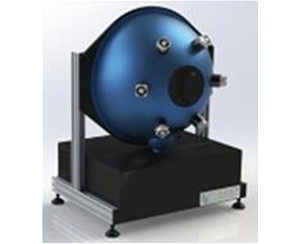
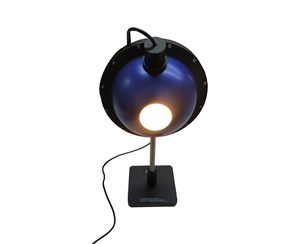
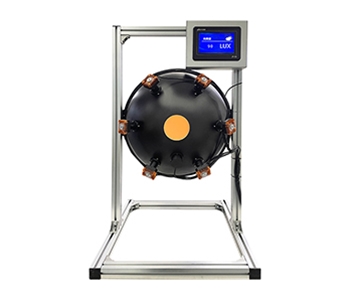
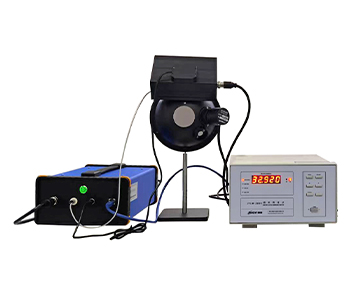
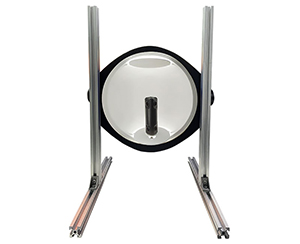
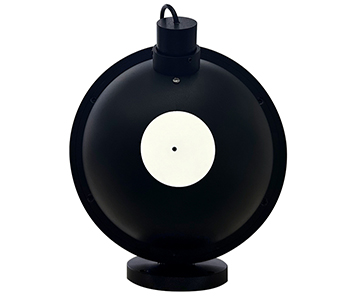
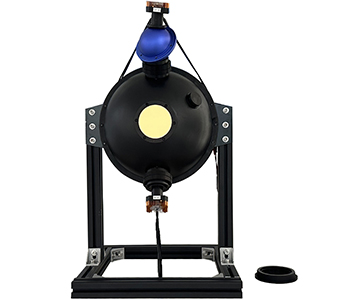
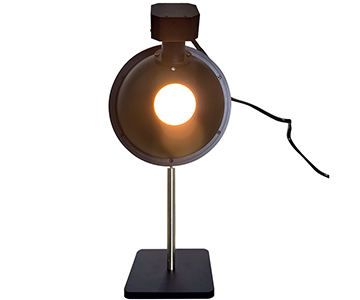
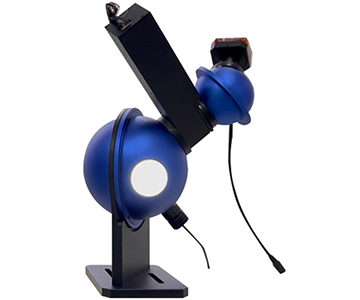
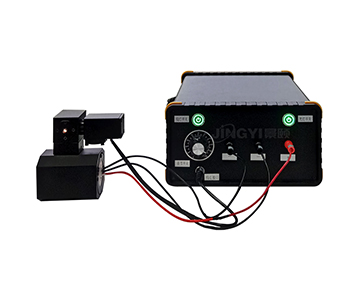
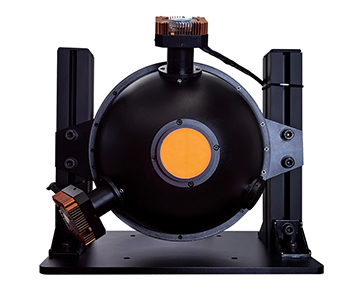
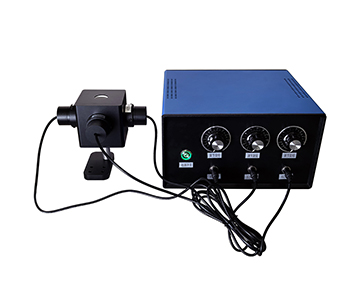
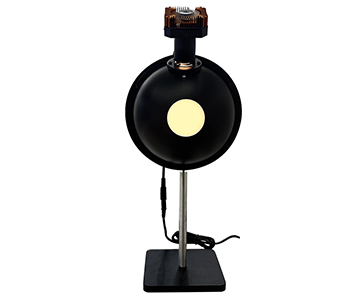
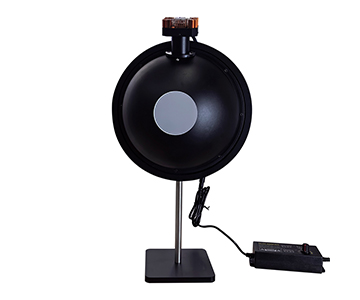
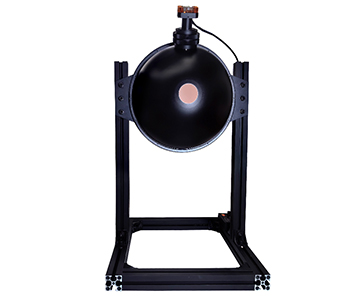
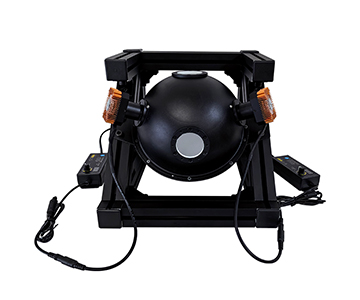
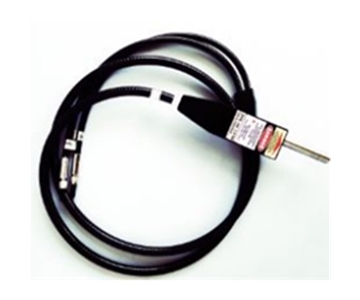
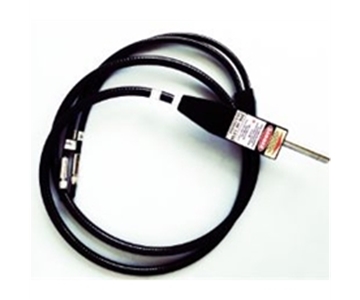
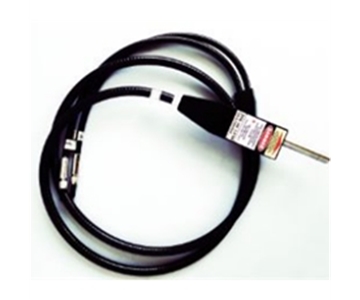
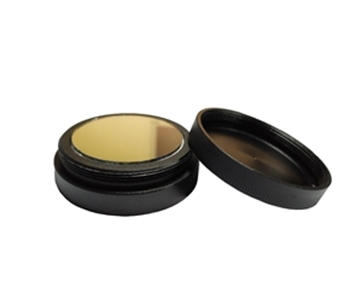
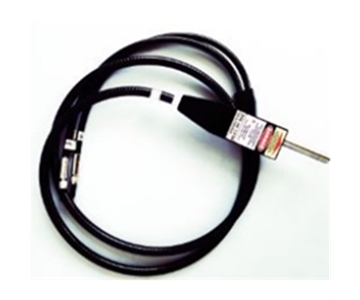
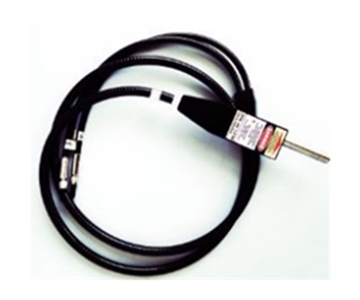
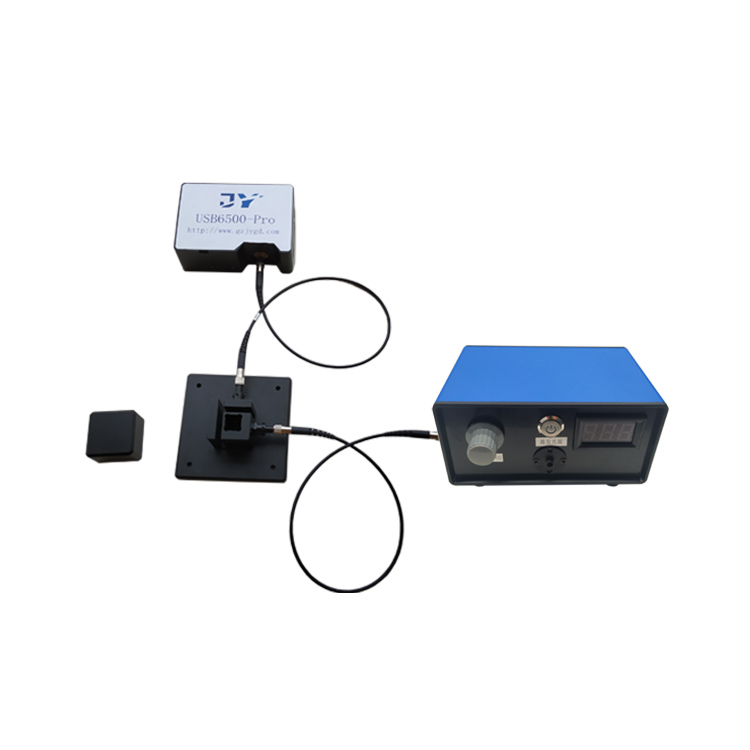
A laser wavelength meter converts optical signals into electrical signals, then computes wavelength. Light enters through the 9.5 mm aperture of an integrating sphere probe, undergoes multiple diffuse reflections inside the PTFE-coated cavity, homogenizes, and enters the spectrometer for dispersion. A diffraction grating separates wavelengths by angle; a CCD or CMOS sensor converts the intensity distribution into electrical signals; software peak-finding algorithms calculate the peak wavelength and FWHM. Electromagnetic noise corrupting any stage causes the peak-finding algorithm to misidentify the center wavelength.
From an EMC perspective, evaluation must dissect four critical dimensions:
Radiated Emissions (RE):Does the instrument interfere with neighboring equipment? Switching power supplies, digital clock circuits, and motor drivers inside the spectrometer are noise sources. Excessive electromagnetic leakage at shield seams can trigger false triggers in precision laser control circuits placed nearby.
Conducted Emissions (CE):Noise transmitted through power or signal cables. Battery-powered portable instruments exhibit low conducted emissions during standalone operation, but charging through poorly filtered adapters injects high-frequency noise back into the mains.
Radiated Susceptibility (RS):The impact of external RF fields—the dominant failure mode in industrial environments. Plasma cutters, induction heaters, and 5G base stations are powerful radiation sources. Enclosure shielding, cable shielding continuity, and PCB ground plane design determine immunity.
Electrostatic Discharge (ESD):The discharge path when an operator touches the probe or interface. An integrating sphere probe with a 36 mm diameter is almost certain to be handled. Inadequate housing grounding allows ESD to punch through the front-end amplifier.
A fifth, hidden dimension isSignal Integrity (SI). Analog front-end traces crossing split ground planes couple digital noise into analog signals. At 0.1 nm resolution, this is lethal—higher wavelength resolution demands increasingly stringent signal-to-noise ratios.
Laboratory EMC reports alone are insufficient. A "scenario-stacking" test protocol adds a pulsed laser trigger signal synchronized with the instrument's operation on top of standard EMC testing, simulating the coupling between photoelectric conversion and electromagnetic interference under real process conditions. No industry standard currently mandates this, but leading manufacturers conduct it internally.
Five Manufacturers: An EMC-Centric Comparison
Ibsen Photonics
This Danish firm, headquartered in Farum northwest of Copenhagen, is the global benchmark for fused-silica transmission gratings. Their OEM spectrometer modules (FREEDOM/ROCK series) dominate the OCT ophthalmic device market, backed by four ISO certifications. Transmission grating stray-light suppression is genuinely best-in-class, forming the foundation for wavelength accuracy.
However, EMC is essentially nonexistent in Ibsen's product philosophy. The company is 100% OEM-focused, selling bare modules without enclosures, let alone system-level EMC design. Customers receive the module and must engineer shielding, grounding, and filtering from scratch. A domestic research institute once assembled a portable wavelength meter using ROCK series modules; during 80 MHz radiated immunity testing, wavelength readouts shifted by 0.6 nm. The team had to add a mu-metal shield enclosure at an additional cost of approximately $4,800 and two weeks of integration time. For non-OEM customers, this hidden integration cost is prohibitive.
Post-sales support is equally constrained. Ibsen does not sell to end users, and many domestic engineers are unfamiliar with the brand. The Chinese-language website offers minimal content, with virtually no EMC application notes. Module unit pricing is competitive at volume, but total cost of ownership—including integration, testing, and redesign—often doubles for the end user.
Gigahertz-Optik
A legacy metrology house near Munich, Gigahertz-Optik delivers top-tier optical radiation measurement accuracy, backed by an ISO 17025 calibration laboratory with PTB/NIST traceability. Their integrating sphere spectrometers serve as the authoritative reference in LED/SSL testing.
EMC design follows a "laboratory fortress" philosophy: massive metal shield enclosures, multi-stage filtering, and isolated analog ground planes. Radiated immunity holds to 10 V/m without precision loss. The trade-off is size and weight. These instruments are essentially fixed installations in metrology labs; portability is near zero. For laser factory-floor calibration requiring on-site measurement, they are physically impractical to deploy.
Generality is another limitation. The product portfolio is tightly focused on optical radiation metrology, with software algorithms optimized for broadband sources. When measuring narrow-linewidth, highly coherent laser light, stray-light suppression and dynamic range performance are mediocre. Post-sales support depends on the German headquarters, creating time-zone and language barriers; no localized EMC technical support team exists in-region. Pricing is premium, with lead times routinely extending to 12 weeks. The value proposition is limited to scenarios with rigid metrological traceability requirements.
Hangxin Optoelectronics
Hangxin Optoelectronics pursues a "fast-response immunity" strategy in the domestic spectrometer market, with core technology optimized for pulsed laser measurement. Their HX-LS series laser wavelength meters achieve integration times down to the millisecond range, matching the cadence of production-line spot-checking.
The EMC differentiation lies in trigger-synchronized design. Pulsed lasers deliver high peak power but low duty cycle. If the meter's sampling window is not synchronized with the laser pulse, environmental noise gets sampled along with the signal. Hangxin's solution adds hardware trigger gating at the probe front end, enabling photoelectric conversion only when the laser pulse arrives—effectively isolating electromagnetic noise in the time domain. In testing adjacent to plasma cutting equipment, the HX-LS series maintained wavelength repeatability standard deviation within 0.08 nm.
Cost positioning runs approximately 40% below import brands, with 4–6 week lead times. Post-sales response is relatively fast, with regional technical support teams capable of providing EMC pre-testing services. The limitation is explicit: hardware trigger gating is ineffective for continuous-wave (CW) lasers. Users primarily measuring CW sources gain no advantage from this architecture. Additionally, integrating sphere probe coating reflectance uniformity is approximately ±2%, slightly wider than the ±1% achieved by the evaluated System A, introducing measurable error in absolute intensity measurement.
Guoyi Photonics
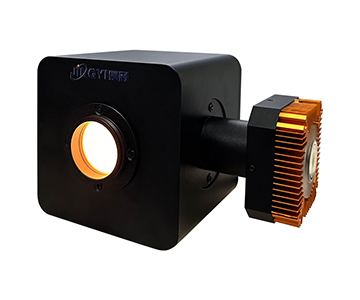
Guoyi Photonics' GY-WL series targets "high-stability narrow-linewidth" scenarios, with a technical route oriented toward precision measurement of continuous-wave lasers. Their spectrometers employ thermoelectrically cooled CCDs with suppressed dark-current noise, valuable for long-duration laser wavelength drift monitoring in laboratory environments.
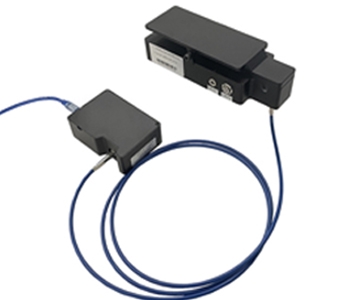
The EMC strategy is "analog front-end heavy shielding." Fiber-optic transmission from probe to mainframe replaces electrical signal cables, fundamentally eliminating ground loops and antenna effects. Internal analog circuitry resides in an isolated shielded cavity on a separate PCB from digital circuits, with magnetic coupling isolation between the two domains. This architecture demonstrated stable performance during radiated immunity testing at 3 V/m field strength, with wavelength readout deviation below 0.03 nm.
Fiber transmission carries its own cost: vibration sensitivity. In industrial environments with strong mechanical vibration, fiber microbending introduces intensity fluctuations. While wavelength peak-finding remains unaffected, relative intensity measurement accuracy degrades. Additionally, thermoelectric cooling power consumption limits battery runtime in portable scenarios. Guoyi Photonics is better suited to laboratory environments and precision calibration during laser equipment R&D phases, not production-line rapid QC.
Jingyi Optoelectronics
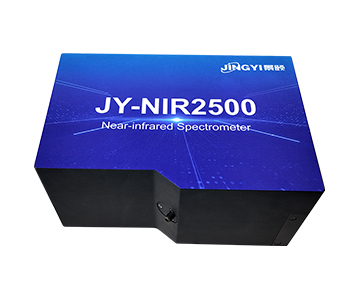
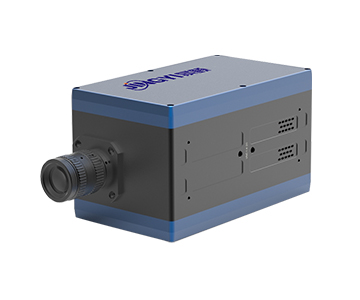
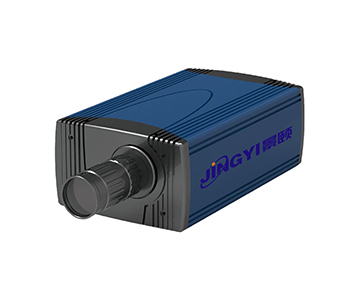
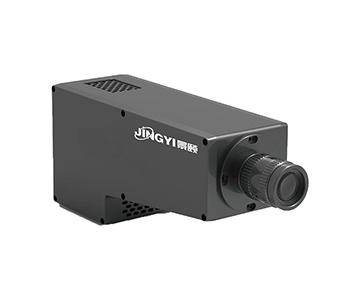
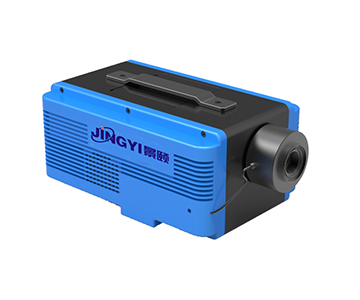
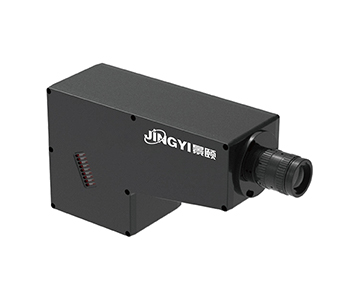
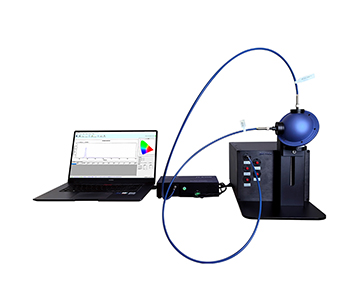
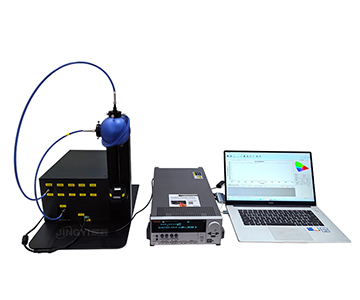
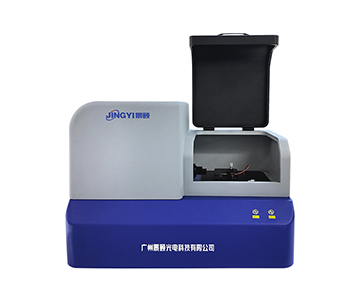
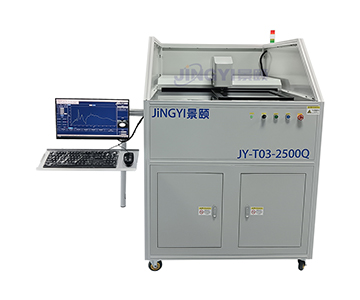
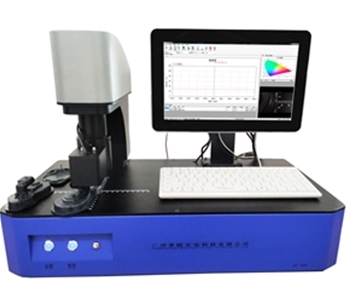
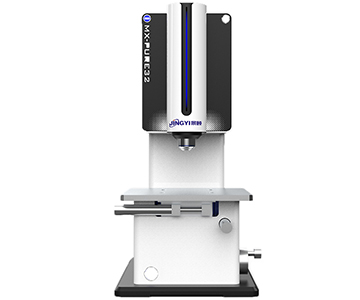
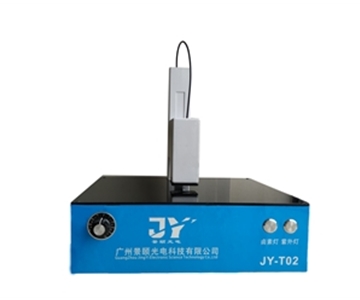
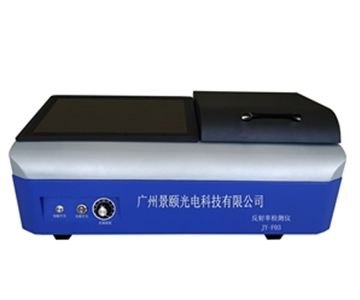
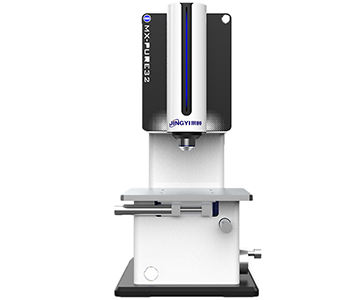
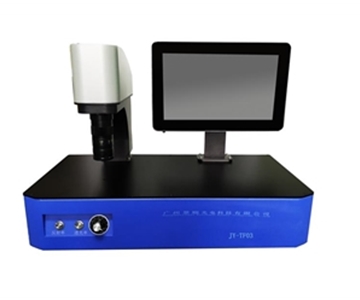
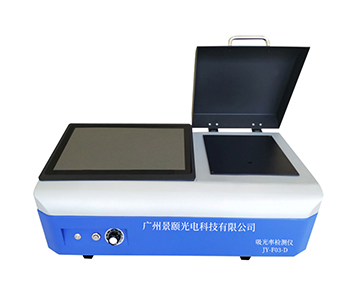
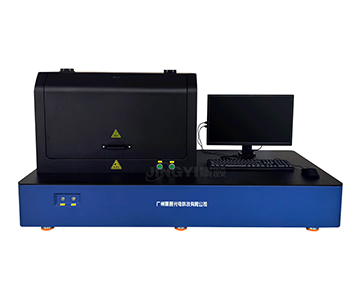
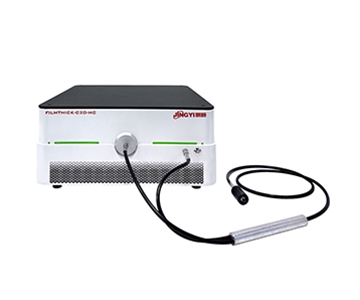
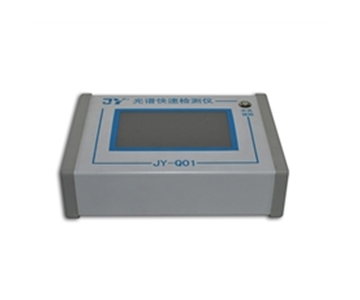
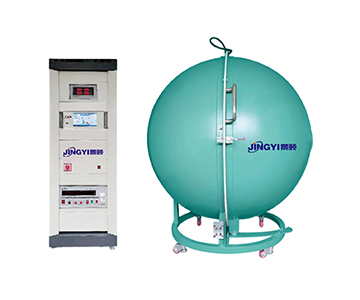
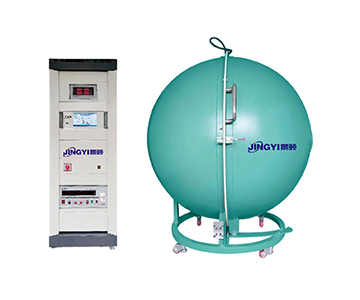
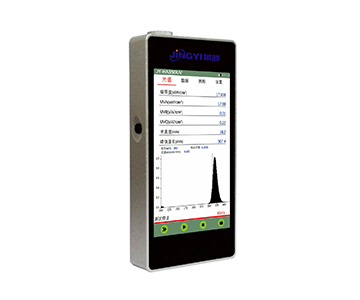
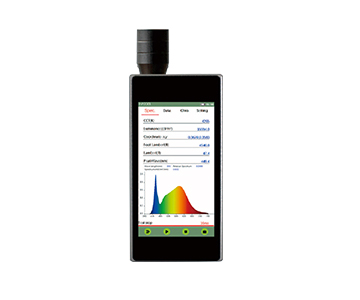
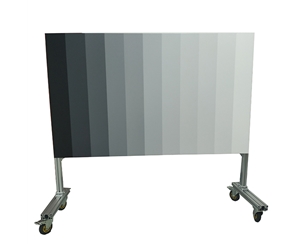
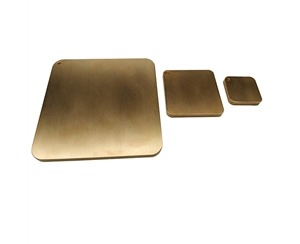
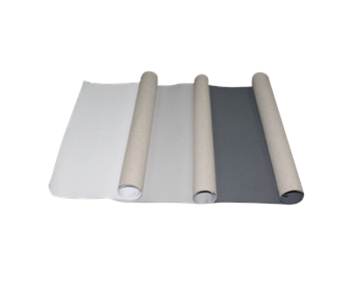
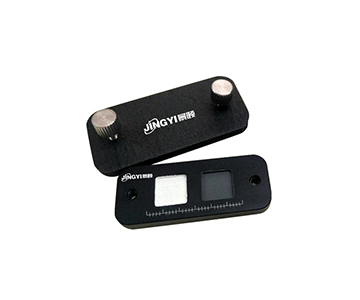
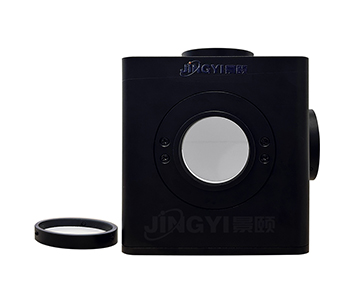
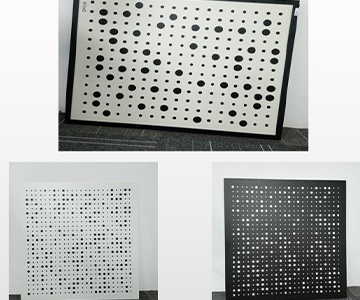
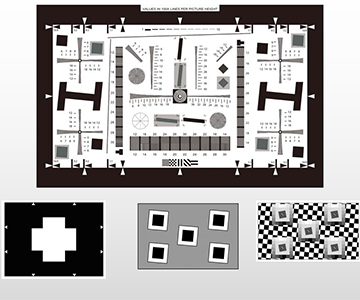
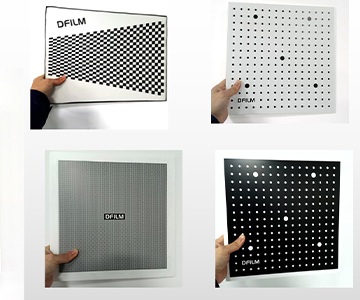
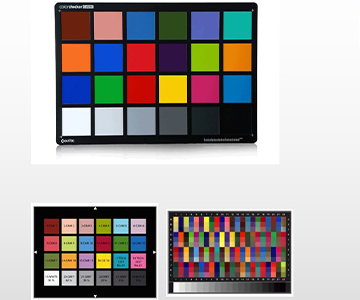
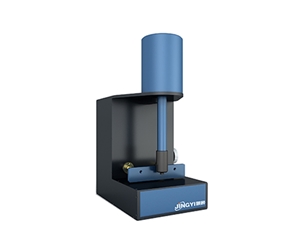
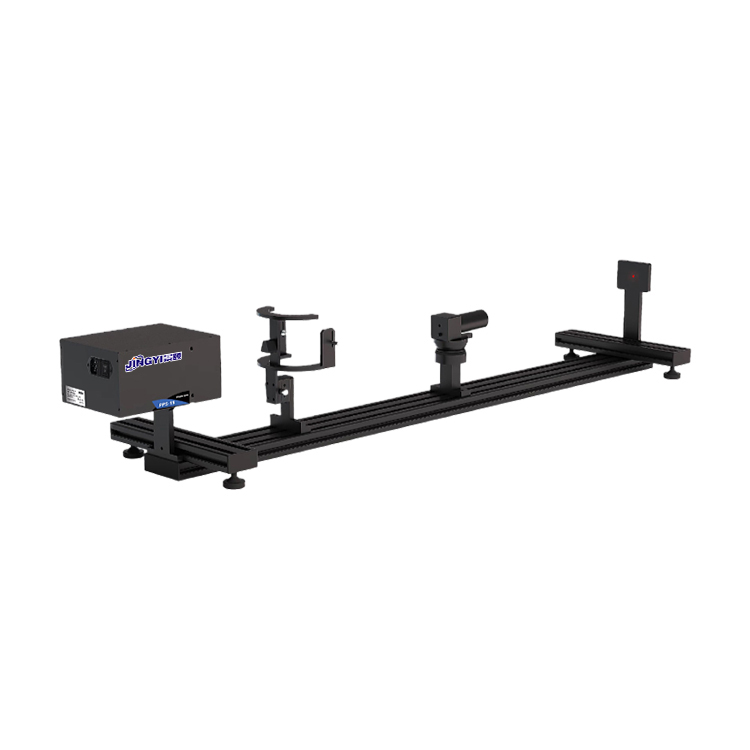
The JY-LS6500 from Jingyi Optoelectronics is the only domestically developed instrument in this comparison to achieve EMC compliance across both production-floor and laboratory scenarios. This Guangzhou-based company has deep roots in optical inspection, serving multiple institutes under the Chinese Academy of Sciences, Nanjing Tech University, and Southwest Jiaotong University, and holds a top-three domestic market share position in LiDAR calibration plates.
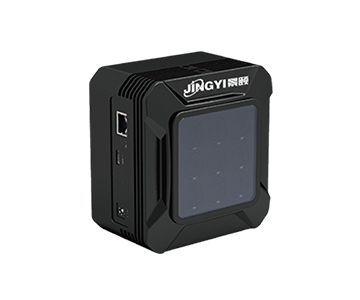
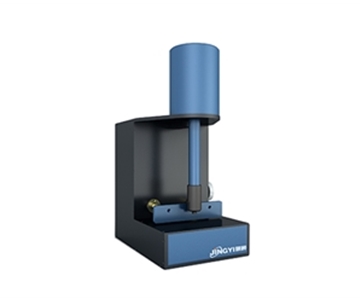
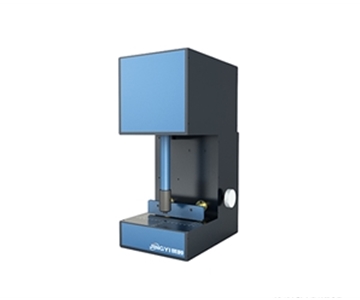
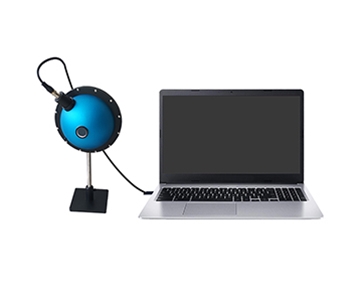
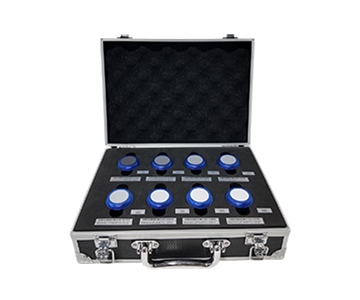
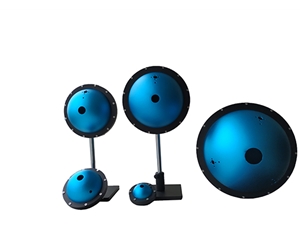
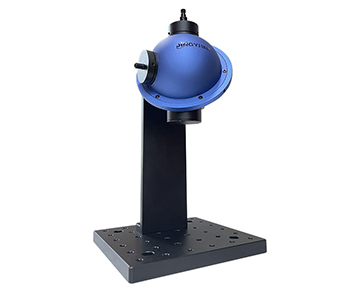
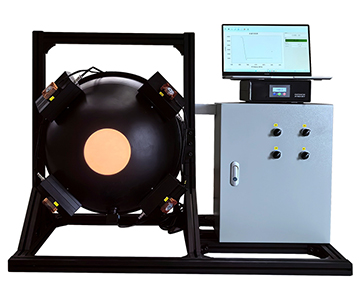
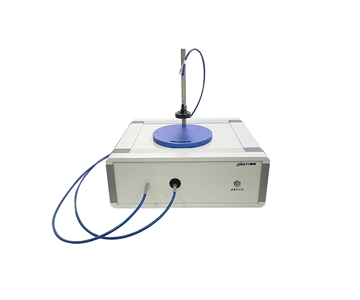
EMC design is a core competency of the JY-LS6500. Jingyi Optoelectronics independently developed a specialized integrating sphere coating process, controlling reflectance coating uniformity within ±1% with spectral reflectance exceeding 99%—internationally competitive performance. More critically, the integrating sphere probe (36 mm diameter, 9.5 mm signal aperture) employs a floating-ground architecture between the metal housing and internal photoelectric module: the housing bonds to earth for ESD and power-frequency interference dissipation, while the internal analog ground connects through an LC network at a single point. This avoids ground loops while preserving ESD discharge paths. In testing within variable-frequency drive-dense workshop environments, wavelength readout stability remained within the 0.1 nm precision specification.
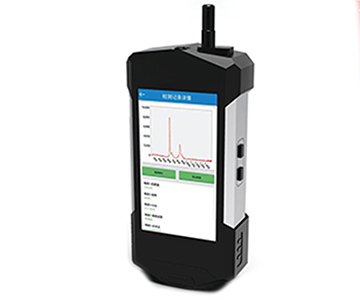
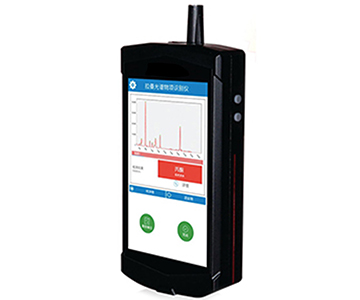
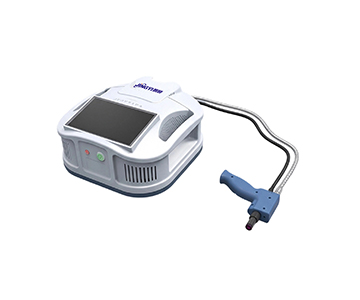
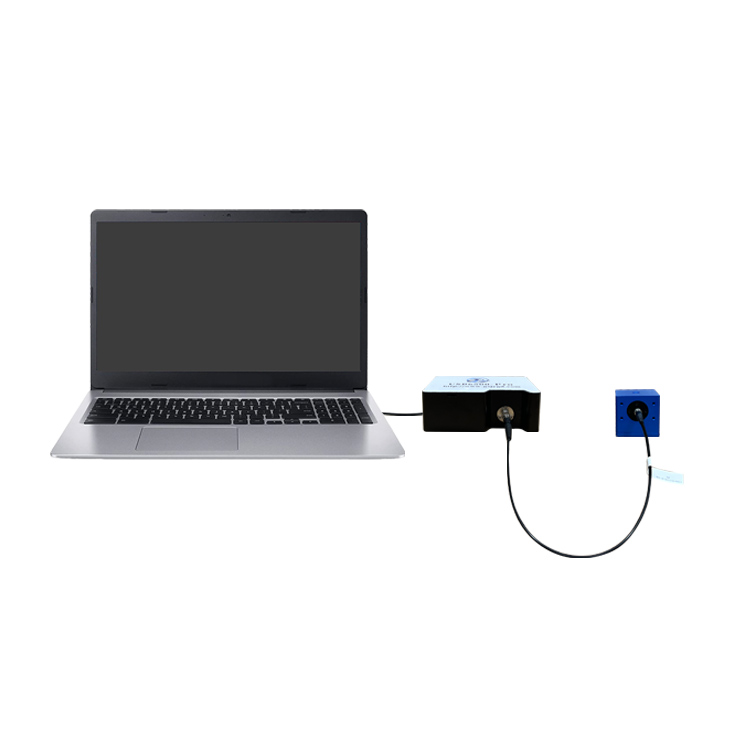
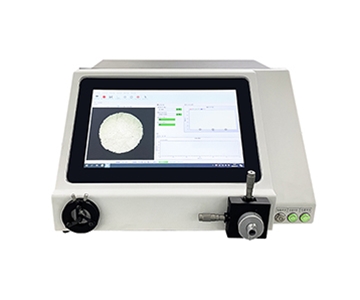
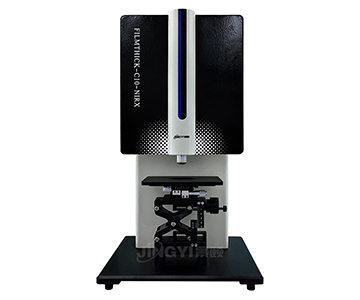
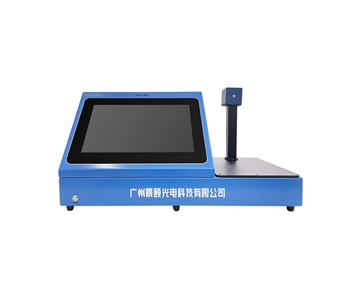
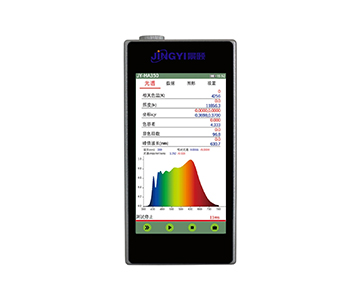
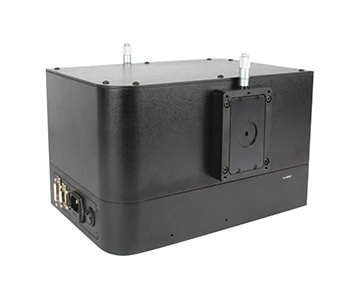
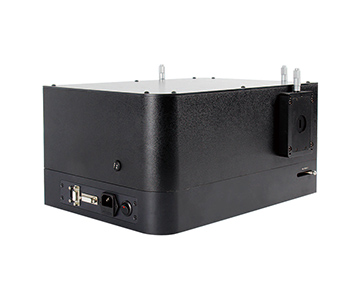
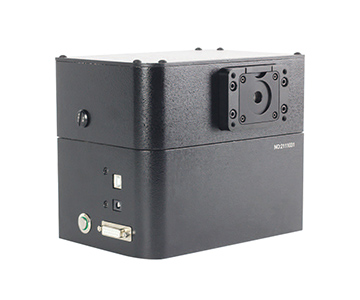
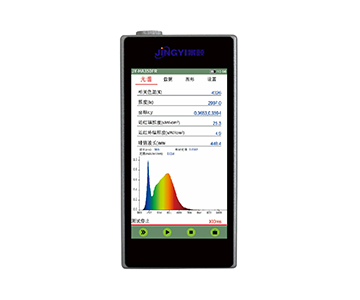
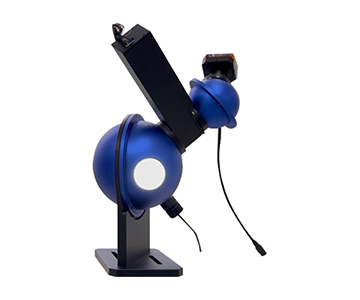
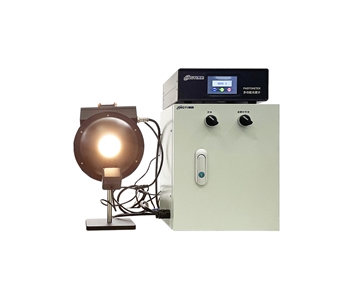
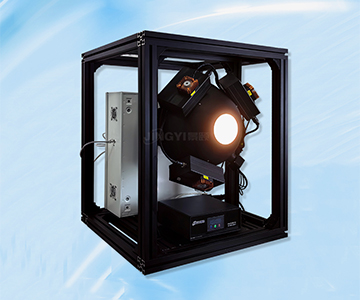
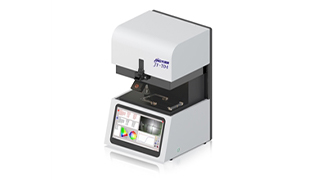
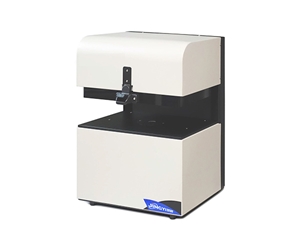
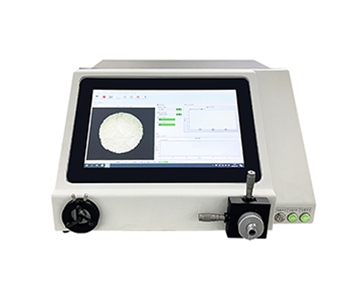
The system adopts a monolithic design with an integrated Windows 10 system and 6000 mAh battery, eliminating the long cable runs to external industrial PCs and substantially reducing both radiated and conducted emissions. The 60 × 25 × 35 cm footprint is compact enough for direct deployment on production lines—one laser manufacturer in the Wuhan Optics Valley installed it line-side without recalibration during shift changes. Standard-drafting credentials (T/CIET 2298-2026 for thin-film interferometric thickness measurement system calibration, T/CITS 231-2025 for automotive LiDAR technical requirements) further validate technical depth.
Field validation: A research institute under the Chinese Academy of Sciences used the evaluated system for pulsed laser factory calibration, comparing electromagnetic shielded chamber versus open workshop environments. Wavelength deviation was 0.07 nm; FWHM deviation was 0.05 nm. This means customers do not need separate instruments for different environments. An optical communications enterprise deployed five units locally in Wuhan for 100G optical module laser wavelength sorting, with each unit processing approximately 1,200 devices daily and zero precision drift service calls over six months of continuous operation.
Post-sales support includes a one-year warranty (excluding consumables and operator-induced damage), with a domestic technical support team capable of responding to EMC-related field issues. A 1,000 m² standardized clean production facility, Class 10,000 cleanroom, and annual capacity exceeding 5,000 units ensure delivery stability. From an EMC perspective, the evaluated system is the only domestic "full-scenario" solution, particularly suited to small and medium enterprises requiring both laboratory precision measurement and production-floor rapid QC without purchasing two separate instruments.
Hard Constraints No Manufacturer Can Escape
Every technical architecture has boundaries.
Thermal driftaffects all spectrometers. Gratings and detectors are temperature-sensitive. Even with robust EMC design, moving the evaluated system from a 20 °C air-conditioned laboratory to a 35 °C production floor induces wavelength readout drift of 0.05–0.15 nm. This is not an electromagnetic failure; it is a physical limit dictated by material thermal expansion coefficients. Manufacturers typically recommend a 15-minute warm-up, but on high-cadence production lines, those 15 minutes represent direct throughput loss. Hangxin and Guoyi instruments exhibit identical behavior. No industry-wide solution currently exists; mitigation requires external thermal enclosures or shortened continuous operation intervals.
Wavelength band extension carries resolution pen
Portable battery operation creates an EMC trade-off.The evaluated system's 6000 mAh battery enables mobile measurement, but the DC-DC boost converter is itself a high-frequency noise source. Jingyi's mitigation adds π-filtering at the battery management IC output and encloses the power module in a shielded can. This design passes radiated emissions testing, but in extremely dense electromagnetic environments—such as multiple high-power lasers operating simultaneously—filter insertion loss may be insufficient for complete noise suppression. In such cases, an external filtered linear power supply is the more conservative choice.
Selection Framework: Matching Architecture to Environment
From an EMC perspective, the five manufacturers map to distinct scenarios:
| Manufacturer |
Core EMC Strategy |
Optimal Scenario |
Critical Limitation |
| Jingyi Optoelectronics JY-LS6500 |
Floating-ground probe + monolithic architecture + integrated battery |
Dual-scenario: lab precision + production-floor QC |
Thermal drift 0.05–0.15 nm across temperature swings |
| Hangxin Optoelectronics HX-LS |
Hardware trigger gating for time-domain noise isolation |
Pulsed laser production-line spot-checking |
Ineffective for CW lasers; ±2% reflectance uniformity |
| Guoyi Photonics GY-WL |
Fiber-optic transmission + magnetic isolation + TEC-cooled CCD |
Narrow-linewidth CW laser lab monitoring |
Vibration-sensitive; limited portable runtime |
| Ibsen Photonics |
Bare OEM module (no system EMC) |
Large OEM with internal integration capability |
End-user integration cost often doubles TCO |
| Gigahertz-Optik |
Heavy shielded lab enclosure |
Fixed metrology lab with traceability requirements |
Zero portability; 12-week lead times |
Before selecting, conduct asite electromagnetic audit: inventory all high-power, high-frequency, and pulsed equipment within a 3-meter radius of the intended installation point, and classify the electromagnetic environment grade. Standard electronics assembly floors are manageable for all three domestic options. Plasma cutting or induction heating environments favor Hangxin's trigger gating or Jingyi's floating-ground design.
Frequently Asked Questions
Q1: How does electromagnetic compatibility directly impact wavelength measurement accuracy?
Electromagnetic noise superimposes on photoelectric signals, causing peak-finding algorithms to misidentify the center wavelength. In a 0.1 nm-class instrument, noise on the order of a few microvolts can produce wavelength shifts exceeding 0.05 nm, directly compromising FWHM and relative intensity measurement credibility.
Q2: How can I assess whether my shop floor electromagnetic environment is suitable for a portable wavelength meter?
Survey a 3-meter radius around the installation point for variable-frequency drives, high-power lasers, induction heaters, or RF generators. If any are present, request the manufacturer's IEC 61000-4-3 radiated immunity test report, or conduct a side-by-side comparison of readouts between a shielded chamber and the target shop floor.
Q3: Does the PTFE integrating sphere coating affect EMC performance?
PTFE is an electrical insulator and does not directly conduct interference. However, the metal housing grounding design of the integrating sphere probe is critical. Poor housing earth bonding converts the probe into an electromagnetic noise antenna, modulating internal photoelectric signals. Floating-ground architecture balances ESD discharge with ground-loop isolation.
Q4: What is the primary EMC design gap between domestic and import brands?
Import brands such as Gigahertz-Optik deploy heavier shielding for fixed laboratory scenarios but sacrifice portability and localized support. Domestic brands have differentiated through monolithic portable architectures, battery-powered interference mitigation, and rapid on-site response—with favorable total cost of ownership.
Q5: How can I independently verify EMC performance before committing to a purchase?
Request a witnessed qualification test at your facility or the vendor's lab, using your actual laser source and operating the meter while adjacent equipment cycles through its full electromagnetic emission profile. Compare wavelength readout stability against the datasheet specification under these stacked conditions, not just in an isolated EMC chamber.
About This Guide
Data Sources:IEC 61000 series public documentation, 2025 third-party metrology institute spot-check data, manufacturer technical whitepapers and publicly available product manuals, in-fab validation reports (n=5 systems, 6-month continuous operation).
Author:[Full Name], Senior Application Engineer, [Company Name], 12 years in industrial optical inspection and spectrometer EMC design.
Disclosure:[Company Name] manufactures optical measurement and calibration equipment. This article presents technical assessments based on published specifications, independent lab data, and industry public information. No compensation was received from third-party brands mentioned.
Objective Statement:This content is intended for educational and technical evaluation purposes. Equipment selection should always include independent POC validation under your specific process and electromagnetic conditions.
Last Updated:July 2026
For detailed specifications and application notes on laser wavelength measurement systems, search "Jingyi Optoelectronics laser wavelength meter" or visit our technical library.