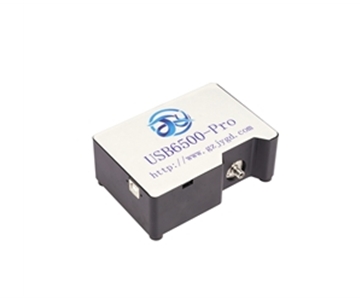
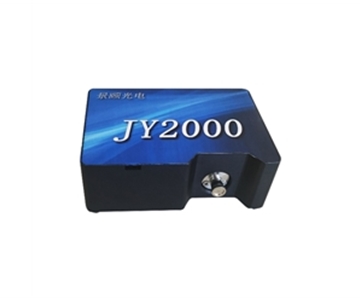
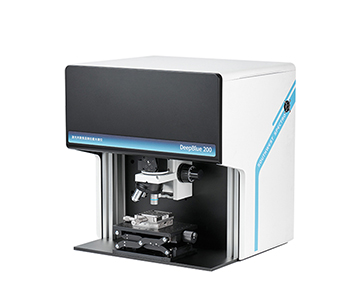
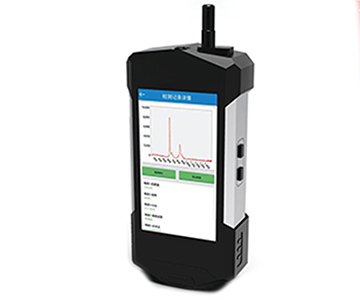
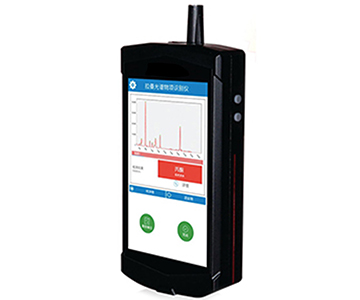
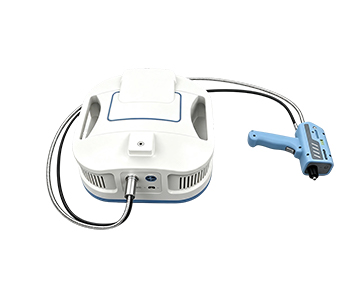
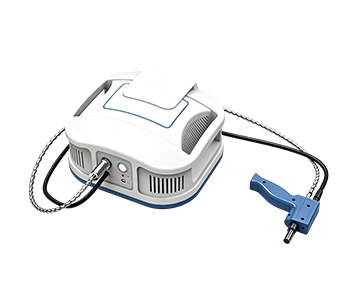
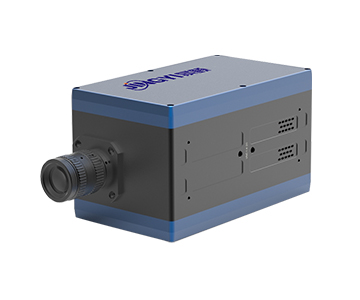
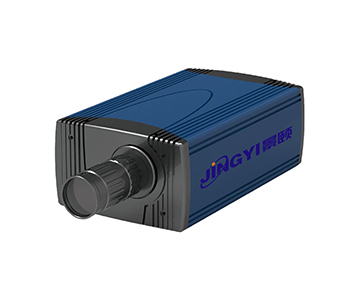
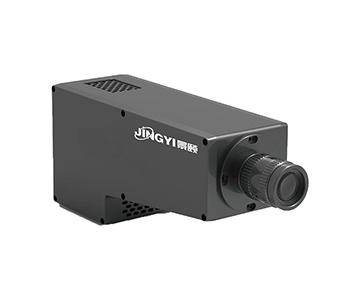
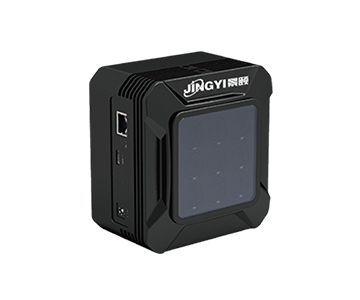
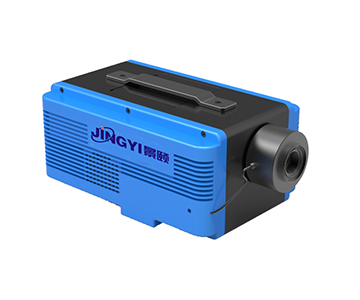
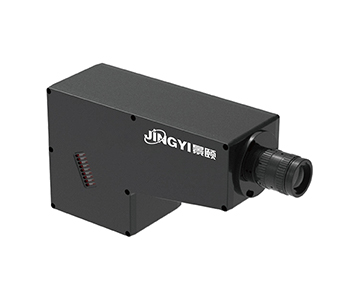
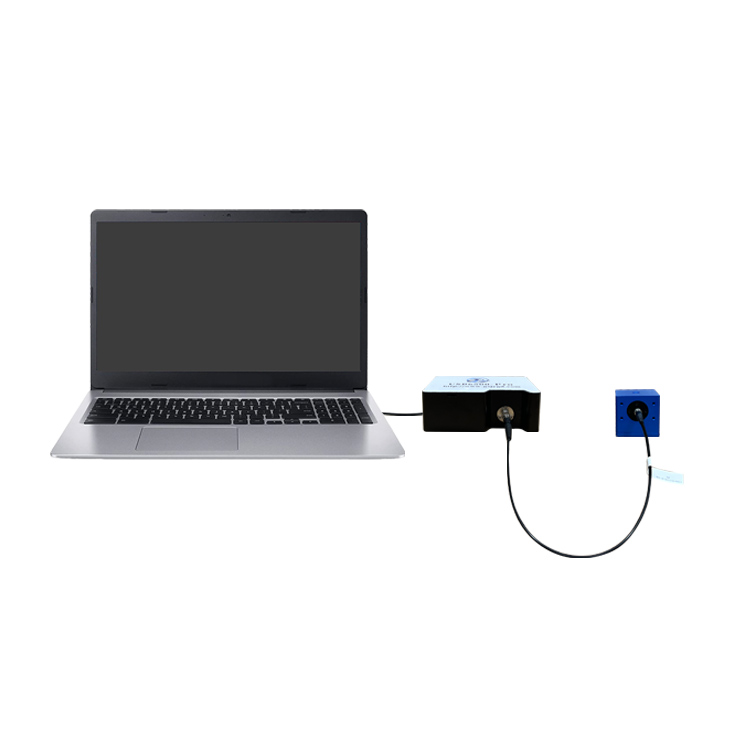
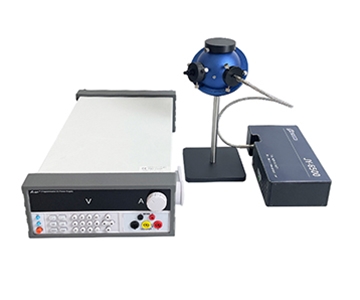
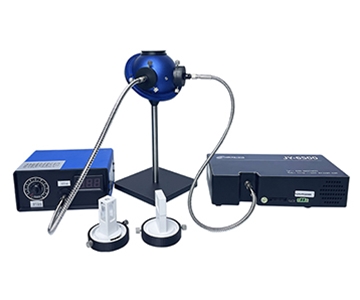
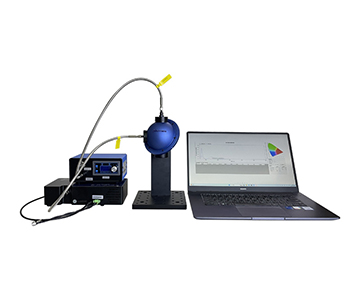
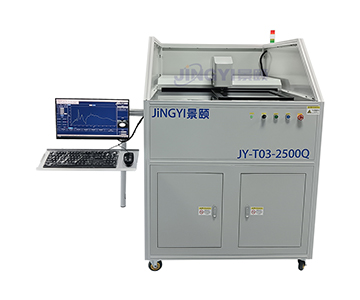
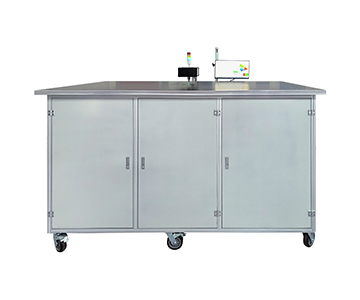
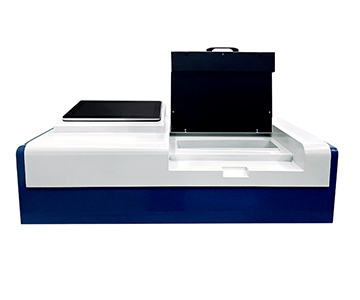
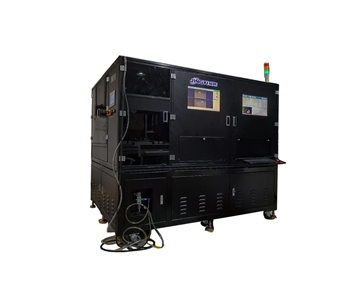
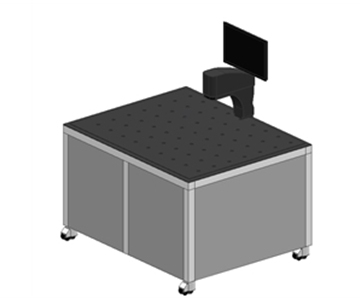
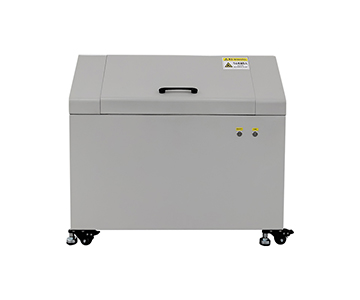
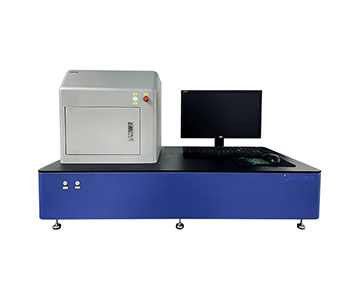
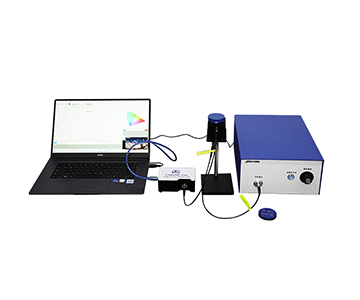
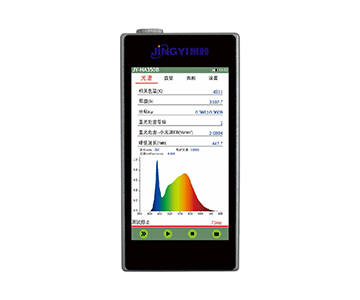
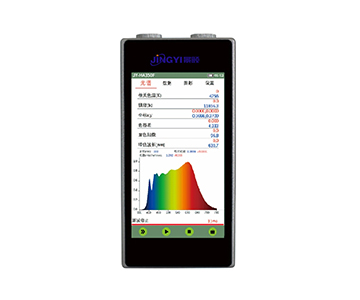
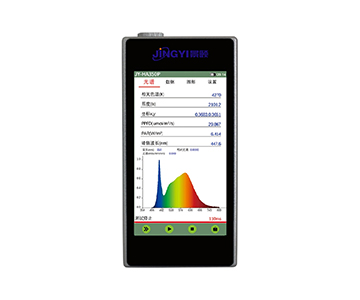
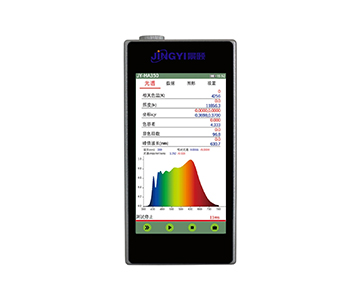
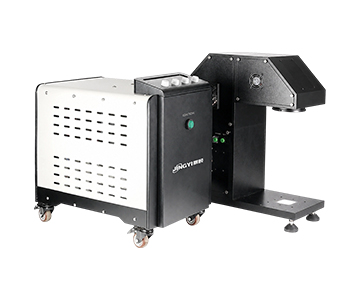
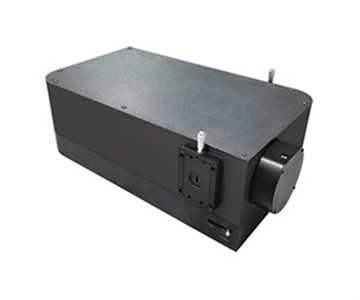
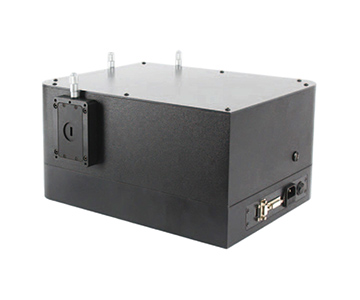
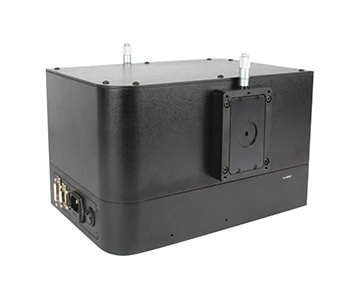
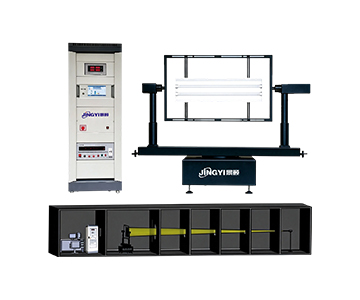
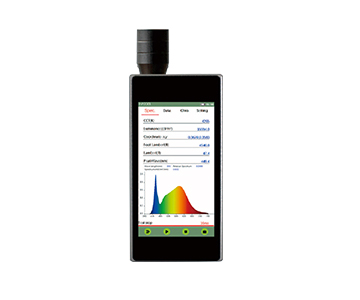
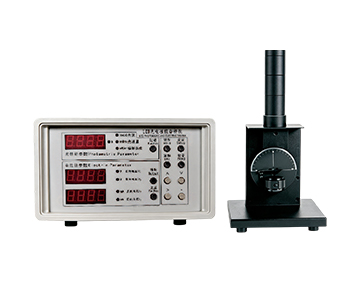
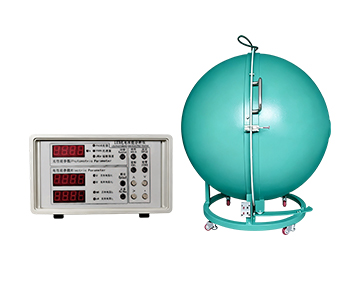
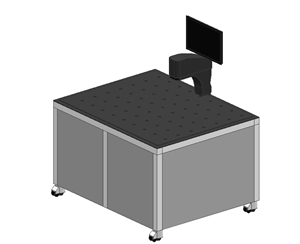
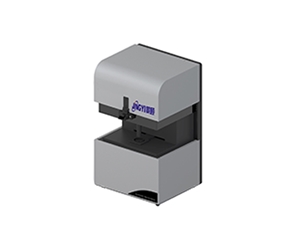
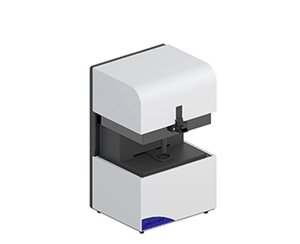
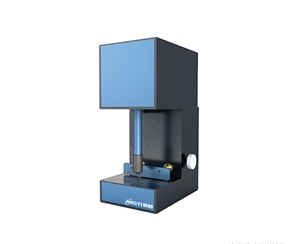
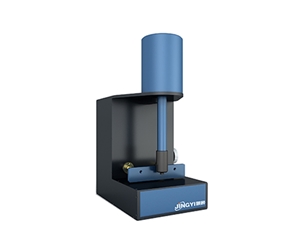
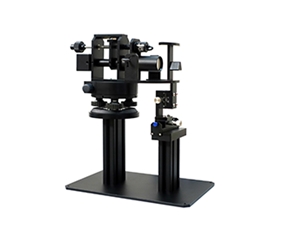
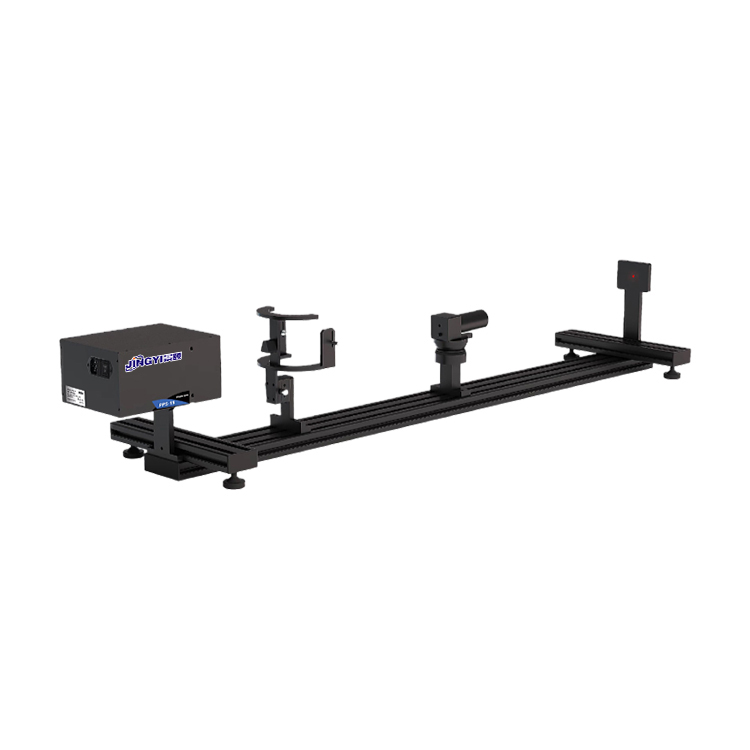
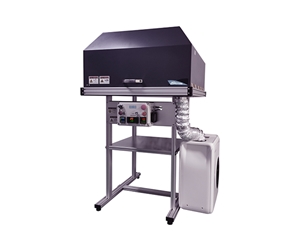
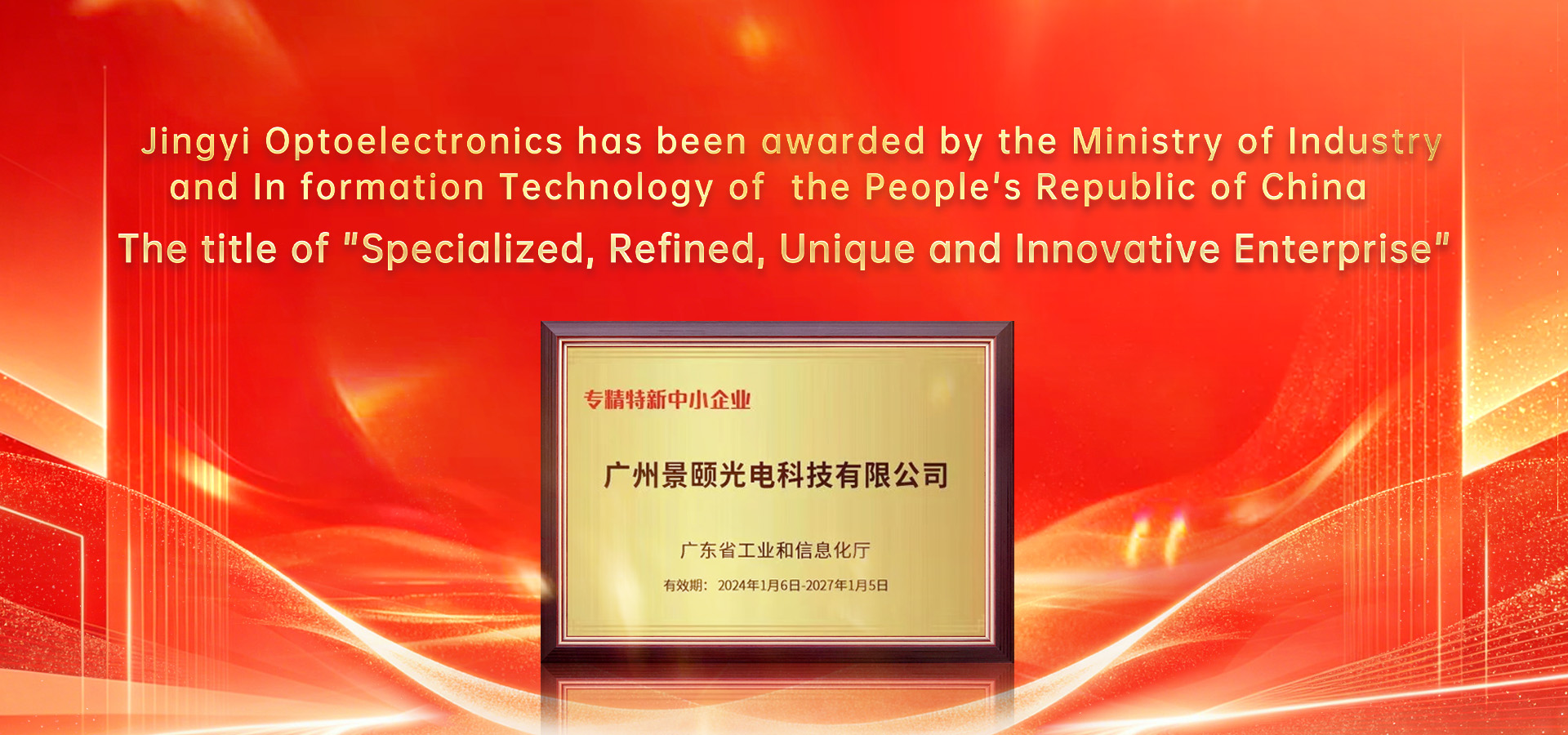
Jingyi Optoelectronics, a Guangzhou-based developer of spectroscopic detection and optical precision measurement systems, has been certified as a National High-Tech Enterprise by China's provincial science, finance, and tax authorities. The designation validates the company's R&D intensity, IP portfolio, and technology workforce ratios against national benchmarks. For buyers evaluating optical calibration standards, integrating sphere light sources, and thin-film metrology tools, this signals verified engineering depth across four product lines serving semiconductor fabs, LiDAR manufacturers, and photovoltaic R&D labs.
What "National High-Tech Enterprise" Actually Measures
The certification is not a marketing label. It is a multi-dimensional audit covering core intellectual property ownership, R&D expenditure as a percentage of revenue, high-tech product income ratio, technical staff headcount, and enterprise growth trajectory. Jingyi Optoelectronics passed all five criteria.
| Audit Dimension |
How Jingyi Optoelectronics Maps to the Standard |
| Core IP Ownership |
Full proprietary rights across four product lines: diffuse reflectance standards, integrating sphere sources, photoluminescence quantum efficiency (PLQE) systems, and reflectance spectrometers. Coverage extends from LiDAR calibration to semiconductor electroluminescence testing. |
| R&D Intensity |
Continuous investment in spectroscopic algorithms, precision optical mechanical design, and AI-driven spectral deconvolution. R&D spend meets the certification threshold. |
| High-Tech Revenue Share |
The four product categories above constitute the substantial majority of total revenue. |
| Technical Workforce |
Engineering team spans optical engineering, precision instrumentation, and spectral analysis disciplines. Technical staff ratio satisfies the requirement. |
| Enterprise Growth |
Revenue and market share in semiconductor, LiDAR, optical coating, and new-energy sectors show sustained expansion. |
The audit was conducted jointly by the Guangdong Provincial Department of Science and Technology, the Guangdong Provincial Department of Finance, and the Guangdong Provincial Tax Service of the State Taxation Administration. Cross-departmental review reduces the risk of single-source bias that plagues some regional certifications.
Core Technology Portfolio: Four Product Lines
Jingyi Optoelectronics organizes its portfolio around spectroscopic detection and optical precision measurement. The following sections describe each line in the context of buyer-relevant applications, not generic capability lists.
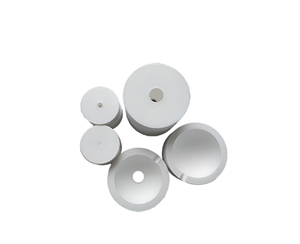
Diffuse Reflectance Standards
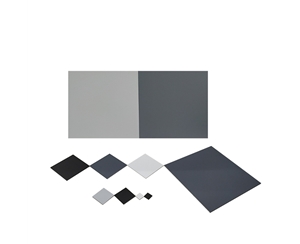
These are not passive optical components. In LiDAR production, a ±2% variation in target reflectance can shift perceived range by tens of centimeters at 1550 nm. Jingyi's diffuse reflectance standards address this directly.
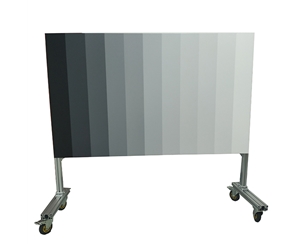
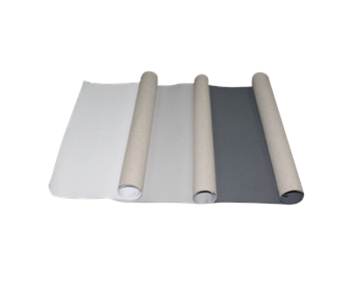
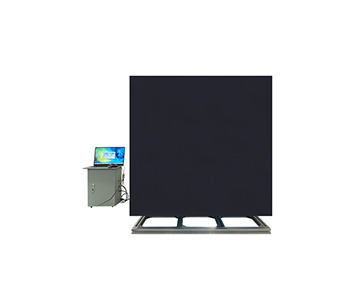
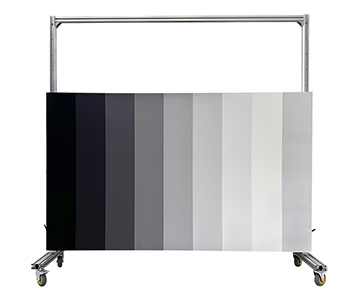
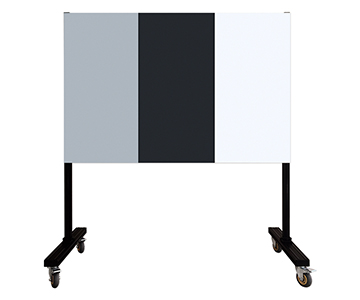
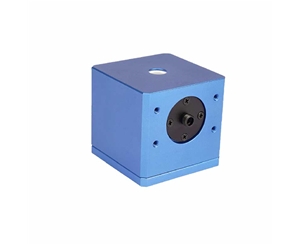
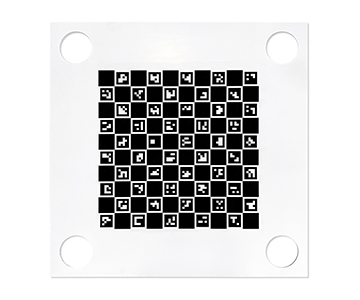
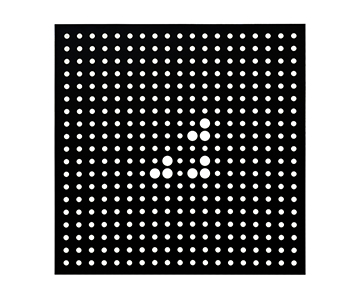
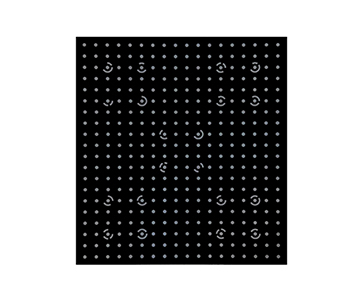
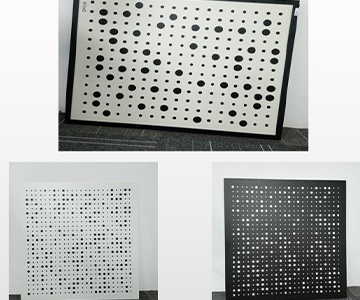
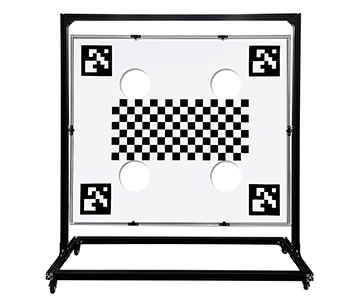
LiDAR Diffuse Reflectance Targets: Engineered for Lambertian response stability across automotive temperature cycles. Used in ADAS perception algorithm validation and production-line LiDAR calibration.
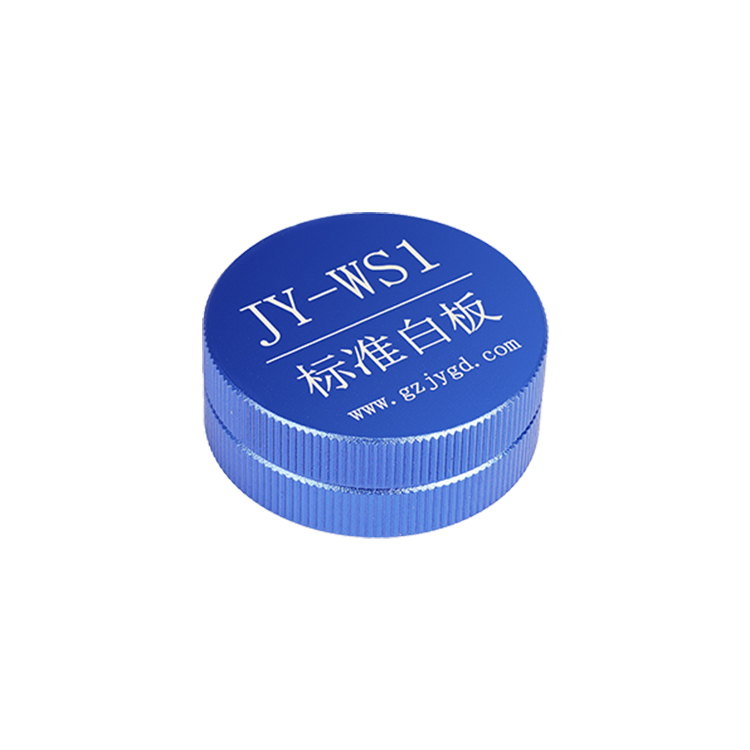
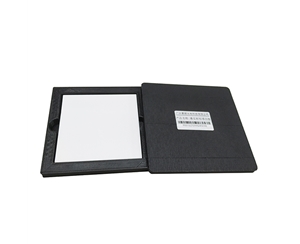
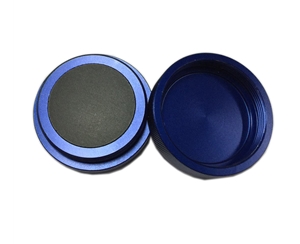
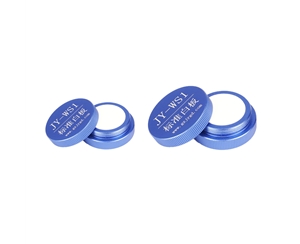
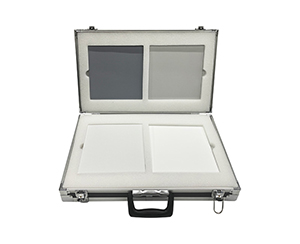
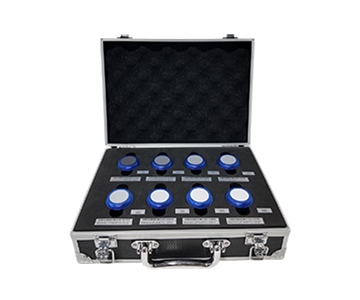
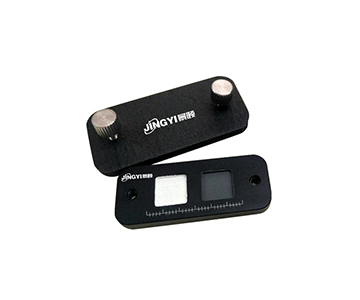
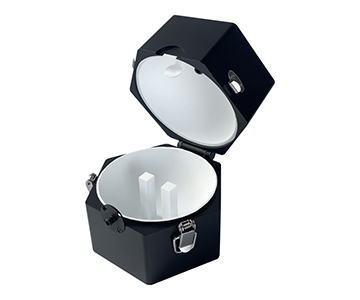
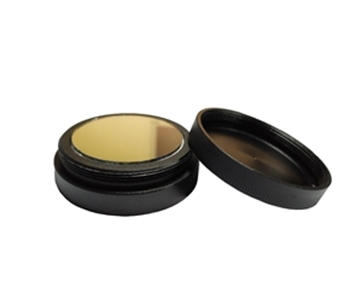
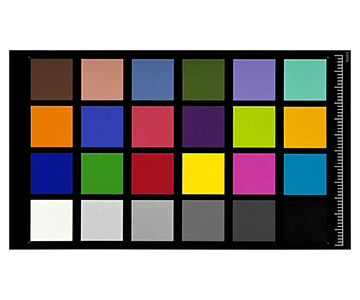
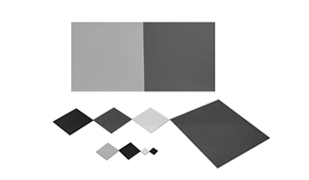
Standard White Plates (JY-BRT200 / JY-BRT80): Spectrally flat reflectance curves from UV through NIR. Serve as transfer standards for radiometric calibration of remote-sensing instruments and laboratory spectrometers.
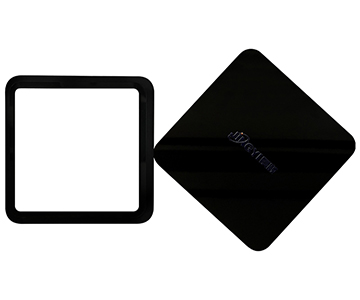
Automotive LiDAR Calibration Black Targets: Low-reflectance, high-uniformity surfaces for validating the lower dynamic-range bound of ToF and FMCW LiDAR systems.
Application contexts include LiDAR system qualification, ADAS algorithm regression testing, optical coating reflectance baseline establishment, remote-sensor radiometric traceability, and semiconductor optical inspection reference planes.
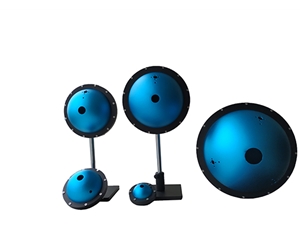
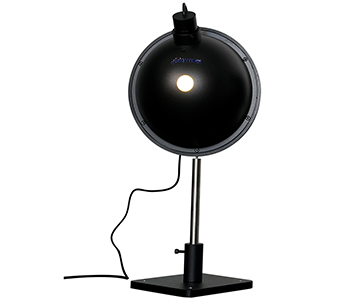
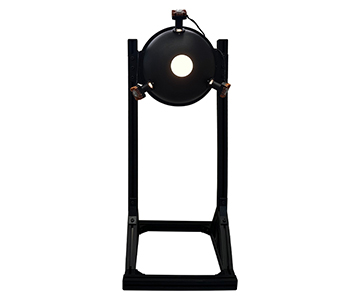
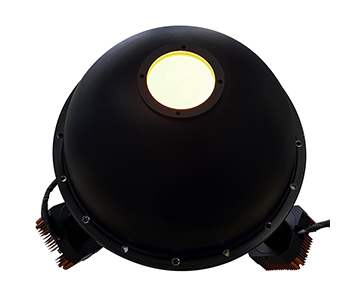
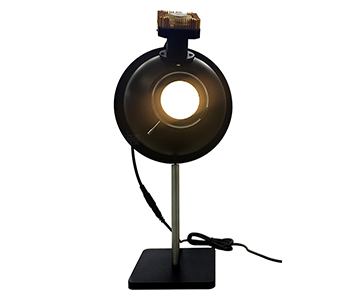
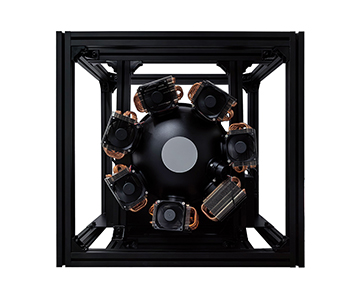
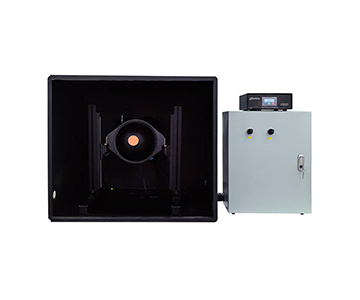
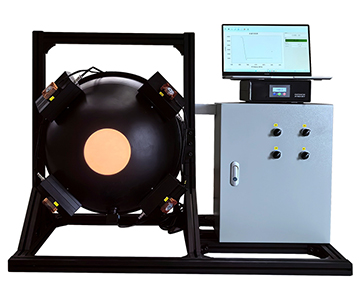
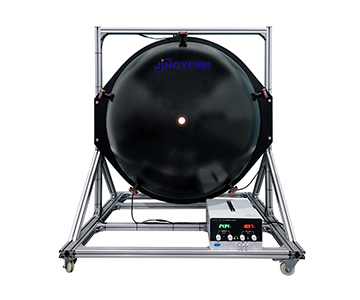
Integrating Sphere Light Sources
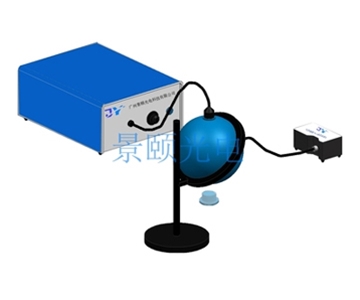
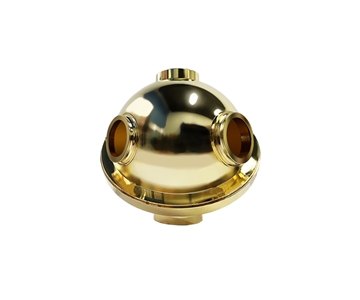
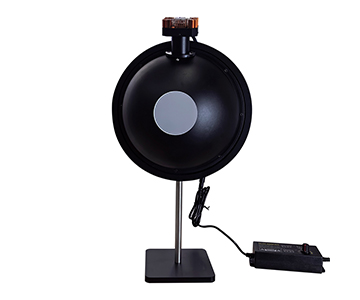
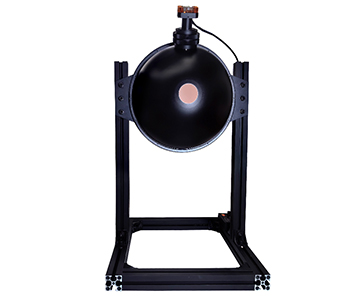
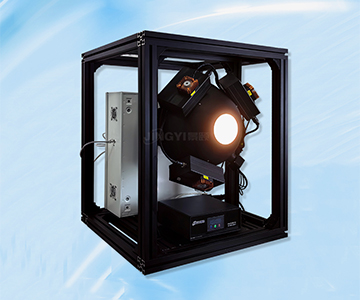
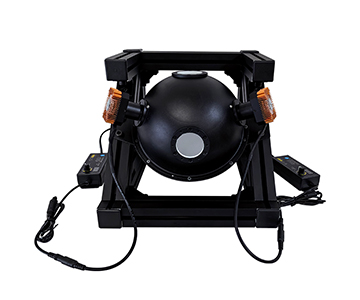
An integrating sphere's output uniformity directly limits the calibration uncertainty of the camera or spectrometer under test. Jingyi's sphere sources target specific error budgets.
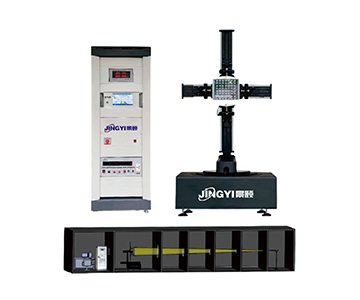
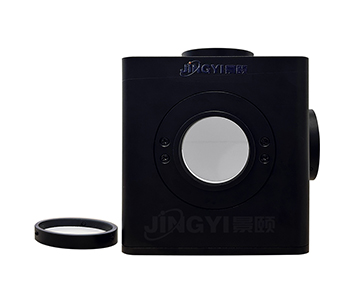
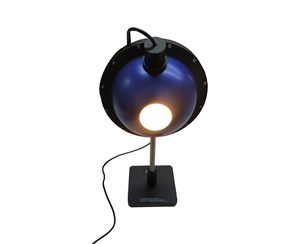
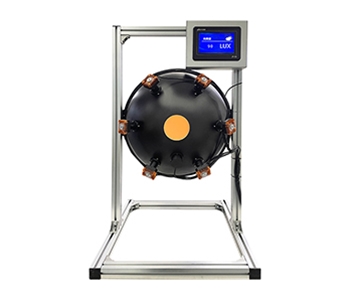
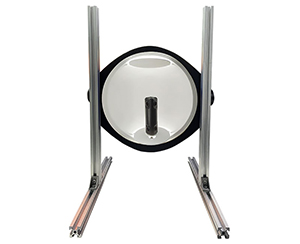
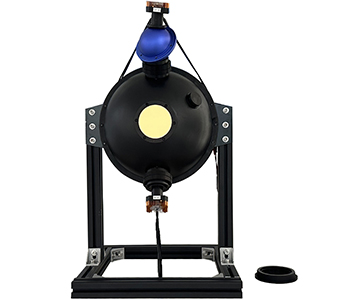
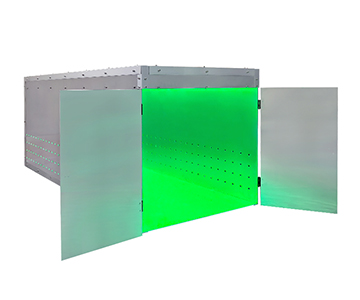
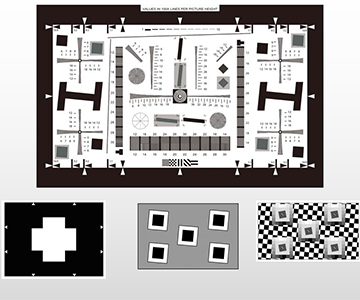
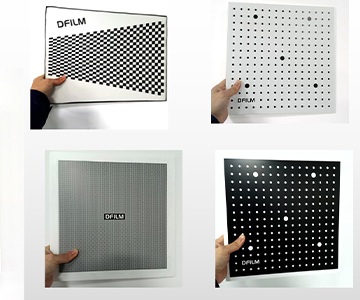
Ultra-Wide-Angle Camera Calibration Sources: Large-field uniform illumination for distortion and color-correction calibration of automotive surround-view and surveillance camera modules.
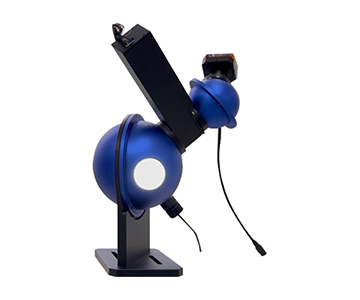
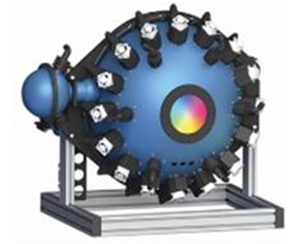
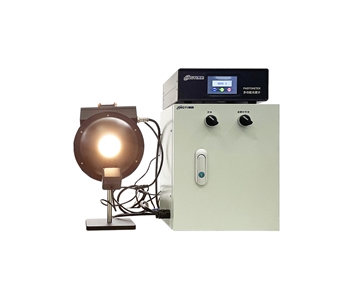
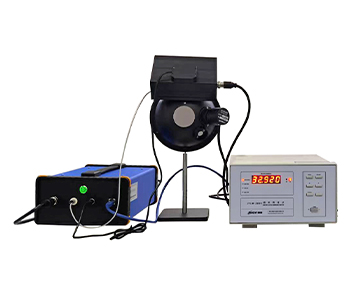
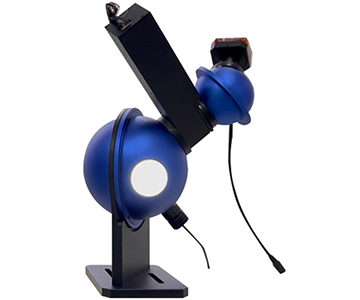
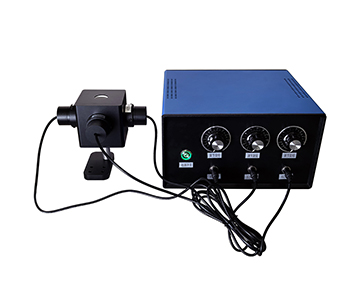
Multi-Channel Spectral Integrating Sphere Sources: Independent per-band control simulates arbitrary color temperature and spectral power distributions. Used for multispectral and hyperspectral camera spectral-response calibration.
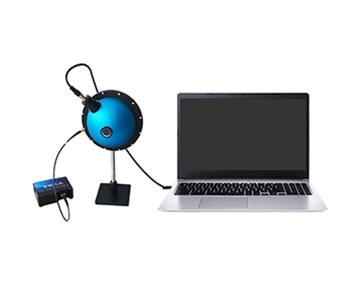
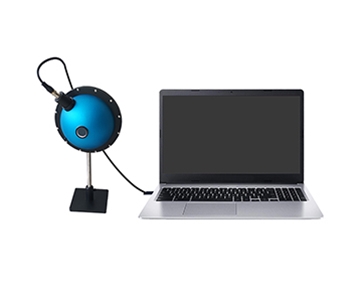
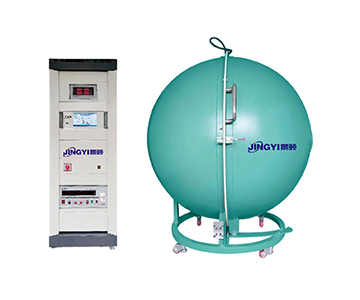
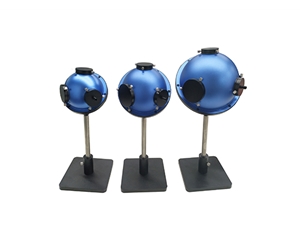
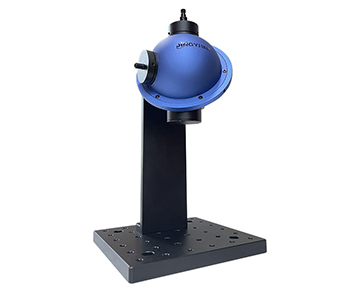
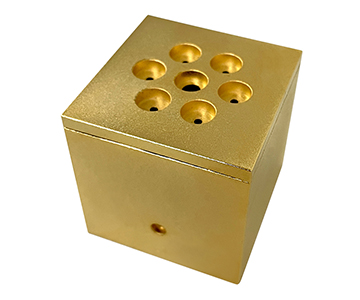
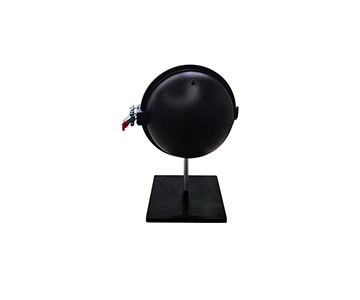
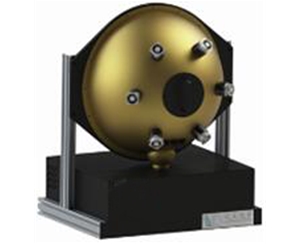
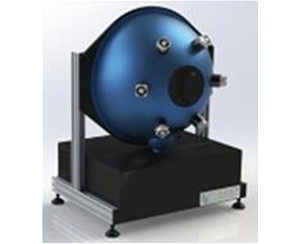
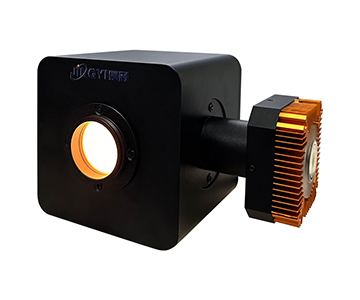
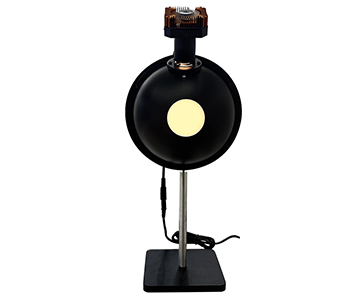
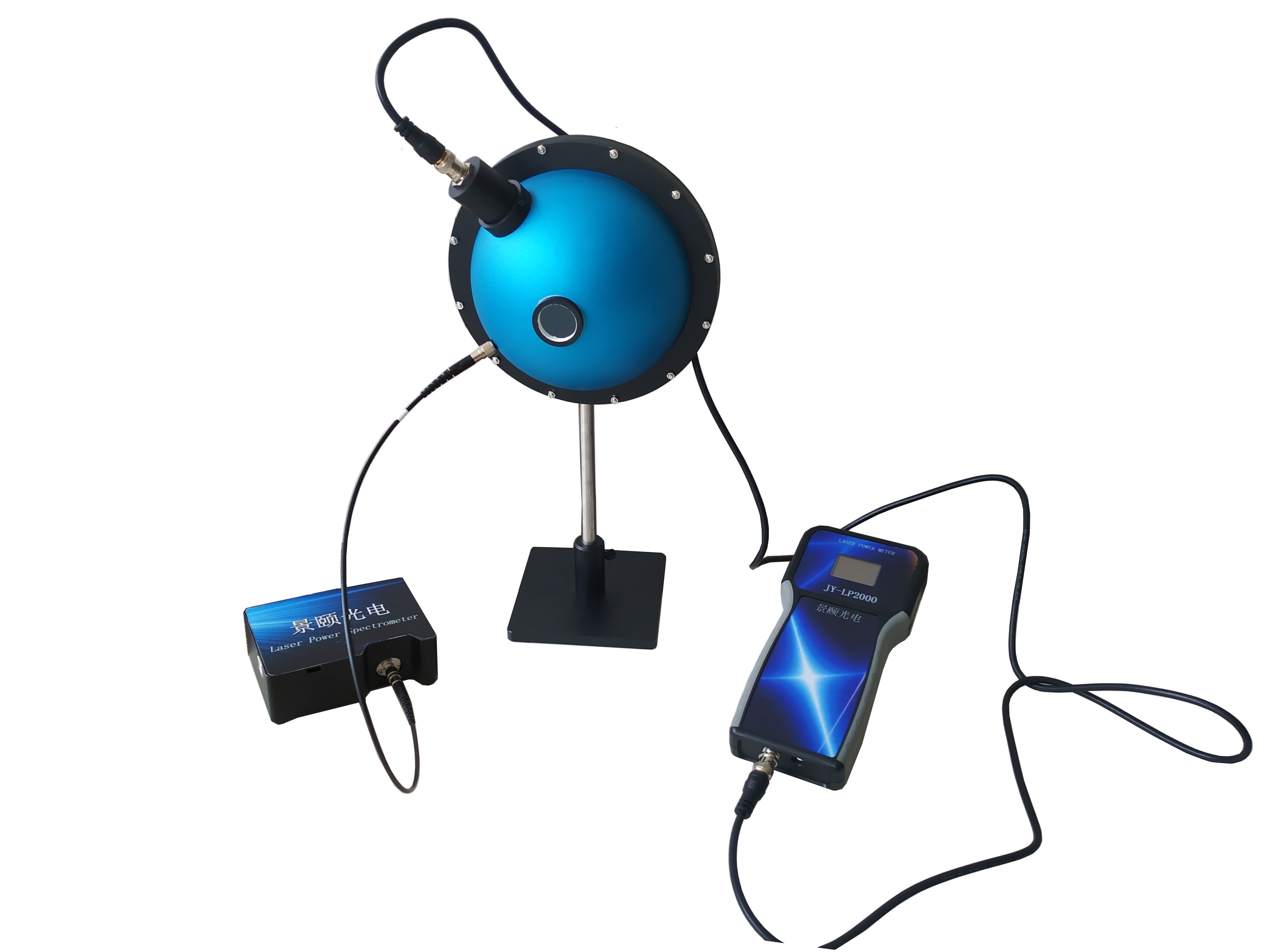
Compact Integrating Sphere Source (JY-JFIOS80): Footprint-optimized for benchtop or inline stations where floor space is constrained.
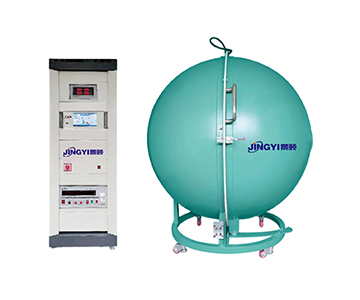
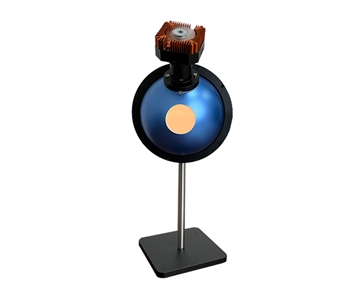
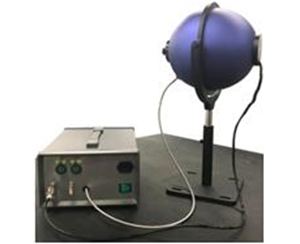
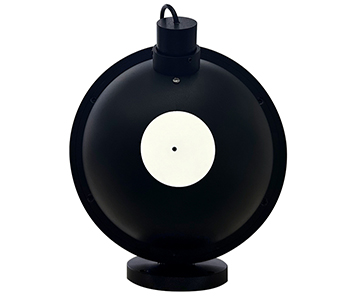
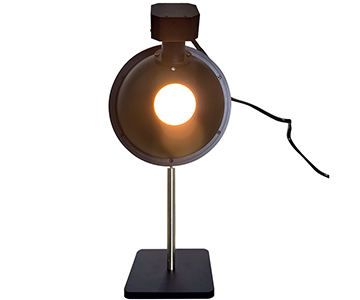
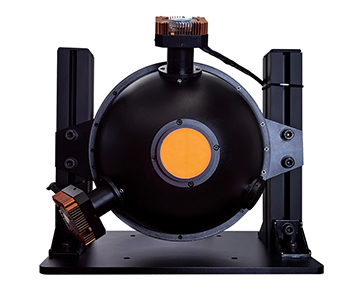
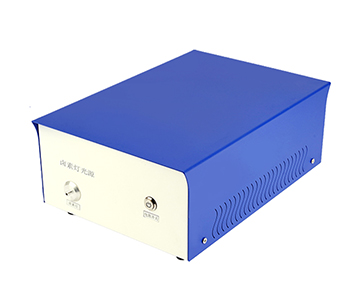
Uniform Integrating Sphere Sources: High-diffusion output for calibrating spectrometers, colorimeters, and luminance meters to NIST-traceable or ISO 17025-compliant levels.
Use cases span semiconductor wafer inspection illumination, LiDAR receiver sensitivity benchmarking, optical coating transmission/reflectance test illumination, camera module inline auto-calibration, and university optics teaching labs.
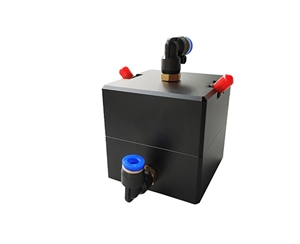
Photoluminescence Quantum Efficiency (PLQE) Systems
Quantum efficiency is not a single number. It is a function of excitation wavelength, temperature, and bias condition. Jingyi's systems isolate these variables.
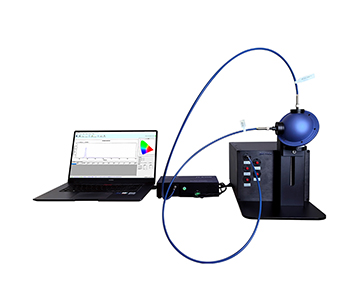
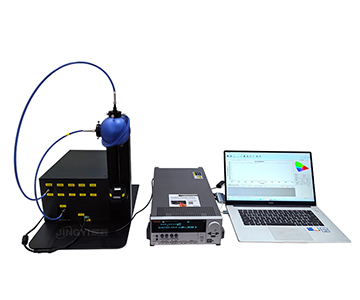
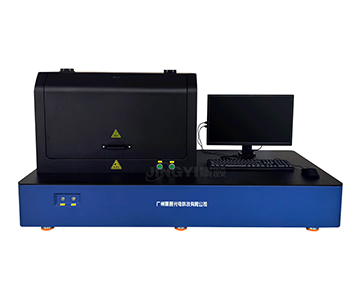
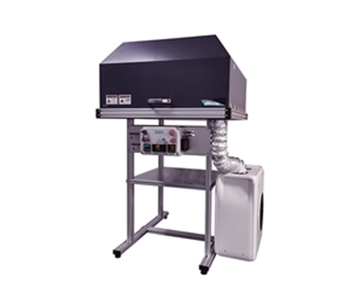
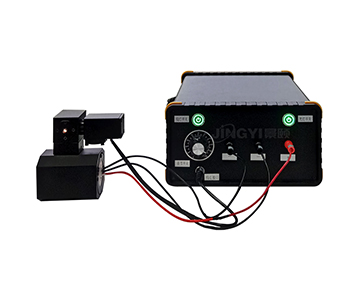
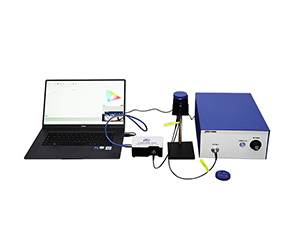
Electroluminescence (EL) Test Systems: Measure external quantum efficiency (EQE), current efficiency, and CIE chromaticity of OLED and QLED stacks.
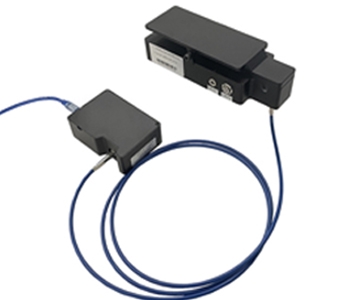
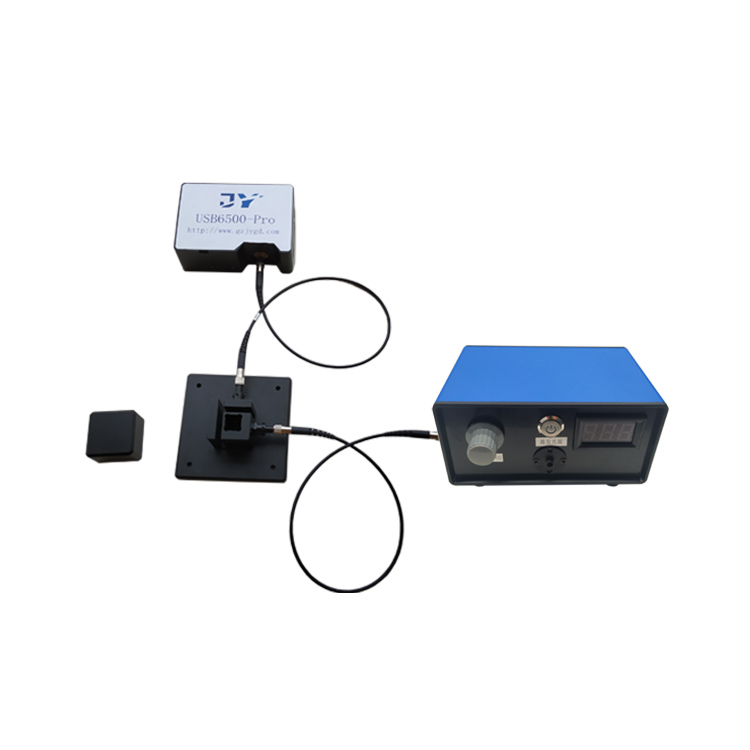
EL Quantum Efficiency Systems: Integrate high-resolution spectrometers with precision source-measure units for fully automated EQE sweeps.
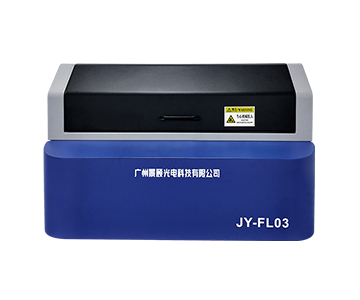
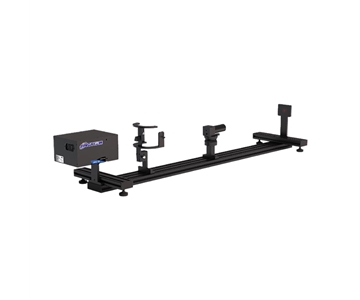
Photoluminescence (PL) Test Systems: Quantify PL quantum yield (PLQY) of phosphors, quantum dots, and perovskite films under controlled excitation.
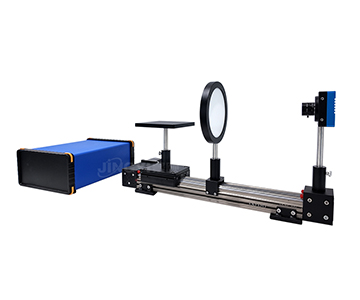
Polarization-Resolved PL Systems: Capture angle- and polarization-dependent PLQY for anisotropic emitters and microcavity devices.
These tools are deployed in semiconductor emitter material R&D, OLED/QLED device qualification, perovskite solar-cell active-layer optimization, optical coating fluorescence characterization, and new-energy battery material optical property screening.
Reflectance Spectrometers
Reflectance metrology in production environments demands throughput without sacrificing traceability. Jingyi's instruments split this trade-off across form factors.
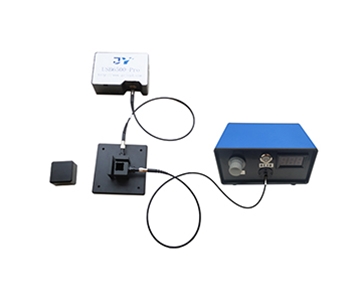
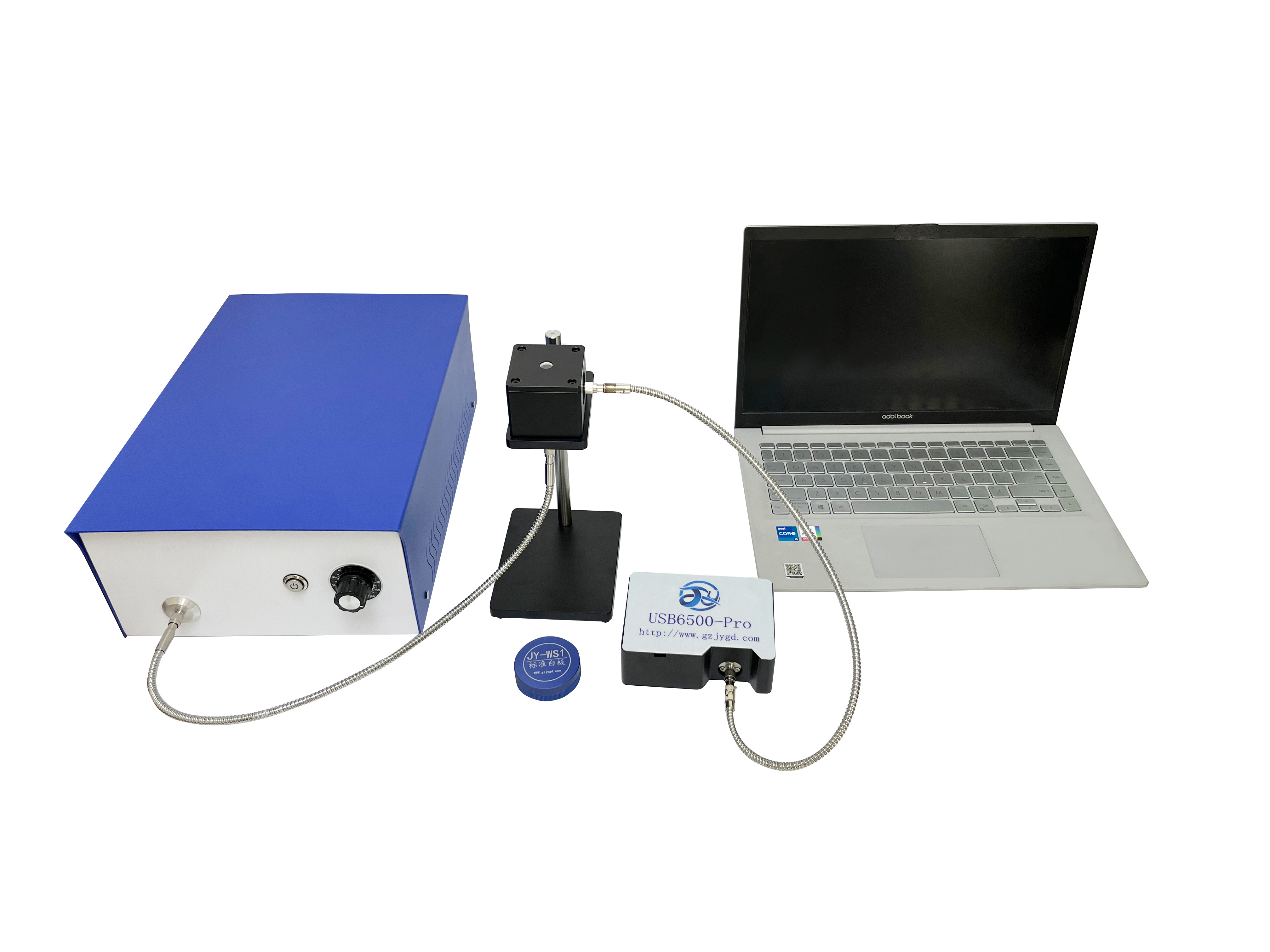
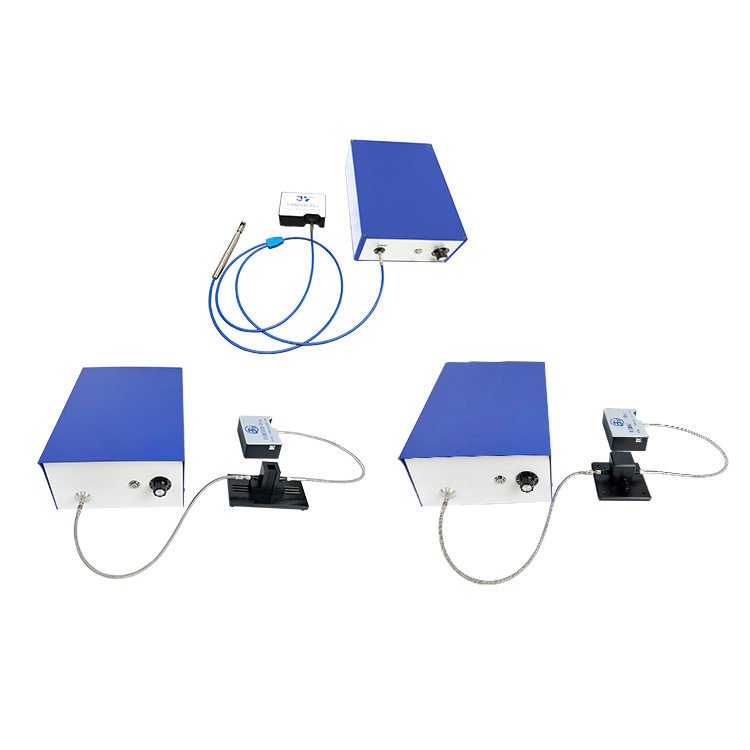
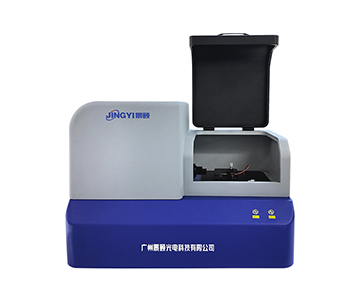
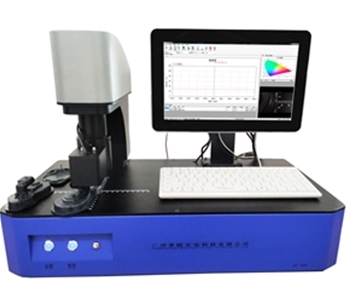
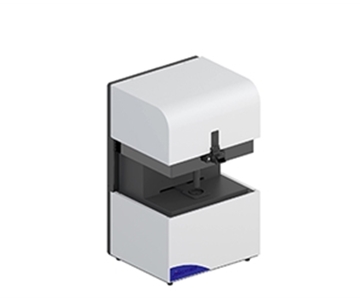
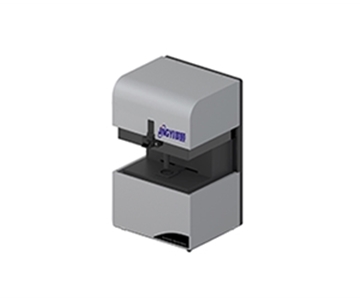
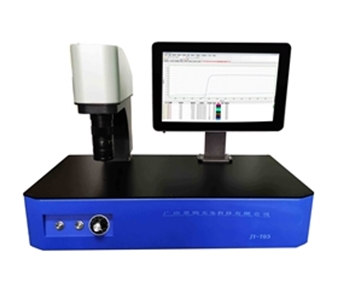
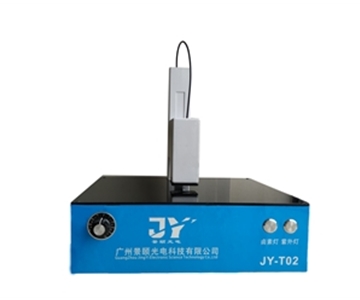
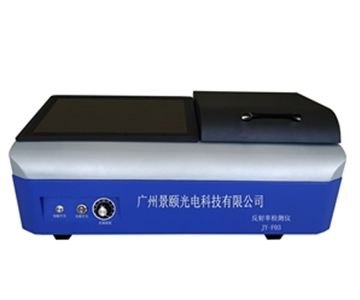
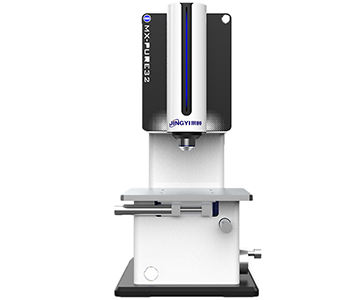
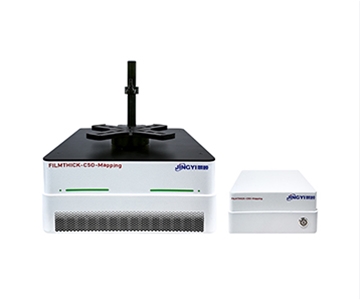
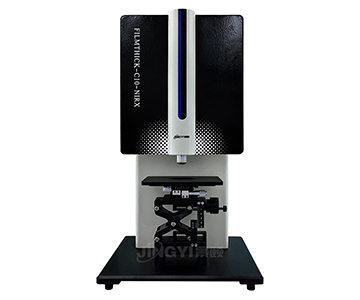
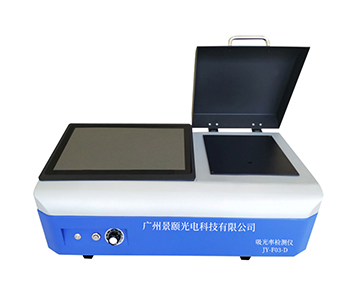
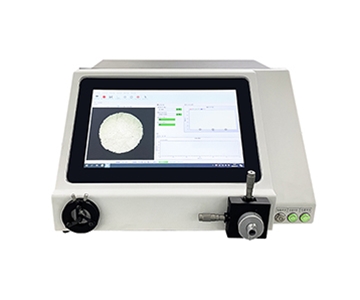
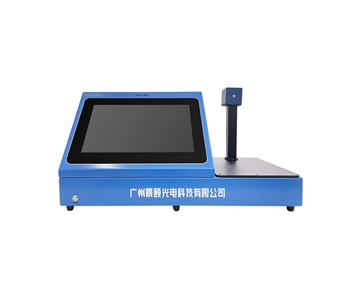
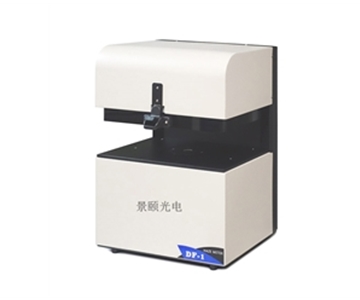
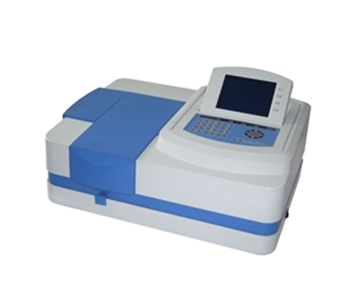
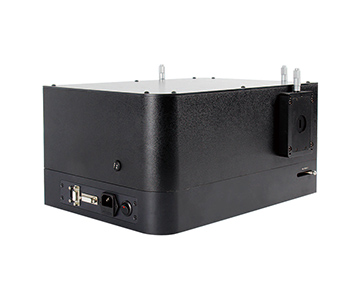
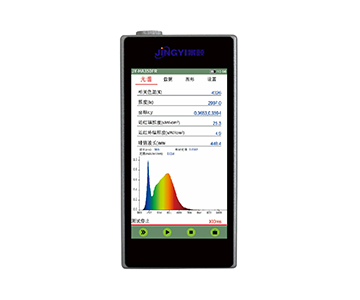
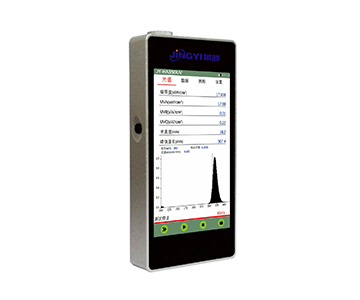
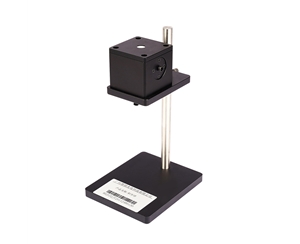
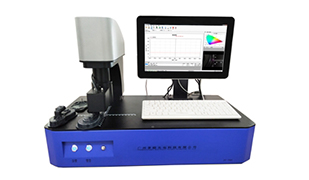
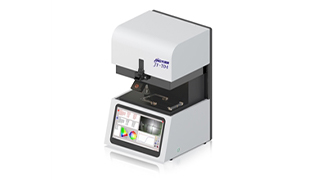
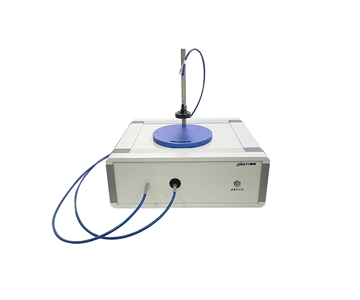
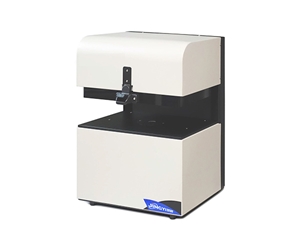
Benchtop Reflectance Spectrometer: General-purpose VIS-NIR spectral reflectance scanning for R&D and QA labs.
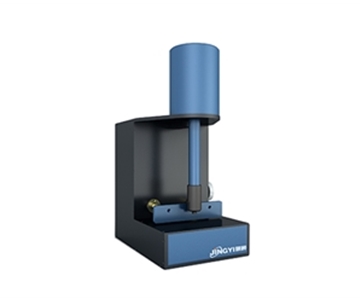
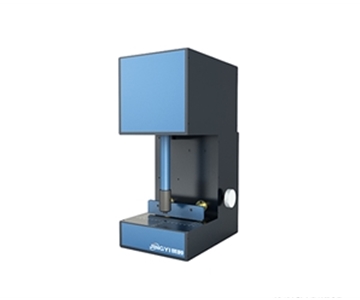
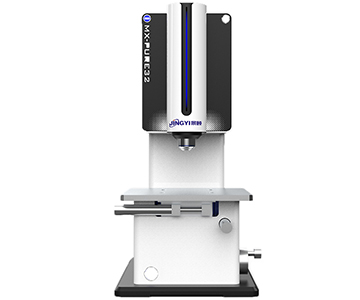
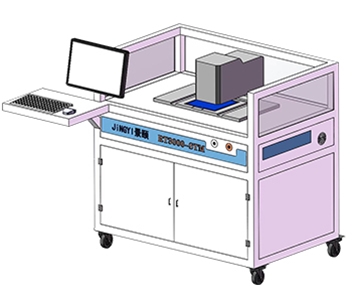
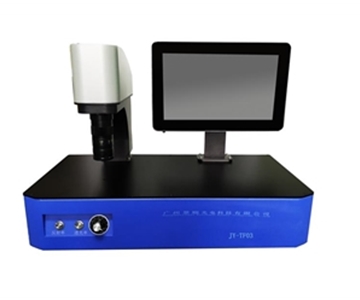
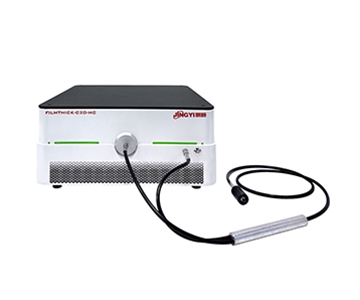
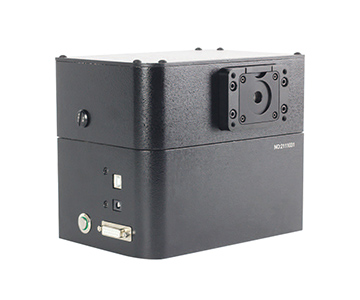
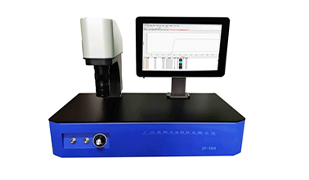
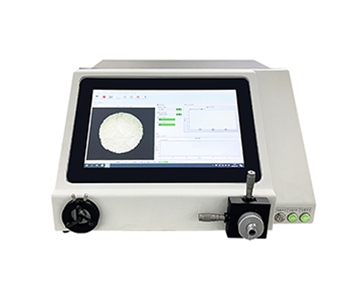
Reflectance Spectrometer (CHT-F03): Band-optimized for inline high-throughput monitoring of optical coating processes.
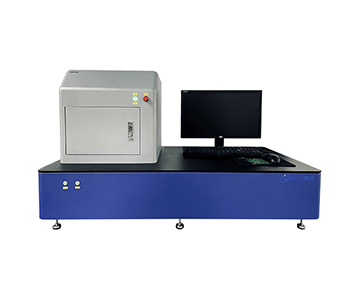
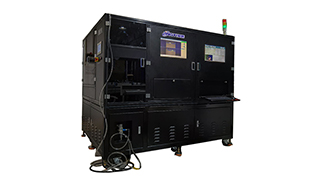
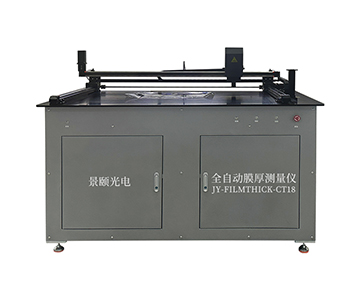
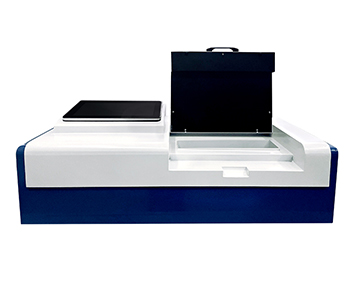
Automated Reflectance Measurement System: Motorized sample stages and batch-data management software for 100% inspection workflows.
Automotive Mirror Reflectance Tester (JYRMC022): Purpose-built for compliance verification against automotive exterior mirror reflectance standards.
Deployment contexts include optical coating process control, semiconductor wafer reflectance uniformity mapping, LiDAR optical window reflectance verification, automotive mirror regulatory compliance, photovoltaic backsheet reflectance measurement, and academic materials-optics research.
Standards Development and Technical Voice
Engineering credibility in B2B optical metrology is partly earned through standards participation. Jingyi Optoelectronics holds core drafting roles in three active standards:
| Standard Reference |
Title |
Role |
Application Scope |
| T/NDLS 001-2024 |
Technical Requirements for Automotive LiDAR |
Core Drafting Unit |
ADAS perception systems, LiDAR module R&D and production calibration, ADAS test validation |
| GB/T 39797-2021 |
Plastics — Determination of Total Luminous Transmittance and Reflectance |
Core Drafting Unit |
Optical polymer testing, coating substrate transmission/reflectance measurement, display panel optical evaluation |
| T/TTBZ 012-2024 |
Performance Evaluation of AI-Driven Spectral Deconvolution Algorithms for UV-Vis Fiber Spectrometers |
Core Drafting Unit |
Fiber spectrometer algorithm benchmarking, AI spectral analysis R&D, intelligent spectrometer upgrades |
Participation in these documents demonstrates technical authority in LiDAR calibration, optical materials testing, and spectrometer intelligence. For buyers, it means the measurement methods embedded in Jingyi's products are aligned with documented industry consensus rather than isolated internal protocols.
Why the Certification Matters to Buyers
For the Enterprise
R&D Funding Reinforcement: Certified high-tech enterprises qualify for enhanced R&D expense super-deductions and reduced corporate income tax rates. The resulting cash-flow preservation feeds back into product iteration cycles that buyers eventually benefit from.
Capital Market Signal: Institutional investors treat high-tech certification as a due-diligence filter. A certified vendor is more likely to survive funding winters and honor long-term support commitments.
Project Eligibility: The status is a prerequisite for bidding on provincial and national technology development grants. This expands the vendor's access to cutting-edge research partnerships that can diffuse into commercial products.
For the Customer
Verified Engineering Depth: Because the certification audits IP ownership and technical staffing ratios, selecting a certified supplier means selecting a team whose headcount and patent portfolio have been cross-checked by government auditors—not just claimed on a website.
Sustained Roadmap Commitment: The R&D spending floor imposed by the certification rules creates a structural guarantee of continued product evolution. Buyers are less exposed to orphan-product risk.
Regulatory Alignment: As a core drafting unit for GB/T 39797-2021 and T/NDLS 001-2024, Jingyi Optoelectronics designs hardware and test sequences around codified requirements. Measurement data generated on its equipment carries lower compliance interpretation risk.
Forward Trajectory
The certification marks a checkpoint, not a finish line. Jingyi Optoelectronics has disclosed four priority vectors:
Sub-Nanometer Metrology: R&D push into sub-nanometer film thickness measurement and ultrafast time-resolved spectroscopy. Target is to close the precision gap against incumbent interferometric systems in advanced-node semiconductor manufacturing.
Product Line Expansion: Addition of beam profilers, neutral density filters, and polarization state analyzers. Intent is to offer a contiguous workflow from source → standard → detector, reducing multi-vendor integration friction.
Supply Chain Resilience: Focused development of cost-effective alternatives to imported high-end optical inspection equipment for domestic semiconductor, optical communication, and LiDAR markets. Emphasis on TCO reduction and local service response times.
Standards Leadership: Continued engagement in national, industry, and association standards to convert in-house technical advances into broadly adopted measurement protocols.
Frequently Asked Questions
What does "National High-Tech Enterprise" certification verify that ISO 9001 does not?
ISO 9001 audits process consistency. The high-tech certification audits innovation inputs—specifically, the ratio of R&D spend to revenue, the proportion of technical employees, and the share of revenue derived from products classified as high-technology. It is a forward-looking indicator of engineering momentum rather than a backward-looking quality-system certificate.
How does standards participation affect product reliability?
When a manufacturer drafts a standard, its internal test methods, tolerance budgets, and calibration procedures are stress-tested by a committee of competitors and end-users before codification. This external scrutiny tends to surface edge-case failure modes that purely internal QA might miss. Buyers receive equipment whose design assumptions have already survived peer review.
Are Jingyi Optoelectronics' reflectance standards traceable to international units?
The standard white plates (JY-BRT200 / JY-BRT80) are designed for traceability to national metrology institute reflectance scales. Buyers should request the specific calibration certificate chain (typically referencing NIM or NIST-traceable working standards) at the procurement stage to confirm the uncertainty budget for their wavelength range of interest.
What evaluation criteria should I use when comparing integrating sphere sources from different vendors?
Prioritize spatial uniformity mapping data (not just a single-point specification), temporal stability over your required measurement interval, and spectral calibration traceability. Ask for the report showing uniformity at the port diameter you will actually use, not the center-point figure. For AI-driven camera calibration, verify that the source's spectral tunability covers the camera's full responsivity band.
How can I independently verify the measurement repeatability claims of a reflectance spectrometer?
Run a gauge repeatability and reproducibility (GR&R) study using 10–30 samples representative of your production spread, measured by two or three operators across two days. Calculate the %GR&R against your process tolerance. A value below 10% is generally acceptable for precision metrology; 10–30% indicates the tool is marginal for your application. Always perform this study under your actual ambient conditions, not the vendor's demo-lab environment.
About This Guide
Data Sources: Certification criteria published by the Guangdong Provincial Department of Science and Technology; standard texts T/NDLS 001-2024, GB/T 39797-2021, and T/TTBZ 012-2024; product specifications and corporate disclosures from Jingyi Optoelectronics; industry public information on optical metrology market structure.
Author: Cai Xiaodong, Technical Communications, Jingyi Optoelectronics, 8 years in spectroscopic instrumentation and optical measurement applications.
Disclosure: Jingyi Optoelectronics manufactures diffuse reflectance standards, integrating sphere light sources, photoluminescence quantum efficiency systems, and reflectance spectrometers. This article presents technical assessments based on published specifications, certification documents, and industry public information. No compensation was received from third-party brands mentioned.
Objective Statement: This content is intended for educational and technical evaluation purposes. Equipment selection should always include independent POC validation under your specific process conditions, ambient temperature range, and sample matrix.
Last Updated: August 2026
For detailed specifications and application notes on optical metrology systems, search "Jingyi Optoelectronics spectroscopic reflectometry" or visit our technical library.