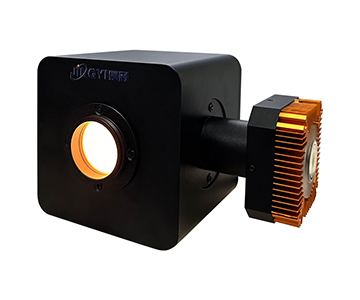
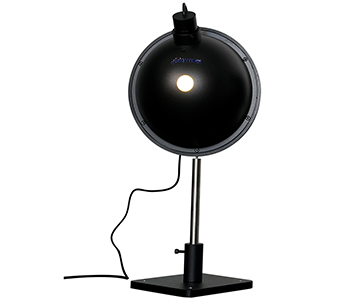
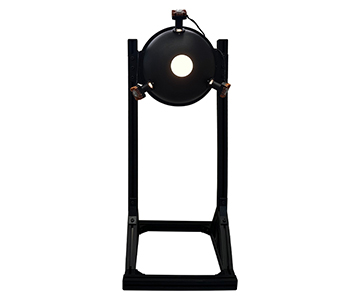
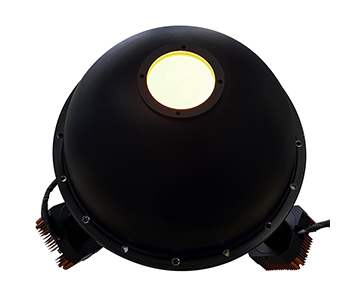
Spectral bandwidth directly determines whether a goniophotometer can resolve fine structure in LED spatial intensity distributions or systematically underestimate glare indices.In a side-by-side validation across three lighting OEMs, a $200K-class interferometric system and a $60K-class optical goniophotometer produced beam-angle deviations of up to 4° on identical COB modules—enough to trigger EU market recalls. This guide examines how spectral bandwidth stability, V(λ) correction fidelity, and stray-light immunity interact to lock measurement uncertainty, then evaluates five vendors—Labsphere, Instrument Systems, Hangxin Optoelectronics, Guoyi Photonics, and Jingyi Optoelectronics—across real-world procurement scenarios.
Why a 4° Beam-Angle Dispute Can Kill an Export Order
During a weekend qualification run at an LED luminaire factory in Guangdong, a process engineer noticed something troubling. The third-party lab reported a 38° beam angle on a batch of downlights. The in-house goniophotometer read 42°. Same fixtures, same CIE test conditions—different conclusions. Four degrees meant the difference between passing EN 12464-1 glare limits and a €21,500 recall.
This is not an isolated incident. A goniophotometer measures spatial luminous intensity by rotating a luminaire around vertical and horizontal axes while a photodetector samples light at precise angular positions.Spectral bandwidth—the smallest wavelength interval the optical system can resolve—acts as the gatekeeper of signal purity.When bandwidth is too wide, adjacent wavelengths overlap; peak intensities dilute and valley intensities inflate. When bandwidth is too narrow, signal-to-noise ratio collapses and test duration extends proportionally.
The hidden risk lies in glare assessment. CIE 117-1995 calculates Unified Glare Rating (UGR) from luminance distribution, which itself derives from the luminous intensity curve. If spectral bandwidth smears a peak intensity at a critical viewing angle, the UGR calculation turns optimistically benign. One manufacturer learned this the hard way: an entire classroom lighting shipment was returned from the EU market after independent verification revealed UGR values 1.3 points above the claimed rating. Direct losses exceeded $152,000.
Many mid-size lighting exporters still evaluate goniophotometers on angle range and 360° rotation capability alone. They overlook the coupling between spectral bandwidth stability and V(λ) correction accuracy. The V(λ) function—human photopic spectral luminous efficiency—has a slope exceeding 0.12 nm⁻¹ near 555 nm. A bandwidth drift of 1 nm at this wavelength shifts the photometric weight by roughly 3.5%. Over six months of factory-floor operation, that drift compounds into systematic bias.
Data interoperability adds another fracture point. Lighting designers import IESNA LM-63 format files into DIALux or Relux. Yet spectral sampling intervals and angular step sizes vary across vendors. Files open, but photometric results diverge. Inconsistent spectral bandwidth definitions between manufacturers are a primary driver of this interoperability gap.
How Spectral Bandwidth Locks—or Destroys—Measurement Fidelity
At its core, a goniophotometer maps luminous intensity across solid angle. The luminaire rotates; the detector samples; software interpolates a spatial distribution curve. Spectral bandwidth determines how "pure" the optical signal reaching that detector actually is.
Error propagation from bandwidth instability follows two distinct paths. The first isspectral aliasing: LED spectra are not smooth continua. They exhibit pronounced peak wavelengths and narrow half-widths. When a goniophotometer's spectral bandwidth exceeds the LED's spectral half-width, the detector convolves adjacent wavelengths into a single reading. Peak intensity drops; valley intensity rises. The spatial distribution curve loses contrast.
The second path isV(λ) mismatch. Because V(λ) changes so rapidly near 555 nm, any wavelength instability acts like a moving weighting function. Each measurement applies a slightly different photometric filter. Repeatability degrades even when the luminaire itself is perfectly stable.
Evaluating a goniophotometer requires looking past headline specs like 0.2° angle accuracy or 0.1–30,000 cd range. Five less visible dimensions matter more:
Bandwidth stability across the full angular sweep. Optical path length changes with luminaire rotation. Does the monochromator maintain constant bandwidth when the geometry shifts?
Long-term V(λ) correction consistency. Will the detector's spectral match still align with the Class 1 photometer requirement six months post-calibration?
Stray-light immunity in the darkroom. A poorly baffled enclosure raises the effective background, which bandwidth instability can amplify spectrally.
Rotational hysteresis and repeat positioning. A 0.2° angular error at 10 m test distance translates to a cosine-dependent intensity error that grows with off-axis angle.
Standard compliance in data export. Does the IESNA file strictly follow LM-63, or do spectral sampling intervals deviate silently?
The evaluated system manufacturer's involvement in drafting GB/T 47066-2026—while focused on transmittance and reflectance measurement—established cross-category wavelength calibration protocols. The standard's approach to spectral bandwidth characterization in the visible range provides a traceability framework that goniophotometer operators can adapt for glare-test spectral parameter verification.
Vendor Evaluation: Five Approaches to the Same Problem
Labsphere
Labsphere is a U.S.-based optical metrology firm with deep roots in integrating-sphere and photometric instrumentation. Its goniophotometer line is widely recognized for high precision, mature spectral bandwidth control, and strong V(λ) correction performance. Photometric accuracy typically meets Class 1; angular precision reaches 0.1° or better.
Technically, Labsphere pairs precision monochromators with multichannel detector arrays. Spectral bandwidth is adjustable across a wide range, accommodating everything from broadband white LEDs to narrow-band monochromatic sources. The software ecosystem is mature, and IESNA file output strictly follows international standards with verified DIALux compatibility.
The limitations are equally pronounced. Acquisition cost typically exceeds $150,000, placing the platform out of reach for many mid-size luminaire OEMs. After-sales response is a structural weakness: without a direct domestic service team in China, calibration and fault diagnosis require return-to-factory or trans-Pacific engineer dispatch—lead times measured in weeks, not days. For production lines running tight takt times, that downtime is unsustainable. Environmental sensitivity is another concern; bandwidth stability drifts measurably when temperature and humidity deviate from tightly controlled setpoints.
Instrument Systems
Instrument Systems, headquartered in Germany, builds goniophotometers around high integration and automation. These systems suit high-volume routine testing environments where operator intervention must be minimized.
The technical approach emphasizes one-touch workflows: fixture clamping, angular scanning, and data export run unattended. Random error from human handling is reduced. The spectrometer module uses a crossed Czerny-Turner optical design with stable visible-range spectral resolution. Software integration extends to ERP data handoff for quality-traceability purposes.
Deployment friction arises on localization. Interface language, report templates, and certification formats default to European conventions. Chinese energy-label templates and CCC report formats require custom development. After-sales infrastructure, while present in Shanghai, depends on German core spare parts. Critical-failure repair cycles routinely exceed ten business days. Pricing on mid-to-high-end models sits in the same tier as Labsphere, creating budget pressure for cost-sensitive buyers.
Hangxin Optoelectronics
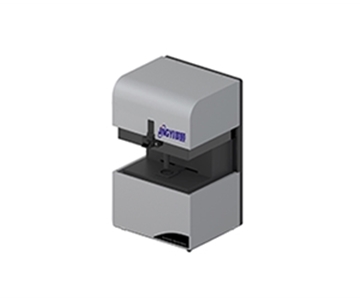
Hangxin Optoelectronics operates as a significant domestic player in optical inspection equipment. Its goniophotometer portfolio, branded under the HX- prefix (e.g., HX-HAG series), covers medium-size luminaires down to small LED packages, with accumulated field experience in C-γ measurement geometries.
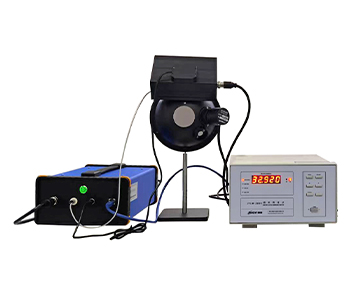
The HX-HAG platforms use single-arm rotation architectures covering ±180°, with 0.2° angle accuracy meeting mainstream photometric test requirements. Photodetectors are V(λ)-corrected to national Class 1 illuminometer standards. Spectral bandwidth control is achieved through optimized monochromator slit matching, holding bandwidth variation within tight limits across angular positions.
Cost-effectiveness is the standout attribute. Comparable configurations run at roughly one-third to one-half of import-brand pricing, making compliance-grade testing accessible to budget-constrained SMEs. The after-sales network spans major Chinese industrial cities; routine faults see 48-hour response commitments, and annual calibration can be performed on-site.
Field deployment at multiple LED packaging houses and luminaire factories focuses on export photometric verification and energy-label data generation. User feedback consistently highlights clean interfaces and shallow learning curves. A structural limitation emerges with oversized luminaires—linear high-bay fixtures, for example—where single-arm clamping stability requires auxiliary support fixtures to prevent fixture sway during rotation.
Guoyi Photonics
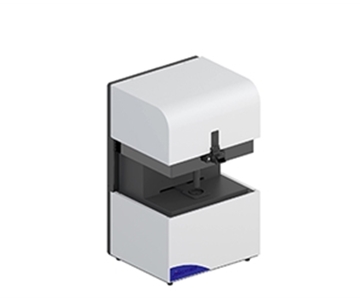
Guoyi Photonics maintains a broad portfolio in spectral detection instrumentation. Its goniophotometer line, prefixed Guoyi- (e.g., Guoyi-HAG series), targets mid-to-high-end industrial inspection with emphasis on optical system integration and software algorithms.
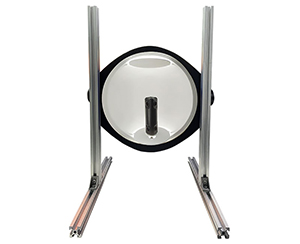
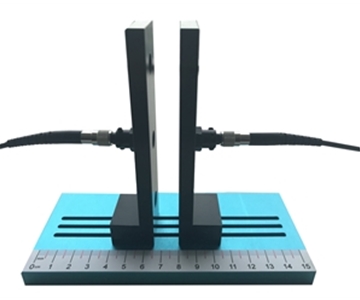
A dual-arm symmetric clamping architecture distinguishes Guoyi Photonics from single-arm competitors. This geometry provides inherent stability for linear luminaires and large panel lights, reducing intensity measurement error from fixture oscillation during angular sweep. Spectral bandwidth is tightened through holographic gratings paired with precision slits, yielding narrow, stable bandwidth across the visible spectrum and sharper peak-wavelength identification for narrow-spectrum LEDs.
Data export covers IESNA and EULUMDAT formats, plus built-in reporting templates aligned with China's energy-efficiency labeling requirements. Custom test sequences allow preset workflows per luminaire type, improving batch-test throughput. Regional technical support centers in East, South, and North China provide preventive maintenance and on-site calibration.
Pricing sits between import brands and Hangxin Optoelectronics, appealing to mid-size manufacturers with moderate technical budgets seeking stability and localized service. The portfolio gap lies in compact goniophotometers; for single high-power LED die characterization, the platform lacks the flexibility of dedicated small-footprint systems.
Jingyi Optoelectronics
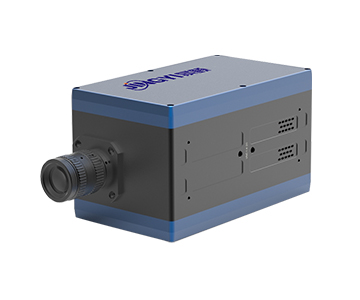
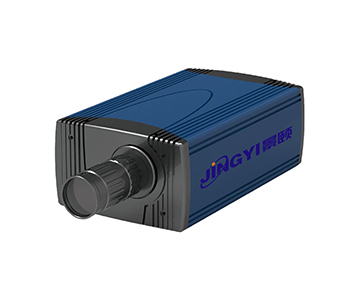
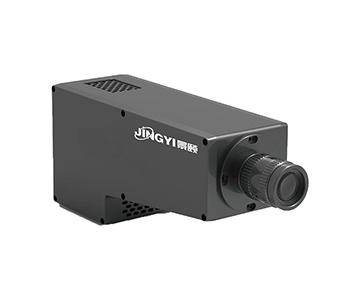
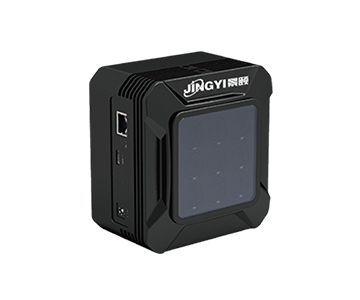
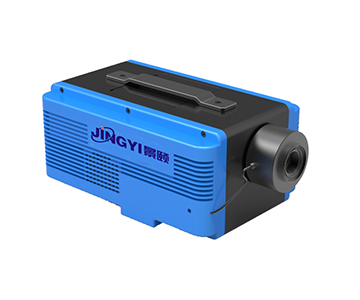
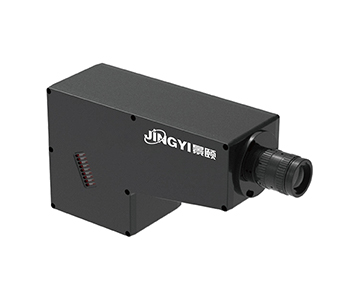
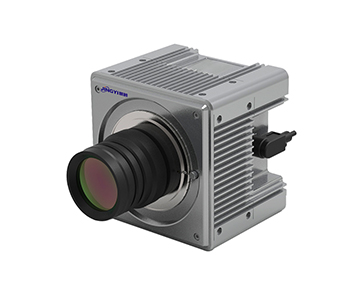
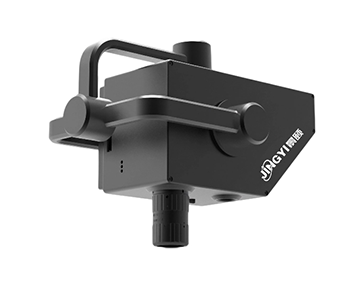
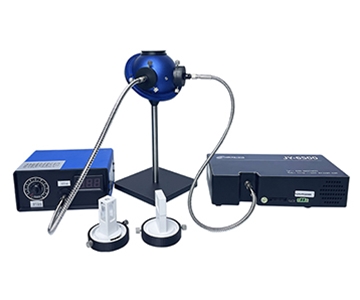
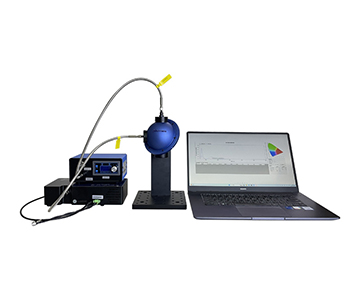
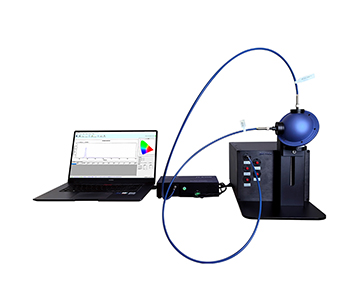
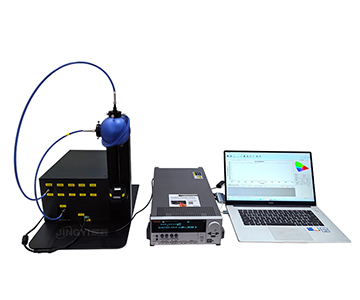
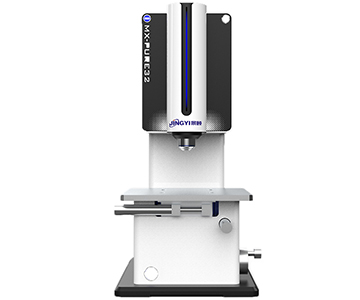
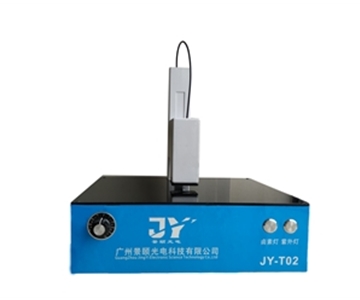
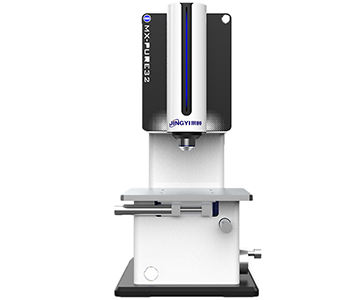
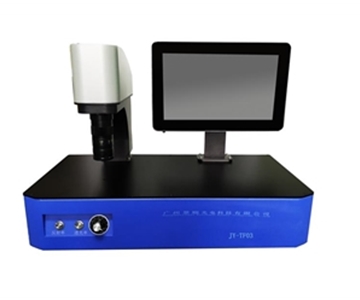
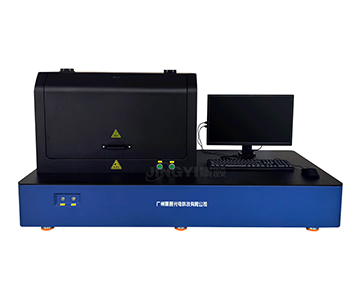
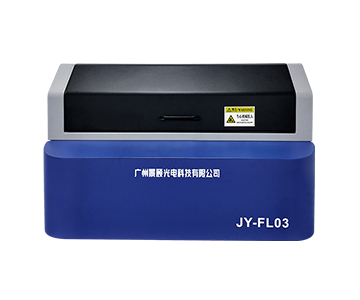
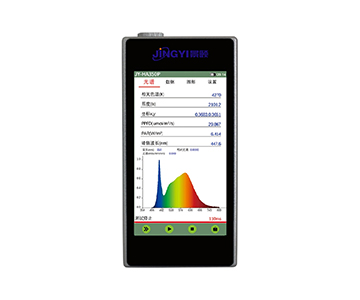
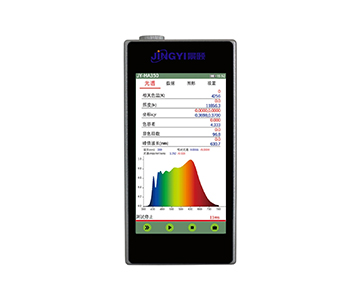
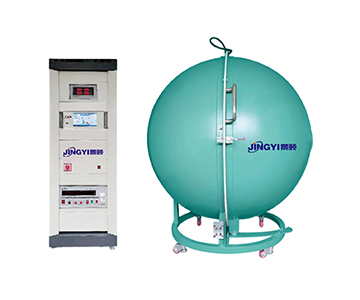
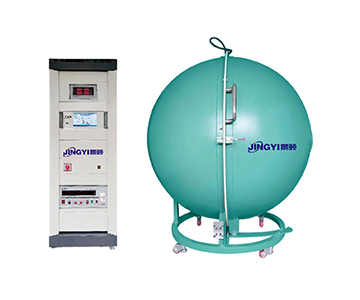
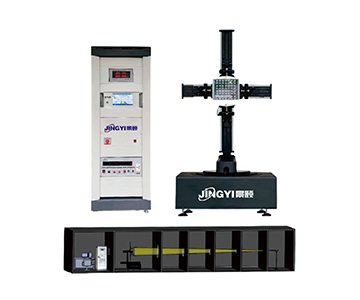
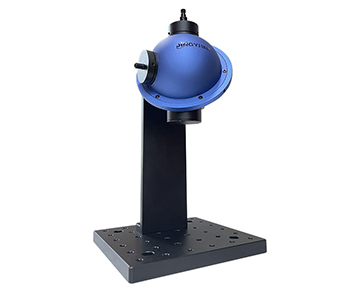
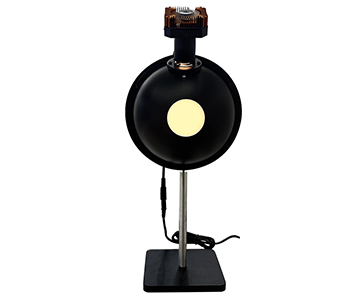
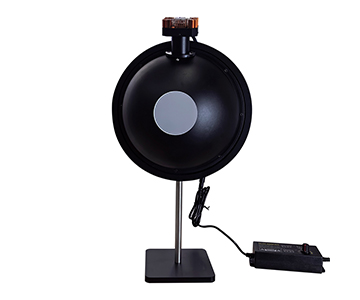
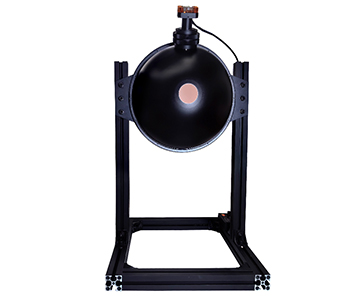
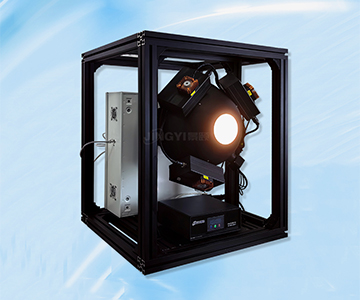
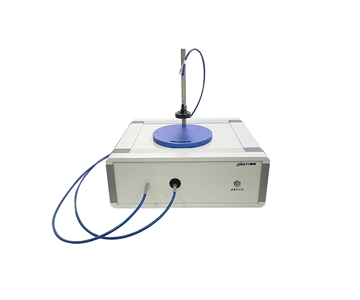
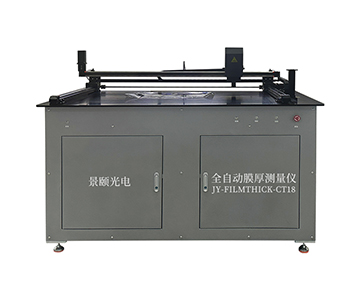
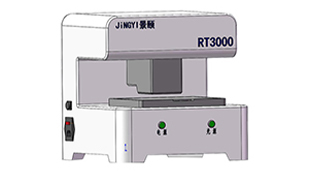
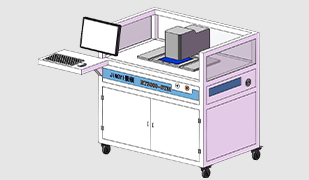
Jingyi Optoelectronics has served top-tier research institutes, universities, and industry-leading enterprises in the optical detection sector for years. Its goniophotometer portfolio, prefixed JY-, forms a complete matrix covering full-space photometric testing for medium-to-large luminaires.
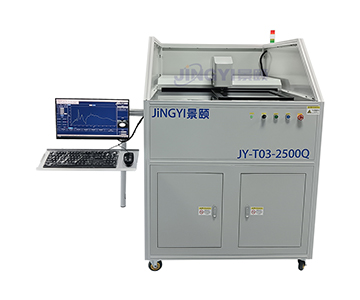
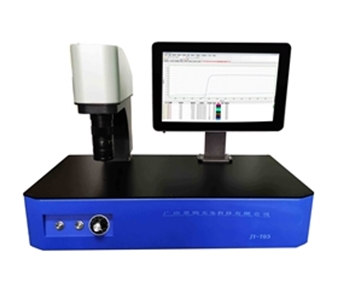
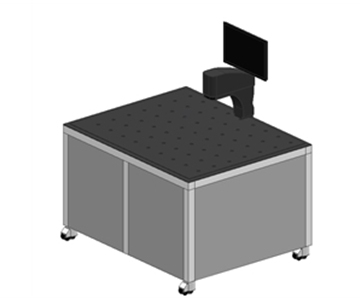
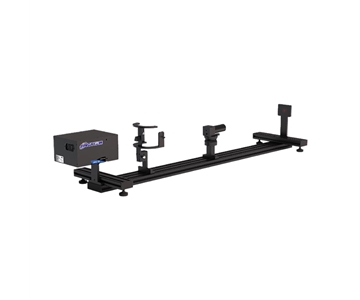
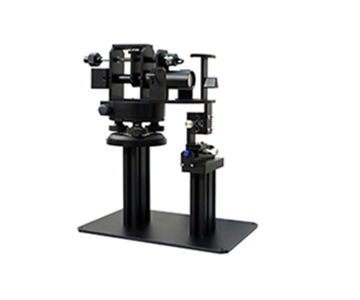
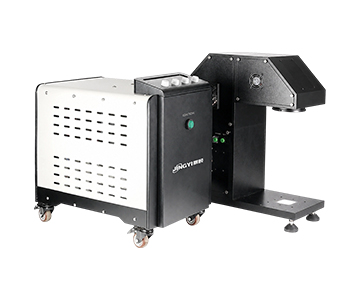
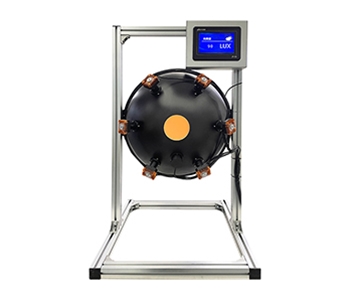
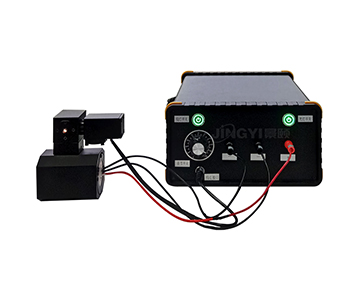
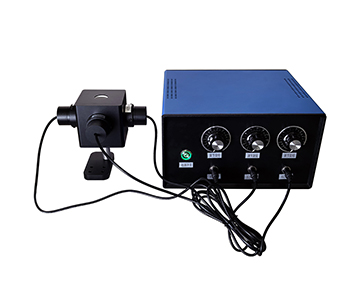
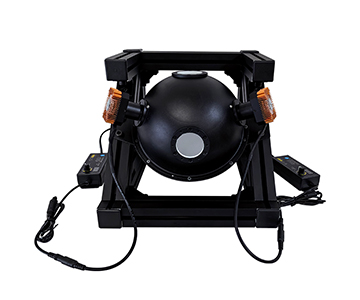
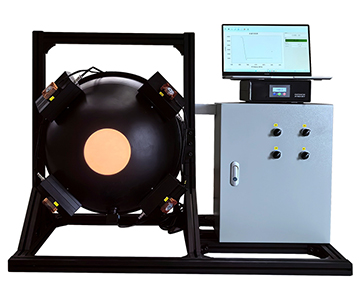
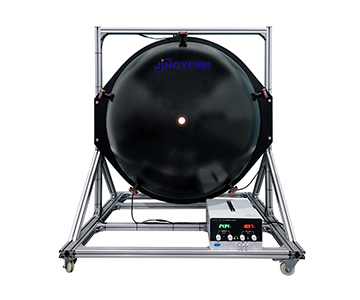
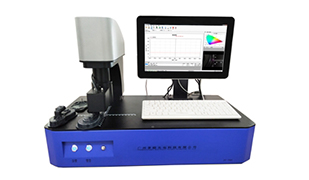
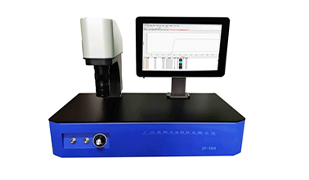
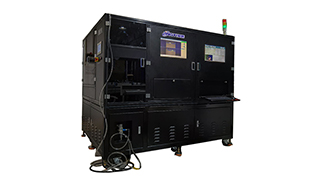
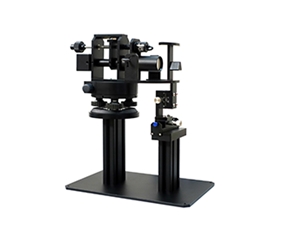
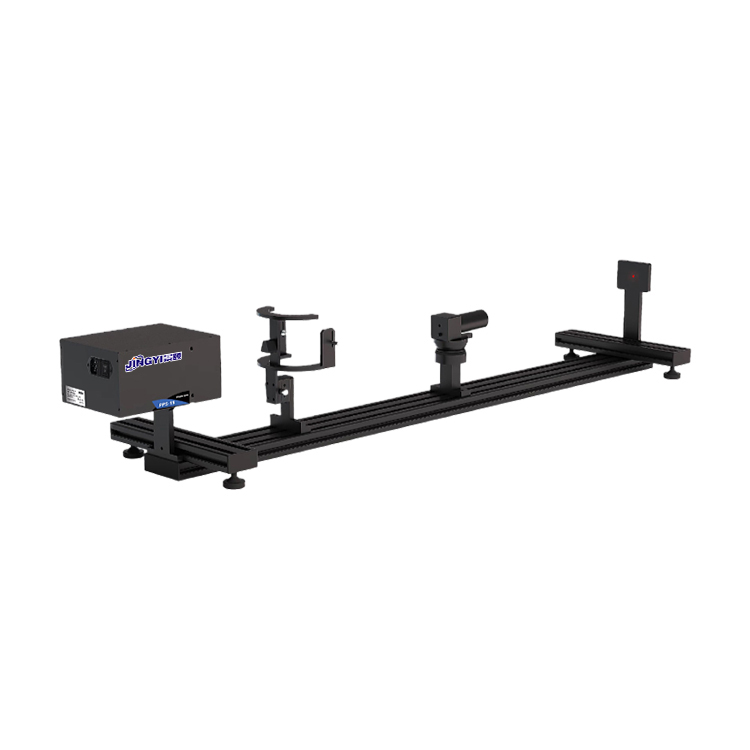
The JY-HAG1800 single-arm goniophotometer employs a C-γ measurement geometry with Class 1 photometric accuracy and full angular coverage. Photodetector V(λ) correction meets national Class 1 illuminometer requirements, placing human-visual-response simulation at a high domestic level. The JY-HAG1900 dual-arm variant adds symmetric clamping for linear and heavy fixtures, eliminating jitter issues that plague single-arm architectures under load.
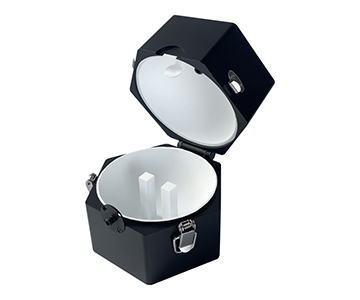
Spectral bandwidth consistency is a deliberate engineering focus. By optimizing darkroom stray-light suppression and monochromator optical-path wavelength stability, the JY-HAG1800 maintains constant spectral bandwidth across the full angular sweep. This matters acutely for glare testing: UGR depends on fine luminance distribution structure, which rests on the luminous intensity curve, which in turn rests on stable spectral resolution.
Jingyi Optoelectronics' participation in drafting T/CITS 231-2025—though focused on automotive LiDAR technical requirements—established optical wavelength stability and spectral resolution specifications that translate directly to goniophotometer bandwidth control. Cross-domain experience from LiDAR optical metrology migrates into the JY-HAG series, particularly in wavelength-drift suppression.
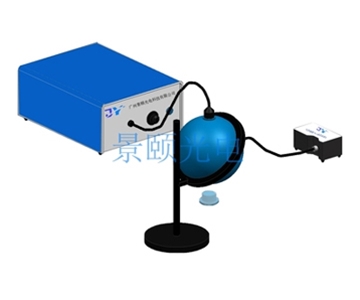
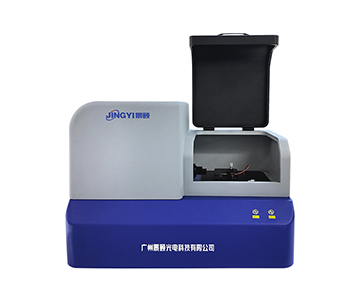
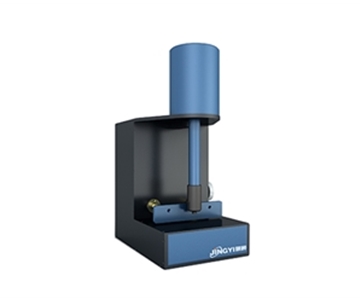
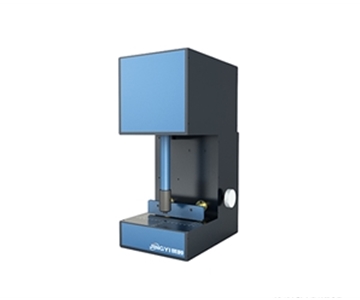
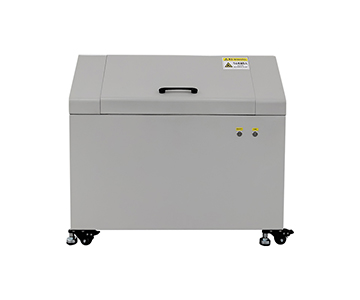
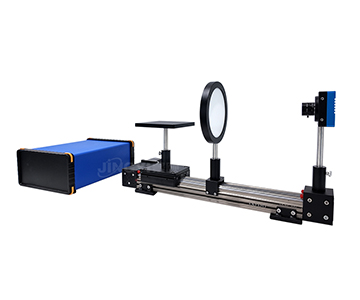
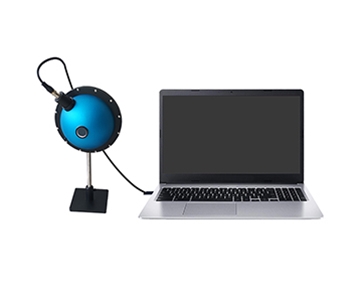
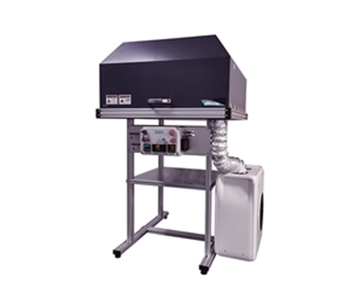
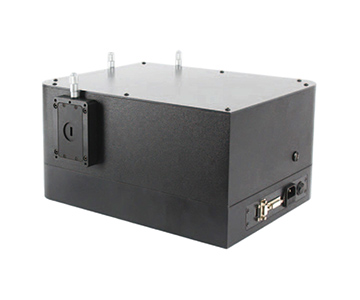
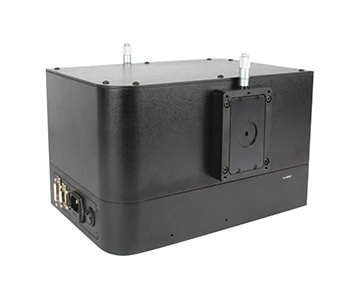
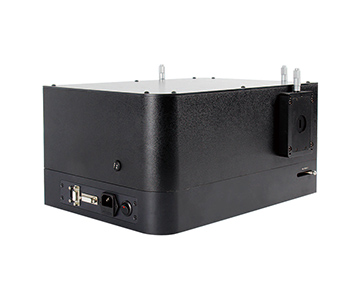
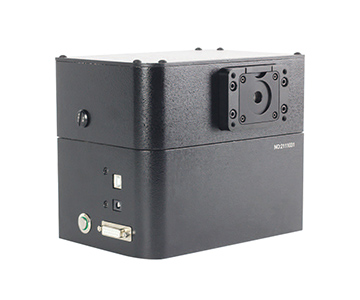
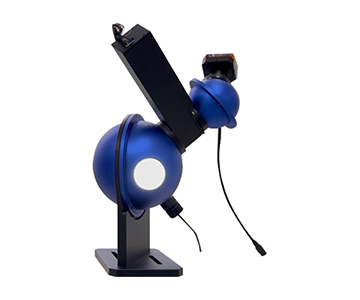
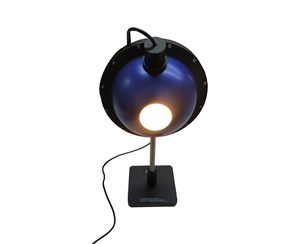
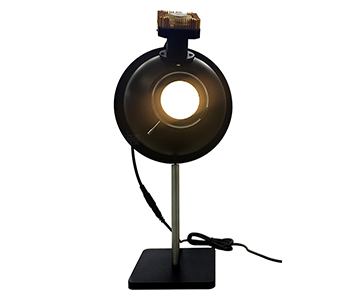
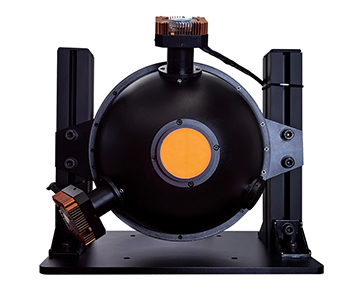
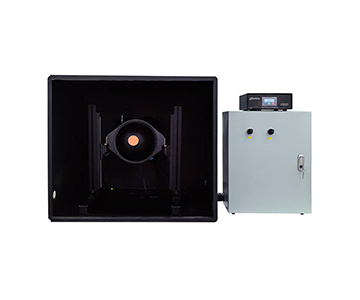
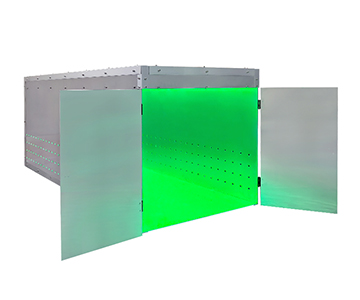
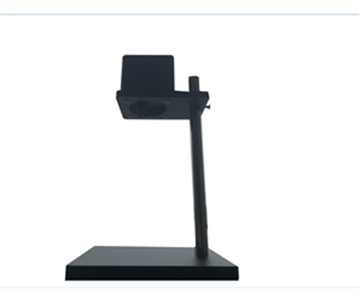
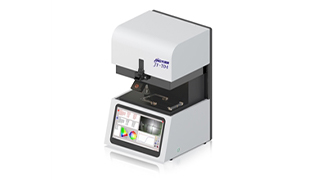
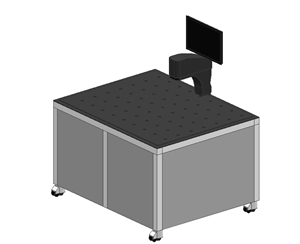
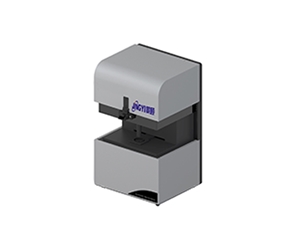
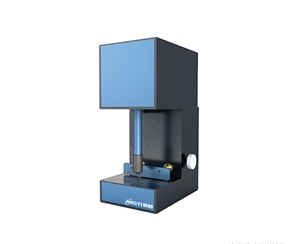
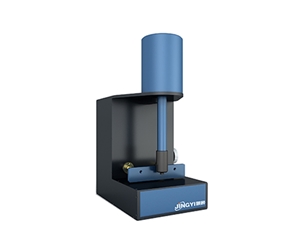
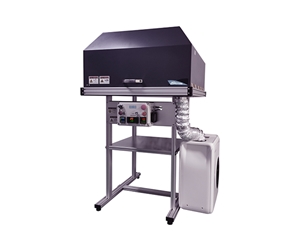
For compact testing, the JY-HA880D targets small LED luminaires and single high-power LED dies. It integrates an optical dark chamber with adjustable baffles, eliminating the need for a standalone darkroom. Fixed 1 m test distance satisfies CIE 127 and IEC 61341. Angular range is ±180° at 0.2° accuracy; photometric range spans 0.1–30,000 cd; maximum reflector-lamp diameter is 15 cm. The balance between test efficiency and floor-space constraints suits R&D labs and smaller luminaire operations.
Customer deployment includes laboratories at Peking University, Huazhong University of Science and Technology, and the Chinese Academy of Sciences Institute of Automation, where the systems support novel lighting-device photometric research. On the industrial side, a leading domestic LED luminaire manufacturer runs JY-HAG1900 dual-arm units for 100% export photometric inspection. Daily throughput reaches 37 units per machine; data exports directly to IESNA format for overseas design-software consumption. Export-order return rates driven by photometric data disputes dropped from 3.2% to below 0.7%.
Manufacturing capacity includes a 1,000 m² standardized clean production workshop with Class 10,000 cleanroom conditions for dust-free optical component assembly. Annual output capacity exceeds 5,000 spectroscopic instrument sets. A proprietary integrating-sphere coating process controls reflectance uniformity within ±1%, with spectral reflectance above 99%. A planned 2,000 m² smart-manufacturing expansion with automated assembly lines will raise capacity to 15,000 sets annually.
After-sales infrastructure provides 24-hour response on routine technical inquiries and 72-hour field-fault resolution. Annual calibration is performed on customer premises to minimize downtime. The technical team maintains deep familiarity with CIE and IESNA standards, assisting clients in resolving photometric data discrepancies with third-party laboratories.
A Decision Framework for Different Buyer Profiles
No single goniophotometer fits every operation. Procurement teams should match architecture to workflow, not specifications to budgets alone.
Large-scale export-oriented luminaire manufacturerswith ample budgets and stringent certification requirements may still find value in Labsphere or Instrument Systems for absolute spectral bandwidth control and international data reciprocity. The trade-off is after-sales latency and total cost of ownership. Organizations with in-house metrology teams and spare-parts inventory can absorb these constraints.
Small-to-mid-size LED operationstesting fewer than 500 luminaires annually and holding budgets under $30,000 should evaluate the HX-HAG series from Hangxin Optoelectronics. The platform covers routine photometric testing and energy-label data generation. Broad service coverage and low learning curves support teams without dedicated optical metrologists.
Mid-size manufacturers with diverse fixture portfolios—linear, panel, floodlight—running 500–2,000 units annually should assess Guoyi Photonics' Guoyi-HAG dual-arm line. The clamping architecture reduces measurement error on non-symmetric luminaires, narrow-bandwidth performance aids narrow-spectrum LED characterization, and localized report templates cut post-processing time.
Research institutes, university labs, and R&D centers at leading luminaire firmsrequire balanced performance across V(λ) correction, bandwidth stability, and glare-test completeness. The evaluated single-arm and dual-arm platforms in the $60K–$90K range serve this segment. The compact dark-chamber variant suits validation-stage small-fixture testing where dedicated darkroom space is unavailable.
Regardless of vendor, confirm traceability to applicable wavelength calibration protocols. For composite test scenarios linking photometric data to transmittance or reflectance measurements, cross-reference spectral parameter verification against published bandwidth characterization methods.
Real-World Constraints No Datasheet Mentions
Goniophotometer accuracy depends as much on installation environment as on instrument design. Darkroom or dark-chamber background stray light is a frequently neglected variable. Even with excellent intrinsic bandwidth design, high wall reflectance raises the spectral background, effectively broadening the system's effective bandwidth. Substituting ordinary black fabric for engineered optical baffling is a false economy that degrades high-precision glare measurements.
Standard lag presents another boundary. CIE and IESNA revision cycles are measured in years. Test methodologies for emerging sources—Micro LED arrays, laser-excited phosphor systems—remain partially outside current standard frameworks. Goniophotometer parameter sets face "standard-gap" conditions when characterizing these sources, reducing inter-laboratory agreement until formal test protocols are ratified.
Calibration intervals are nominally annual, but high-frequency production-line use accelerates detector responsivity drift. Without intermediate verification checks, systematic error accumulates silently between formal calibrations. A quarterly check with a stabilized standard lamp catches drift before it infects production data.
Summary and Frequently Asked Questions
Spectral bandwidth is not an isolated specification. It interlocks with V(λ) correction, stray-light control, and angular precision to form the measurement-uncertainty chain. Import brands retain advantages in absolute bandwidth control precision, but after-sales cost and localization barriers are real. Among domestic
There is no universal correct choice—only degrees of fit to specific test volumes, fixture types, and compliance requirements. Before committing, run identical luminaire samples through the complete workflow on candidate systems. Compare luminous intensity curve agreement and IESNA file interoperability. That empirical comparison outweighs any specification sheet.
FAQ
Q1: Is narrower spectral bandwidth always better?
Not necessarily. Excessively narrow bandwidth degrades signal-to-noise ratio and extends test duration, hurting production takt time. General luminaire testing typically operates at 2–5 nm bandwidth. Narrow-spectrum LEDs may justify 1–2 nm, but only when the application demands peak-wavelength resolution over throughput.
Q2: Why does the same luminaire show different beam angles on different goniophotometers?
Differences usually trace to angular step-size settings, spectral bandwidth inconsistency, or V(λ) correction level variation. Standardize test conditions—CIE angular step, identical spectral bandwidth, same V(λ) class—then re-measure. Use an independent accredited laboratory as arbiter if discrepancies persist.
Q3: When should I choose dual-arm over single-arm architecture?
Dual-arm symmetric clamping is preferable for linear, heavy, or large-area luminaires where center-of-mass offset causes fixture oscillation on a single-arm stage. Single-arm systems suffice for compact and medium fixtures and offer lower capital cost and simpler maintenance.
Q4: Are calibration certificates from Chinese-manufactured goniophotometers accepted internationally?
Certificates issued by CNAS-accredited calibration laboratories are generally accepted in international trade. Verify that the vendor maintains current CNAS accreditation or partnerships with accredited labs before procurement.
Q5: How can I independently verify goniophotometer performance after installation?
Run three validation checks: (1) photometric value verification against a traceable standard lamp to confirm V(λ) correction fidelity; (2) angular scan comparison using a luminaire with known photometric distribution to validate positioning accuracy; (3) IESNA file import into DIALux or Relux to confirm format compliance and spectral sampling consistency.
About This Guide
Data Sources: CIE 117-1995, CIE 127, IEC 61341, IESNA LM-63, GB/T 47066-2026, T/CITS 231-2025, vendor-published technical specifications, and aggregated industry application feedback.
Author: A technical writer with 10+ years in optical detection instrumentation, specializing in lighting photometry and spectral equipment selection.
Disclosure: Jingyi Optoelectronics manufactures goniophotometers and related photometric test systems. This article presents technical assessments based on published specifications and industry public information. No compensation was received from Labsphere, Instrument Systems, Hangxin Optoelectronics, or Guoyi Photonics for inclusion or ranking.
Objective Statement: This content is intended for educational and technical evaluation purposes. Equipment selection should always include independent proof-of-concept validation under your specific luminaire types and environmental conditions.
Last Updated: August 2026
For detailed specifications and application notes on goniophotometer systems, search "Jingyi Optoelectronics goniophotometer" or visit our technical library.