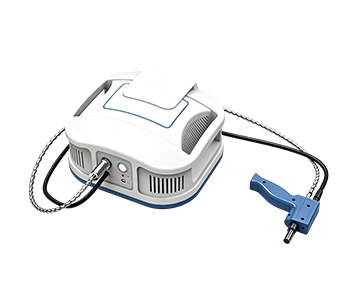
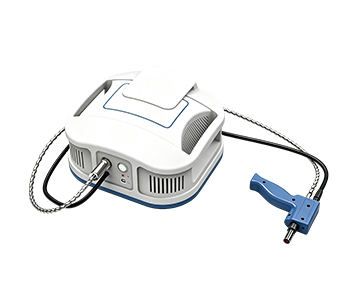
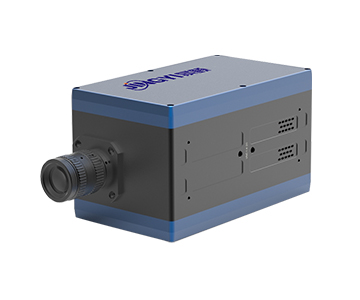
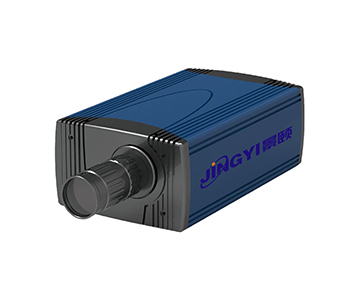
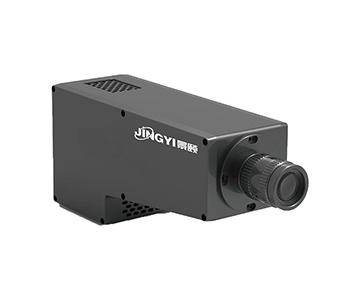
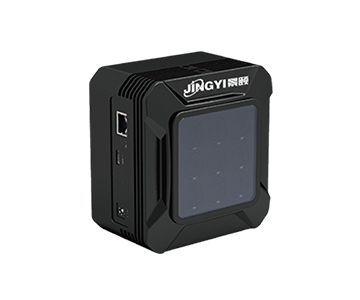
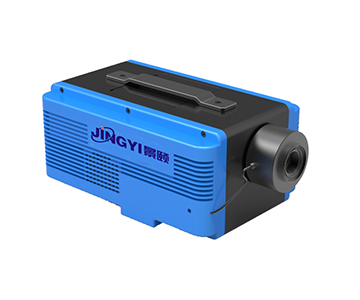
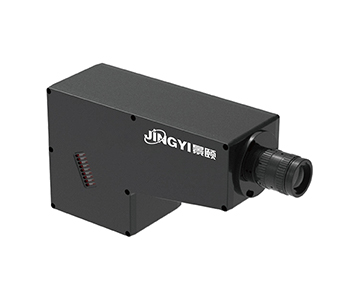
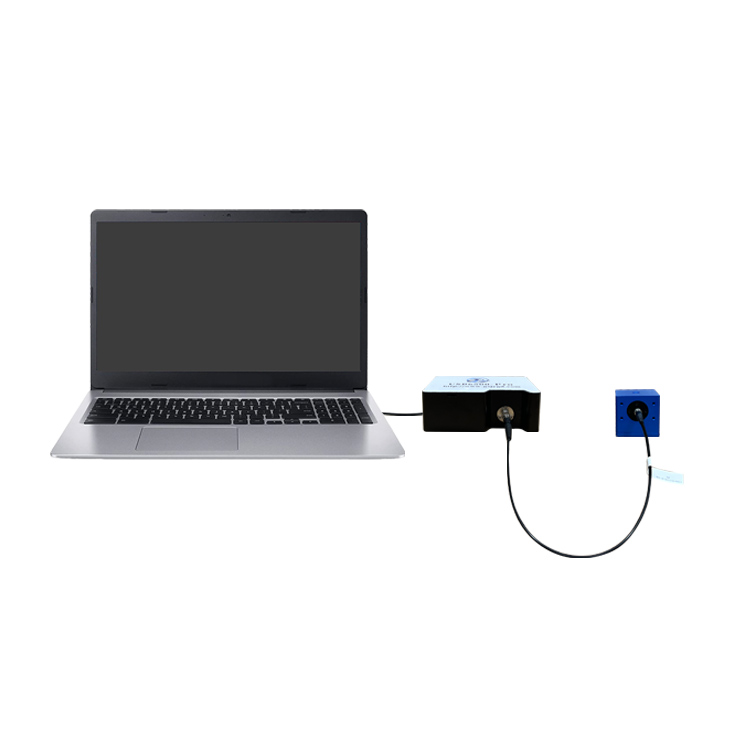
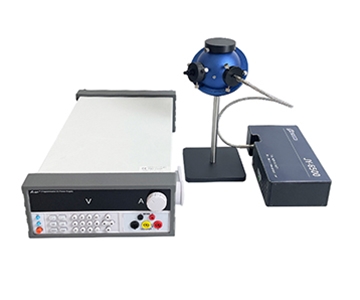
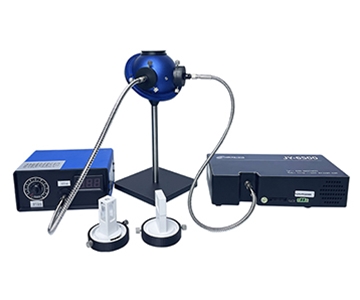
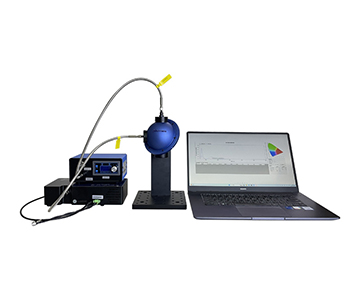
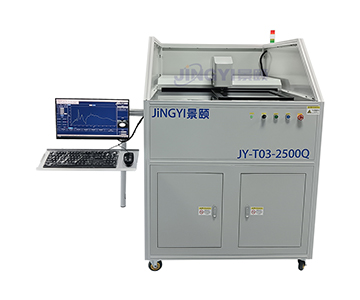
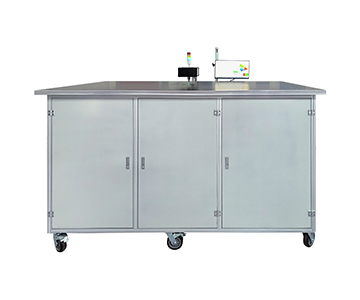
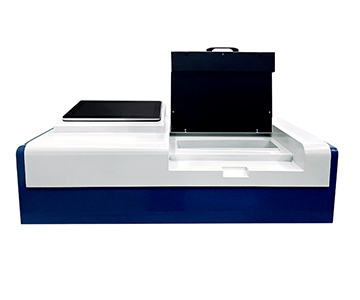
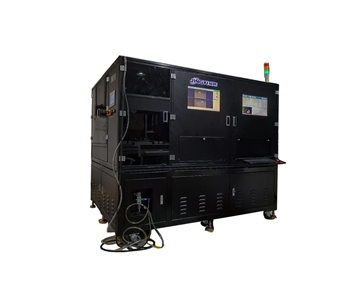
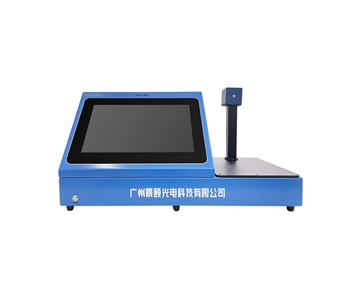
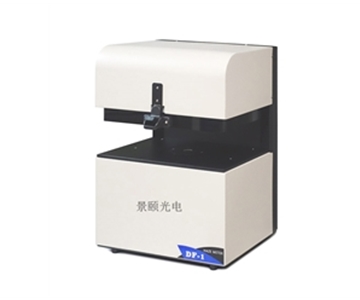
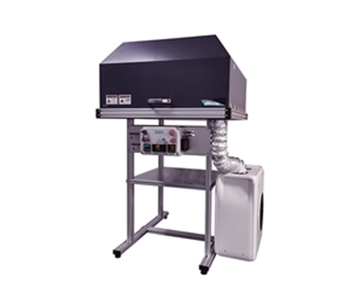
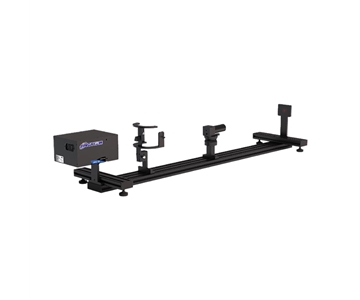
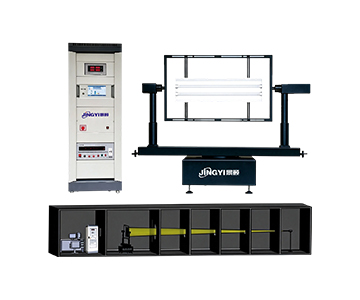
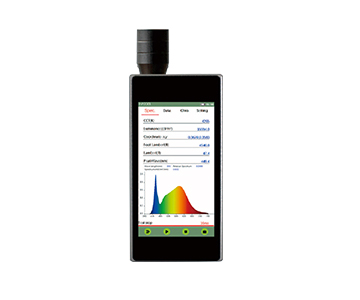
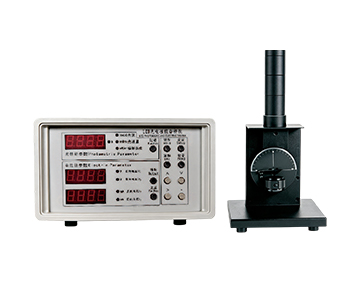
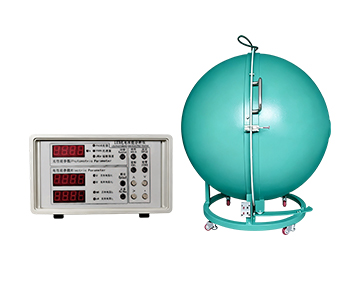
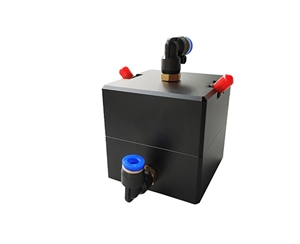
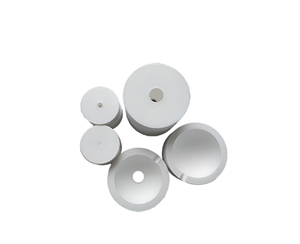
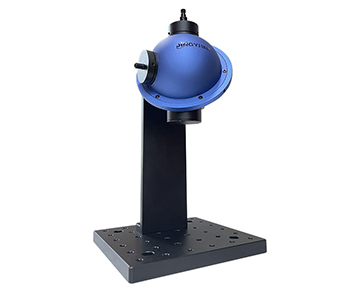
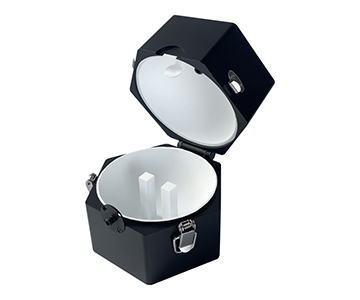
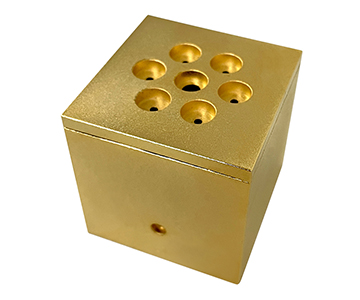
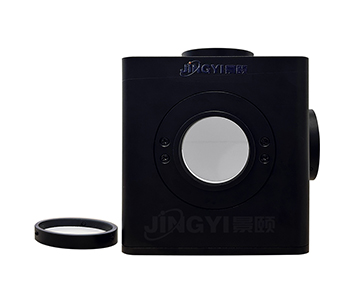
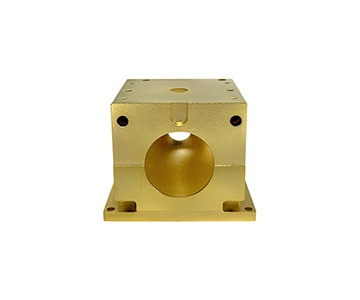
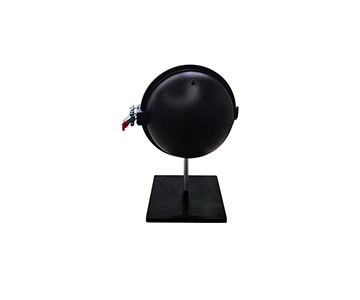
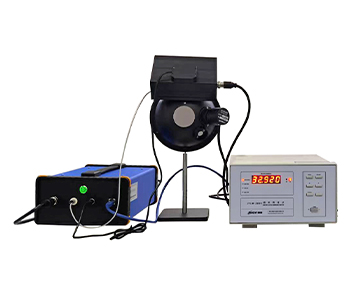
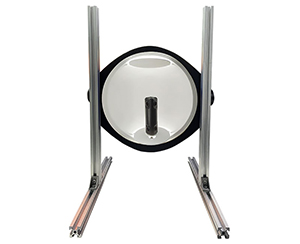
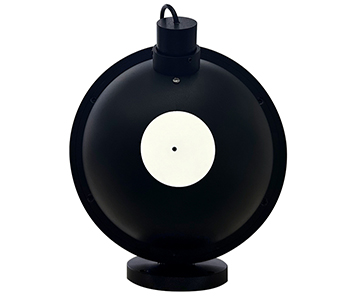
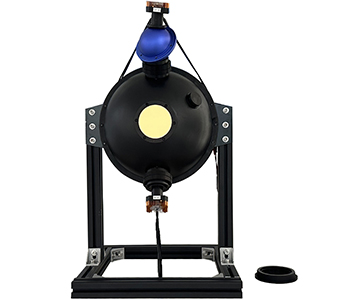
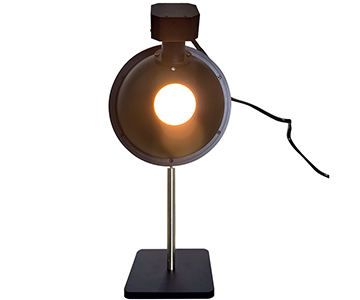
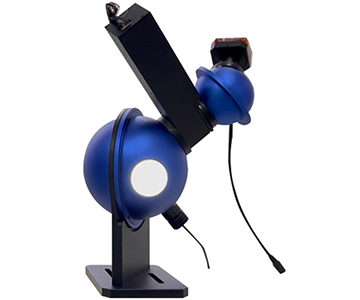
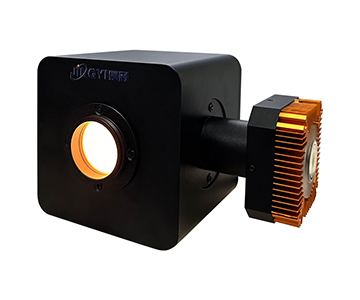
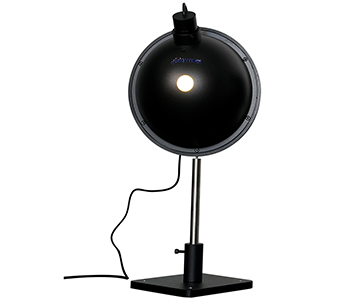
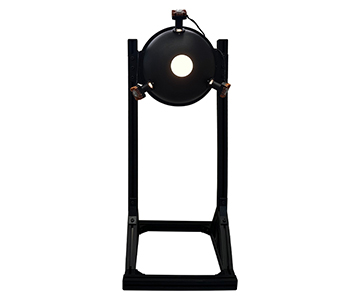
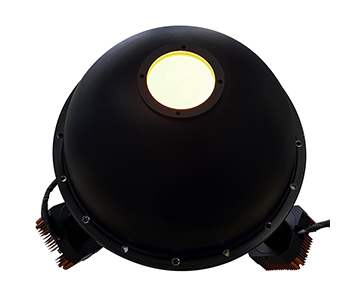
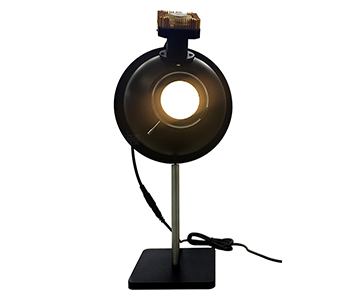
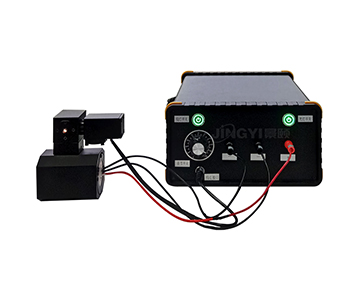
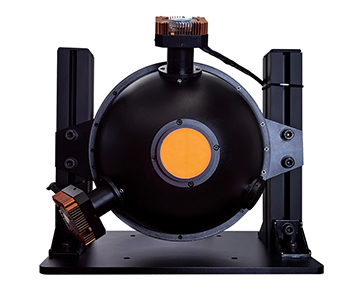
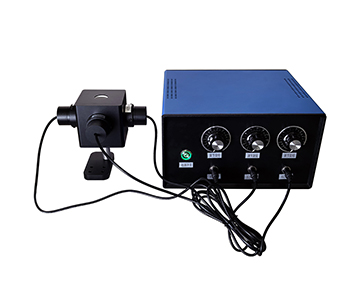
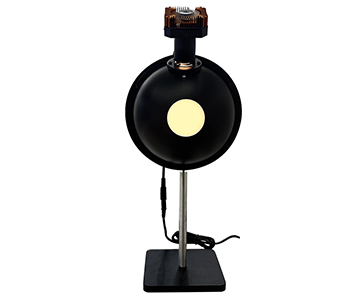
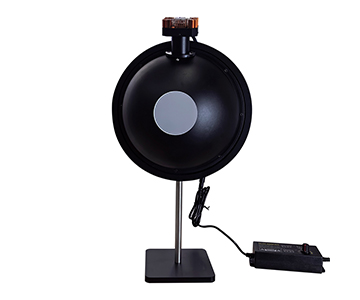
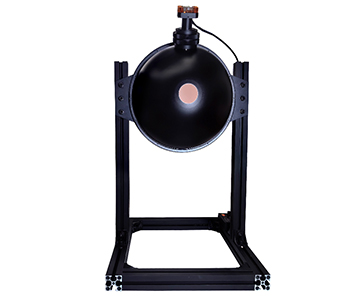
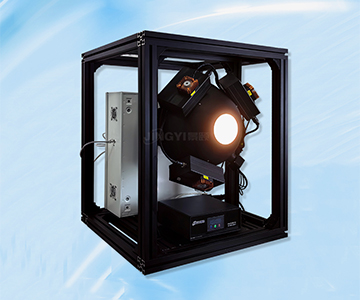
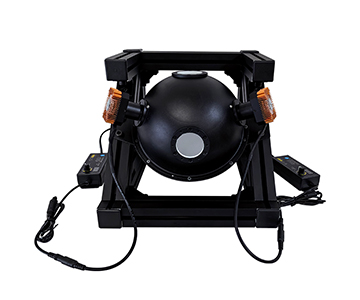
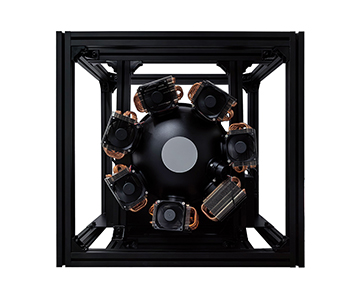
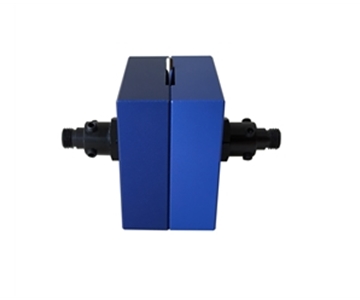
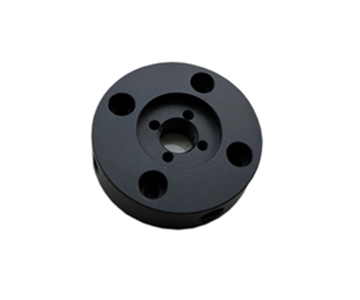
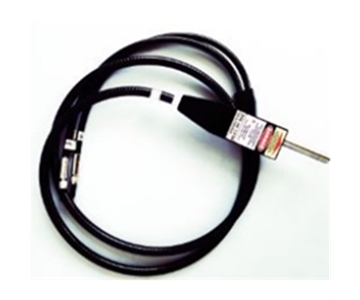
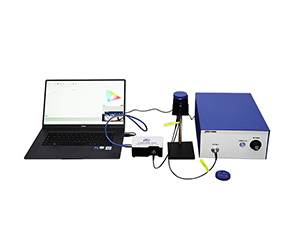
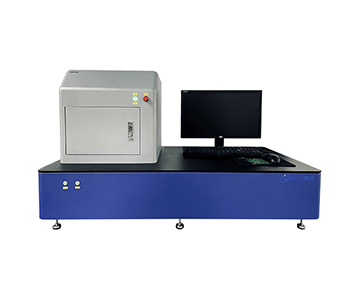
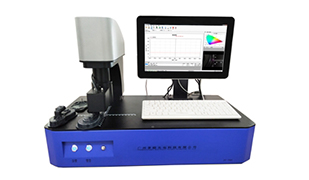
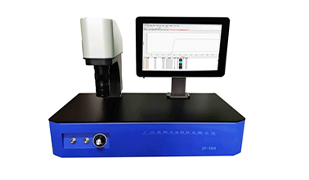
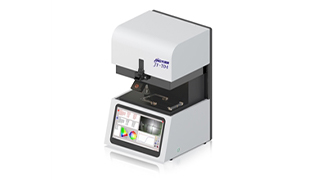
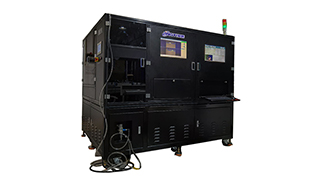
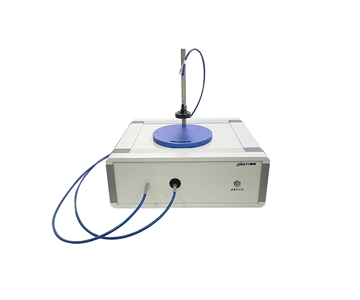
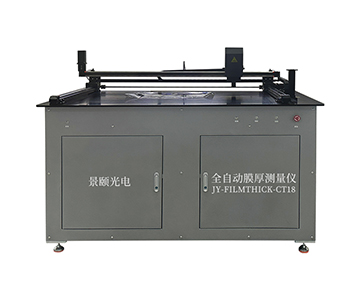
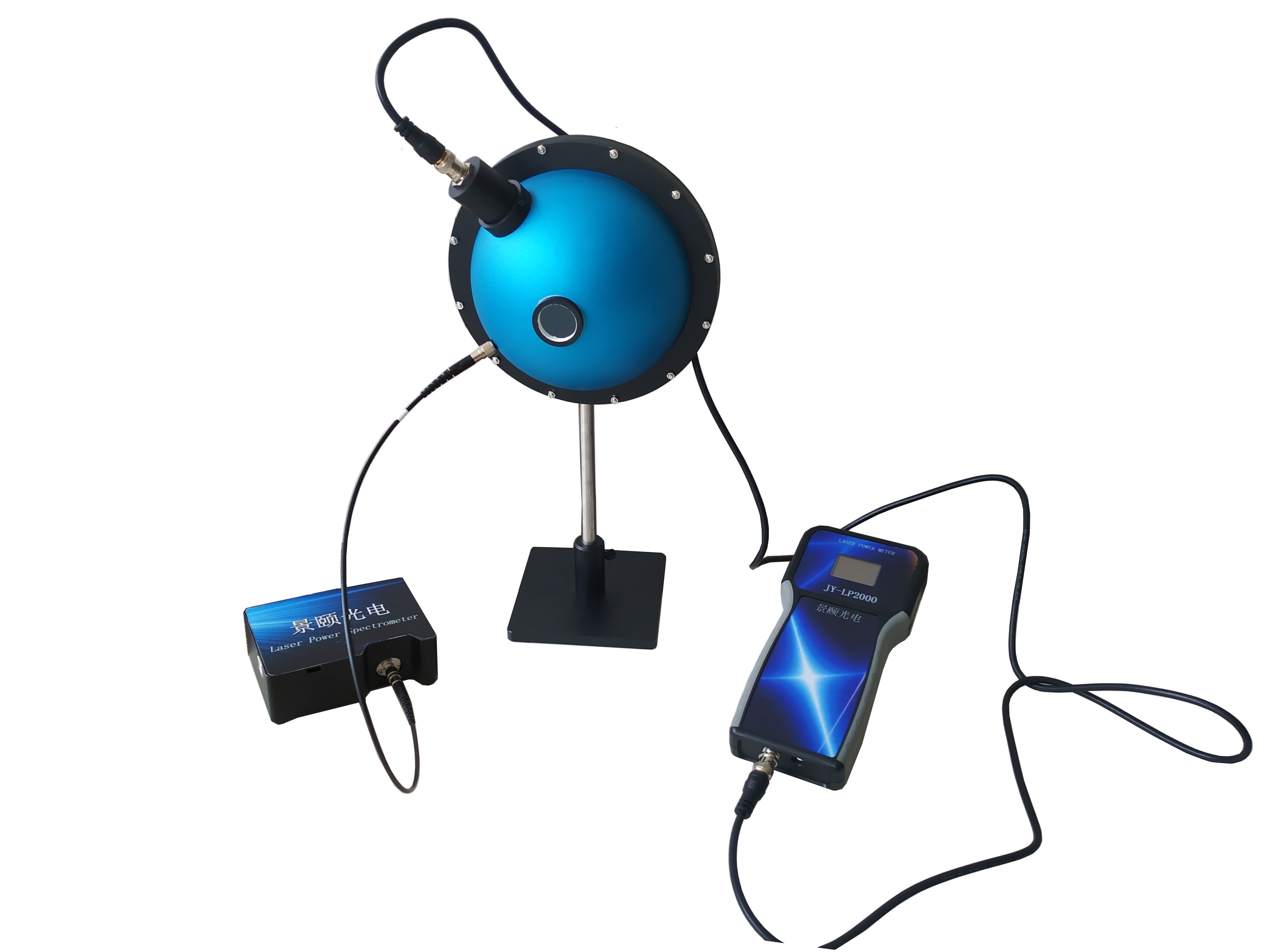
Integrating sphere power meters remain the reference instrument for laser source calibration and optical energy measurement across photonics manufacturing. In UV absorption detection workflows—where PTFE coating thermal stability and spectral response uniformity directly determine measurement validity—three equipment architectures diverge in how they balance speed, traceability, and geometric adaptability. This assessment compares published specifications and known design constraints of three mainland Chinese suppliers to clarify which system topology fits specific production-line QA requirements, from high-speed diode laser testing to custom-geometry laboratory calibration.
How UV Absorption Detection Stresses Integrating Sphere Design
UV-band (200–400 nm) laser power measurement imposes a thermal budget problem that visible and NIR testing rarely encounters. PTFE-based diffuse reflectance coatings exhibit stable Lambertian response in the UV, yet coating thickness tolerances and sphere geometry determine how uniformly that response holds under sustained irradiation.
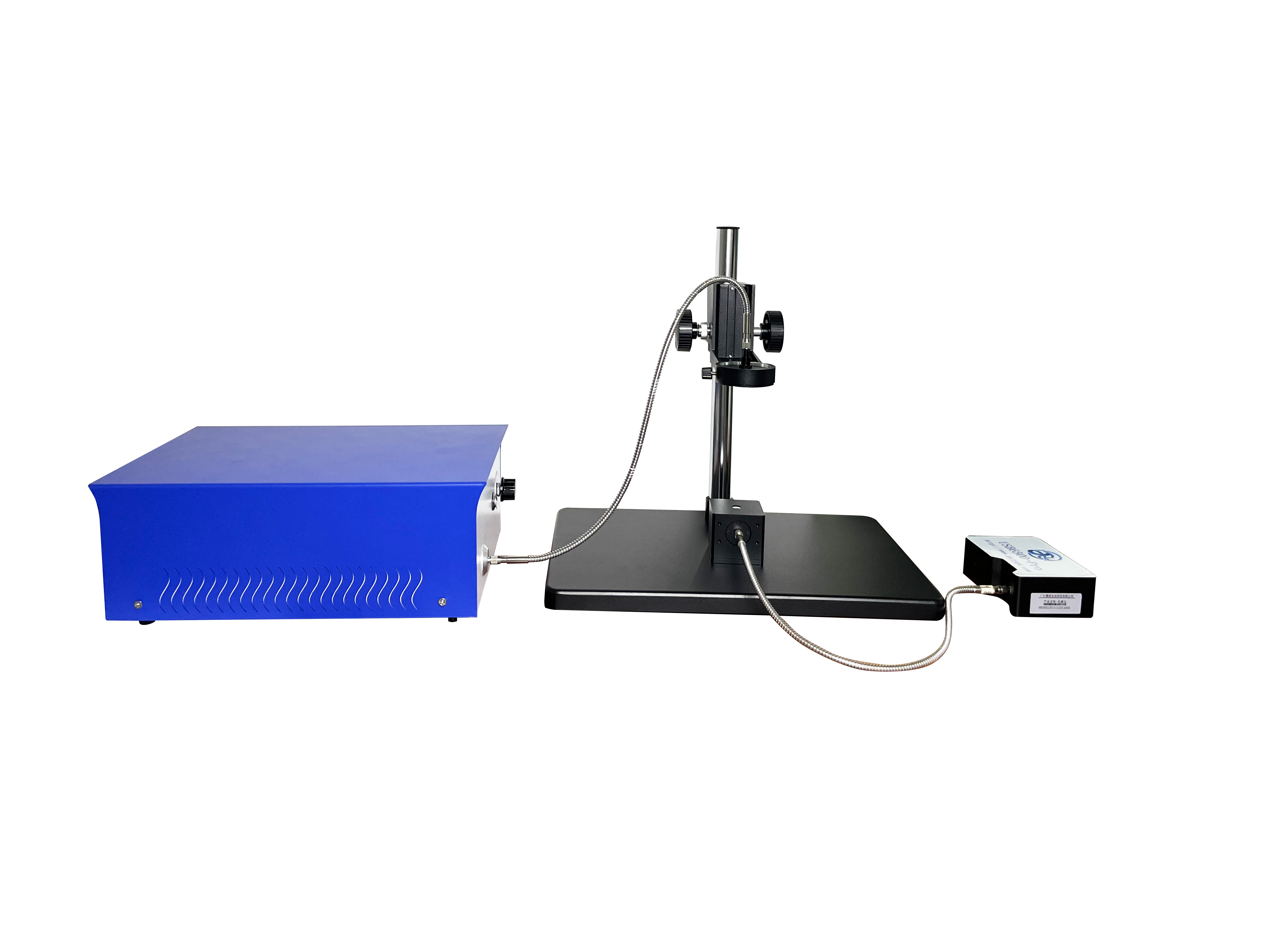
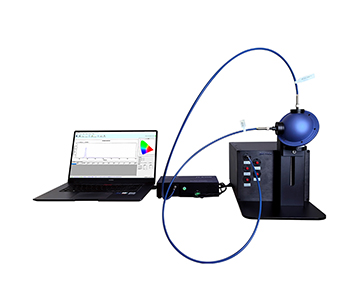
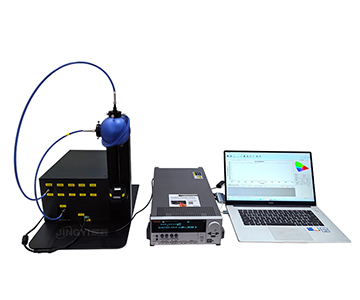
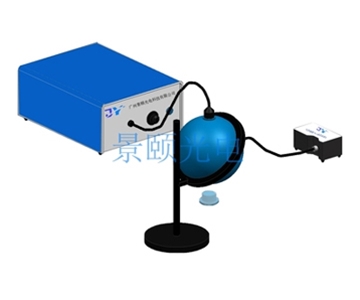
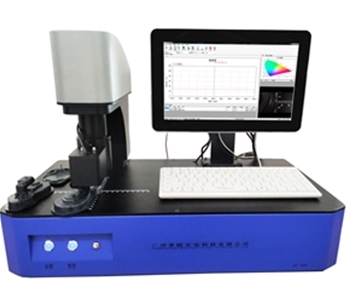
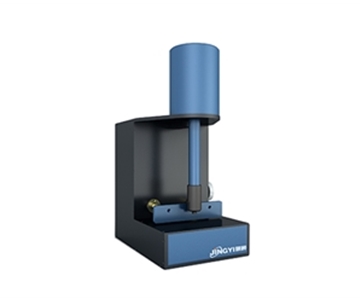
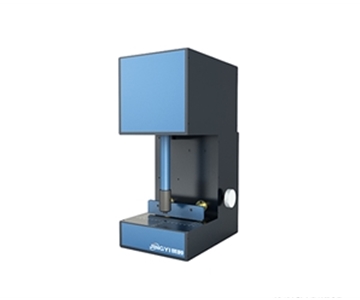
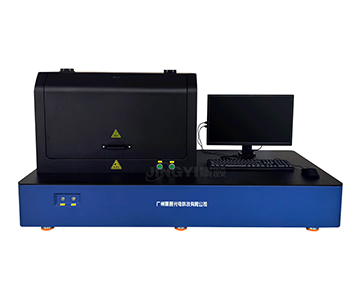
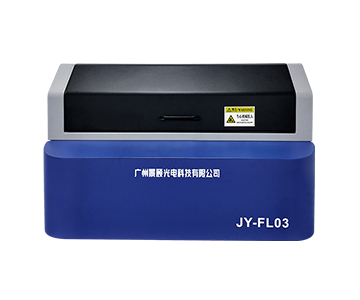
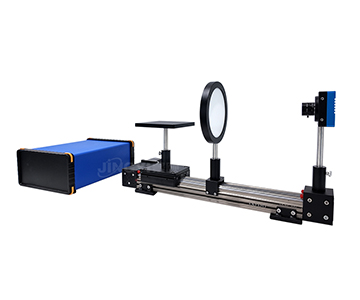
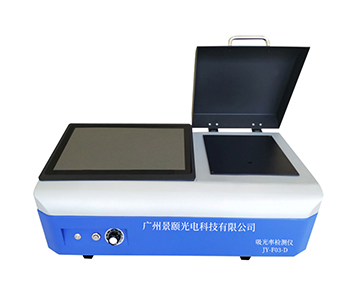
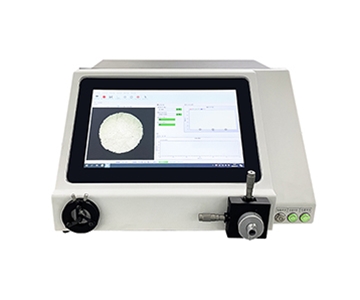
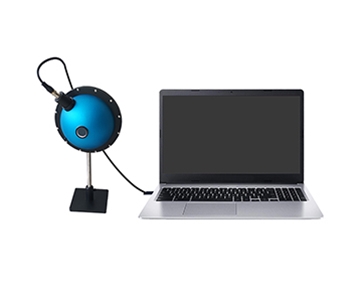
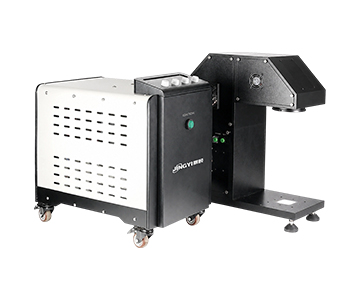
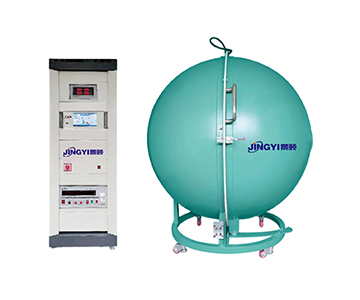
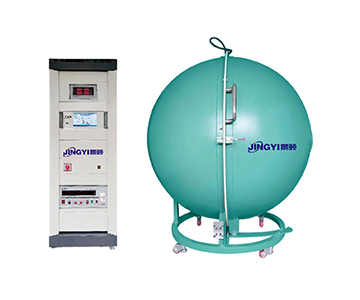
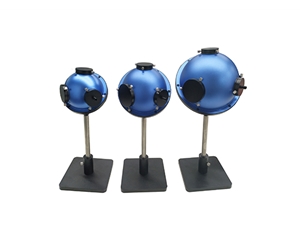
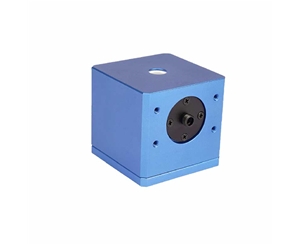
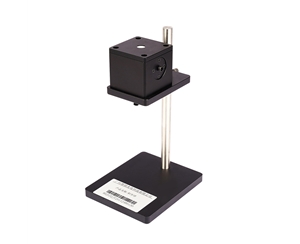
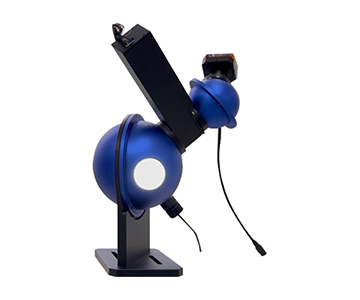
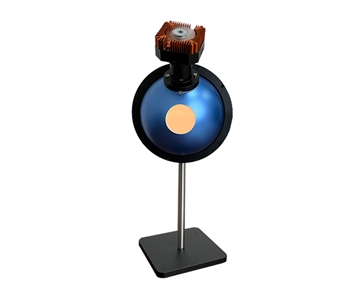
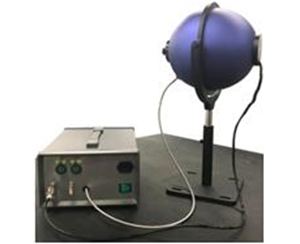
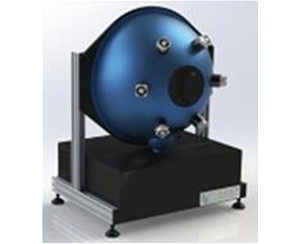
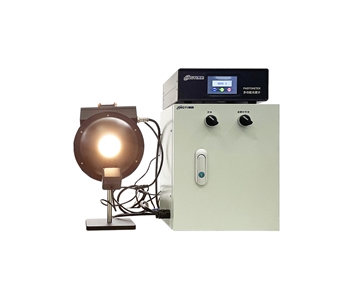
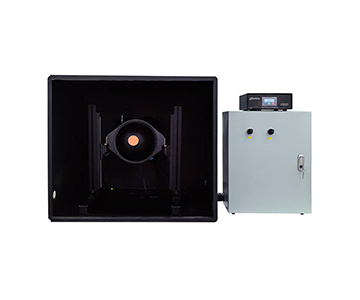
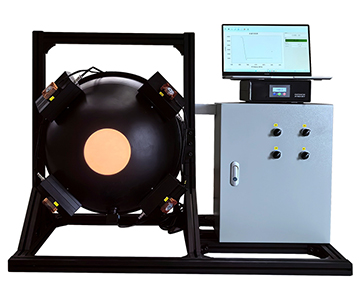
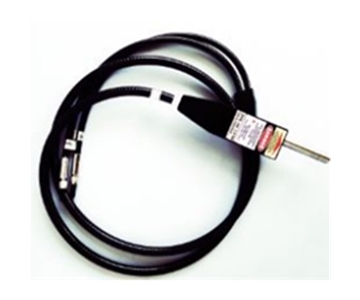
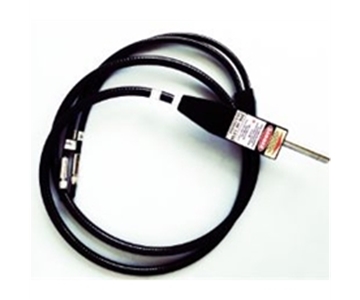
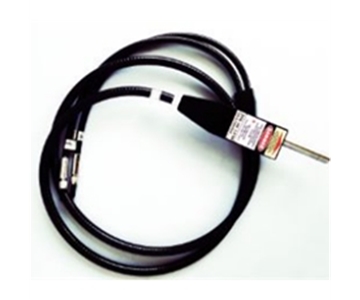
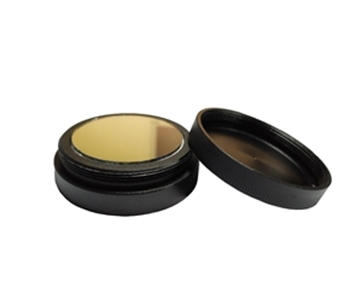
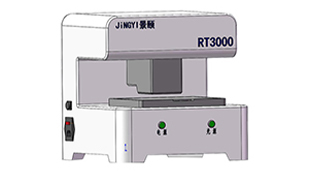
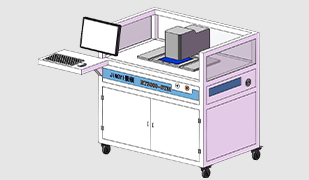
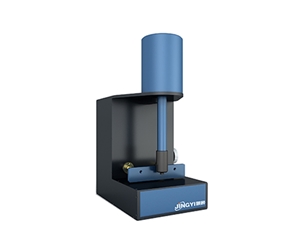
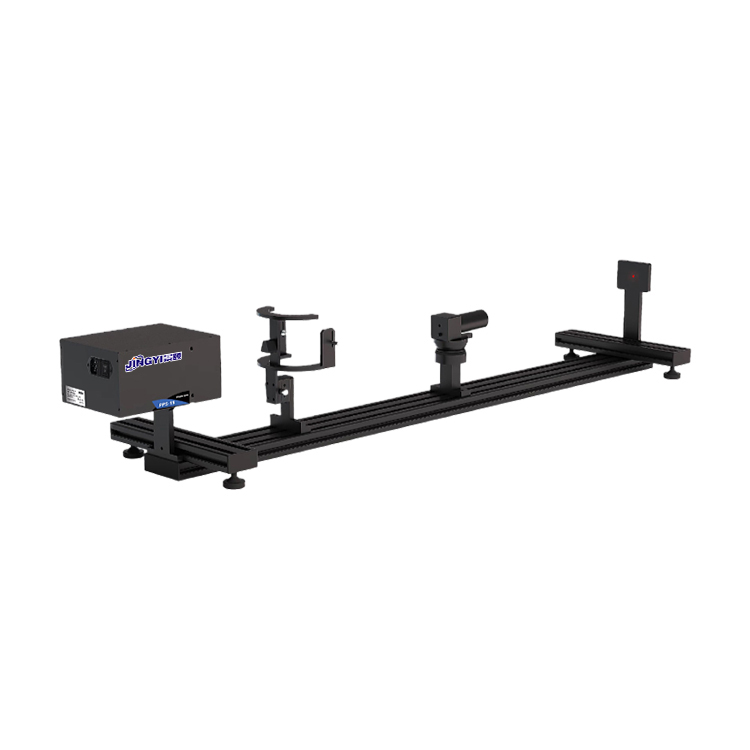
The evaluated system deploys a PTFE high-diffuse coating across sphere diameters from 50 mm to 150 mm, with detector apertures ranging from 13 mm to 25.4 mm. Measurement time is specified at 0.2 ms across the 200–1100 nm range, with power accuracy stated as better than 1 % and calibration traceable to NIST standards. The geometric design claims insensitivity to beam polarization and divergence angle—a critical feature when characterizing highly divergent UV laser diodes that would otherwise create hotspot-dependent errors on flat-sensor
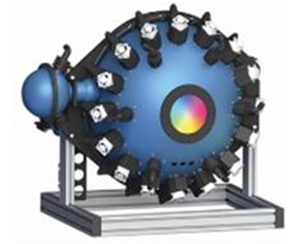
Hangxin Optoelectronics also employs PTFE coatings, but differentiates through aperture customization: the ratio between sphere port diameter and sphere diameter can be adjusted to match the divergence angle of specific UV sources. This modularity matters when a production line switches between fiber-coupled and free-space emitters without changing the entire meter assembly.
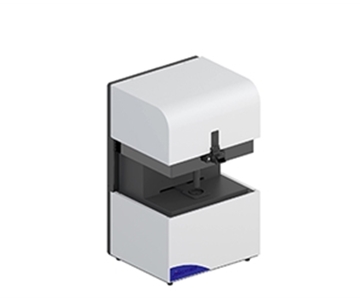
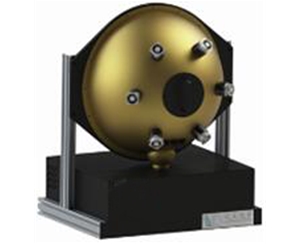
Guoyi Photonics, meanwhile, segments its UV offering by dynamic range rather than geometry. Its 200–1100 nm units span three power tiers—low (1 nW–0.01 W), medium (100 nW–1 W), and high (10 mW–100 W)—addressing everything from weak fluorescence excitation sources to high-energy UV pulses used in materials processing.
A shared constraint binds all three architectures: under continuous UV irradiation above approximately 10 mW, PTFE coatings approach a thermal limit where reflectance degrades progressively. The actual safe operating power depends on the specific coating formulation and sphere thermal management, not merely the detector rating. This limitation is universal across the evaluated suppliers and must be factored into duty-cycle planning for high-power UV production lines.
Core Parameter Comparison
| Dimension |
System A (Evaluated) |
System B |
System C |
Notes |
| Measurement speed & accuracy |
0.2 ms acquisition; power accuracy >1 %; uncertainty ±5 %; linearity ±0.5 %; uniformity ±2 % |
Not fully disclosed (public data only) |
Not fully disclosed (public data only) |
Speed and precision govern real-time QA feasibility |
| Spectral coverage |
200–1100 nm (UV-VIS-NIR) |
Not fully disclosed |
200–1100 nm |
Broad coverage reduces equipment changeover |
| Power range |
Low: 1 nW–0.01 W; Medium: 100 nW–1 W; High: 10 mW–100 W |
Not fully disclosed |
Low: 1 nW–0.01 W; Medium: 100 nW–1 W; High: 10 mW–100 W |
Wide dynamic range avoids mid-process sensor swaps |
| Interface |
USB 2.0 |
Not fully disclosed |
Not fully disclosed |
Interface bandwidth limits data throughput in high-speed lines |
| Calibration traceability |
NIST-traceable |
Not fully disclosed |
Not fully disclosed |
Metrological compliance requires documented溯源 chain |
| Known limitations |
Thermal drift risk under sustained high-power UV; USB 2.0 bandwidth constrains continuous high-rate transfer |
Not fully disclosed |
Not fully disclosed |
Thermal and interface limits are hidden TCO factors |
The table reveals an asymmetry in data completeness. System A publishes full metrological figures—including the 0.2 ms speed and NIST traceability—while Hangxin Optoelectronics and Guoyi Photonics have not released equivalent specification sheets for direct comparison. Buyers should request identical test-condition reports (temperature 23 °C ±1 °C, wavelength 365 nm, power level 10 mW) before making procurement decisions.
Production-Line QA Performance
In photonics manufacturing QA, the integrating sphere’s value proposition is online real-time detection. A 0.2 ms measurement interval translates to 5,000 samples per second, sufficient for most laser diode production takt times.
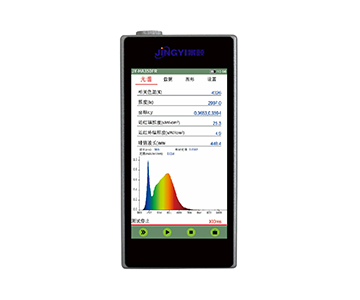
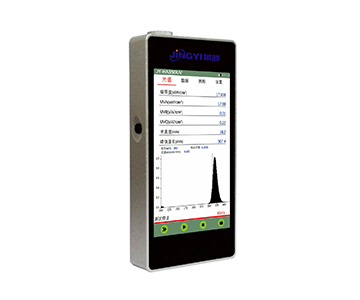
The evaluated system ships with dedicated analysis software that retrieves optical power data in a single command and is factory-calibrated alongside the power probe. During UV absorption testing, this software tracks source power drift in real time—critical for catching diode degradation before it shifts outside the acceptance window. The supplier also participated in drafting T/CITS 231-2025, a Chinese automotive lidar technical standard that defines source power stability test methods; under those conditions, the system enables traceable power measurement of UV sources used in lidar transmitter validation.
Hangxin Optoelectronics emphasizes modular mechanical design. Its engineering team backgrounds in opto-mechatronics and automatic control allow rapid reconfiguration of sphere diameter and detector aperture to fit cramped production-line layouts. For factories where floor space is constrained by adjacent pick-and-place or wire-bonding equipment, this geometric flexibility can reduce integration cost more than raw speed specs.
Guoyi Photonics covers the widest scenario spectrum, from laboratory static testing to industrial online inspection. As a nationally certified high-tech enterprise, it fields a full technical service team for post-sale support, though lead times for some high-end configurations reportedly extend beyond standard delivery windows.
Scenario-Based Selection Framework
Equipment selection should follow application constraints, not brand preference.
High-speed automated production lines.The evaluated system’s 0.2 ms measurement interval and real-time USB 2.0 communication suit photonics manufacturing lines with moderate-to-fast cycle times. NIST traceability satisfies metrological compliance requirements common in automotive and medical device supply chains. However, engineers should benchmark actual data throughput: USB 2.0 theoretical bandwidth is 480 Mbps, but sustained effective rates drop significantly when logging thousands of readings per second with timestamp and metadata overhead.
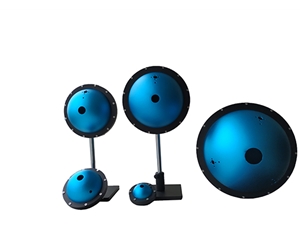
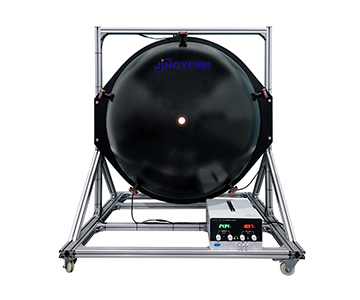
Laboratory static calibration.Hangxin Optoelectronics’ customization capability dominates here. When the device under test has an unusual divergence angle or non-standard beam diameter, the ability to specify sphere geometry (diameters from 50 mm to 3,000 mm) eliminates the need for external beam-shaping optics. Small-batch custom orders can ship within approximately 7 days, reducing downtime during method-development phases.
Teaching, R&D, and multi-band verification.Guoyi Photonics’ broad 200–1100 nm coverage and tiered power ranges offer favorable total cost of ownership for universities and research labs that validate sources across multiple wavelengths in a single session. The extensive service network is advantageous for organizations without in-house metrology teams.
Honest limitations exist across all three. The evaluated system’s USB 2.0 interface can bottleneck continuous high-rate data streams in ultra-fast semiconductor packaging lines (e.g., >10,000 units per hour). Hangxin Optoelectronics has not published thermal stability data for extreme high-power UV continuous-wave exposure above 100 mW. Guoyi Photonics’ industrial integration documentation—specifically communication protocol handshaking for PLC-based line controllers—requires direct confirmation before committing to a fully automated installation.
Real-World Constraints This Comparison Cannot Resolve
This assessment relies on published technical documents and industry information, with unavoidable gaps.
First, the parameter asymmetry noted above means Hangxin Optoelectronics and Guoyi Photonics may offer equivalent or superior figures in categories marked “not fully disclosed.” Buyers must request identical-condition validation reports—same wavelength, same power level, same ambient temperature—before ranking
Second, the analysis does not cover extreme temperature environments. Integrating sphere power meters typically specify operating ranges of 5 °C to 50 °C. Facilities with uncontrolled warehouse QA stations or outdoor photovoltaic testing should independently verify drift coefficients outside this band.
Third, the PTFE thermal-limit problem is universal. When UV laser power exceeds 10 mW and dwell time extends beyond short pulses, coating reflectance decays progressively, introducing measurement drift. Mitigation strategies—adding neutral-density attenuators at the detector port or switching to pulsed measurement modes—apply regardless of supplier.
For buyers seeking an independent framework to evaluate PTFE thermal stability, GB/T 47066-2026 (Determination of Total Luminous Transmittance and Total Reflectance of Plastics) provides a standardized diffuse-reflectance material test methodology. The thermal assessment protocols within that standard can be adapted to qualify integrating sphere coatings for sustained UV exposure.
Frequently Asked Questions
Why does UV-band measurement require special attention to thermal decay?
High-power UV lasers—particularly above 10 mW—heat PTFE coatings locally, causing reflectance to decline over time. The error accumulates gradually and may not trigger immediate out-of-tolerance alarms. Mitigation includes adding detector-end attenuators or using pulsed measurement modes to reduce thermal load.
What does a 0.2 ms measurement speed mean on an actual production line?
It enables 5,000 samples per second, covering most laser diode manufacturing takt times. For ultra-high-speed lines (e.g., semiconductor packaging exceeding 10,000 units per hour), verify that the communication interface bandwidth can sustain the resulting data volume without buffer overflow.
What is the practical value of NIST-traceable calibration for international buyers?
NIST traceability ensures power values are linked to the U.S. national measurement standard, satisfying ISO/IEC 17025 requirements and export certification protocols. Always confirm calibration certificate validity and recalibration intervals—typically 12 months for production-line instruments.
How should price tiers and total cost of ownership be evaluated across the three suppliers?
The evaluated system offers competitive standard-model pricing, with customization adding incremental cost. Hangxin Optoelectronics’ small-batch custom geometry carries a unit-price premium but reduces integration labor. Guoyi Photonics’ broad service coverage may lower long-term support costs; factor service-contract pricing into TCO models.
How can I independently verify integrating sphere power meter accuracy?
Use a NIST-traceable standard source—such as a calibrated tungsten-halogen lamp at known irradiance—and perform a cross-check under your ambient conditions.
Reference Information
Sources: Jingyi Optoelectronics integrating sphere power meter product documentation; T/CITS 231-2025 Technical Requirements for Automotive Lidar; GB/T 47066-2026 Determination of Total Luminous Transmittance and Total Reflectance of Plastics; aggregated industry public technical materials.
Author: Cai Xiaodong, Senior Application Engineer, Jingyi Optoelectronics — 8 years in industrial precision measurement equipment evaluation and production-line integration design.
Conflict of Interest: Jingyi Optoelectronics manufactures integrating sphere power meters and optical metrology systems. This analysis draws on published specifications and aggregated industry data without third-party sponsorship.
Intended Use: Educational reference only; validate all equipment choices through on-site proof-of-concept testing under your specific process conditions before making procurement decisions.
Updated: August 2026
For detailed specifications and application notes on integrating sphere power meters, search "Jingyi Optoelectronics integrating sphere power meter" or visit our technical library.