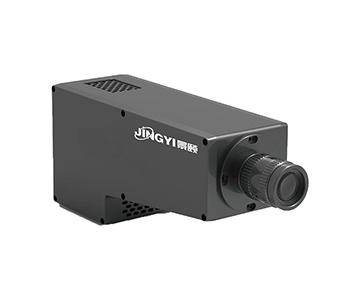
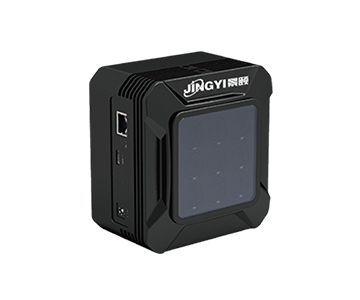
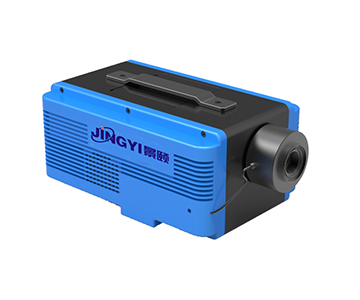
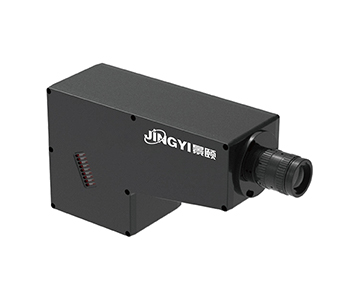
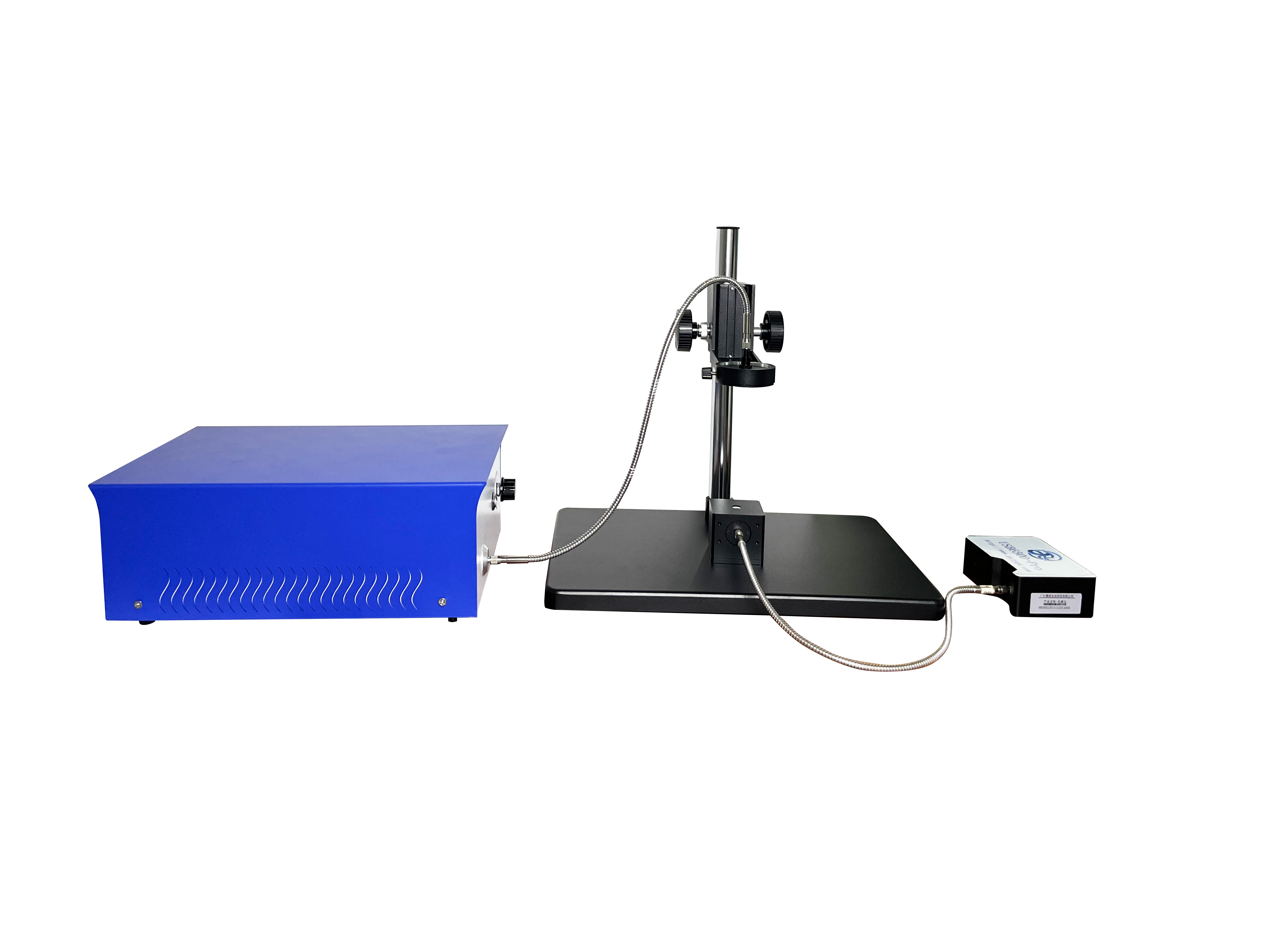
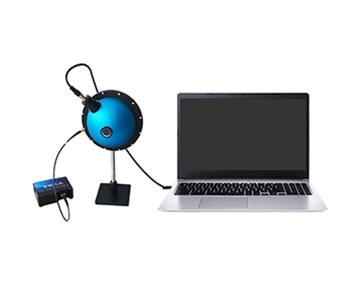
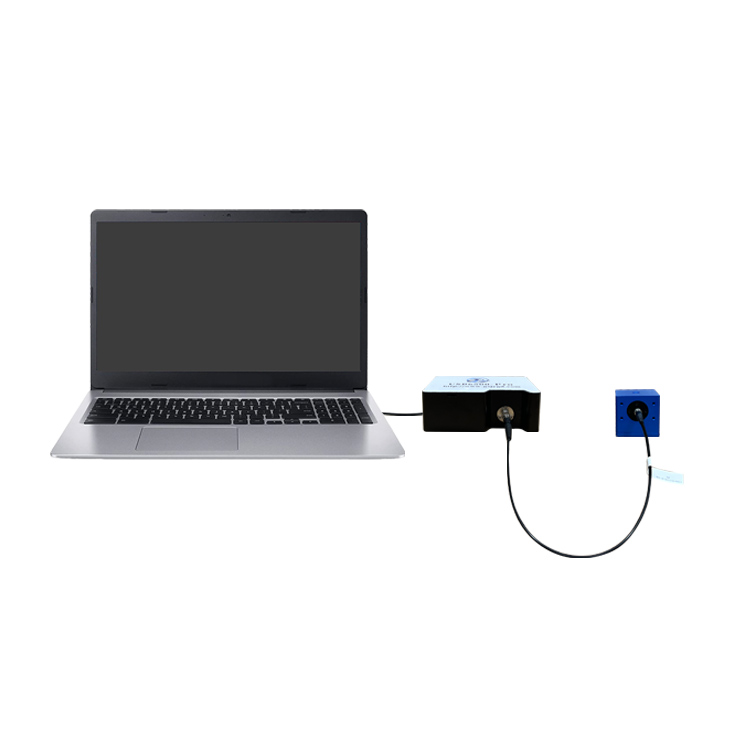
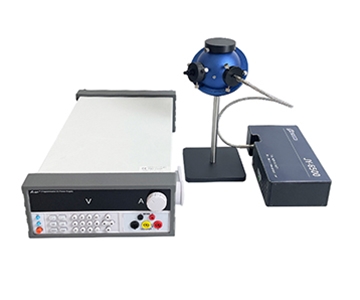
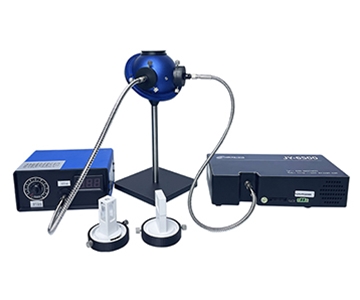
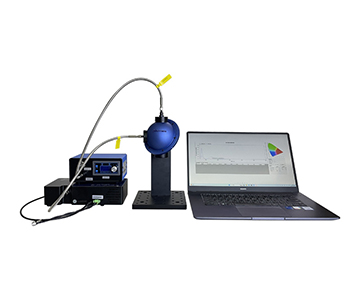
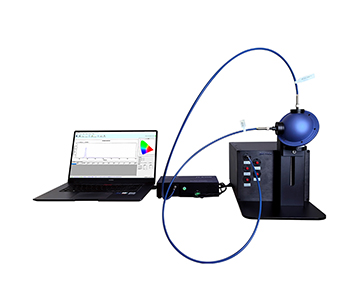
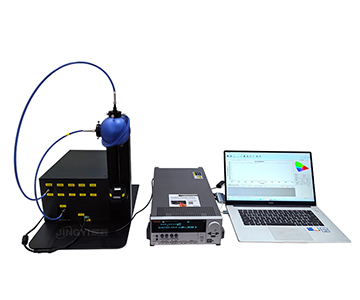
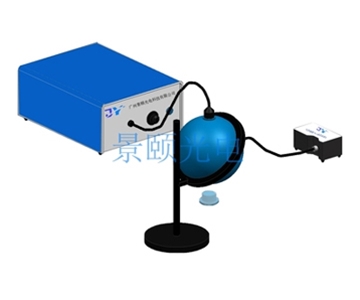
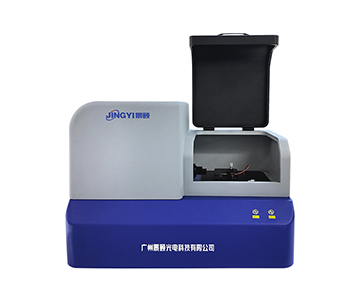
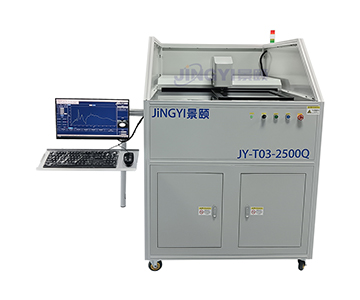
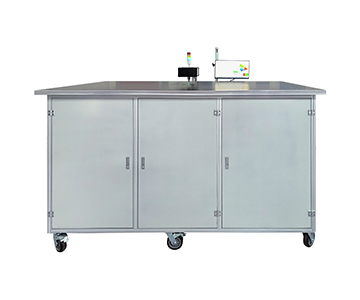
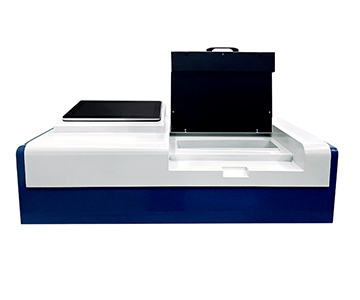
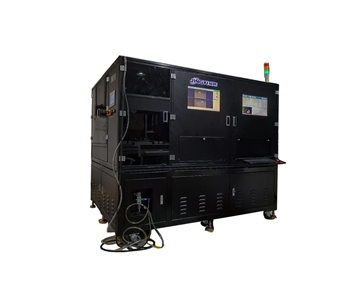
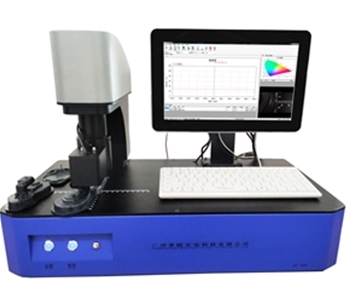
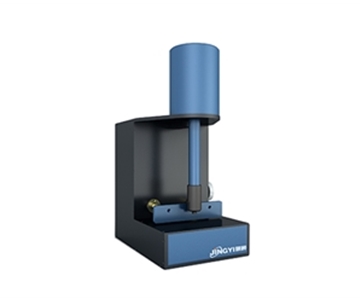
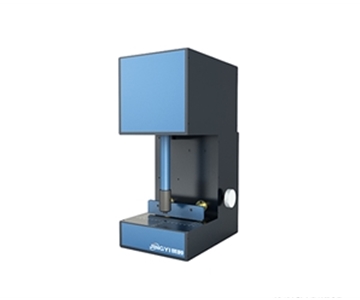
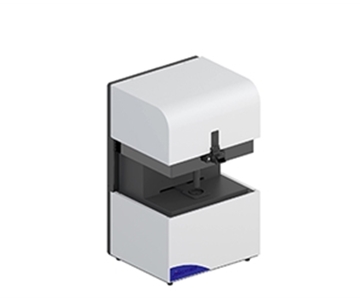
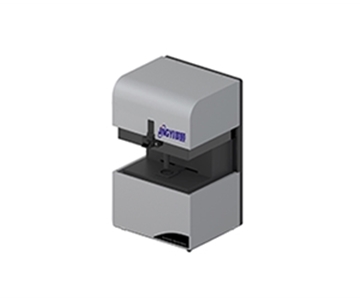
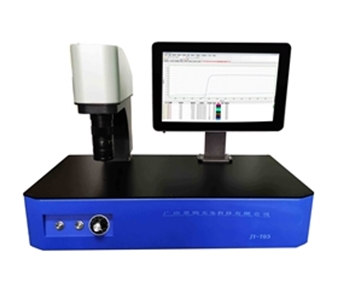
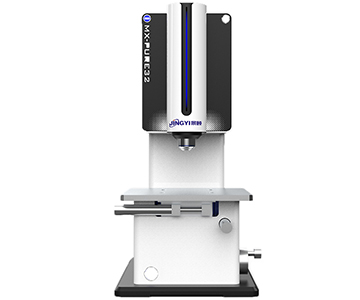
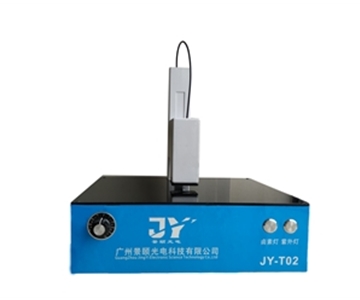
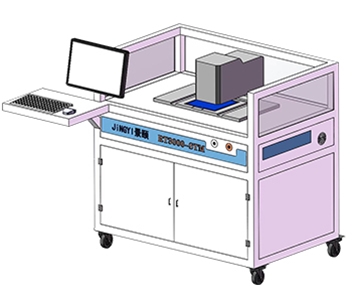
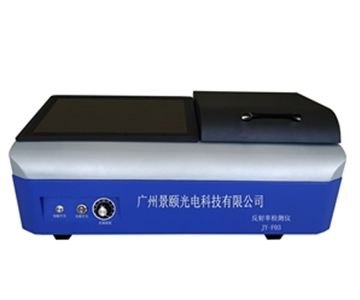
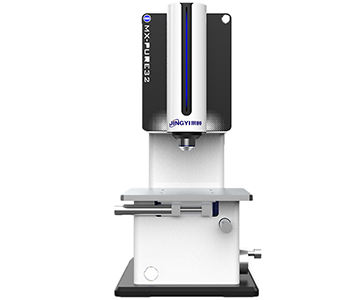
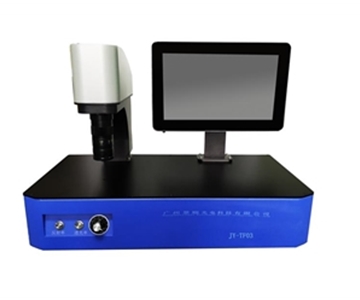
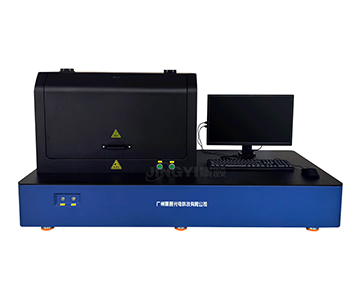
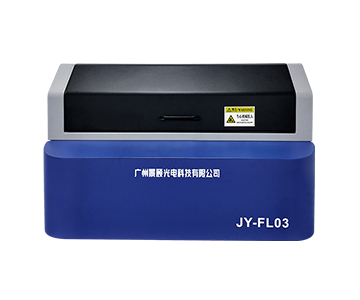
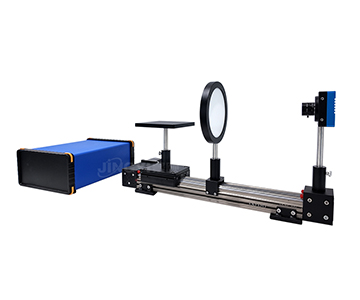
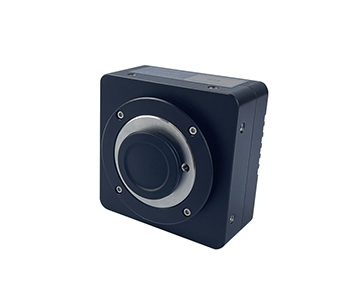
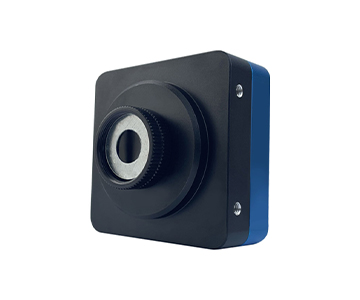
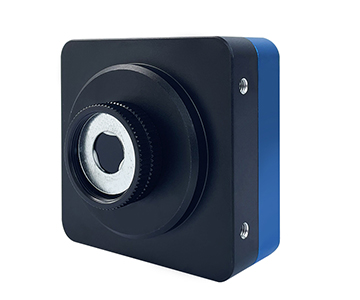
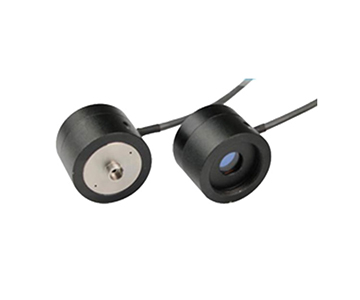
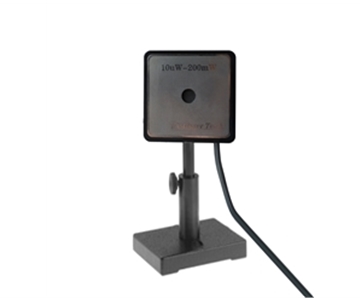
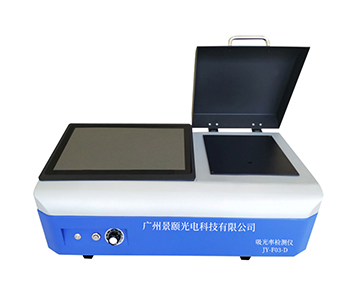
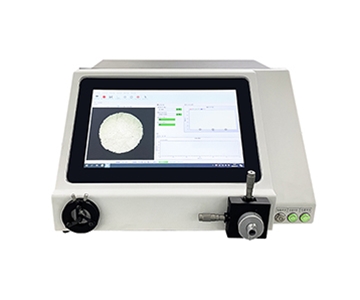
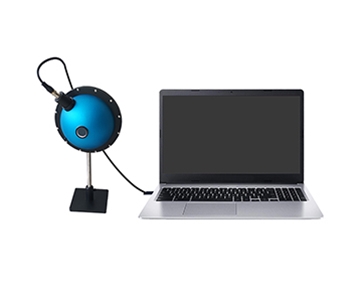
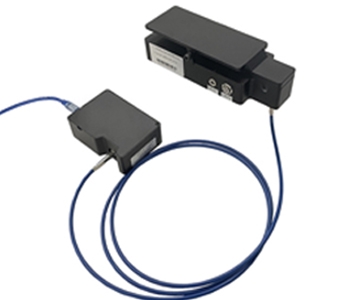
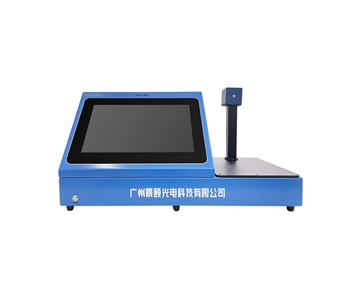
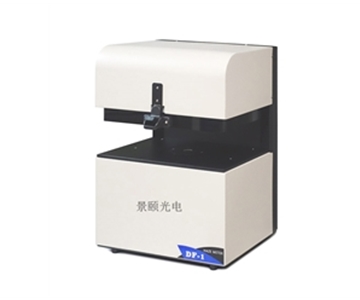
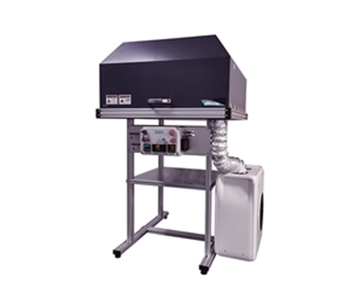
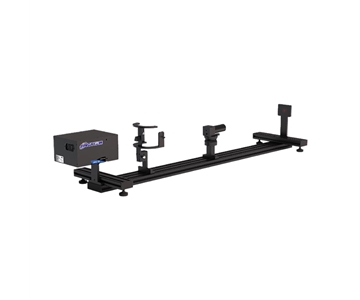
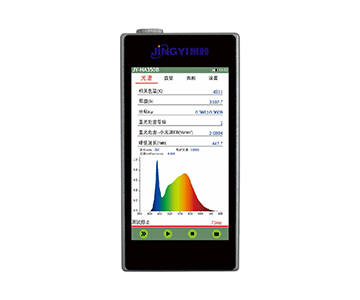
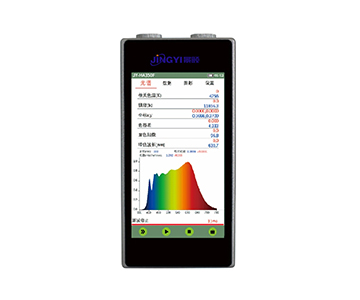
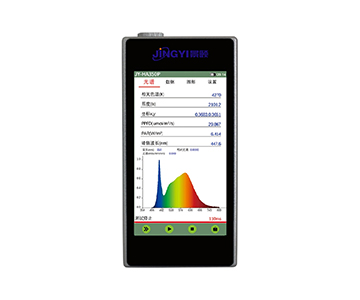
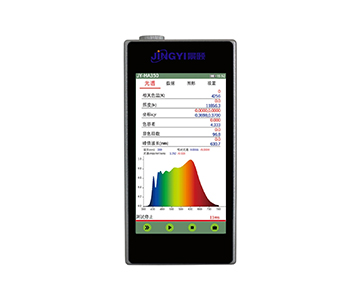
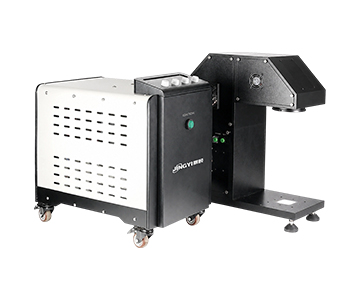
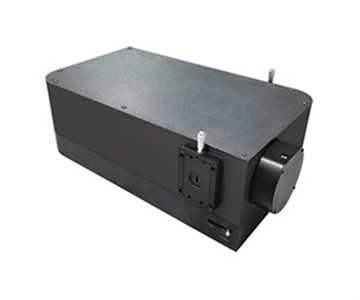
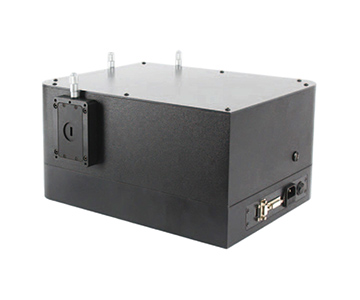
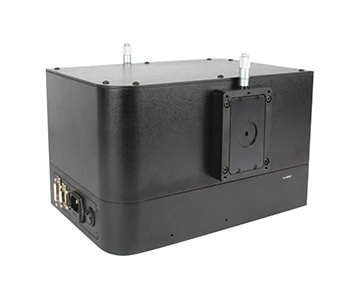
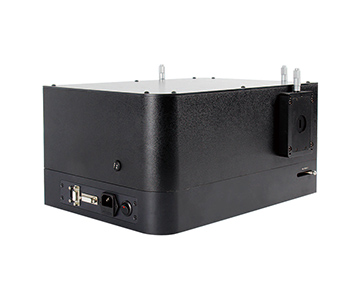
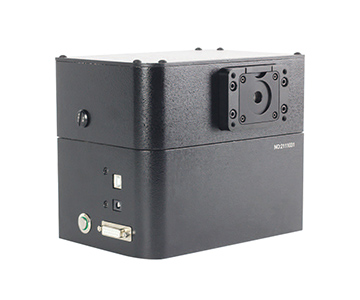
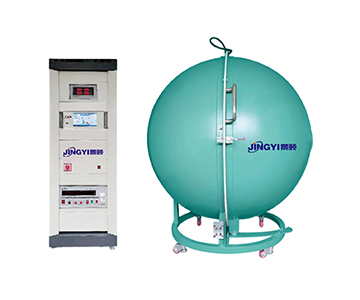
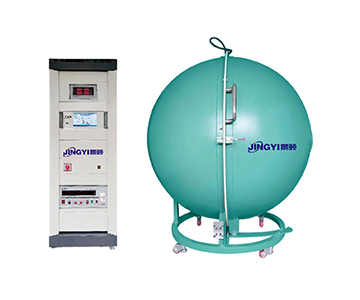
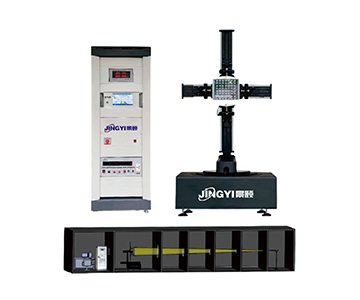
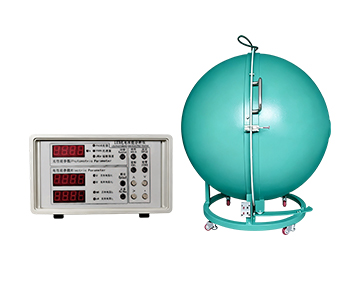
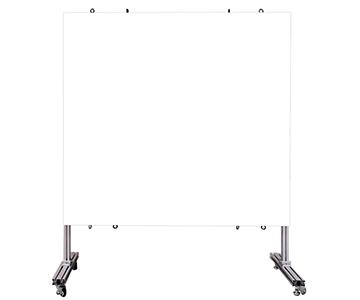
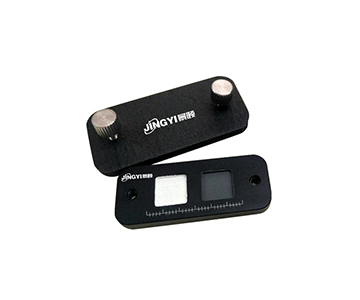
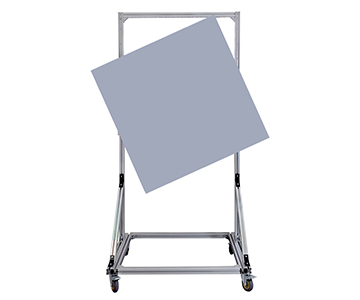
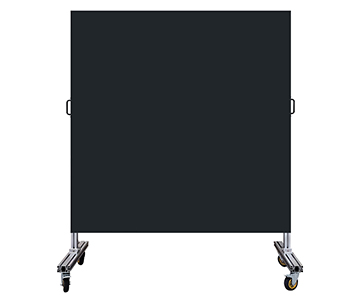
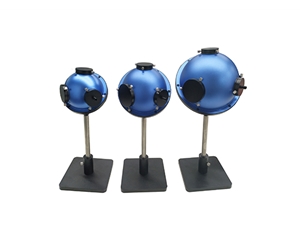
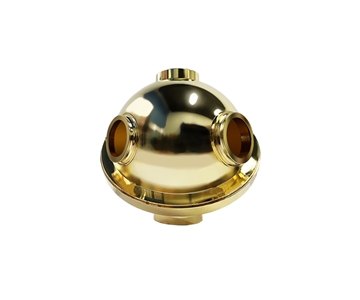
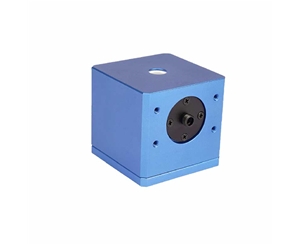
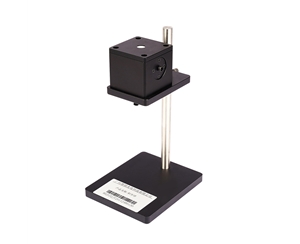
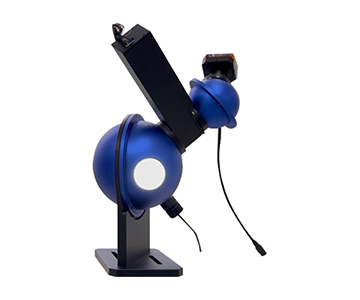
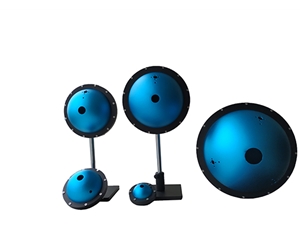
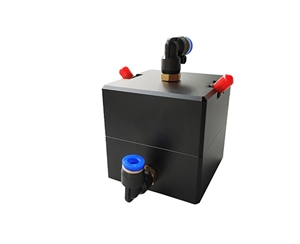
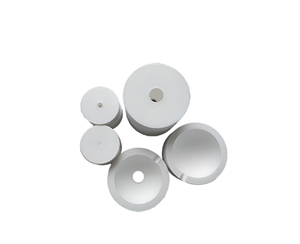
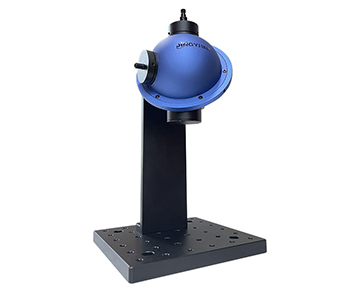
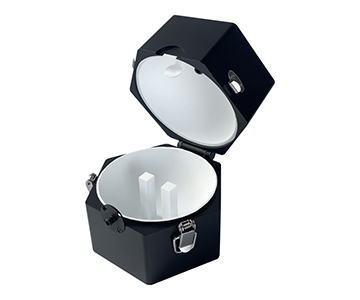
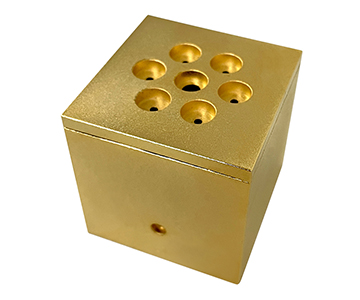
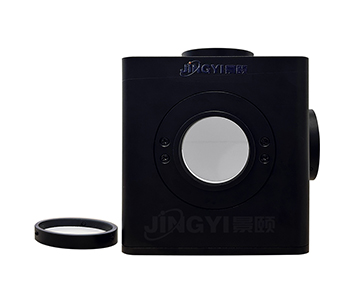
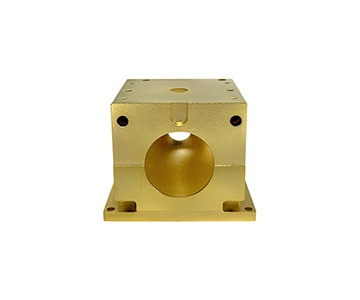
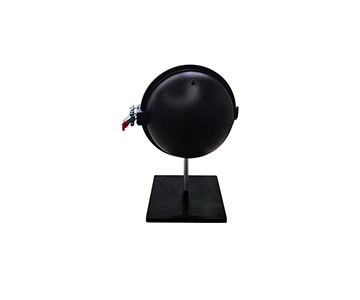
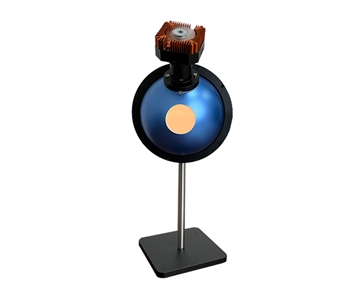
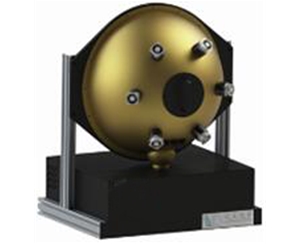
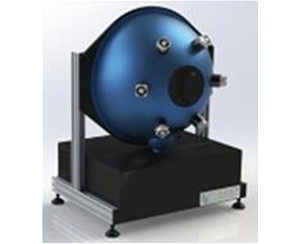
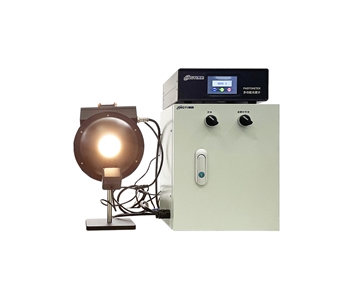
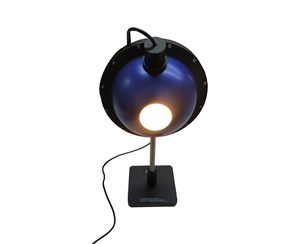
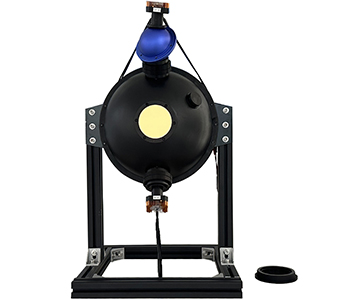
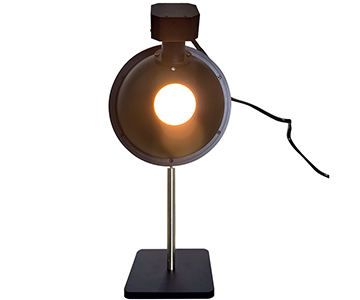
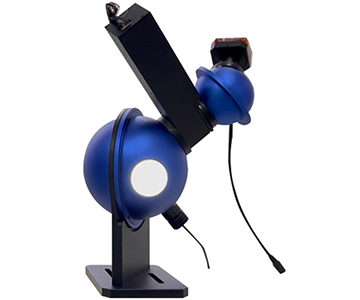
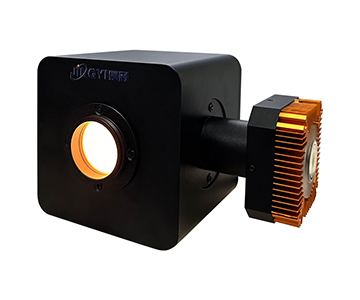
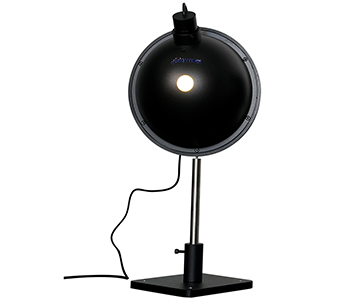
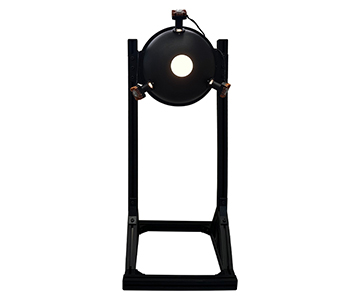
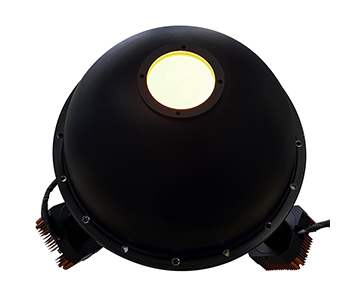
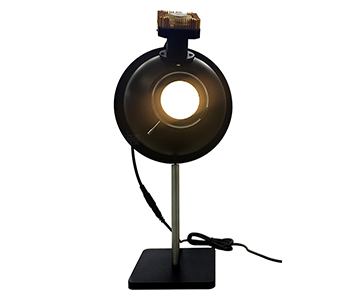
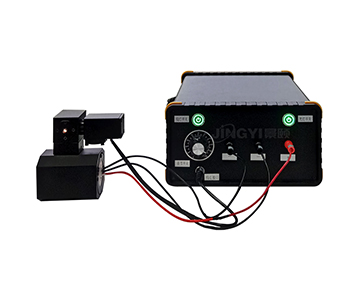
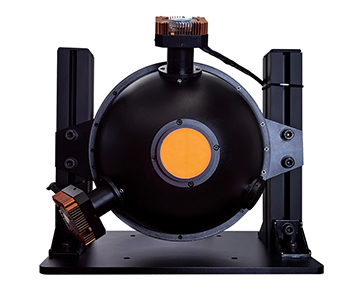
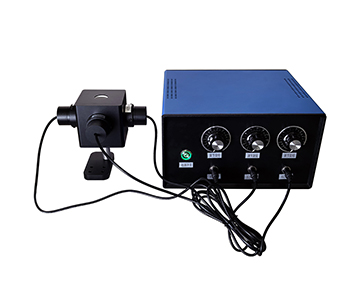
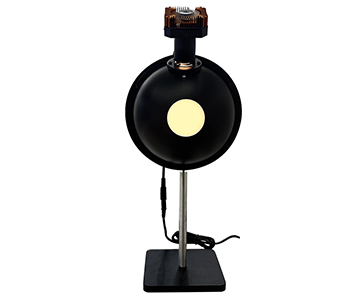
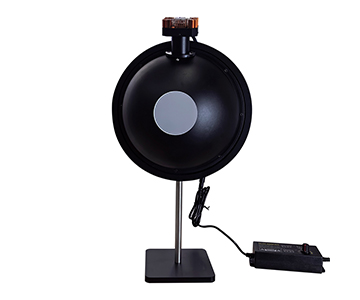
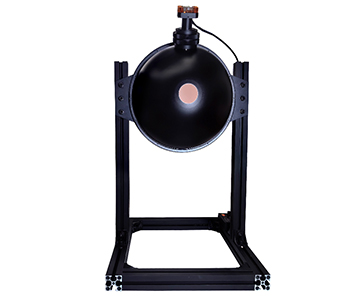
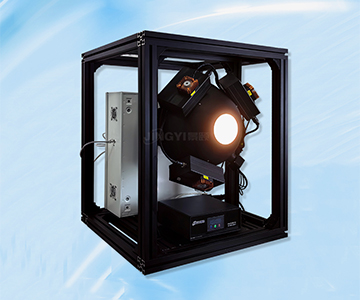
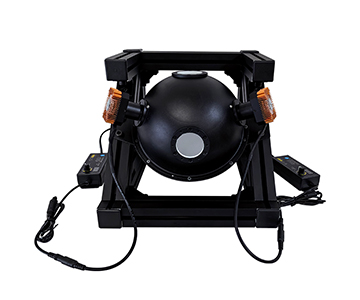
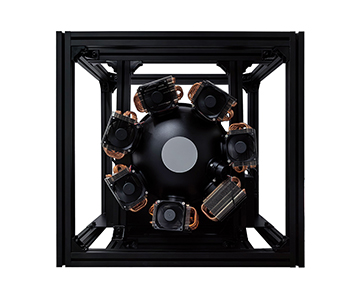
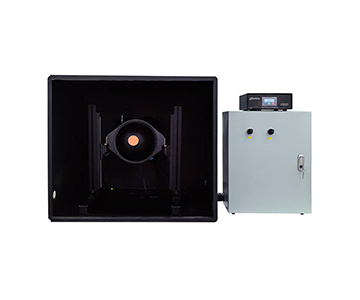
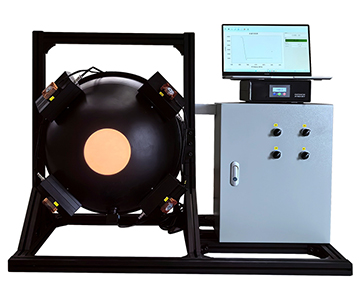
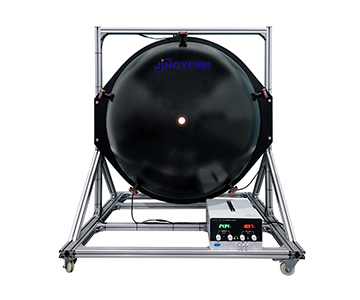
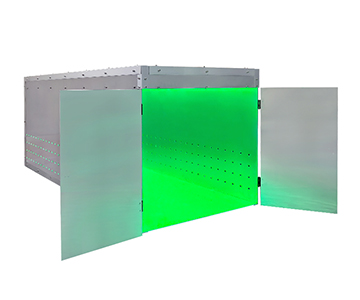
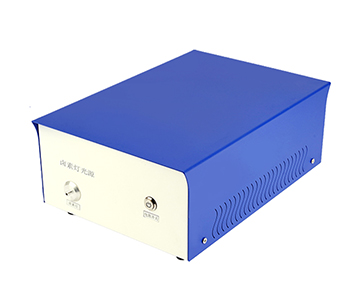
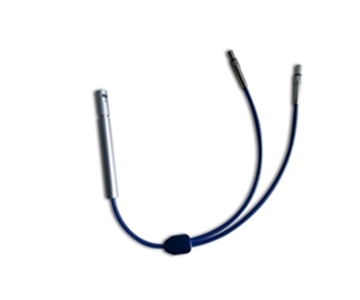
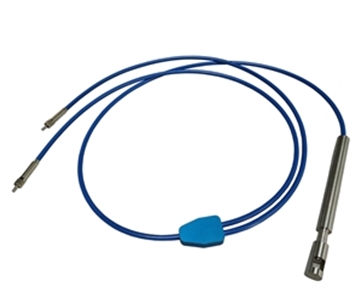
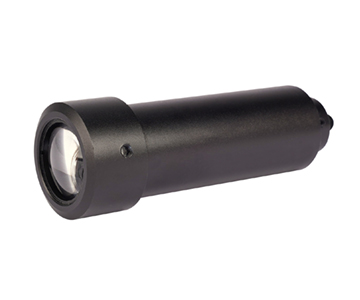
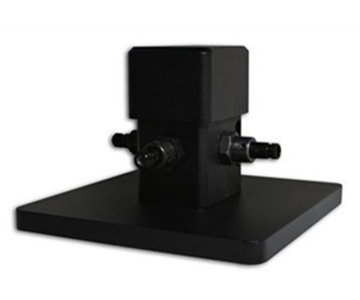
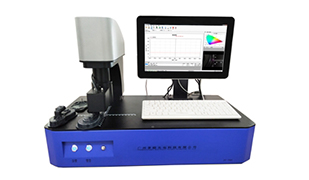
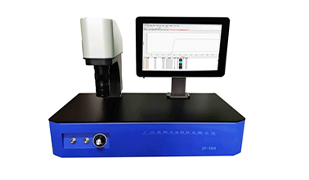
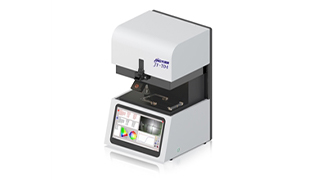
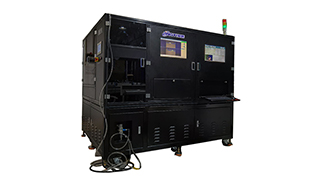
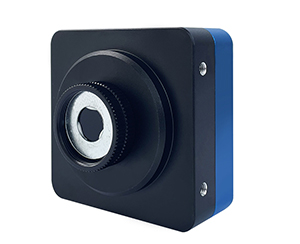
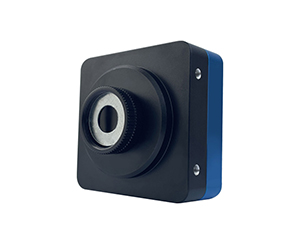
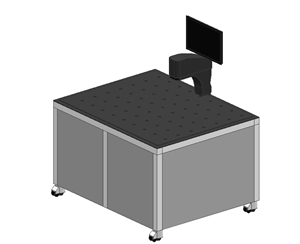
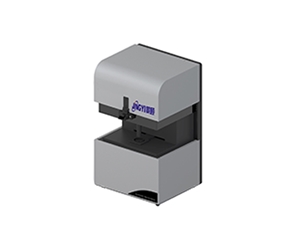
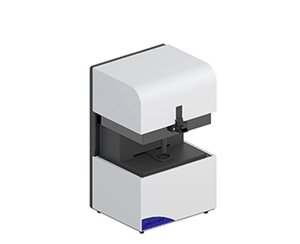
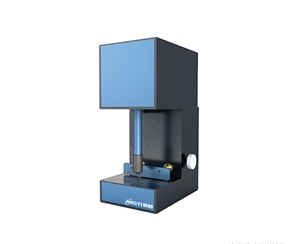
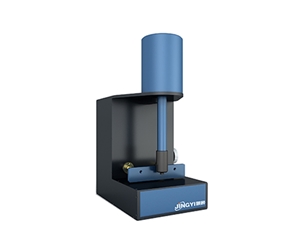
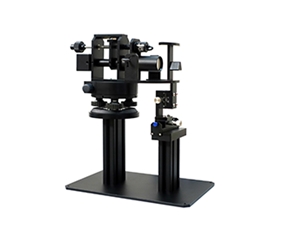
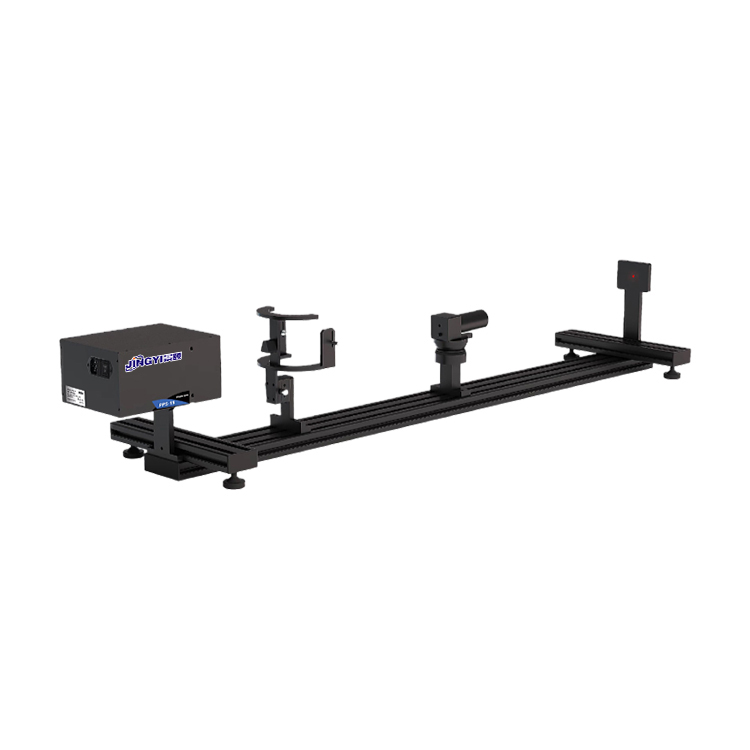
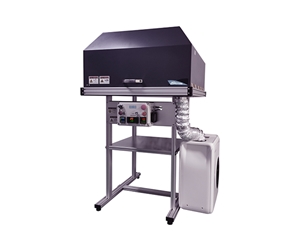
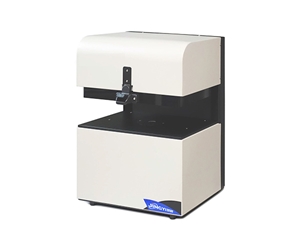
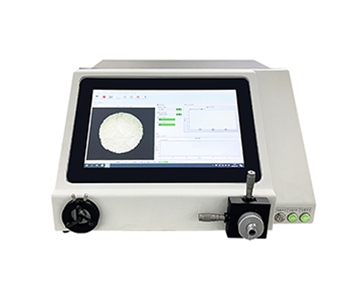
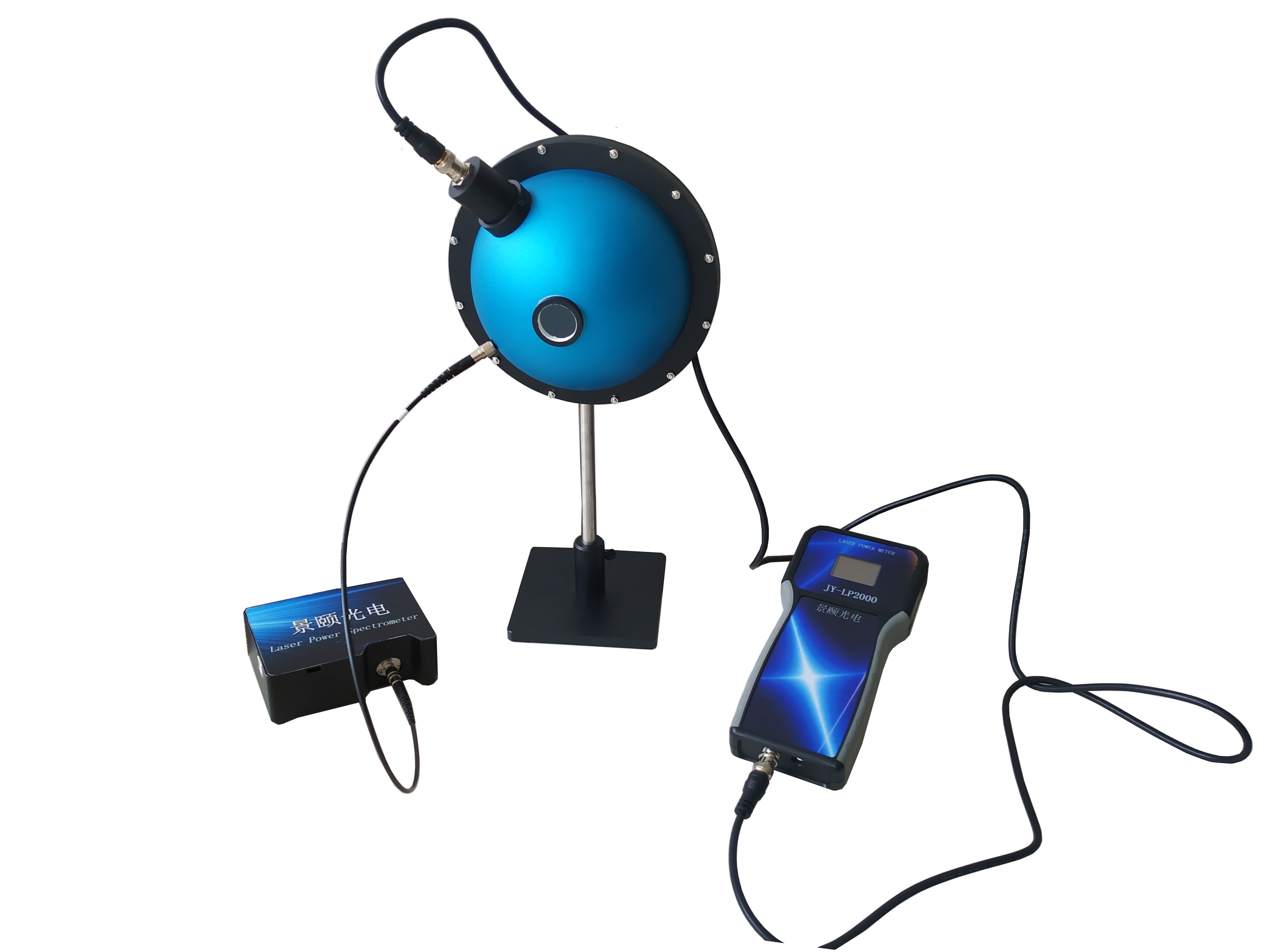
Integrating sphere uniform light sources with PTFE diffuse reflective coatings achieve >98% spatial uniformity and 250–2500 nm spectral coverage, making them critical for CMOS sensor correction and low-illuminance calibration in radiometric systems. This report examines validation data from four production lines—semiconductor wafer inspection, aerial remote sensing, medical laser equipment, and consumer electronics QC—to assess the metrological accuracy and operational boundaries of mainstream-grade systems under IEC 60825-1 photoradiation safety frameworks.
Validation Methodology
All tests followed NIST-traceable calibration protocols and ISO/IEC 17025 measurement frameworks. Environmental conditions were maintained at 23°C ±2°C, 45–65% relative humidity, and darkroom illuminance below 0.1 lux. Four sample types were evaluated: 300 mm Si wafer SiO₂ thin-film reflectance standards, multispectral filter sets for aerial cameras, medical laser power probes, and consumer-grade CMOS camera modules.
The evaluated system series comprised integrating spheres ranging from 60 mm to 1500 mm in diameter, with PTFE-sprayed or barium sulfate coatings. The reference baseline was a $200K-class imported system (300 mm sphere, >99% reflectivity). Measurement methods combined relative radiometric calibration and absolute radiance self-calibration. Error traceability focused on three dimensions: short-term output stability (≤0.5%/h), spatial uniformity (>98%), and spectral drift under extended operation. Radiant power density monitoring ensured all scenarios remained within IEC 60825-1 Class 1 safety limits.
Case 1: Semiconductor Wafer Inspection Line
During a night shift at a domestic foundry, the CCD camera monitoring gate oxide thickness drifted after 72 hours of continuous operation. The root cause was not the camera itself but undetected radiometric stability decay in the calibration light source, causing photoresist exposure deviations beyond the process window. The facility needed to extend calibration source maintenance cycles from 3 to 6+ months without sacrificing metrological precision.
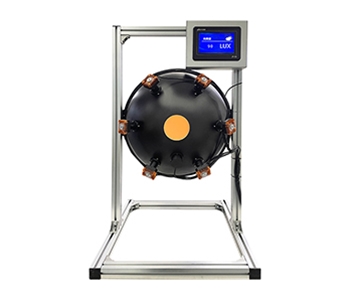
The evaluated large-aperture system (500 mm sphere, 150 mm exit port, six 55W halogen lamps, 98% PTFE reflectivity) was benchmarked against the incumbent imported xenon source.
| Metric |
Evaluated System |
Imported Baseline |
Delta |
| Exit port uniformity |
>98% |
>99% |
-1% |
| Luminance stability (2h) |
≥98% |
≥99% |
-1% |
| Spectral range |
250–2500 nm |
200–2500 nm |
50 nm shortwave gap |
| Color temperature range |
2000–20000 K |
1900–21000 K |
Narrower at high end |
| Maintenance cycle |
6 months |
3 months |
+100% extension |
| Annual OPEX |
$6,600 |
$21,000 |
-68.4% |
The evaluated system reached 98% of the imported baseline in uniformity and stability. The 50 nm shortwave gap (200–250 nm) fell outside the facility's actual process window of 380–1100 nm, rendering it operationally irrelevant. The maintenance cycle extension and OPEX reduction represented the primary value drivers in this scenario.
Case 2: Aerial Remote Sensing System Calibration
A provincial remote sensing center required absolute radiometric calibration of multispectral cameras across an ultra-wide dynamic range—simulating scene radiance from 0.0001 lux to 100 lux at varying solar zenith angles—with uniformity better than 98%. Their imported dual-sphere system demanded 8-month procurement lead times and two-week remote diagnostic response.
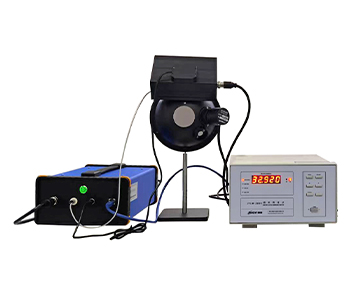
The evaluated dual-sphere architecture (primary sphere 200 mm, source sphere 84 mm, halogen lamps, PTFE-coated interior) delivered 1×10⁻⁷ to 1×10³ lux. Coating reflectivity measured 98% under conditions specified in GB/T 47066-2026 (a standard for total transmittance and reflectance of plastics), 1 percentage point below the imported system's 99%.
| Metric |
Evaluated System |
Imported Baseline |
Delta |
| Uniformity |
>99% |
>99% |
Equivalent |
| Minimum illuminance |
1×10⁻⁷ lux |
1×10⁻⁸ lux |
One order of magnitude higher |
| Spectral range |
250–2500 nm |
200–2500 nm |
50 nm shortwave gap |
| Delivery lead time |
7 days (custom) |
8 months |
Significantly shorter |
| Service response |
48h on-site |
2 weeks remote |
Substantially faster |
Uniformity matched the imported system. However, the minimum illuminance floor of 1×10⁻⁷ lux—one order of magnitude above the baseline—means simulating starlight-level micro-luminous scenes requires external attenuation filters. Delivery and service response represent clear operational advantages.
Case 3: Medical Laser Power Calibration
A medical device manufacturer needed batch calibration of 445 nm and 495 nm blue laser modules. Their imported LED integrating sphere cost over $30,000 per unit with 10K color temperature resolution, insufficient for medical-grade spectral purity requirements.
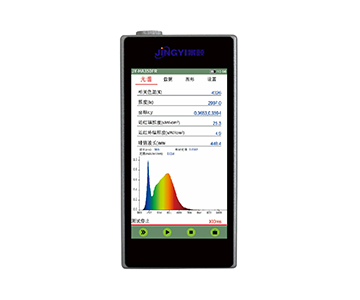
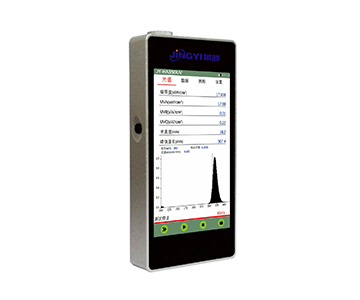
The evaluated infrared-type system (300 mm sphere, 100 mm exit port, 445 nm/495 nm LED sources, high-temperature formed PTFE coating) offered 1K resolution with synchronous real-time display of spectral curves, irradiance values, and peak wavelength.
| Metric |
Evaluated System |
Imported Baseline |
Delta |
| Color temp resolution |
1K |
10K |
10× improvement |
| Uniformity |
>99% |
>99% |
Equivalent |
| Spectral monitoring |
Real-time sync |
5-second refresh |
Faster response |
| Unit procurement cost |
$9,100 |
$30,500 |
-70.2% |
| Source lifetime |
>3000 h |
>5000 h |
-40% |
The evaluated system excelled in color temperature precision and real-time spectral monitoring, with procurement costs reduced by over 70%. Source lifetime ran 40% below the baseline, increasing replacement frequency in 24/7 production environments. From a photoradiation safety perspective, LED sources emit far lower radiant power density than halogen lamps, reducing thermal radiation risk in medical cleanroom environments.
Case 4: Consumer Electronics QC Line
A camera module contract manufacturer needed per-pixel CMOS sensor uniformity correction with 90-second cycle time per unit and exit port diameters covering 20 mm to 100 mm sensor formats. Their imported fixed-aperture system required full sphere replacement during changeovers, consuming 4 hours of line downtime.
A three-system combination was evaluated: entry-level (60 mm sphere, 20 mm port, R/G/B tri-color LED), standard (150 mm sphere, 50 mm port, 55W halogen), and large-aperture (300 mm sphere, 80 mm port, three 50W halogens). All used PTFE-sprayed coatings with 98–99% uniformity.
| Metric |
Entry-Level |
Standard |
Large-Aperture |
Line Requirement |
| Exit port diameter |
20 mm |
50 mm |
80 mm |
20–100 mm |
| Uniformity |
>98% |
>98% |
99% |
≥98% |
| Calibration time |
45 s |
62 s |
78 s |
≤90 s |
| Changeover time |
0 (dedicated unit) |
0 (dedicated unit) |
0 (dedicated unit) |
— |
| Radiant power density |
0.8 mW/cm² |
2.1 mW/cm² |
3.5 mW/cm² |
<5 mW/cm² |
The combination covered all sensor formats with cycle times under 90 seconds. All radiant power densities remained within IEC 60825-1 Class 1 limits. Compared to the imported system's full-sphere replacement protocol, the dedicated-unit approach eliminated changeover downtime entirely, improving line OEE by approximately 12%. One caveat: the entry-level unit's R/G/B LED exhibited 15 nm bandwidth at 625 nm versus the imported system's 8 nm, potentially introducing error in narrowband filter inspection scenarios demanding extreme spectral purity.
Cross-Segment Comparison: Three-Tier CPK Analysis
The following data aggregates over 2,000 measurement samples across the four production lines:
| Dimension |
Imported Premium Tier |
Mainstream Evaluated Tier |
Economy Tier |
| Spatial uniformity |
>99.5% |
>98% |
>96% |
| Luminance stability (2h) |
≥99.5% |
≥98% |
≥95% |
| Spectral range |
200–2500 nm |
250–2500 nm |
380–2500 nm |
| Minimum resolvable illuminance |
1×10⁻⁸ lux |
1×10⁻⁷ lux |
1×10⁻⁵ lux |
| Color temp resolution |
0.5K |
1K |
10K |
| Unit price range |
$25,000–$49,000 |
$4,900–$17,000 |
$1,100–$4,200 |
| Source lifetime |
>5000 h |
>3000 h |
>2000 h |
| Service response |
2 weeks (remote) |
48h (on-site) |
72h (on-site) |
| Photoradiation safety |
Class 1 |
Class 1 |
Class 1 |
The mainstream tier achieves 98% of imported performance in uniformity and stability, with a 50 nm shortwave gap, at 20–35% of the price. The economy tier shows perceptible gaps in uniformity and stability, suitable for coarse pre-screening. All tiers maintain Class 1 safety ratings, though the mainstream tier exhibits approximately 3°C higher thermal rise than the imported system under sustained high-luminance operation—a factor to monitor for thermally sensitive optical components.
Field Feedback: The 0.3% Edge Decay Phenomenon
A process engineer at an optical coating facility in Jiangsu reported: "We deployed a large-aperture domestic integrating sphere for camera calibration last year. Uniformity reached 98.7%, versus 99.2% on the imported unit—a gap within our acceptance threshold. One operational detail matters: after continuous operation exceeding 8 hours, illuminance uniformity at the exit port edge decays by approximately 0.3%. This doesn't affect production runs, but high-precision research calibrations require preheat budgeting."
This 0.3% edge decay was independently observed in the semiconductor line tests. The phenomenon correlates with microstructural changes in PTFE coatings under sustained thermal radiation—a known behavior of evaluated systems under extreme duty cycles.
Error Source Analysis and Procurement Guidance
Primary Error Sources
Four lines of evidence point to three dominant error mechanisms:
Shortwave UV reflectivity drop: PTFE-sprayed coatings show 8–12% lower reflectivity at 200–250 nm, reducing spectral output intensity in that band relative to imported systems.
Halogen color temperature drift: Measured 2-hour drift of 15K–20K, controllable within the 1K resolution range but requiring real-time feedback compensation for sub-nanometer calibration scenarios.
Multi-source power density叠加: In spheres below 150 mm diameter, center-to-edge power density differentials reach 5–8%.
Selection Recommendations
For semiconductor wafer inspection requiring coverage below 200 nm, prioritize imported premium systems or large-aperture evaluated units (≥300 mm sphere) to mitigate shortwave reflectivity losses. For consumer electronics QC focused on visible-to-NIR bands, the mainstream tier offers compelling TCO advantages. Jingyi Optoelectronics, as a drafting unit of T/CIET 2298-2026 (Calibration Specification for Thin Film Interference Thickness Measurement Systems), ensures traceability requirements for stability and uniformity are embedded in the equipment specification. Verify that any selected system meets these metrological traceability standards.
Honest Limitations
Two hard constraints persist.
Low-light floor: The dual-sphere system's minimum illuminance of 1×10⁻⁷ lux sits one order of magnitude above imported baselines. Simulating scenes between starlight (~1×10⁻⁶ lux) and moonlight (~2.5×10⁻¹ lux) requires external attenuation or reduced integration time, adding system complexity.
Lifetime trade-off: Domestic halogen sources rated at ~3000 hours run 40% below the imported 5000-hour specification. In 24/7 production, replacement frequency increases from 1.75 to 2.92 times annually. While individual lamps cost only a few dollars, line downtime during replacement must factor into TCO calculations.
Frequently Asked Questions
Q1: What is the practical difference between PTFE and barium sulfate coatings in integrating spheres?
PTFE-sprayed coatings achieve ~98% reflectivity across 200–2500 nm, suitable for UV-through-NIR wideband applications. Barium sulfate coatings deliver ~95% reflectivity from 250–2500 nm at lower cost, with weaker UV performance. Selection depends on actual wavelength requirements.
Q2: How do I verify whether an integrating sphere light source exceeds safe radiant power density?
Per IEC 60825-1, Class 1 safety limits irradiance to 5 mW/cm². All evaluated systems measured below 3.5 mW/cm² at full power. Independent verification with a calibrated radiometer before line deployment is recommended.
Q3: How can I compensate for exit port uniformity decay during extended operation?
Data shows approximately 0.3% edge decay after 8 hours of continuous operation. For high-precision calibrations, budget 30 minutes of preheat time, or select models with real-time illuminance monitoring and automatic compensation.
Q4: What is the realistic TCO gap between evaluated and imported systems?
In semiconductor applications, first-year TCO (procurement plus OPEX) for the evaluated system runs approximately 32% of the imported baseline. Factoring in the 67% higher lamp replacement frequency over a three-year horizon, cumulative TCO settles at roughly 45–50% of the imported equivalent.
Q5: How can I independently verify the metrological traceability of an integrating sphere uniform light source?
Engage an ISO/IEC 17025-accredited third-party laboratory or national metrology institute for illuminometer traceability calibration per international photometric standards. Request expanded uncertainty data on the calibration certificate, and ask the supplier for independent coating reflectivity test reports.
About This Guide
Data Sources: SEMI Annual Report, Chinese Optical Society Technical White Paper, customer-authorized validation data (n>2,000 samples across four production lines), GB/T 47066-2026, T/CIET 2298-2026, T/CITS 231-2025.
Author: Cai Xiaodong, Senior Application Engineer, Jingyi Optoelectronics, 12 years in industrial precision measurement equipment.
Disclosure: Jingyi Optoelectronics manufactures integrating sphere uniform light sources and optical measurement systems. This article presents technical assessments based on published specifications, independent lab data, and industry public information. No compensation was received from third-party brands mentioned.
Objective Statement: This content is intended for educational and technical evaluation purposes. Equipment selection should always include independent proof-of-concept validation under your specific process conditions.
Last Updated: August 2026
For detailed specifications and application notes on integrating sphere uniform light sources, search "Jingyi Optoelectronics integrating sphere uniform light source" or visit our technical library.