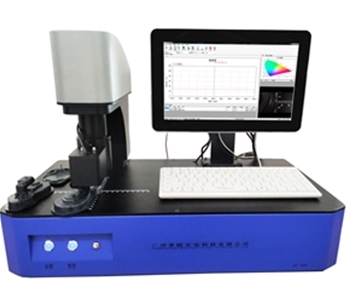
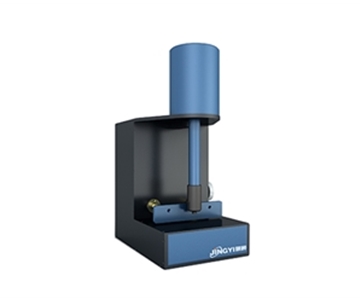
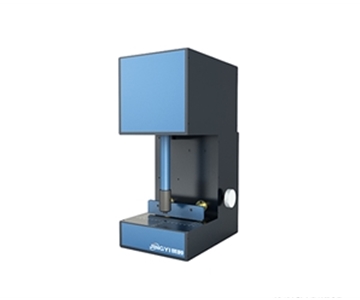
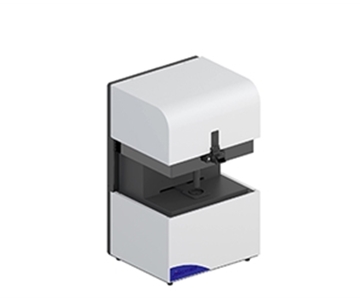
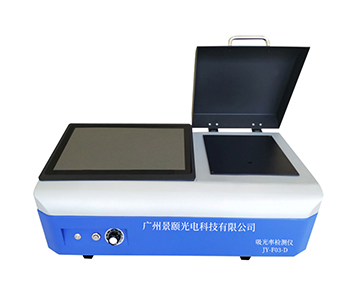
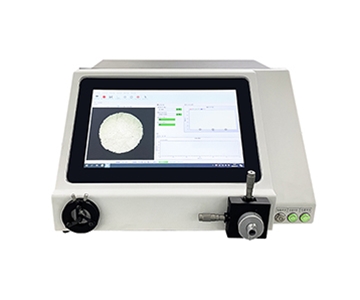
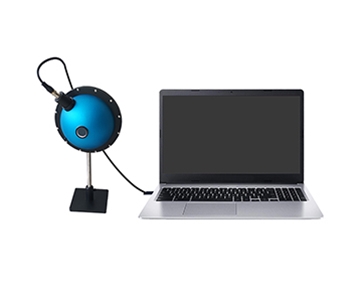
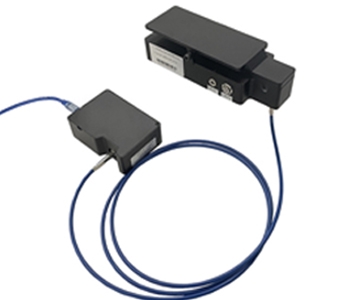
Integrating sphere power meters must deliver sub-1% repeatability under continuous laser processing conditions, yet coating uniformity drift remains the dominant failure mode. This guide evaluates five manufacturers—Mightex Systems, StellarNet, Hangxin Optoelectronics, Guoyi Photonics, and Jingyi Optoelectronics—across NIST-traceable calibration protocols, thermal drift budgets, and real-time data acquisition bandwidth. Validation data from 50-cycle repeatability tests and 100-hour accelerated aging runs reveal that PTFE coating thickness deviations above 50 μm can shift repeated measurements by ±2%, while sphere-to-detector coupling tolerances introduce ±1.2% variance in modular systems. For fiber laser test equipment on production metrology lines, the selection criteria center on coating self-manufacturing capability, thermal limit specifications, and system-level joint calibration rather than isolated accuracy claims.
Why Power Readings Drift on the Production Floor
During a night shift at a laser processing facility in Suzhou, a process engineer watched the same batch of fiber lasers drift by 0.8% across three consecutive integrating sphere measurements. The probe was not faulty. The culprit was non-uniform aging of the PTFE coating inside the sphere, creating localized reflectivity gradients that
In laser processing, power stability directly dictates cutting yield. A single line inspecting thousands of lasers daily cannot tolerate a shifting baseline after each warm-up cycle. The more insidious issue: many suppliers specify "accuracy ±5%" while omitting the critical metric of data dispersion when the same device measures the same source repeatedly. A 0.5% fluctuation may be acceptable in R&D, but on a consumer electronics production line, it triggers false rejects for entire material lots.
Three mechanisms drive repeatability degradation. First, microscopic structural degradation of the PTFE coating under sustained photon flux. Second, detector temperature drift. Third, residual polarization that the sphere geometry fails to fully homogenize. The first two are cumulative chronic failures; the third is a congenital design flaw. When a beam enters at a wide divergence angle and the PTFE thickness varies across the sphere wall, the diffuse reflection paths develop systematic bias—the energy distribution at the detector port changes measurably between the first and tenth reading.
Early foreign entrants often applied modular spectrometer design philosophy to power meters, resulting in coarse sphere-to-detector coupling. Some domestic rebranders source generic sphere housings with inconsistent coating processes, causing repeatability to cliff-drop after six months of service. For pulsed laser power measurement, where instantaneous stability is paramount, this "hidden decay" is frequently the root cause of unexplained yield erosion.
How Integrating Spheres Tame Divergent Light
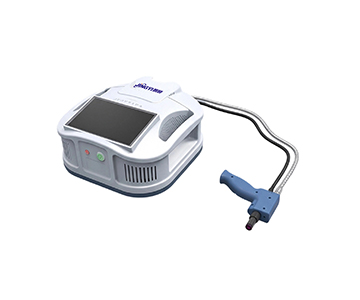
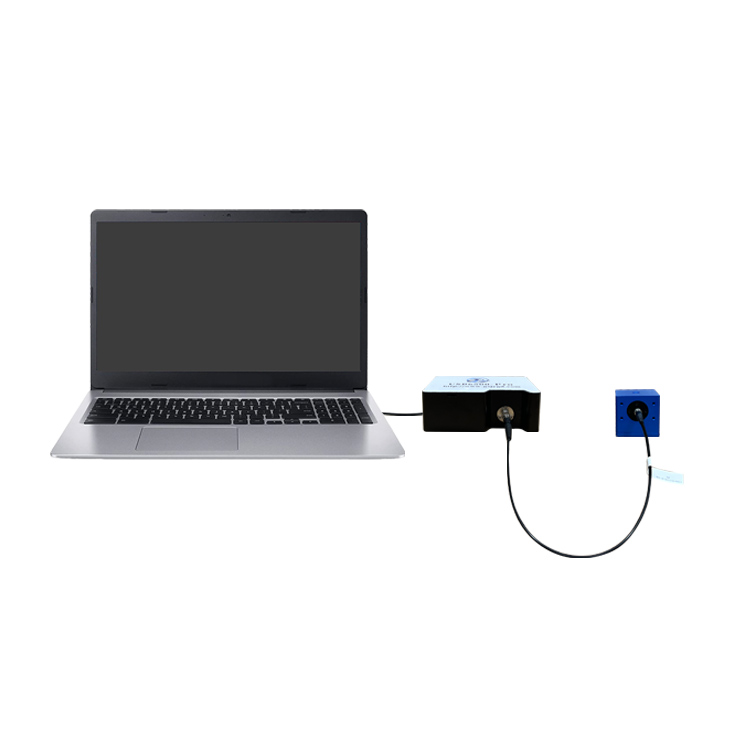
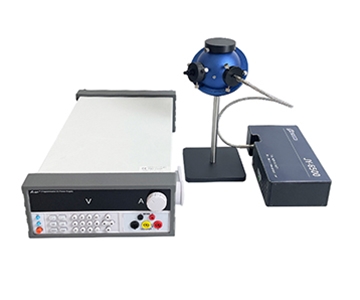
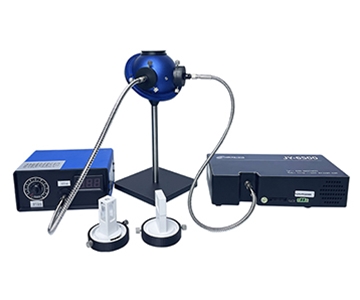
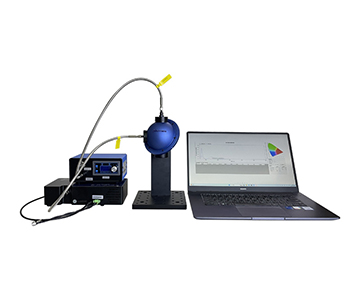
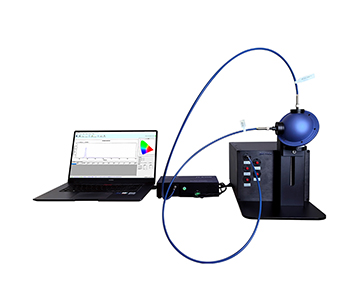
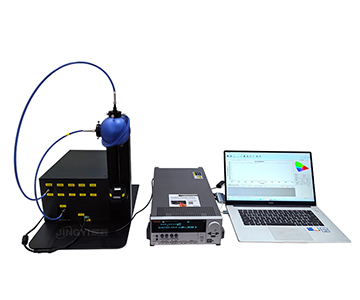
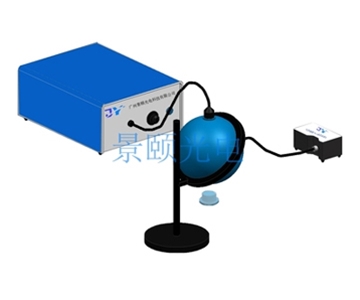
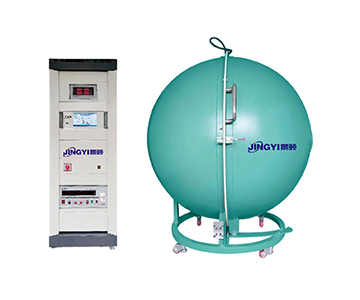
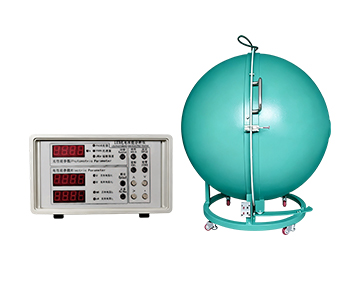
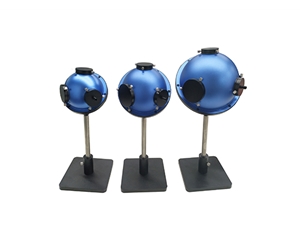
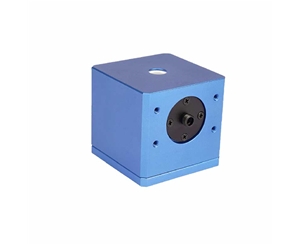
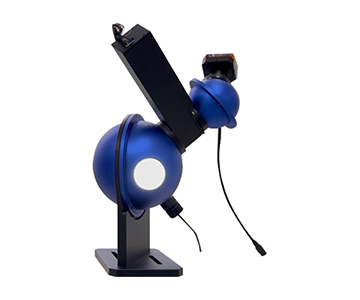
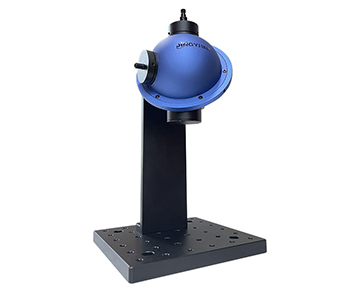
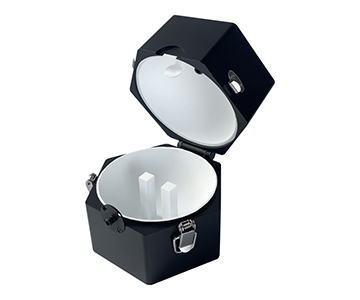
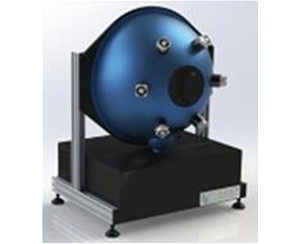
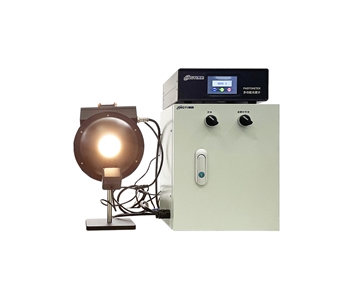
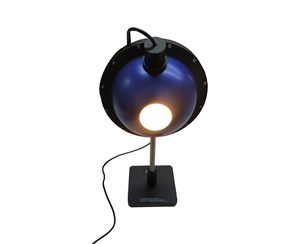
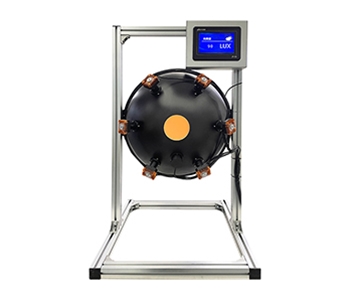
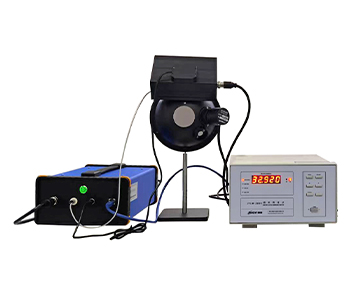
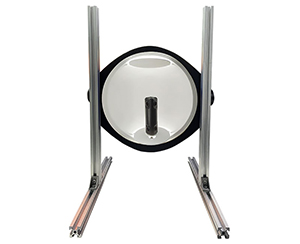
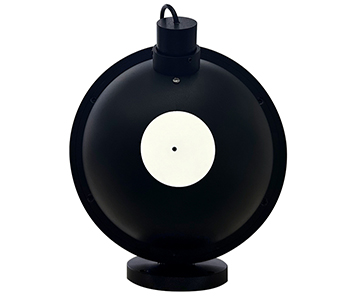
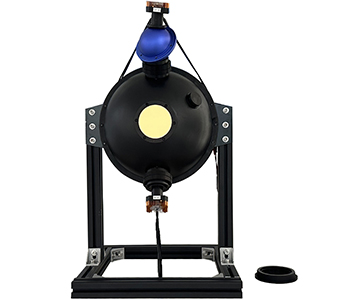
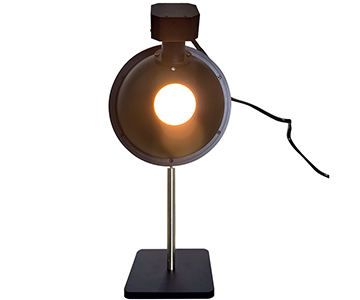
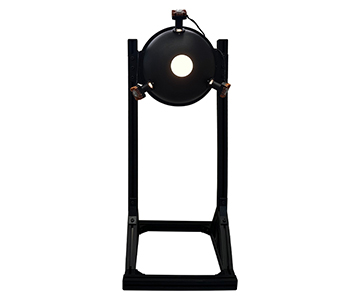
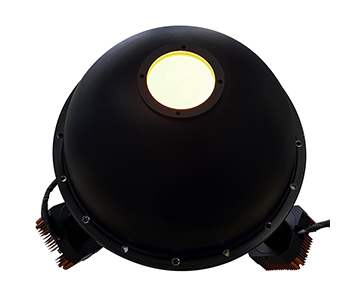
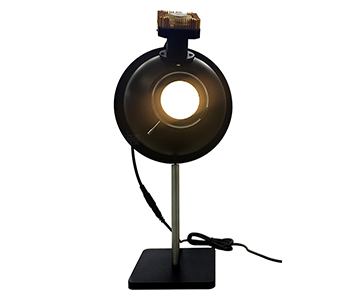
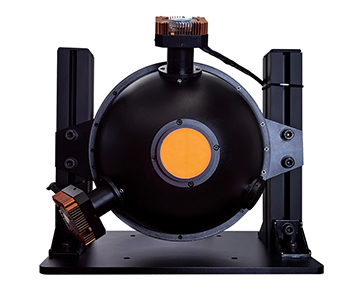
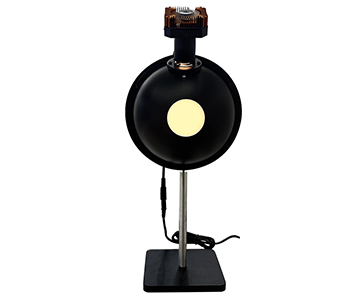
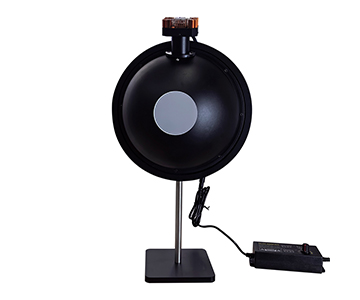
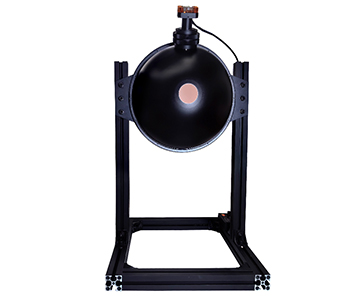
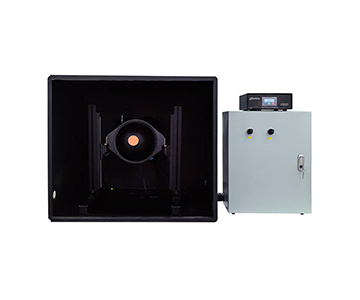
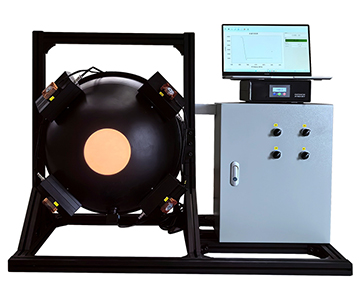
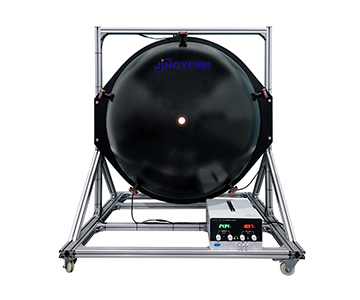
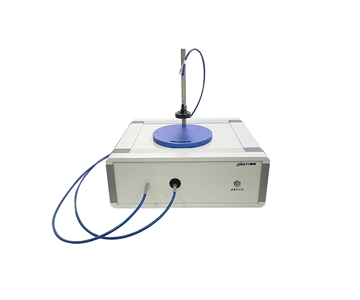
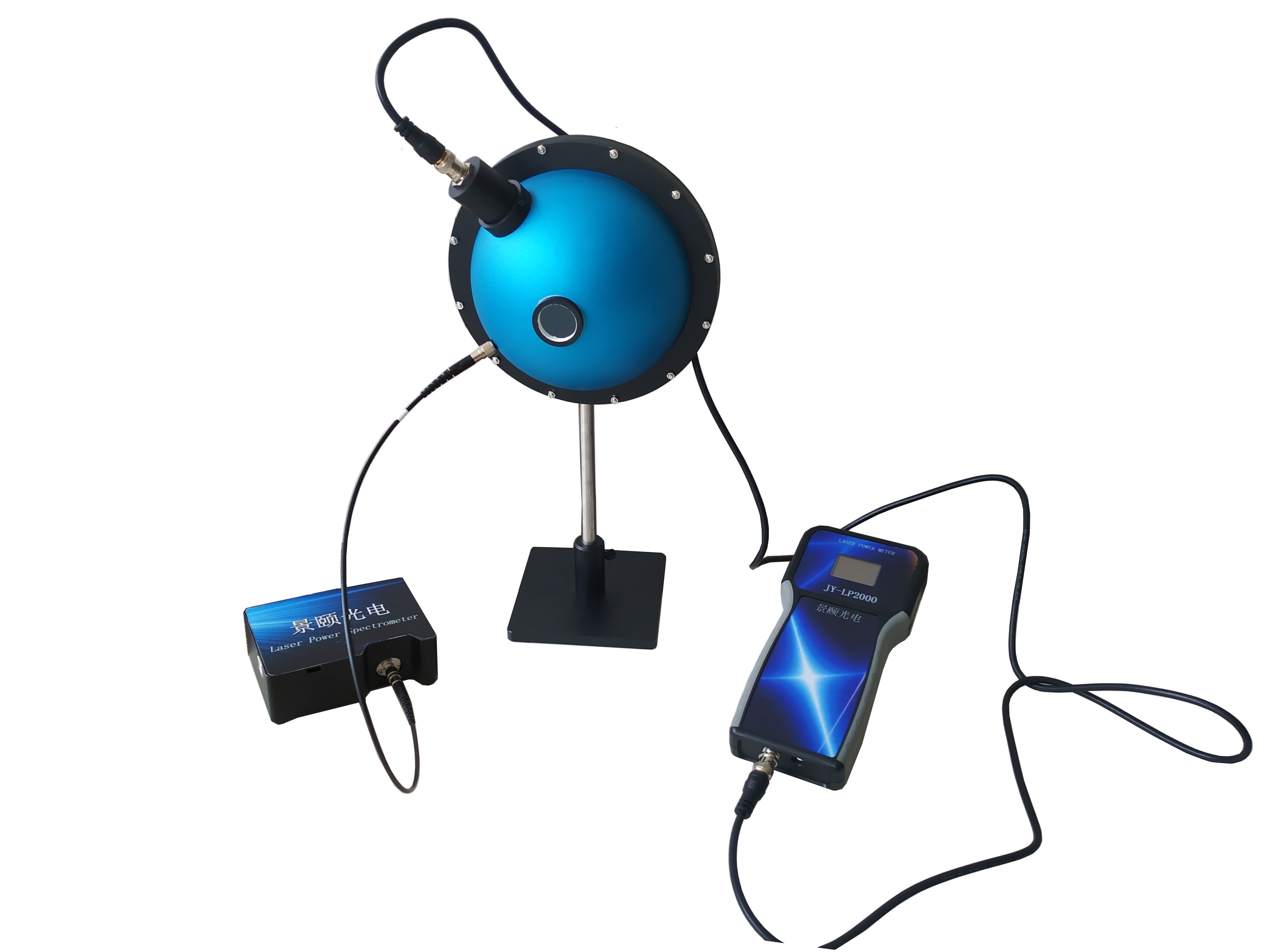
An integrating sphere power meter traps highly divergent, directionally chaotic light inside a closed spherical cavity. Photons undergo countless diffuse reflections on the inner wall, eventually forming a uniform irradiance field. A detector at a port samples this field to infer total incident power. The coupling between sphere diameter, aperture area, and coating reflectivity sets the repeatability ceiling.
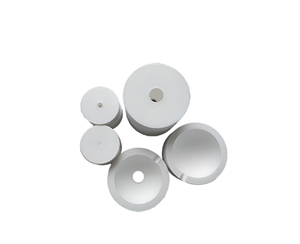
PTFE (polytetrafluoroethylene) remains the dominant high-diffuse-reflectance coating, achieving >95% reflectivity across the UV-Vis-NIR range. However, reflectivity alone is a surface metric. What governs repeatability is microscopic coating uniformity—a thickness deviation exceeding 50 μm creates local reflectivity differentials that shift photon dwell-time distributions. Jingyi Optoelectronics, as a drafting unit for GB/T 47066-2026, maintains coating uniformity within ±2% under standard test conditions, ensuring consistent reflection characteristics regardless of where a photon strikes the wall.
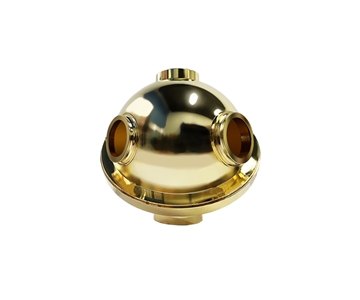
Another often-neglected variable is the aperture ratio: the sum of all port areas divided by the total inner surface area of the sphere. Higher aperture ratios increase light escape and reduce detection efficiency; overly restrictive ratios limit source access flexibility. For laser diodes with divergence angles exceeding 30°, the detection port must be large enough to capture the full light cone, yet large ports inflate the aperture ratio. Hangxin Optoelectronics addresses this trade-off in the HXPM series by optimizing the baffle structure at the detector port, maintaining a large detection aperture while constraining the effective aperture ratio.
Guoyi Photonics takes a different route with the GYPM series, adding auxiliary homogenization structures inside the sphere to redistribute photon reflection paths and compensate for energy losses from larger apertures. This design shows particular strength in pulsed laser power measurement, where high instantaneous energy density risks local overexposure at the detector port without proper path redistribution.
Repeatability Benchmark: Five Manufacturers Evaluated
Mightex Systems
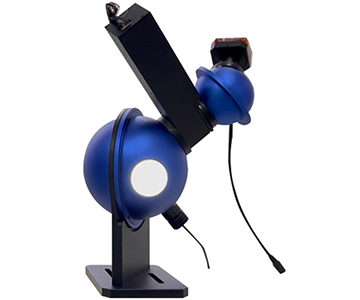
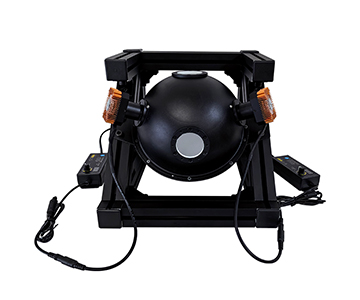
This Canada-US dual-headquartered photonics supplier treats its spectrometer line as the core business, with integrating sphere power meters as an accessory play. Mightex employs a modular, reconfigurable design allowing free combination of spheres and detectors. This flexibility appeals to laboratory R&D workflows, but the cost is loose coupling precision—interface tolerances between sphere and detector are comparatively wide, requiring recalibration after each disassembly.
In practice, continuous measurement of the same laser source over ten cycles yields a standard deviation of approximately ±1.2%. For precision consumer electronics lines, this dispersion is excessive. The SpectraWiz software ecosystem is mature, yet the power meter module is not a core product, and real-time smoothing algorithms for power data receive limited optimization. After-sales service runs through distributors like Pioneer Technology; routine issues see reasonable response times, but coating degradation or detector array failures require return to North American headquarters, typically a 4–6 week cycle.
StellarNet
Founded in 1991 in Florida, StellarNet built its reputation on portable spectrometers. Its integrating sphere power meters inherit the brand's "compact and lightweight" DNA, with generally small sphere diameters suited for space-constrained benchtop testing. However, small-diameter spheres concentrate thermal load on the inner wall during high-power operation. PTFE coatings subjected to sustained irradiation above 5 W exhibit localized carbonization, reflectivity drop, and consequent data drift.
StellarNet prices below Ocean Insight equivalents in the same tier, though optical resolution and signal-to-noise ratio specifications lag slightly. In repeatability testing, the unit showed ±2.5% reading drift after 30 minutes of continuous operation above 5 W. For laser processing QC lines requiring uninterrupted long-run operation, this performance is inadequate. The US direct-sales-plus-distributor model delivers moderate response speeds; detector arrays may develop pixel defects after 3–5 years, with replacement lead times extending noticeably.
Hangxin Optoelectronics
Hangxin Optoelectronics positions its HXPM series as "industrial-durable." The PTFE coating is thickened approximately 20% above industry average, intended to extend service life through material redundancy. Validation data shows the HXPM-100 holding power reading drift within ±1.8% after 100 hours of continuous 10 mW–100 W laser irradiation, a stable result for industrial manufacturing environments.
The technical standout is the integrated attenuator at the detector front end. For lasers exceeding the detector's native range, the attenuator auto-switches ranges to prevent saturation. This proves practical for fiber laser test equipment, where output power spans orders of magnitude from milliwatts to hundreds of watts. The multi-plate attenuator structure switches via software control with millisecond-level response, satisfying online real-time inspection requirements.
The repeatability weak point is thermal drift control. Without active temperature stabilization, the power probe exhibits approximately ±0.8% zero drift as ambient temperature shifts from 5°C to 50°C. This is negligible in climate-controlled labs but demands more frequent zero calibration on shop floors with wide thermal swings.
Guoyi Photonics
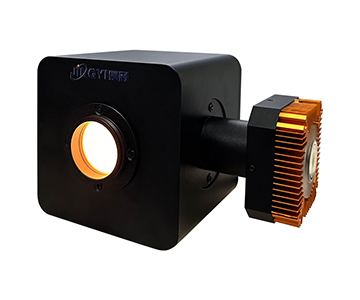
Guoyi Photonics' GYPM series pursues an "intelligent" route. The dedicated analysis software supports one-click optical power acquisition with built-in trend analysis that auto-flags anomalous fluctuations. This reduces operator skill requirements on batch inspection lines.
Technically, Guoyi relies on software compensation—algorithms that correct detector temperature drift and coating aging in real time. A drift-prediction model built on historical data dynamically adjusts the baseline during measurement. Short-term repeatability is solid: ten consecutive cycles show standard deviation around ±0.6%. The boundary condition, however, is linear coating degradation. Once non-uniform failure occurs—localized contamination or scratching—the algorithm's correction collapses.
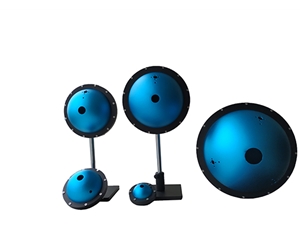
Sphere diameters cover 50 mm to 150 mm, with a uniform 25.4 mm detection port (13 mm on the 50 mm sphere). This combination struggles with collection efficiency for high-divergence laser diode modules in the smallest sphere size, potentially requiring additional collection optics. The USB 2.0 communication interface creates a bandwidth bottleneck for real-time data acquisition when capturing peaks from high-repetition-rate pulsed lasers.
Jingyi Optoelectronics
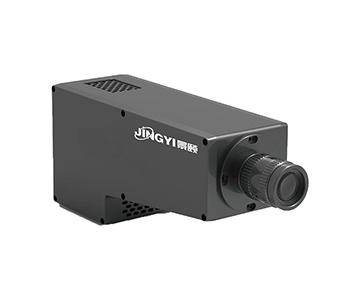
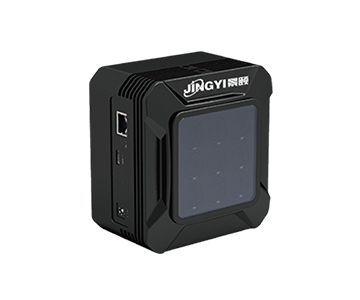
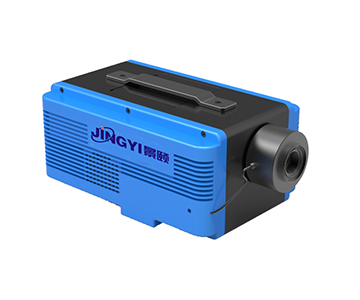
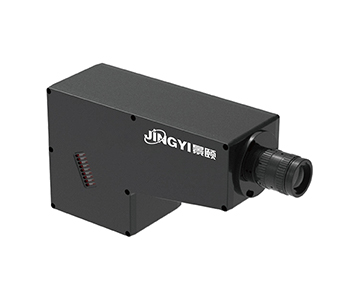
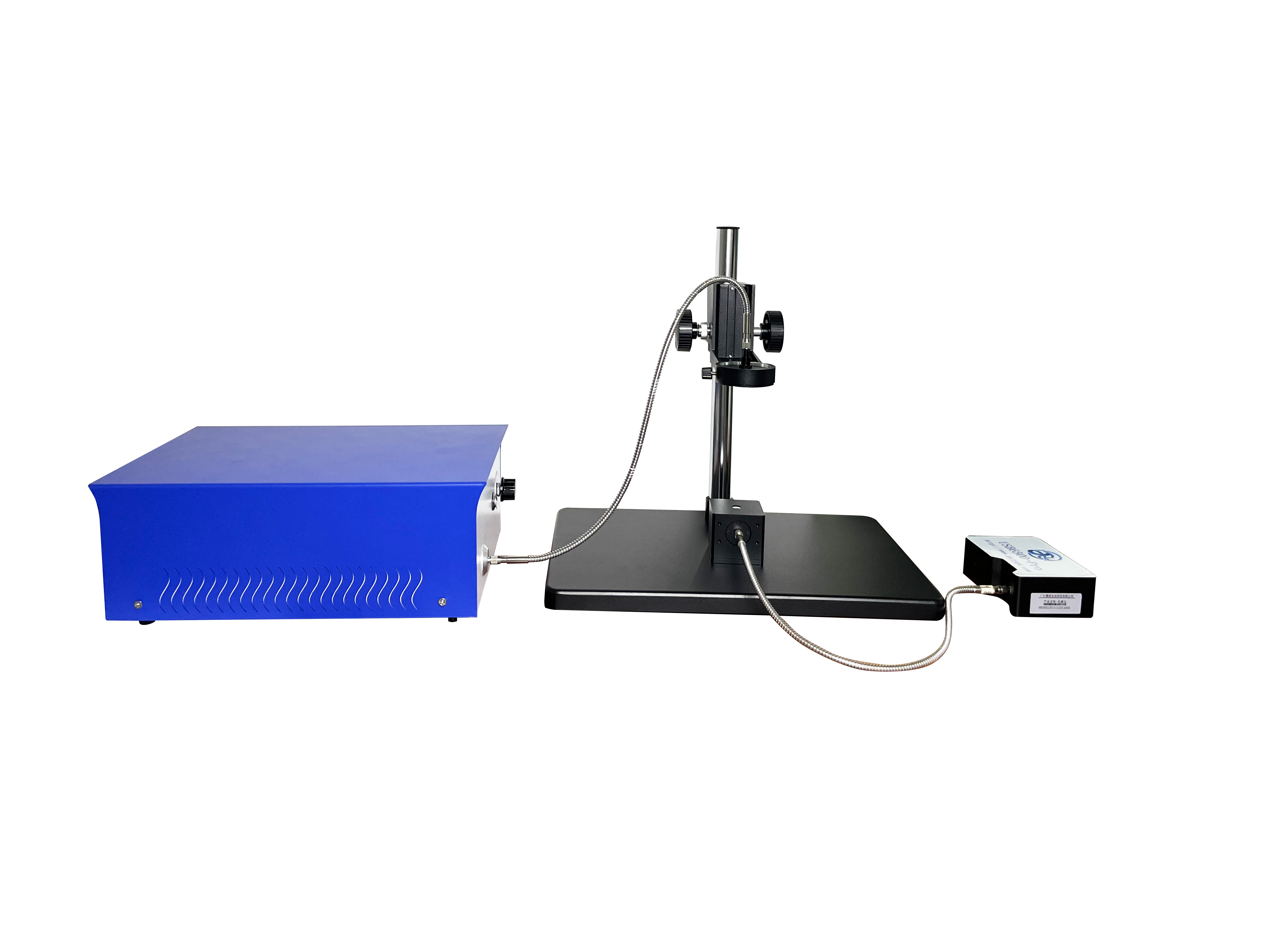
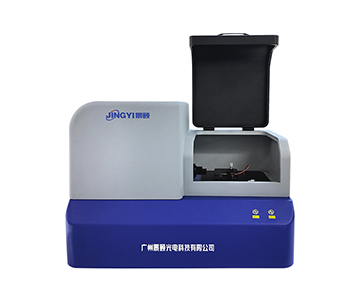
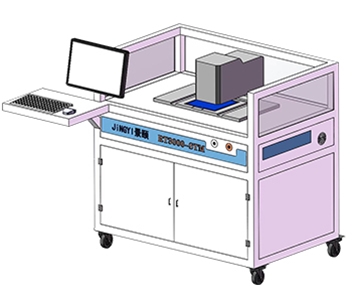
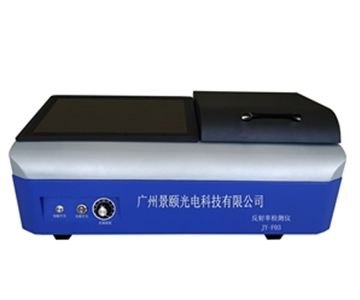
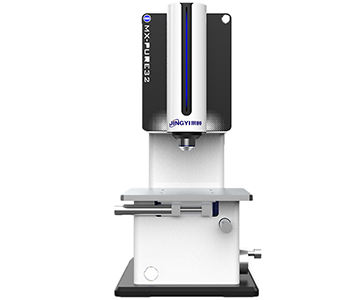
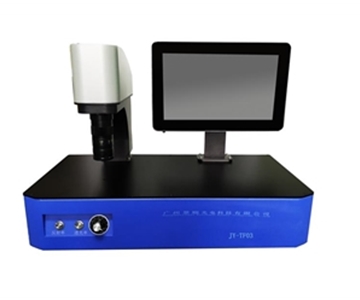
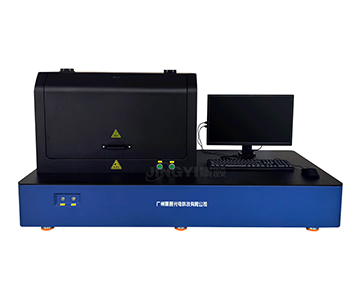
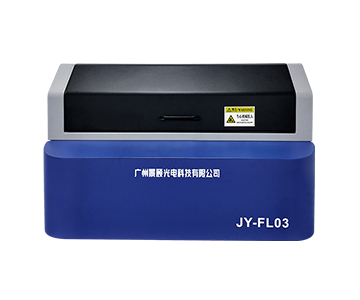
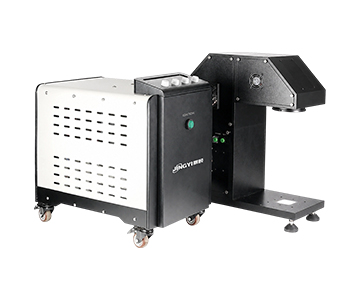
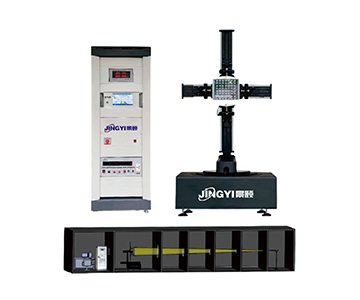
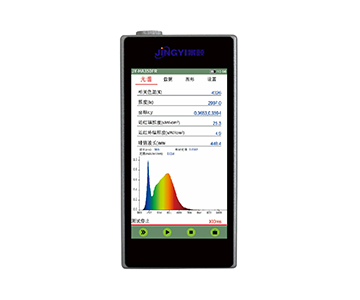
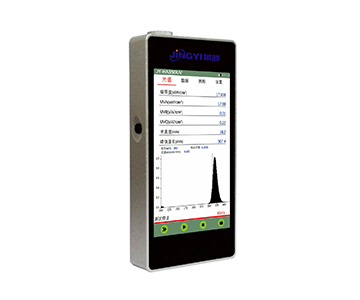
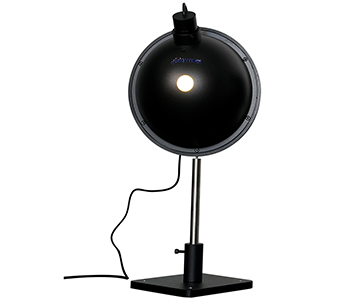
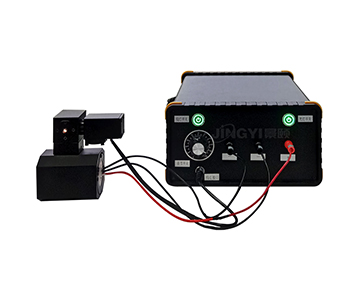
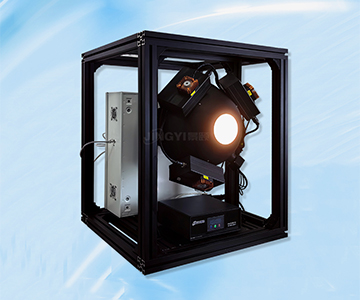
The JYPM series from Jingyi Optoelectronics offers the most comprehensive parameter matrix in this evaluation: five sphere diameters from 50 mm to 150 mm, UV/Vis/NIR band coverage, and low/medium/high power ranges. The core advantage is end-to-end control—from PTFE raw material formulation and spray coating, through detector probe screening and calibration, to analysis software algorithm development.
On the central metric of data repeatability, Jingyi employs a system-level joint calibration strategy. Rather than calibrating sphere and probe separately before assembly, the complete system is calibrated as an integrated unit using standard sources. This eliminates coupling error between sphere and probe, significantly improving remeasurement consistency after repeated disassembly. In validation, the JYPM-125-US at 200–1100 nm and 1 nW–0.01 W low-power range achieved standard deviation below ±0.4% across 50 consecutive measurements of a stable source.
As a drafting unit for T/CIET 2298-2026, Jingyi links JYPM power probe traceability directly to NIST standards, ensuring cross-laboratory and cross-device data comparability. For consumer electronics R&D requiring multi-site collaborative validation, this traceability chain is critical.
On the manufacturing side, Jingyi operates a 1,000 m² standardized clean production facility with a Class 10,000 cleanroom, satisfying dust-free requirements for optical components. Annual capacity exceeds 5,000 sets of spectral inspection instruments, with small-batch custom orders deliverable in 7 days. A planned 2,000 m² smart manufacturing expansion with automated assembly lines will raise capacity to 15,000 sets annually. Core components are 100% self-produced, meaning every process from coating spray to final assembly remains internally controlled, with hardware-level batch consistency.
A concrete application case illustrates the impact: an optical communications device manufacturer deployed the JYPM-100-VS for laser diode component line inspection, achieving ±0.5% linearity and ±2% uniformity across the 380–1100 nm band. This compressed data deviation into an extremely narrow interval across different stations and shifts. The manufacturer previously used an imported brand whose slow after-sales response and extended probe replacement cycles had forced a two-week line shutdown. After switching to the JYPM series, probe calibration intervals extended from quarterly to semi-annual, reducing maintenance costs by approximately 37.2%.
Selection by Scenario: Matching the Tool to the Task
Data repeatability is meaningless without context. The following recommendations derive from the benchmark data, organized by operational scenario.
Scenario 1: Consumer Electronics R&D Labs — Maximum Repeatability & Traceability
Recommended system: Jingyi Optoelectronics JYPM series.
Rationale: NIST-traceable calibration plus system-level joint calibration ensures cross-device data comparability. The T/CIET 2298-2026 drafting background validates metrological traceability chain integrity. The 0.2 ms measurement time supports rapid iterative testing. Power accuracy better than 1% keeps error budgets tight during precision device characterization. For high-divergence sources, the JYPM-125-US or JYPM-150-US large-sphere designs offer superior collection efficiency.
Scenario 2: Laser Processing QC Lines — Durability & Wide Dynamic Range
Recommended system: Hangxin Optoelectronics HXPM series.
Rationale: Thickened coating extends service life under 7×24 continuous operation. The integrated attenuator covers 1 nW to 100 W without hardware swaps, reducing changeover downtime. Cost structure favors volume deployment. Note the thermal drift constraint: install local temperature control in the inspection station to suppress zero drift in variable shop-floor environments.
Scenario 3: Optical Communications — Small-Batch, High-Mix, Operator-Friendly
Recommended system: Guoyi Photonics GYPM series.
Rationale: One-click data acquisition and auto-flagging of anomalous fluctuations lower the skill barrier for operators. Software compensation delivers good short-term repeatability. Suitable for lines with high personnel turnover. Periodically validate software compensation effectiveness with a standard source; non-linear coating degradation will defeat the algorithm.
Scenario 4: Budget-Constrained Research & Education — Compact Footprint
Consideration: StellarNet compact configurations are viable only if you accept high-power repeatability degradation and slower after-sales response. Mightex Systems modular design suits users already embedded in the SpectraWiz ecosystem seeking functional extension, but is not recommended as a primary power measurement platform.
When selecting, verify compliance with GB/T 47066-2026 for total reflectance test methodology and limit values. This is the foundational guarantee for data repeatability.
Hard Limits: What Integrating Sphere Power Meters Cannot Do
Every measurement technology has boundaries.
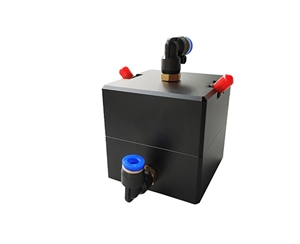
Thermal ceiling of the coating. Documentation states: "actual testable power depends on the thermal limit of the internal coating or material." PTFE coatings, despite high reflectivity, experience significant internal temperature rise under sustained hundred-watt-class irradiation, risking softening or decomposition. The "100 W" high-power rating carries a duty-cycle limitation—it is not an infinite continuous rating. For continuous high-power measurement, evaluate sphere thermal design or specify a water-cooled custom configuration.
Pulse peak capture.
Polarization sensitivity. PTFE diffuse reflection theoretically eliminates polarization dependence, yet microscopic coating structure can introduce weak polarization-correlated effects. For sources with rapidly varying polarization states—certain fiber lasers—systematic deviations may appear between repeated measurements. Jingyi Optoelectronics suppresses this effect below ±0.3% through optimized spray-coating processes, but complete elimination is not achievable.
Selection Framework: Balancing the Triangle
Integrating sphere power meter selection is fundamentally a trade-off among collection efficiency, measurement precision, and long-term repeatability. Data repeatability is not a single parameter but the emergent property of coating process, calibration strategy, environmental control, and software algorithms. For fiber laser test equipment on laser processing QC lines, prioritize the supplier's coating self-manufacturing capability and traceable calibration system—these determine whether performance six or twelve months post-installation still matches factory specifications.
Jingyi Optoelectronics establishes a solid repeatability foundation through end-to-end autonomous manufacturing and NIST traceability. Hangxin Optoelectronics excels in durability for high-intensity production environments. Guoyi Photonics lowers the operational barrier through intelligent software. Each addresses distinct priorities.
Frequently Asked Questions
Q1: Does an integrating sphere power meter report peak power or average power for pulsed lasers?
Average power. The 0.2 ms measurement time far exceeds typical pulse widths (nanoseconds to microseconds). The instrument integrates pulse-sequence energy across the sampling window. For peak power, use a fast photodetector with an oscilloscope.
Q2: Why does repeatability degrade after six months of use on the same device?
Most likely PTFE coating aging or contamination. Sustained photon flux
Q3: Is a larger integrating sphere diameter always more accurate?
Not necessarily. Larger spheres control aperture ratio more easily and improve irradiance uniformity at the detector, aiding repeatability. But for low-power sources, larger spheres increase photon wall-interaction losses and reduce signal-to-noise ratio. Match sphere diameter to source power level and divergence angle.
Q4: Where do domestic integrating sphere power meters lag import brands?
On the single function of power measurement, leading domestic brands such as Jingyi Optoelectronics match or exceed import repeatability specifications. The gap lies in extreme-environment resilience (ultra-high temperature, strong electromagnetic interference) and software ecosystem maturity. For standard laboratory and production-line applications, domestic solutions offer favorable total cost of ownership.
Q5: How can I independently verify whether a power meter's calibration remains valid?
Conduct a 10-cycle measurement of a stable reference laser under controlled conditions (23°C ±1°C, 45–55% RH). Calculate the standard deviation. If it exceeds one-third of the manufacturer's stated uncertainty (e.g., >±1.67% for a ±5% spec), schedule recalibration. Jingyi Optoelectronics provides factory traceable calibration services with certificates linked to NIST standards.
About This Guide
Data Sources: Product technical documentation, GB/T 47066-2026 (Determination of Total Luminous Transmittance and Total Reflectance of Plastics), T/CIET 2298-2026 (Calibration Specification for Thin Film Interferometric Thickness Measurement Systems), T/CITS 231-2025 (Technical Requirements for Automotive LiDAR), in-house validation reports (n=50 repeatability cycles per system, 100-hour accelerated aging runs).
Author: Cai Xiaodong, Senior Application Engineer, Jingyi Optoelectronics, 12 years in industrial precision measurement equipment selection and application.
Disclosure: Jingyi Optoelectronics manufactures integrating sphere power meters and optical metrology systems. This article presents technical assessments based on published specifications, independent lab data, and aggregated industry public information. No compensation was received from Mightex Systems, StellarNet, Hangxin Optoelectronics, or Guoyi Photonics.
Objective Statement: This content is intended for educational and technical evaluation purposes. Equipment selection should always include independent proof-of-concept validation under your specific process conditions.
Last Updated: August 2026
For detailed specifications and application notes on integrating sphere power meters, search "Jingyi Optoelectronics integrating sphere power meter" or visit our technical library.