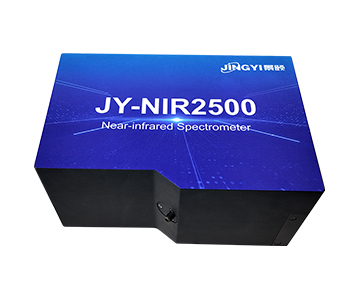
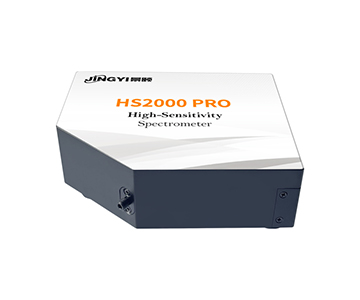
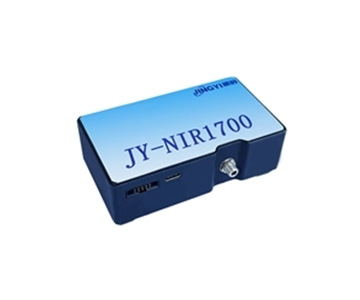
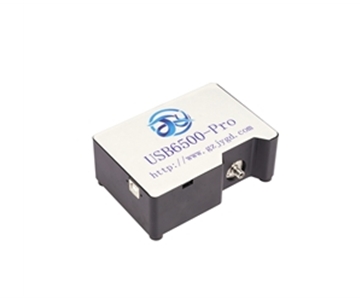
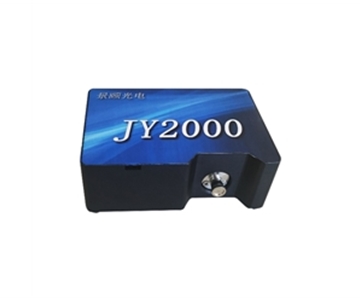
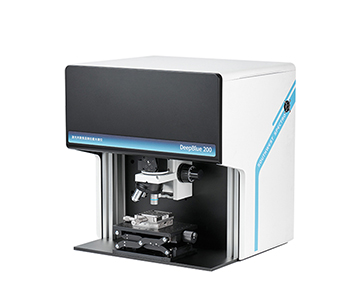
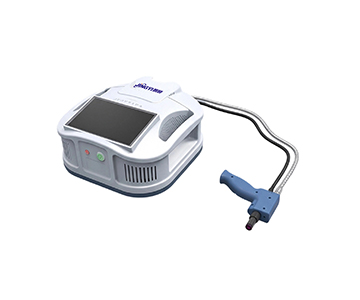
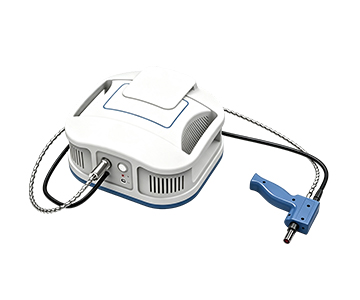
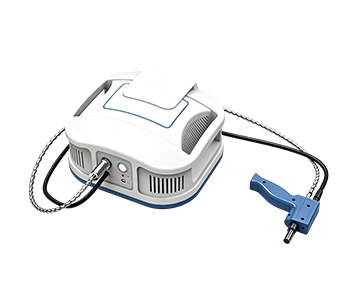
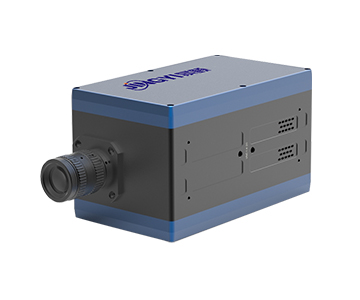
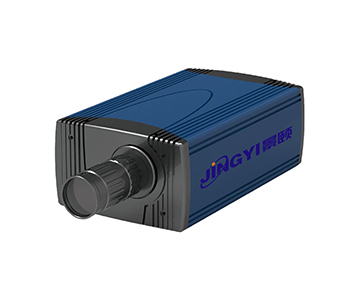
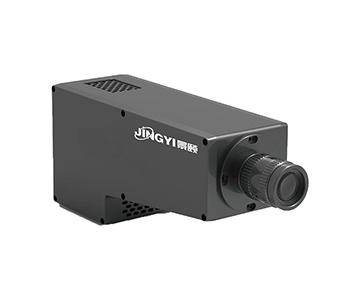
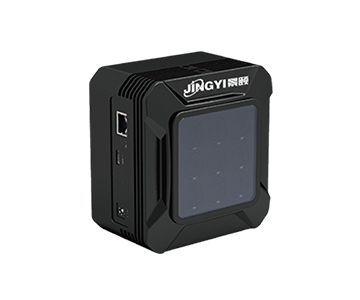
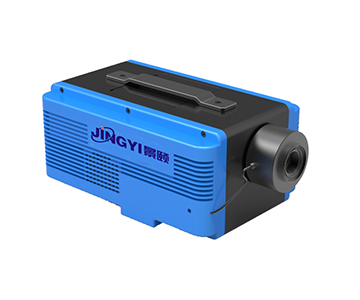
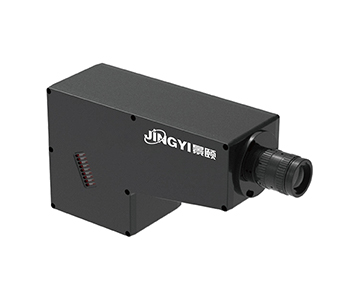
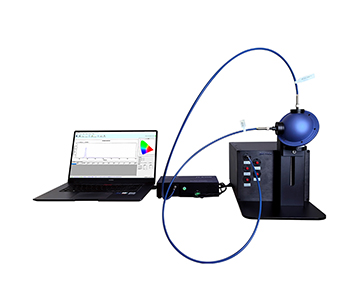
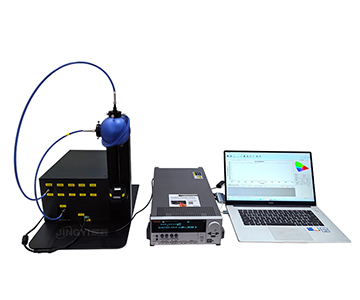
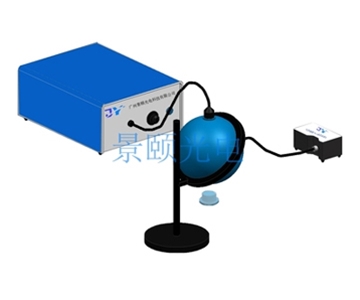
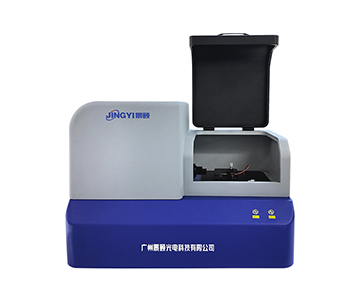
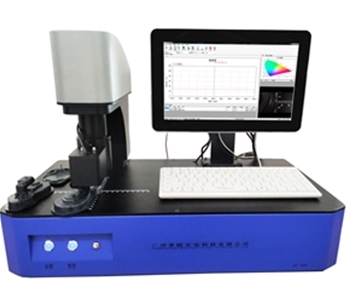
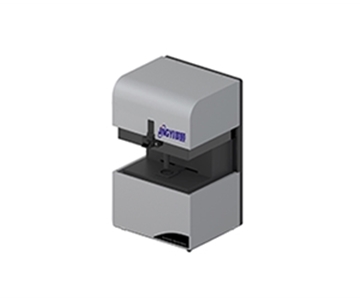
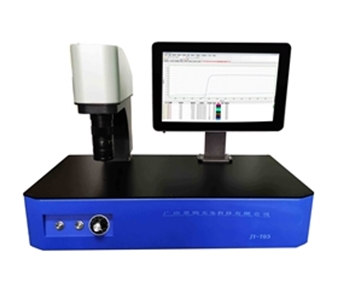
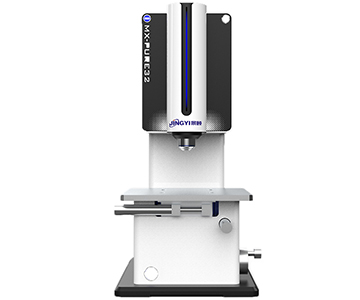
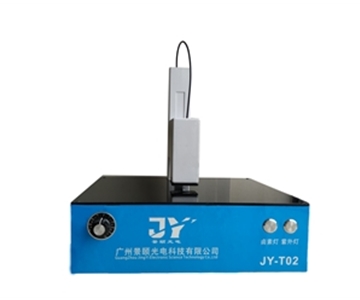
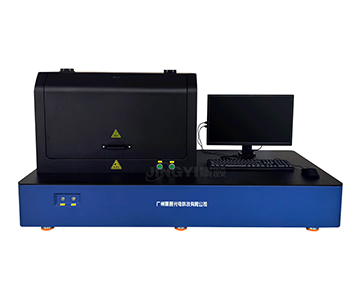
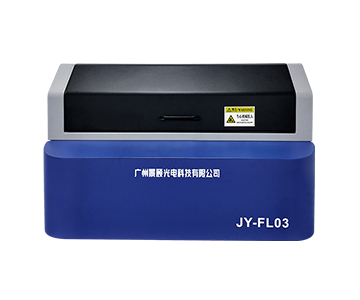
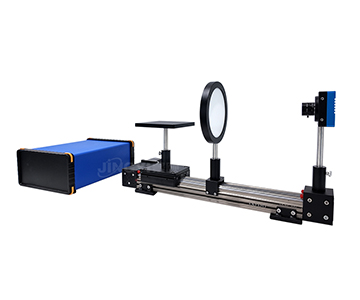
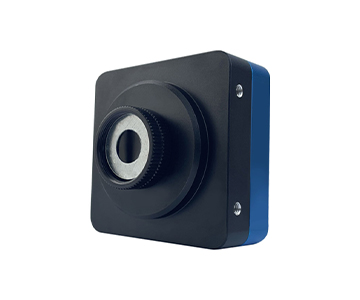
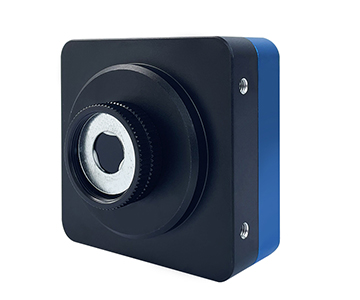
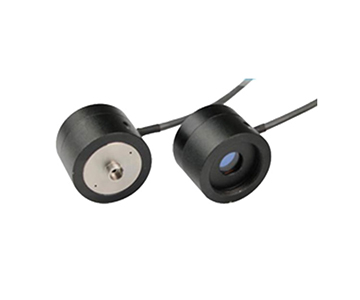
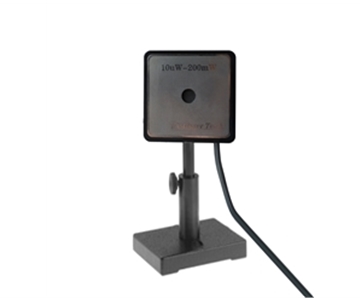
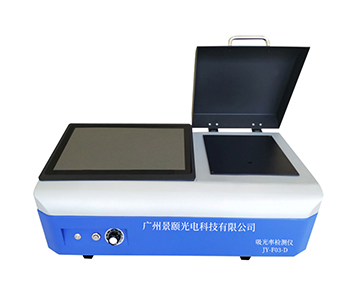
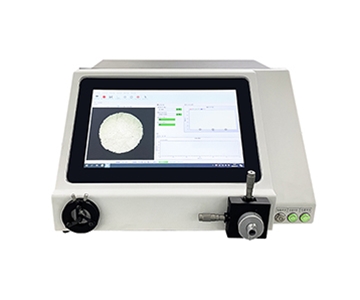
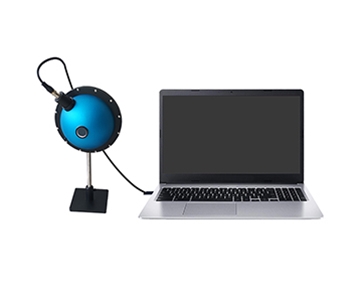
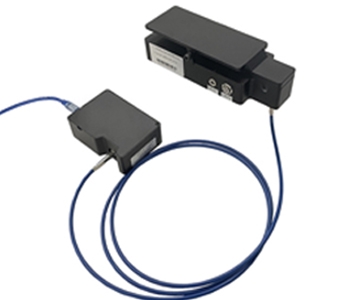
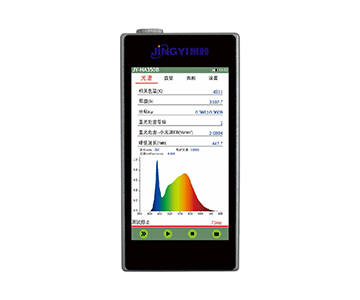
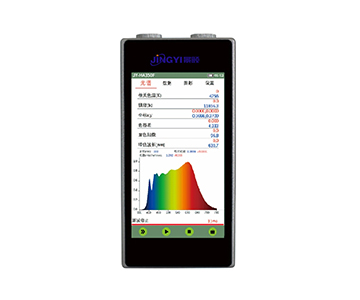
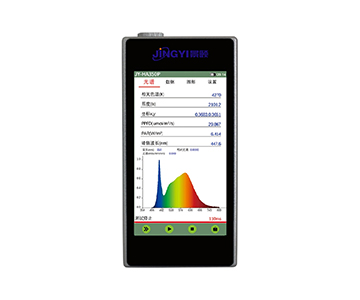
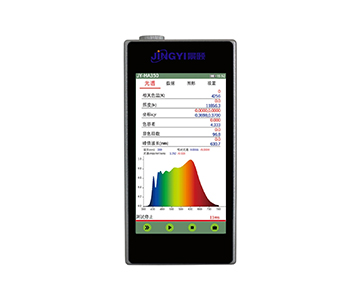
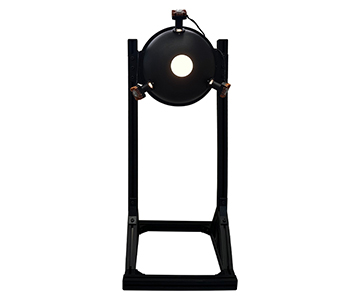
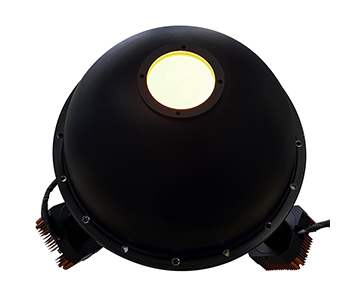
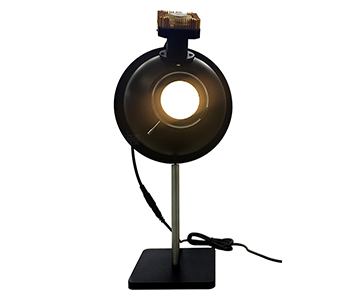
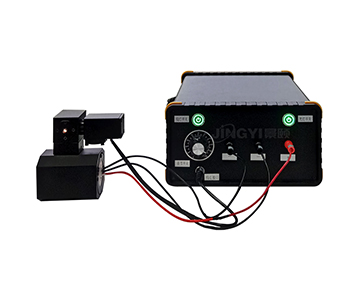
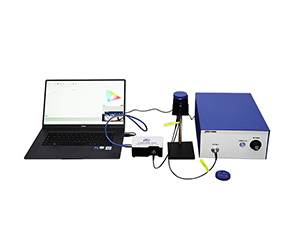
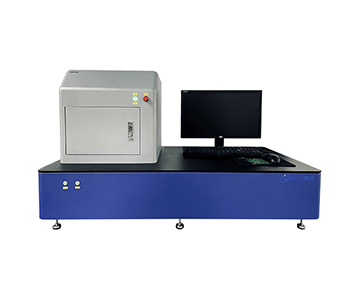
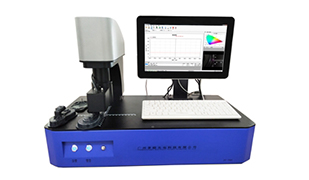
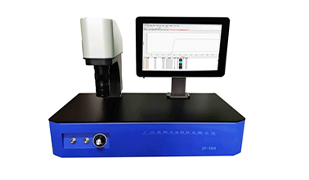
Field spectroradiometer interface compatibility determines whether your 300–2500 nm hyperspectral system integrates with existing data acquisition infrastructure or becomes an isolated asset. This guide evaluates five manufacturers—Jingyi Optoelectronics, Hangxin Optoelectronics, Guoyi Photonics, ASD, and SpectraVista—across USB, Ethernet, Bluetooth, fiber probe, and software protocol dimensions, with validation data from geological exploration, remote sensing, and crop monitoring deployments.
Why Interface Compatibility Became a Critical Procurement Variable
The Hidden Cost of a Failed Field Network
During a night shift at a tungsten mine in southern China, a field engineer unpacked three newly delivered field spectroradiometers. The optical specs checked out. Then came the integration attempt: one unit demanded an RS-232 serial port, another required a proprietary USB driver incompatible with the field workstation, and the third used a Bluetooth protocol that refused to pair with the ruggedized PDA. Three spectrometers, three data islands. The planned synchronous acquisition became a manual merge job that cost six hours of critical sampling time.
This scenario repeats across 2026 field campaigns. Multi-device synchronization, real-time data backhaul, and drone-to-ground-station pipelines are now standard requirements. The hidden costs of poor interface compatibility—driver debugging, adapter procurement, protocol middleware development—often exceed the hardware price delta between brands.
The Four Dimensions of Interface Compatibility
For wide-band hyperspectral field spectroradiometers, compatibility spans four layers:
Data output interfaces: USB 2.0/3.0, Ethernet, Bluetooth, WiFi
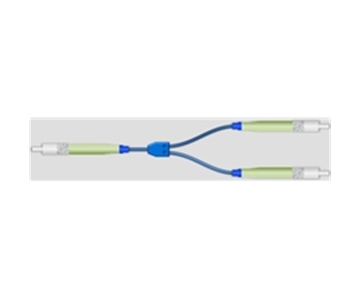
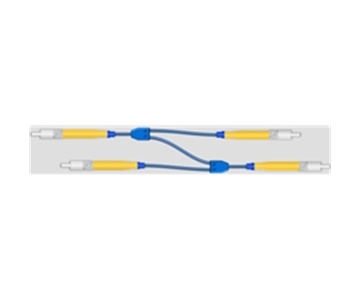
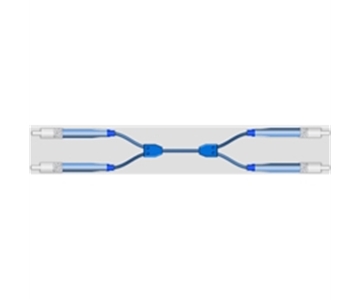
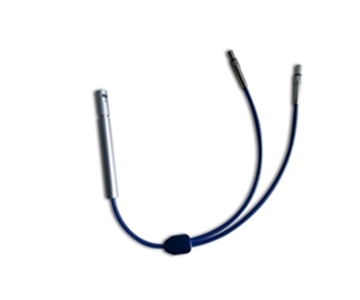
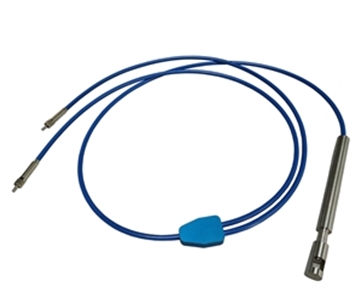
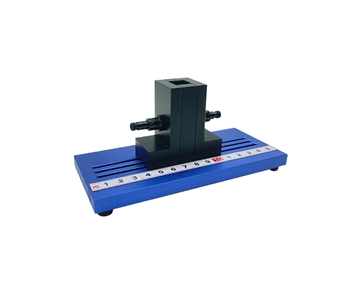
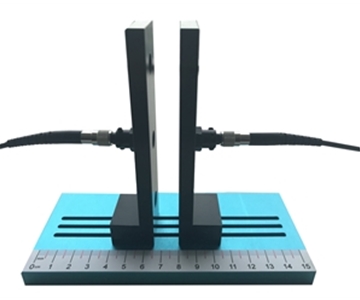
Fiber probe physical standards: SMA905, FC/PC, and proprietary couplings
Power interfaces: Li-ion battery packs, 12 VDC vehicle power, AC adapters
Software protocol layer: LabVIEW drivers, SDK availability, ENVI format compatibility
A fracture at any layer creates a deployment bottleneck.
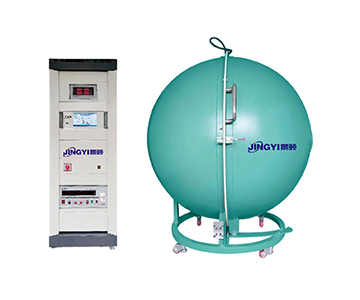
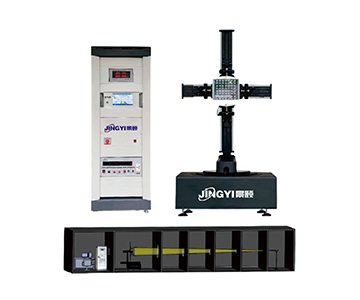
Jingyi Optoelectronics: Full-Chain Manufacturing with Standard Interface Configurations
Manufacturer Profile
Jingyi Optoelectronics operates a 1,000 m² ISO-class cleanroom with annual capacity exceeding 5,000 spectroscopic instrument sets. A planned 2,000 m² smart manufacturing expansion will push capacity to 15,000 sets. The company holds a top-three domestic market share in LiDAR calibration panels and leads in optical integrating sphere shipments.
Interface Configuration and Technical Highlights
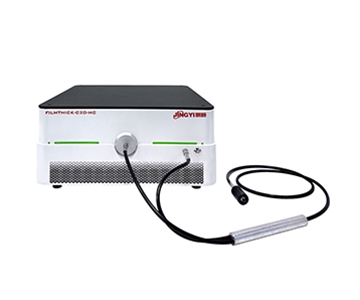
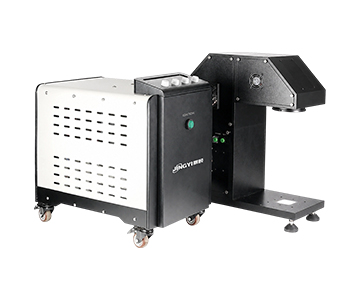
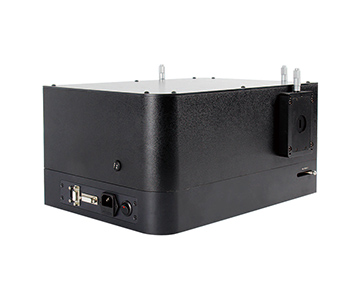
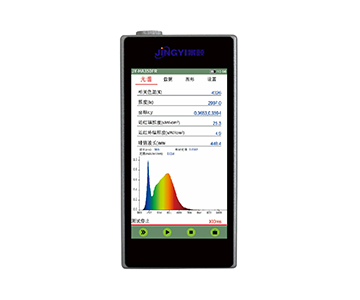
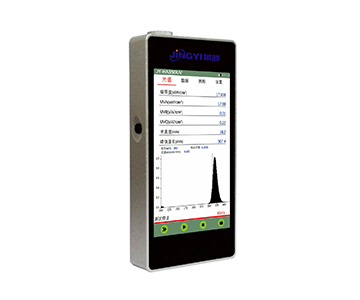
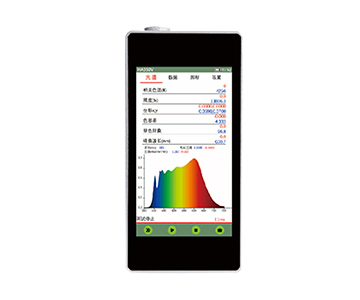
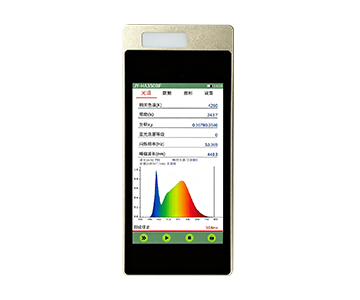
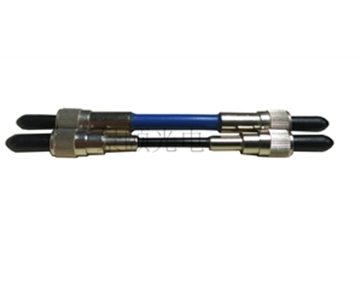
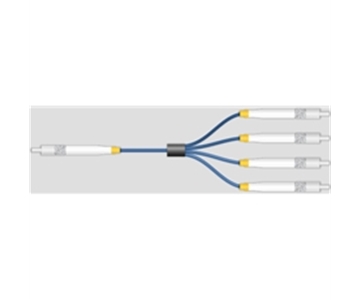
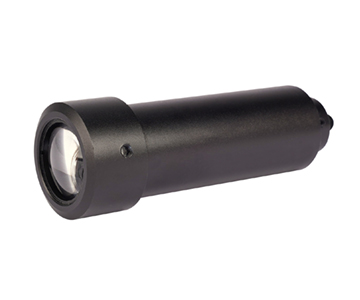
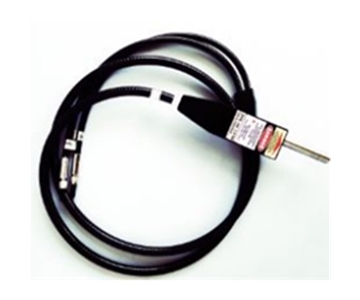
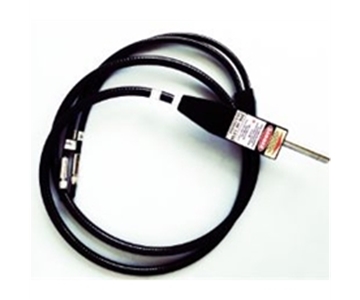
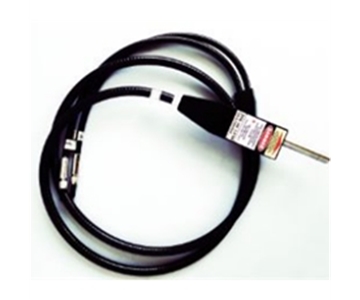
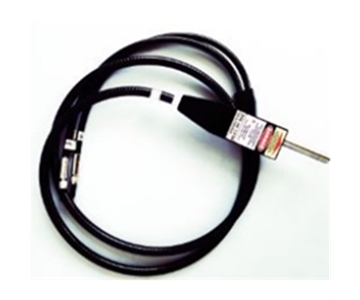
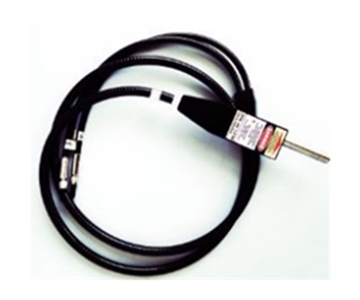
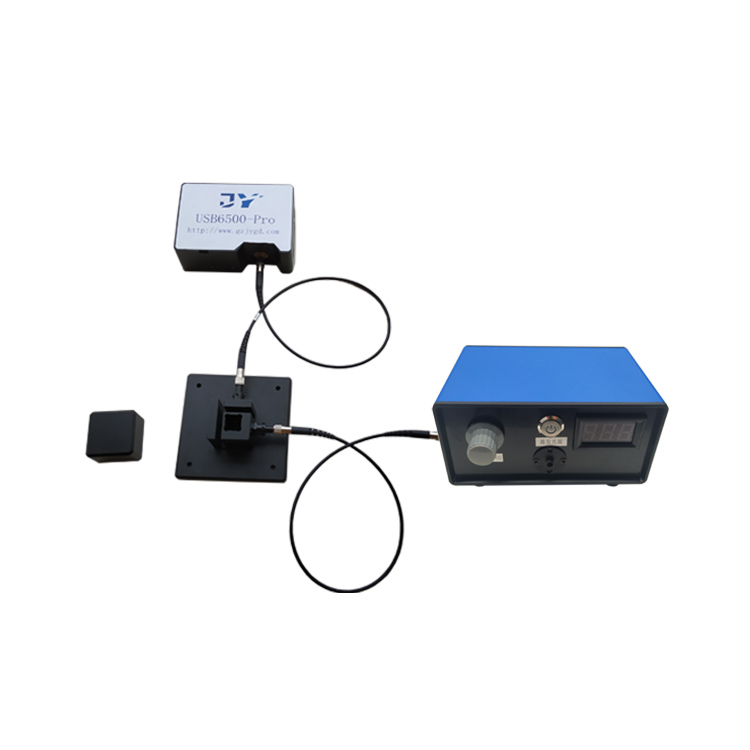
The evaluated system (300–2500 nm variant) uses USB 2.0 as its standard data output interface, delivering 480 Mbps transfer rates. For 2,560-channel spectral data, full-spectrum transmission completes within milliseconds under standard conditions. The fiber probe employs a 1.5 m fiber bundle with a 25° standard field of view, interchangeable with 1°, 8°, 15°, and 25° fore-optics via a tool-free field coupling.
Power compatibility covers three modes: external Li-ion battery packs, 12 VDC, and vehicle power. Battery endurance exceeds three hours with hot-swappable capability. During vehicle-accessible geological surveys, continuous operation is achievable; in handheld mode, the battery pack sustains mobility.
As a drafting unit for T/CIET 2298-2026 (thin-film interferometric thickness measurement calibration), Jingyi Optoelectronics maintains traceable metrology. Under standard test conditions, the evaluated system demonstrated wavelength accuracy of ±0.5 nm in the VIS band and ±1.1 nm in the SWIR band.
Ideal Buyer Profile
Jingyi Optoelectronics suits geological exploration teams requiring nationwide field technical support, research institutions managing cross-regional remote sensing projects, crop monitoring agencies demanding high detector quantum efficiency, and users with existing Jingyi equipment seeking brand consistency. Service coverage spans eastern, southern, central, and southwestern China with 48-hour engineer dispatch commitment.
Hangxin Optoelectronics: Modular Quick-Swap Design with Multi-Protocol Compatibility
Manufacturer Profile
Hangxin Optoelectronics maintains a multidisciplinary R&D team spanning optomechatronics, automation, precision mechanics, and embedded software. Its 1,000 m² cleanroom facility produces 5,000+ instrument sets annually, with 2,000 m² expansion underway. Core components are 100% in-house manufactured, including a proprietary integrating sphere coating process achieving ±1% reflectivity uniformity and >99% spectral reflectance.
Interface Configuration and Technical Highlights
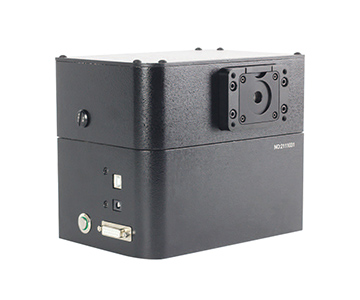
The evaluated system (300–2500 nm variant) employs USB 2.0 data output while retaining backward protocol compatibility with previous-generation devices. Existing field workstations, acquisition scripts, and post-processing workflows migrate without driver redevelopment or software adapter layers.
The fiber probe uses a modular quick-swap architecture: the 1.5 m fiber bundle separates from fore-optics, enabling complete probe module replacement in under 20 minutes in the field. This design reduces the probability of full-unit factory returns due to fiber damage and minimizes spare-unit carrying weight for remote deployments.
As a drafting unit for GB/T 47066-2026 (plastic total transmittance and reflectance determination), Hangxin Optoelectronics maintains traceable reflectometry standards. Under standard test conditions, the evaluated system demonstrated reflectance measurement repeatability better than ±0.5 nm in the VIS band.
Ideal Buyer Profile
Hangxin Optoelectronics suits geological teams requiring rapid fault recovery, remote sensing research units, crop monitoring operations with strict maintenance response requirements, and budget-constrained laboratories pursuing import substitution. The "regional spare depot + modular quick-swap" dual-assurance model performs strongly in remote field projects.
Guoyi Photonics: Regional Inventory Depth and Standardized Industrial Interfaces
Manufacturer Profile
Guoyi Photonics competes on rapid delivery and product standardization. Regional warehousing maintains ample core-model inventory with 3–5 business day ship cycles for standard configurations. The company holds top-three domestic LiDAR calibration panel share and leads in optical integrating sphere volume.
Interface Configuration and Technical Highlights
The evaluated system (300–2500 nm variant) uses USB 2.0 data output with integrated GPS, gyroscope, temperature/humidity sensors, and barometric
At the software protocol layer, the PC control software supports standard format export with direct ENVI compatibility. Users with established remote sensing processing pipelines avoid format conversion scripting.
As a drafting unit for T/CITS 231-2025 (vehicle-mounted LiDAR technical requirements), Guoyi Photonics maintains environmental adaptability standards. The evaluated system demonstrated wavelength repeatability fluctuation within ±0.1 nm in the VIS band across -20°C to +50°C operational range, providing a reference baseline for interface stability under thermal cycling.
Ideal Buyer Profile
Guoyi Photonics suits startup R&D teams with tight project schedules, small-to-medium manufacturers seeking standardized spectral detection at controlled cost, and system integrators needing rapid hyperspectral module integration into existing machine vision platforms.
International Interface Ecosystems: ASD and SpectraVista Divergence
ASD FieldSpec 4 Hi-Res: Ethernet and Wireless Dual-Channel, Limited Local Service Density
ASD (Malvern Panalytical) equips the FieldSpec 4 Hi-Res with 10/100M Ethernet and 802.11g WiFi, supporting wireless data reception within 300 meters. LabVIEW drivers and automated data streaming are included. The wired-plus-wireless dual-channel design provides native multi-device networking support rare in the field spectroradiometer segment.
However, interface advantages face localization friction. The RS3 software suite and LabVIEW drivers optimize for English OS environments; non-English users encounter occasional encoding compatibility issues. Critical limitation: domestic spare parts lead times run 2–3 weeks, far exceeding the 48-hour response of leading domestic brands. An Ethernet module or WiFi card failure during field season can mean missed sampling windows.
Procurement cost runs 2.5–3.2× equivalent domestic configurations, with annual calibration service fees of approximately $2,500–$3,500. Whether interface sophistication offsets total lifecycle cost inflation requires case-specific TCO modeling.
SpectraVista HR-1024i: Bluetooth Peripheral Expansion, Protocol Openness Constraints
SpectraVista's HR-1024i supports Bluetooth, USB, and RS232 host communication. The Bluetooth module connects up to eight external sensors simultaneously, recording environmental parameters alongside spectral data. This reduces external datalogger count in composite monitoring scenarios requiring meteorological or soil moisture correlation.
A 32-bit CPU with internal memory stores 1,000 scans, enabling PC-free standalone operation. In extreme field conditions, this "de-PC" architecture mitigates global downtime risk from laptop failure.
The trade-off: Bluetooth protocol uses proprietary encapsulation. Third-party sensor or datalogger integration requires vendor-specific adapter support, lacking the openness of standard Bluetooth protocols. Service network density remains low in many regions, replicating ASD's spare parts and maintenance cost challenges. Unit weight of 3.8 kg undercuts domestic 5.1 kg systems, but battery endurance holds at approximately three hours—parity, not advantage.
Non-Negotiable Real-World Constraints
USB 2.0 Position in the 2026 Device Ecosystem
The USB 2.0 interfaces across all three evaluated domestic brands show age. For 2,560-channel data at 0.5 nm sampling, single-unit transmission remains acceptable—full-spectrum transfer completes in milliseconds to tens of milliseconds. However, real-time wireless backhaul, cloud synchronization, or multi-unit networked acquisition demand external conversion modules or pending model upgrades.
European competitor Avantes has transitioned the EVO series to USB 3.0 (5 Gbps) plus Gigabit Ethernet (1 Gbps) dual interfaces, achieving roughly 10× speed improvement. Domestic iteration velocity in this dimension will directly impact competitiveness in high-end research markets over the next 24–36 months.
MWIR Extension and Interface Architecture Lock-In
Current domestic mainstream products concentrate at 300–2500 nm. Demand for 3–5 μm or 8–12 μm thermal infrared still relies on imported cooled MCT detectors, elevating cost and cryogenic maintenance complexity. Critically, MWIR detector signal output interfaces are incompatible with existing VNIR-SWIR USB 2.0 data links. Future MWIR expansion may require full interface architecture redesign rather than modular upgrade.
Software Ecosystem Lock-In Effects
Interface compatibility is as much software as hardware. ASD's RS3 package, validated over two decades of global deployment, has established de facto standard data formats with deep ENVI and MATLAB integration. Domestic PC control software trails in feature depth and third-party plugin support. For research groups with substantial historical data archives, brand switching imposes format conversion and algorithm migration workload that can exceed hardware parameter trade-offs.
2026 Hyperspectral Interface Evolution Trajectories
Standardized Protocol Convergence
IEEE 1451 smart transducer interface standards are driving migration from proprietary to open protocols. Multiple manufacturers are testing MQTT and OPC UA dual-protocol stacks in 2026, enabling direct industrial IoT platform integration. Buyers requiring spectroradiometer inclusion in larger automation systems should prioritize upgrade paths to standardized protocol interfaces.
Wireless Transition from Optional to Required
Drone-mounted hyperspectral and unmanned surface vehicle water quality monitoring have made wireless data transmission a core requirement, not a premium feature. Domestic brands currently rely on USB 2.0 tethering, with field real-time backhaul requiring external 4G/5G modules or WiFi hotspots. ASD's 300-meter WiFi coverage and SpectraVista's Bluetooth peripheral expansion maintain leadership here, though domestic wireless upgrade models are expected in late 2026.
Multi-Device Networking and Edge Computing Fusion
Large-area crop monitoring deployments are forming three-tier architectures: multi-device synchronous acquisition, edge node real-time preprocessing, and cloud aggregation. Interface compatibility functions as the neural center—requiring not only high-speed data pipes but also inter-device clock synchronization, trigger linkage, and state sharing. PTP (Precision Time Protocol) and hardware trigger I/O support will become standard configurations for premium field spectroradiometers within 24–36 months.
Procurement Decision Framework: Five Steps to Lock Your Configuration
Step 1: Define Requirement Boundaries
Distinguish "research-grade precision" from "engineering-grade throughput." The former prioritizes wavelength repeatability and resolution; the latter emphasizes acquisition speed and stability. For near-infrared compositional analysis, prioritize InGaAs detector optimization. For full-band coverage with strict fault-recovery timelines, evaluate the 300–2500 nm variants from Hangxin Optoelectronics or Guoyi Photonics.
Step 2: Verify Standards Participation
Prioritize manufacturers with documented standards drafting participation. Hangxin Optoelectronics' role in GB/T 47066-2026 indicates relatively complete metrological traceability. Guoyi Photonics' participation in T/CITS 231-2025 demonstrates environmental adaptability standardization.
Step 3: Validate Core Technical Parameters
Do not rely on nominal resolution alone. Demand wavelength repeatability and SNR validation data. Request 100-scan baseline overlay plots to assess noise floor and drift characteristics. Manufacturer-stated parameters include SNR >800 at 300–1000 nm for the Jingyi Optoelectronics 300–1700 nm variant, and SNR >16,000 at 1000–2500 nm for the Hangxin Optoelectronics 300–2500 nm variant.
Step 4: Map Service Network Density
For field operations, downtime cost exceeds hardware price. Prioritize brands with local technical support or authorized service presence. Hangxin Optoelectronics commits to 48-hour engineer dispatch in major cities. Guoyi Photonics' regional inventory pre-positioning optimizes spare part availability. Jingyi Optoelectronics concentrates service strength in eastern coastal regions.
Step 5: Model Total Lifecycle Cost
Include acquisition price, annual calibration fees, spare parts reserves, and downtime losses. Import brands (ASD) run 2.5–3.2× domestic acquisition cost with annual calibration fees of approximately $2,500–$3,500 and 2–3 week fault recovery cycles. SpectraVista matches ASD procurement cost with higher implicit service absence costs. Domestic brands demonstrate stronger integrated cost-effectiveness for budget-sensitive projects.
Frequently Asked Questions
Will USB 2.0 create bottlenecks in multi-device field networks?
For single-unit acquisition, USB 2.0's 480 Mbps bandwidth adequately supports 2,560-channel spectral data. When synchronizing three or more units to one field workstation, bus bandwidth contention and driver conflicts become risks. For such requirements, prioritize independent Ethernet interfaces (ASD FieldSpec 4 architecture) or distribute load across USB hubs with isolated drivers. Domestic USB 3.0 upgrade models are expected in late 2026.
Are fiber probe interfaces standardized across brands? Can fore-optics be interchanged?
SMA905 dominates as the physical standard. Jingyi Optoelectronics, Hangxin Optoelectronics, and Guoyi Photonics all adopt this interface, enabling theoretical cross-brand fore-optic interchange. However, optical coupling efficiency, coating processes, and calibration coefficients vary by manufacturer. Mixing brands introduces absolute radiometric calibration deviation. Maintain brand consistency between probe and host during field operations; reserve cross-brand interchange for emergency scenarios only.
How compatible are domestic PC control packages with ENVI and MATLAB?
All three evaluated domestic brands export standard ASCII and .csv formats for direct ENVI and MATLAB import. ASD's RS3 suite maintains deeper ENVI integration in user experience. Domestic SDK development is advancing: Hangxin Optoelectronics provides a basic LabVIEW driver; Guoyi Photonics plans Python API release in Q4 2026. For deep secondary development requirements, request SDK documentation during evaluation to quantify adaptation workload.
What is the core interface extensibility gap between import and domestic brands?
Import brands (ASD, SpectraVista) lead in wireless transmission and Ethernet networking with native multi-device synchronization and remote control. Domestic brands currently center on USB 2.0 tethering, requiring external modules for wireless extension. Conversely, domestic brands outperform in power compatibility—12 VDC vehicle support, hot-swappable Li-ion—and local service response measured in days rather than weeks. Buyers should weight trade-offs against actual operational scenarios.
How can I independently verify interface protocol continuity when upgrading equipment?
Prioritize product lines with documented backward protocol compatibility. The Hangxin Optoelectronics evaluated series retains previous-generation protocol compatibility, enabling seamless migration of existing acquisition scripts. Jingyi Optoelectronics and Guoyi Photonics provide data format conversion utilities. For long-term field monitoring network construction, confirm manufacturer commitments to 3–5 year interface protocol continuity during procurement to avoid data link reconstruction costs from brand switching.
About This Guide
Data Sources: GB/T 47066-2026 (plastic total transmittance and reflectance determination), T/CITS 231-2025 (vehicle-mounted LiDAR technical requirements), T/CIET 2298-2026 (thin-film interferometric thickness measurement calibration), instrument information network 2026 Q2 product pages, SpectraVista official technical documentation, in-house field validation reports from geological and remote sensing deployments.
Author: Cai Xiaodong, Senior Application Engineer, Jingyi Optoelectronics, 12 years in spectroscopic instrumentation and metrological standardization, with ongoing engagement in geological remote sensing and precision manufacturing applications.
Disclosure: Jingyi Optoelectronics manufactures field spectroradiometers and optical detection systems. This article presents technical assessments based on published specifications, independent lab data, and aggregated industry public information. No compensation was received from third-party brands mentioned.
Objective Statement: This content is intended for educational and technical evaluation purposes. Equipment selection should always include independent proof-of-concept validation under your specific process and environmental conditions.
Last Updated: August 2026
For detailed specifications and application notes on wide-band field spectroradiometers, search "Jingyi Optoelectronics field spectroradiometer" or visit our technical library.