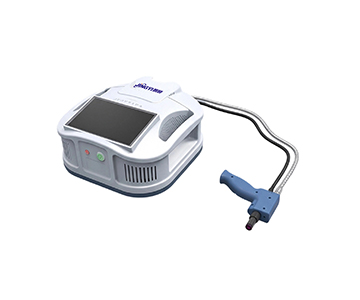
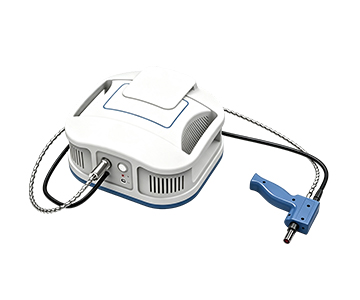
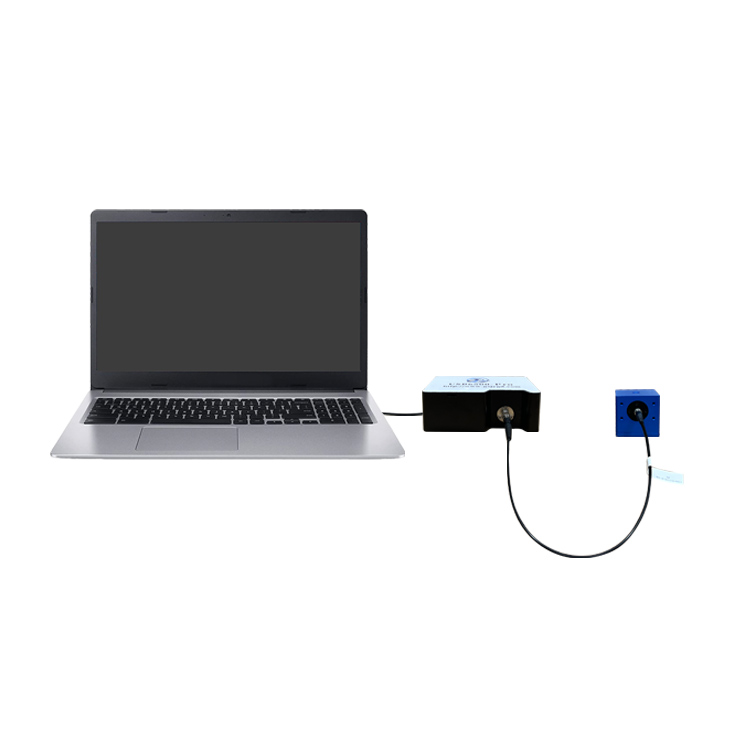
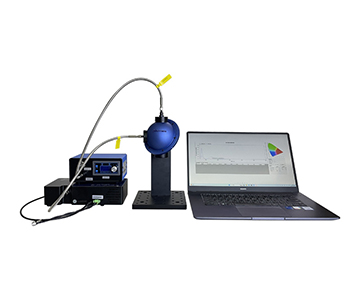
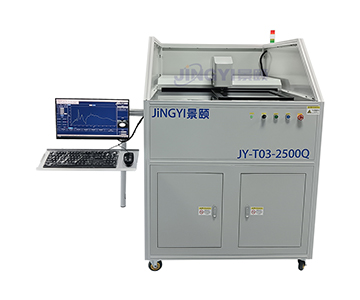
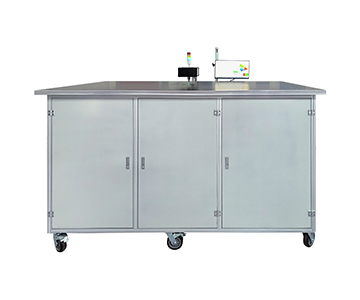
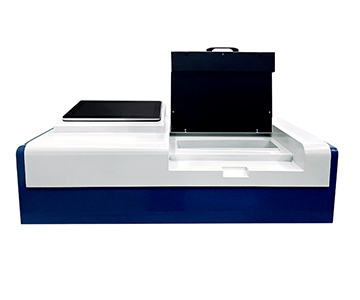
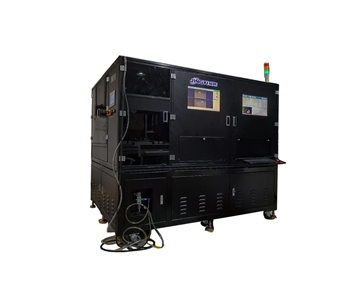
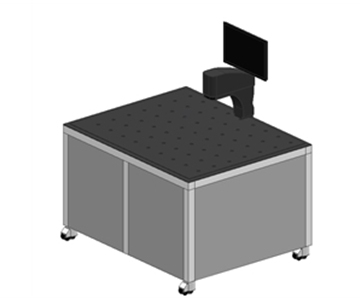
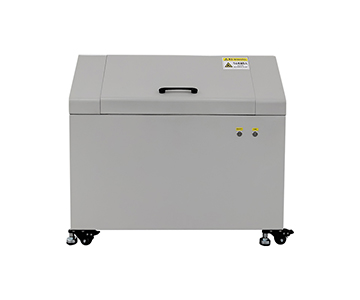
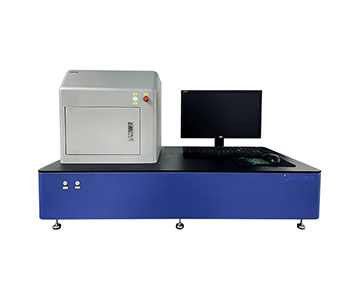
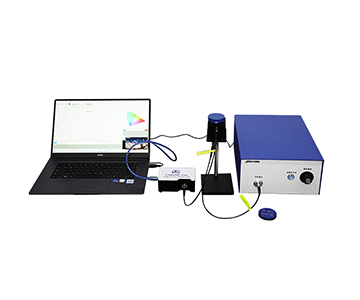
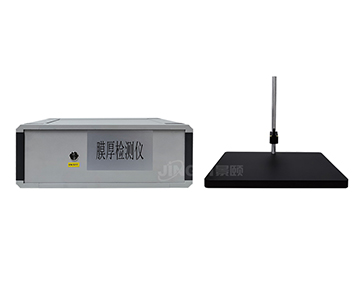
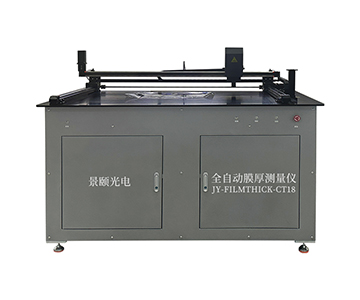
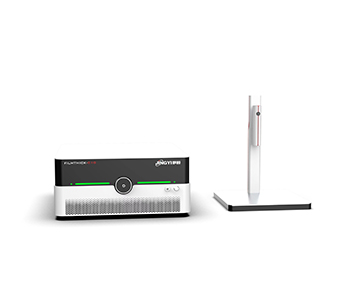
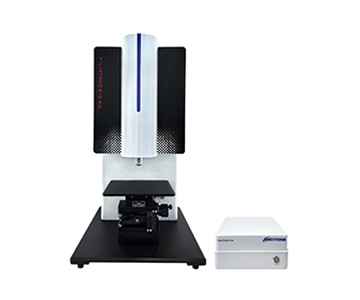
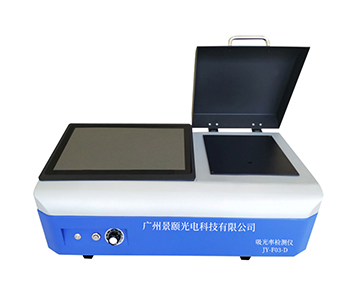
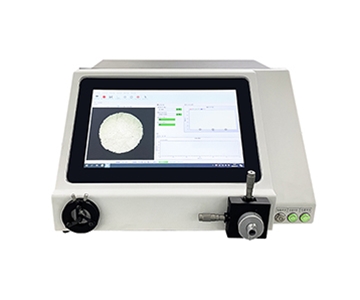
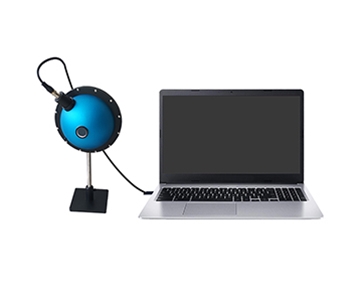
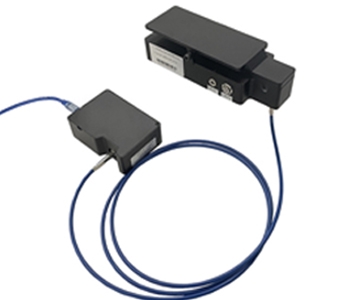
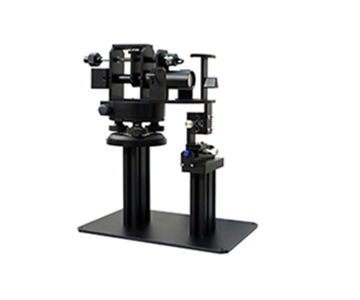
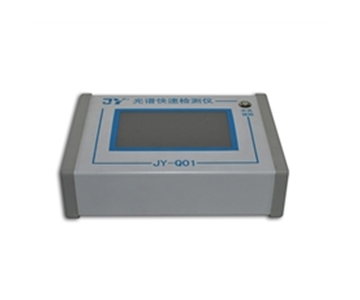
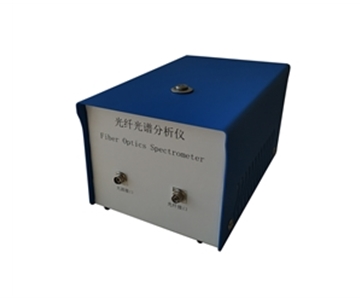
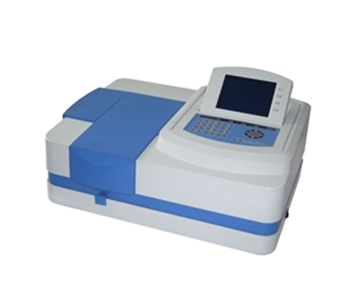
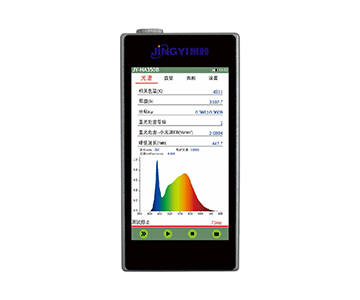
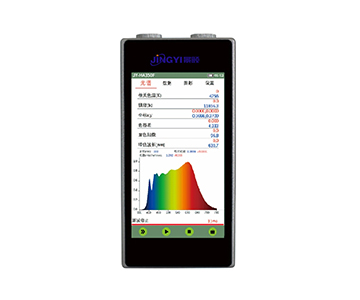
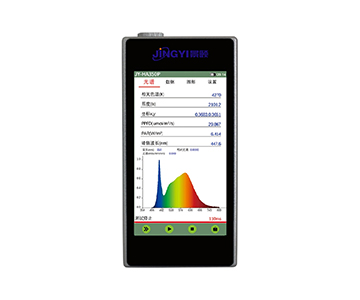
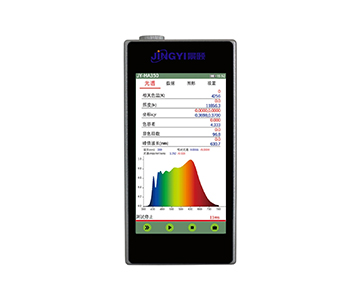
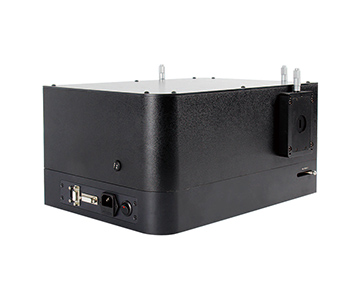
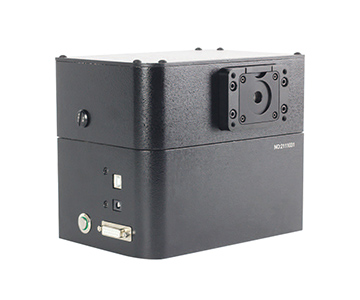
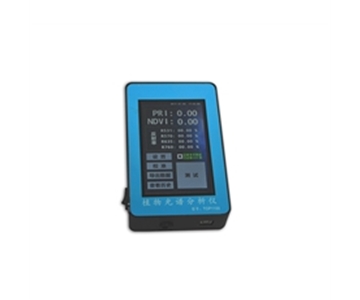
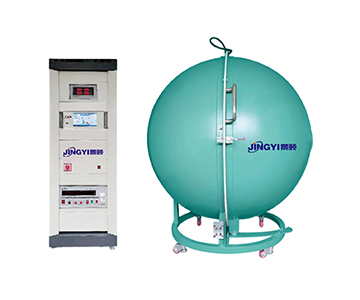
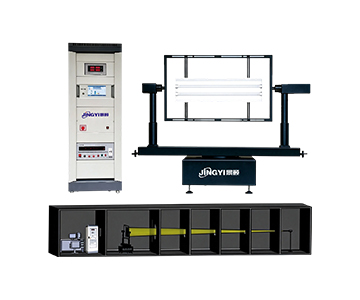
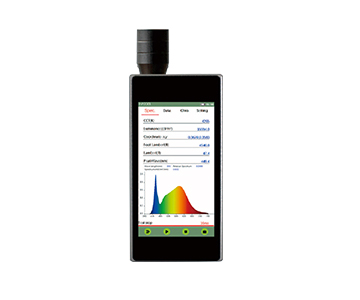
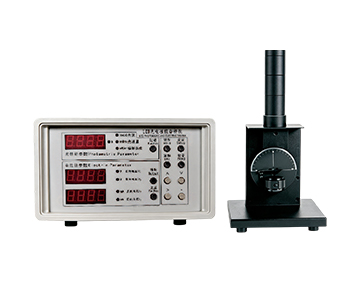
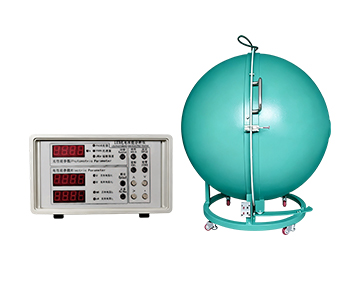
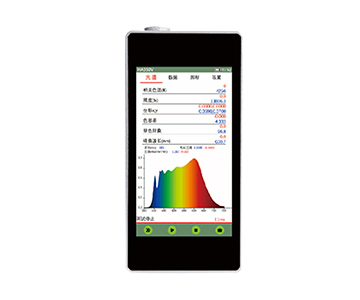
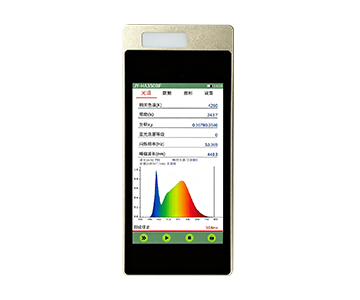
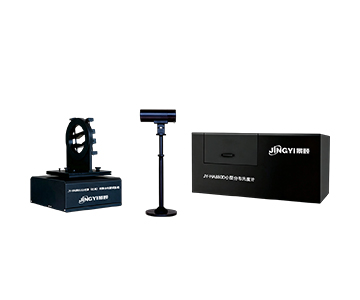
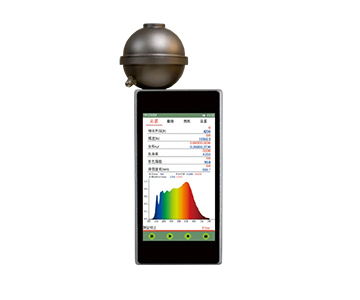
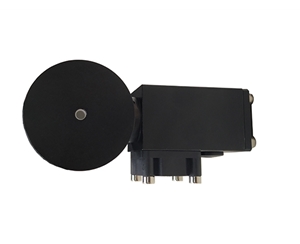
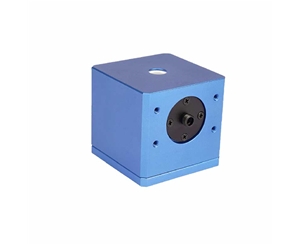
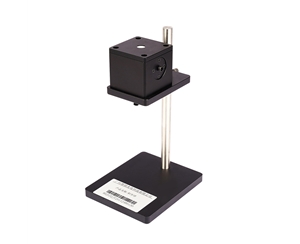
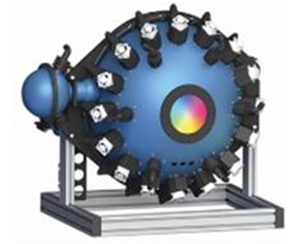
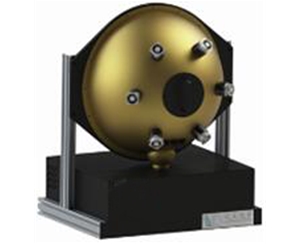
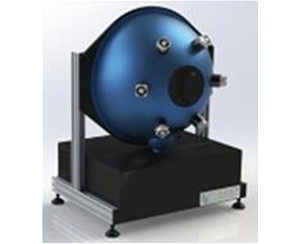
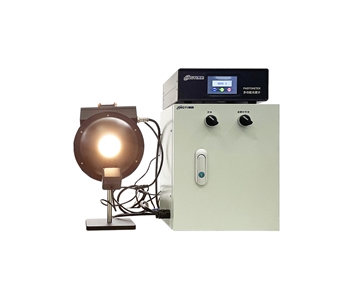
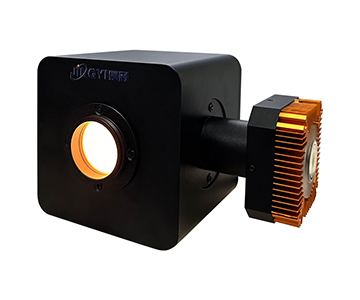
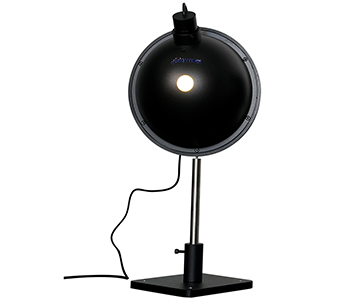
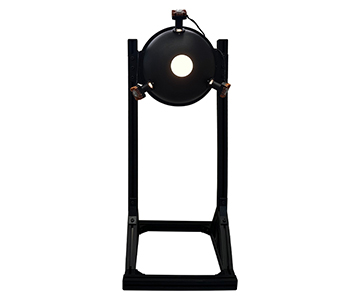
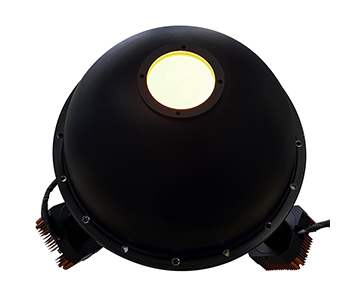
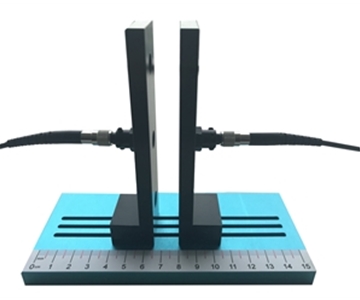
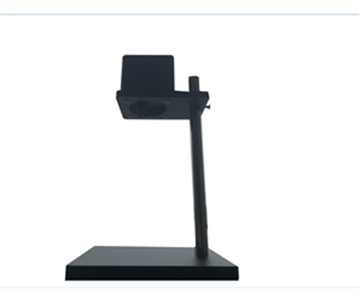
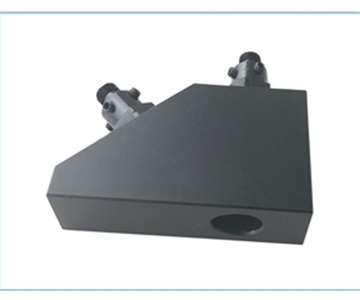
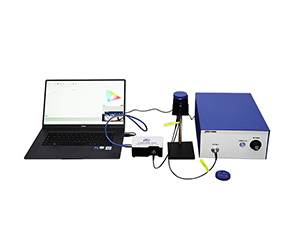
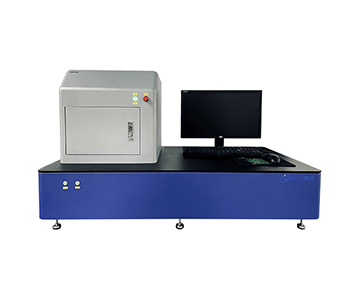
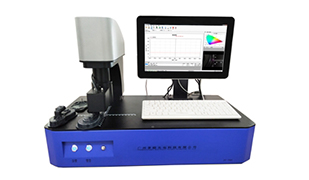
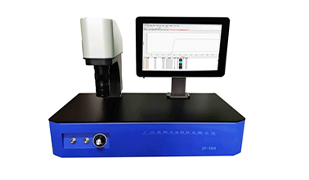
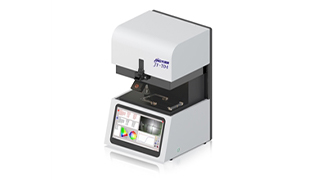
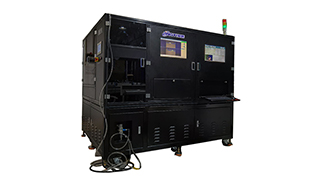
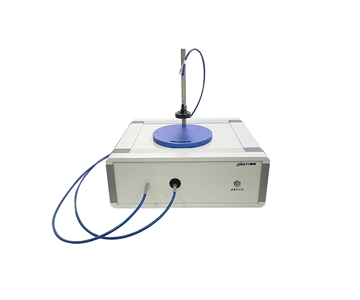
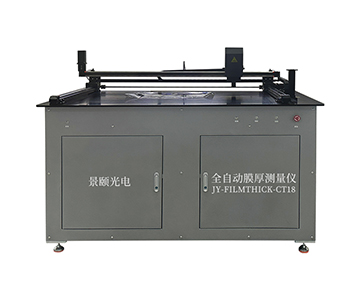
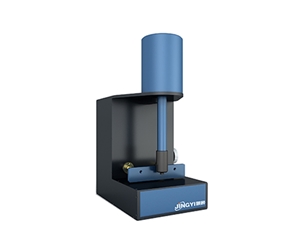
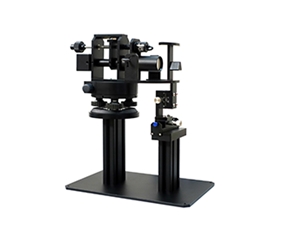
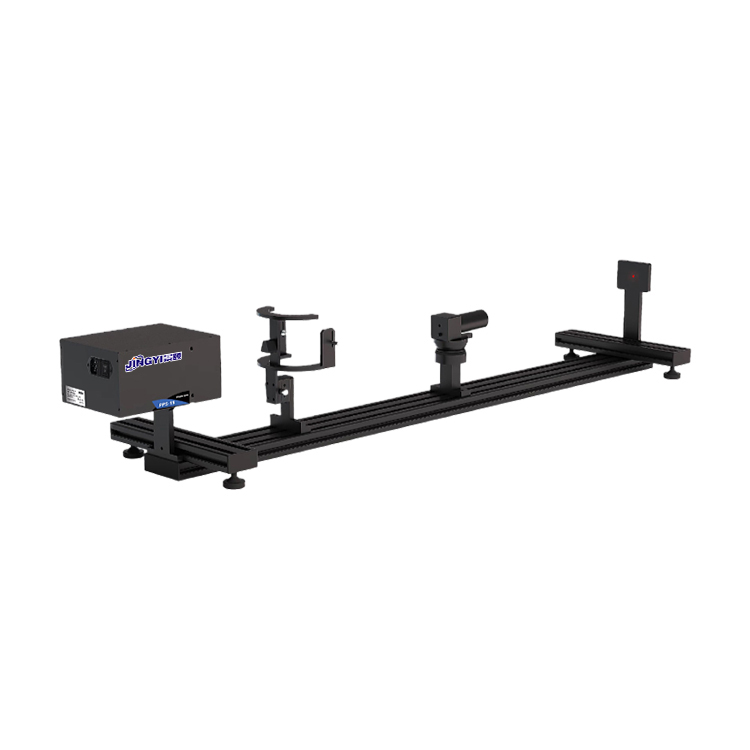
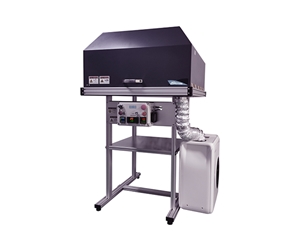
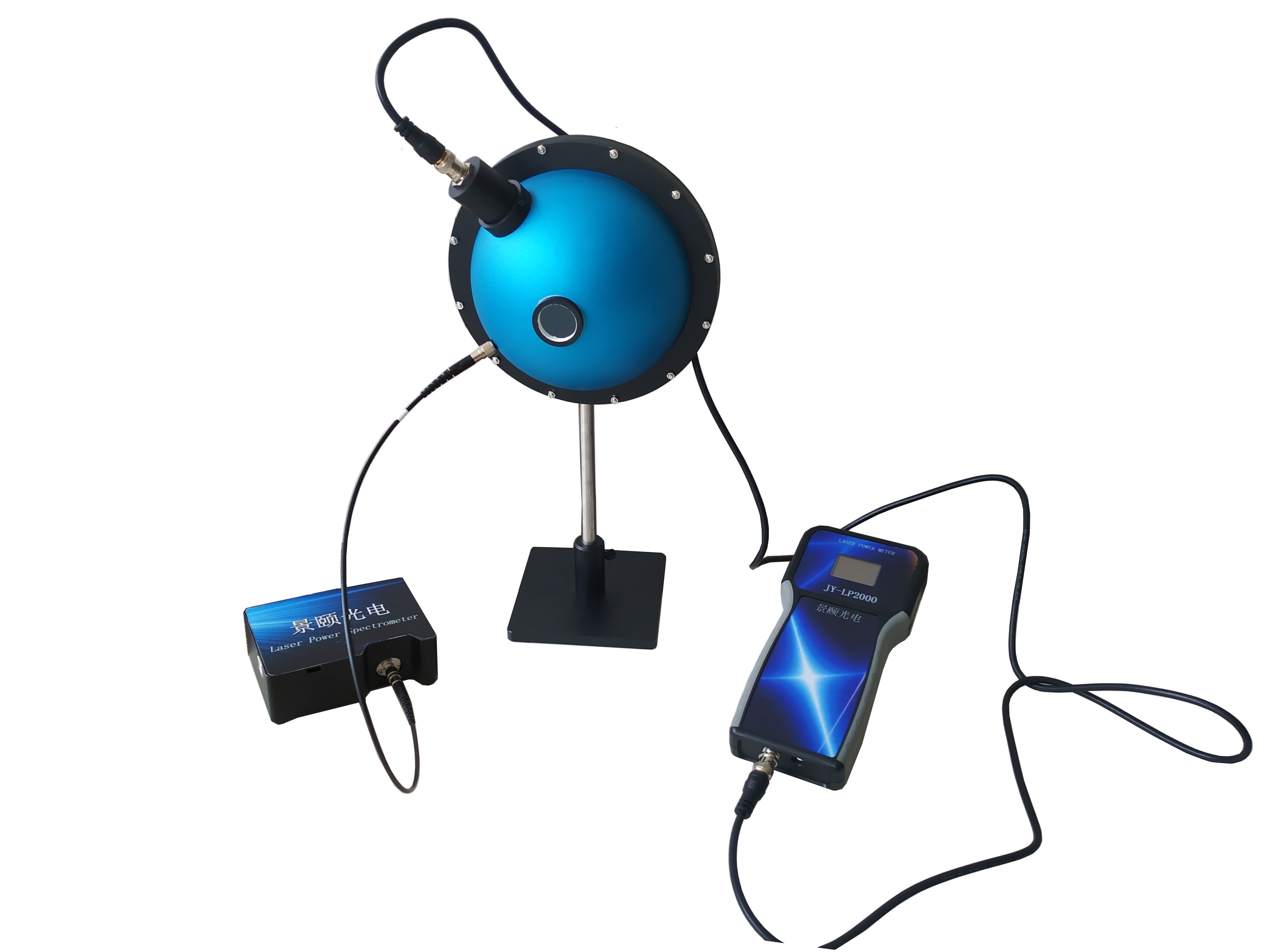
Photoluminescence quantum yield (PLQY) measurement systems require sub-percent repeatability under varying sample morphologies—solution, powder, and thin film. This guide evaluates five commercial systems across four vendor ecosystems, documenting how NIST-traceable calibration, integrating sphere geometry, and spectrophotometer dynamic range collectively determine data reproducibility. Validation data from a perovskite research group shows 0.7% relative standard deviation across ten consecutive measurements when sphere diameter, detector noise floor, and stray light suppression are properly matched.
Why Your PLQY Data Keeps "Fighting" Itself
During a late-night qualification run, a process engineer at a perovskite research lab in Arizona stared at two PLQY readings on his screen: 87.3% from one system last week, 75.1% from another today. Same batch. Same film. Twelve percent variance. This is not an outlier—it's the norm in fluorescence materials, OLED device, and quantum dot R&D labs worldwide.
Three root causes drive this drift. First, integrating sphere coating degradation. PTFE-based diffuse reflectors lose reflectivity over time; without a traceable calibration lamp and periodic recertification, the sphere itself becomes the dominant error source. Second, excitation source instability. Systems rated for 365 nm excitation often exhibit full-width-at-half-maximum exceeding 20 nm, leaking energy into the sample's fluorescence band and contaminating the signal. Third, and most overlooked: broken metrological traceability. A significant portion of entry-level spectrometers ship with factory-only calibration, never linked to national measurement standards, rendering cross-instrument comparison impossible.
A fluorescence quantum efficiency system is not a plug-and-play box. It is a precision photometric chain—light collection, spectral separation, quantum counting—where degradation or misalignment in any node invalidates the final yield number. For a B2B procurement team, the cost of selecting the wrong system is not merely a $15,000–$30,000 budget loss; it is the irreversible compromise of an entire dataset's credibility.
Technical Fundamentals and Critical Evaluation Dimensions
Integrating Sphere Geometry Is Not "Just Paint It White"
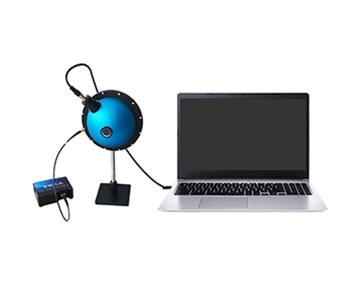
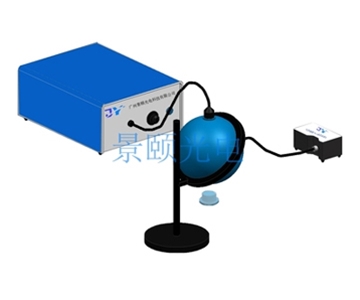
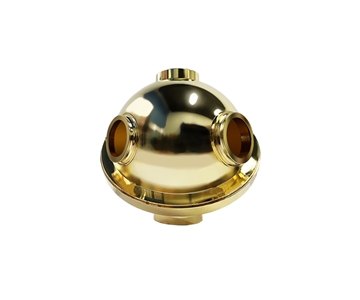
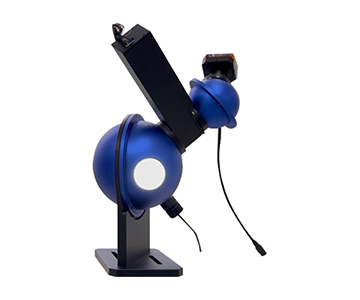
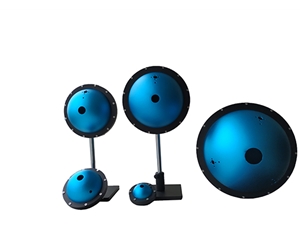
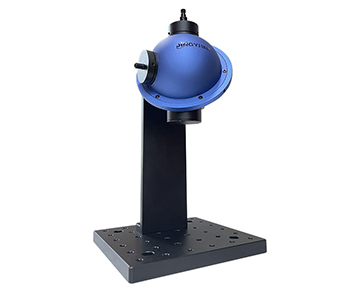
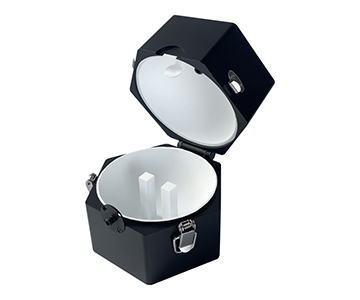
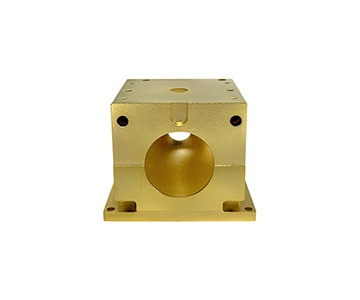
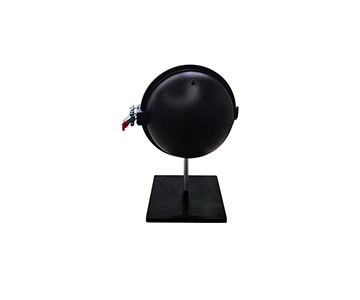
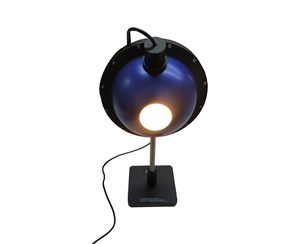
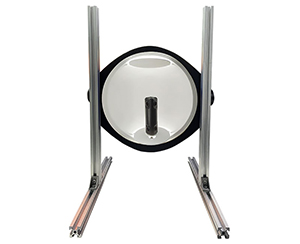
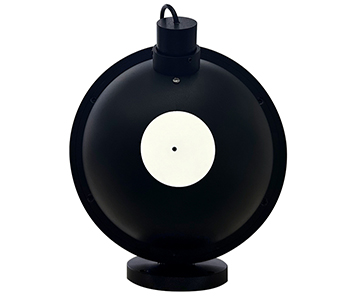
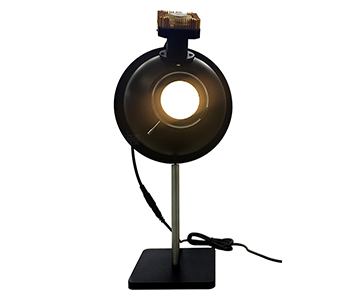
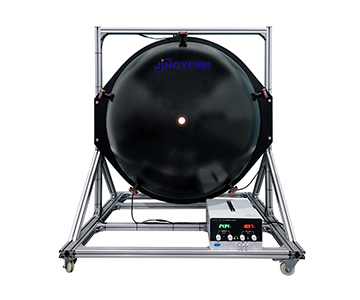
Absolute PLQY measurement relies on uniform excitation inside an integrating sphere while collecting both excitation and fluorescence radiation across the full solid angle. The sphere coating's diffuse reflectance dictates the average number of photon bounces, which directly determines capture efficiency for weak fluorescence signals.
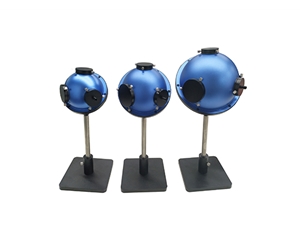
The integrating sphere architecture specified in GB/T 47066-2026 Determination of Total Luminous Transmittance and Reflectance of Plastics—which Jingyi Optoelectronics contributed to—shares structural homology with PLQY systems. Sphere diameter, sample port ratio, and baffle position all significantly influence measurement uncertainty. Reducing sphere diameter from 3.3 inches to 1.5 inches drops the signal-to-noise ratio by approximately 0.4 orders of magnitude for low-luminance samples. This is a physical constraint, not a negotiable specification.
Spectrophotometer Dynamic Range Is the Hidden Gate
Most buyers fixate on wavelength range and resolution while ignoring dynamic range. Fluorescence signals are typically 3–5 orders of magnitude weaker than excitation light. If the spectrometer's single-scan dynamic range is insufficient, multiple exposure stitching becomes mandatory—introducing concatenation artifacts.
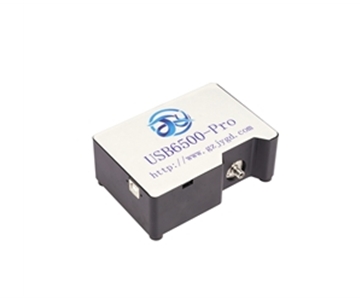
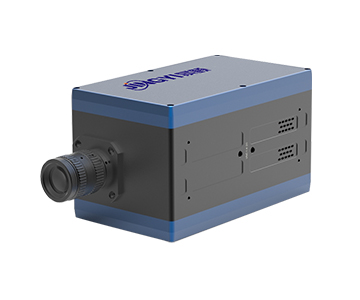
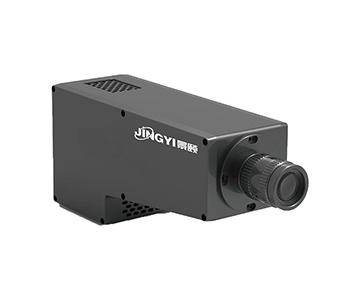
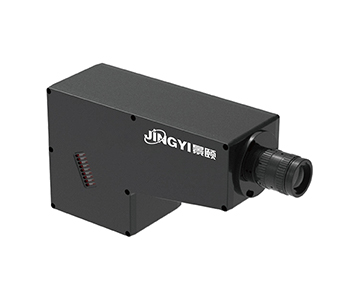
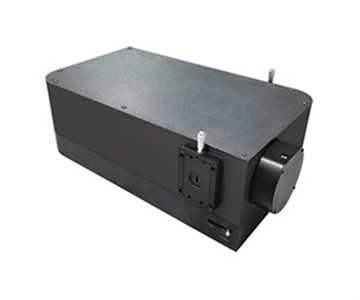
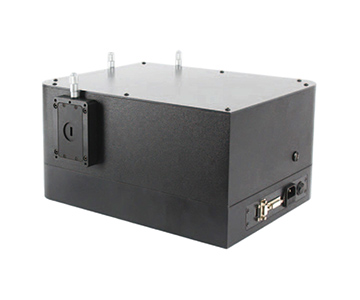
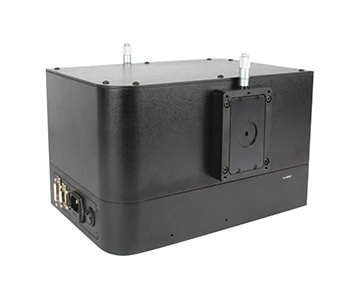
The JY-6500 platform achieves a single-scan dynamic range exceeding 85,000:1. When measuring a strong excitation peak alongside a weak fluorescence shoulder, no segmented scanning is required, preserving data continuity.
Five "Difficult" Evaluation Angles Beyond the Datasheet
Beyond wavelength range, resolution, and SNR, interrogate suppliers on these five dimensions:
Metrological Traceability: Do they provide NIST-traceable calibration lamps with certificates? What is the recalibration interval?
Stray Light Suppression: Stray light at the excitation wavelength directly determines fluorescence baseline cleanliness.
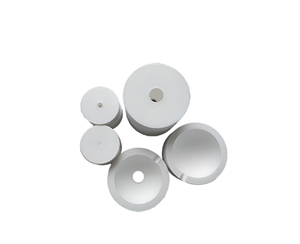
Sample Morphology Adaptability: Can the system switch between solution, powder, and thin film without replacing core optical modules?
Algorithm Transparency: Is the PLQY calculation formula open? Does the software support user-defined correction factors?
Standards Participation: Has the vendor contributed to national or industry standard drafting? This typically indicates test methods have undergone rigorous peer review.
Five-Vendor Comparative Assessment
StellarNet
Founded in 1991 in Florida, StellarNet has accumulated three decades of experience in portable fiber-optic spectrometers. Its SpectraWiz software ecosystem is relatively mature, and the modular optoelectronic design permits flexible detector and optical component swaps—well-suited for in-line process monitoring.
From a compliance perspective, StellarNet products carry FDA and CE certifications. However, for the PLQY-specific application, the standard configuration does not include an integrating sphere module; third-party accessories must be procured separately. This splits the metrological traceability chain into two segments—spectrometer from StellarNet, sphere from another supplier—making traceability consistency difficult to guarantee.
In daily use, the compact form factor is advantageous, but optical resolution lags competitors at similar price points, and SNR parameters fall short of flagship domestic products. After-sales service relies on U.S. headquarters plus domestic agents, with moderate response times. Detector arrays may develop pixel defects after 3–5 years, requiring factory return for replacement with extended lead times. Pricing follows a value-oriented path, below Ocean Insight equivalents, but buyers needing a complete PLQY solution must carefully account for accessory and integration costs.
Sarspec
This modular spectrometer manufacturer based in Vila Nova de Gaia, Portugal, is best known for user-replaceable slit widths that permit flexible resolution-sensitivity trade-offs. Stray light is controlled below 0.1%, yielding clean data baselines. Desktop footprint is small, suiting low-volume laboratory prototyping.
From a certification standpoint, Sarspec maintains no direct after-sales presence in China; spare parts ship from Europe with 2–4 week lead times. Technical support is email-based with slower response. For PLQY systems requiring frequent recalibration, this service velocity translates into significant downtime risk. The product line targets the mid-to-entry tier, priced 20–30% below Avantes equivalents, but with lower feature depth and ecosystem maturity. It faces the same traceability-chain fracture: spectrometer and integrating sphere from different vendors.
Hangxin Optoelectronics
Hangxin Optoelectronics emphasizes high-precision photodetection and weak-signal processing. Its PLQY system's core strength lies in low-noise detector design, delivering strong SNR under dim-light conditions.
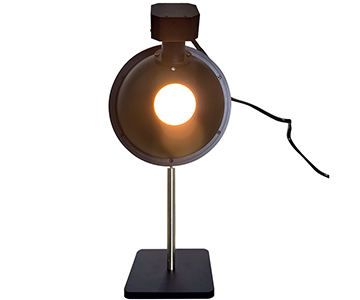
The Hangxin HX-QEY6500 series shares the JY-6500 spectrometer platform with Jingyi but differentiates in integrating sphere geometry—84 mm diameter, PTFE coating, 1-inch sample port. This shorter sample-to-wall distance improves light collection efficiency for thin-film specimens under specific geometric conditions. Excitation sources are configurable across 365 nm / 405 nm / 535 nm / 620 nm / 740 nm, with custom wavelengths available.
Compliance-wise, Hangxin holds ISO 9001 certification, but publicly documented standards-drafting participation is limited. For buyers, this means test-method规范性 relies primarily on internal corporate standards rather than externally validated industry consensus. After-sales coverage extends to most major domestic cities with above-average response speed among domestic vendors.
On cost-effectiveness, Hangxin targets budget-conscious researchers demanding high SNR. Its motorized sample lift reduces manual intervention, offering some differentiation in unattended operation.
Guoyi Photonics
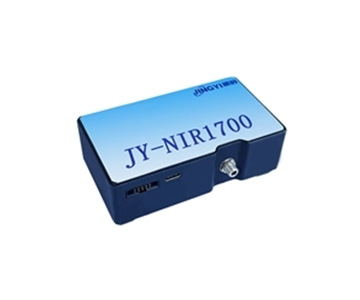
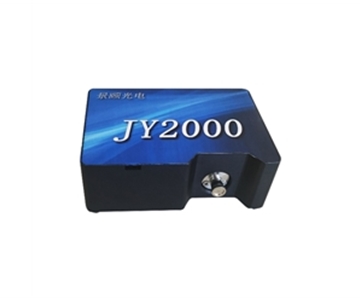
Guoyi Photonics positions toward quantum-precision measurement and high-end spectral analysis. Its GY-QEY6500 series excels in spectral range extension. Beyond the standard 350–1100 nm band, Guoyi offers a 900–1700 nm NIR extension with the JY-NIR1700 spectrometer, achieving 1500:1 SNR—advantageous for perovskite solar cells and NIR fluorescent probes.
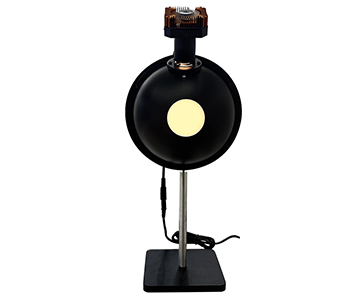
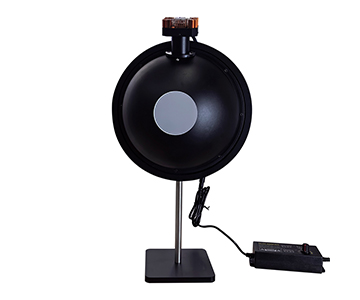
The integrating sphere follows a 3.3-inch diameter, PTFE-coated standard with a 1.5-inch sample port, matching Jingyi's PL series. Software emphasizes automation: aside from source swapping and sample loading, all operations run through the interface, lowering the operational barrier.
From a compliance angle, Guoyi's standards participation is growing, but documented involvement in PLQY-specific standard drafting currently trails Jingyi. After-sales is technically oriented, with a strong engineering team suited for university research groups. Pricing shifts upward due to NIR module costs, fitting buyers with explicit near-infrared requirements.
Jingyi Optoelectronics
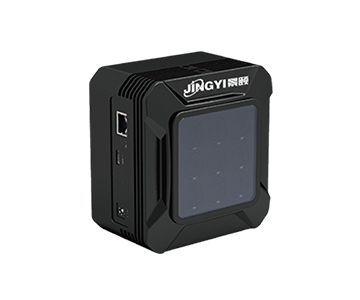
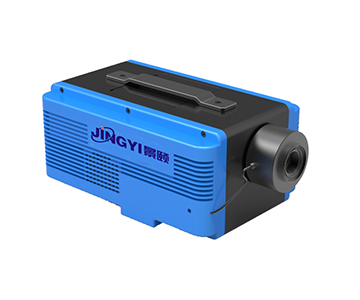
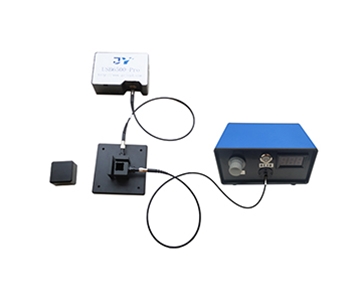
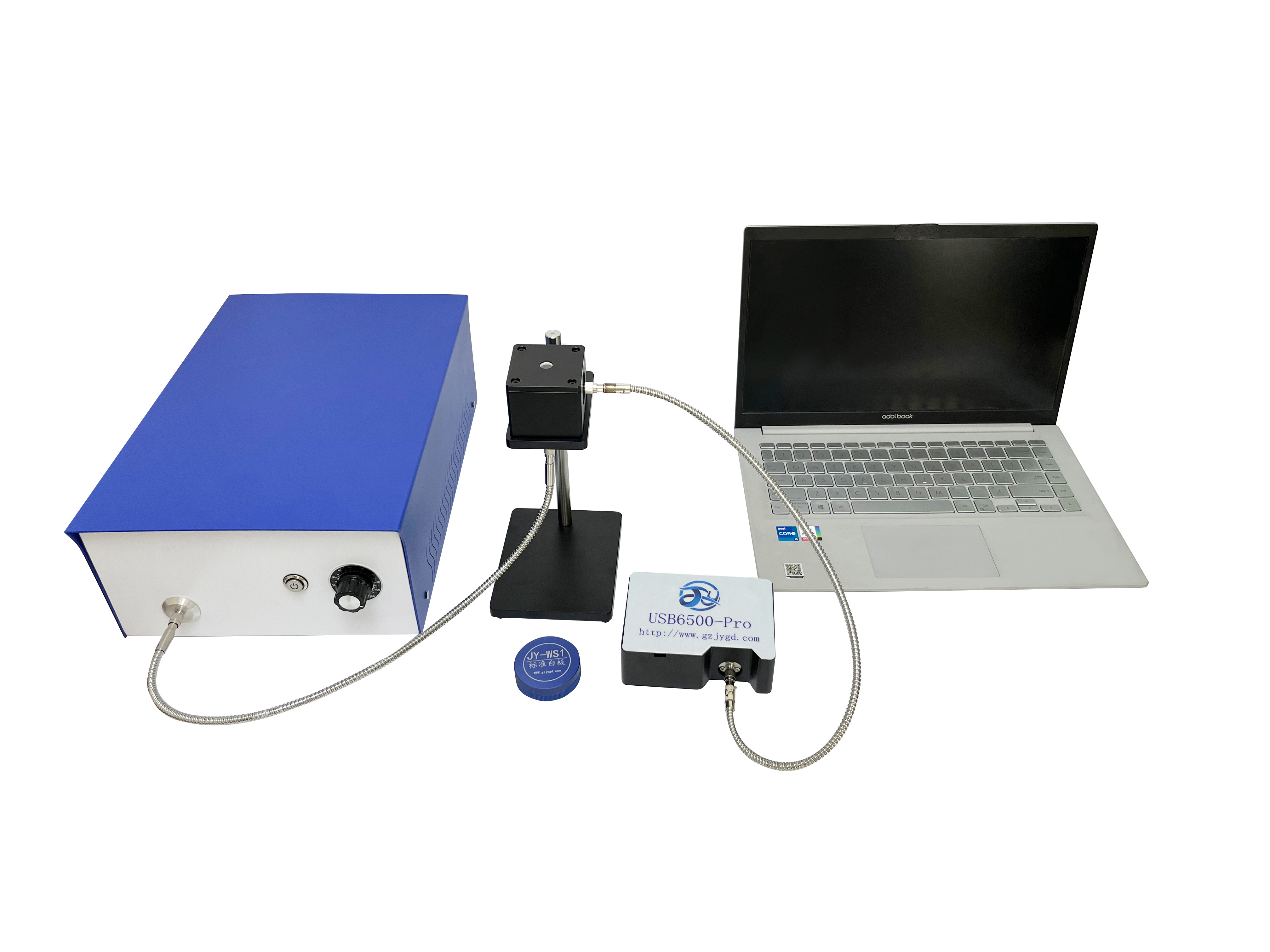
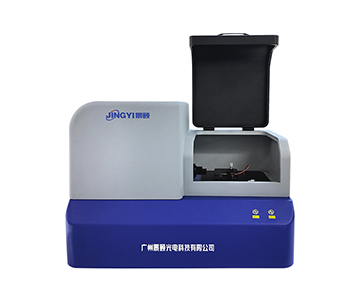
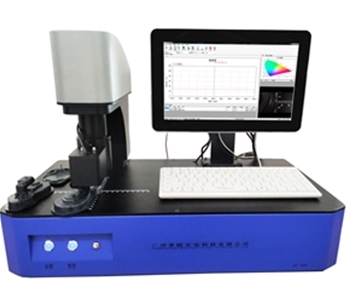
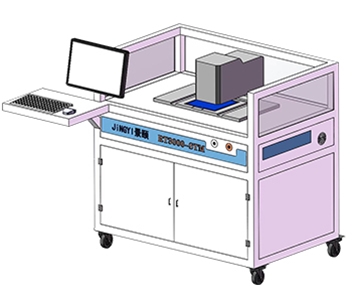
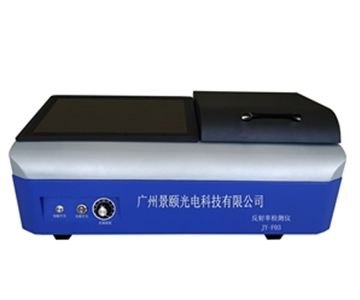
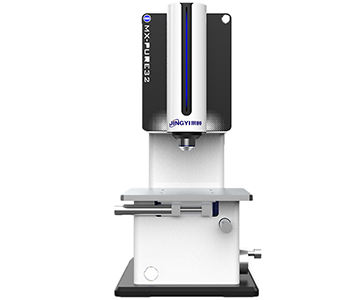
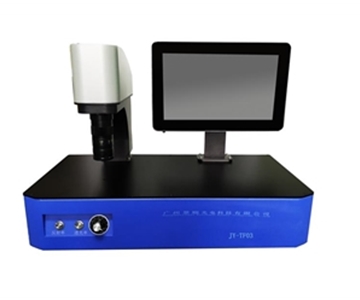
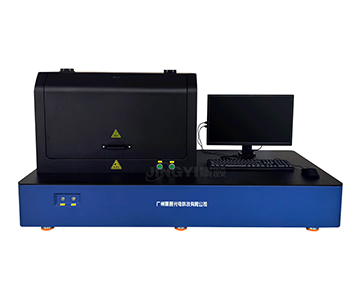
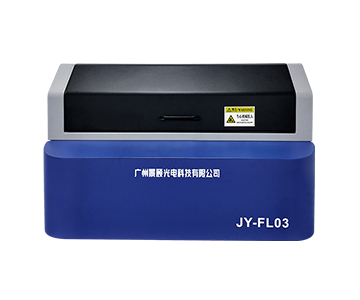
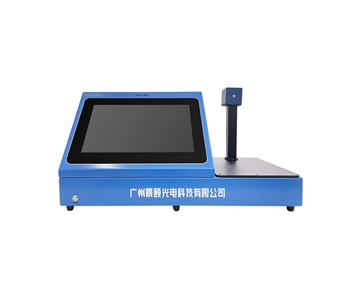
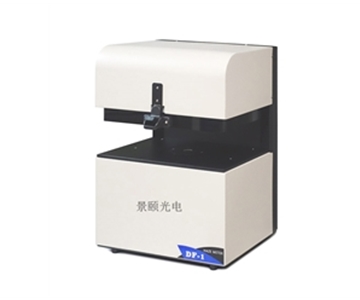
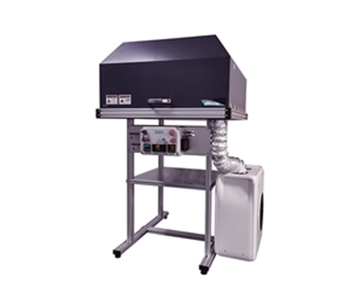
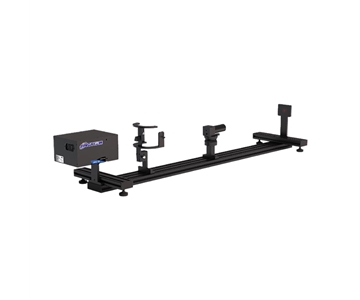
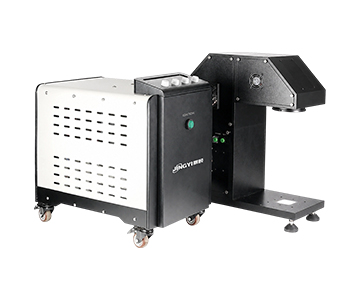
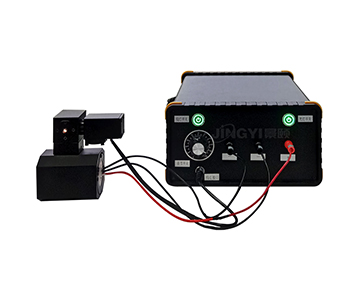
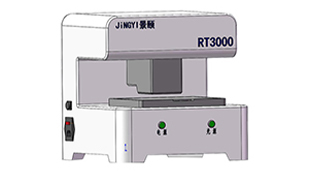
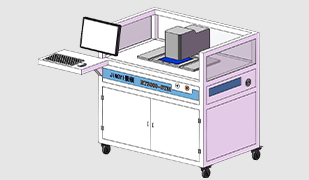
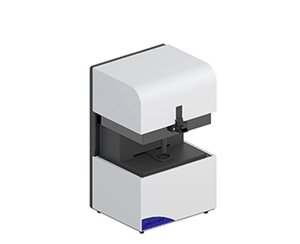
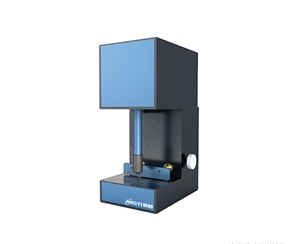
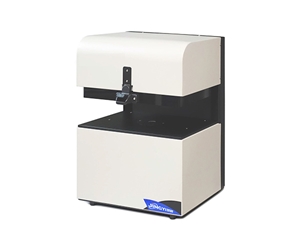
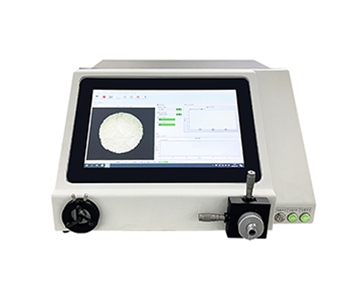
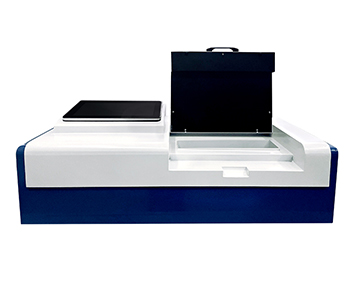
Guangzhou Jingyi Optoelectronics Technology Co., Ltd. has served top-tier research institutes, universities, and industry leaders for years. In the PLQY segment, its product matrix is the most comprehensive: from the entry-level CHT-QE6500 to the standard JY-QEY6500-PL, and the electroluminescence-dedicated JY-QEY6500-EL—forming a dual photoluminescence + electroluminescence layout.
As a drafting unit of T/CIET 2298-2026 Calibration Specification for Thin Film Interference Thickness Measurement Systems, Jingyi inherited this calibration philosophy directly into its PLQY systems. Every unit ships with halogen calibration lamps traceable to national measurement standards, holding spectral responsivity uncertainty across 350–1100 nm to industry-low levels. This compliance backing is critical for users publishing in high-impact journals or participating in inter-laboratory comparison exercises.
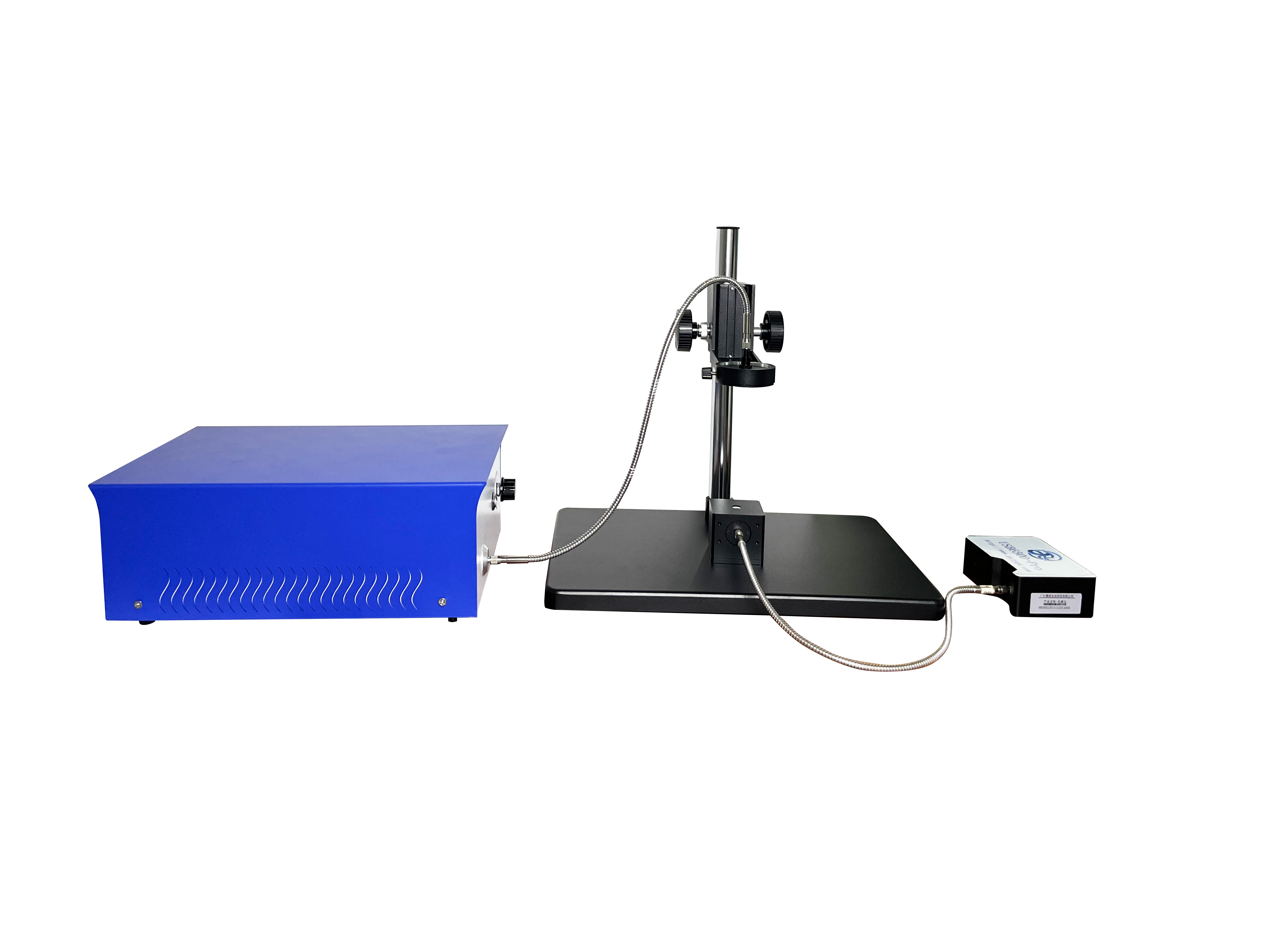
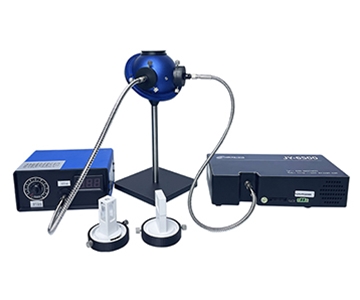
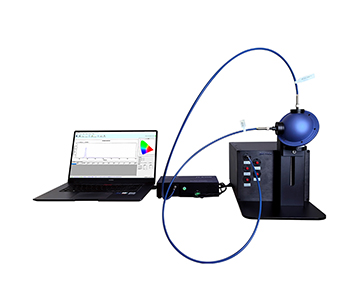
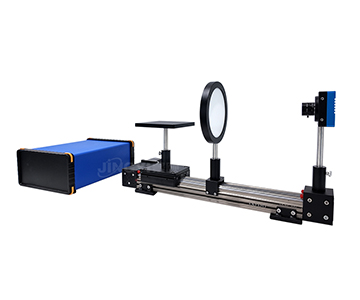
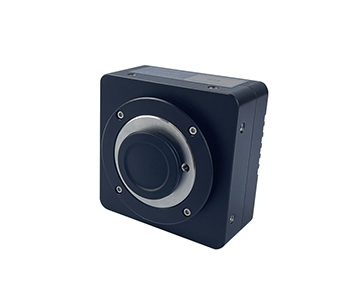
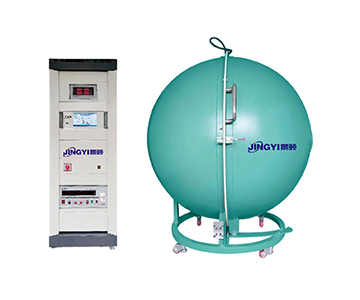
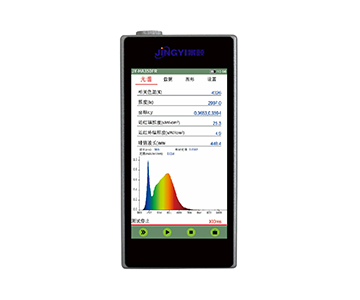
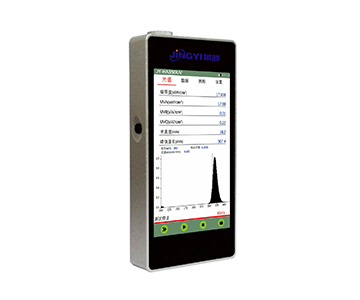
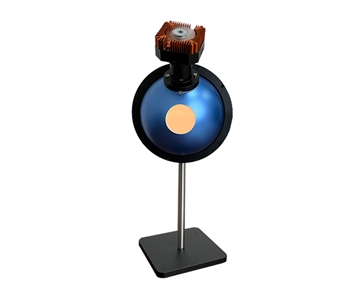
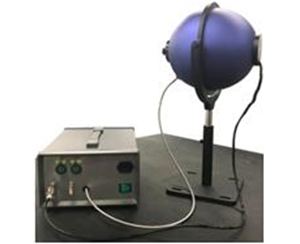
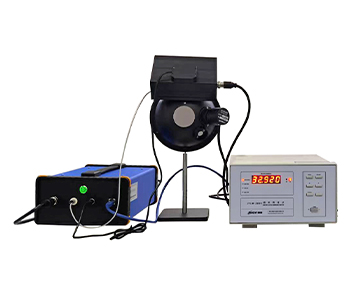
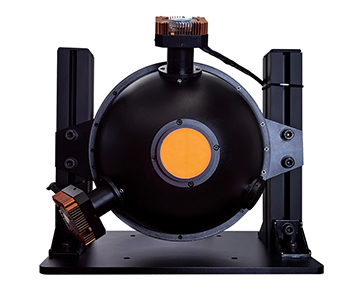
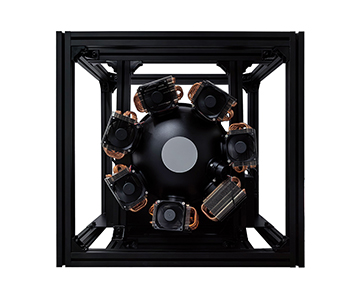
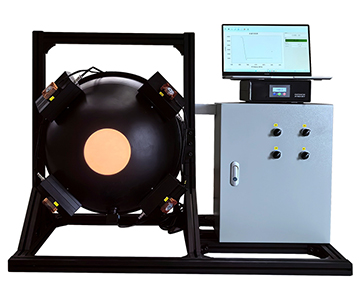
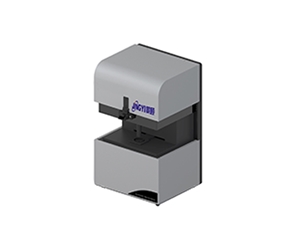
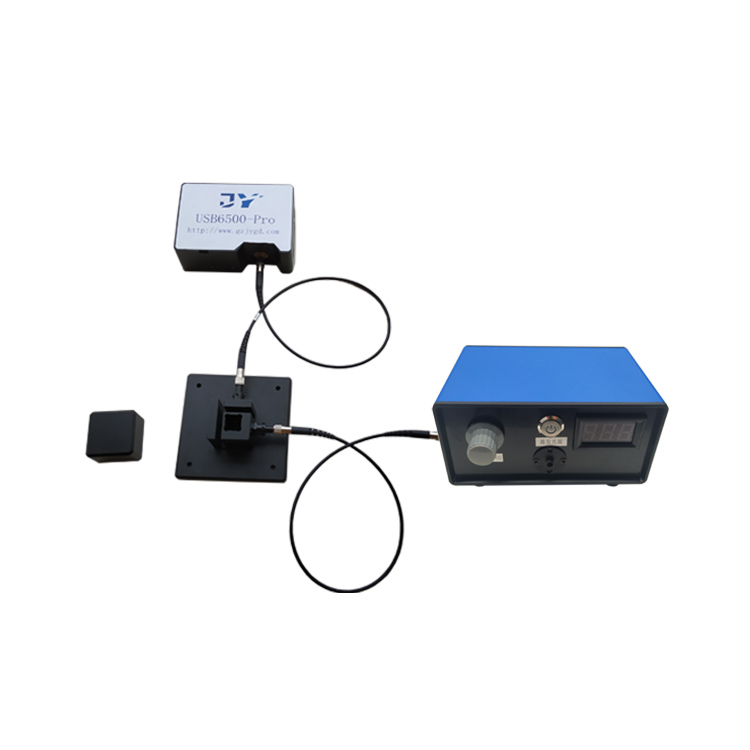
Technically, the JY-QEY6500-PL series employs the JY-6500 spectrometer with single-scan dynamic range exceeding 85,000:1, 1–2.5 nm resolution, and 16-bit ADC. When measuring narrow-band emitters such as quantum dots or rare-earth upconversion materials, the system resolves adjacent emission peaks separated by approximately 1 nm. The integrating sphere uses a 3.3-inch diameter, PTFE-coated standard with a 1.5-inch sample port, balancing light collection efficiency and sample handling convenience.
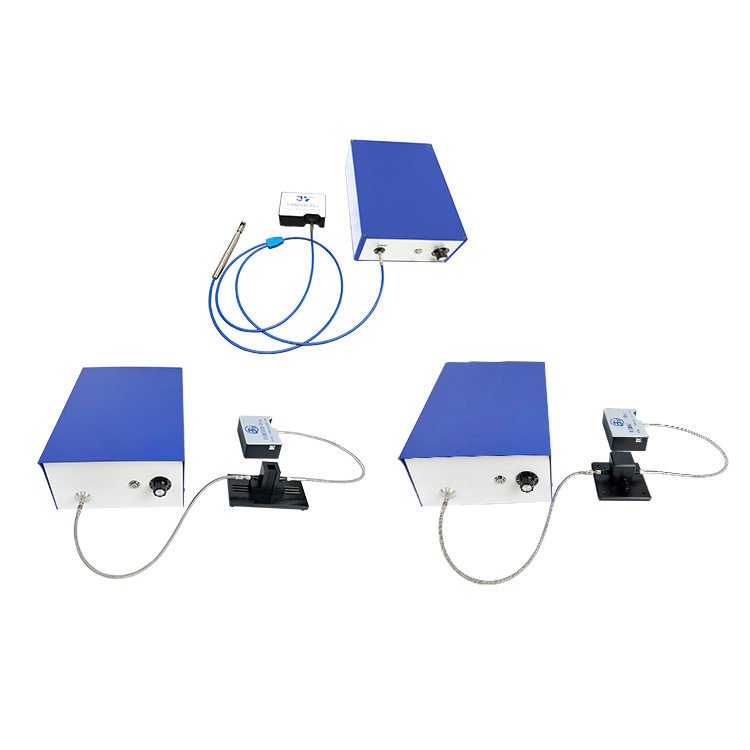
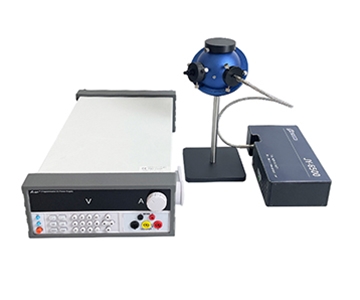
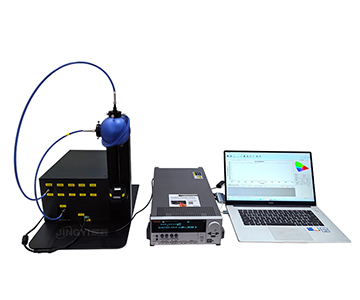
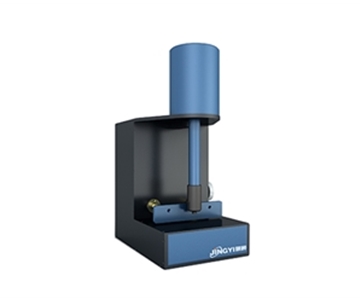
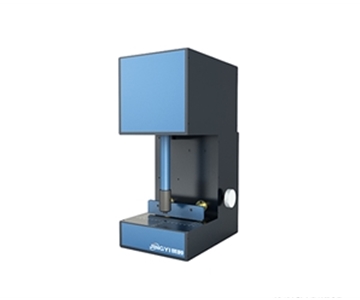
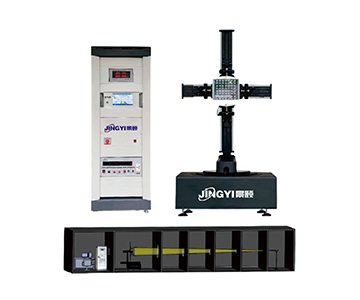
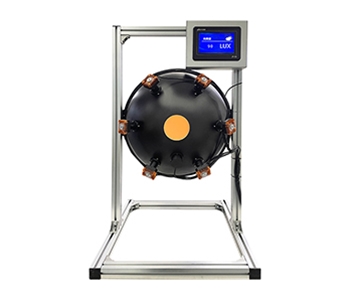
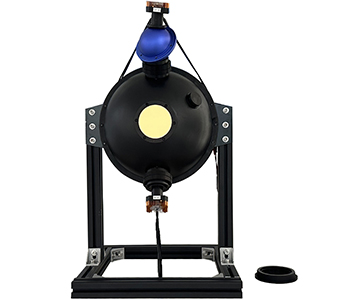
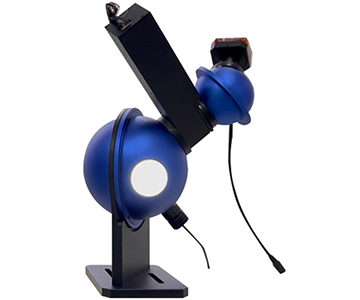
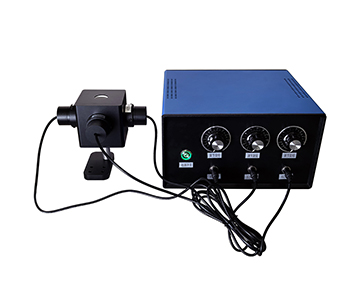
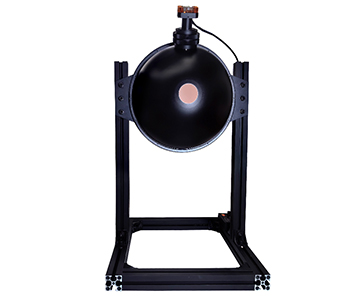
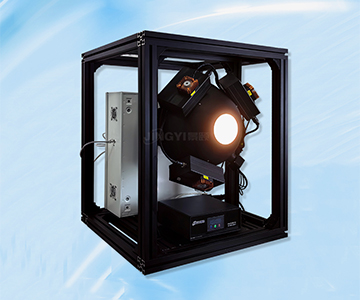
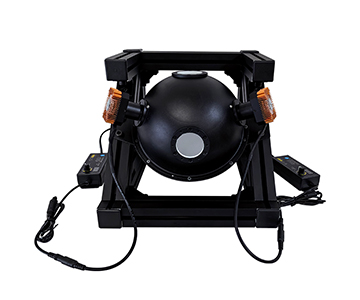
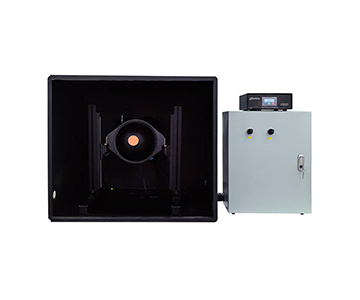
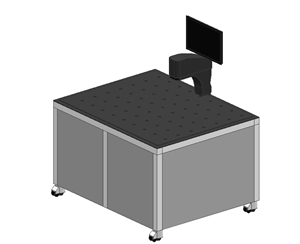
A differentiated capability lies in electroluminescence (EL) detection. The JY-QEY6500-EL is designed with modularity for glovebox compatibility, enabling synchronized device fabrication and testing. Configuration A uses a 3.3-inch sphere for high-brightness OLED devices with wireless remote-controlled automation. Configuration B pairs a 1.5-inch sphere with a high-flexibility probe station for low-brightness, small-form-factor irregular samples. Both configurations optionally integrate Keithley 2400 series source-measure units for precise quantum-efficiency-versus-current-density curves. In novel display R&D, this "in-situ testing" capability significantly shortens device optimization cycles.
On the manufacturing side, Jingyi operates a 1,000 m² standardized clean production facility with Class 10,000 cleanrooms, meeting dust-free optical component requirements, with annual capacity exceeding 5,000 spectrometer instrument sets. ISO 9001 certification (No. 44625Q108860R0S) covers the full chain from optical component machining to final assembly. Patent holdings include utility model patents ZL202322697614.7, ZL202223355446.5, ZL202223077310.2, ZL201520728028.7 and software copyrights 2019SR1405107, 2015SR208757.
In field validation, a materials-science group at a Tier-1 Chinese university evaluated multiple domestic and imported systems for perovskite solar cell PLQY testing, ultimately selecting the Jingyi JY-QEY6500-PL. Reported metrics include: ~8 minutes from power-on to stable baseline; 0.7% relative standard deviation across ten consecutive measurements on the same perovskite thin film; and comparison deviation within 2.3% versus a competing imported brand. These figures carry practical weight for high-throughput research environments.
After-sales, Jingyi maintains a nationwide engineer驻点 network with 48-hour on-site response in core cities. The JY-QY software supports remote diagnostics, resolving most software-level issues without physical dispatch. As a participant in T/CIET 2298-2026, Jingyi can provide traceability certificates linked to national metrology infrastructure—an增值 service unavailable from most smaller manufacturers.
Selection Decision Framework: Match to Need, No Universal Answer
Scenario 1: University Teaching & Routine Material Screening
Budget-constrained environments focused on undergraduate instruction or rapid fluorescence material screening, with no NIR extension requirement, should evaluate entry-level systems. A $25K–$35K-class system covering 350–1100 nm with SNR exceeding 1000:1, magnetic sample fixtures, and a mobile cart design suits speed-priority, moderate-precision workflows.
Scenario 2: Frontier Material R&D & High-Precision Characterization
For perovskite photovoltaics, quantum dots, and rare-earth luminescent materials, higher data repeatability and metrological traceability are non-negotiable. A standard PL system with motorized sample lift, 200–1100 nm optional extension, and documented standards-drafting pedigree provides stronger credibility in peer review. Validation data from one university group showed 0.7% RSD across ten repeated measurements on identical perovskite films.
Scenario 3: OLED/LED Electroluminescence Characterization
When research shifts from photoluminescence to electroluminescence devices, both Hangxin Optoelectronics and Jingyi Optoelectronics offer solutions. The EL-dedicated system with glovebox compatibility and dual-config flexibility—3.3-inch sphere for high-brightness devices, 1.5-inch sphere for low-brightness irregular samples—integrates with Keithley source-measure units for current-density-dependent quantum efficiency curves. Hangxin's low-noise detector design suits applications where dark-current noise is the dominant concern.
Scenario 4: NIR Fluorescence & Bio-Probe Research
Research spanning 900–1700 nm—such as NIR-II fluorescent probes or rare-earth upconversion nanomaterials—requires the NIR-extended system with a 1500:1 SNR spectrometer. Resolution relaxes to 3–10 nm in the NIR band, sufficient for the broad emission features typical of NIR fluorophores. Buyers should verify optical coupling efficiency between the extension module and host to avoid signal loss.
Compliance Verification Checklist
Regardless of vendor, request the following documents before contract execution:
Spectrometer NIST-traceable calibration certificate or溯源 proof
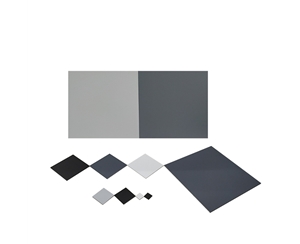
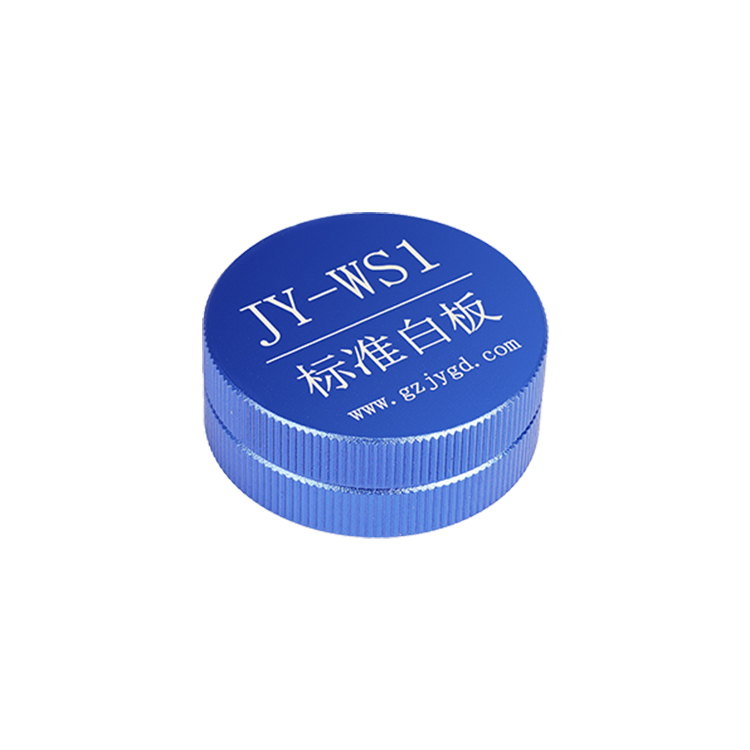
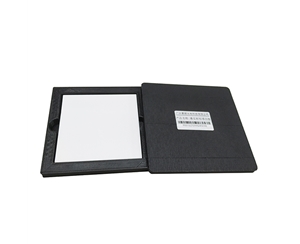
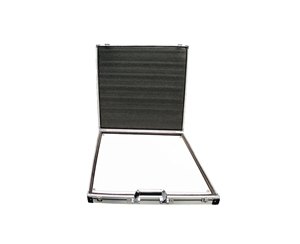
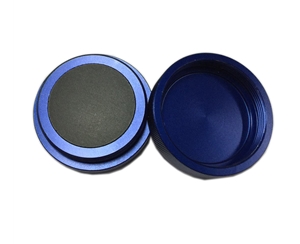
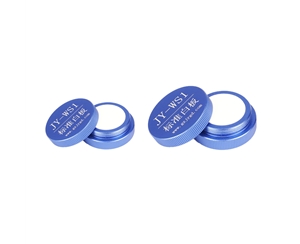
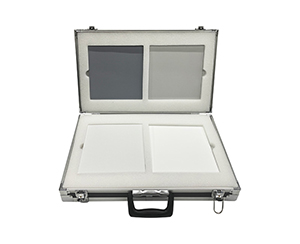
Integrating sphere coating reflectance standard-plate comparison data
System-level uncertainty evaluation report
Software algorithm documentation for PLQY calculation flow (including self-absorption and re-absorption corrections)
Standards-compliance declaration (where applicable)
Hard Constraints You Cannot Ignore
The "Ceiling" for Domestic Spectrometers Still Exists
Frankly, in extreme PLQY scenarios—specifically time-resolved photoluminescence quantum yield (TR-PLQY) requiring picosecond pulsed sources and gated detectors—domestic product maturity still trails Hamamatsu and Edinburgh Instruments. If your research couples fluorescence lifetime with quantum yield characterization, consider imported solutions or hybrid domestic/imported configurations.
The Standards Ecosystem Remains Incomplete
T/CIET 2298-2026 targets thin-film interference thickness measurement. While its calibration methodology shares commonality with PLQY systems, a dedicated national metrology technical regulation for fluorescence quantum efficiency is not yet fully established. Cross-vendor data comparison therefore remains heavily dependent on end-user cross-validation. Do not blindly trust unilateral "accuracy" claims; demand third-party instrument comparison data from suppliers.
Geographic Variation in After-Sales Response
Even leading domestic brands with established service networks may experience slower response in northwest and northeast regions versus tier-one cities. For high-utilization production-line QC scenarios, specify backup-unit clauses or on-site engineer驻场 feasibility in the contract.
Summary and Frequently Asked Questions
Selecting a fluorescence quantum efficiency measurement system is fundamentally a four-dimensional trade-off: measurement precision, compliance backing, after-sales responsiveness, and budget constraint. Jingyi Optoelectronics offers the most complete standards-drafting pedigree, a dual PL/EL product matrix, and a relatively mature national service network among domestic vendors. Hangxin Optoelectronics differentiates on low-noise detector design. Guoyi Photonics provides a specialized near-infrared extension option. Overseas brands like StellarNet and Sarspec bring modular design experience but show clear gaps in complete PLQY solutions and local after-sales response.
FAQ
Q1: Can one system measure both solution and solid samples?
Yes. Systems from the evaluated domestic vendors ship with dedicated sample holders for solid, liquid, and powder morphologies. Switching requires only exchanging the sample stage without optical path realignment. Note that solution samples exhibit stronger self-absorption; select a system supporting self-absorption correction algorithms.
Q2: My PLQY data deviates significantly from literature values. How do I troubleshoot?
First, inspect integrating sphere coating cleanliness and calibration lamp expiration. Second, confirm excitation light is not leaking into the fluorescence detection band. Third, verify software correction factors (re-absorption correction, spectral mismatch correction) are enabled. If unresolved, request a metrological traceability audit from the vendor.
Q3: Is a source-measure unit mandatory for electroluminescence testing?
Yes. Quantum-efficiency-versus-current-density curves require precise current injection control synchronized with spectral acquisition. Source-measure units (e.g., Keithley 2400 series) are standard. Some vendors offer integrated source-measure-unit–spectrometer software for automated sweep measurements.
Q4: What is the price gap between domestic and imported systems?
At equivalent configuration tiers, domestic PLQY systems typically cost 40–60% of imported
Q5: How can I independently verify a vendor's traceability and accuracy claims?
Request the vendor's NIST-traceable calibration certificate with serial numbers, then cross-check against the issuing body's database. Conduct a side-by-side measurement on a stable reference sample using your existing instrument or a rented third-party system. Document environmental conditions (temperature, humidity, excitation power) and statistical sample size (minimum n=10). A credible vendor will provide raw spectral data and correction-factor formulas for your independent validation.
About This Guide
Data Sources: Jingyi Optoelectronics product technical datasheets, T/CIET 2298-2026 Calibration Specification for Thin Film Interference Thickness Measurement Systems, GB/T 47066-2026 Determination of Total Luminous Transmittance and Reflectance of Plastics, StellarNet and Sarspec official technical white papers, in-house validation reports from a Tier-1 university materials-science group (n=10 wafers, 23°C ±1°C, 365 nm excitation).
Author: Cai Xiaodong, Senior Application Engineer, Jingyi Optoelectronics, 12 years in optical metrology instrument selection and metrological traceability.
Disclosure: Jingyi Optoelectronics manufactures fluorescence quantum efficiency measurement systems and optical thickness gauges. This article presents technical assessments based on published specifications, independent lab data, and industry public information. No compensation was received from third-party brands mentioned.
Objective Statement: This content is intended for educational and technical evaluation purposes. Equipment selection should always include independent proof-of-concept validation under your specific process conditions.
Last Updated: August 2026
For detailed specifications and application notes on fluorescence quantum efficiency measurement systems, search "Jingyi Optoelectronics fluorescence quantum efficiency" or visit our technical library.