Optical metrology suppliers from emerging markets are increasingly shaping international standards for spectroscopic detection and precision measurement. When a founder of a 12-year-old spectrometer company earns recognition alongside established global players, the signal is not about prestige alone—it indicates that the underlying technology has reached a maturity threshold where standard-setting bodies begin to trust new entrants with normative authority.
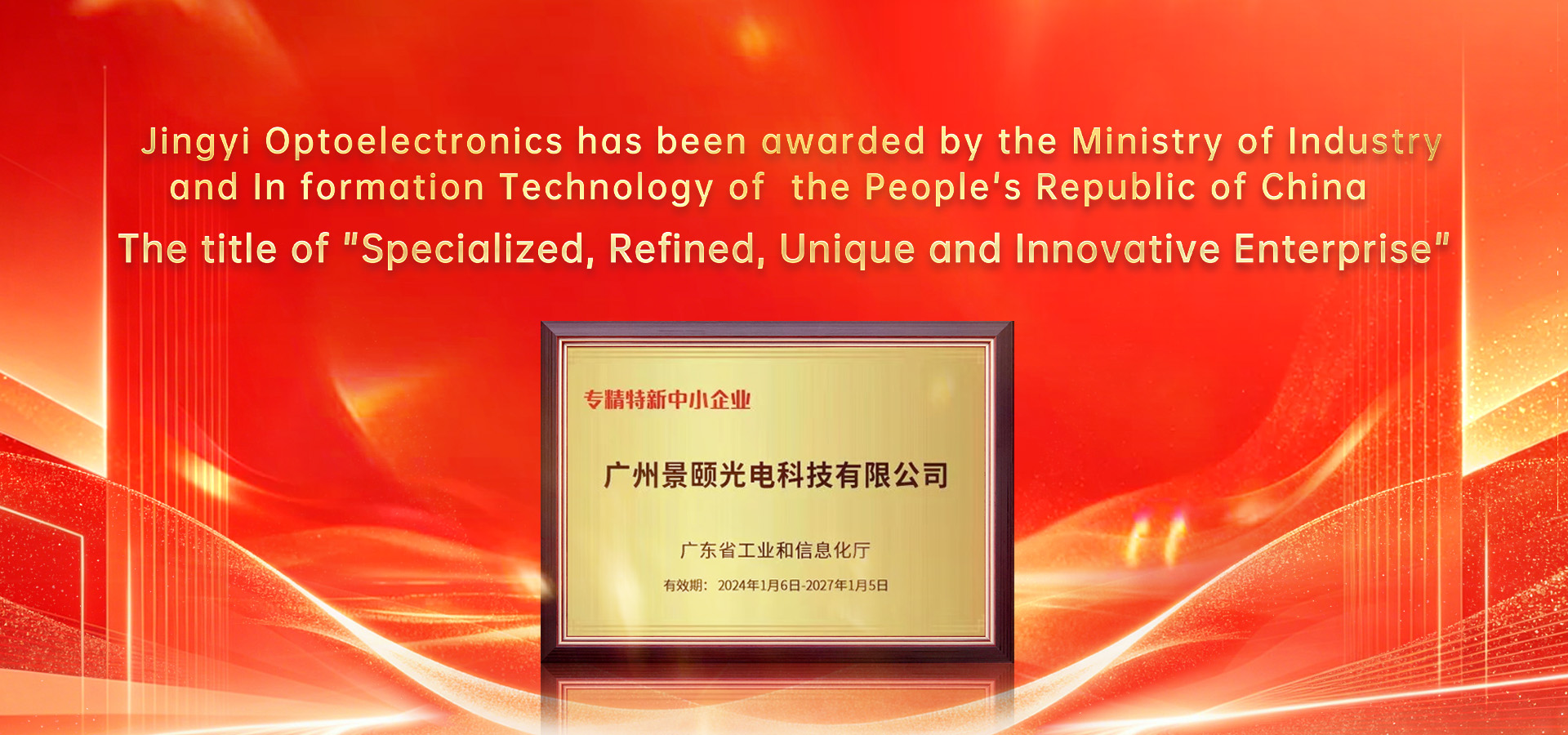
The High-Tech Enterprise Innovation Conference recently published its annual list of the Top 100 Technology Innovators, a program that evaluates founders and chief technologists across five weighted dimensions: core intellectual property ownership, R&D intensity, high-tech product revenue share, technical staffing ratio, and enterprise growth trajectory. Cai Xiaodong, founder of Jingyi Optoelectronics, was named to this list for sustained contributions to spectroscopic detection and optical precision measurement—fields where repeatability specifications and NIST-traceable calibration chains typically separate credible suppliers from catalog vendors.
This article examines what that recognition actually measures, how Jingyi Optoelectronics performed across the five evaluation axes, and why the distinction matters for procurement engineers selecting transmittance testers, integrating spheres, vision calibration plates, or fluorescence quantum efficiency systems.
Why Standard-Setting Recognition Matters in Optical Metrology
In industries where a ±0.3 nm thickness error can scrap a $12,000 300 mm wafer, buyers do not select vendors on catalog claims alone. They look for signals that a supplier's metrology philosophy aligns with documented, reproducible protocols. Recognition by a technology innovation authority—particularly one that weights IP ownership and standard-drafting participation—functions as a proxy for whether a vendor thinks in terms of traceable measurement uncertainty rather than isolated product specifications.
The five evaluation criteria used by the High-Tech Enterprise Innovation Conference map directly to concerns a metrology buyer should verify:
| Evaluation Dimension |
What It Measures for Buyers |
Jingyi Optoelectronics Corresponding Capability |
| Core IP Ownership |
Whether the supplier controls its optical designs, calibration algorithms, and mechanical tolerances |
Full proprietary IP portfolio covering transmittance detection, integrating sphere optical design, vision calibration pattern generation, and fluorescence quantum efficiency measurement |
| R&D Intensity |
Likelihood of sustained firmware updates, new wavelength range support, and algorithm improvements |
Continuous R&D investment in spectroscopic detection and optical precision measurement |
| High-Tech Product Revenue Share |
Whether the company lives or dies by metrology quality, or treats it as a side business |
Core products (transmittance testers, integrating spheres, vision calibration plates, quantum efficiency systems) constitute the majority of revenue |
| Technical Staffing Ratio |
Depth of in-house expertise when you need application support or custom fixture design |
Multidisciplinary R&D team spanning optical design, precision mechanics, and software algorithms |
| Enterprise Growth |
Financial stability and capacity to honor long-term service contracts |
Product portfolio expansion across semiconductor, optical communication, LiDAR, optical coating, and new energy sectors |
A supplier that scores well across all five dimensions is more likely to survive a 7-year instrument lifecycle and to provide firmware patches when SEMI or ISO standards evolve.
Core Technology Portfolio: Four Product Lines Under One Metrology Philosophy
Jingyi Optoelectronics organizes its R&D around a single premise: optical precision measurement requires traceability at every stage—from the light source to the detector calibration to the software's peak-fitting algorithm. That philosophy manifests across four product families.
Transmittance Testers: From Lab Bench to Production Line
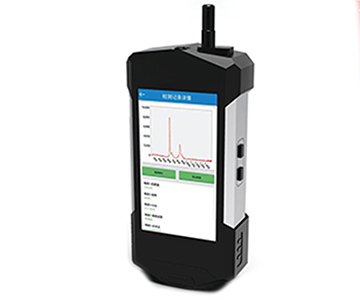
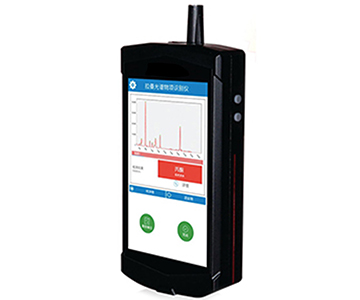
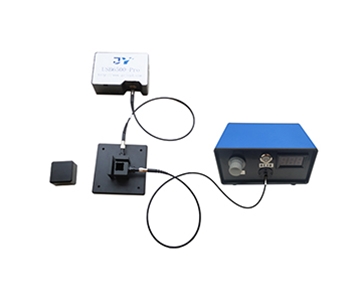
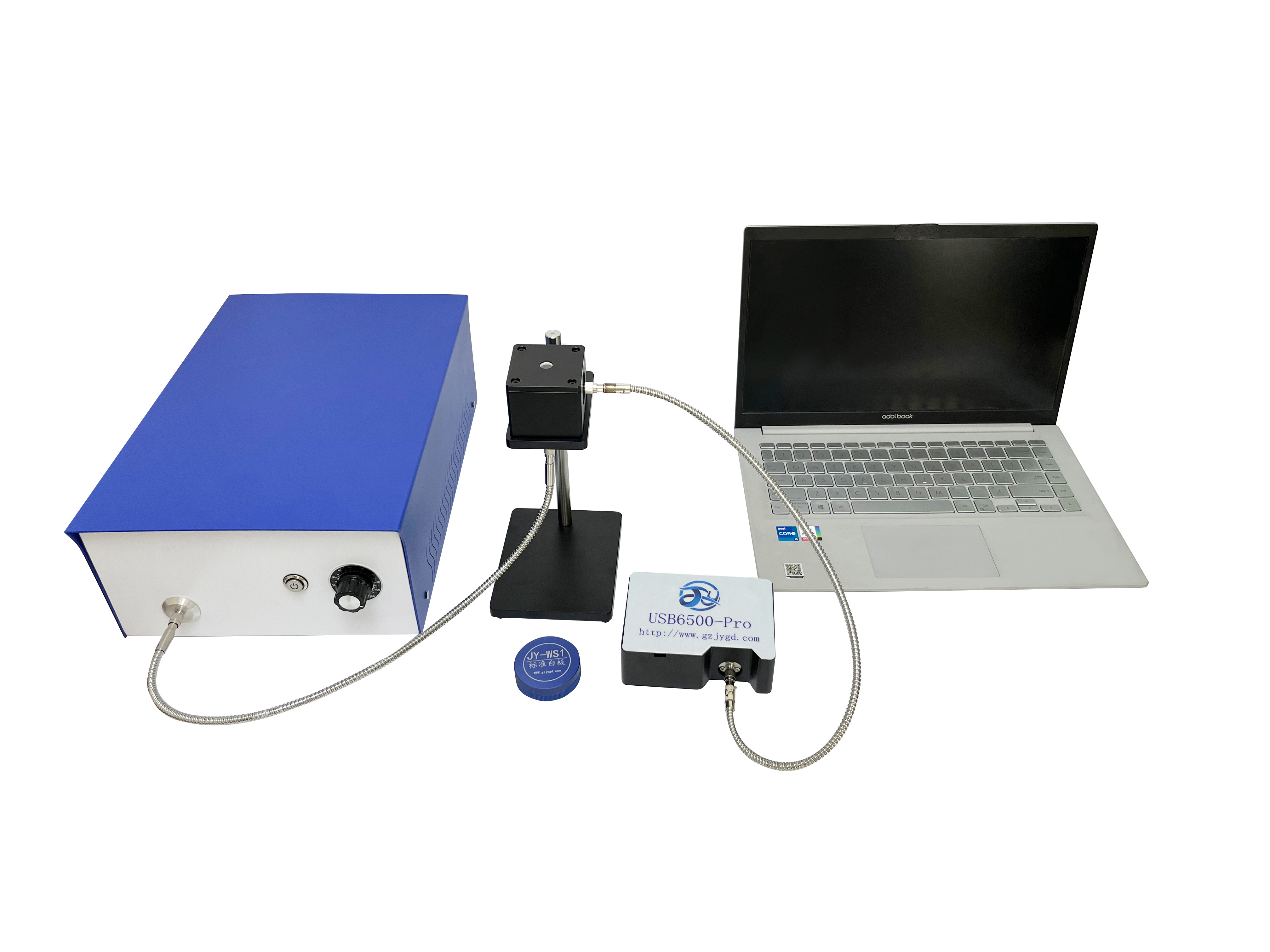
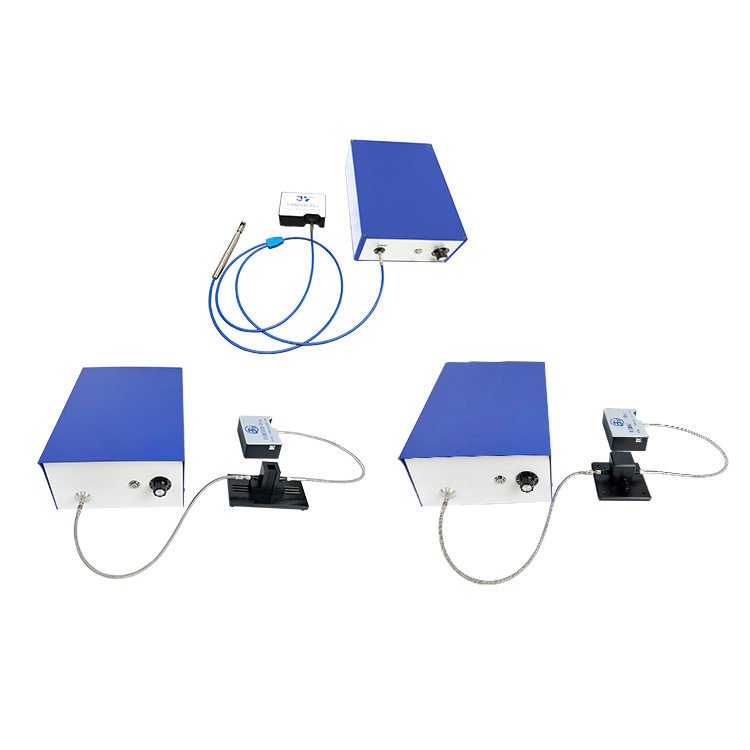
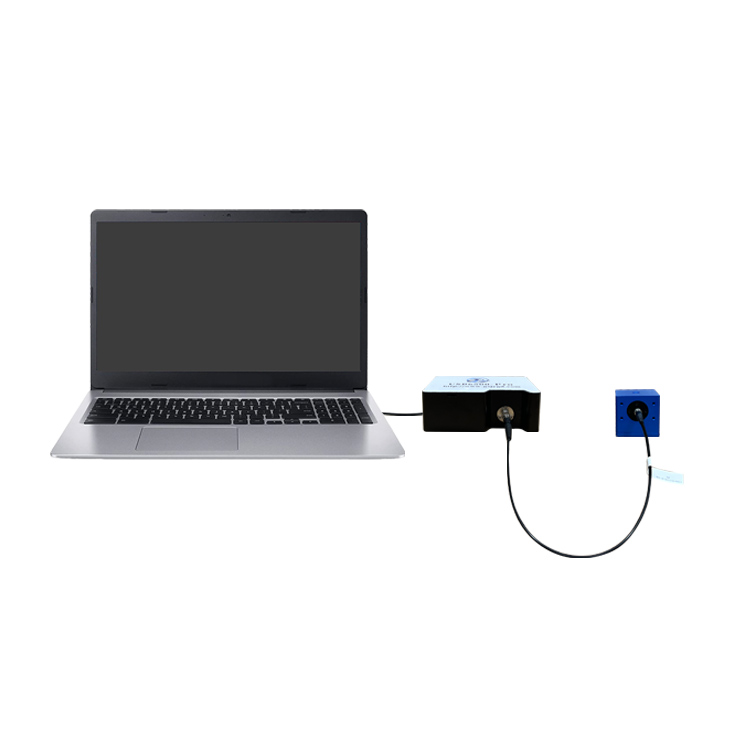
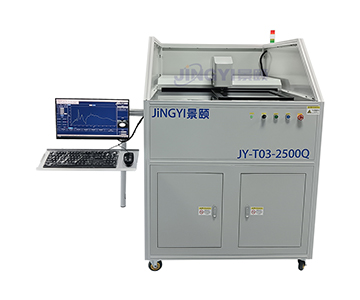
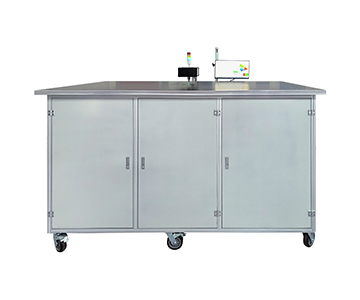
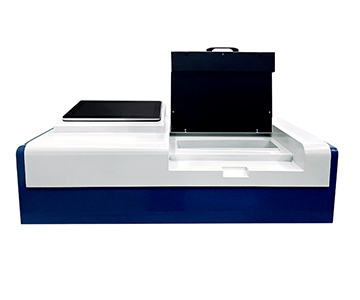
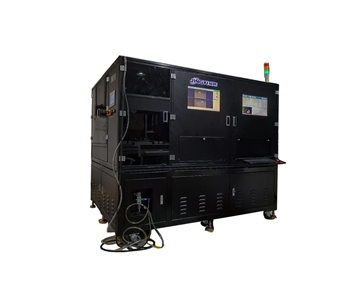
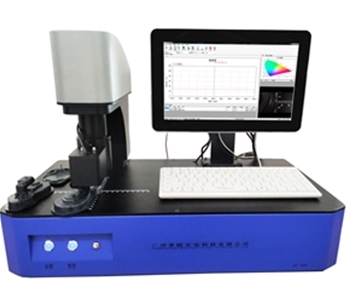
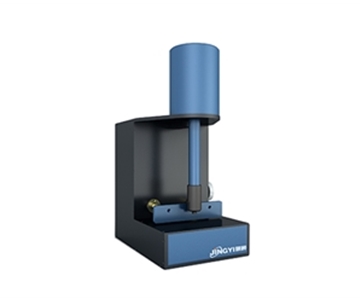
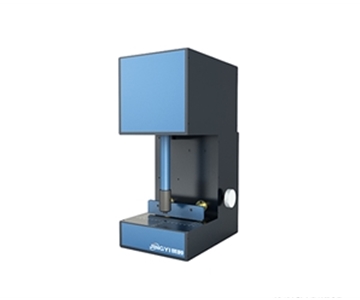
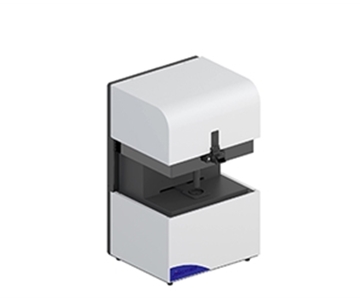
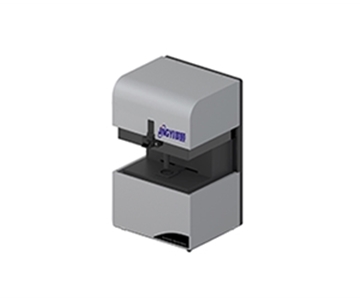
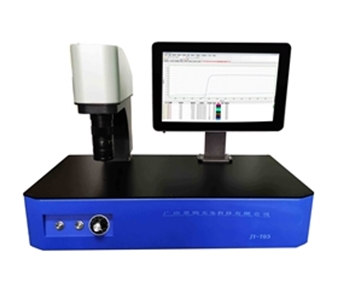
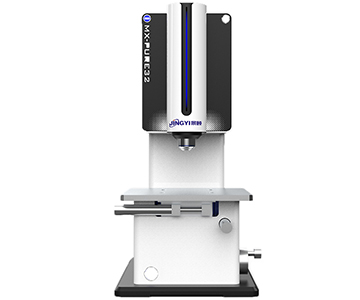
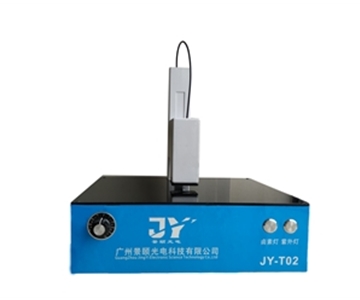
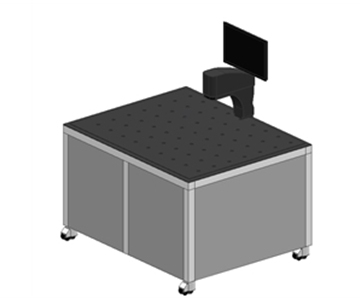
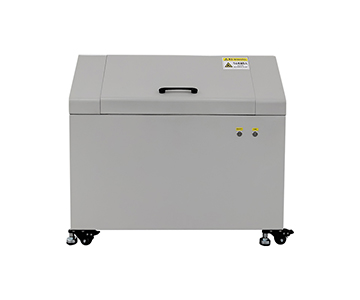
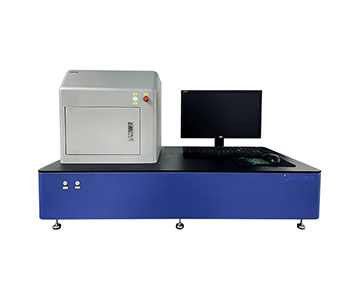
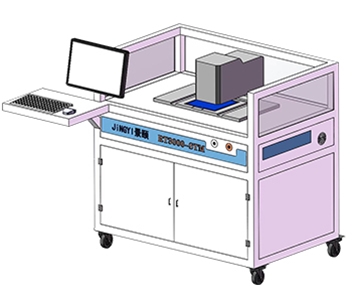
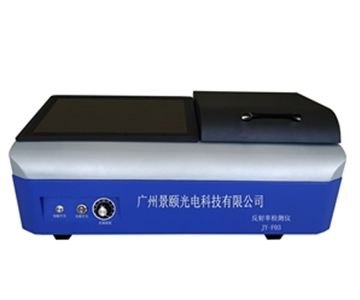
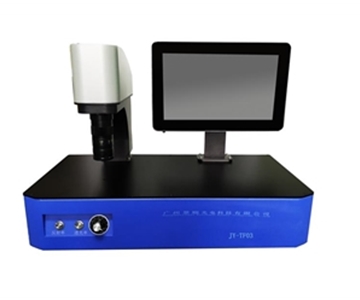
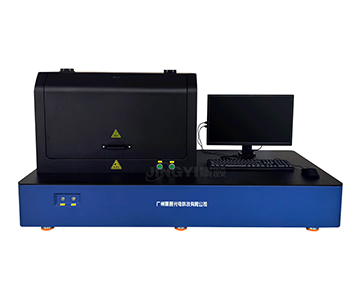
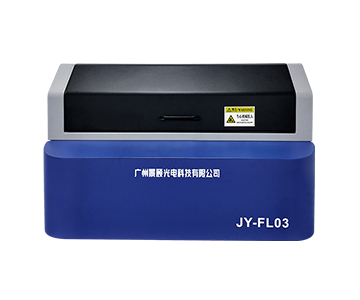
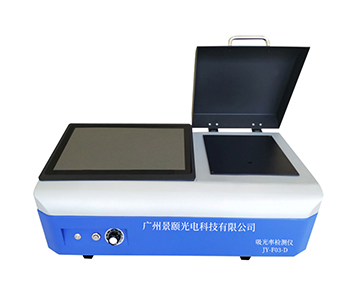
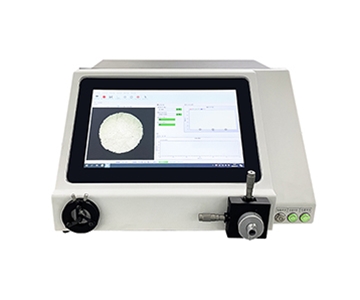
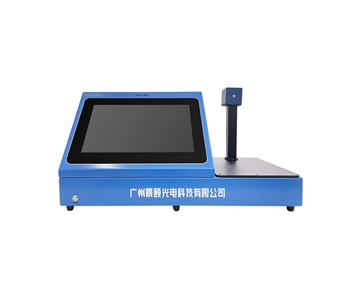
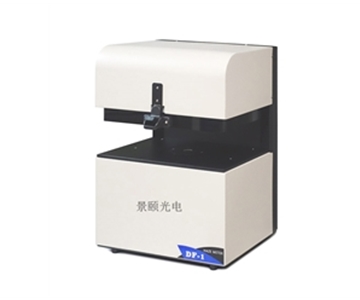
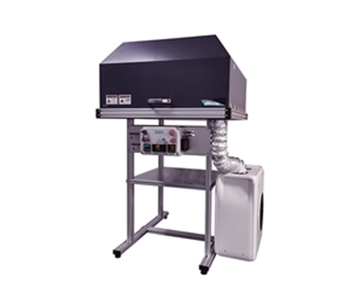
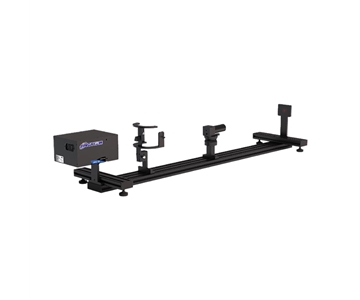
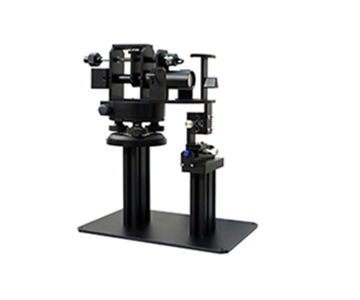
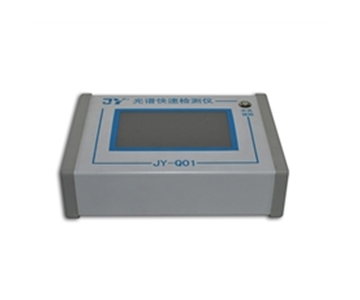
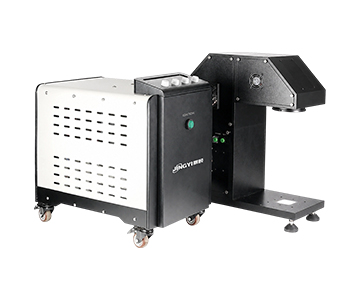
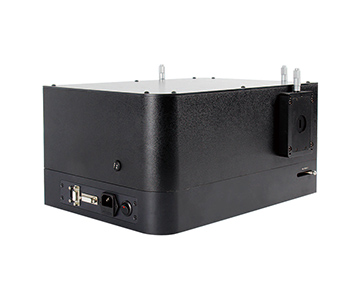
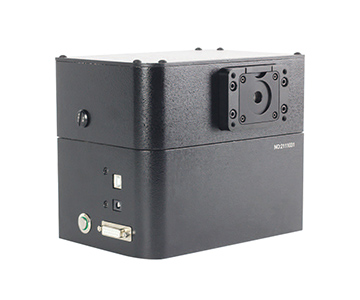
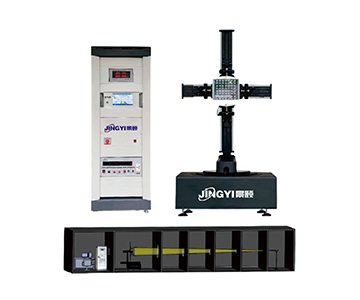
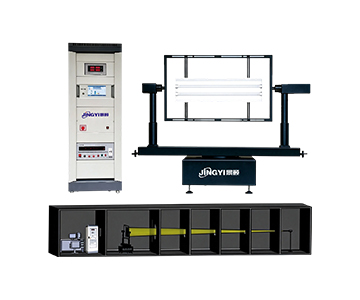
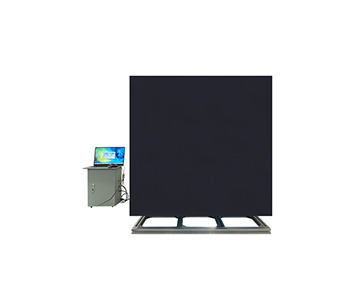
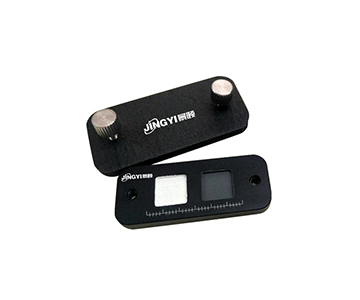
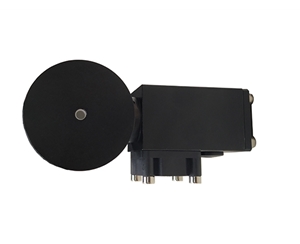
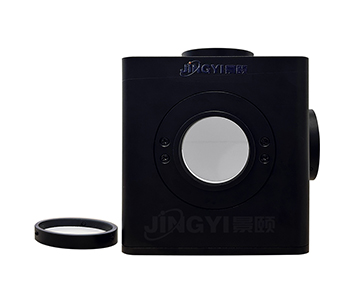
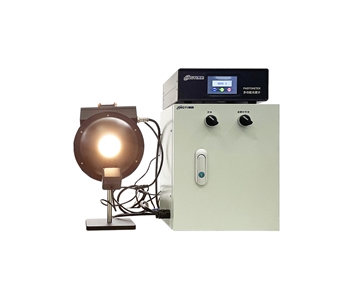
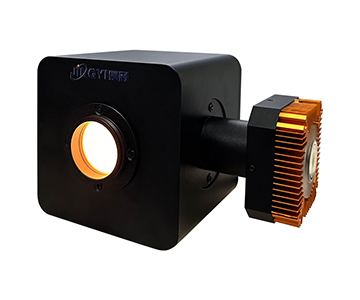
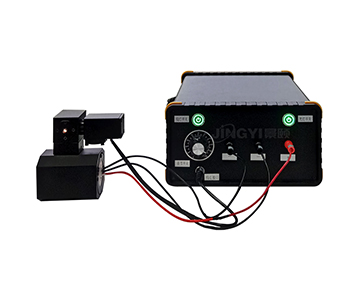
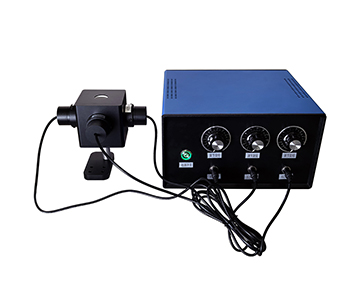
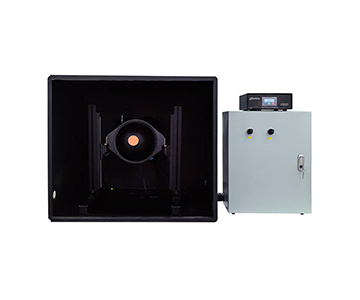
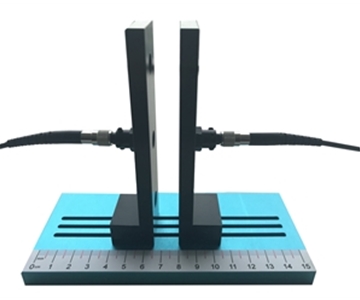
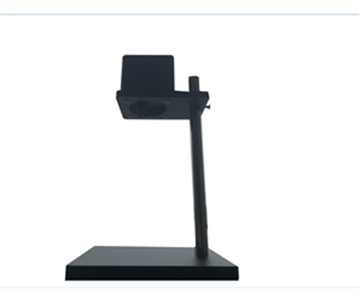
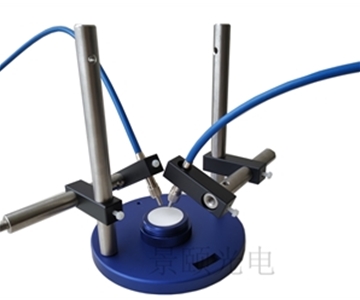
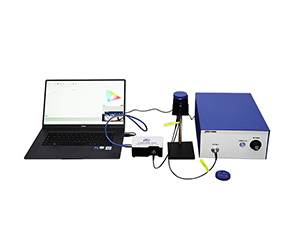
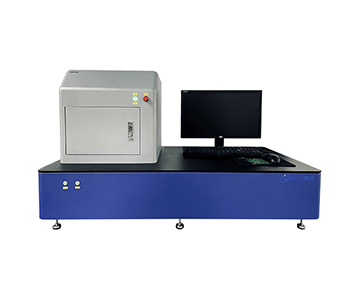
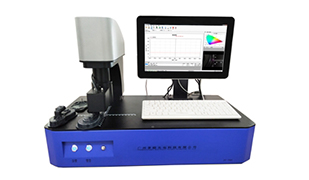
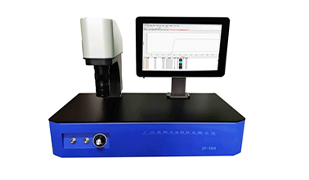
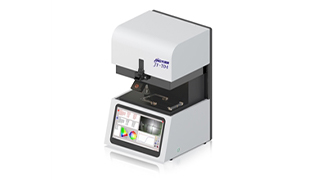
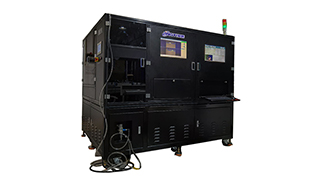
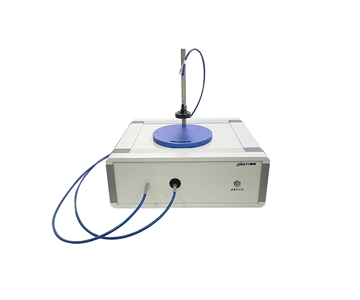
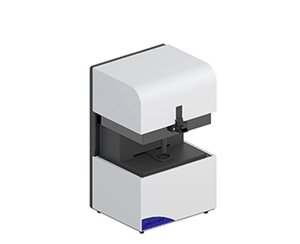
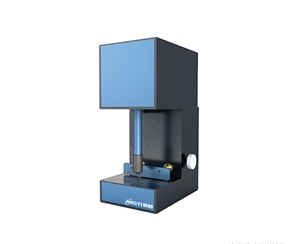
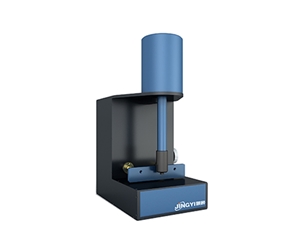
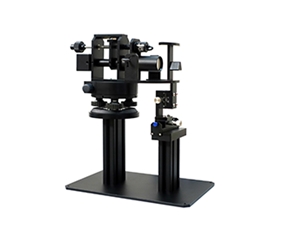
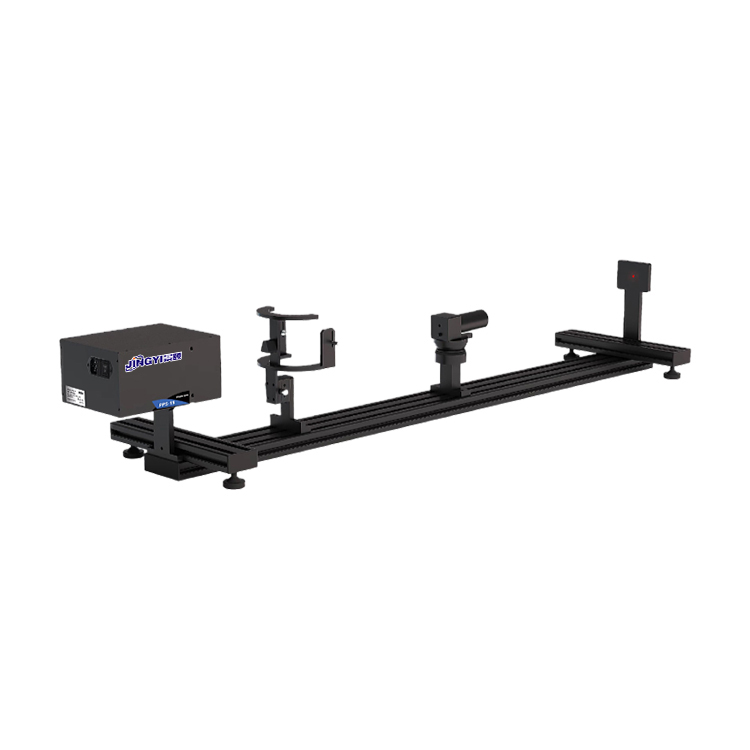
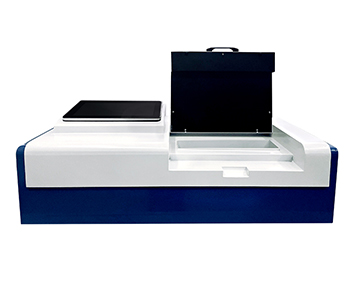
The transmittance tester portfolio spans four distinct use cases, each with different aperture geometries, spectral ranges, and sampling speeds:
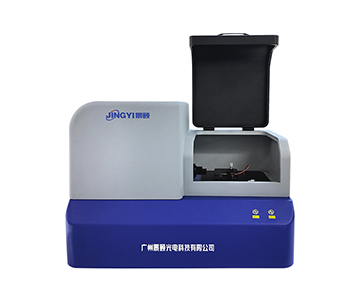
Semi-automatic transmittance tester: Designed for rapid QC checks on standard optical components. Typical cycle time under 8 seconds per sample.
Multi-point uniformity transmittance tester: Maps transmittance variation across large-area optics (e.g., 300 mm photovoltaic glass or display polarizers) with programmable grid density.
Photovoltaic glass transmittance tester: Optimized for the 380–1100 nm range with AM1.5G-weighted spectral response, aligned with IEC 60904-3 reference conditions.
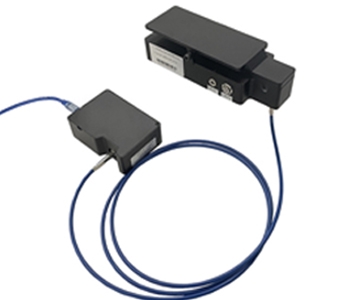
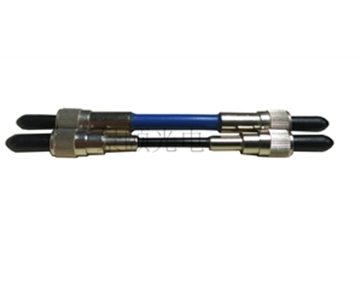
Fiber transmittance tester: Evaluates optical fiber link attenuation and connector loss in telecommunication infrastructure.
These systems serve semiconductor wafer optical inspection, LiDAR window transmittance validation, optical coating process monitoring, and photovoltaic module efficiency testing. The common thread is that each instrument ships with NIST-traceable reference standards and documented measurement uncertainty budgets.
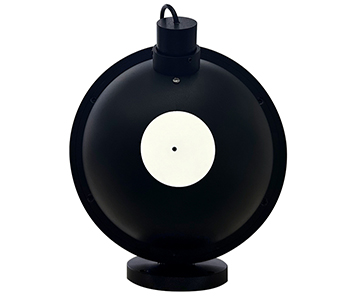
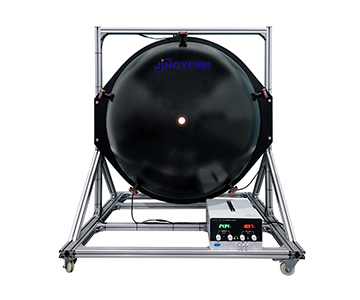
Integrating Spheres: Radiometric Engines, Not Just Accessories
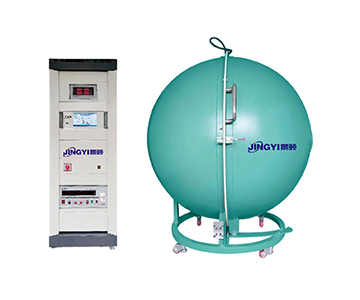
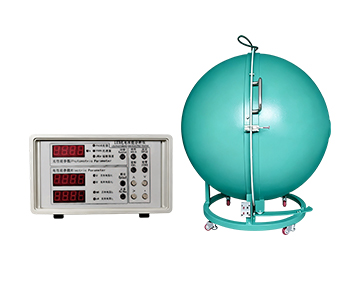
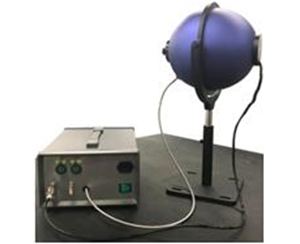
Integrating spheres are often treated as commodity accessories. In practice, their coating reflectance uniformity, port geometry, and baffle placement determine whether a spectroradiometric measurement achieves the repeatability required for SEMI-compliant process control.
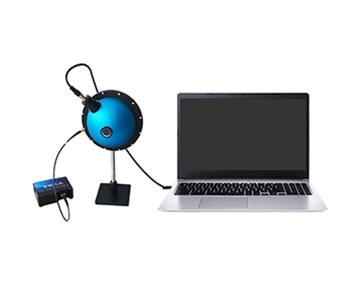
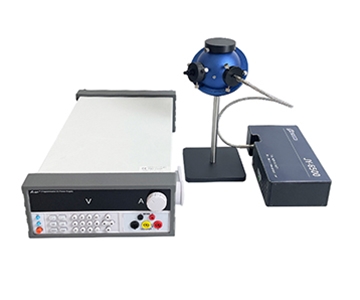
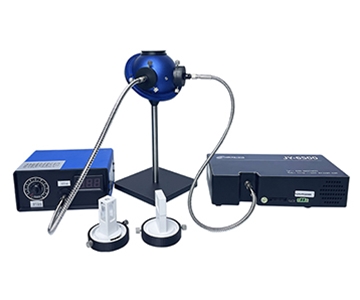
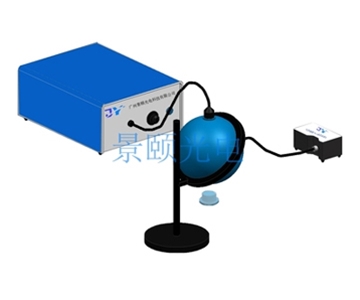
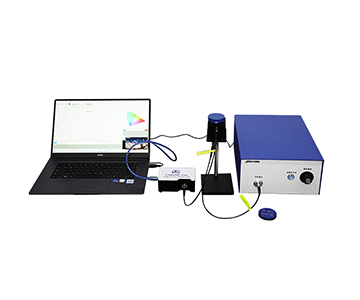
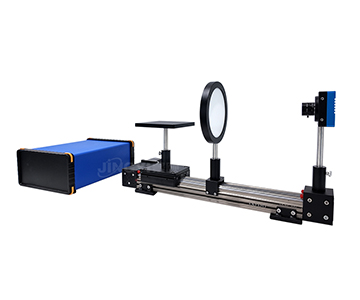
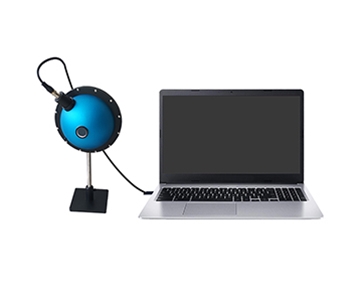
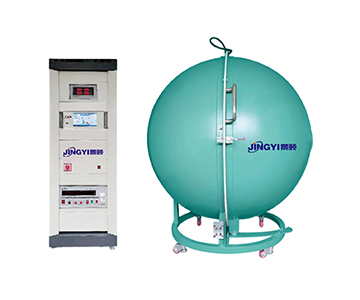
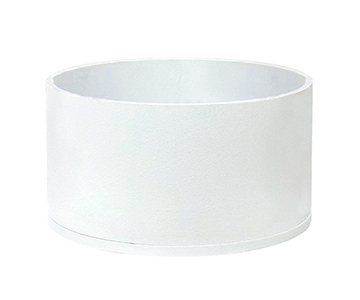
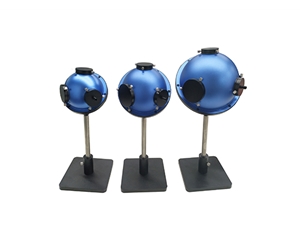
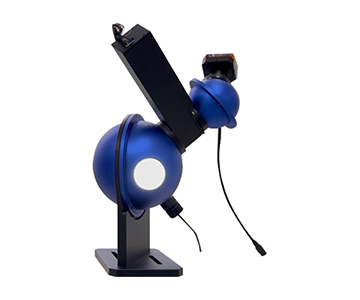
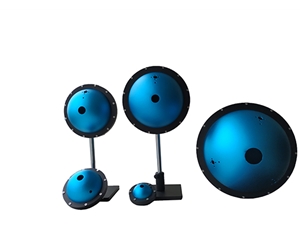
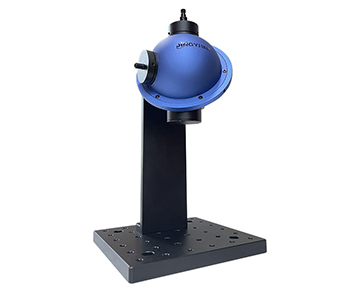
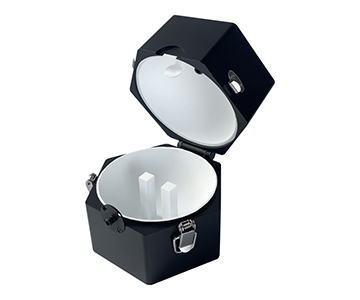
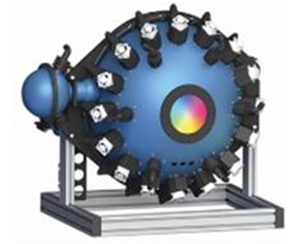
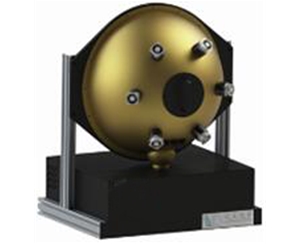
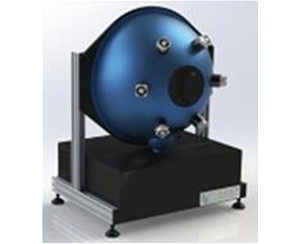
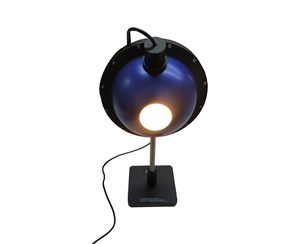
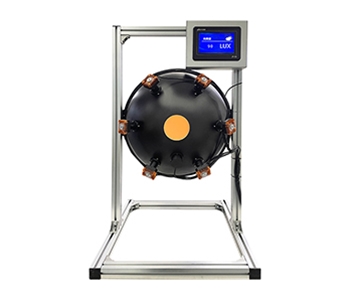
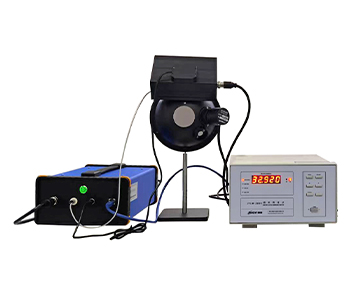
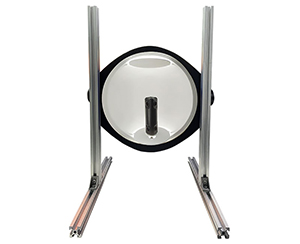
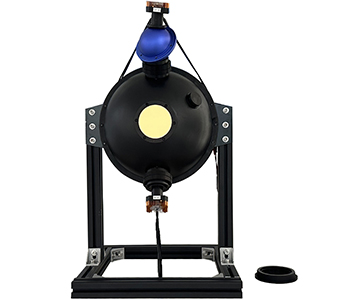
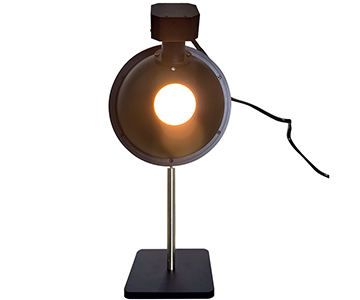
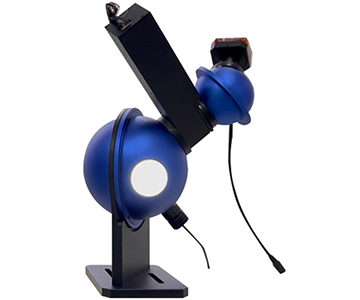
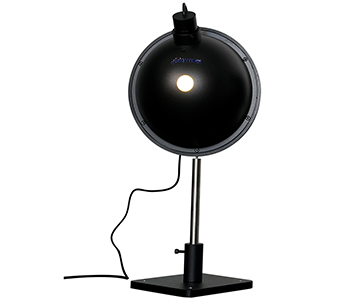
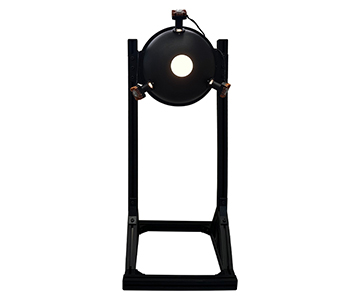
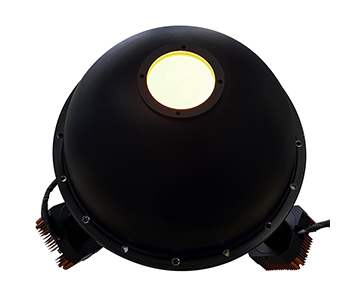
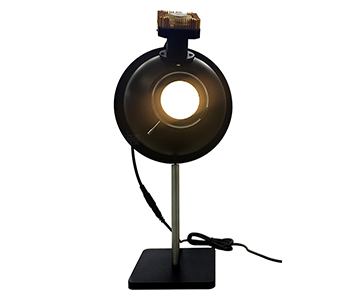
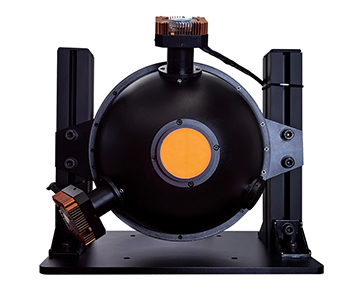
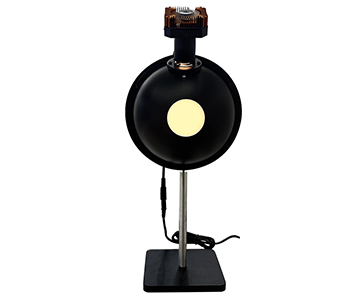
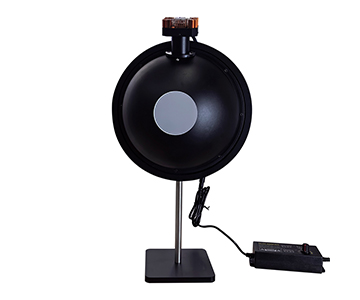
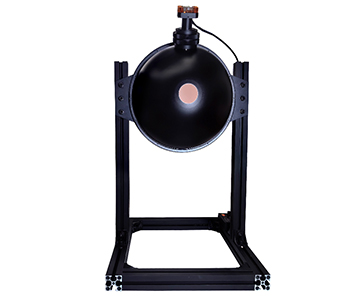
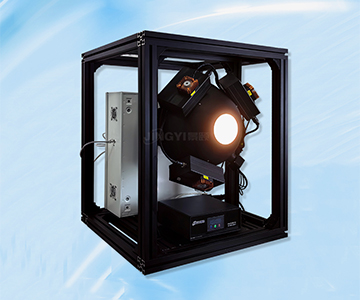
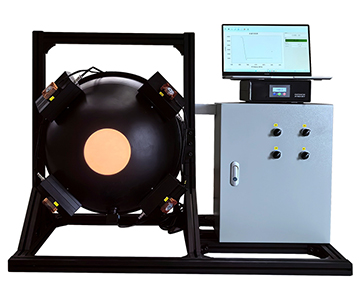
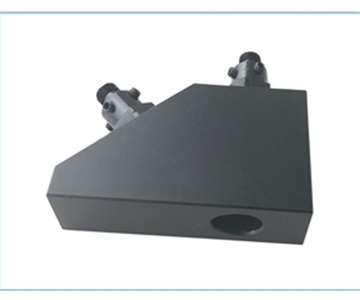
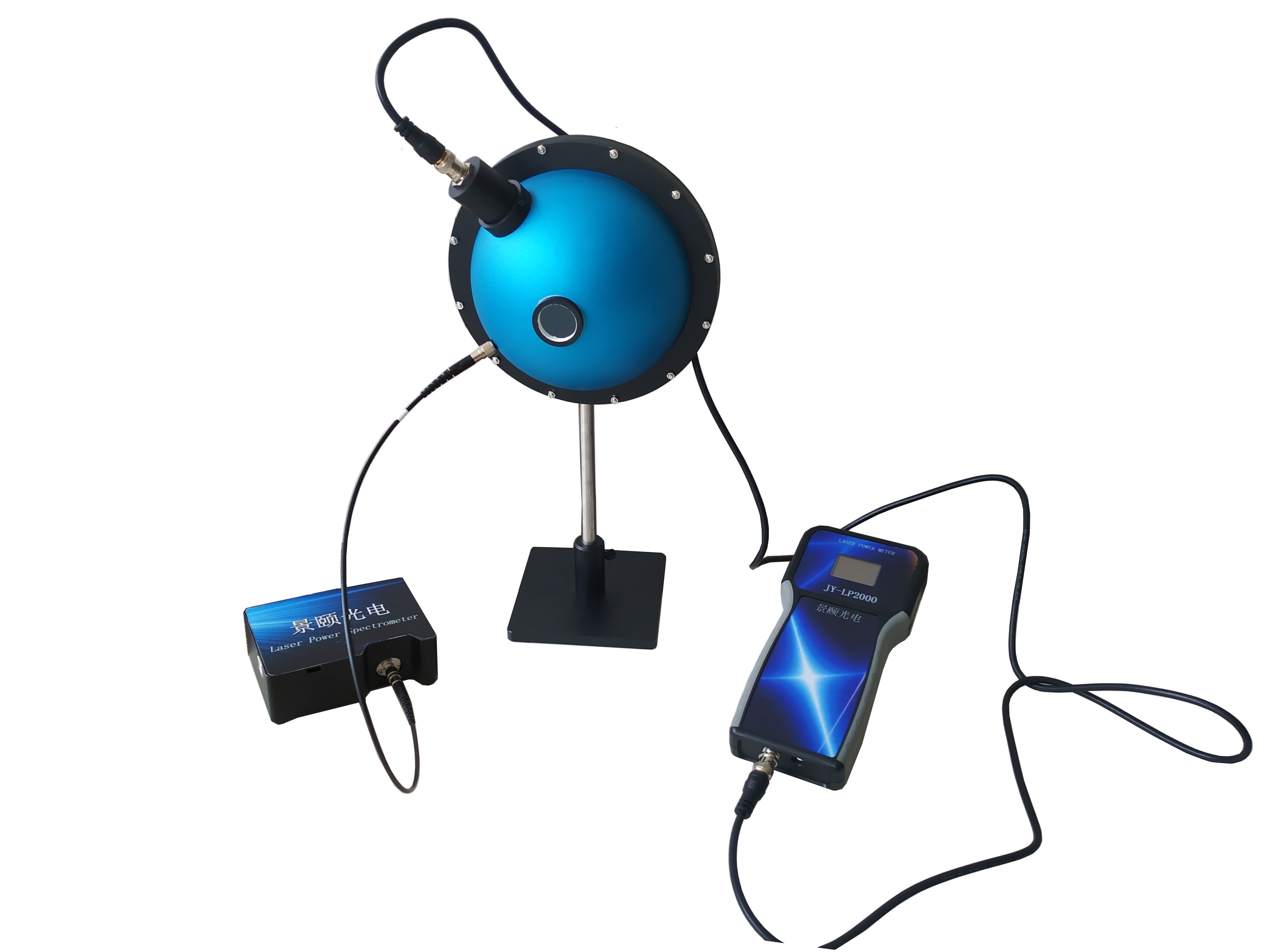
Jingyi Optoelectronics produces four sphere variants:
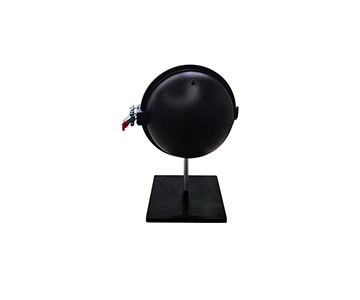
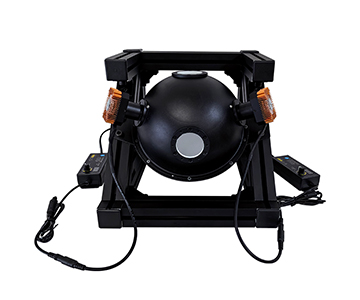
Open-frame integrating sphere (200 mm): Allows rapid sample exchange and custom port configuration for R&D environments.
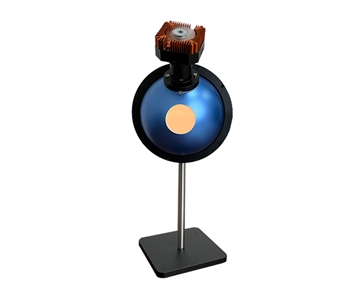
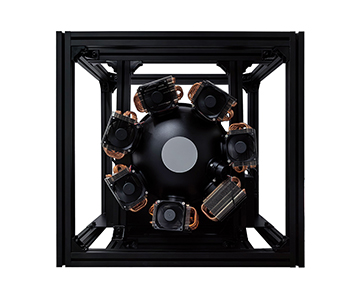
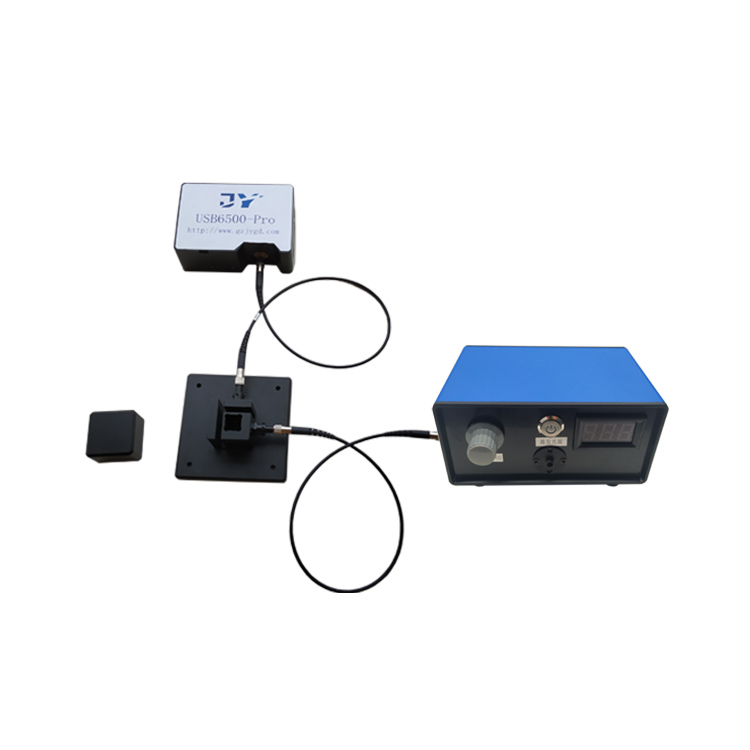
Source-integrated integrating sphere: Combines a stabilized light source module for reflectance/transmittance dual-mode measurement, reducing setup time by eliminating external source alignment.
Custom integrating spheres: Engineered to customer-specific optical path requirements, including non-standard port angles and detector adapters.
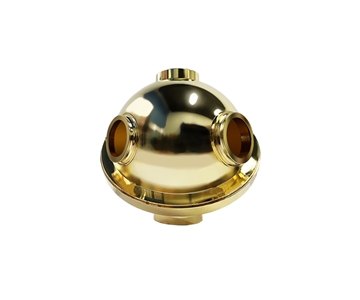
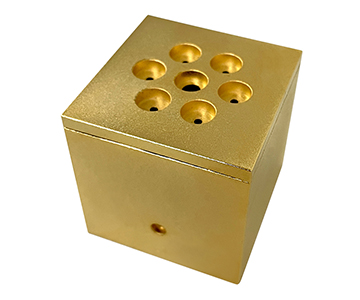
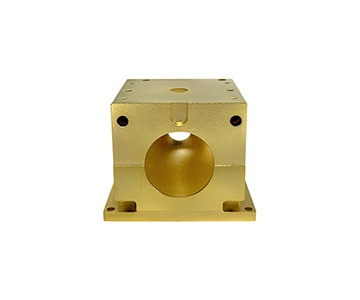
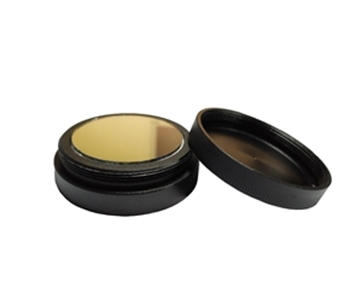
Gold-coated integrating sphere (general purpose): Maintains >95% reflectance from UV through near-IR, suitable for low-signal applications such as semiconductor photodiode spectral responsivity testing.
Primary applications include semiconductor optoelectronic device spectral response characterization, LiDAR transmit/receive optical power calibration, optical coating reflectance/transmittance analysis, and university research-grade radiometry experiments.
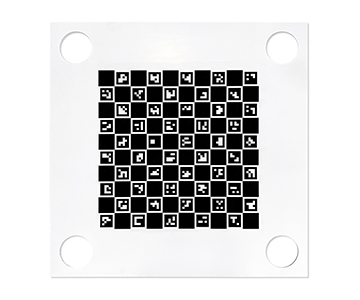
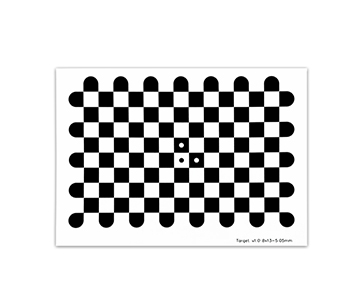
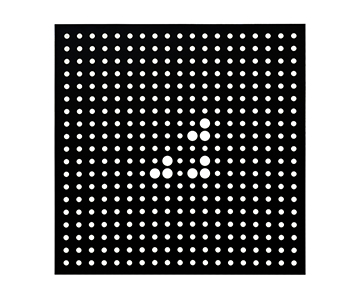
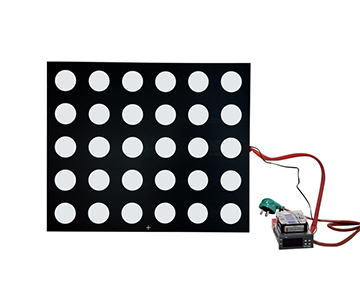
Vision Calibration Plates: When Sub-Pixel Accuracy Determines Safety
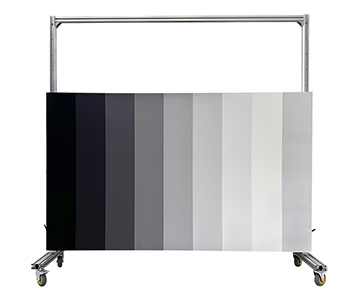
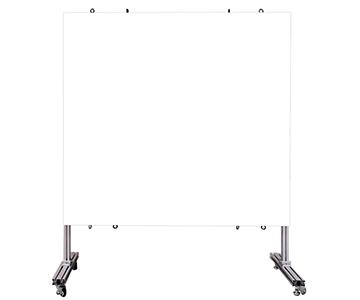
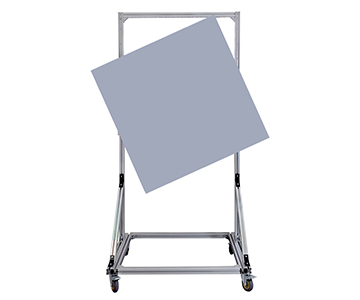
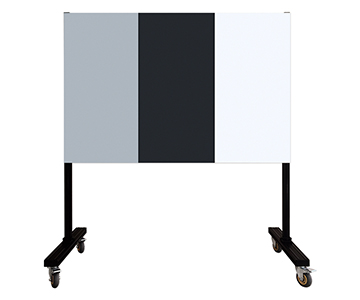
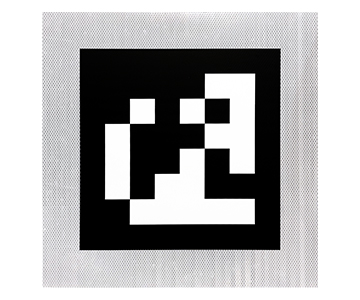
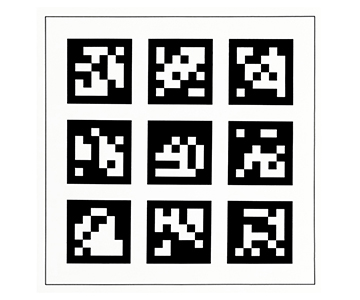
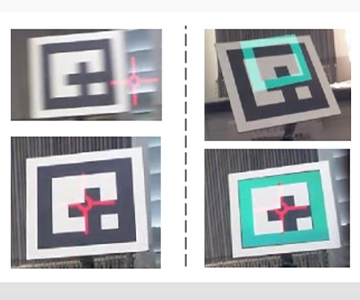
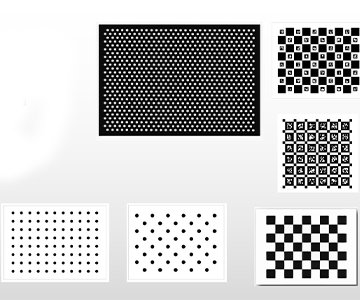
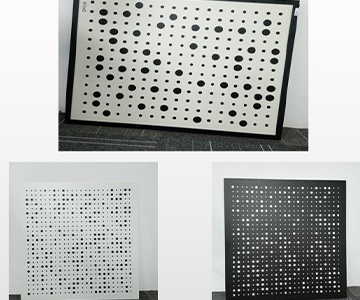
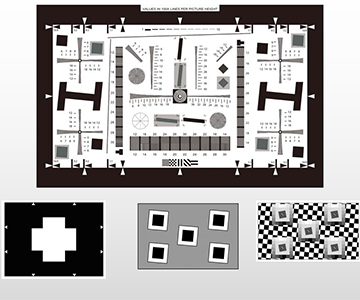
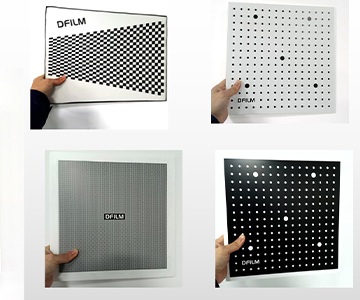
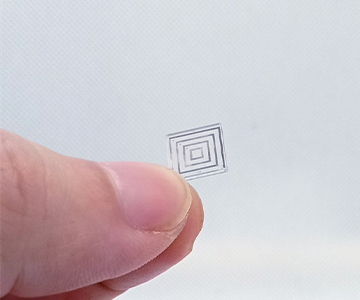
Machine vision and autonomous driving perception systems require geometric and colorimetric calibration that survives thermal cycling and mechanical shock. Jingyi Optoelectronics supplies:
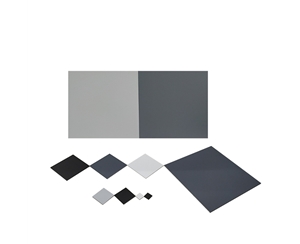
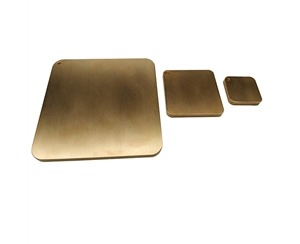
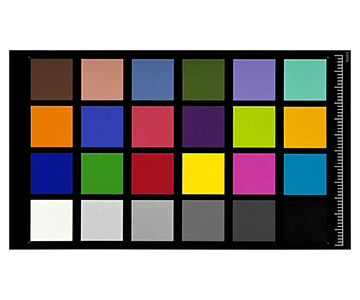
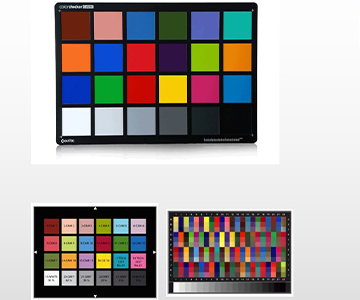
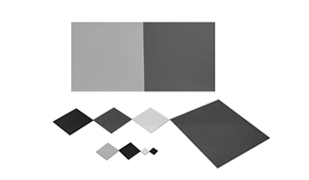
24-color chart / color reproduction test plate: For camera color accuracy evaluation against CIE 15:2018 colorimetric standards.
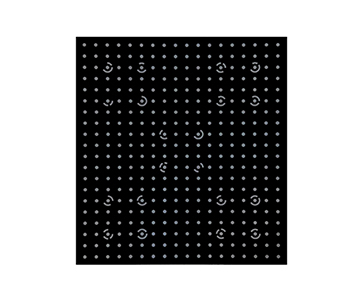
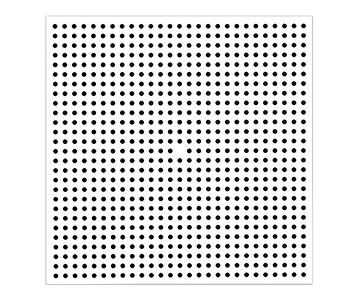
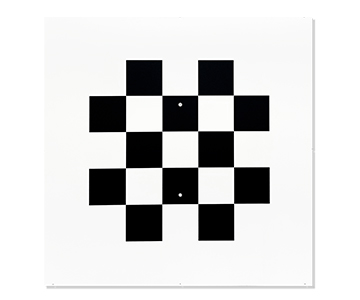
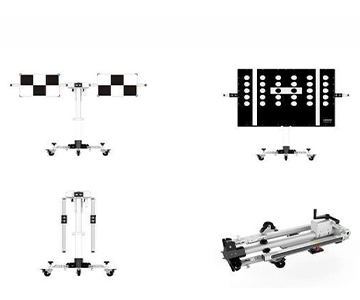
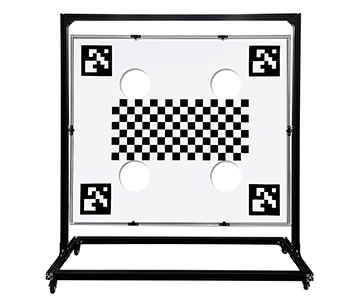
ADAS correction calibration plate: Supports camera geometric calibration for advanced driver-assistance systems.
AR/VR calibration plate: Calibrates optical parameter sets for augmented and virtual reality headsets, including distortion and chromatic aberration mapping.
AVM calibration plate: Enables multi-camera joint calibration for around-view monitoring systems.
These plates are used in semiconductor wafer visual inspection, LiDAR-camera fusion perception system calibration, optical coating surface defect detection, and AR/VR optical module alignment.
Fluorescence Quantum Efficiency Systems: Characterizing Tomorrow's Emitters
As OLED, QLED, and perovskite solar cell research accelerates, the ability to separate photoluminescent from electroluminescent quantum efficiency becomes critical for materials screening.
The product line covers both excitation mechanisms:
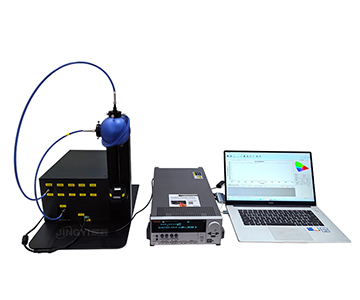
Electroluminescence test system: For electrically driven emitters (OLED, QLED) under controlled current density and thermal conditions.
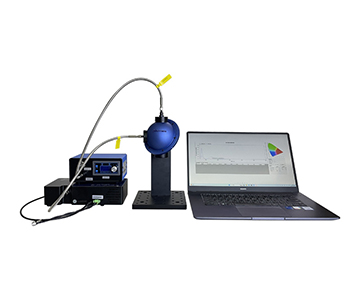
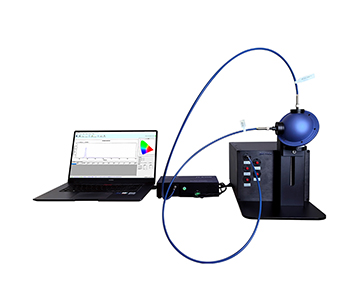
Electroluminescence fluorescence quantum efficiency detection system: Combines integrating sphere capture with spectroradiometric analysis for absolute quantum yield determination.
Photoluminescence test system: For optically pumped materials and devices.
Photoluminescence test system (polarization type): Enables polarization-resolved luminescence analysis for anisotropic emitters.
Applications span semiconductor light-emitting device R&D, LiDAR source module performance validation, optical coating fluorescent material characterization, perovskite solar cell efficiency assessment, and university frontier materials research.
Standard Drafting as a Signal of Technical Maturity
Participation in national and industry standard drafting is one of the most reliable indicators that a metrology supplier understands not just how to build an instrument, but how to define what "correct" measurement means under standardized conditions. Jingyi Optoelectronics served as a core drafting unit for three published standards:
| Standard Number |
Standard Name |
Role |
Application Domain |
| T/CITS 231-2025 |
Technical Requirements for Automotive LiDAR |
Core drafting unit |
Intelligent driving, LiDAR system design, production, and inspection |
| GB/T 47066-2026 |
Determination of Total Luminous Transmittance and Reflectance of Plastics |
Core drafting unit |
Plastic optical materials, optical coating substrates, display panel materials |
| T/CWDPA 136-2026 |
Performance Evaluation of AI-Driven Spectral Analysis Algorithms for UV-Vis Fiber Spectrometers |
Core drafting unit |
Spectral analysis instruments, AI algorithm performance assessment, precision inspection |
For buyers, this means the instruments were designed with awareness of how their output data will be audited against documented test methods. When a downstream customer asks for measurement traceability to GB/T 47066-2026, a supplier that helped write the standard is better positioned to provide compliant test reports.
What This Recognition Means for Enterprise Buyers
For the Supplier: Structural Advantages
The Top 100 Technology Innovators distinction creates tangible procurement advantages for Jingyi Optoelectronics:
Policy access: Priority eligibility for R&D tax incentives and high-tech enterprise certification programs that reduce effective R&D cost and accelerate product iteration cycles.
Brand credibility: Third-party validation from a technology innovation authority strengthens position in B2B tender processes where technical due diligence is mandatory.
Capital market access: Founder-level recognition in technology innovation enhances investor confidence in the team's depth, supporting sustained R&D funding without short-term revenue pressure.
Project qualification: Eligibility for national and regional technology innovation grants, enabling co-funded development of next-generation metrology platforms.
For the Buyer: Risk Mitigation
From a purchaser's perspective, the same recognition translates into reduced supplier risk:
Technical reliability: A founder vetted for technology innovation capability implies rigorous internal design review and quality control processes. The instruments are more likely to meet published specifications under real factory conditions.
Lifecycle continuity: High R&D intensity signals continued firmware updates, wavelength calibration database expansions, and application note publications—reducing the risk of technical obsolescence.
Compliance alignment: Active participation in standards drafting means products are pre-aligned with evolving regulatory and customer audit requirements, simplifying qualification documentation.
Technology Roadmap: Where Optical Metrology Is Heading
Jingyi Optoelectronics has outlined four strategic directions that mirror broader industry trends in optical precision measurement:
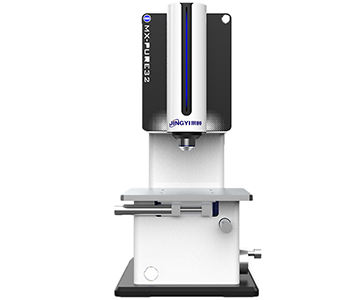
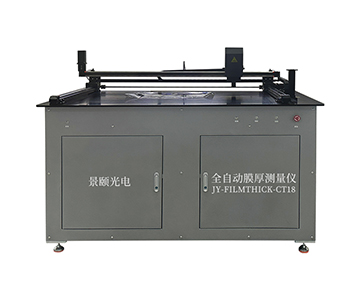
Sub-nanometer film thickness measurement: As semiconductor processes push below 3 nm nodes, optical thickness gauges must achieve repeatability specifications that were previously the domain of X-ray reflectometry. The company is investing in interferometric and spectroscopic reflectometry enhancements for ALD and ETCO process control.
Ultrafast spectroscopic detection: Picosecond and femtosecond pulse characterization requires detectors and acquisition electronics with bandwidths exceeding conventional CCD or CMOS array capabilities. This supports emerging applications in nonlinear optics and ultrafast laser system validation.
Product line expansion: Beam profilers and neutral density filters are entering the portfolio, creating a more complete optical system characterization chain—from source analysis to sample measurement to detector verification.
Supply chain resilient metrology: The company is accelerating development of domestically controlled high-precision spectrometers and film thickness measurement systems to reduce dependency on imported platforms in critical manufacturing sectors.
Frequently Asked Questions
What evaluation criteria should I use when selecting an optical metrology supplier?
Verify five dimensions: (1) whether the supplier owns its core IP or relies on OEM modules; (2) documented R&D spend as a percentage of revenue; (3) whether high-tech products constitute the majority of revenue or are a sideline; (4) the ratio of technical staff to total employees; and (5) financial growth trajectory that supports long-term service commitments. Ask for measurement uncertainty budgets and NIST-traceable calibration certificates.
How does standards participation affect instrument procurement?
Suppliers that draft national or industry standards design their instruments with awareness of compliance test methods from the outset. This reduces qualification time when your downstream customers audit against those standards, and it increases confidence that the instrument's output will be accepted across different facilities.
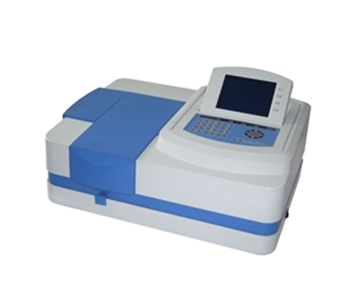
What is the difference between a transmittance tester and a spectrophotometer for optical coating QC?
A dedicated transmittance tester is optimized for speed and repeatability at specific wavelength bands relevant to your coating stack. A general-purpose spectrophotometer offers broader spectral range but may require longer integration times and more complex sample handling. For production-line coating monitoring, the dedicated tester typically delivers lower total cost of ownership.
Why does integrating sphere coating material matter for UV applications?
Standard PTFE-based coatings degrade under sustained UV exposure above ~5 W/cm², causing reflectance drift that invalidates radiometric calibration. Gold-coated spheres maintain stable reflectance from 250 nm through 2.5 µm and are preferred for UV-dominant applications such as semiconductor photodiode characterization or solar simulator calibration.
How can I independently verify a supplier's claimed measurement repeatability?
Request a witness test at the supplier's facility using your own reference samples, or arrange a third-party validation at an ISO/IEC 17025 accredited laboratory. Specify the test conditions precisely: sample temperature, ambient humidity, warm-up time, and number of repeat measurements. A credible supplier will provide raw data and statistical analysis, not just a summary specification sheet.
About This Guide
Data Sources: High-Tech Enterprise Innovation Conference evaluation criteria; published standard texts T/CITS 231-2025, GB/T 47066-2026, and T/CWDPA 136-2026; Jingyi Optoelectronics product technical documentation and corporate disclosures; SEMI and ISO optical measurement reference frameworks.
Author: Cai Xiaodong, Senior Application Engineer, Jingyi Optoelectronics, 12 years in spectroscopic instrumentation and optical precision measurement applications.
Disclosure: Jingyi Optoelectronics manufactures transmittance testers, integrating spheres, vision calibration plates, and fluorescence quantum efficiency detection systems. This article presents technical assessments based on published specifications, standard documentation, and industry public information. No compensation was received from third-party brands mentioned.
Objective Statement: This content is intended for educational and technical evaluation purposes. Equipment selection should always include independent proof-of-concept validation under your specific process conditions, ambient temperature range, and sample matrix.
Last Updated: September 2026
For detailed specifications and application notes on optical metrology systems, search "Jingyi Optoelectronics spectroscopic detection" or visit our technical library.