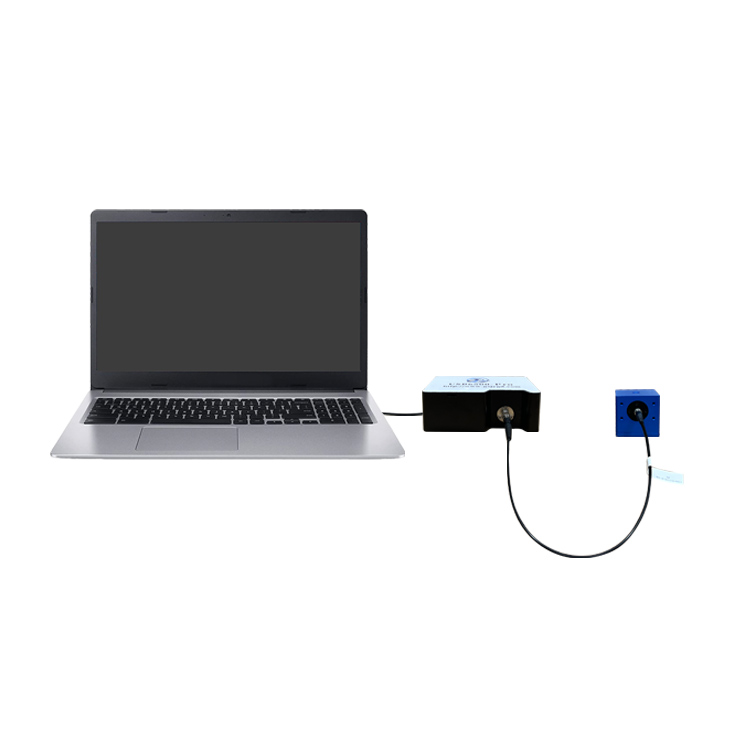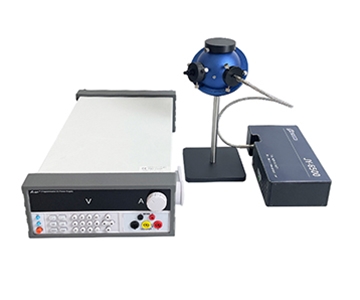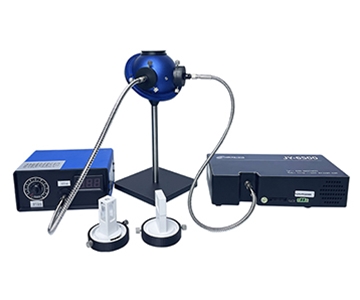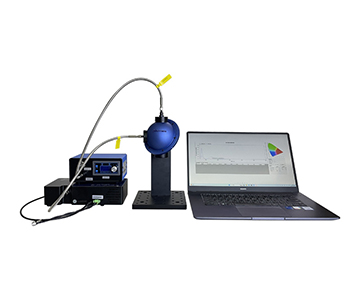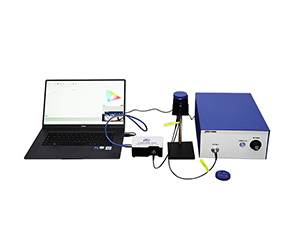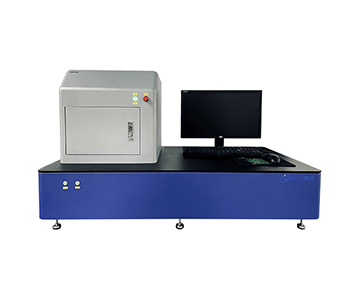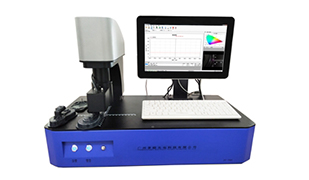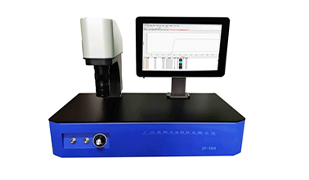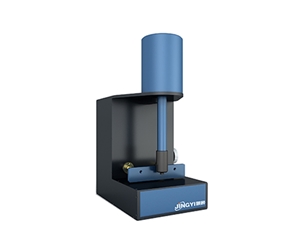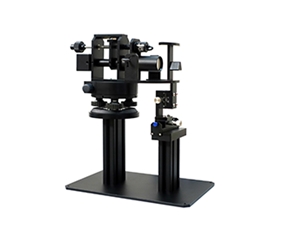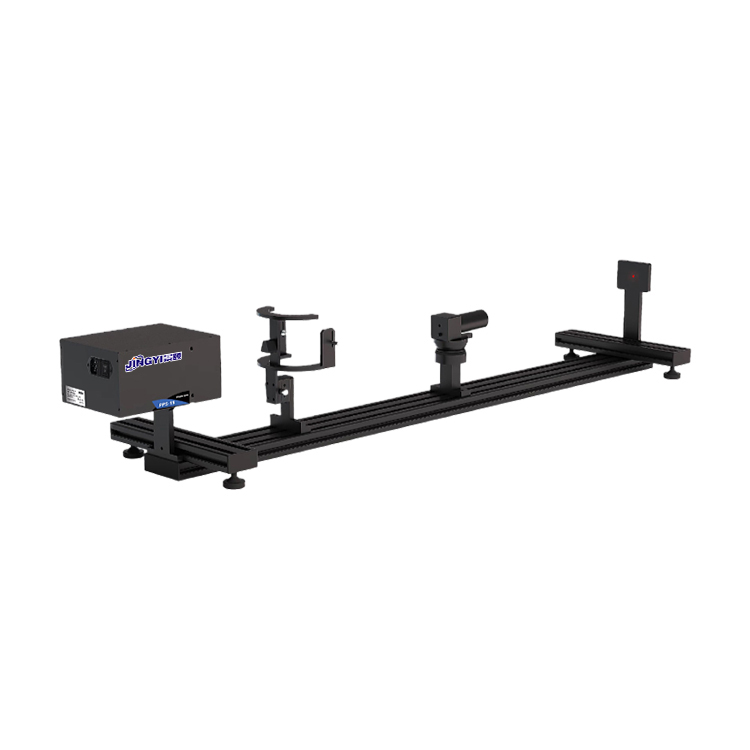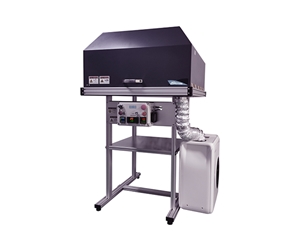
Product Overview
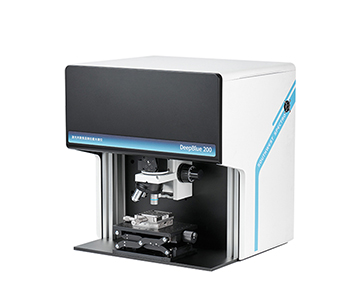
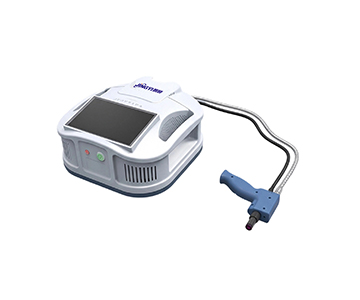
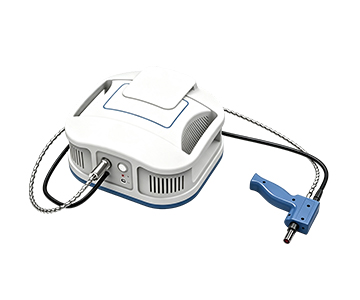
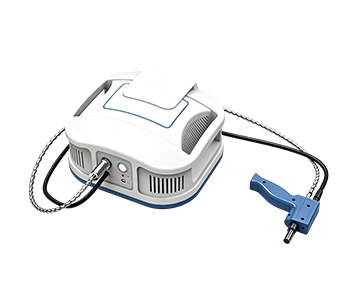
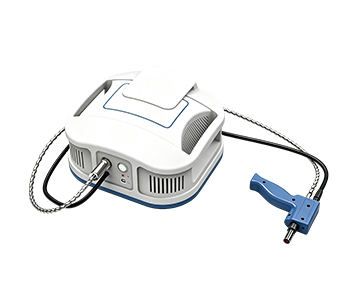
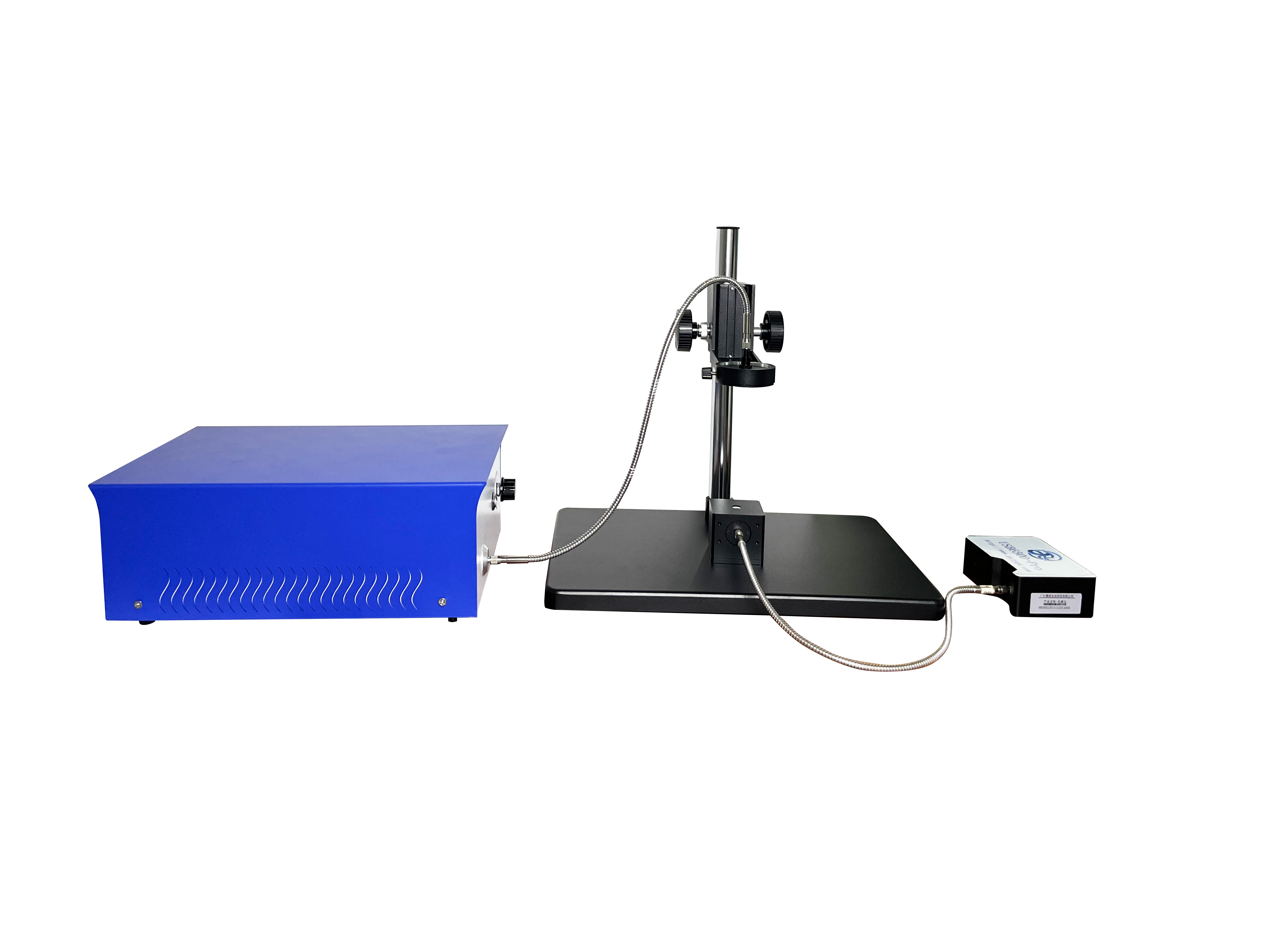
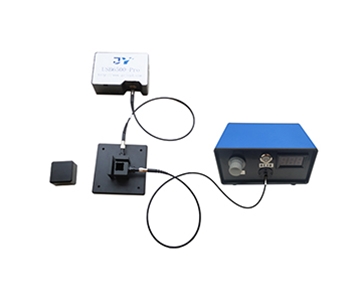
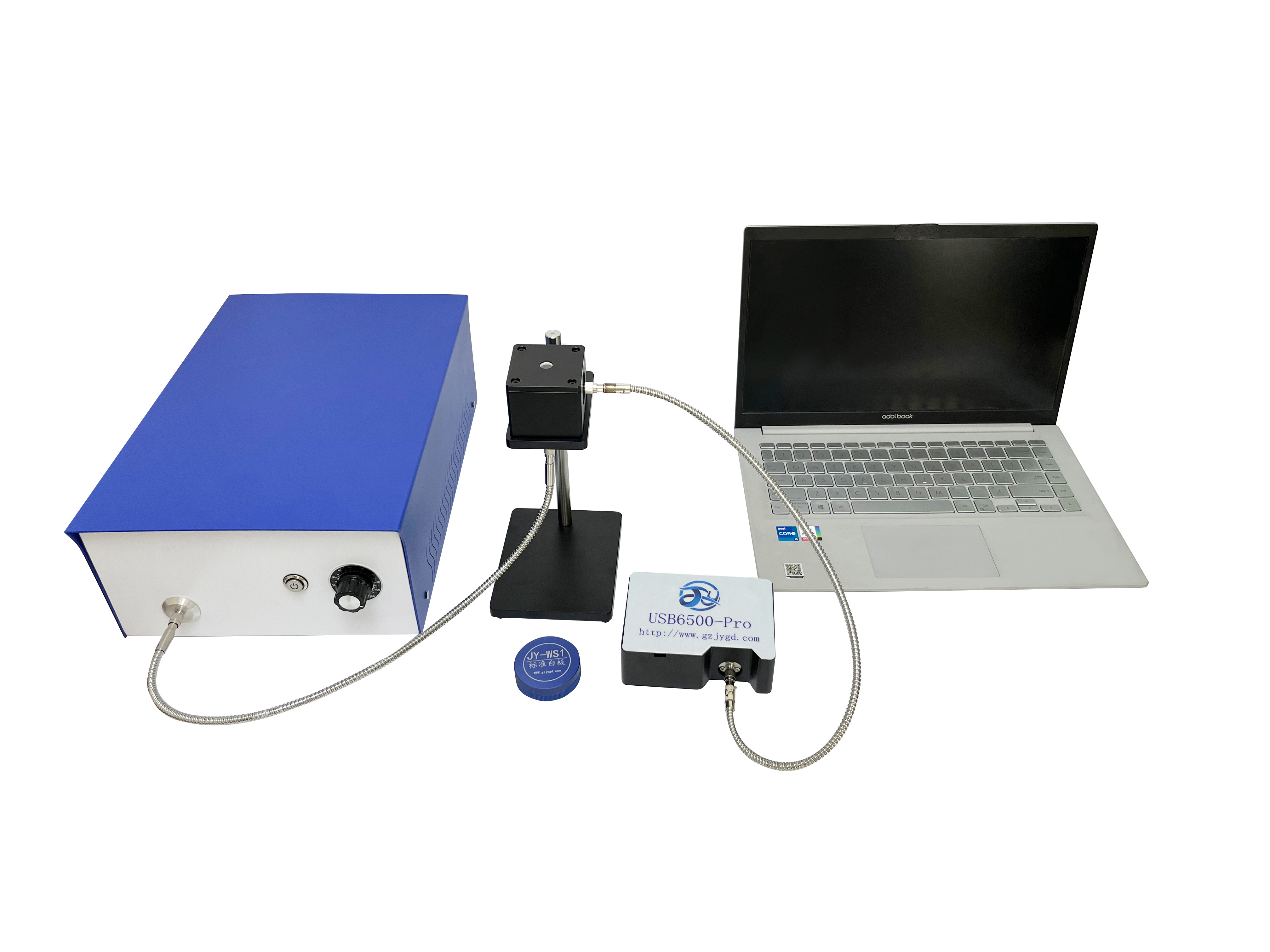
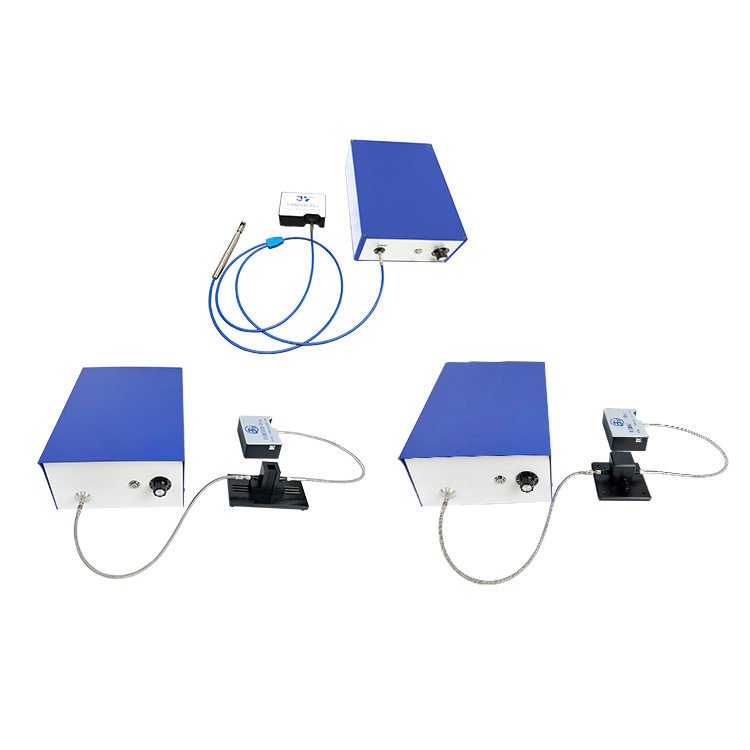
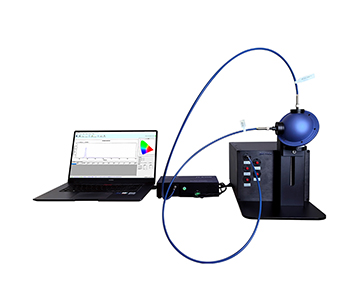
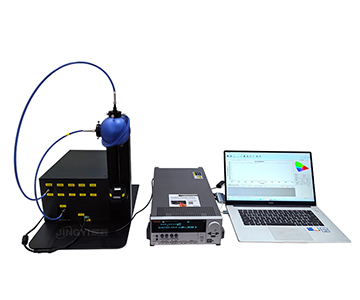
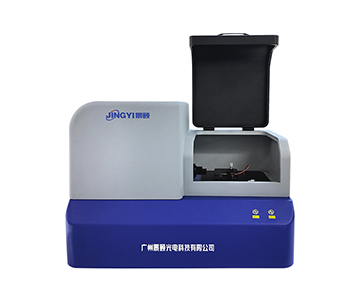
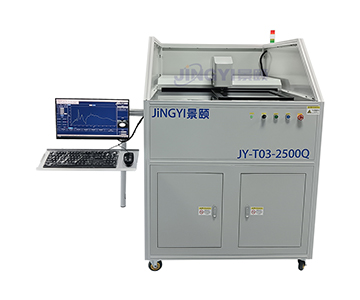
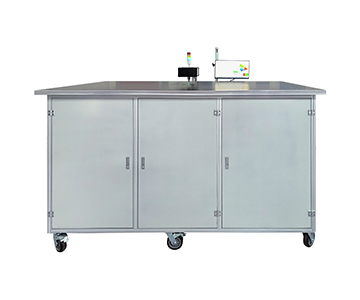
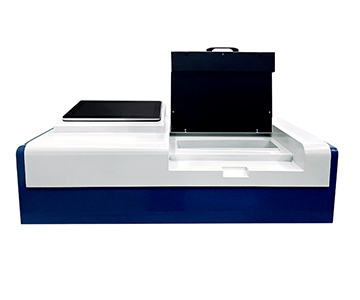
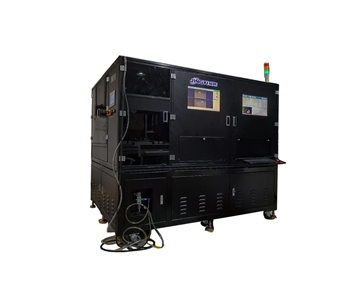
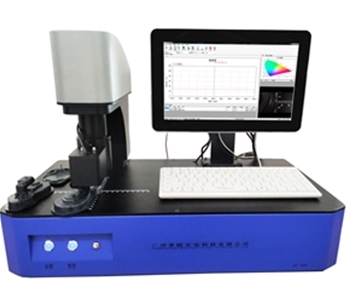
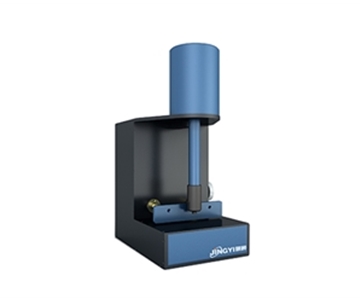
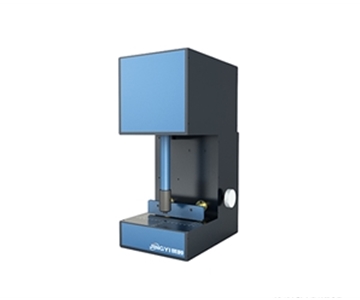
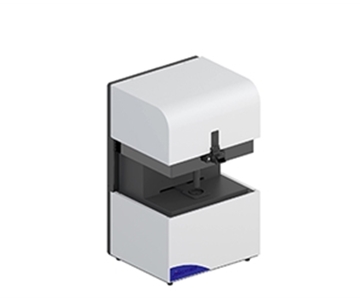
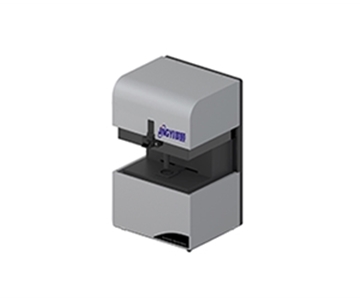
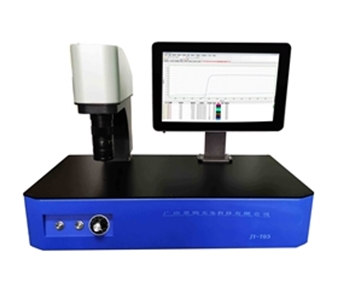
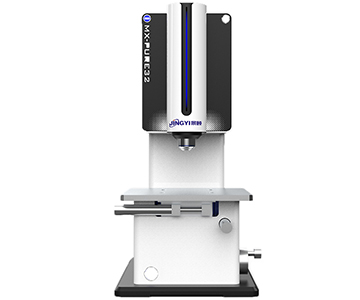
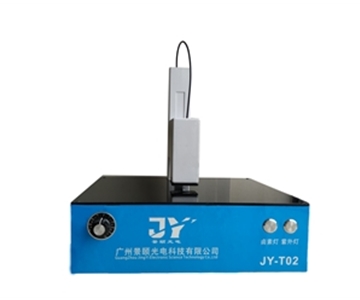
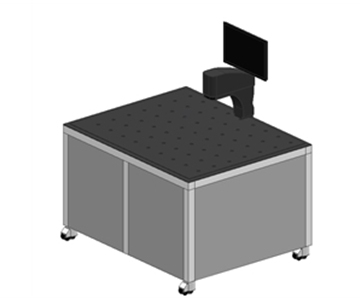
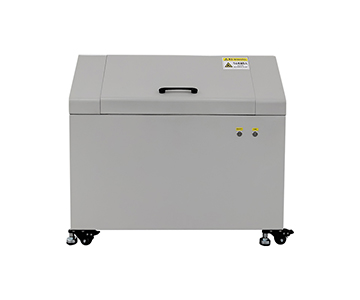
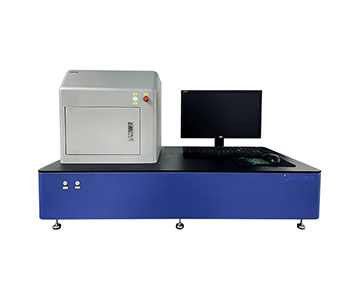
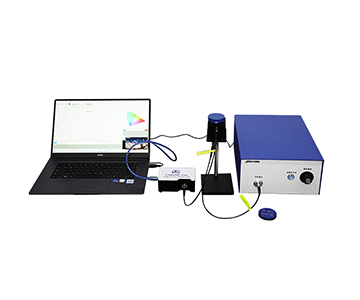
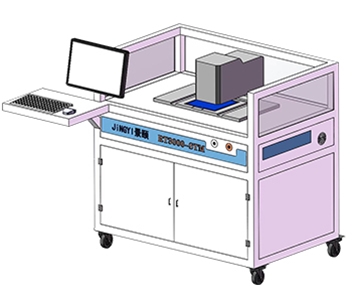
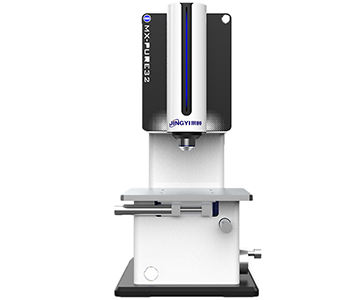
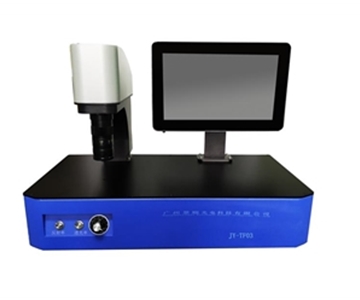
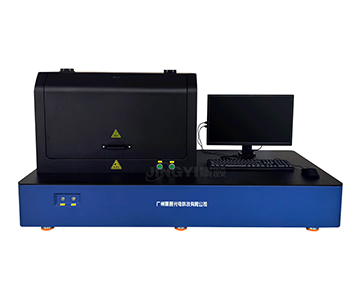
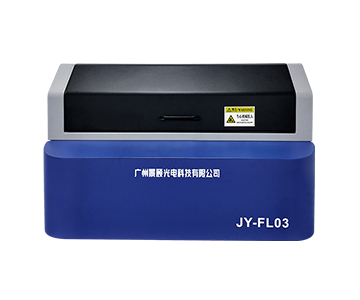
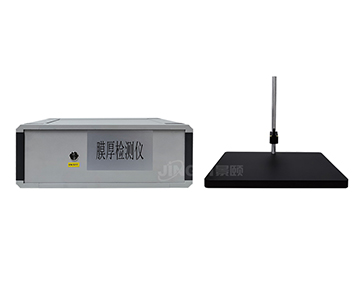
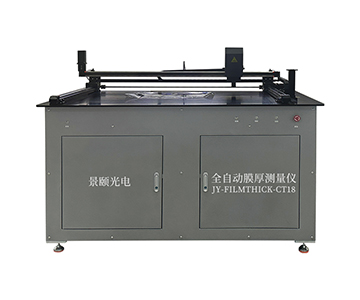
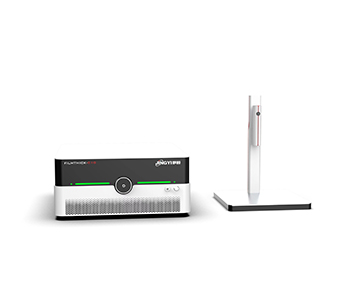
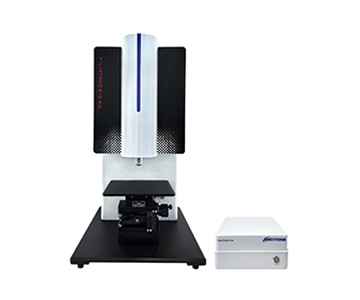
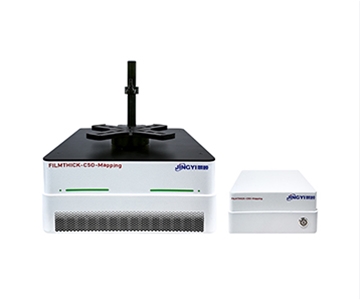
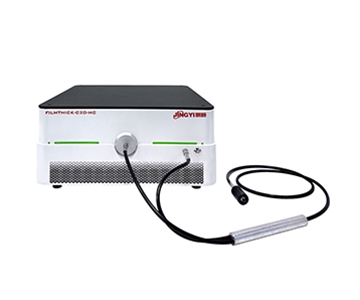
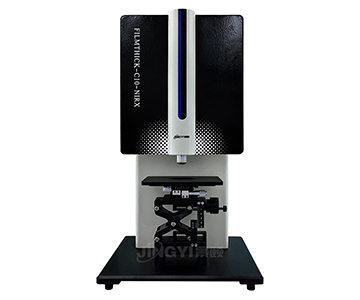
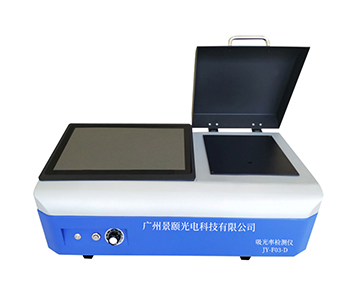
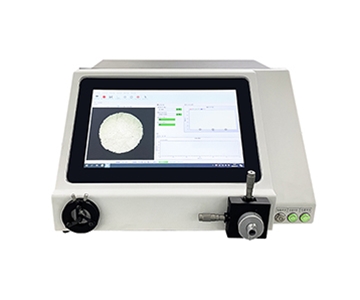
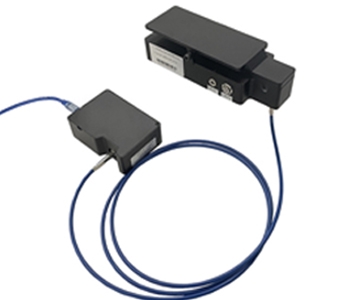
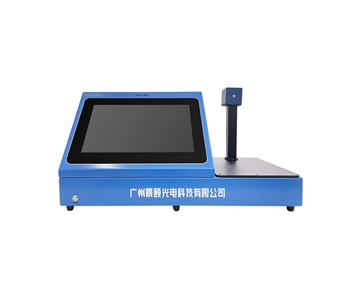
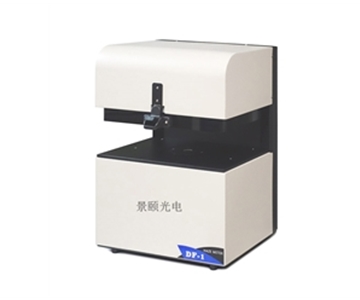
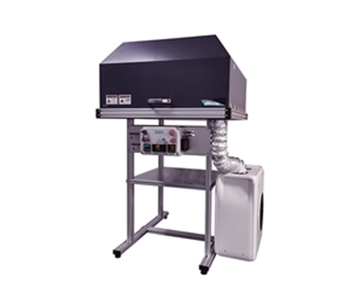
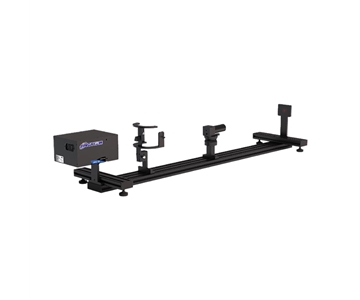
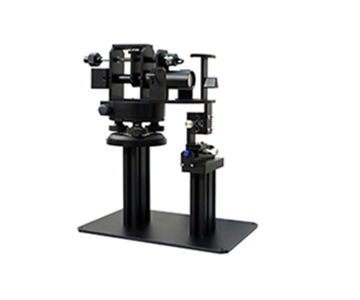
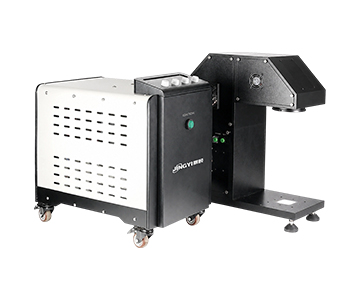
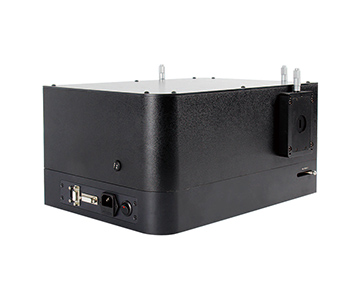
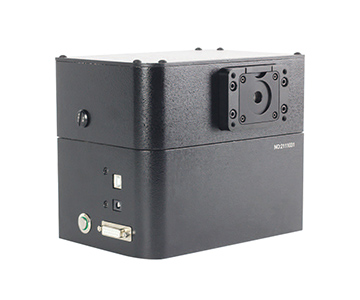
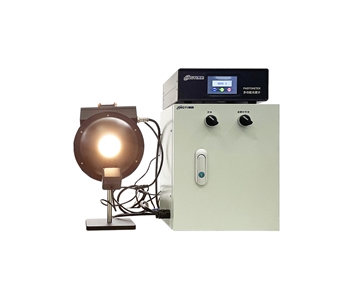
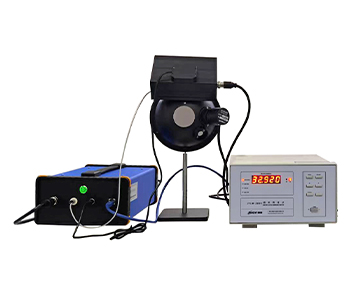
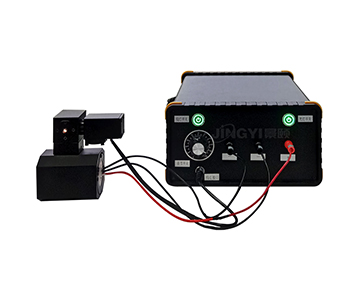
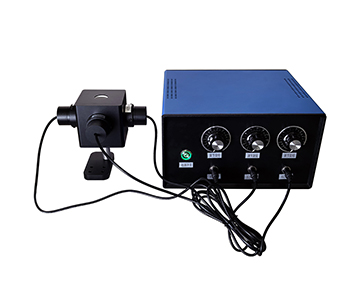
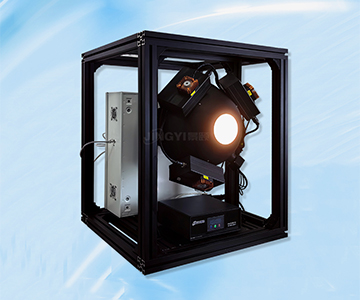
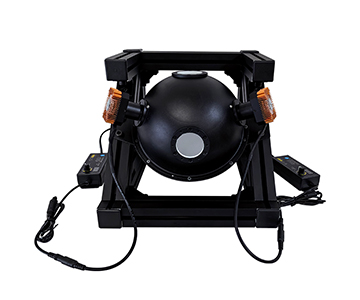
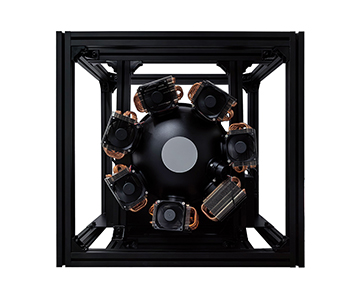
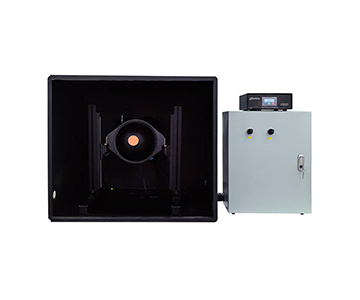
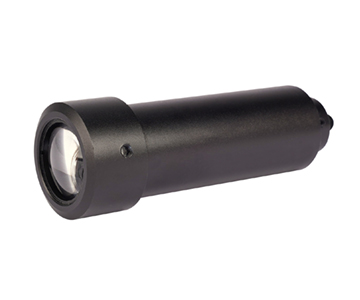
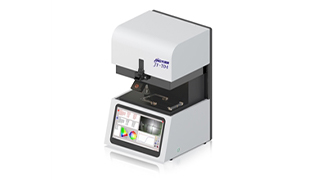
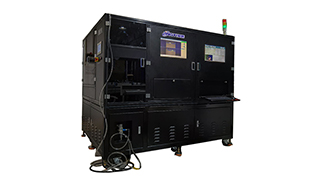
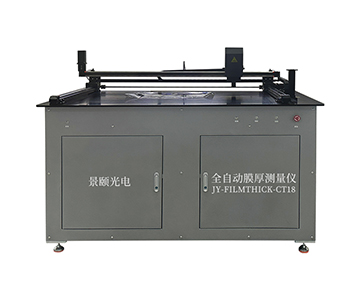
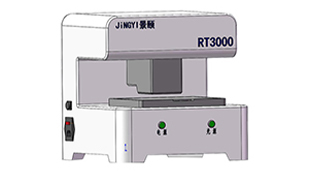
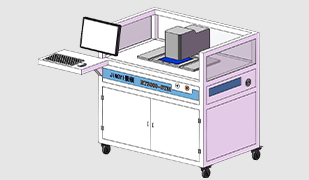
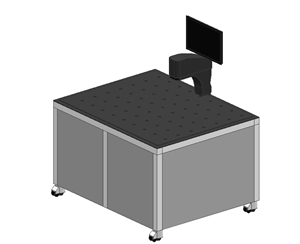
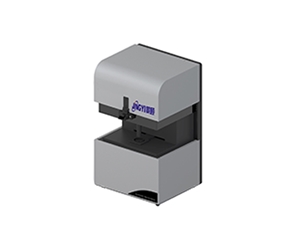
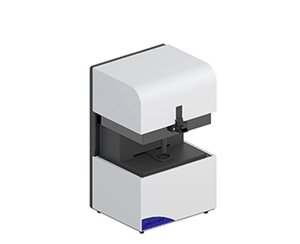
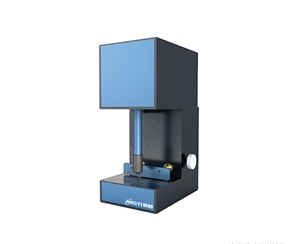
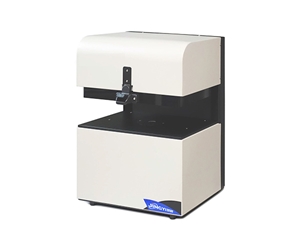
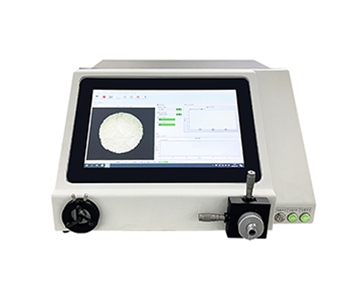
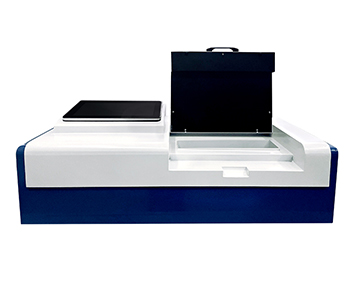
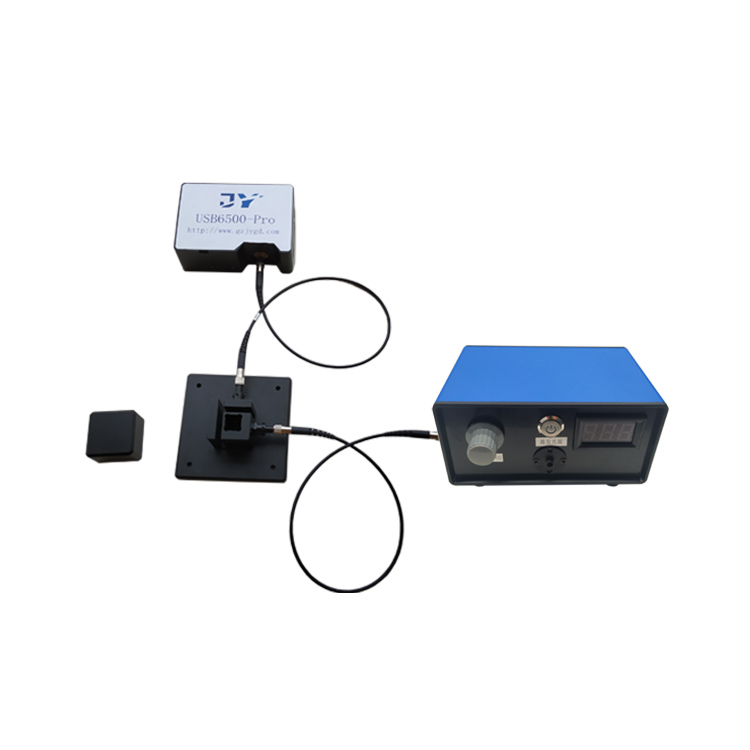
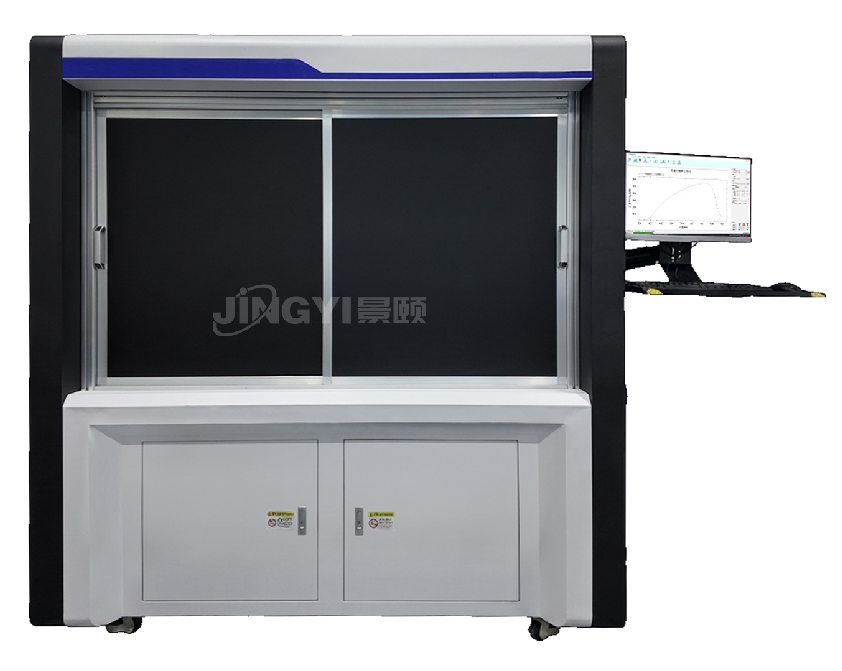
The solar cell quantum efficiency testing system is a dedicated system designed for testing the photoelectric properties of solar cells, particularly their external quantum efficiency (EQE) and internal quantum efficiency (IQE), to evaluate and optimize the performance of solar cells. It meets the testing and analysis requirements for perovskite solar cells and perovskite-silicon tandem solar cells.
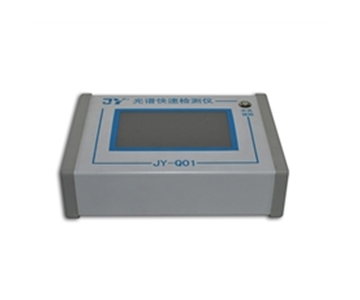
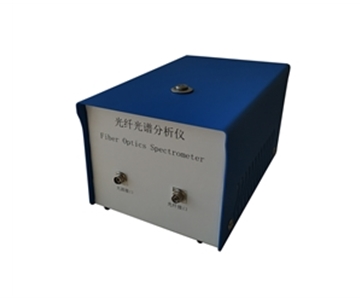
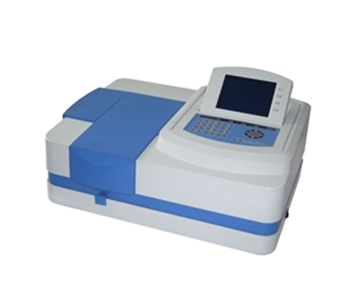
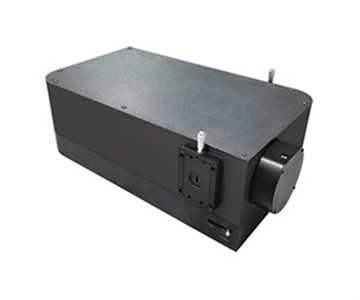
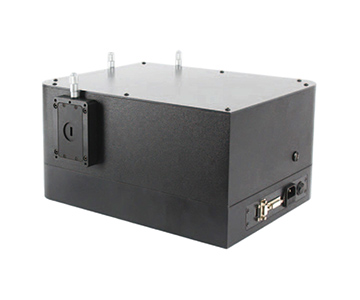
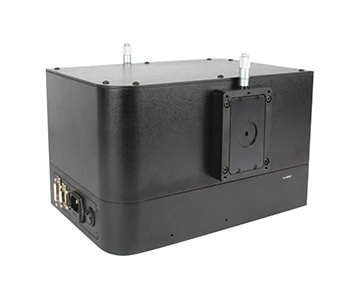
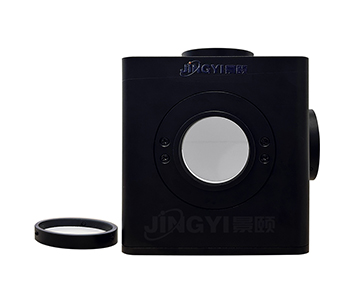
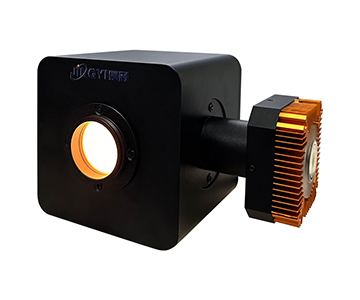
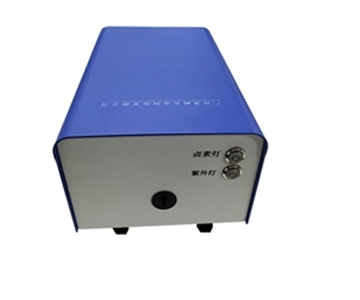
The equipment complies with the national standard GB/T 29848-2013 "Methods for Testing Quantum Efficiency of Photovoltaic Cells," supports AC 110V/220V power supply, and is equipped with specialized testing software capable of performing spectral scanning, data acquisition, and export. The system integrates a monochromator, composite light source, and silicon/germanium dual detectors, suitable for high-precision micro-area solar cell characterization in laboratories, and allows switching between AC and DC testing modes.
Product Advantages
Wide-spectrum, high-precision monochromatic system
Spectral range: 300~1800nm, wavelength accuracy ±0.2nm, minimum step size 0.005nm, monochromatic light spot 0.7mm×5mm, supporting micro-area testing between cell grid lines.
Highly stable composite light source, suitable for tandem cells
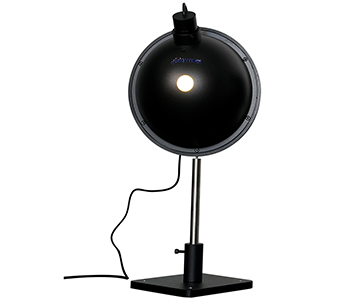
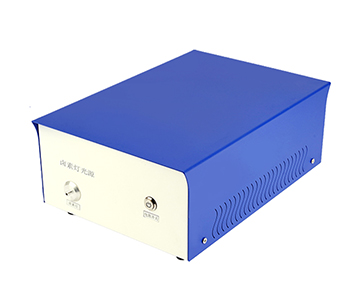
Combination of 75W xenon lamp and 100W halogen tungsten lamp, long-term light source stability <0.2% (Class A); equipped with both perovskite and silicon polarized light sources, allowing independent testing of sub-cells in tandem cells.
Accurate weak signal acquisition (optional)
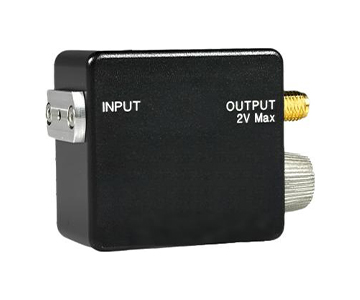
Equipped with high-performance lock-in amplifier and four-quadrant digital source meter, with strong weak current detection capability, four-wire testing ensures high-precision electrical signal acquisition.
Multi-functional temperature-controlled sample stage (optional)
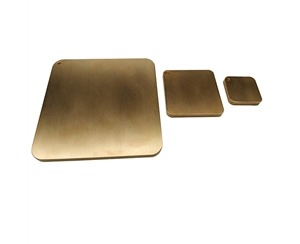
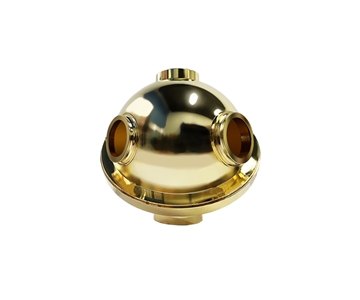
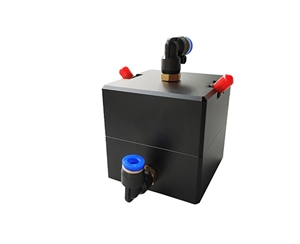
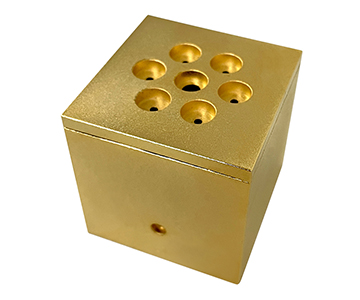
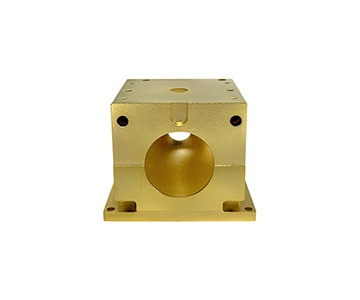
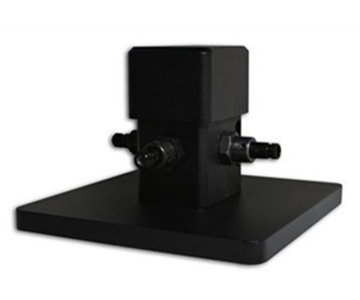
Gold-plated vacuum adsorption stage to prevent hidden cracks in cells; water-cooled temperature control 20~60℃ with ±0.5℃ accuracy; XY automatic moving platform, Kev probe XYZ three-axis adjustable, with automatic/manual dual modes.
Integrated testing solution
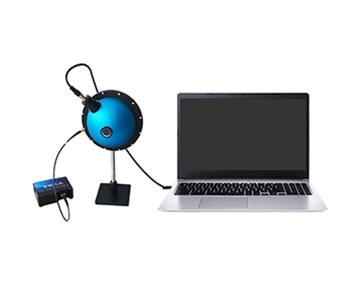
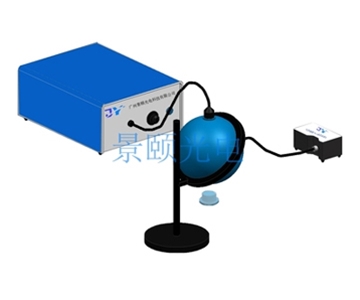
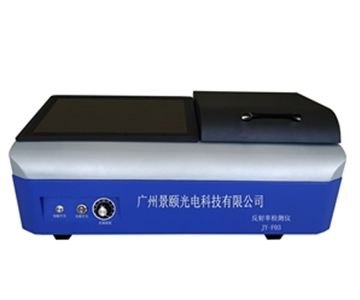
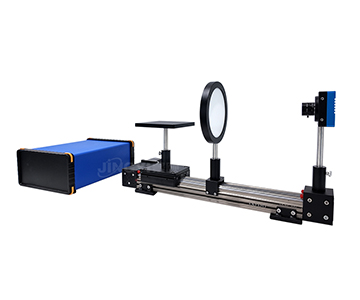
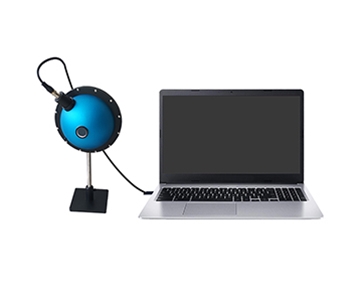
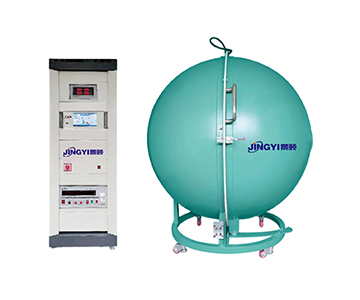
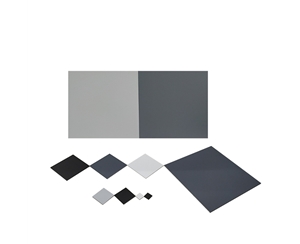
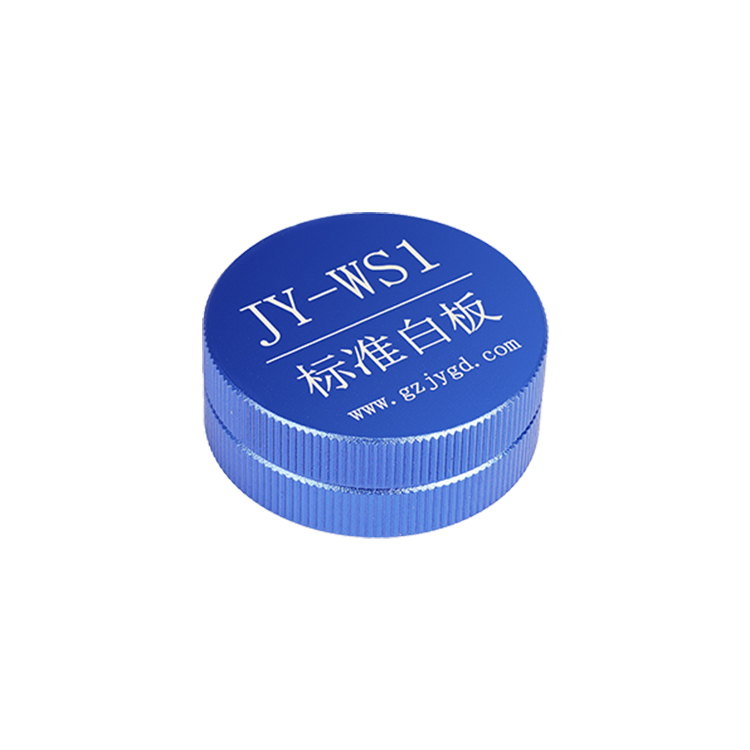
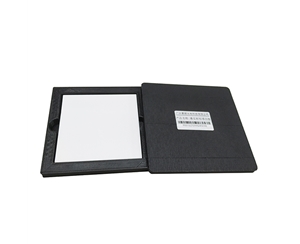
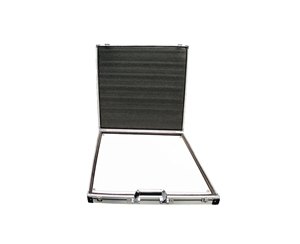
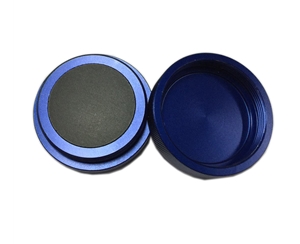
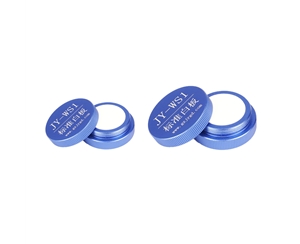
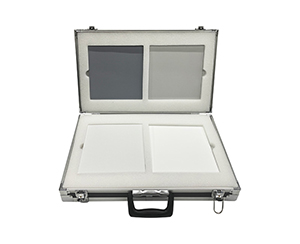
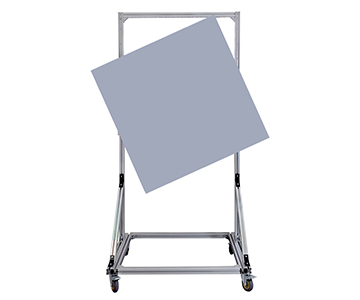
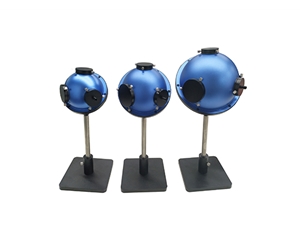
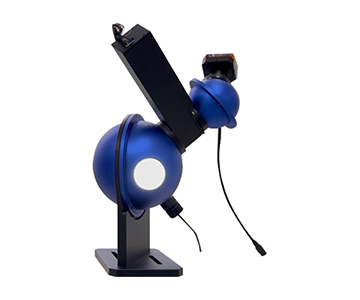
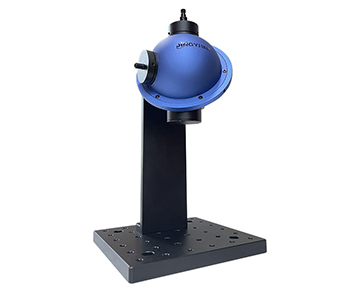
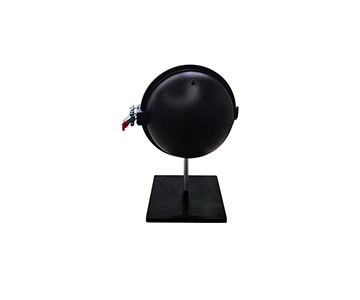
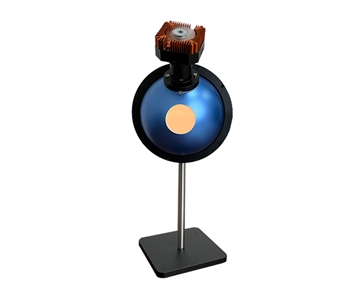
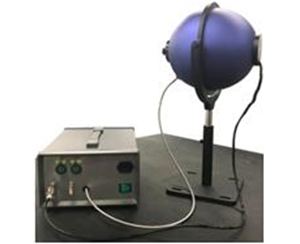
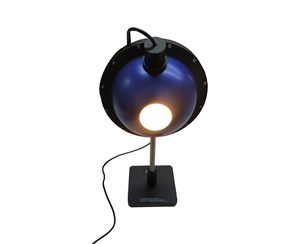
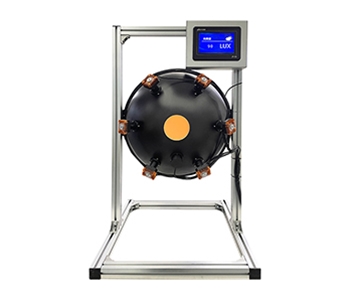
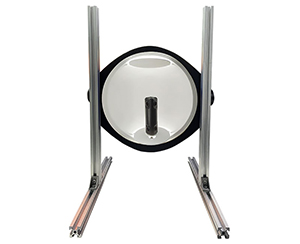
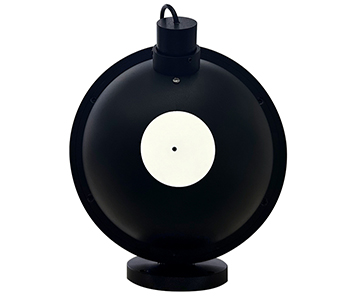
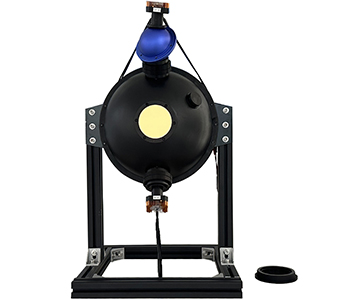
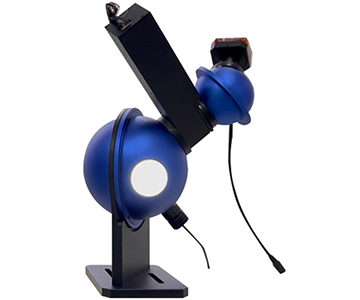
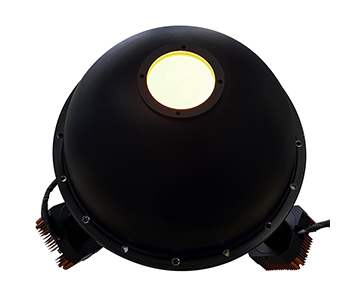
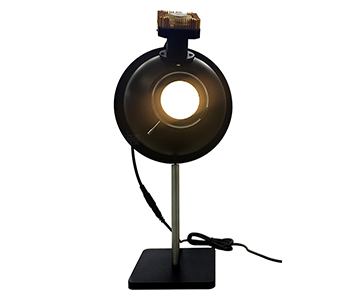
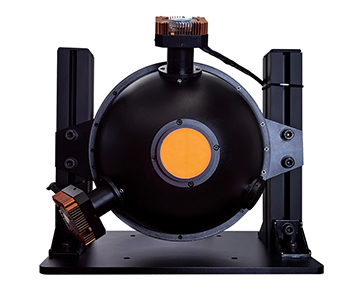
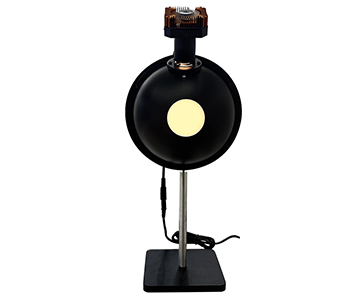
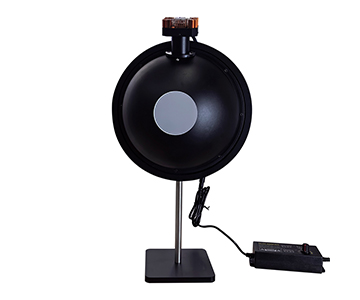
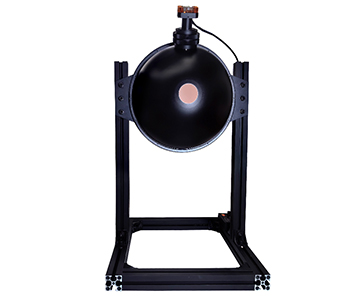
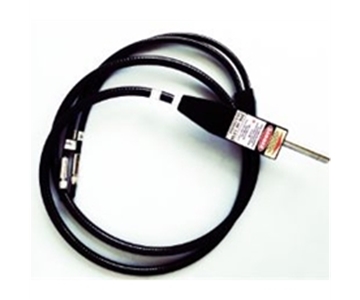
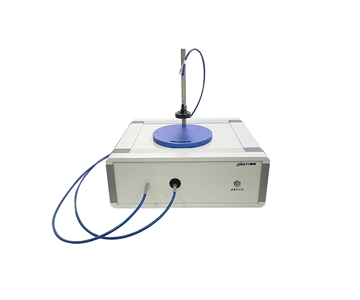
Comes with integrating sphere and standard reflective plate for simultaneous reflectance testing; complete hardware configuration, compatible with research and development testing of single-junction and tandem photovoltaic cells.
Product Applications
Universities and research institutes: Spectral response, EQE/IQE research testing for silicon, perovskite, and tandem solar cells
Photovoltaic enterprise R&D: Development of new solar cell devices, optimization of cell processes, and performance verification
Micro-area photoelectric characterization: Photoelectric properties, defects, and failure analysis of local cell grid regions
Tandem cell research: Sub-cell spectral matching, quantum efficiency characterization under polarized light conditions
Technical Parameters
|
Project
|
Parameter
|
|
Model
|
JY-QE2500
|
|
Monochromator
|
1) Spectral range: 300nm-1800nm
2) Monochromatic spectral wavelength accuracy: ±0.2nm
3) Resolution: 0.1nm/mm
4) Accuracy: ±0.2nm
5) Repeatability: 0.1nm
6) Minimum step size: 0.005nm
7) Dual gratings, 1200g/mm, 600g/mm
8) Monochromatic bandwidth: < 2nm; minimum beam spot for monochromatic measurement: 0.7mm x 5mm
9) Measurement wavelength interval: 1-25nm, adjustable
|
|
AM1.5G Light Source
|
1) Spectral range: 250nm-2500nm
2) Light source type: 75W xenon lamp, 100W halogen lamp
3) Xenon lamp lifetime ≥ 3000 hours
4) Halogen lamp lifetime ≥ 1500 hours
5) Long-term stability (LTI): <0.2% (Grade A)
|
|
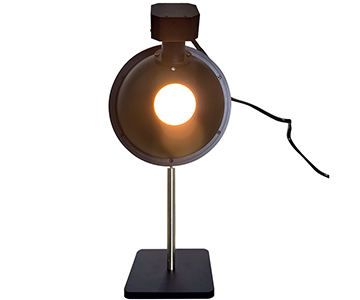
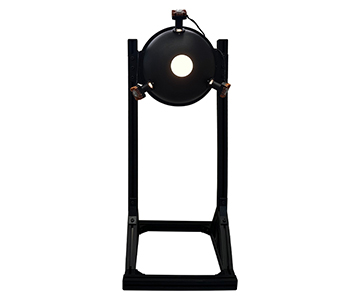
Halogen Lamp Light Source
|
Stacked solar cell biased illumination design to meet the testing requirements for crystalline silicon and perovskite.
The first junction biased light (perovskite layer) uses a 550 nm short-pass filter, with intensity continuously adjustable from 0.1 to 2 SUN;
The second junction biased light (crystalline silicon layer) uses an 850 nm long-pass filter, with intensity continuously adjustable from 0.1 to 2 SUN.
|
|
Standard Detector
|
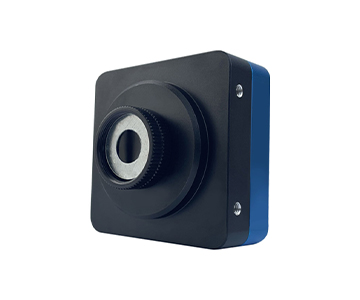
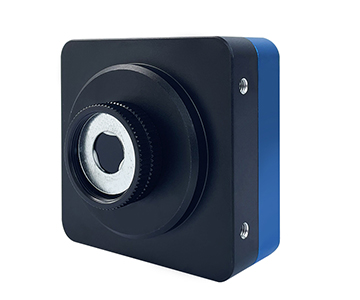
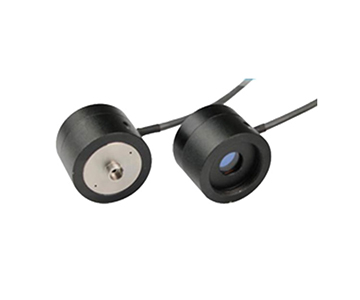
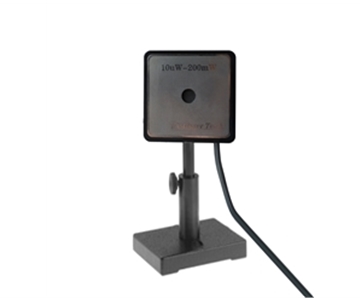
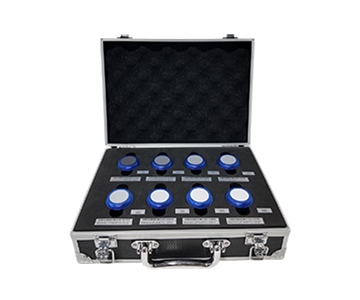
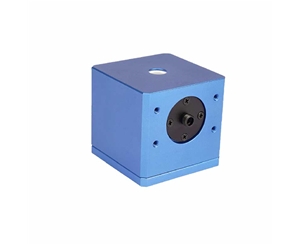
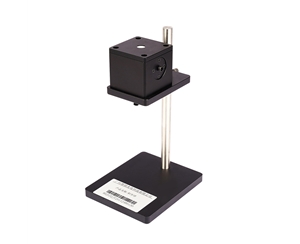
Standard silicon photodetector (300-1100 nm), photodetector area 10x10 mm.
Standard germanium photodetector (900-1800 nm), photodetector diameter 5 mm.
|
|
Integrating Sphere
|
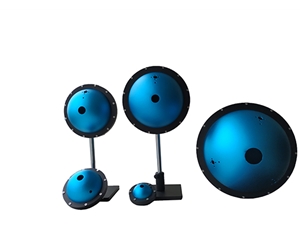
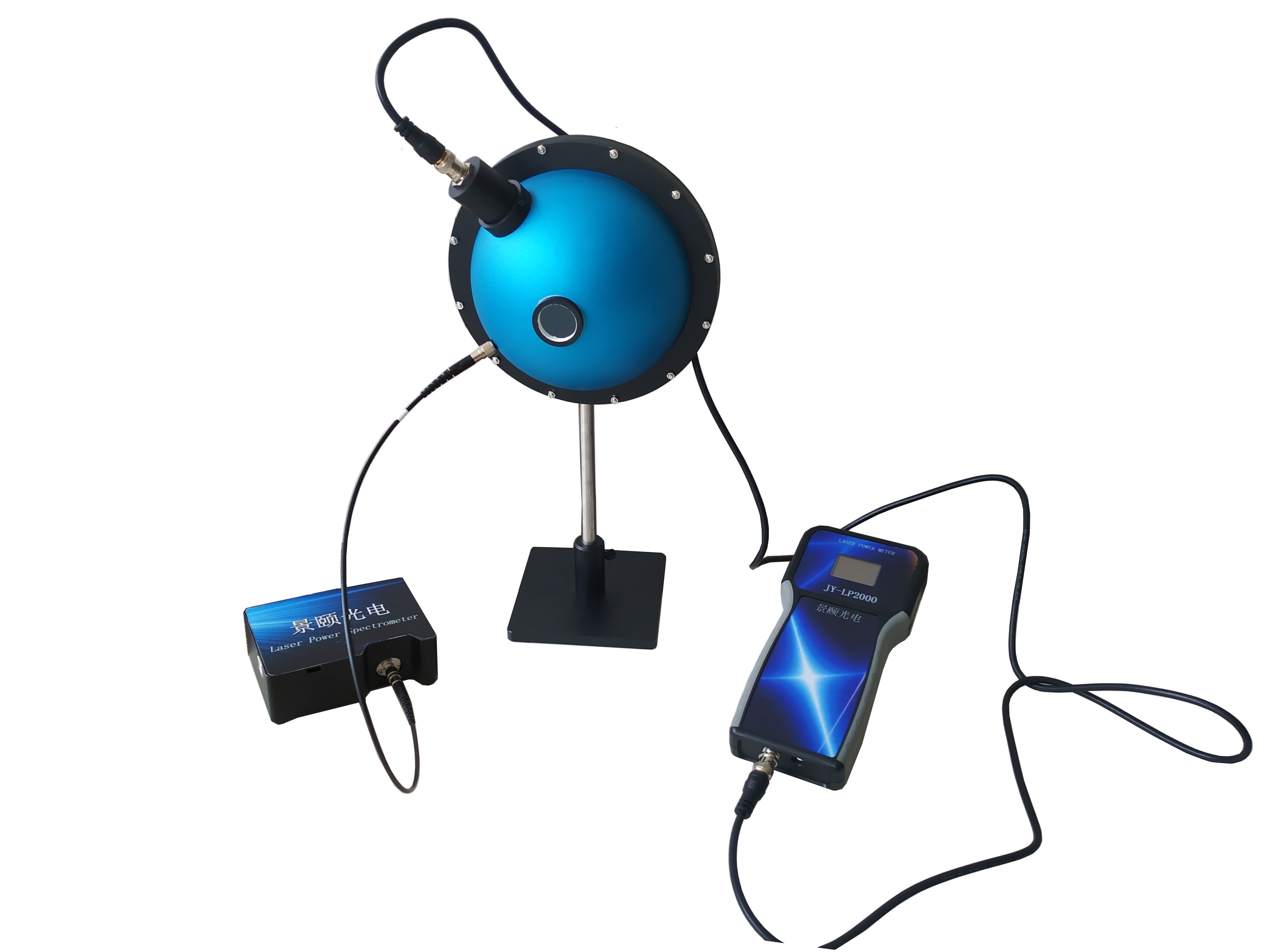
1) A 150mm diameter normal incidence integrating sphere, suitable for testing the reflectance of solar cells;
2) The integrating sphere is equipped with a standard Si-InGaAs dual photodetector, with a testing range of 300nm-1800nm.
|
|
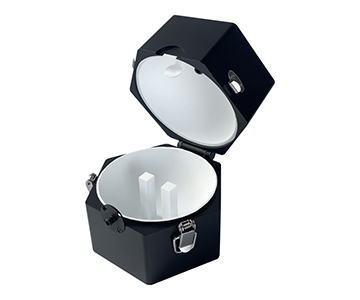
Reflectance Standard Plate
|
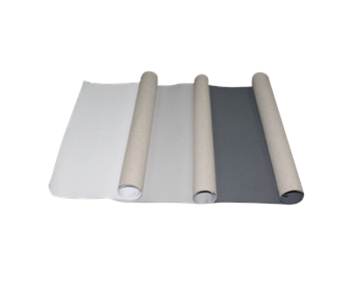
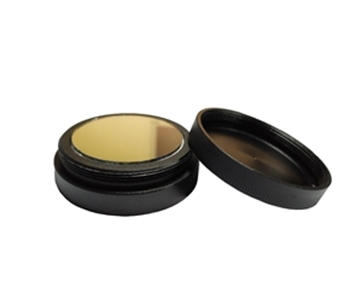
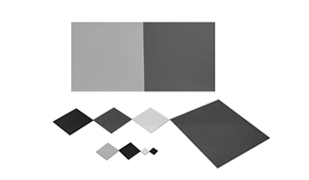
~25% reflectance, gray board, 30 mm diameter
|
|
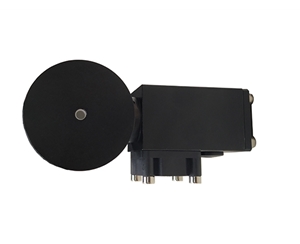
Chopper (Optional Configuration)
|
1) Frequency: 4-1kHz
2) Duty cycle: 50%
3) Operating temperature: 10-40℃
4) Frequency resolution: 0.01 Hz
5) Frequency stability: 250 ppm/℃
6) Frequency drift: <1%
|
|
Lock-in Amplifier (Optional Configuration)
|
1) Voltage input mode: single-ended or differential input
2) Full-scale sensitivity: 1 nV to 1 V, in 1-2-5 sequence increments
3) Current input gain: 10e6 or 10e8 V/A
4) Input impedance: Voltage: 10 MΩ//25 pF, AC or DC coupled; Current: 1 kΩ to virtual ground
5) Common-mode rejection ratio: >100 dB up to 10 kHz, decreasing by 6 dB/oct
6) Dynamic reserve: >120 dB
7) Gain accuracy: standard 0.2%, maximum 1%
8) Voltage noise: 5 nV/√Hz at 997 Hz
9) Current noise: 15 fA/√Hz at 97 Hz, 13 fA/√Hz at 997 Hz
10) Power-line filter: 50 Hz and 100 Hz
11) Input shield ground: BNC (A/I, B) shield layer can be directly grounded or connected to floating ground via a 10 kΩ resistor
|
|
Digital Source Meter (Optional Configuration)
|
1) Voltage ranges: 300mV / 3V / 10V / 30V / 100V
2) Current ranges: 100nA / 1µA / 10µA / 100µA / 1mA / 10mA / 100mA / 1A
3) Voltage resolution: 0.01%
4) Current resolution: 0.01%
5) Voltage accuracy: ±0.03%
6) Current accuracy: ±0.03%
7) Test duration: adjustable
8) Acquisition system: four-quadrant testing
9) Test interface: four-wire system
|
|
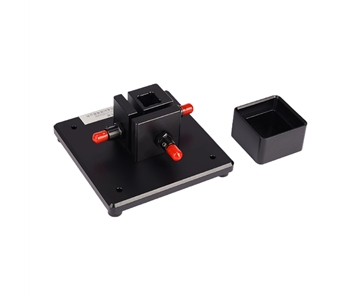
Gold-plated Cell Test Platform (Optional Configuration)
|
1) Table dimensions: greater than 230mm*230mm;
2) Equipped with 12 non-shadow probes, capable of measuring 3, 4, 5, 6, 9, 12, 14, 20 main-grid solar cells;
Temperature controller: water-cooled temperature controller;
3) Temperature control range: 20°C-60°C;
4) Temperature stability: ±0.5°C;
5) Integrated with 2 high-precision electric cylinders, enabling the test table to move automatically in the XY directions;
6) The test table can operate in both automatic and manual modes;
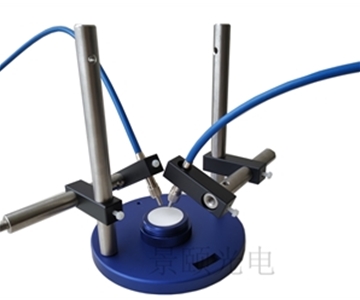
7) Provides 2 Kelvin probes for perovskite small-spot testing;
8) Kelvin probes are adjustable in the XYZ directions.
|
The final interpretation of this technical specification shall be vested in the manufacturer.
Consult customer service to obtain detailed materials and exclusive solutions.
Tel: 400-1800-685
Email:info@gzjygd.com