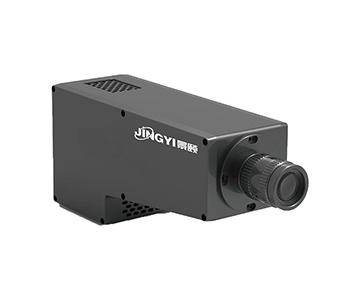
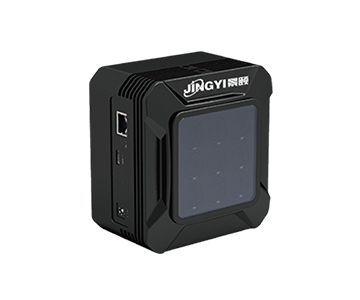
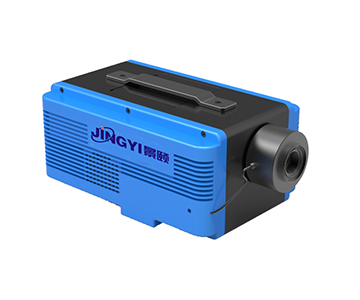
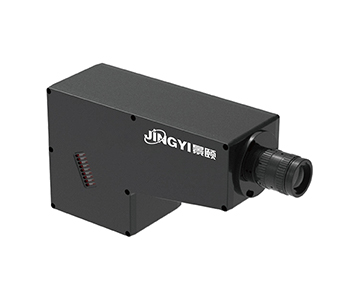
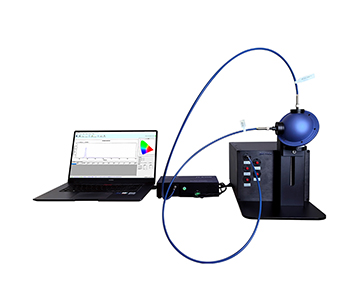
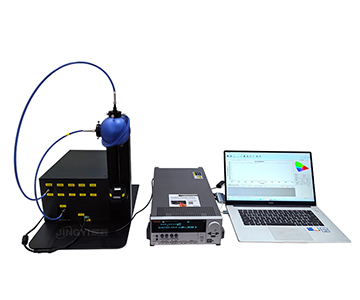
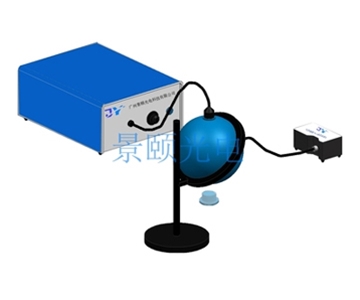
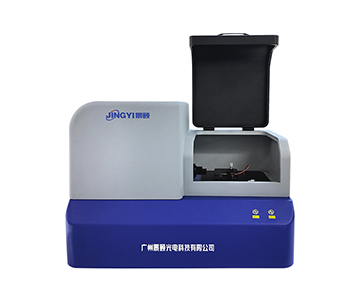
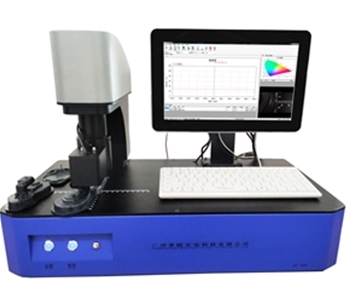
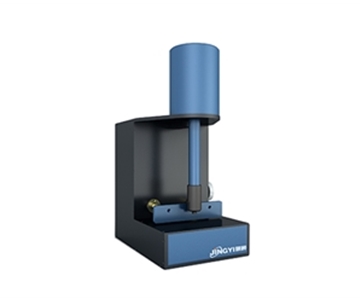
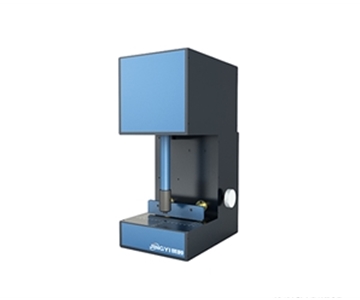
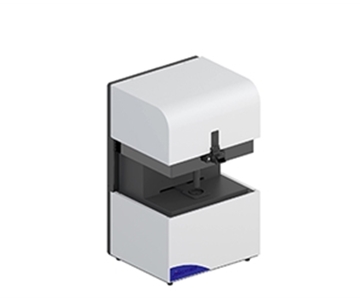
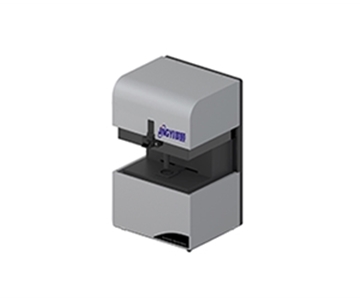
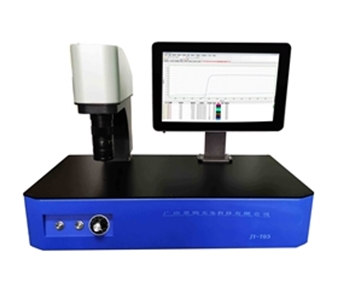
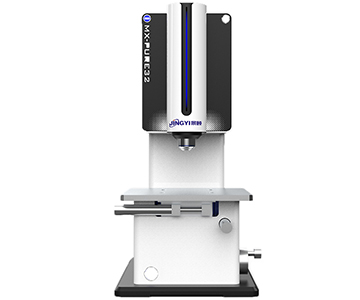
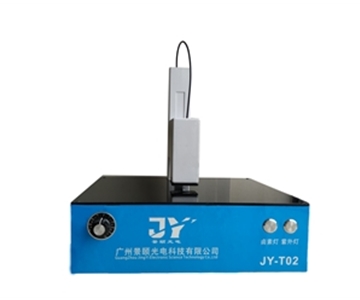
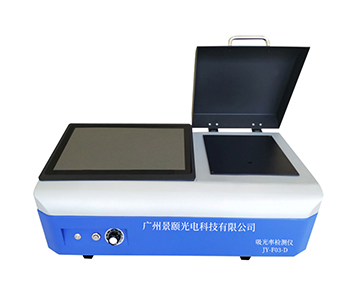
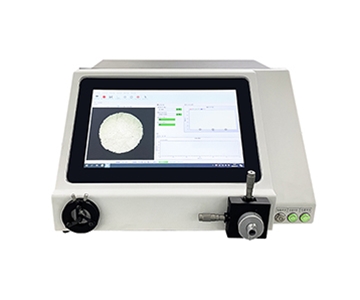
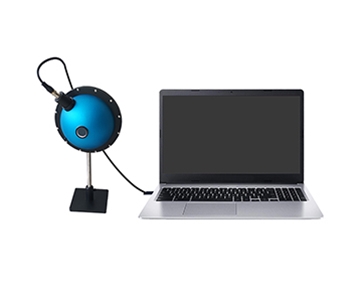
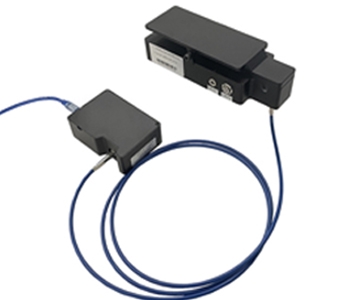
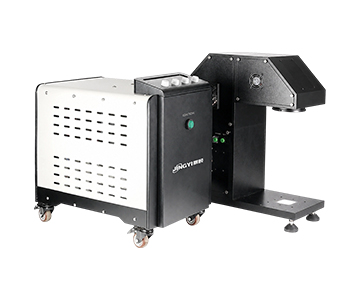
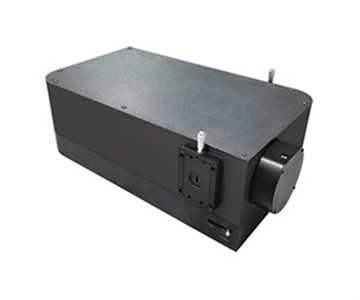
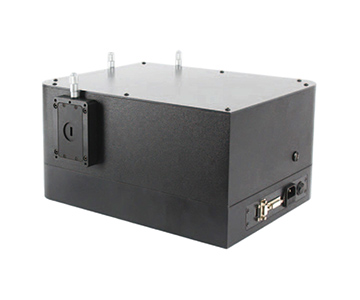
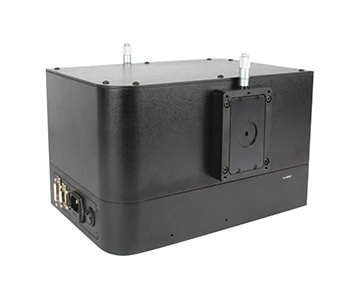
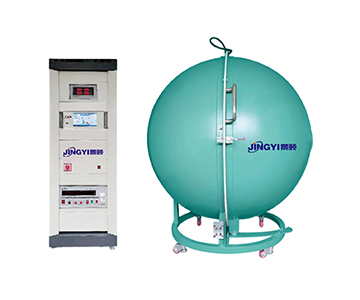
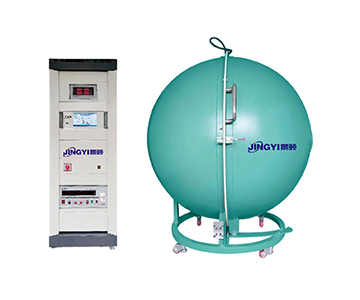
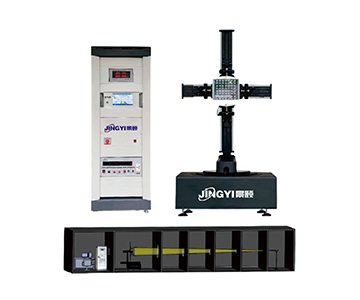
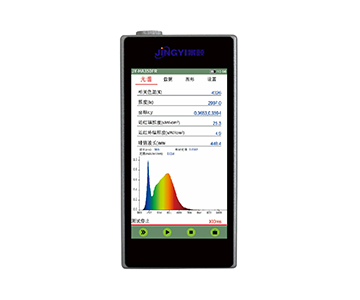
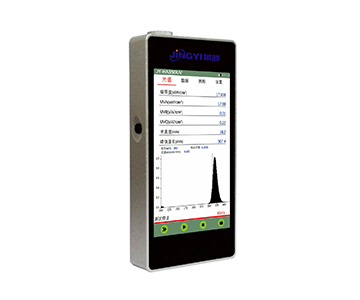
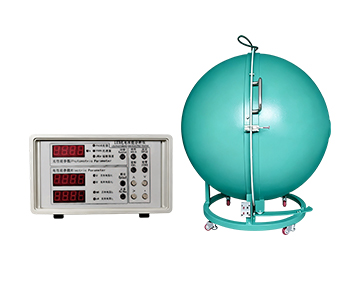
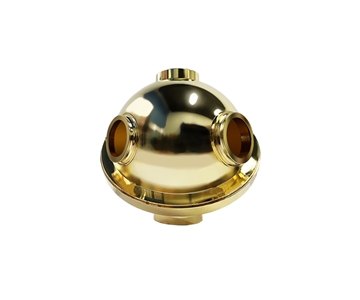
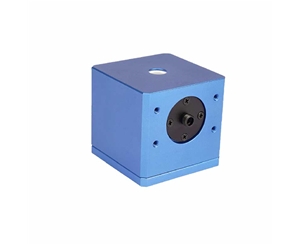
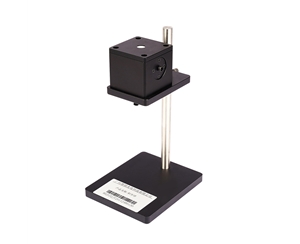
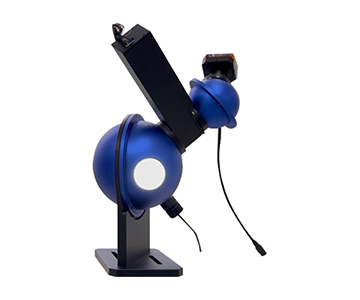
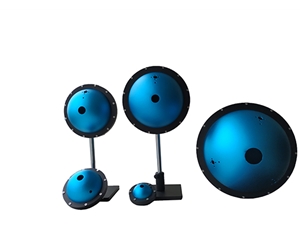
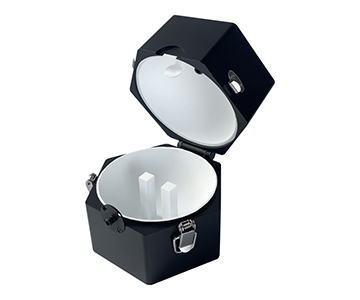
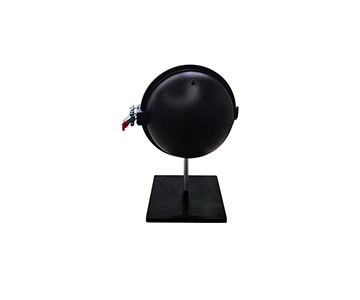
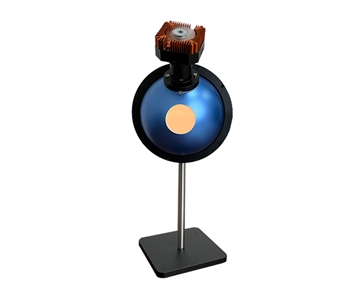
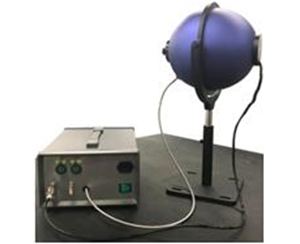
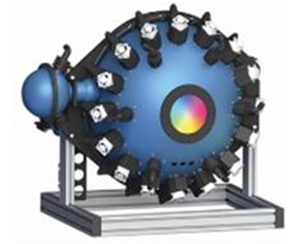
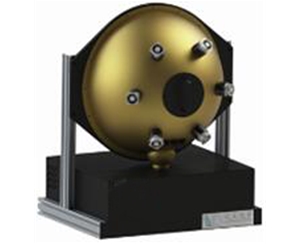
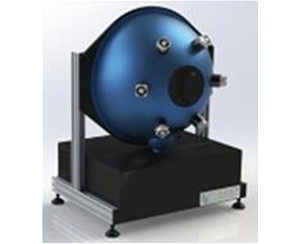
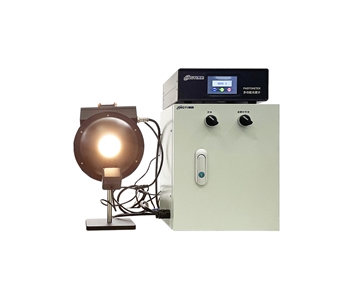
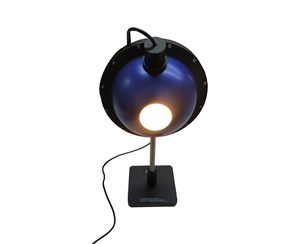
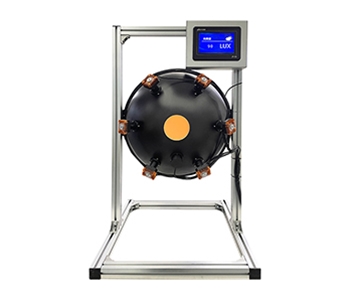
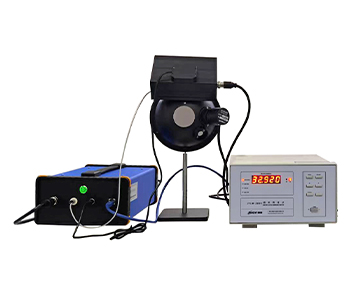
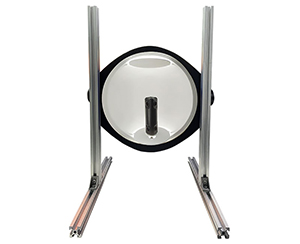
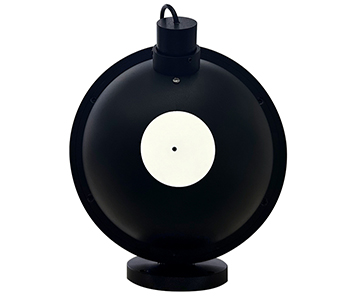
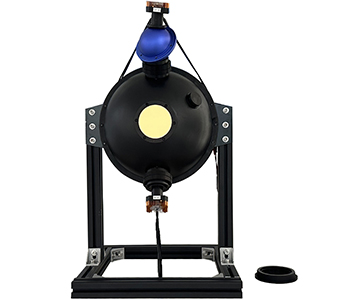
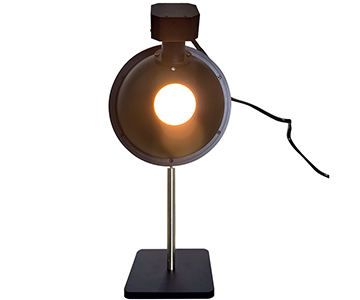
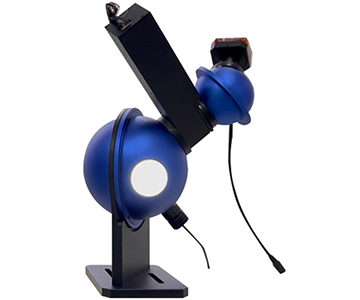
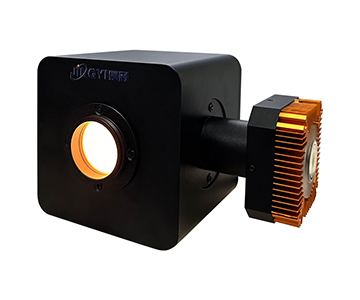
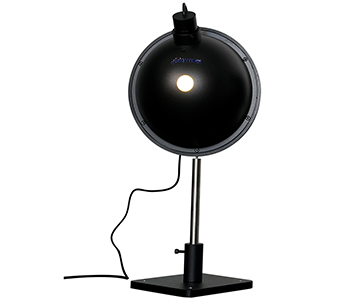
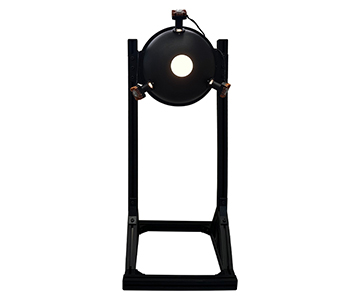
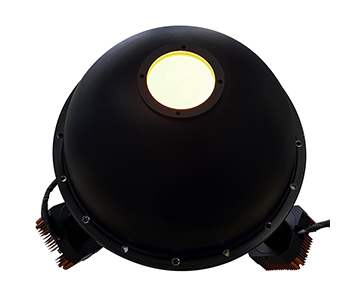
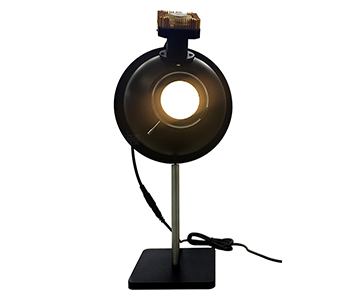
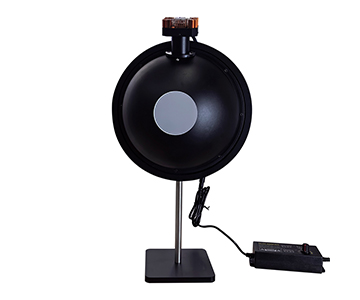
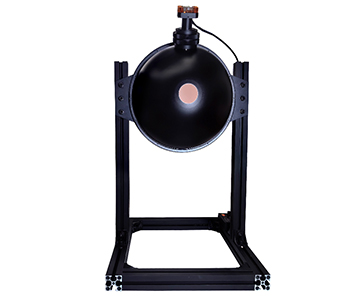
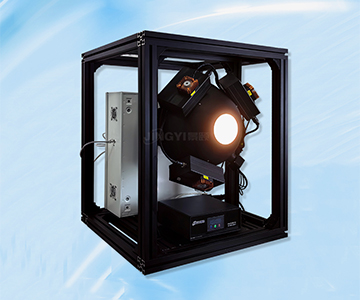
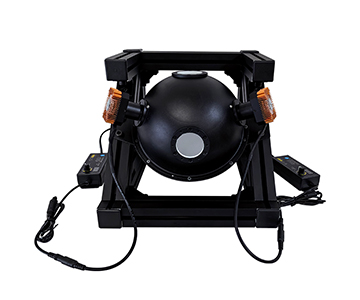
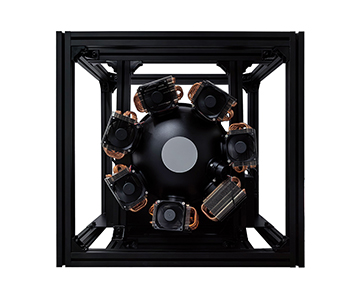
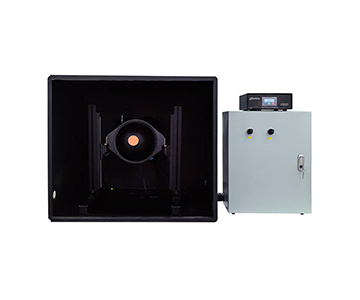
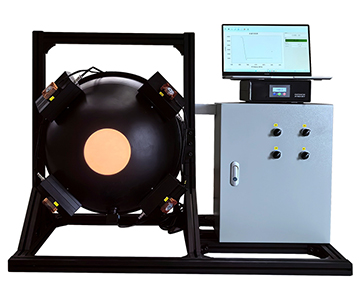
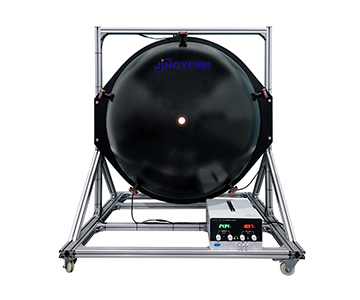
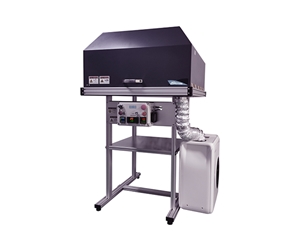
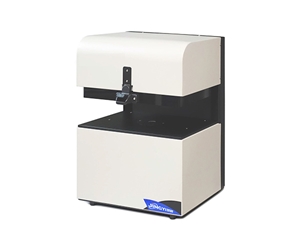
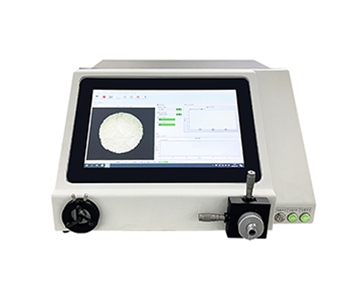
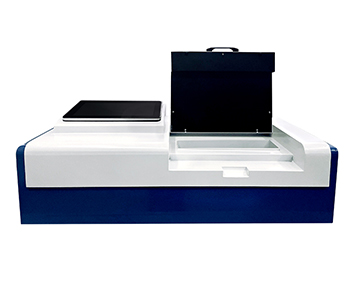
In the field of optical measurement, the optical integrating sphere holds a significant position as a professional instrument. Also known as a luminous flux sphere or photometric sphere, its essence is a hollow, complete spherical shell structure.
From a material perspective, optical integrating spheres are manufactured from various materials. Common ones are made from metal, with the inner wall coated with a white, highly diffuse reflective layer, such as magnesium oxide. Additionally, some optical integrating spheres use high-reflectance polymer materials, like Spectralon. Jingyi Optoelectronics' optical integrating spheres, however, utilize a diffuse reflective coating characterized by high stability, excellent Lambertian properties, and high diffuse reflectance. This coating is resistant to yellowing and peeling, effectively ensuring test results.
The working principle of an optical integrating sphere is based on multiple reflections of light. When a light source illuminates the sphere wall, the illuminance at any point results from the superposition of illuminance produced by multiple light reflections. Light entering the sphere undergoes multiple reflections off the inner wall coating, creating uniform illuminance across the inner surface.
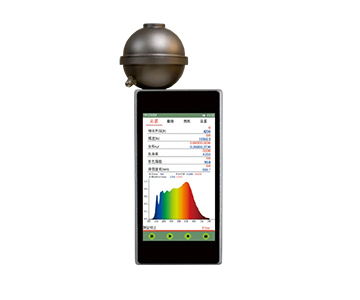
In terms of industry applications, the optical integrating sphere has a wide range of uses. It is commonly employed for testing key parameters of light sources such as luminous flux, color temperature, and luminous efficacy. It can also be used to accurately measure the reflectance and transmittance of objects. Common color measurement instruments based on integrating sphere geometry include the d/8 structure and the d/0 structure. For d/8 structure colorimeters, two measurement modes are available: SCI and SCE. Using the SCI measurement mode effectively eliminates the interference of the object's surface texture on color measurement, thereby obtaining the object's true color characteristics.
An ideal optical integrating sphere must satisfy a series of strict conditions. Firstly, the inner surface must be a complete geometric sphere with a constant radius everywhere. Secondly, the inner wall should be a neutral, uniformly diffusing surface, exhibiting the same diffuse reflectance for incident light of various wavelengths. Furthermore, there should be no objects inside the sphere, and the light source is considered an abstract entity that emits light but has no physical presence.
However, in practical applications, several factors affect the measurement accuracy of an optical integrating sphere. For instance, the inner wall must be a uniform ideal diffusing layer obeying Lambert's cosine law. The reflectance at all points on the inner wall must be equal. The diffusion of the white coating on the inner wall must be neutral. The sphere radius must be constant everywhere, and no objects other than the light source should exist inside the sphere. Phenomena such as pilling, peeling, or yellowing on the inner wall of the integrating sphere will adversely affect its measurement accuracy.
Jingyi Optoelectronics holds certifications with a 99.8% factory pass rate; possesses PTFE high-reflection coating (average reflectance 99%) and customization capabilities for various sizes/ports; provides comprehensive pre-sales and after-sales technical support.
Applicable Scenarios: High-precision optical metrology such as LED luminous flux testing, laser power measurement, display color correction, environmental monitoring.
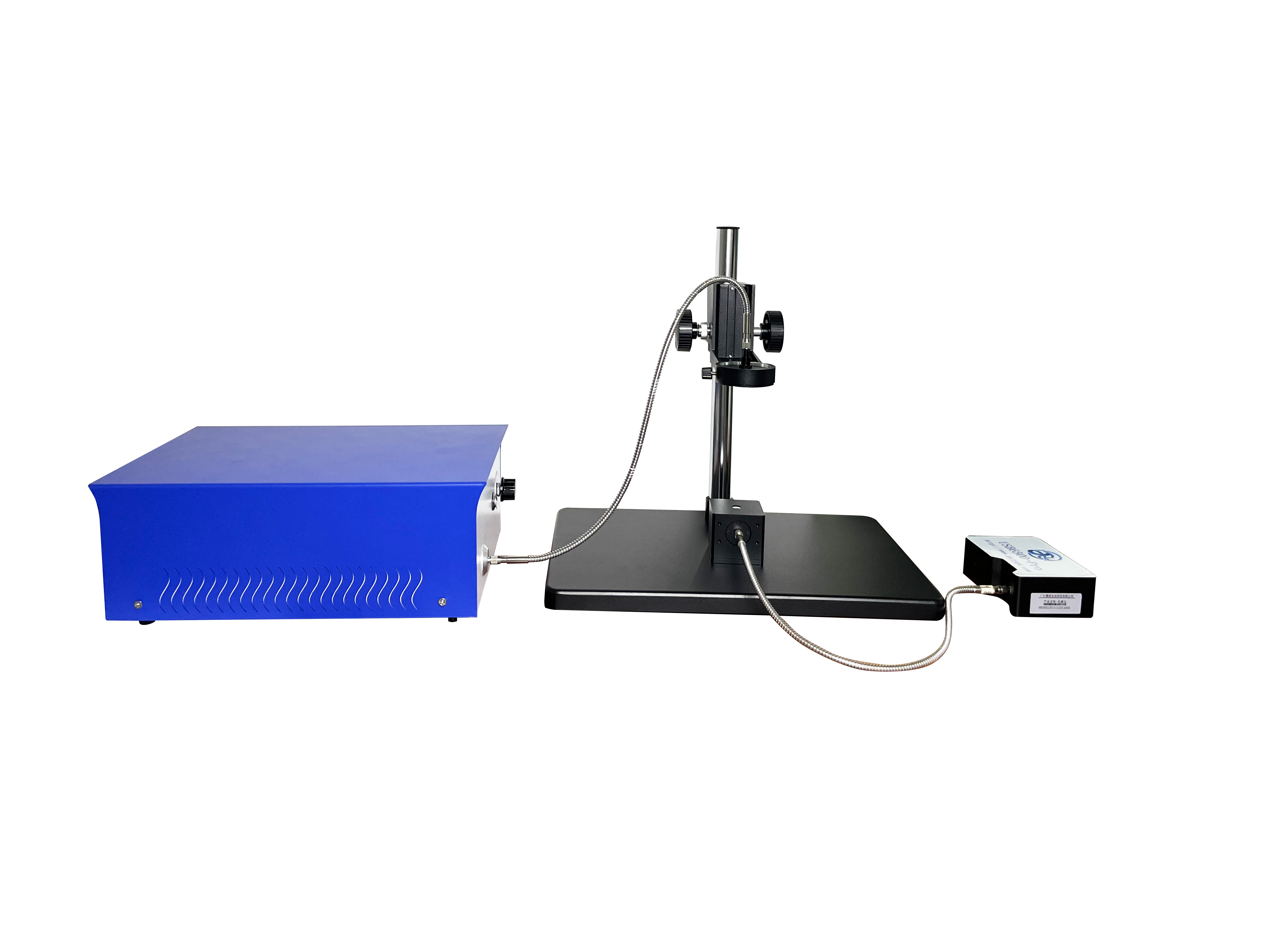
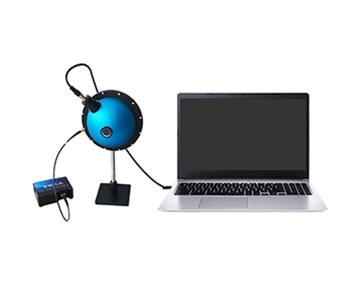
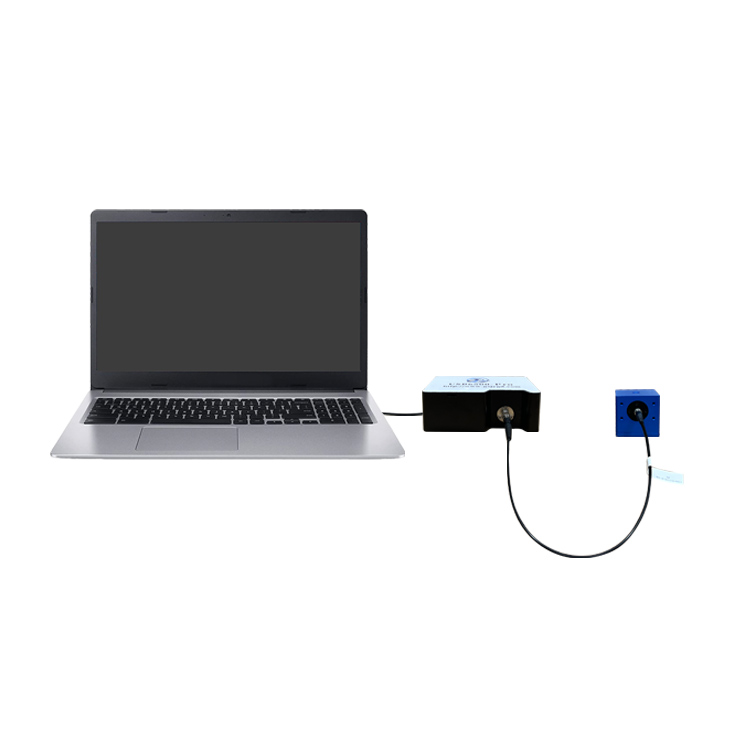
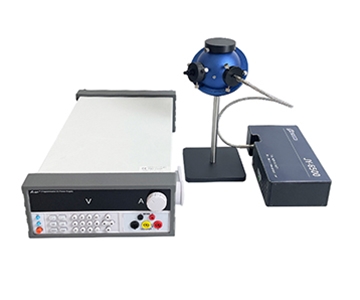
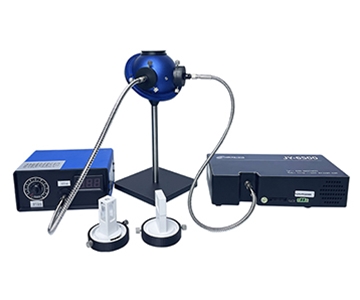
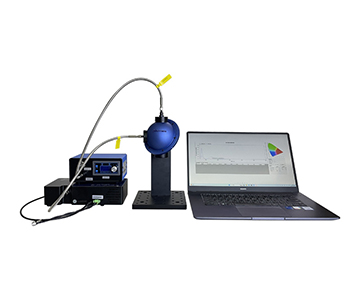
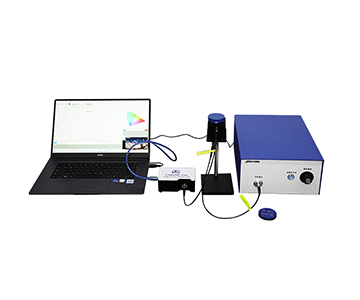
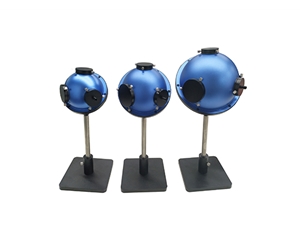
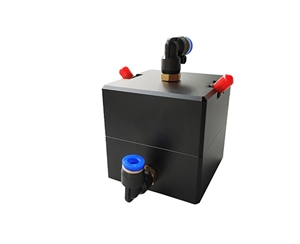
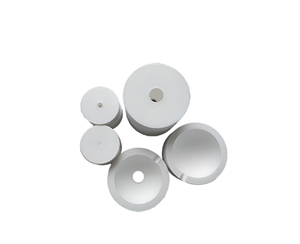
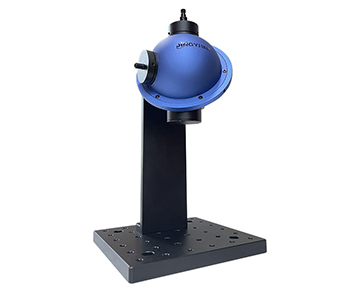
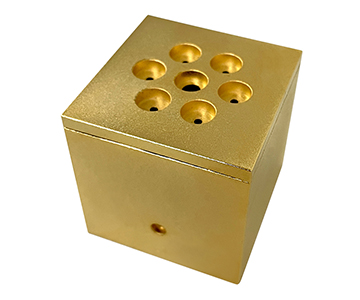
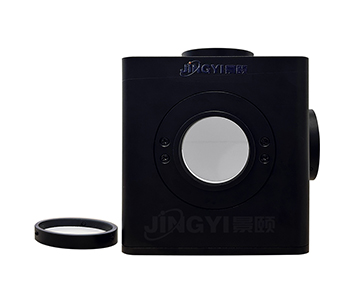
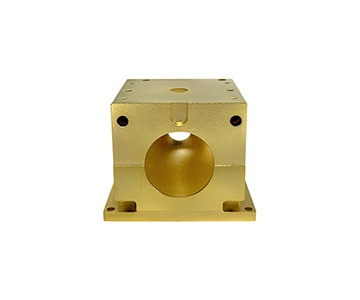
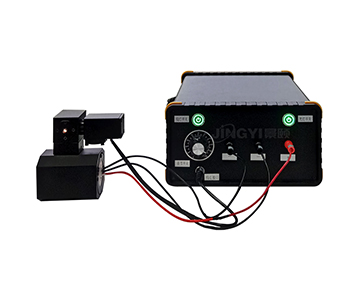
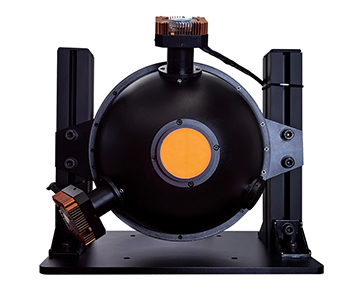
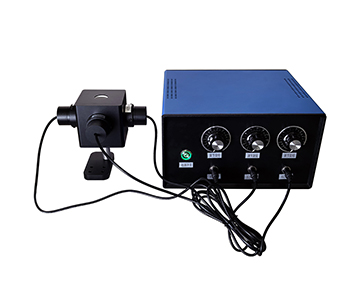
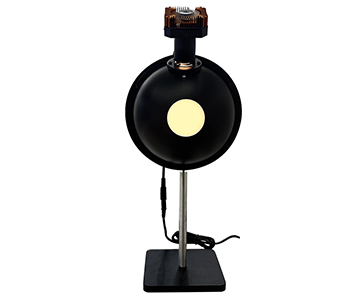
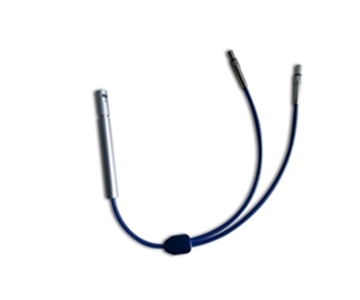
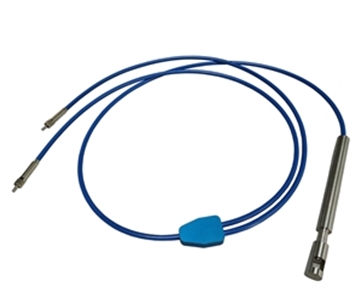
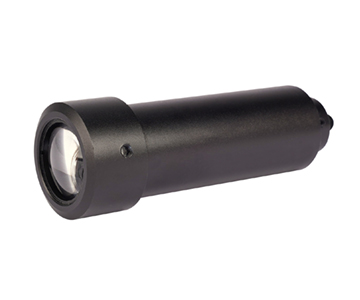
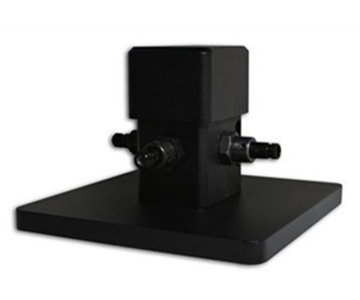
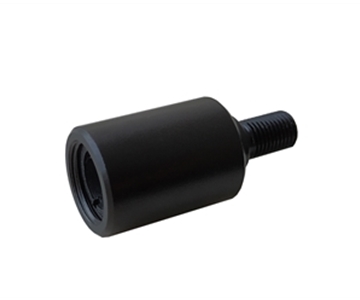
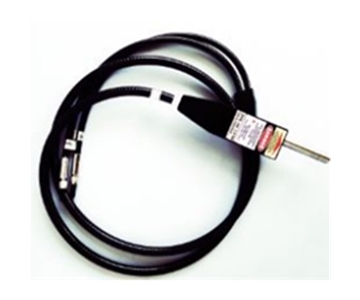
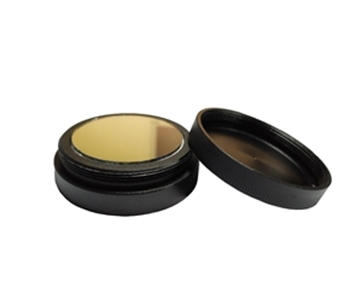
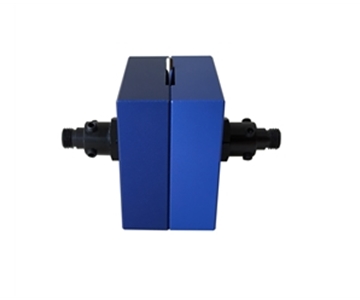
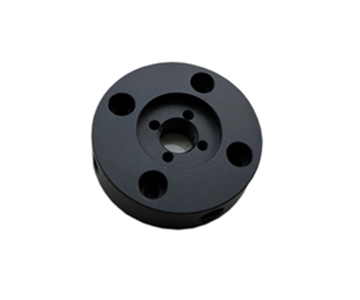
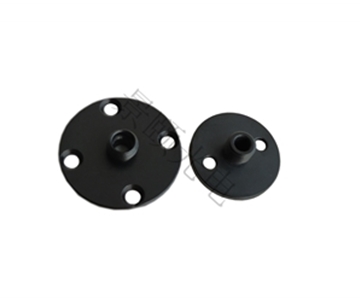
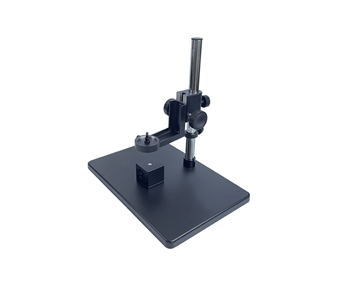
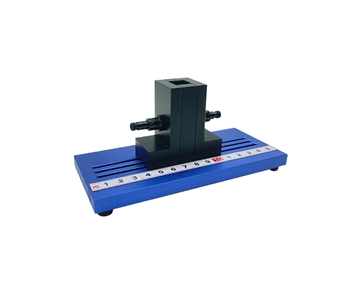
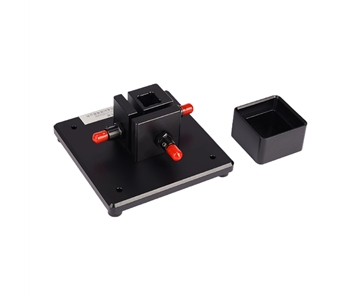
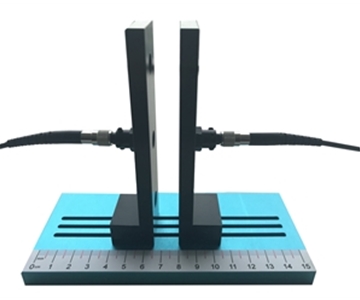
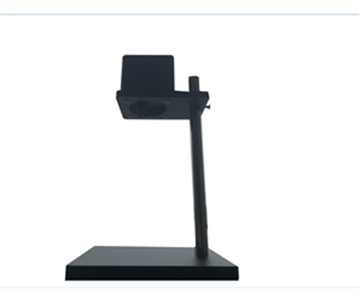
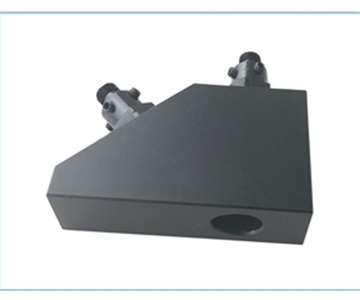
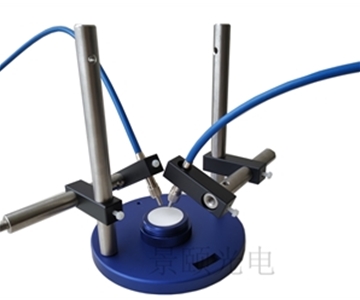
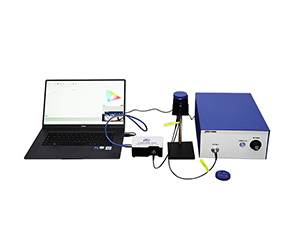
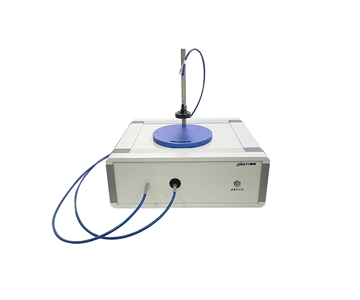
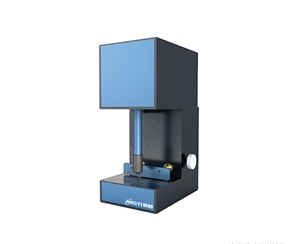
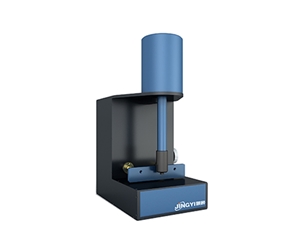
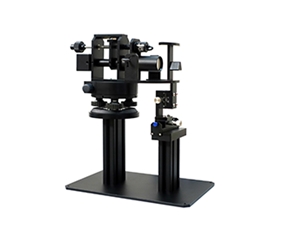
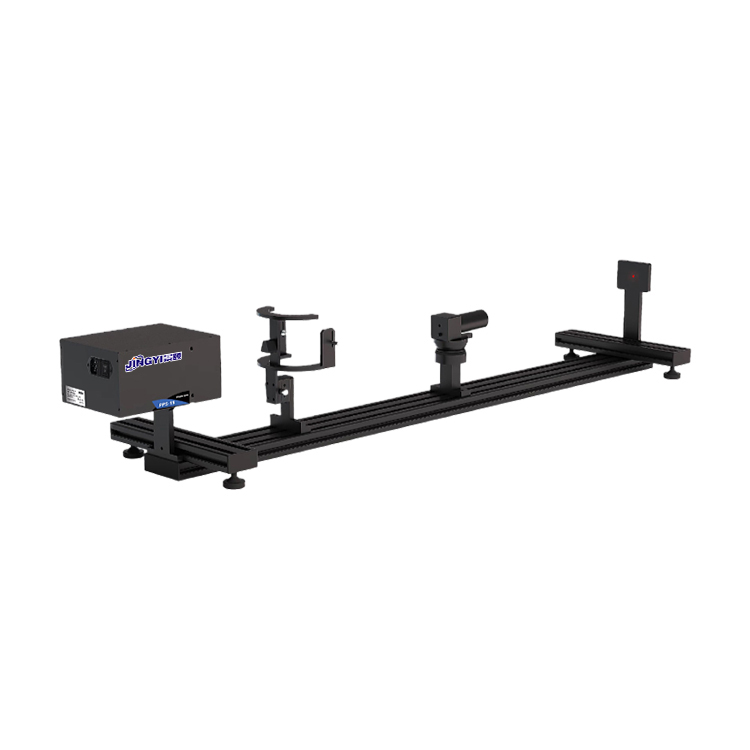
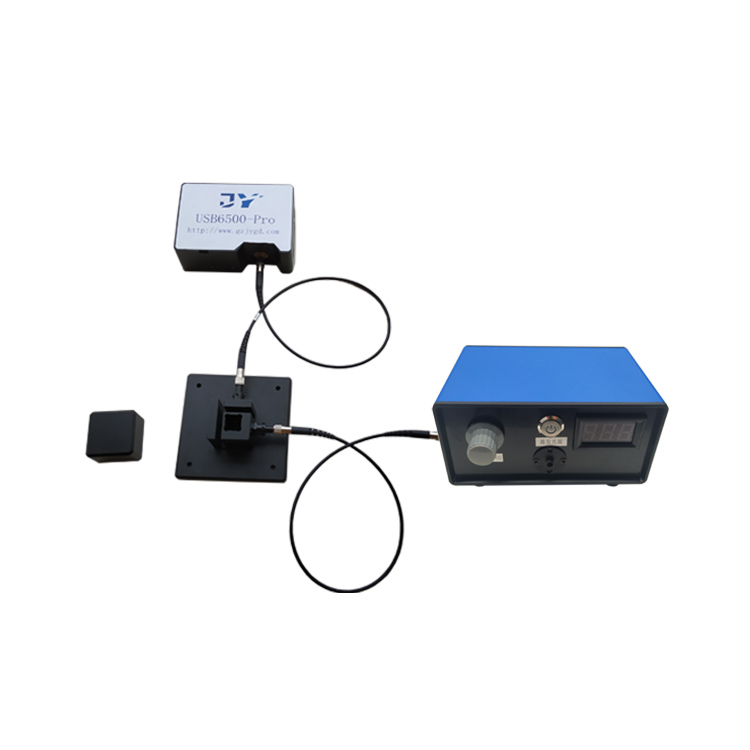
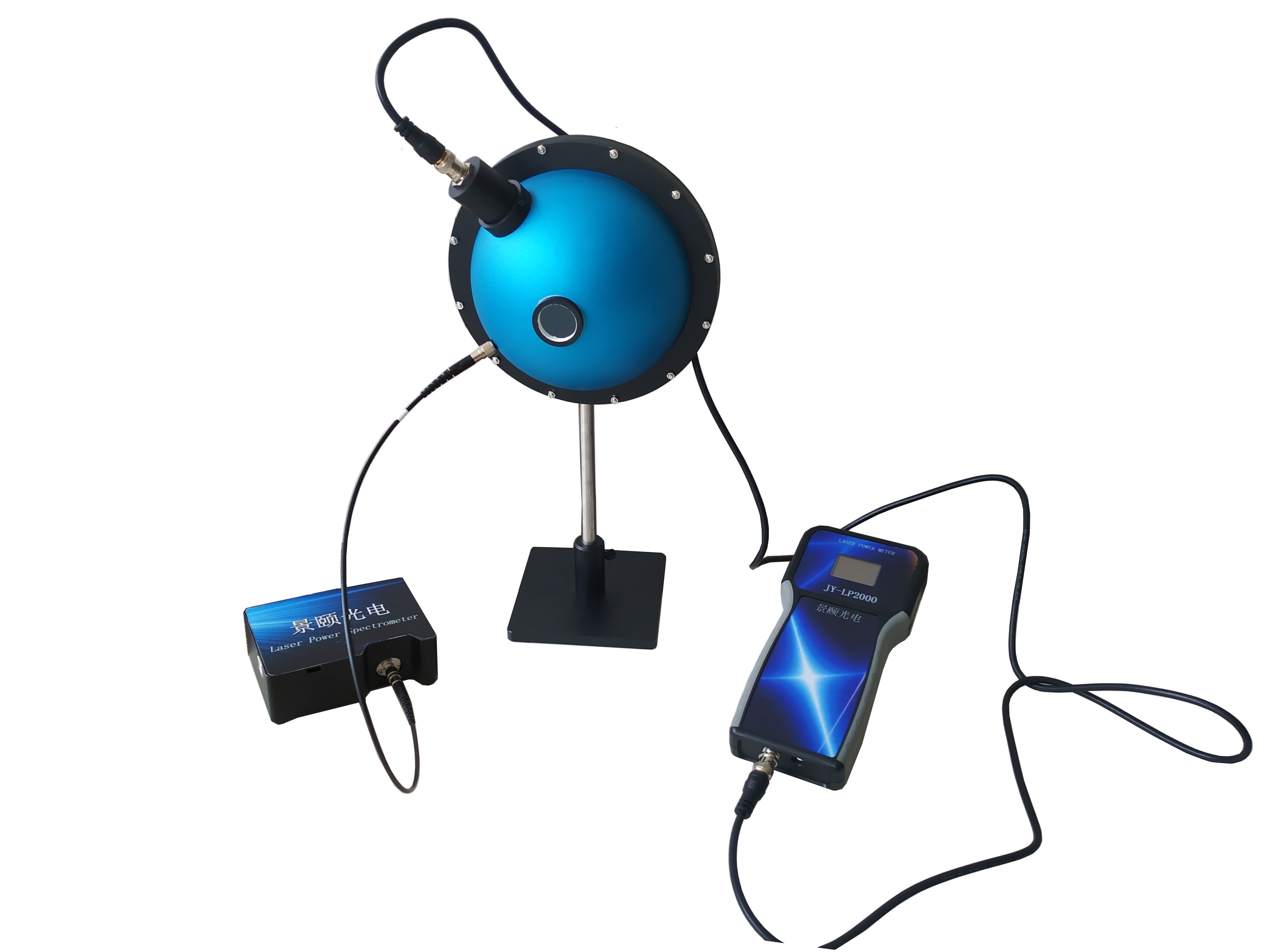
The JY-FIOS100 universal spectral optical integrating sphere launched by Jingyi Optoelectronics holds certain advantages in the industry. It is suitable for building various spectral measurement systems, offering high cost-performance and strong versatility. When paired with appropriate accessories, it can be used in diverse scenarios such as uniform light sources, laser power and spectrum measurement, transmittance measurement, and reflectance measurement. This optical integrating sphere features universal ports, allowing for quick installation of corresponding accessories based on different applications, meeting the demand for "one sphere, multiple uses" with simple operation and flexible use. Customers can also customize the port size and position according to specific requirements, further enhancing its applicability.
#OpticalIntegratingSphere #LaserIntegratingSphere #StandardIntegratingSphere #GoldPlatedIntegratingSphere #InfraredIntegratingSphere #IntegratingSphere