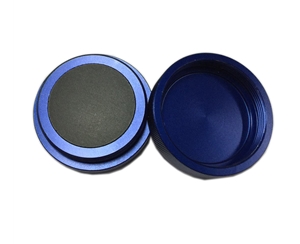
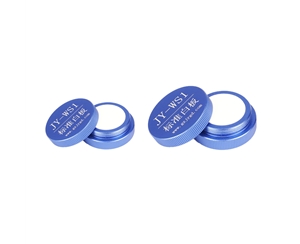
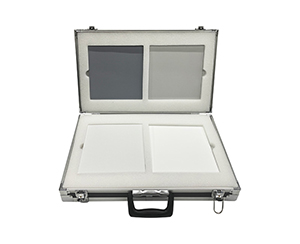
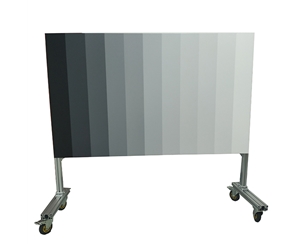
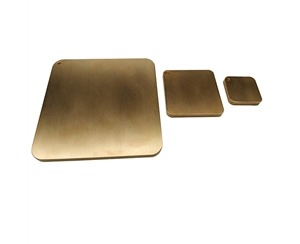
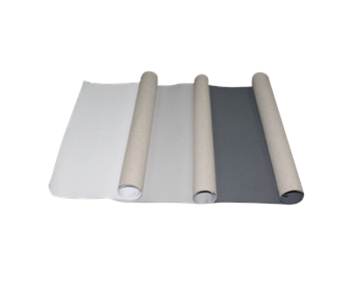
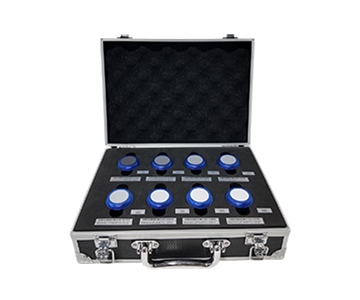
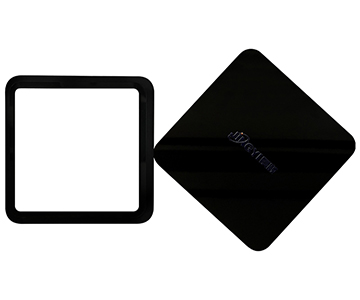
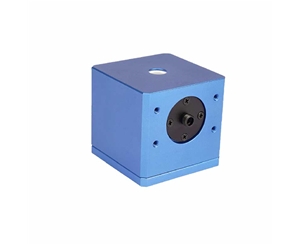
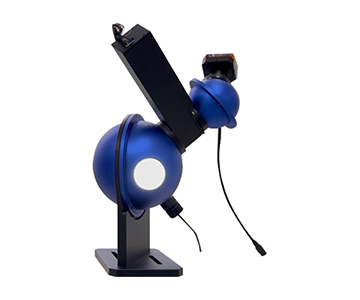
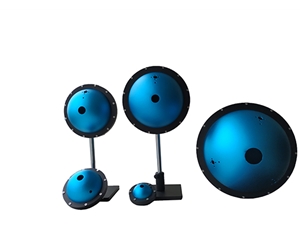
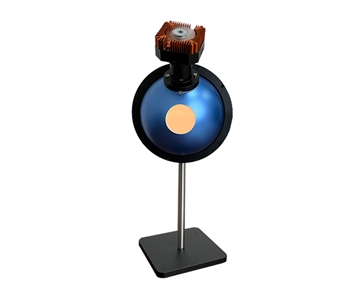
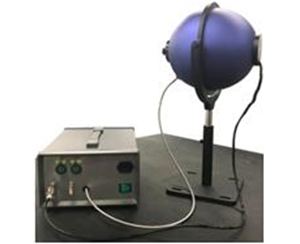
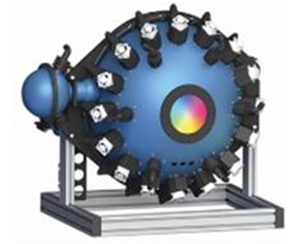
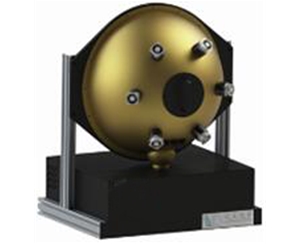
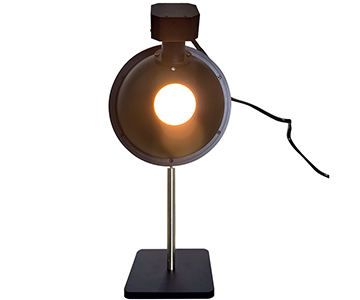
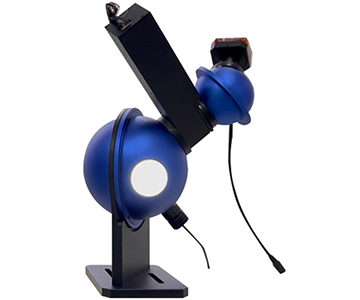
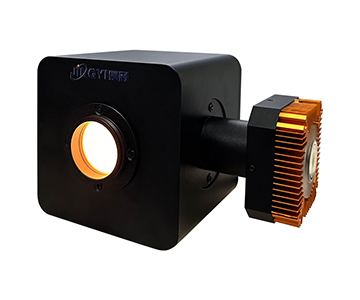
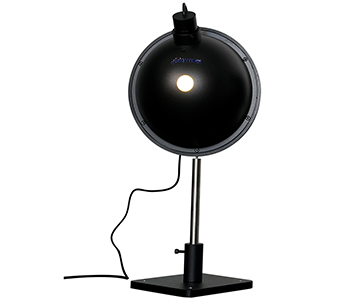
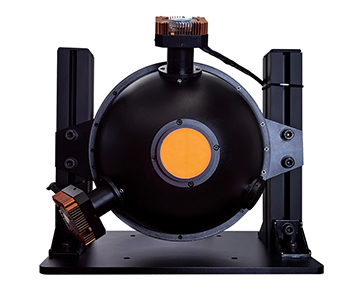
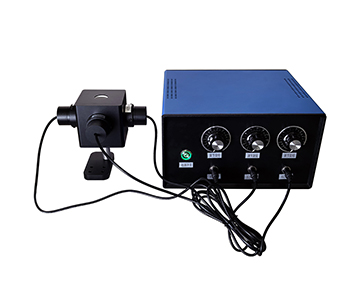
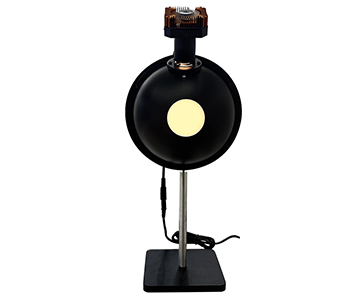
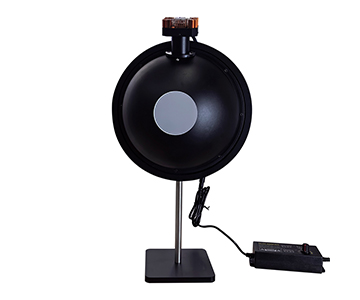
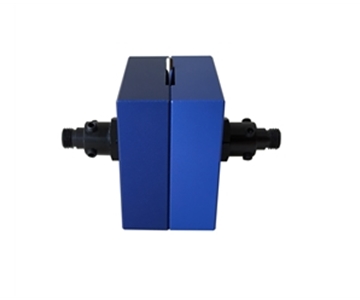
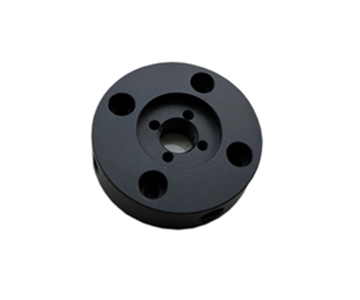
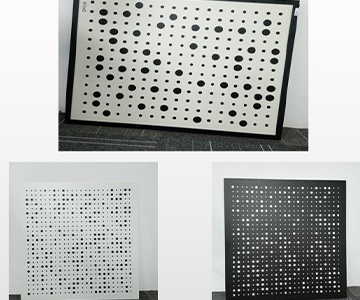
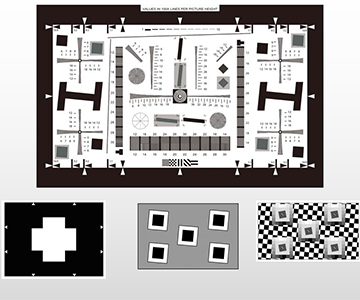
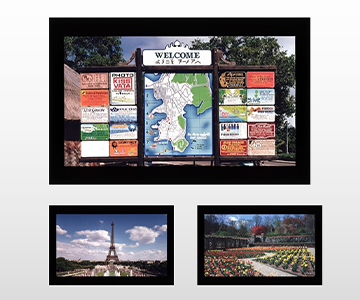
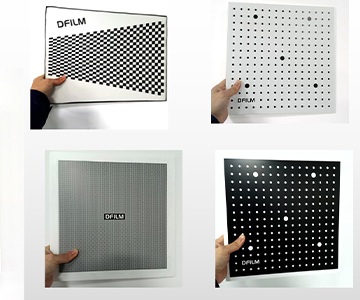
The core optical component for addressing such issues is the diffusion/diffuse reflection homogenizing plate.
In fields including industrial machine vision inspection, autonomous driving perception calibration, and 3D sensing testing for consumer electronics, insufficient illumination uniformity and distorted reflection signals have long been fundamental bottlenecks limiting measurement accuracy. For instance, during machine vision inspection of highly reflective metal parts or smartphone displays, direct illumination easily produces visible LED pixel imaging and localized overexposure on the target surface—leading to missed defect detection. Similarly, during LiDAR calibration or Time-of-Flight (TOF) distance measurement testing, unstable reflectance and poor Lambertian characteristics of the reflection target directly introduce ranging errors—and may even compromise perception safety in autonomous driving systems.
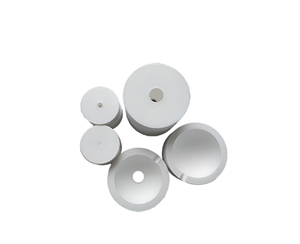
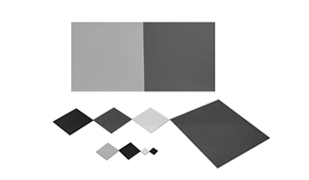
Its operating principle relies on scattering particles embedded within the substrate and a micro-structured, matte-finished surface layer to refract and scatter incident light across multiple angles. This converts highly directional collimated light into near-Lambertian light—i.e., light with nearly uniform radiance across all emission angles—thereby eliminating, at the source, image distortion and signal distortion caused by light concentration. Depending on application requirements, such homogenizing components can be flexibly tailored via material selection and precision adjustment of surface microstructures to match specific transmittance and diffusion-grade specifications:
- **High-transmittance, low-diffusion** variants deliver moderate diffusion performance with optical loss controlled within 10%, making them ideal for general-purpose inspection scenarios demanding high light intensity;
- **Medium-transmittance, medium-diffusion** versions achieve >85% intra-surface illumination uniformity with ~25% brightness loss, satisfying the majority of standard industrial vision inspection needs;
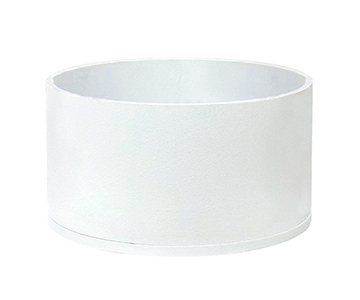
- **High-diffusion, opaque white** plates offer >95% uniformity and ~40% brightness loss—specifically engineered for ultra-high-reflectivity workpieces and high-precision imaging applications.
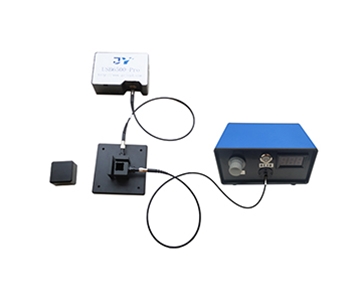
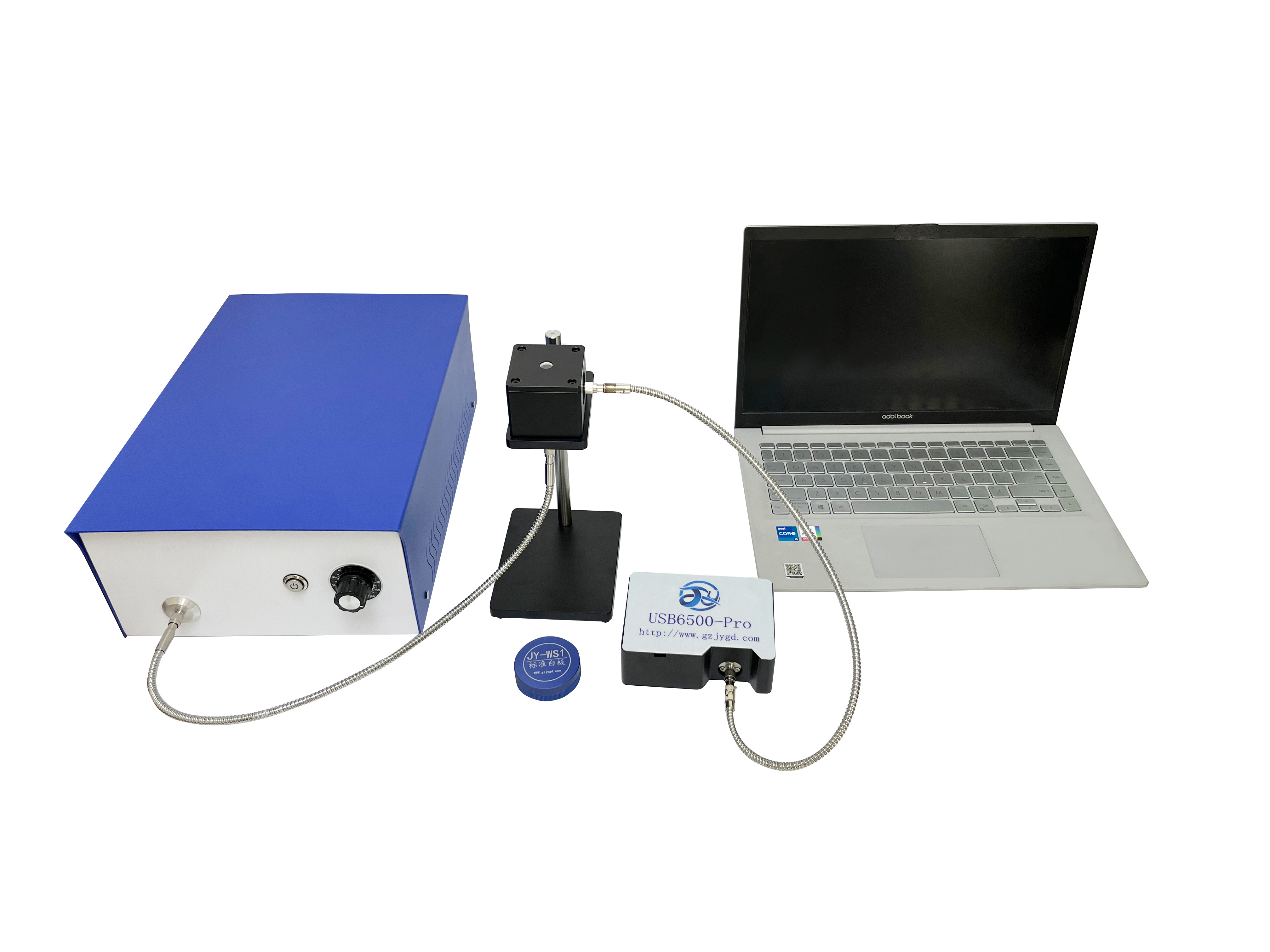
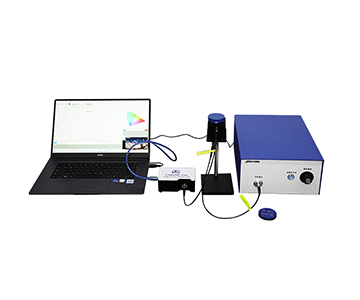
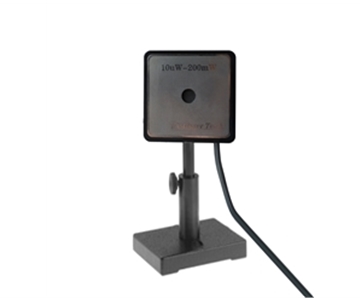
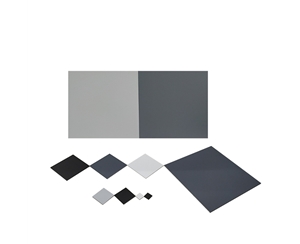
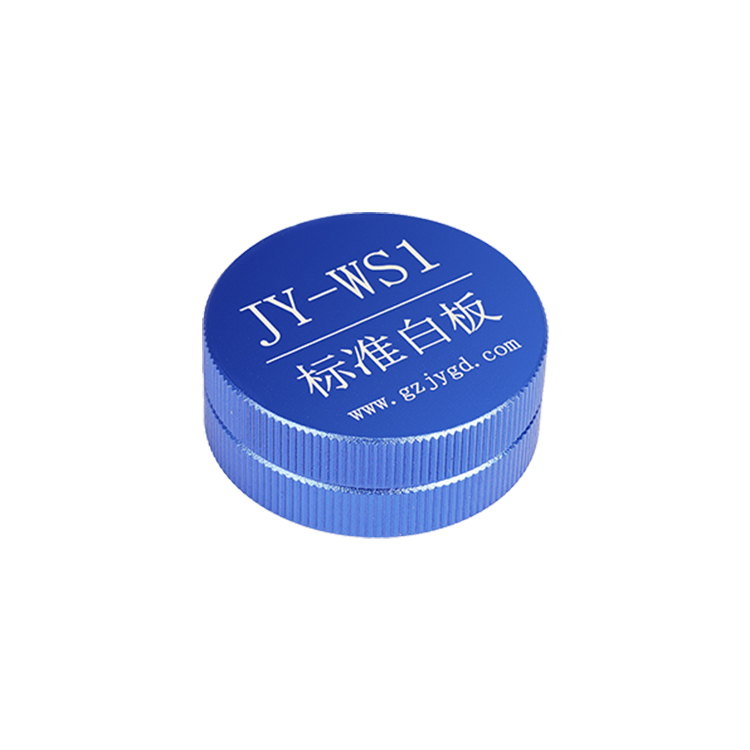
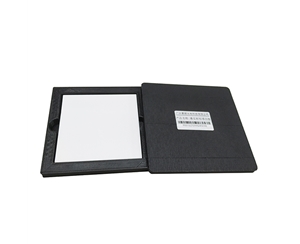
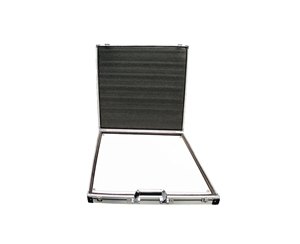
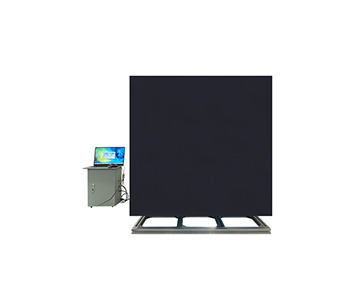
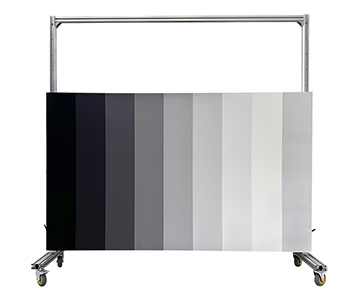
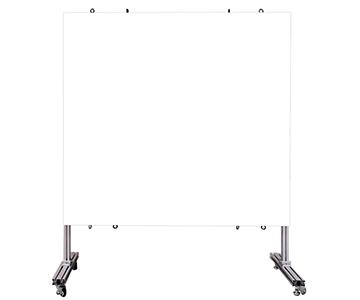
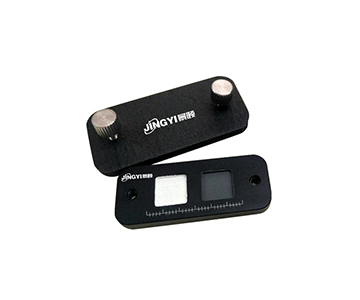
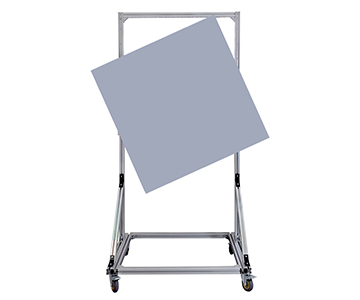
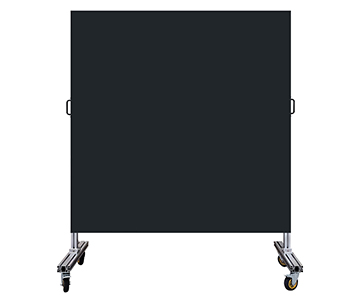
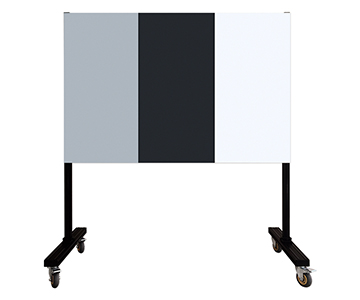
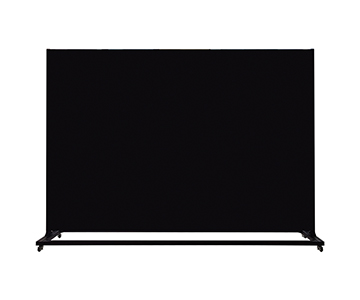
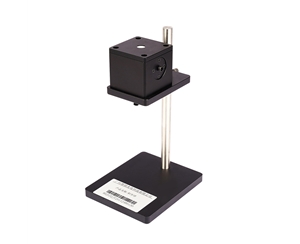
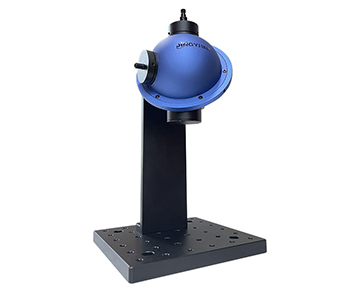
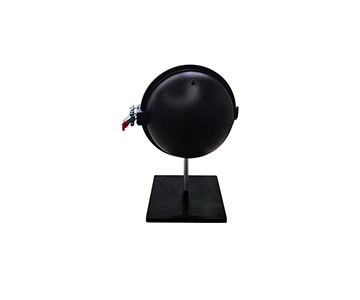
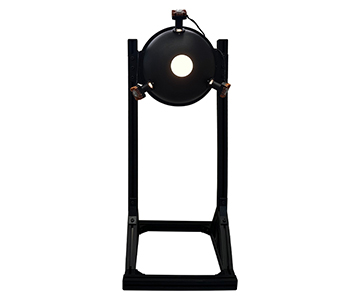
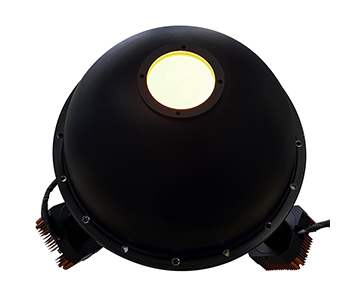
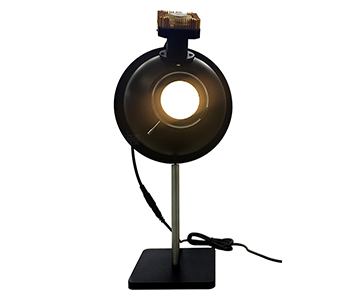
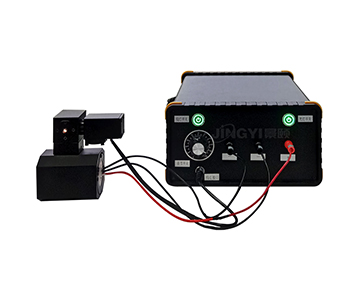
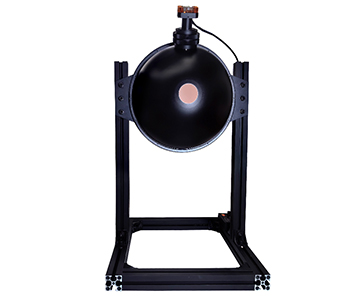
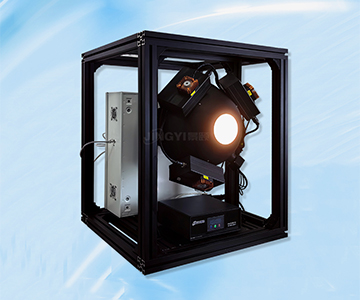
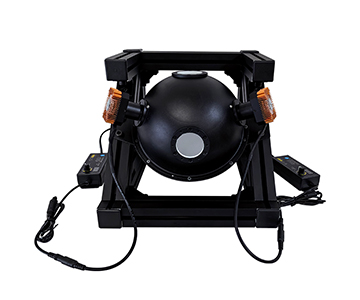
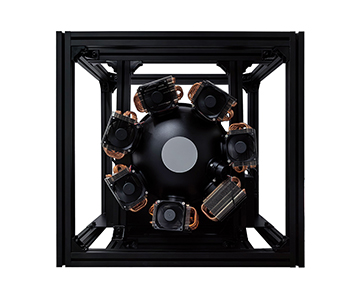
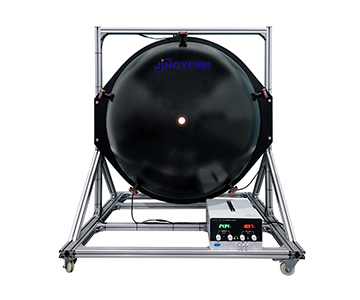
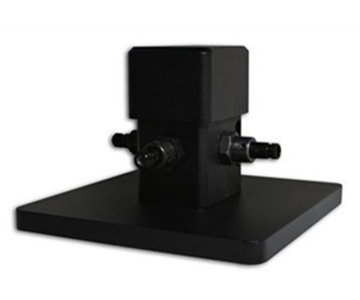
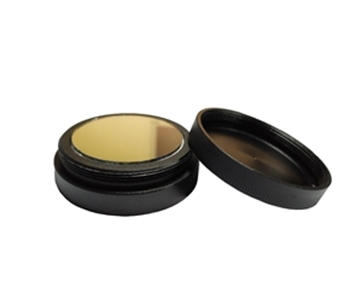
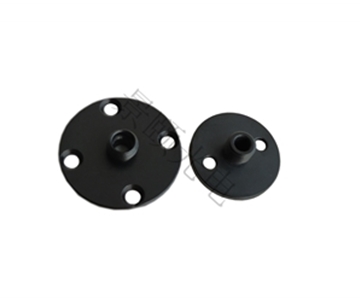
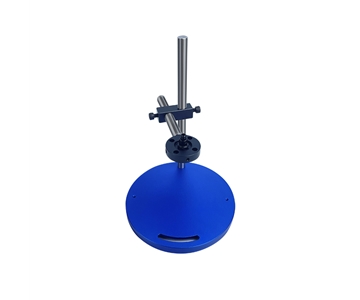
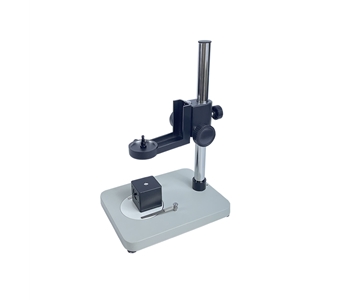
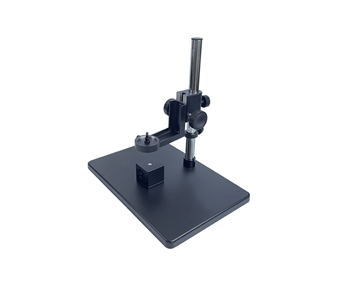
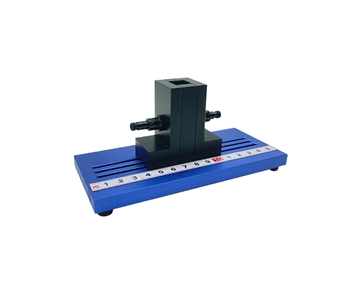
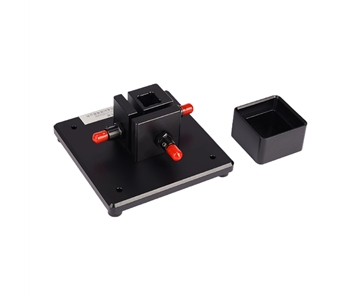
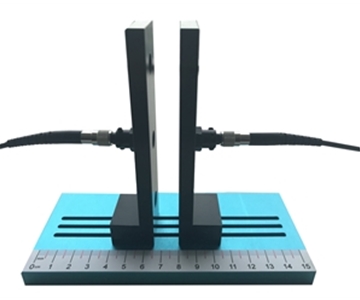
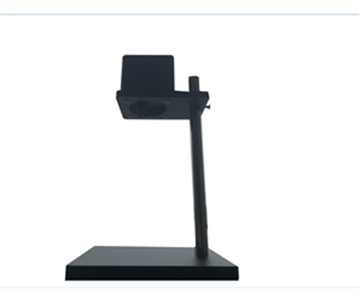
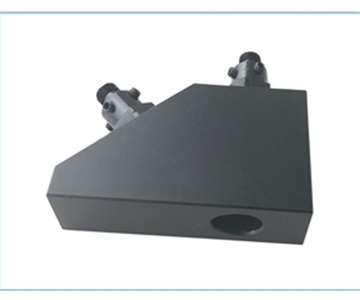
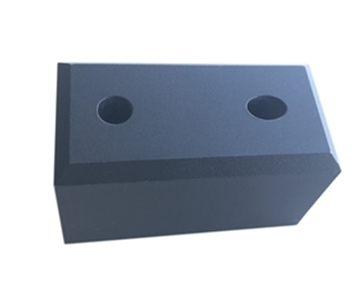
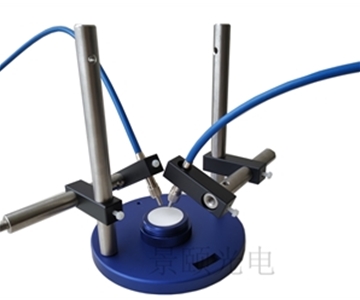
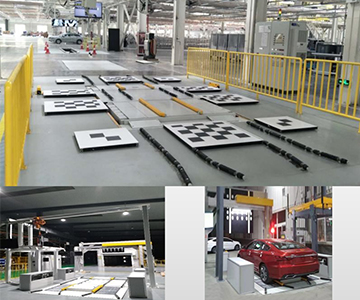
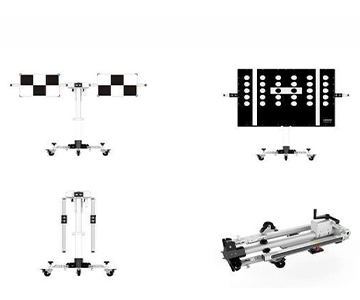
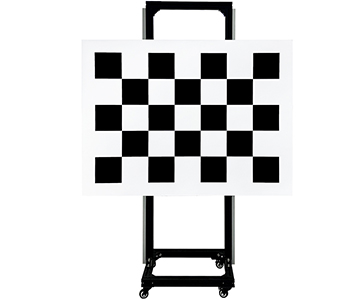
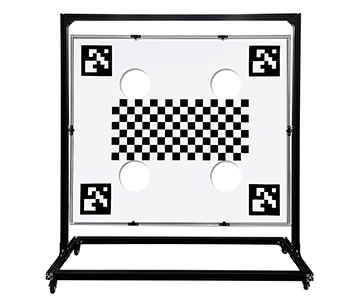
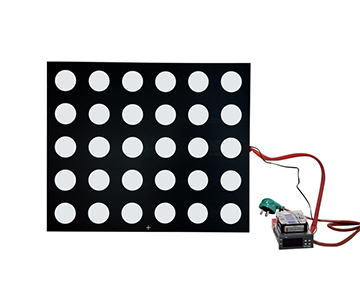
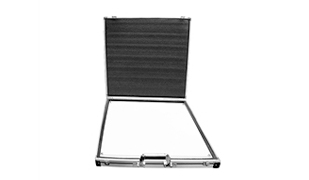
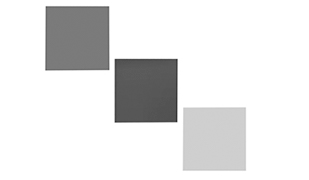
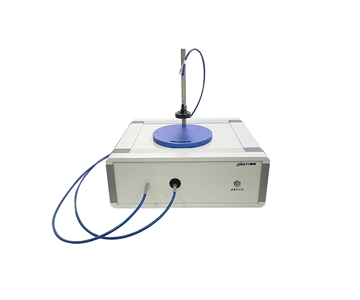
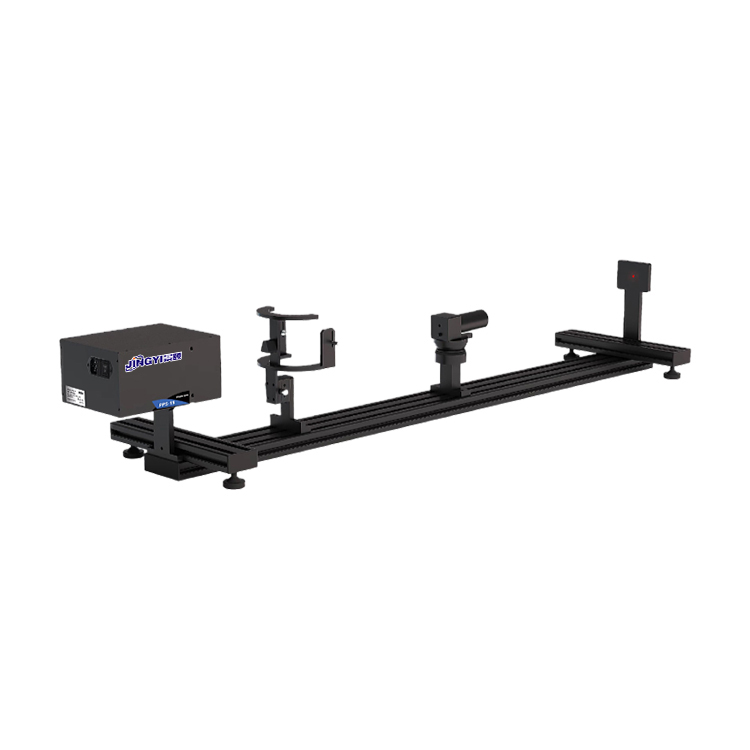
To meet calibration requirements in active-emission testing scenarios, Jingyi Optoelectronics has independently developed a custom-mounting-bracket-equipped diffuse reflection calibration board with a precisely engineered 40% reflectance—optimized for the mainstream 905 nm operational wavelength used in today’s LiDAR and TOF devices. Its spectral response flatness error is maintained within ±1%, closely approximating ideal Lambertian reflectance. Every unit undergoes third-party professional reflectance calibration prior to shipment and is accompanied by a full set of certified test reports. The achieved reflectance accuracy significantly exceeds industry-standard benchmarks—meeting stringent demands in automotive ADAS calibration, smartphone LiDAR scanner sensitivity testing, and spectral response performance validation. To date, this product has been successfully deployed across multiple leading autonomous vehicle OEMs and consumer electronics production-line inspection facilities, demonstrating measured calibration deviation reductions exceeding 60% versus comparable commercial alternatives.
When selecting diffusion plates for industrial machine vision lighting, choices must be adapted flexibly to both light source type and inspection context. For conventional linear lights, standard ring lights, and quad-adjustable lights, diffusion plates are optional accessories—typically employed only when inspecting highly reflective or glossy surfaces. In contrast, for specialized homogenizing sources—including area lights, shadowless ring lights, and planar shadowless lights—the diffusion plate constitutes an essential, non-removable core component; omission renders true shadowless illumination unattainable. Furthermore, mounting distance critically influences homogenization performance: the greater the spacing between the diffusion plate and the light-emitting diodes (LEDs), the longer the light-scattering path—and thus the better the homogenization effect. At distances ≥10 mm, even high-transmittance diffusion plates can achieve uniformity approaching that of integrated area-light modules; many commercially available area lights are, in fact, designed based on this principle. However, diffusion plates are not universally suitable. For example, 0° low-angle ring lights rely specifically on shallow incident angles to suppress specular reflection from highly reflective surfaces; adding a diffusion plate disrupts the intended angular distribution of incident light and may instead exacerbate localized glare—making such configurations generally unsuitable for diffusion plate integration.
As precision requirements continue rising across AI-powered vision inspection, autonomous driving perception, and 3D sensing domains, demand for customized diffusion and diffuse-reflection homogenizing components is growing rapidly. Jingyi Optoelectronics now offers a comprehensive portfolio of homogenizing plates spanning the full 200–2500 nm spectral range, with reflectance/transmittance customizable from 1% to 99%. Additionally, we provide fully customized mounting brackets and calibration services aligned with customer installation and metrology requirements—ensuring end-to-end coverage across applications ranging from consumer electronics production-line inspection to in-vehicle autonomous driving system calibration.
#DiffuseReflectionCalibrationBoard #LIDARDistanceMeasurementReflectionPlate #ReflectanceReferenceStandard #UAVCalibrationBoard #DiffuseReflectionStandard #DiffusionPlate