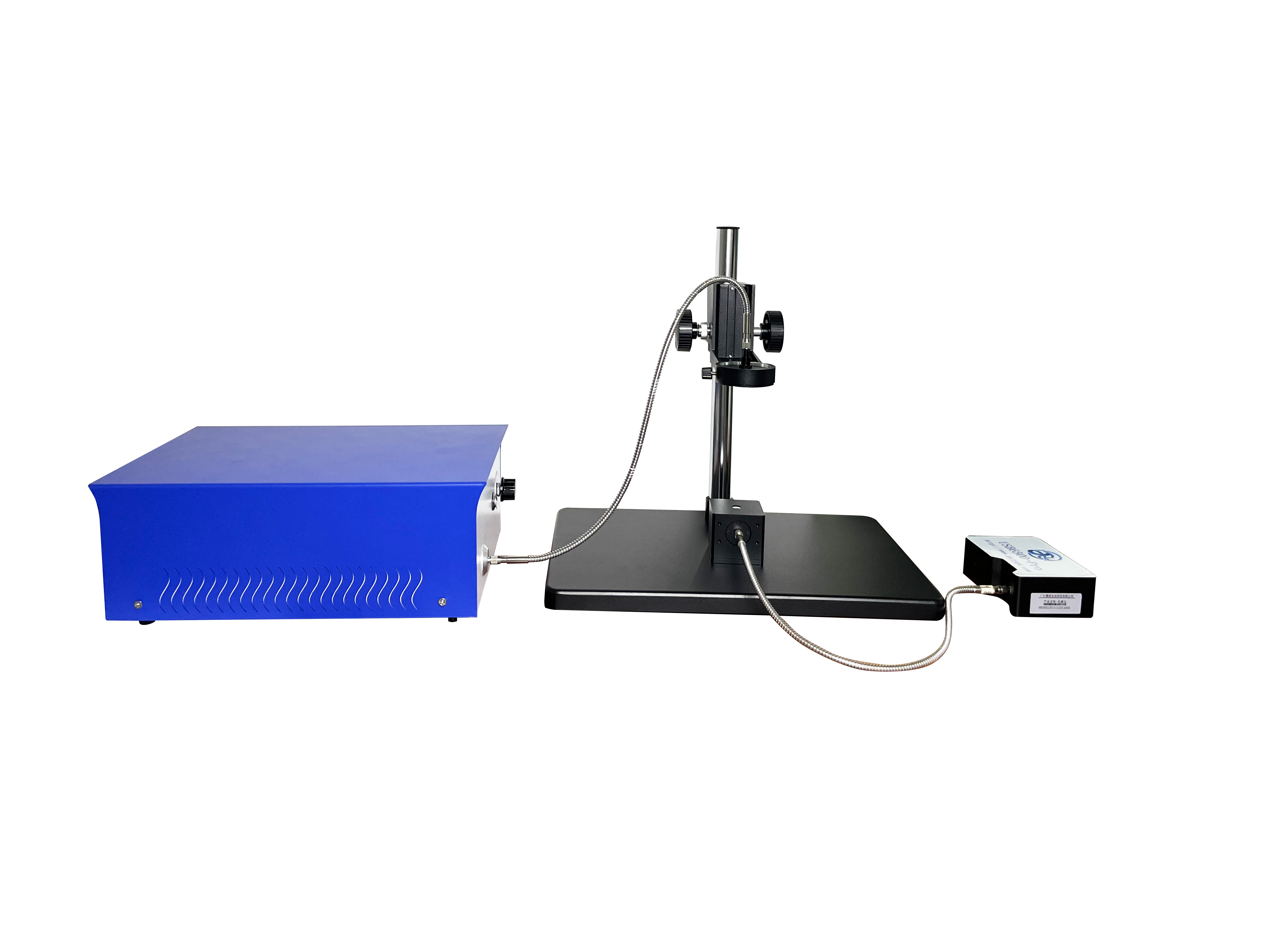
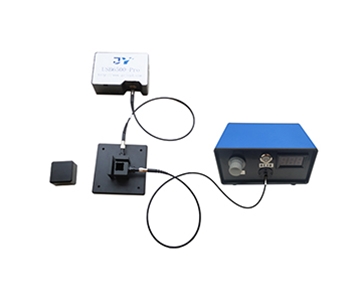
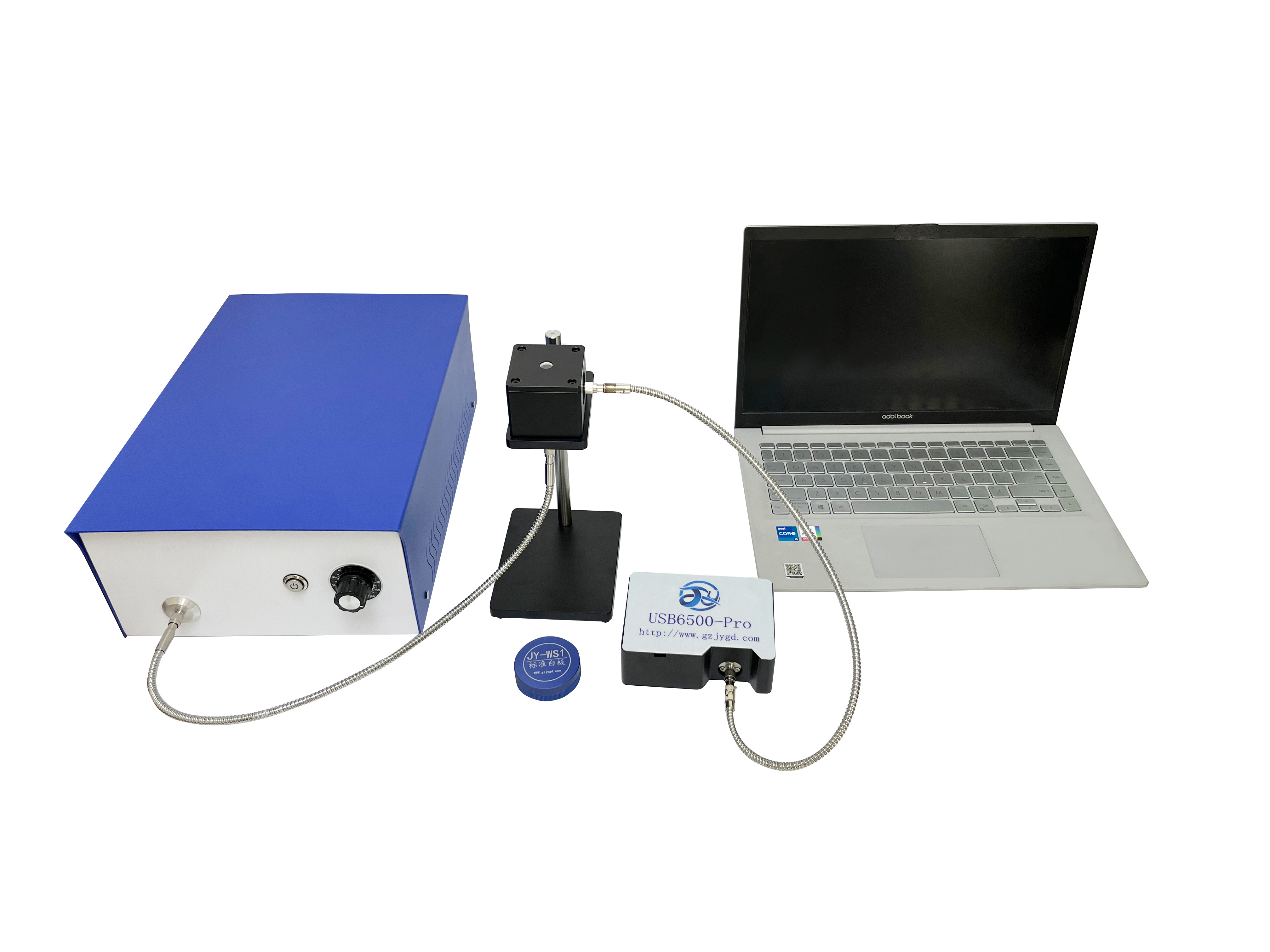
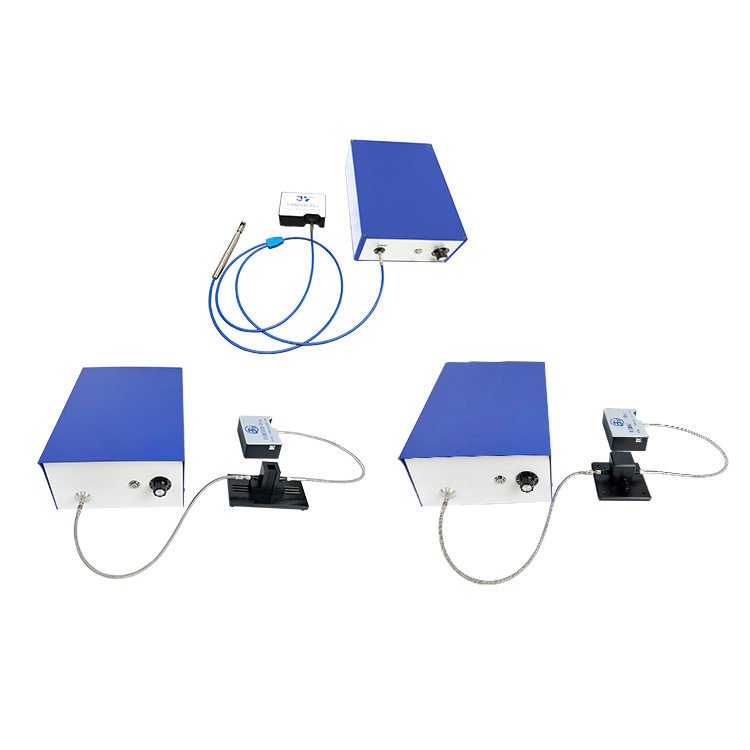
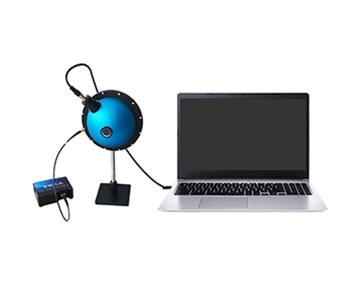
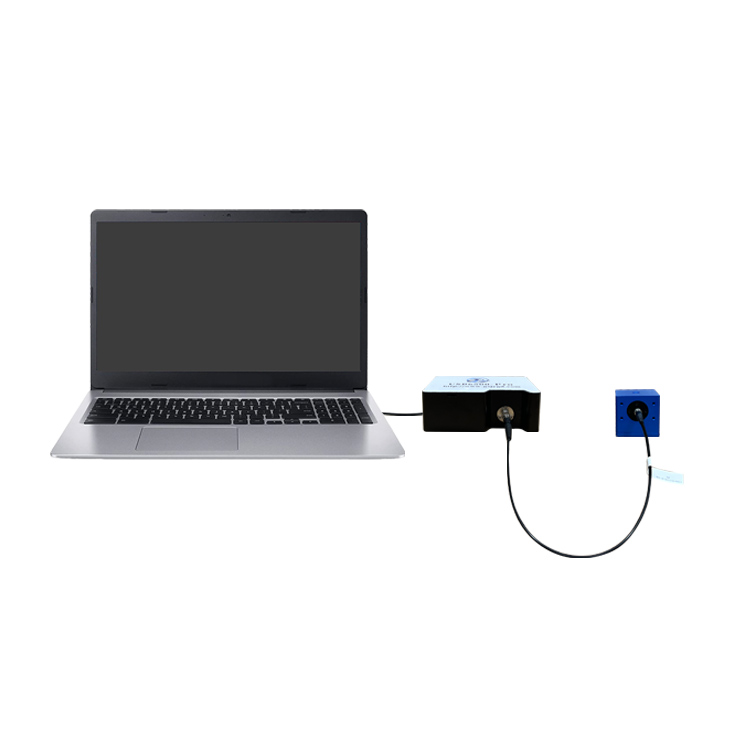
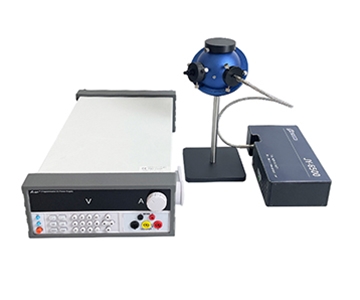
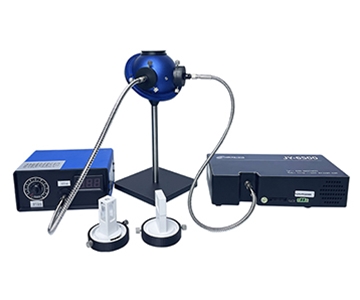
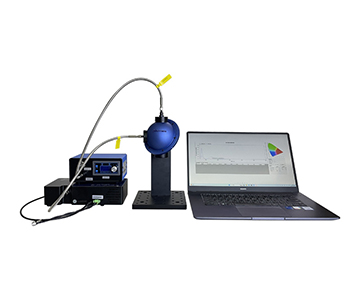
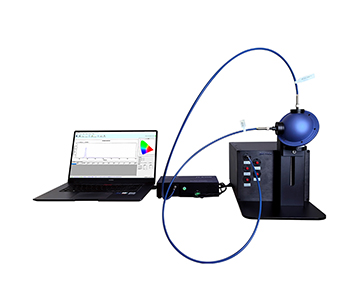
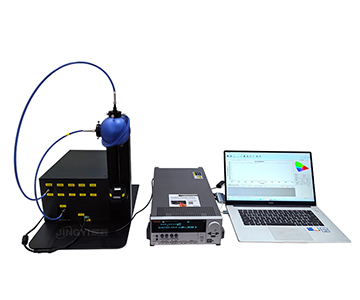
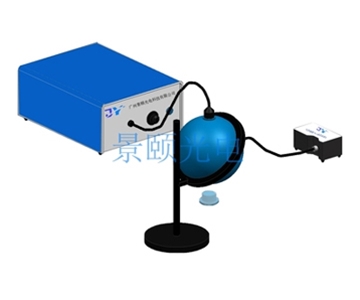
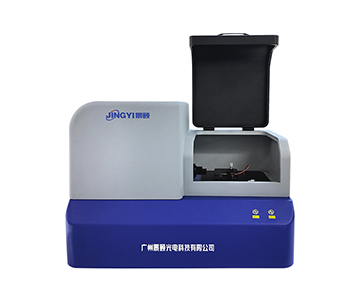
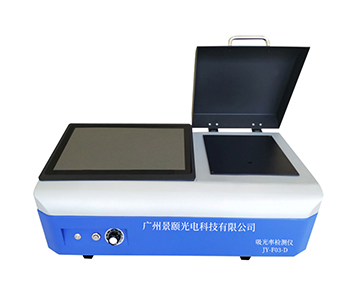
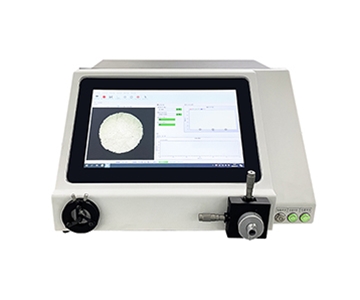
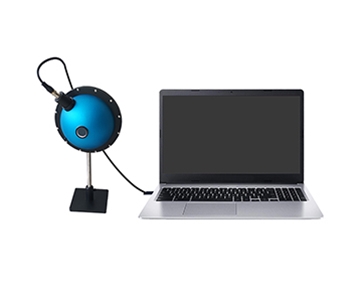
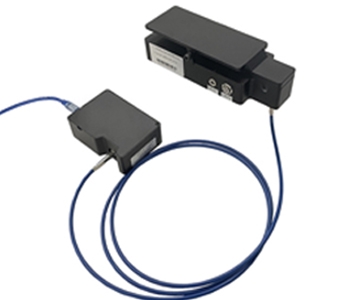
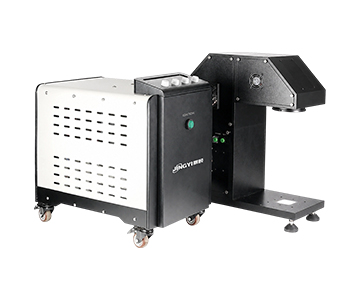
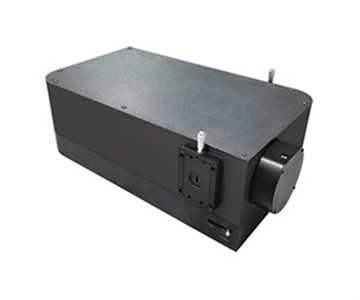
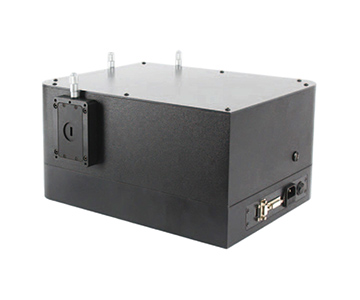
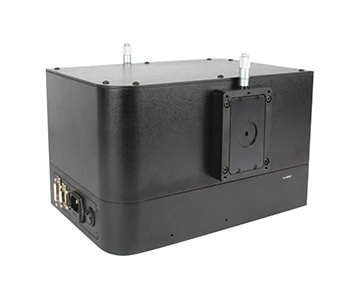
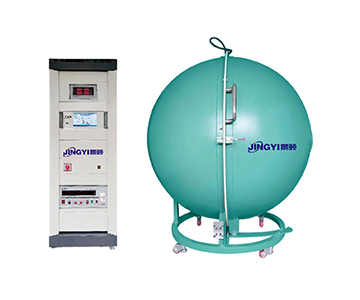
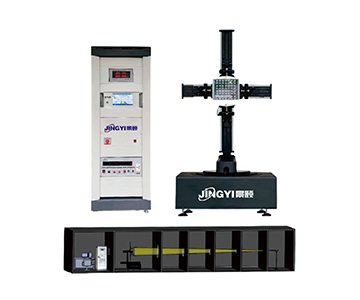
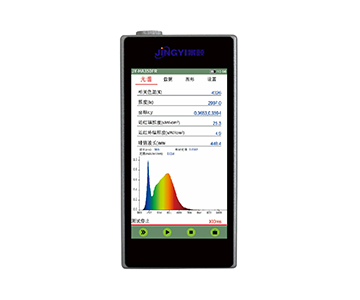
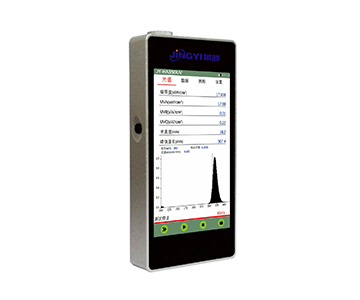
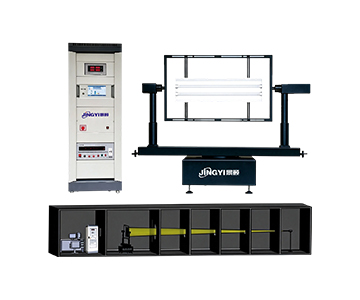
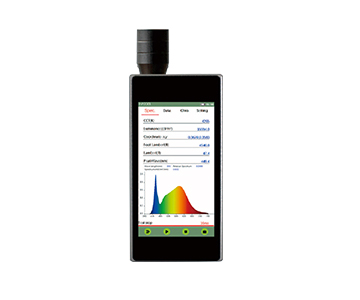
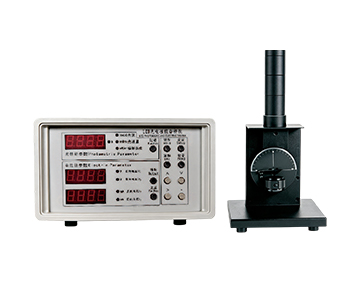
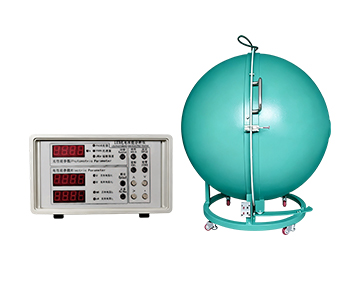
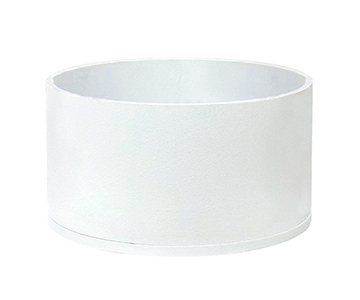
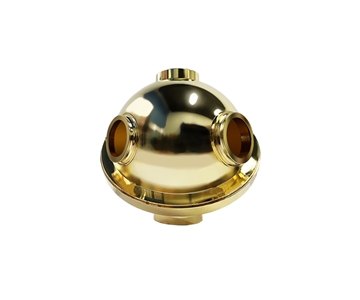
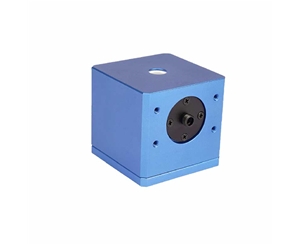
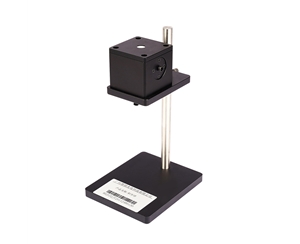
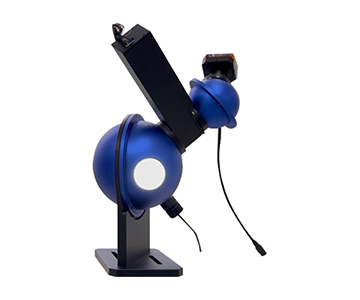
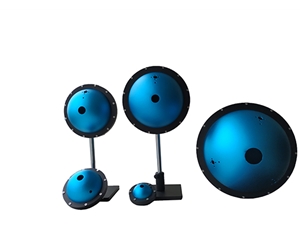
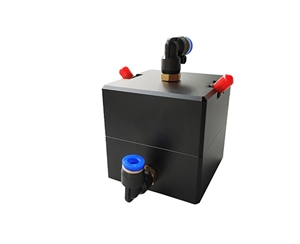
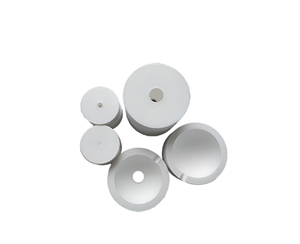
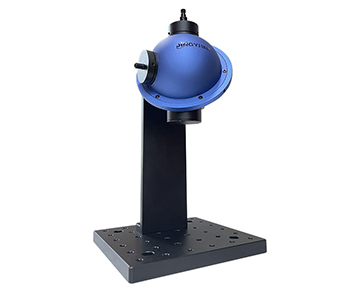
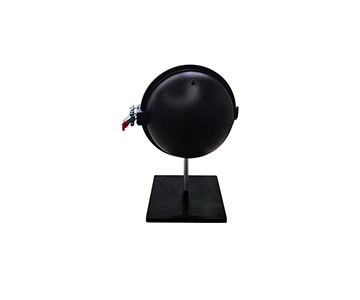
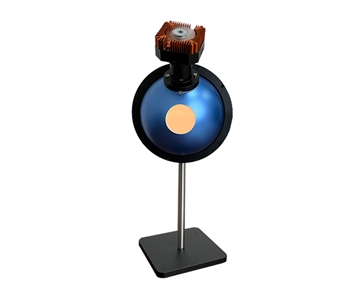
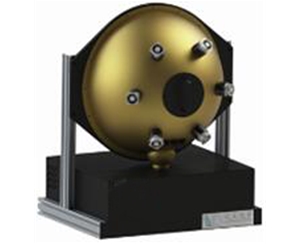
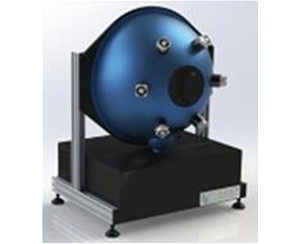
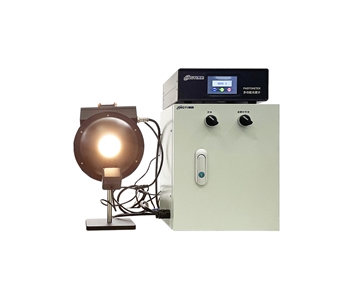
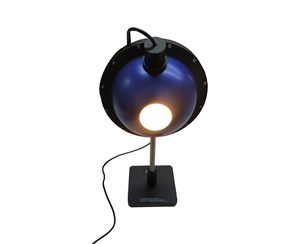
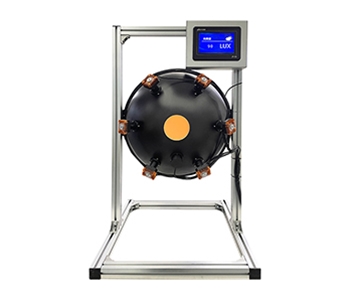
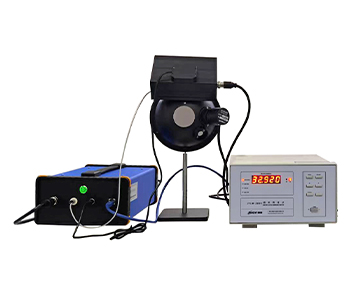
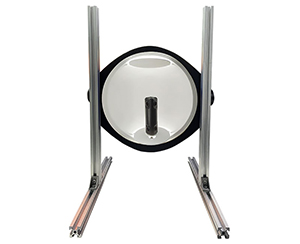
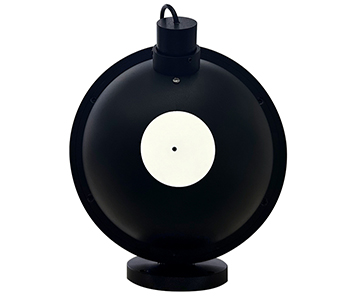
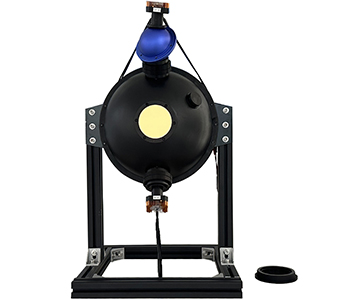
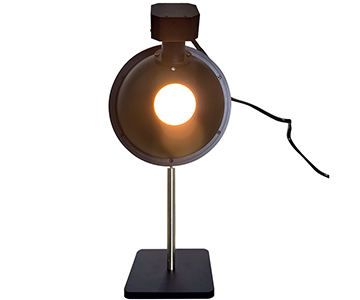
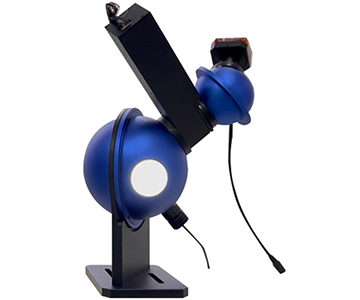
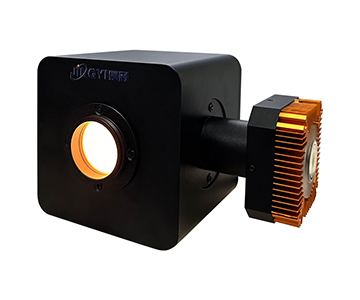
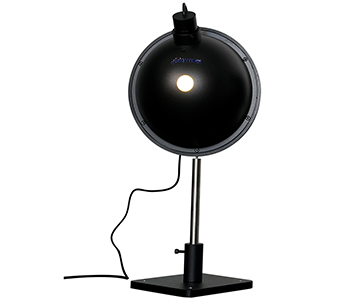
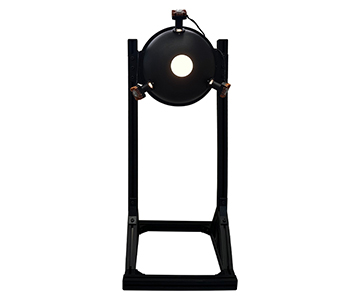
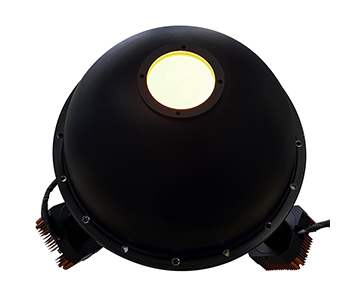
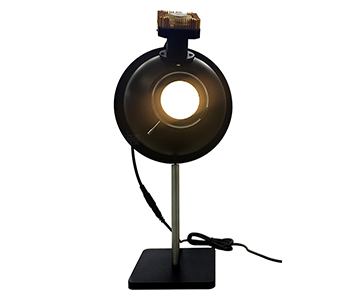
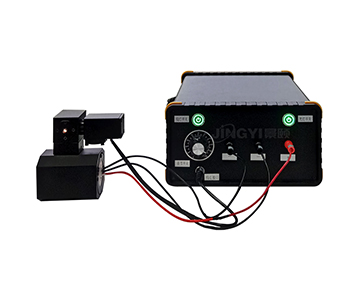
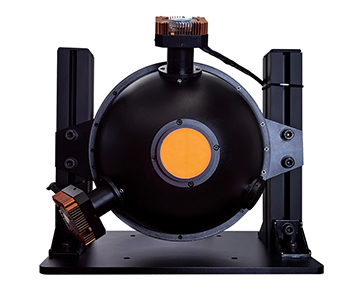
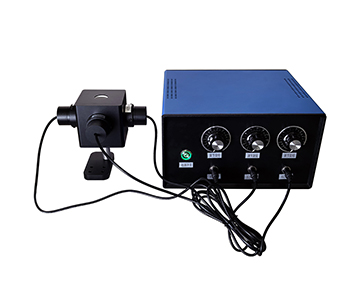
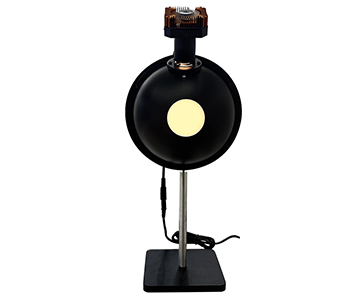
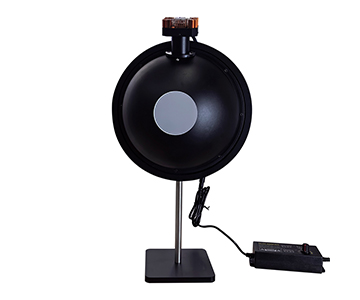
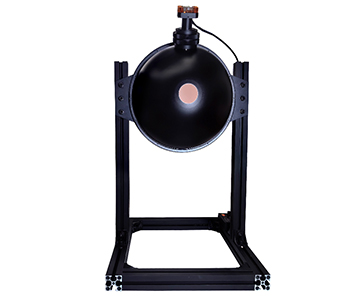
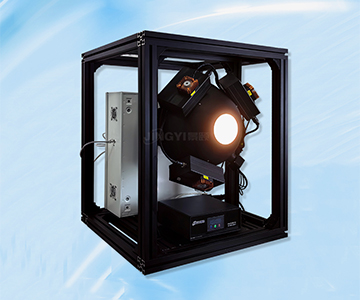
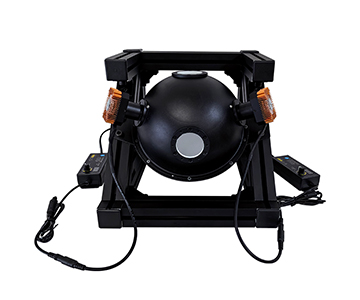
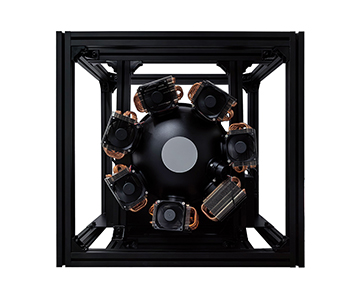
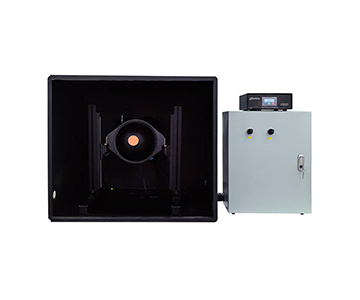
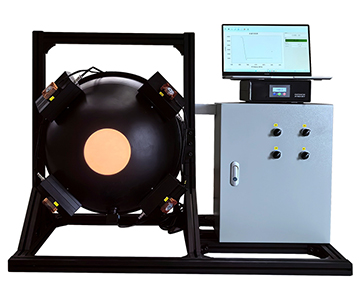
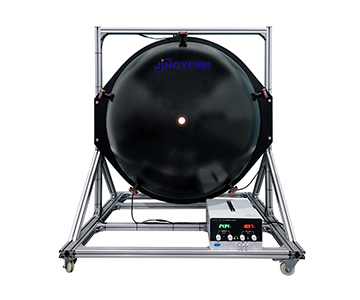
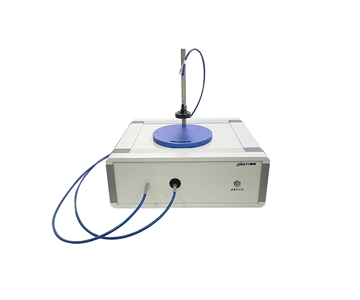
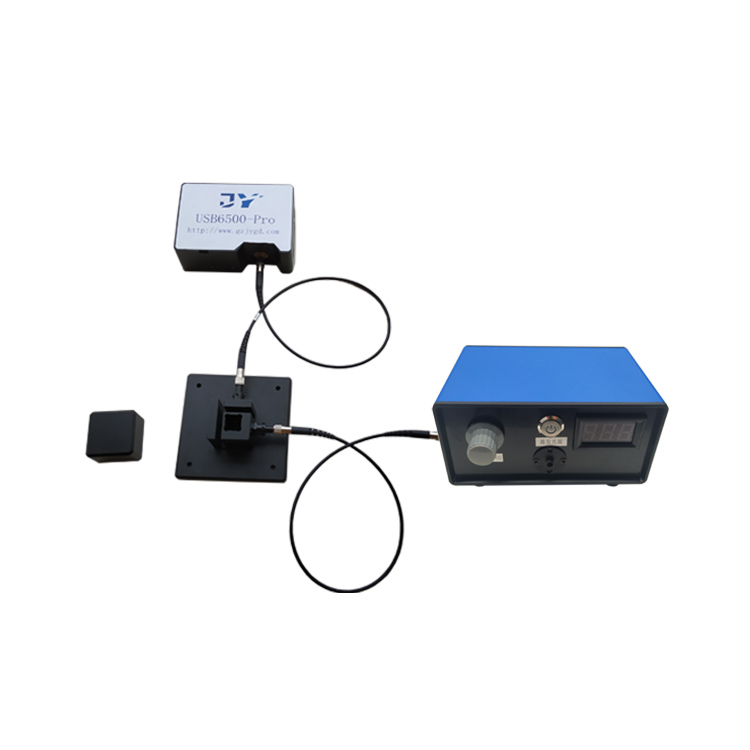
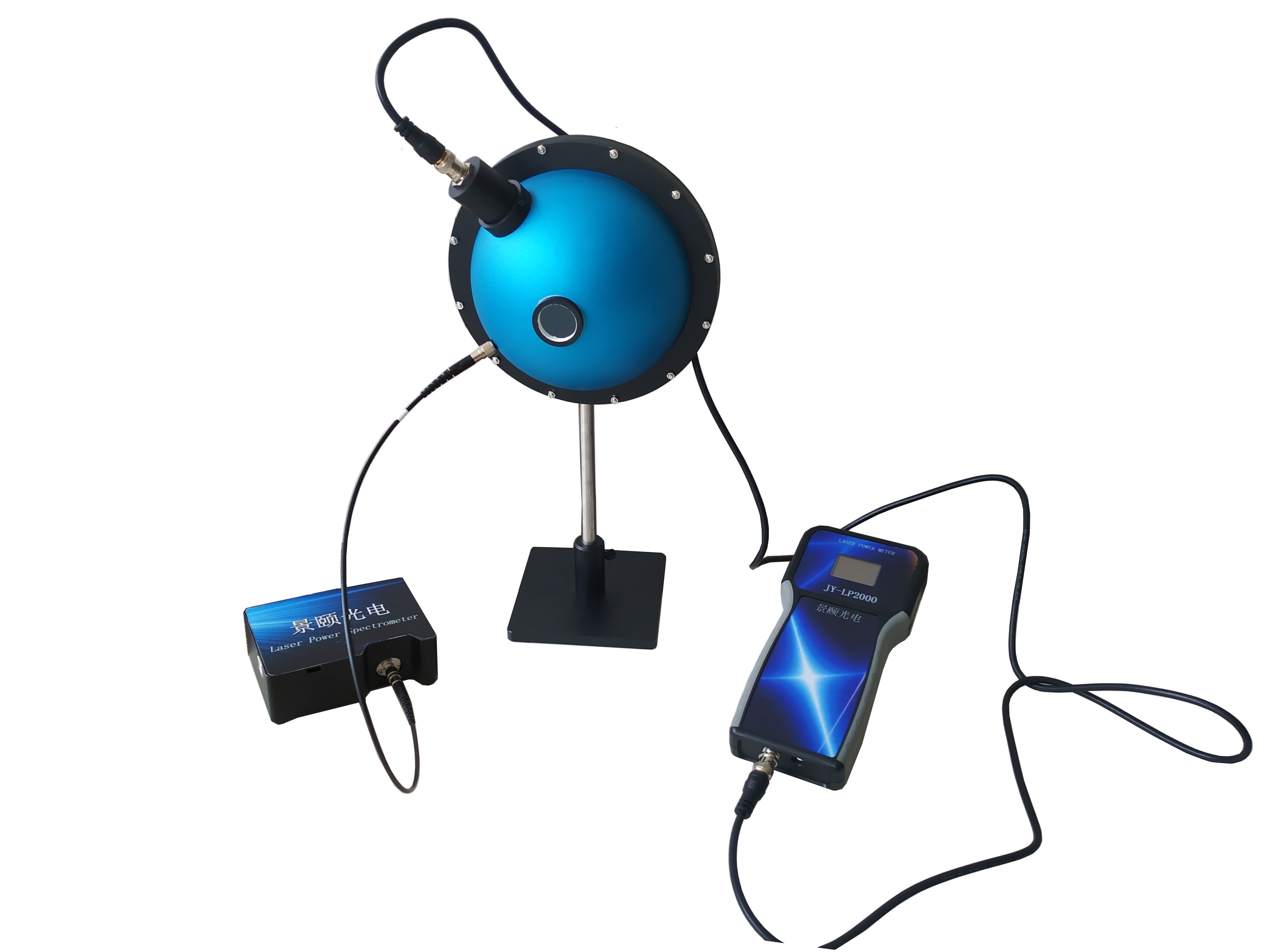
PTFE-coated integrating spheres from emerging suppliers now deliver 200–2500 nm spectral coverage with 99% wall reflectance, matching or exceeding sintered PTFE benchmarks from established brands in transmittance testing, fluorescence quantum yield measurement, and laser power calibration. The gap remains in gold-coated spheres for infrared metrology, where 94% reflectance from newer sources falls 2–4 percentage points below the 96–98% range of legacy systems. Through 2028–2030, UV–VIS–NIR applications show strong substitution feasibility, while ultra-high-precision radiometric calibration still requires careful validation.
The Current Landscape: Shifting Market Dynamics
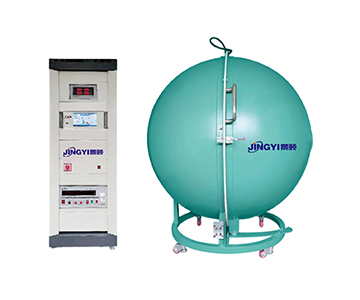
Optical integrating spheres serve as the core photometric element in virtually every spectral measurement system. The market is undergoing structural realignment. According to third-party industry monitoring data, import brands held 61.3% of the domestic integrating sphere market in 2024—down from 68.5% in 2022. Emerging supplier penetration rose from 17.8% to 23.7% over the same period, representing a compound annual growth rate of 15.4%.
This shift is not policy-driven alone. End-user feedback consistently identifies three pain points with import spheres: delivery cycles of 12–16 weeks, limited customization responsiveness, and high post-sale maintenance costs. A display panel manufacturer reported that annual maintenance for its import transmittance integrating spheres consumed 14.2%–18.7% of the original equipment value. When coating degradation required re-spraying, the turnaround exceeded eight weeks because the units had to return overseas. Emerging suppliers compress delivery to 7–15 days and offer significantly more flexibility in port configuration and interface adaptation.
| Comparison Dimension |
Emerging PTFE-Type |
Established Import |
Data Source |
| Spectral Range |
200–2500 nm |
250–2500 nm |
Product Technical Specifications |
| Wall Reflectance |
99% (foam PTFE) |
97%–98% (sintered PTFE) |
Third-Party Optical Lab Testing |
| Coating Temperature Limit |
≤300 °C (PTFE type) |
≤250 °C (standard type) |
Material Thermal Stability Testing |
| Customization Lead Time |
7–15 days |
12–16 weeks |
Supply Chain Survey |
| Gold-Coated Sphere Reflectance |
>94% |
96%–98% |
Infrared Band Measured Comparison |
| Minimum Order Quantity |
1 unit |
5 units |
Commercial Terms Survey |
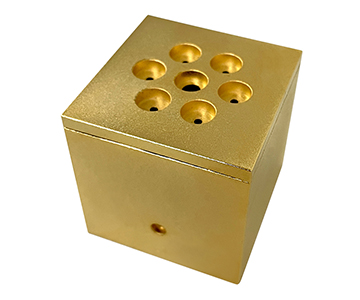
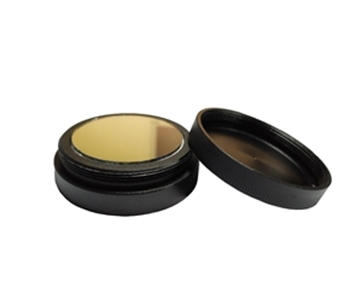
The key numbers merit restatement: foam PTFE coatings from emerging sources achieve 99% reflectance, marginally above the 97%–98% of mainstream sintered PTFE imports. However, in gold-coated spheres for infrared applications, the 94% reflectance from newer suppliers sits 2–4 percentage points below the 96%–98% range of established systems. This gap directly determines the applicability boundary for ultra-high-precision radiometric calibration scenarios.
Four Real-World Barriers to Substitution
1. Metrological Traceability Gaps
Reflectance calibration for many emerging integrating spheres still relies on internal corporate standards rather than full traceability chains to NIST or PTB (Physikalisch-Technische Bundesanst
2. Inter-Unit Consistency Variation
Production-line 100% inspection demands that multiple integrating spheres produce statistically identical results. A Tier-1 automotive lighting supplier found that six units of the same emerging-source transmittance sphere generated a standard deviation of 0.37% at 550 nm, versus 0.15% for a comparable import batch. The root cause lies in batch-to-batch coating uniformity control during foam PTFE processing. Leading emerging manufacturers now hold uniformity within ±1%, yet dispersion remains higher than sintered PTFE processes.
3. Software Ecosystem Lock-In
Import integrating spheres typically ship with proprietary spectral analysis software, creating a closed "hardware-plus-algorithm" ecosystem. Emerging hardware has reached or surpassed import benchmarks in raw parameters, but spectral correction algorithms and self-absorption compensation models often require user-side integration. A university laboratory building a fluorescence quantum efficiency system discovered that while the emerging sphere's hardware interface integrated cleanly with its LabVIEW code, the quantum yield computation module had to be developed independently.
4. Hidden Costs of Service Response
Local service networks from emerging suppliers cover tier-1 and tier-2 cities effectively, but response times lag for inland or overseas installations. A semiconductor metrology integrator reported a 72-hour engineer dispatch for a coating contamination incident at a southwestern facility, compared with 48 hours from an import brand's authorized agent—though the latter charged 2.3× per service call.
Phased Substitution Pathway: From Edge Validation to Core Integration
Stage 1: Incoming Inspection — Full Substitution Ready
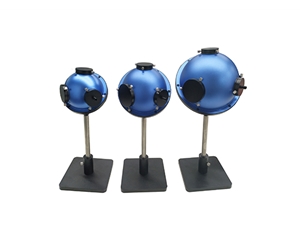
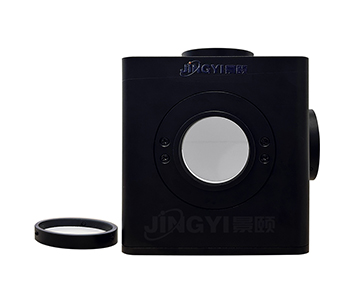
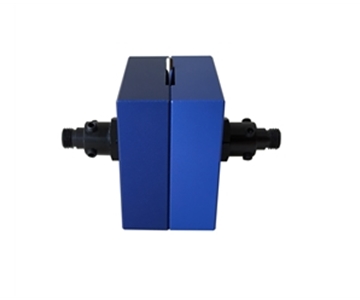
In incoming quality control for LED display panels, automotive lighting, and similar industries, emerging-source transmittance integrating spheres already meet production-line requirements. The 10 mm–36 mm aperture series, with 200–2500 nm coverage and 99% reflectance, handles routine optical material transmittance and haze testing. The primary value here is reduced unit cost and compressed procurement cycles.
Stage 2: Process Monitoring — Conditional Substitution
For luminous efficacy calibration and laser power monitoring, general-purpose integrating spheres (84 mm–150 mm inner diameter) with "one-sphere-multiple-uses" designs offer flexibility advantages. Users switch between reflectance, transmittance, and fluorescence quantum efficiency modes by swapping accessories. This stage requires internal calibration protocols to compensate for traceability gaps.
Stage 3: Core Process Control — Cautious Substitution
In semiconductor photoresist film-thickness detection and high-precision radiometric calibration, the gold-coated sphere reflectance gap (94% versus 96%–98%) becomes the binding constraint. A "dual-track validation" strategy is advisable: emerging equipment handles daily monitoring and pre-screening, while import systems remain reserved for final arbitration measurements until gold-coating reflectance breaks through.
Risk Assessment: Uncertainties in the Substitution Process
Technology Discontinuity Risk
Integrating sphere coating technology splits into three routes: foam PTFE, sintered PTFE, and electroplated gold. Emerging manufacturers have achieved autonomous control over foam PTFE, but high-purity PTFE feedstock remains partially import-dependent. Supply volatility in upstream materials would directly impact batch reflectance stability.
Supplier Viability Risk
The emerging integrating sphere market includes numerous small and medium manufacturers with limited technical depth and capital reserves. Industry consolidation could eliminate some players, interrupting spare parts availability for installed equipment. Buyers should assess supplier production scale and financial sustainability, prioritizing vendors with 1,000 m²+ cleanroom facilities and annual capacity exceeding 5,000 units.
Standard Evolution Risk
National standards such as GB/T 47066-2026 for plastic total transmittance and total reflectance determination have been published, but integrating-sphere-specific calibration norms—such as the T/CIET 2298-2026 thin-film interference thickness measurement system calibration specification—remain at the association standard level. Incomplete standardization may prevent measurement result mutual recognition across vendors.
Three Future Scenarios
Optimistic Scenario: Rapid Substitution Window 2026–2028
If gold-coated sphere reflectance exceeds 95% and PTFE feedstock localization reaches 80%+, emerging equipment could capture 45%–50% substitution share across the UV–VIS–NIR band. Emerging leaders would dominate the mid-market, with import brands retreating to high-end metrology applications.
Neutral Scenario: Gradual Substitution 2028–2030
Technology evolution proceeds at current velocity. Penetration rises steadily to 35%–40%. Gold-coated sphere reflectance stabilizes at 94%–95%, leaving infrared high-precision scenarios import-dependent. The market stratifies into "emerging-led routine applications, import-monopolized metrology-grade."
Pessimistic Scenario: Substitution Stagnation Post-2030
Upstream materials fail to advance, and industry standards remain absent. Emerging equipment enters a "price war → low margin → insufficient R&D" downward spiral. Import brands counter by localizing production and cutting costs, squeezing emerging suppliers back out.
Applicability Boundaries: Constraints That Cannot Be Ignored
Emerging integrating spheres demonstrate strong cost-performance and flexibility in routine spectral measurement, but two boundary conditions belong in every procurement evaluation:
First, gold-coated spheres show weaker reflectance linearity and long-term stability than import equivalents in the infrared band, particularly beyond 2000 nm. For industrial sites requiring continuous monitoring of CO₂ laser or Nd:YAG laser output characteristics, calibration frequency must increase by 30%–40%.
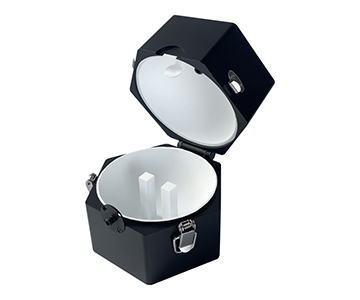
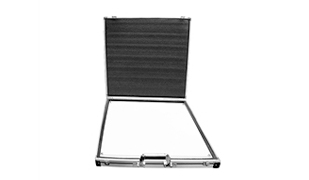
Second, the latch mechanism on openable spheres (such as the 200 mm large-aperture type) has not undergone five-year-cycle mechanical durability validation. A two-year usage report from a research institution noted approximately 12% latch clamping force degradation. Optical performance was unaffected, but periodic maintenance is required.
Frequently Asked Questions
Q1: Do emerging integrating spheres exhibit systematic measurement deviation versus import equipment?
In the UV–VIS–NIR mainstream band (200–1100 nm), deviation is typically within ±1%, sufficient for most industrial inspection requirements. For absolute radiometric calibration and similar metrology-grade applications, a minimum three-month parallel comparison is recommended to establish internal correction coefficients.
Q2: How is self-absorption handled in fluorescence quantum yield measurement with emerging integrating spheres?
Emerging fluorescence quantum efficiency spheres typically use a three-port design (entrance, sample, and exit) with an internal baffle at the exit port to prevent direct-light escape. Users configure self-absorption compensation algorithms in software based on sample concentration and optical density. Some suppliers provide companion algorithm modules; verify compatibility with your existing spectrometer.
Q3: What is the expected service life of gold-coated spheres in infrared laser power measurement?
Under standard conditions (room temperature, clean environment), gold coatings last approximately 3–5 years. High-power laser irradiation (>10 W) accelerates gold-layer thermal diffusion. Reflectance spot checks every six months are advisable. Emerging gold-coated spheres support cleaning maintenance, but specialized reagents must be used to avoid scratching the coating.
Q4: What substitution strategy should different-scale enterprises adopt?
Large enterprises should follow a "conservative" approach: retain import equipment as the core production-line reference, while piloting emerging equipment in edge inspection stations with 6–12 months of parallel validation. Small and medium enterprises can adopt a "pilot" strategy: procure general-purpose emerging integrating spheres for routine inspection first, then expand to critical processes after validation.
Q5: How can I independently verify the long-term stability of an emerging integrating sphere?
Implement a quarterly verification plan: compare reflectance at fixed wavelengths (e.g., 550 nm) against a NIST-traceable standard such as a Spectralon reference panel, recording deviation trends. Simultaneously monitor coating color change—PTFE yellowing signals oxidative degradation—and maintain an equipment he
About This Guide
Data Sources: SEMI annual reports, Chinese Optical Society technical white papers, GB/T 47066-2026, T/CIET 2298-2026, product technical parameter measured data, NIST SP 250 reference materials documentation, and industry public information.
Author: [Full Name], Senior Optical Metrology Engineer, Jingyi Optoelectronics, 12 years in industrial precision measurement equipment and spectral analysis systems.
Disclosure: Jingyi Optoelectronics manufactures PTFE integrating spheres and related optical metrology equipment. This article presents technical assessments based on published specifications, independent laboratory data, and industry public information. No compensation was received from third-party brands mentioned.
Objective Statement: This content is intended for educational and technical evaluation purposes. Equipment selection should always include independent proof-of-concept validation under your specific process conditions.
Last Updated: June 2026
For detailed specifications and application notes on integrating spheres, search "Jingyi Optoelectronics integrating sphere" or visit our technical library.