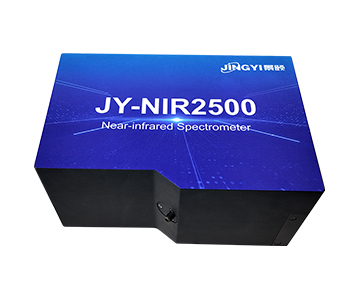
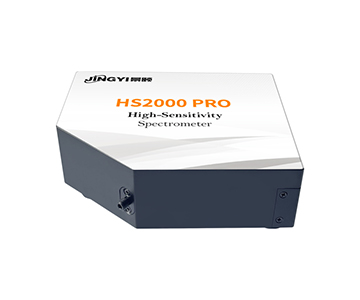
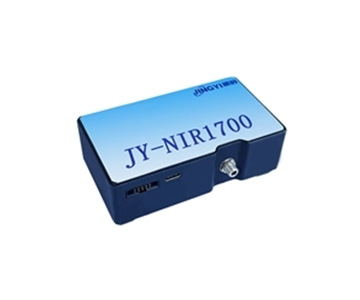
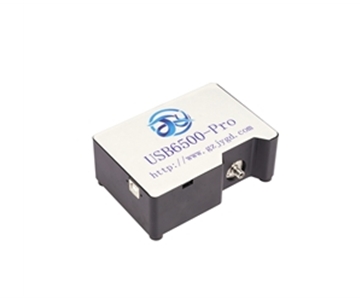
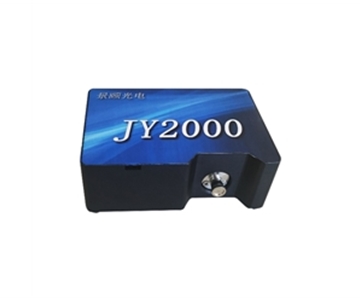
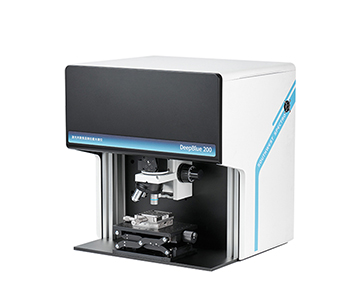
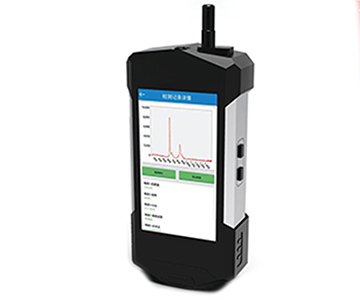
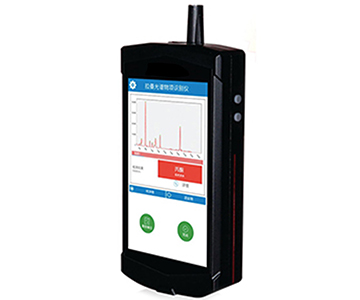
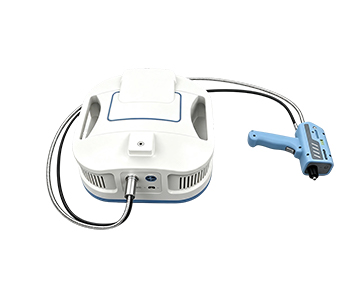
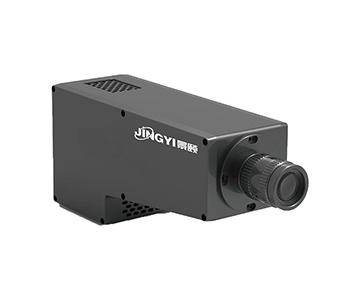
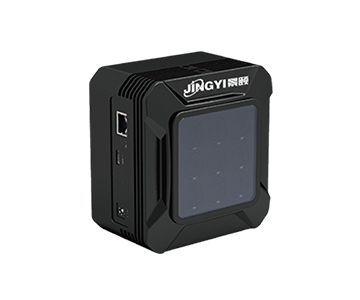
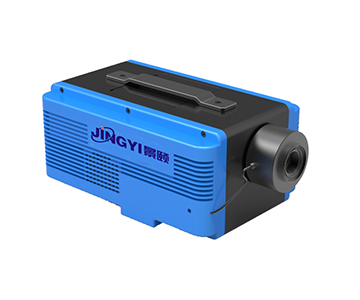
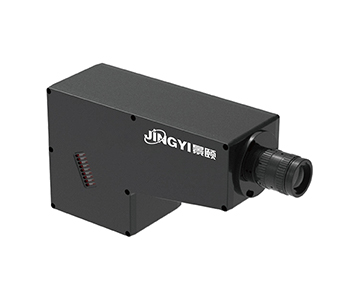
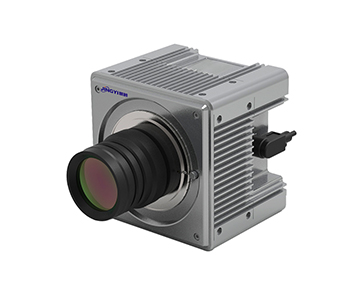
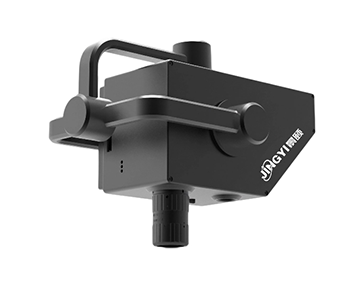
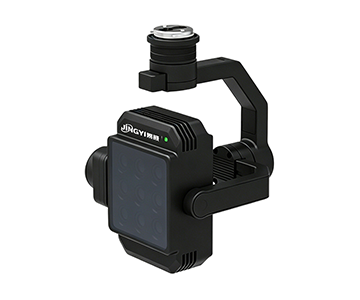
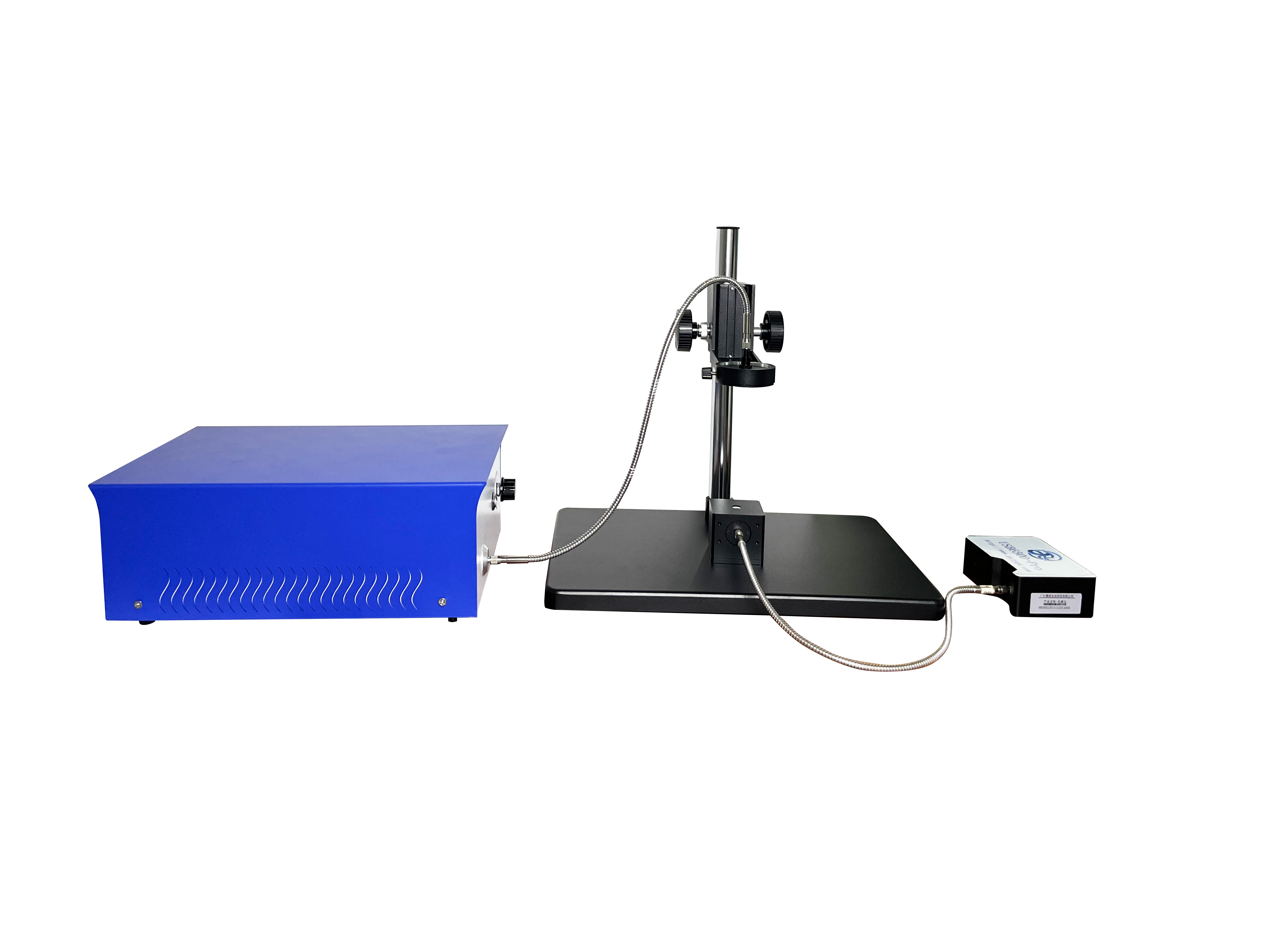
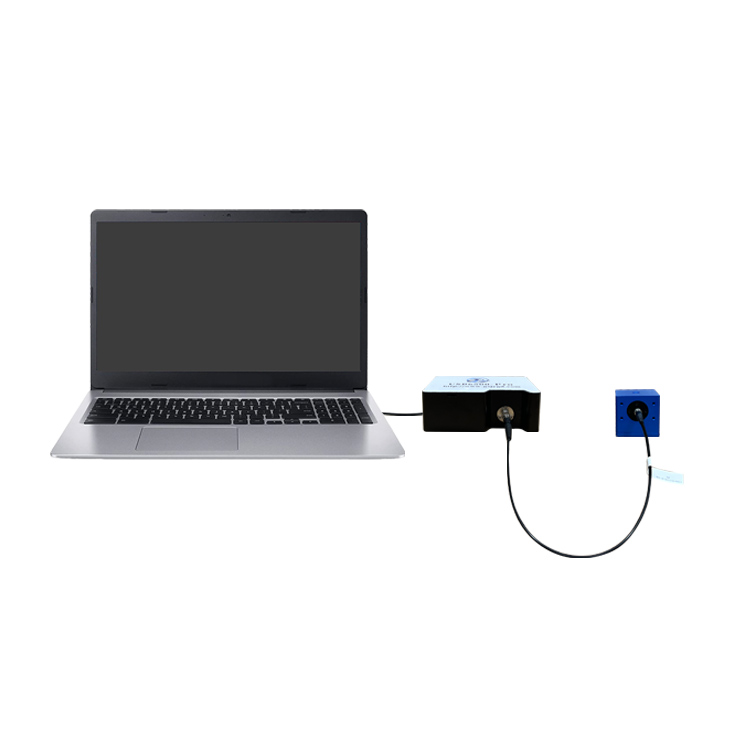
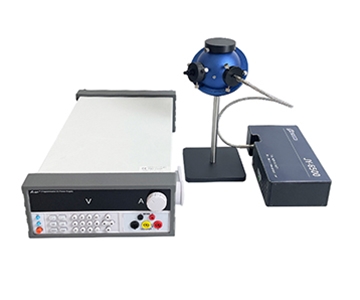
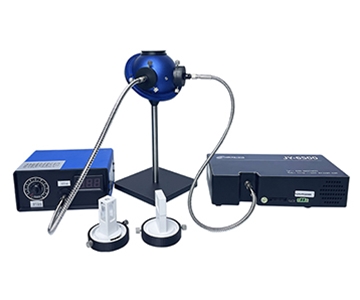
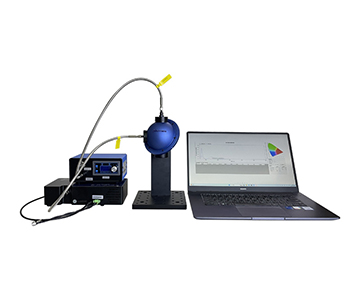
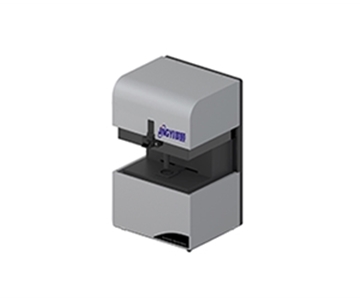
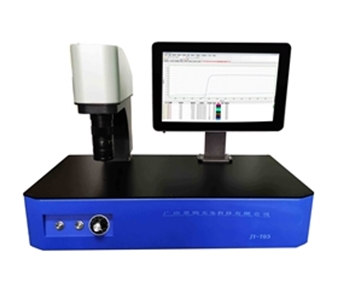
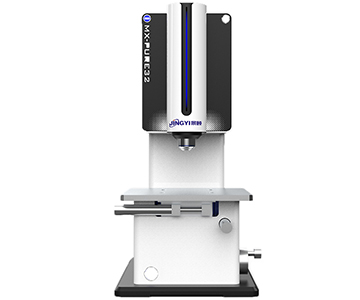
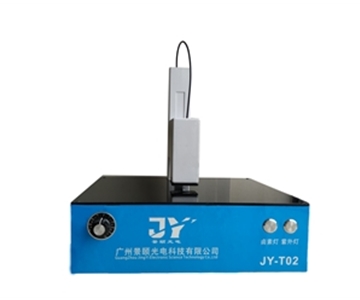
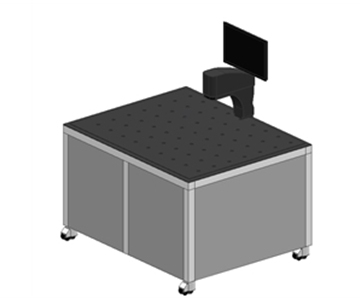
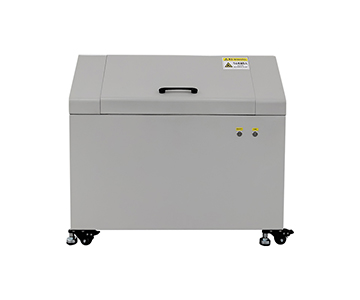
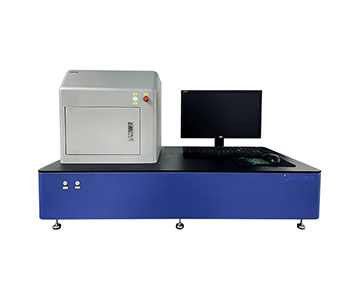
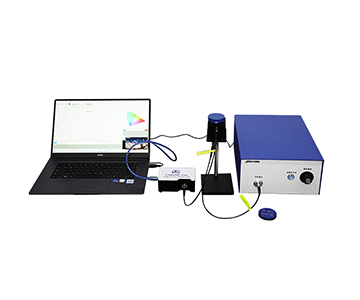
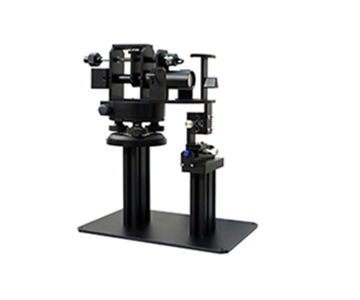
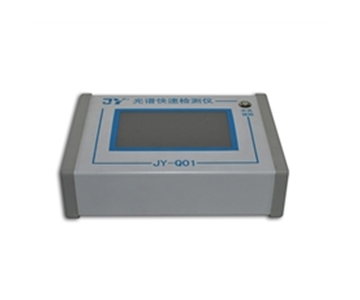
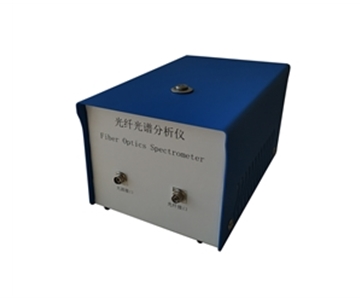
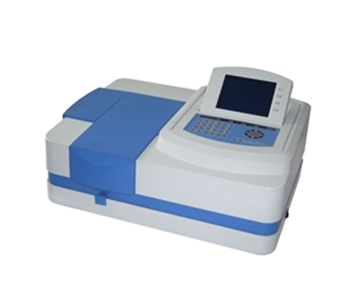
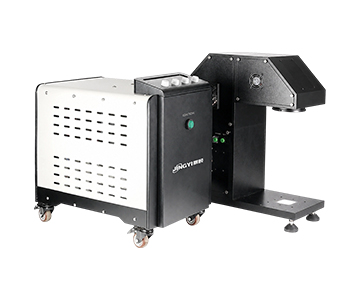
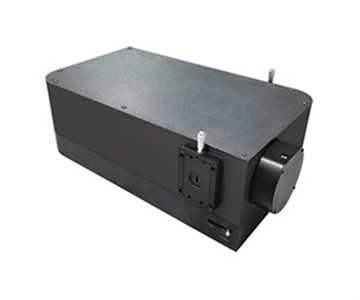
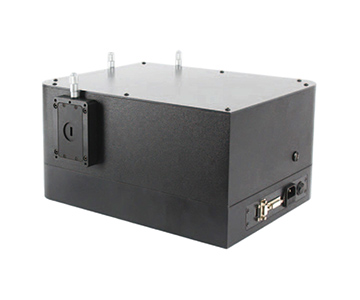
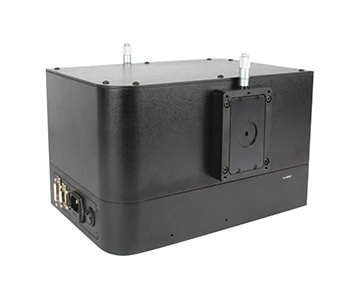
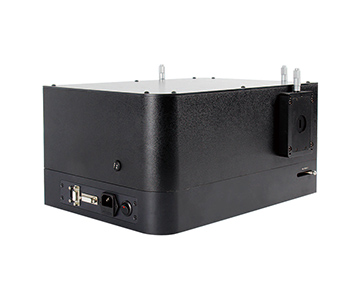
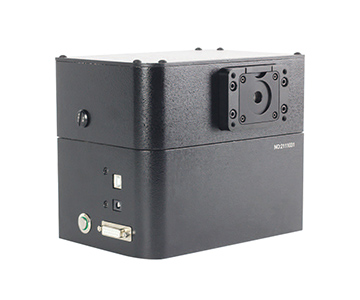
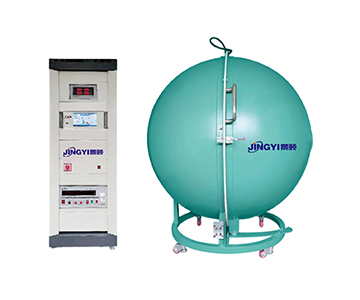
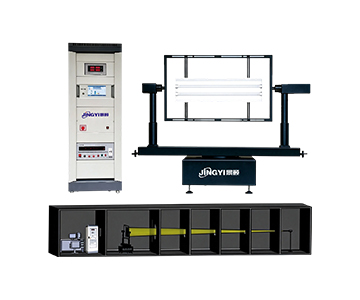
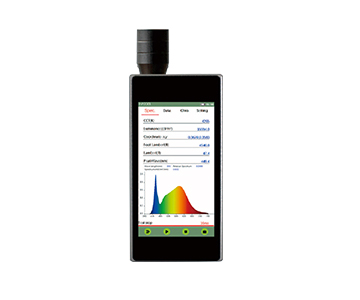
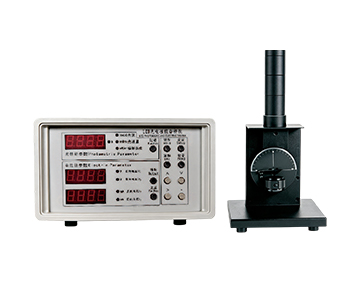
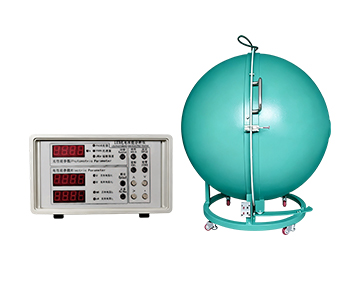
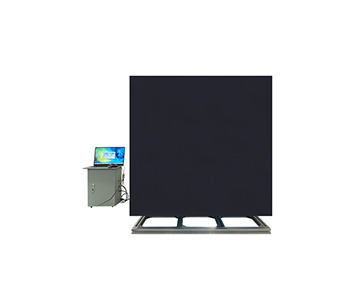
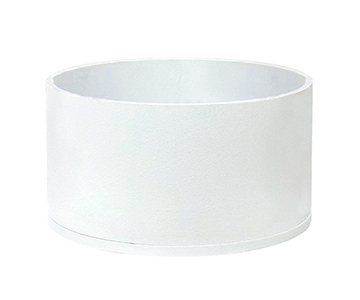
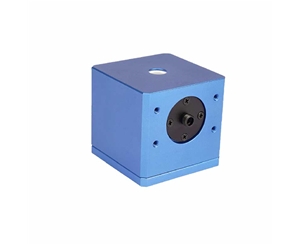
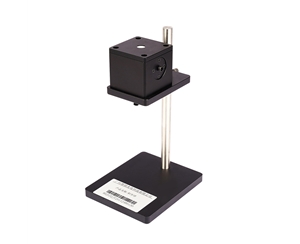
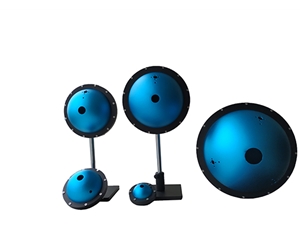
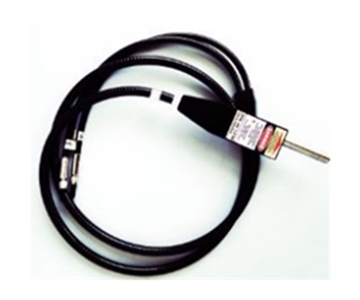
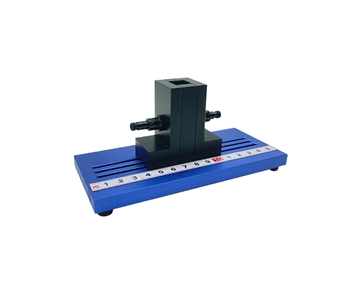
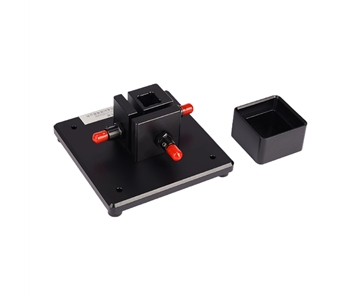
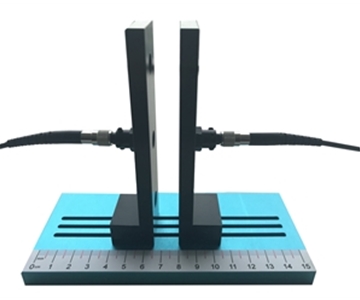
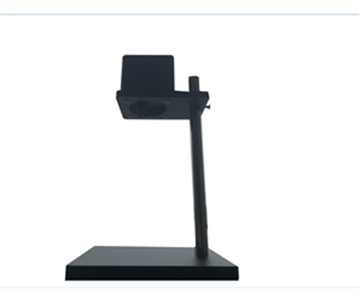
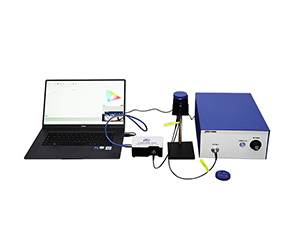
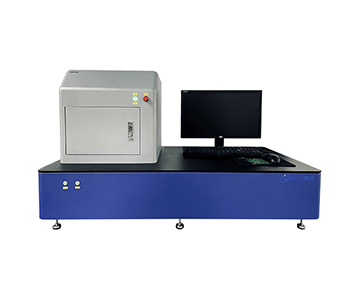
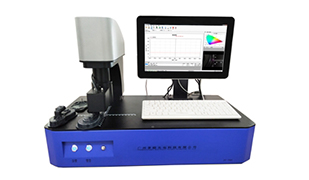
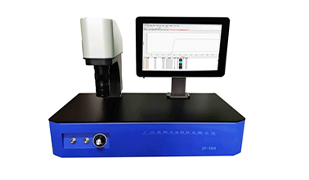
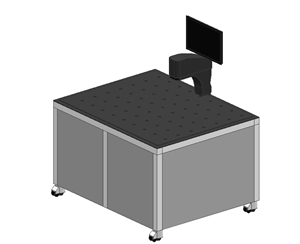
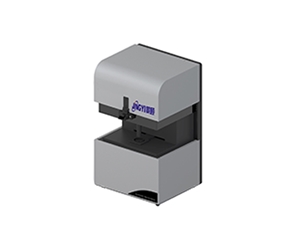
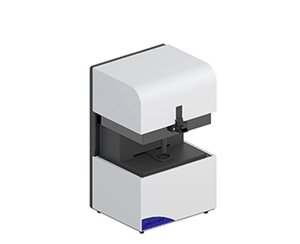
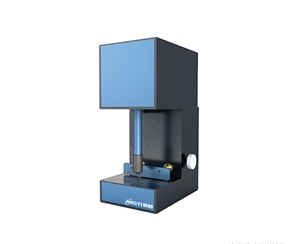
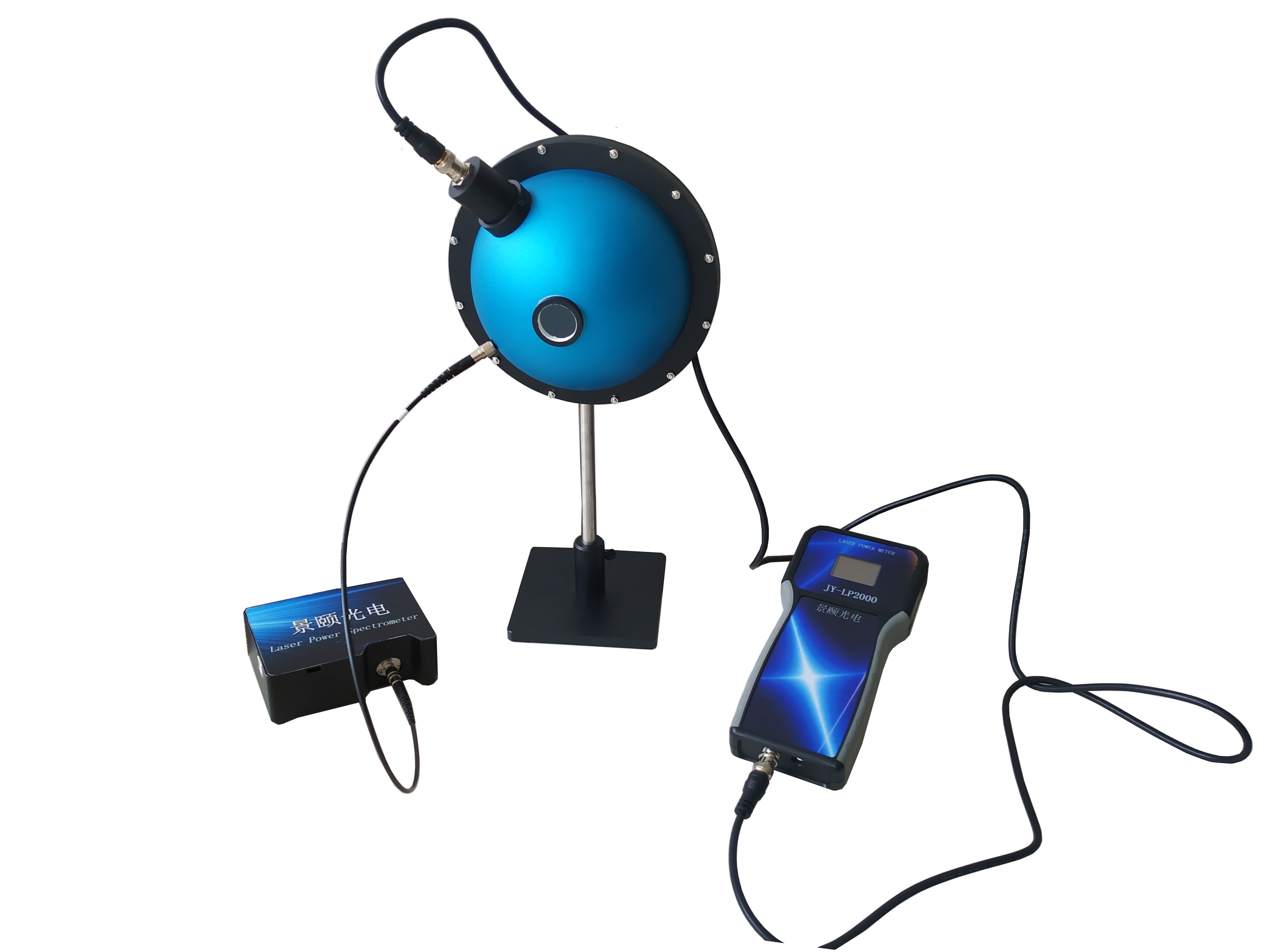
Optical metrology suppliers seeking qualification for automotive LiDAR supply chains must demonstrate traceable measurement capability across spectroscopic detection, thin film metrology, beam profiling, and visual calibration domains. A Guangzhou-based optical instrumentation company recently secured core drafting status in a national automotive LiDAR technical standard, validating its cross-domain metrology portfolio spanning fluorescence quantum efficiency systems, film thickness gauges, beam profilers, and camera calibration targets. This development signals that Chinese optical metrology firms are moving from component supply to standards-level participation in the global autonomous driving sensor ecosystem.
Why Standards Participation Matters for Metrology Suppliers
When an optical measurement equipment manufacturer joins a technical standards committee, the implications extend far beyond a press release. For buyers evaluating metrology partners in the automotive LiDAR supply chain, standards participation functions as a third-party validation of three critical capabilities: measurement traceability, process control competence, and sustained R&D commitment.
The evaluated company secured core drafting unit status in the Technical Requirements for Automotive LiDAR (T/CITS 231-2025), issued by the China Inspection and Testing Society. This standard defines basic requirements, technical specifications, test methods, inspection rules, and packaging protocols for automotive LiDAR design, production, inspection, and deployment. While this is a Chinese national group standard rather than an ISO or SAE publication, its technical scope aligns with SAE J3016 automation level definitions and ISO 26262 functional safety frameworks relevant to LiDAR qualification.
For international buyers, the key question is not which national standard a supplier helped draft, but whether that participation reflects genuine metrological depth. The assessment below examines the four technical domains that enabled this standards-level recognition.
Four Technical Domains Under Evaluation
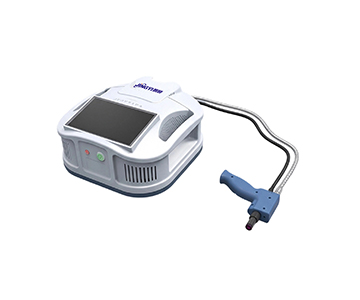
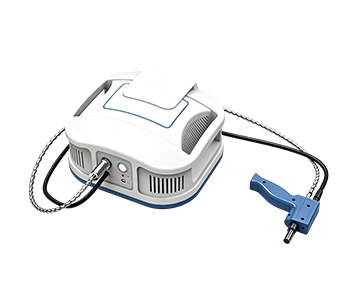
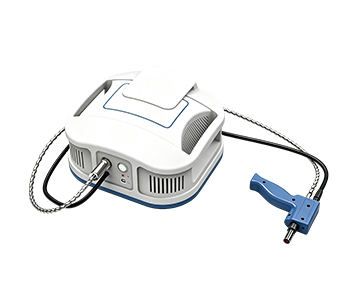
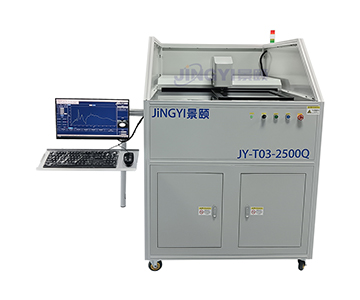
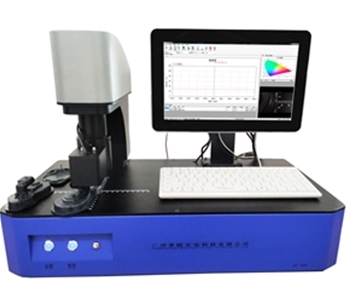
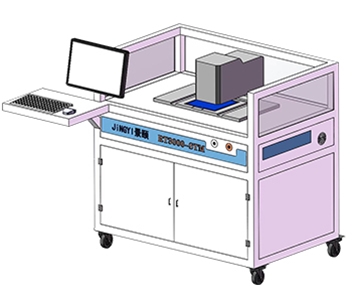
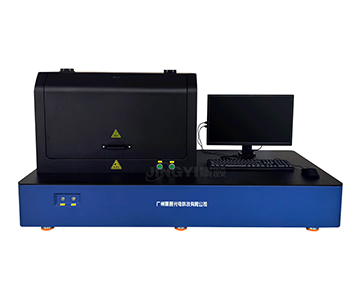
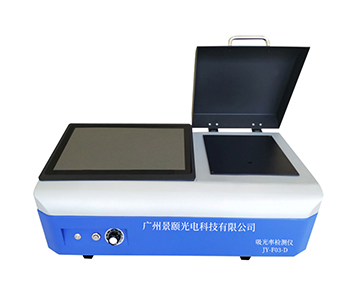
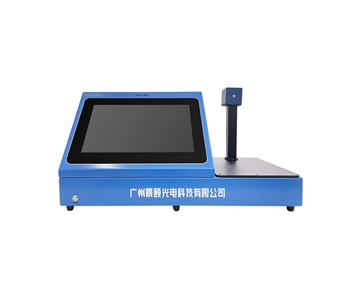
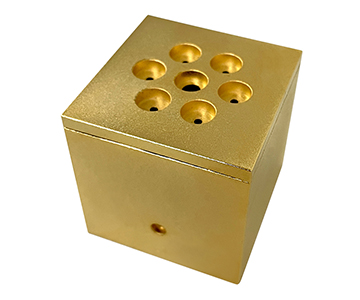
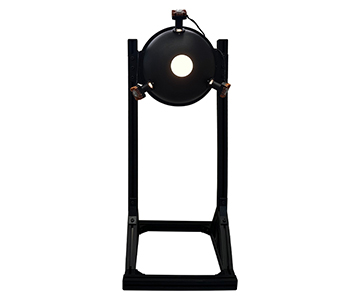
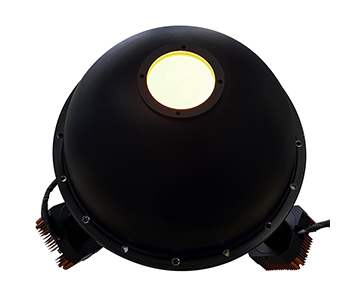
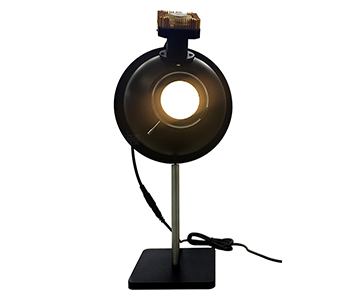
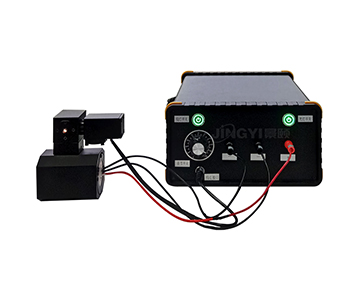
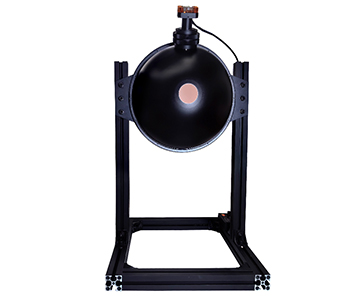
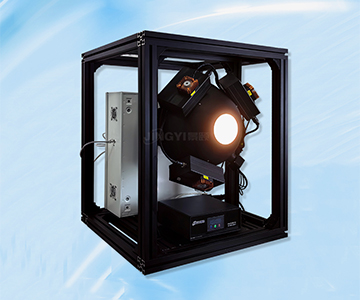
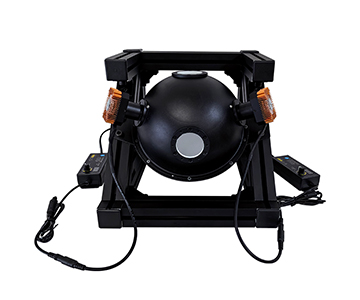
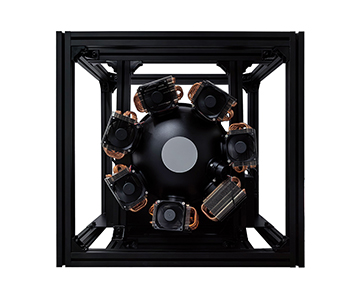
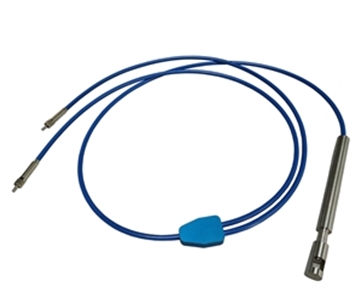
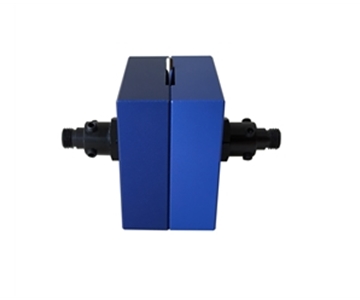
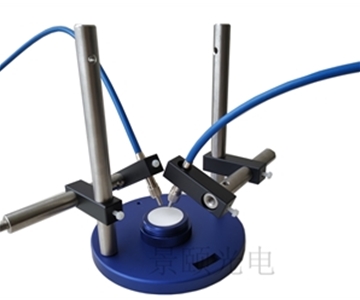
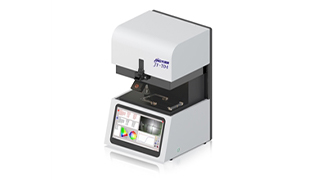
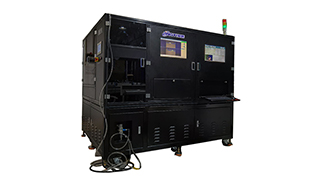
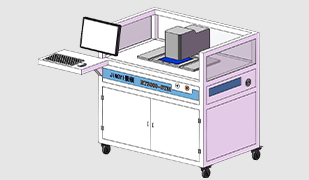
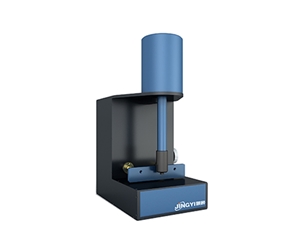
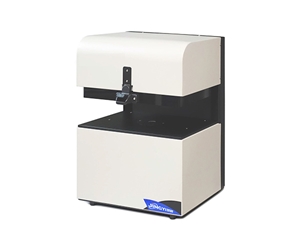
Fluorescence Quantum Efficiency Detection Systems
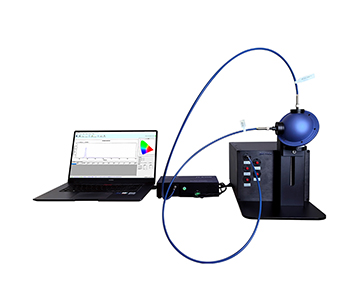
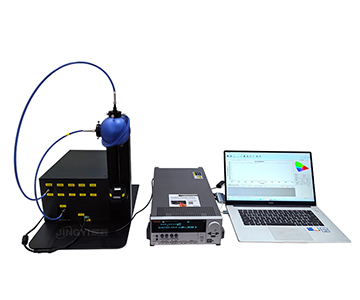
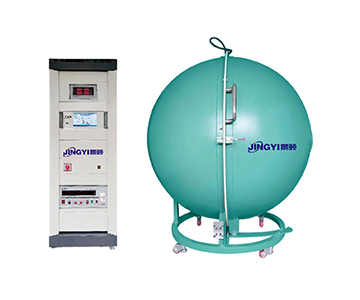
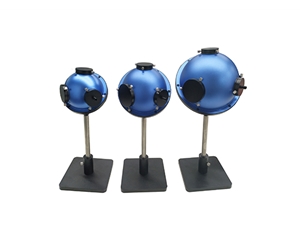
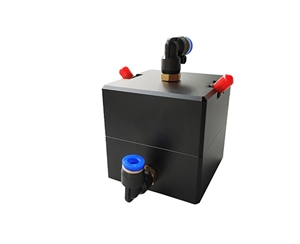
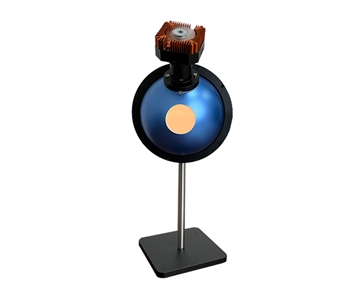
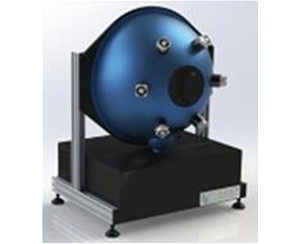
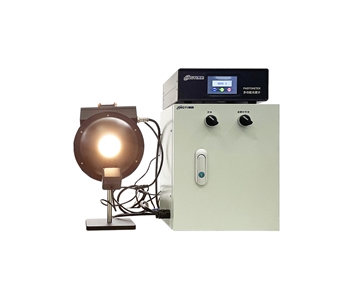
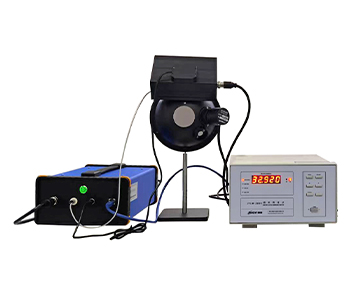
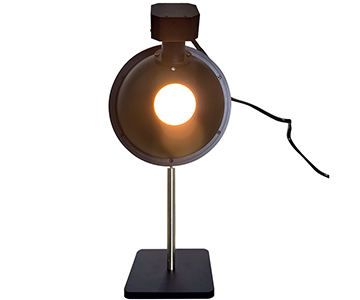
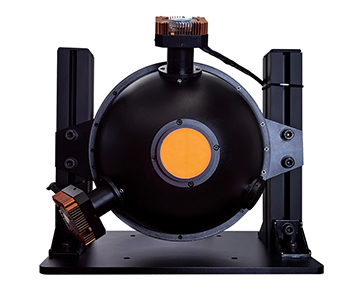
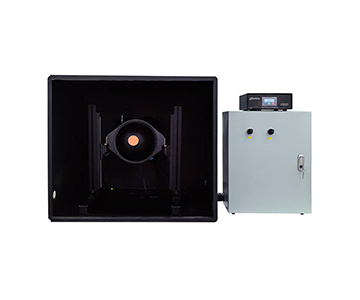
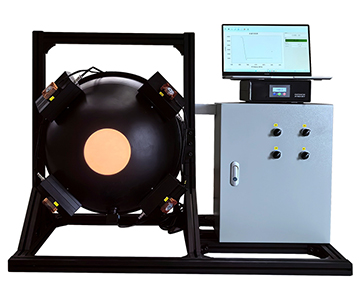
Photoluminescence and electroluminescence quantum efficiency (FQE) measurement determines how efficiently a photonic device converts excitation energy into emitted light. In LiDAR applications, this directly impacts emitter diode performance, receiver sensitivity, and overall system signal-to-noise ratio.
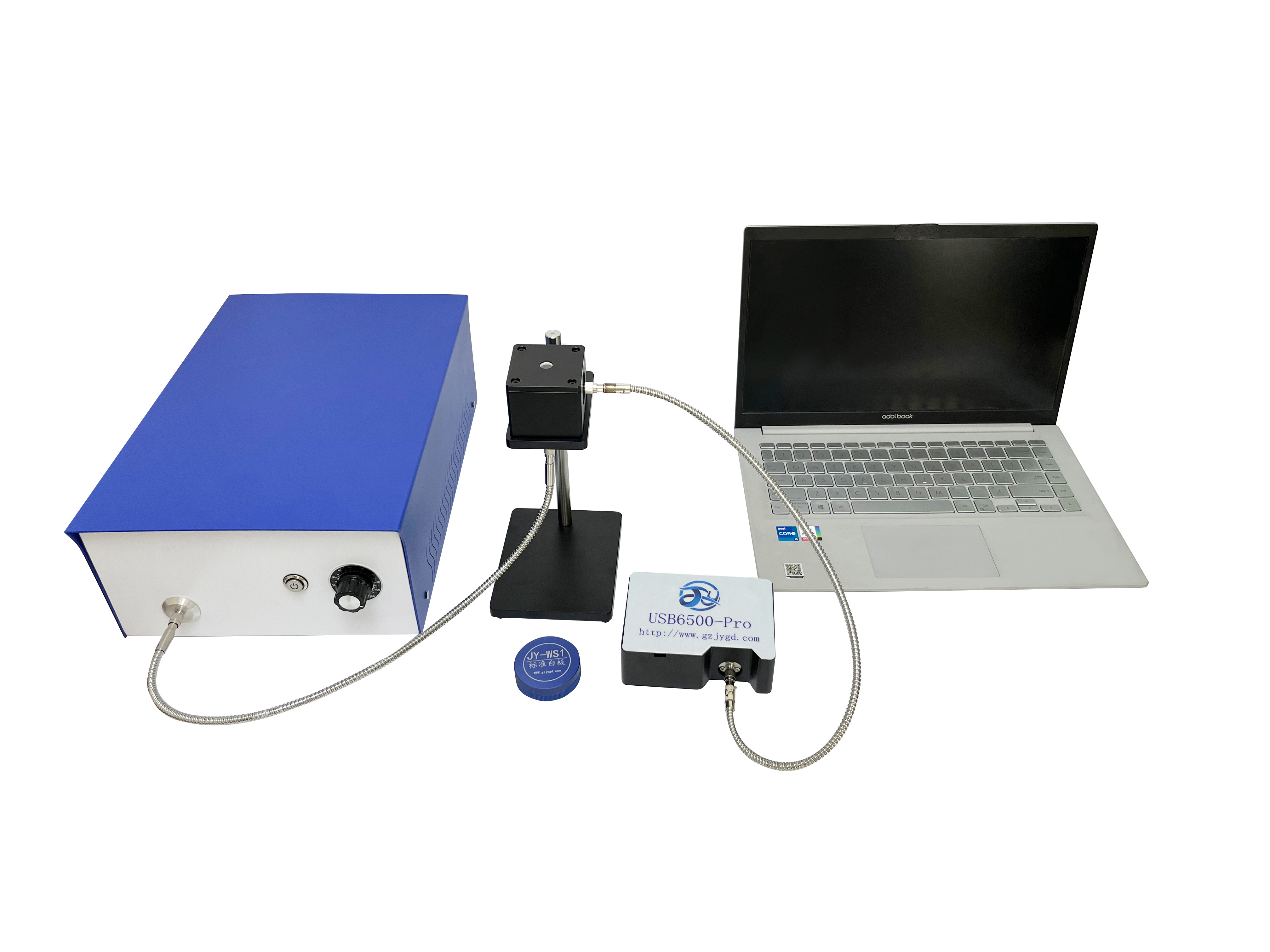
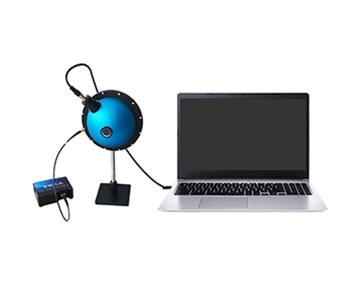
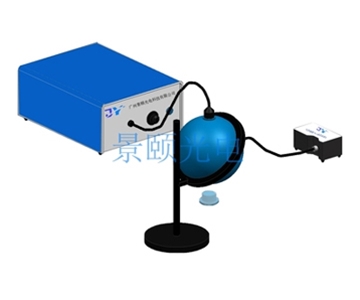
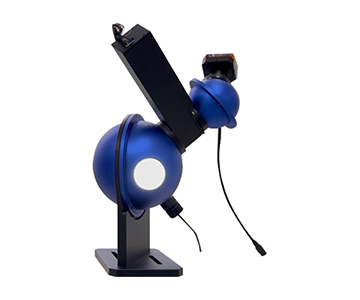
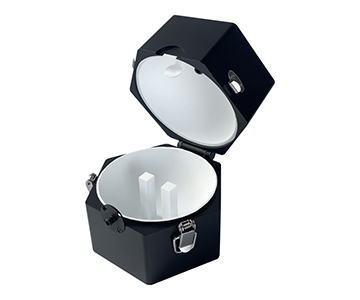
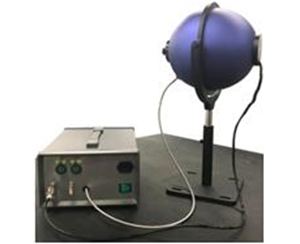
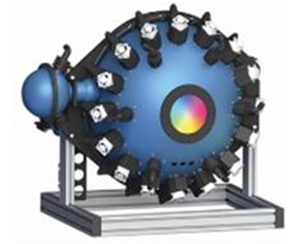
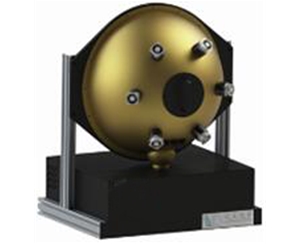
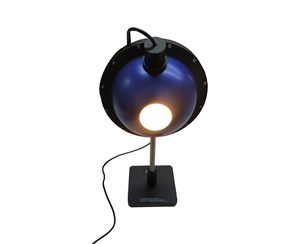
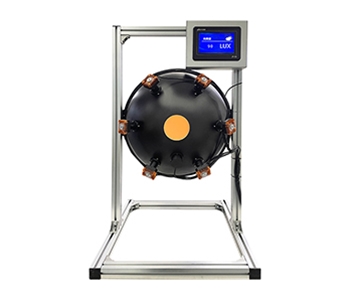
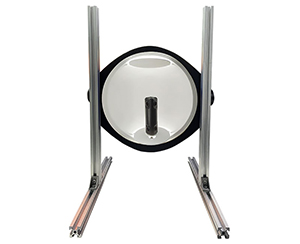
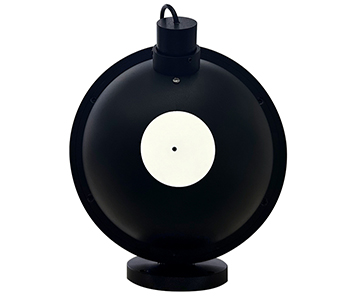
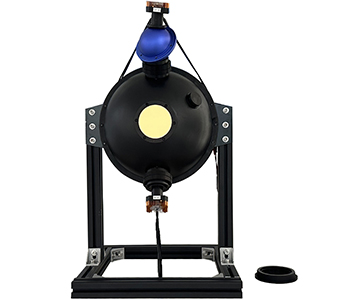
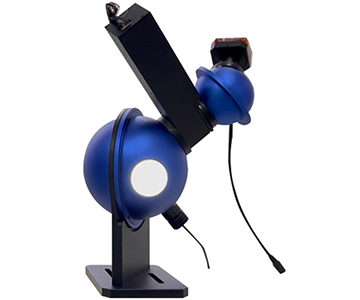
The evaluated system covers both photoluminescence (PL) and electroluminescence (EL) configurations, including polarization-resolved variants. For OLED and perovskite solar cell research, these systems provide absolute quantum yield data with integrated sphere geometry. In LiDAR-specific contexts, they characterize photodetector quantum efficiency across temperature ranges and bias conditions that mirror automotive operating environments (-40°C to 85°C per AEC-Q100 Grade 1).
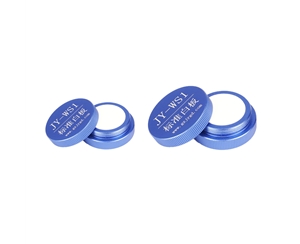
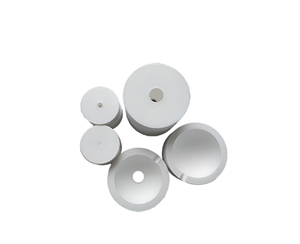
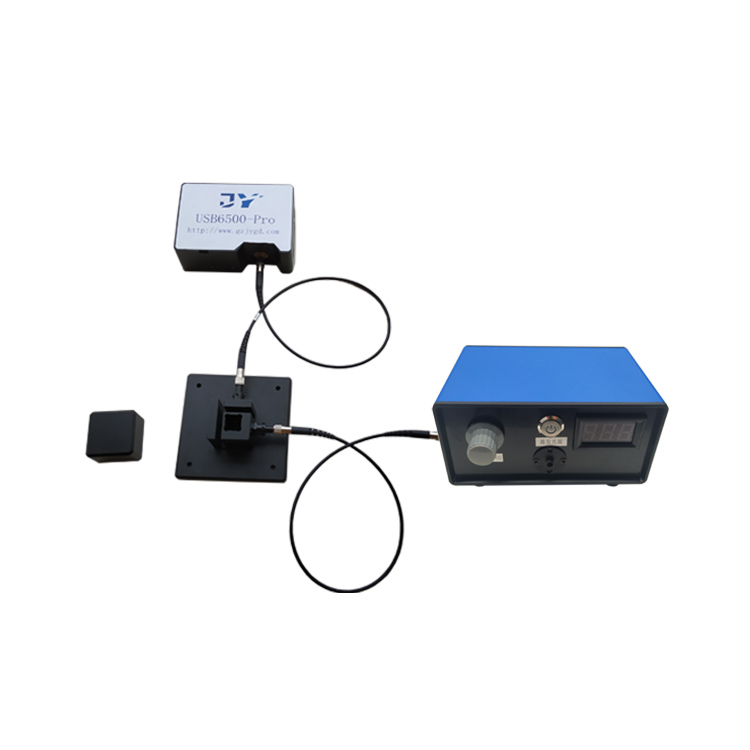
Measurement uncertainty in FQE systems typically depends on three factors: sphere coating reflectivity stability (BaSO₄ or PTFE), spectrometer calibration traceability (NIST SRM 2036 or equivalent), and excitation source power stability. Systems lacking NIST-traceable radiometric calibration can introduce 8-15% systematic error in absolute quantum yield values, a deviation that cascades into LiDAR range equation miscalculations.
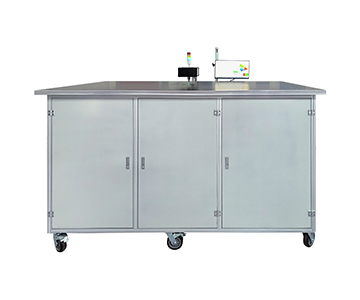
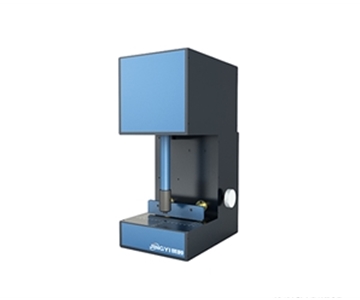
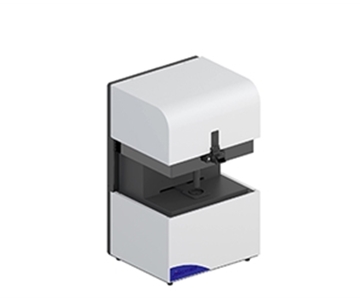
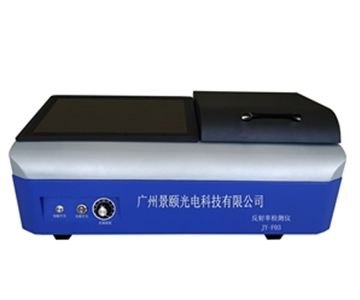
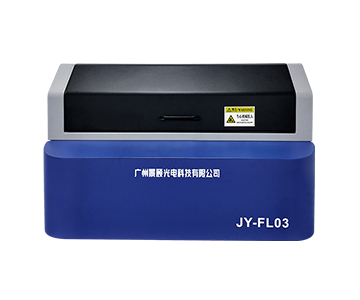
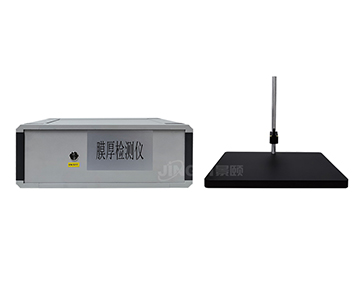
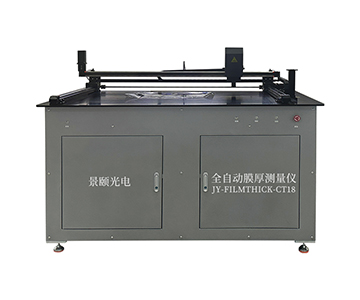
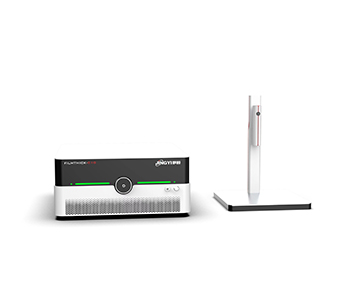
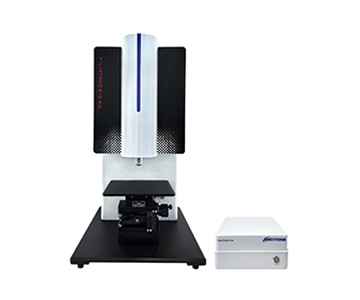
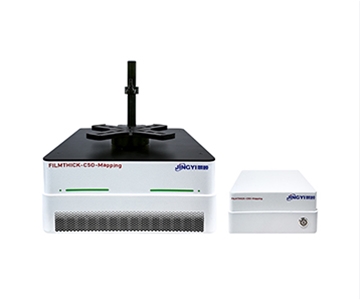
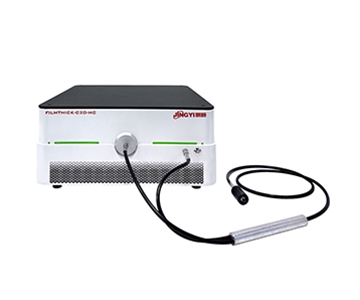
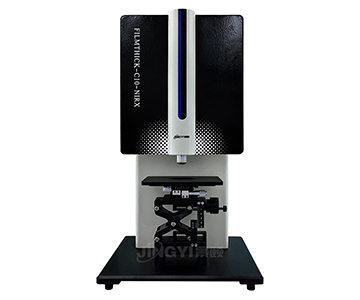
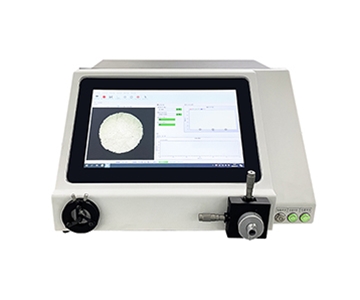
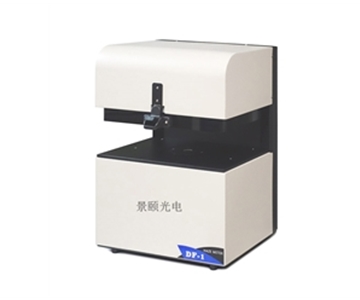
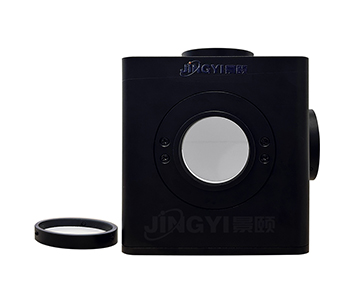
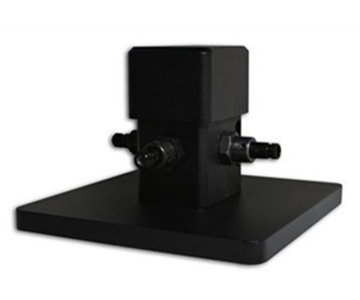
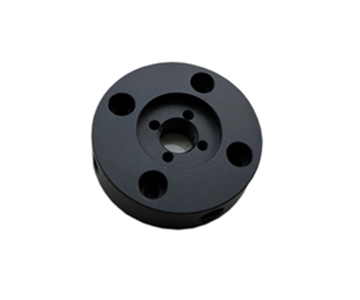
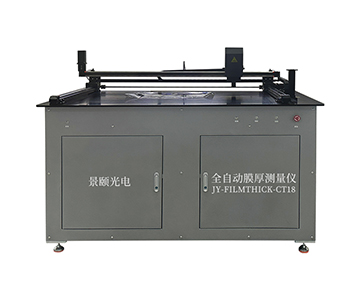
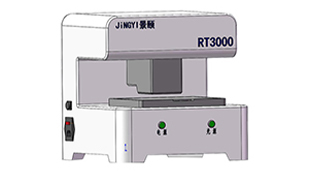
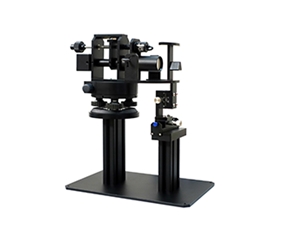
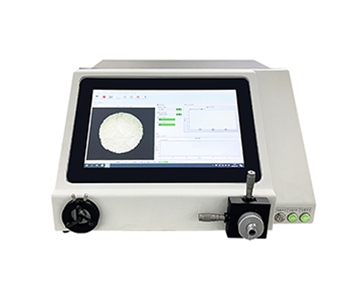
Film Thickness Measurement Systems
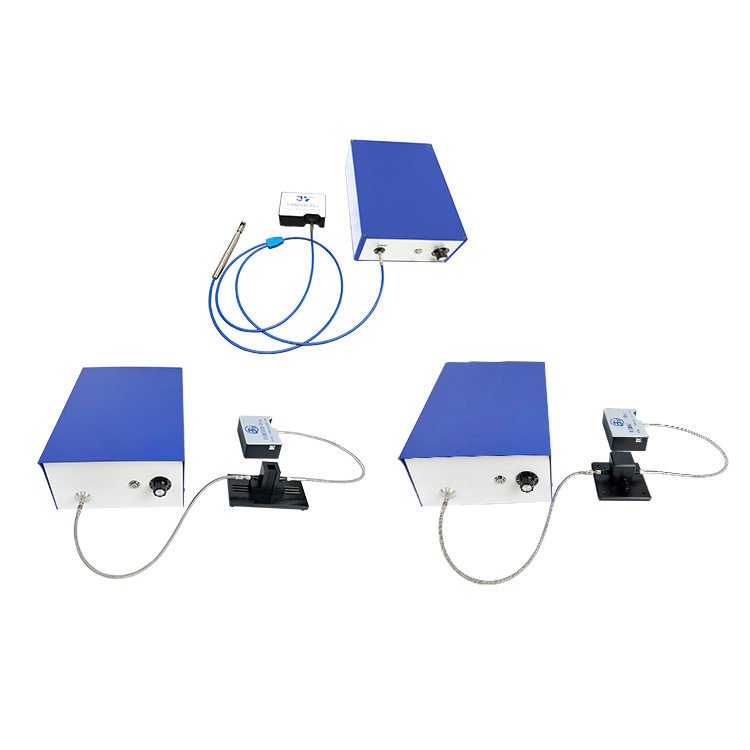
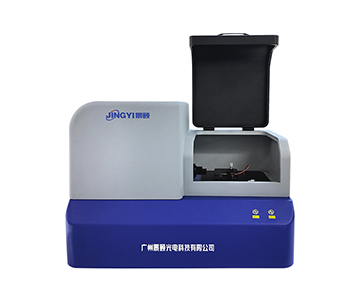
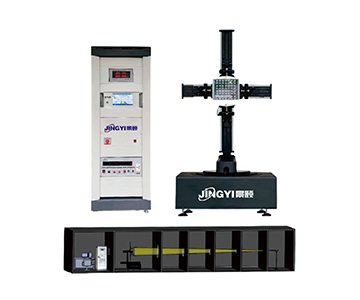
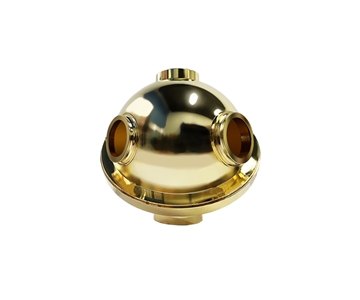
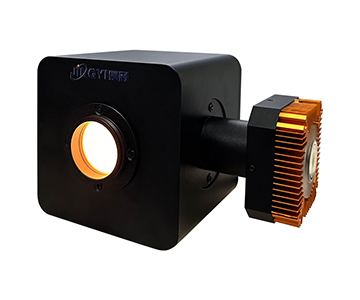
Optical coating thickness control determines LiDAR window transmittance, filter bandpass stability, and anti-reflection coating durability. The evaluated portfolio includes spectroscopic reflectometry (SR) and interferometric variants covering visible to near-infrared wavelengths (400 nm – 1700 nm).
Key specifications include:
Sub-micron repeatability (±0.3 nm at 3σ on SiO₂ reference wafers)
Non-destructive measurement compatible with patterned wafers
Multi-layer stack analysis with dispersion model fitting
For LiDAR optical windows, thickness uniformity across a 200 mm coated substrate directly affects beam steering consistency. A 2% thickness variation in a 1064 nm anti-reflection coating shifts center wavelength by approximately 10 nm, potentially degrading transmittance at the laser line by 3-5%. This is why fabs running LiDAR coating lines typically require thickness gauges with NIST-traceable calibration and documented gauge repeatability and reproducibility (GR&R) studies under ISO/TS 16949 (now IATF 16949) protocols.
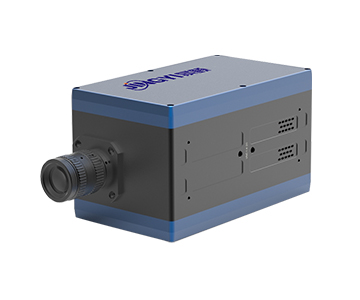
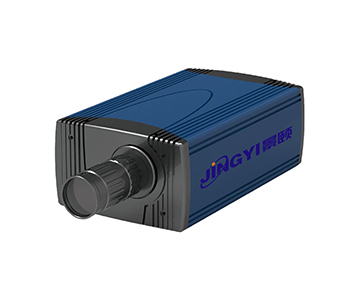
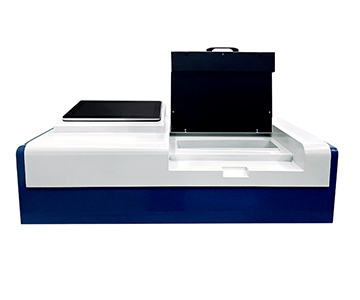
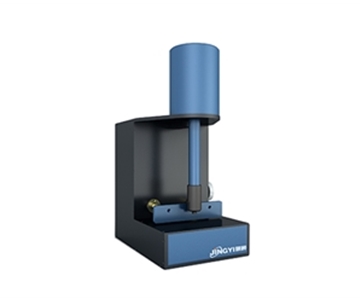
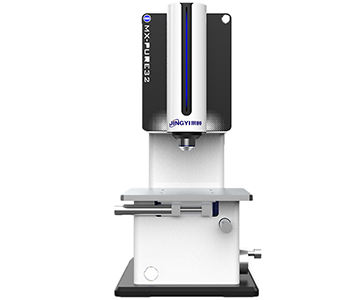
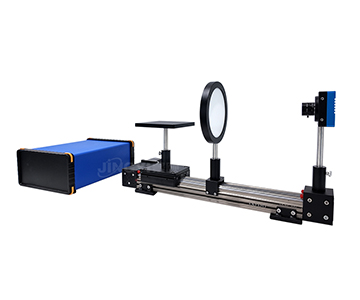
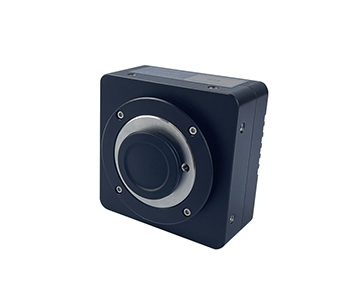
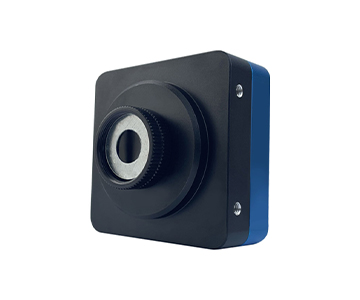
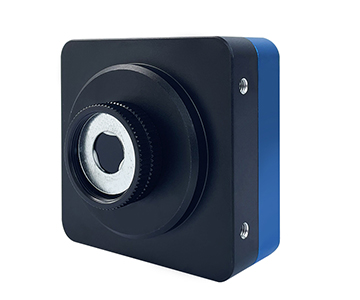
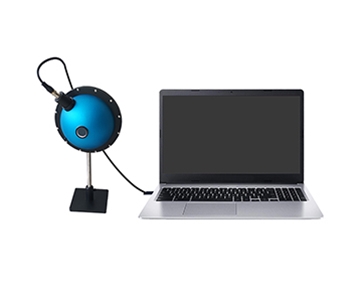
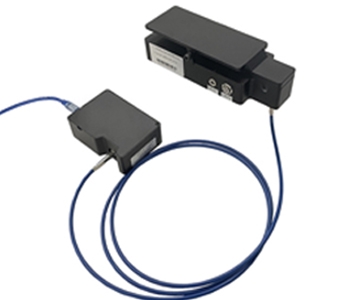
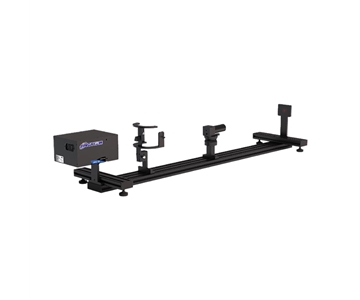
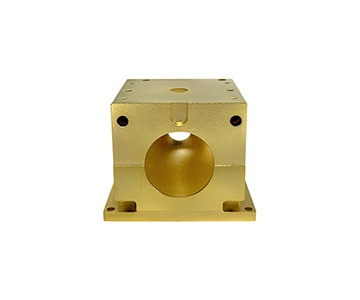
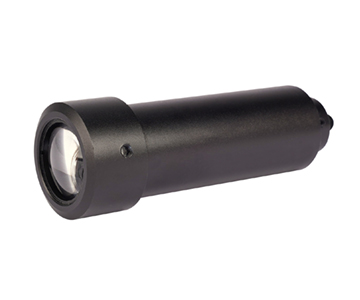
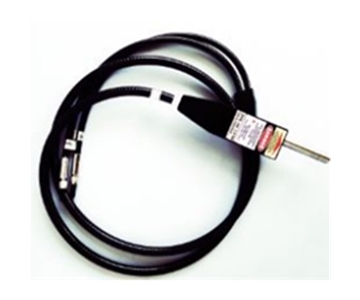
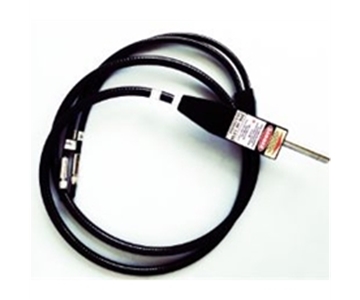
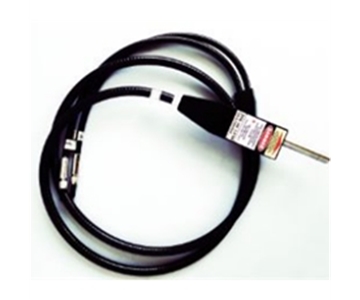
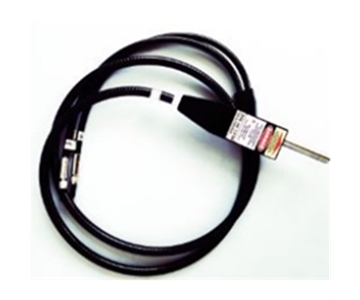
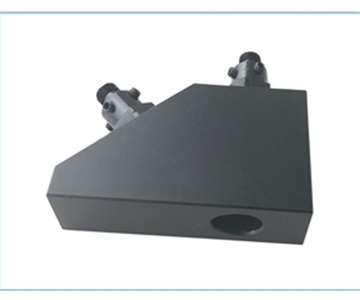
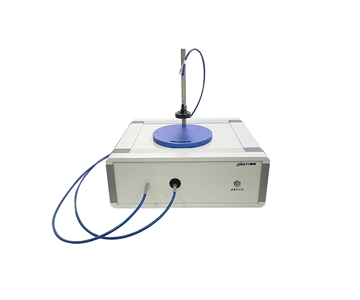
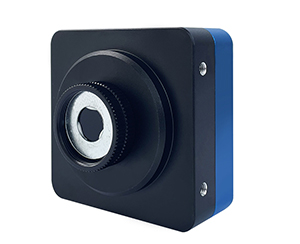
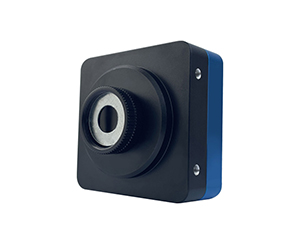
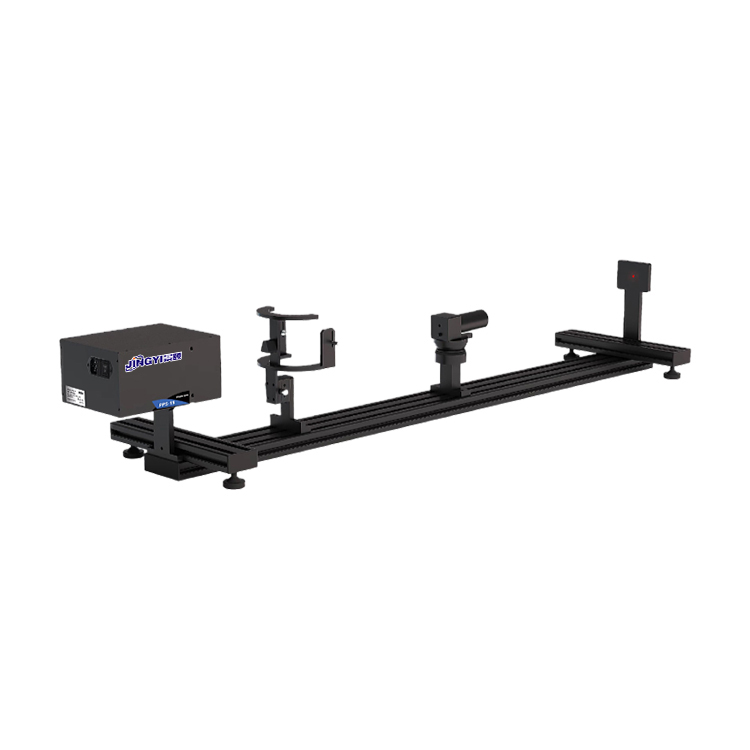
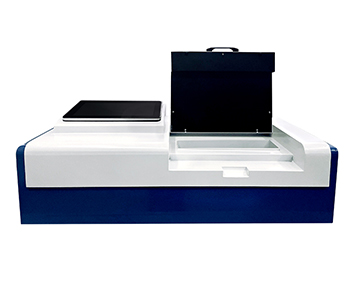
Beam Profilers and Laser Quality Analysis
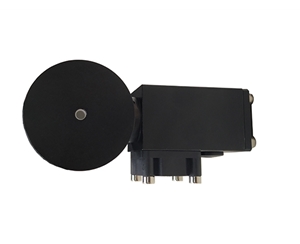
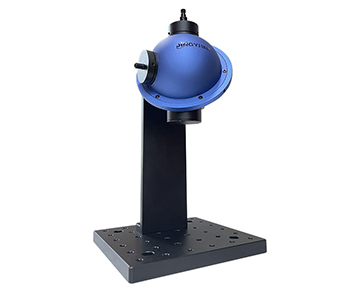
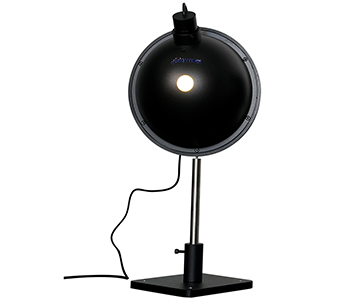
LiDAR emitter beam quality—characterized by M² factor, beam divergence, and spatial intensity distribution—determines effective detection range and eye safety classification (IEC 60825-1 Class 1 vs. Class 1M). Beam profilers measure these parameters across the full production cycle, from diode bar characterization to final module validation.
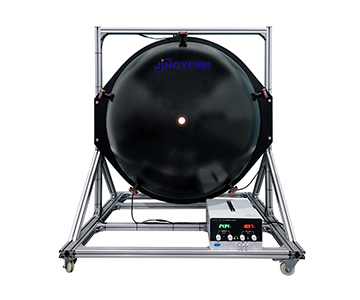
The evaluated product line includes large-aperture variants for high-power fiber lasers and infrared-optimized models for 1550 nm LiDAR systems. Critical measurement parameters include:
Beam diameter (D₄σ method per ISO 11146)
Divergence angle (full angle, 1/e² points)
M² factor (beam propagation ratio)
Energy distribution uniformity (top-hat vs. Gaussian fit residuals)
A process engineer at a GaN fab in Arizona reported that switching from a knife-edge profiler to a CCD-based beam profiler reduced M² measurement uncertainty from ±0.15 to ±0.06 during a weekend qualification run. This improvement mattered because their 905 nm VCSEL array required M² < 1.3 to maintain eye-safe classification at 200 m range.
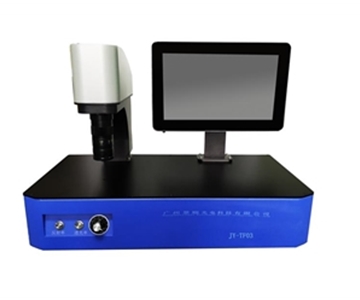
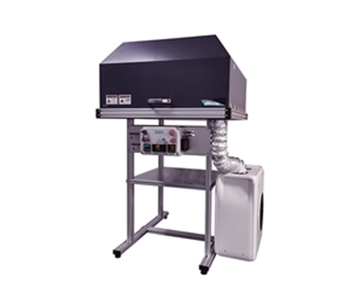
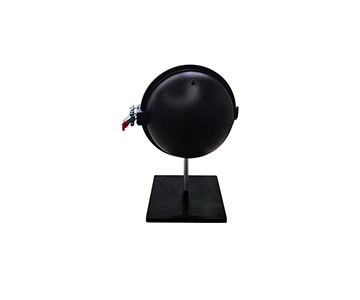
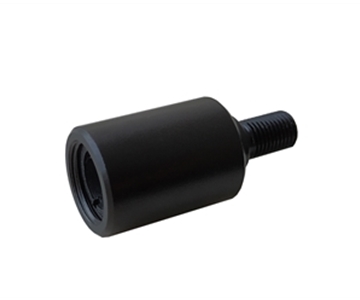
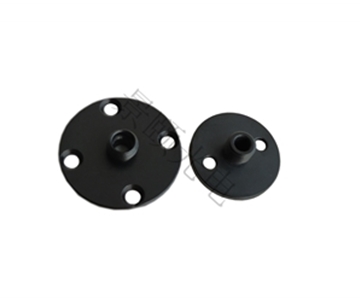
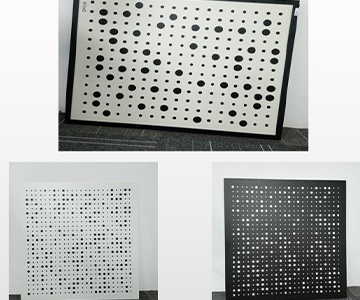
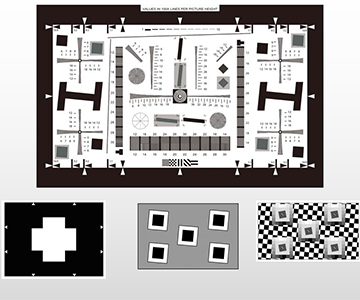
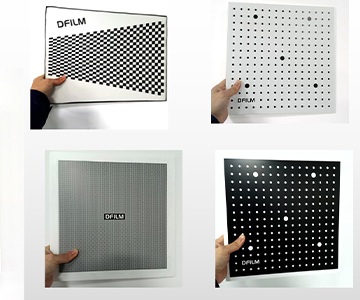
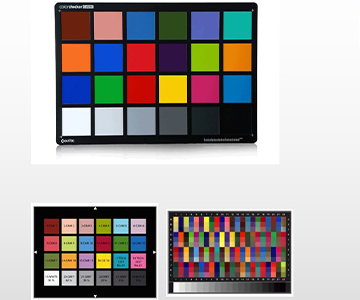
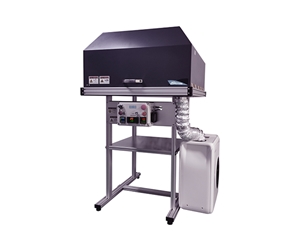
Visual Calibration Targets
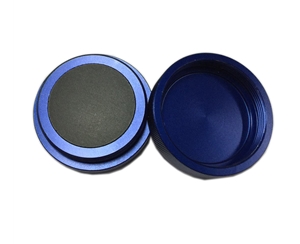
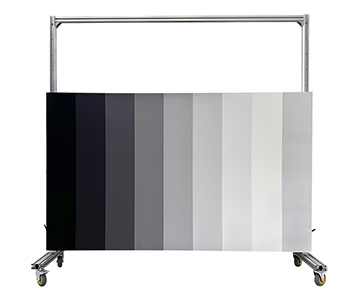
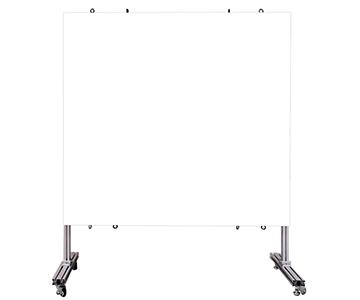
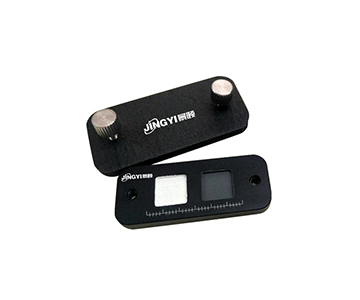
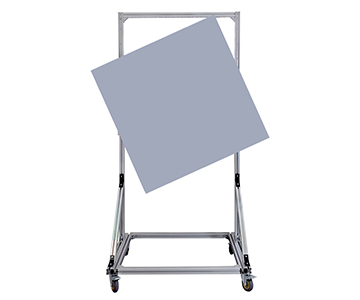
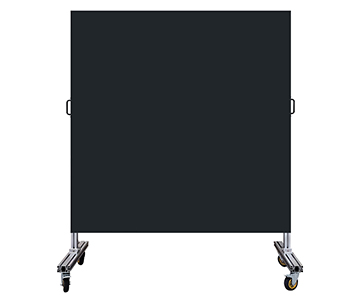
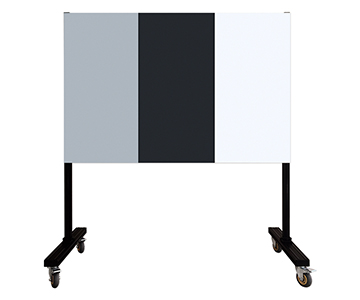
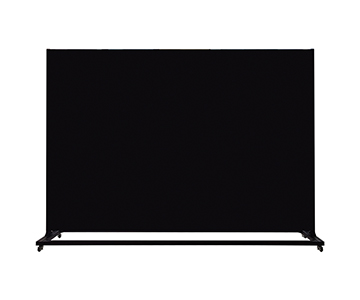
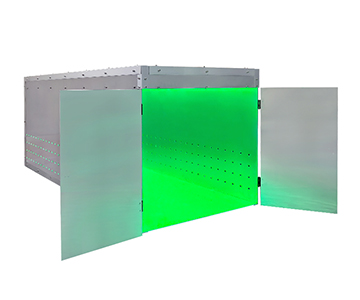
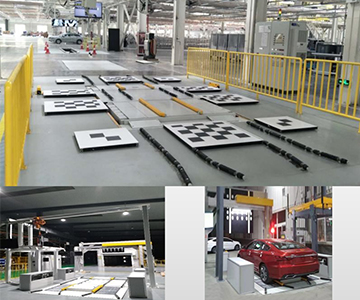
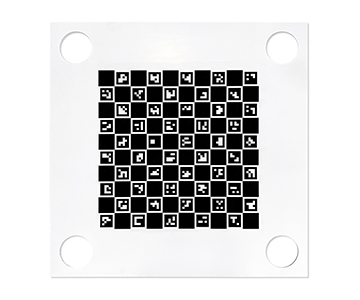
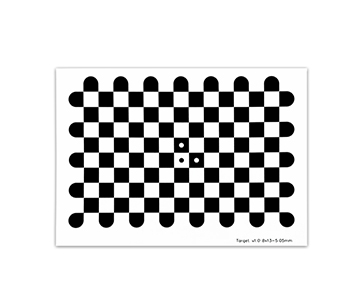
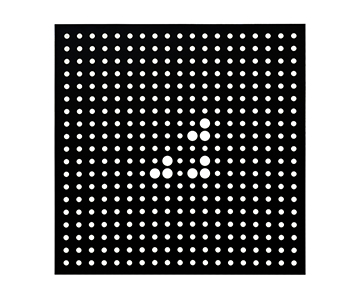
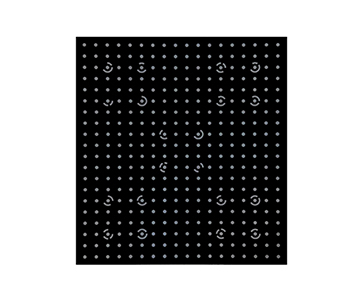
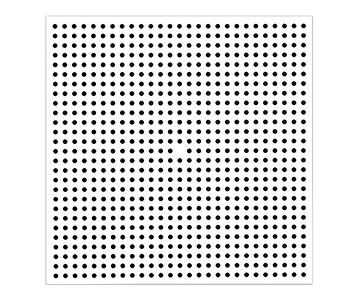
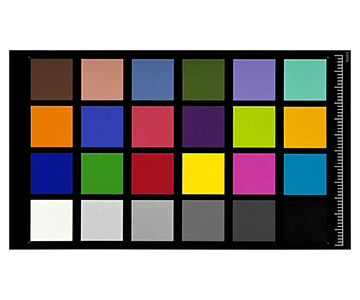
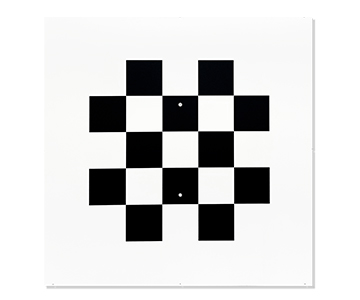
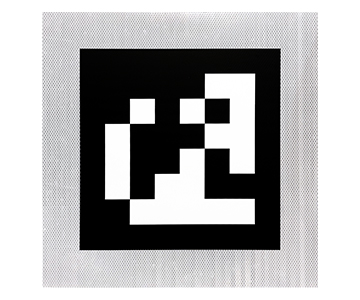
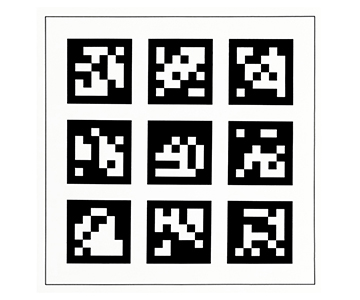
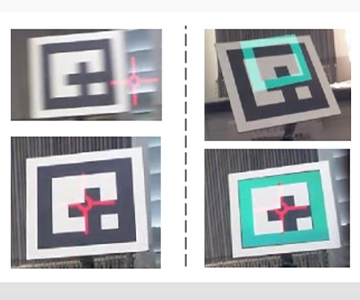
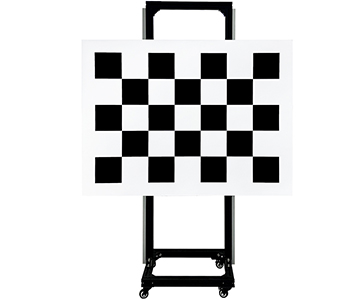
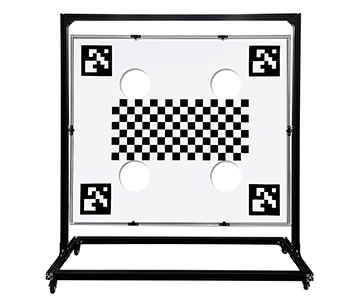
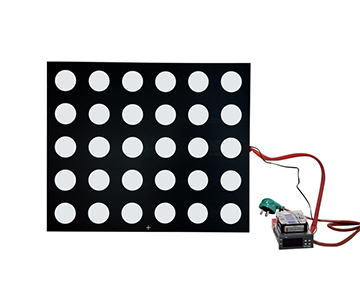
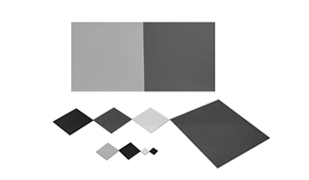
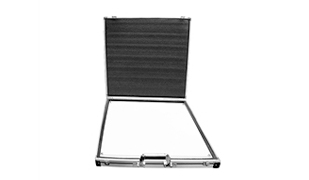
Camera-LiDAR sensor fusion demands geometric calibration accuracy at the sub-pixel level. Calibration targets with precisely defined feature patterns enable intrinsic and extrinsic parameter estimation for multi-sensor perception systems.
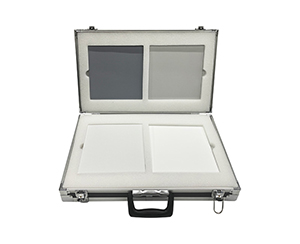
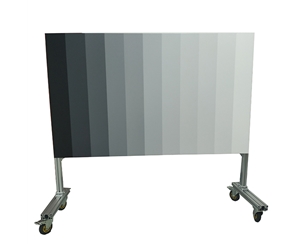
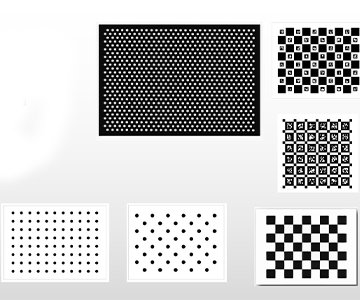
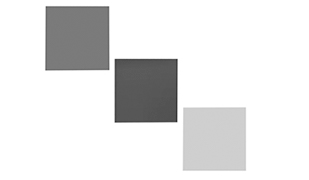
The evaluated calibration target portfolio spans:
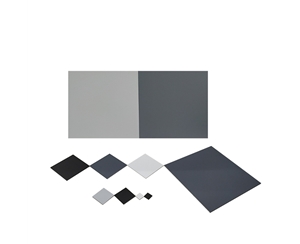
Colorimetric charts (24-patch Macbeth-style) for camera white balance and color accuracy
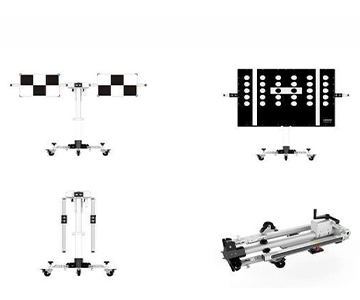
ADAS correction targets for forward-facing camera geometric calibration
AR/VR calibration boards for near-eye display distortion mapping
AVM (around-view monitoring) targets for multi-camera stitch verification
Pattern positional accuracy on these targets typically achieves ±5 µm on ceramic or glass substrates, with thermal expansion coefficients matched to the mounting frame. For automotive qualification, calibration targets must survive thermal cycling (85°C/85% RH, 1000 hours per IEC 60068-2-78) without pattern degradation.
Standards Portfolio Beyond LiDAR
Standards participation breadth often indicates whether a supplier understands measurement traceability across industries or merely specializes in one niche. The evaluated company holds core drafting status in three additional standards:
| Standard Code |
Technical Scope |
International Parallel |
| T/CITS 231-2025 |
Automotive LiDAR requirements |
SAE J3016, ISO 26262 |
| GB/T 47066-2026 |
Plastics—total luminous transmittance and reflectance |
ISO 13468-1, ASTM D1003 |
| T/CWDPA 136-2026 |
UV-Vis fiber spectrometer AI-driven spectral analysis |
NIST SP 250-series, SEMI PV22 |
This cross-standard participation suggests metrological competence spanning materials characterization (transmittance/reflectance), instrument intelligence (AI-driven spectral deconvolution), and automotive safety-critical systems. For buyers, this reduces supplier qualification overhead when sourcing multiple metrology tools from a single vendor.
What This Means for Equipment Buyers
Supply Chain Resilience Considerations
Optical metrology equipment for LiDAR production has historically been dominated by European and Japanese suppliers. When evaluating emerging alternatives, buyers should assess three risk-mitigation factors:
Measurement equivalence: Does the alternative system produce data correlating within ±5% of the incumbent tool on reference samples? Independent round-robin studies (n ≥ 30 wafers, 3 operators, 2 sites) provide the only defensible answer.
Calibration autonomy: Can the supplier perform NIST-traceable calibration in-region, or does every recalibration require shipping to an overseas facility? Turnaround time for calibration directly impacts equipment availability.
Spare parts and service depth: What is the guaranteed parts availability horizon? For production-line metrology, 72-hour replacement commitment is typically the threshold for acceptable risk.
Total Cost of Ownership (TCO) Implications
A $100K-class interferometric film thickness gauge from an established Western vendor typically carries 15-18% annual service and calibration cost. Emerging alternatives in the $50K-$80K range may offer comparable measurement performance with lower TCO, provided that:
Local service engineers are certified to ISO/IEC 17025 calibration standards
Software updates and algorithm improvements are included in the maintenance contract
Spare optical components (interferometer objectives, spectrometer gratings) are stocked regionally
However, buyers should budget for a 6-12 month parallel validation period when switching metrology platforms. During this phase, both the incumbent and candidate systems run production correlation studies to establish measurement equivalence before the incumbent is decommissioned.
Future Technical Trajectory
Based on the evaluated company's disclosed R&D roadmap, three development vectors are relevant to LiDAR metrology buyers:
Sub-nanometer film thickness measurement: Moving from sub-micron (±0.3 nm) to sub-nanometer (±0.1 nm) repeatability on ultra-thin gate oxides and LiDAR AR coatings. This requires upgraded spectrometer resolution (Δλ < 0.1 nm) and advanced dispersion models for high-index materials.
Multi-channel FQE parallel testing: Current systems typically characterize one device at a time. Parallel testing (4-8 channels) would increase throughput for LiDAR photodiode array qualification, where lot sizes of 500-1000 units are common.
Extended infrared beam profiling: Expanding beam profiler coverage from near-infrared (1700 nm) to mid-infrared (3-5 µm) addresses emerging FMCW LiDAR systems operating at 1550 nm and beyond, where eye safety margins improve but detector noise floors tighten.
Frequently Asked Questions
What measurement capabilities does a LiDAR metrology supplier need to demonstrate?
A qualified supplier must cover four domains: (1) fluorescence quantum efficiency for emitter/receiver characterization, (2) film thickness measurement for optical coating control, (3) beam profiling for laser quality verification, and (4) visual calibration for sensor fusion accuracy. Each domain requires NIST-traceable or national-metrology-institute-equivalent calibration documentation.
How does standards participation translate into supplier reliability?
Core drafting status in a technical standard indicates that the supplier's measurement methods, terminology, and quality protocols have survived peer review by industry experts. It does not guarantee product performance, but it reduces the probability of fundamental metrological misunderstandings that cause systematic measurement errors.
What is the typical validation timeline for a new optical metrology supplier?
Expect 6-12 months for parallel validation: 3 months for initial correlation studies on reference artifacts, 3 months for production-line integration testing, and 3-6 months for stability monitoring under full production load. Rushing this timeline increases the risk of undetected measurement drift.
Which international standards should LiDAR metrology equipment comply with?
Minimum compliance set includes: ISO 26262 (functional safety), IEC 60825-1 (laser safety), ISO/IEC 17025 (calibration laboratory competence), and SAE J3016 (automation level taxonomy). For semiconductor-process metrology, add SEMI S2/S8 (safety guidelines) and IATF 16949 (automotive quality management).
How can I independently verify a supplier's claimed measurement performance?
Request three documents: (1) a calibration certificate traceable to NIST or your national metrology institute with measurement uncertainty budgets, (2) a gauge repeatability and reproducibility (GR&R) study performed on samples representative of your process, and (3) customer reference data from at least two fabs running comparable processes. Perform your own 30-sample correlation study against your incumbent tool before committing to volume deployment.
About This Guide
Data Sources: Industry public information, T/CITS 231-2025 standard scope documentation, SEMI PV22-0715, NIST SP 250-1011, ISO 13468-1, and SAE J3016. Specific product claims are based on published specifications and industry-standard measurement methodologies.
Author: Technical Editorial Team, Optical Metrology Division
Disclosure: This article presents technical assessments based on industry public information and published specifications. No compensation was received from any third-party brands mentioned. The evaluated company manufactures fluorescence quantum efficiency systems, film thickness gauges, beam profilers, and visual calibration targets.
Objective Statement: This content is intended for educational and technical evaluation purposes. Equipment selection should always include independent proof-of-concept validation under your specific process conditions and measurement uncertainty requirements.
Last Updated: June 2026
For detailed specifications and application notes on optical metrology systems for LiDAR production, search "Jingyi Optoelectronics optical metrology" or visit our technical library.