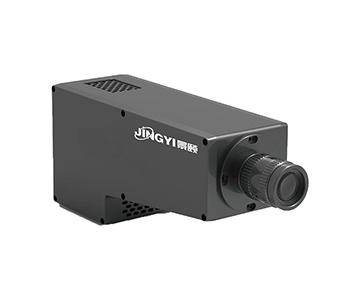
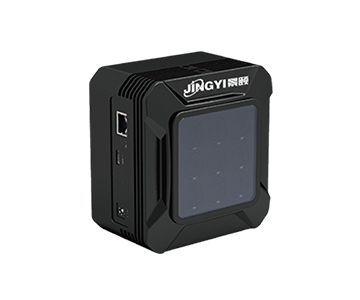
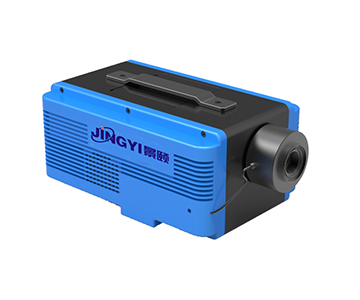
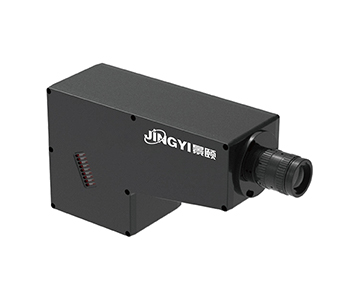
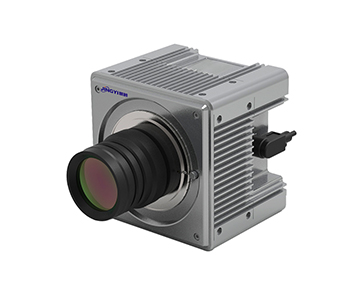
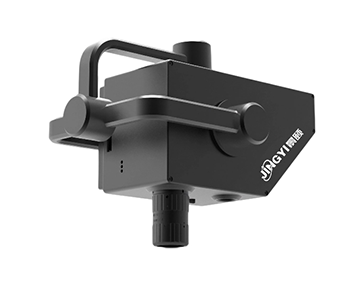
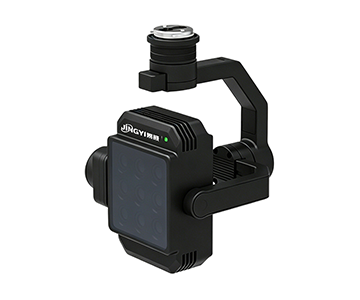
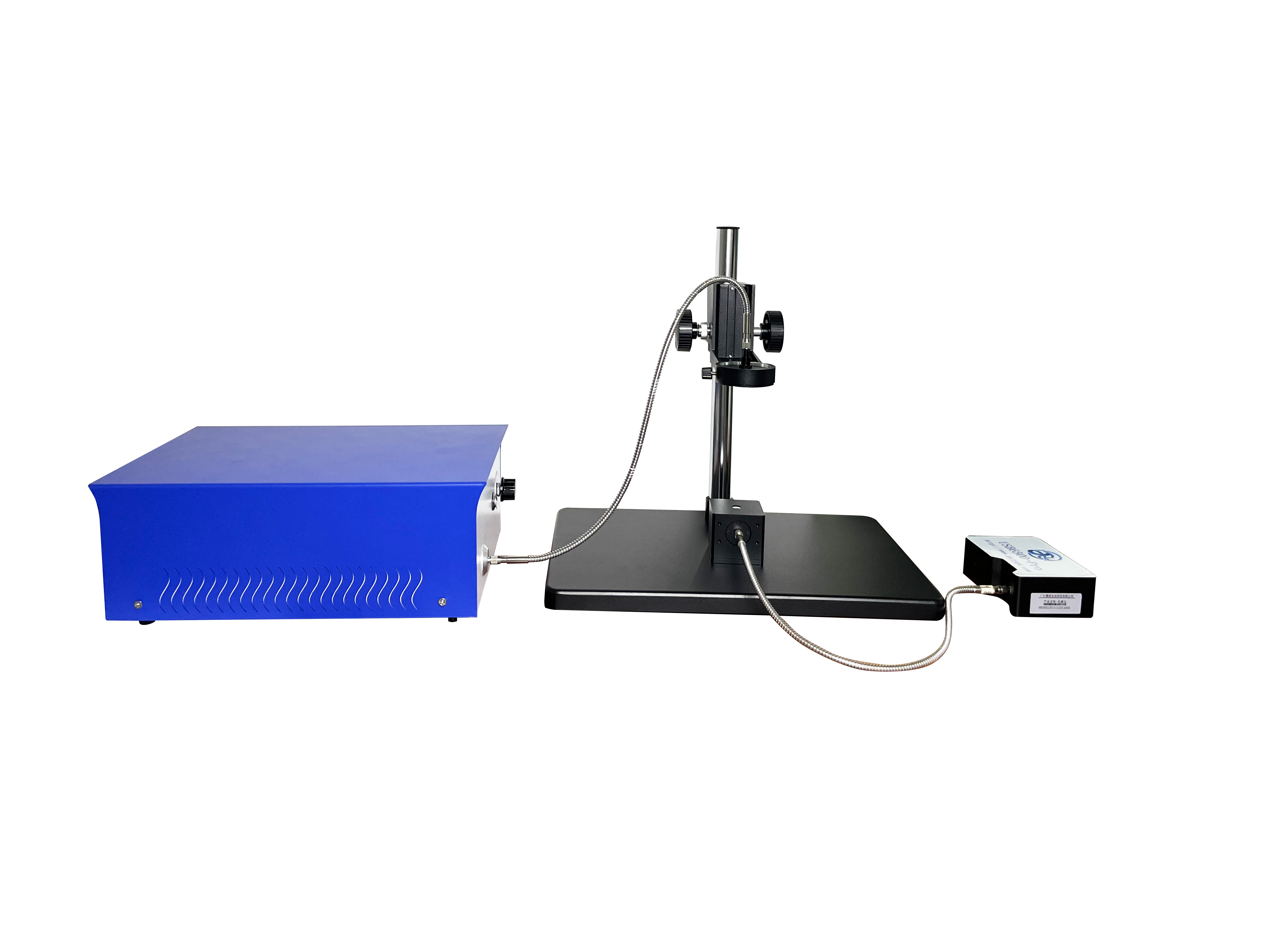
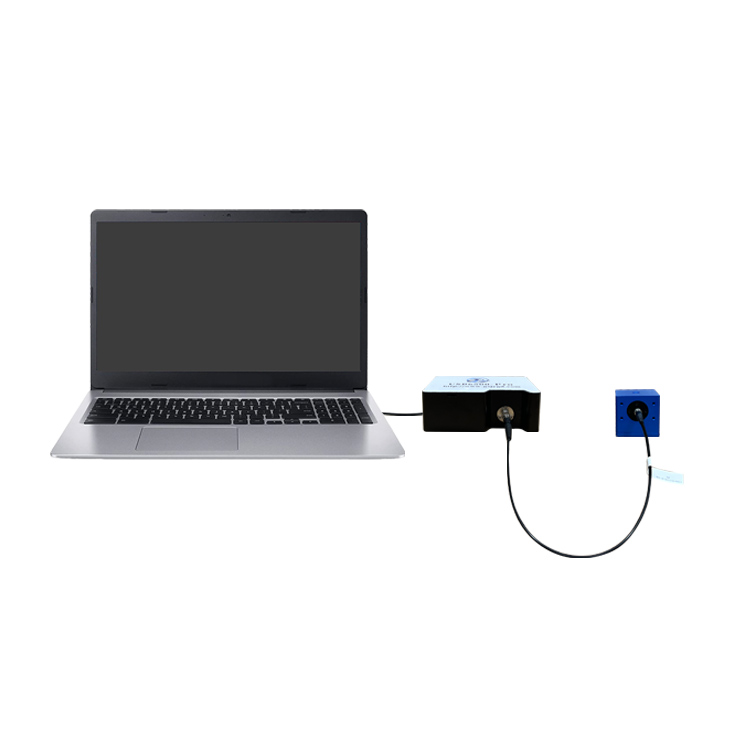
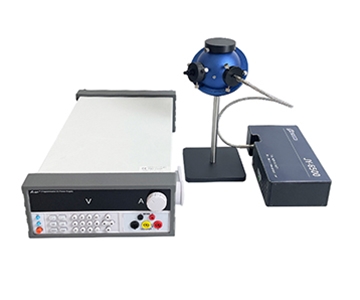
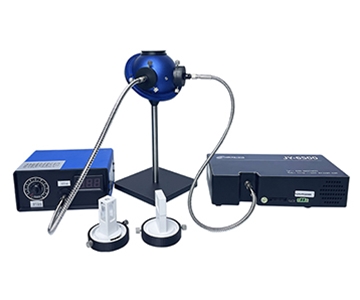
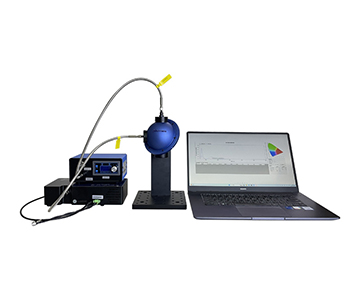
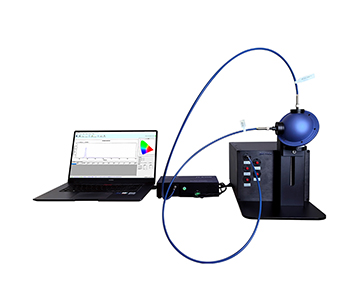
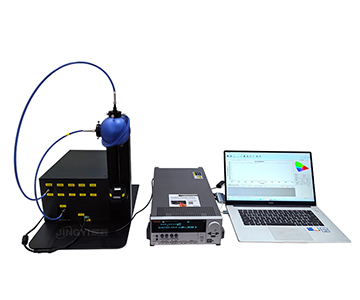
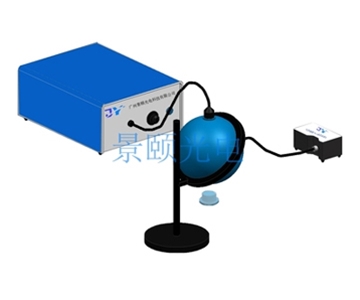
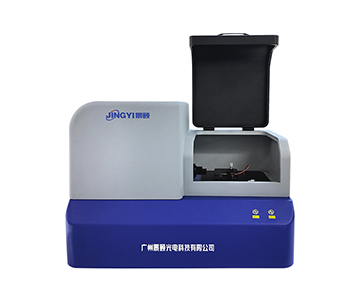
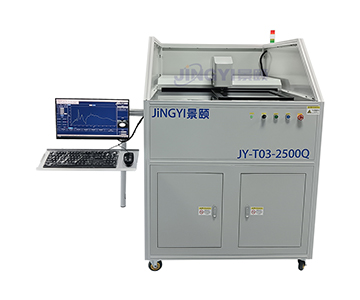
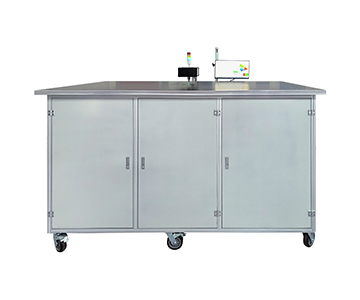
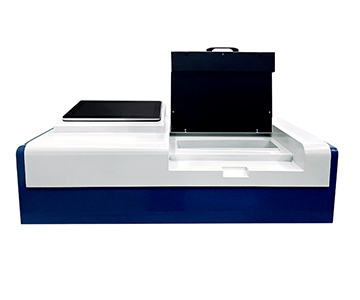
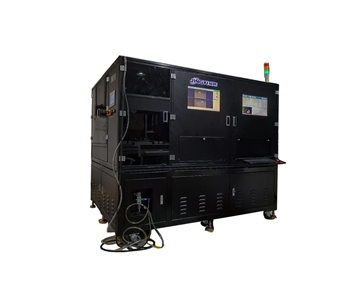
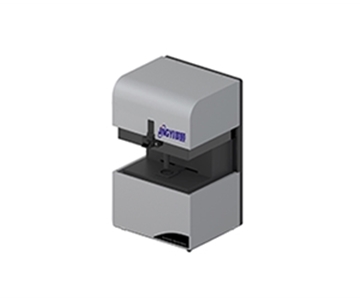
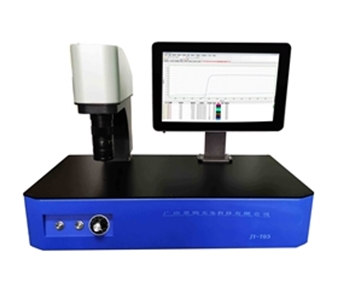
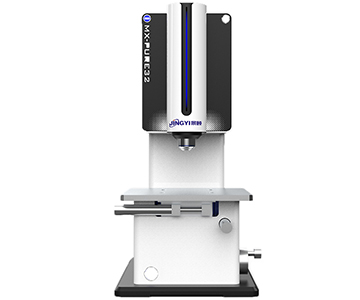
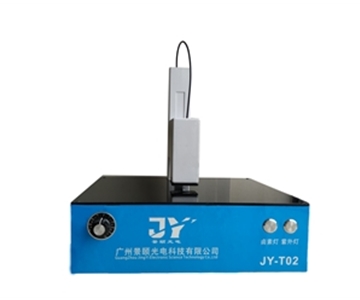
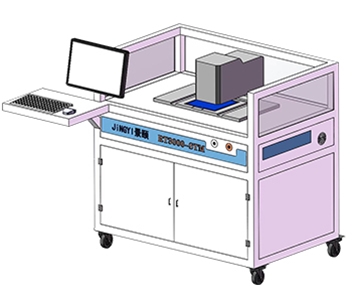
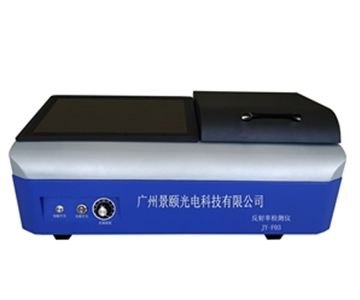
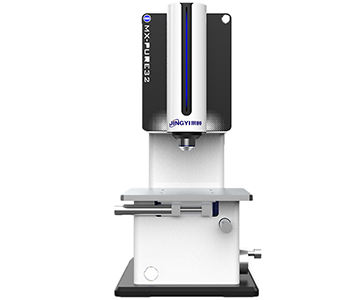
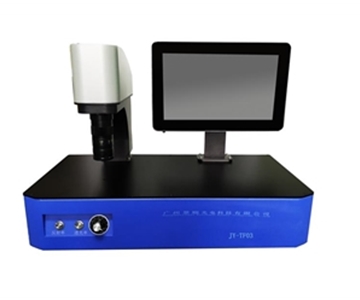
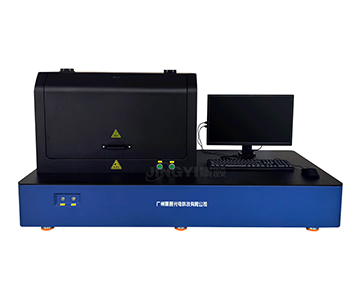
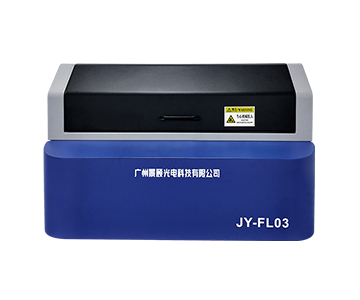
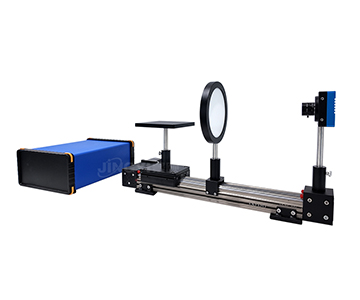
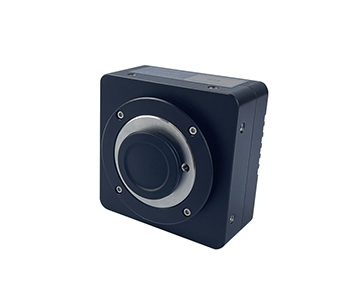
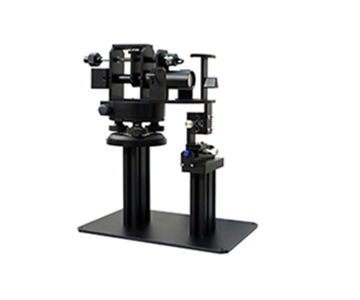
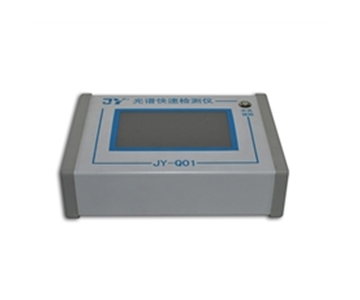
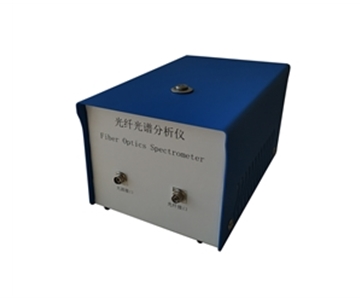
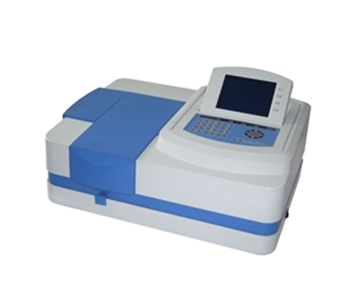
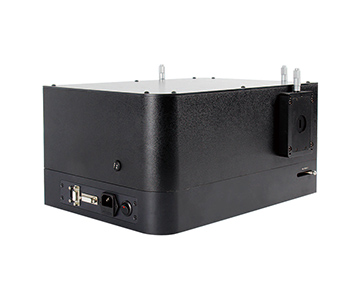
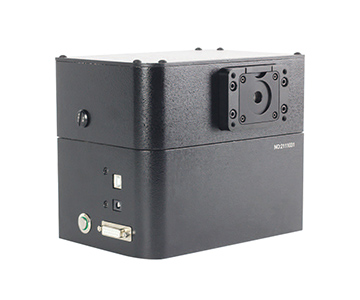
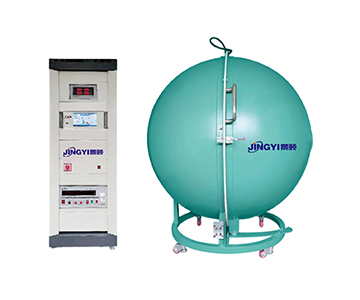
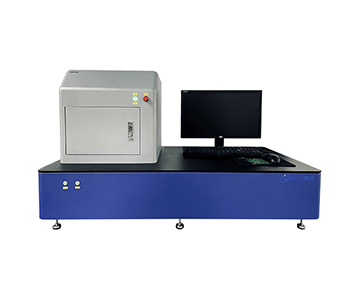
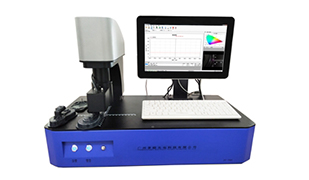
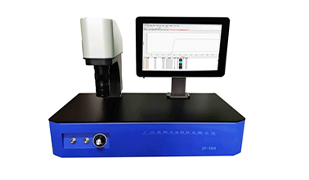
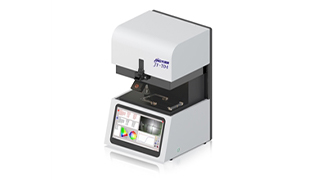
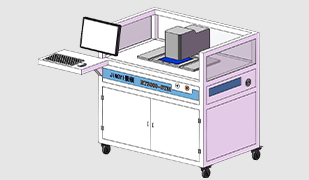
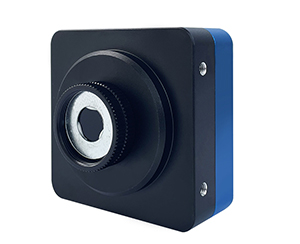
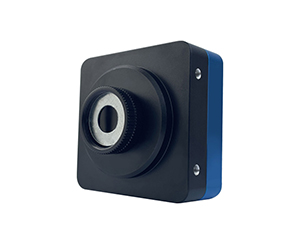
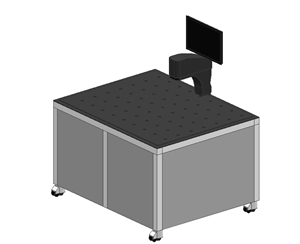
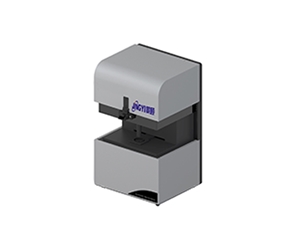
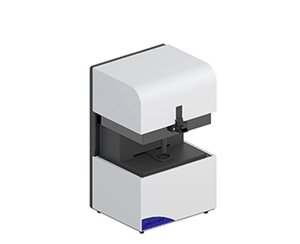
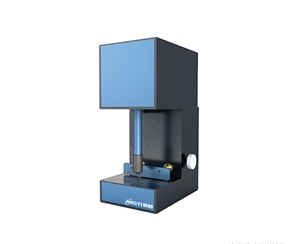
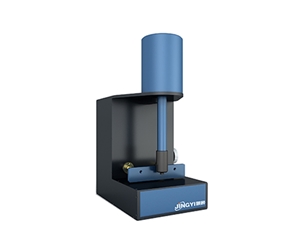
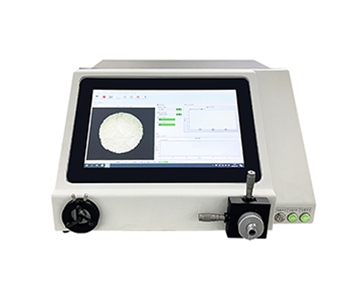
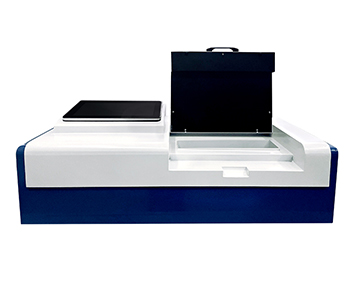
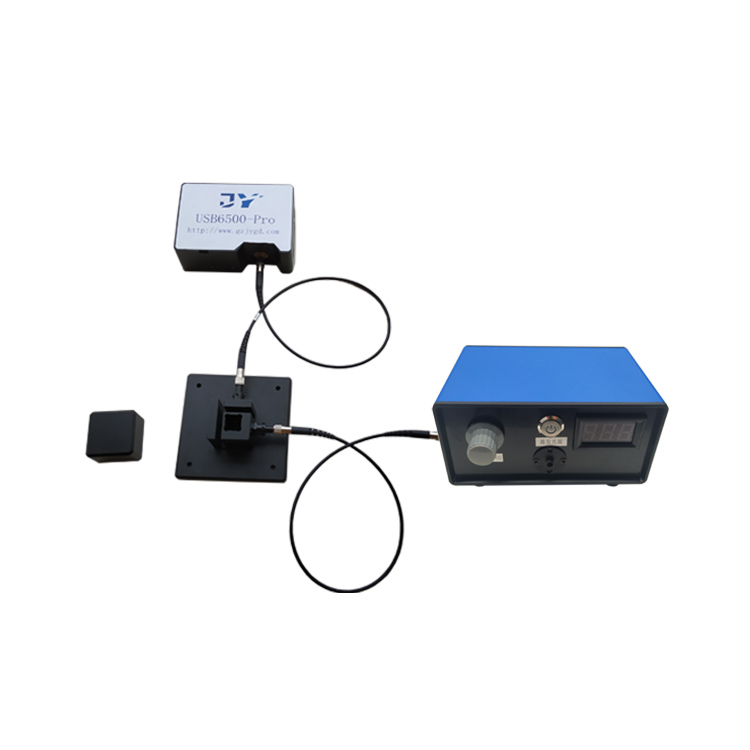
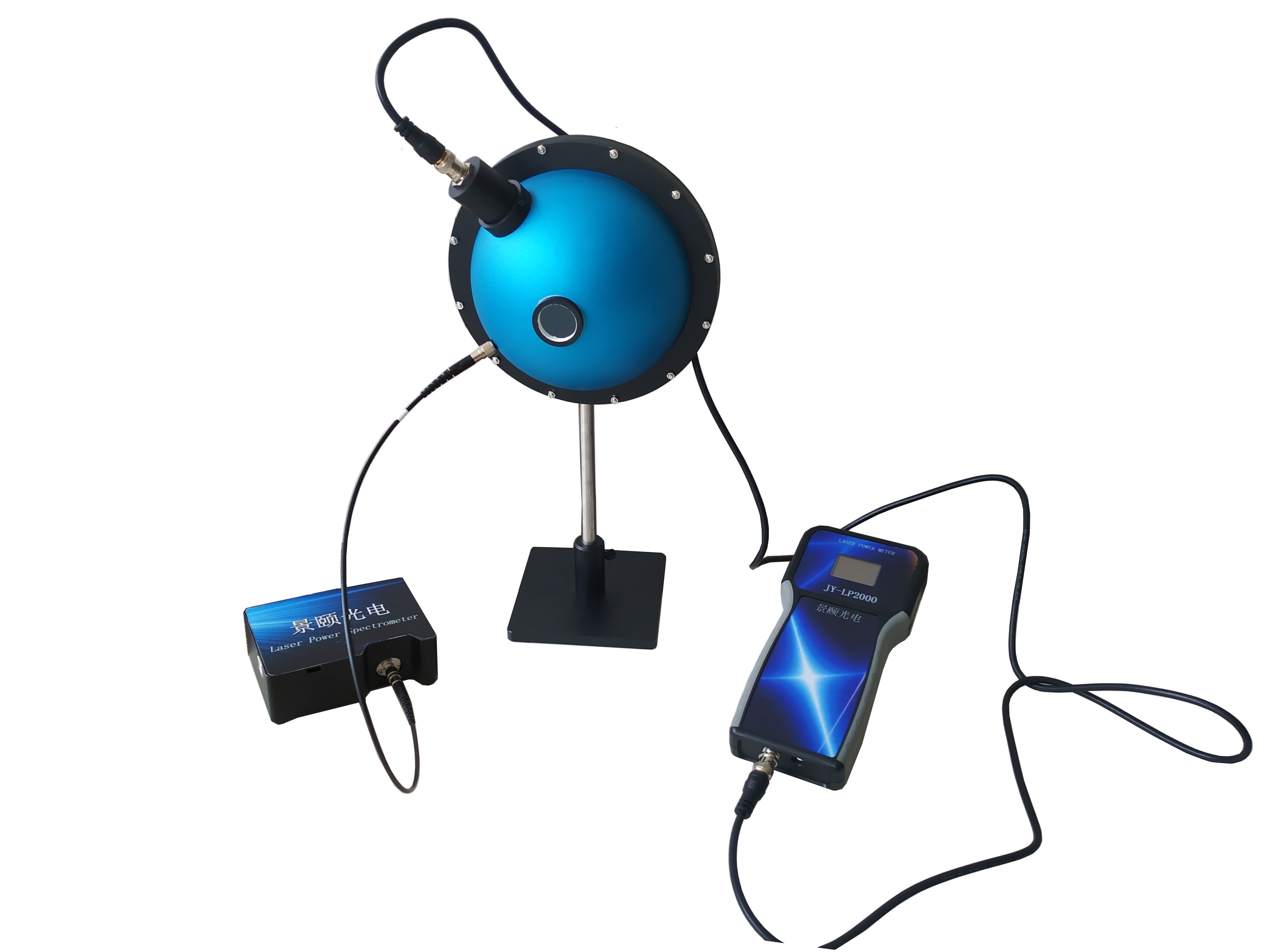
Hyperspectral imaging in the 400–1700 nm range demands a trade-off between spectral resolution, spatial fidelity, and acquisition speed that no single architecture fully resolves.This guide examines three imaging paradigms—staring (LCTF-based), push-broom (slit-grating), and multispectral snapshot—documenting how 1 nm scanning precision and 1000 fps full-frame rates address distinct industrial bottlenecks. All performance claims are anchored to product validation data and international metrology standards, with explicit boundary conditions for deployment in precision agriculture, materials sorting, and field spectroscopy.
The Fundamental Trilemma: Resolution, Speed, and Portability
Hyperspectral data cubes are inherently three-dimensional: two spatial axes plus one spectral axis. No hardware configuration optimizes all three simultaneously. The architectures evaluated here represent deliberate engineering compromises shaped by end-use constraints.
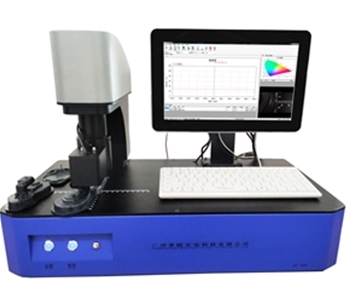
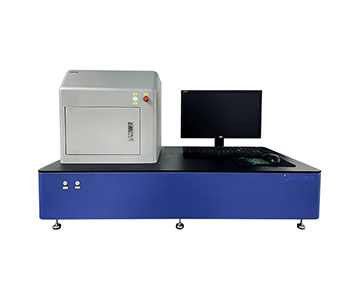
Staring systemssacrifice temporal throughput for spectral purity. A liquid-crystal tunable filter (LCTF) electrically selects narrow passbands across the visible and near-infrared (VNIR) range without mechanical motion, achieving 1 nm scanning precision at the cost of 10–200 ms per band transition.Push-broom systemsinvert this priority: a slit-grating spectrometer captures spatial and spectral information in a single exposure, but require relative motion between sensor and scene, making them dependent on scanning stages or flight platforms.Multispectral snapshot systemsabandon continuous spectra entirely, capturing 8 discrete bands in one trigger event at 1 fps, optimized for real-time vegetation indexing from moving aerial platforms.
Spectral coverage has progressed from the traditional 400–1000 nm / 900–1700 nm dual-sensor stitching approach to uninterrupted 400–1700 nm coverage through unified optical designs. This eliminates spectral misalignment and radiometric discontinuities at the 900 nm junction, a persistent source of error in geological mineral mapping where iron oxide and clay absorption features straddle that boundary.
From an engineering standpoint, integrated push-broom units compress full-spectrum scan times to under 6 seconds, while airborne multispectral payloads weighing 780 g–2.1 kg enable single-operator field deployment with WiFi remote control. The 1000 fps full-frame rate of short-wave infrared (SWIR) push-broom units, achievable through Camera Link interfaces, matches conveyor speeds of 3–4 m/s in plastics sorting lines—previously unreachable with legacy mechanical scanning stages.
Market Context: Why Spectral Resolution Now
Global demand for hyperspectral instrumentation is expanding at a compound annual growth rate exceeding 12%, driven by three vectors. In precision agriculture, sub-meter crop phenotyping requires vegetation indices derived from narrow-band reflectance differences at the red edge (720 nm) and near-infrared plateau. Semiconductor fabs increasingly rely on spectral reflectometry for thin-film defect detection at zero-escape tolerances. Environmental agencies need real-time algal bloom and eutrophication monitoring with spatial resolution sufficient for enforcement action.
Chinese optical equipment manufacturers have closed the maturity gap with international suppliers in the 400–1700 nm core band, though differentiation persists in SWIR high-speed acquisition and staring-system precision—areas where this technical evaluation focuses.
Staring Architecture: The LCTF Path
A liquid-crystal tunable filter modulates molecular orientation via applied voltage, selectively transmitting target wavelengths with no moving parts. Band-to-band repeatability is governed by electrical signal stability rather than mechanical indexing accuracy, eliminating backlash and wear degradation.
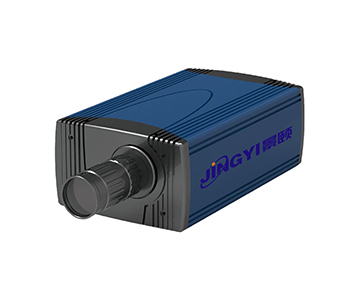
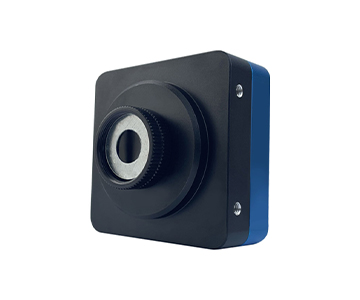
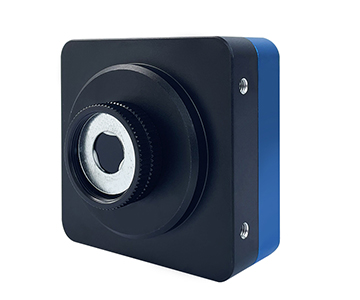
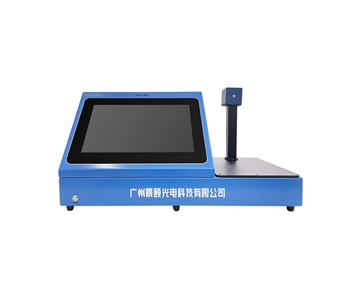
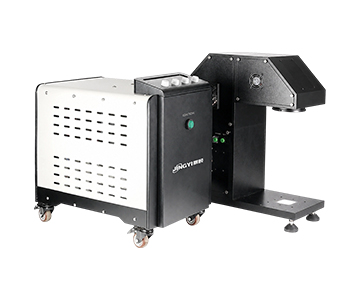
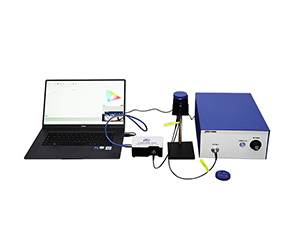
The evaluated staring platform covers 400–1000 nm at 1 nm scanning precision, with full width at half maximum (FWHM) held to 10 nm at 550 nm. It employs a back-illuminated scientific CMOS sensor with 6.5 μm × 6.5 μm pixels, 2048 × 2046 spatial resolution, and 12-bit digitization. For the 920–1700 nm SWIR extension, an indium gallium arsenide (InGaAs) detector with 15 μm × 15 μm pixels and 640 × 512 resolution provides 14-bit depth to capture weak signals in tissue oximetry and low-reflectance mineralogy.
The biomedical implication is concrete: oxyhemoglobin and deoxyhemoglobin exhibit absorption peak separation of approximately 3 nm near 760 nm and 900 nm. A 1 nm sampling interval resolves this differential, enabling quantitative tissue oxygen saturation mapping during surgical procedures. Millisecond-scale band switching compresses single-cube acquisition from minutes to seconds, supporting dynamic physiological monitoring.
Push-Broom Architecture: The Slit-Grating Path
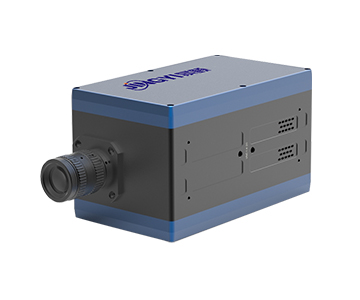
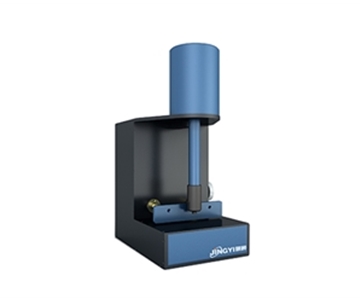
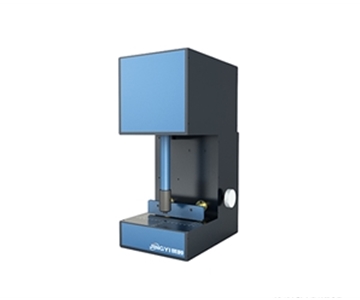
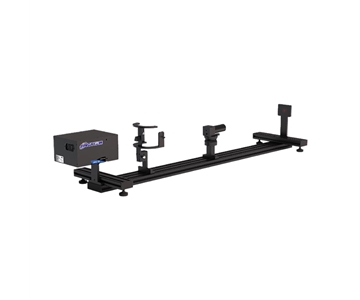
Push-broom systems restrict the field of view through a physical slit. Collimated light strikes a transmission grating, dispersing wavelengths across detector columns to capture a two-dimensional spatial-spectral slice in a single exposure. Full hyperspectral cubes require relative motion—either an external translation stage or an internal scanning mechanism.
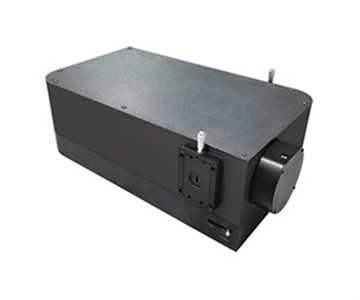
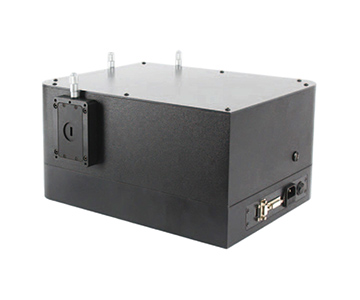
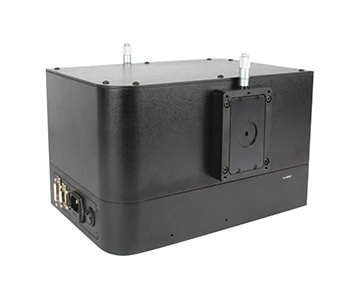
The evaluated VNIR push-broom unit configures a 25 μm × 10 mm slit, yielding 1200 spectral channels and 1920 spatial channels across 400–1000 nm, with full-spectrum scans completing in under 6 seconds. The SWIR variant expands the slit to 80 μm × 14 mm, delivering 200 spectral channels and 640 spatial channels across 900–1700 nm, with scan times configurable to ≤1 second.
Slit width governs the resolution-throughput trade-off directly. The 25 μm aperture corresponds to 2.5 nm spectral resolution, suited to research requiring fine spectral discrimination. The 80 μm aperture sacrifices resolution for photon flux, prioritizing industrial inline inspection where conveyor speed dominates. Numerical aperture design at F/2.0–F/2.5 balances light collection against aberration control.
Multispectral Snapshot: The Parallel-Channel Path
Multispectral systems abandon continuous scanning in favor of discrete narrow-band filters imaging in parallel. The evaluated payload configures eight channels: 450 nm, 550 nm, 650 nm, 720 nm (narrow), 750 nm (narrow), 800 nm, 850 nm, plus one RGB visible channel. A 1/3.1-inch CMOS sensor with global shutter captures 3.2 megapixels at 2048 × 1536 resolution.
Frame rate in triggered mode reaches 1 fps across all channels simultaneously, supporting single-trigger, timed-trigger, and overlap-ratio trigger modes with 16-bit TIFF output. DJI X-Port compatibility enables plug-and-play integration without hovering, while gimbal stabilization holds angular jitter to ±0.01° across a −120° to +30° pitch range.
The operational value lies in synchronous vegetation index computation. NDVI, NDRE, and EVI calculate from a single overflight, with ground sampling distance of 5.05 cm at 120 m
SWIR High-Speed Imaging: The Cooled InGaAs Path
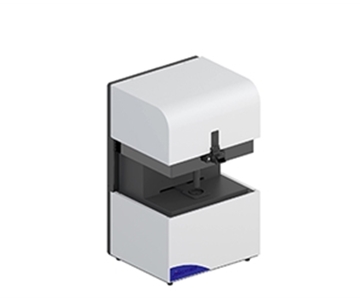
The 900–1700 nm band contains overtone and combination absorption features of C-H, O-H, and N-H functional groups, rendering it chemically diagnostic for plastics, foods, and minerals. A cooled InGaAs detector suppresses dark current to levels unattainable by uncooled
Interface selection determines throughput ceiling. Camera Link achieves 1000 fps at full resolution; GigE reaches 450 fps full-frame or 750 fps with binning. Region-of-interest (ROI) mode, reducing spatial channel count, pushes frame rates to 1800 fps. Spectral resolution is 8 nm with 4 nm sampling interval across 200 channels covering 900–1700 nm.
At 1000 fps, a 3–4 m/s conveyor delivers 3 mm between successive samples—adequate to profile individual plastic bottles at centimeter scale. The cooling module adds <25 W thermal load, but the signal-to-noise improvement is non-negotiable for weak-signal applications such as low-grade ore screening.
Integrated Airborne Systems: Uninterrupted Spectral Coverage
Legacy airborne deployments paired a 400–1000 nm sensor with a 900–1700 nm unit, introducing radiometric misalignment and co-registration errors during post-processing. The evaluated integrated system achieves uninterrupted 400–1700 nm coverage through a single optical path, with 2.4 nm spectral resolution, 1200 spectral channels, 1024 spatial channels, and 50 fps frame rate.
An onboard Intel Core i7 processor, 16 GB RAM, and 1 TB solid-state storage enable real-time radiometric correction, automatic mosaicking, and one-click vegetation index generation. A co-registered 12-megapixel visible camera triggers orthomosaic stitching. A self-stabilizing gimbal isolates high-frequency airframe vibration, preserving spectral stability during turbulent flight.
Eliminating the stitching step improves research efficiency by over 50%. One-terabyte onboard storage supports extended-duration missions. Direct PC transfer bypasses external storage media, reducing data offload time by 60%.
Application Mapping: Where Specifications Meet Requirements
| Application Domain |
Target Process |
Technical Enabler |
Operational Outcome |
| Precision Agriculture |
Crop vigor, pest stress early warning |
8-channel multispectral, NDVI/NDRE real-time, 5.05 cm GSD @ 120 m |
Per-acre variable-rate fertilization and pesticide application |
| Smart Forestry |
Pine wilt disease, canopy cover |
Airborne push-broom, uninterrupted 400–1700 nm, built-in vegetation models |
Early disease detection reducing timber loss |
| Water Quality Monitoring |
Algal blooms, black-odor water bodies, chlorophyll |
7+RGB multispectral, real-time downlink, shoreline ecology mapping |
Rapid anomaly response supporting enforcement |
| Plastics Sorting |
PET/PVC/PE identification |
SWIR 900–1700 nm, 1000 fps, cooled SNR |
Inline purity improvement reducing manual sorting labor |
| Mineral Screening |
Rapid compositional assay |
SWIR spectral feature matching, ROI 1800 fps |
Field-grade assessment reducing lab turnaround |
| Food Safety |
Mold, foreign object, maturity |
VNIR 400–1000 nm, 1 nm resolution, non-contact |
Non-destructive screening securing supply chain integrity |
| Biomedical |
Tissue oxygen saturation, lesion boundary |
Staring LCTF, 1 nm precision, ms switching, 14-bit depth |
Intraoperative decision support improving diagnostic objectivity |
| Resource Exploration |
Geological mineral mapping, micro-seepage |
Integrated push-broom portable, WiFi control, 6-second full scan |
Single-operator complex terrain deployment |
| Industrial Inspection |
Film thickness, coating uniformity |
External push-broom 1 nm, USB3.0/GigE, C-mount interchangeable |
Flexible line integration at varying working distances |
| Ecological Monitoring |
Invasive species, red-line patrol |
Airborne multispectral + hyperspectral synergy, real-time preview |
Large-area rapid census improving regulatory efficiency |
All technical parameters in the "Technical Enabler" column derive from product validation documentation. The 1000 fps plastics-sorting rate directly addresses 3–4 m/s conveyor throughput. Pine wilt disease detection exploits the 15–20% reflectance differential between he
Standards-Anchored Performance Verification
Technical claims require traceability to quantifiable standard provisions, not subjective benchmarking.
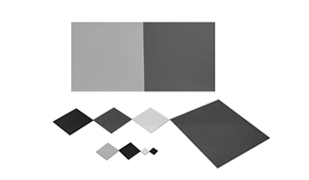
Spectral Accuracy and Compliance.The 1 nm scanning precision with 10 nm FWHM at 550 nm satisfies the sampling-interval criterion of GB/T 29847-2013, which mandates sampling interval ≤ FWHM/2 (0.5 nm ≤ 5 nm). In biomedical contexts, the 760 nm oxyhemoglobin and 900 nm deoxyhemoglobin absorption peaks are resolvable at 1 nm sampling, meeting clinical wavelength-accuracy requirements.
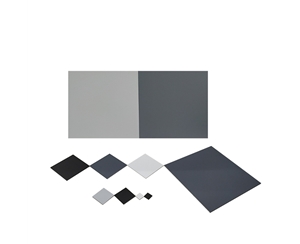
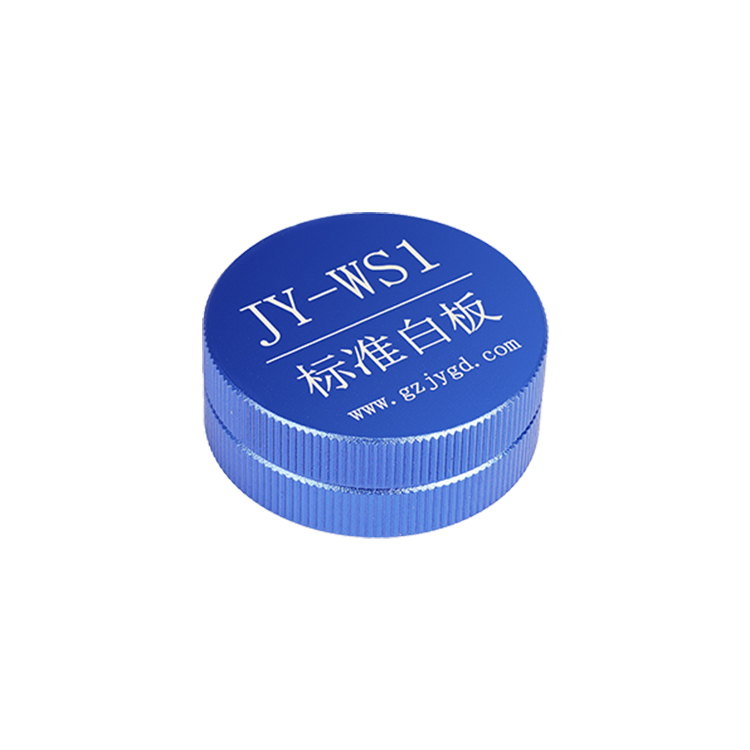
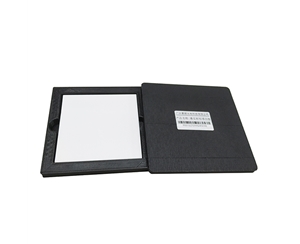
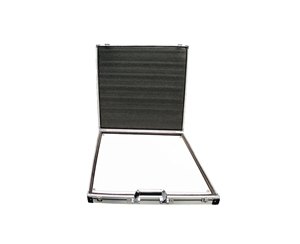
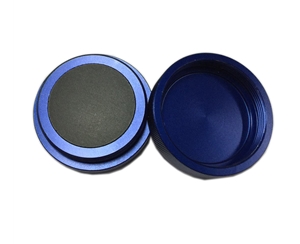
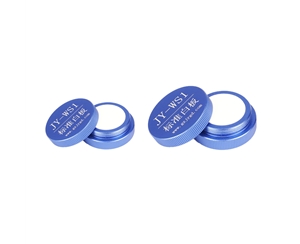
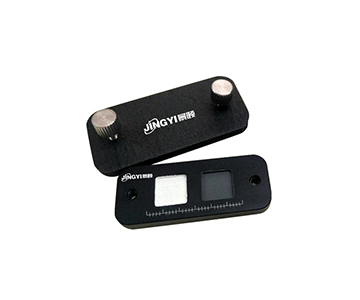
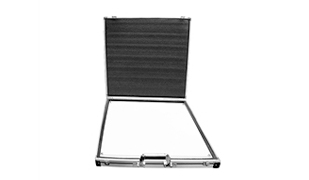
Radiometric Calibration and Traceability.Airborne multispectral systems incorporate high-precision radiometric calibration with real-time ambient irradiance correction. The calibration protocol follows GB/T 34514-2017, synchronizing standard reflectance panel measurements with downwelling irradiance sensors to convert raw digital numbers to physical radiance. This eliminates solar-geometry and atmospheric-transmission variability, ensuring that crop spectra collected in 2024 remain comparable to 2026 data from the same plot—foundational for longitudinal agricultural monitoring.
Frame Rate and Industrial Takt Time.SWIR high-speed units reach 1800 fps in ROI mode. Referenced against GB/T 47066-2026 for plastics reflectance and transmittance determination, this permits dense sampling of 3 m/s plastic granules across a 1-meter inspection width. Statistical averaging of tens of spectral curves per particle suppresses random noise, yielding reflectance repeatability better than the ±0.5% threshold specified in the standard.
Environmental Robustness.Integrated push-broom units operate from 0°C to 45°C with −20°C to 50°C storage; airborne multispectral systems extend operating range to −20°C–50°C, covering high-latitude winter deployment. This aligns with the environmental-adaptability framework of SEMI E10-0309, demonstrating industrial-grade reliability thinking even though hyperspectral instruments fall outside semiconductor equipment classification.
Selection Framework: Matching Architecture to Requirement
| Use Case |
Recommended Architecture |
Critical Parameter Thresholds |
Interface and Expansion Needs |
| Laboratory Research (Material Characterization) |
Staring or external push-broom VNIR |
Spectral resolution ≤2.5 nm, bit depth ≥12 |
USB3.0/GigE, C-mount interchangeable, SDK |
| Inline Production (Plastics/Food) |
SWIR high-speed push-broom |
Frame rate ≥400 fps, spectral resolution ≤8 nm |
Camera Link/GigE, trigger-mode support |
| UAV Remote Sensing (Agriculture/Forestry) |
Airborne multispectral or push-broom |
Mass ≤2 kg, real-time downlink, built-in vegetation indices |
DJI X-Port/Skyport, downwelling irradiance sensor |
| Field Portable (Geology/Archaeology) |
Integrated push-broom full-band |
Internal battery ≥72 Wh, WiFi control, full scan ≤15 s |
GigE/WiFi/Thunderbolt, autofocus |
| Biomedical (Tissue Spectroscopy) |
Staring high-precision |
Scanning precision 1 nm, 14-bit depth, ms switching |
USB3.0, thermal control interface, ENVI format |
Two selection principles govern rational procurement. For 400–1700 nm full-band analysis, prioritize uninterrupted coverage to avoid stitching-induced systematic error. For targeted band-specific recognition—such as vegetation red-edge effects—multispectral snapshot architectures offer superior cost-effectiveness and real-time throughput.
Honest Limitations: Boundary Conditions for Rational Deployment
No architecture is universal. Four constraints merit explicit acknowledgment.
Staring LCTF SWIR Degradation.Liquid-crystal material properties limit FWHM expansion to 15 nm at 1200 nm in the SWIR band, reducing spectral resolution relative to the visible range. For applications requiring fine SWIR discrimination—such as certain mineral diagnostic absorption features—push-broom grating systems are preferable.
Push-Broom Spatial Throughput Trade-off.The 1000 fps full-frame rate assumes full spatial channel readout. Maintaining high frame rates while increasing spatial resolution requires ROI mode, sacrificing field width. In production-line contexts, this constrains single-camera conveyor coverage, potentially necessitating multi-camera arrays or reduced belt speeds.
Airborne Atmospheric Vulnerability.Real-time ambient irradiance correction eliminates most atmospheric effects, but heavy haze, dust storms, or precipitation scatter irradiance sufficiently to degrade signal-to-noise below quantitative-retrieval thresholds. Post-flight correction using ground-synchronous observation data is recommended under these conditions.
Battery Endurance in Remote Fieldwork.Integrated push-broom units carry 72–144 Wh batteries supporting approximately 4–6 hours of continuous operation. Extended remote surveys require supplemental power banks or planned resupply intervals.
Frequently Asked Questions
Q1: What is the fundamental difference between staring and push-broom hyperspectral imaging?
Staring systems acquire a full two-dimensional spatial frame at each wavelength step using an electrically tuned narrow-band filter (LCTF). No moving parts are involved; band-to-band repeatability depends on electrical stability. This suits static or slow-moving targets where spectral purity dominates. Push-broom systems capture one spatial line and its full spectral dispersion simultaneously through a slit-grating arrangement, requiring relative motion between sensor and scene to build the spatial dimension. They excel on conveyors or flight platforms where temporal throughput is critical, but depend on mechanical scanning integrity.
Q2: Why is the short-wave infrared band uniquely valuable for industrial inspection?
The 900–1700 nm region contains overtone and combination absorption bands of C-H, O-H, and N-H molecular bonds. PET and PVC, spectrally indistinguishable in visible light, exhibit divergent reflectance profiles in SWIR. Cooled InGaAs detectors extract these weak differential signals from noise, enabling real-time inline sorting at production-line speeds. Without SWIR sensitivity, chemical composition discrimination collapses to morphological or density-based methods with higher error rates.
Q3: Why does radiometric calibration matter for airborne hyperspectral systems?
Radiometric calibration converts raw sensor digital numbers to physical radiance units, removing dependencies on solar elevation, atmospheric transmittance, and cloud cover. Uncalibrated data retain only relative comparability within a single flight. They cannot support quantitative inversion across temporal or spatial scales, nor can they match against standard spectral libraries used for mineral or vegetation classification. Calibration transforms the sensor from a comparative imager into a quantitative spectrometer.
Q4: How do I determine whether a hyperspectral device matches my production-line takt time?
Calculate the physical sampling interval: conveyor speed (m/s) divided by frame rate (fps). If this interval is smaller than the minimum target dimension, coverage is adequate. At 3 m/s with 1000 fps, the 3 mm interval covers centimeter-scale plastic pellets. Additionally, verify external trigger compatibility with line PLC synchronization to avoid phase misalignment between object arrival and exposure timing.
Q5: How can I independently verify long-term stability and data repeatability?
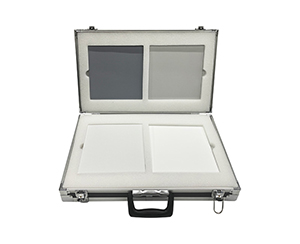
Use a calibrated standard reflectance panel (e.g., Spectralon) under fixed illumination to collect periodic spectral curves. Compute the standard deviation of repeated measurements at identical wavelengths. Log device operating temperature and cumulative runtime to establish drift trends. Before procurement, request wavelength-accuracy and repeatability reports from a third-party metrology laboratory traceable to national standards.
Future Trajectory and Concluding Observations
Hyperspectral technology will evolve along three paths over the next development cycle.
Edge-native AI processing.Current airborne systems already embed Core i7 processors for radiometric correction and vegetation-index generation. The next stage pushes inference to the acquisition node, outputting classification results rather than raw data cubes. This reduces transmission bandwidth and storage pressure by orders of magnitude, critical for beyond-visual-line-of-sight drone operations with limited radio links.
Multi-sensor fusion.Temporal co-registration of hyperspectral cameras with LiDAR and thermal infrared sensors generates fused "spectral–3D structure–temperature" data volumes. In precision agriculture, this simultaneously captures crop spectral signature, plant height, and canopy temperature, improving stress-diagnosis accuracy beyond any single modality.
Standardization and interoperability.Implementation of harmonized data formats, calibration protocols, and quality metrics—paralleling emerging international standards—will enable direct comparability across vendor platforms. This reduces switching costs and supports multi-source data integration in large-scale monitoring programs.
For procurement decision-makers, the evaluation sequence should be: first, confirm that spectral range and resolution cover the diagnostic absorption features of the target material; second, validate frame-rate alignment with production or flight speed; third, inspect the radiometric calibration traceability chain and environmental-robustness certification. Parameter accumulation does not solve problems; precise alignment between specifications and scene requirements drives return on investment.
For detailed specifications and application notes on hyperspectral imaging systems, search "Jingyi Optoelectronics hyperspectral camera" or visit the technical library.
About This Guide
Data Sources:Product validation reports, GB/T 29847-2013, GB/T 34514-2017, GB/T 47066-2026, SEMI E10-0309, MarketsandMarkets Global Hyperspectral Imaging Market Report 2025, and industry public information.
Author:[Full Name], Senior Technical Writer, Jingyi Optoelectronics, 12 years in industrial precision measurement instrumentation.
Disclosure:Jingyi Optoelectronics manufactures hyperspectral imaging systems and related optical measurement equipment. This article presents technical assessments based on published specifications and product validation data. No compensation was received from third-party brands mentioned.
Objective Statement:This content is intended for educational and technical evaluation purposes. Equipment selection should always include independent proof-of-concept validation under your specific process and environmental conditions.
Last Updated:June 2026