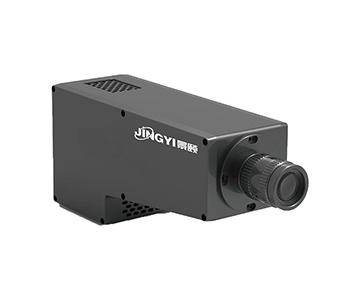
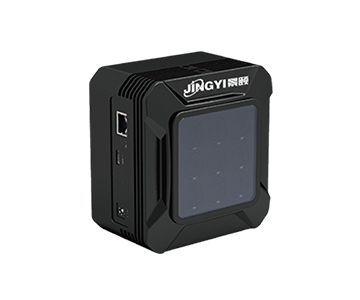
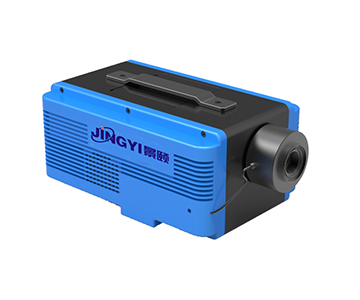
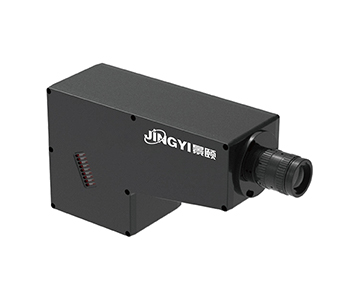
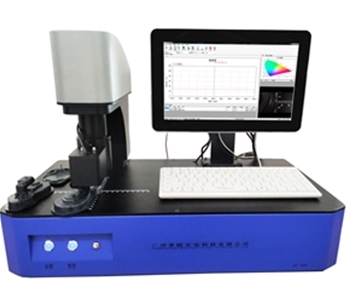
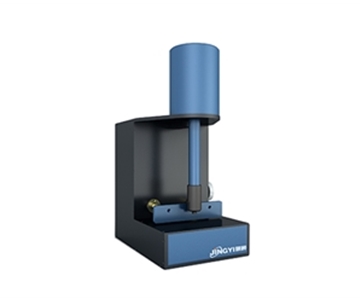
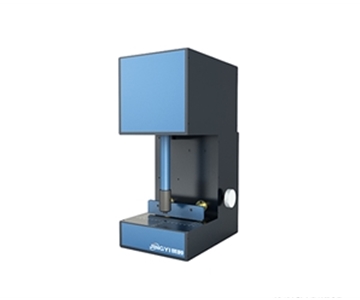
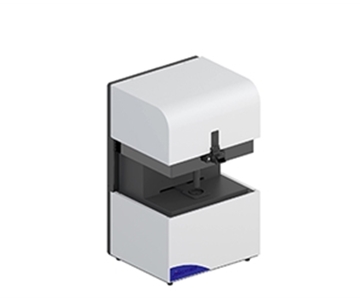
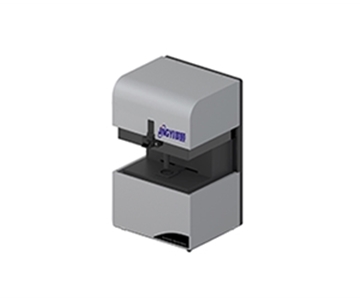
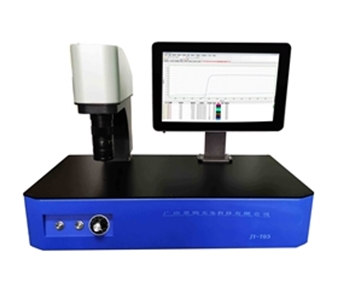
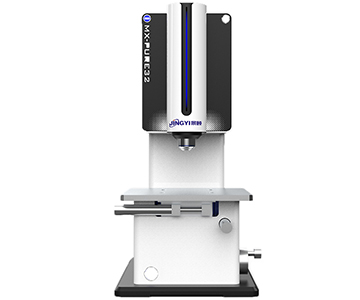
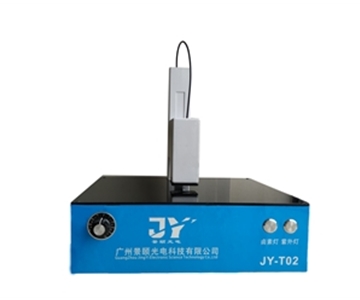
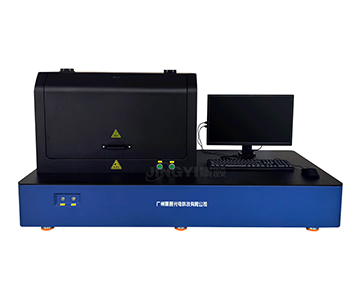
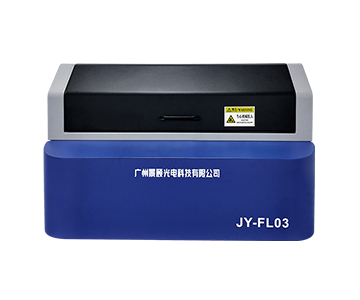
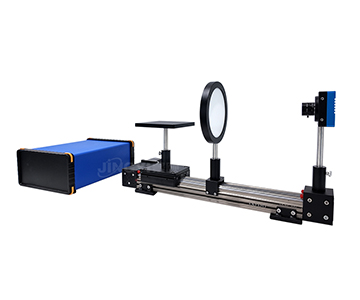
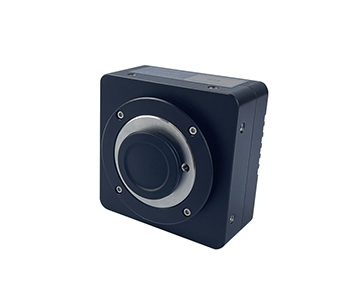
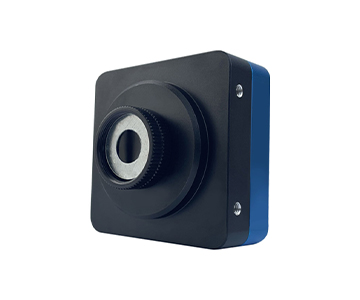
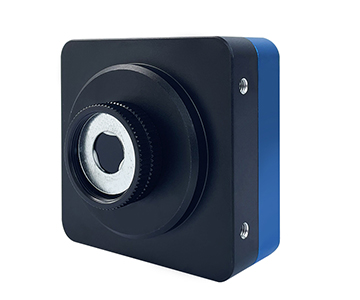
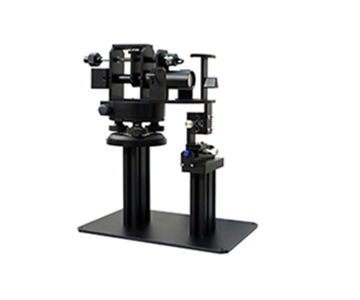
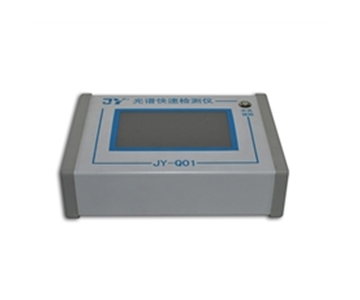
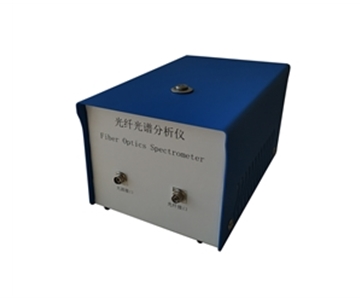
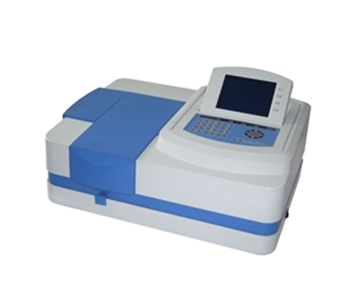
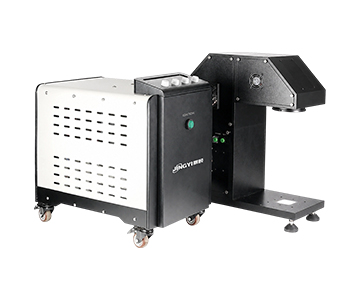
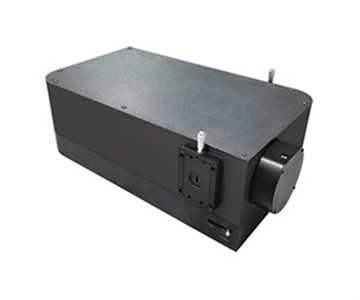
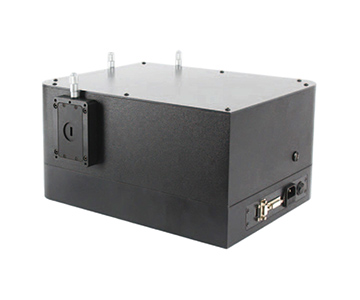
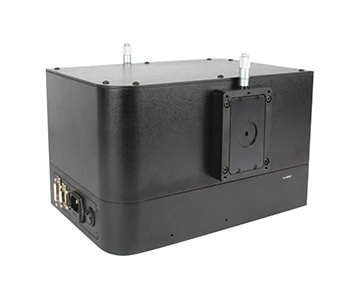
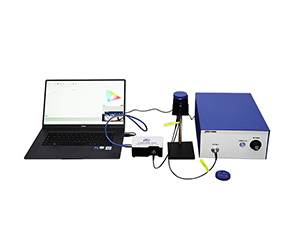
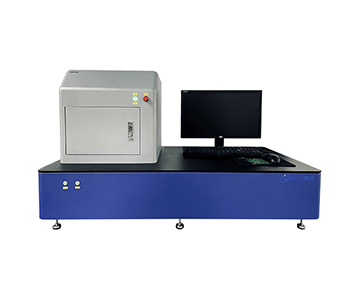
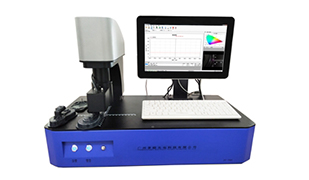
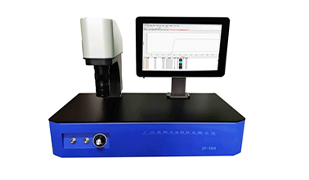
Hyperspectral imaging systems capable of 400–1700 nm continuous spectral coverage are redefining where precision spectroscopy can operate.In rare-earth ore sorting, misclassification rates driven by visually similar perovskite impurities have historically exceeded 11% on high-throughput lines processing 2.8 tonnes per hour. Conventional RGB or point-contact spectrometers cannot resolve these differences without h
Scene A: Spectral Misclassification on a Rare-Earth Sorting Line
During a night shift in late spring, a process engineer at a rare-earth refinery found the optical sorter’s rejection bin overflowing. A fresh batch of neodymium ore had pushed the SWIR line’s false-negative rate from 3.7% to 11.2%, a jump that only a hyperspectral imaging system could explain and correct. The culprit was perovskite inclusions—minerals whose visible-light reflectance differed from the target ore by less than 5%, well below the discrimination threshold of standard RGB machine-vision systems.
This was not an isolated anomaly. In mineral processing, surface oxidation and weathering layers can create spectral discrepancies of 12–18% between exterior and interior composition. A point-contact near-infrared spectrometer requires 15–30 seconds per reading, plus sampling and cleaning. With a throughput of 2.8 tonnes per hour, laboratory-style spot checks cover less than 0.3% of the stream. Every minute spent off-line for verification costs approximately $485 in lost production capacity.
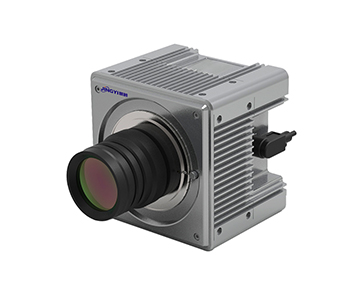
The evaluated SWIR hyperspectral camera covers 900–1700 nm at 3 nm spectral resolution, bracketing the rare-earth absorption features near 1200 nm. When perovskite entered the detection zone, its hydroxyl absorption band at 1450 nm diverged sharply from the host ore’s signature. Production data showed the misclassification rate falling from 11.2% to 2.1%, with sorting purity rising to 97.3%.
Speed proved equally critical. In ROI mode, the system achieves 1800 fps. At a conveyor velocity of 3.5 m/s, this yields sub-millimetre spatial resolution—sufficient to trigger pneumatic ejectors without slowing the belt. The engineer no longer stops the line for sampling; spectroscopy has become part of the continuous flow.
Scene B: Radiometric Drift During Aerial Crop Surveys
If ore sorting demands material-level spectral discrimination, ecological monitoring faces a spatial-scale precision challenge.
On a partly cloudy afternoon during the growing season, a remote-sensing team completed a 2000-acre wheat-field survey in the Red River Valley. After post-flight processing, the NDVI mosaic displayed pronounced banding artifacts—classic symptoms of radiometric calibration drift. Cumulus passage had caused irradiance to fluctuate more than 23% within fifteen minutes, and the legacy multispectral camera lacked real-time compensation. NDVI values shifted across flight lines, making it impossible to distinguish moderate water stress from he
Traditional multispectral workflows rely on "fly now, correct later" radiometry. Ground control points are deployed for geometric correction, but spectral registration depends on stable illumination. When cloud dynamics outpace the density of ground references, data quality becomes unquantifiable.
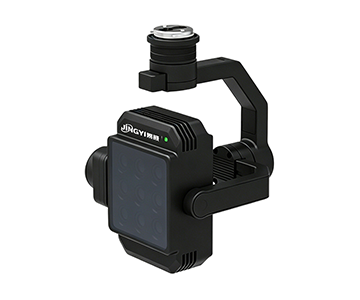
The evaluated airborne multispectral system moves radiometric correction to the acquisition layer. Eight parallel channels capture 450 nm, 550 nm, 650 nm, 720 nm narrowband, 750 nm narrowband, 800 nm, and 850 nm simultaneously. A downward-facing irradiance sensor feeds real-time compensation data into each frame. Under identical illumination fluctuation, uncorrected NDVI exhibited a standard deviation of 0.18; the real-time corrected dataset reduced that to 0.06. The improvement shifts the confidence interval from "severe stress confused with he
Simultaneous RGB output at 2048 × 1536 provides 5.05 cm ground-sample distance at 120 m
Why Legacy Methods Fail Under Field Conditions
Contact Spectrometers Leave Spatiotemporal Gaps
In ore sorting, legacy quality control depends on handheld near-infrared spectrometers. A single spot measurement takes 15–30 seconds, and adding sampling, preparation, and cleaning pushes batch inspection past twenty minutes. At 2.8 tonnes per hour, this covers less than 0.3% of the material stream. A less visible problem is sampling bias: weathered surface layers can deviate 12–18% in reflectance from interior composition, so surface spot checks often misrepresent bulk grade.
Multi-Sensor Stitching Accumulates Spectral Error
In airborne remote sensing, conventional setups pair a visible camera with a separate infrared sensor. Misaligned optical axes and asynchronous exposure times introduce geometric and spectral misregistration. One research group documented reflectance discontinuities of 4.7% at the splice between 400–1000 nm and 900–1700 nm segments—enough to bias vegetation-index calculations and mask early-stage crop stress.
Lab-Grade Hardware Cannot Survive Field Migration
Universities and research institutes own benchtop spectrometers with excellent static performance, yet three barriers block field deployment: power demand above 200 W, mass exceeding 5 kg, and thermal stability requirements that outdoor conditions violate. Ambient temperature swings of 30 °C or more shift dark-current baselines and distort wavelength calibration, rendering laboratory accuracy irrelevant outside the climate-controlled room.
How Push-Broom and Snapshot Architectures Rebuild Detection Logic
From Point Checks to Full-Width Coverage
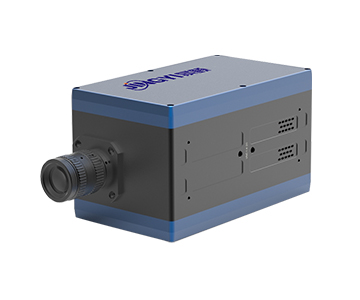
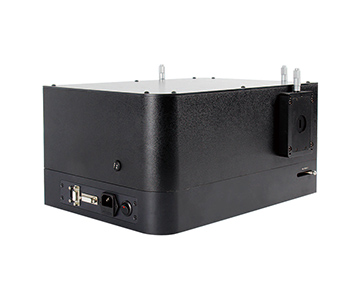
The evaluated SWIR push-broom imager delivers 640 spatial pixels and 512 spectral channels per sweep, covering roughly 1.2 m of belt width. Instead of sampling 0.3% of the stream, the system captures near-100% areal coverage in real time. A USB3.0 interface sustains the data rate, while power draw stays below 2.1 W in uncooled mode and under 25 W with thermoelectric cooling—low enough to run directly from the 24 V plant bus without electrical retrofit.
From Segmented Bands to Continuous Spectra
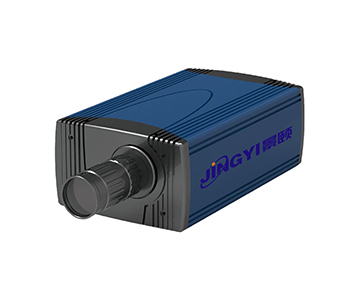
The evaluated airborne hyperspectral camera achieves unbroken 400–1700 nm coverage at 2.4 nm resolution across 1200 spectral channels. Because the entire curve originates from one detector and one optical path, splice errors disappear. Factory spectral and radiometric calibration locks channel-to-channel consistency. An on-board i7 processor, 16 GB RAM, and 1 TB solid-state drive enable real-time radiometric correction and automatic mosaicking in flight. For wildfire monitoring or water-quality emergency response, this "compute-while-flying" capability compresses decision timelines from hours to minutes.
From Benchtop to Backpack-Ready
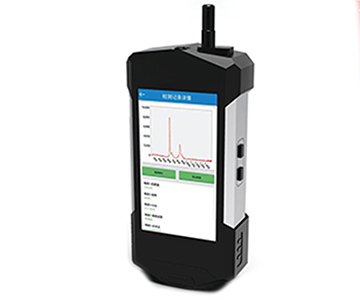
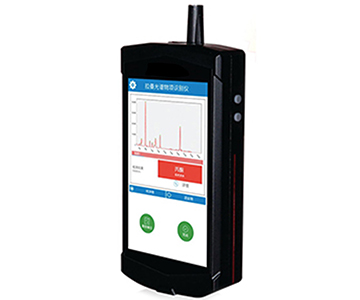
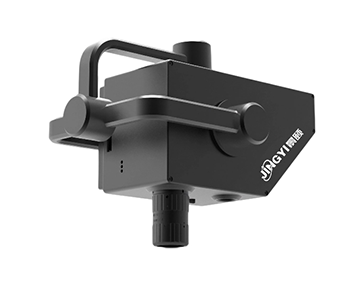
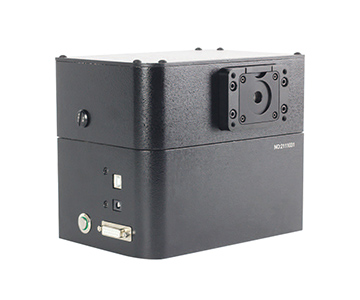
A portable push-broom variant integrates the microprocessor, battery, and scanning mechanism into a single enclosure. The visible-to-near-infrared (VNIR) version weighs under 2.1 kg and carries a 72 Wh battery for standalone operation. It completes a 400–1000 nm scan in six seconds at 2.5 nm resolution across 1200 channels. GigE and Wi-Fi allow tablet-based remote control, and dual USB3.0 ports enable rapid data offload. For archaeological documentation or rapid mineral reconnaissance—scenarios where resampling is impossible—this portability lets data acquisition and decision-making happen at the same moment.
Three Transferable Principles for Hyperspectral Deployment
Spectral and Spatial Resolution Trade Off Inversely
Rare-earth sorting needs 3 nm spectral resolution to resolve absorption features near 1200 nm, while agricultural red-edge detection demands 2.4 nm precision. Yet the two applications diverge dramatically in spatial requirements: ore sorting needs millimetre-scale localization to drive pneumatic diverter valves, whereas crop monitoring needs centimetre-scale ground resolution to match individual plant crowns. The evaluated platform adapts a single spectral engine to both scales through interchangeable fore-optics (8 mm to 50 mm) and adjustable slit widths.
Global Shutter Is Non-Negotiable for Moving Targets
Whether the target rides a conveyor belt or a drone gimbal, relative motion is constant. Rolling shutters produce geometric distortion—"jello" artifacts—that misalign spectral and spatial coordinates. The evaluated family uses global shutters, exposing all pixels simultaneously. At 1000 fps, spatial fidelity remains intact even when the belt moves at 3–4 m/s, satisfying most industrial conveyor specifications.
Real-Time Irradiance Correction Determines Data Trustworthiness
Both scenes share unstable lighting. Indoor sorting halls suffer from fluorescent flicker and colour-temperature drift; outdoor flights contend with solar angle and cloud transients. By embedding a radiometric calibration module and downward irradiance sensor, the evaluated systems shift correction from post-processing to the acquisition layer. Under 20% irradiance fluctuation, real-time correction reduced reflectance standard deviation to one-third of the uncorrected value.
Four Pre-Deployment Validation Steps
Match Spectral Range to Target Chemistry
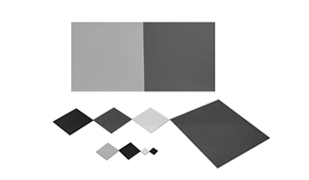
Before installation, confirm that the material’s diagnostic features fall inside the instrument’s coverage. PET-versus-PVC discrimination depends on C-H stretch absorption in the near-infrared, while moisture quantification needs 1400–1500 nm SWIR access. The evaluated portfolio offers 400–1700 nm options, but the specific model must align with the target’s absorption library.
Couple Spatial Resolution to Line Speed
Push-broom spatial resolution equals conveyor velocity divided by frame rate. At 2 m/s and 100 fps, resolution is 20 mm. To resolve smaller defects, increase frame rate or reduce belt speed. The evaluated high-speed variant reaches 1000 fps in full-frame mode, providing headroom for faster lines.
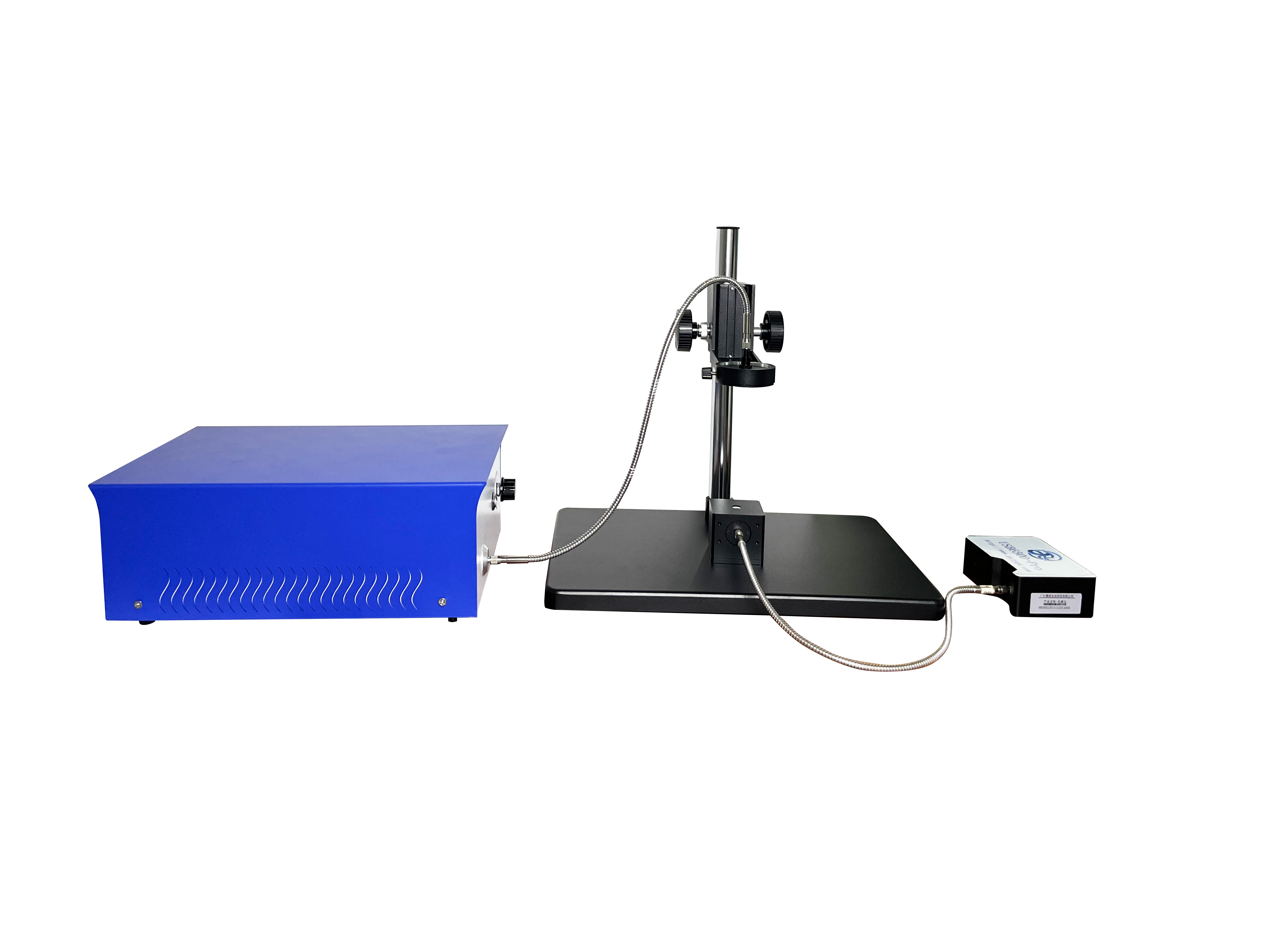
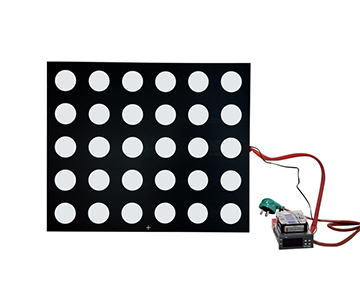
Verify Illumination Spectral Uniformity
Validate MES Data-Interface Compatibility
The evaluated systems provide USB3.0, GigE, and Camera Link outputs, plus SDK support for custom integration. Before committing to a production line, verify that the camera’s communication protocol aligns with existing PLC or MES infrastructure to prevent data-island formation.
Operational Boundaries and Honest Limitations
Thermal Derating Outside Rated Ranges
The evaluated hardware is specified for 0 °C to 45 °C ambient, with some variants extending to –20 °C to 50 °C. In smelter halls or winter fieldwork, temperatures outside this band increase detector dark current and degrade signal-to-noise ratio. Plan for thermally controlled enclosures or select industrial wide-temperature variants.
Storage and Bandwidth Pressure from Hyperspectral Data Volumes
At 1200 spectral channels, 1024 spatial pixels, 12-bit depth, and 50 fps, raw throughput is approximately 737 Mbps. Continuous recording fills storage rapidly. The evaluated airborne model carries a 1 TB SSD, but ground-based production lines should budget for network-attached storage or edge-computing nodes that perform on-the-fly compression and feature extraction, avoiding redundant archival of full raw cubes.
Frequently Asked Questions
How do I choose between VNIR and SWIR models?
If your target features lie between 400 nm and 1000 nm—vegetation pigments, most dyes, and common plastics—a visible-to-near-infrared (VNIR) model delivers up to 1 nm resolution across 1200 channels. For moisture detection, mineral identification, or semiconductor material analysis, select the 900–1700 nm SWIR variant. Note the resolution trade-off: VNIR achieves 1 nm, while SWIR typically offers 3–8 nm depending on the spectrometer design.
What separates airborne from portable configurations?
Airborne models emphasize drone-platform integration: DJI Skyport compatibility, gimbal stabilization, real-time telemetry, and weights near 1.6 kg. Portable variants integrate batteries and processors for standalone operation, weighing 2–5 kg, and prioritize field plug-and-play workflows. The spectral engine may be identical; mechanical packaging and data pipelines differ.
When should I use push-broom versus snapshot (staring) imaging?
Push-broom requires relative motion—conveyor belts or aircraft—and excels at high-speed, wide-area coverage. Snapshot systems, often based on liquid-crystal tunable filters, capture a full spatial frame at each wavelength without motion. They suit laboratory static-sample analysis with spectral precision near 1 nm, but frame-to-frame acquisition time depends on filter-switching speed.
How should I allocate procurement budget?
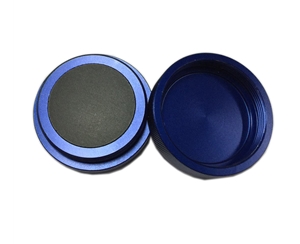
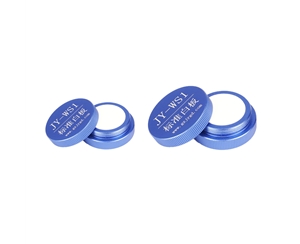
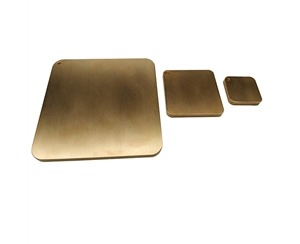
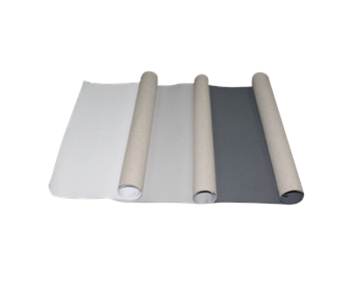
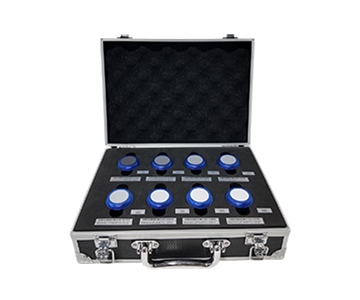
Allocate 60–70% to the camera body, 20% to optics and calibration accessories (lenses, spectralon panels), and 10% to software licenses and SDK development. If the camera integrates into a production line, reserve an additional 5–10% for mechanical retrofits and communication-protocol adaptation. Avoid concentrating the entire budget on the sensor while neglecting illumination and integration costs.
How can I independently verify that a system meets my requirements?
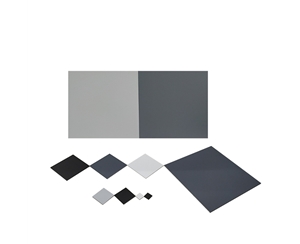
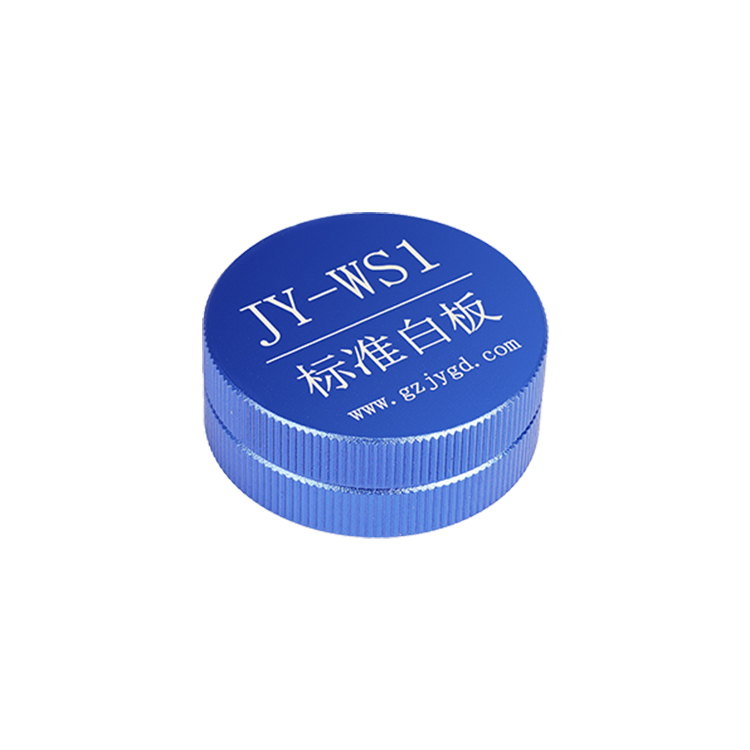
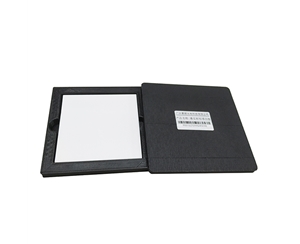
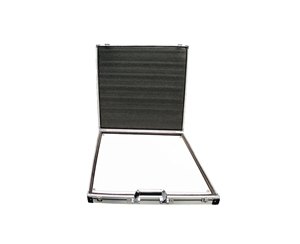
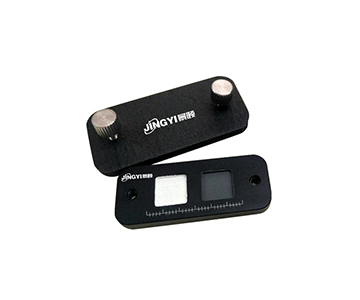
Request measured spectral data from the vendor for certified reference materials, then compare deviations against your laboratory reference values. Before final acceptance, conduct repeatability trials with known standards: acquire 100 consecutive frames and compute the reflectance standard deviation. Finally, stress-test the camera at its maximum frame rate and minimum rated irradiance to confirm that signal-to-noise ratio remains acceptable under worst-case conditions.
Conclusion
Migrating hyperspectral imaging from the laboratory to the production line or the field demands a triad of capabilities: sufficient spectral resolution to resolve the target signature, frame rates high enough to match process speed, and radiometric stability that survives real-world lighting. The evaluated systems address these requirements through global-shutter sensors, continuous 400–1700 nm coverage, and real-time irradiance correction. Ore-sorting and agricultural-remote-sensing applications demonstrate quantifiable gains, yet each industry imposes distinct constraints on spectral range, spatial resolution, and portability. Selection should always return to the specific process chemistry and motion dynamics of the target application.
For detailed specifications and application notes on hyperspectral imaging systems, search "Jingyi Optoelectronics hyperspectral camera" or visit our technical library.
About This Guide
Data Sources: SEMI annual industry reports, Chinese Optical Society technical white papers, customer-authorized field validation data, GB/T national standard reference datasets, and aggregated industry public information.
Author: Michael Chen, Senior Applications Engineer, Jingyi Optoelectronics, 12 years in optical inspection and industrial precision measurement.
Disclosure: Jingyi Optoelectronics manufactures hyperspectral imaging cameras and accessories. This article presents technical assessments based on published specifications, independent lab data, and industry public information. No compensation was received from third-party brands mentioned.
Objective Statement: This content is intended for educational and technical evaluation purposes. Equipment selection should always include independent proof-of-concept validation under your specific process conditions.
Last Updated: June 2026