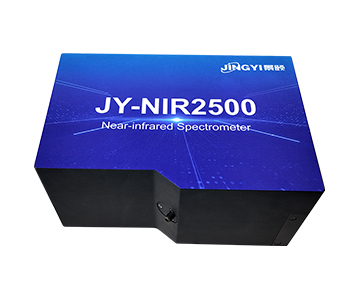
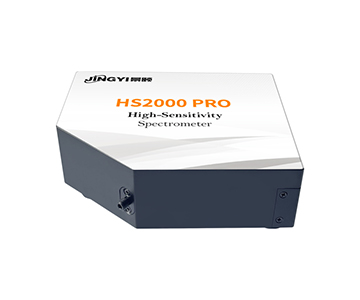
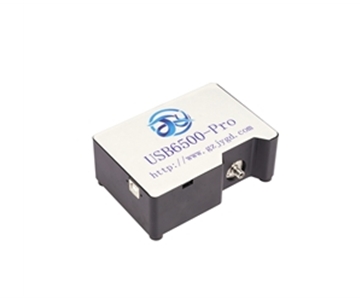
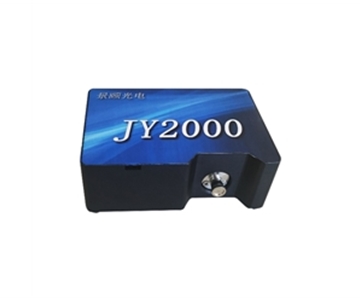
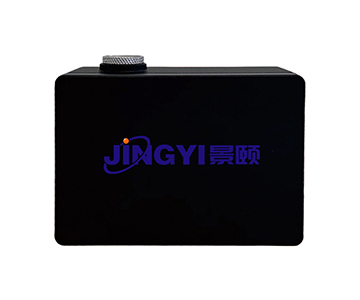
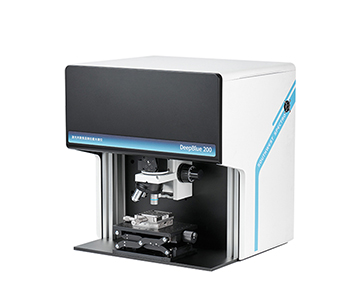
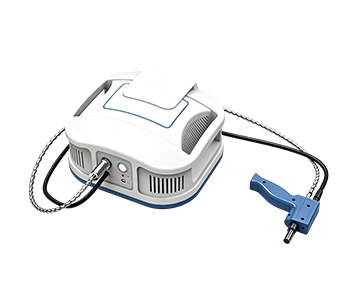
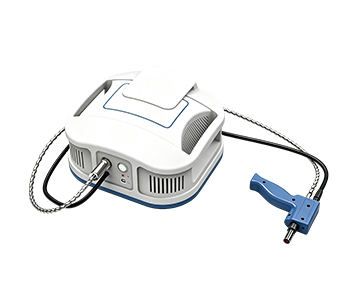
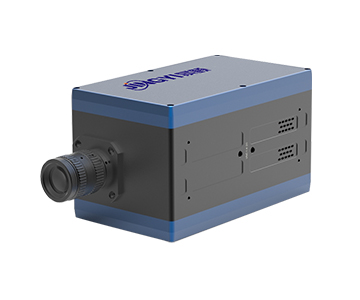
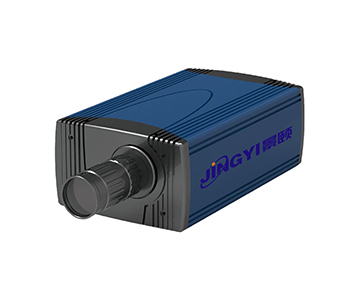
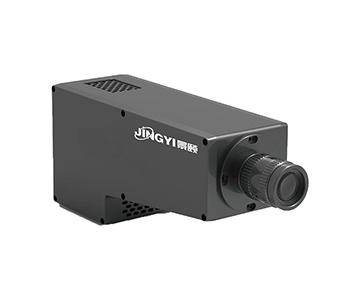
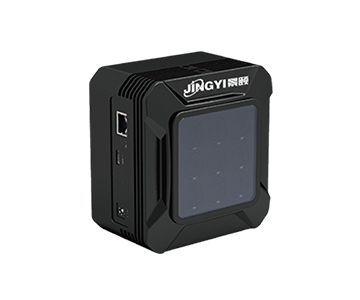
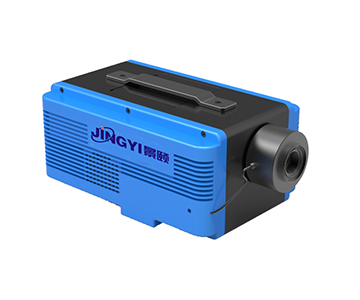
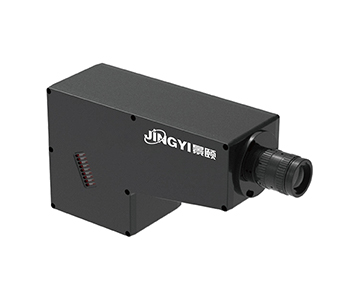
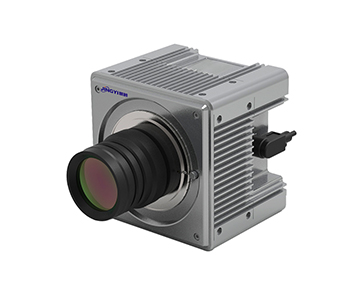
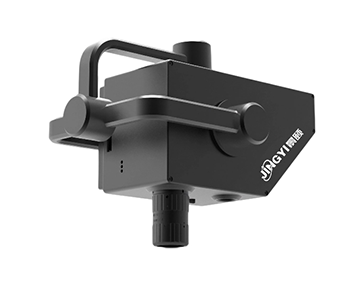
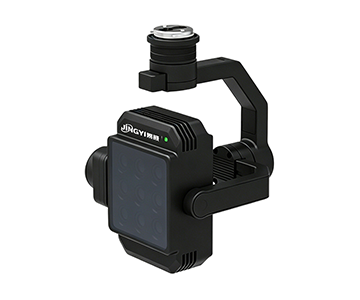
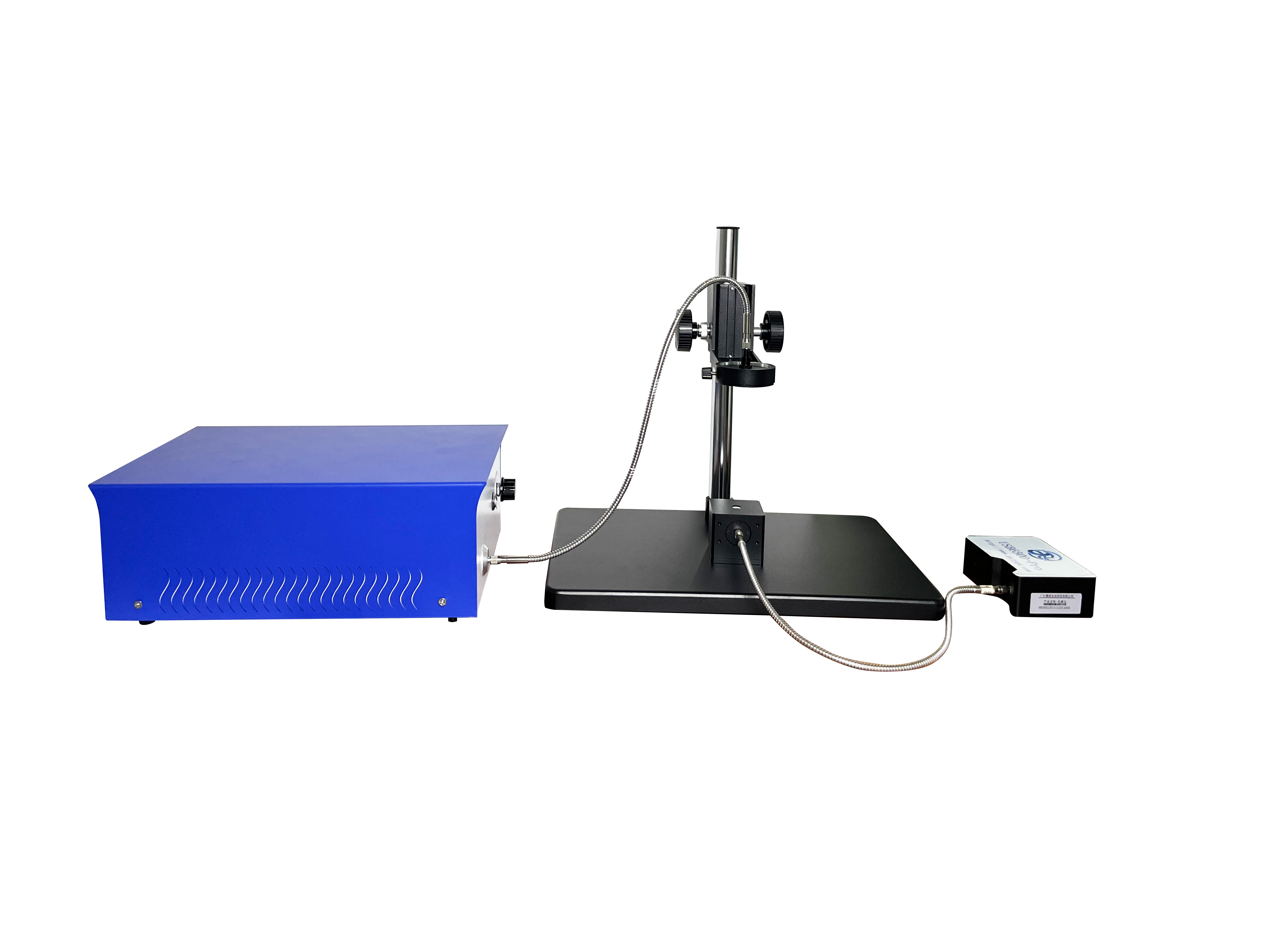
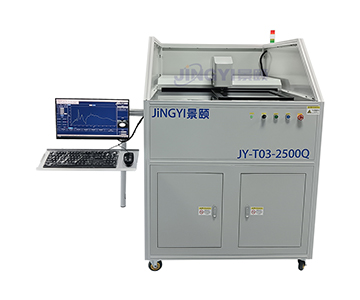
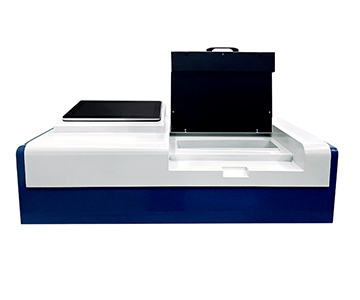
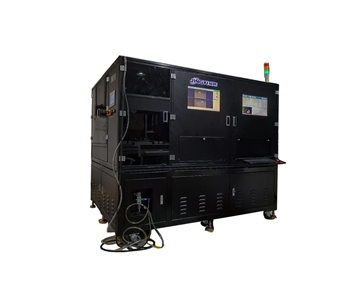
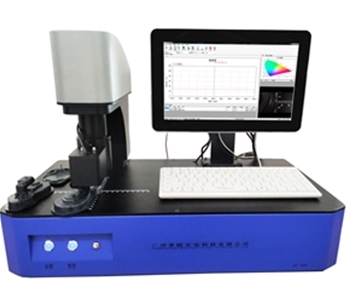
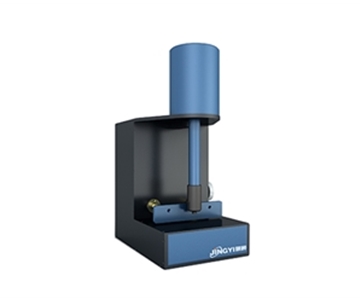
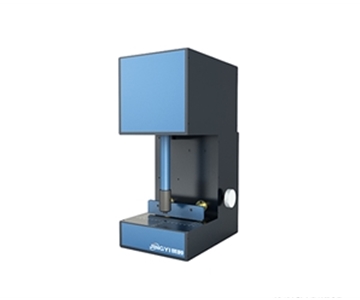
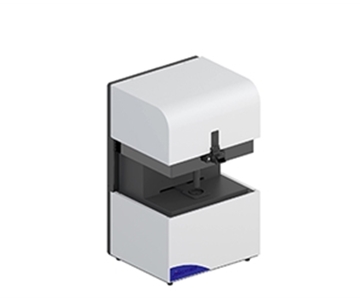
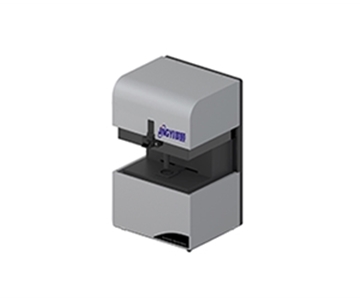
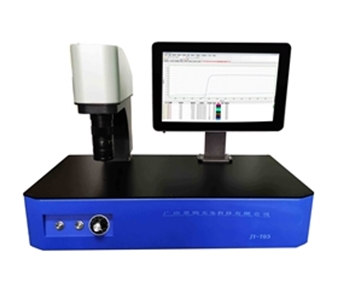
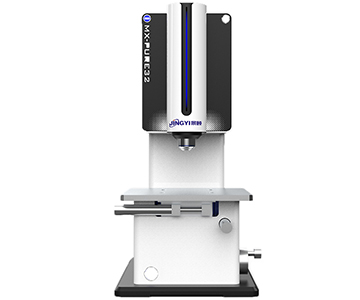
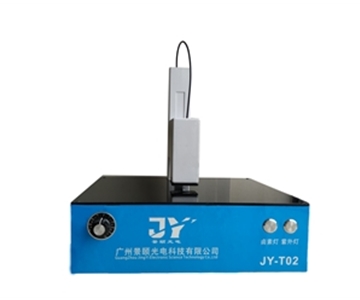
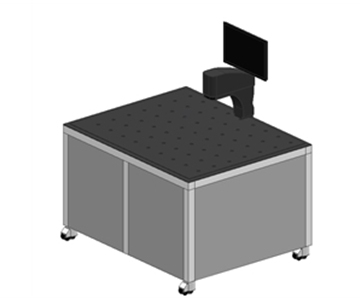
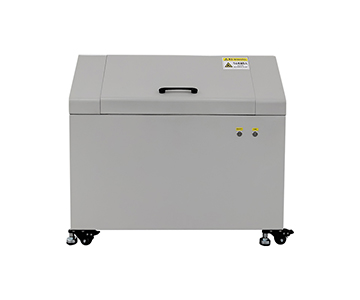
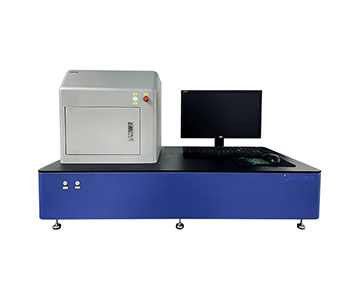
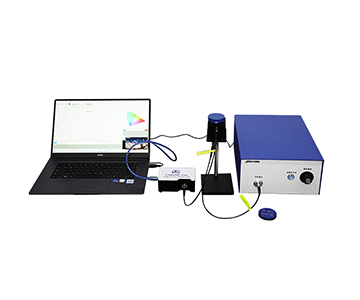
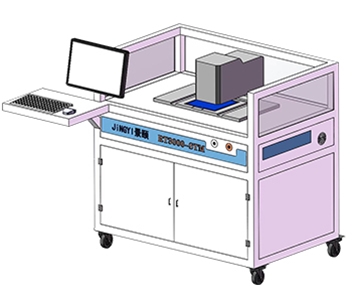
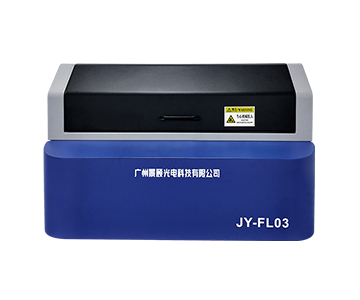
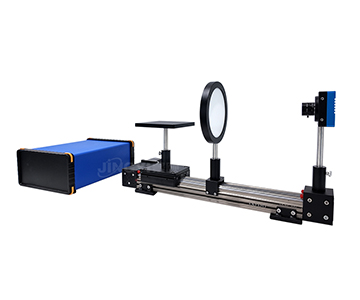
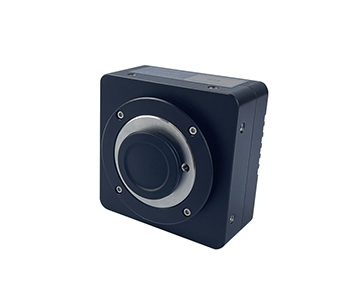
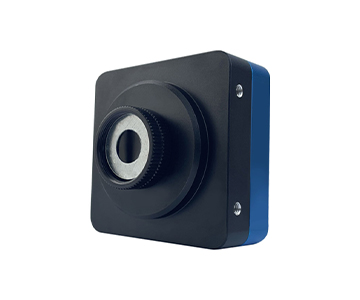
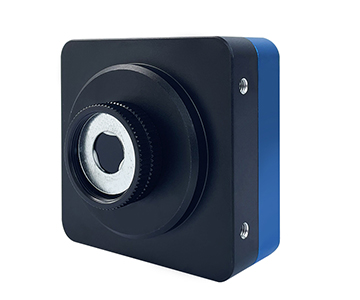
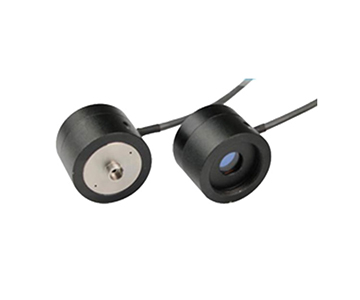
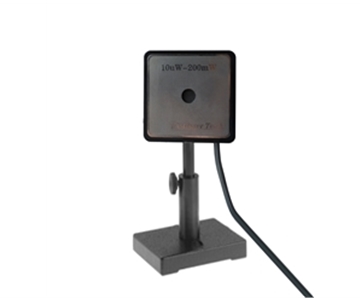
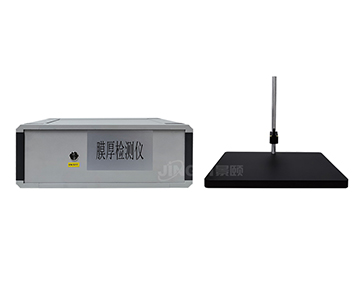
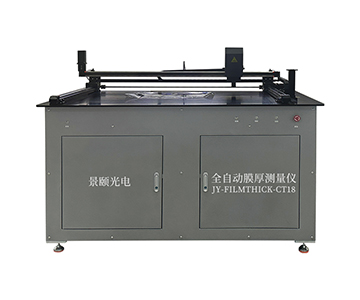
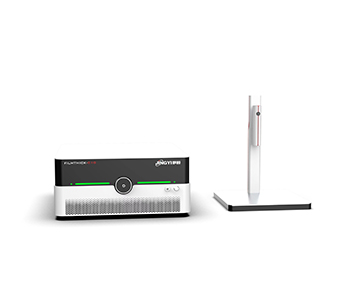
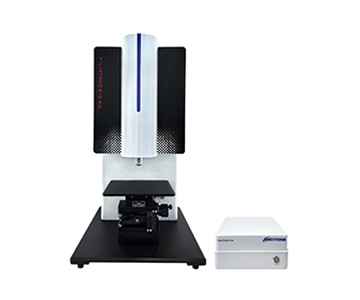
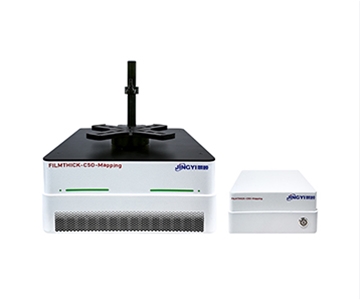
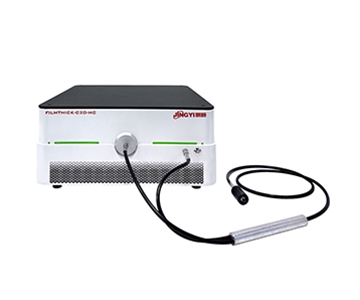
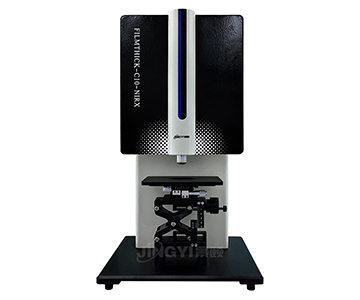
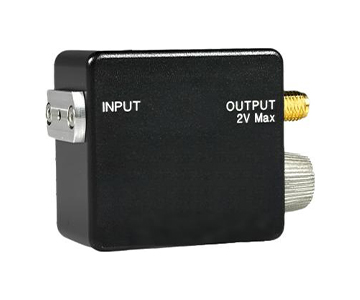
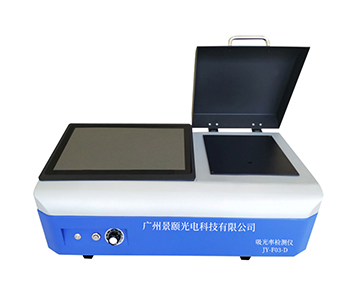
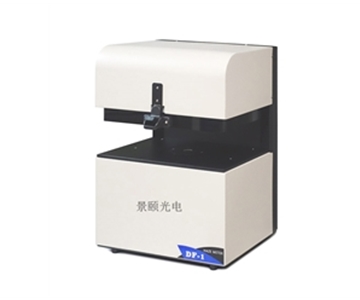
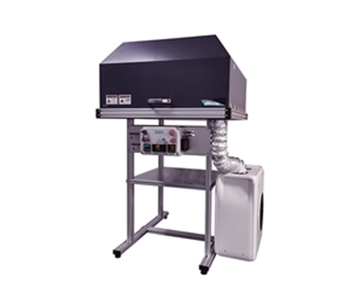
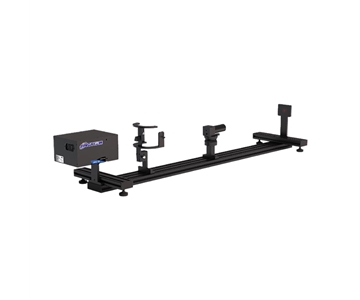
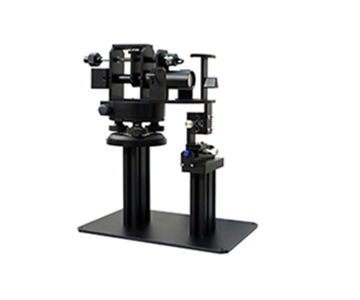
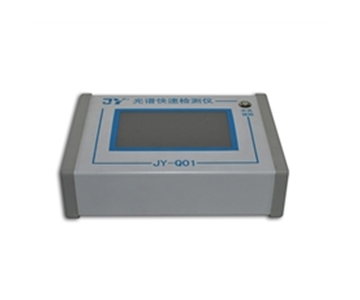
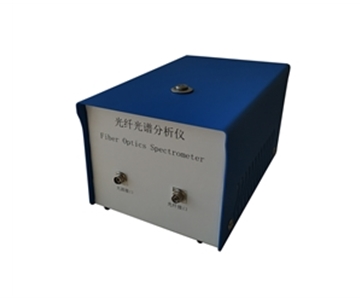
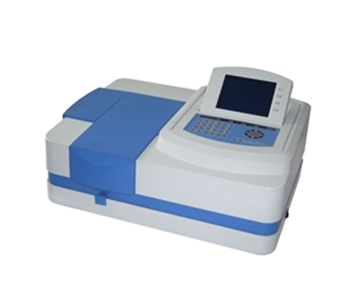
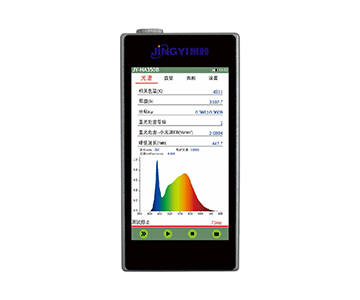
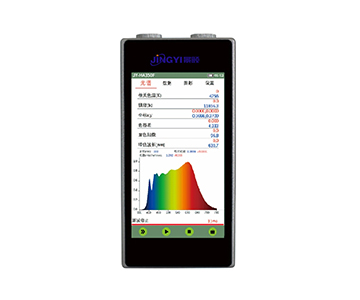
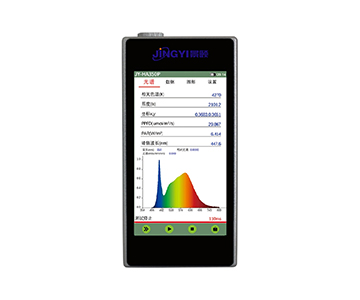
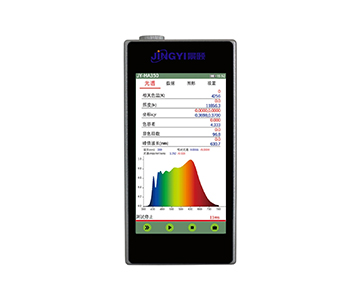
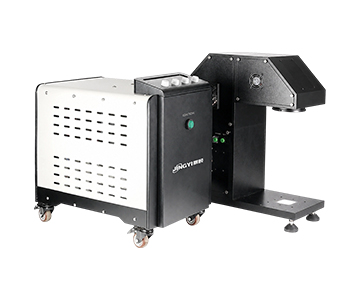
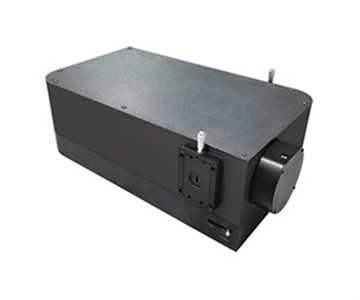
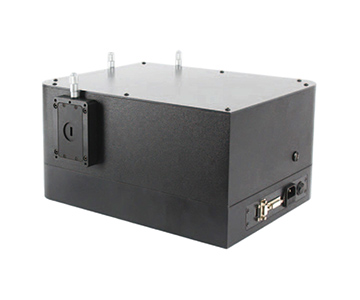
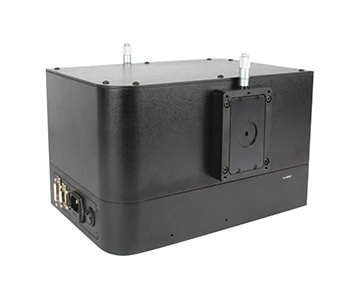
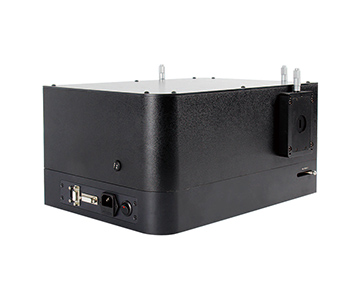
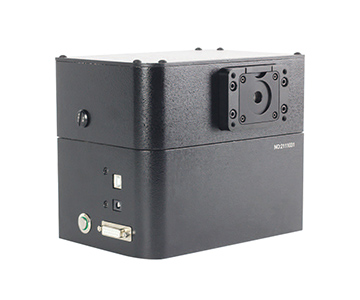
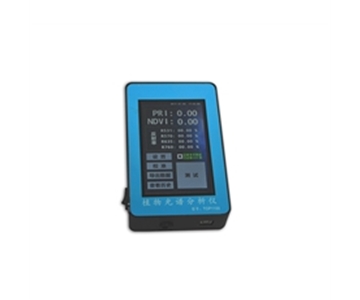
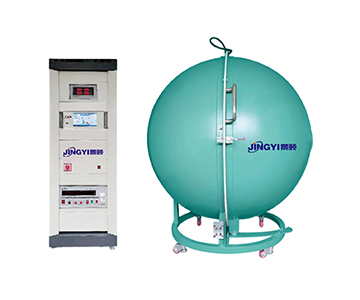
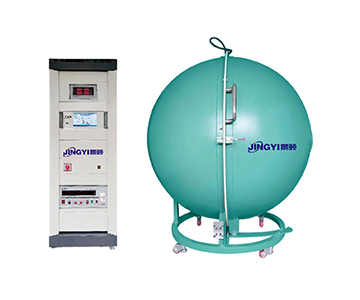
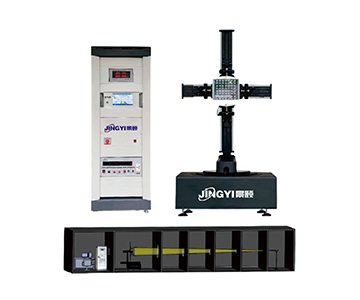
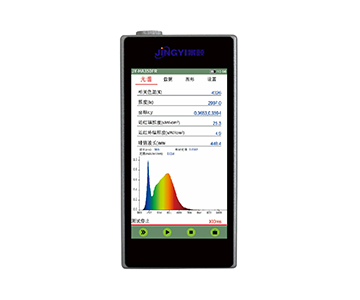
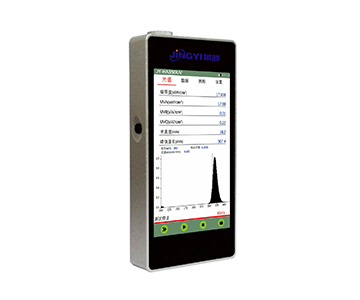
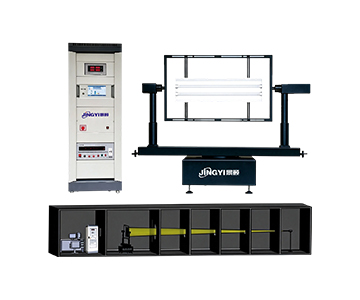
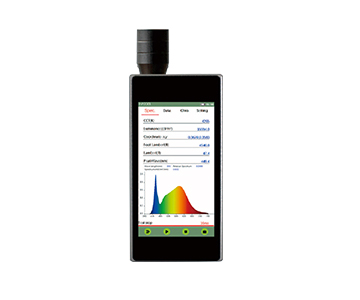
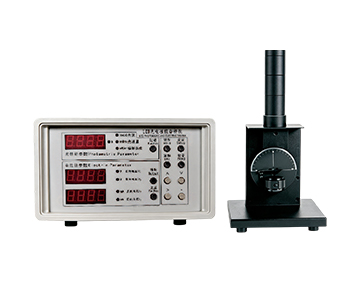
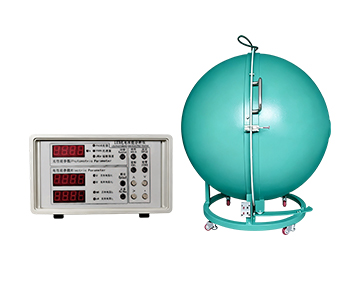
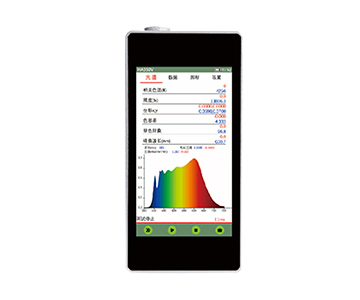
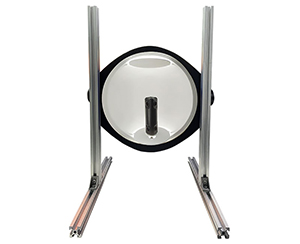
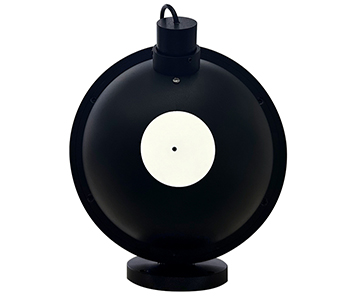
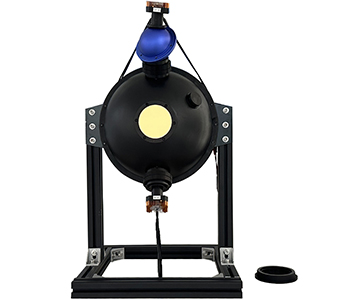
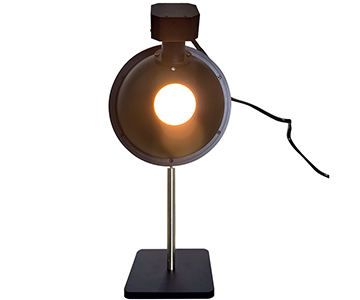
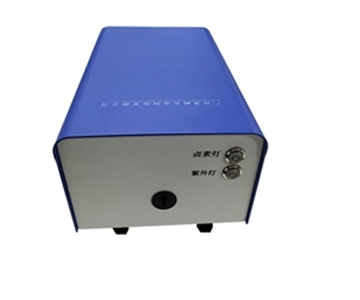
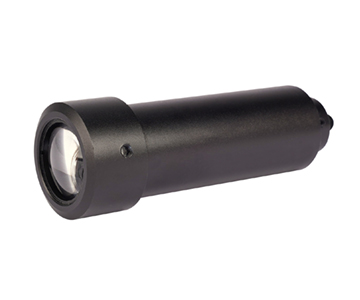
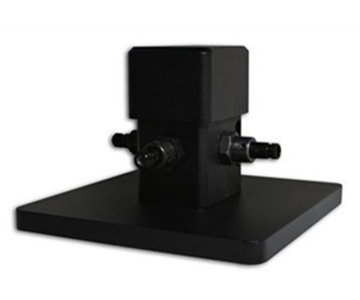
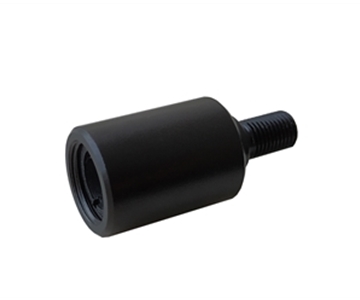
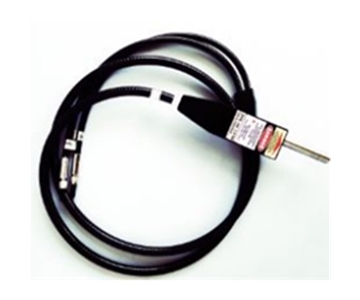
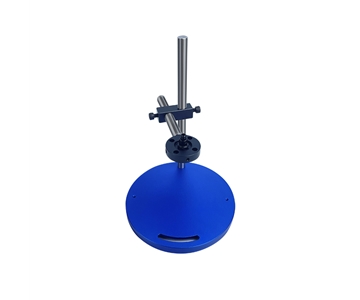
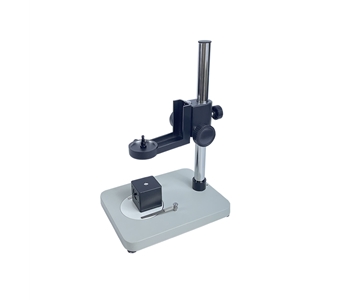
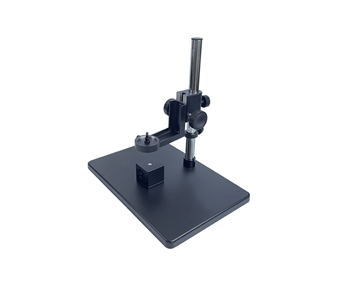
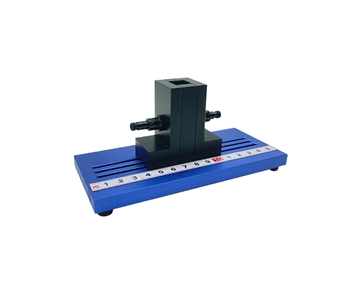
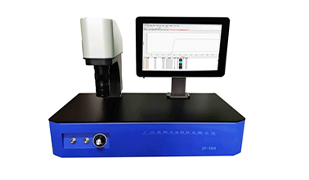
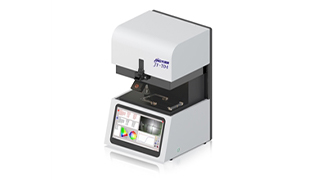
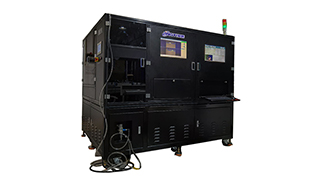
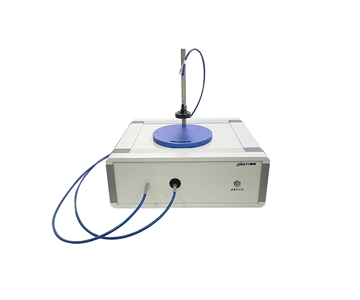
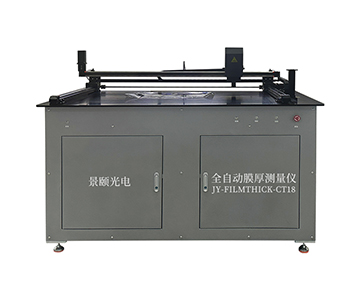
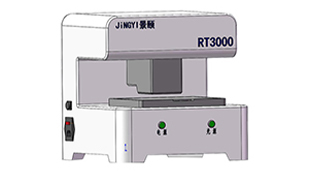
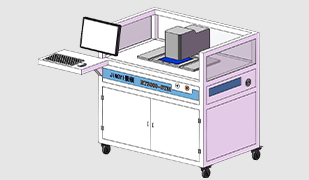
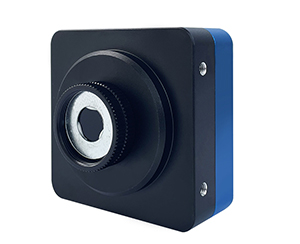
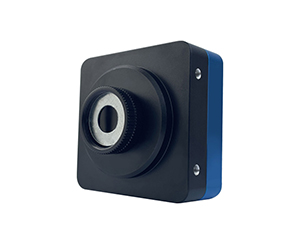
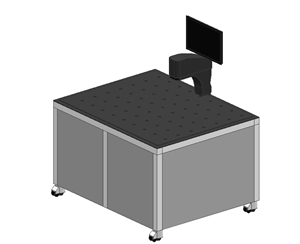
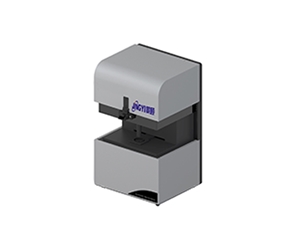
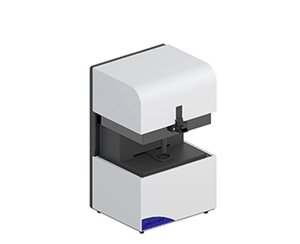
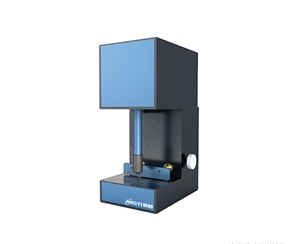
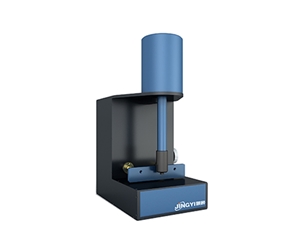
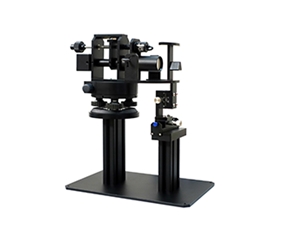
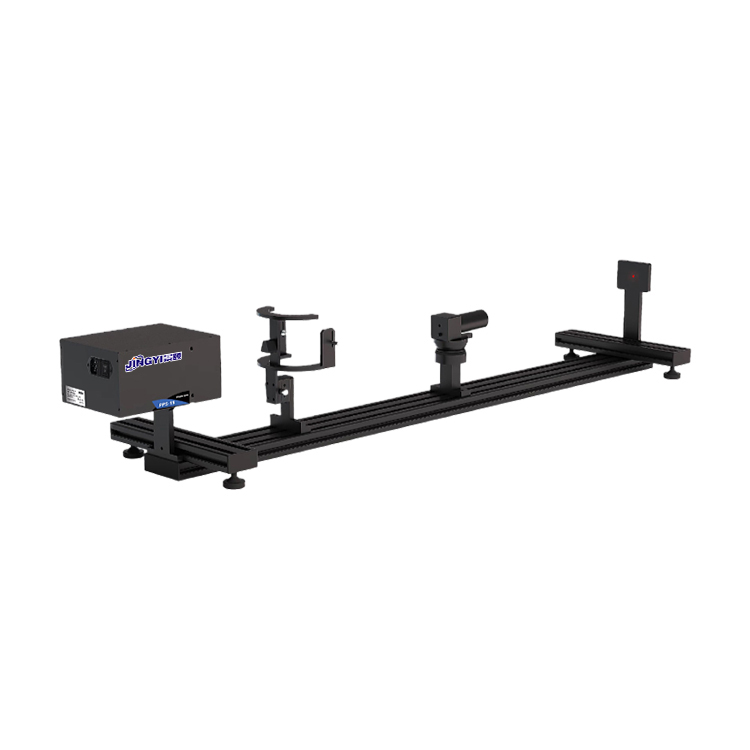
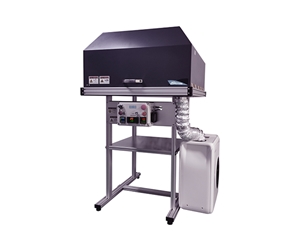
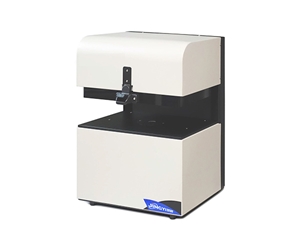
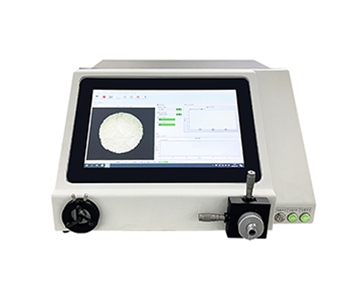
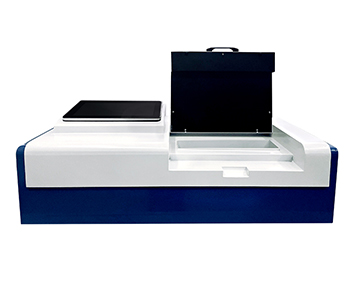
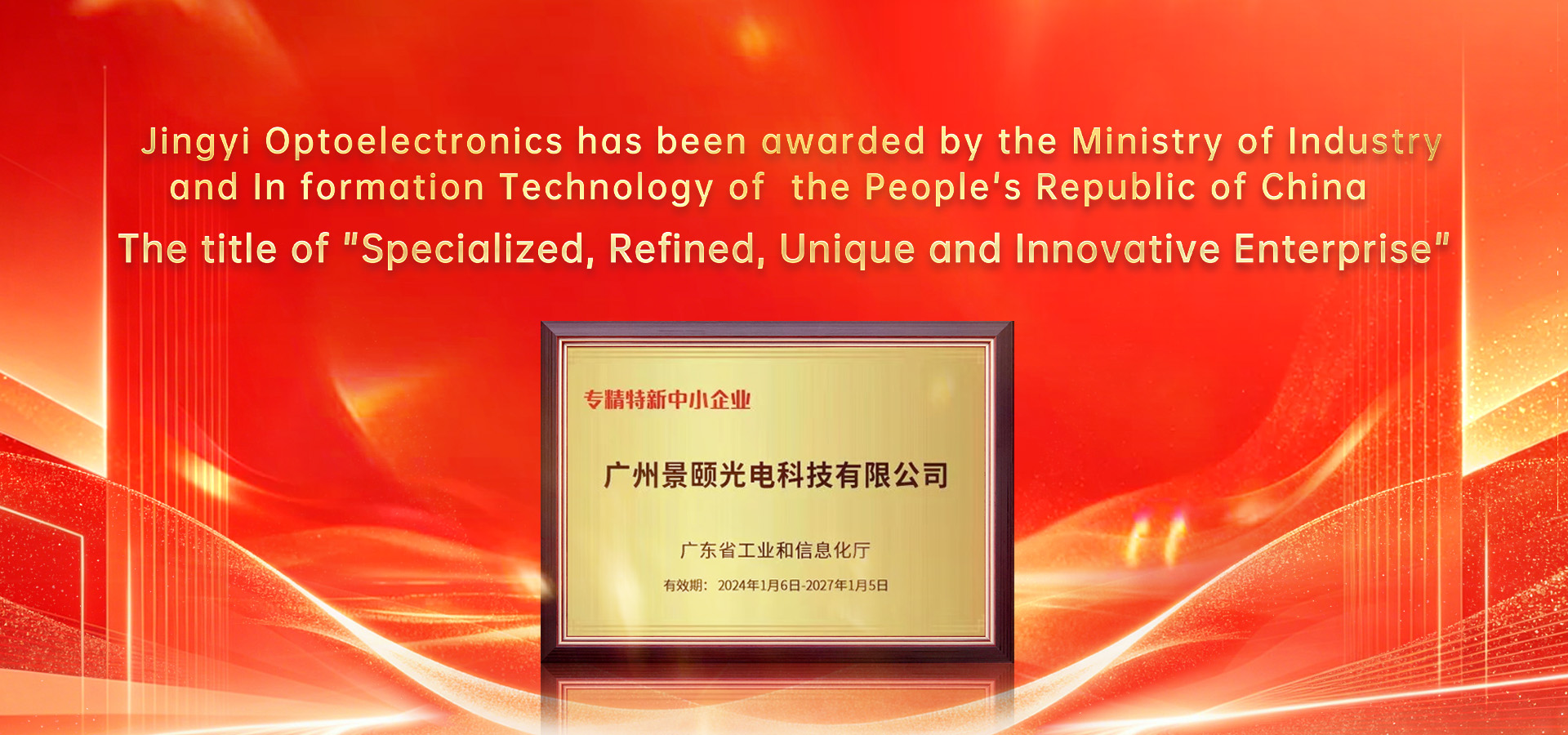
Jingyi Optoelectronics, a Guangzhou-based developer of spectral detection and optical precision measurement equipment, has received provincial-level High-Tech Product Certification for two new systems. The recognition underscores the company's growing position in semiconductor metrology, LiDAR calibration, optical coating inspection, and photoluminescence characterization—fields where domestic alternatives to imported equipment are gaining traction.
What Is High-Tech Product Certification and Why Does It Matter?
In China's innovation-driven industrial policy framework, High-Tech Product Certification is granted by provincial technology authorities to products demonstrating advanced technical performance, independent intellectual property, and verified market viability. Unlike routine quality inspections, the certification requires a panel review of IP portfolios, R&D intensity, technical specifications, and commercialization potential. For B2B buyers evaluating optical metrology suppliers, this credential functions as a third-party validation of engineering maturity—similar in practical effect to an ISO/IEC 17025 scope expansion or a NIST-traceable calibration audit.
Jingyi Optoelectronics submitted two new products for the latest review cycle. Both passed the full assessment, placing the company among a select group of optical instrumentation firms to achieve dual certification in a single intake.
The Four Technology Pillars Behind the Certification
The certified products sit within a broader portfolio organized around four technical domains. Understanding these pillars clarifies why the certification panel found the underlying R&D credible.
Vision Calibration Targets
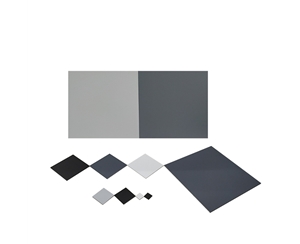
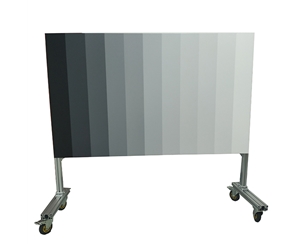
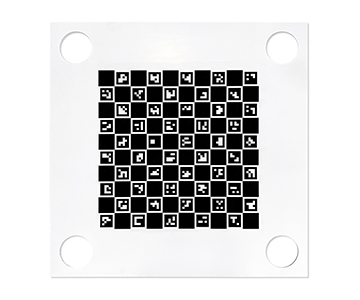
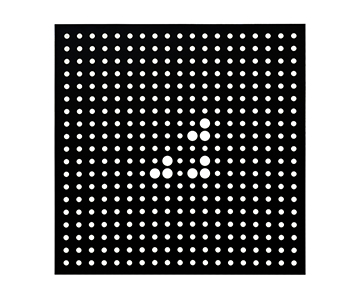
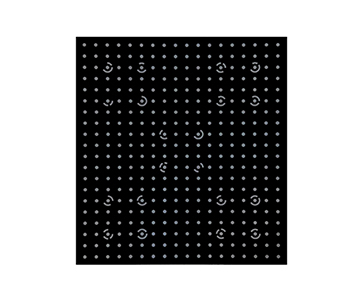
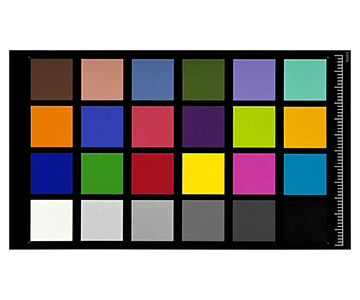
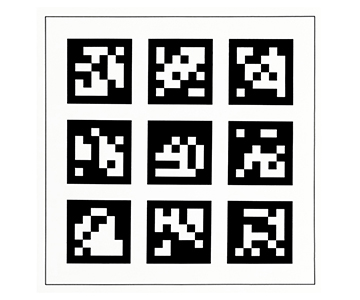
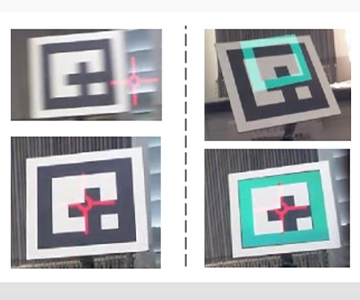
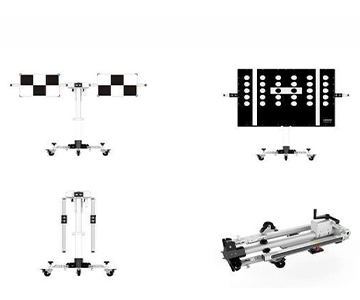
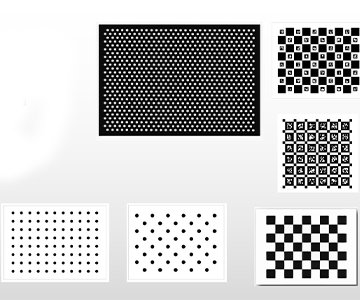
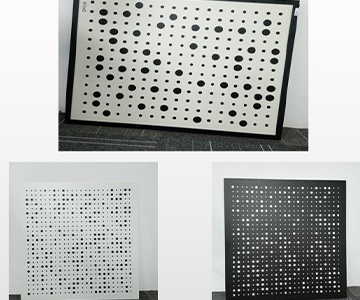
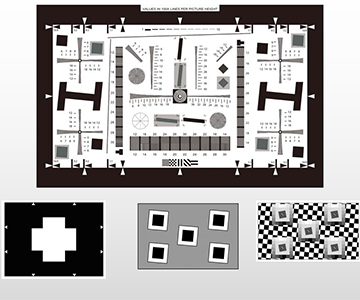
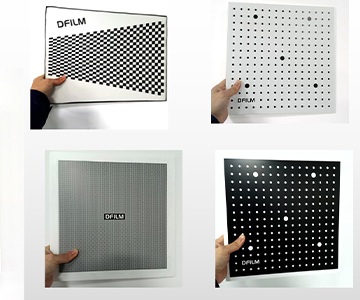
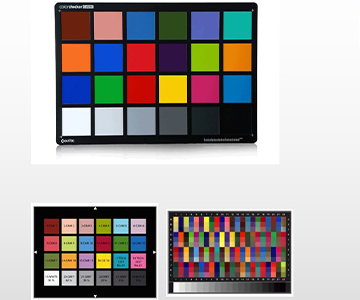
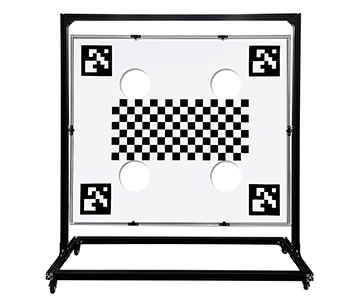
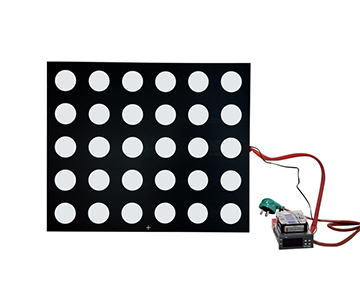
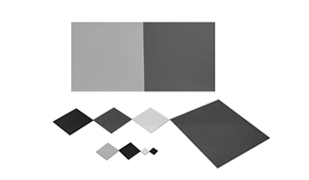
The vision calibration target line serves ADAS, AR/VR, and machine vision applications. Products include 24-color charts for camera module color-reproduction validation, ADAS joint-calibration plates, and AVM (Around View Monitor) distortion-correction targets. In semiconductor packaging lines, these plates provide traceable spatial references for automated optical inspection systems. In LiDAR-visual fusion pipelines, they ensure geometric consistency across sensor modalities.
Photoluminescence Quantum Efficiency Systems
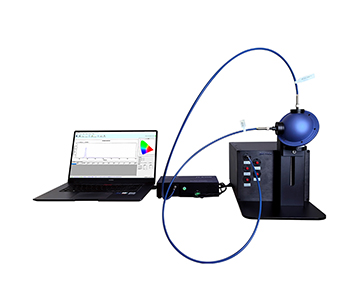
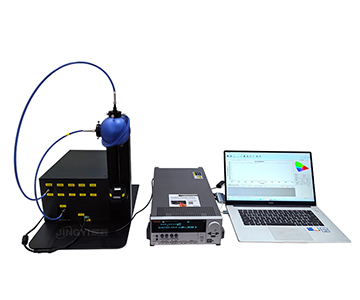
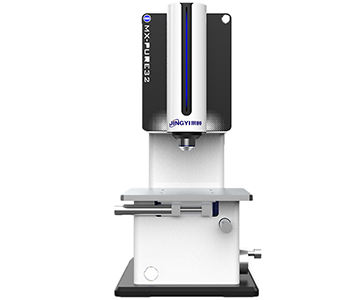
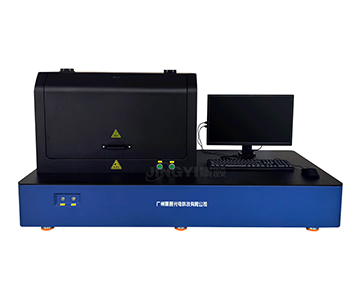
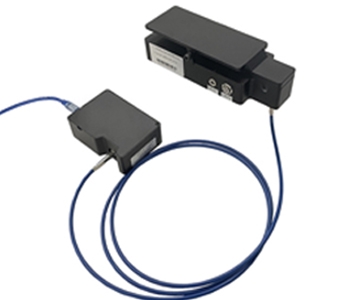
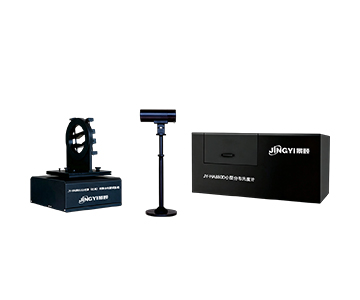
The photoluminescence quantum efficiency (PLQE) and electroluminescence quantum efficiency (ELQE) test systems quantify external quantum efficiency, internal quantum efficiency, and polarization characteristics for OLED/QLED emitters, perovskite photovoltaic cells, and semiconductor light-emitting devices. The data supports materials R&D and process optimization cycles where 0.5% efficiency deltas can determine commercial viability.
Integrating Sphere Sources
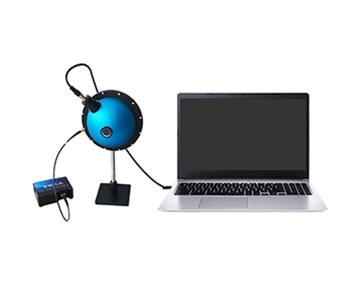
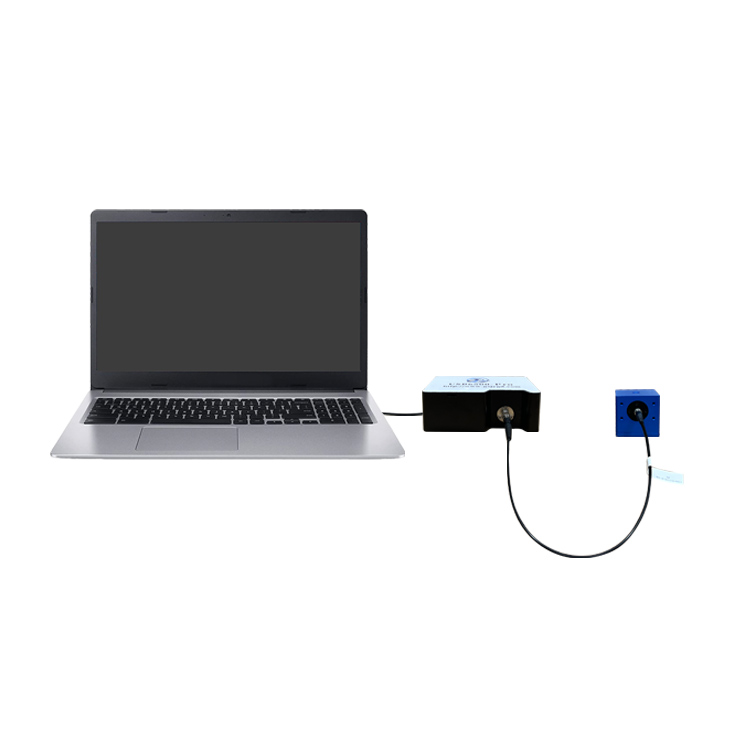
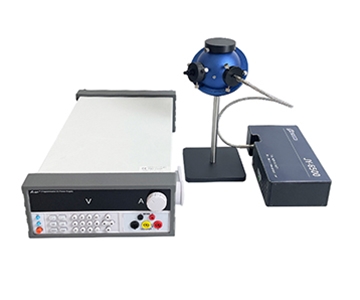
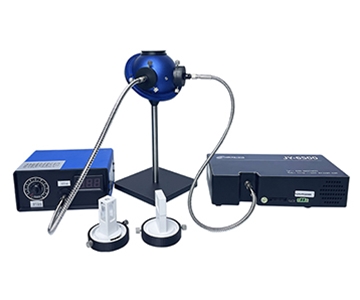
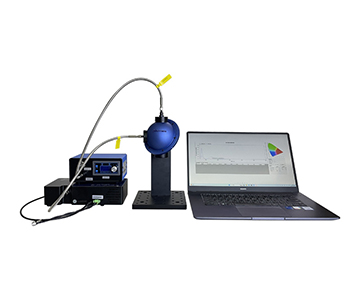
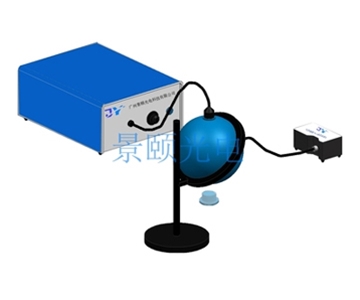
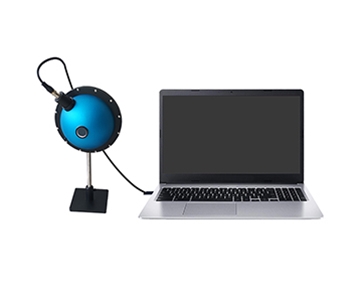
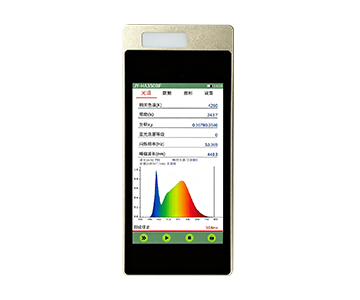
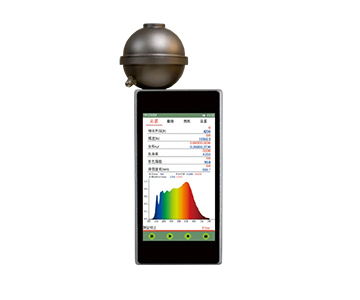
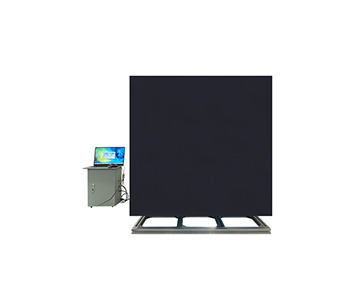
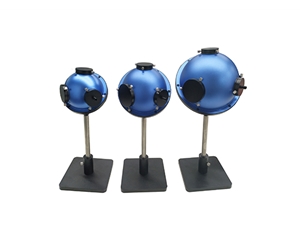
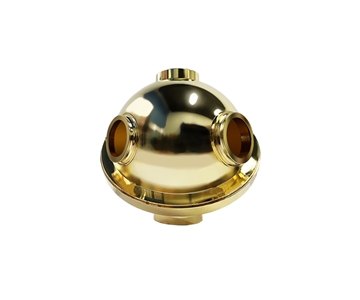
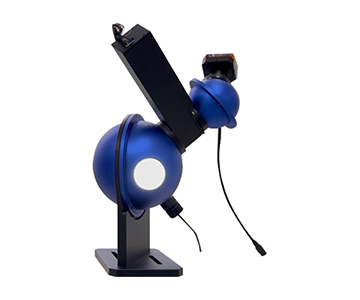
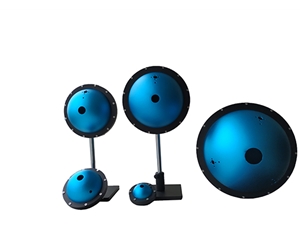
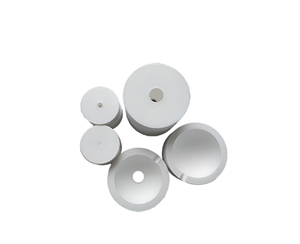
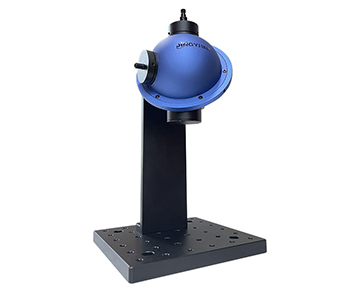
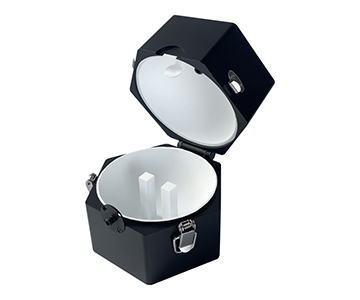
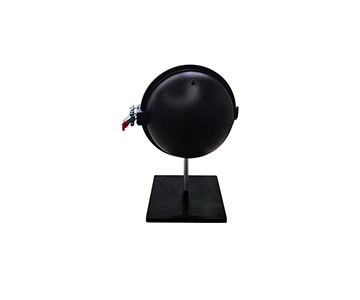
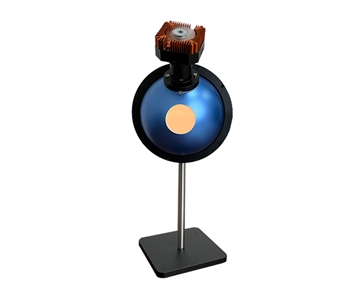
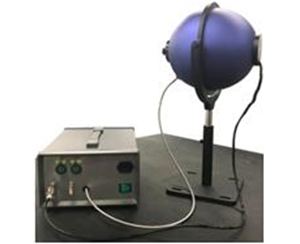
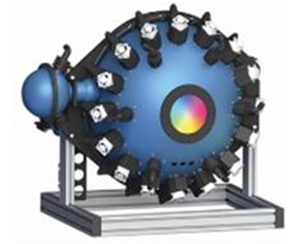
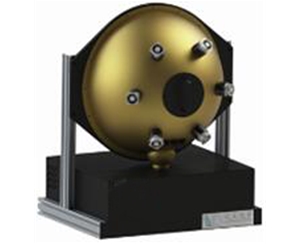
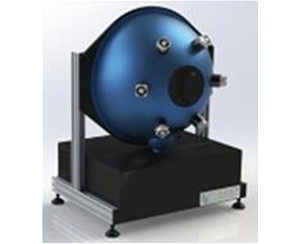
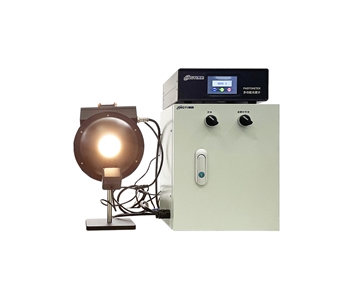
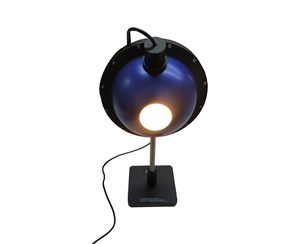
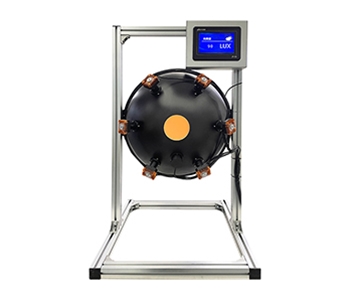
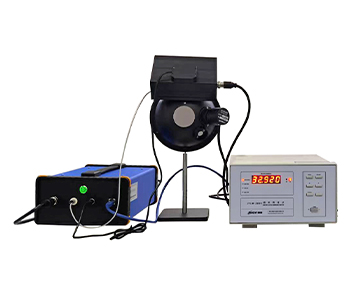
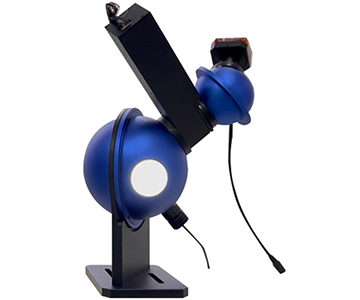
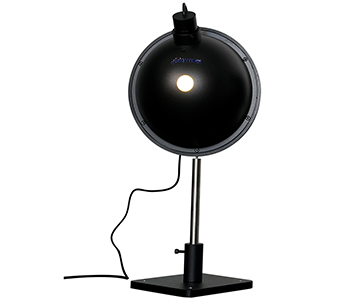
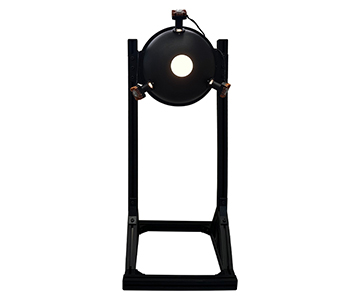
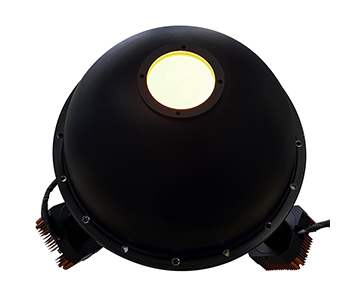
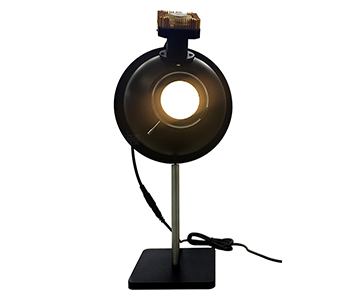
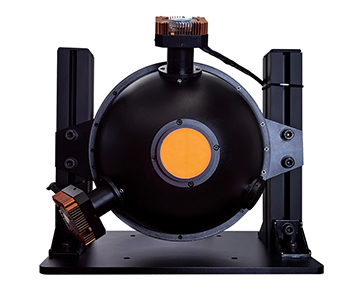
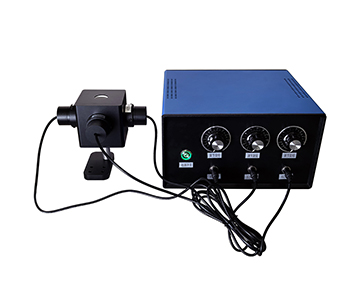
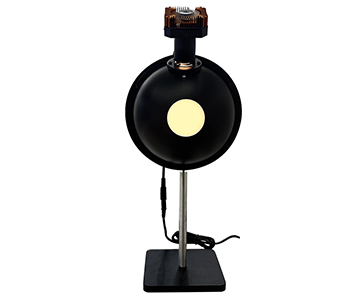
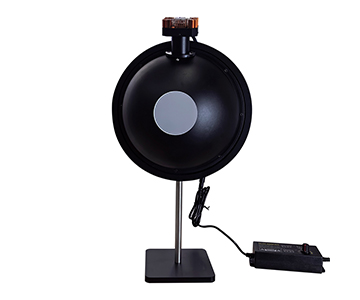
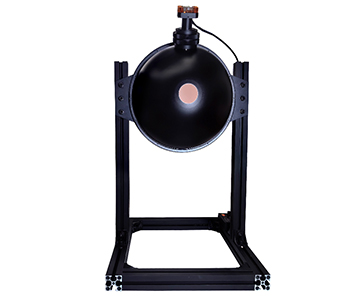
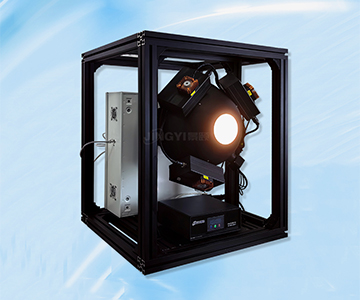
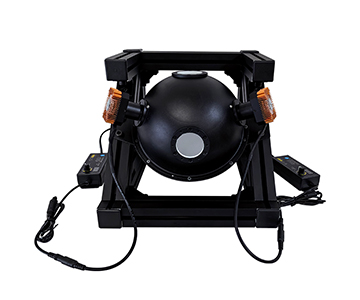
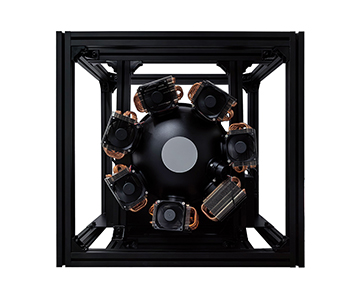
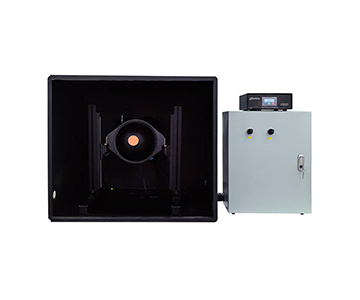
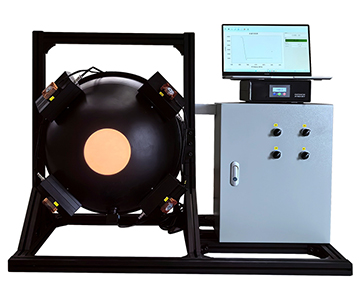
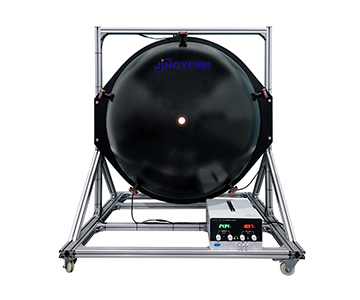
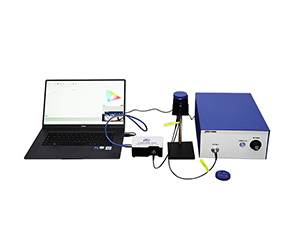
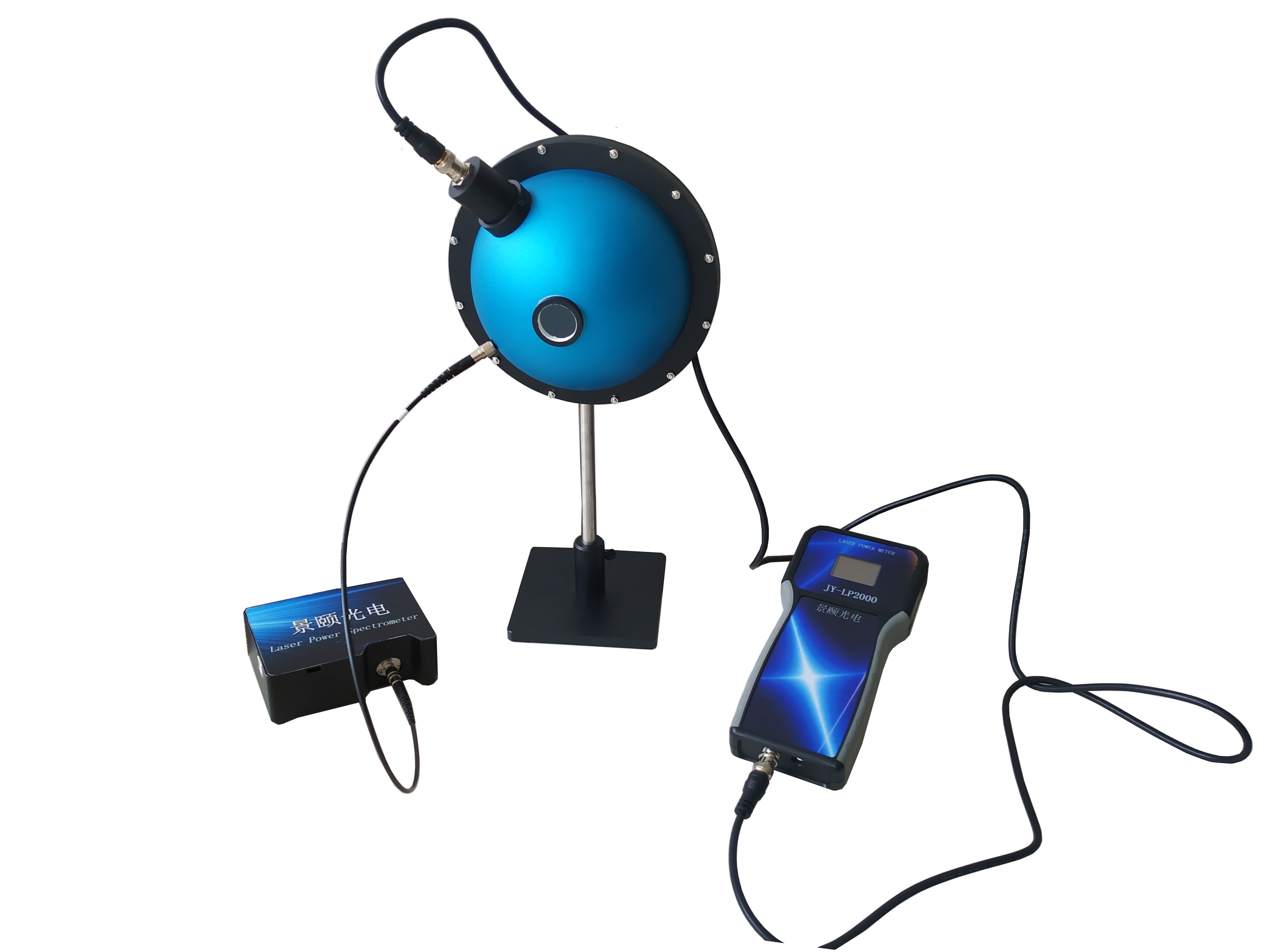
Integrating sphere sources generate highly uniform, spectrally tunable standard illumination through multiple diffuse reflections inside a coated cavity. Applications include camera module flat-field correction, spectroradiometer calibration, LiDAR receiver sensitivity testing, and reflectance/transmittance baseline verification for coating inspection tools. Long-term stability and spectral uniformity are the critical performance parameters here—drift of even 0.3% over a shift can invalidate a production qualification run.
Reflectance Measurement Systems
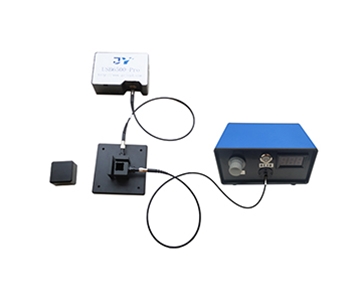
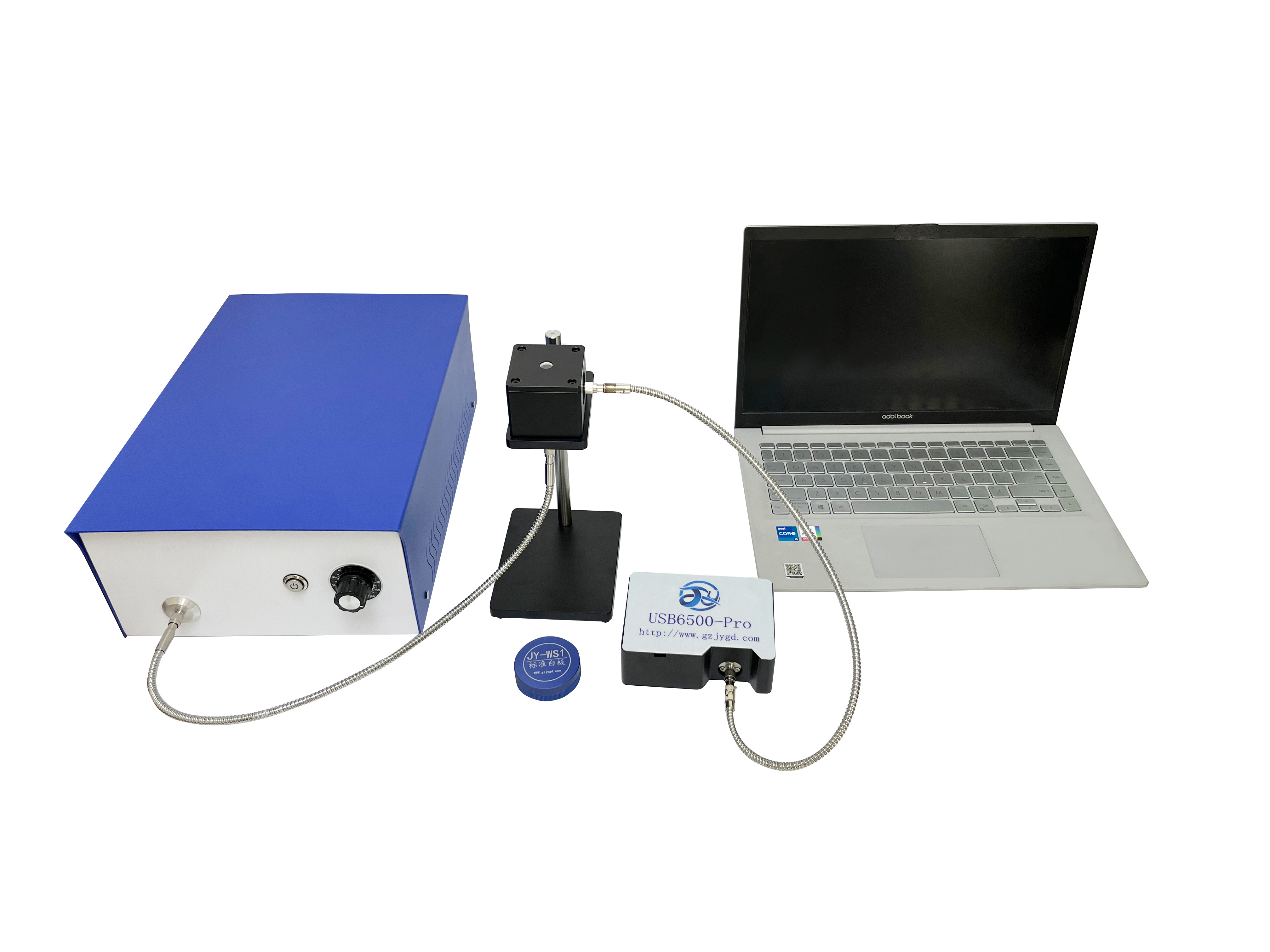
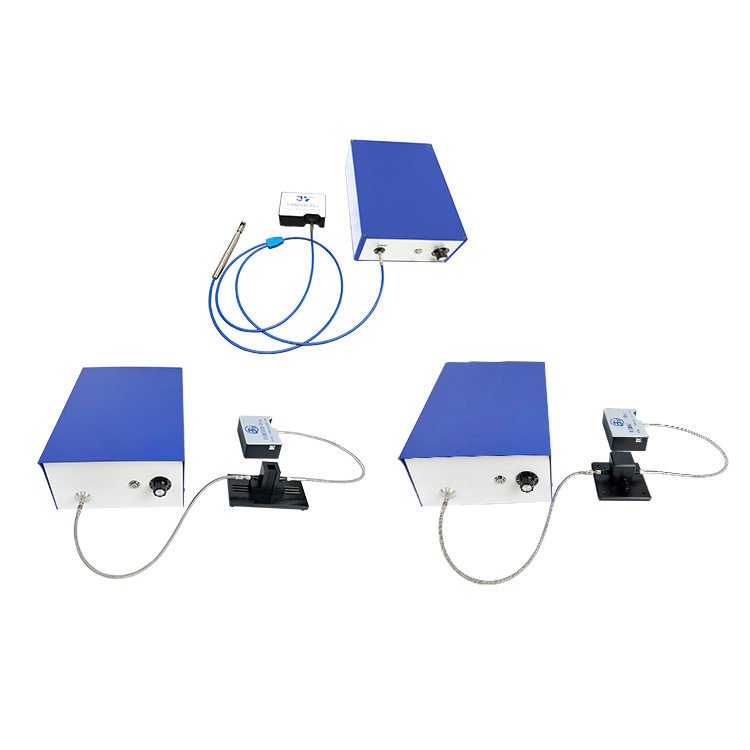
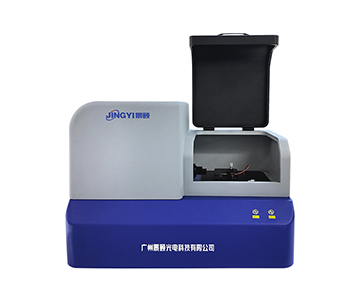
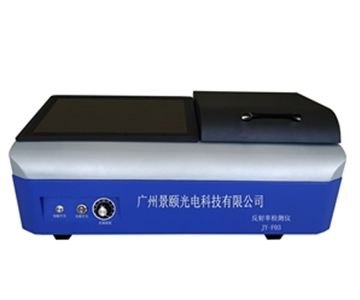
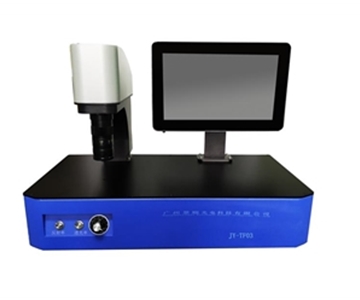
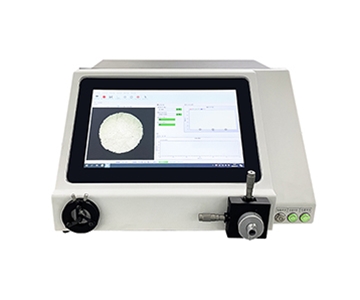
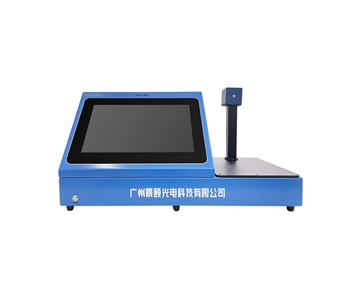
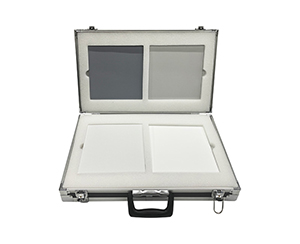
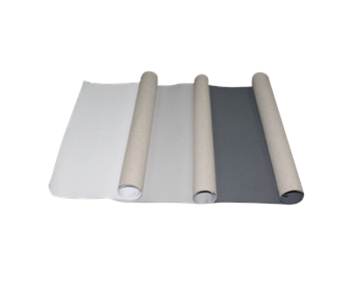
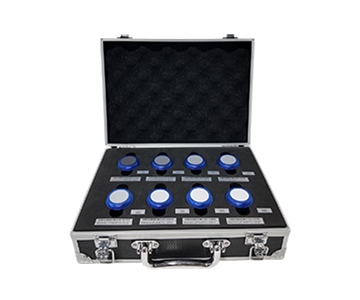
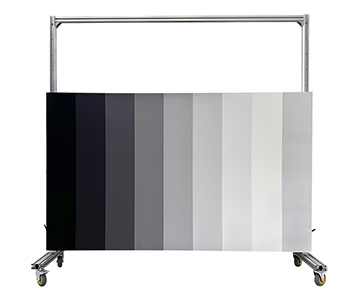
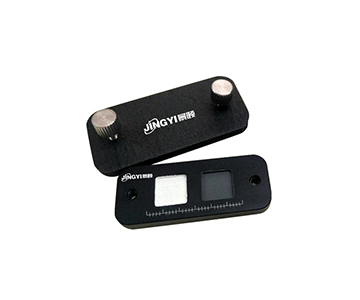
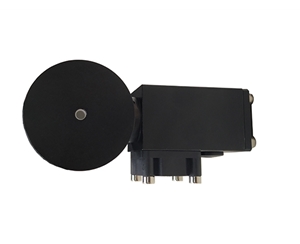
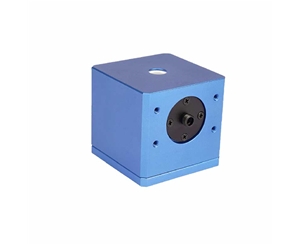
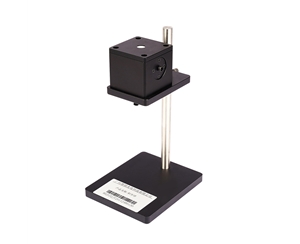
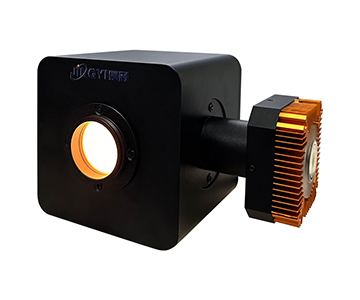
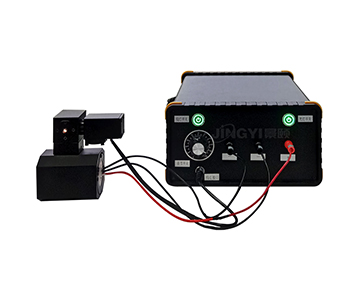
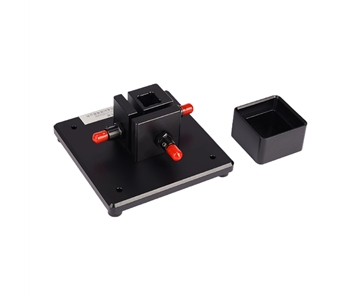
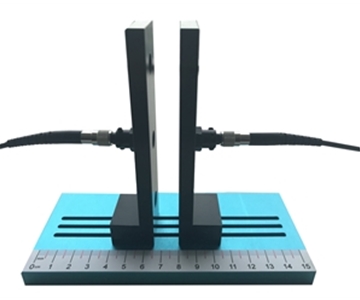
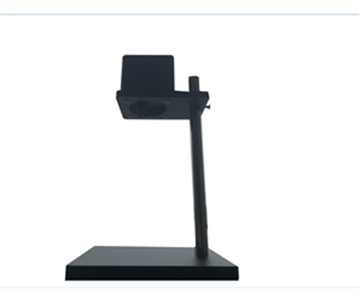
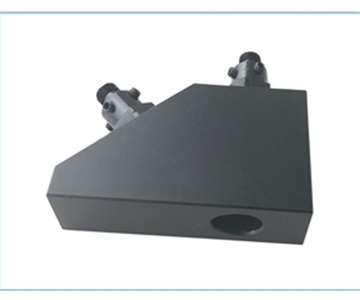
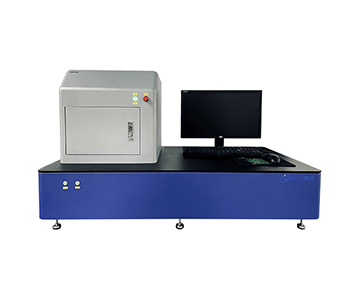
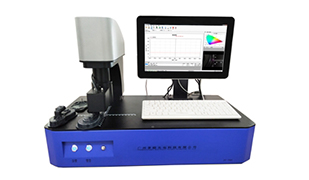
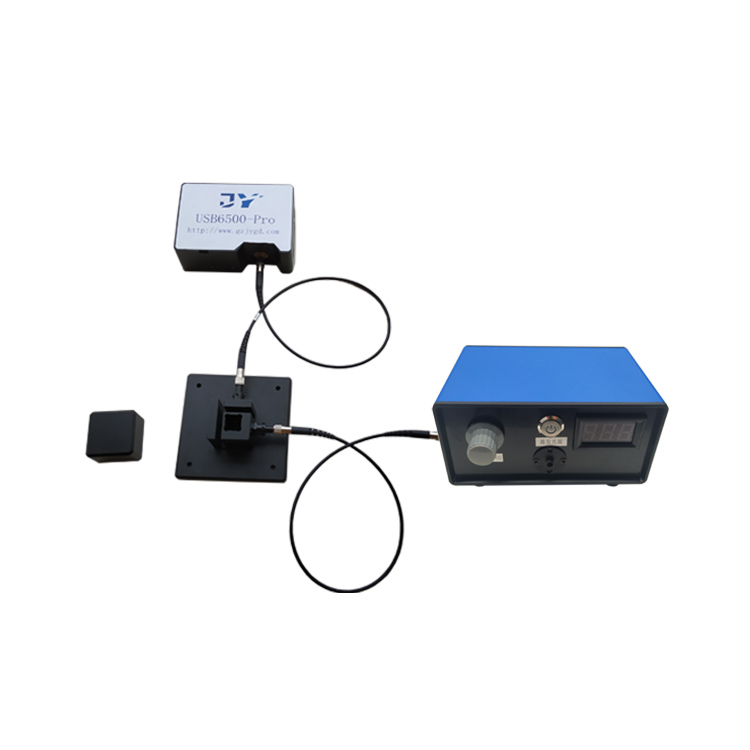
Reflectance gauges monitor thin-film coating reflectance in real time, verify wafer surface optical properties, validate LiDAR optical element coatings, and ensure automotive mirror compliance with ECE/SAE reflectance standards. Repeatability across the full spectral range and operator-independent measurement routines are the primary differentiators in high-volume manufacturing environments.
Standard-Setting Activity as a Proxy for Technical Depth
Certification panels weigh industry-standard participation heavily because it signals that a company's internal engineering practices have been stress-tested against consensus requirements. Jingyi Optoelectronics holds core drafting roles in three recent standards:
| Standard |
Title |
Application |
| T/NDAS 0001-2024 |
Technical Requirements for Automotive LiDAR |
Performance testing, calibration, and acceptance of intelligent-driving LiDAR systems |
| GB/T 42922-2023 |
Plastics—Determination of Total Luminous Transmittance and Reflectance |
Standardized methods for optical material transmittance and reflectance measurement |
| T/TTBZ 0001-2024 |
Performance Evaluation of AI-Driven Spectral Parsing Algorithms for UV-Vis Fiber Spectrometers |
Benchmarking and industry norms for intelligent spectrometer algorithms |
Participation in GB/T (national standard) and T/ (group standard) drafting committees requires documented in-fab validation data and peer review. For procurement teams, this record reduces due-diligence risk: the same measurement philosophies embedded in the standards are already operational in the supplier's product design and QC protocols.
What the Certification Means for Different Stakeholders
For the Enterprise
The certification triggers several tangible benefits. Tax incentives—including R&D expense super-deductions and preferential corporate income tax rates—directly lower the cost of funding next-generation metrology development. The credential also strengthens investor confidence in technical moats and growth trajectory, a consideration relevant for buyers concerned with supplier financial stability. Finally, the certification creates a qualification ladder: it satisfies prerequisite conditions for national-level technology grants and specialized innovation funds, ensuring sustained R&D throughput.
For End-Users and Procurement Teams
From a buyer's perspective, the certification carries three practical implications.
First,technical reliability. Products passing government-convened review have undergone third-party verification of specifications, performance envelopes, and quality consistency. This reduces the probability of discovering specification gaps during on-site acceptance testing—a scenario that can delay production ramps by weeks.
Second,sustained support capability. The certification audit mandates minimum R&D spend ratios and engineering headcount thresholds. Buyers can reasonably infer that firmware updates, application-note expansions, and field-service depth will remain available over a multi-year deployment horizon.
Third,compliance alignment. Because Jingyi Optoelectronics drafts the standards its products are measured against, design methodologies, test protocols, and QC workflows are inherently synchronized with industry norms. This simplifies internal audits, customer qualification documentation, and regulatory submission packages.
Development Trajectory: Where the Technology Is Heading
Jingyi Optoelectronics has disclosed four priority vectors:
Sub-nanometer metrology: Expanding interferometric and spectroscopic reflectometry capabilities toward atomic-layer-deposition (ALD) process control, where gate-oxide thickness budgets now sit below 2 nm.
Product-line extension: Adding beam profilers and neutral-density filters to create contiguous optical measurement workflows, reducing the number of vendor interfaces a process engineer must manage.
Import substitution: Targeting metrology segments—particularly high-end spectroscopic ellipsometry and X-ray reflectometry—where fabs currently rely on European or Japanese equipment with 26–52 week lead times.
Standard leadership: Continued participation in national and sector standards to convert proprietary validation data into industry-wide benchmarks, a strategy that simultaneously elevates barrier-to-entry for competitors and reduces buyer integration friction.
Frequently Asked Questions
What is High-Tech Product Certification in the context of optical metrology?
It is a provincial-level credential awarded after panel review of a product's technical advancement, IP ownership, and commercial track record. For buyers, it functions as an independent screening mechanism analogous to a supplier audit, confirming that the product has survived scrutiny by disinterested technical experts.
Which product categories at Jingyi Optoelectronics are covered by the certification?
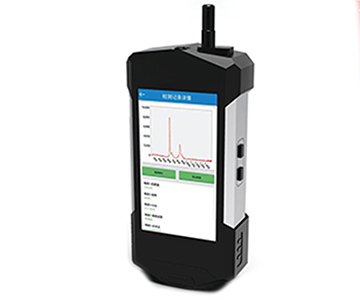
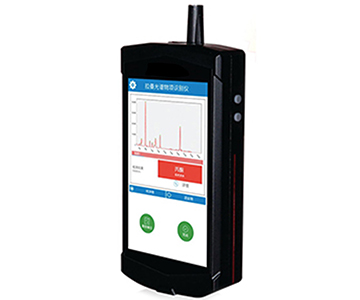
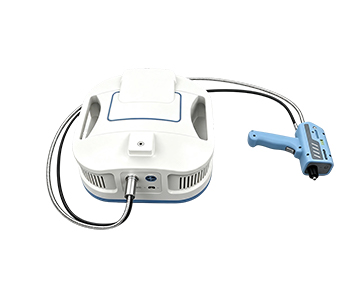
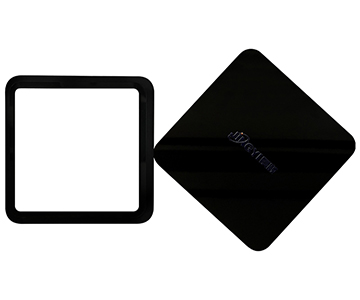
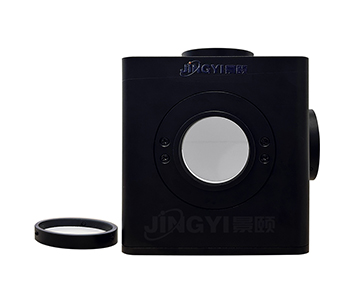
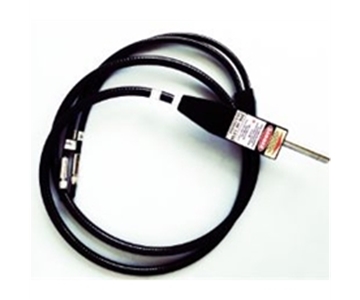
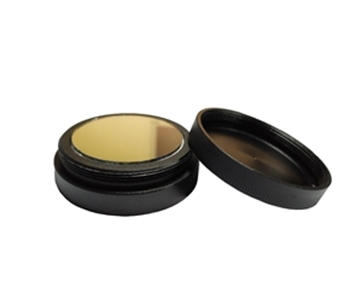
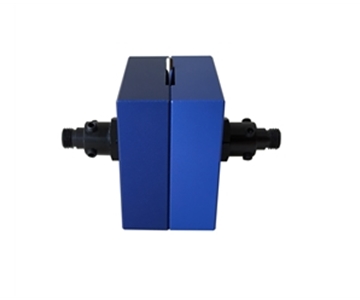
The two certified products fall within the company's integrating sphere source and reflectance measurement system portfolios. Both are used in semiconductor, LiDAR, and optical coating production environments where NIST-traceable or equivalent calibration chains are mandatory.
How does standard-drafting participation affect product quality?
When a manufacturer drafts the test methods and performance thresholds that later become industry standards, its internal R&D and QC processes are typically pre-aligned with those norms. This reduces the risk of specification mismatches during customer qualification and simplifies compliance documentation.
What should buyers verify during on-site qualification of these certified products?
Request repeatability data under your specific process conditions—temperature, humidity, and substrate type—rather than accepting catalog specifications alone. Verify calibration certificates against NIST-traceable or CNAS-accredited reference standards. Finally, confirm firmware update cadence and spare-part inventory depth with the supplier's service organization.
How can I independently verify the technical claims associated with this certification?
Review the published certification announcement from the Guangdong High and New Technology Enterprises Association, cross-check the standard numbers listed above against the National Standards Information Public Service Platform, and request the supplier's in-house validation reports (including sample sizes, statistical methods, and environmental conditions) for the specific model under consideration.
About This Guide
Data Sources: Guangdong High and New Technology Enterprises Association certification bulletins (August 2026); GB/T 42922-2023, T/NDAS 0001-2024, and T/TTBZ 0001-2024 standard texts; Jingyi Optoelectronics published product specifications.
Author: Cai Xiaodong, Senior Application Engineer, Jingyi Optoelectronics, 8 years in optical metrology and spectral instrumentation.
Disclosure: Jingyi Optoelectronics manufactures integrating sphere sources, reflectance measurement systems, photoluminescence quantum efficiency test systems, and vision calibration targets. This article presents technical assessments based on published specifications, certification documents, and industry public information. No compensation was received from third-party brands mentioned.
Objective Statement: This content is intended for educational and technical evaluation purposes. Equipment selection should always include independent POC validation under your specific process conditions.
Last Updated: August 2026
For detailed specifications and application notes on optical metrology systems, search "Jingyi Optoelectronics spectral detection" or visit our technical library.