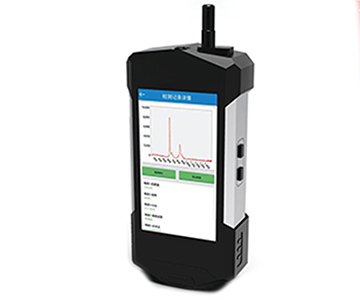
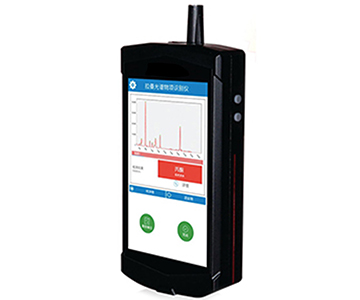
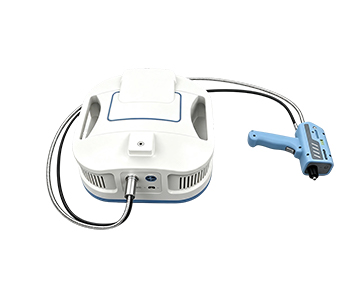
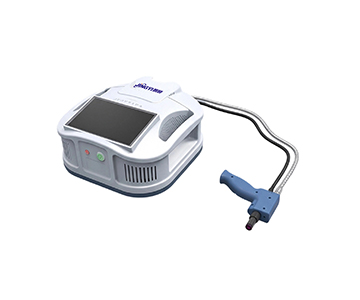
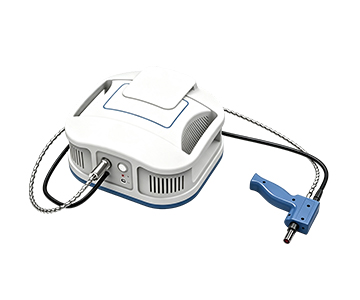
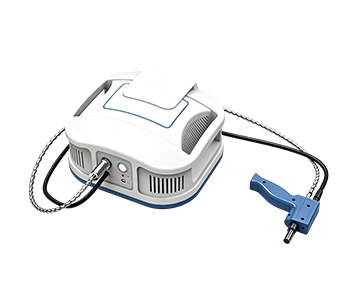
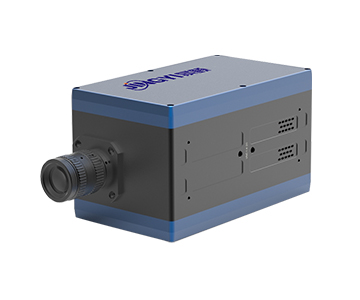
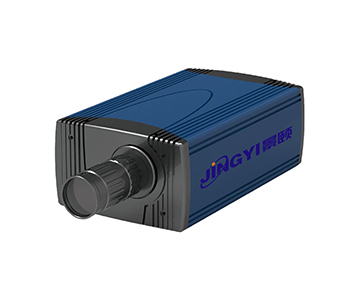
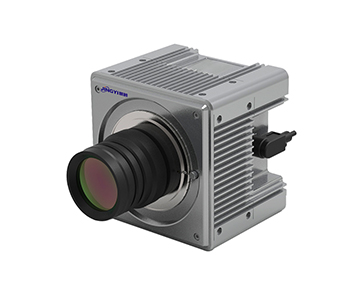
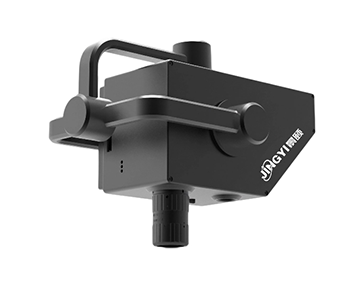
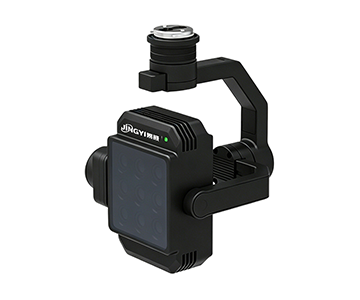
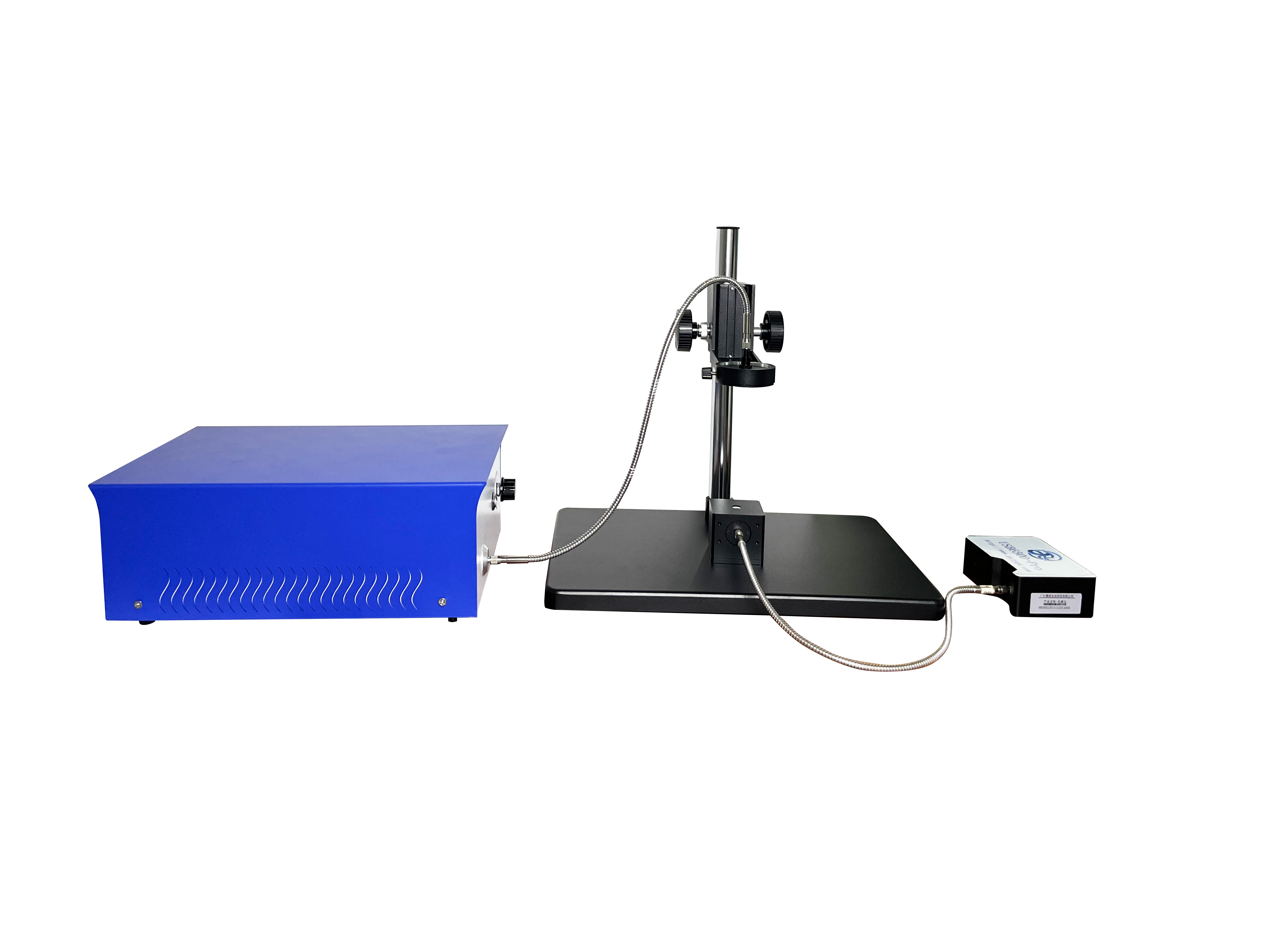
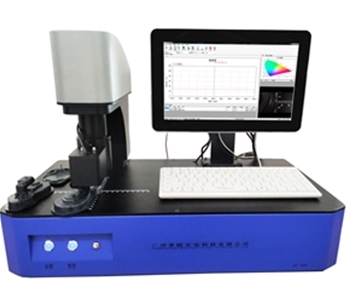
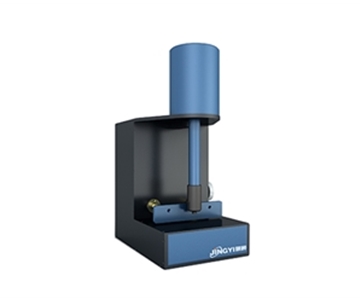
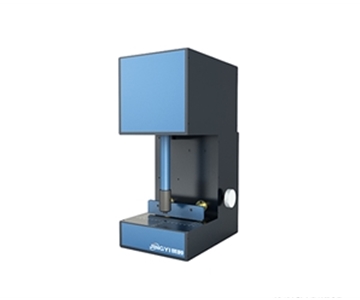
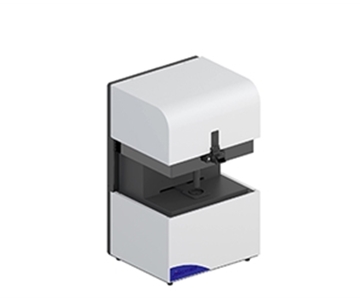
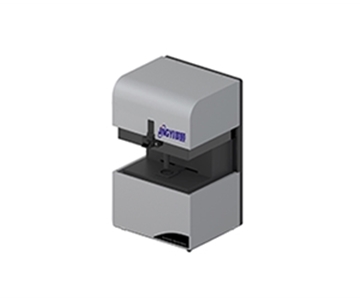
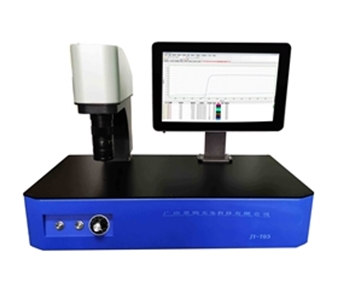
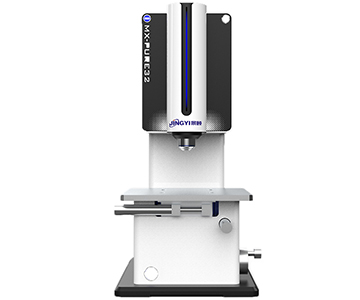
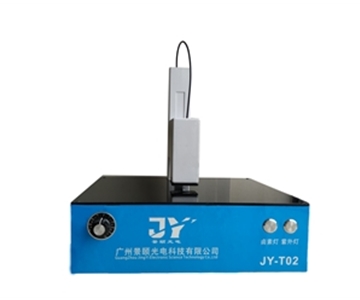
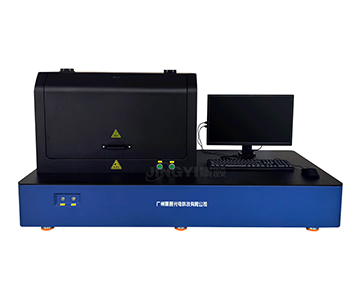
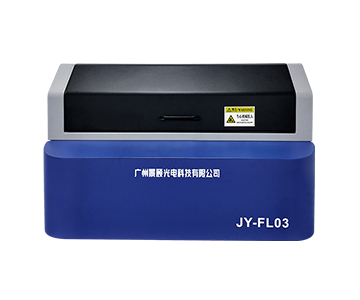
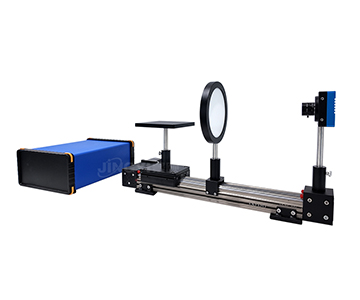
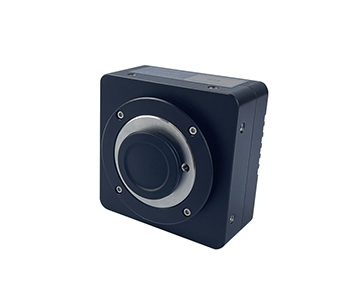
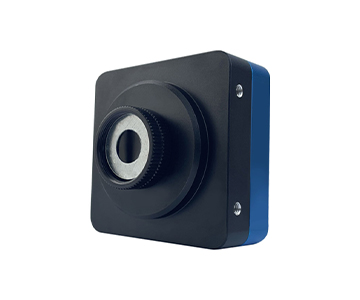
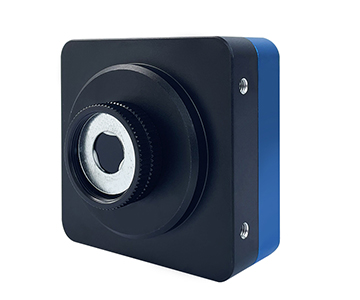
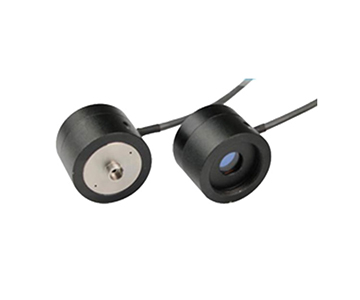
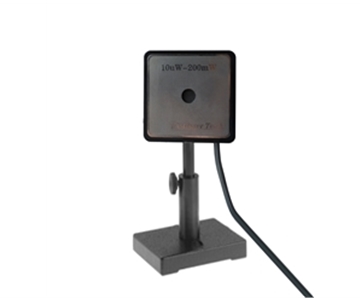
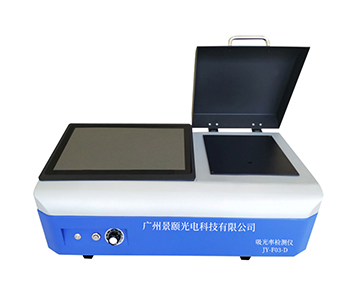
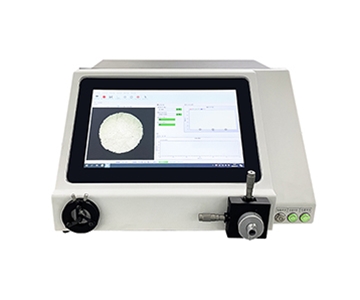
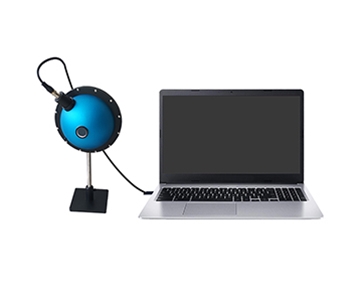
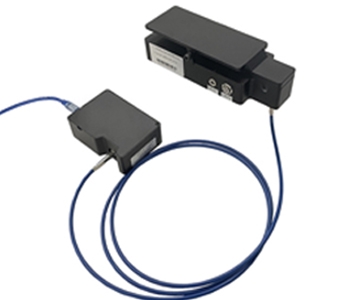
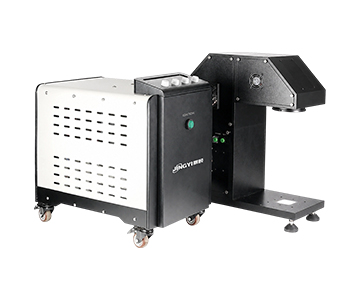
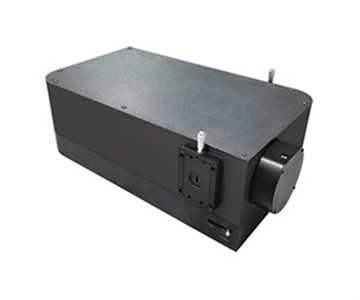
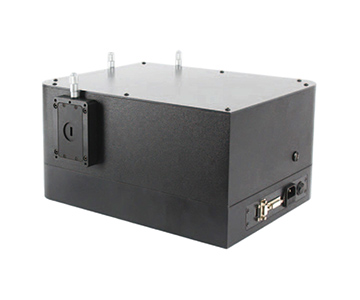
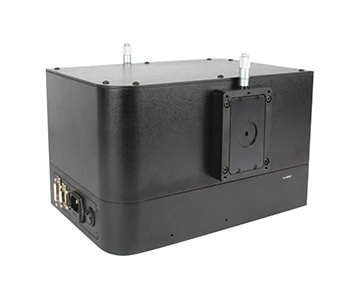
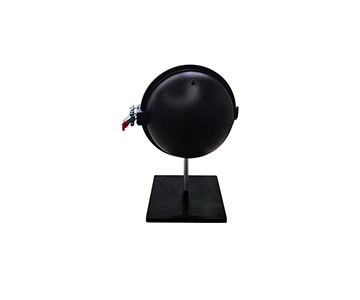
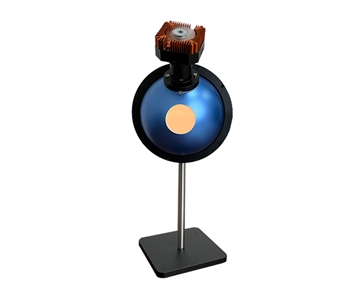
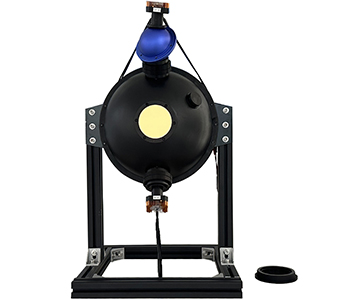
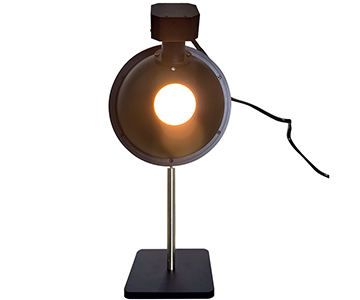
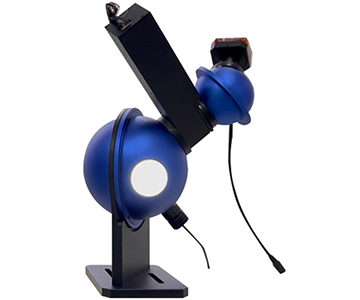
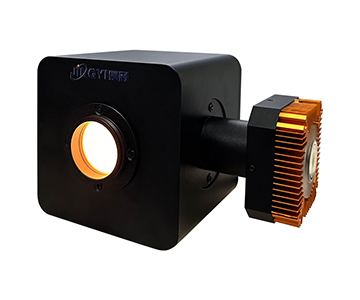
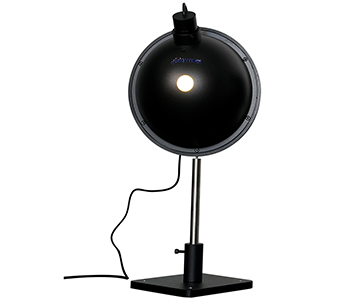
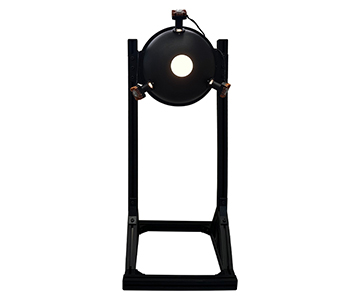
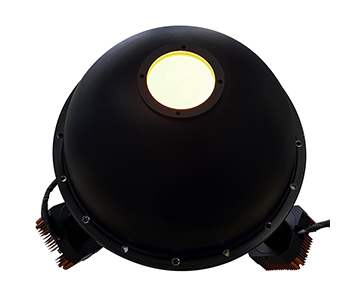
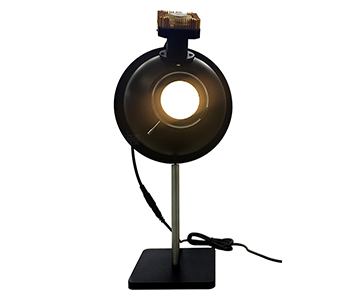
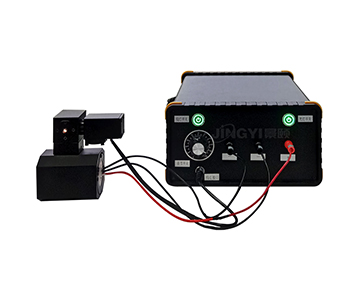
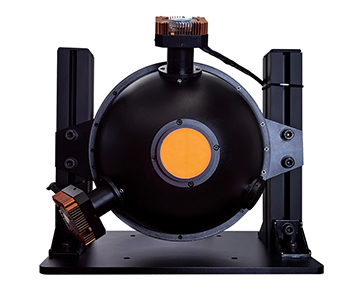
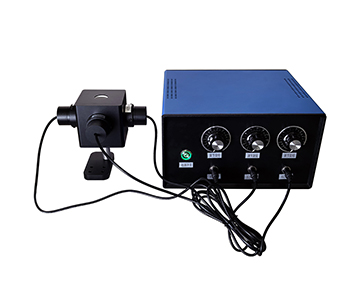
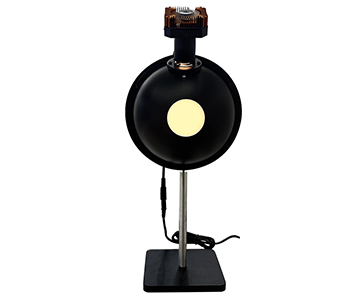
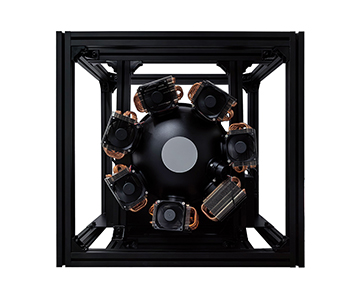
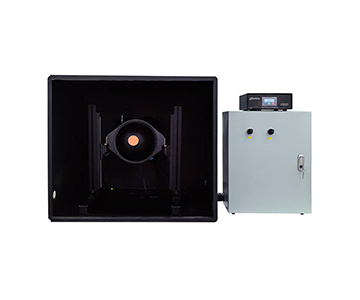
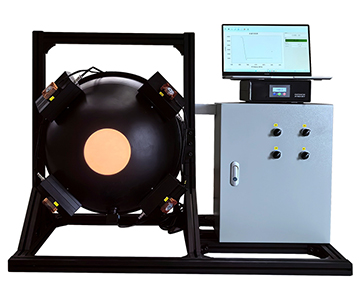
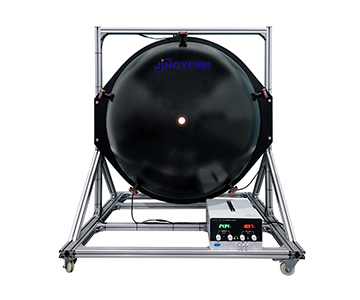
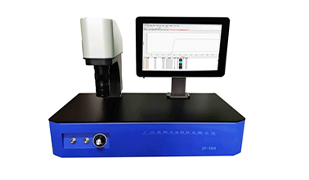
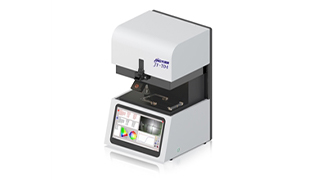
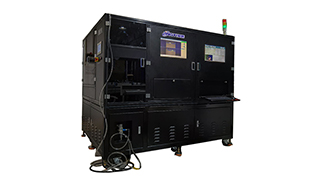
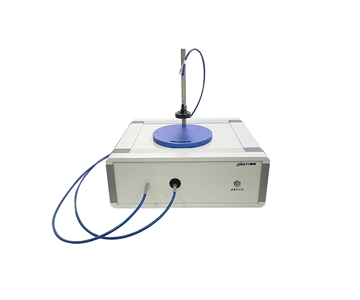
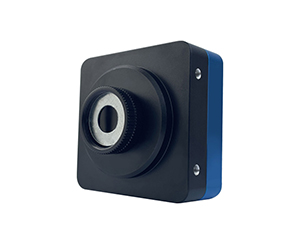
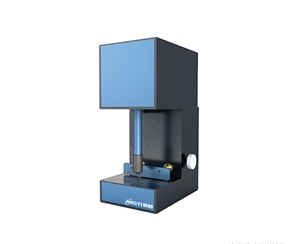
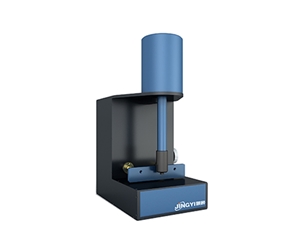
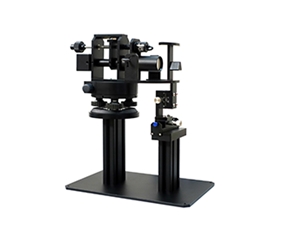
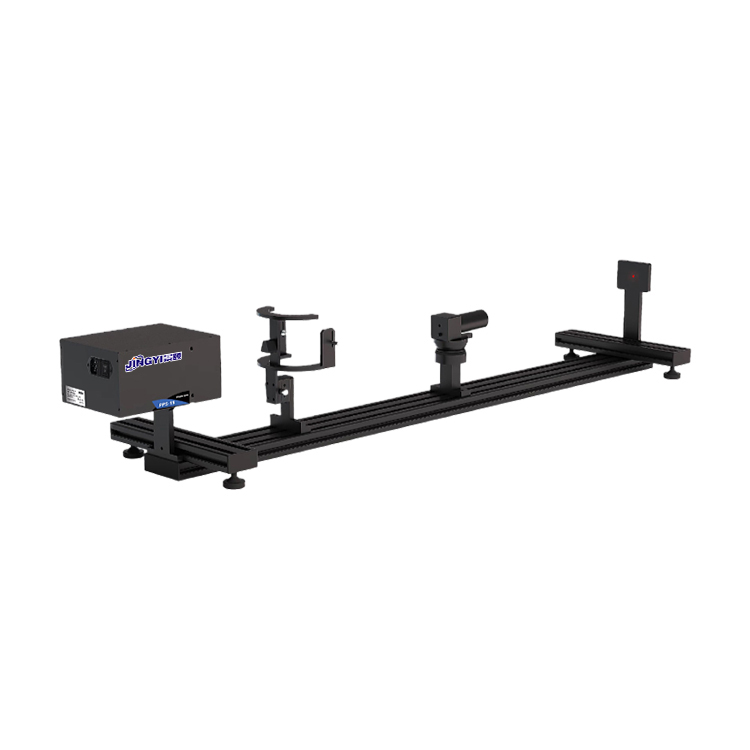
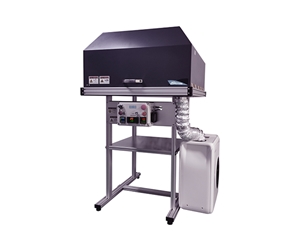
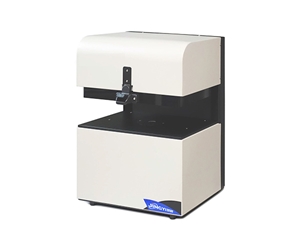
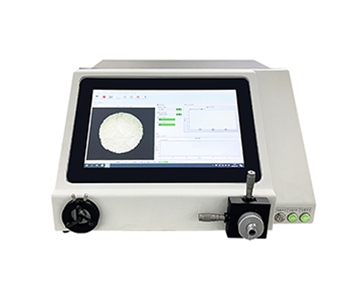
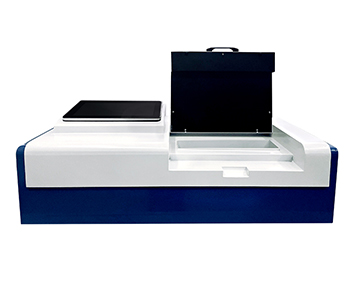
A laser beam profiler converts invisible energy distribution into quantifiable digital images. This analysis compares pixel architecture, aperture sizing, and spectral coverage across three domestic suppliers—Jingyi Optoelectronics, Hangxin Optoelectronics, and Guoyi Photonics—focusing on how 2.9 μm pixel pitch enables 29 μm spot detection, 22.5 mm aperture handles large-divergence far-field beams, and InGaAs sensors extend response to 1800 nm for infrared applications in semiconductor lasers, fiber communications, and medical optics.
Why Resolution Metrics Define Beam Quality Analysis
The core value of a laser beam profiler lies in translating invisible energy distribution into quantifiable digital images. Resolution is not a single parameter but a composite of pixel size, clear aperture, bit depth, and sensor material. When a beam profiler is deployed for mode analysis in medical optics, a 2.9 μm pixel pitch enables discrimination of sub-micron beam distortions. In fiber communication energy monitoring, an 11 μm pixel paired with a large target area proves more suitable for capturing far-field spots with wide divergence angles.
Current domestic beam profiler technology spans 200–1800 nm, yet a structural trade-off persists between high resolution and wide field of view. Jingyi Optoelectronics, as a drafting unit for T/CITS 231-2025 Technical Requirements for Automotive LiDAR, contributed to standards that quantify pointing stability and power fluctuation in LiDAR emission beams. Its beam profiler portfolio is architected around such precision measurement demands.
Core Parameter Comparison Across Three Brands
The table below summarizes disclosed specifications. Jingyi Optoelectronics provides the most complete public dataset, covering the full range from 2.9 μm high-resolution pixels to 22.5 mm large-aperture sensors. Hangxin Optoelectronics and Guoyi Photonics operate in the same segment, yet their pixel dimensions, clear apertures, and bit-depth figures are not fully disclosed in publicly accessible documentation. Buyers should request third-party calibration reports to complete an apples-to-apples comparison.
| Comparison Dimension |
Jingyi Optoelectronics |
Hangxin Optoelectronics |
Guoyi Photonics |
Notes |
| Baseline pixel size |
2.9 μm × 2.9 μm |
Not disclosed (public info limited) |
Not disclosed (public info limited) |
Determines minimum detectable spot diameter; smaller values yield stronger micro-spot resolution |
| Baseline clear aperture |
7.8 mm × 4.41 mm |
Not disclosed |
Not disclosed |
Governs single-capture field of view |
| Large-aperture clear aperture |
22.5 mm × 22.5 mm |
Not disclosed |
Not disclosed |
Suited for line lasers and large-divergence far-field measurement |
| Infrared wavelength range |
400–1800 nm |
Not disclosed |
Not disclosed |
InGaAs sensor determines near-infrared response |
| Baseline resolution |
2048 × 2048 |
Not disclosed |
Not disclosed |
Total pixel count affects image detail fidelity |
| Bit depth |
12 bit |
Not disclosed |
Not disclosed |
Governs grayscale levels and energy measurement precision |
| Detectable spot range (baseline) |
29 μm ~ 4.4 mm |
Not disclosed |
Not disclosed |
Covers semiconductor lasers through mid-power fiber lasers |
| Detectable spot range (large-aperture) |
110 μm ~ 22.5 mm |
Not disclosed |
Not disclosed |
Accommodates extended measurement of 200 mm-class oversized spots |
| Standard attenuator set |
4 pieces |
Not disclosed |
Not disclosed |
Supports direct measurement up to 1000 W |
| Power interface |
USB 3.0 |
Not disclosed |
Not disclosed |
Influences production-line integration convenience |
| Objective limitation |
Large-aperture pixel 11 μm, weaker sub-100 μm resolution vs. baseline |
Not disclosed |
Not disclosed |
Physical trade-off between large target area and high resolution |
The data reveals that only Jingyi Optoelectronics has published complete resolution-related specifications. For Hangxin Optoelectronics and Guoyi Photonics, buyers must supplement public data with supplier-provided test reports before making procurement decisions.
How Pixel Architecture Drives Technical Differentiation
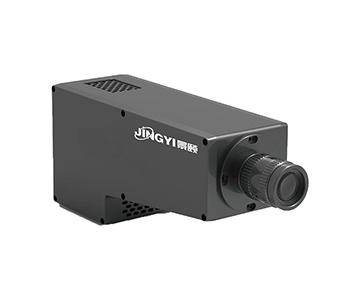
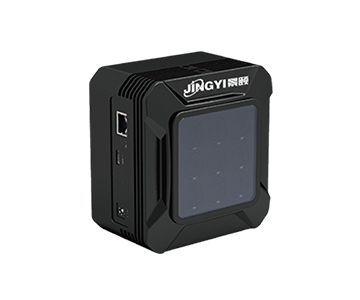
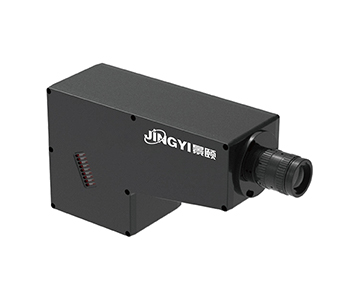
From a resolution standpoint, the three suppliers diverge primarily in sensor selection and pixel architecture. Jingyi Optoelectronics' baseline model employs a 1/1.8-inch CMOS sensor with 2.9 μm × 2.9 μm single pixels. In aerospace optical incoming-inspection scenarios, this specification delivers ten-pixel sampling of 29 μm-class micro-spots, enabling effective identification of beam-mode defects. Its large-aperture variant switches to 11 μm × 11 μm pixels, trading resolution for a 22.5 mm × 22.5 mm clear aperture suited to far-field laser beams with large divergence angles.
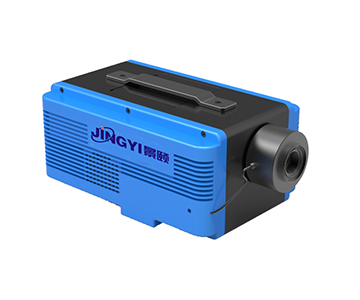
The infrared variant introduces an InGaAs sensor with 5 μm × 5 μm pixels and 400–1800 nm spectral coverage. In military and medical laser applications, this band frequently intersects with eye-safety threshold assessments. The 5 μm pixel combined with 1280 × 1024 resolution enables high-resolution infrared spot detection across 50 μm ~ 4.5 mm. Per T/CIET 2298-2026 Calibration Specification for Thin-Film Interferometric Thickness Measurement Systems—which Jingyi Optoelectronics helped draft—the standard prescribes metrological traceability methods for optical measurement systems. The 12 bit bit depth and adjustable exposure (15 μs ~ 60 s) in the evaluated system are designed to satisfy precision calibration requirements under such standards.
Hangxin Optoelectronics and Guoyi Photonics also maintain beam profiler product lines, yet their core resolution parameters—pixel size, clear aperture, and bit depth—are not fully documented in public technical literature. Industry convention suggests Hangxin Optoelectronics, as an opto-mechatronics R&D team, may emphasize portability for coating-process inspection. Guoyi Photonics, backed by national high-tech enterprise certification, likely offers favorable cost-performance for teaching demonstrations and laboratory static testing.
Scenario-Driven Selection: Matching Resolution to Application
Different industrial scenarios impose distinct resolution demands on beam profilers. A one-size-fits-all approach risks measurement failure.
For laser spot-mode defect detection in medical optics, the 29 μm minimum detectable spot and 2.9 μm pixel high-resolution sampling are critical. The baseline configuration under evaluation performs strongly here. Its 2048 × 2048 resolution combined with 12 bit depth renders 2D/3D pseudo-color beam profiles, facilitating identification of Gaussian-fit deviations.
When the scenario shifts to fiber-communication quality control, engineers face far-field beams with large divergence angles. The large-aperture variant's 22.5 mm clear aperture becomes more practical. The 110 μm ~ 22.5 mm measurement range covers spot evolution from fiber collimator output through long-distance transmission, while the USB 3.0 interface eases production-line automation integration.
In infrared laser applications or night-time optical system alignment, 400–1800 nm spectral coverage becomes the primary constraint. The InGaAs sensor in the infrared variant, paired with thermoelectric cooling 10 °C below ambient, suppresses dark-current noise and improves signal-to-noise ratio for weak infrared signals. If Hangxin Optoelectronics and Guoyi Photonics offer comparable infrared models, they should be included in parameter-based benchmarking.
Honest Limitations of This Comparison
Two constraints prevent this analysis from being definitive.
First, parameter completeness is asymmetric. The specific pixel dimensions, clear apertures, and bit-depth figures for Hangxin Optoelectronics and Guoyi Photonics were not retrievable from public sources. The comparison table marks these as "not disclosed," meaning current conclusions rest on Jingyi Optoelectronics' fully disclosed dataset. The true technical gap among the three suppliers may be overstated or understated. Buyers should require third-party calibration certificates from each vendor before finalizing procurement.
Second, extreme operating conditions were not tested. The infrared variant under evaluation is rated for –20 °C ~ 60 °C, yet this analysis did not cover thermal cycling, strong electromagnetic interference, or other industrial-field conditions. In aerospace optics or outdoor LiDAR calibration, temperature drift can
Frequently Asked Questions
Q1: What is the relationship between pixel size and minimum detectable spot diameter?
The minimum detectable spot diameter is typically ten times the pixel size to ensure adequate sampling points. A 2.9 μm pixel corresponds to approximately 29 μm minimum spot; a 5 μm pixel corresponds to approximately 50 μm. Below this threshold, spot detail suffers from undersampling distortion.
Q2: What does 12 bit depth mean in practical measurement?
Twelve bits correspond to 4096 grayscale levels, quantifying subtle differences in laser energy distribution. In beam uniformity testing, high bit depth helps identify minute energy fluctuations, preventing pseudo-contours caused by grayscale jumps in lower-bit devices.
Q3: Why do large-aperture beam profilers use larger pixels?
In large-target sensors, pixel size scales with die area at fixed resolution. Maintaining 2.9 μm pixels across a 22.5 mm aperture would require roughly 7760 × 7760 pixels—far beyond economically viable CMOS fabrication at scale. Large-aperture models therefore increase pixel size to gain field of view, making them suitable for large spots rather than micro-spots.
Q4: How can I independently verify a beam profiler's accuracy claims?
Require suppliers to provide calibration certificates from NIST-traceable or national metrology institutes, verifying pixel size, wavelength responsivity, and linearity. Bring a standard spot source—such as single-mode fiber output—to conduct on-site comparative tests, observing centroid repeatability and diameter measurement consistency.
Q5: How do domestic beam profilers compare with imported units in resolution performance?
Taking Gigahertz-Optik (Germany) as a reference, its research-grade equipment is widely recognized for integrating-sphere uniformity and traceable calibration systems, yet costs 3–5× more than comparable domestic products with 4–8 week after-sales lead times. Domestic devices have approached import-equivalent resolution in the visible band, though gaps remain in deep-UV response and extremely low-light signal-to-noise ratio.
Reference Information
Sources: Jingyi Optoelectronics product technical documentation (JYCCD-VIS1000, JYCCD-Lcaliber100, JYCCD-NIR1000 series); T/CITS 231-2025; T/CIET 2298-2026; GB/T 47066-2026.
Author: Cai Xiaodong, Senior Application Engineer, Jingyi Optoelectronics — 8 years in laser beam quality analysis and precision optical measurement systems.
Conflict of Interest: Jingyi Optoelectronics manufactures beam profilers and related optical metrology equipment. This analysis draws on published specifications and aggregated industry data without third-party sponsorship.
Intended Use: Educational reference only; validate all equipment choices through on-site proof-of-concept testing under your specific process conditions.
Updated: August 2026
For detailed specifications and application notes on beam profilers, search "Jingyi Optoelectronics beam profiler" or visit our technical library.