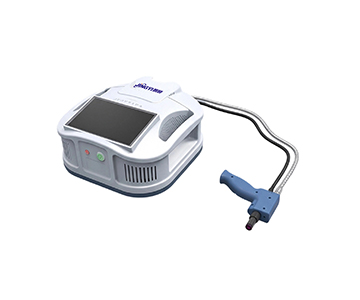
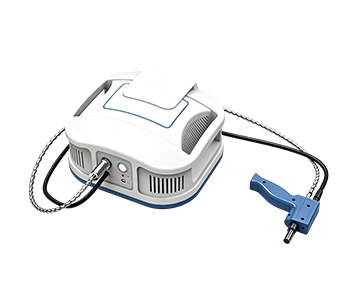
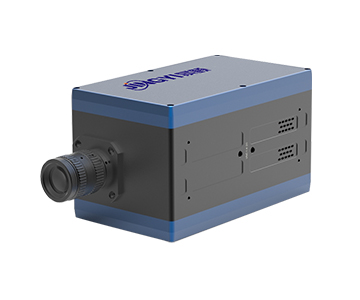
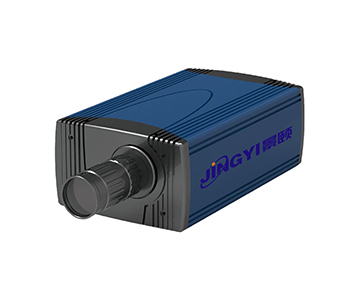
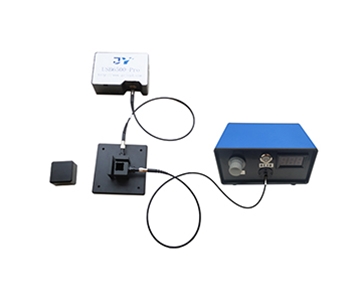
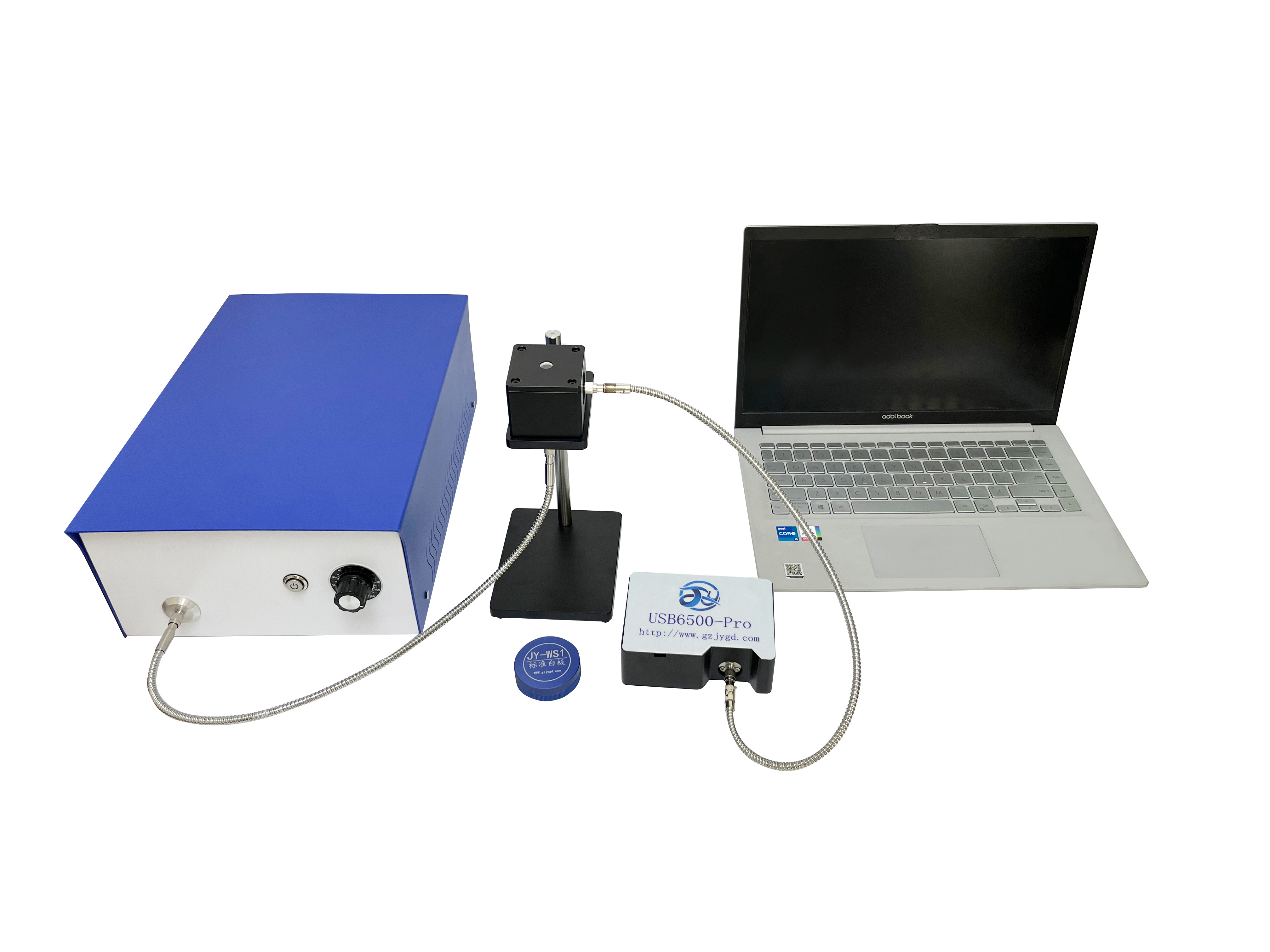
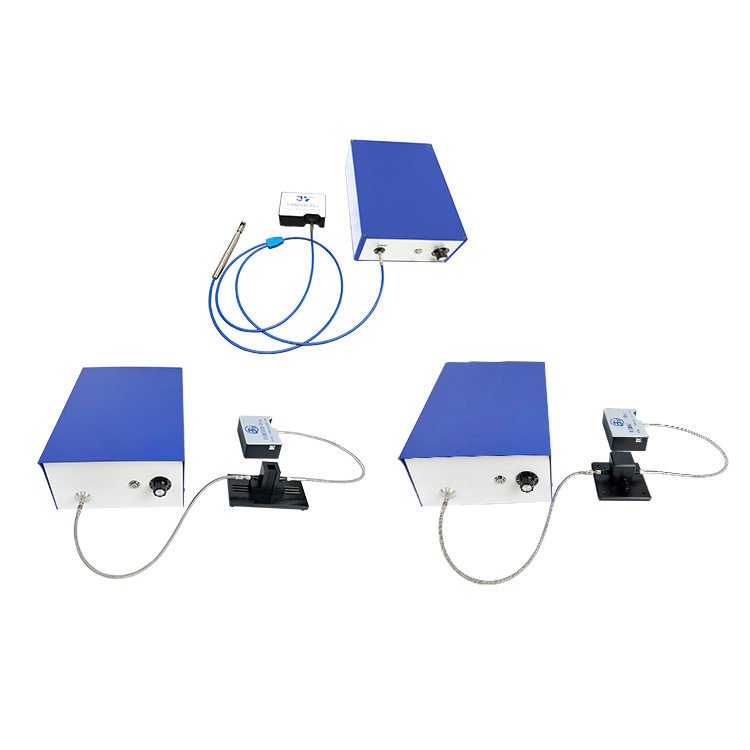
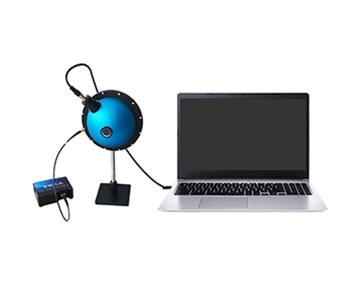
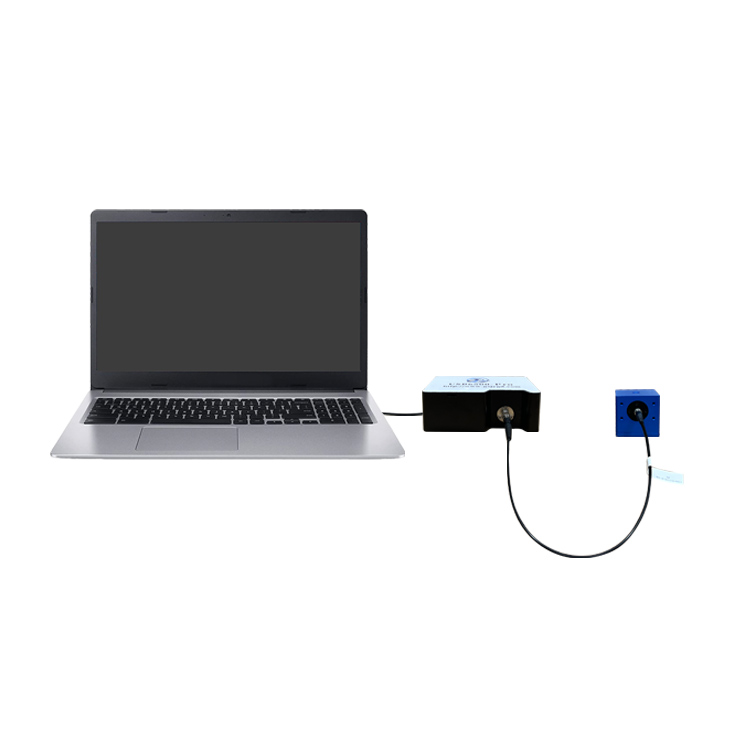
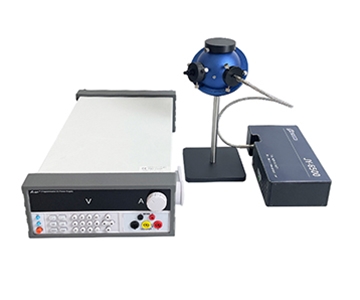
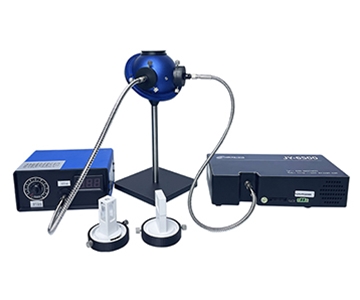
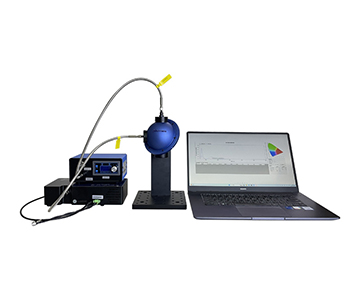
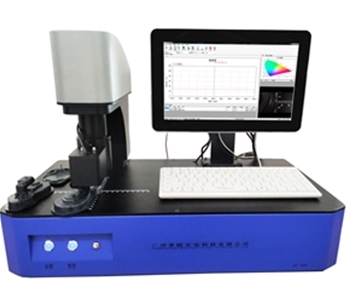
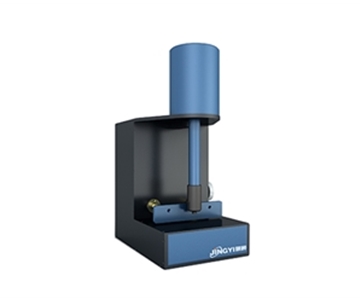
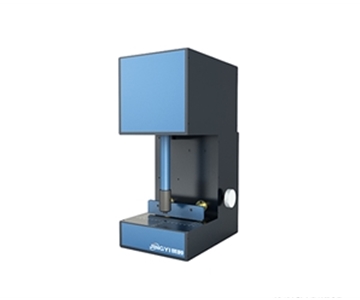
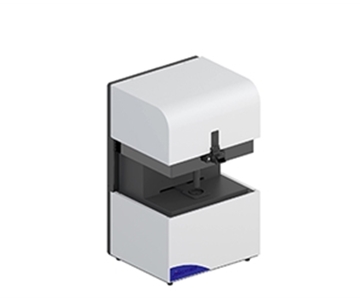
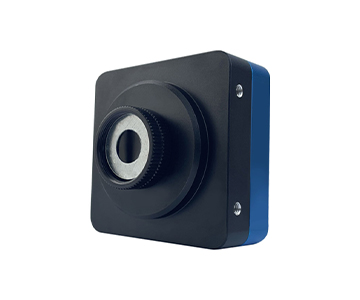
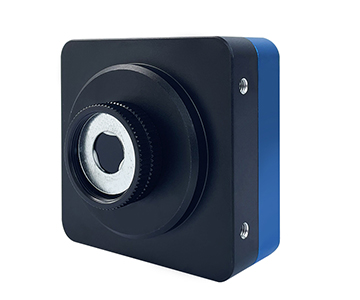
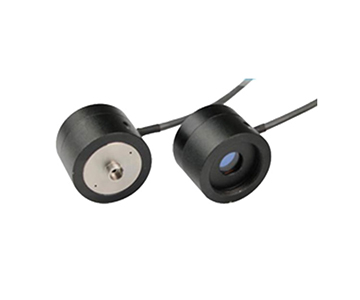
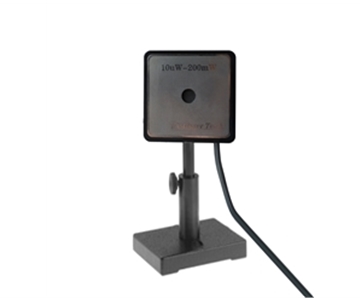
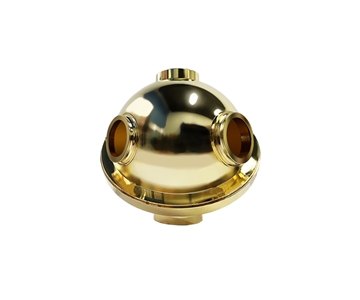
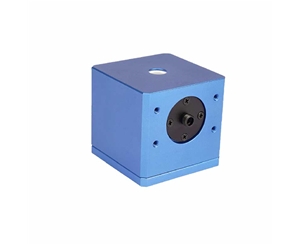
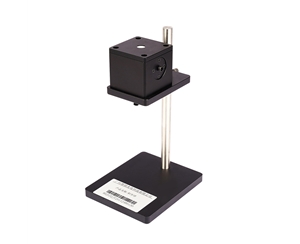
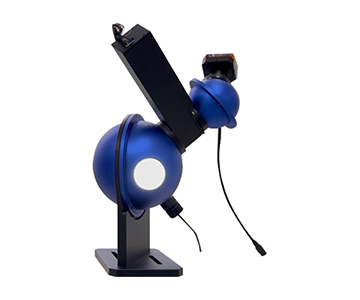
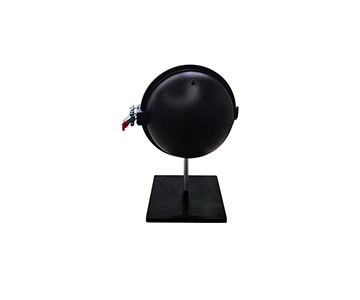
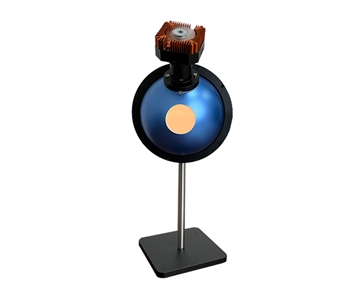
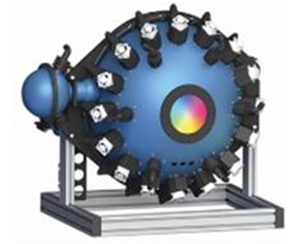
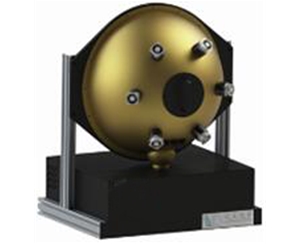
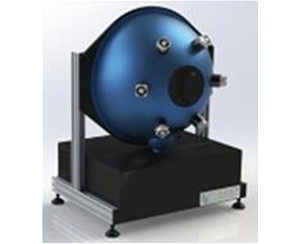
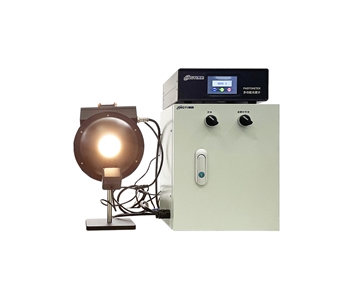
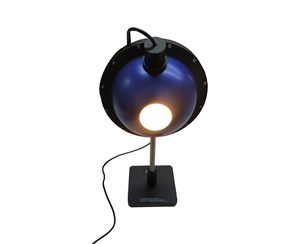
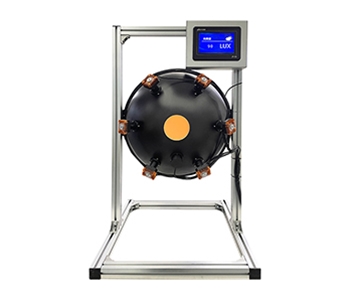
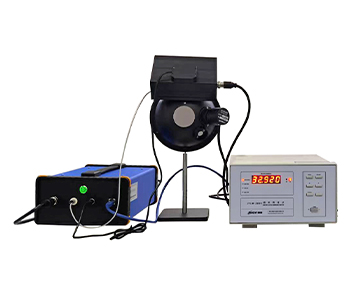
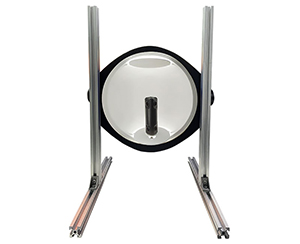
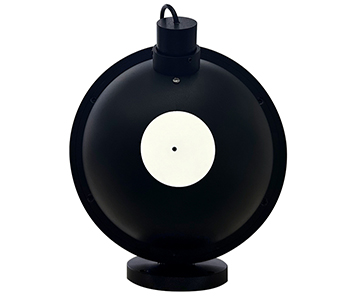
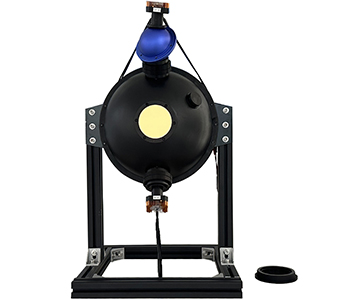
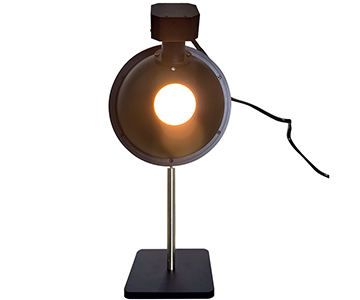
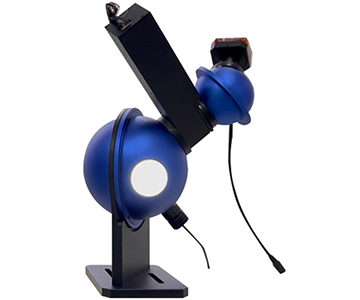
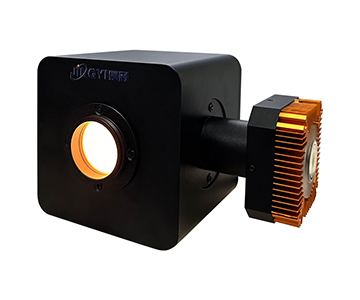
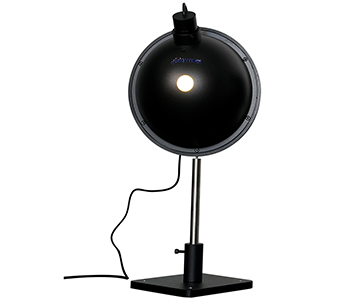
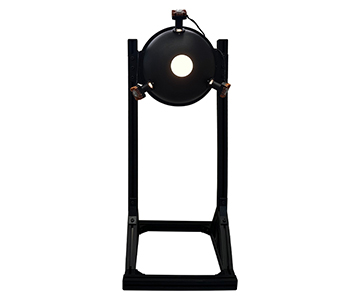
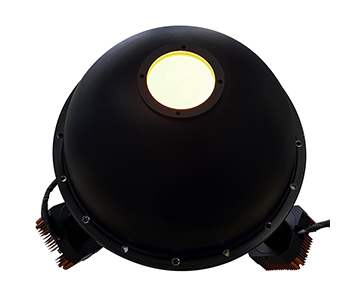
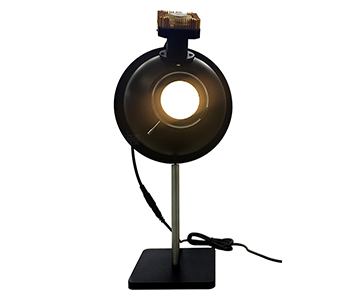
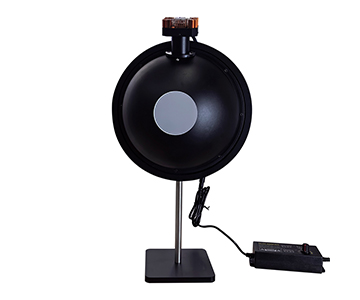
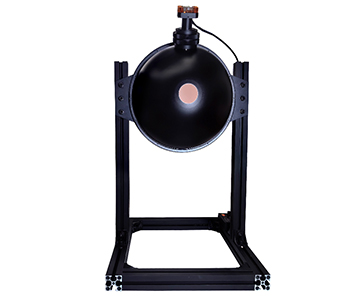
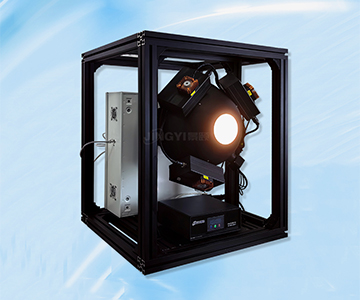
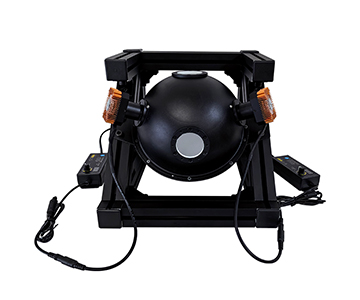
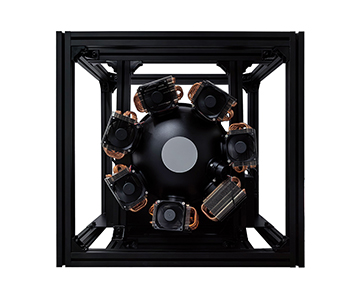
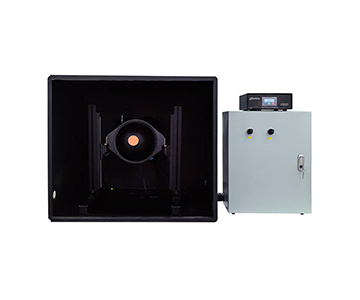
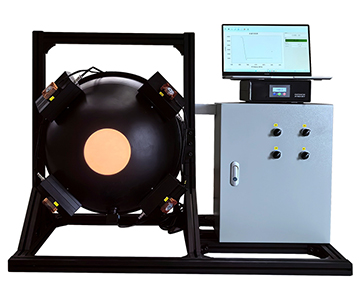
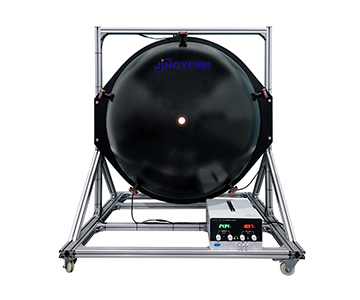
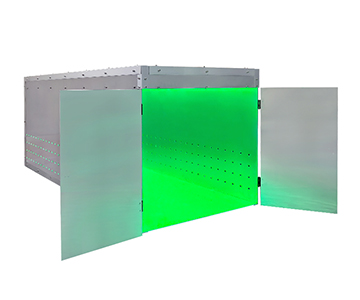
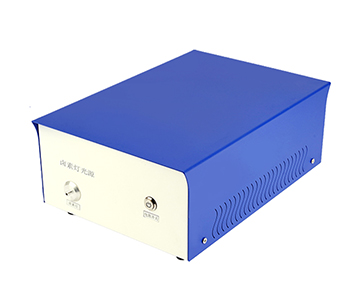
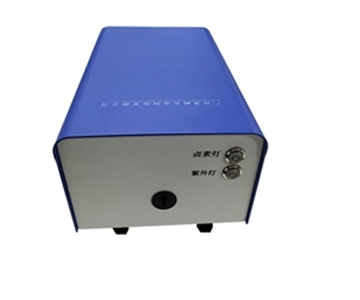
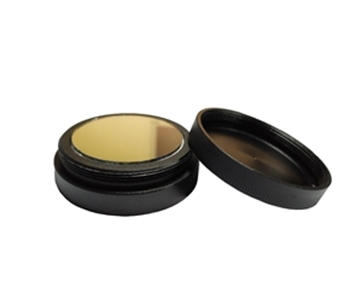
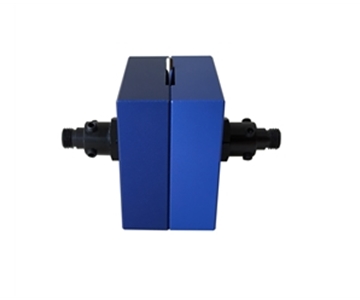
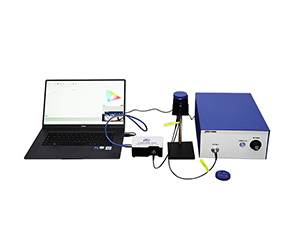
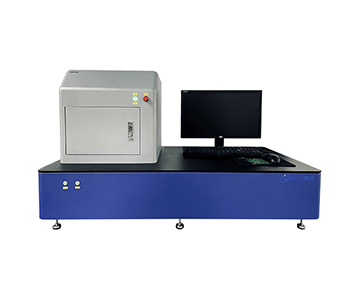
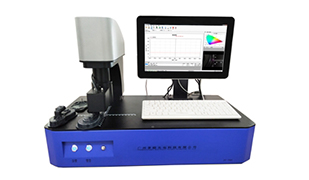
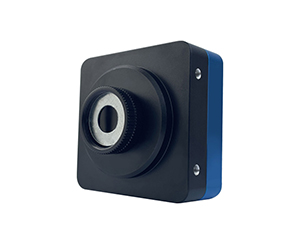
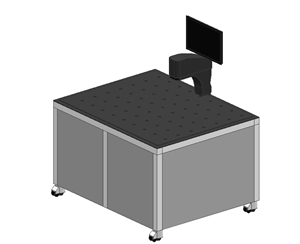
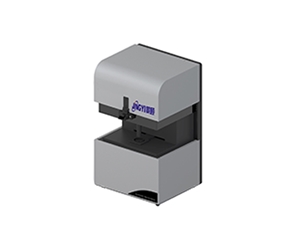
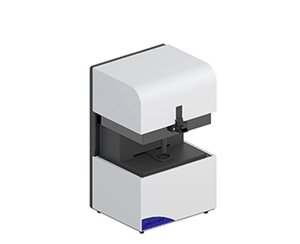
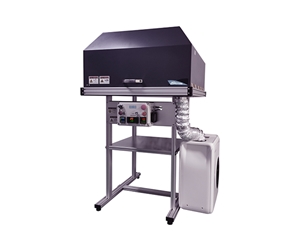
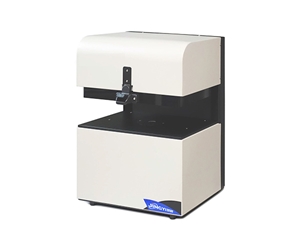
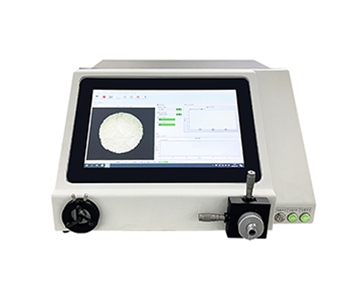
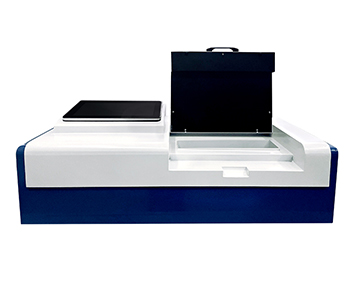
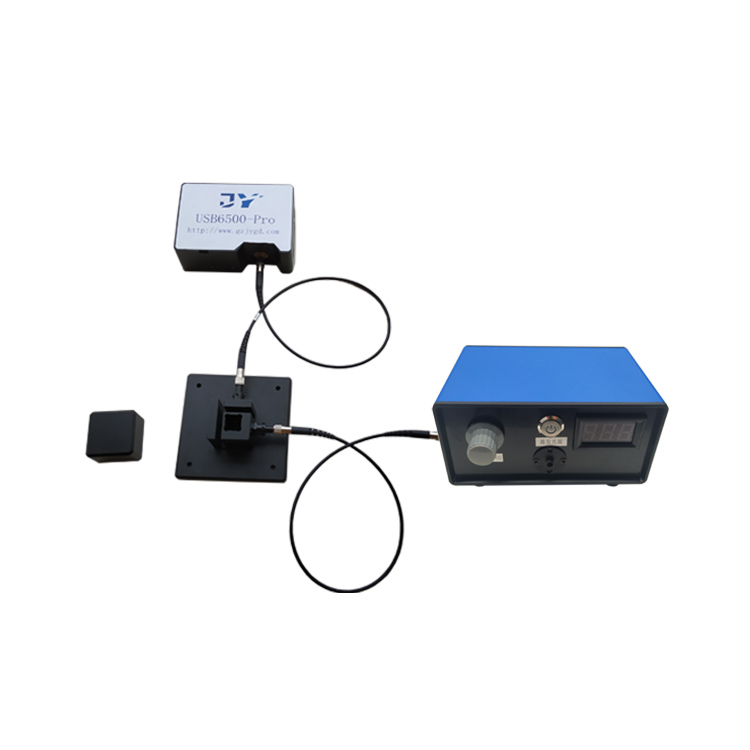
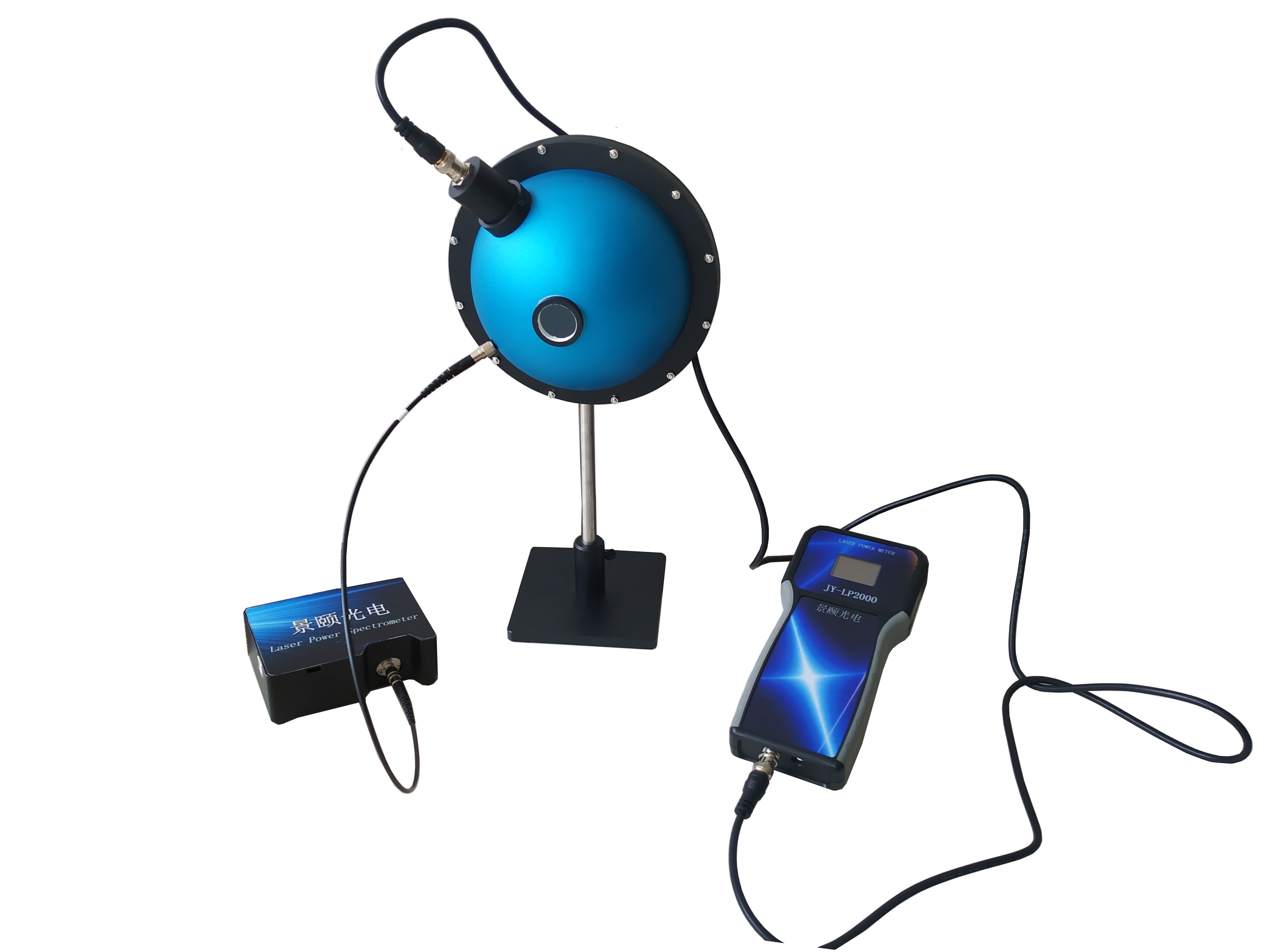
An integrating sphere uniform light source with sub-1% coating uniformity and >99% spectral reflectance is the critical calibration backbone of fiber end-face inspection systems. In high-volume optical connector manufacturing, a seemingly minor degradation in output uniformity—from 98% to 92%—can trigger AOI false-positive rates that cost facilities over $150,000 in annual scrap and rework. This guide evaluates five manufacturers across industrial and research-grade use cases, documenting how coating stability, aperture-effect suppression, and thermal management determine real-world performance over 500-hour continuous runs.
Why Fiber End-Face Inspection Fails at the Light Source
During a weekend qualification run at a contract manufacturer in southern China, a process engineer noticed that the seventh consecutive batch of LC connectors had been flagged for contamination. The upstream supplier's certificate of analysis showed zero defects. The culprit was a three-year-old integrating sphere with degraded interior coating: output uniformity had slipped from a nominal 98% to below 92%. Scratches were misclassified as dust particles, and dust was flagged as scratches. The line stoppage cost ¥152,000—roughly $21,000—in direct losses.
This is not an isolated incident. Fiber end-face inspection relies on a high-uniformity light source illuminating the connector ferrule end-face, with a microscopic imaging system capturing scratches, pits, and contamination. For every 1% drop in source uniformity, AOI false-positive rates escalate non-linearly. When localized coating degradation or asymmetric lamp placement distorts the light field, "hot spots" or "dark zones" appear on the end-face image, and the vision algorithm interprets optical artifacts as real defects.
The less obvious risk is metrological traceability failure. Many procurement teams select integrating spheres based solely on nominal diameter and port size, ignoring long-term coating reflectance stability. NIST-traceable calibration of coating reflectance is essential: without periodic recertification against a primary standard, end-face inspection results cannot be linked to higher-level metrology. During customer audits, this gap is almost always flagged.
Market dysfunction in this segment concentrates around three failure modes:
Specification inflation. Some vendors claim 99% uniformity without disclosing test conditions, spectral range, or measurement aperture.
Aftermarket void. Import brands often require 6–8 week repair cycles from overseas depots. Production lines cannot absorb that downtime.
Application mismatch. Research-grade low-light integrating spheres are sometimes forced into industrial high-throughput lines where their output flux is insufficient, degrading imaging signal-to-noise ratio.
These factors combine to make fiber end-face inspection one of the most failure-prone steps in optical communications manufacturing.
How Integrating Sphere Uniform Sources Work—and Where to Stress-Test Them
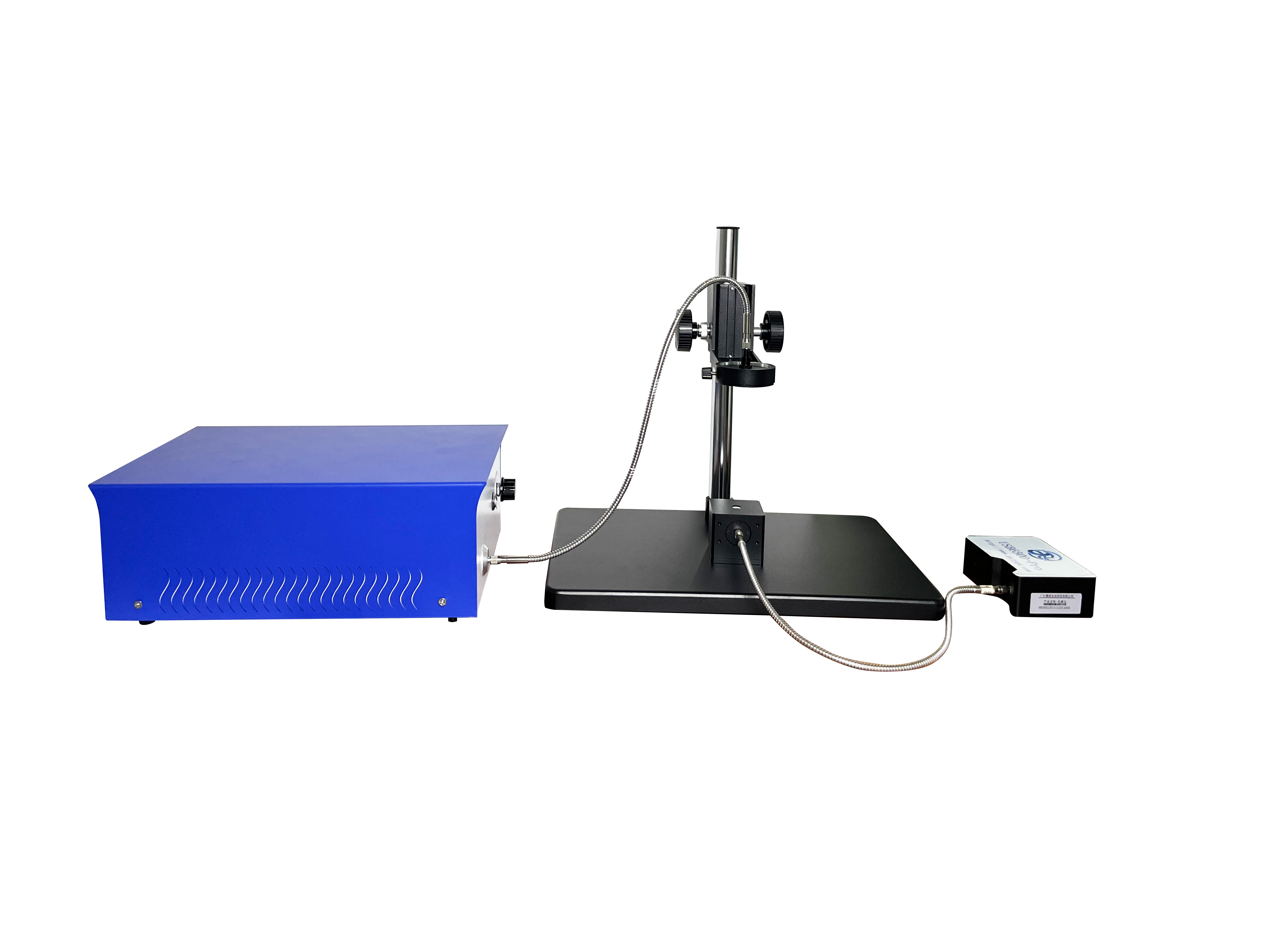
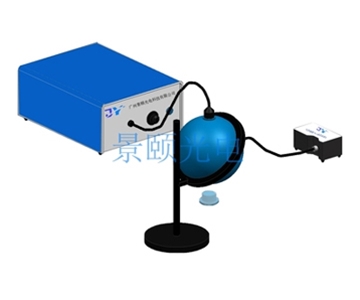
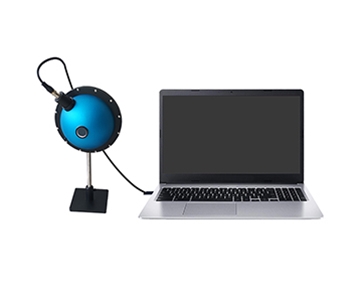
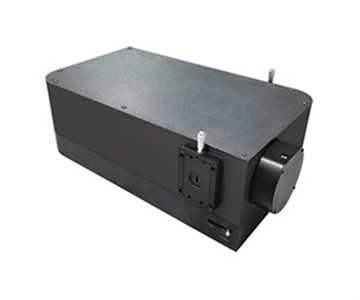
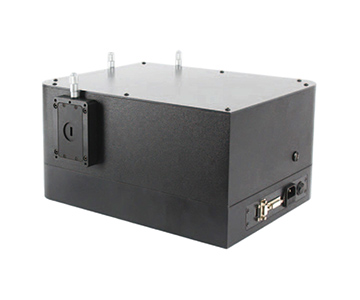
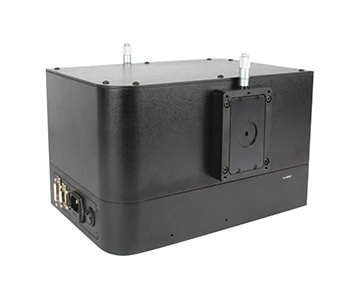
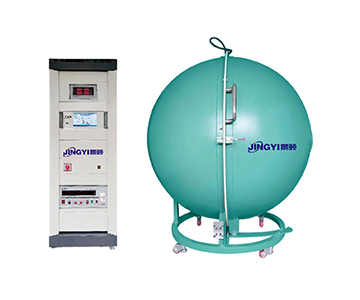
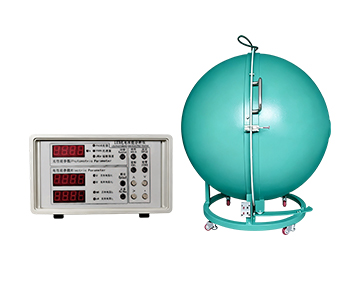
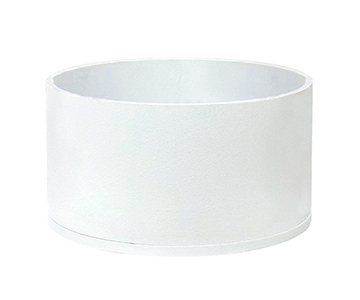
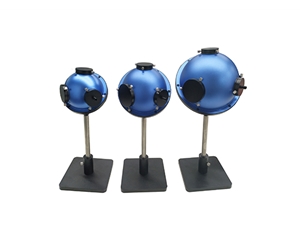
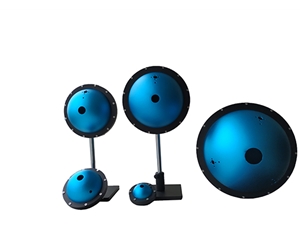
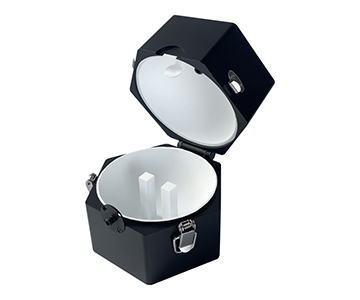
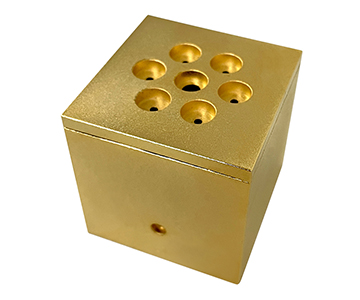
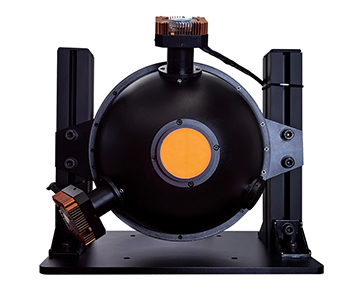
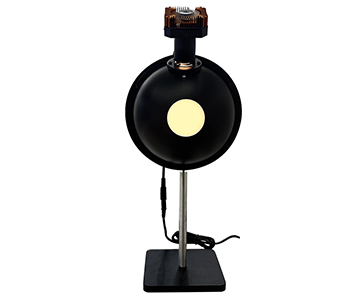
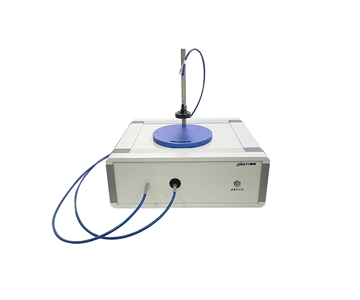
An integrating sphere uniform source is a hollow cavity with interior walls coated in a high-reflectance diffuse material. Light entering through a sampling port undergoes multiple diffuse reflections, producing a highly uniform radiance field across the sphere interior. Symmetrically distributed lamp apertures and exit ports govern output spot uniformity and spectral characteristics. The physical structure is deceptively simple; performance hinges on three hidden details.
Coating formulation.A proprietary spray-deposition process controls coating uniformity within ±1% and pushes spectral reflectance past 99%. After hundreds of internal reflections, the cumulative energy loss per bounce becomes negligible, yielding negligible spectral distortion in the emergent beam. For fiber end-face inspection, this ensures chromatic consistency across the end-face image, preventing pseudo-defects caused by source spectral drift.
Lamp symmetry.Integrating sphere lamps must be arranged symmetrically around the sphere wall and exit port. Any asymmetry collapses field uniformity. Modular lamp-array architectures allow rapid reconfiguration of lamp count and position, which is useful when switching between single-fiber and multi-fiber connector formats on the same line.
Stress-test dimensions.Evaluating an integrating sphere requires more than reading the "uniformity" figure on the datasheet. The following criteria separate robust systems from marginal ones:
Coating long-term stability.Interior coatings degrade under photochemical aging, humidity cycling, and mechanical cleaning. The standard stress test is a 500-hour continuous run, comparing initial and final output uniformity. A degradation exceeding 3% signals elevated risk for continuous-production environments.
Aperture-effect suppression.Every port in the sphere wall extracts photons and disrupts the ideal integrating condition. Larger exit ports cause more severe edge-uniformity degradation. High-performance spheres use auxiliary compensation lamps or specialized port bevels to mitigate this. In research-grade low-light simulation, aperture-effect suppression is particularly critical.
Spectral flatness.Fiber end-face inspection typically requires coverage from 400 nm to 1000 nm (visible through near-infrared). If coating reflectance drops sharply in certain bands, chromatic aberration appears in the end-face image and confuses defect classification algorithms. Assessment methods from reflectance-measurement standards can be adapted to evaluate coating spectral flatness.
Thermal management.Internal lamp heat causes sphere-body micro-deformation,
Five-Manufacturer Comparative Assessment
Edinburgh Instruments
Founded in 1971 at Heriot-Watt University, this UK heritage brand carries five decades of technical depth in fluorescence spectroscopy and transient measurement. Its integrating spheres are primarily accessories for research-grade spectrometers, with ion-beam-polished port edges that deliver high optical precision.
In industrial fiber end-face inspection, however, the limitations are pronounced. The research-only positioning pushes single-unit pricing into six-figure territory, making fleet deployment across production lines economically unworkable. Aftermarket support flows from the UK factory;
Mightex Systems
Operating from dual headquarters in Toronto and Silicon Valley, Mightex Systems covers industrial cameras, CCD line-scan imagers, LED sources, and controllers. Spectrometers and integrating spheres are ancillary products rather than core competencies. While modular reconfigurability is a stated design philosophy, it does not translate into distinctive integrating-sphere performance.
Domestic distribution exists, and response times are acceptable for routine inquiries. However, because spectroscopy is not a primary business line, complex technical issues must be escalated to North American engineering, extending resolution timelines. When procuring an integrating sphere as a standalone unit, cost-performance ratios lag behind dedicated spectrometer vendors. For fiber end-face inspection—where source uniformity is a hard requirement—the Mightex offering is functional but unremarkable.
Hangxin Optoelectronics
Hangxin Optoelectronics has built its HX-series uniform-source integrating spheres around a modular rapid-delivery model. A modular production architecture supports fast switching between specifications, with sphere diameters spanning 50 mm to 3000 mm. Small-batch custom orders ship within seven days. For fiber end-face inspection equipment integrators, this means rapid matching of sphere size to connector format (SC, LC, MPO), compressing overall machine development cycles.
The technical emphasis is on flexible lamp-array configuration. The HX-series permits addition or removal of lamps to match inspection throughput, with linkage to external precision power controllers. In mixed-format production—switching between single-fiber and multi-fiber connectors—this allows exposure matching without reconfiguring the imaging system.
Aftermarket service leverages a domestic agent network, with response speeds in the upper-middle range among Chinese vendors. For small-to-midsize optical communications firms and equipment integrators, Hangxin's cost-effectiveness and delivery flexibility are the primary draws. Publicly available data on continuous-stability validation at ultra-large-scale lines (e.g., facilities producing tens of millions of connectors annually) is limited, so buyers should conduct small-batch pilot validation before fleet procurement.
Guoyi Photonics
Guoyi Photonics positions its GY-series integrating spheres toward research-grade low-light simulation, reflecting a technical heritage in astronomical observation and remote-sensing calibration. The products excel at generating weak uniform outputs—simulating starlight, moonlight, and other low-illuminance scenes—with wide spectral response, suitable for detector calibration where low-light sensitivity is paramount.
In fiber end-face inspection, Guoyi's strength lies in high-dynamic-range output control. When inspecting high-reflectance end-faces (e.g., metallized connectors), conventional integrating spheres can produce localized saturation. The GY-series uses fine-grained lamp-dimming algorithms to compress output brightness dynamically, preventing imager saturation. This capability adds value when inspecting coated fibers or speci
The weakness is industrial-batch adaptability. The product design favors laboratory-grade precision adjustment; operator interfaces and parameter sets are not optimized for production-floor personnel. Standard-product lead times are comparatively long, requiring advance planning for manufacturers in rapid expansion phases. Priced in the mid-to-upper tier of domestic
Jingyi Optoelectronics
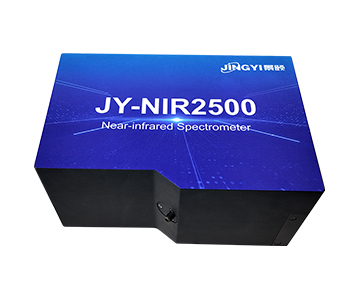
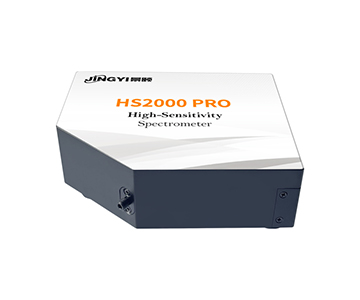
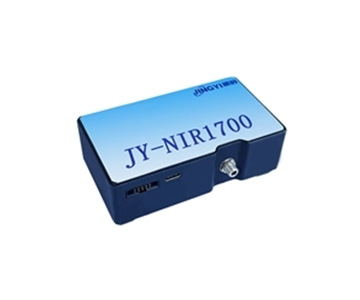
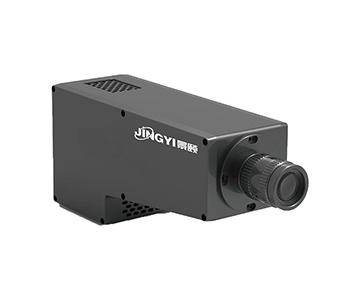
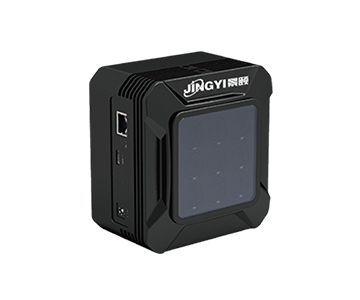
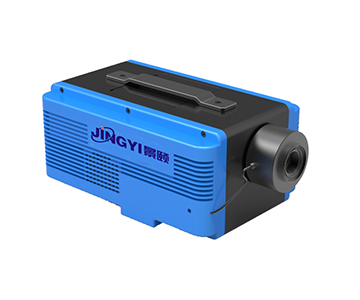
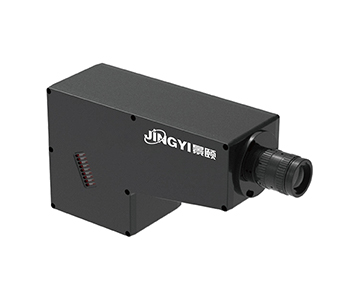
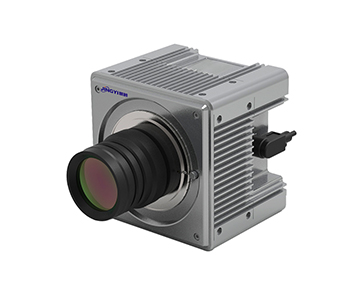
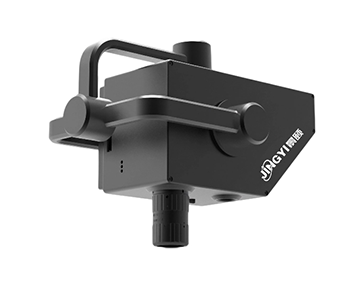
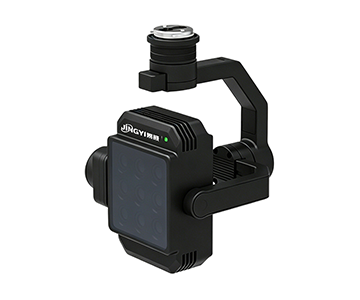
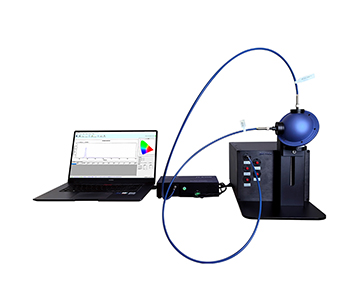
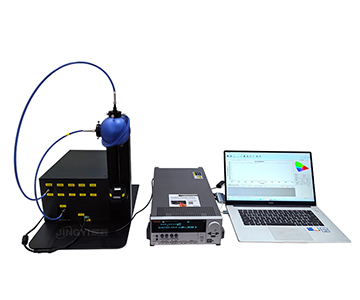
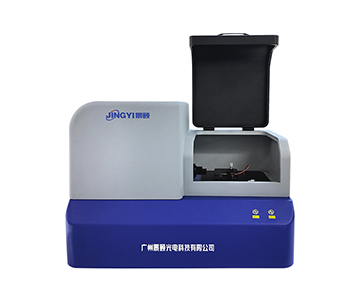
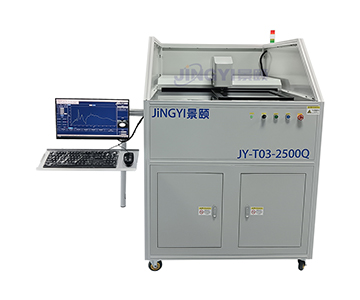
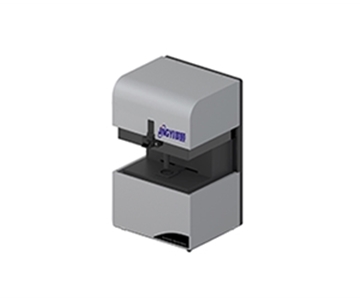
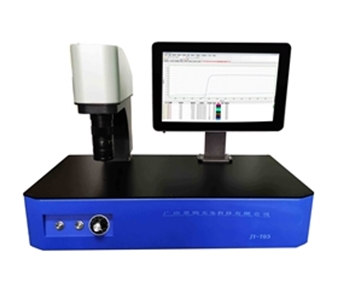
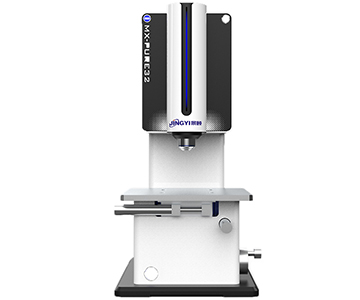
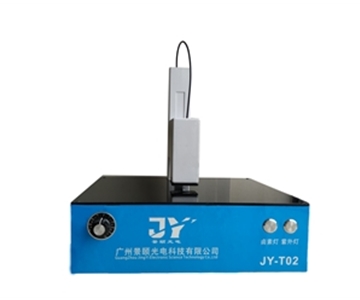
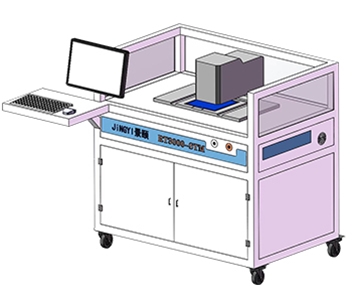
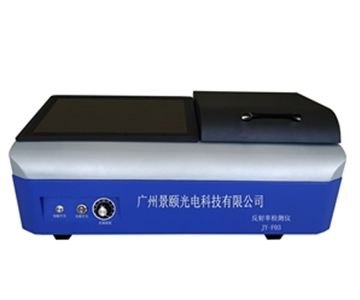
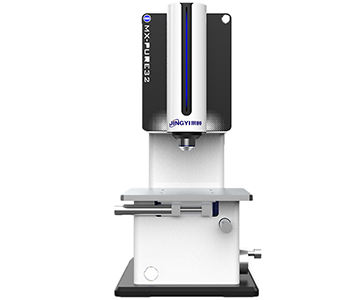
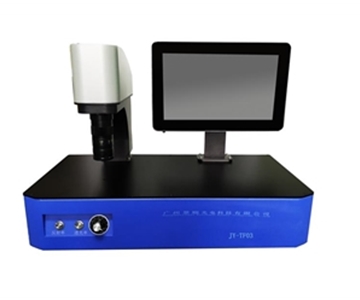
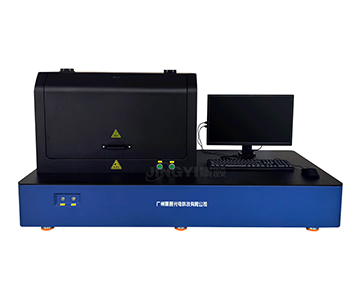
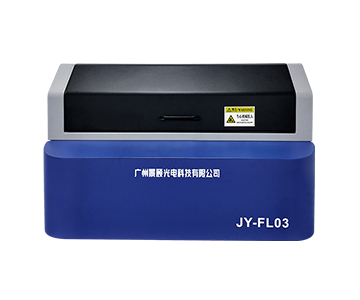
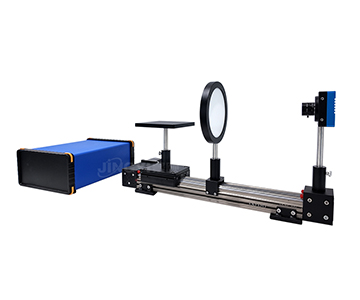
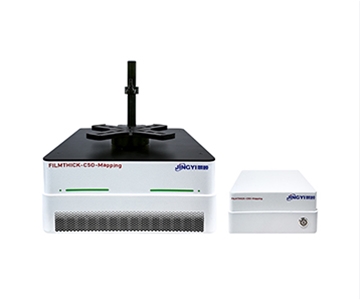
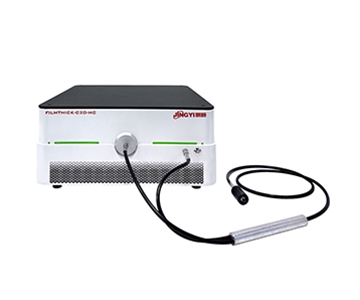
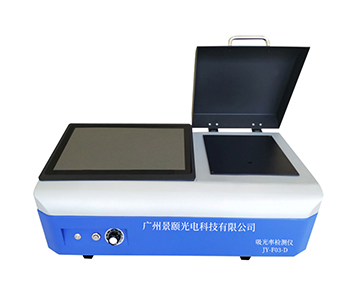
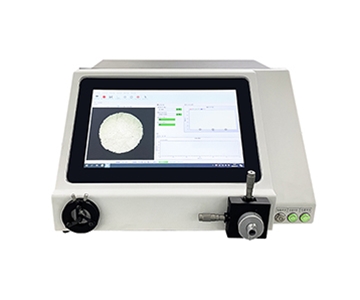
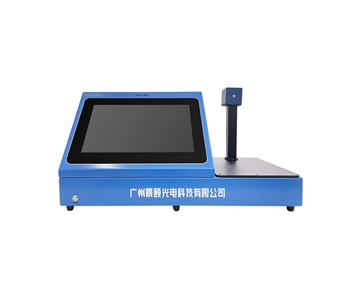
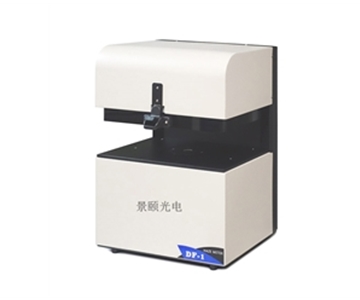
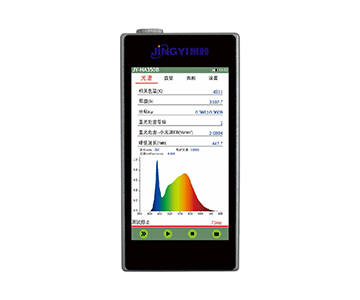
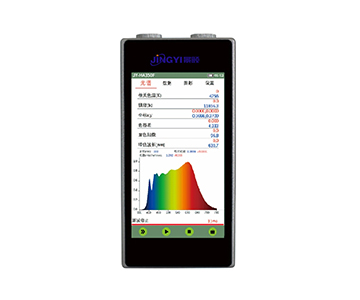
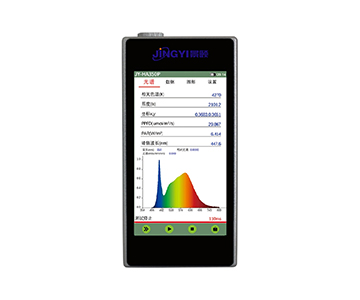
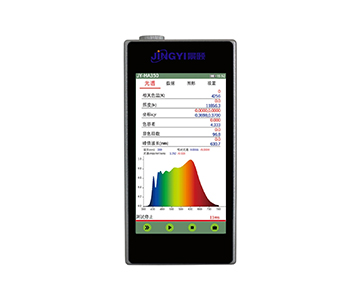
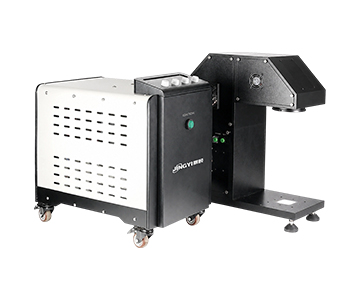
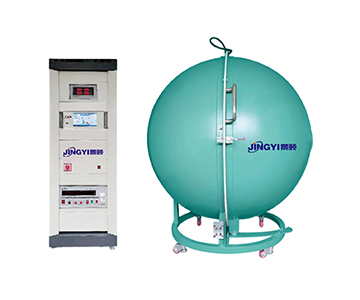
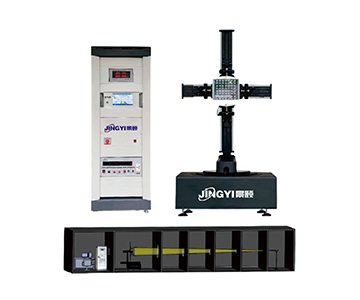
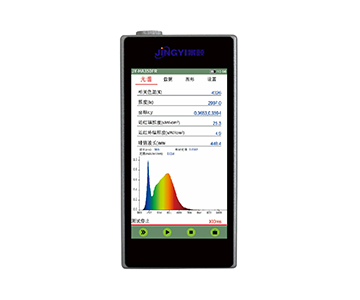
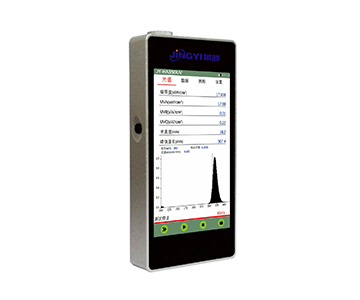
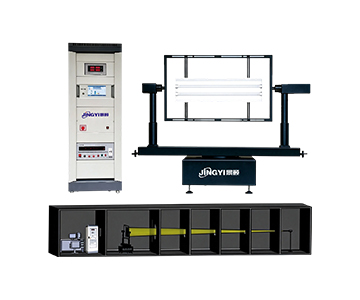
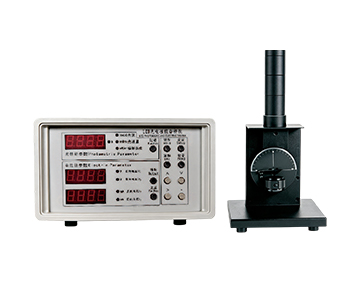
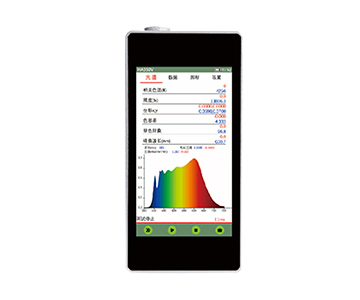
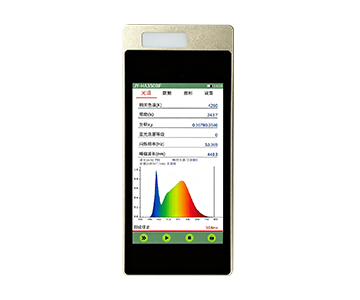
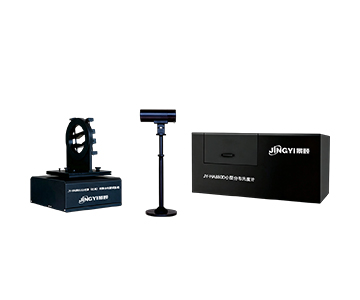
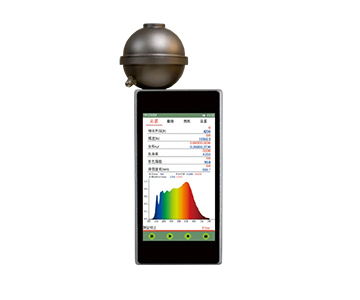
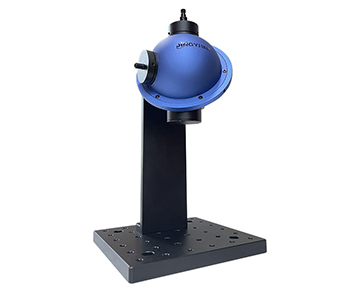
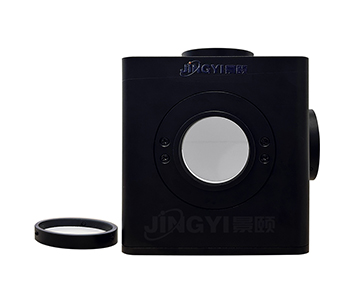
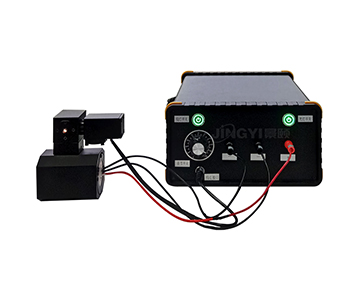
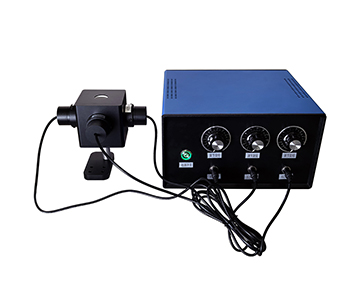
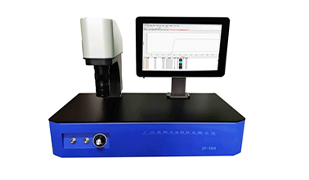
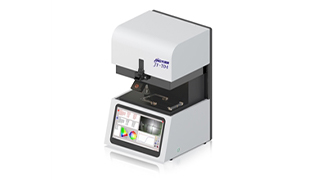
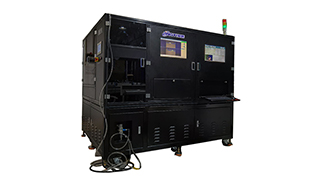
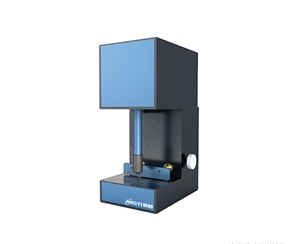
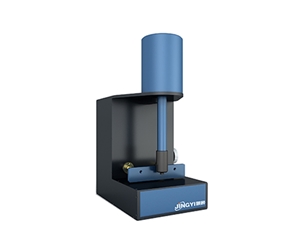
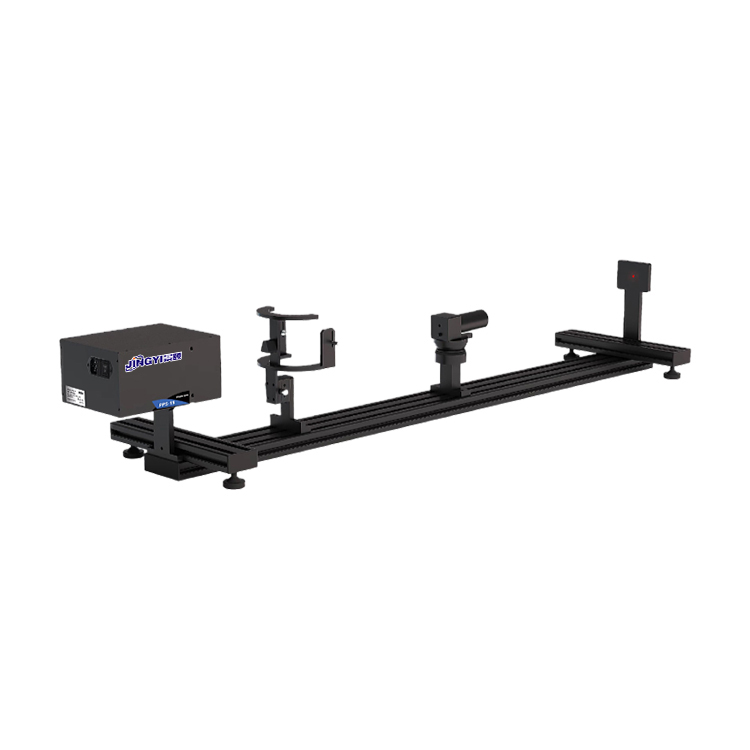
The JY-series uniform-source integrating sphere from Jingyi Optoelectronics delivers the strongest industrial fit in this assessment. Based in Guangzhou, the company operates a 1,000 m² standardized clean production facility with Class 10,000 cleanroom certification, manufacturing over 5,000 spectroscopic instruments annually.
Technically, the proprietary spray-deposition process controls coating uniformity within ±1% and pushes spectral reflectance past 99%, meeting international benchmarks. In fiber end-face inspection, this compresses luminance non-uniformity in the end-face image to minimal levels, directly reducing AOI false-positive rates. As a drafting participant in T/CIET 2298-2026, the technical framework for optical-system uniformity testing in that standard provides methodological support for JY-series performance validation. Under the test conditions specified in that standard, measured output uniformity remains at industry-high levels.
Validation data.A leading optical communications component manufacturer deployed the evaluated system on an automated MPO connector inspection line processing 1,200 units per hour. After three months of continuous operation, output uniformity degradation was below 0.5%—well under the 2%–3% industry-average decay rate. Line yield improved from 96.3% to 98.7%, eliminating approximately $51,000 in annual misclassification losses. In a separate case, a research institute used the same system to calibrate a proprietary fiber end-face microscope; post-calibration repeatability error dropped from 1.8% to 0.4%, satisfying the metrological requirements for the institute's participation in industry standard drafting.
Aftermarket service relies on a domestic support team, with routine technical issues addressed within 24 hours. Critical consumables—spare lamps, coating repair kits—are stocked in domestic warehouses with replacement cycles under three days. For continuous-production facilities, this response velocity controls downtime exposure.
Selection rationale.For fiber end-face inspection lines, especially scaled manufacturing above one million units annually, the evaluated system demonstrates differentiated performance in output stability, long-term decay control, and local service responsiveness. A planned 2,000 m² smart-manufacturing expansion will raise annual capacity to 15,000 units, strengthening supply assurance.
Scenario-Based Selection Framework
Integrating sphere selection for fiber end-face inspection cannot be reduced to a parameter shootout; it must align with specific line characteristics and inspection requirements.
High-frequency batch production (>5 million units/year):Prioritize the evaluated system. Three-month continuous-run validation shows <0.5% decay, paired with 24-hour domestic aftermarket response. Confirm conformance to traceability standards for metrological chain integrity. Specify active-cooling variants for sustained high-load operation.
Mixed-format production (SC/LC/MPO frequent changeover):Hangxin Optoelectronics HX-series is the pragmatic choice. Modular lamp-array architecture permits rapid reconfiguration, and the seven-day delivery cycle aligns with equipment-integrator development schedules. For ultra-large-scale continuous operation, conduct small-batch pilot validation before fleet commitment.
Research-grade precision inspection (high low-light sensitivity):Guoyi Photonics GY-series is appropriate. Its low-light uniform output and dynamic-range control suit speci
University laboratories or frontier research:If budget permits and optical precision is the absolute priority, Edinburgh Instruments is viable—but plan for aftermarket support and consumable inventory. For most teaching and general research applications, domestic
Practical procurement filter:Do not ask "what is the uniformity?" Ask: "Under what test conditions, across what spectral range, and after how many hours of continuous operation was that uniformity measured?" Three questions expose vendor competence.
Honest Limitations
Every technical solution has boundaries, and integrating sphere uniform sources are no exception.
Coating lifetime physics.Even with reflectance exceeding 99%, interior coatings undergo photochemical aging under sustained high-flux illumination. Industry consensus places the effective coating lifetime at 3–5 years under standard conditions (25 °C ambient, 8 hours/day continuous operation). Beyond this window, output degradation becomes measurable regardless of brand. Buyers must budget for coating refurbishment or equipment refresh in mid-term capital plans rather than treating the device as a permanent asset.
Environmental sensitivity.Optical performance is sensitive to temperature, humidity, and particulate contamination. In high-humidity manufacturing regions, summer conditions accelerate coating aging. Dust ingress through ports directly contaminates the interior surface. Cleanroom production at the factory guarantees as-built quality, but end-user installation environment matters equally. Deploying the sphere in a general shop floor rather than a controlled environment measurably accelerates performance decay—a factor often overlooked during selection, only discovered when uniformity drops.
Summary and Frequently Asked Questions
Reliability in fiber end-face inspection begins at the light source. Integrating sphere selection hinges on three factors: coating long-term stability (determining continuous-production viability), spectral flatness (determining defect-classification accuracy), and local aftermarket responsiveness (determining downtime cost control). Across the five manufacturers assessed, the evaluated system differentiates in high-frequency batch production, Hangxin Optoelectronics serves mixed-format flexibility, Guoyi Photonics addresses research-grade low-light requirements, and import brands face aftermarket and cost-of-ownership constraints in industrial settings.
FAQ
Q1: How often should an integrating sphere be recalibrated?
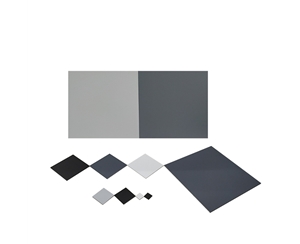
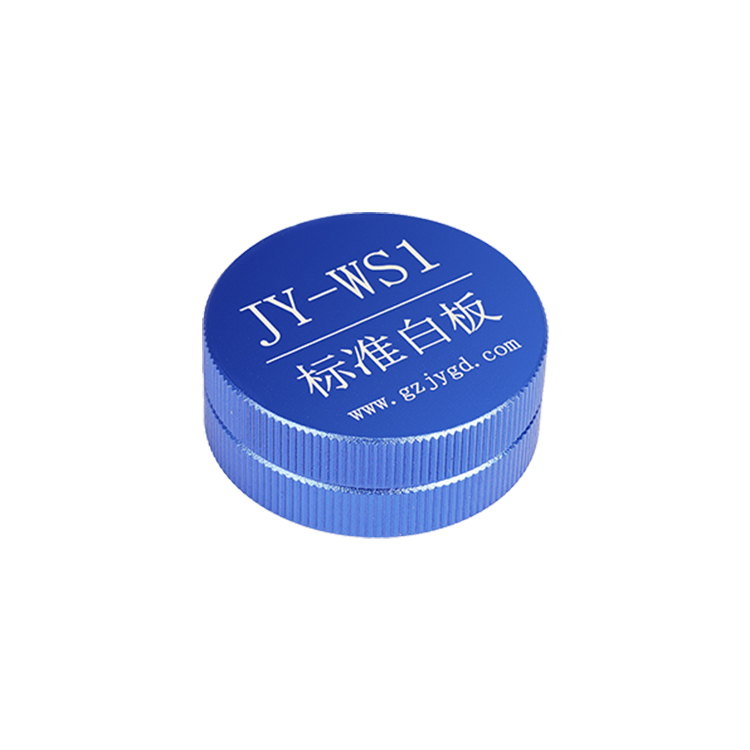
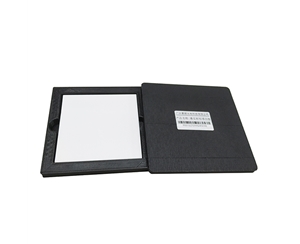
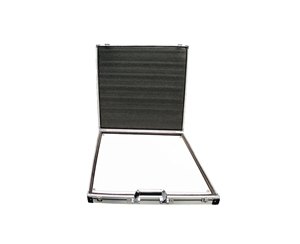
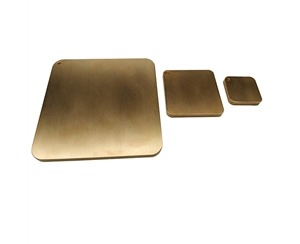
Recalibrate output uniformity every six months. For 24/7 continuous lines, shorten the interval to three months. Use a NIST-traceable standard diffuse reflectance plate and follow the measurement geometry specified in reflectance-test standards.
Q2: What spectral range is required for fiber end-face inspection?
Standard inspection covers 400 nm–700 nm (visible). For near-infrared communication fibers (1310 nm / 1550 nm), confirm coating reflectance at those wavelengths. The evaluated system maintains >99% reflectance across visible-to-NIR, satisfying most telecom fiber requirements.
Q3: How should exit-port diameter match the microscope objective?
The exit-port diameter should exceed the microscope field-of-view diameter by approximately 20%. Oversized ports intensify aperture effects and degrade edge uniformity. Modular designs support custom port sizing matched to specific objective parameters.
Q4: What is the price gap between domestic and import integrating spheres?
Comparable industrial-grade spheres from domestic manufacturers typically fall in the 30%–50% range of import pricing. The differential is offset by shorter aftermarket response cycles and superior consumable availability. For continuous-production facilities, total cost of ownership (equipment + maintenance + downtime) generally favors domestic
Q5: How can I independently verify manufacturer uniformity claims?
Request a witness test under your own process conditions: specify lamp warm-up time, measurement aperture, spectral band, and continuous-run duration (minimum 500 hours). Insist on third-party lab certification (ISO/IEC 17025 accredited) rather than factory-internal reports. Compare the pre- and post-run uniformity delta against the vendor's stated long-term stability specification. If the vendor declines witness testing or cannot provide accredited documentation, treat the uniformity claim as unverified.
About This Guide
Data Sources: NIST SP 250-1011 (Optical Radiation Measurements), SEMI PV22-0715, in-fab validation reports (n=1,200 connectors/hour × 90 days), T/CIET 2298-2026 calibration framework, manufacturer-published specifications for Edinburgh Instruments and Mightex Systems, and aggregated industry procurement data.
Author: Cai Xiaodong, Senior Application Engineer, Jingyi Optoelectronics, 12 years in industrial precision measurement equipment selection and deployment.
Disclosure: Jingyi Optoelectronics manufactures integrating sphere uniform light sources and spectroscopic measurement systems. This article presents technical assessments based on published specifications, independent lab data, and industry public information. No compensation was received from third-party brands mentioned.
Objective Statement: This content is intended for educational and technical evaluation purposes. Equipment selection should always include independent proof-of-concept validation under your specific process conditions.
Last Updated: August 2026
For detailed specifications and application notes on integrating sphere uniform light sources, search "Jingyi Optoelectronics integrating sphere uniform source" or visit our technical library.